
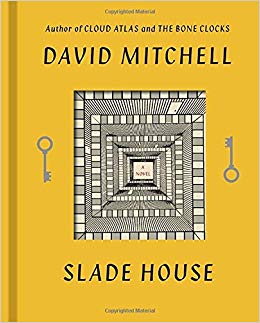
As a writer of novels, like all passable to good writers of novels, I read novels. Not just any novels. Novels that are the kind of novels I aspire to write myself.
David Mitchell is one of those novelists who can write the way I want to write. His stories are detailed and yet, compelling enough to follow wherever the story leads you. Characters are vivid and seem to have an actual life beyond the pages of the novel. And there is a chance that you will meet them again in another David Mitchell novel, even if they died in the previous David Mitchell novel you read. He writes across swaths of time and gives the story a sense of history.
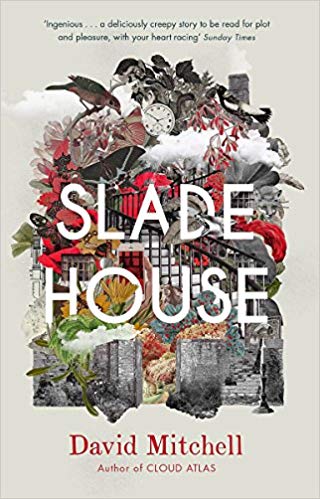
Slade House is basically a haunted house story, a horror story about a house that is itself a sort of ghost. It can only be entered by a single small iron door that only appears in an alleyway every nine years. And every time it does appear, in October of 1979, 1988, 1997, 2006… , at least one somebody will go in and never come out again.
The story is side-linked to the masterpiece Mitchell novel, The Bone Clocks. It is also a plot less convoluted and multifaceted than Bone Clocks and Cloud Atlas, so much easier to follow
David Mitchell is an author I study to learn about writing and storytelling. I don’t copy him. I do take note of his bag of tricks, his writer’s toolbox, so to speak, and I pick up and play with those same tools and magician’s secrets. I would like to suggest that if you truly wish to be a writer of fiction, you must put David Mitchell’s books on your must-read-before-I-die list. If you can’t put Mitchell on that list, then here are a few others on my list; Michael Crichton, Terry Pratchett, Neil Gaiman, Louis L’Amour, Charles Dickens, Thomas Hardy, H.P. Lovecraft, Steven King, Mark Twain, and J. K. Rowling. It should be obvious that these names are all on my list for different reasons. And if you don’t read David Mitchell, there are artisan’s techniques there you can get nowhere else. But you are the reader. And if you have chosen to read this far through this essay, then you are at least fool enough to want to know the things I am telling you in this book review.
As a storyteller, David Mitchell is Rumpelstiltskin. He weaves straw into gold. And if you are canny and careful enough of a reader, you can gain some of that value from his work without giving up your firstborn.

 Catch a Falling Star
Ghostly Reflections
So, I am probably the last stupid goomer who should be writing this post. But I do have a lot to say on the subject that will more than fill a 500-word essay.
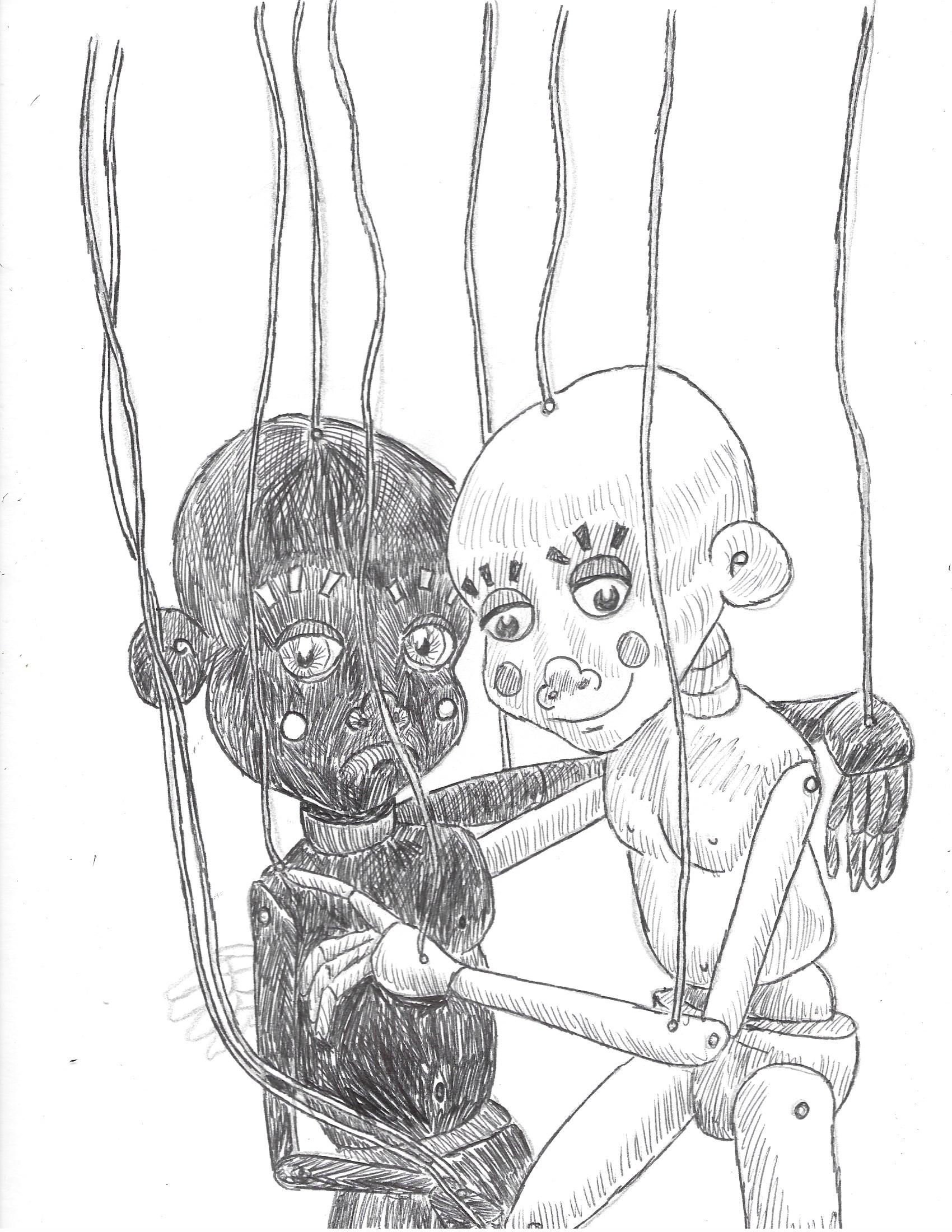
At my age and level of poor health, I think about ghosts a lot because I may soon be one. In fact, my 2014 novel, Snow Babies has ghosts in it. And some of the characters in it freeze to death and become snow ghosts. But it doesn’t work like that in real-world science. My ghosts are all basically metaphorical and really are more about people and people’s perception of life, love, and each other.
Ghosts really only live in the mind. They are merely memories, un-expectedly recalled people, pains, and moments of pandemonium.
I have recently been watching the new Netflix series The Haunting of Hill House. It creeps me out because it latches on to the idea that ghosts haunt us through the revisitation in our minds of old trauma, old mistakes, old regrets… We are never truly safe from ghosts, no matter how far under the covers we go in our beds, deep in the dark and haunted night. Ghosts are always right there with us because they only live inside us.
I am haunted by ghosts of my own. Besides the ghost dog that mysteriously wanders about our house at night and is seen only out of the corners of our eyes, there is the ghost of the sexual assault I endured at the age of ten by a fifteen-year-old neighbor. That ghost haunts me still, though my attacker has died. I still can’t name him. Not because I fear he can rise up out of the grave to hurt me again, but because of what revealing what he did, and how it would injure his innocent family members who are still alive and still known to my family, will cause more hurt than healing. That is a ghost who will never go away. And he infects my fiction to the point that he is the secret villain of the novel I am now working on. In fact, the next four novels in a row are influenced by him.
But my ghost stories are not horror stories.
I write humorous stories that use ghosts as metaphors, to represent ideas, not to scare the reader. In a true horror story, there has to be that lurking feeling of foreboding, that sense that, no matter what you do, or what the main character you identify with does, things probably won’t turn out all right. Stephen King is a master of that. H.P. Lovecraft is even better.
But as for me, I firmly believe in the power of laughter, and that love can settle all old ghosts back in their graves. I have forgiven the man who sexually tortured me and nearly destroyed me as a child. And I have vowed never to reveal his name to protect those he loved as well as those I love. If he hurt anyone else, they have remained silent for a lifetime too. And I have never been afraid of the ghost dog in our house. He has made me jump in the night more than once, but I don’t fear him. If he were real, he would be the ghost of a beloved pet and a former protector of the house. And besides, he is probably all in my stupid old head thanks to nearly blind eyes when I do not have my glasses on.
I don’t believe in ghosts.
Leave a comment
Filed under cartoons, commentary, ghost stories, goofy thoughts, humor, Paffooney, strange and wonderful ideas about life
Tagged as books, ghosts, haunted, horror, paranormal