
I am aware that nobody who looks at my blog ever clicks on my videos. This one, however, would be very useful if you are really going to read and engage with this essay. This self-reflection came into being as a response to watching this video. The video talks about how most people can’t stand to actually sit alone in a room with only themselves. And it has an impact. I have claimed in the past to being a devotee of the Theodore Roethke maxim, “Being, not doing, is my first love.” But how does one go about becoming truly self-aware? How does one enumerate the concept of “being”? I believe I can do it, but it requires a bit of self-examination. How do I do it?
Let me count the ways…
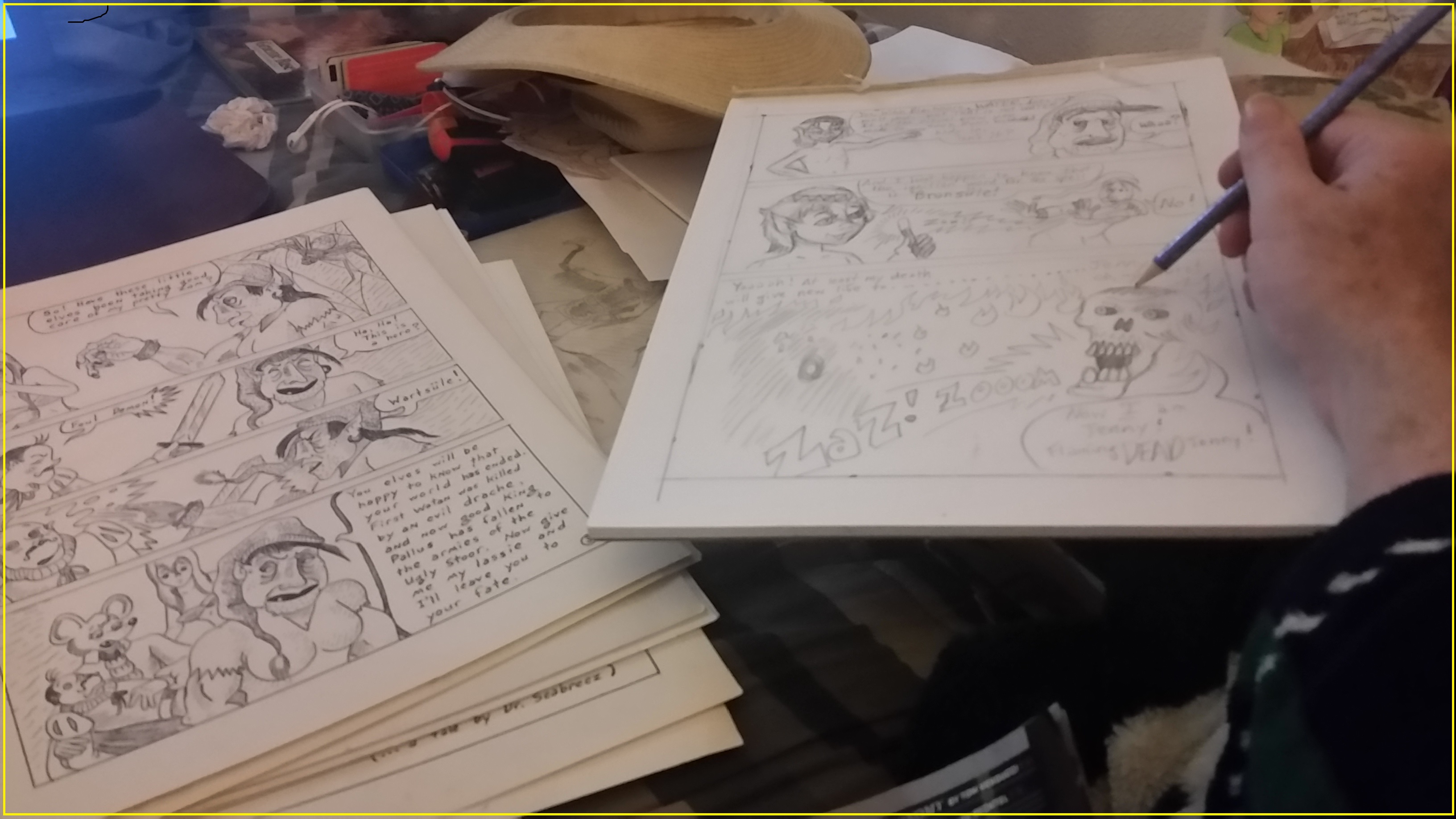
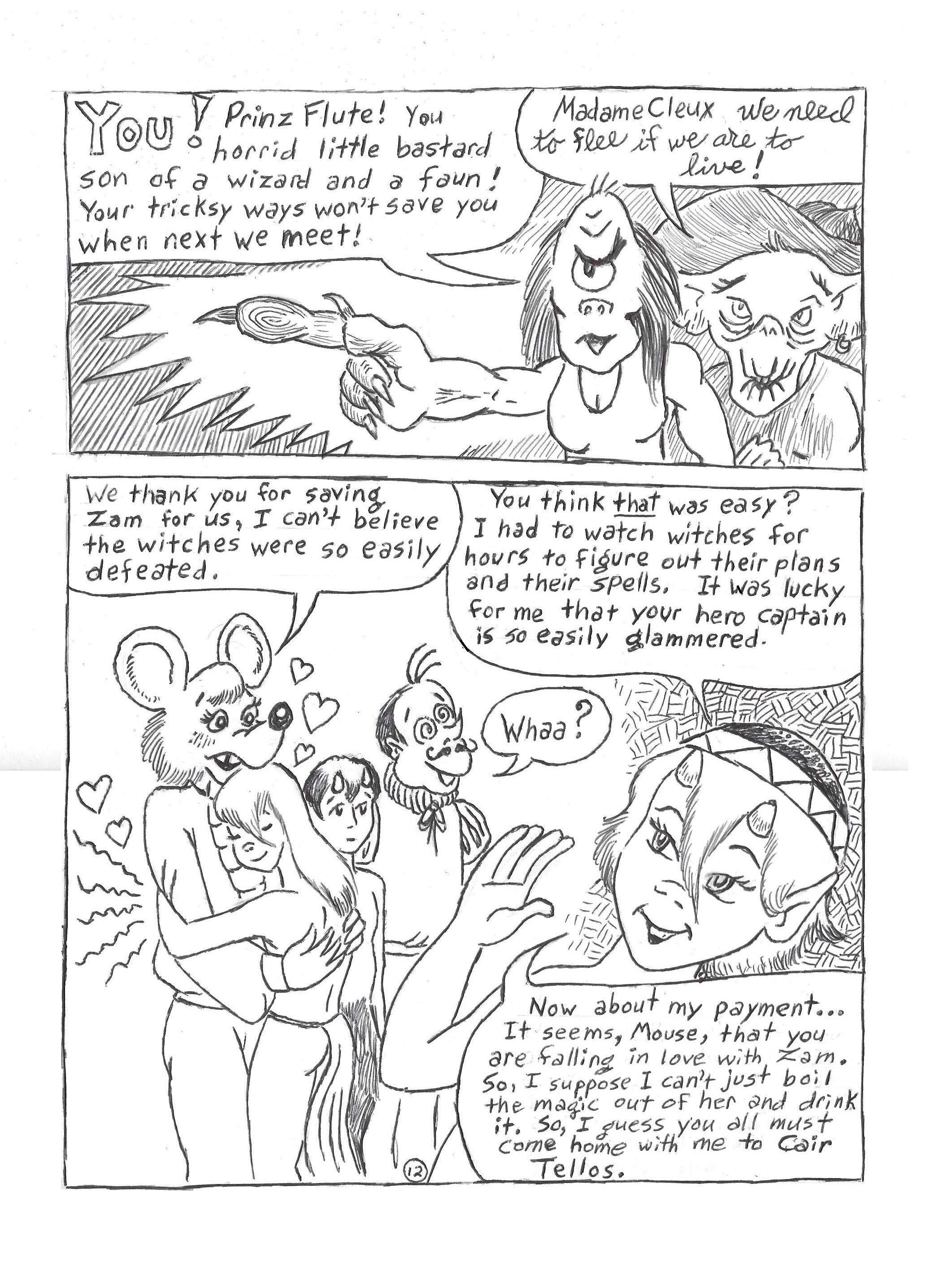
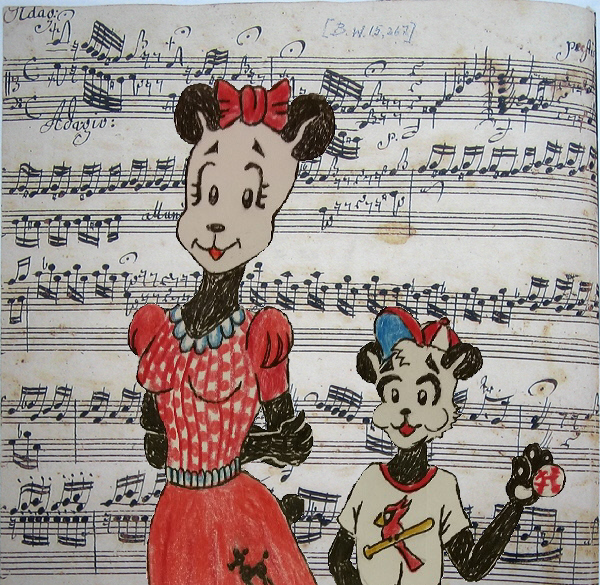
I find myself in both the written characters I create and the cartoon characters I draw. In Hidden Kingdom, my graphic novel, the Mouse and young Prinz Flute are both me. I can see myself both as the reluctant romantic hero and the snarky child-thing with a dangerous little bit of wisdom.
I learn to know more about my secret heart and what I truly think about the world I live in and react to by writing about what I think and the things that happen to me, both for good and ill. This blog is all about learning about myself, just as your blog is a mirror of who you really are. Consequently, I have no secrets left.
I live most of my life in my own imagination. It is a silly Willy Wonka world of images, songs, music, and dreams. It can all blow away in a moment when the sun comes out. It can also keep me in a light-obscuring cloud wrapped and safe, well away from the things I fear and the things that worry me. I came to realize I was repressing the memory of being sexually assaulted when I was ten through a dream when I was nineteen, re-living the event in a dream from which I awoke with a blinding flash of realization. I came to grips with the horror that mangled my childhood and young adulthood first by facing the fact that the nightmare had been real, and then by finding ways to overcome it. I became a teacher of young people in large part as a way to protect them and prevent such a thing from ever happening again to someone else.
I often worry that I don’t see real people as being real people. I tend to think of them from the first meeting onward as potential book characters, walking collections of details and quirks, conflicts and motivations. But I recognize too that that way of seeing with the author’s eye is not incorrect. People really are those things. There are rules and generalizations that everyone falls under at some point. It is not so much that I see real people as book characters as it is that I realize that book characters are as real as any other purportedly “real” people.
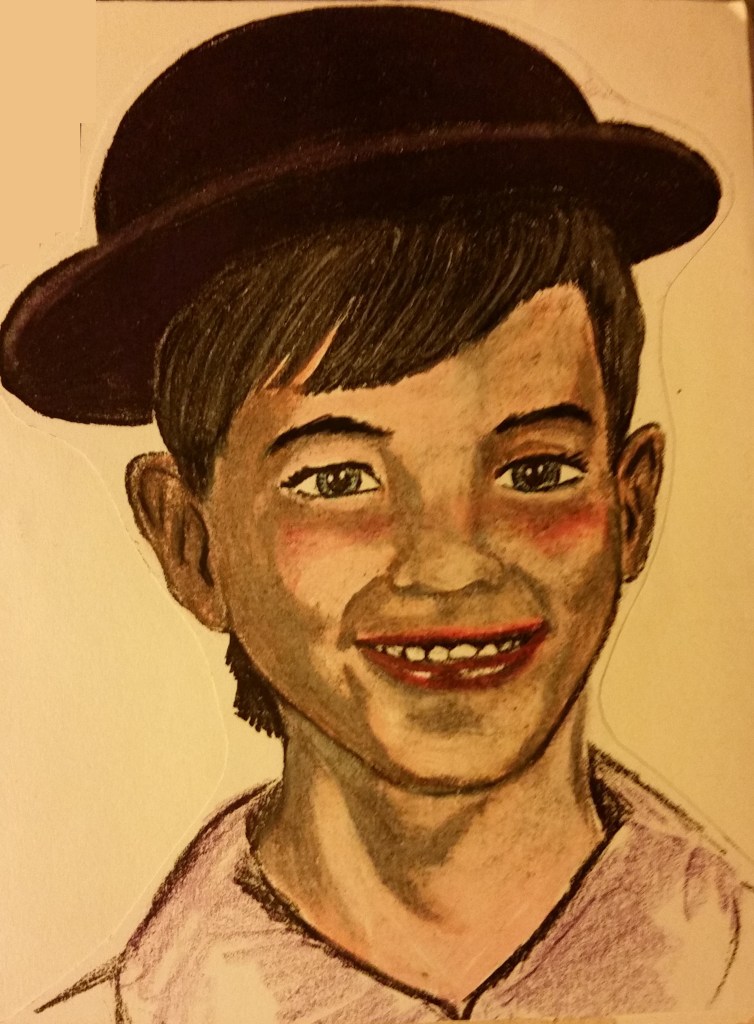
I am myself both the subject of my cartooning and fictionarooning, and the cartoon character of myself as well.
Mickey is not a real person. He is a cartoonist persona, a mask, a fake identity, and the lie I tell myself about who I actually am.
In this essay, I have attempted to explain to you who I think I am spending time with when I am alone in a room with myself. He is not such a terrible person to spend time with, this Mickey. Or else he really is truly awful, and I am lying about me and who I think I am when I am alone with me and have no other options. But probably not. I have been getting to know me for about 562 years, only exaggerating by 500, and I am not finished yet.
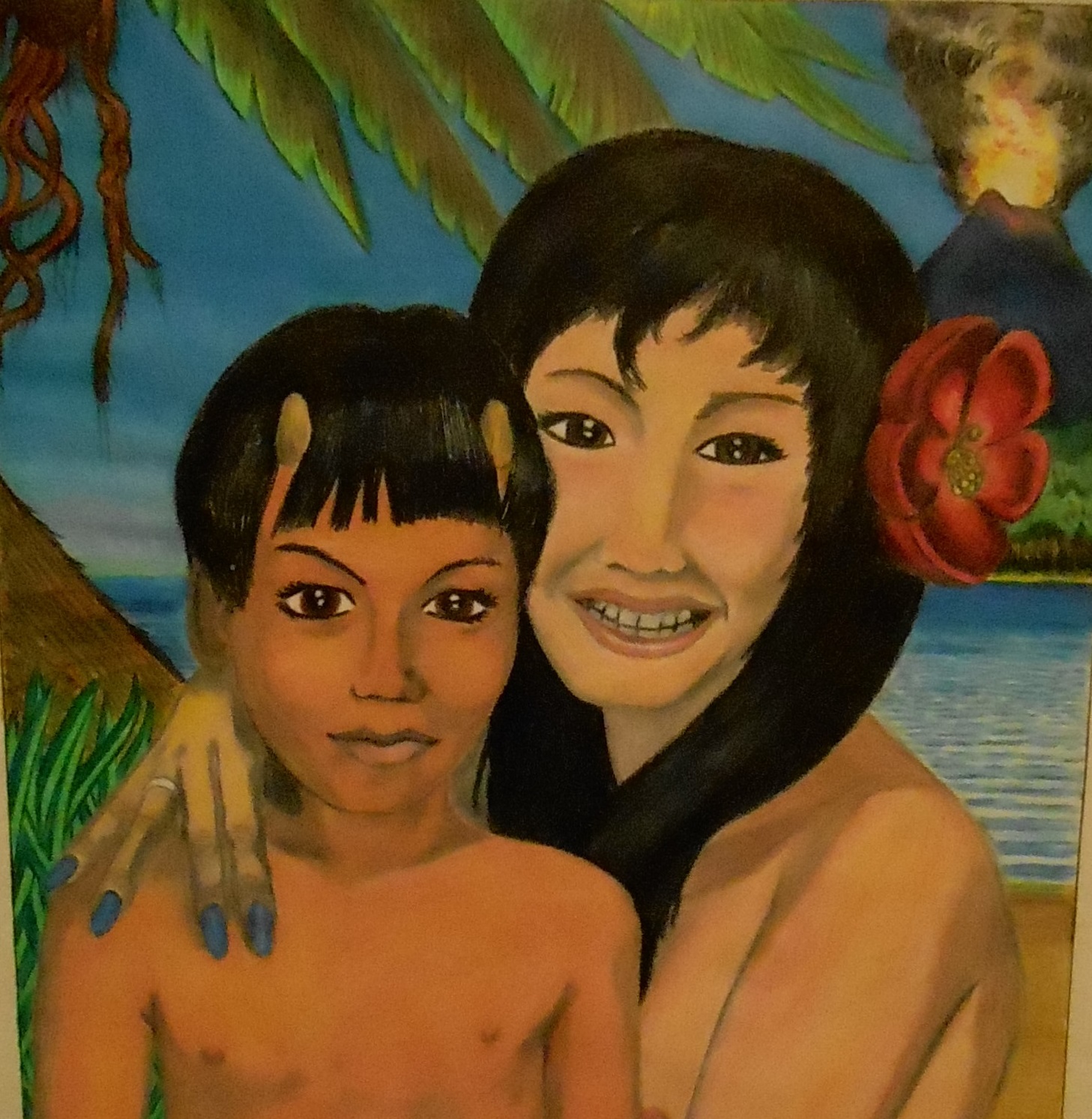
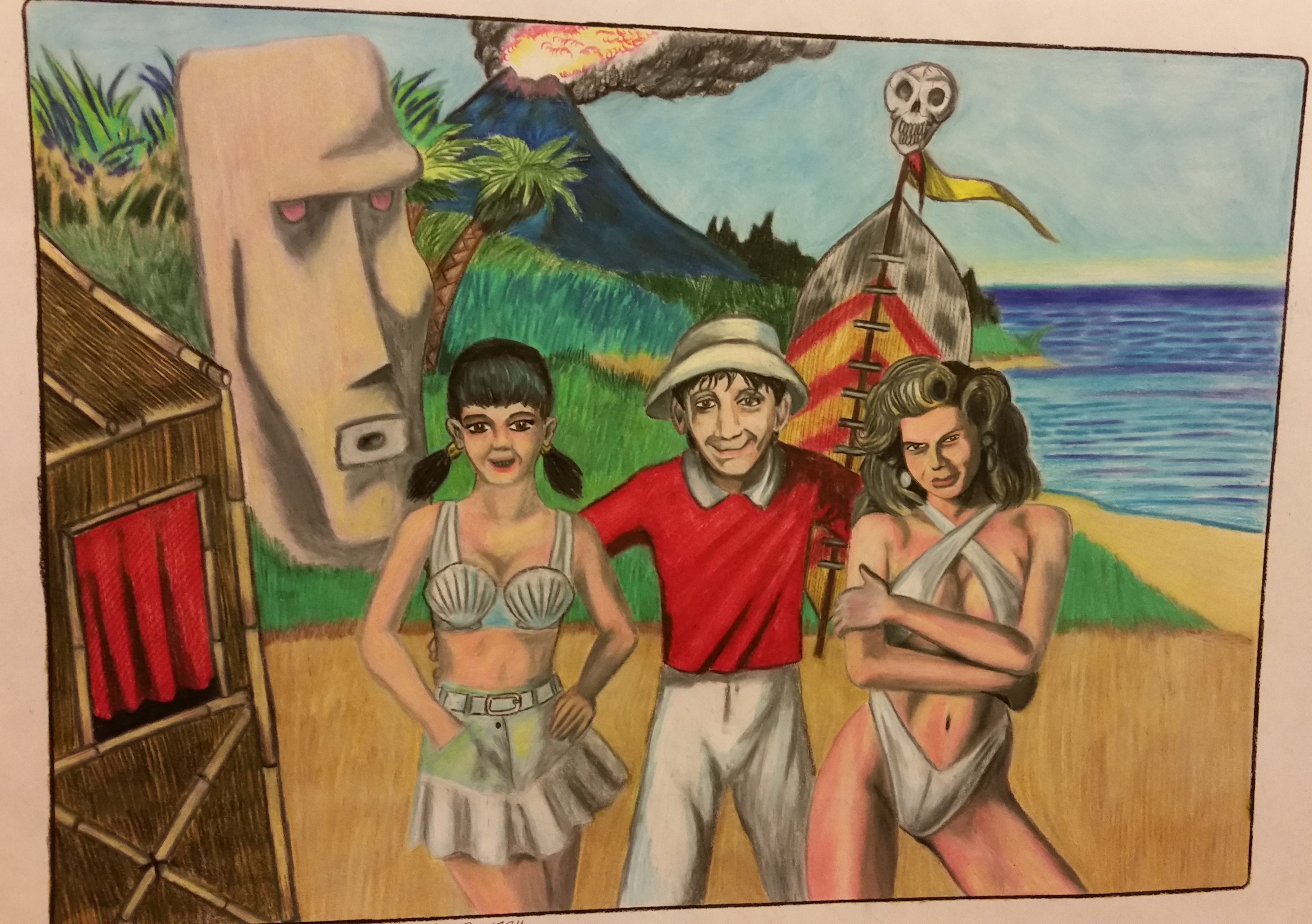
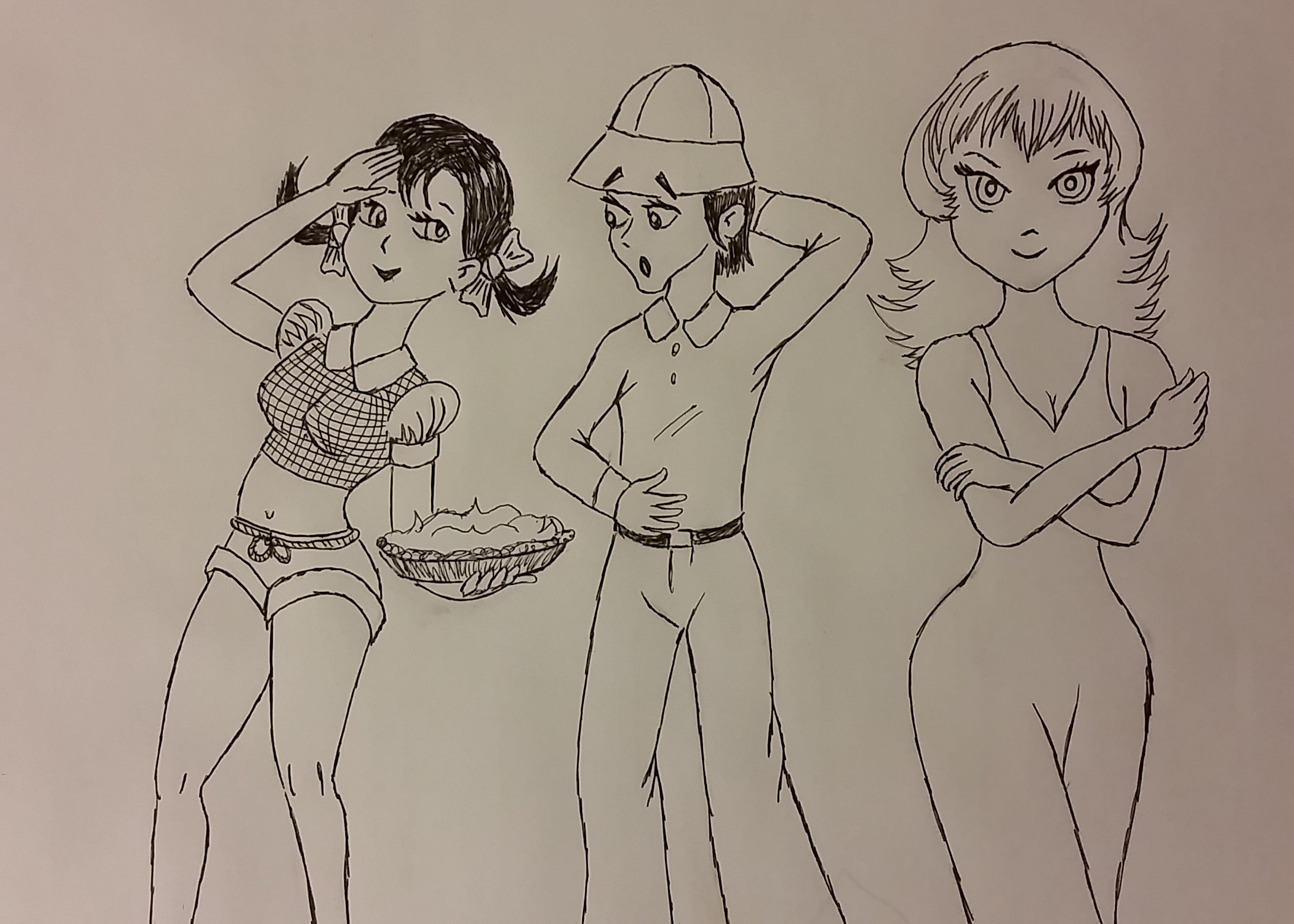



 Catch a Falling Star
Imaginary Friends
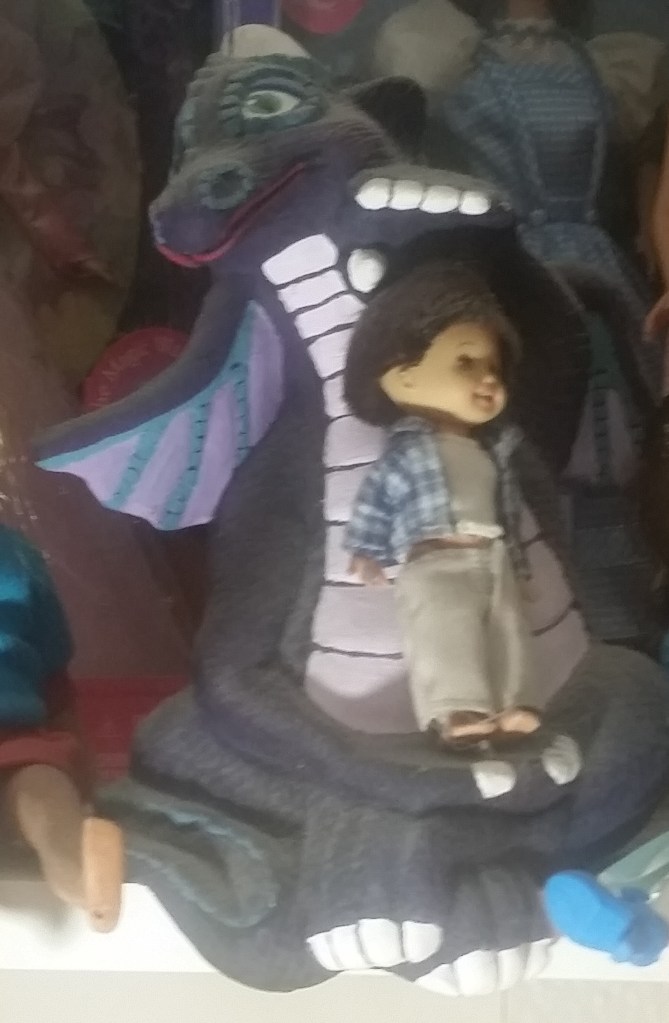
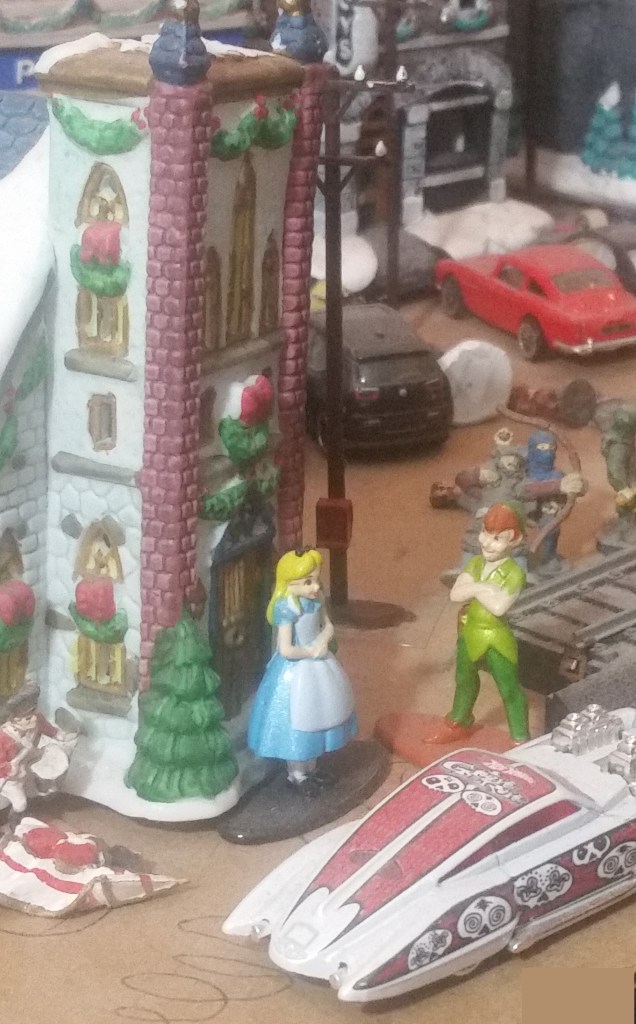
When you know someone has an imaginary friend, something like Elwood’s six-foot invisible rabbit called Harvey, don’t you immediately think that person is crazy? I do. But I have imaginary people as friends. I think most writers do. So am I crazy? Probably. But hopefully it is a good kind of crazy.
It began with imaginary friends from books. The Cat in the Hat was my friend. Jim Hawkins was my friend, as was Mowgli and all the members of the Swiss Family Robinson. They entered my dreams and my daydreams. I told them my troubles the same way I listened to theirs through their stories.
I began to have imaginary friends that came from my own imagination too.
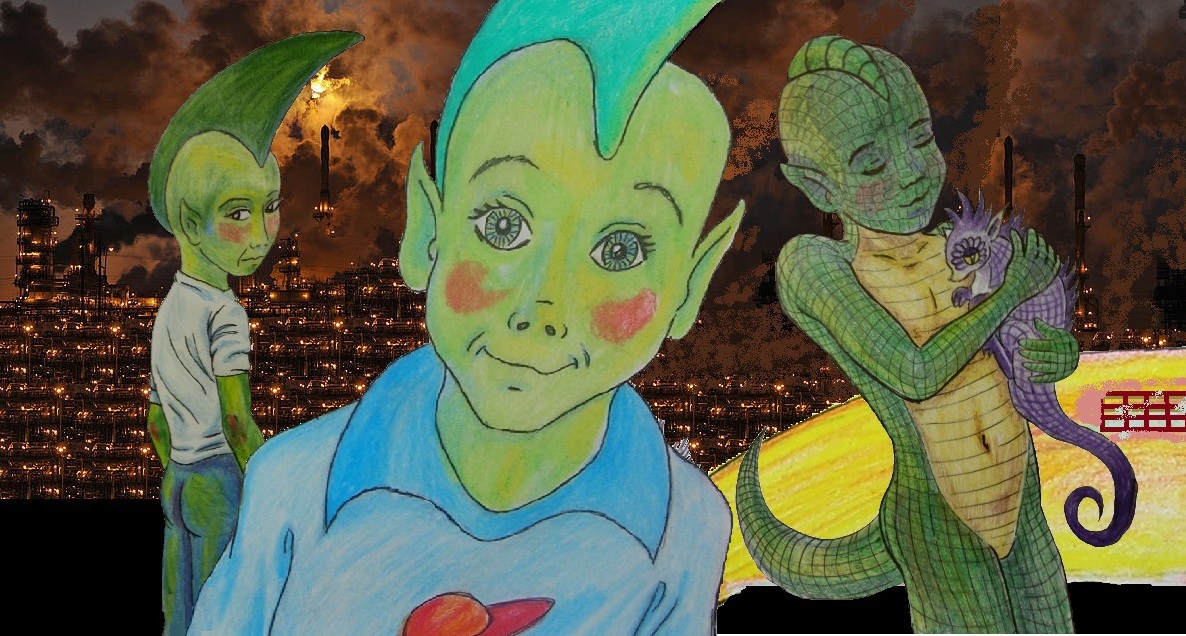
I used to tell my mere human friends about my friend Davalon from outer space. I told them that he was real and secretly visited me at night to talk about being able to learn about humans on earth by walking around invisibly and watching them. I got so involved with these stories that my sixth grade class began saying, “Michael is from Mars.”
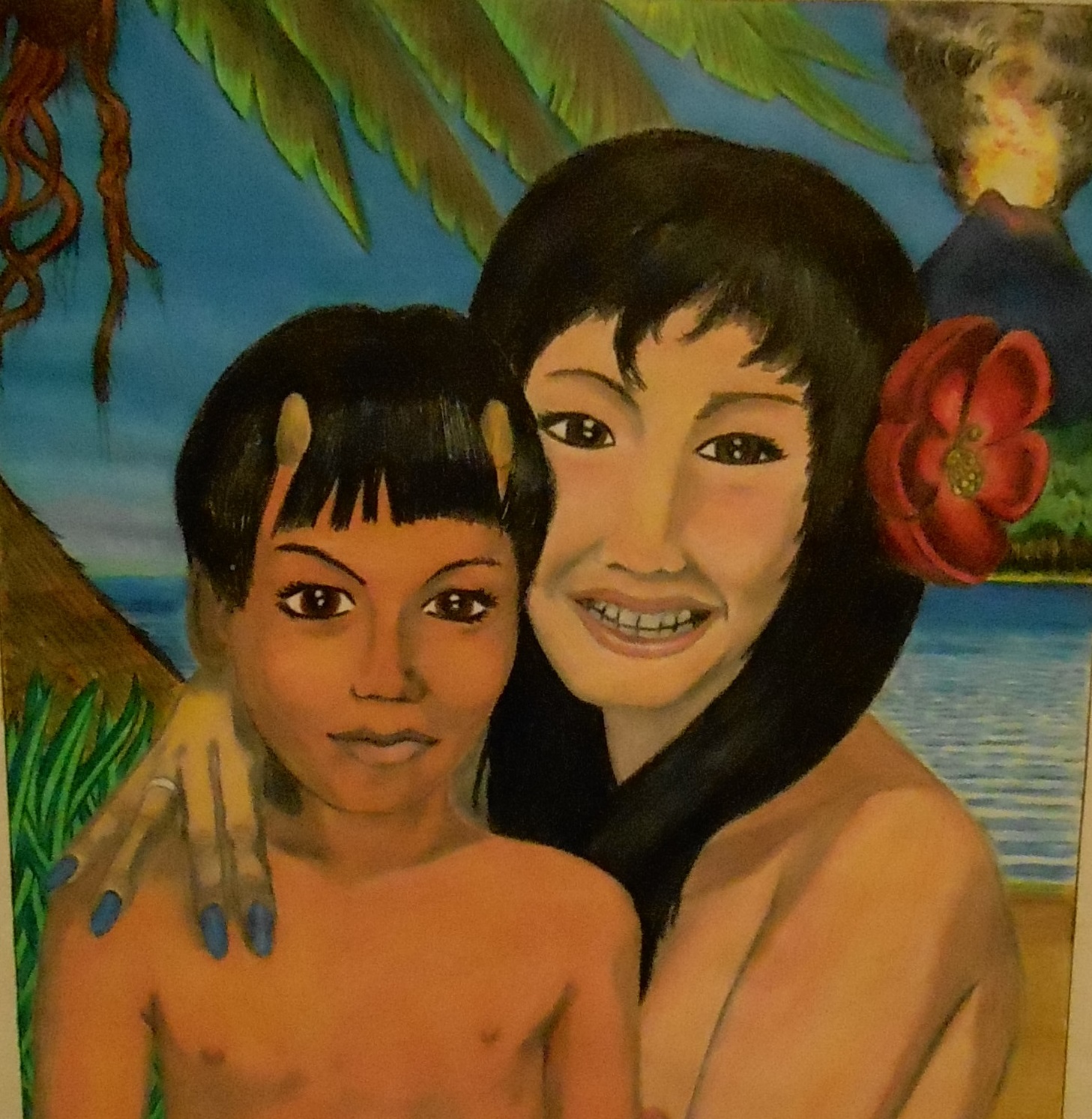
When I was a teenager, I began having conversations with a faun. His name was Radasha. He was a creature from Greek Myth, a sensual Dionysian creature who, in his child body, was both younger than me and way older than me. I didn’t realize until much later in life that he was the result of my repressed memories of a childhood sexual assault that I was the victim of. I could talk to him about my fear of nakedness. I could tell him about my blossoming interests in naked girls and their bodies. I could talk to him about all the things I was somehow too terrified to talk to my male friends about, even though none of them had the same reluctance to discuss sex. Ra was imaginary. But he helped me heal.
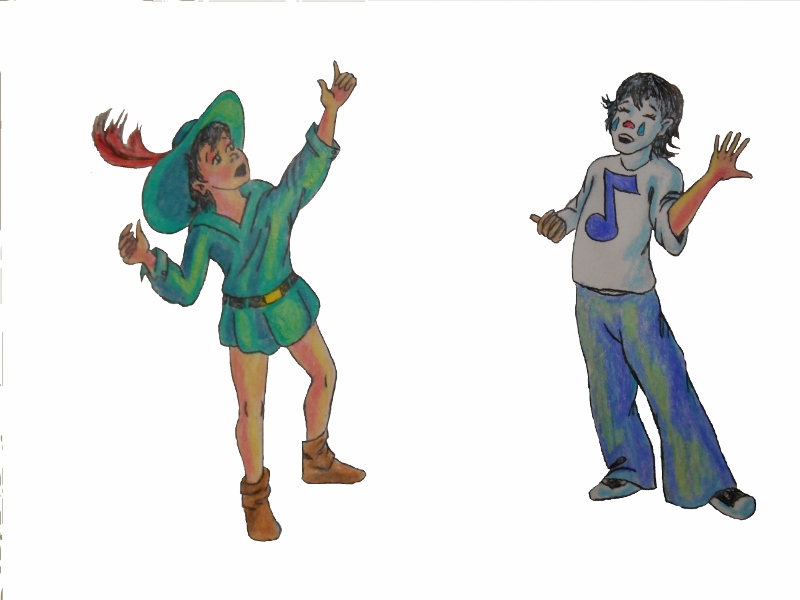
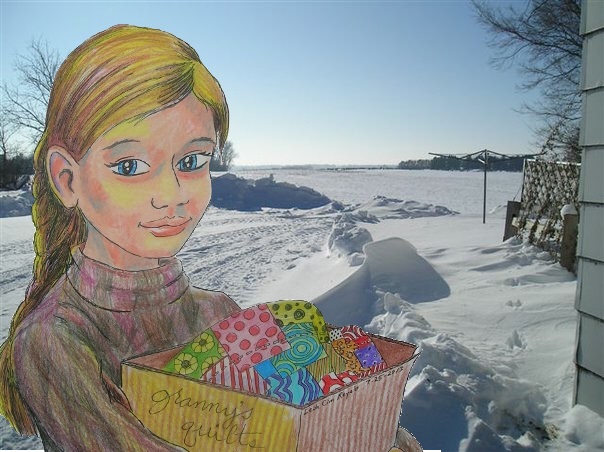
Then the story-telling seriously began. I used Davalon as one of the main characters in my novel Catch a Falling Star. I created Torrie Brownfield, the baby werewolf to express the feelings I had as a boy about being a monster and secretly terrible and deformed. Torrie is a normal boy with a condition called hypertrichosis. I am working on The Baby Werewolf now. And then there’s lovely Valerie Clarke. She is the main character of Snow Babies which is a finished novel, edited and proofread and ready to publish. It is I book I will have to find another way to publish since the recent death of PDMI Publishing. She is not a me-character, based on my own thoughts and feelings. She is based on former classmates and students who told me things that express the sadness and isolation of growing up female. So she is even more imaginary than my other characters.
They become real people to me. They have their own point of view. They talk to me and I learn things from them. But they are imaginary. So am I crazy? Yes… as a loon. And happy as Elwood P. Dowd to be that way.
Leave a comment
Filed under artwork, autobiography, being alone, characters, commentary, humor, imagination, insight, Paffooney, strange and wonderful ideas about life
Tagged as book review, book reviews, books, fiction, writing