
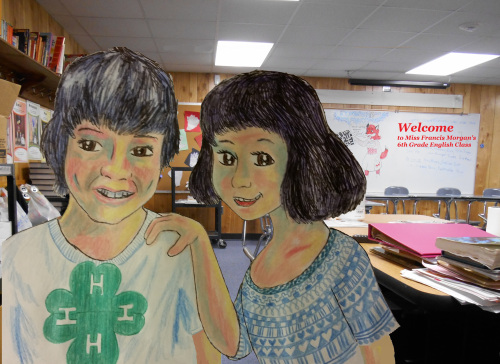
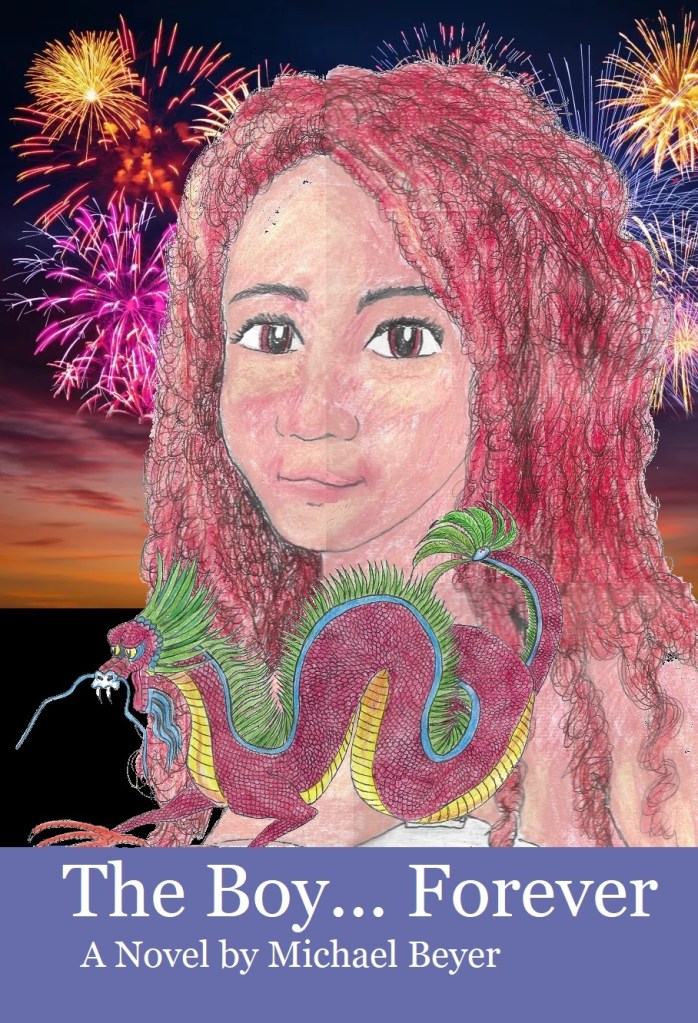
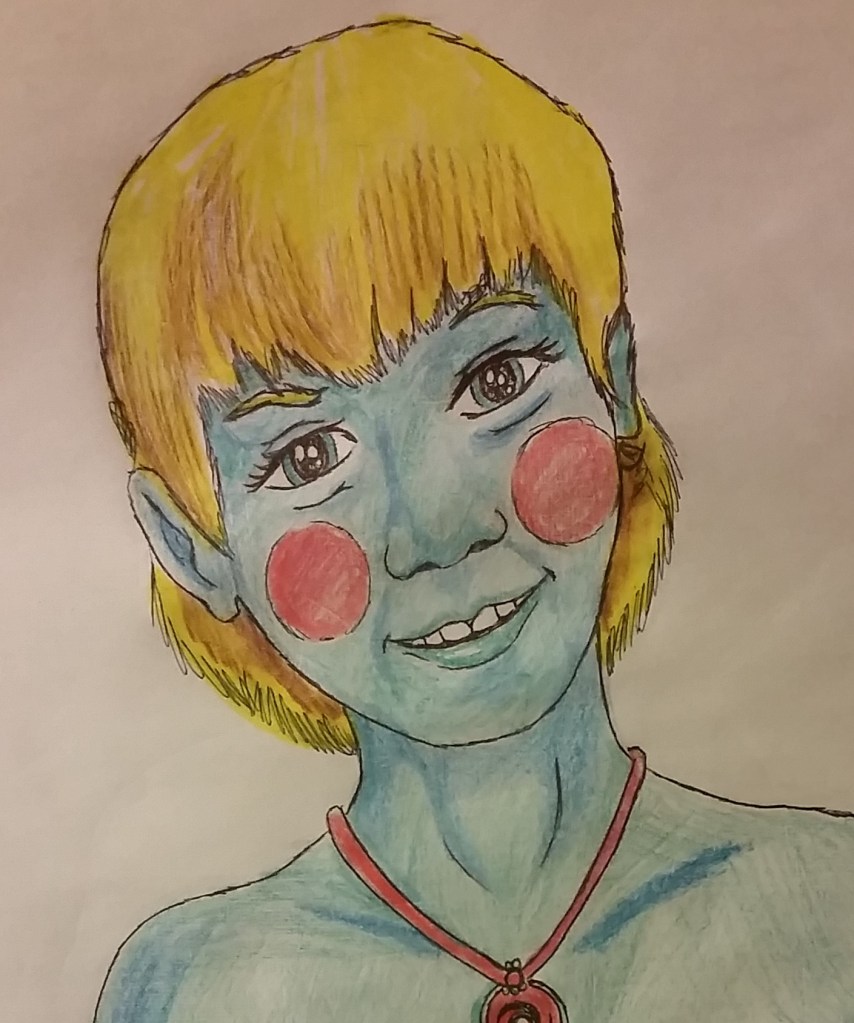
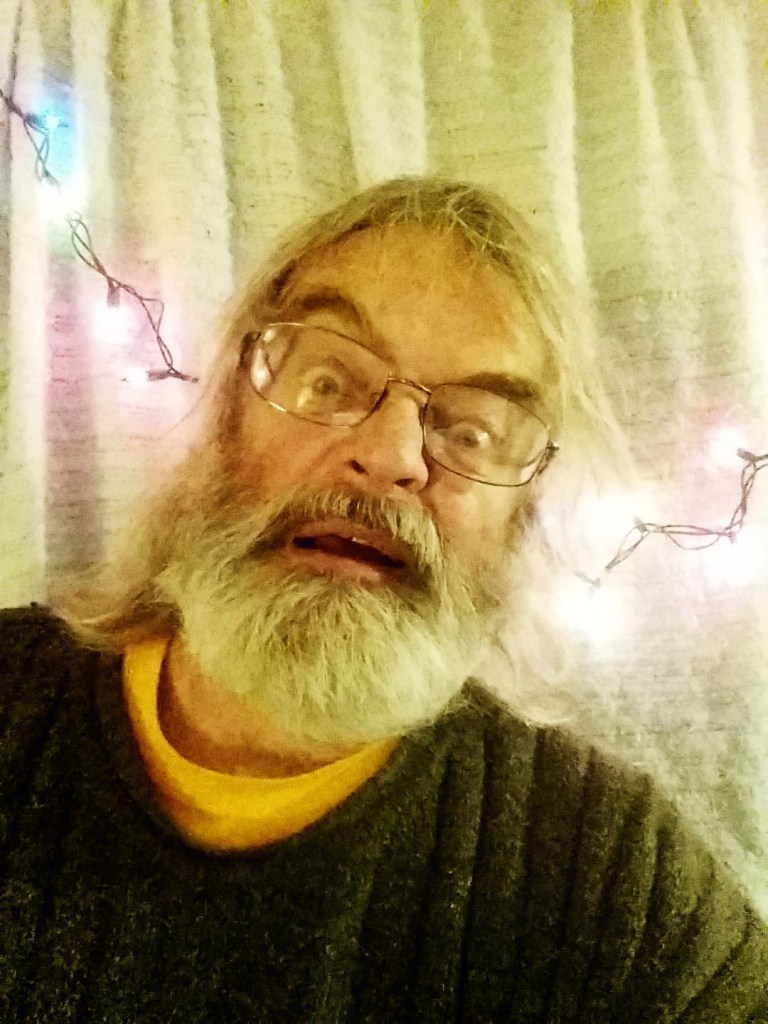
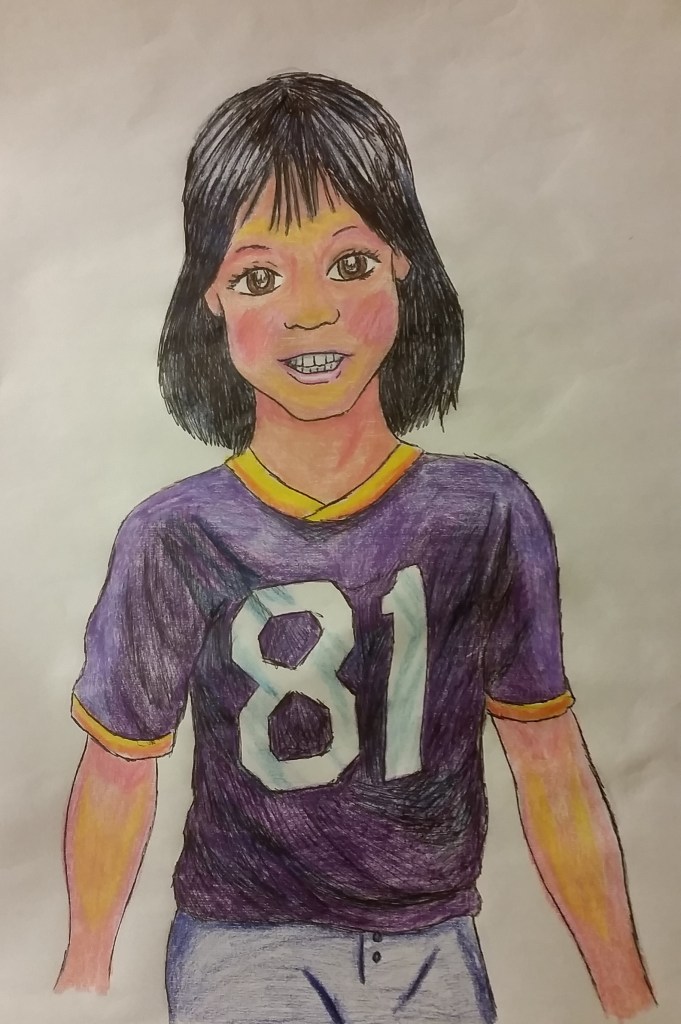
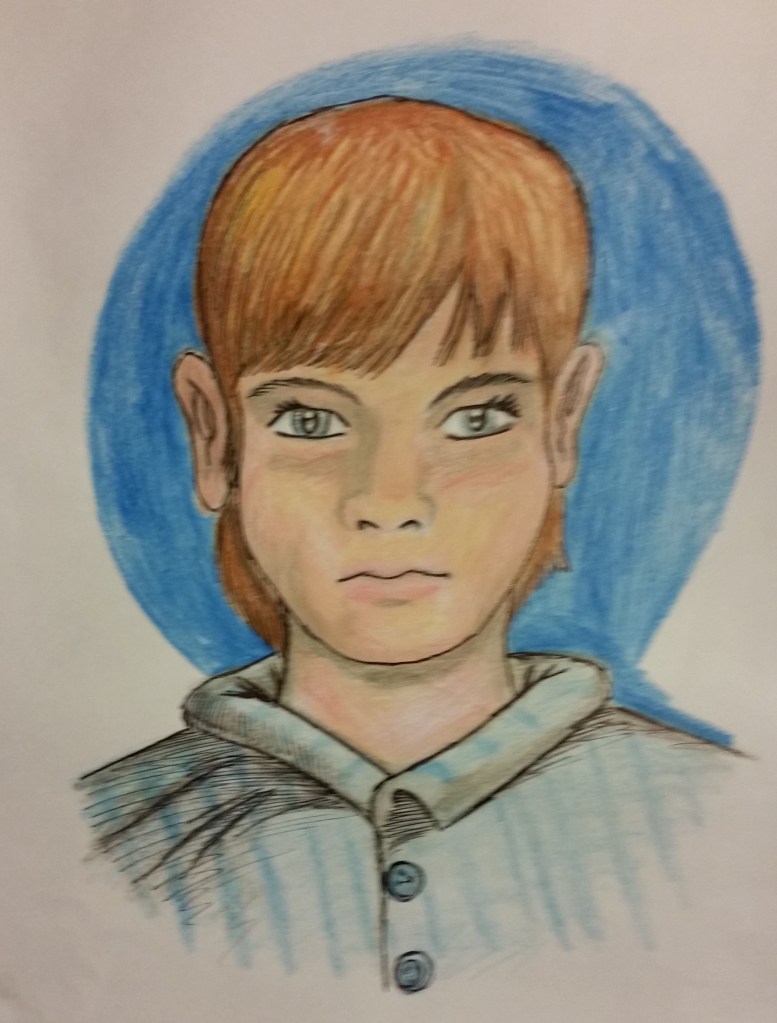

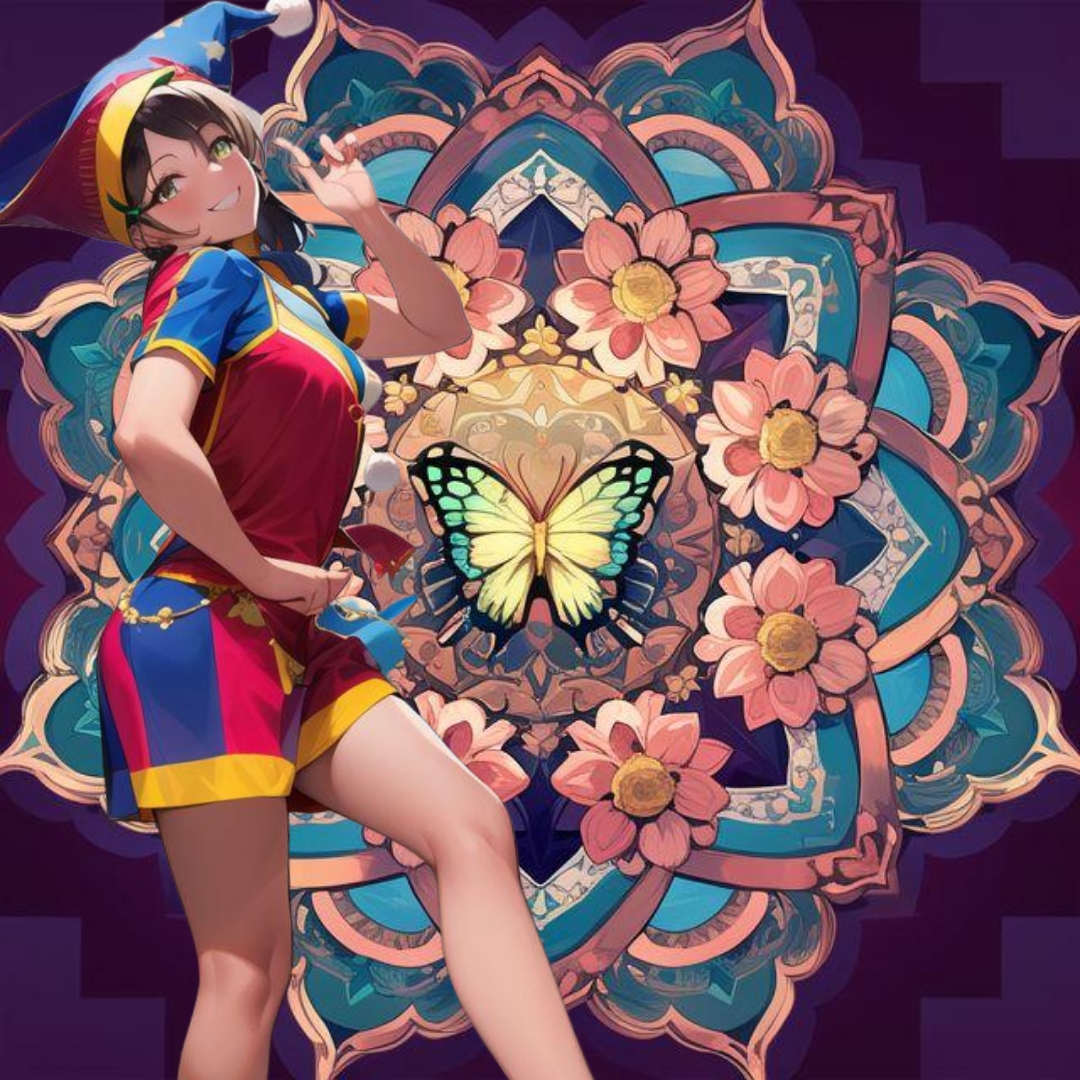
A lot of critical art viewers will randomly tell me that using AI Art programs is plagiarism because these programs have been trained on people’s posted artwork without permission or acknowledgment. I agree that that is not fair. I also think that is not how I use AI programs. The above picture used Picsart AI Photo Editor and AI Mirror in its creation. The Harlequin Girl is drawn from a model I saw on Instagram, a human dancer in a costume that is similar to my drawing. I used AI Mirror to make my imperfect drawing look better than I can do with arthritic fingers. I used the uncorrected version here with the problem hands so you could see the kind of things you have to go back and draw over with digital art tools. I used Picsart to turn her into what is called a “sticker” that I could place upon a background. I used a colored mandala that I got from Tapcolor Digital Coloring Book as a background. Before I put the sticker on top, I added the butterfly and altered the round design elements into flowers.

This is how I use AI Mirror to improve my artwork. The picture above is nothing but a pencil drawing inked and guidelines erased. If you look at it carefully you can see how I skewed the eyes when I inked the pencil drawing. One on the left is the roundness I wanted. The right one has a lower eyelid that cuts too narrowly to make the eyes look mismatched. So, I ran the photo of the finished pen and ink drawing through AI Mirror allowing it to make changes up to 50 %. Below you can see the best result. It took eight tries to get the eye match I wanted.
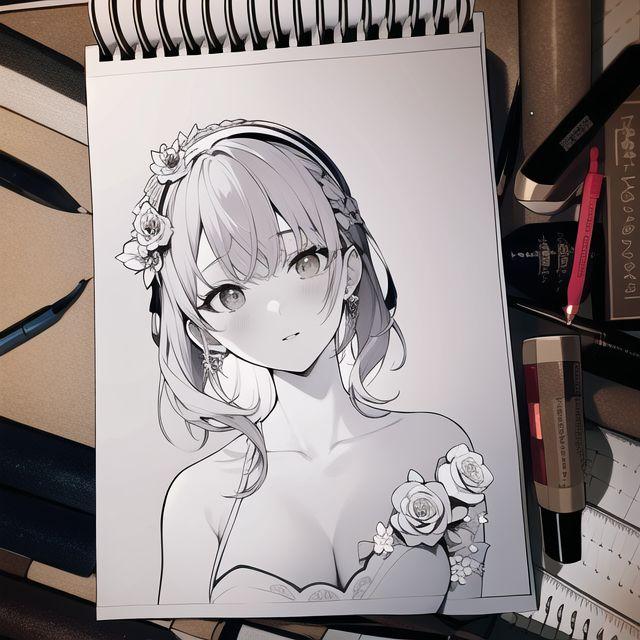
You can see that the program made changes to more than just the eyes. It took much of the 50% to adjust the background, adding art tools that I had in previous photos of the drawing board used in similar pictures I used AI Mirror on. It also changed the hairstyle, and since it didn’t like the ladybug theme of the dress, changed it for white roses which I have used in similar pictures repeatedly. I did go back and add whiteness to the roses to make it look a little cooler.
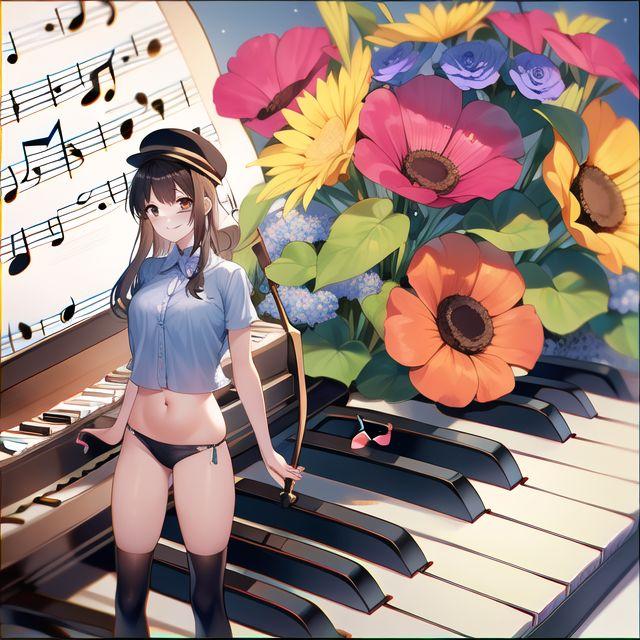
This one above is intended to be a surrealist interpretation of a piece of music. Of course, the AI Mirror program and the Picsart program are both overly sensitive to copyright and trademark. That’s why it intentionally screws up the sheet music and the words on the t-shirt of the drawing I did for the girl sticker. It doesn’t reproduce things that could potentially be trademarked. And the flower stems the girl held in my drawing got turned into a short black stick and a sword? There were multiple things I needed to correct as I continued to change it to make it fit my vision for the piece.
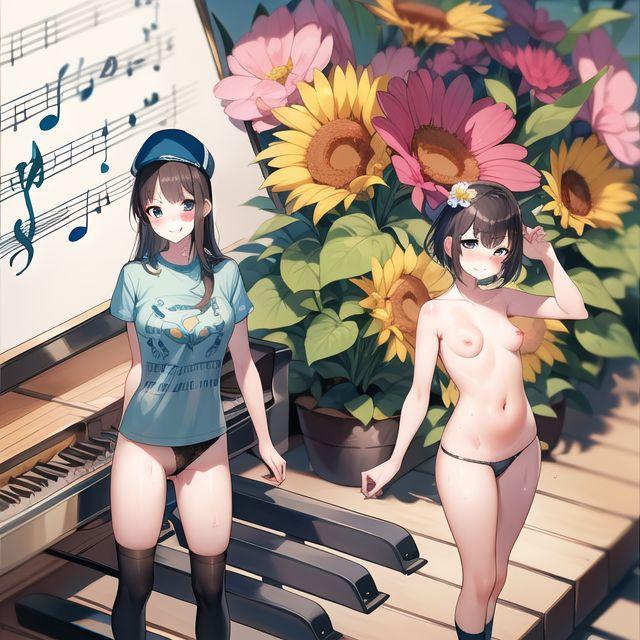
This isn’t a final version either, but it is closer. It still needs to have the sheet music tamed to look more like ordinary sheet music. The main character’s bikini bottom shows up in a way that proves that making it two-color black and brown needed to be more contrasting to the shadow color on her legs. And the nudity of her companion was my idea, but I will have to make the further correction of not sending this post to Facebook. Facebook is ready to sanction me for showing bare breasts in their news feeds.
I am now done complaining about the nagging little things that annoy me about the AI art process. But I do the drawings that I present as my work. I am not plagiarizing anything. And I thoroughly enjoy this whole process.
Filed under art criticism, art editing, artwork, Uncategorized
I have completed work on a novel called A Field Guide to Fauns. In it, I will make use of one of the most central metaphors in all of my art and writing. The mythological figure of the faun is usually portrayed as a young boy or youth, nude, and potentially having goat horns, goat legs, a deer’s tail, and/or pointed ears. It represents sensuality, connections to nature, and a willingness to partake in enjoyments without hiding anything.
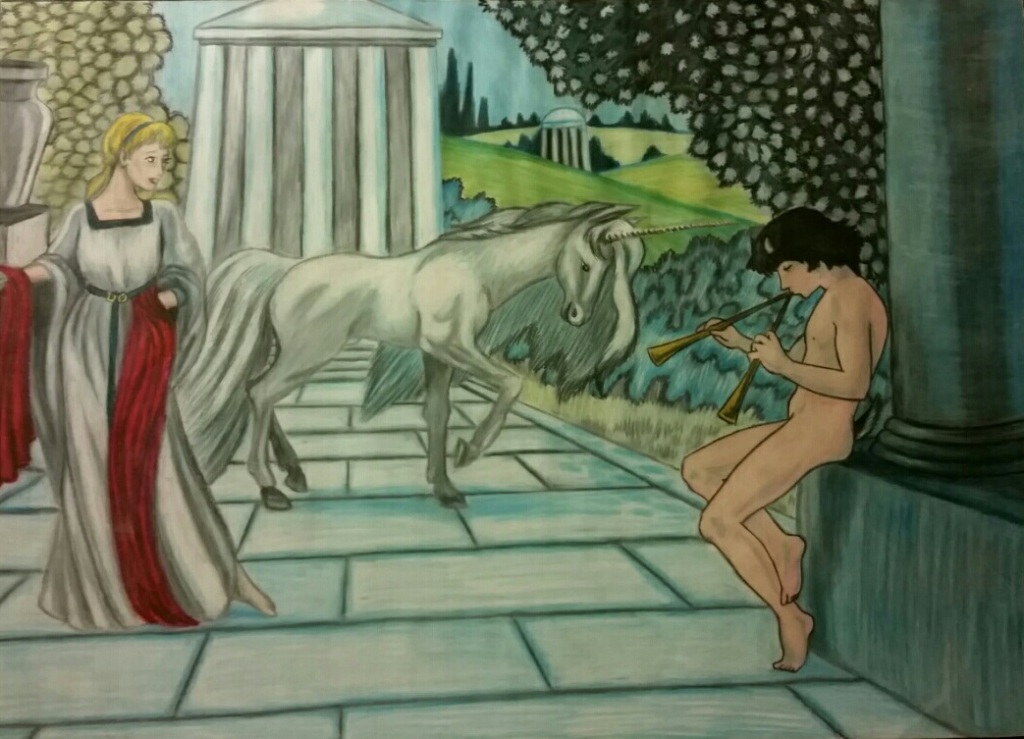
Fauns were defined in art long before I came along. The Marble Faun was a book by Nathaniel Hawthorne that I read in college. I looked endlessly in libraries after that for pictures of Praxiteles’s masterpiece from all angles. I would eventually be inspired to make the picture above by a picture made in print by Maxfield Parrish printed in Collier’s Magazine. I have been fascinated for years by fauns. And I began drawing them repeatedly.
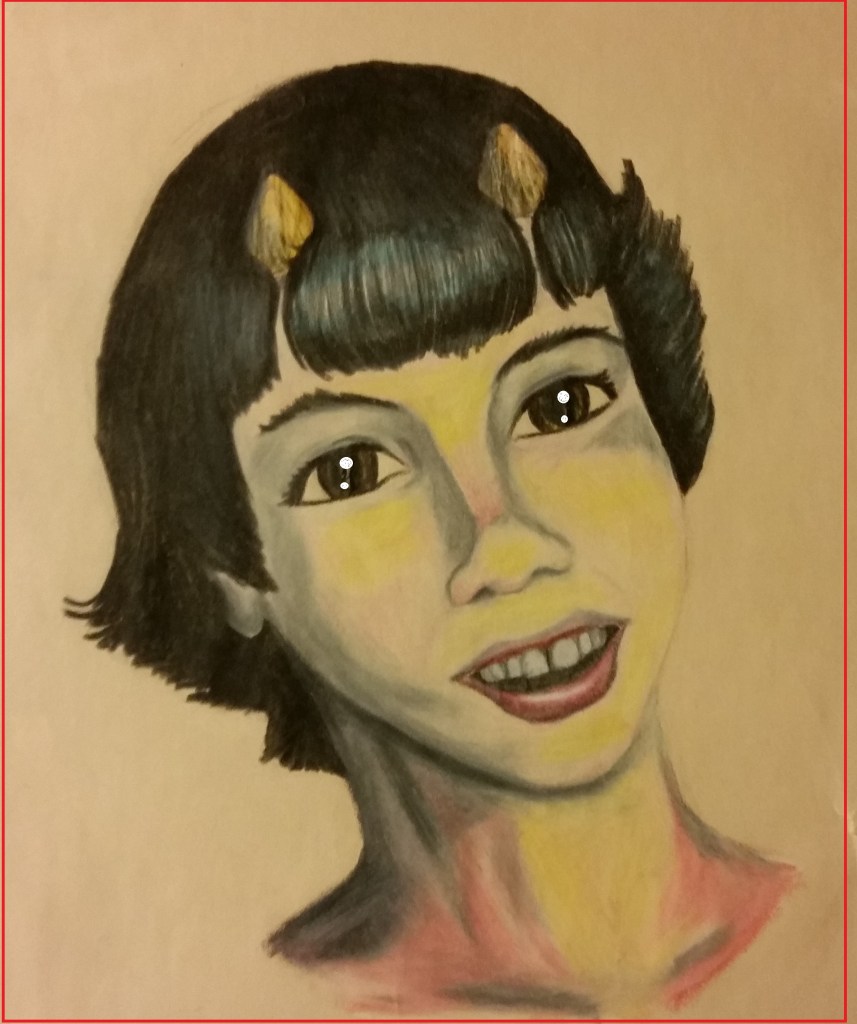
As a teenager, I had a faun as an imaginary friend. His name was Radasha. He made it his business to lecture me about sex and nudity, morals, religion, and what was wrong with me. At the time I was repressing the memory of being the victim of a sexual assault, a very painful and traumatic experience that I did not allow myself to remember and admit was real until I was twenty-two. Radasha turned out to be a coping method who helped me heal, and helped me realize that just because it was a homosexual assault, that did not make me a homosexual.
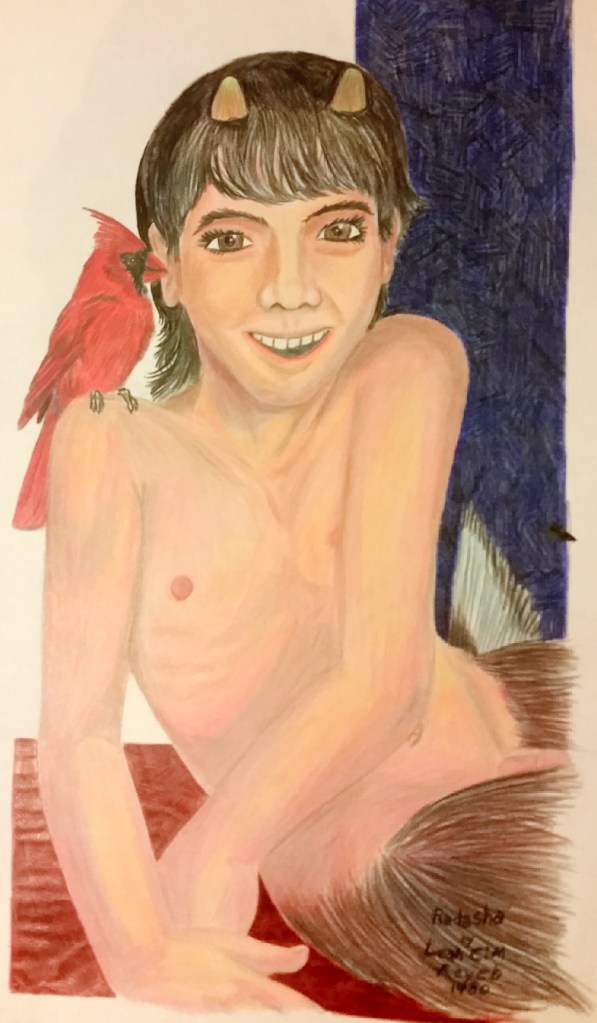
Fauns would come to dominate my artwork through the eighties. I drew Radasha multiple times. I would use the image to express things I feared and fought with and won victories over .
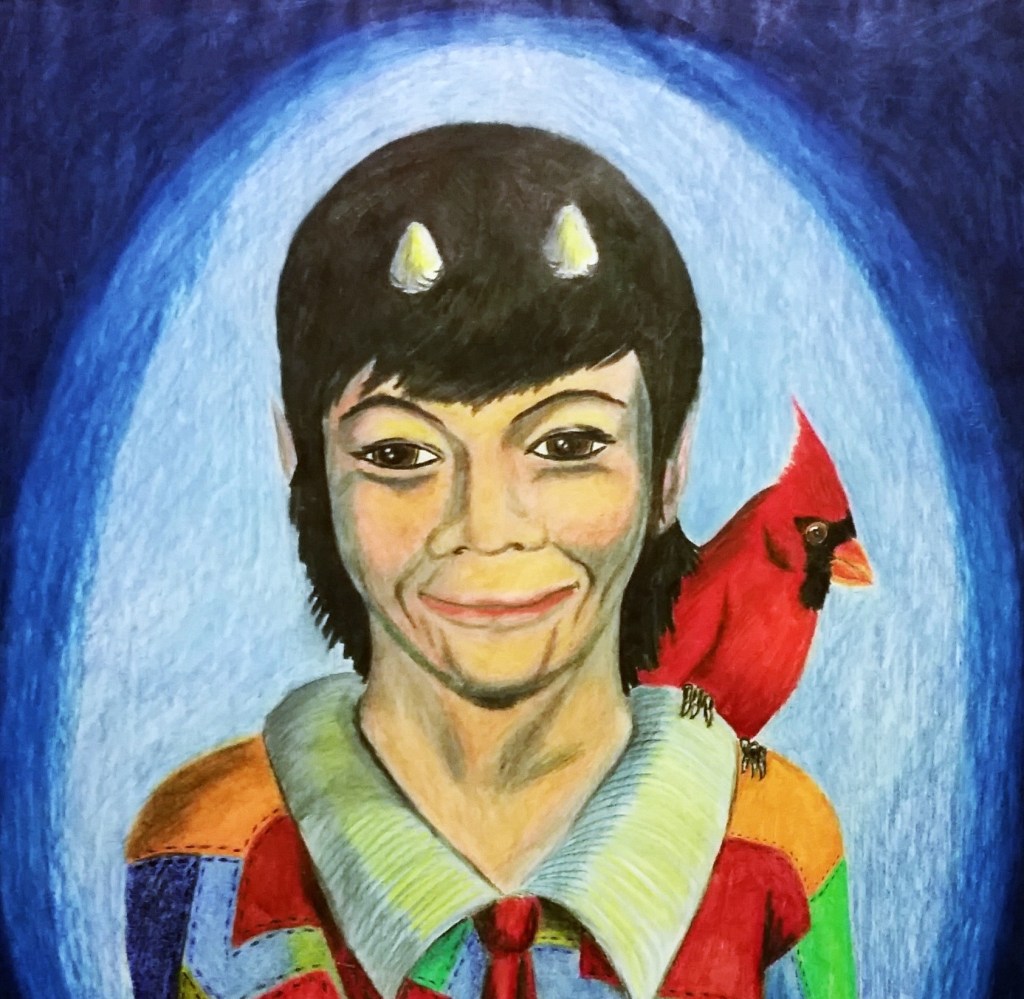
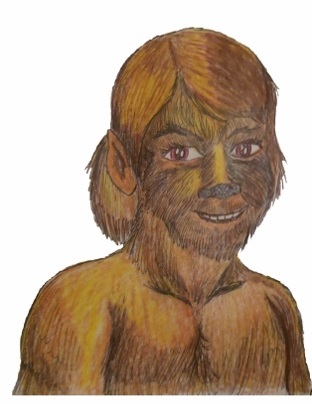
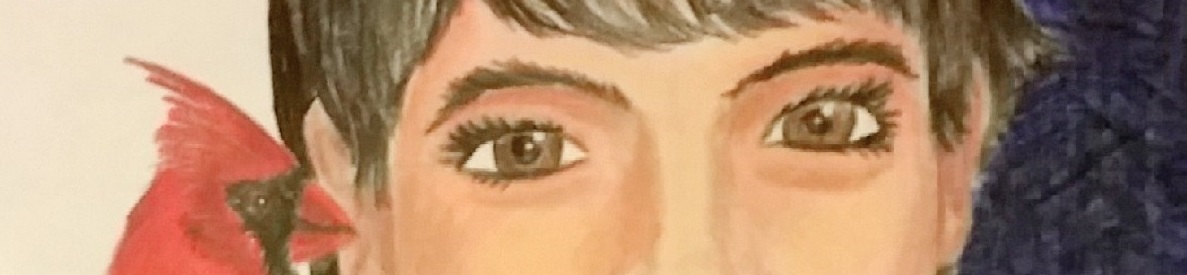
I would come to learn that there were fauns in real life to be found. The portrait above is of Fernando, a favorite student from my first two years as a teacher. He is portrayed as a faun. The cardinal on his shoulder is a symbol of courage and endurance, a bright red bird that never flies away when the winter comes.

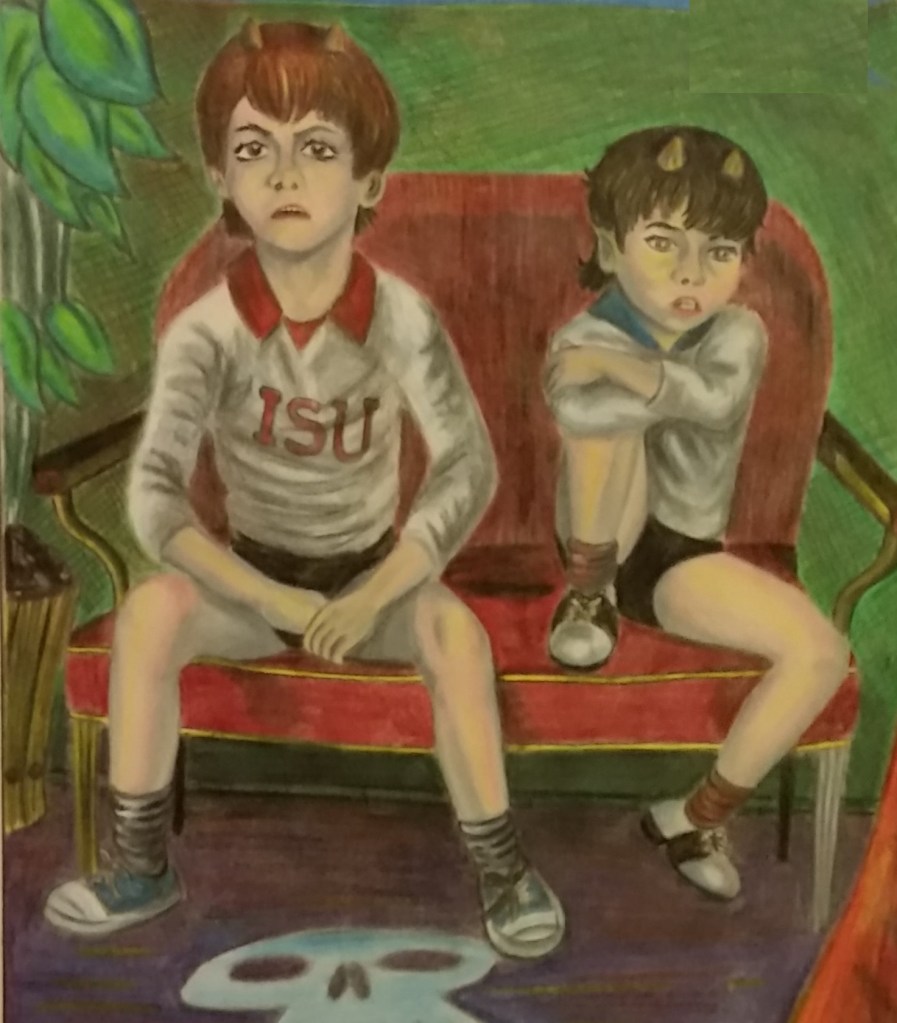
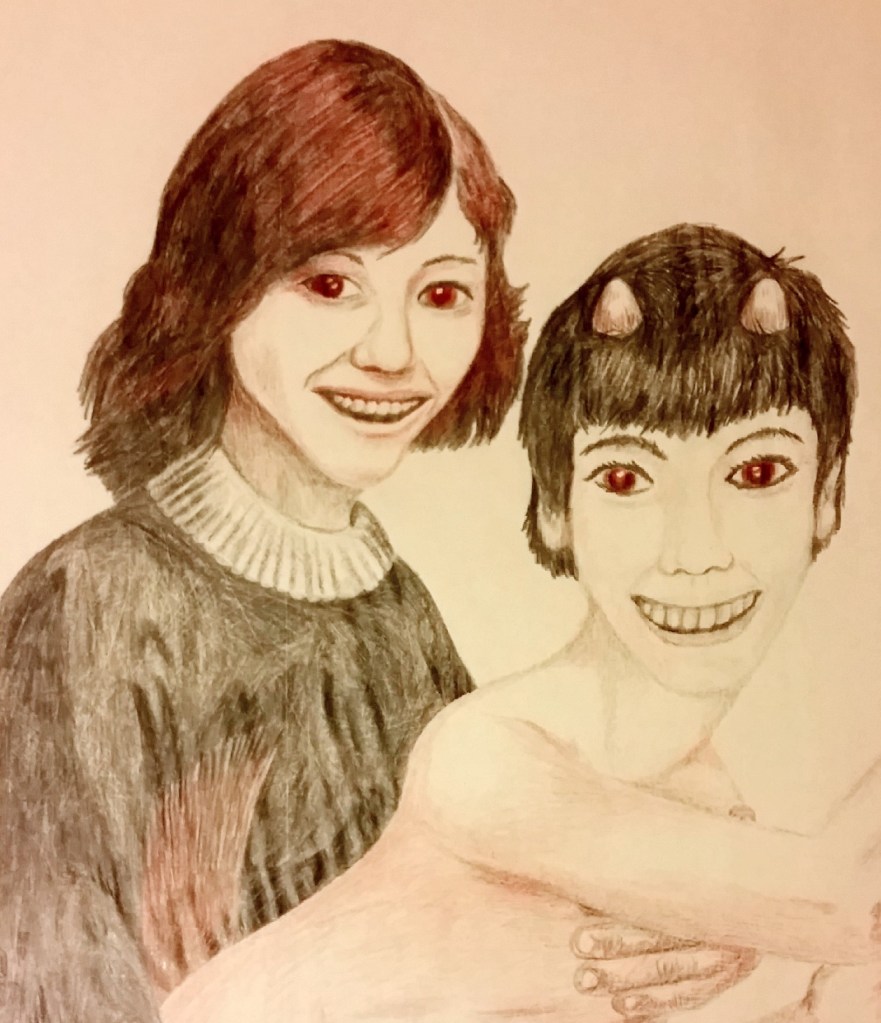
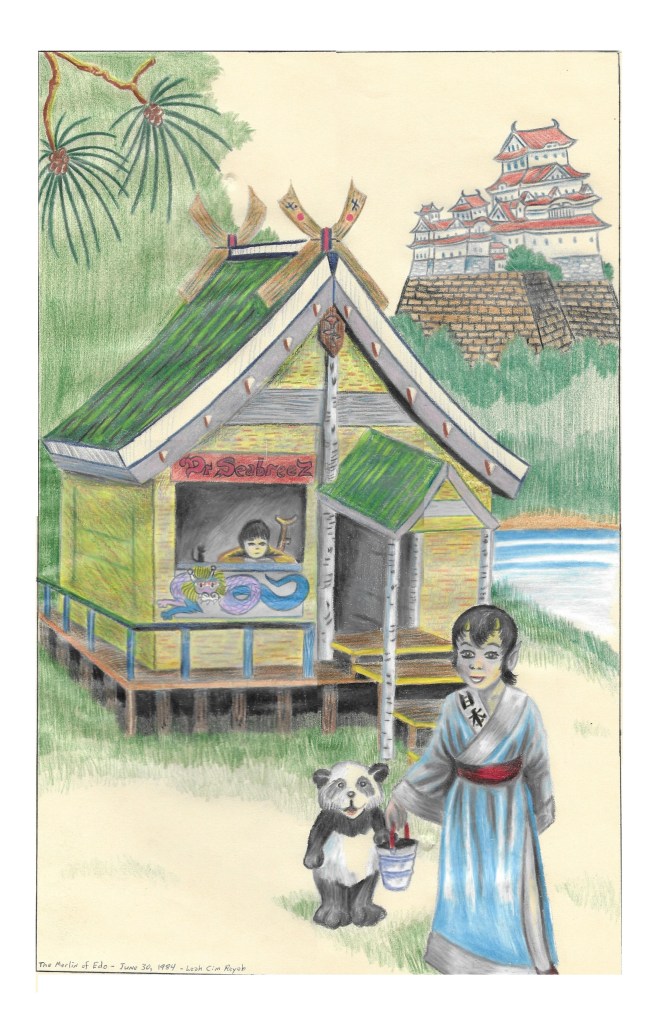
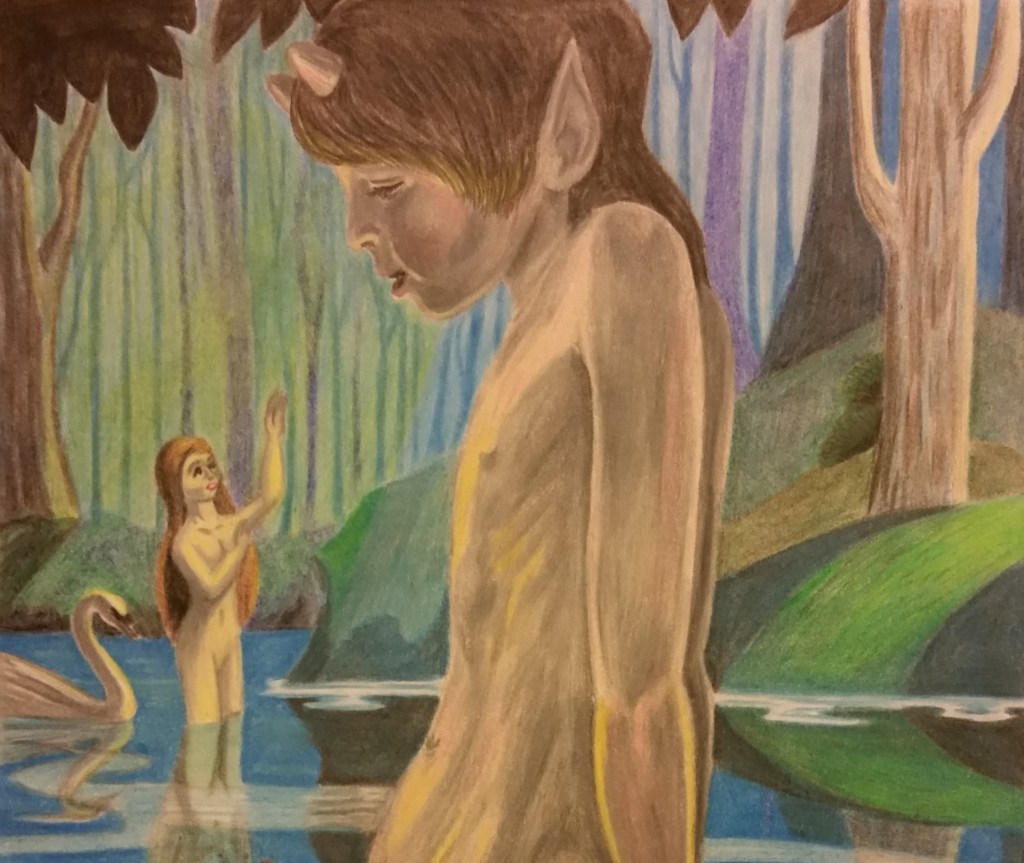
Devon Martinez is the main character of my novel in progress. He is an artist like I am. He is fifteen at the time of the novel, and faced with living the rest of his childhood in a nudist community. He doesn’t consider himself a faun to begin with. But that changes during the course of the novel.
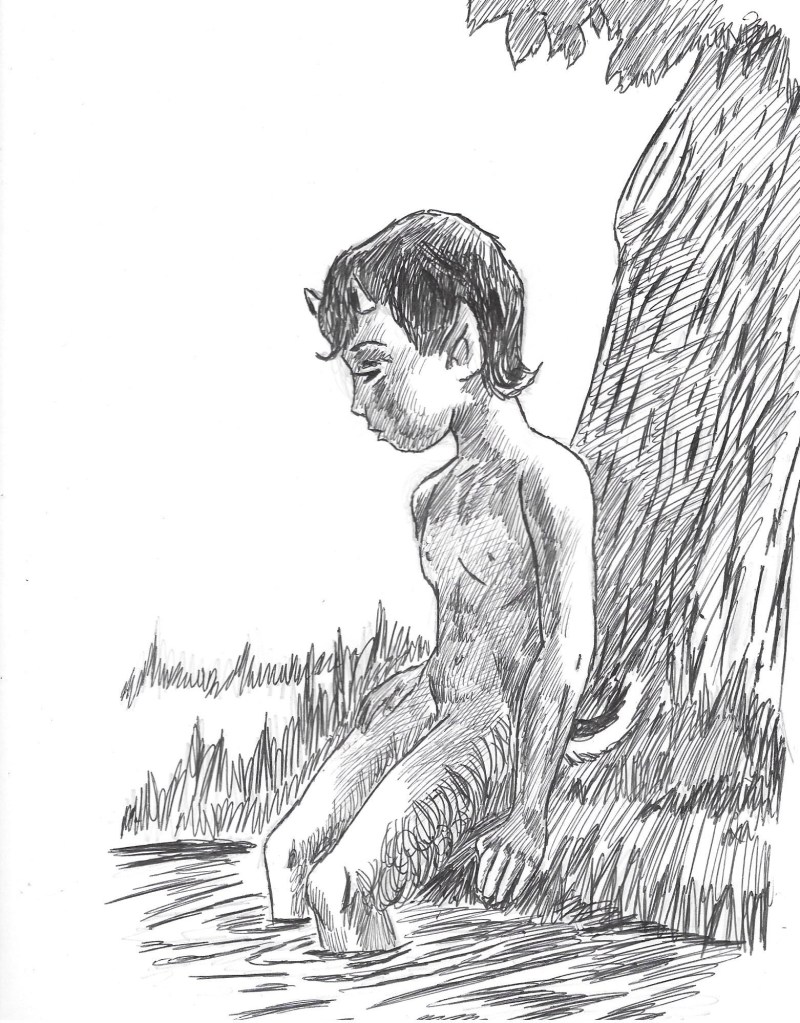
Here is the first illustration done for the novel. It is supposed to be a picture drawn by Devon himself.
So, as always with Saturday artwork, there is more to come.
Filed under artwork, NOVEL WRITING, Paffooney
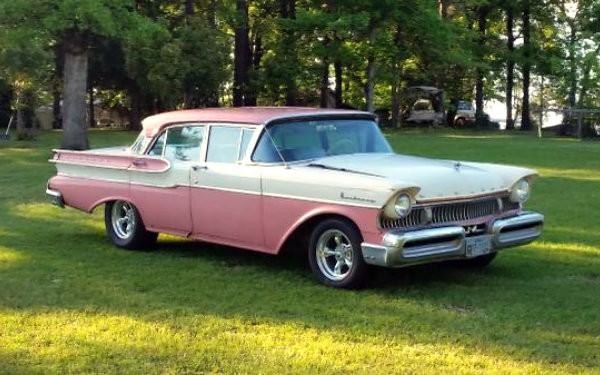
The 1957 Pink and White Mercury of Imagination
I don’t have writer’s block. I can write as long as I can think and move my fingers on the keyboard to crystallize that thinking into words. The Pink and White Mercury of Imagination is always moving, either driving forward in the present and towards the future, or in reverse, rewriting the past. It is never parked.
But somewhere along the way today, the route got sidetracked onto a looping detour.
Hence, this car-themed drive through the idea-capturing process.
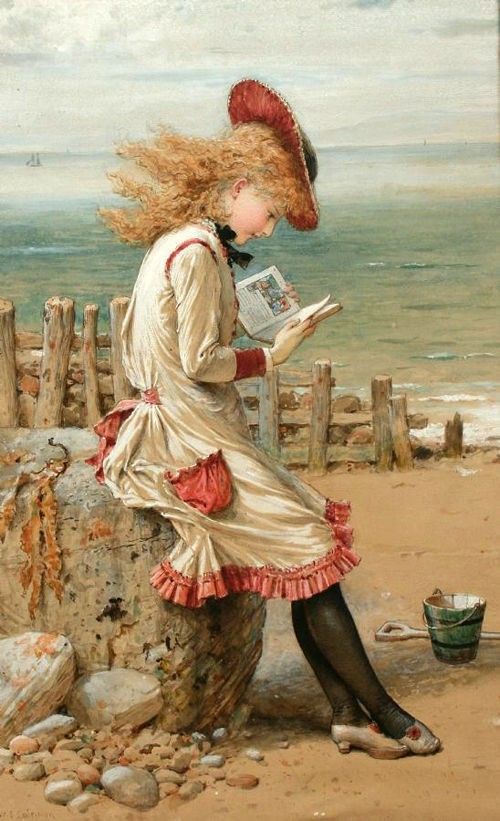
A picture of me reading painted long ago and not with me in the picture..
I started reading a new novel. It is a 500-plus-pager by Kate Morton called Distant Hours. It is a Gothic novel, but in a very different way from the one I am writing in The Baby Werewolf. That book starts as a first person narrative, and then flashes back to the past as a series of third person narratives focused on single characters per section. My novel is a first person narrative throughout, though told by three different narrators. It would make an interesting writing analysis post, but I haven’t read enough of that novel nor completed mine to a point where I can compare and contrast them. And those of you who get bored easily have already tuned out and just looked at the pictures by this point.
I also thought about writing a post about Uber-driving conversations and how that impacts the quality of my driver-service. But the best stuff there can’t be revealed without breaking confidences. Doctors, lawyers, bartenders, and Uber drivers are tasked with providing a touch of confidentiality.
I wanted to complain more about Trump and evil Republicans. But that gets far too tiring. And if the collection of my posts on WordPress is like a flower garden, the political rants I do are definitely the garden-choking weeds.
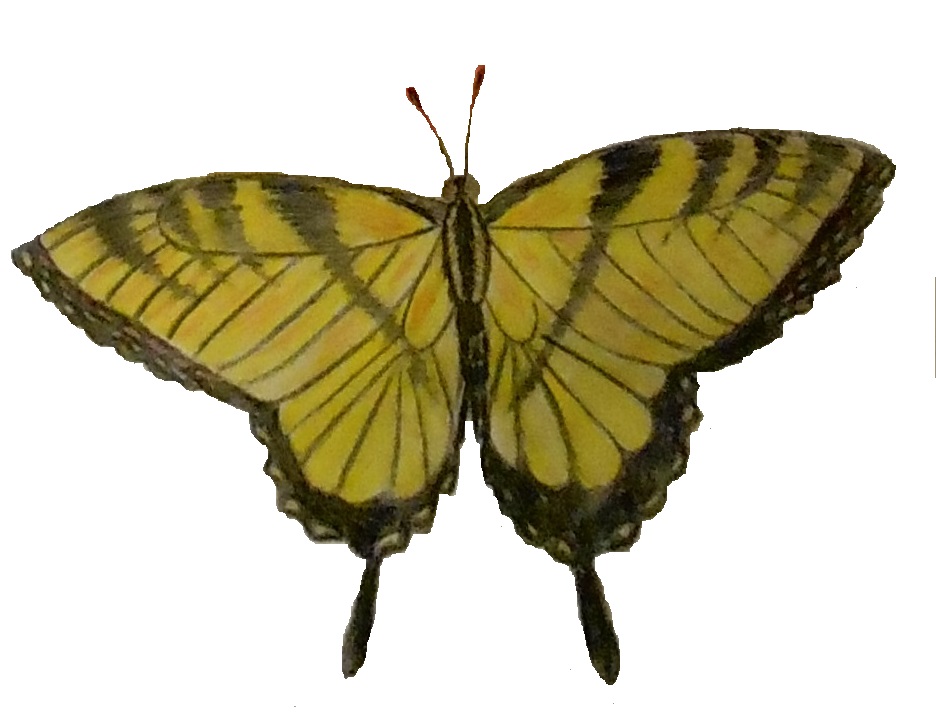
A much better thing for my garden is to chase the flitting butterflies of near-perfect ideas with a butterfly net made of idea lists like this particular post.
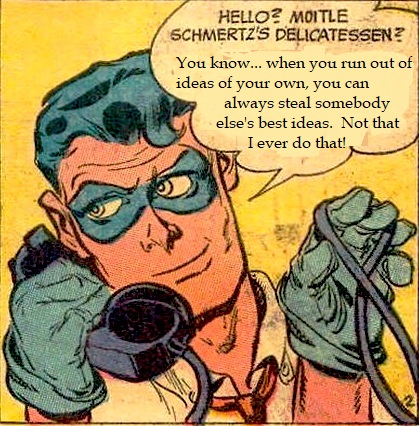
So, it is true that I never actually have writer’s block. I do get writer’s detours, writer’s delays, and writer’s just-not-satisfieds- with-those-ideas sorts of things. But not today. I made the problems the topic and the topic wrote itself.
Filed under artists I admire, artwork, imagination, irony, Uncategorized, writing, writing humor

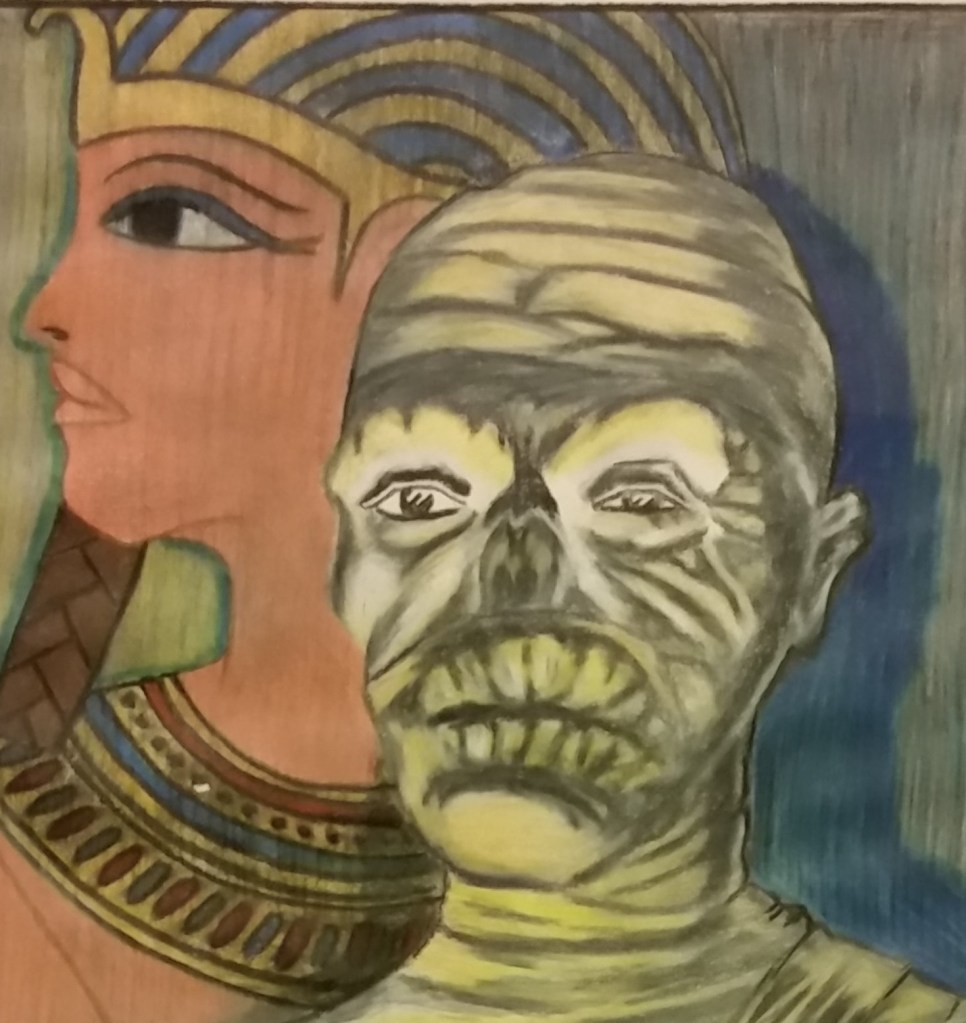
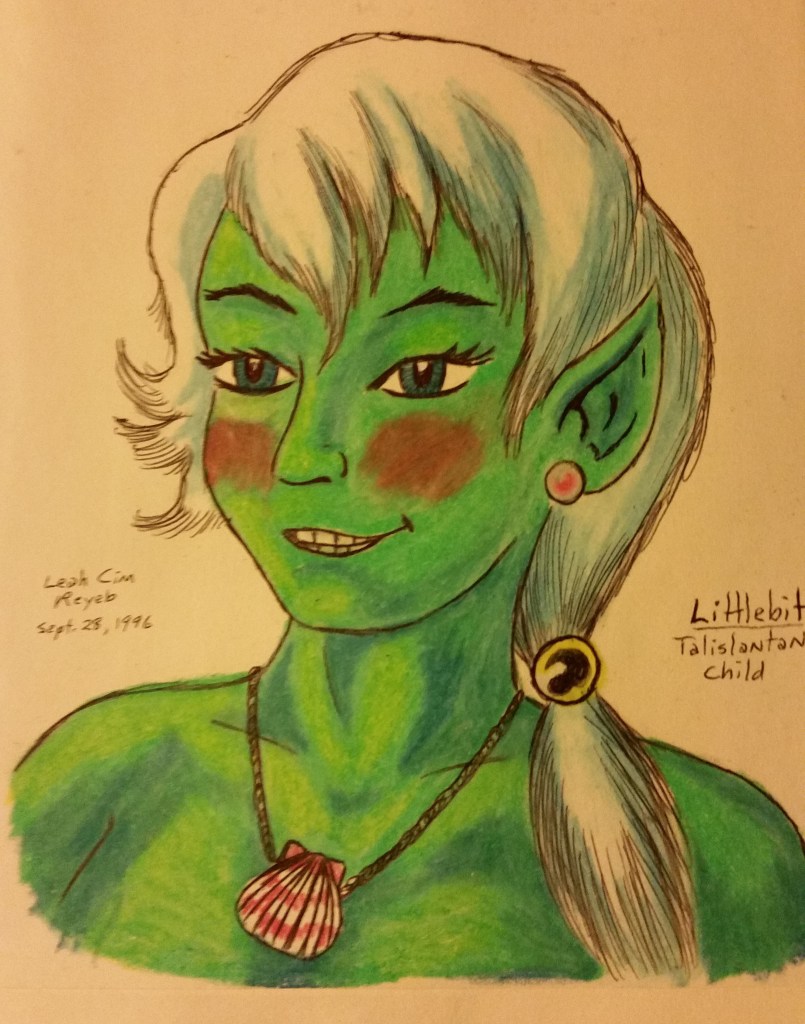
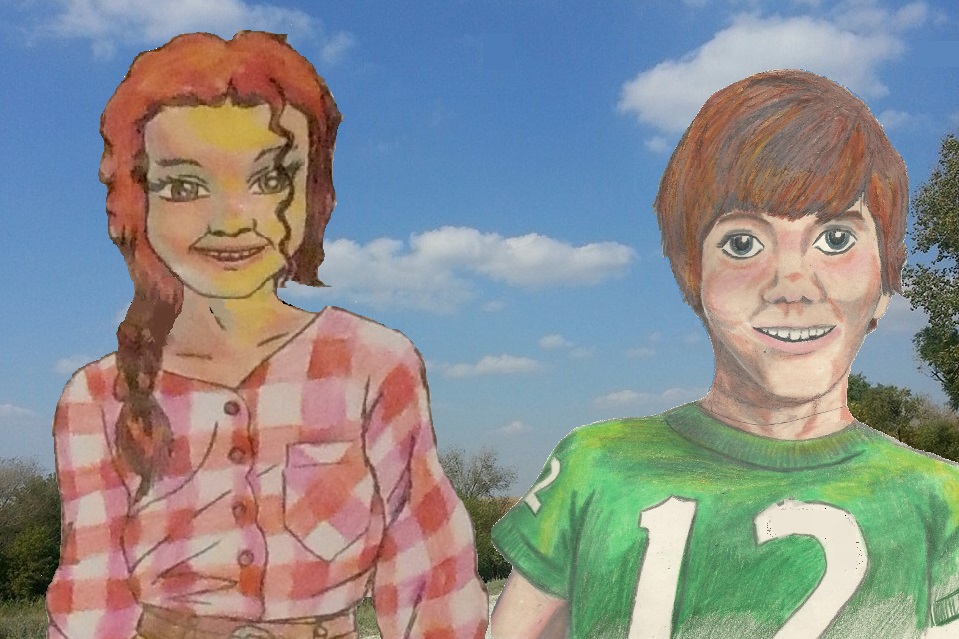
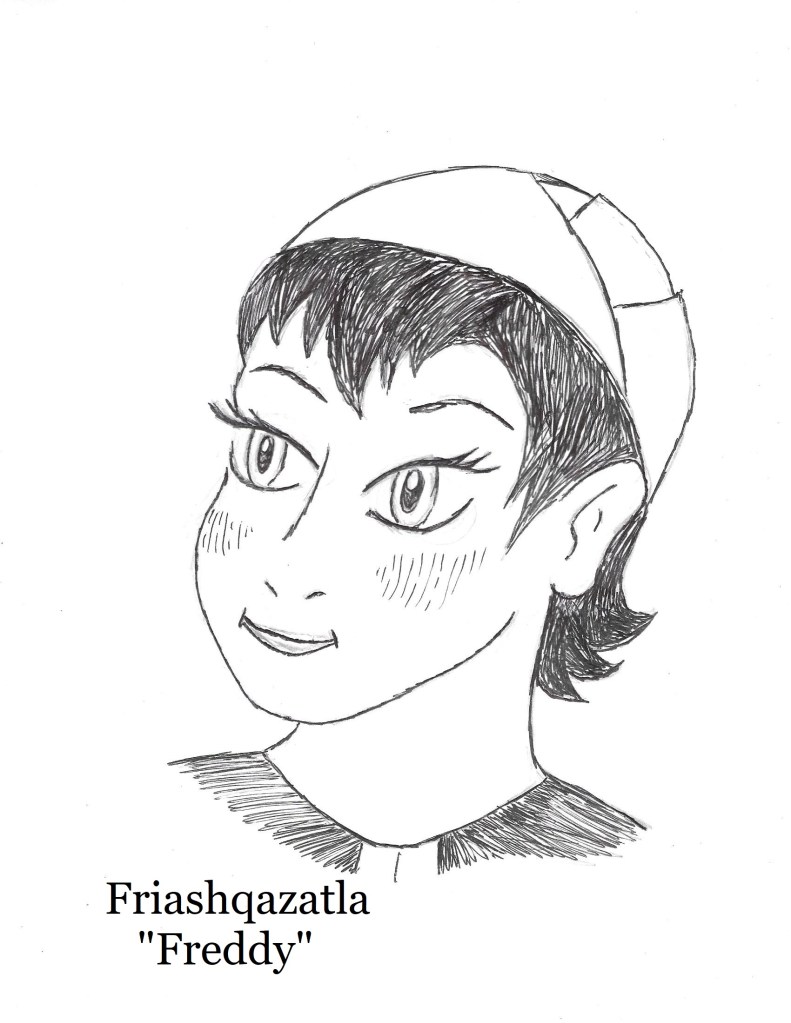
I am not well again after a couple of weeks of rain and cold working on my arthritis. So I am going to merely post a few past Paffoonies to make up today’s post. If you would like to see what Paffoonies are all about, then go to Google picture search “Beyer Paffooney”. It will basically give you a Mickian art gallery, peppered with other pictures that I used in posts that aren’t actually Paffoonies (but the algorithm doesn’t know that).


Filed under artwork, Paffooney, Uncategorized
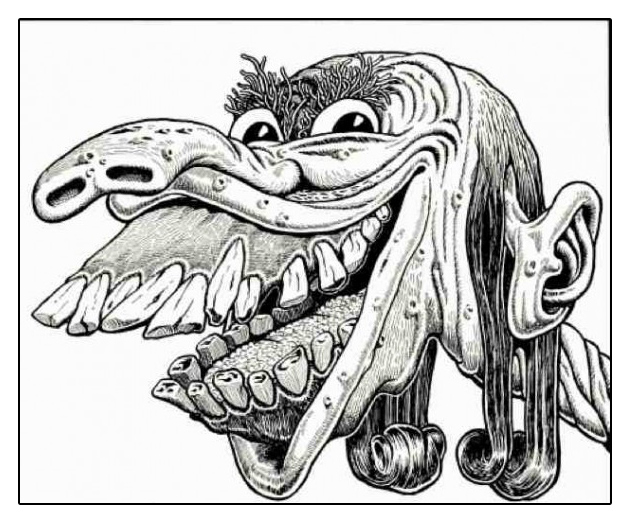
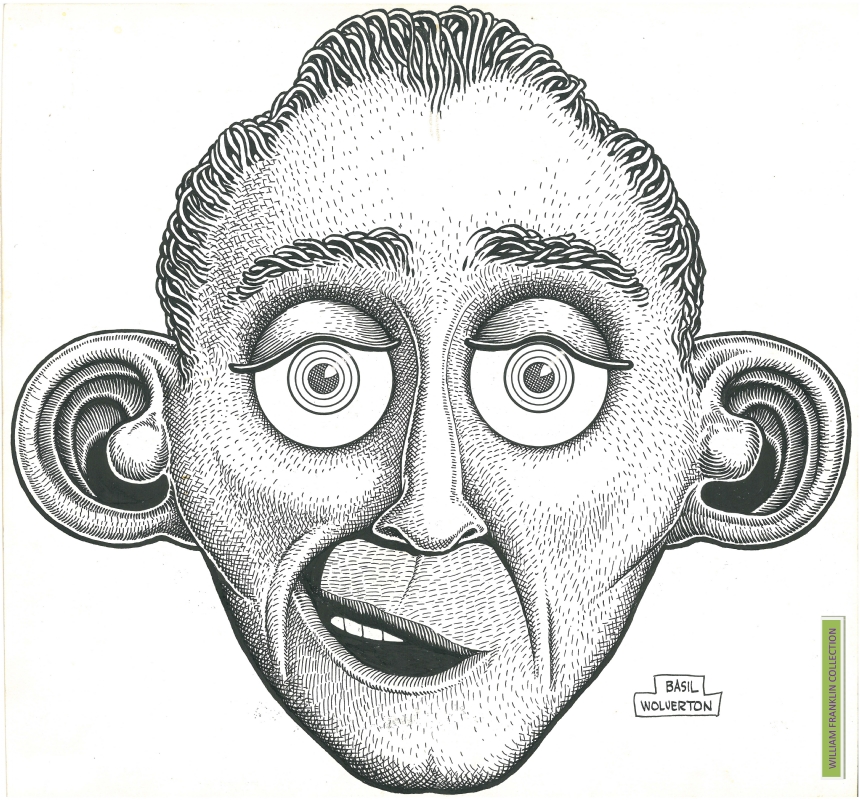
Basil Wolverton (1909 to 1978) became famous as a cartoonist by winning a contest. He submitted the picture of Lena to Al Capp’s newspaper strip to answer the question of what Lena, who had been appearing for weeks in Li’l Abner underneath a black square with an editor’s warning printed on it that she was just too ugly to be revealed, actually looked like. Capp ran the contest to depict Lena and selected Wolverton’s drawing from among 500,000 entries. I think Capp got it right when he chose this to be the world’s ugliest woman.
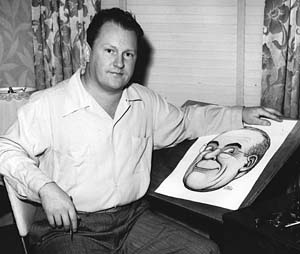
Wolverton had done comics before this one amazingly ugly picture. He did Spacehawk for Target Comics up to 1942, and he did a comic series called Powerhouse Pepper for Timely Comics (which is the company that became Marvel after the 1940’s.) But Lena not only brought him fame, it really started him down the path of his intensely detailed “spaghetti and meatballs” style of rather ugly comic art.
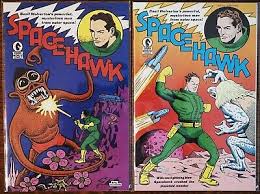
He used millions of little dots and lines to create art that would really soak up the printer’s ink supply and gave his artwork a uniquely “pointillistic” look.
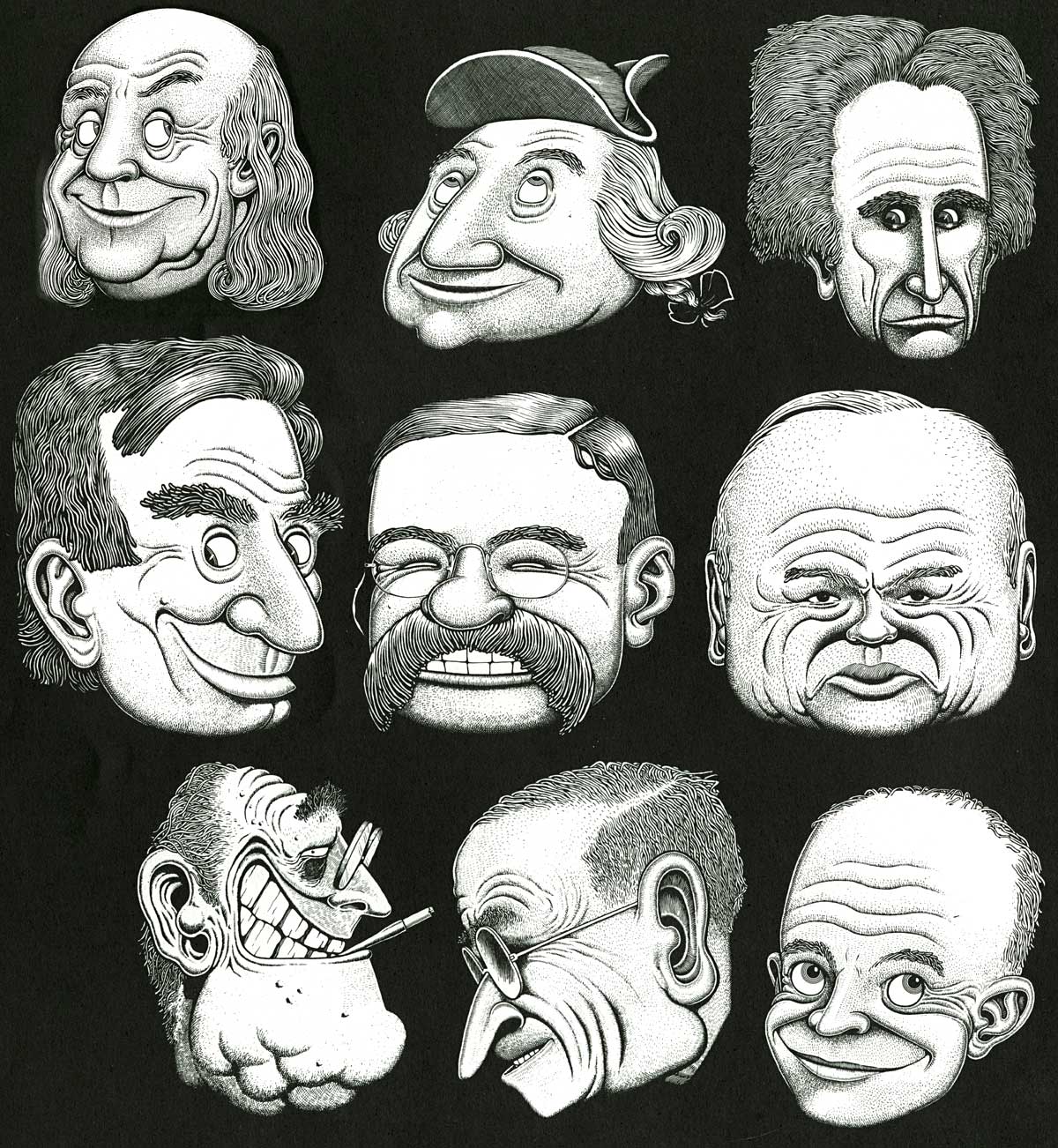
Here’s Wolverton’s portrait of Bing Crosby.
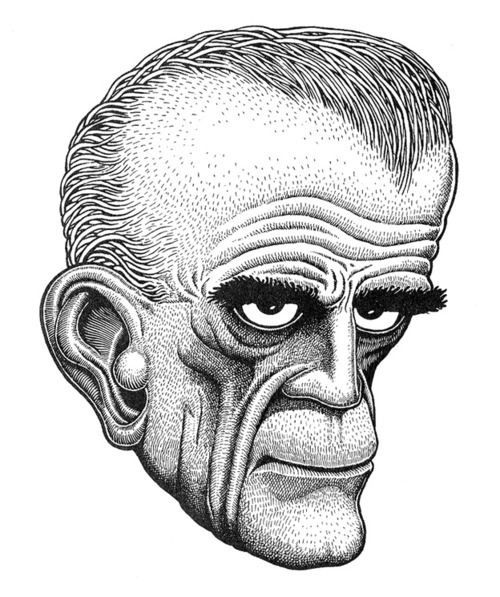
And here’s monster movie monarch, Boris Karloff.
But what really made Wolverton’s unique artwork popular and lucrative was his uniquely twisted and downright ugly portraits.
ugh! wotta beauty!
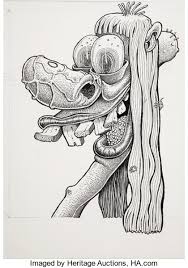
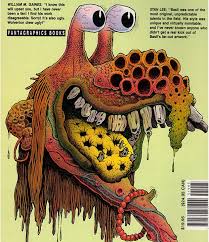
Ain’t this one… um… unique?
He would go on to be featured in Mad Magazine, Cracked, Panic Magazine, and Topp’s trading card series of Ugly Posters. He managed to do work that reached amazing levels of monstrously ugly humorous mastery of pen and ink drawings.
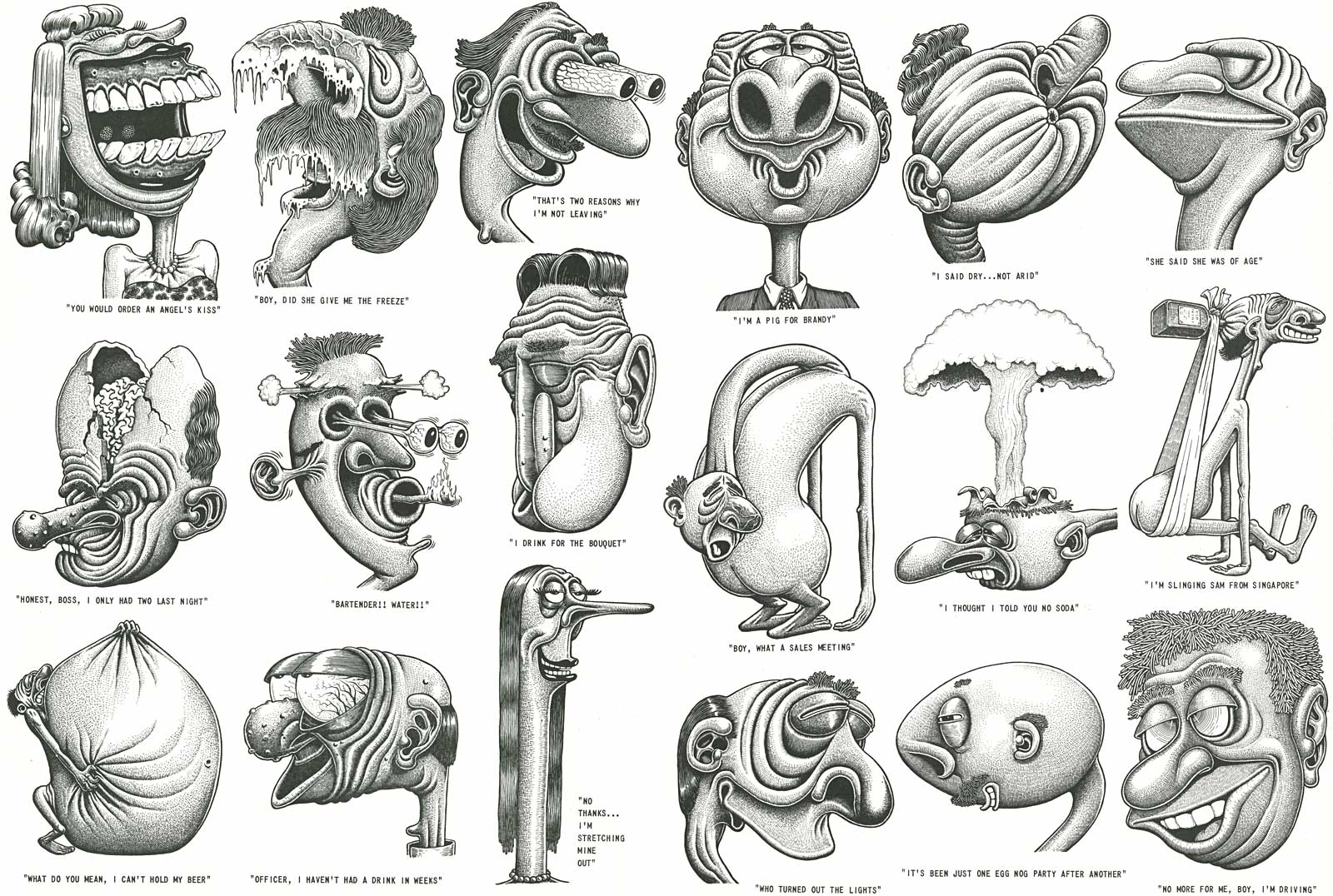
For years Basil made me laugh. But there’s no denying it… Basil masterfully drew really, really ugly artwork.
Filed under artists I admire, artwork, cartoon review

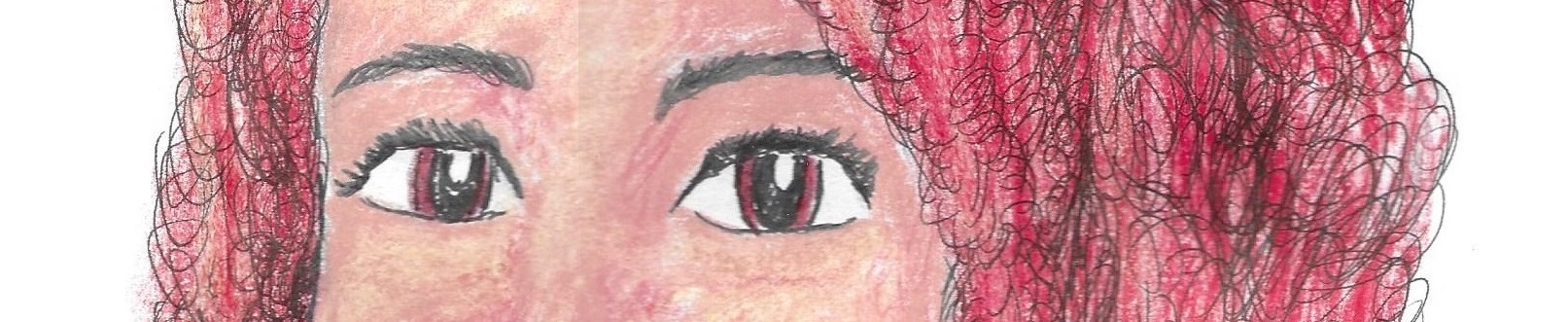

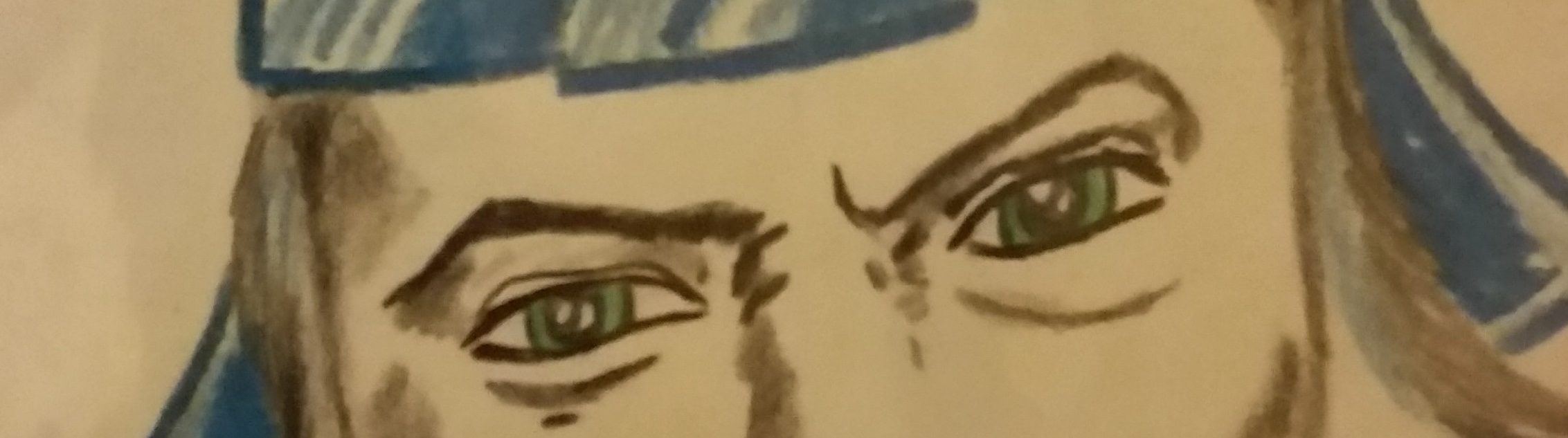

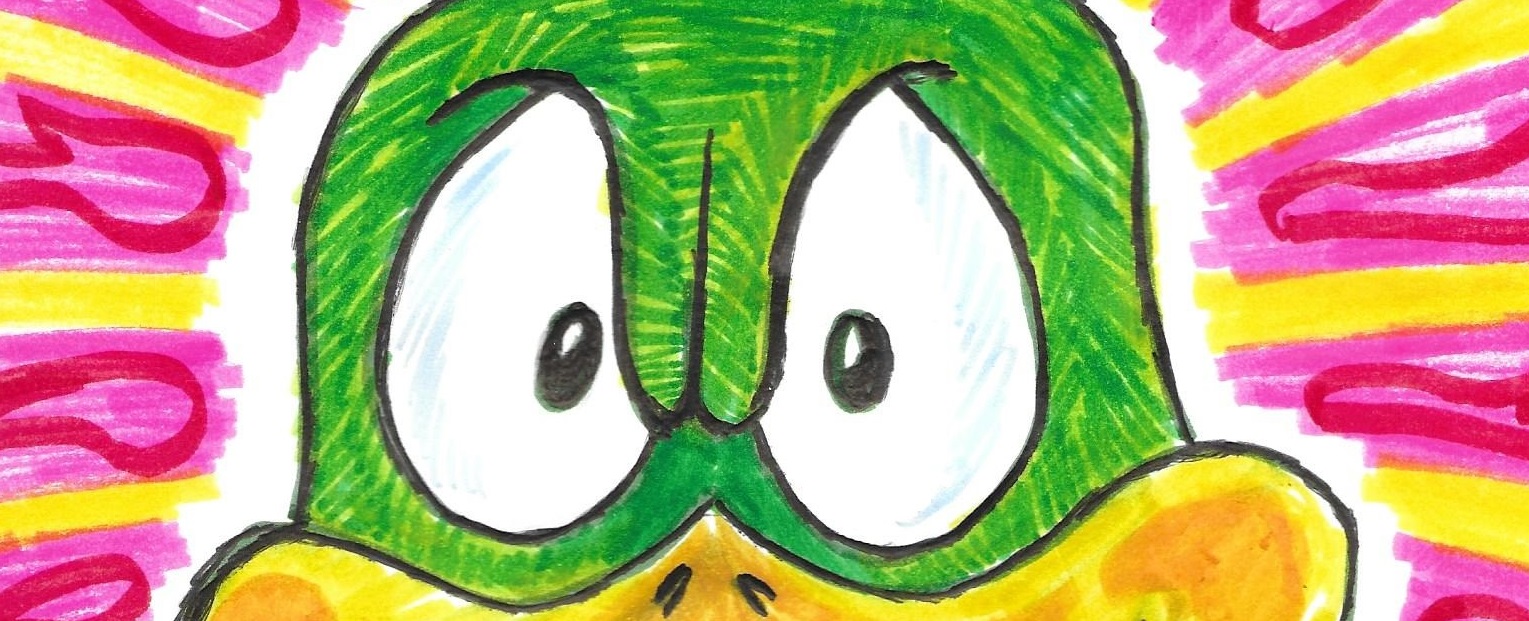


,
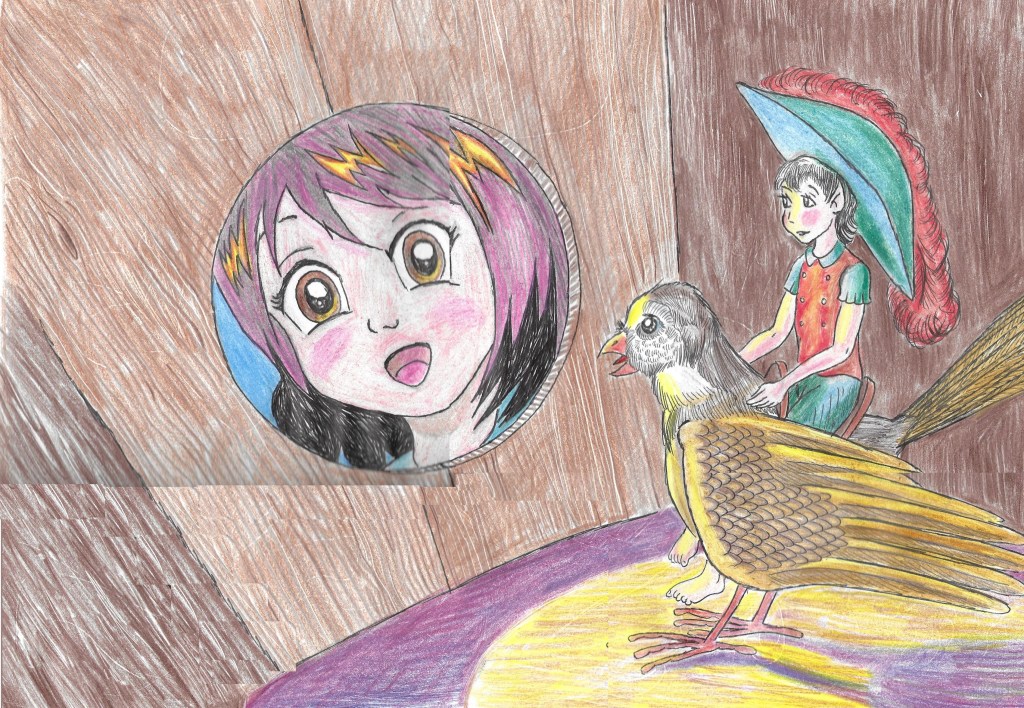
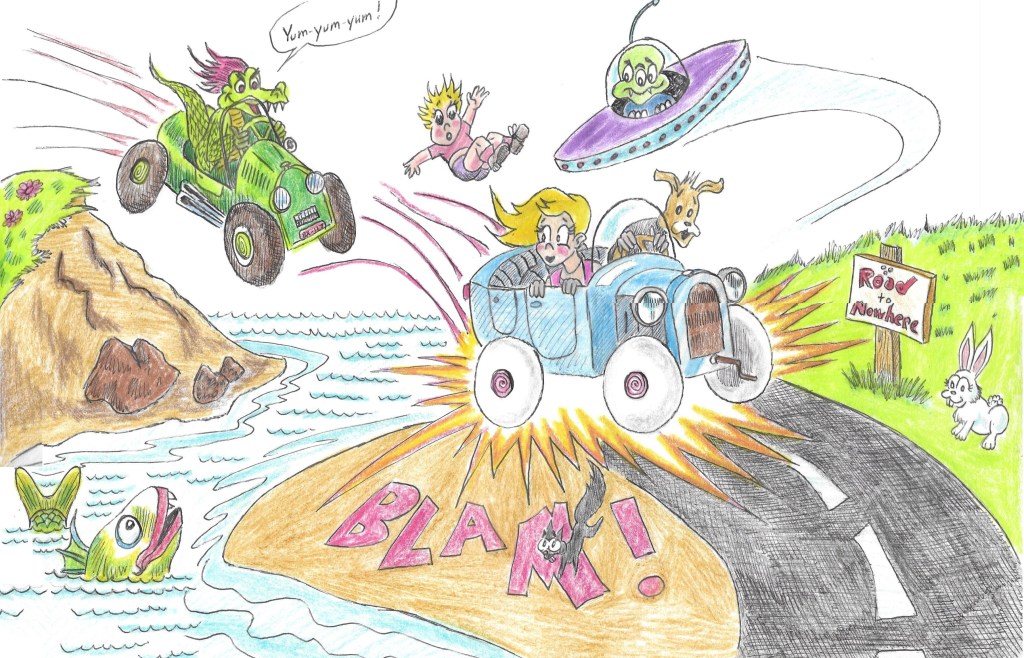
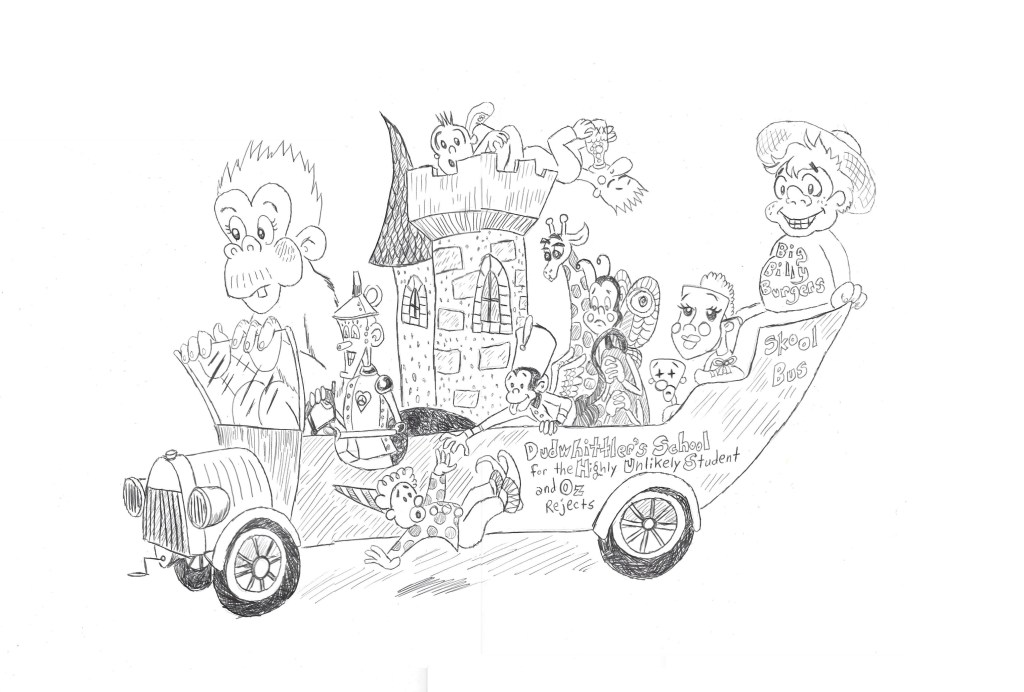
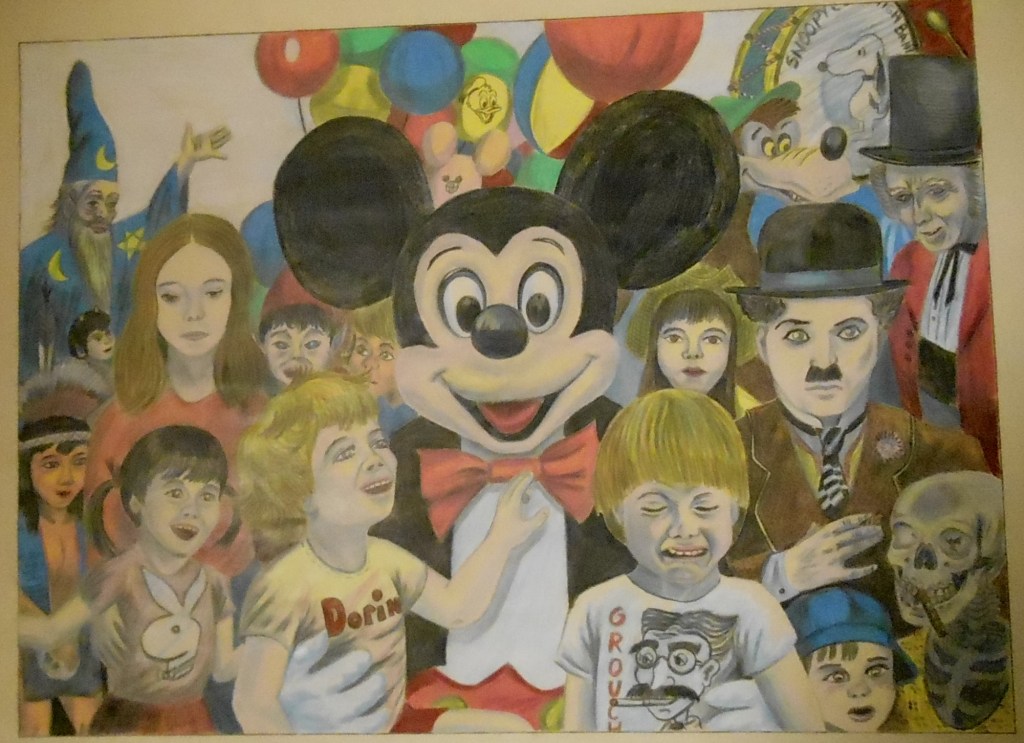
Filed under artwork, drawing, humor, illustrations, imagination, Paffooney
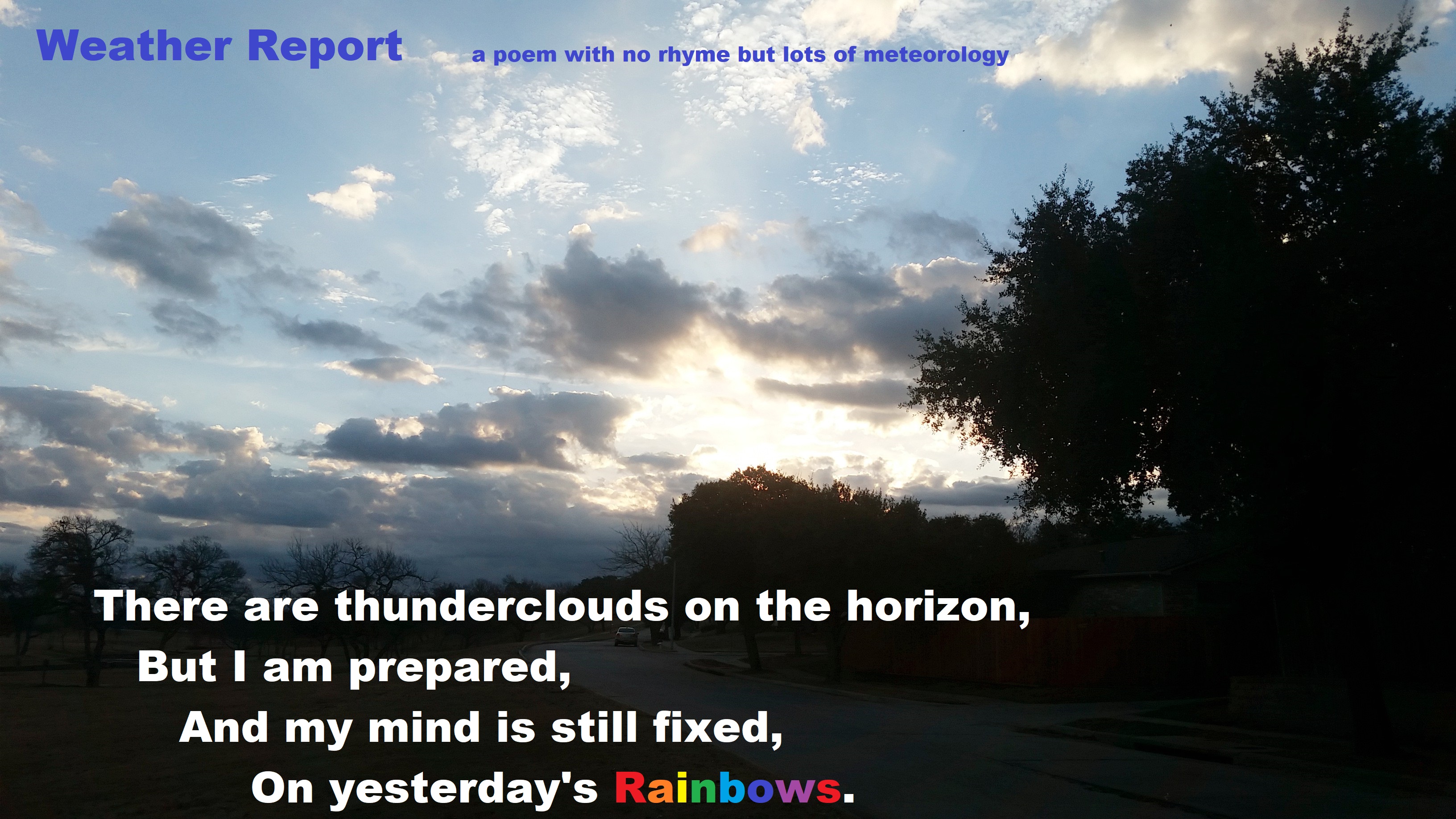
-a poem written by Mickey and pasted on a picture.
 Catch a Falling Star
Special Snowflakes
When conservative cultural warriors, Twitter Trolls, or dyspeptic gasbags like Rush Limbaugh call you a “Special Snowflake”, I have discovered, to my chagrin, that they don’t mean it as a compliment. In their self-centered, egotistical world you have to be as emotionally tough and able to “take it” as they believe (somewhat erroneously to my way of thinking) they themselves are. They have no time for political correctness, safe spaces, or, apparently, manners polite enough not to get you killed on the mean streets where they never go. Being a retired school teacher who was once in charge of fragile young psyches trying to negotiate a cruel Darwinian world, I think I disagree with them.
Have you ever tried to draw a snowflake? Believe me, it is difficult. Snowflakes are hexagonal star-shapes with enough lace and filigrees in them to make it a nightmare to draw it with painfully arthritic hands. The one above took me an hour with ruler and compass and colored pencils, and it still doesn’t look as good as a first grader can create with scissors and folded paper. Much better to use a computer program to spit them out with mathematical precision and fractal beauty. That’s how all the tiny ones in the background were created. But even a computer can’t recreate the fragile, complicated beauty of real snowflakes.
You see how the fragile crystalline structures will break in spots, melt in spots, attach to others, and get warped or misshapen? That is the reason no two snowflakes are alike, even though they all come from the same basic mathematically precise patterns generated by ice crystals. Life changes each one in a different way.
And that, of course, is the reason this essay is really about people rather than mere physical artifacts of cold weather. Our fragilities and frailties are earned, and they make us who we are. I have a squinky eye like Popeye from playing baseball and getting hit by a pitch. I have a big toe that won’t bend from playing football. They both represent mistakes that I learned from the hard way.
As a teacher, I learned that bipolar disorder and anxiety disorders are very real things. I lost a job once to one of those. And I spent a long night talking someone out of suicide one horrible December. Forgive me, I had to take fifteen minutes just there to cry again. I guess I am just a “special snowflake”. But the point is, those things are real. People really are destroyed by them sometimes. And they deserve any effort I can make to protect them or help them make it through the night.
But people are like snowflakes. They are all complex. They are all beautiful in some way. They are all different. No two are exactly the same.
And I really think boorish bastards have no right to insist that we need to take safe spaces and sanctuaries away from them. Every snowflake has worth. Winter snow leaves moisture for seedlings to get their start every spring. If you are a farmer, you should know this and appreciate snowflakes. And snowflakes can be fascinating. Even goofy ones like me.
Leave a comment
Filed under 1000 Voices Speak for Compassion, artwork, battling depression, commentary, compassion, humor, metaphor, Paffooney, self portrait, Snow Babies, strange and wonderful ideas about life
Tagged as Christmas, compassion, humor, poetry, snow, snowflakes, winter