Category Archives: artwork
Islands of Identity

Who am I?
Why do I do the things that I do?
No man is an island. John Donne the English poet stated that. And Ernest Hemingway quoted it… and wove it into his stories as a major theme… and proceeded to try to disprove it. We need other people. I married an island girl from the island of Luzon in the Philippines. She may have actually needed me too, though she will never admit it.

When I was a young junior high school teacher in the early eighties, they called me Mr. Gilligan. My classroom was known as Gilligan’s Island. This came about because a goofball student in the very first class on the very first day said, “You look like Gilligan’s Island!” By which he meant I reminded him of Bob Denver, the actor that played Gilligan. But as he said it, he was actually accusing me of being an island. And no man is an island. Thank you, Fabian, you were sorta dumb, but I loved you for it.

You see, being Gilligan on Gilligan’s Island was not a bad thing to be. It was who I was as a teacher. Nerdy, awkward, telling stories about when I was young, and my doofy friends like Skinny Mulligan. Being a teacher gave me an identity. And Gilligan was stranded on the Island with two beautiful single women, Mary Ann and Ginger. Not a bad thing to be. And I loved teaching and telling stories to kids who would later be the doofy students in new stories.
But we go through life searching for who we are and why we are here. Now that I am retired, and no longer a teacher… who am I now? We never really find the answer. Answers change over time. And so do I.
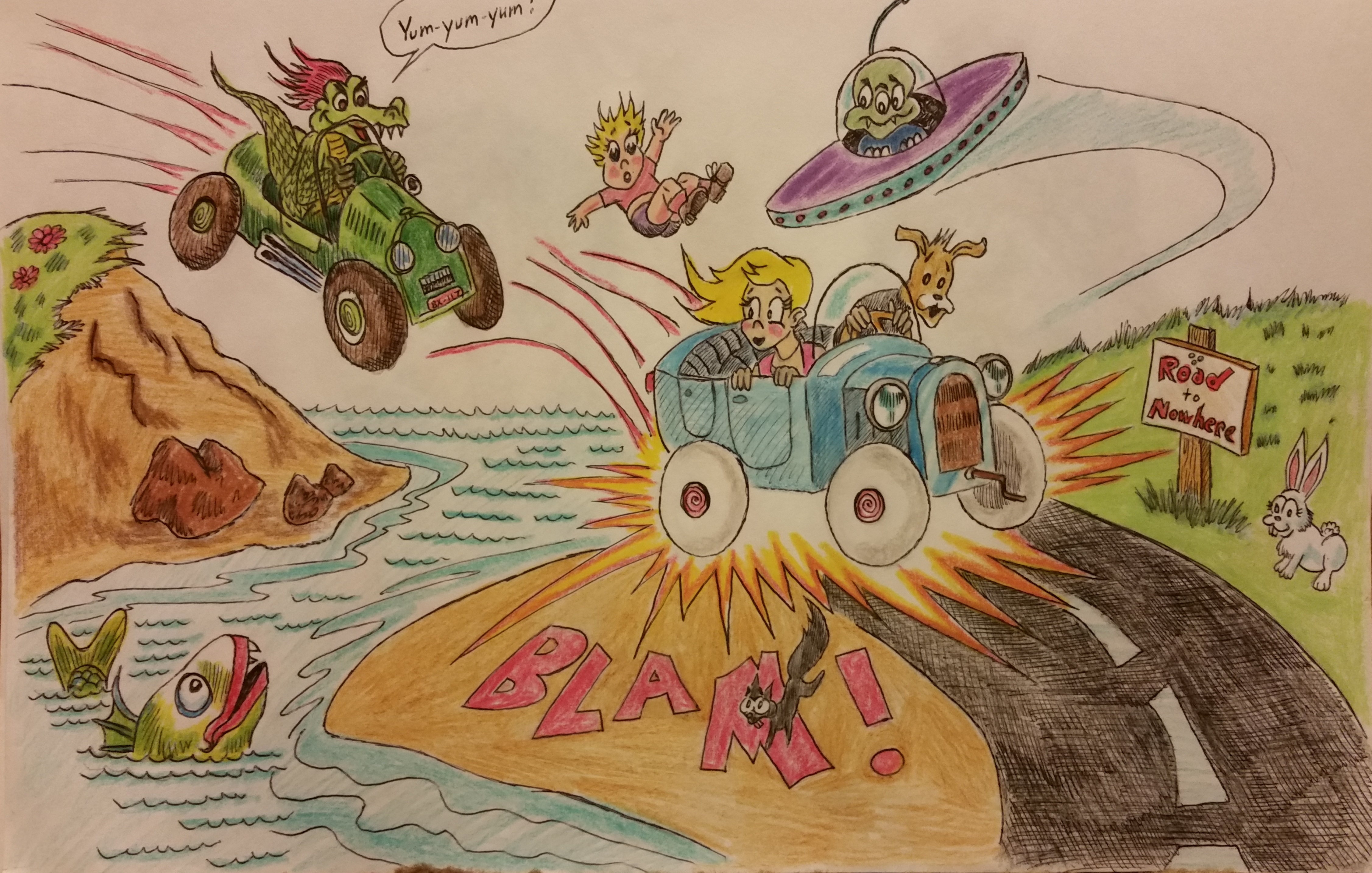
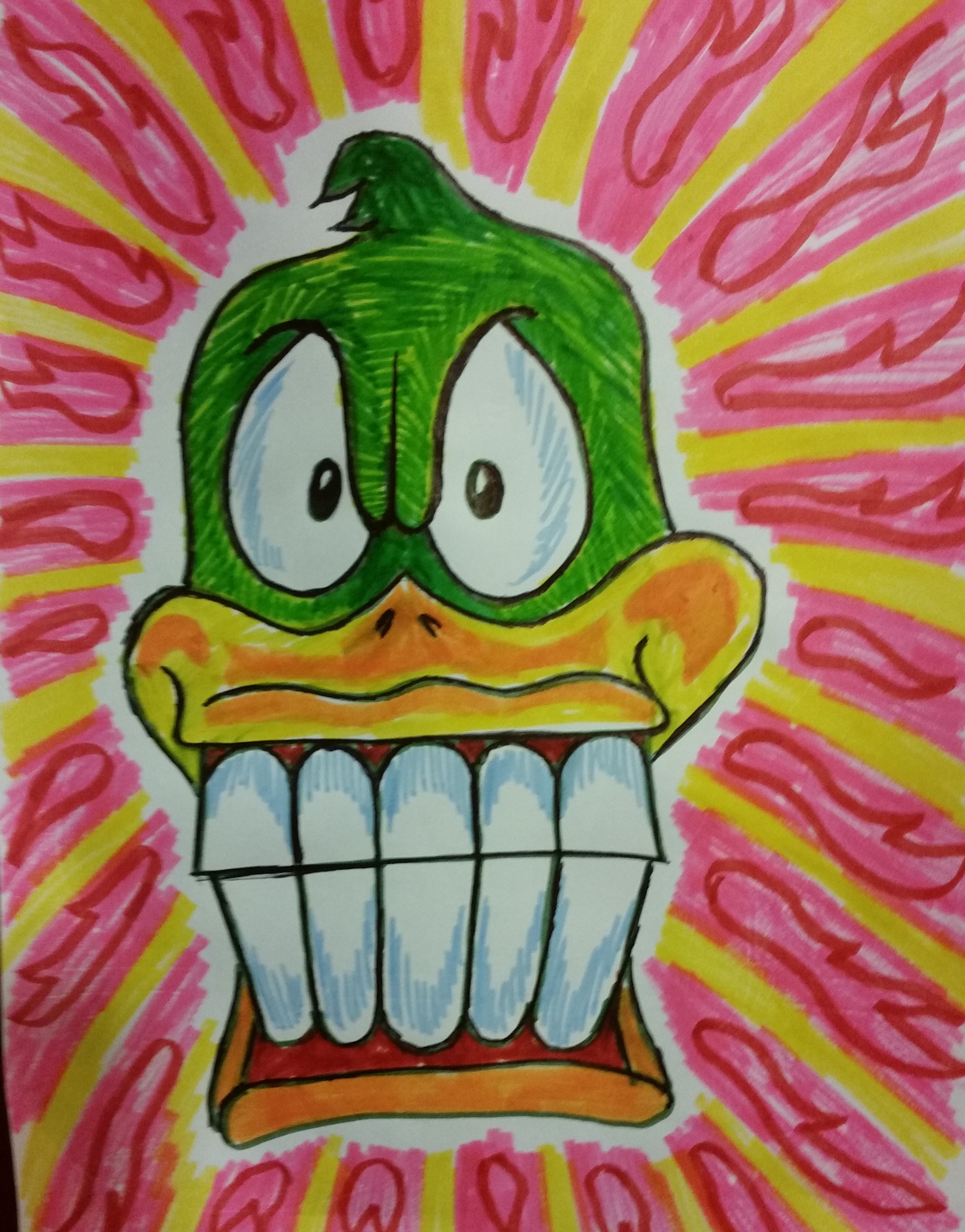
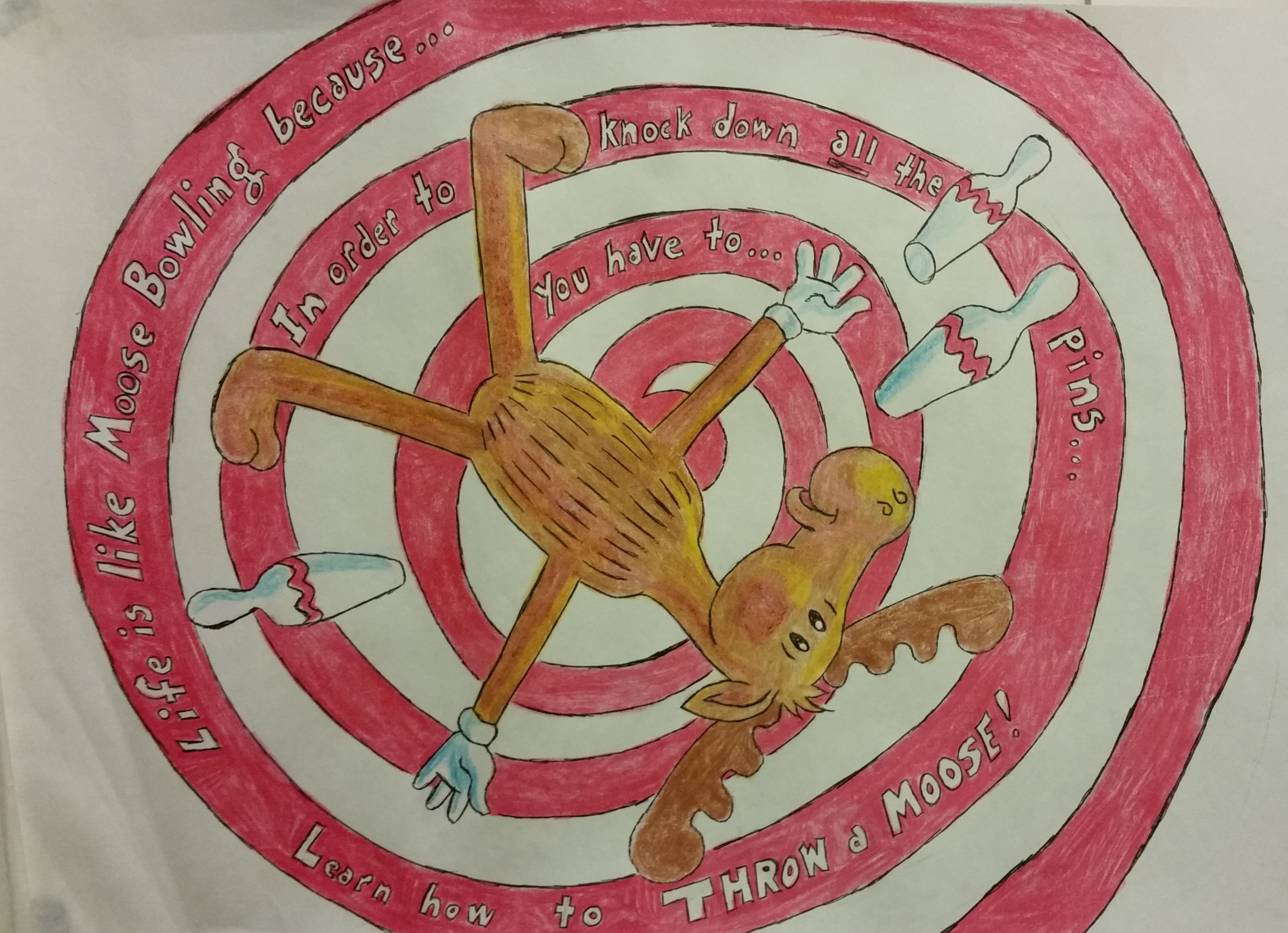
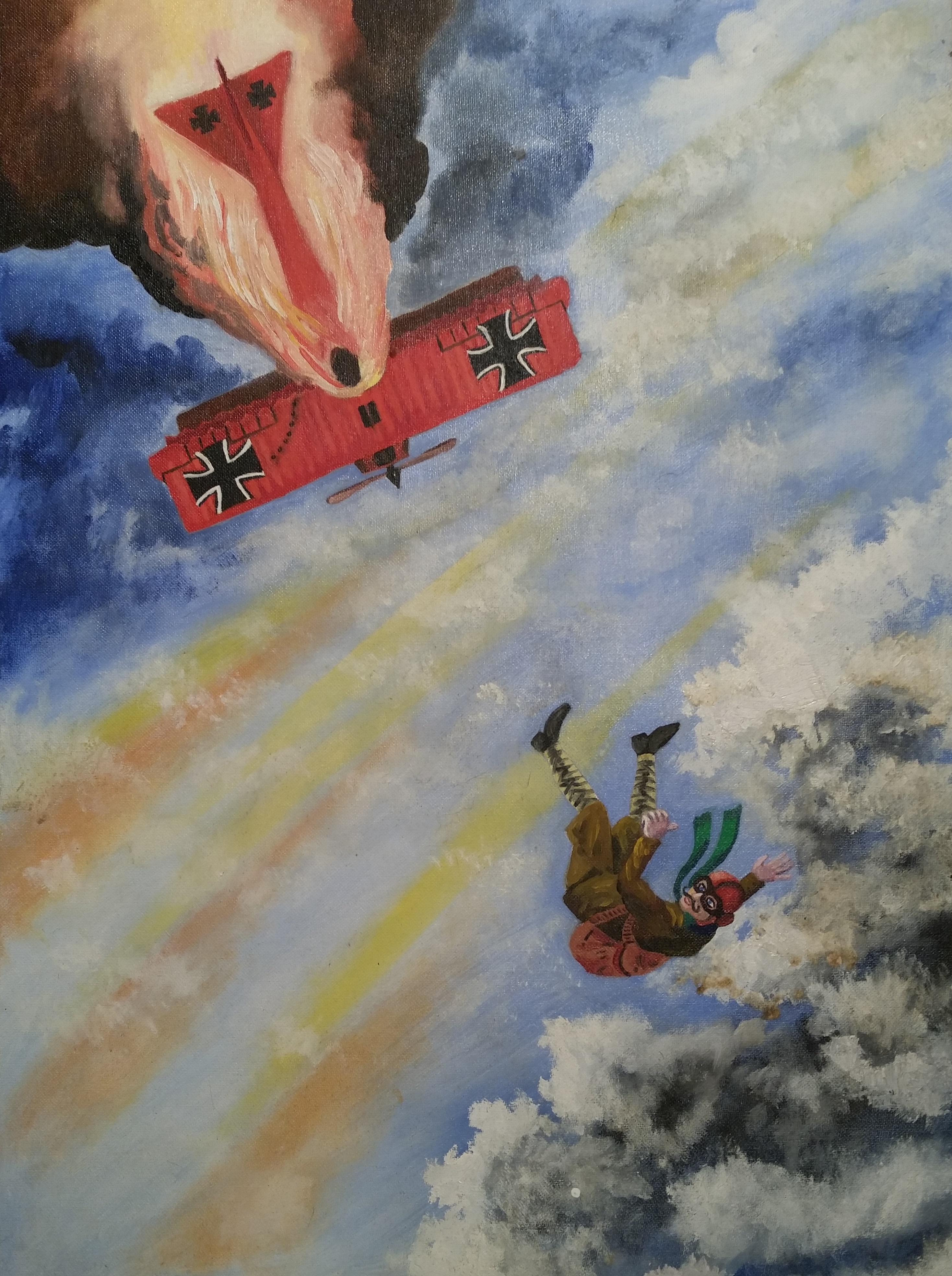
Celebration, Old Art Revisited

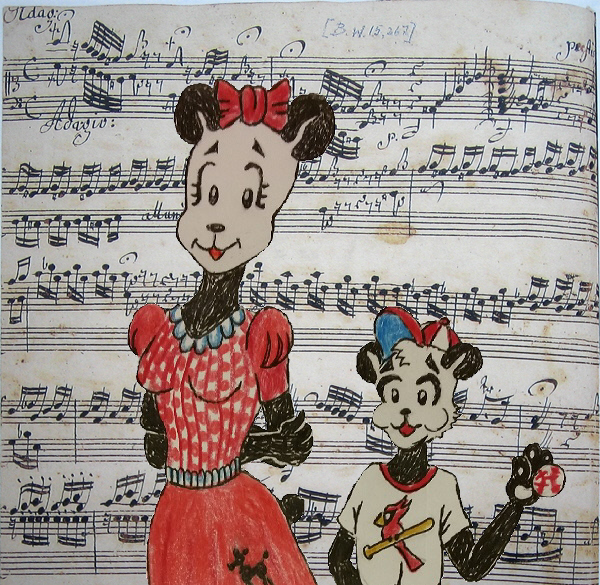
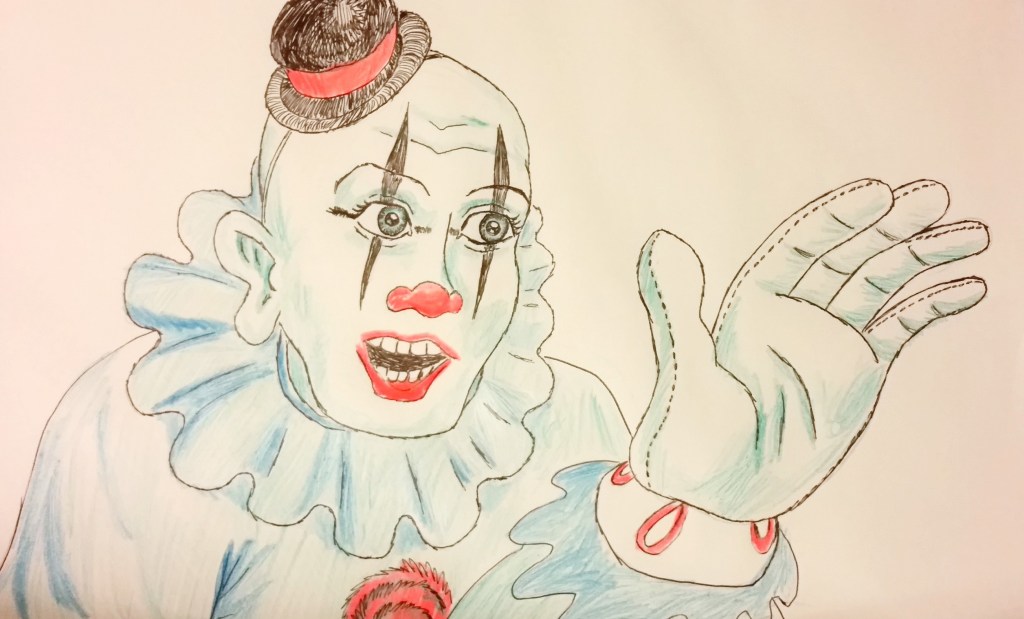
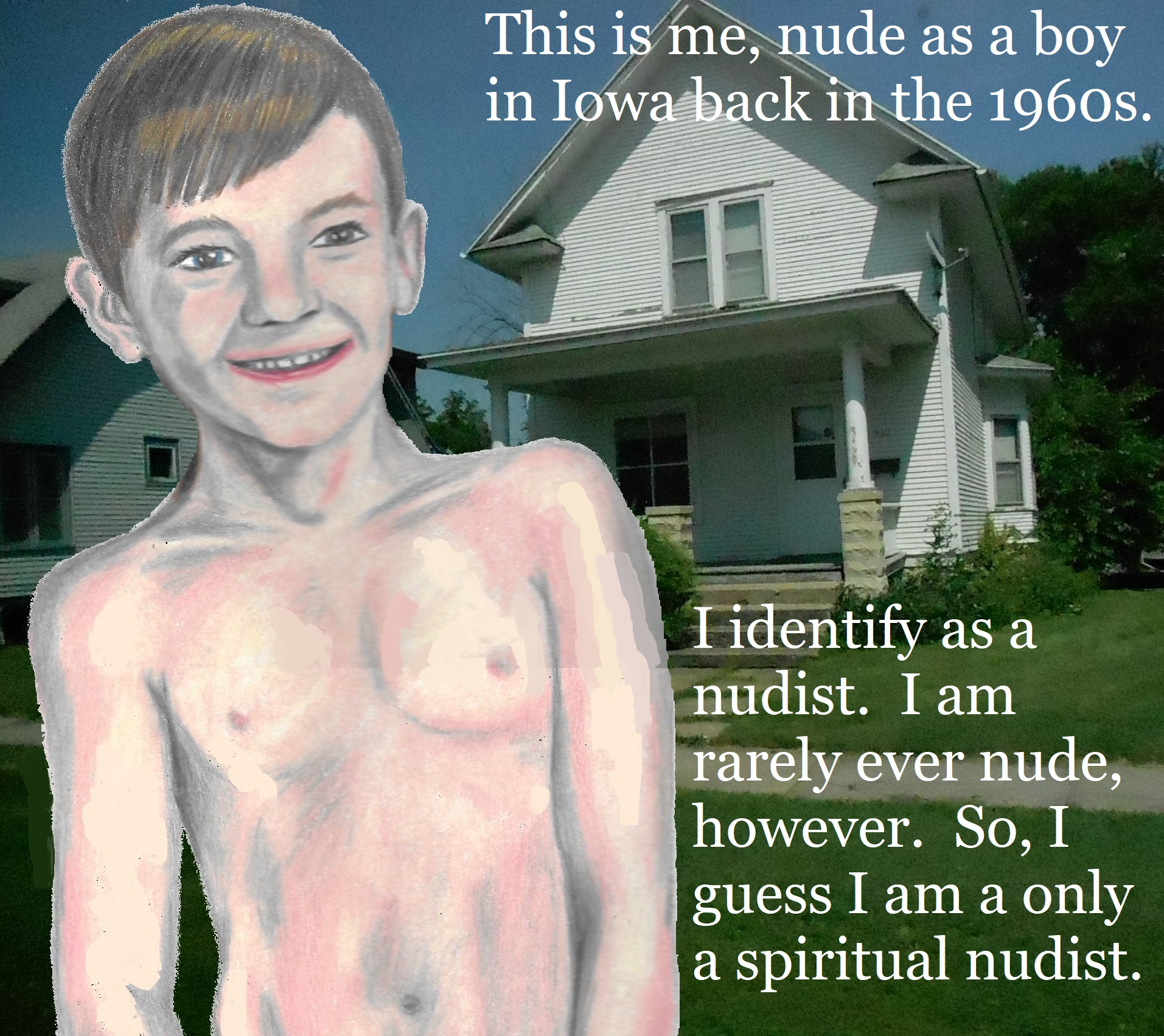
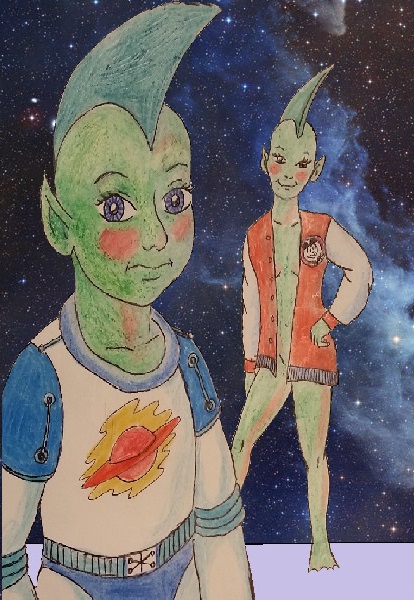
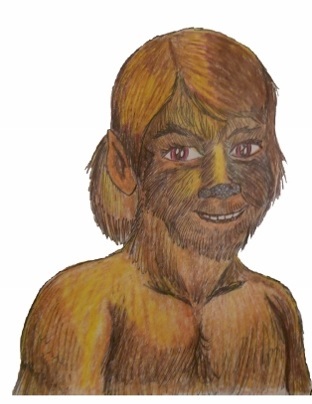
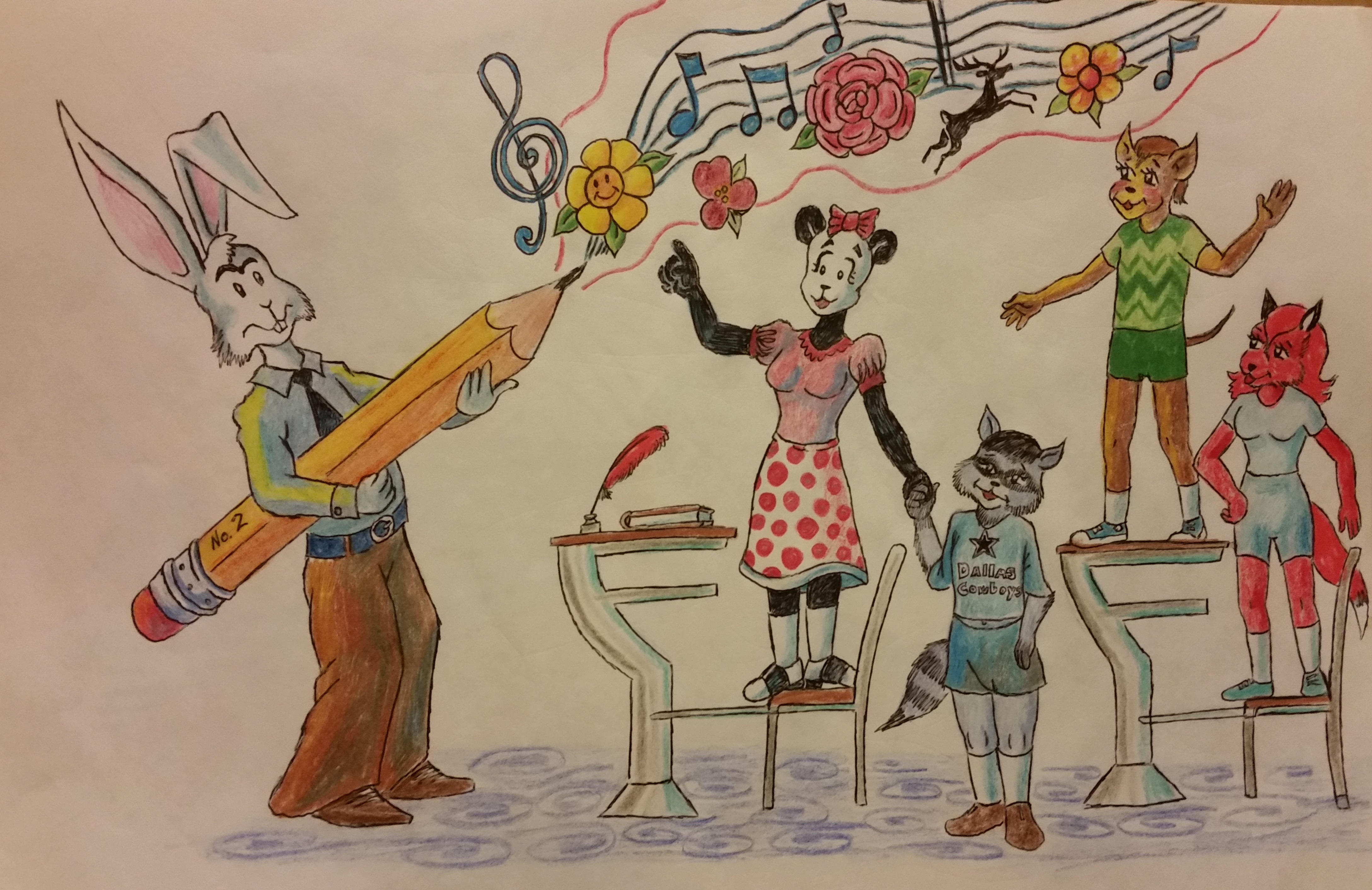
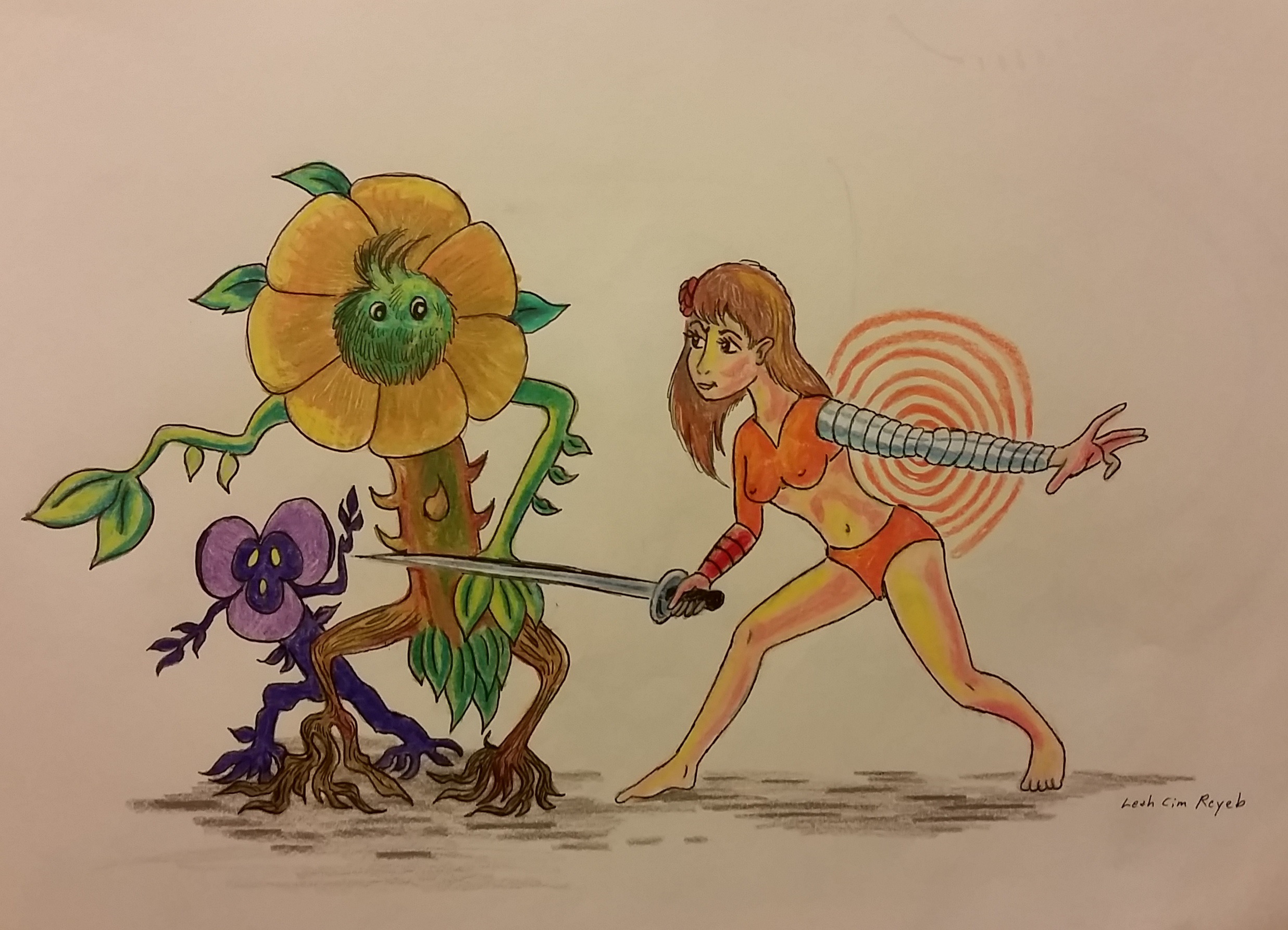
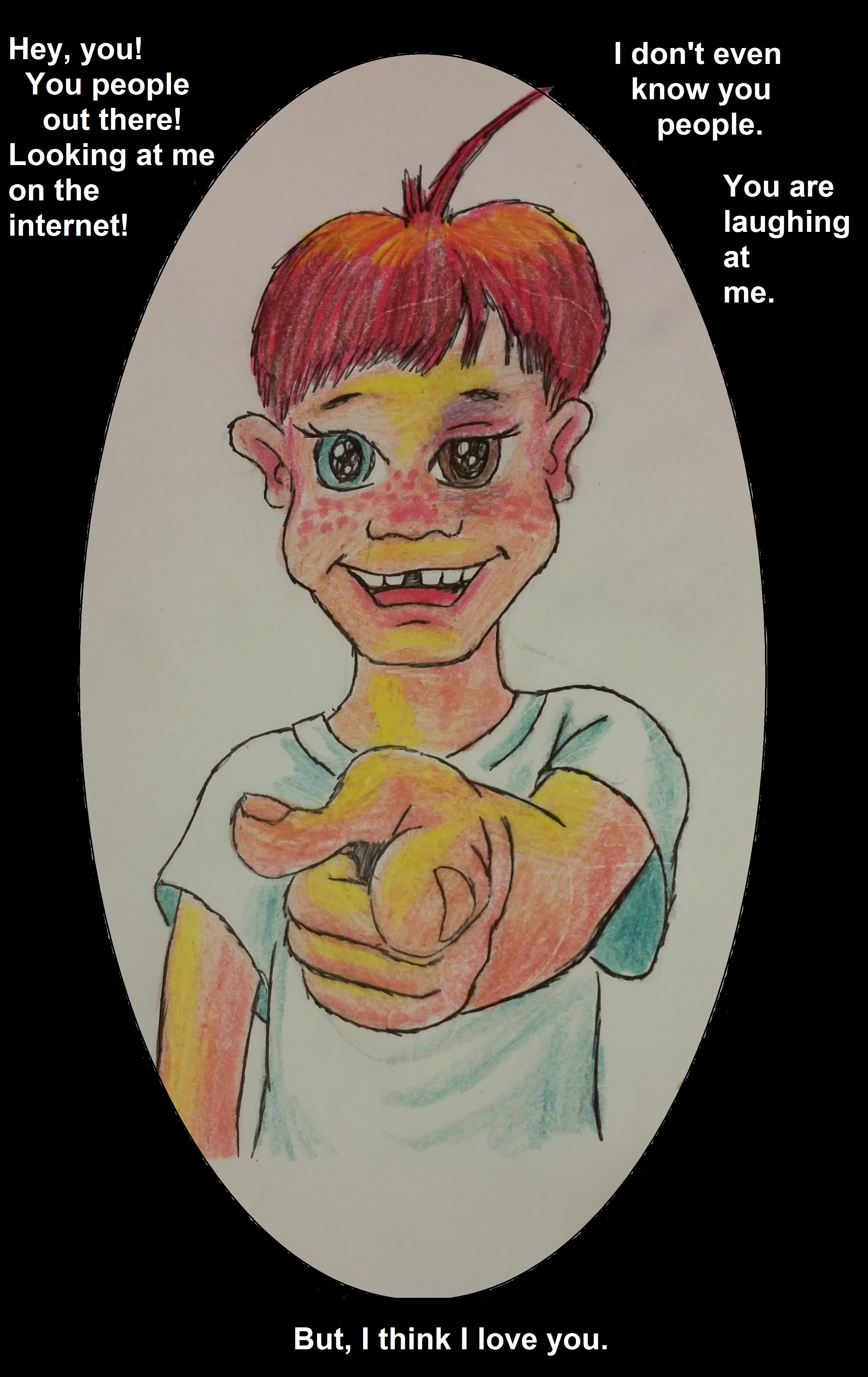
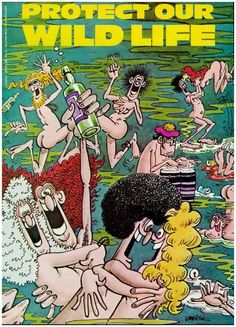
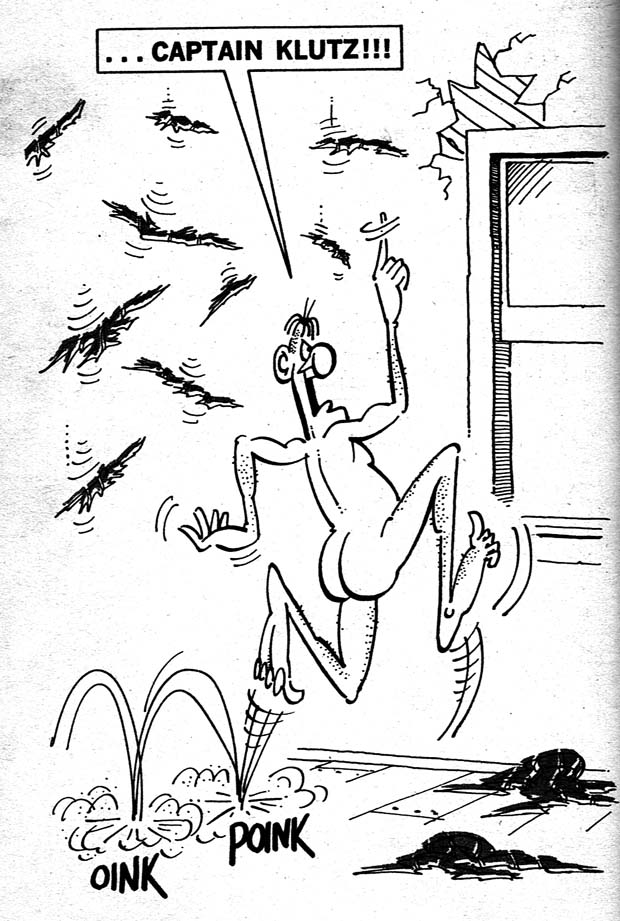
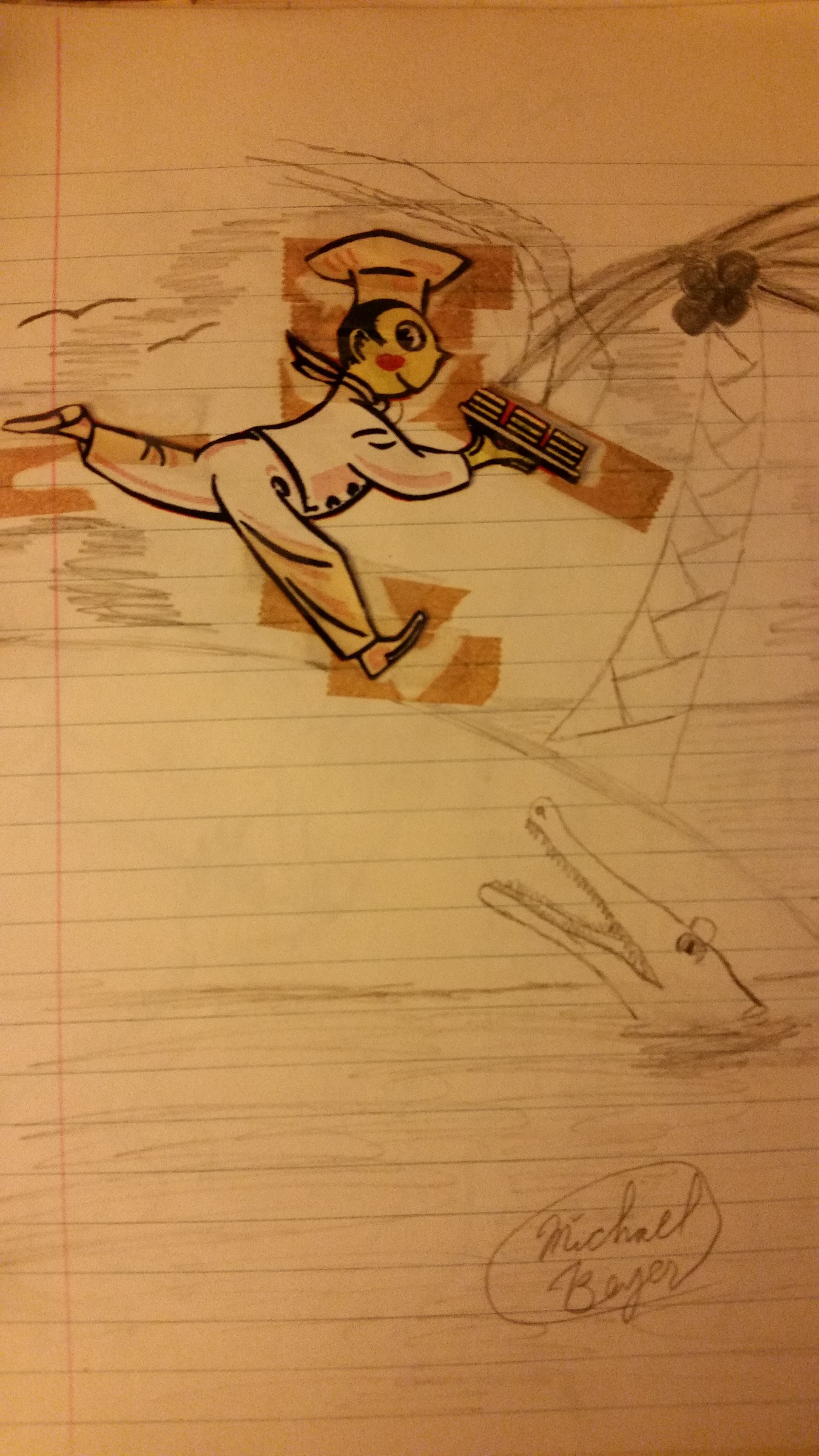
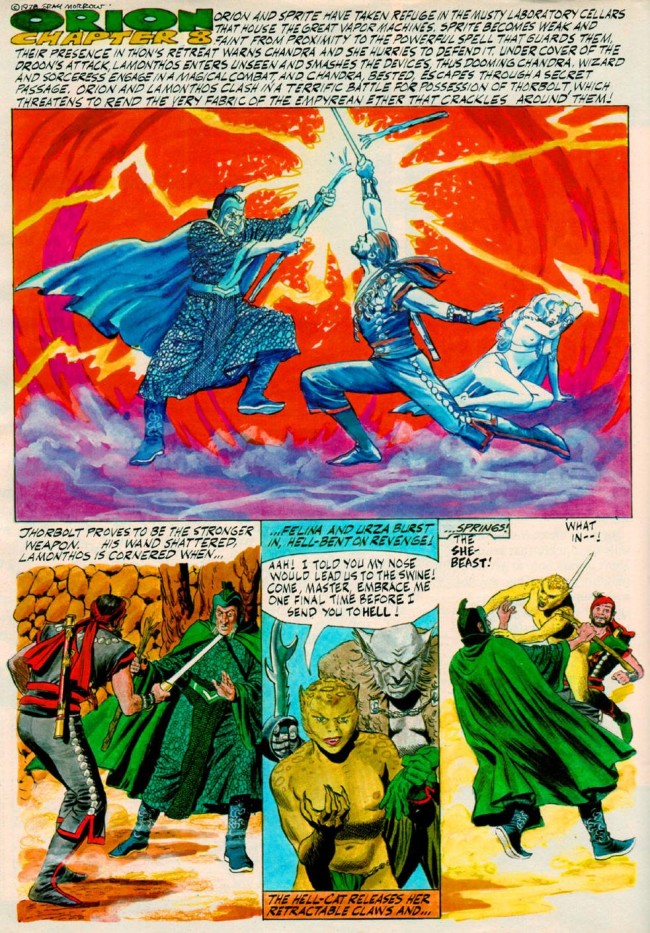
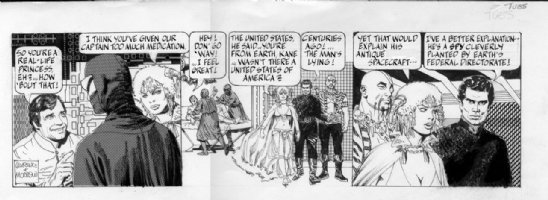
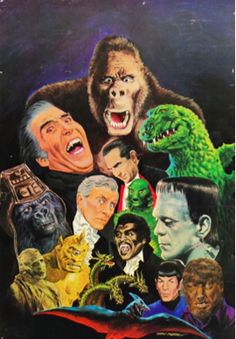
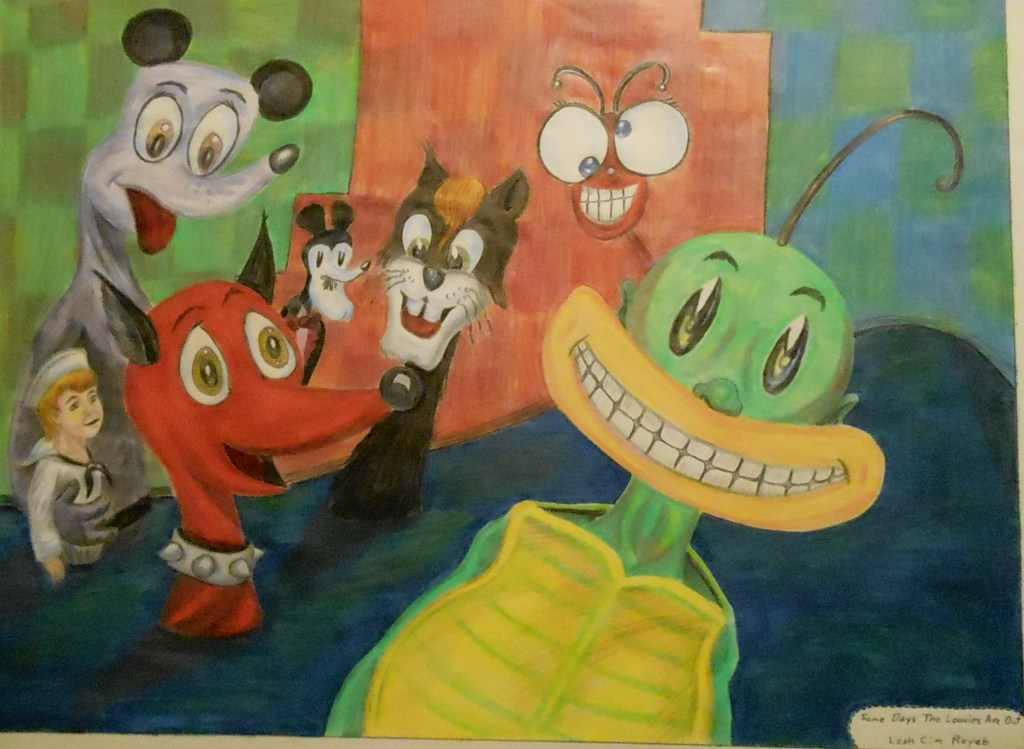
These are some of my favorite drawings from the past.


You may have noticed that my blog is about surrealist art, fantasy fiction for young adults, and a somewhat strange idea of what humor is all about.


Filed under announcement, artwork, blog posting, Paffooney
Just Because I Like That Picture

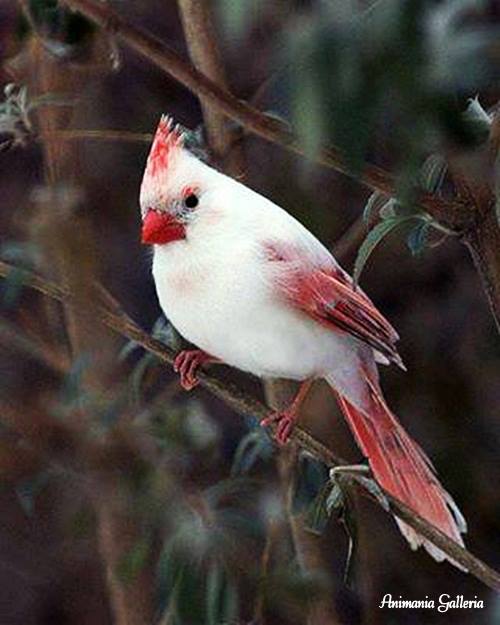
It’s true. You have seen these multiple times before. They are some of my favorite drawings , paintings, and pictures.


You may not agree that these are my best work. That isn’t why I included them. These are pictures I simply like, and I could’ve added another hundred or so easily.
Elsie the Cow

I was a boy back when the milk man still came around in his blue-and-white panel truck delivering bottles of milk with Elsie the Cow on them. I don’t remember clearly because I was only 4 years old back when I first became aware of being a boy in this world instead of being something else living somewhere else.
There were many things I didn’t know or understand back then. But one thing I did know was that I loved Elsie the Cow. And why would a farm boy love a cartoon cow? There were many not-so-sensible reasons.
For one thing, Elsie the Cow reminded me of June Lockhart, Lassie’s mom, and the mom from Lost in Space.

It may be that June Lockhart’s eyes reminded me of Elsie’s, being large, soulful eyes with long black eyelashes. It may be that she starred in a TV commercial for Borden’s milk in which Elsie winked at me at the end of the commercial.
Or maybe it was because Elsie had calves and was a mom. And June Lockhart was Lassie’s mom and the mom of Will Robinson, so I associated both of them with my mom, and thus with each other.

Elsie gave you milk to drink and always took care of you that way. Milk was good for you, after all. My own mom was a registered nurse. So they were alike in that way, too.
And she was constantly defending you against the bulls in your life. She stood up to Elmer to protect her daughter more than once. Of course, her son was usually guilty of whatever he was accused of, but she still loved him and kept Elmer from making his “hamburger” threats a reality.

And you can see in numerous ad illustrations that Elsie’s family were basically nudists. Although she often wore an apron, she was bare otherwise. And though her daughter often wore skirts and her son wore shorts, Elmer was always naked. And that didn’t surprise me, because no cow I knew from the farm wore clothes either. From very early in my life I was always fascinated by nakedness, and I would’ve become a nudist as a youngster if it hadn’t been soundly discouraged by family and society in general.


So there are many reasons why I have always loved Elsie the Cow. And it all boils down to the love of drinking milk and that appealing cartoon character who constantly asks you to drink more.

Giving and Taking Stupid Advice
Let’s begin with some stupid advice. I don’t have time to write a lot today because the Princess is ill and must go see the doctor in Plano. So the advice is; Set aside time for writing and always allow plenty of time for it. You will probably notice already that I am giving you advice that I am not taking myself this morning. So don’t follow that advice. It is stupid advice. I have given it to creative writing classes for years and thought I meant it. But looking back on real life, I realize, it has never been true for me. My best ideas, my best writing, always seem to come in the middle of the pressure-cooker of daily struggle and strife. I have battled serious illness for most of my adult life. I have the luck of a man who tried to avoid letting a black cat cross his path by crashing his bicycle at the top of a hill covered in clover with only three leaves each and then rolling down the hill, under a ladder, and crashing into a doorpost which knocks the horseshoe off the top. The horseshoe lands on my stupid head with the “U” facing downward so the luck all drains out. Bad things happen to me all the time. But it makes for good writing. Tell me you didn’t at least smile at the picture I just painted in your mind. You might’ve even been unable to suppress a chuckle. I am under time pressure and misfortune pressure and the need to rearrange my entire daily schedule. So it is the perfect time to write.

This essay, however, is about bad advice. And I am a perfect person to rely on as a resource for bad advice. I am full of it. Of course, I mean I am full of bad advice, not that other thing we think of when someone tells me I am “Full of it!” So here’s another bit of writing advice that is probably completely wrong and a bad idea to take without a grain of salt, or at least a doctor’s prescription. You should stop bird-walking in your essay and get to the damn point!
I know a lot about the subject of depression. When I was a teenager, I came very close to suicide. I experienced tidal waves of self-loathing and black-enveloping blankets of depression for reasons that I didn’t understand until I realized later in life that it all came from being a child-victim of sexual assault. Somehow I muddled through and managed to self-medicate with journal writing and fantasy-fixations, thus avoiding a potentially serious alcohol or drug problem. This is connected to my main idea, despite the fact that I am obviously not following the no bird-walking advice. You see, with depression, Bad advice can kill you. Seriously, people want to tell you to just, “Get over it! Stop moping about and get on with life. It isn’t real. You are just being lazy.”
I have been on the inside of depression and I know for a fact that not taking it seriously can be deadly. In fact, I have faced suicidal depression not only in myself, but in several former students and even my own children. I have spent time in emergency rooms, mental hospitals, and therapists offices when I wasn’t myself the depression sufferer. One of my high school classmates and one of my former students lost their battles and now are no longer among the living. (Sorry, have to take a moment for tears again.) But I learned how to help a depression sufferer. You have to talk to them and make them listen at least to the part where you say, “I have been through this myself. Don’t give in to it. You can survive if you fight back. And whatever you have to do, I will be right here for you. You can talk to me about anything. I will listen. And I won’t try to give you any advice.” Of course, after you say that to them, you do not leave them alone. You stay by them and protect them from themselves, or make sure somebody that will do the same for them stays with them. So far, that last bit of advice has worked for me. But the fight can be life-long. And it is a critical battle.
So taking advice from others is always an adventure. Red pill? Green pill? Poison pill? Which will you take? I can’t decide for you. Any advice I give you would probably just be stupid advice. You have to weigh the evidence and decide for yourself. What does this stupid essay even mean? Isn’t it just a pile of stupid advice? A concluding paragraph should tell you the answer if it can. But, I fear, there is no answer this time.
Dilsey Murphy in Living Color

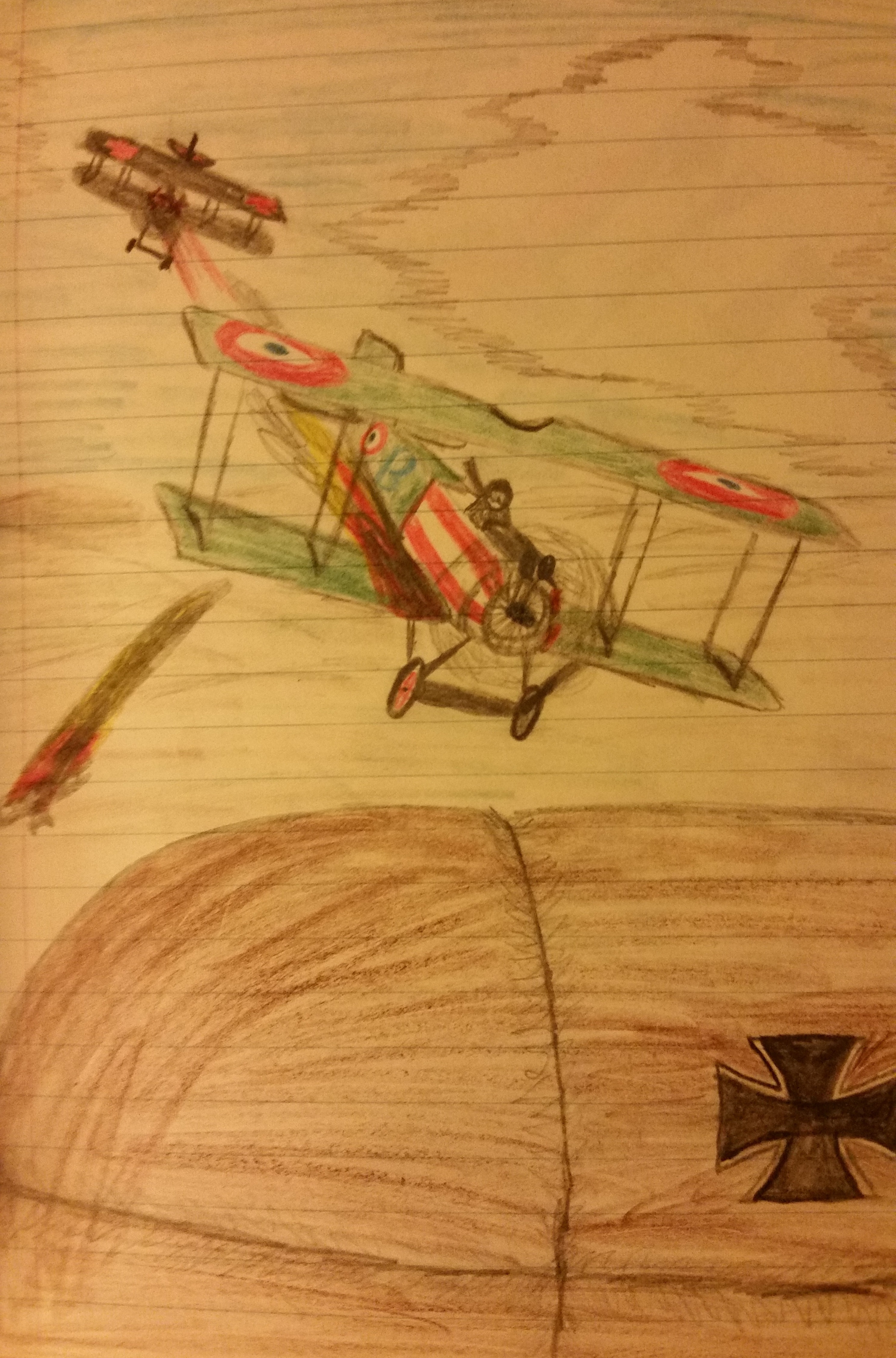
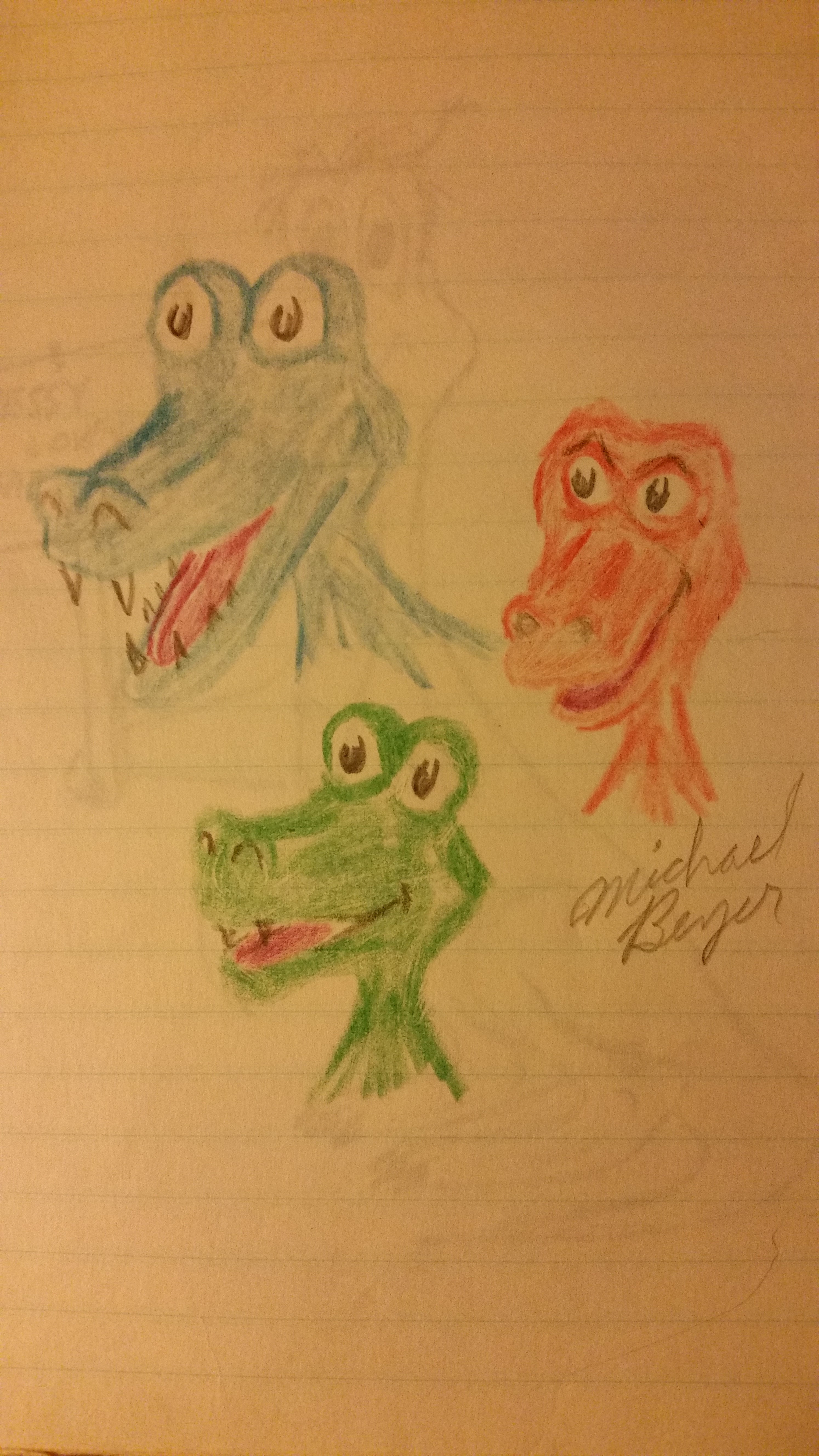
I finished the art project. Here is Dilsey Murphy as she looked in 1990 while wearing her dad’s old Carl Eller Minnesota Vikings jersey from the 70’s. I wasn’t sure I could finish it this quickly, but the colored pencils blaze with speed when you are coloring someone you love.
Filed under artwork, characters, kids, Paffooney
Why Mickey Writes

If you are wondering, “How in the Heck can Mickey write nonsense like that essay he wrote yesterday?”, then please be aware that Mickey is pondering that same question.
Seriously, why would a writer publish personal thoughts and allude to personal tragedies? Especially when they are about things that once upon a time nearly killed him? (Please note that when Mickey starts a sentence with “Seriously” it is probably about to lead to a joke, the same way as when Trump says, “Believe me” we should assume he is telling a lie and knows it.)
The answer is simply, writers write stuff. They have to. If they didn’t, they wouldn’t be writers.
It is really not something to do to earn fame and fortune. Fame and fortune happen to rare individuals like J. K. Rowling and Steven King… and even Stephanie Meyer, to prove that it is totally random and not based on actual writing talent… except for sometimes.

You write to get your head right about bad things that happen in life. You find that factor in Mark Twain whose infant son died, as well as most of the rest of his family, before him, forcing him to face survivor’s guilt and the notion that life is random and death does not come for you based on any kind of merit system. Charles Dickens wrote about the foibles of his father, on whom he based the David Copperfield character Wilkins Micawber, a man who was overly optimistic and constantly landing in debtor’s prison because of it. He also wrote in his stories about the women he truly loved (who were not, it seems, his wife) one of whom died in his arms while yet a teenager. Dickens’ amused take on the innate foolishness of mankind gave him a chance to powerfully depict great tragedies both large (as in a Tale of Two Cities) and small (as in Oliver Twist). I wrote yesterday’s post based on the connection between the nudity I write about in novels and my own traumatic assault when I was only ten.
You write because you have wisdom, an inner personal truth, that you are convinced needs to be crystallized in words and written down on paper. It isn’t necessarily real truth. Lots of idiots write things and post them in newspapers, blogs, and even books. And it is often true that their inner personal truth is complete hogwash. (But, hey, at least the hogs are cleaner that way.) Still, your wisdom is your own, and it is true for you even if some idiot like Mickey reads it and thinks it is only fit for cleaning hogs.

And you truly do have to write. If I did not write my stupid, worthless novels, all the hundreds of characters in my head would get mad and start kicking the pillars that hold up the structures in my head. I do have structures in my head. My mind is organized in boxes that contain specifically sorted ideas and stories and notions. It is not a festering stew pot where everything is mixed together and either bubbling or boiling with hot places or coagulating in the cold corners. (That is how I picture Donald Trump’s mind. It is certainly not an empty desert like many people think, because deserts don’t explode all over Twitter early in the morning like the stew pot metaphor obviously would.)
And so, I have done it again. I have set down my 500+ words for today and made a complete fool of myself. And why do I do it? Because Mickey is a writer, and so, Mickey writes stuff.
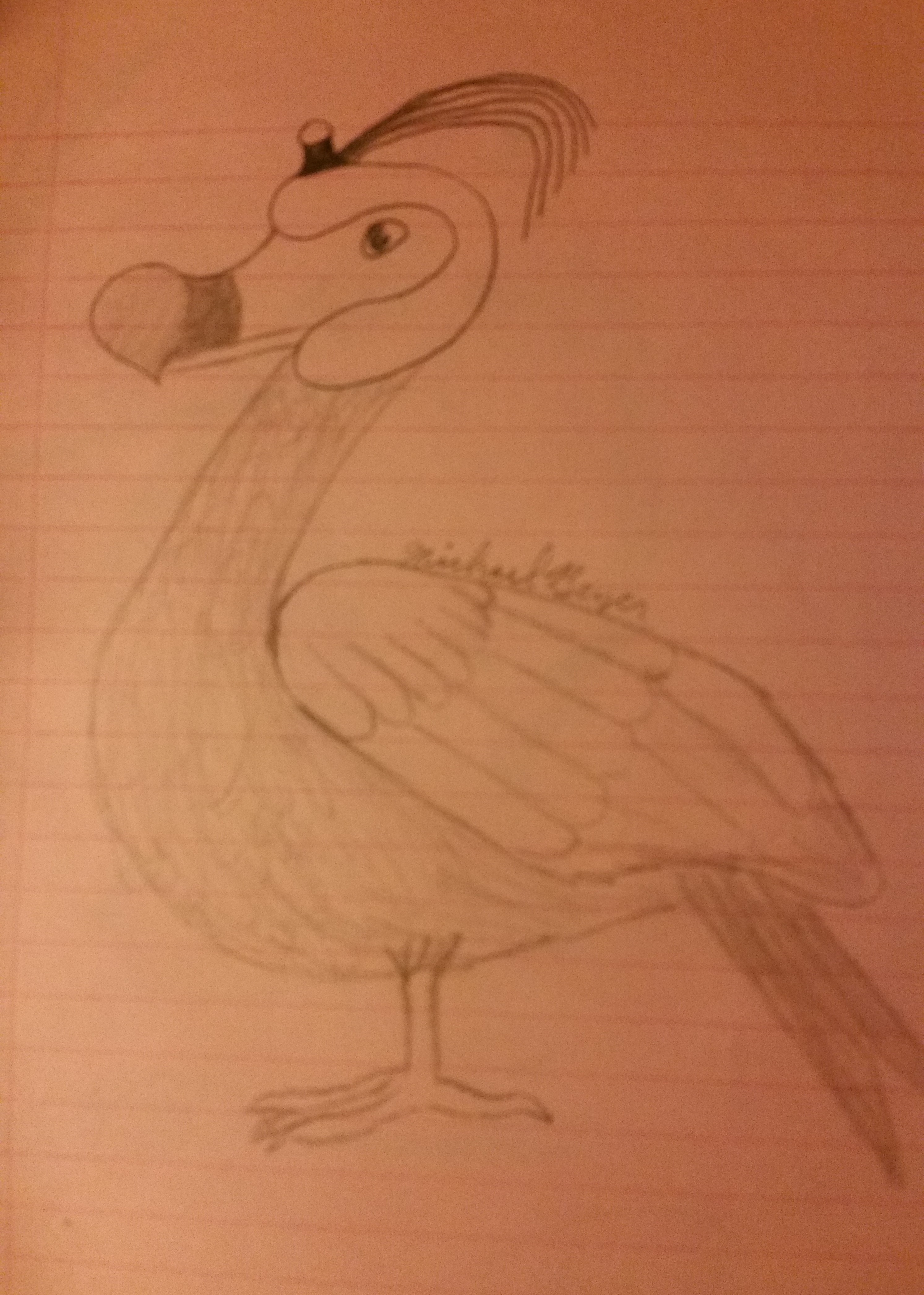
Penguin Proverbs

You know how creepy penguins in cartoons can be, right? The Penguins of Madagascar are like a Mission-Impossible Team gone horribly wrong and transformed into penguins. The penguin in Wallace and Gromit’s The Wrong Trousers disguised himself as a chicken to perform acts of pure evil. Cartoonists all know that penguins are inherently creepy and evil.
I recently learned a hard lesson about penguins. You know the joke, “What’s black and white and red all over? A penguin with a sunburn.” I told that joke one too many times. Who knew the Dallas metroplex had so many loose penguins lurking around? They are literally everywhere. One of them overheard me. And apparently they have vowed a sacred penguin vow that no penguin joke goes unpunished.
As I walked the dog this morning, I spotted creepy penguin eyes, about three pairs, looking at me from behind the bank of the creek bed in the park. When I went to retrieve the empty recycle bins from the driveway, there they were again, looking at me over the top of the neighbor’s privacy fence.
“Penguins see the world in black and white,” said one of the Penguins.
“Except for purple ones,” added the purple one.
“Penguins can talk?” I tried unsuccessfully to ask.
“Penguins only talk in proverbs,” said one of the penguins.
“But the purple one gives the counterpoint,” said the purple one.
“The wisdom of penguins is always cold and harsh,” said one of the penguins.
“Except on days like this when it’s hot,” said the purple one.
“You should always listen to penguins,” said one of the penguins.
“Of course, people will think you are crazy if you do,” said the purple one.
“People who talk to penguins are headed for a nervous breakdown,” said one of the penguins.
“Unless you are a cartoonist. Then it is probably normal behavior,” said the purple one.
“Is this all real?” I tried unsuccessfully to ask.
“Everyone knows that penguins are real,” said one of the penguins.
“But there are no purple penguins in nature,” said the purple one.
So, I sat down to write this post about penguins and their proverbs with a very disturbing thought in my little cartoonist’s head… Why am I really writing about penguins today? I really have nothing profound to say about penguin proverbs. Especially profound penguin proverbs with a counterpoint by a purple penguin. Maybe it is all merely a load of goofy silliness and a waste of my time.
“Writing about penguins is never a waste of time,” said one of the penguins.
“And if you believe that, I have some choice real estate in the Okefenokee Swamp I need to talk to you about,” added the purple one.
Filed under artwork, birds, cartoons, goofy thoughts, humor, Paffooney, philosophy, surrealism
Winsor McCay
One work of comic strip art stands alone as having earned the artist, Winsor McCay, a full-fledged exhibition at the Metropolitan Museum of Art in New York City. Little Nemo in Slumberland is a one-of-a-kind achievement in fantasy art.
Winsor McCay lived from his birth in Michigan in 1869 to his finale in Brooklyn in 1934. In that time he created volumes full of his fine-art pages of full-page color newspaper cartoons, most in the four-color process.
As a boy, he pursued art from very early on, before he was twenty creating paintings turned into advertising and circus posters. He spent his early manhood doing amazingly detailed half-page political cartoons built around the editorials of Arthur Brisbane, He then became a staff artist for the Cincinnati Times Star Newspaper, illustrating fires, accidents, meetings, and notable events. He worked in the newspaper business with American artists like Winslow Homer and Frederick Remington who also developed their art skills through newspaper illustration. He moved into newspaper comics with numerous series strips that included Dreams of the Rarebit Fiend and Little Nemo in Slumberland. And he followed that massive amount of work up by becoming the “Father of the Animated Cartoon” with Gertie the Dinosaur, with whom he toured the US giving public performances as illustrated in the silent film below;
The truly amazing thing about his great volume of work was the intricate detail of every single panel and page. It represents a fantastic amount of work hours poured into the creation of art with an intense love of drawing. You can see in the many pages of Little Nemo how great he was as a draftsman, doing architectural renderings that rivaled any gifted architect. His fantasy artwork rendered the totally unbelievable and the creatively absurd in ways that made them completely believable.
I bought my copy of Nostalgia Press’s Little Nemo collection in the middle 70’s and have studied it more than the Bible in the intervening years. Winsor McCay taught me many art tricks and design flourishes that I still copy and steal to this very day.
No amount of negative criticism could ever change my faith in the talents of McCay. But since I have never seen a harsh word written against him, I have to think that problem will never come up.
My only regret is that the wonders of Winsor McCay, being over a hundred years old, will not be appreciated by a more modern generation to whom these glorious cartoon artworks are not generally available.
Leave a comment
Filed under art my Grandpa loved, artists I admire, artwork, book review, cartoon review, cartoons, comic strips, commentary
Tagged as Little Nemo in Slumberland, Winsor McCay