

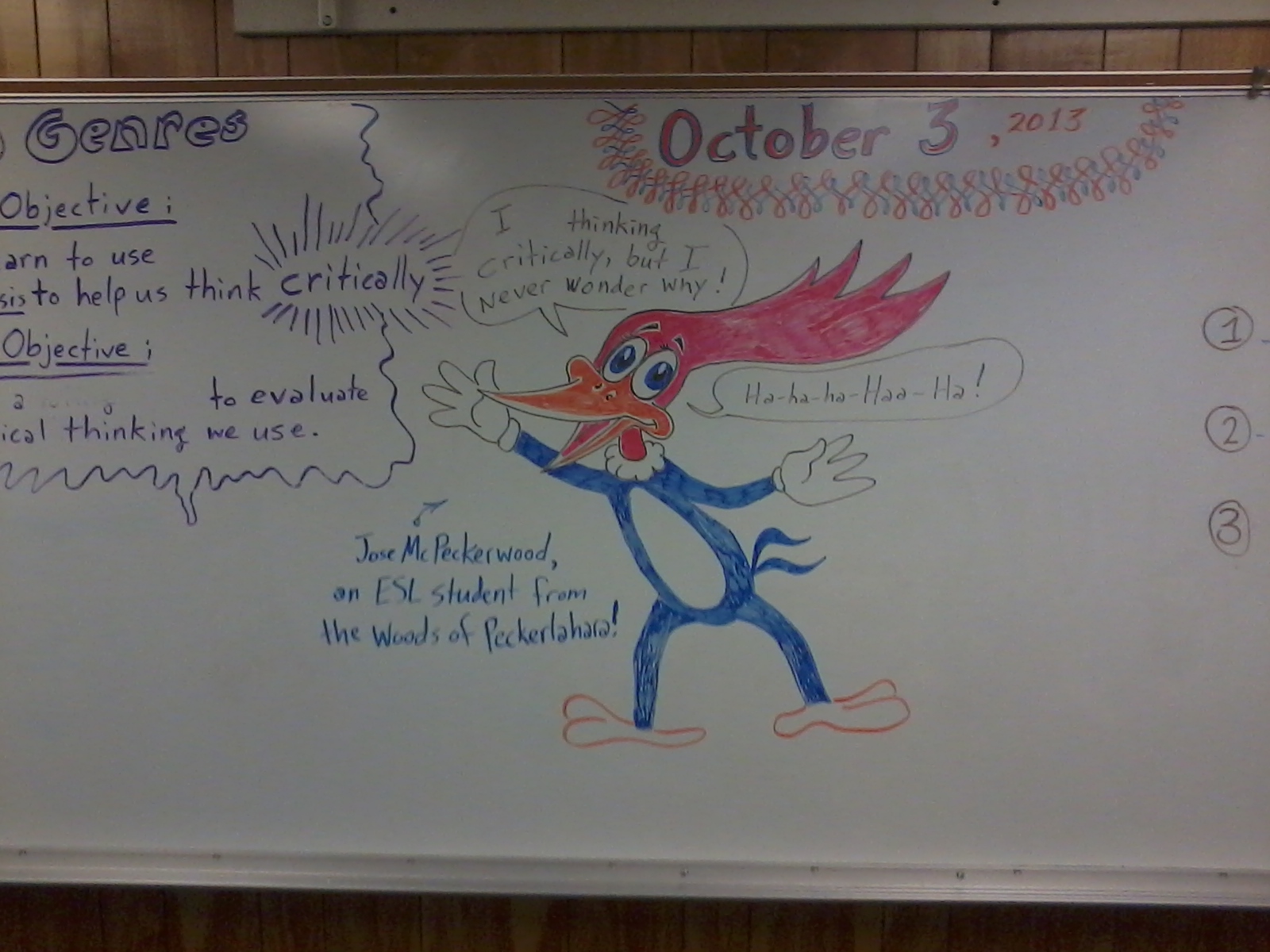
Back in the 1980’s I was given the gift of teaching the Chapter I program students in English. This was done because Mrs. Soulwhipple was not only a veteran English teacher, but also the superintendent’s wife. She was the one gifted with all the star kids, the A & B students, the ones that would be identified as the proper kids to put into our nascent Gifted and Talented Program. That meant that I would get all the kids that were C, D, & F in most of their classes, the losers, the Special Edwards, the learning disabled, the hyper rocketeers of classroom comedy, and the trouble makers. And I was given this gift because, not only was I not a principal’s or superintendent’s wife, but I actually learned how to do it and became good at it. How did I do that, you might ask? I cheated. I snooped into the Gifted and Talented teacher training, learned how to differentiate instruction for the super-nerd brain, and then used the stolen information to write curriculum and design activities for all my little deadheads (and they didn’t even know who the Grateful Dead were, so that’s obviously not what I meant). I treated the little buggers like they were all GT students. Voila! If you tell a kid they are talented, smart, and worthy of accelerated instruction… the little fools believe it, and that is what they become.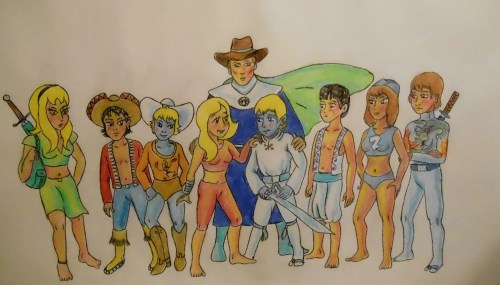
Even the goofy teacher is capable of believing the opposite of what is obvious and starts treating them like super-nerds because he actually believes it. I soon had kids that couldn’t read, but were proud of their abstract problem-solving skills. I had kids that could enhance the learning of others with their drawing skills, their singing ability, and their sense of what is right and what is wrong. I had them doing things that made them not only better students for me, but in all their classes. And I did not keep the methods to my madness a secret, either. I got so good at coercing other teachers to try new ideas and methods that I got roped into presenting some of the in-service training that all Texas teachers are required by law to do. And unlike so many other boring sessions we all sat through, I presented things I was doing in the actual classroom that other teachers could also use with success. The other teachers tried my activities and sometimes made them work better than I did.
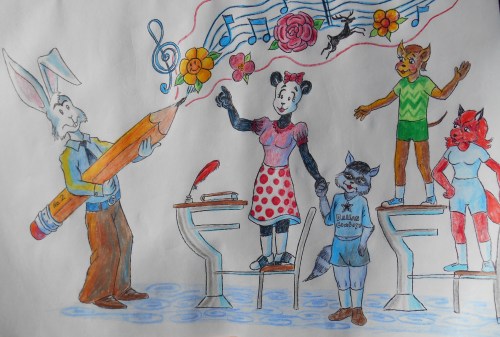
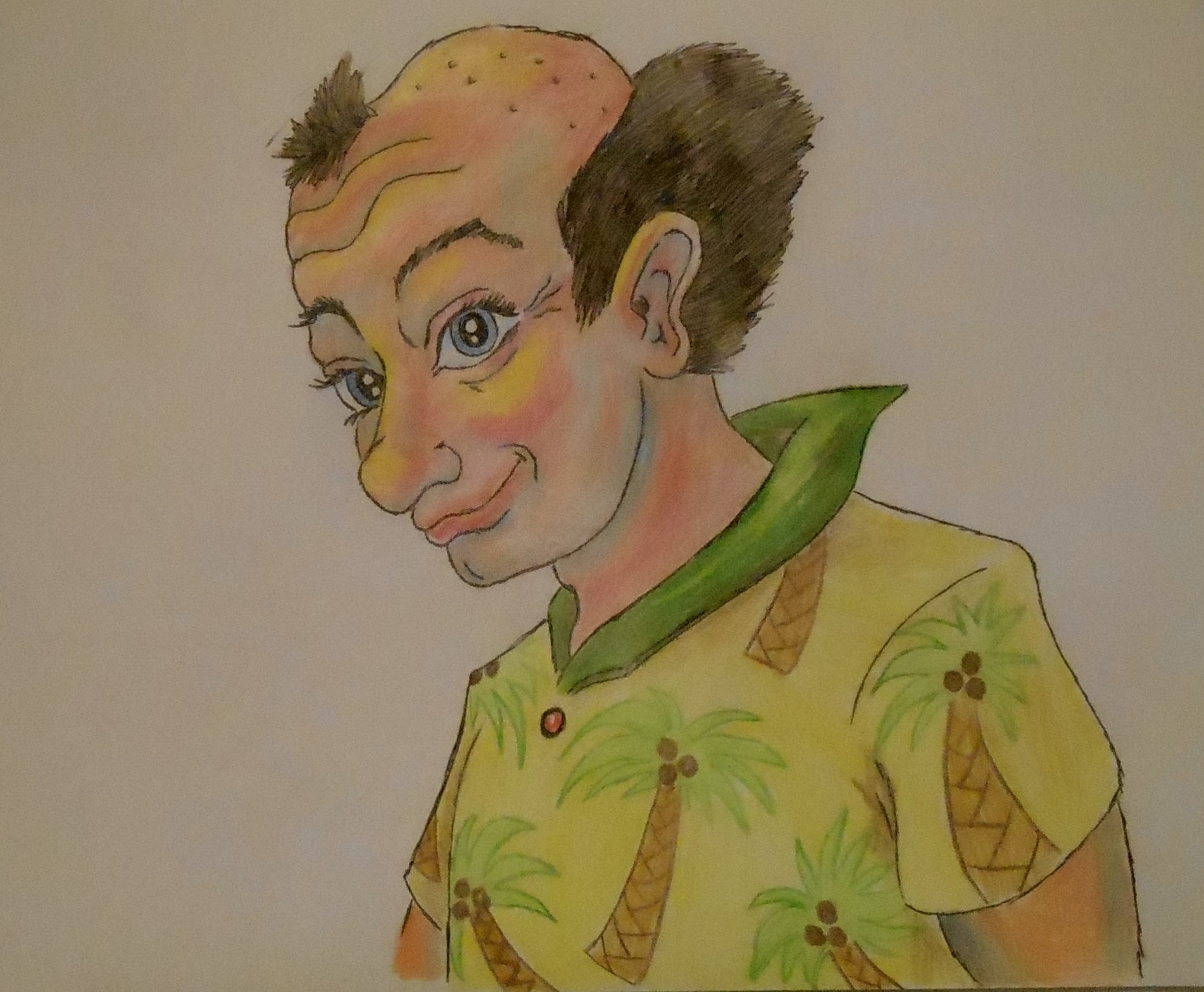
Yes, I know this all sounds like bragging. And I guess it probably is. But it worked. My kids kept getting better on the standardized tests and the State tests that Texas education loves so much. And Mrs. Soulwhipple was still the superintendent’s wife, but she did not stay a teacher forever. She eventually went to a new school district with her husband. And guess who they started thinking of when the question of who would be the next teacher for the nerd classes was considered. That’s right, little ol’ Reluctant Rabbit… that goofy man who drew pictures on the board and made kids read like a reading-fiend… me.


So, a new era began in Cotulla. In addition to still getting to teach all the deadheads (because they weren’t going to trust those precious children to anyone else, naturally), I began teaching at least one edition of Mr. B’s famous Nerd Class every school year. We actually assigned long novels and great pieces of literature for the kids to read and discuss and study in depth. Novels like To Kill a Mockingbird by Harper Lee and Across Five Aprils by Irene Hunt were read. We began talking about “big ideas”, “connections to the wider world”, and how “things always change”. We began taking on ideas like making our world better and how to help our community. Kids began to think they were learning things that were important. We did special units on Exploring Our Solar System, The World of Mark Twain, Finding the Titanic, and The Tragedy of Native American History. And we spent as much as a third of the year on each. I am myself cursed with a high IQ and a very disturbing amount of intelligence. I am the deepest living stockpile of useless facts and trivia that most of my students would ever meet in their lifetimes. And even I was challenged by some of the learning we took on. That’s the kind of thing that makes a teaching career fun. It kept me teaching and meeting new students and new challenges long after my health issues made it a little less than sensible to keep going. And if I manage to tell you a few Nerd Class stories in the near future, then at least you stand a chance of knowing a little bit about what-the-heck I am talking about. So be prepared for the worst. I am retired now, and have plenty of time for long-winded stories about being a teacher.
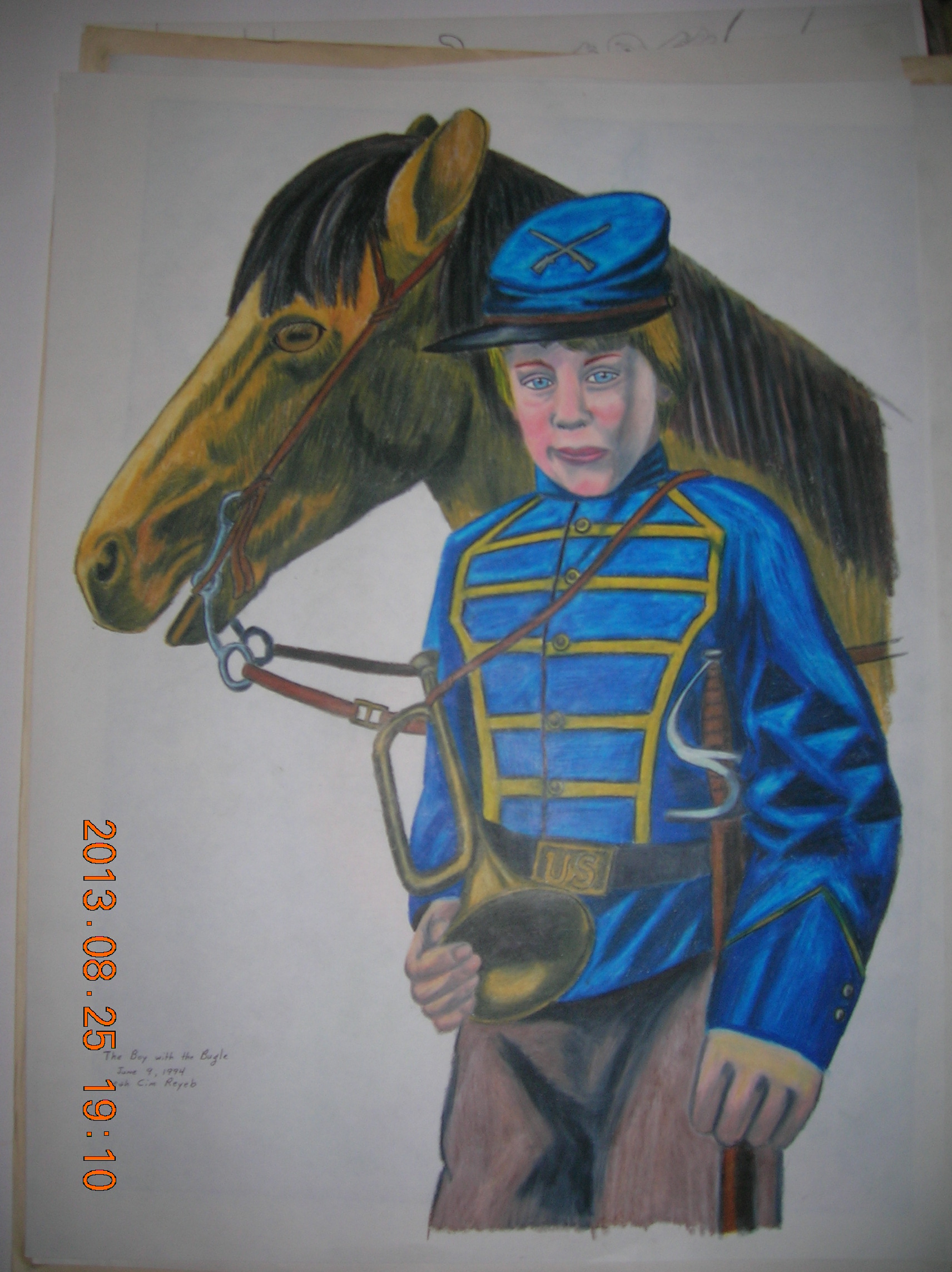

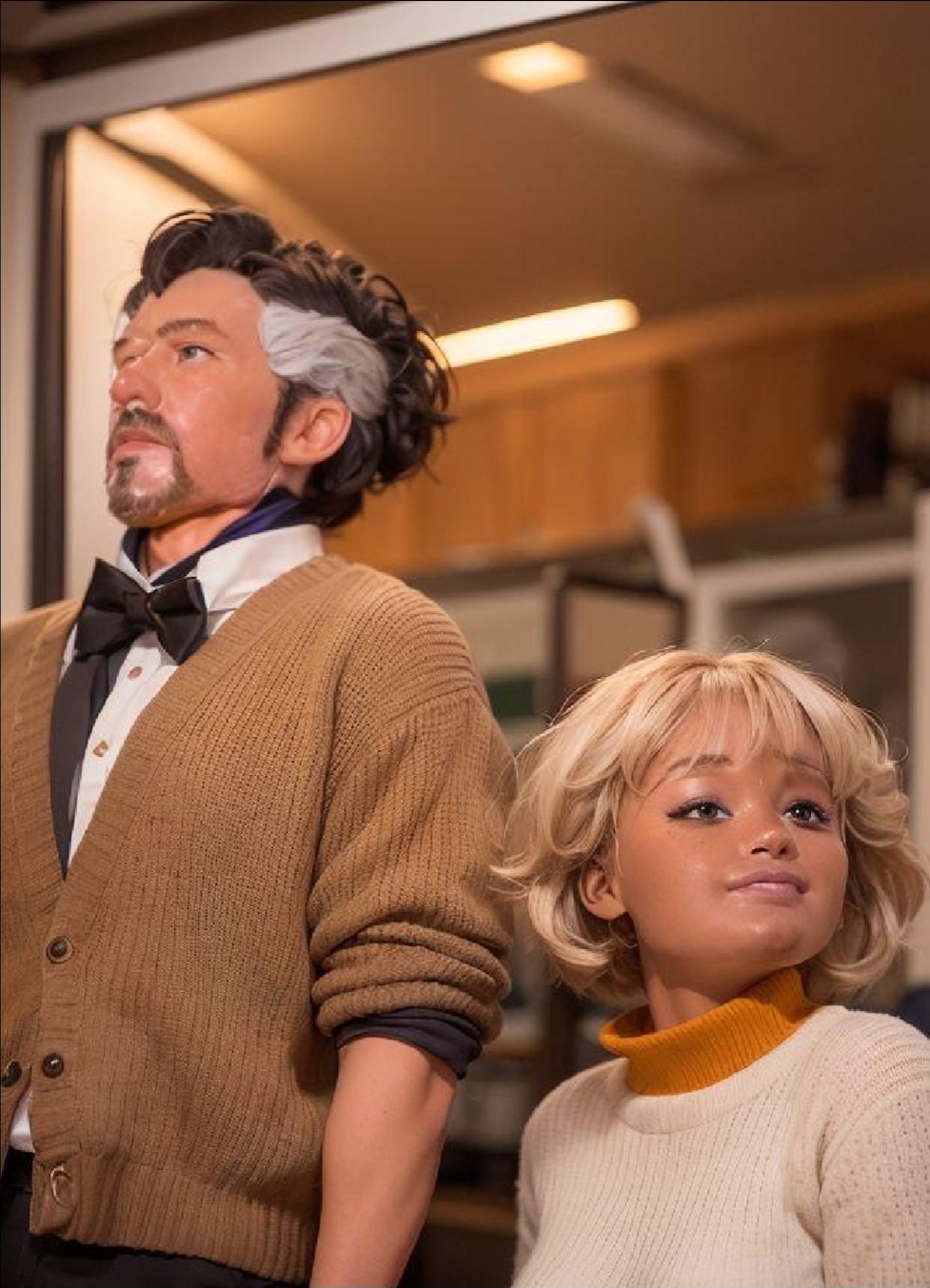
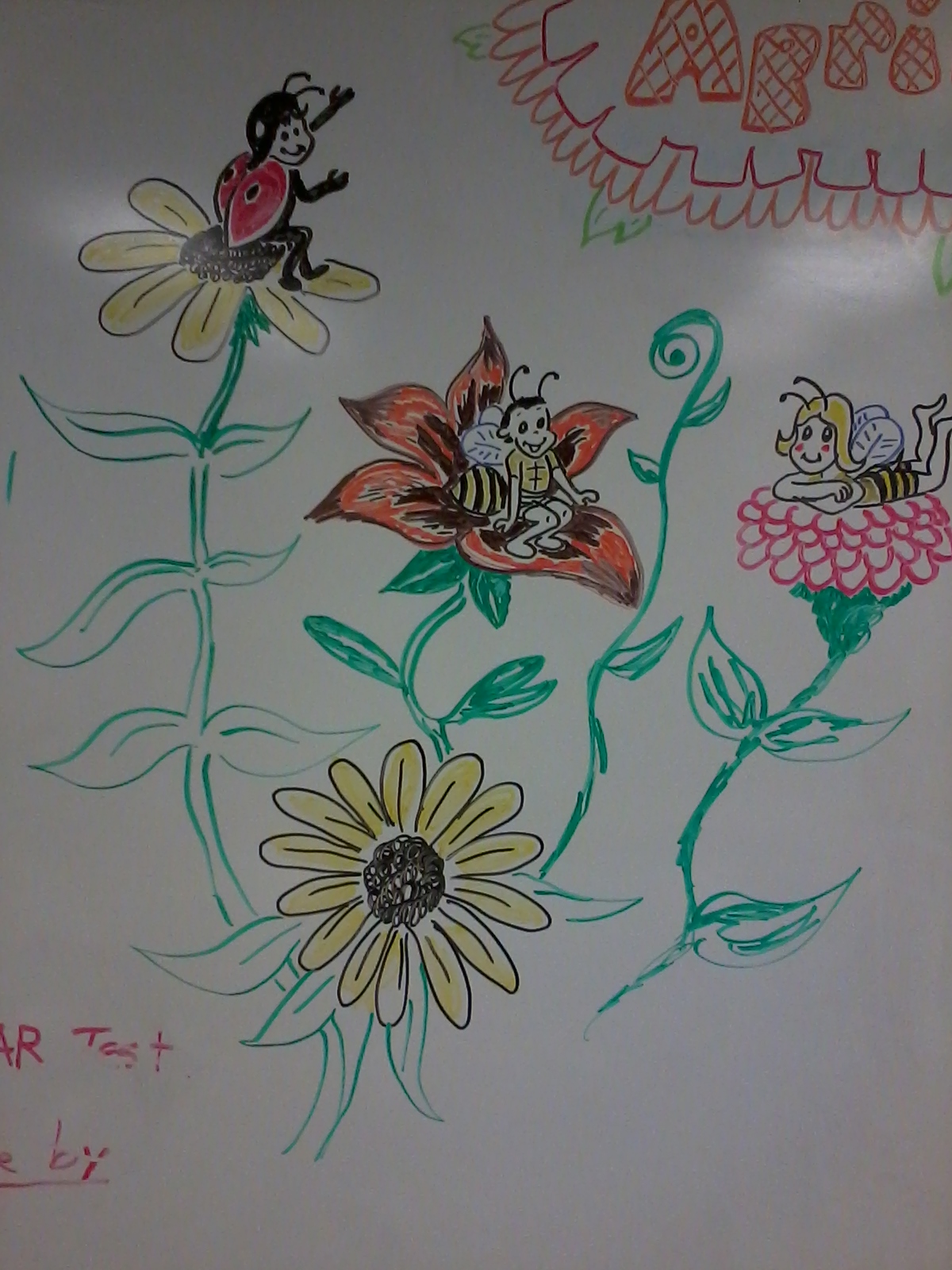
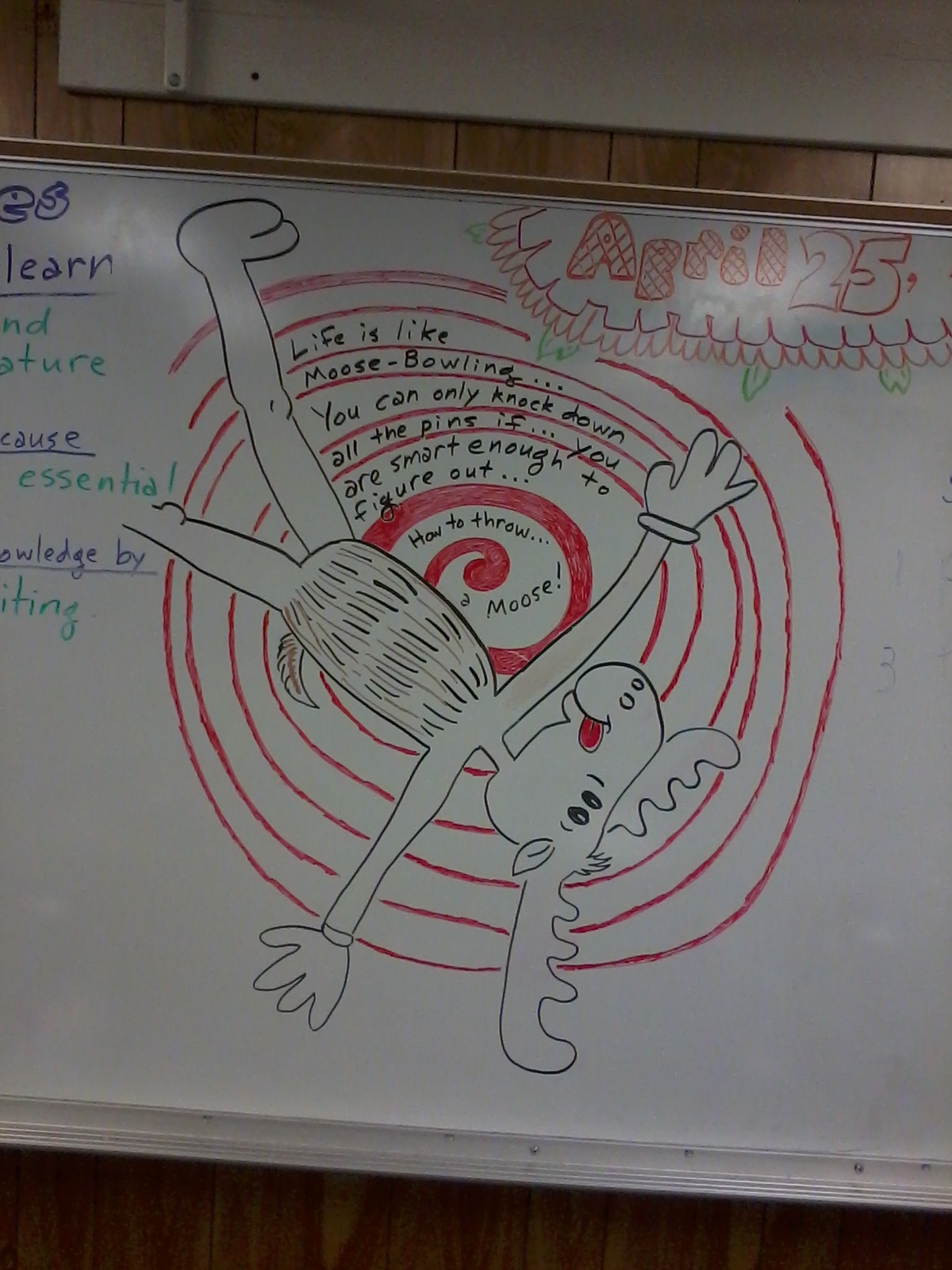
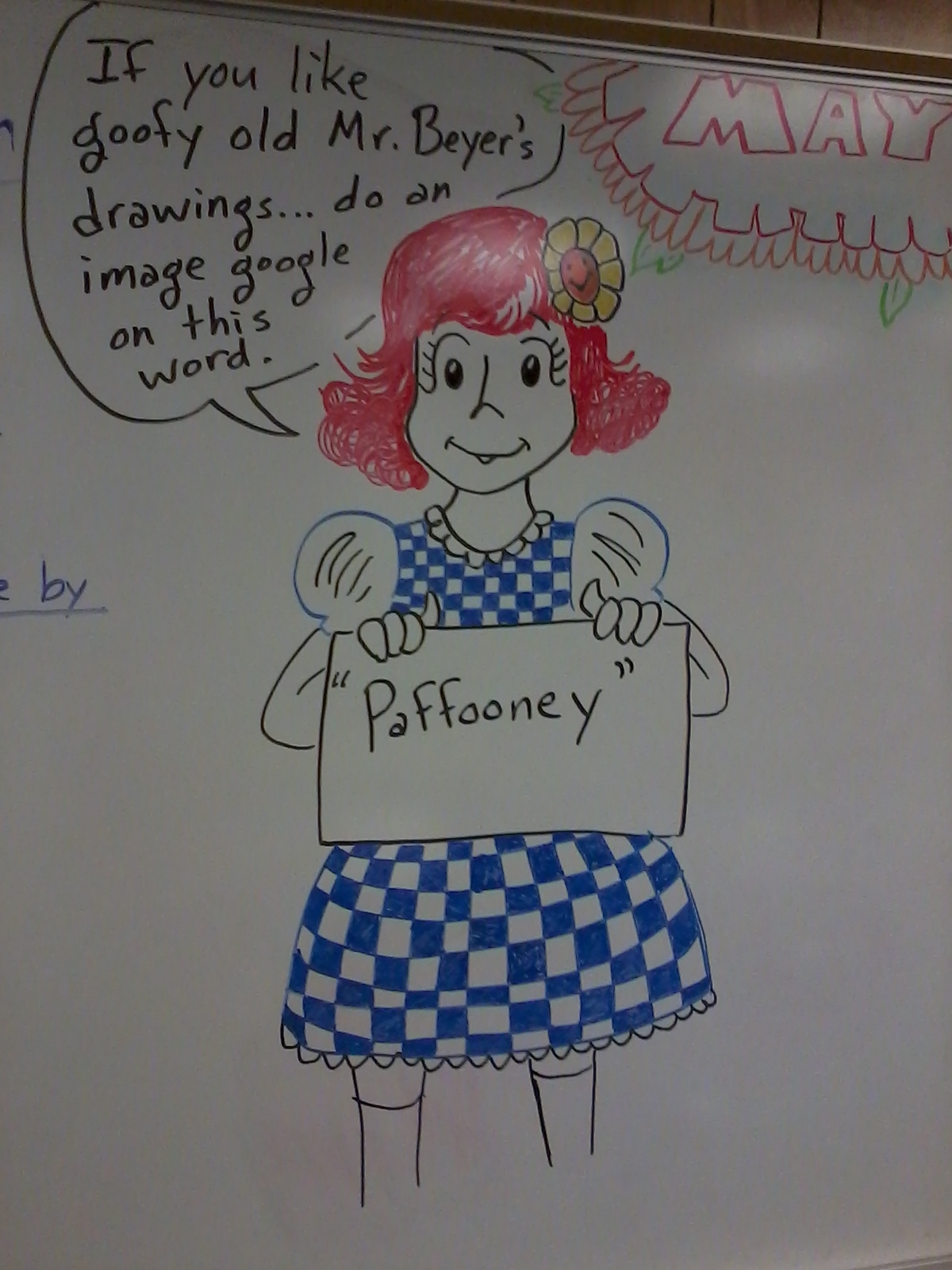
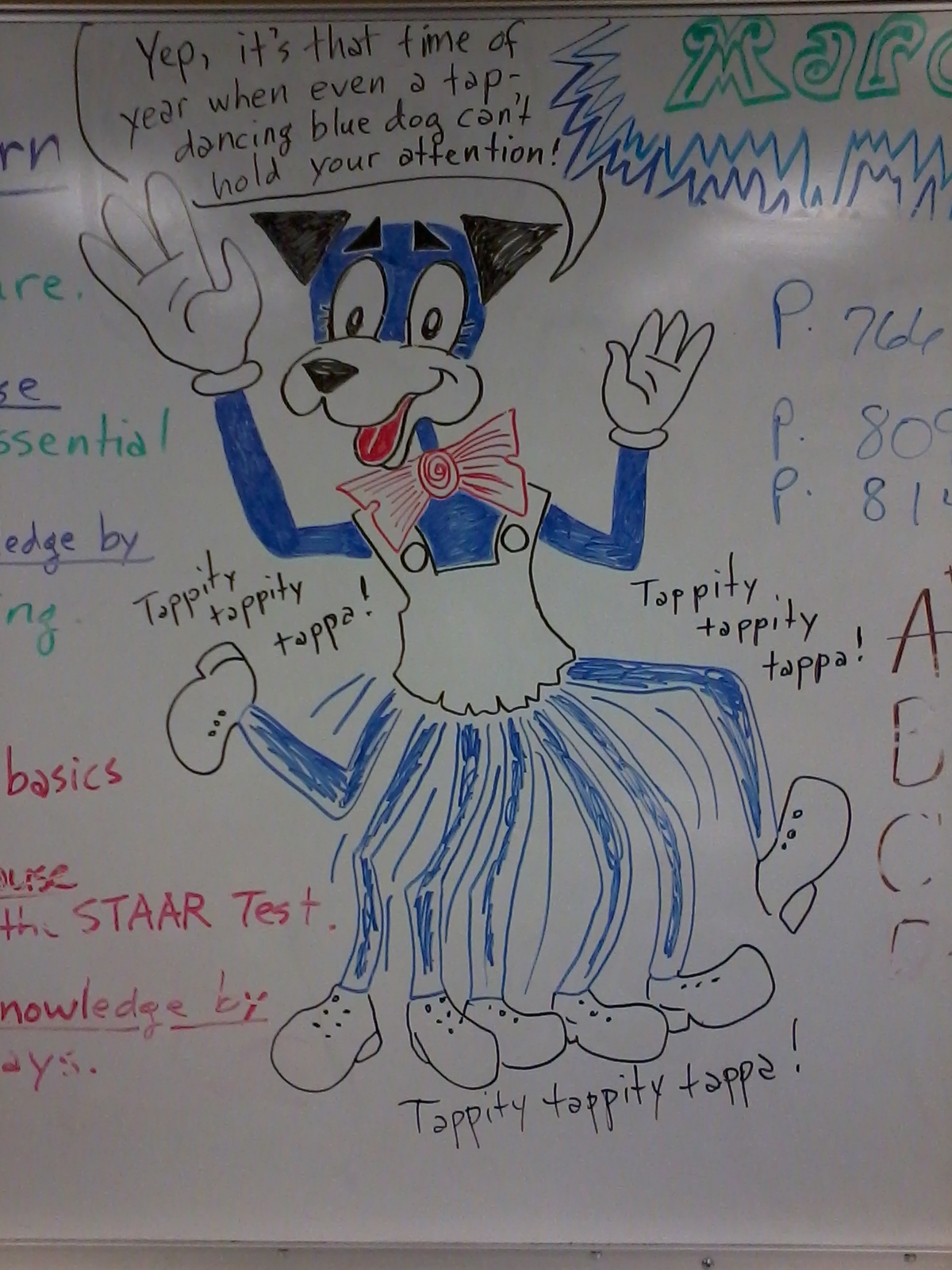
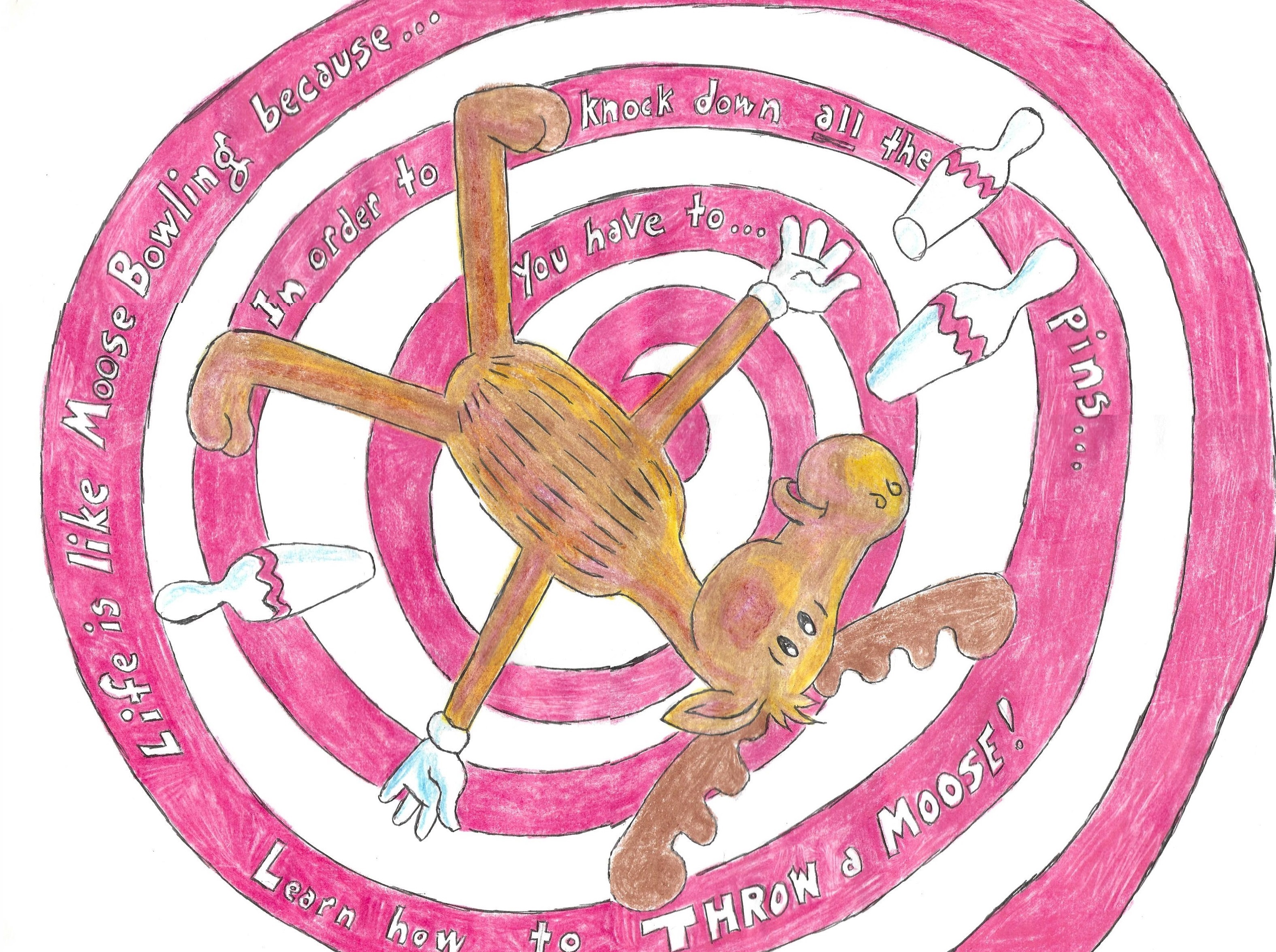
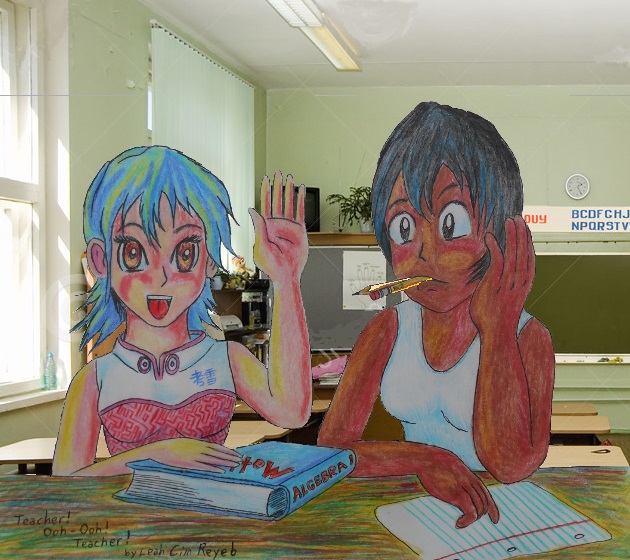
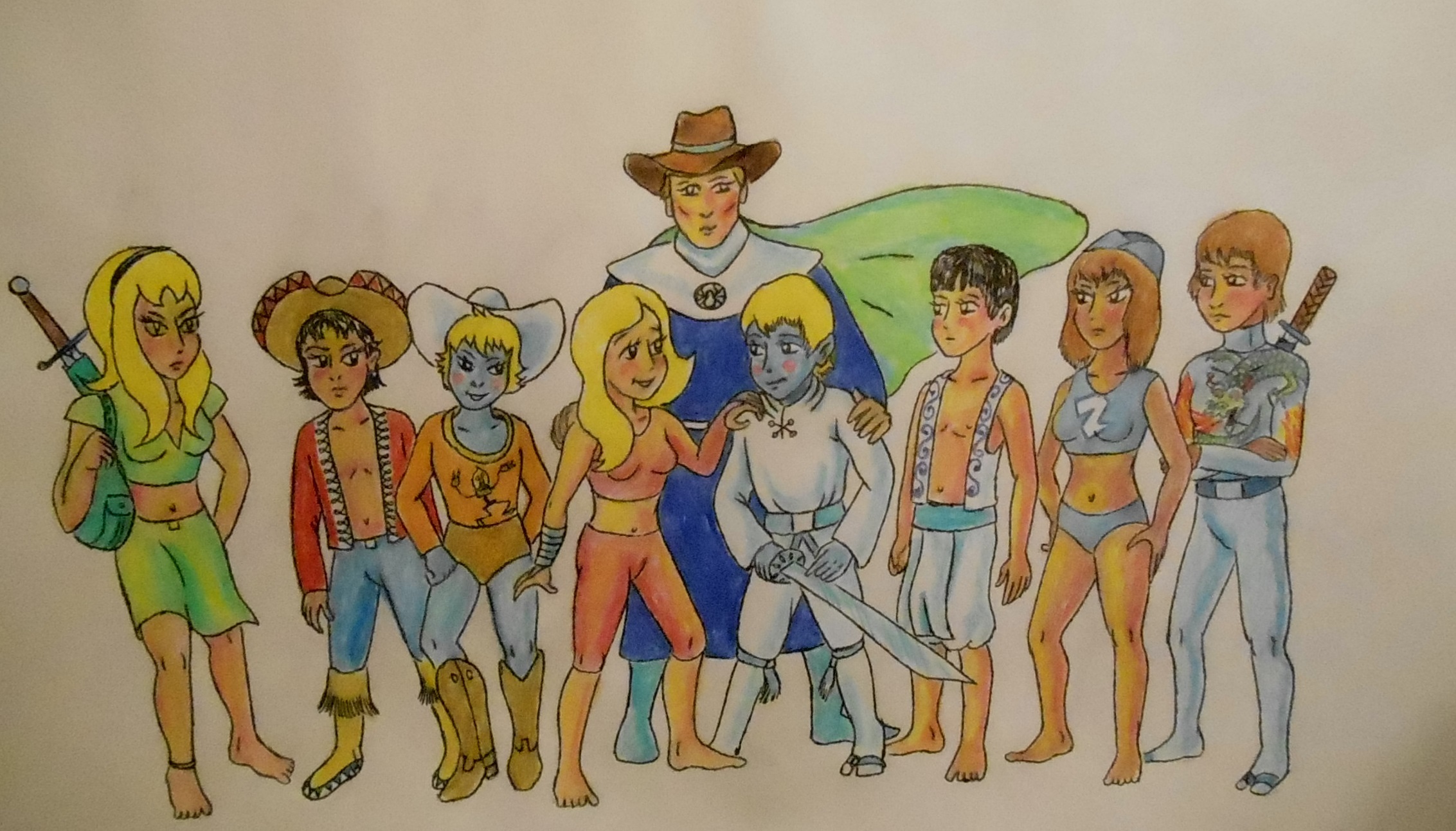
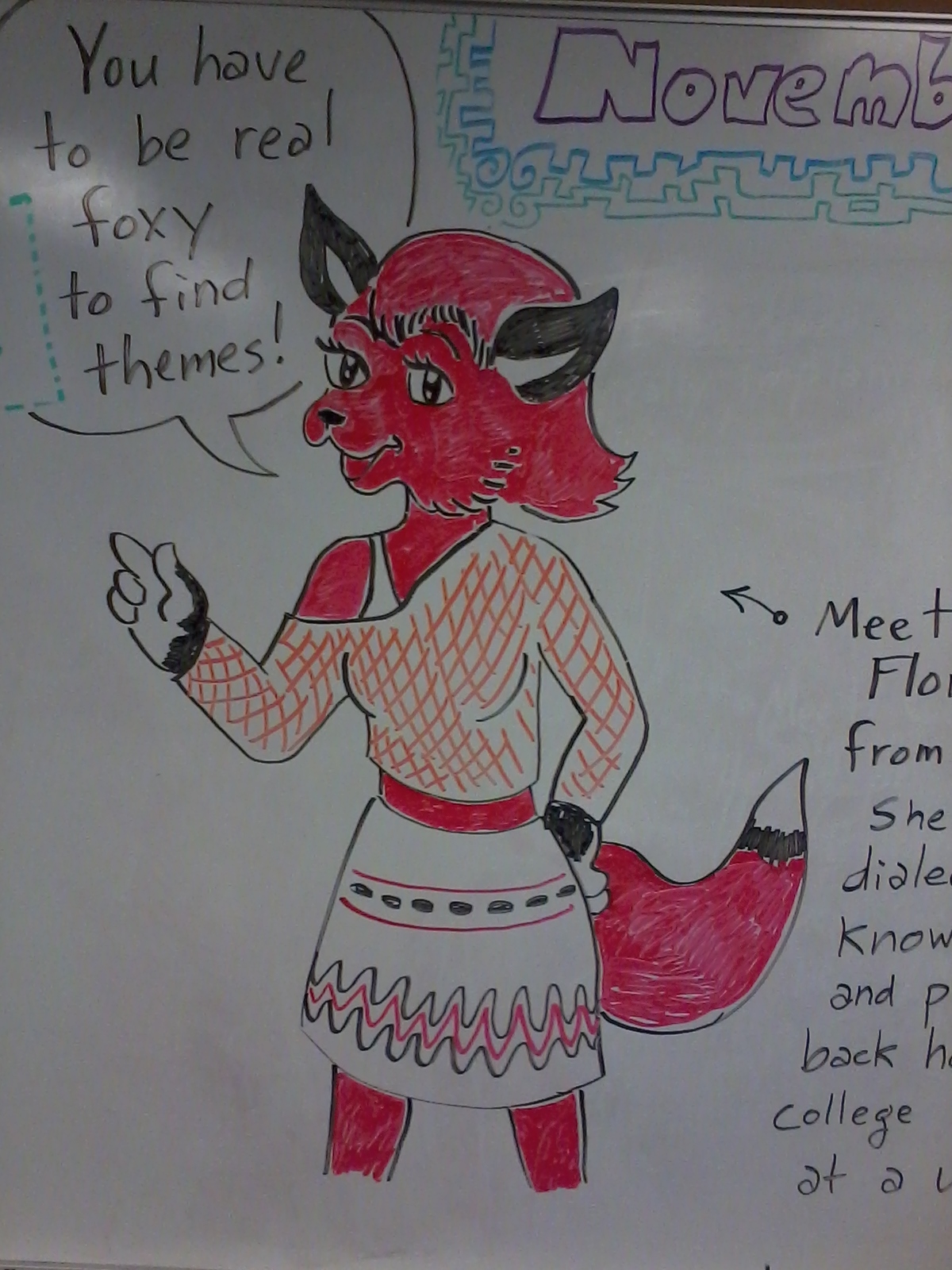
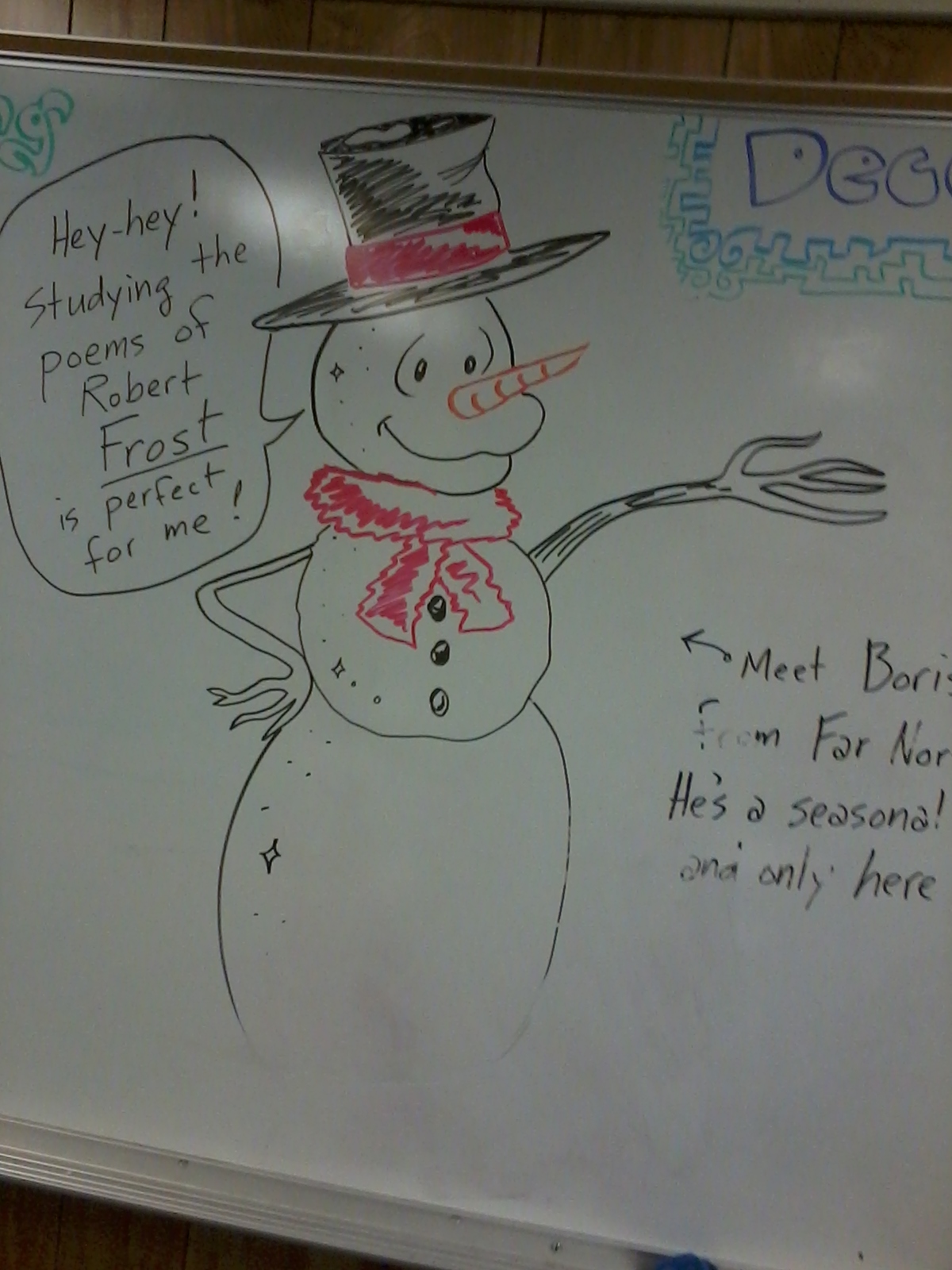
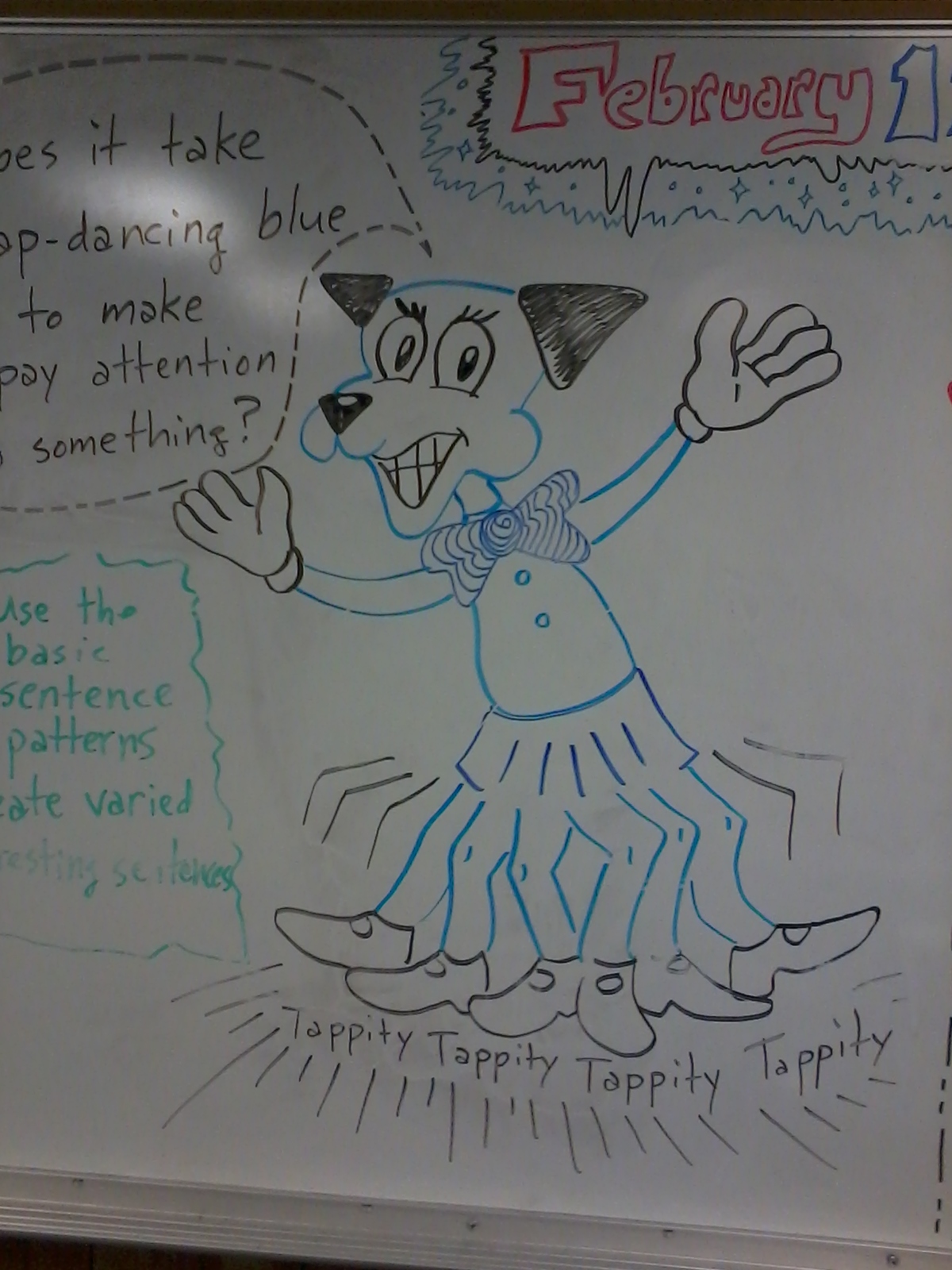
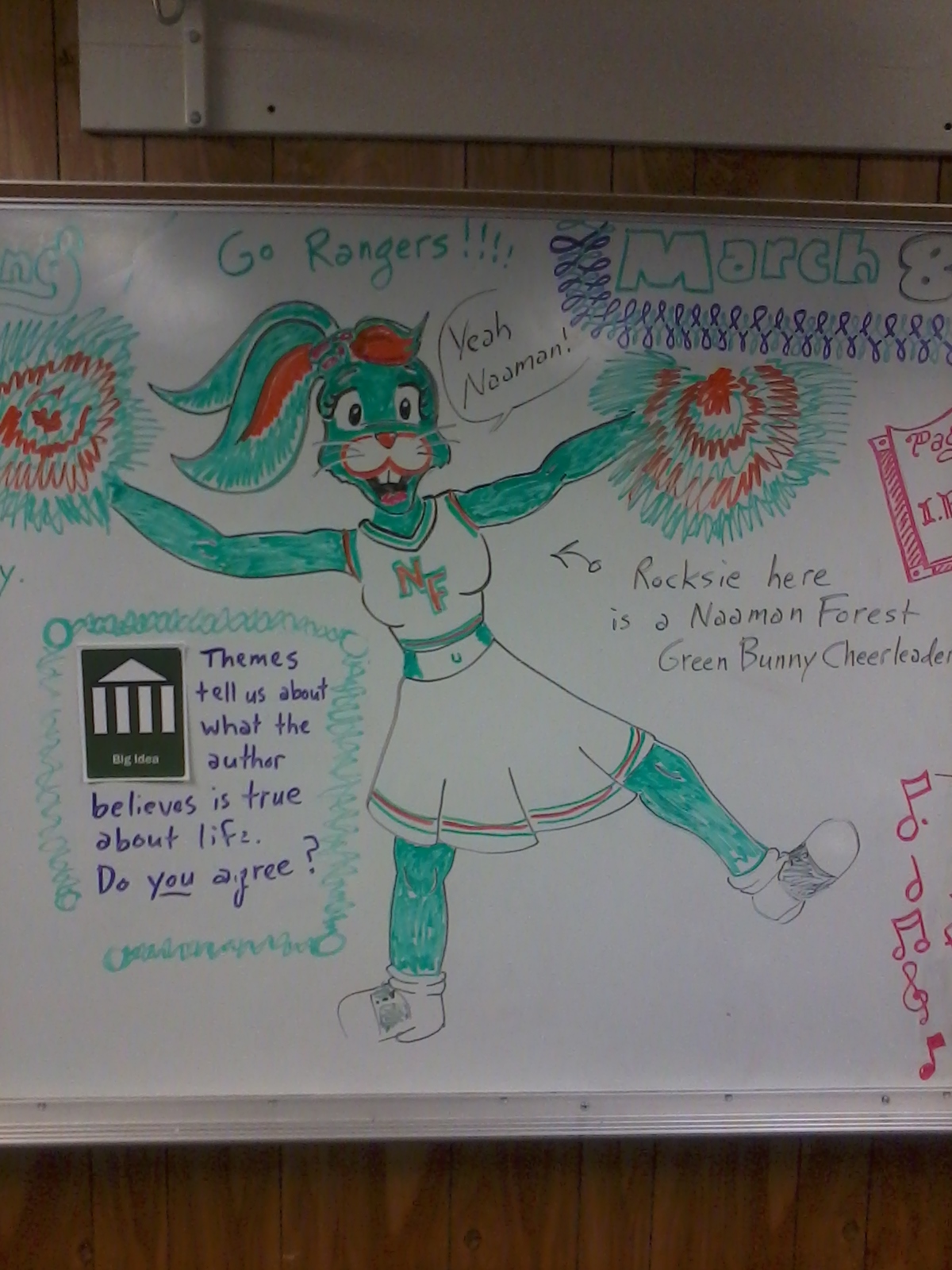
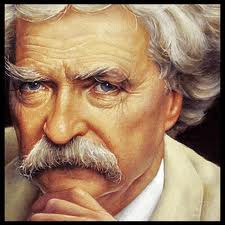
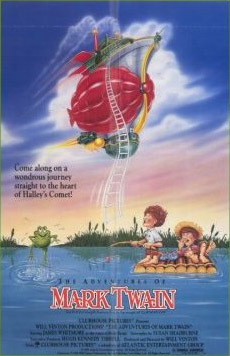 During my middle-school teaching years I also bought and read copies of The Prince and the Pauper, Roughing It, and Life on the Mississippi. I would later use a selection from Roughing It as part of a thematic unit on Mark Twain where I used Will Vinton’s glorious clay-mation movie, The Adventures of Mark Twain as a way to painlessly introduce my kids to the notion that Mark Twain was funny and complex and wise.
 Catch a Falling Star
A Mr. Holland Moment
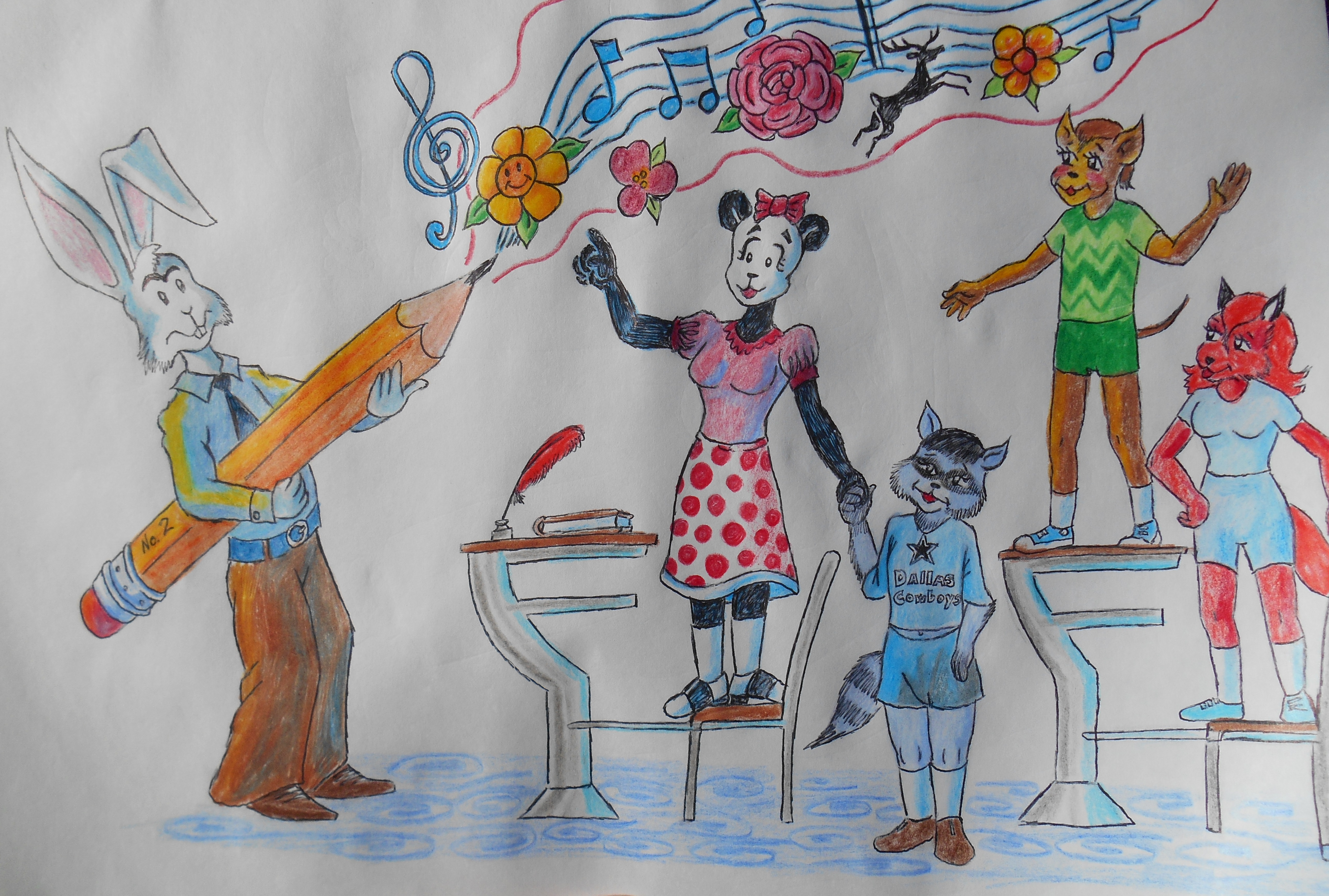
Life is making music. We hum, we sing to ourselves, movie music plays in our head as the soundtrack to our daily life. At least, it does if we stop for a moment and dare to listen. We make music in many different ways. Some play guitar. Some are piano players. And some of us are only player pianos. Some of us make music by writing a themed paragraph like this one. Others make an engine sing in the automotive shop. Still others plant gardens and make flowers or tomatoes grow. I chose teaching kids to read and write. The music still swells in my ears four years after retiring.
The 1995 movie, Mr. Holland’s Opus, is about a musician who thinks he is going to write a magnificent classical orchestra opus while teaching music at a public high school to bring in money and allow him time to compose and be with his young wife as they start a new family.
But teaching is not, of course, what he thought it was. He has to learn the hard way that it is not an easy thing to open up the closed little clam shells that are the minds of students and put music in. You have to learn who they are as people first. You have to learn to care about what goes on in their lives, and how the world around them makes them feel… and react to what you have to teach. Mr. Holland has to learn to pull them into music appreciation using rock and roll and music they like to listen to, teaching them to understand the sparkles and beats and elements that make it up and can be found in all music throughout their lives. They can even begin to find those things in classical music, and appreciate why it has taken hold of our attention for centuries.
And teaching is not easy. You have to make sacrifices. Big dreams, such as a magnum opus called “An American Symphony”, have to be put on the shelf until later. You have children, and you find that parenting isn’t easy either. Mr. Holland’s son is deaf and can never actually hear the music that his father writes from the center of his soul. And the issue of the importance of what you have to teach becomes something you have to fight for. Budget cuts and lack of funding cripples teachers in every field, especially if you teach the arts. Principals don’t often appreciate the value of the life lessons you have to give. Being in high school band doesn’t get you a high paying job later.
But in the end, at the climax of the movie, the students all come back to honor Mr. Holland. They provide a public performance of his magnum opus, his life’s work. And the movie ends with a feeling that it was all worth it, because what he built was eternal, and will be there long after the last note of his music is completely forgotten. It is in the lives and loves and memories of his students, and they will pass it on.
But this post isn’t a movie review. This post is about my movie, my music. I was a teacher in the same way Mr. Holland was. I learned the same lessons about being a teacher as he did. I had the same struggles to learn to reach kids. And my Mr. Holland moment wasn’t anywhere near as big and as loud as Mr. Holland’s. His was performed on a stage in front of the whole school and alumni. His won Richard Dreyfus an Academy Award for Best Actor. But his was only fictional.
Mine was real. It happened in a portable building on the Naaman Forest High School campus. The students and the teacher in the classroom next door threw a surprise party for me. They made a lot of food to share, almost all of which I couldn’t eat because of diabetes. And they told me how much they would miss me, and that they would never forget me. And I had promised myself I would never cry about having to retire. But I broke my promise. In fact, I am crying now ten years later. But they are not tears of sadness. My masterwork has now reached its last, bitter-sweet notes. The crescendos have all faded. But the music of our lives will still keep playing. And not even death can silence it completely.
1 Comment
Filed under artwork, autobiography, commentary, happiness, insight, kids, movie review, teaching
Tagged as education, music, music-education, teachers, teaching