
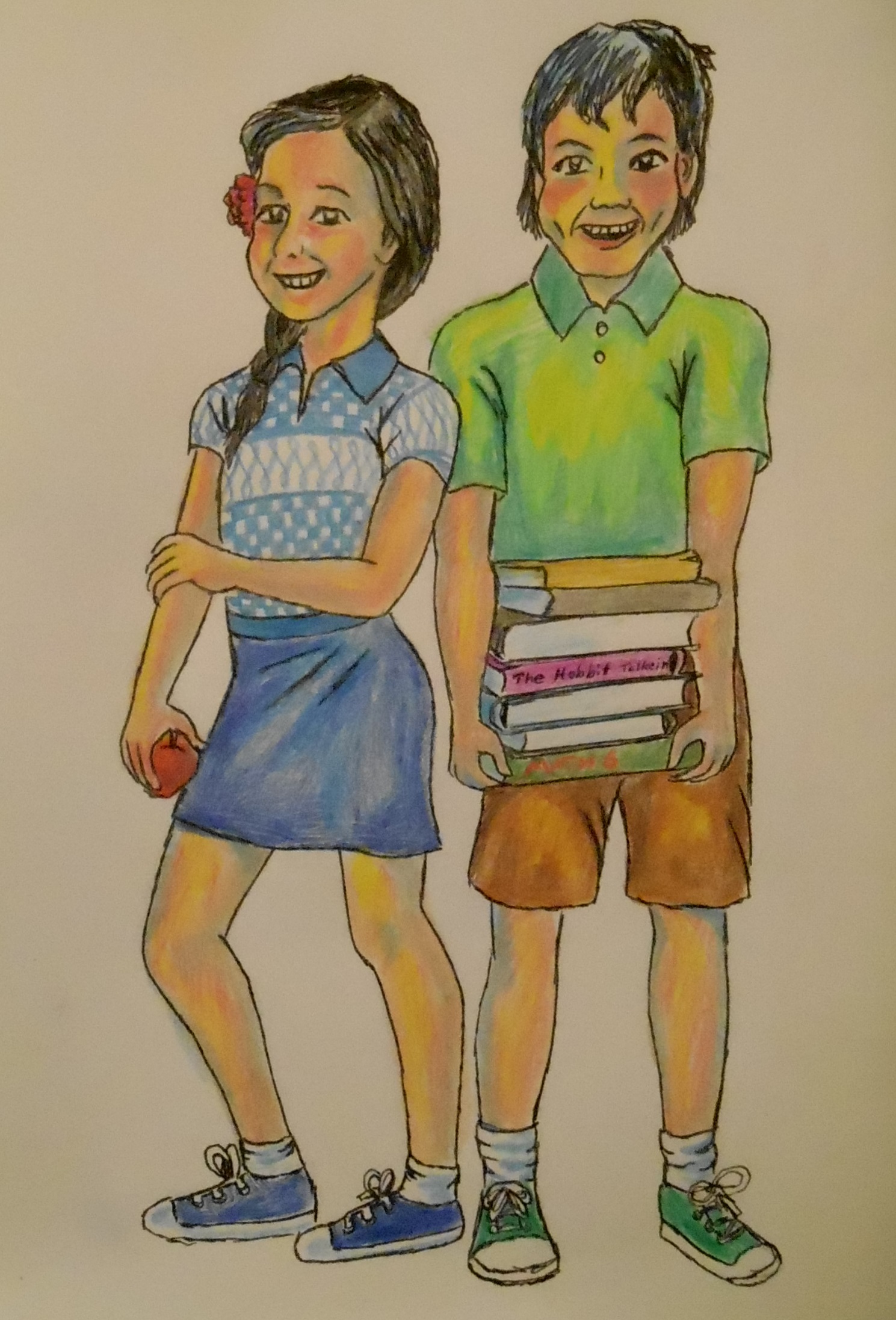
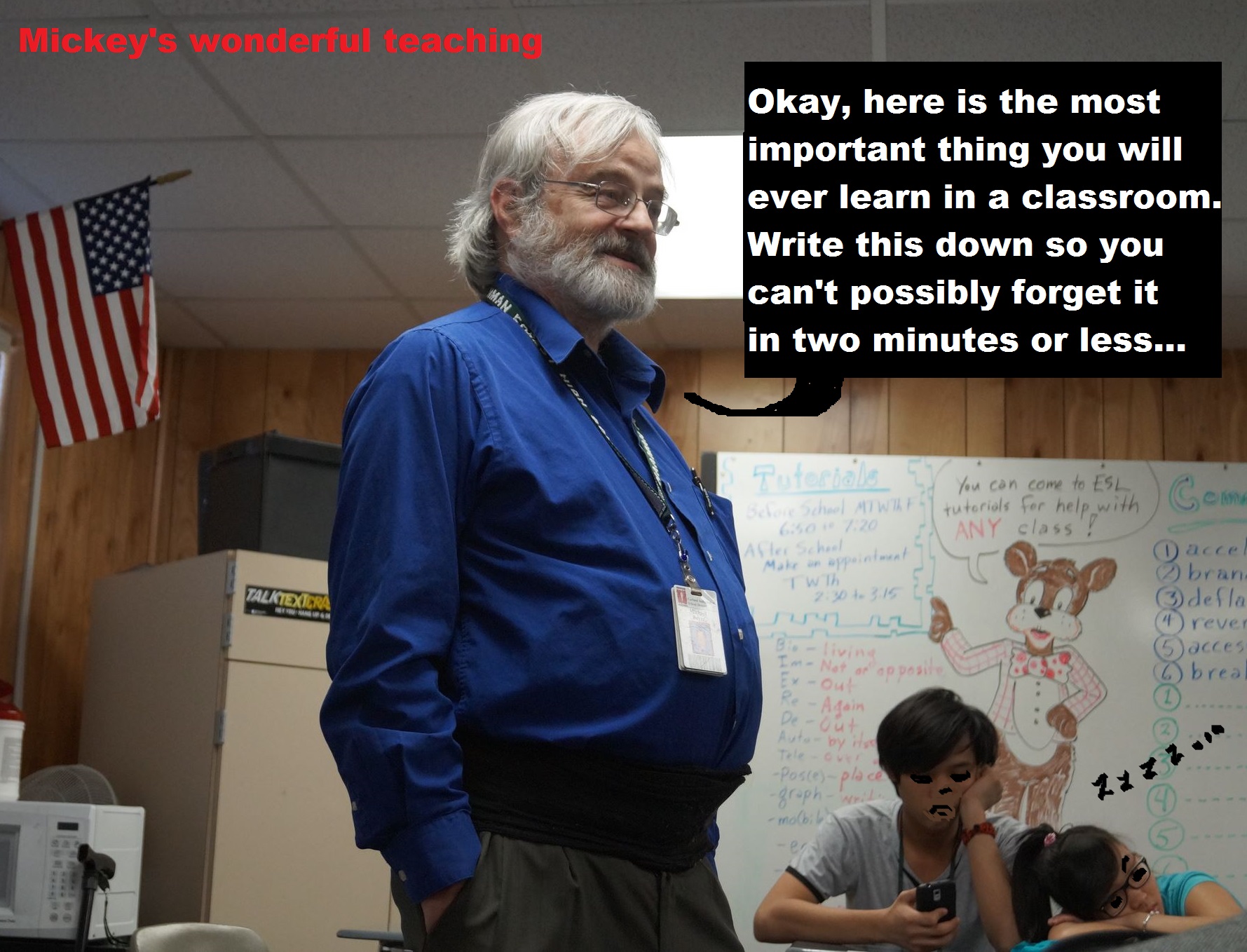
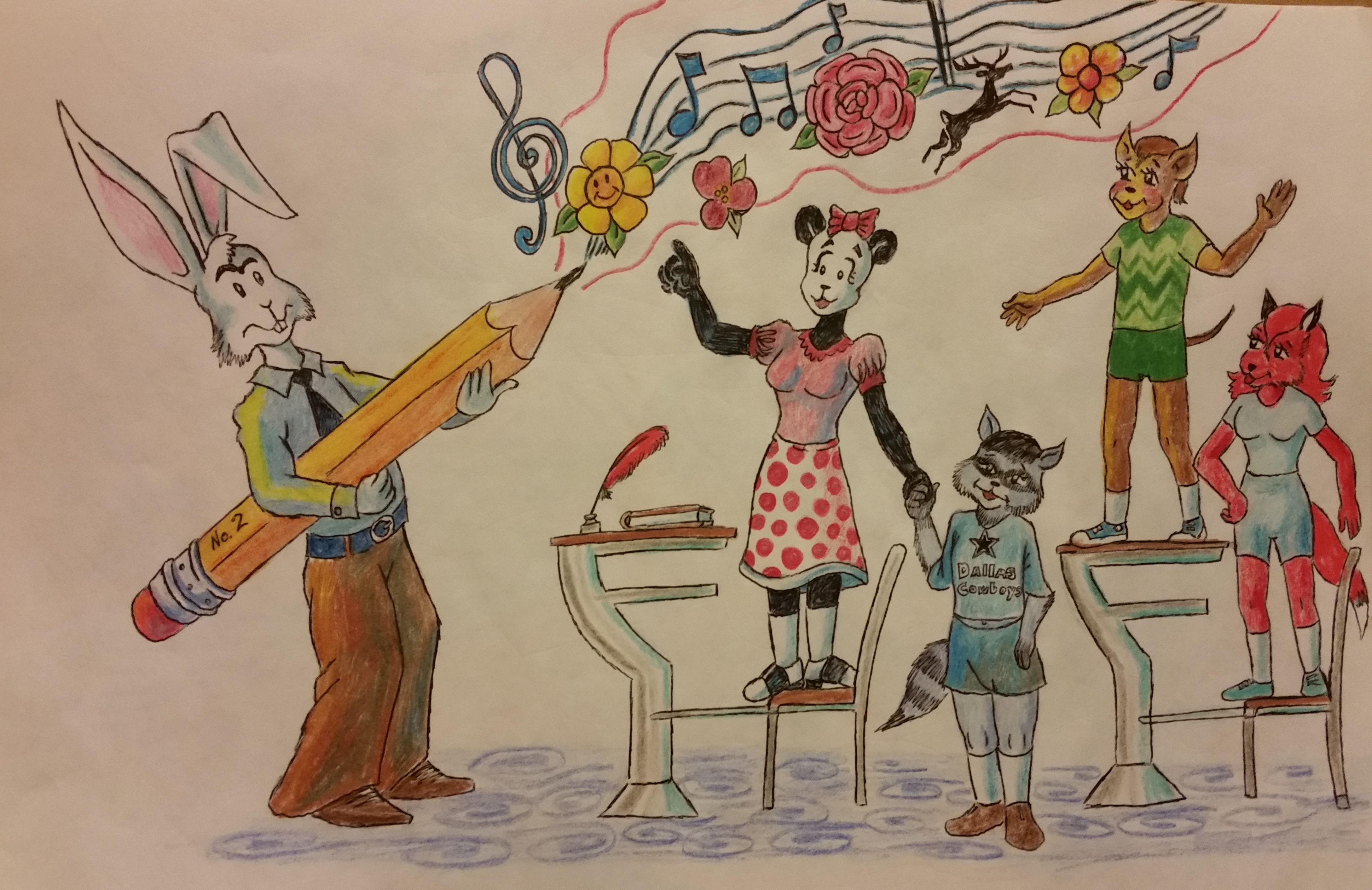
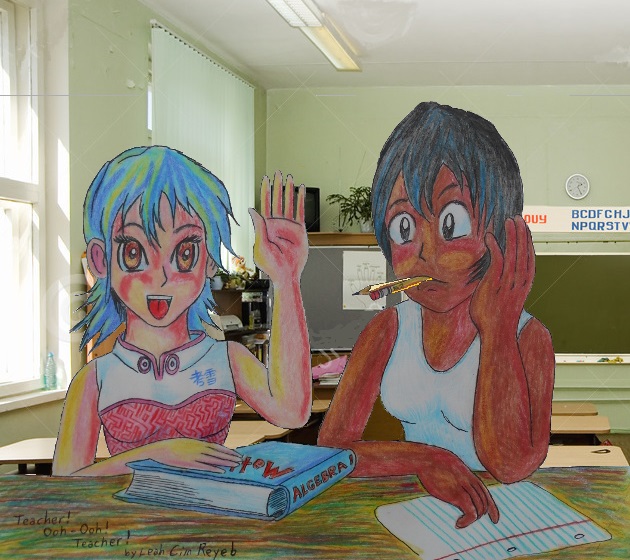
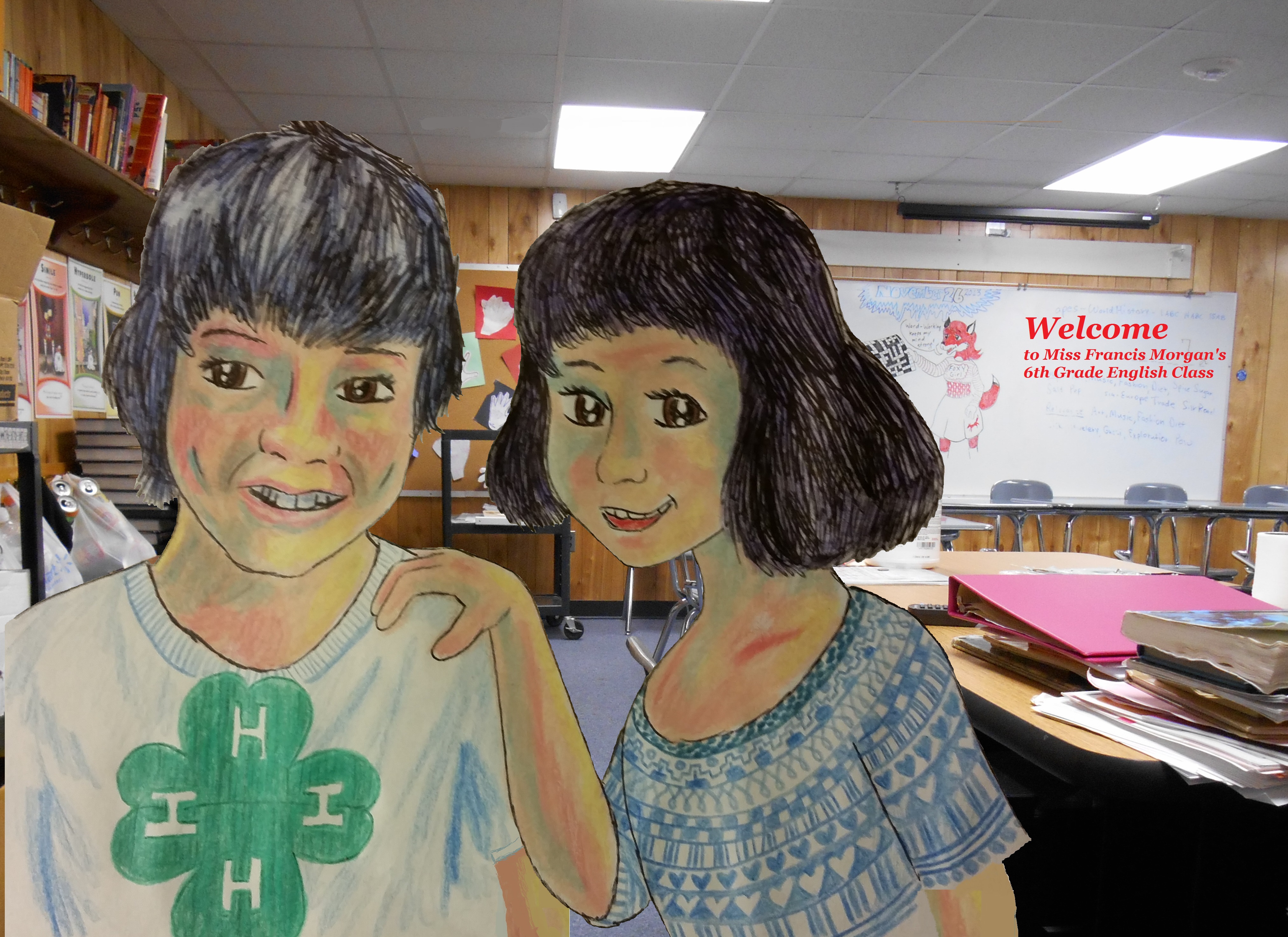
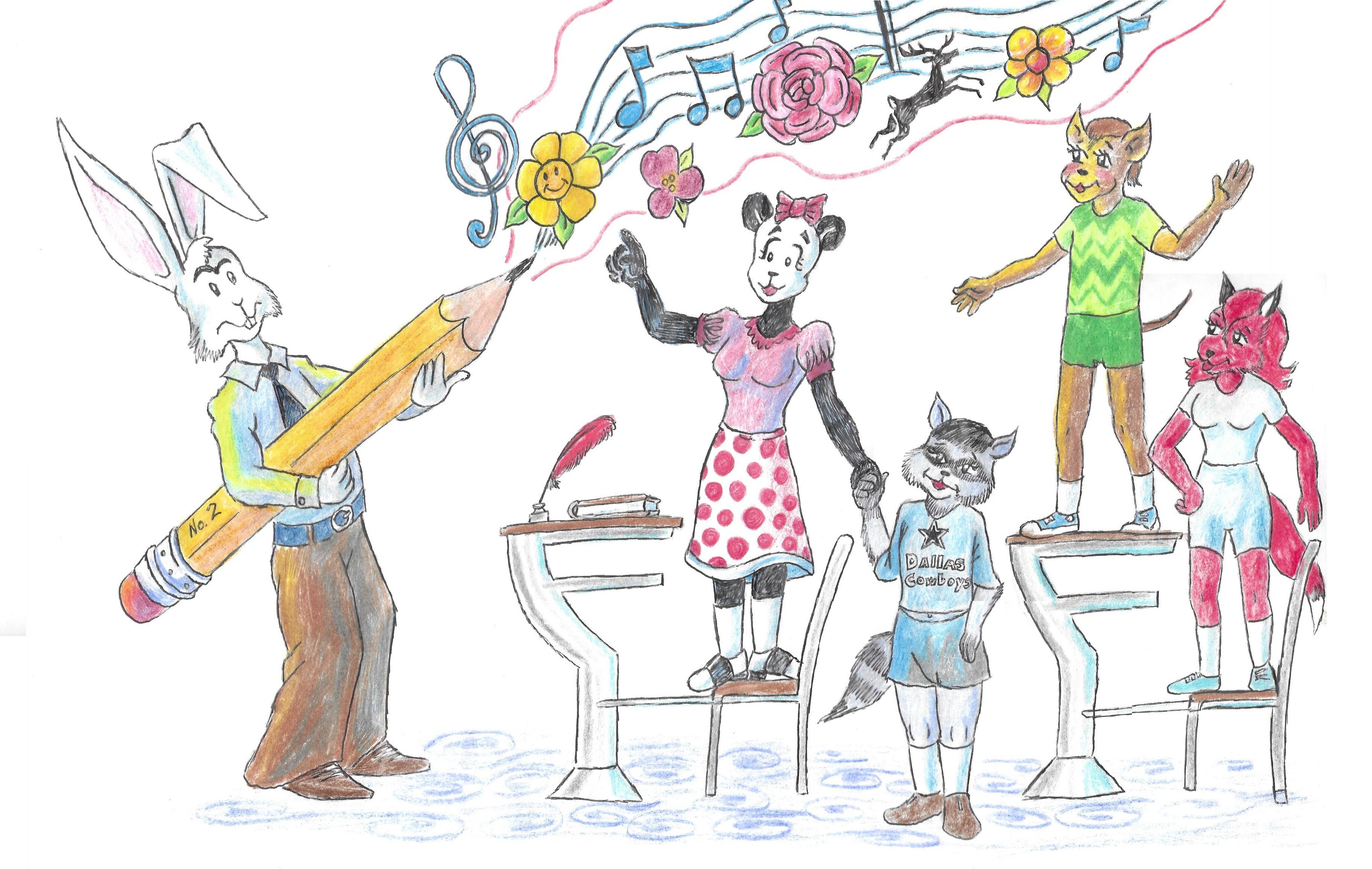
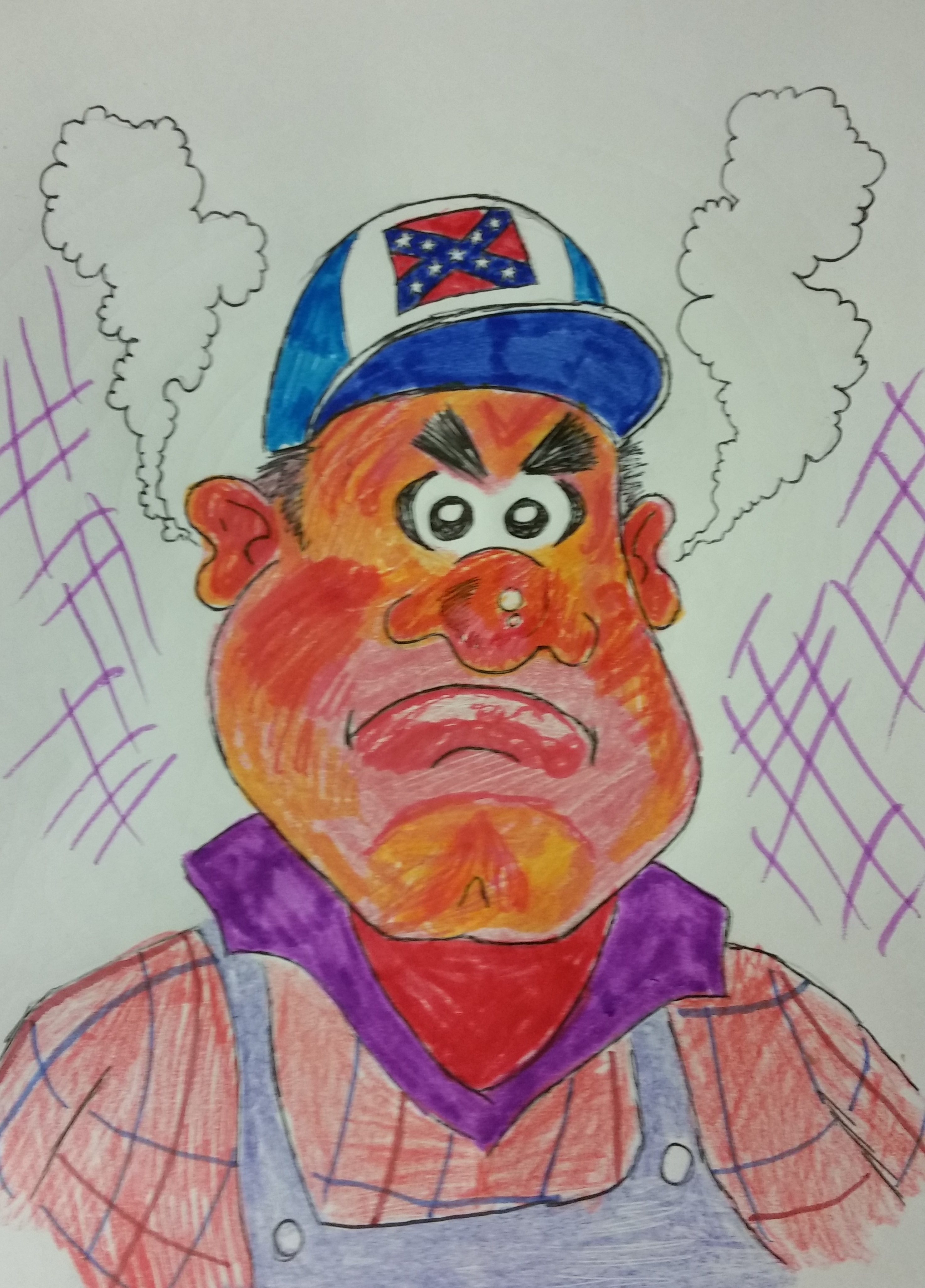
I miss being a teacher. But even if I was suddenly healthy enough again to return to the classroom, I would have to think twice… or three times… or twelve times about it. I know excellent teachers who are being driven out of the education field by the demands of the job in the current educational whirlpool of death and depression. My own children are very bright and capable, but they face State of Texas mandated tests this next couple of weeks because that’s what we do in Texas, test kids and test kids and test them some more. If we don’t stress them out and make them fail on the first round of testing, there will be at least two more to get the job done. And believe me, the real reason for all the testing is to make kids fail. It sounds harsh, and like one of my loony conspiracy theories, but the Republican legislature of this State has discussed in earnest how test results prove our schools are failing, and how we must certainly need to fund more private schools and schools for profit, and stop teaching kids on the taxpayer’s dime (although they don’t really care about my dimes, only the dimes of millionaires and billionaires which we have more of in Texas than we have ever had before). Of course, these private schools they speak of will be for the children of well-to-do families, particularly white Anglo-Saxon protestant families. Public schools will be okay for everyone else, preferably built next to for-profit prisons where the public-school kids will move after graduation.
Arts and humanities-type class offerings are becoming increasingly rare. We don’t teach them to be creative any more. We have to focus on core subjects, Reading, Writing, History, Science, and Math. And not the high-level stuff in any of those areas, either. We test them on the minimum competency stuff. But we make it harder every year. Back in the 80’s it started when Governor Mark White let H. Ross Perot spearhead a school-reform drive that began with idiot-tests for teachers. The Mad Dwarf of Dallas was convinced that the biggest problem with Texas Education was incompetent teachers. But we didn’t test them on classroom management skills, or skill at motivating young learners. We took basic English tests where the teachers weeded out were mostly black and Hispanic. I helped one very gifted Science teacher pass the test which she nearly failed three times (the limit before contract non-renewal) since she was taking her teacher test in her second language, not her first. When they finally got it through their heads they were only weeding out the good teachers with test anxiety, they changed the tests to make them harder. They stopped giving life-time teaching certificates and made you prove that you were not an idiot every five years.
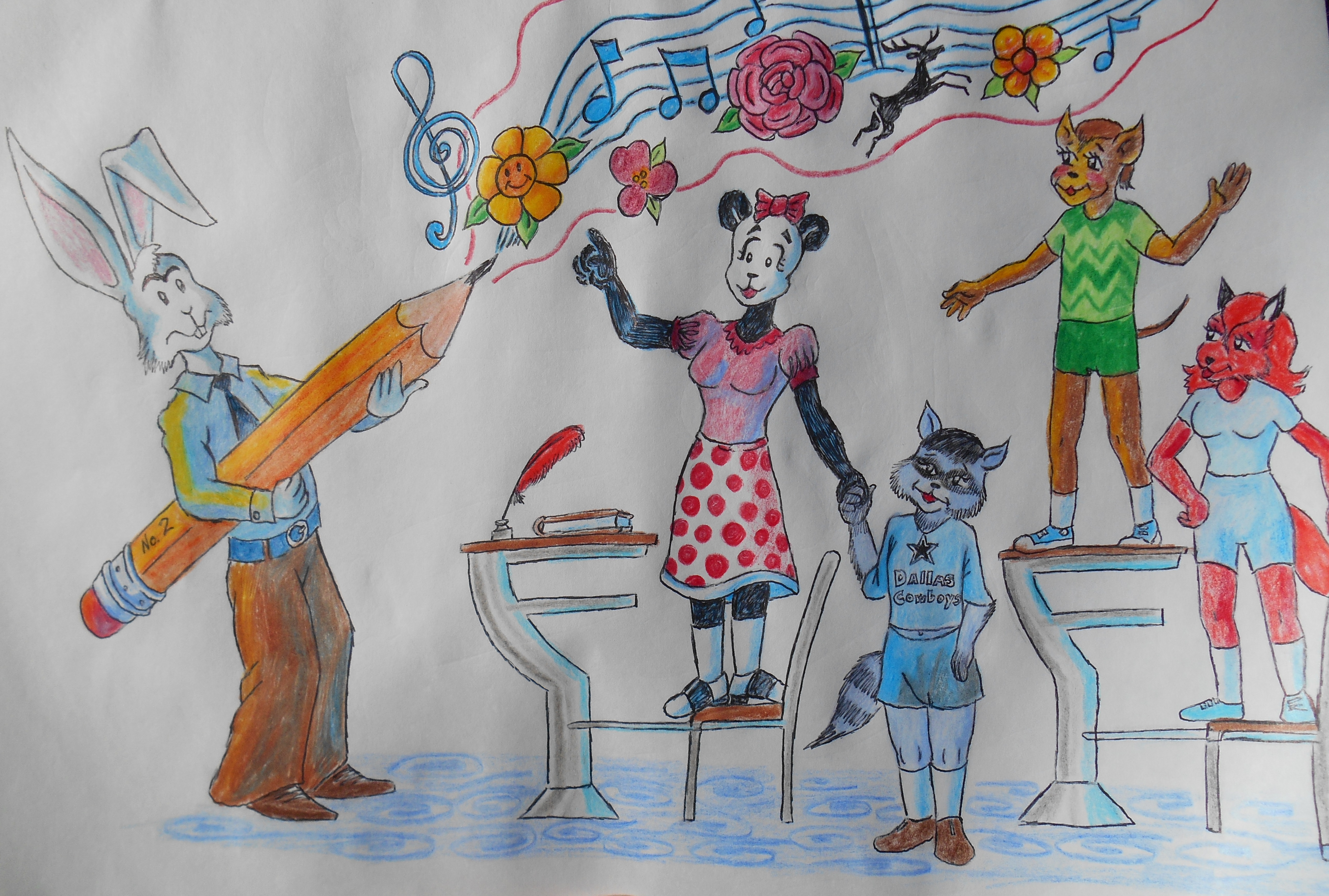
It was Governor George W. Bush (a Forest Gump clone with DNA mixed in from Bullwinkle the Moose and Elmer Fudd) who decided that teachers needed to be weeded by demanding that their students perform to a certain level on standardized State tests. If you watched the John Oliver video, you have a clear idea already of the value of that. We worked hard for a number of years to do better on the alphabet tests. The TAAS test became passable by most of the State, including the poorer districts, and so they replaced it with the TAKS test, a criterion-referenced test that they could provide all new and harder questions for every single year. I sat on a test review board for two years as the representative of the Cotulla District in South Texas. I got to see some of the horrendously difficult question before they were asked. There were very real cultural discriminations among those questions. Why should a Hispanic child in South Texas be required to know what “galoshes” are? And when teachers began teaching to the tests well enough to get a majority of students passing, Emperor Rick Perry, the permanent Governor of Texas after Bush, decreed we needed STAAR Tests that students had to pass in order to graduate to the next grade level. And, of course, we had to make them harder.
When I started teaching exclusively ESL kids in high school (English as a Second Language) that special population was mostly exempt from taking the alphabet tests. After all, it takes at least five years to gain proficiency in a second language even for the brightest among us, and all of those students had less than five years of practice speaking English or they weren’t qualified for the program. But scores on the TAKS and then STAAR tests were generally too high. So ESL and Special Education Students were required to take them too. And, although the passing standards were lower for ESL students than they were for regular students, the passing standards were ratcheted up every single year. And we eventually did worse than the expectation. Our ESL Department got a lot of the blame for Naaman Forest High School in Garland, Texas losing its perennial recognized school status. (We got the blame even though our scores were high enough to be rated exemplary on the sliding scale… it was actually the low socio-economic students in Math that lost us our yearly recognition… just so you know.) The paperwork nightmares I had to fill out for our ESL Department were one of the reasons my health got so bad I had to retire. Healthy teachers can’t take it any more either. We are looking at a crisis in Education in Texas. Teacher shortages in Math and Science are already apocalyptic. We are intentionally doing away with Art, Band, Chorus, and other artsy-craftsy things… things that are good for the brain and the self-esteem and the creative problem-solving abilities of students. Teaching has become a nightmare.
I hope you will take me seriously over my conspiracy-theories and lunatic teacher complaints. I have been told too often that you can’t solve education’s problems by throwing money at it (though I do not remember the time they speak of when money was actually flying through the air). I have been told too often that teaching isn’t a real job. You just sit around all day and talk to kids and you have the summers off. How hard can that be? And I have been told too many times that Johnny can’t read, and it is apparently my fault as a Reading teacher… it can’t be anything politicians have done, right? It certainly isn’t anything that politicians have done right!
God help me, in spite of all that, I really miss being a teacher.








 Catch a Falling Star
How To Write A Mickian Essay
I know the last thing you would ever consider doing is to take up writing essays like these. What kind of a moronic bingo-boingo clown wants to take everything he or she knows, put it in a high-speed blender and turn it all into idea milkshakes?
But I was a writing teacher for many years. And now, being retired and having no students to yell at when my blood pressure gets high, the urge to teach it again is overwhelming.
So, here goes…
Once you have picked the silly, pointless, or semi-obnoxious idea you want to shape the essay around, you have to write a lead. A lead is the attention-grabbing device or booby-trap for readers that will draw them into your essay. In a Mickian essay, whose purpose is to entertain, or possibly bore you in a mildly amusing manner, or cause you enough brain damage to make you want to send me money (this last possibility never seems to work, but I thought I’d throw it in there just in case), the lead is usually a “surpriser”, something so amazingly dumb or off-the-wall crazy that you just have to read, at least a little bit, to find out if this writer is really that insane or what. The rest of the intro paragraph that is not part of the lead may be used to draw things together to suggest the essay is not simply a chaotic mass of silly words in random order. It can point the reader down the jungle path that he or she can take to come out of the other end of the essay alive.
Once started on this insane quest to build an essay that will strangle the senses and mix up the mind of the reader, you have to carry out the plan in three or four body paragraphs. This is where you have to use those bricks of brainiac bull-puckie that you have saved up to be the concrete details in the framework of the main rooms of the little idea-house you are constructing. If you were to number or label these main rooms, this one you are reading now would, for example, be Room #2, or B, or “the second body paragraph”. And as you read this paragraph, you should be thinking in the voice of your favorite English teacher of all time. The three main rooms in this example idea house are beginning, middle, and end. You could also call them introduction, body, and conclusion. These are the rooms of your idea house that the reader will live in during his or her brief stay (assuming they don’t run out of the house screaming after seeing the clutter in the entryway).
The last thing you have to do is the concluding paragraph. (Of course, you have to realize that we are not actually there yet in this essay. This is Room C in the smelly chickenhouse of this essay, the third body paragraph.) The escape hatch on the essay that may potentially explode into fireworks of thoughts, daydreams, or plans for something better to do with your life than a read an essay written by an insane former middle school English teacher at any moment, is a necessary part of the whole process. This is where you have to remind them of what the essay is basically about, and leave them with the thought that you want to haunt them in their nightmares later. The last thing that you say in the essay is the thing they are the most likely to remember. So you need to save the best for last.
So, here, finally, is the exit door to this masterfully mixed-up Mickian Essay. It is a simple, and straightforward structure. The introduction containing the lead is followed by three or four body paragraphs that develop the idea and end in a conclusion that summarizes or simply restates the overall main idea. And now you know why all of my former students either know how to construct an essay, or have several years left in therapy sessions with a psychiatrist.
Leave a comment
Filed under commentary, education, humor, Paffooney, teaching, writing, writing teacher
Tagged as academic-writing, education, essay, essay writing, essays, foolish ideas, How to write an essay, humor, memoir, Mickian essays, teaching writing, teaching writing with humor, writing