Category Archives: writing

What the Heck is this Blog About?

I read a lot of other people’s blogs for a lot of reasons.  As an old writing teacher and retired Grammar Nazi, I love to see where writers are on the talent spectrum.  I have read everything from the philosophy of Camus and Kant to the beginning writing of ESL kids who are illiterate in two languages.  I view it like a vast flower garden of varied posies where even the weeds can be considered beautiful.  And like rare species of flower, I notice that many of the best blossoms out there in the blogosphere are consistent with their coloring and patterns.  In other words, they have a theme.

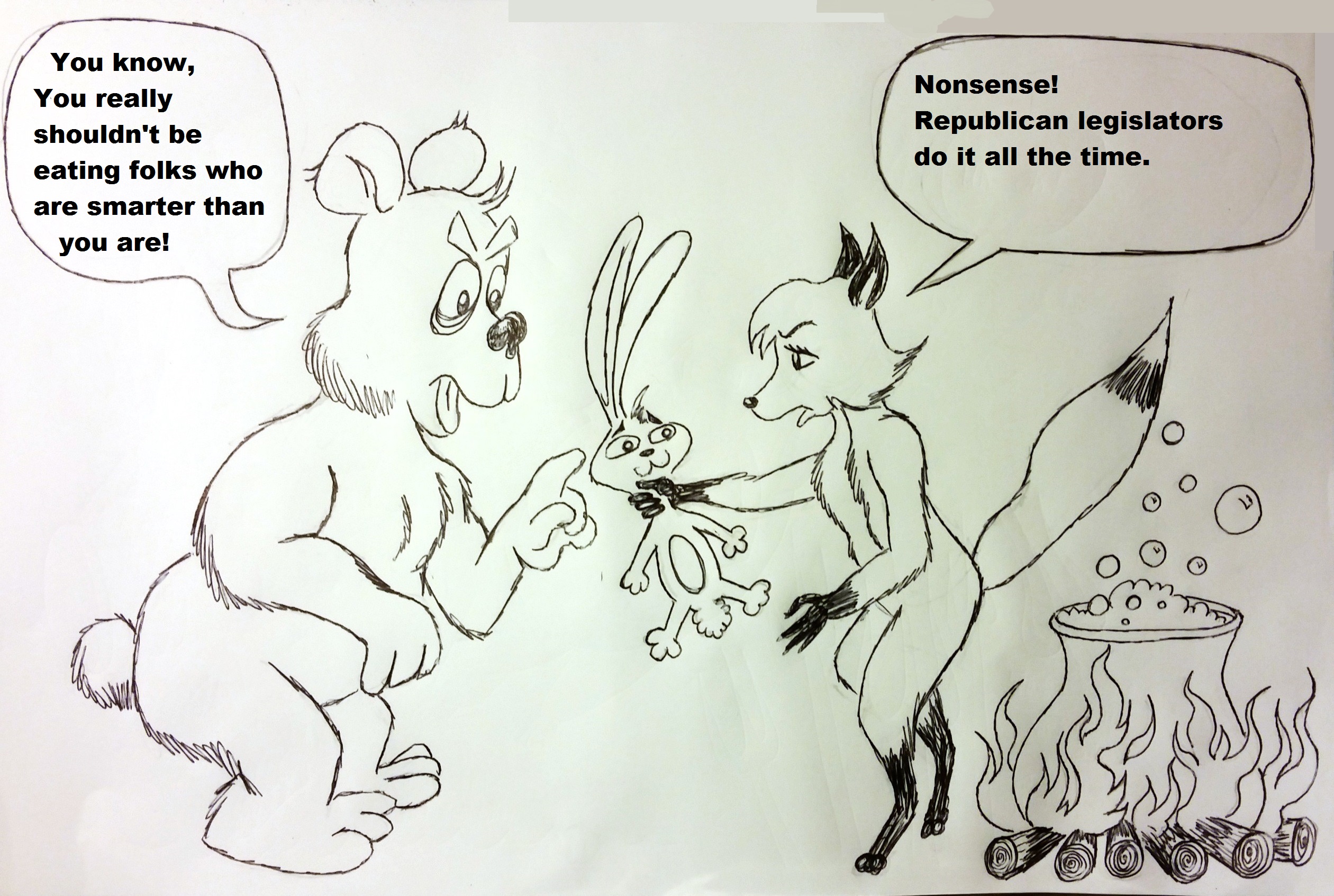
Fox logic

So, do I have an over-all theme for my blog?  It isn’t purely poetical like some of the poetry blogs I like to read.  I really only write comically bad poetry.  It has photos in it, but it isn’t anything like some of the photography blogs I follow.  They actually know how to photograph stuff and make it look perfect and pretty.  It is not strictly an art blog.  I do a lot of drawing and cartooning and inflict it upon you in this blog.  But I am not a professional artist and can’t hold a candle to some of the painters and artists I follow and sometimes even post about.  I enjoy calling Trump President Pumpkinhead, but I can’t say that my blog is a political humor blog, or that I am even passable as a humorous political commentator.

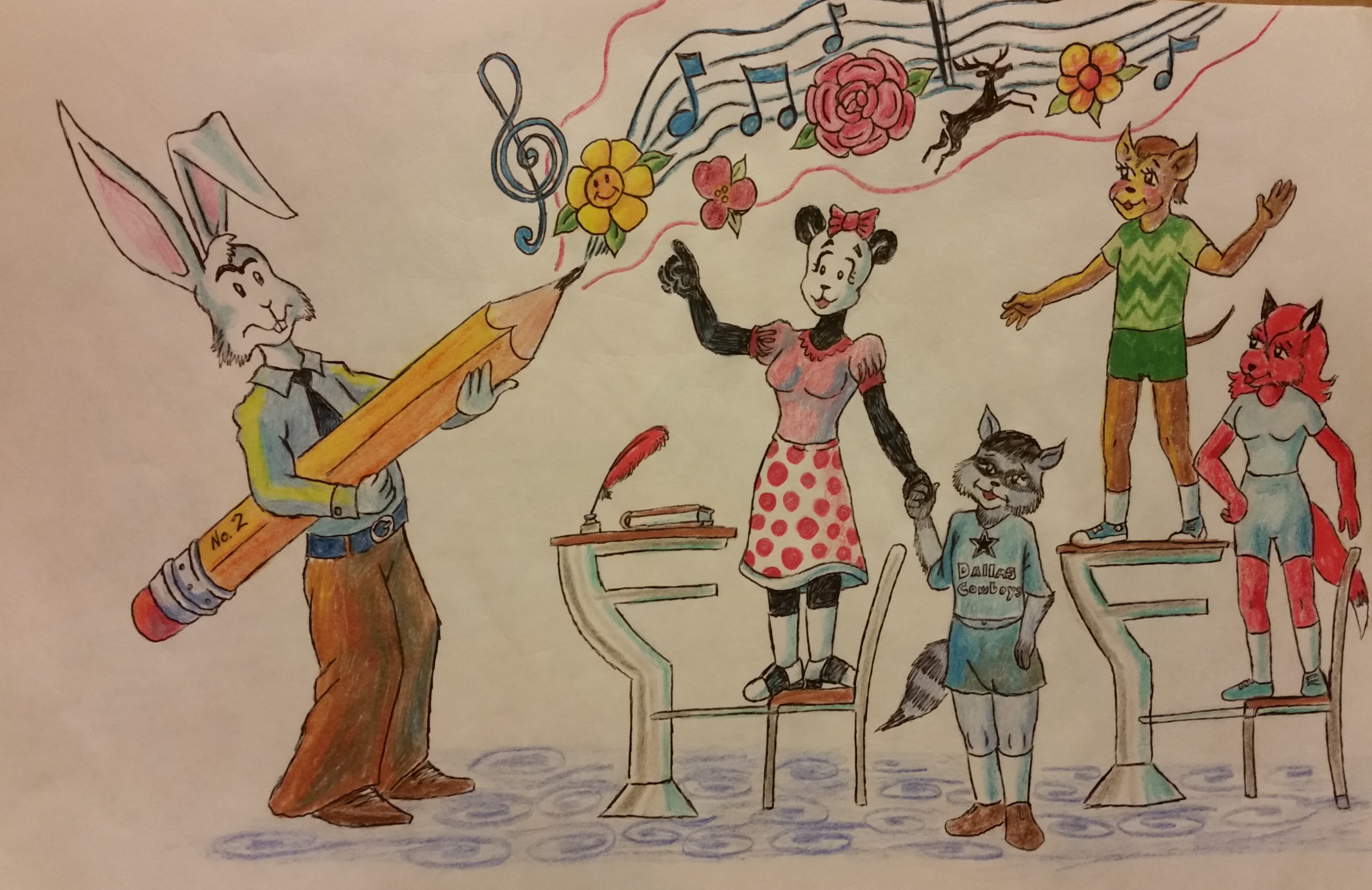
One thing that I can definitely say is that I was once a teacher.  I was one of those organizers and explainers who stand in front of diverse groups of kids five days a week for six shows a day and try to make them understand a little something.  Something wise.  Something wonderful.  Something new.  Look at the video above if you haven’t already watched it.  Not only does it give you a sense of the power of holding the big pencil, it teaches you something you probably didn’t realize before with so much more than mere words.

20150807_135323

But can I say this is an education blog?  No.  It is far too silly and pointless to be that.  If you want a real education blog, you have to look for someone like Diane Ravitch’s blog.  Education is a more serious and sober topic than Mickey.

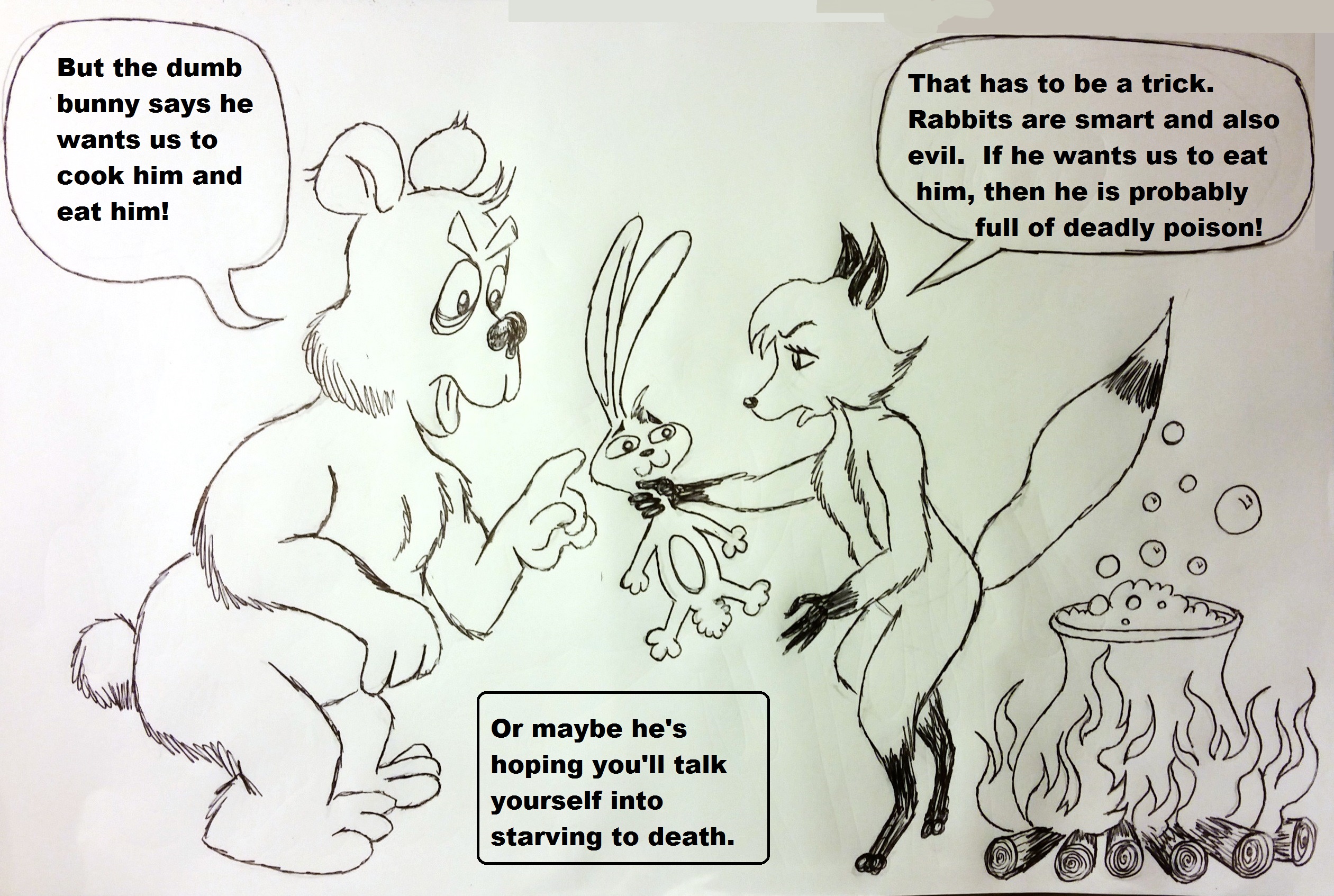
By the way, were you worried about the poor bunny in that first cartoon getting eaten by the fox and the bear?  Well, maybe this point from that conversation can put your mind at ease.

Fox logic 2

Mickey is tricky and gets good mileage out of his cartoons.

You may have gotten the idea that I like Bobby McFerrin by this point in my post.  It is true.  Pure genius and raw creative talent fascinate me.  Is that the end point of my journey to an answer about what the heck this blog is about?  Perhaps.  As good an answer as any.  But I think the question is still open for debate.  It is the journey from thought through many thoughts to theme that make it all fun.  And I don’t anticipate that journey actually ending anytime soon.


Leave a comment

Filed under humor, insight, inspiration, music, Paffooney, self portrait, strange and wonderful ideas about life, word games, wordplay, writing, writing teacher

Catch a Falling Star – Book Review

mewall24

I finally got the book review from Serious Reading.  If you are actually interested, you can find it here;

Seriousreading.com Book Review

I have not been a very successful marketer of my own book.  But I have made attempts to get help with it.  This book review is an example of that.  I have chosen to reproduce the interview here as a way of ditching my responsibility for writing anything new in this post.

Interview with Michael Beyer, author of “Catch a Falling Star”

A common misconception entwined with authors is that they are socially inept, how true is that?

Quite true… the person who goes on to become a successful author is the sociopath who sits in the back of the classroom during his freshman year of high school watching everybody through pop-bottle-bottom glasses and taking notes on everything everyone else is doing or saying. But, the rub is that you cannot successfully write anything without learning how to talk to people first. This is why most of them take years to get their books successfully completed. It is also why some authors have closets full of manuscripts that no one has ever seen.

Do all authors have to be grammar Nazis?

Alle begrüßen die heiligen Worte! Yes, authors must pass through the grammar Nazi stage, even if they are to become grammar anarchists like Kurt Vonnegut or Terry Pratchett. You have to know the rules you are breaking before you can break them without simply being stupid.

If you could have been the original author of any book, what would it have been and why?

My own book. The good books that are out there are good only because you couldn’t rewrite it and make it any better than it already is. I also don’t want to waste my time re-writing a dumb book or an evil book or a goofy book… well, I might have to think twice about the goofy book.

What makes this particular genre you are involved in so special?

I was a public school English teacher for 31 years in Texas. I write YA novels because, not only are kids my main audience, but also my primary source material. All the best fantasy, science fiction, and humor ideas can be accidentally happened upon and written down somewhere in a middle school classroom. All the best characters and clowns too.

What works best for you: Typewriters, fountain pen, dictate, computer or longhand?

For twenty years I wrote everything out in longhand in spiral notebooks. It took considerable work to copy it all out on a typewriter. Then some nut invented that computer thing, and an even nuttier nut showed me how to use one. The world will live to regret those two big mistakes.

When did it dawn upon you that you wanted to be a writer?

I started writing things down in the back of the classroom when I was about twelve. Before that I told stories to everyone who would listen… or couldn’t escape listening. My sisters still blame me for recurring nightmares and my grade school best friend still reminds me that I am not actually a changeling left on Earth by Martians. I guess I haven’t actually made up my mind yet about becoming a writer.

How often do you write?

Are you asking how many times a day? Or how often I stop writing? The second one is easier to answer… never.

Do you have a set schedule for writing, or are you one of those who write only when they feel inspired?

I write whenever life doesn’t interfere. Now that I am retired from teaching I write every morning for at least an hour and at least 500 finished words. But I am writing in my head even when I am at Wal-Mart returning the sneakers my daughter begged me for because I wasn’t smart enough not to buy pink ones.

How hard was it to sit down and actually start writing something?

About as hard as it is to remember to breathe. As an English teacher I always made it my policy to write any writing assignment I ever assigned to my students. Other members of the faculty all knew that I was willing to write anything that needed writing, and the State of Texas requires teachers to write huge stacks of B.S. daily. So at least some of their lesson plans look suspiciously like mine.

Writers are often associated with loner tendencies; is there any truth to that?

I know a lot of other writers who are stressed by being around stupid people too much. But, as a former school teacher, I like people… especially kid people… even the stupid ones.

Do you think writers have a normal life like others?

No. I don’t have to explain that one, do I? The world does not have as many writers as there are normal people. There has to be a reason for that, don’t you think?

Do you set a plot or prefer going wherever an idea takes you?

I have in the past mapped out elaborate road-maps of plot and character motivation. I never followed a single one to the “X marks the spot”. You only find treasure if you learn to dig for treasure along the way.

What, according to you, is the hardest thing about writing?

Quitting for the session. I try always to leave something unwritten that I wanted to say to pick up next time… and it often brings me back to do some more well before I had planned to.

What would you say is the easiest aspect of writing?

Everything about writing is hard. I do it easily now only because I have worked at it since I was twelve. Years of practice and re-writing, trying new things and failing badly, trying again and failing again, ironing out the wrinkles and then putting them back in… It takes effort, just like building the Great Wall of China, one brick at a time… but isn’t it a danged big old wall now?

Have you ever experienced “Writer’s Block”? How long do they usually last?

Dang! How am I ever going to answer that? I have to really think about it. Maybe I can answer by next Tuesday.

Any tips you would like to share to overcome it?

Well, I guess that wasn’t really that hard after all. All I did was write something down as soon as it came into my head. If it turns out to be a stupid idea, computers make it easy to erase and replace. I told you that you were going to regret that particular invention, didn’t I?

Do you read much and if so who are your favorite authors?

Terry Pratchett, Michael Crichton, Louis L’Amour, R. A. Salvatore, William Faulkner, William Shakespeare, J.R.R. Tolkein, Madeleine L’Engle, Ernest Hemingway, Mark Twain… and these are just the authors I have read three or more books from (over ten from each of the first four) Reading allows me to live more than one life.

Over the years, what would you say has improved significantly in your writing?

My ability to finish a story to the point I don’t feel that it has to be totally re-written.

What is the most important thing about a book in your opinion?

Whether it makes you laugh or makes you cry or both, the most important thing is that one sweet-sad moment when you have to tell yourself, “Yes,this is true.”

If you had the choice to rewrite any of your books, which one would it be and why?

I am busy rewriting all of them now, except for the two I already have published, and I am busily thinking about at least one of those.

What is your take on the importance of a good cover and title?

Something about the title and cover has to entice the reader into making the mistake of picking the book up and looking inside. It is the essential booby trap that makes or breaks a book.

Have you ever designed your own book cover?

Yes. And so far publishers have ignored my wishes every time. I have found a small publisher called PDMI that may let me do the cover illustrations for the book they have foolishly agreed to publish.

Does a bad review affect your writing?

If I get a review that honestly defines the problem the reader had with my work, then of course I will try to fix the problem. Most bad reviews however are of the sort where very little thought went into it, and the only purpose was to vent and take something out on me as the author. It doesn’t always seem to be reflecting my writing… rather the prejudices that stand between the reader and my work.

Any advice you would like to give to your younger self?

Don’t worry about looking like an idiot, because you will, and you are, and the only thing you can do about it is write more and worry less.

What did you want to become when you were a kid?

I told my parents when I was five that I wanted to be a clown. When I was in junior high I decided I wanted to be a writer and a cartoonist. I said in high school that the last thing I would ever want to be is a teacher. So I went to college and learned to be a teacher, and along the way I got to be the other three things as well.

Do you recall the first ever book/novel you read?

The White Stag by Kate Seredy. I picked it off the classroom reading shelf in third grade because it had a plain red cover… the dust jacket was long lost. I believed that wonderful things were concealed by plain and ordinary appearances. I kept it for three months and read it at least four times. My teacher thought I was crazy. But by the end of fourth grade she asked for my help reading the book Ribsy by Beverly Cleary aloud to the whole class. I turned into a surprisingly good oral reader, and had from that first book onwards developed a lifelong love of reading.

Which book inspired you to begin writing?

I suppose it was Robert Louis Stevenson’s Treasure Island which I read in the fourth grade. It colored all the stories I told my friends and cousins in our little Iowa town. I loved adventure. I loved N. C. Wyeth’s illustrations in the edition my Grandma had in her house. I knew from halfway through the first chapter that I had to be like young Jim Hawkins and tell a story like that.

Did you ever think you would be unable to finish your first novel?

Yes. For most of the twenty-two years it took me to finally reach the last page.

Do you read any of your own work?

How can I write anything without reading it? I like to go back regularly to re-read as much as I can, and every time I do that, I get to the point that I almost think I actually know that dumb old guy who wrote that nonsense.

Tell us about your writing style, how is it different from other writers?

I can’t say, really. When I am writing I hear the voices in my head not as my own voice, but as the characters in the story. The characters are all people I know, though every character has some part of me mixed in too. I try to write what makes me laugh and makes me cry and makes me feel good inside… and I leave it up to the reader to try to feel that too.

Do your novels carry a message?

Every novel has to be full of metaphor and meaning. If we can’t as readers jump inside the characters and walk around in their lives for a bit, then what was the point of even writing it? There is no one message. There is a multitude of messages. And readers should maybe read stuff backwards and upside down to look for clues. You never know what else might be in there. Maybe Elvis is really alive and ordering chili every day at a Wendy’s in Michigan and that can only be revealed by reading the paragraph on page 23 in reverse order.

How much of yourself do you put into your books?

Jeez! I have to work hard to keep some stuff out of my books and save it for myself. Otherwise there would soon be nothing left of me. I don’t have any secrets left in life that aren’t found in my writing somewhere. I keep my ears out of my writing, or else what would I hear with? I keep my fingers out too so I have something to draw pictures with. I use much more of me than I should.

Have you ever incorporated something that happened to you in real life into your novels?

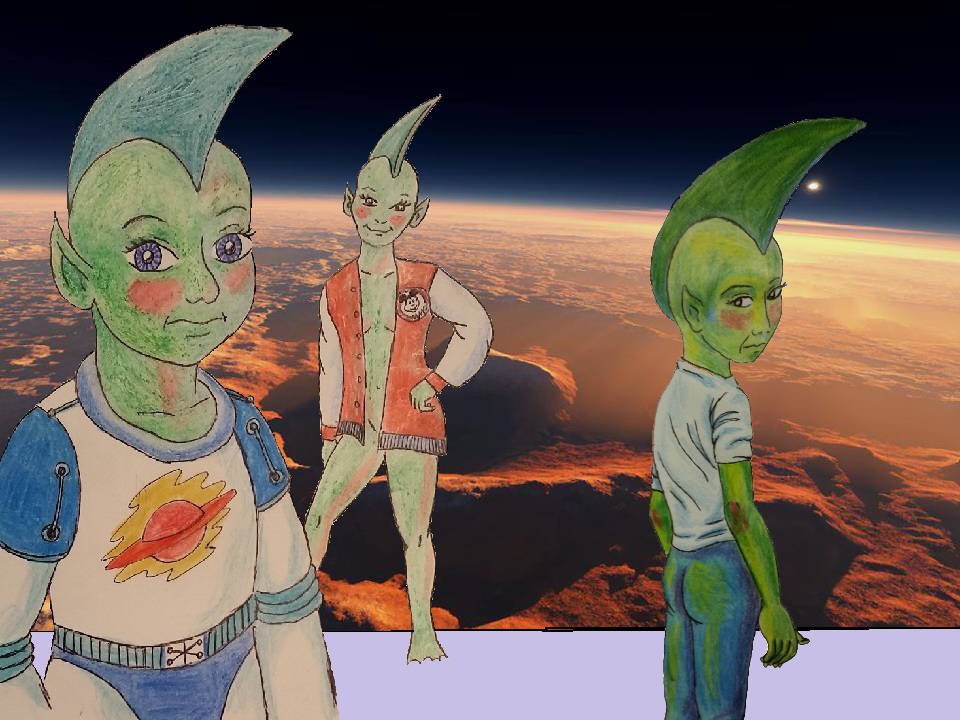
Yes. My friend Robert remembers when the aliens tried and failed to invade my hometown when we were boys. That became the basis for Catch a Falling Star. Of course, I changed a few things, because if Robert realized which character in the book was him, he’d probably want to punch me in the nose. The characters in my stories are all students I have taught, kids I grew up with, and people I have known. Even the really weird ones were real once upon a time. Sorry, Robert, but it’s true.

How realistic are your books?

I write humorous books about science fiction subjects and fantasy adventures. They are filled with lies and exaggerations. So everything is photo realistic. You believe me, don’t you?

What books have influenced your life the most?

Tolkien’s Lord of the Rings trilogy, Douglas Adams’ Hitchhiker’s Guide to the Galaxy trilogy… er quadrilogy… or maybe five-ilogy… I don’t know…, and Frank Herbert’s Dune. I have a thing for realistic fiction.

Are there any books that you are currently reading and why?

I started reading Terry Pratchett’s Hogfather because it is the only Terry Pratchett book I own that I haven’t read yet, and I haven’t gotten hold of a copy of Hat Full of Sky already.

Have any new writers grasped your interest recently?

I love John Green’s books Paper Towns and The Fault in Our Stars.

Is there anything you are currently working on that may intrigue the interest of your readers?

I am trying to get published a novel called Snow Babies. It is a fantasy-comedy about freezing to death in a blizzard and it has snow ghosts and clowns in it. That is a rather fast and flippant summation about a book that I think will make you cry a little and laugh a lot, but it is also fairly accurate. I am hoping the publisher I signed the contract with stays in business long enough to publish it. They have also made the mistake of allowing me to submit a cover illustration.

Who are your books mostly dedicated to?

I dedicate what I write to the people I have known and used as characters. I dedicate my writing to former students, friends, family, and co-workers, because what other reason could I have for writing?

It is often believed that almost all writers have had their hearts broken at some point in time, does that remain true for you as well?

My heart breaks every time a child fails in the classroom. My heart breaks every time I see something incredibly beautiful that I know will not last much longer. I have fallen in love at least five times, and had my heart broken by that at least ten times, maybe more. The scars you carry on the inside either fester and kill you, or they turn over time into pearls, the same way oysters deal with irritants inside their shells, and they can also be called “books you have to write” once they become pearls.


Leave a comment

Filed under book review, humor, publishing, writing

Beautiful and Brilliant

I have looked deeply and longingly at my own writing time and again trying to determine what is good and what is poorly done and what is the best that I have written. How does one examine what is good? What are the standards that you must meet?

I had a writing teacher who was teaching a class in fiction writing and said to us, “You write fiction to create that special bittersweet something, that je ne sais quoi, that you need in order to come to terms with reality. Everything necessary to say something that satisfies a nameless desire.” I wish I remembered his name so I could credit him with having said that wise thing. Or, at any rate, I wish I could remember the name of the wise guy that he was quoting.

So, basically I am trying to capture in prose something that I have no idea what it is, but both you and I will know it if we see it. Easy-peasy, right?

Good fiction that I have read and liked makes me feel something. If it is truly literary quality, like the novels of Charles Dickens, Terry Pratchett, and Mark Twain, it will make me both laugh and cry. Funny things balanced by things that hurt to know and make you weep for characters that you have come to love. If it is a downer kind of novel, as some very good bits of science fiction and horror fiction are, it will make you laugh a little, cry a little, and think a lot; think with dread, or despair, or even impossible hope. Steven King, George Orwell, H.P. Lovecraft, and Ray Bradbury are good examples of this.

I am grappling with how you do that. I am not fool enough to think I am some sort of literary great. I am a school teacher writing stories for school children, stories I wanted to hear when I was a kid. Stories of good versus evil, good people coming together in the face of chaos. Heroes, villains, and clowns being heroic, villainous, or foolish. And themes that both warm and chill your little blue heart.

. So, what can I do besides keep on writing and keep on trying and keep on begging people, fools, and children to try reading my writing because they will like it, even if it is the least best thing I have written?

Leave a comment

Filed under humor, NOVEL WRITING, Paffooney, strange and wonderful ideas about life, writing, writing humor

The Survivor

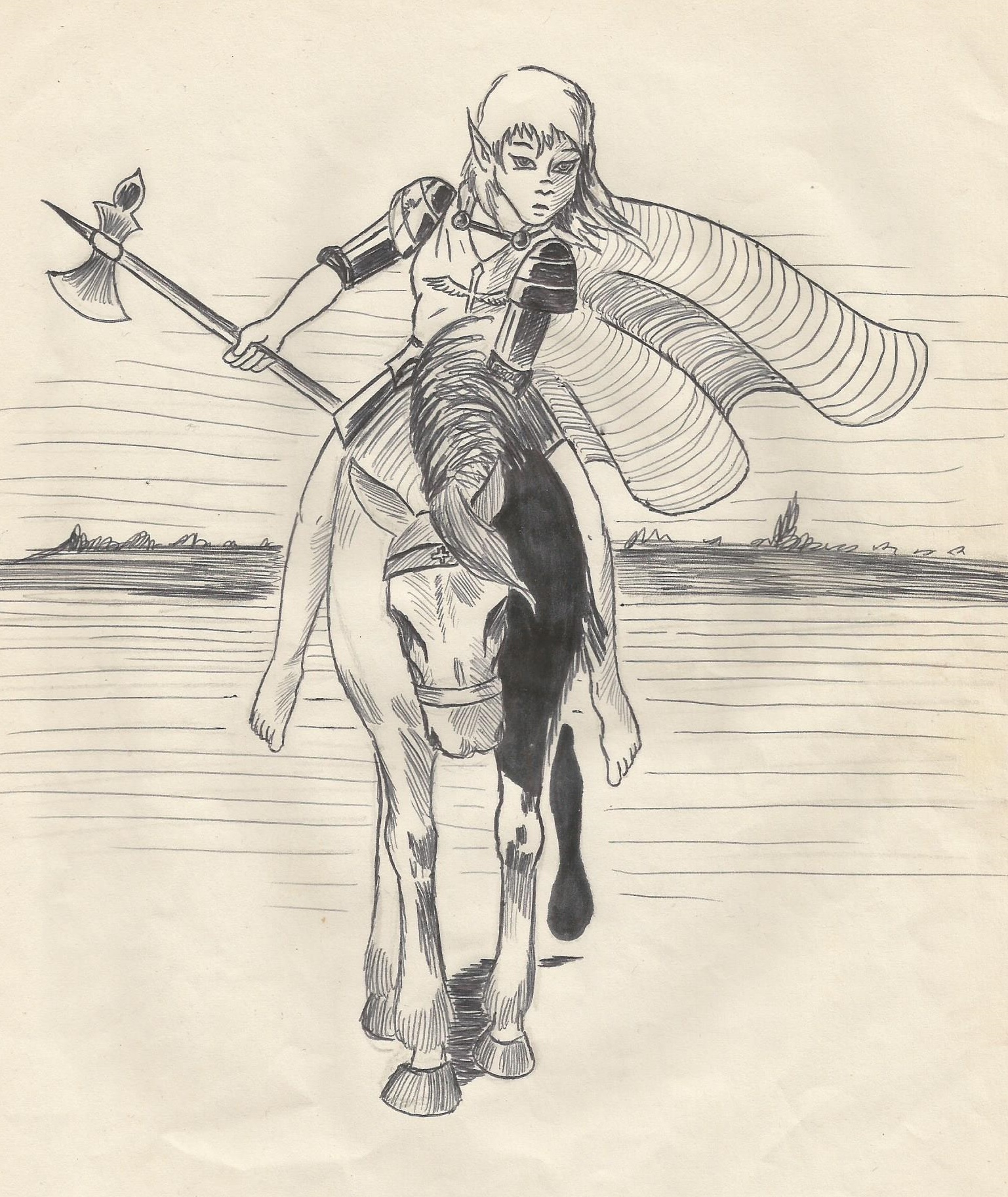
Elf on Patrol

I am trying to bounce back.  Yesterday I survived the possible end of the world.  No heart attack.  No asteroid hitting the Earth.  But also no writing contest win.  A huge delay in the publication of my novel.  My writing world is in danger of expiring because my life is winding down to its finale, and I’m running out of time.  I can still do it, though.  I have come back from down and out before.

In 1983, I had a mole removed from my face.  It wasn’t a vanity-type thing.  Removing it wasn’t going to cure ugliness or anything.  But it had gotten larger and had a strange color change.  So, my ancient and doddering Czechoslovakian doctor removed it just to be sure.  As with any such removal, the excised tissue was sent to the lab for analysis.  Malignant melanoma in the very first stages.  At the time, the survival rate for such a cancer in Texas was less than fifty percent.  However, most cases were not discovered so early in the crisis.  I went back in for more surgery.  They ended up cutting a hole through my right cheek and stitching it back together again.  The new tissue underwent very close scrutiny, and it was determined that all the dangerous cells had been removed during the very first surgery.  No evidence anywhere of a creeping metastasizing cancer death.  It was decided that chemotherapy would only do harm and would not help anything.  So I got to keep my hair.  It eventually meant removing two more moles and three lumps, but they were all benign.  Cancer was fought off and beaten 42 years ago this month.  I am a cancer survivor.

I often marvel at the fact that I am still alive and still able to write.  I have had innumerable near misses.  Car accidents that didn’t happen by a matter of inches.  The skidding truck on the icy street in Iowa City missed the front tire of my bicycle by about three inches.  Facing down irrationally angry youths with weapons intending to strike out in anger, and somehow having the right words to calm them and prevent the tragedy.  One of them told me it was because he looked me in the eye and saw no fear there that he couldn’t do it, couldn’t strike me down.  By rights, I should be dead.  It is a supreme irony of life that an almost-atheist like me believes in guardian angels.

I don’t know what the ultimate goal is.  I don’t expect to be a wealthy published novelist like Stephen King.  I don’t know if it is even important that I break through the bookstore barriers and get my work on the shelves for a few paltry dollars.  It is really only important that I write.  This blog has become important to me because I have developed a small readership that actually reads and provides feedback.  I do occasionally reach the hearts of people I don’t even know.  And I have made friends and relatives a little bit misty.  I have written 849 posts, posting every single day of 2015 and every single day of fifteen months in a row.  I have written six complete novels and gotten two into print with an ISBN number and everything.  My writing, like me myself, exists, and it will survive.  I am a survivor.

Leave a comment

Filed under autobiography, healing, health, humor, novel plans, writing

Writer’s Block on a Thursday

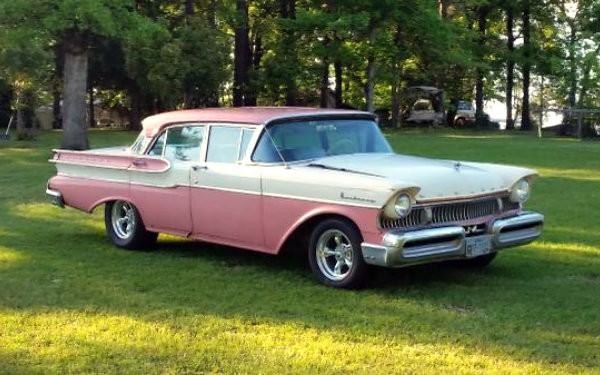
1957-Mercury-Monterey-600x375

The 1957 Pink and White Mercury of Imagination

I don’t have writer’s block.  I can write as long as I can think and move my fingers on the keyboard to crystallize that thinking into words.  The Pink and White Mercury of Imagination is always moving, either driving forward in the present and towards the future, or in reverse, rewriting the past.  It is never parked.

But somewhere along the way today, the route got sidetracked onto a looping detour.

Hence, this car-themed drive through the idea-capturing process.

DUvc8bXXkAIFTBp

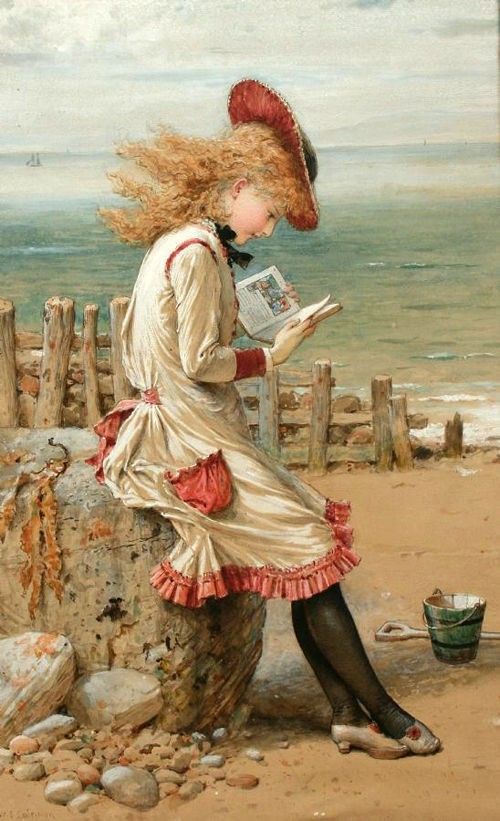
A picture of me reading painted long ago and not with me in the picture..

I started reading a new novel.  It is a 500-plus-pager by Kate Morton called Distant Hours.  It is a Gothic novel, but in a very different way from the one I am writing in The Baby Werewolf.   That book starts as a first person narrative, and then flashes back to the past as a series of third person narratives focused on single characters per section.  My novel is a first person narrative throughout, though told by three different narrators.  It would make an interesting writing analysis post, but I haven’t read enough of that novel nor completed mine to a point where I can compare and contrast them.  And those of you who get bored easily have already tuned out and just looked at the pictures by this point.

I also thought about writing a post about Uber-driving conversations and how that impacts the quality of my driver-service.  But the best stuff there can’t be revealed without breaking confidences.  Doctors, lawyers, bartenders, and Uber drivers are tasked with providing a touch of confidentiality.

I wanted to complain more about Trump and evil Republicans.  But that gets far too tiring.  And if the collection of my posts on WordPress is like a flower garden, the political rants I do are definitely the garden-choking weeds.

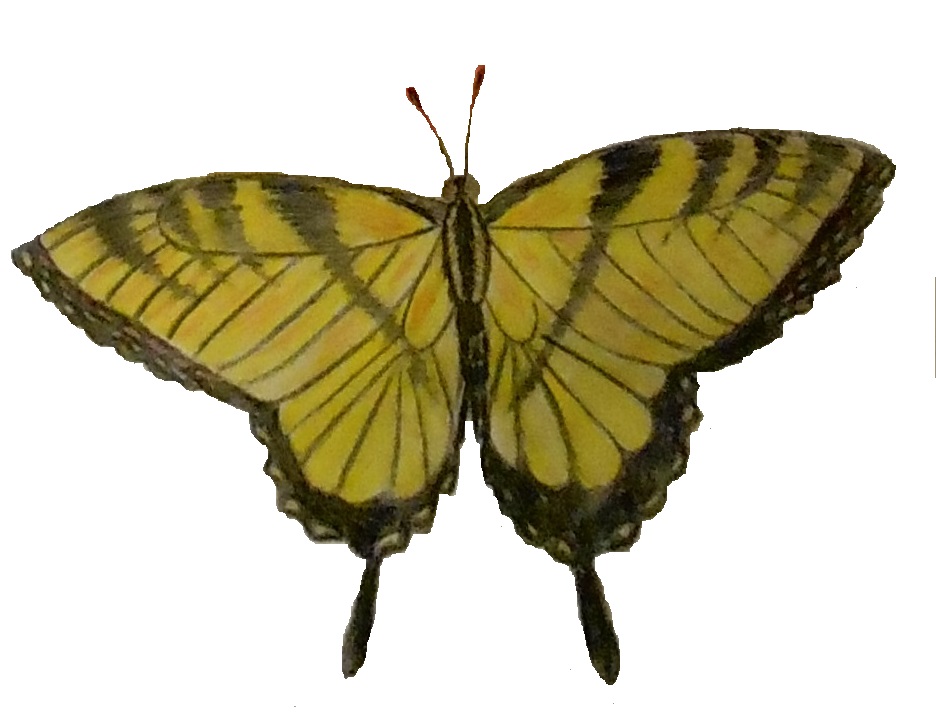
swallowtail

A much better thing for my garden is to chase the flitting butterflies of near-perfect ideas with a butterfly net made of idea lists like this particular post.

will-eisnerabc

So, it is true that I never actually have writer’s block.  I do get writer’s detours, writer’s delays, and writer’s just-not-satisfieds- with-those-ideas sorts of things.  But not today.  I made the problems the topic and the topic wrote itself.

Leave a comment

Filed under artists I admire, artwork, imagination, irony, Uncategorized, writing, writing humor

500 Words

oliverwendellholmessr1

When I started this whole blogging-every-day thing, I decided the rule had to be 500 words written in a day.  And I meant to hold myself to writing 500 words somewhere in the writing day, whether it was my blog post or the novel I was working on, or a combination of both.  I followed that rule religiously through more than 1,500 blog posts and five first draft novels.  I found it easier and easier to surpass 500 words on a daily basis.  There are all sorts of bits of time available and I collect ideas faster than a rich kid generates empty candy wrappers.  The more I call on the well of words for more words, the more words are available.  Now, it seems, writing only 500 words is the trick.

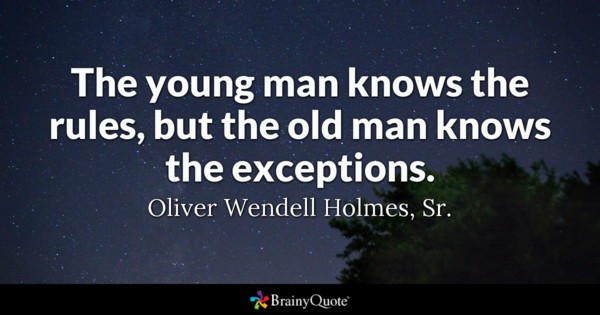
I suppose I have become an Old Man of Words.  I know both the rules and the exceptions.

3695714-pay-attention-quotes-and-sayings

Knowing that I can write more than 500 words easily, then the question becomes, why don’t I?  Well, the cardinal rule is “Say it short.  Say it simple. And say it sweet.”  That rule can generate a lot of wonderful writing, full of juicy ideas that splash with flavor when you bite into them.  Ernest Hemingway knew that rule.  Every poet knows it.  Readers generally prefer the easily accessible idea expressed with elegance.

Now, I also have to admit a guilty pleasure in perpetrating purple paisley prose.  That is the style of writing in which I generally write convoluted sentences with complex ideas that fold back in on themselves and over-use alliteration to criminal degrees.  Charles Dickens liked to do that with descriptive details.  Paragraphs about the boarding schools of London, the streets filled with child chimney sweeps and flower girls, and dingy mind-dulling workhouses could take up two or three pages per paragraph.  And two pages further on, he layers more details on the same setting.  Piles and piles of words and wordplay fill the pages of William Faulkner, James Joyce, and Marcel Proust.  And if you haven’t read at least something from each of those gentlemen, you will never know what you are missing.  But you can prune your paragraphs like a greenhouse master florist with limited space will do to his orchids, and you can actually end up fitting great beauty and powerful content into something even more limited than a 500-word essay.  In fact, if you take your ideas and distill them, and keep distilling them, over and over, you will eventually have pared the words down into poetry.

So, there you have it.  The reason my essays are about 500 words.  This one is four hundred and forty-one words.

Leave a comment

Filed under poetry, reading, strange and wonderful ideas about life, Uncategorized, wisdom, wordplay, writing, writing teacher

If I Thunk It, Then Wrote It, I Will Leave It In There

One good thing about being a humorist is, if somebody calls you out for an error you made in your writing, you can always say, “Well, it’s a joke, isn’t it?”  Errors are for serious gobbos and anal-retentive editors.  I live with happy accidents.  It is a way of life dictated in the Bob Ross Bible.

DWjmeXxW0AAHdst

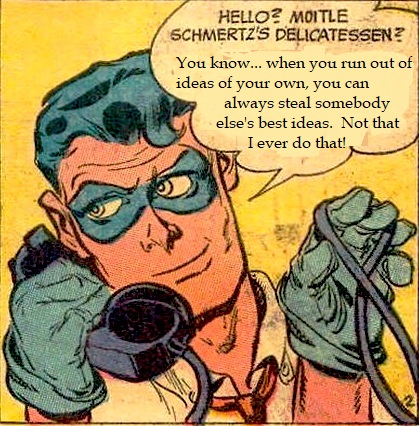
Yeah, I know it’s supposed to be “oops” not “OPPS”, but after all, this isn’t even a list I made up myself.  I stole the whole thing from another writer on Twitter.

You have no idea what a cornucopia of ravings from knit-wit twit-tweets Twitter really is.

Oh, you waste time time on Twitter too too?

Then you know already.

Twitter makes you want to shout at your computer, and has so many Trump-tweets and conservative blather-bombs on it, that it can seriously impair your editing skills.

So I look elsewhere and elsewhen to sharpen my critical English-teacher eye.

redinNwrytin

Yes, the illustrator of that meme doesn’t get the blame for the content.  I wrote that violation of the sacredness of classic literature myself.  I think we should thank God for the fact that neither Charles Darwin nor Dr. Seuss decided to act on evil impulses.  The world is a better place for their decision on how to use their genius, and how to edit themselves.

AGHUTnoody

So, this is me writing today’s post about editing as a writer, and failing miserably to edit my own self.  I got the pictures from Twitter and edited them myself.  Or failed to edit them properly, as the case is more likely to prove.  But however I may have twisted stuff and changed stuff and made up new words, editing is essential.  It makes the whole world better.  Now let’s consider editing the White House for a bit, shall we?

Leave a comment

Filed under foolishness, goofy thoughts, humor, memes, reading, strange and wonderful ideas about life, writing, writing humor

My Bookish Journey (Finale)

by Maxfield Parrish

Like every real, honest-to-God writer, I am on a journey. Like all the good ones and the great ones, I am compelled to find it…

“What is it?” you ask.

“I don’t know,” I answer. “But I’ll know it when I see it.”

“The answer?” you ask. “The secret to everything? Life, the universe, and everything? The equation that unifies all the theories that physicists instinctively know are all one thing? The treasure that pays for everything?”

Yes. That. The subject of the next book. The next idea. Life after death. The most important answer.

And I honestly believe that once found, then you die. Life is over. You have your meaning and purpose. You are fulfilled. Basically, I am writing and thinking and philosophizing to find the justification I need to accept the end of everything.

Leah Cim Reyeb is me, Michael Beyer written backwards.

And you know what? The scariest thing about this post is that I never intended to write these particular words when I started typing. I was going to complain about the book-review process. It makes me think that, perhaps, I will type one more sentence and then drop dead. But maybe not. I don’t think I’ve found it yet.

The thing I am looking for, however, is not an evil thing. It is merely the end of the story. The need no longer to tell another tale.

When a book closes, it doesn’t cease to exist. My life is like that. It will end. Heck, the entire universe may come to an end, though not in our time. And it will still exist beyond that time. The story will just be over. And other stories that were being told will continue. And new ones by new authors will begin. That is how infinity happens.

I think, though, that the ultimate end of the Bookish Journey lies with the one that receives the tale, the listener, the reader, or the mind that is also pursuing the goal and thinks that what I have to say about it might prove useful to his or her own quest.

I was going to complain about the book reviewer I hired for Catch a Falling Star who wrote a book review for a book by that name that was written by a lady author who was not even remotely me. And I didn’t get my money back on that one. Instead I got a hastily re-done review composed from details on the book jacket so the reviewer didn’t have to actually read my book to make up for his mistake. I was also going to complain about Pubby who only give reviewers four days to read a book, no matter how long or short it is, and how some reviewers don’t actually read the book. They only look at the other reviews on Amazon and compose something from there. Or the review I just got today, where the reviewer didn’t bother to read or buy the book as he was contracted to do, and then gave me a tepid review on a book with no other reviews to go by, and the Amazon sales report proves no one bought a book. So, it is definitely a middling review on a book that the reviewer didn’t read. Those are things I had intended to talk about today.

But, in the course of this essay, I have discovered that I don’t need to talk about those tedious and unimportant things. What matters really depends on what you, Dear Reader, got from this post. The ultimate McGuffin is in your hands. Be careful what you do with it. I believe neither of us is really ready to drop dead.

Leave a comment

Filed under book review, commentary, humor, illustrations, novel writing, Paffooney, publishing, reading, strange and wonderful ideas about life, writing

My Bookish Journey (Part VI)

Once you become a published author, the next step is truly humbling. You have to become conversant in the language of Bookish. It is the language of marketing, the language of book promotion, the inexhaustible lexicon of bullish book-hawking.

This blog, Catch a Falling Star, was one of the first steps in that process. The I-Universe Marketing Specialist set it up for me and guided me through the first six months of writing an author’s blog. Still, it was mostly a matter of teaching myself how to blog. The marketing department of I-Universe Publishing also put me in touch with an author’s group on Facebook who would eventually become PDMI Publishing, the publisher that Snow Babies would eventually kill. I learned a lot about both marketing and the realities of publishing from that group, most of whom I am still in touch with on Facebook in spite of Facebook’s transition into the recruitment arm of the MAGA Fascist Armada.

I-Universe was also responsible for starting me on Twitter. Hoo-Boy! Twitter is a different universe than I live in. At the outset all I did with Twitter is re-post my blog entries. I had no followers at all… well, besides what I believe were catfish, spammers, and trolls. Between 2013 and 2017 I believe I only surfed on the rough white-caps of Twitter a total of two times.

But I reached seven books published and hadn’t sold any at all when I came to the conclusion that I had to actually tweet with the twit-wits on Twitter.

Of those first seven books, three of them had nudist characters in them. Primarily the Cobble Sisters, based on the combination of my twin cousins who were not nudists, a set of twins I knew from Iowa who were not my cousins and also not nudists, and twin blond girls I taught in Texas who spent time talking about visiting nude beaches and trying to embarrass me by inviting me to visit the one in Austin at Lake Travis known as Hippie Hollow. The books were Superchicken, Recipes for Gingerbread Children, and The Baby Werewolf. My connection to nudism came through a former girlfriend who worked with me in school and whose sister and brother-in-law lived in the clothing-optional apartment complex in Austin.

So, when I started Tweeting like a songbird with a tin ear for music, I attracted some really odd followers. Other writers, sure. But gay Russians living in England? Tom Hiddleston’s fan club? People who desperately need to talk about the Prophecies of Thoth? They all responded to free-book promotions. And they not only followed me, but engaged with me in ways that appeared in the Twitter notifications. And then came the Twitter nudists.

Now, I admit that I took the foolish step of taking a blogging assignment from a nudist website, promising to visit a nudist park in Texas and write about my impressions of being a first-time nudist. I struggled with my sense of self-worth and body image and finally went to Bluebonnet Nudist Park in Alvord, Texas. I wrote the post and advertised my novels with the nudist website.

And then, Ted Bun, a naturist novelist from England, but running a nudist bed and breakfast in France, made me a member of his nudist-writer group on Twitter. I became connected to nudists enough to write an actual nudist novel, just to see if I could do it.

Nudists not only follow me on Twitter now, but they follow me here on WordPress too.

So, my writer’s Bookish Journey has taken some weird turns, but I am beginning to sell books and getting good reviews from readers. Apparently the secret to selling books is to get completely naked amongst other naked people. I still can’t claim to know anything at all about marketing, though. I am seriously illiterate in the whole Bookish language.

Leave a comment

Filed under humor, novel writing, nudes, Paffooney, writing, writing humor

My Bookish Journey (Part V)

Creating myself as an author meant making some conscious choices at the beginning. I made some very clear ones. First of all, I intended to write as much about my real life as I possibly could. Accepting, of course, the fact that my real life was infested with imaginary people and events. There was the faun that slept in my bed with me every night in the form of a large, black pillow my sister made for me as a 4-H project. There were the three-inch-tall fairies that had a complete underground empire that surfaced at the roots of the old willow tree by the Rowan school building and community center. There was the gryphon that circled the skies looking constantly to swoop down and eat me at any opportunity. So, it wasn’t as much about realism as it was surrealism. It was necessary to protect my traumatized psyche from the damage I sustained as a ten-year-old.

Of course, I had literary heroes and inspirations to go by. I read some key books as a college student that deeply influenced how I wanted to write.

Winesburg, Ohio is the first major influence that affected the stories I began writing in my college years. Sherwood Anderson was writing about his own hometown in this short-story cycle, basing Winesburg on his home town of Clyde, Ohio in the very early 1900s.

Arguably he wrote stories about real people from his renamed home town. Thus, I renamed Rowan, my home town, Norwall, mixing up the letters from Rowan and adding two letter “L’s.” His stories were all themed about the loneliness and longings of a small Midwestern town. I would make mine about breaking out of the cages loneliness builds with the people who surround you.

I also determined that like Mark Twain, I would give my characters a sense of realism by basing them on real people from Rowan, Belmond (where I went to high school), and Cotulla, Texas (where I would teach for 23 years.) And I would change some basically minor physical details to hide their true identities behind names I found in the Ames, Iowa phone book from 1978. But I always tried to give them their authentic voices, though that often meant translating Texican and Hispanish into Iowegian.

And like Twain vowed to write stories only about the 19th Century, I decided to only set my stories in the last half of the 20th Century.

Of course, imagination is not easily limited, so I had to also accept that some of my stories of the science-fiction persuasion would be set in the 56th Century in the Orion Spur of the Sagittarius Spiral Arm of the Milky Way Galaxy.

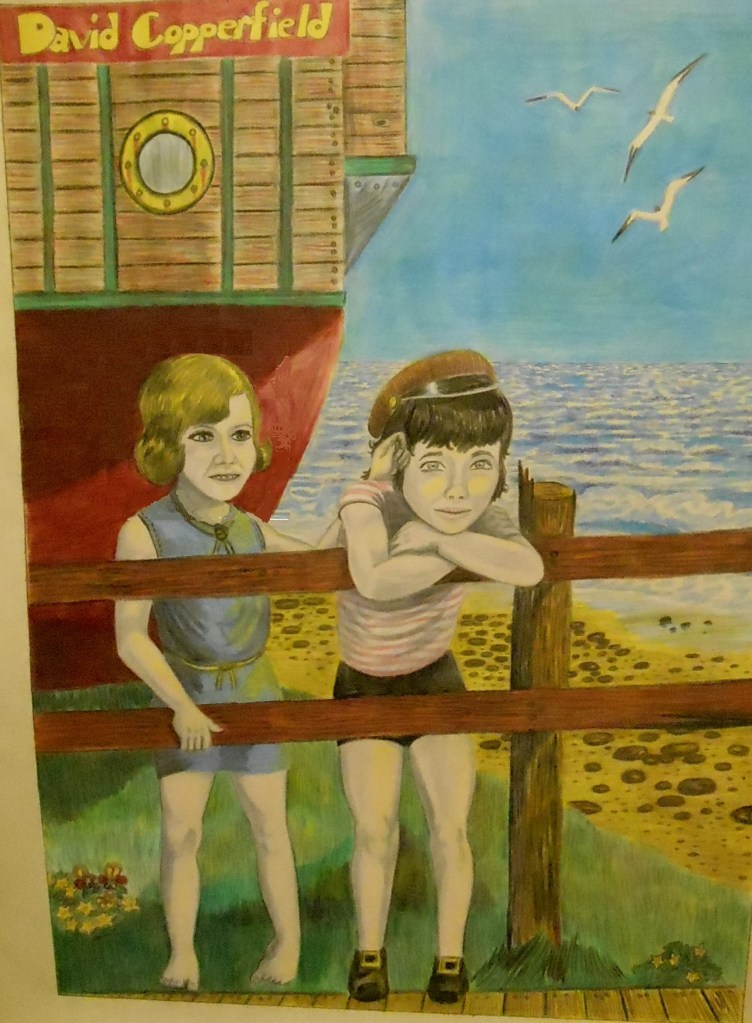
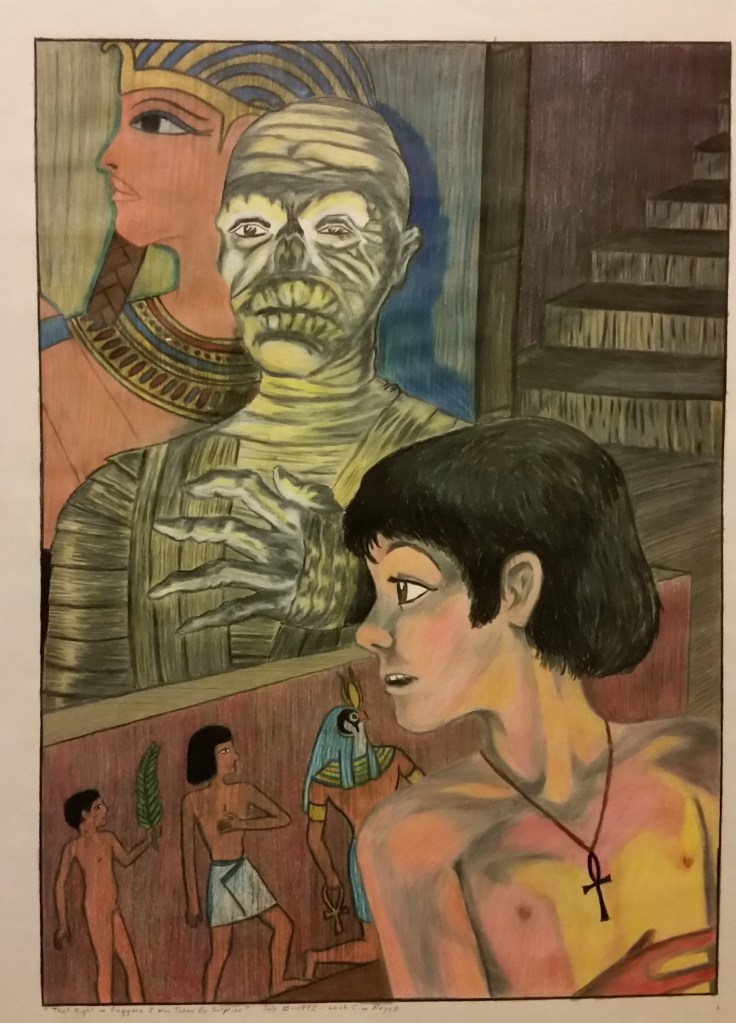
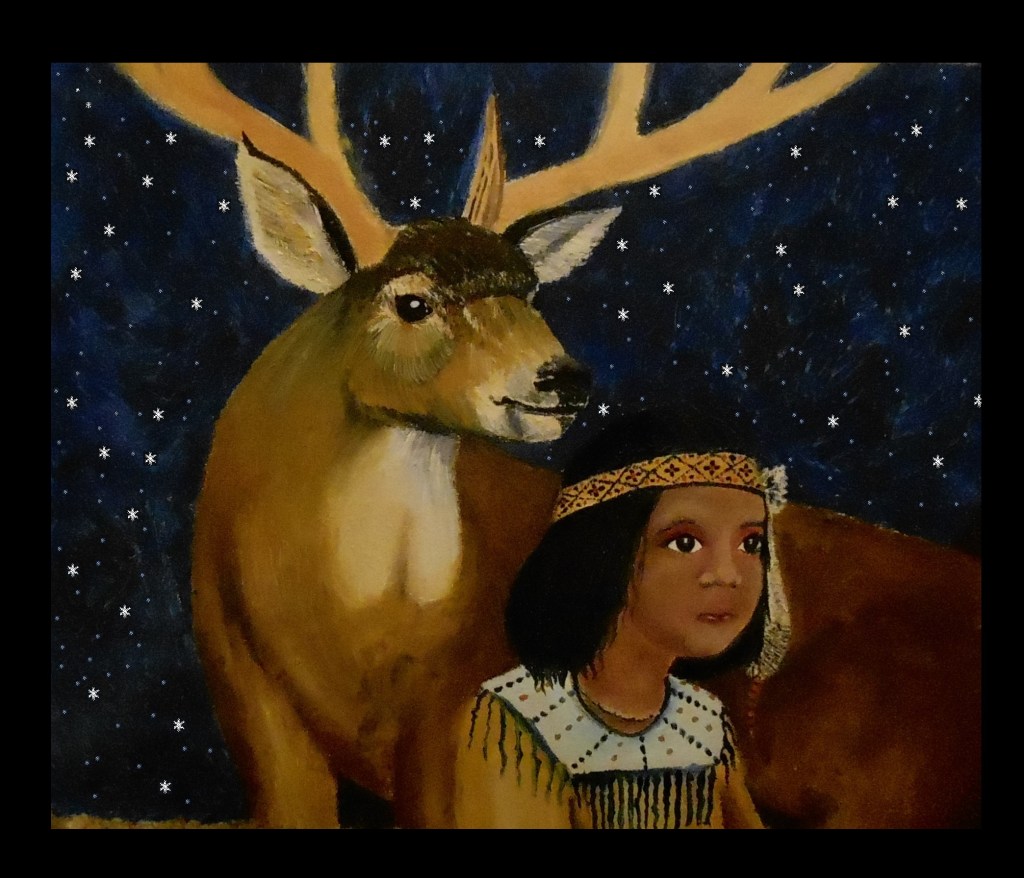
And even before I discovered the genius of David Mitchell through his spectacular novel, Cloud Atlas, I had begun to explore how stories could be expanded and connected and revisited through shared characters, shared histories, and shared places, all of which develop, grow, or deteriorate over time. All things are connected, after all. Anita Jones from that first picture, and Brent Clarke in the last picture were both in the first novel, Superchicken, set in 1974, and Anita appears as an adult in Sing Sad Songs set in 1985, while Brent appears in the last novel in my timeline, The Wizard in his Keep, set in 1999.

Leave a comment

Filed under humor, novel writing, Paffooney, publishing, strange and wonderful ideas about life, surrealism, writing