Category Archives: writing

Wrestling with Themes – Part 3

Judging Appropriateness
There are a number of factors that work against me as an author of mostly Young Adult fiction. That can impact acceptable themes in a big way. First of all, I have been inundated with criticisms about portraying nude people and kids who are talking about both nudity and sex.

I suppose this comes about for two main reasons.

Number one, I portray real people I knew during my career as a school teacher. They are portrayed in a way that if they personally read my stories, they will never recognize themselves. I am careful about naming characters, describing characters physically, and portraying real events as they actually happened. All of those things are fictionalized and made unrecognizable through imagination’s magnifying glass.
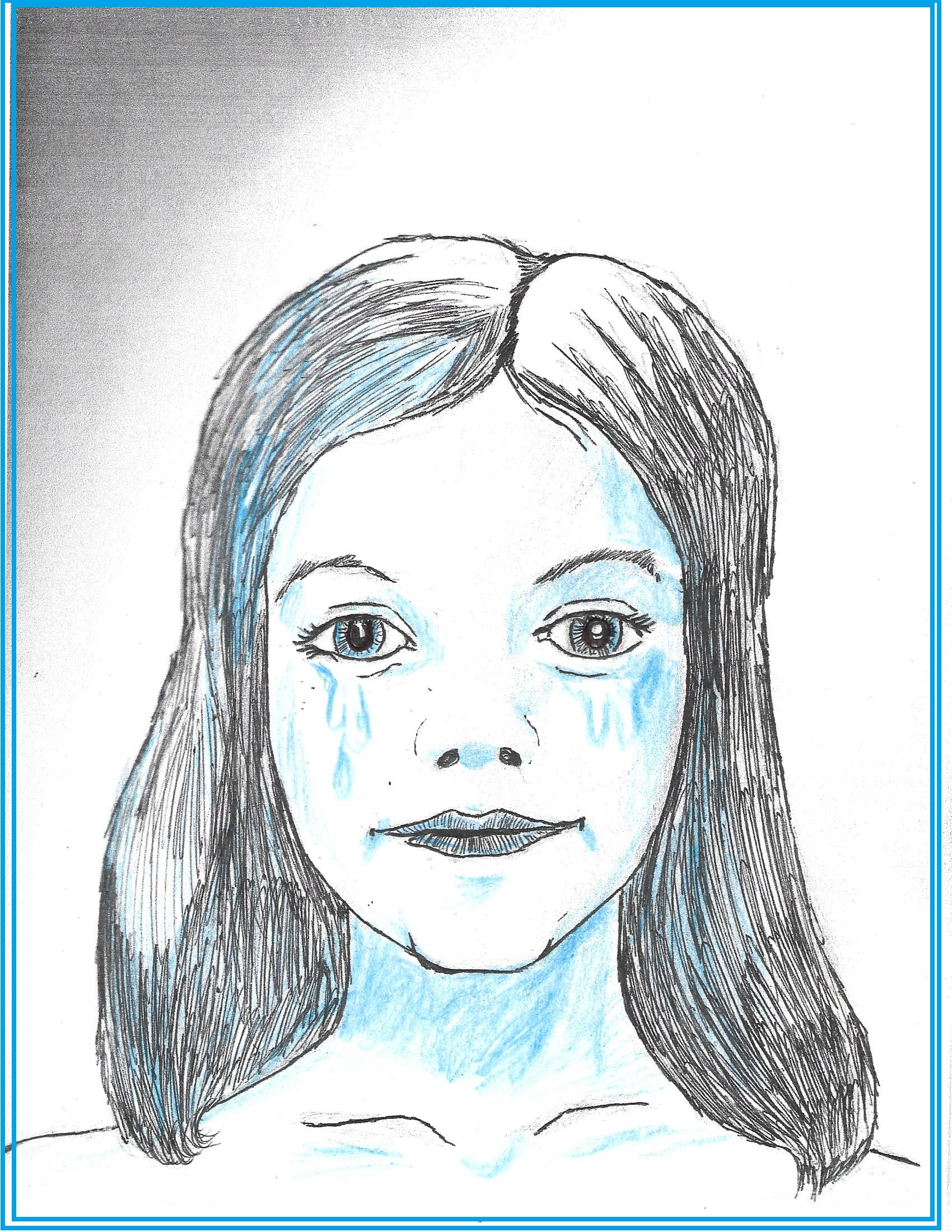
But the emotional plots, character thoughts, and basic motivations behind real events are accurate assessments of things I was told, things I witnessed, the highs and lows that people really go through, and the discussions I have had about what people, and especially kids, really think about.

Some of the people who read and comment on and even review my books are taken aback at what I am saying kids actually think about and want to act upon. They are comparing kids to an unrealistic, idealized picture of what they believe kids should be. And they don’t want to accept them as they really are.

I write books for the twelve-year-old me.
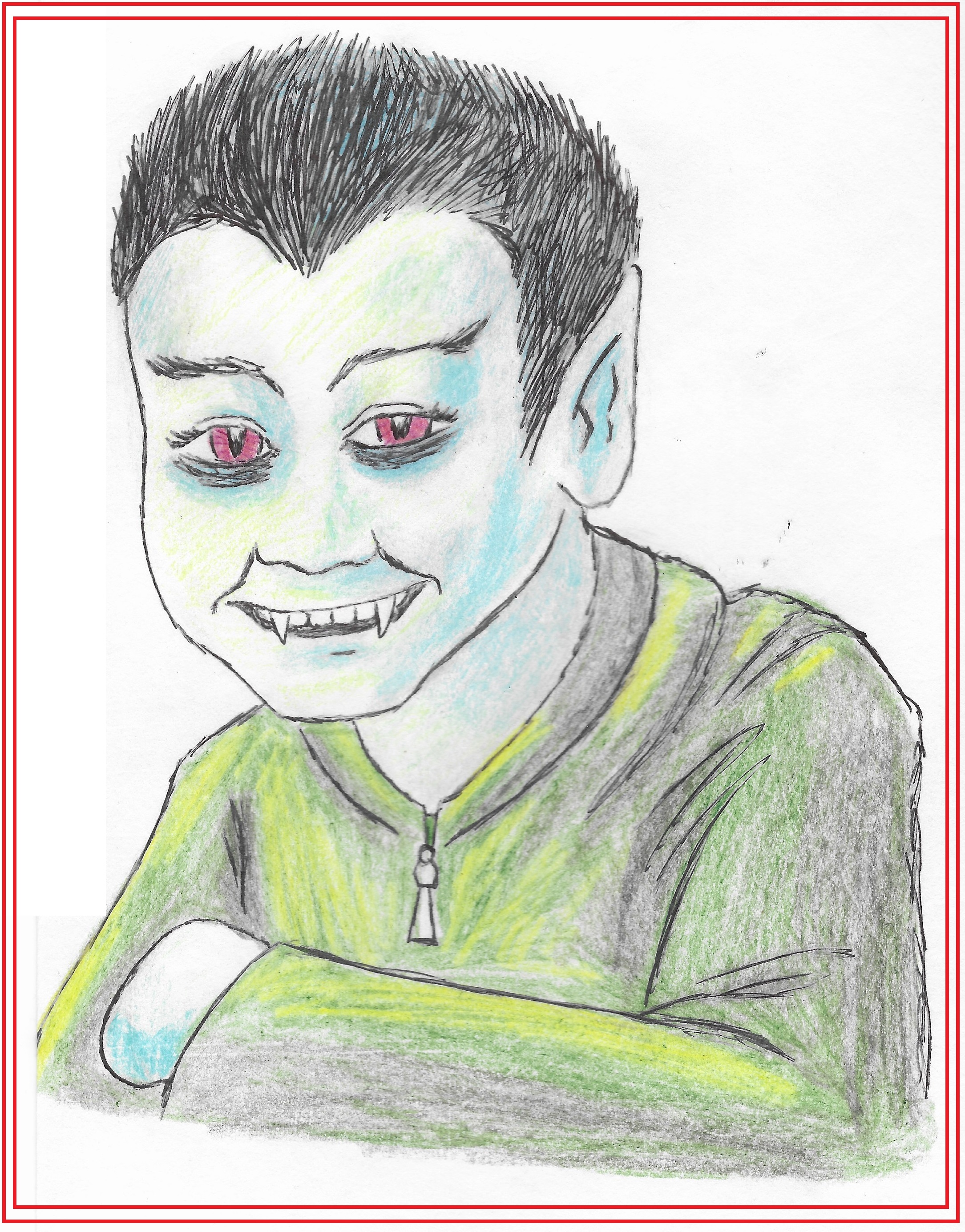
The Young Adult category of books is written not for children, as many of my critics would have it, but for YOUNG ADULTS. I foolishly believe, then, that I am talking to an audience of teens and preteens who desperately want to read stories about people just like them, confused about the adults they are swiftly turning into. And not all the issues and secrets and desires they are contending with daily are simple, cute, and funny.

I myself was dealing with being a sexual assault victim when I was twelve, not having at that point been taught where babies actually come from, or accurately being told what sex factually was. Misinformation I had in abundance. And everything was colored by a self-hatred that made me burn myself on the heating grate every time I had any sort of sexual urges that I didn’t understand and believed would send me directly to Hell.
Nudity and Naturism are Natural to me

So, as a bookish boy, I really wanted to have a book, or even multiple books that spoke to me about the things that I feared and fed my manic-depressive behaviors.

My life was literally saved by the Methodist minister who was also the father of my best friend when I was twelve. He was the one that presented the facts of life to me and the members of my class who were between the ages of eleven and thirteen. He explained the facts about what sex was, how it worked, and how it could be a good and loving thing. And most importantly, he answered my question about whether thinking about sex would send you to Hell. Midwestern Methodists in the 1960’s were progressive about teaching kids the truth about sex.

I feel now an obligation to treat the subject the same way when it comes up as a theme in some of my stories.
Sex is a serious subject even for young teens.

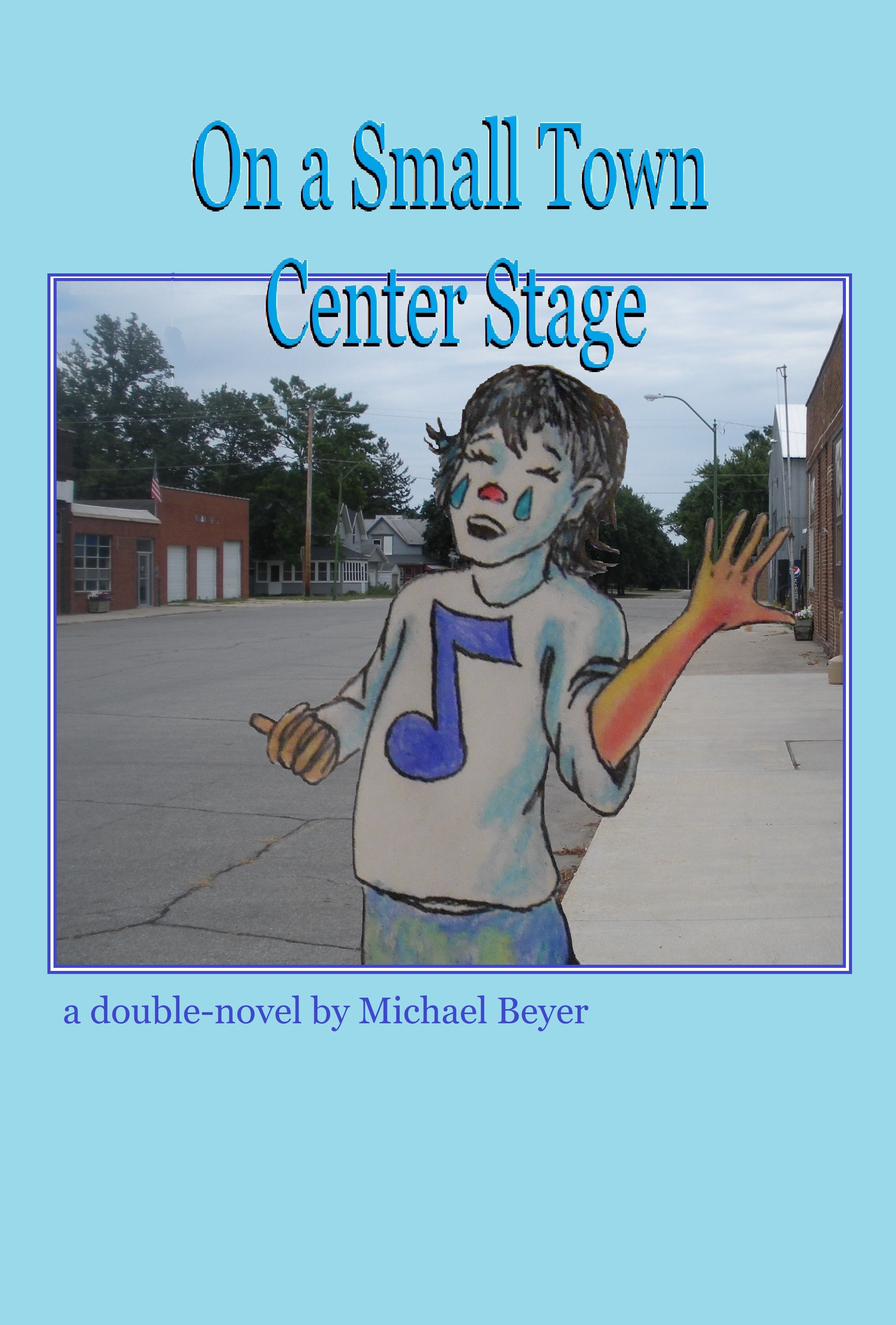
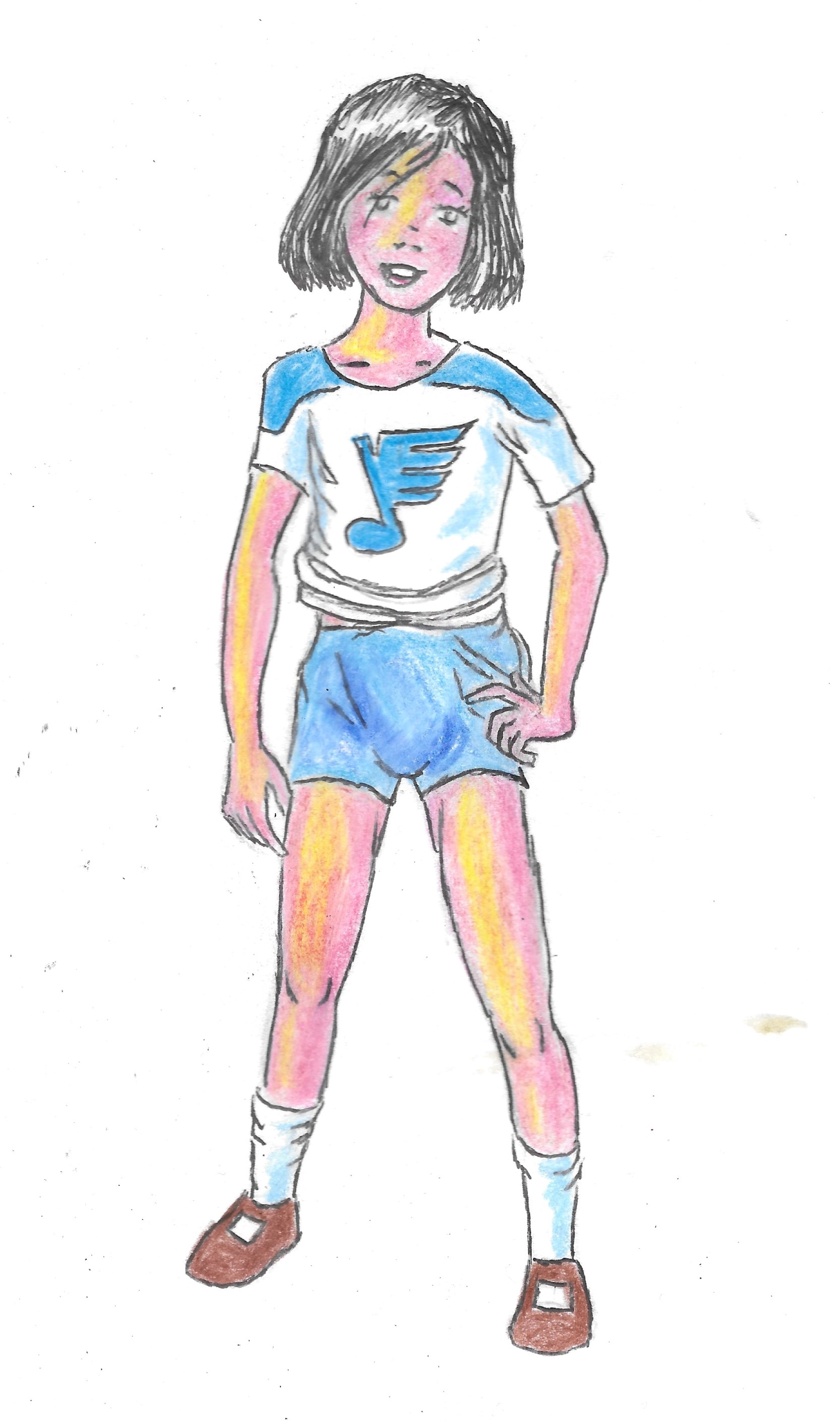
I got a scathing review on Sing Sad Songs because, while talking about sex, young characters actually admitted to experimenting with sex. The reader was so offended she felt the need to tell everyone who reads Amazon reviews that I was practically a child pornographer. KDP scrutinized this and kinda punished me, lowering the number of stars given by reviewers on two different books, even though punishment is not what their policy indicates is appropriate. This, in spite of the fact that there was no graphic sex scene or concrete descriptions of sex acts in the text. I edited the offensive part out by changing a few words. But it was a thing that shouldn’t have been a thing. Other YA novels, even classic YA novels, do more explicit things than I talked about in the unedited version of the story. It was a prude having an overreaction. And I would’ve loved to have a story with what I wrote in it back when I was a child burning the skin on the back of my legs and lower back over the thought that having sexual thoughts made me a monster.
I am aware that in a book-banning climate currently, my books could be banned.

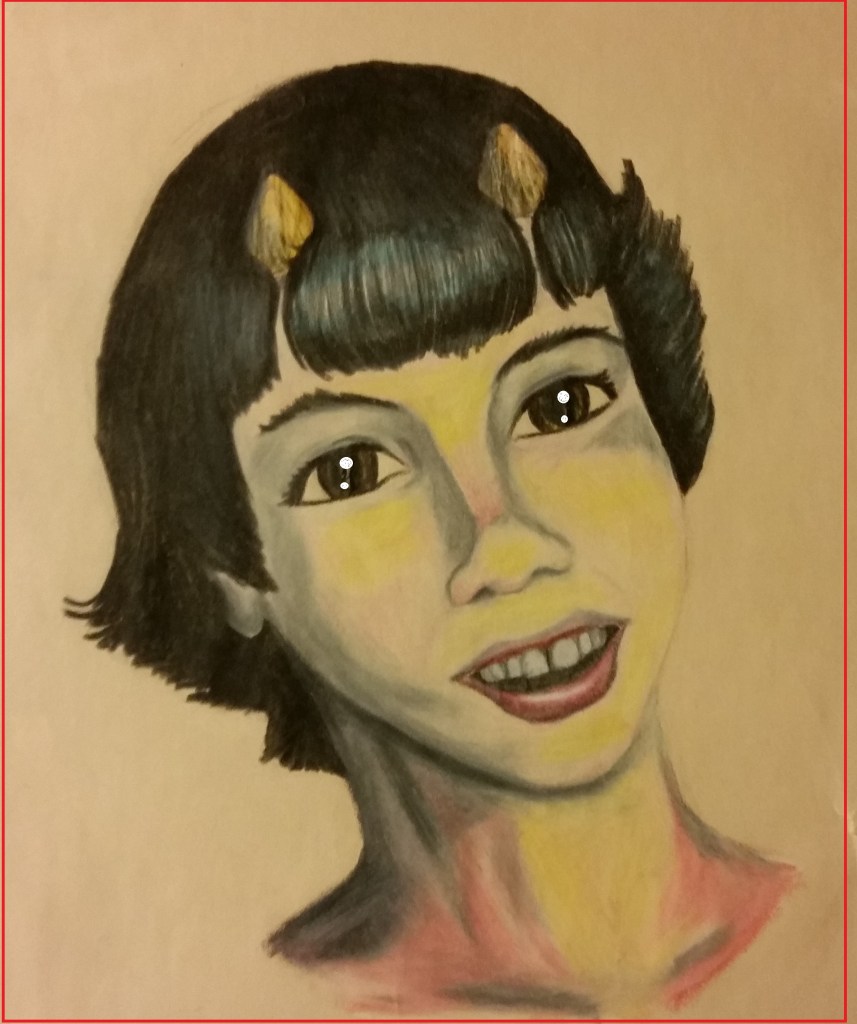
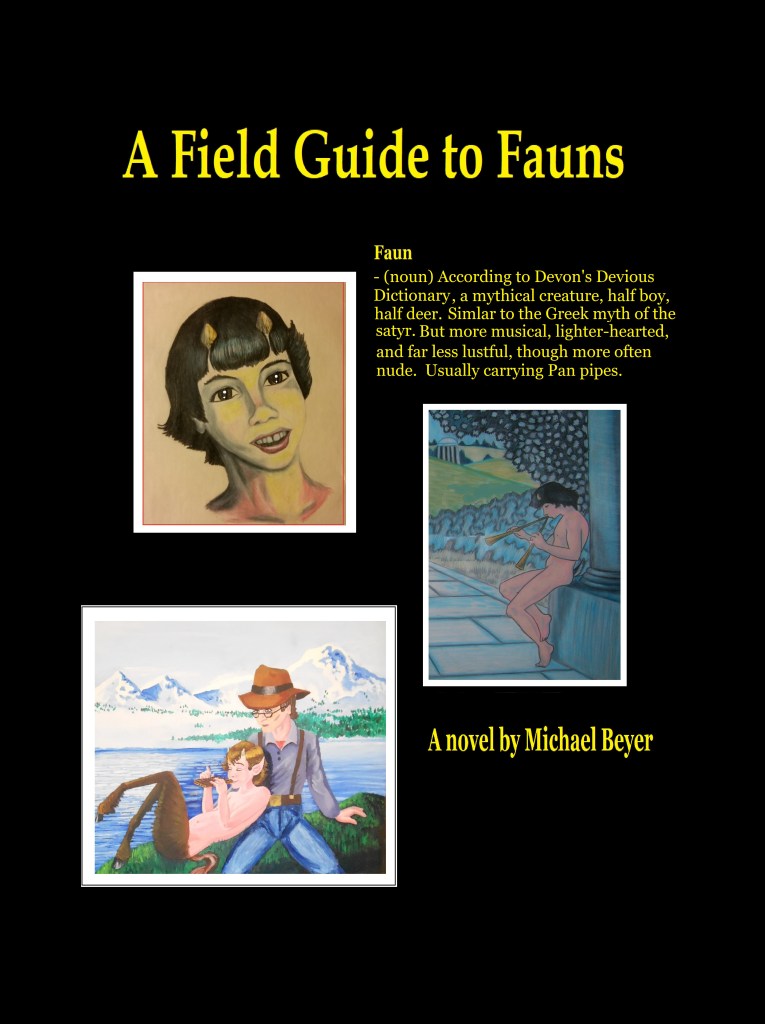
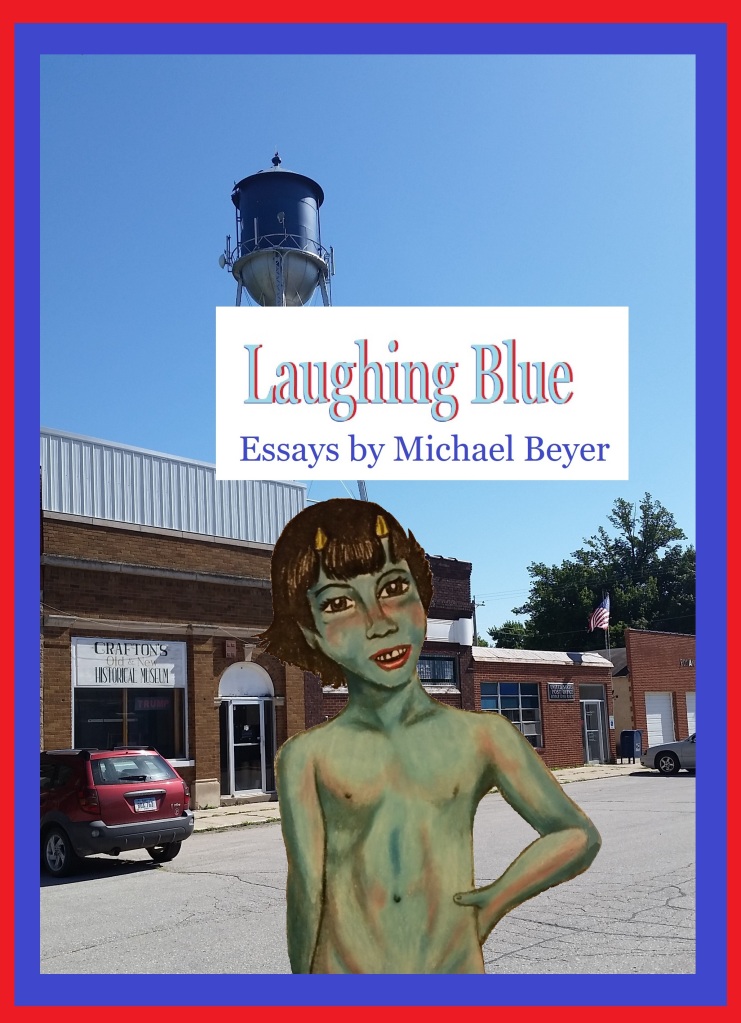
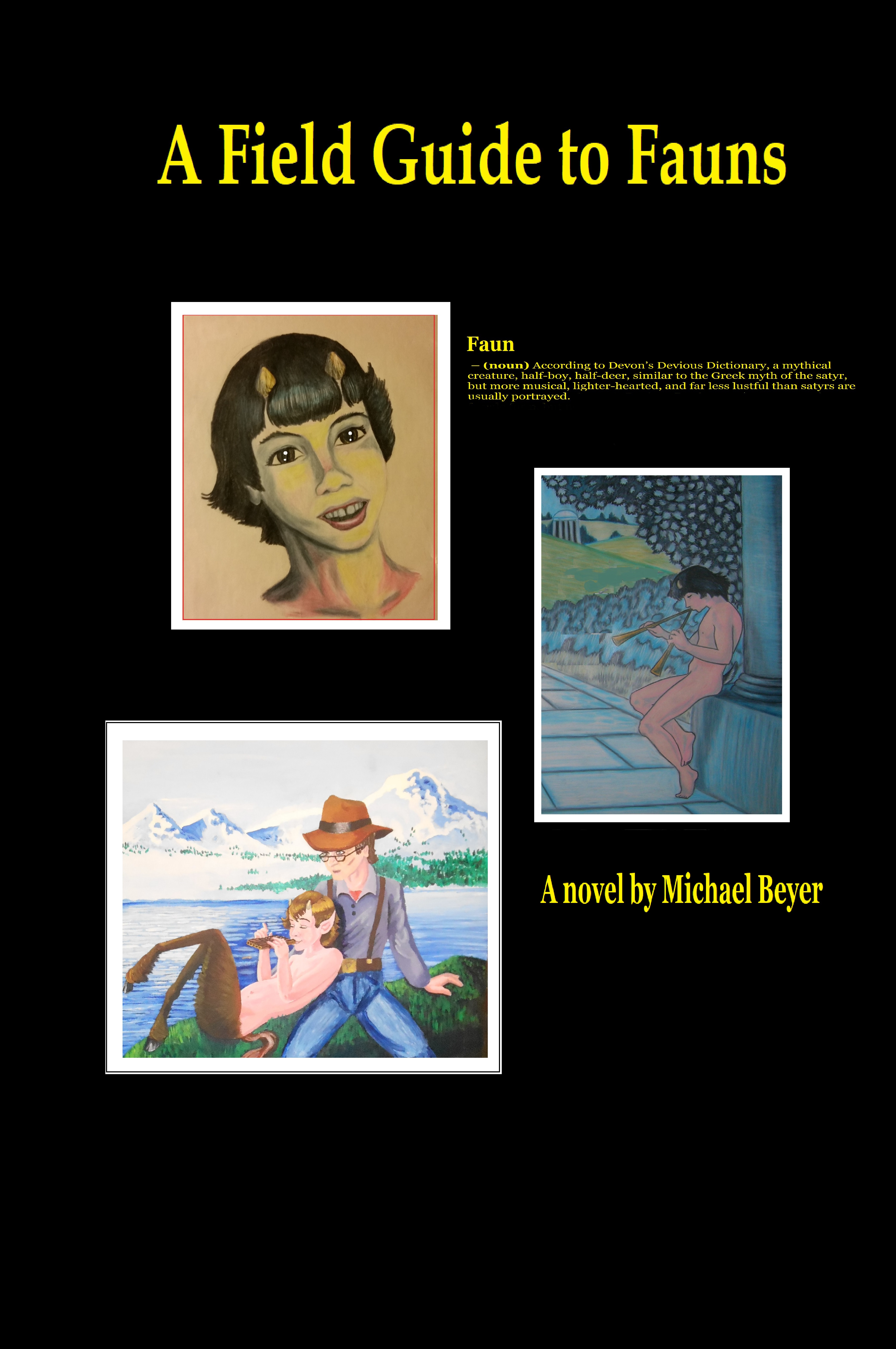
I am aware that having a transgender character and numerous nudist characters, including a book, A Field Guide to Fauns, set in a nudist park, opens me up to having my own stories become controversial and the subject of book-burning conversations. But this is a thing all authors have to deal with in any case. Popular authors, classic authors, hard-working mid-level authors and other mostly-ignored authors like me all deal with the same thing.

What I write about is not evil and not unprecedented. Others write about the same things I do, some of them better than me, some of them not.

Obviously I need to return to the Hometown Novel timeline to complete the 1990’s in Part 4 if this essay. So, you have been warned.
3 Comments

Filed under autobiography, good books, humor, novel writing, Paffooney, publishing, writing

Wrestling With Themes – Part 2

In Part 1 I set out to uncover the major theme of each of the books in my Hometown Series, the stories set in the imaginary version of my home town and filled with mixed-and-matched versions of the people I have known in my life. Unfortunately, I have been allowed to write and self-publish novels for long enough that I can’t do the entirety of that task in one go. So, last time was the analysis of the novels set in the 1970’s.

The Central Time-Line Picks Up Again in 1983.

Valerie Clarke is the most important character in the novels of the 1980’s. She is the combination of a girl who I grew up with and was in the same class at school with until we both graduated from high school in 1975, and a girl who was a favorite student of mine in the early 1990’s and impacted my classroom and my life during both the 7th and the 8th grades.

When the Captain Came Calling

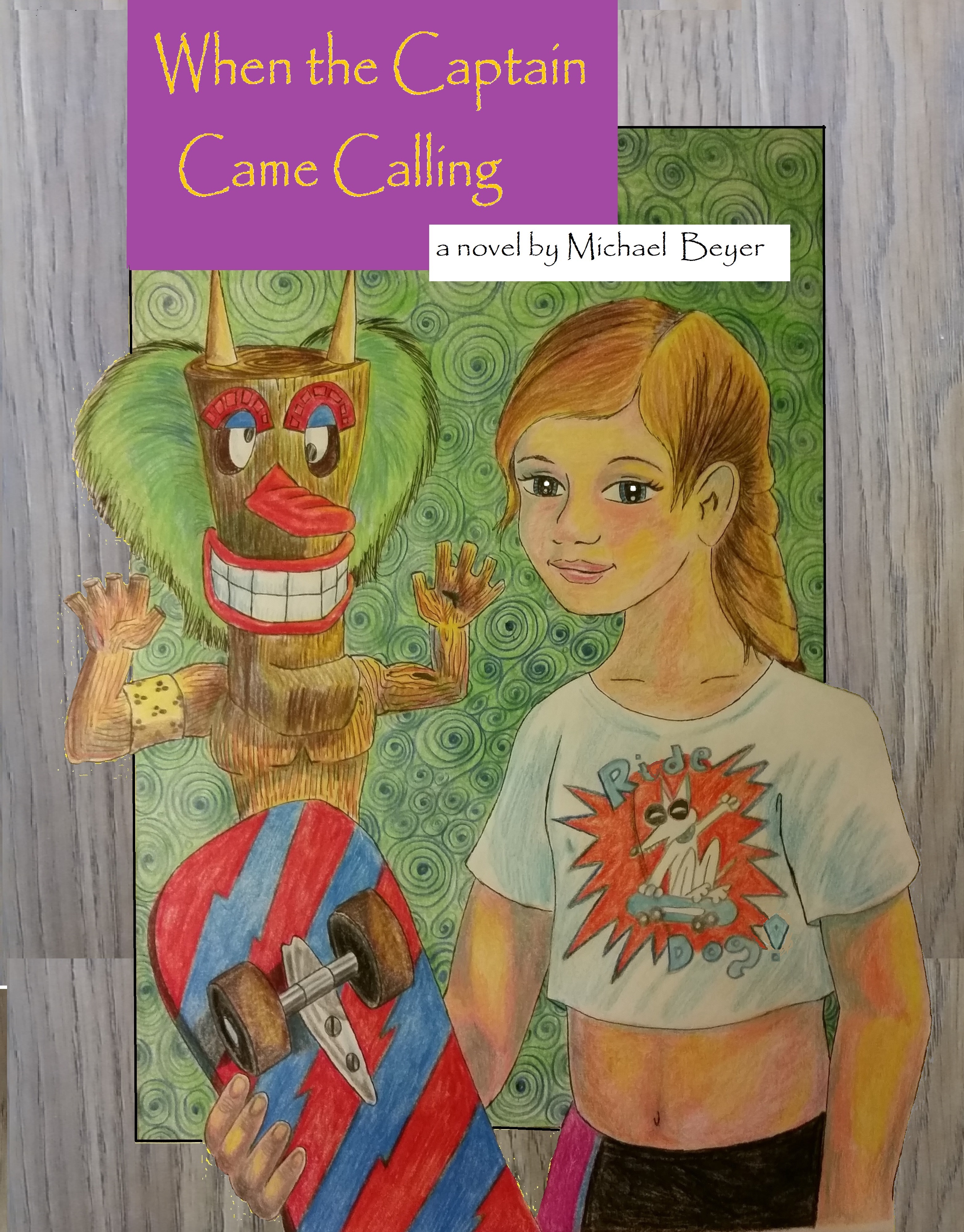
The first book of these four novels is When the Captain Came Calling. Admittedly, this is not the best book I have ever written, and is closer to the worst. But it is necessary back-story for the books that come after. The story begins with the reformation of the Norwall Pirates (the original Pirates all having graduated from high school and gone their own ways) under the leadership of a strong-willed girl named Mary Philips, aided by her boyfriend and next-door neighbor. Valerie is recruited to be the second girl in the club full of boys. And then an old Norwall resident, Captain Noah Dettbarn, returns to Norwall after years of being a South Pacific captain of a merchant ship. But he is cursed with being invisible by an enraged voodoo priest whose daughter he fell in love with.

The theme of the book is how, “A band of friends can help each other overcome loss and trauma, even the invisible members of the group.” But it was a particularly difficult story to write because of the death by suicide of Valerie’s father, and the subsequent suicide of my cousin’s son during the writing of the novel.

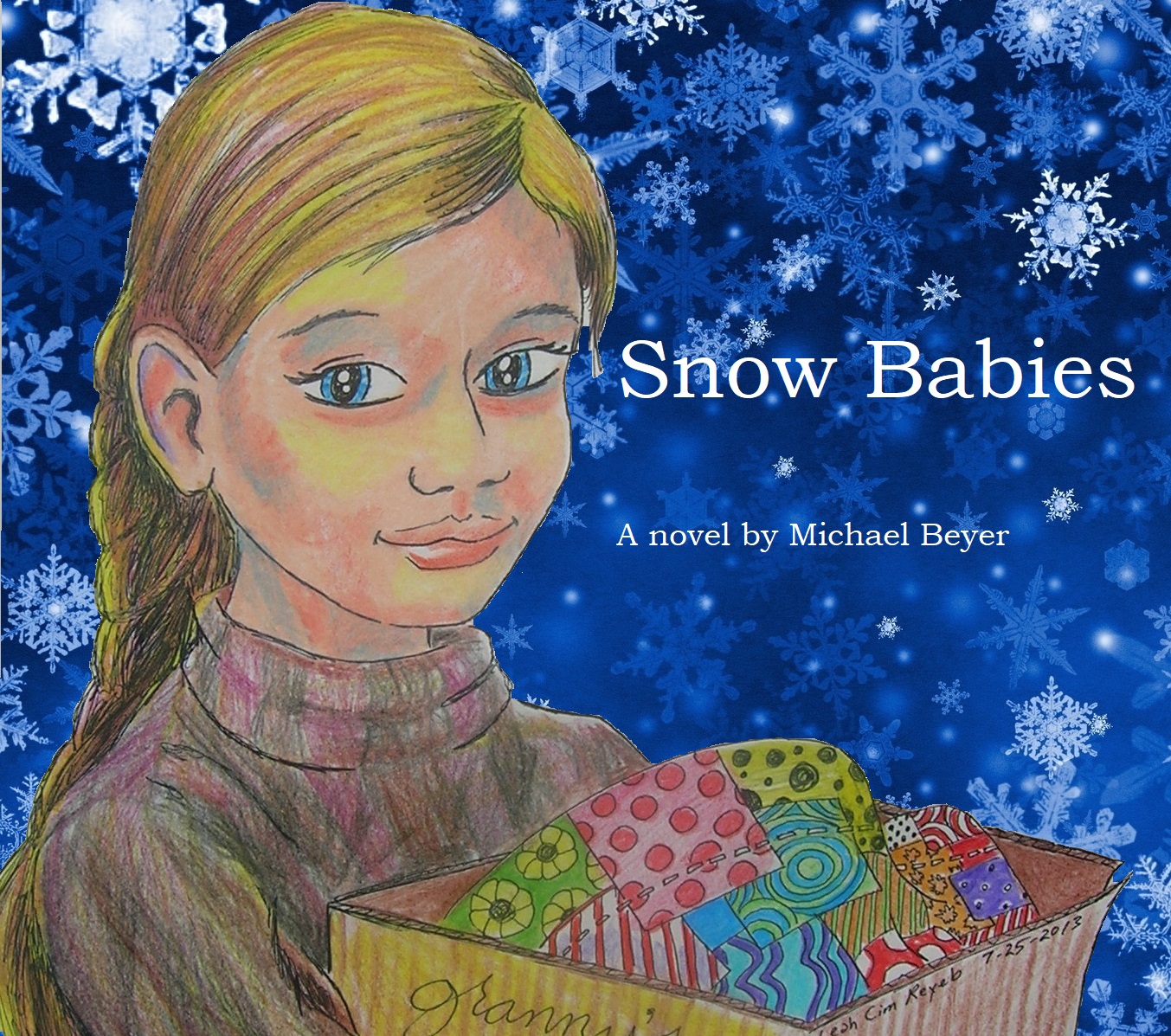
The second book of the 80’s series is the best book I have ever written. Snow Babies is the story of how a blizzard unexpectedly traps the entire town of Norwall under a blanket of snow, snow flurries, white-out winds, snow-drifts, and the threat of freezing to death. In this story, Valerie takes in a hobo who wears a coat of many colors made out of crazy-quilt patches. And he turns out to be a father figure for the fatherless girl, and a little bit of everything else the town needs him to be to survive the blizzard.

The actual theme of the story, one of many, is that, “In times of crisis, everyone needs to come together and find enough love for one another to make survival possible.” There are a large number of characters that come together to make this theme work; the Trailways bus driver, four runaway orphans on his bus, the deputy marshal who finds and rescues the stranded bus, the members of the Norwall Pirates, the bumbling owner/operator of the hardware store, the many members of the Murphy clan, the social worker who lost her job by pursuing the orphans, the school-bus driver, and many more.

Sing Sad Songs

If this book isn’t the second-best thing I have ever written, it is at least in the top five. It is also the book that makes me cry the hardest every time I reread it. It is an emotional roller-coaster ride.

The story is told by three narrators in equal parts. Vicar Martin is the owner of Martin Brothers’ Bar and Grill. His business is failing and his family (a sister, a brother, and a nephew) is dysfunctional. Billy Martin, 13, is his nephew. And Valerie Clarke is the friend of Billy who made him part of the Norwall Pirates.

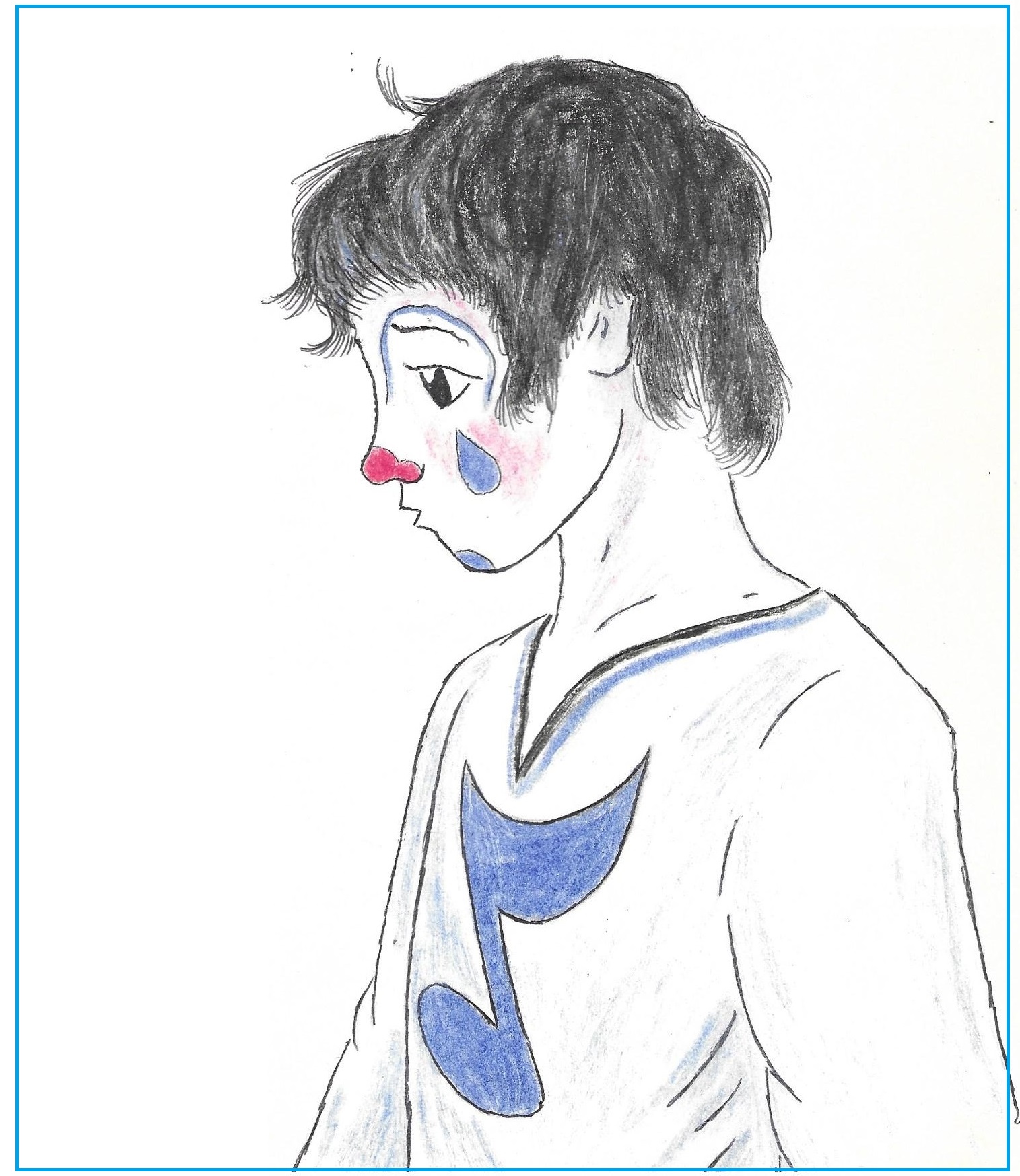
The main character is Francois Martin, the soul survivor of his family’s car accident in France. His father’s will sends him to live with his cousins, the Martins of Norwall, whom he has never met. Once brought to Iowa, he puts on sad-clown face paint and begins singing karaoke in Martins’ Bar. That, of course, is a surprising and unlooked-for success. Of course, there is a serial killer being hunted by the FBI. This story doesn’t have a happy ending.

But the theme is simple, “Love is the solution to most of life’s problems, and when you lose the ones you love, it is time to grieve and sing sad songs.”

Fools and Their Toys

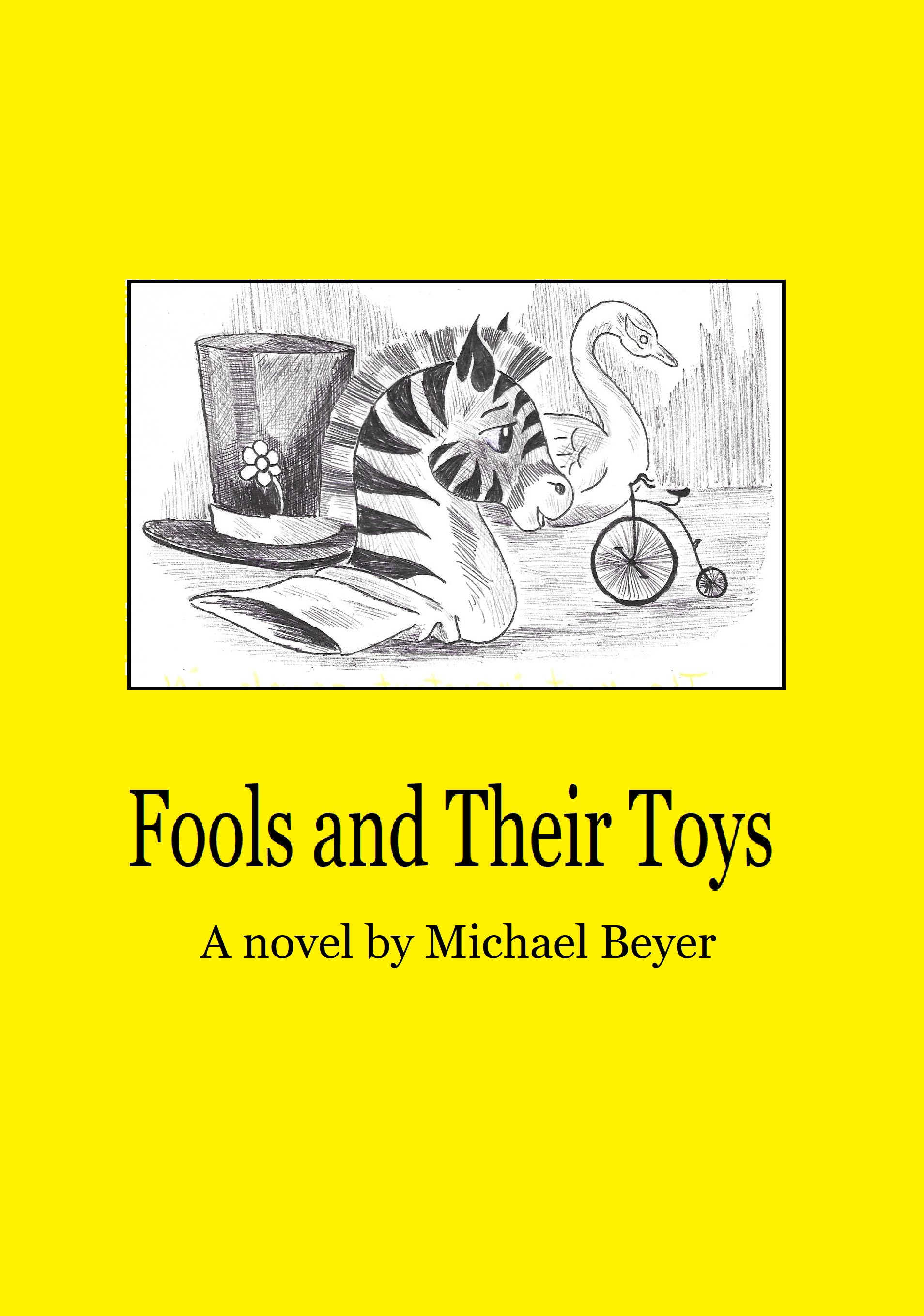
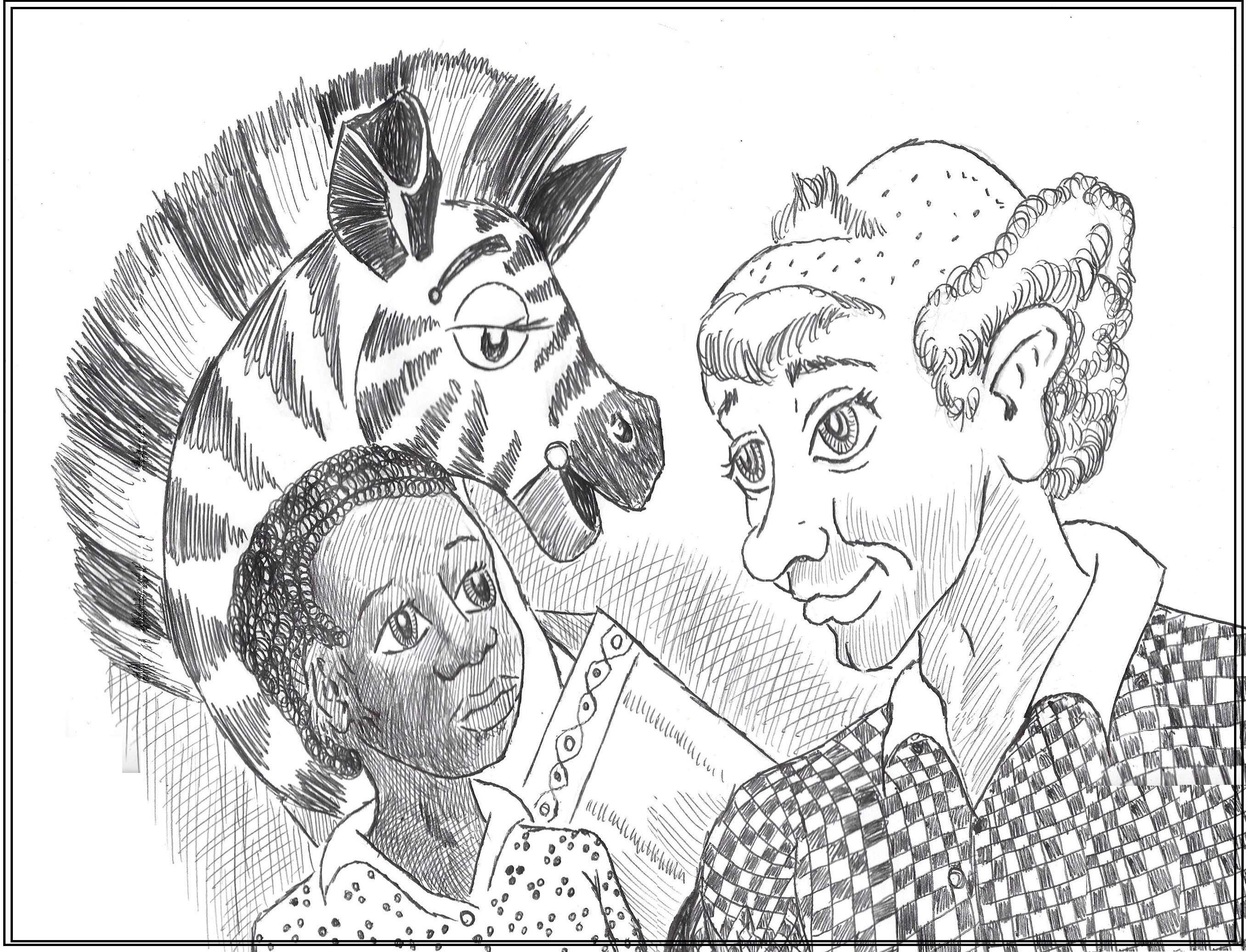
The follow-up to the book Sing Sad Songs is a story narrated by a ventriloquist’s puppet. The Teddy Bear Killer, murderer of young boys, has been caught. And yet, the wrong person is being held for trial in the case. And the only one who can reveal the truth is a talking zebra puppet who has gone missing.

This is the most complicated story I have written because the narrator is not only a ventriloquist’s puppet, but he is given voice by mumbling Murray Dawes. And Murray is in a place on the autism spectrum where he not only can’t talk without the puppet, but he can’t remember things in time order. And a further complication, he not only isn’t the real killer, he is a traumatized former victim who survived his encounter. And while the puppet is lost, he can only talk to his adopted brother, Terry Houston, who is deaf and communicates only in sign language.

The theme is, “Communicating with others is one of the most important things in life, but not everyone has equal gifts in this area.”

This book has been the least read and commented on of all my books. That is understandable. It is hard to read in more than one way. The story is not in time order. It is also about a sado-masochistic serial killer. It is the one book in this part of the series where Valerie does not appear.

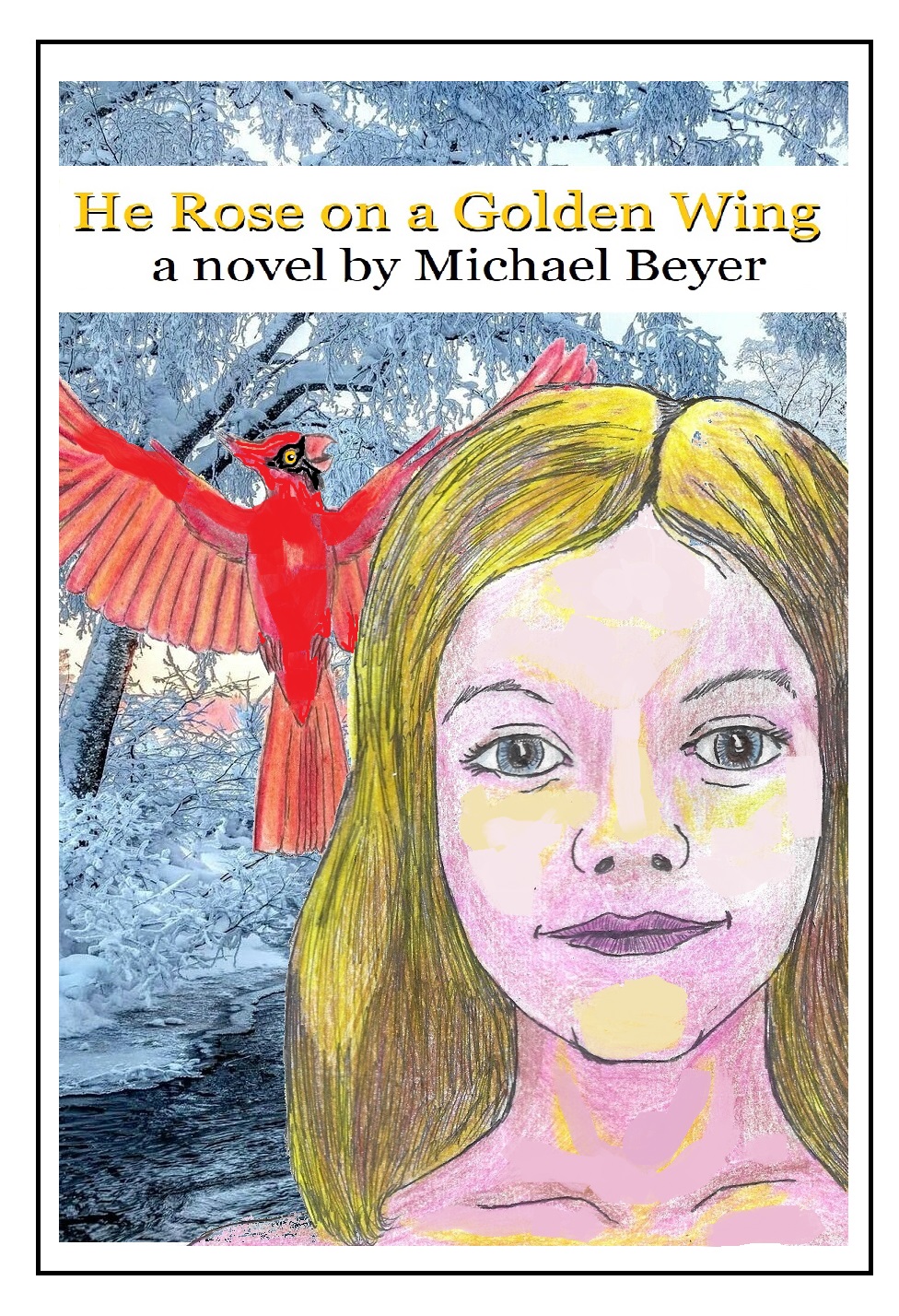
He Rose on a Golden Wing

The intended last book in this part overlaps with the next part occurring in the 1990’s. I am writing it now. You can follow it chapter by chapter on Tuesdays. I reserve the right to explain its theme until I have actually gotten it down on paper.

You have probably realized by this point in the essay that there will be one more part to come (at the very least.)

Leave a comment

Filed under humor, novel writing, Paffooney, work in progress, writing

Wrestling with Themes – Part 1

As a reading teacher I often pounded on the theme, “If you read and truly understood a book, you should be able to make a relatively short statement of the broad general themes of the book in your own words.” This is not merely truth about proving to a skeptical teacher that you are not just holding a book for several class hours of sustained silent reading without absorbing anything, but is also a measure for the author of a book to see if he or she really had a purpose for writing the ding-dang thing.

So, I propose to do that very same sort of theme-searching test to prove that I actually know the reasons why I wrote such a time-consuming pile of purple paisley prose.

The Central Time-Line Starts in 1974

I decided to write the Hometown Stories back in college in 1977. At the time I didn’t truly understand the full scope and size of this project. But I knew I intended to write a series of interlocking stories about life in my hometown of Rowan, Iowa. I brainstormed a bunch of surrealistic fantasy stories that I could set in the fictional version of Rowan that I renamed Norwall. I peopled the stories with renamed and recombined real people from my family and my home town.

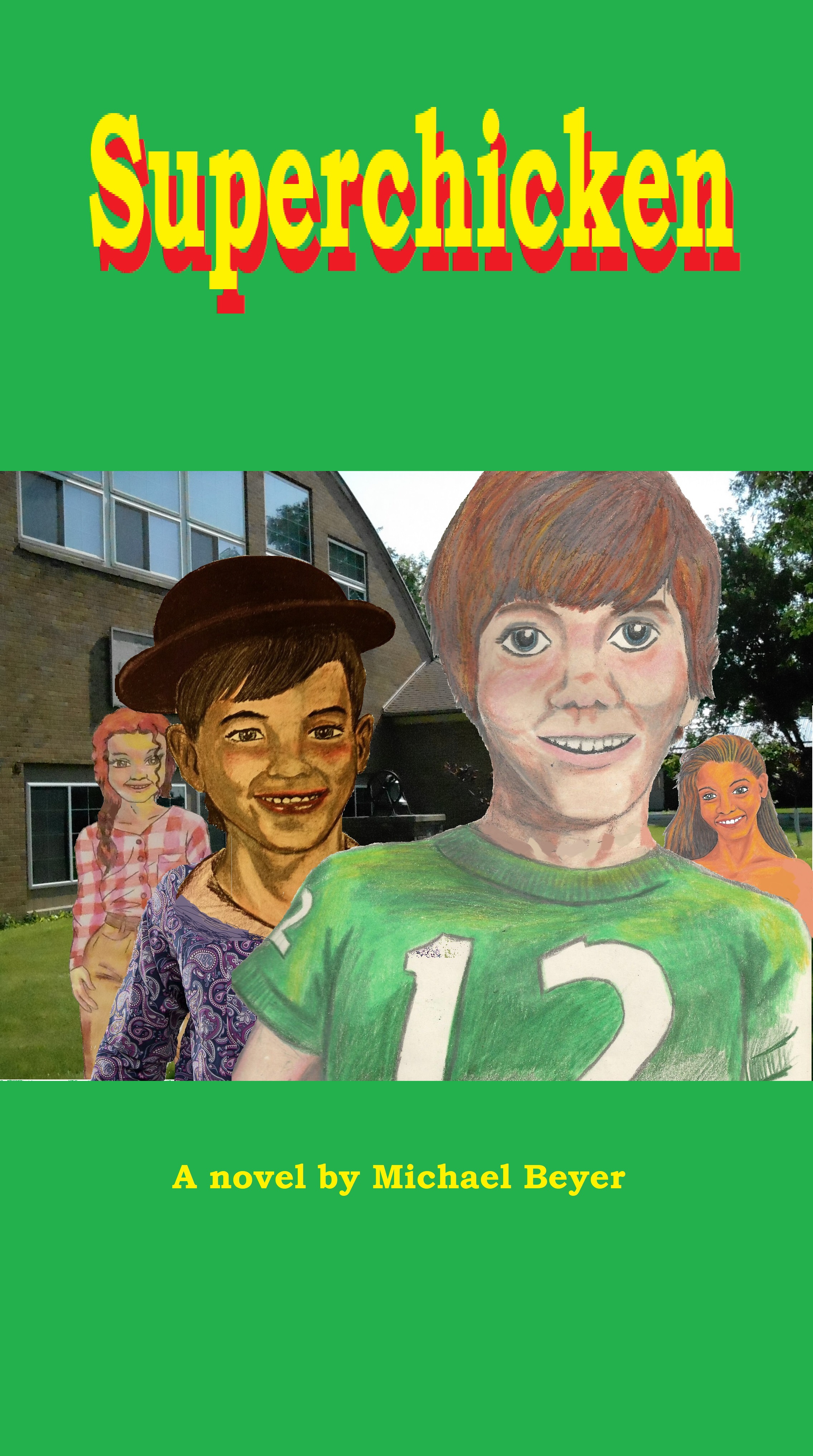
Superchicken

The first novel I wrote is Superchicken. Edward-Andrew, the main character, is an outsider. He is treated as such in a small town where everybody knows everybody, and are sometimes related to everybody. He encounters the newly-formed Norwall Pirates Liar’s Club. He is forced to perform an initiation task that is entirely embarrassing and inappropriate, involving wearing a dress and naked girls. But the theme is that you have to open yourself up completely to new experiences in order to make a place for yourself in a new community.

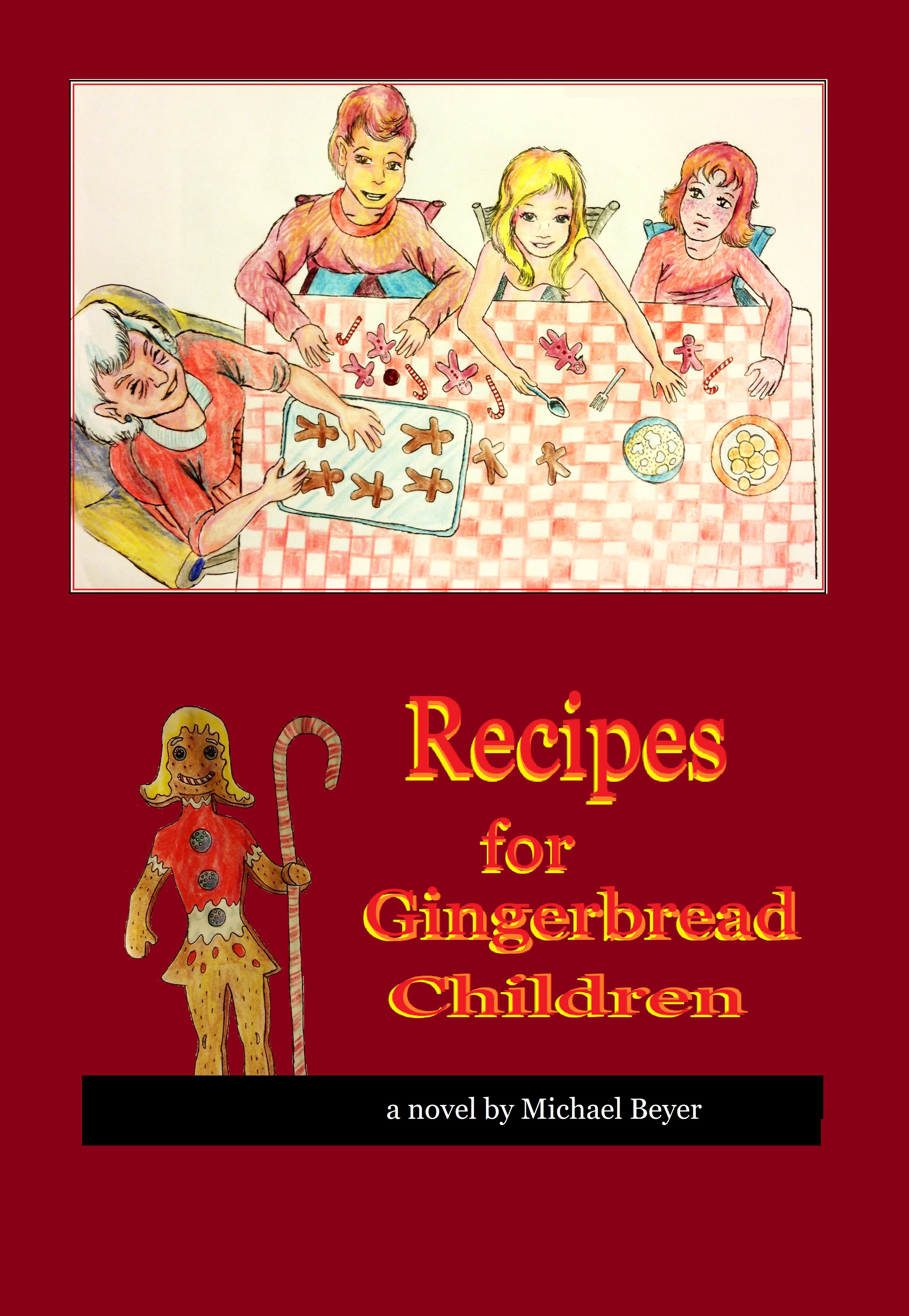
Recipes for Gingerbread Children

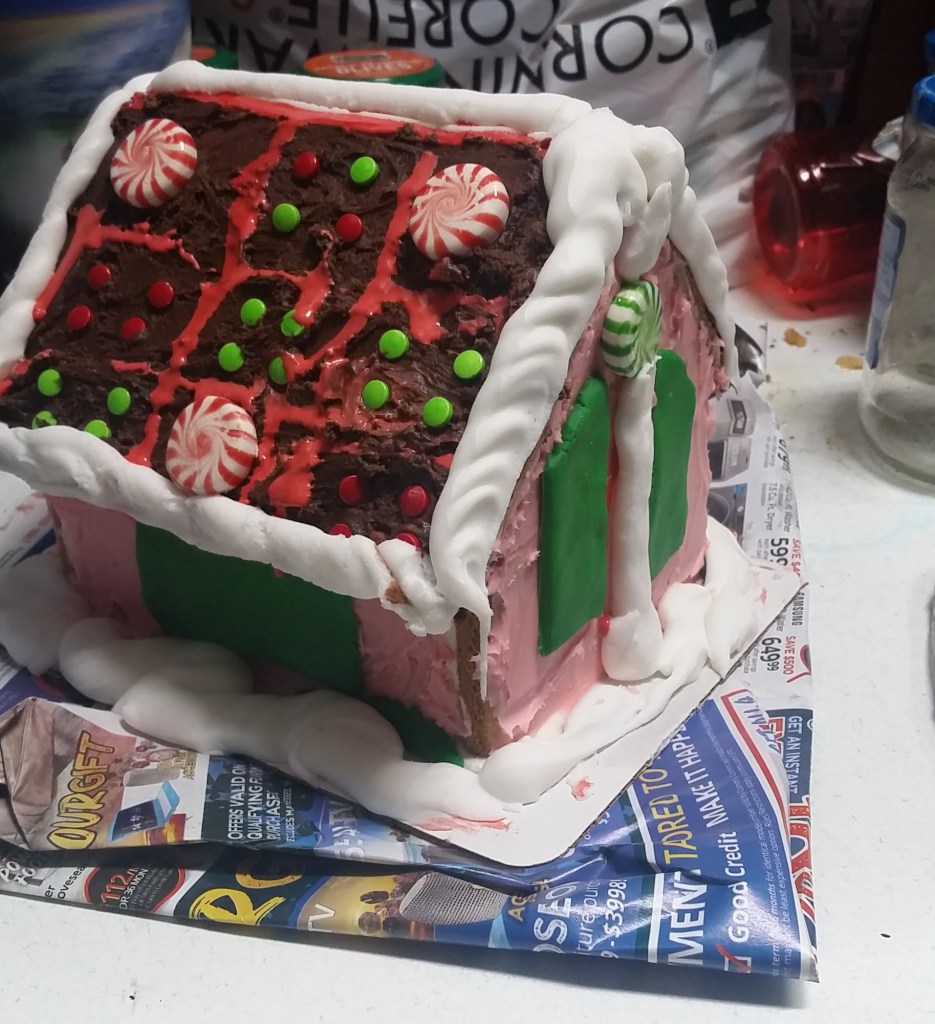
The second novel in the series is not the second one I wrote. Actually, I was writing two novels at once with many of the same characters in them. Recipes for Gingerbread Children is a companion story for The Baby Werewolf. They both happen at the same time, the Fall of 1974. Grandma Gretel Stein is an old German lady who has a magical way with the baking of gingerbread. She was also once a nudist in Germany after World War I. Because of that, she is befriended by the Cobble family who are also devoted to living life nude. The twin Cobble sisters lure their friends to Grandma Gretel’s “Gingerbread House.” There they learn of her bewitching ways of telling a good story.

The theme of this story is about telling stories. Gretel tells stories about good versus evil. And she knows something about that subject as she was married to a Jewish man and had a Jewish daughter in Germany during World War II.

The theme is that “No matter how badly life has harmed you and deprived you, you can eventually overcome it by taking control of it, telling your own story about it, and coming to terms with the truth of life as you have lived it.

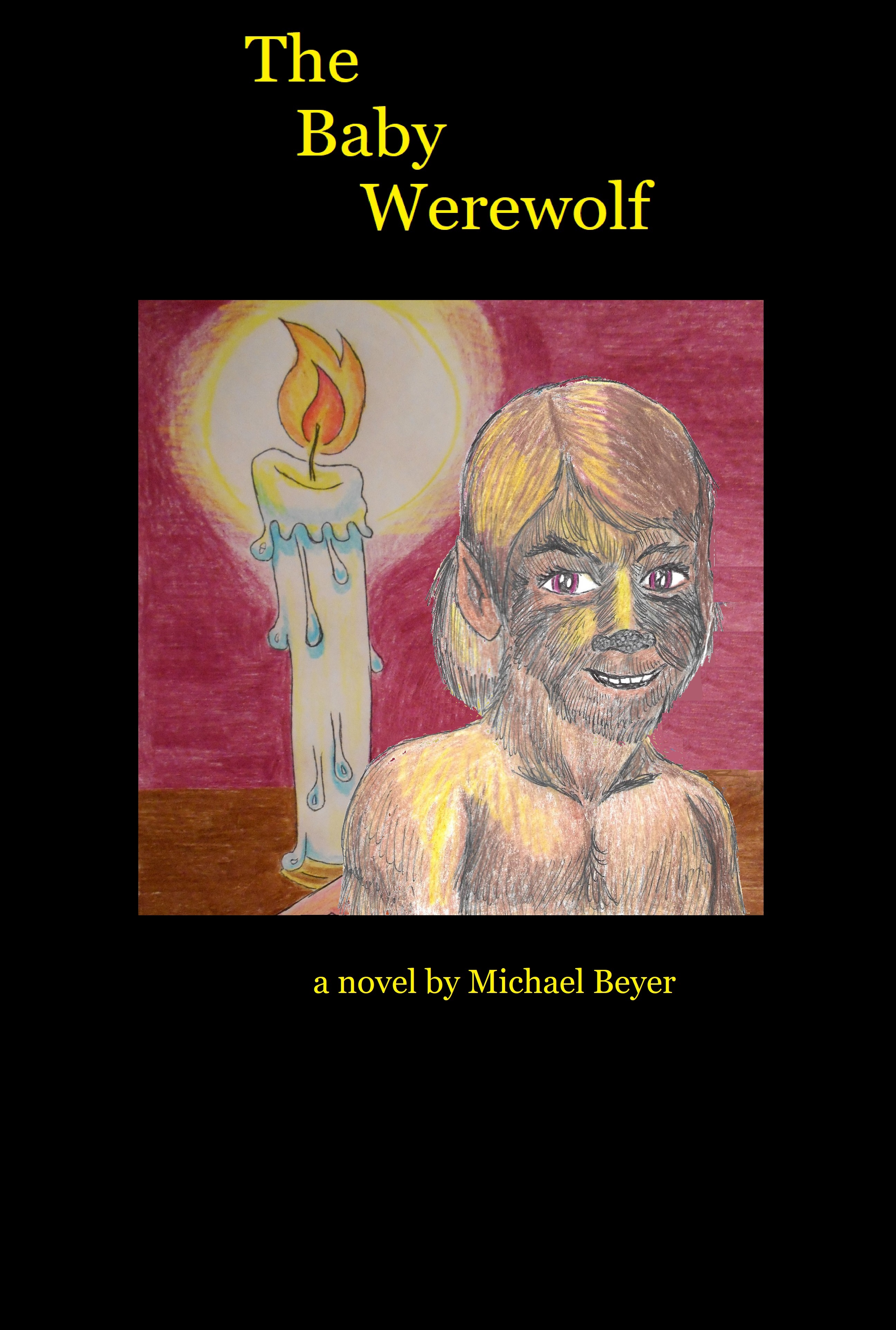
The Baby Werewolf

The children who visit Grandma Gretel for stories and cookies in Recipes for Gingerbread Children, Todd Niland, Sherry and Shelly Cobble, and Torrie Brownfield, become the main characters in the monster story that is The Baby Werewolf. Torrie is a boy born with hypertrichosis, the”werewolf-hair disease,” that makes him look like a monster to the people of Norwall. And to make matters worse, somebody is using vicious animals to murder people. The theme of this story is the question about , “What makes somebody a monster? And if you are a monster, how do you keep from acting monstrously?

The Boy… Forever

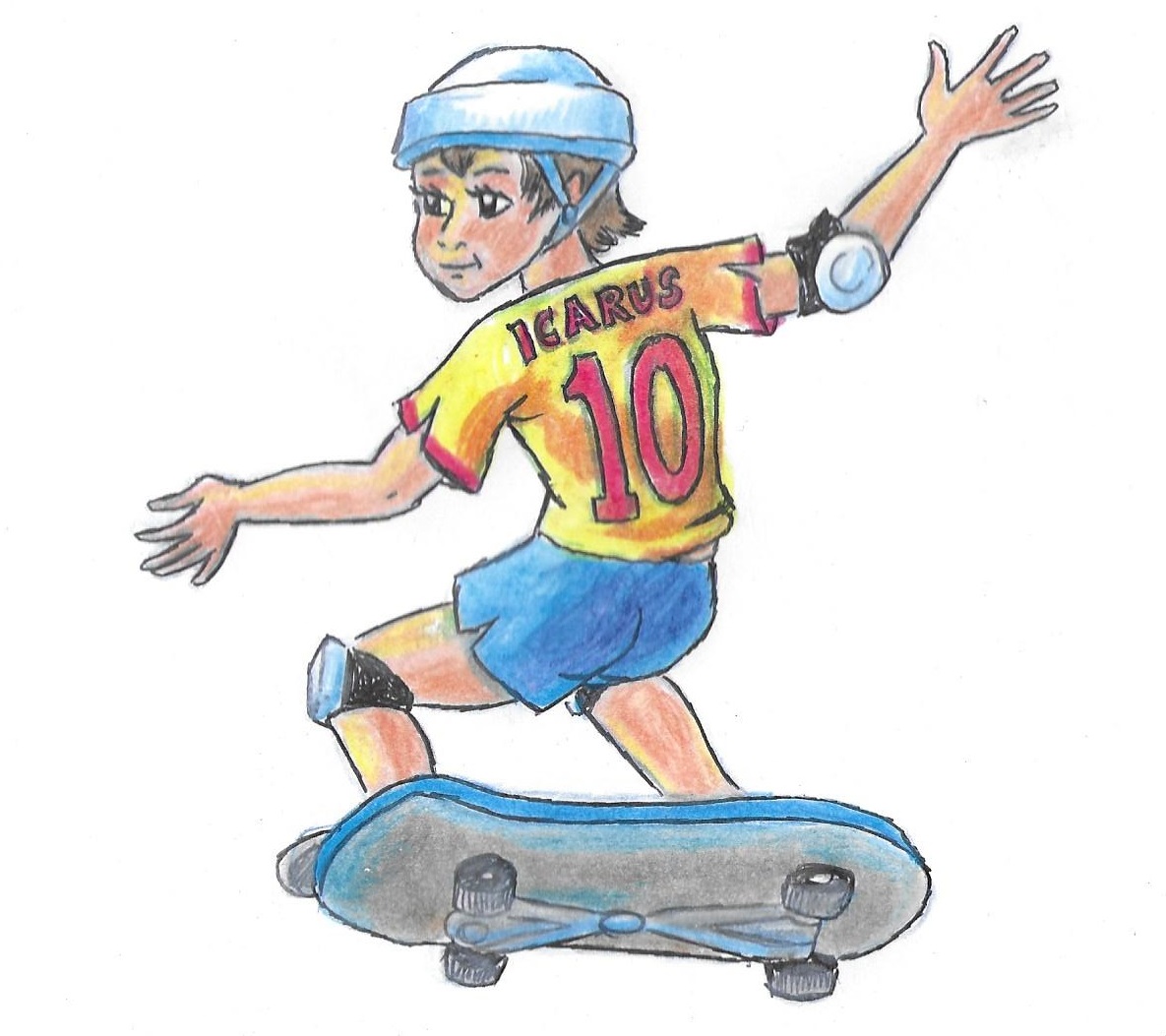
When the Norwall Pirates go to High School in the Fall of 1975, Anita Jones’s cousin Icarus comes to live with her family after a failed suicide attempt. It turns out that Icky is immortal. He cannot be killed and cannot die, unless it is done by the ancient Chinese wizard who claims to be a dragon, and his daughter Fiona.

The theme in this book about immortals and their affect on the daily lives of the Norwall Pirates is that, “The promise of living forever, when it becomes a reality, is more of a nightmare than it is a dream come true.”

The one possible book from the 1970’s that I haven’t written yet is tentatively titled Under Blue Glass. It is about the Norwall Pirates facing graduation from high school… or failing to graduate. And the consequences of success or… failure.

So, Part 2 will take the Norwall Pirates and the Hometown novels into the 1980’s. That is both a promise and a threat.

Leave a comment

Filed under humor, novel writing, Paffooney, work in progress, writing

Pursuing Readers

My current free-book promotion is doing better than any I have done before. And not only have I given away more free copies than ever before, it has already yielded one five-star review.

But you have to pour a little cold water on your head whenever you get too happy about being an author who has readers. It ain’t all bluebirds and sunshiny days.

The Pubby review exchange thingy is continuing to operate worse and worse. I am not subjecting the new book to any of that pain and squirrel poop. You break your head to read a book in only four days and write a review to earn the points you need to get your own books reviewed. And a lot of books on Pubby seeking review are written by… um, not really genius-level writers. They don’t know how to craft a scene with a beginning, middle, and end that fulfills an actual story-crafting purpose. You know, advancing the plot, building a character with depth and complexity, establishing a setting, or advancing a theme. Instead, they flood the page with adjectives and adverbs, excessive but irrelevant details, going around the scene telling you what eye color each character has, repeated cliches, and other dumb stuff. But it makes you feel mean and petty to point out in your review what specific dumb stuff made you give their work of not-really-genius only a three-star review.

And when you submit your own precious book potentially full of irritating dumb stuff, they don’t bother to actually read it before reviewing it. They write their review based on what other reviewers have said about it. And sometimes they give you a bad review because somebody else gave you a bad review with a dire dyspeptic rant about all your irritating dumb stuff. And they have no right to somebody else’s dire dyspeptic opinion if they didn’t read those things in your book for themselves to be certain the other viewer’s opinion is not based on something their dire and dyspeptic imagination saw in your story that wasn’t really there. And how do I know they didn’t read the book? Well, Pubby allows you with extra points charged to request a verified-purchase review. So, if their review isn’t labeled a verified purchase, they did not even have a copy of the book to write a review from. Pubby simply refunds the extra points you spent when the verified purchase label is not present.

Honestly, the only thing you know about the people who read your books are what comes through feedback. And you get remarkably little of that. The most important part of that is when somebody you know in real life reads your book, liked it, and tells you so. Sometimes readers will connect with your book in a way that makes them want to write a detailed review and implore others to read and like your book too. I have had a handful of those along the way, whether from aspiring fellow authors who know what the things are that you have actually done well, Twitter nudists who are literate and hungry for stories that use the word “naked” a lot without being an erotic or a pornographic writer, or fellow teachers who appreciate the many ironic, humorous, and empathetic details you have applied from your own teaching career.

I will continue to write and write and write some more. That means life to me. And I will continue to do some of the things authors do to pursue readers, because feedback grows that life. But I am old and in poor health and will not be doing this forever. If writers ever become immortal, it is not because they ever found the philosopher’s stone. At some point even Shakespeare, Dickens, and Poe had to stop writing.

Leave a comment

Filed under humor, novel writing, Paffooney, writing, writing humor, writing teacher

If I Thunk It, Then Wrote It, I Will Leave It In There

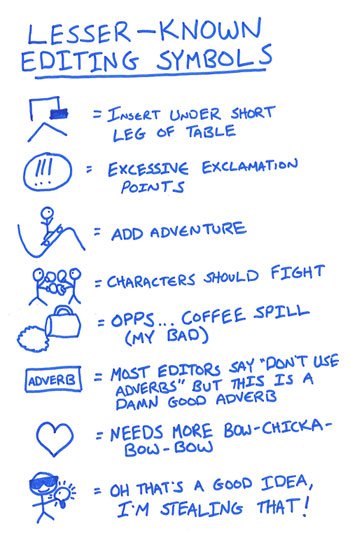
One good thing about being a humorist is, if somebody calls you out for an error you made in your writing, you can always say, “Well, it’s a joke, isn’t it?”  Errors are for serious gobbos and anal-retentive editors.  I live with happy accidents.  It is a way of life dictated in the Bob Ross Bible.

DWjmeXxW0AAHdst

Yeah, I know it’s supposed to be “oops” not “OPPS”, but after all, this isn’t even a list I made up myself.  I stole the whole thing from another writer on Twitter.

You have no idea what a cornucopia of ravings from knit-wit twit-tweets Twitter really is.

Oh, you waste time time on Twitter too?

Then you know already.

Twitter makes you want to shout at your computer, and has so many Trump-tweets and conservative blather-bombs on it, that it can seriously impair your editing skills.

So I look elsewhere and elsewhen to sharpen my critical English-teacher eye.

redinNwrytin

Yes, the illustrator of that meme doesn’t get the blame for the content.  I wrote that violation of the sacredness of classic literature myself.  I think we should thank God for the fact that neither Charles Darwin nor Dr. Seuss decided to act on evil impulses.  The world is a better place for their decision on how to use their genius, and how to edit themselves.

AGHUTnoody

So, this is me writing today’s post about editing as a writer, and failing miserably to edit my own self.  I got the pictures from Twitter and edited them myself.  Or failed to edit them properly, as the case is more likely to prove.  But however I may have twisted stuff and changed stuff and made up new words, editing is essential.  It makes the whole world better.  Now let’s consider editing the White House for a bit, shall we?

Leave a comment

Filed under foolishness, goofy thoughts, humor, memes, reading, strange and wonderful ideas about life, writing, writing humor

So, What Do I Write About Now…?

Here I am again with another novel done and published, and soon to be promoted, and nothing else exciting me enough to write about it today. What do I need to talk about that I haven’t burbled and babbled about enough recently?

Valentine’s Day recently happened. But I don’t celebrate it because of my wife’s holiday-hostile religion. Though I did take her and my daughter out to dinner last night. It wasn’t really a celebration, just an acknowledgement that we are all still alive and a family and need to eat good food.
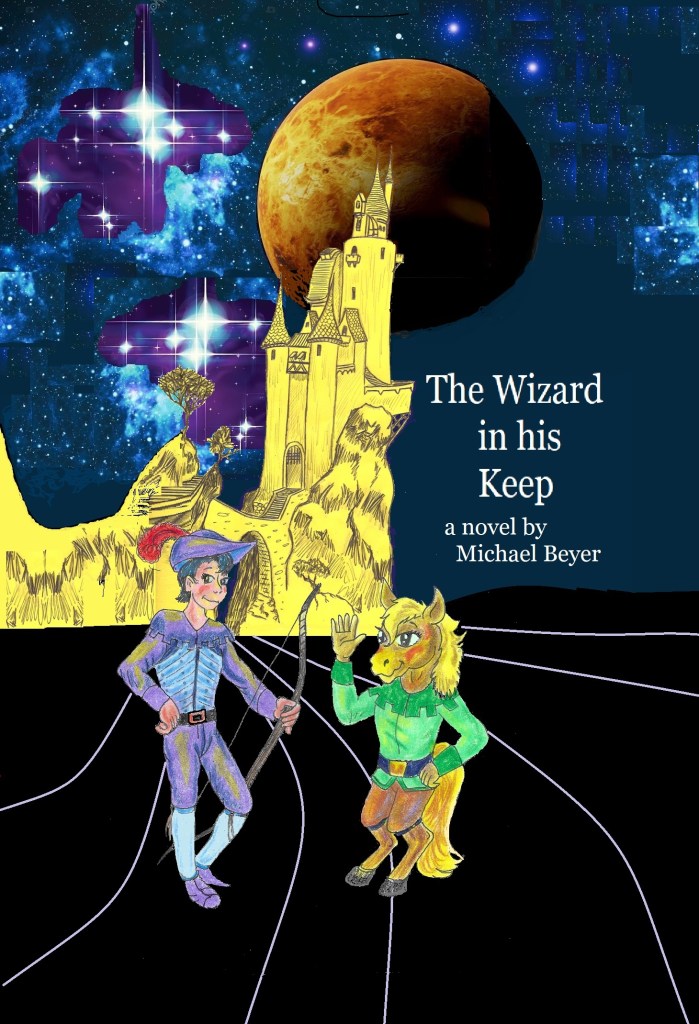
Writer’s block doesn’t really exist for me. I have four novel projects I could work on. One is merely editing a finished manuscript. One is further revision of a novel that has to be revised. One is a fresh idea already started on a rough draft. The fourth is sitting only in my head. So, you can see I could choose any of those to work on.
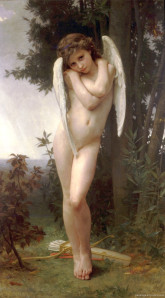
But this blog is the problem. What do I write about for today’s post, number 363 in row? I have to write something. Is this nonsense post going to be it?

Well I guess this is it after all.

2 Comments

Filed under Paffooney, writing

The Truth About the World of Books

You can live a thousand lifetimes if you are willing to read a thousand books.

Yes, I know that means living life vicariously through the words and descriptions of other people.

But it allows you the magic of being able to see things through the eyes of other people.

The universe is expanded in your mind with every new idea you learn from a book.

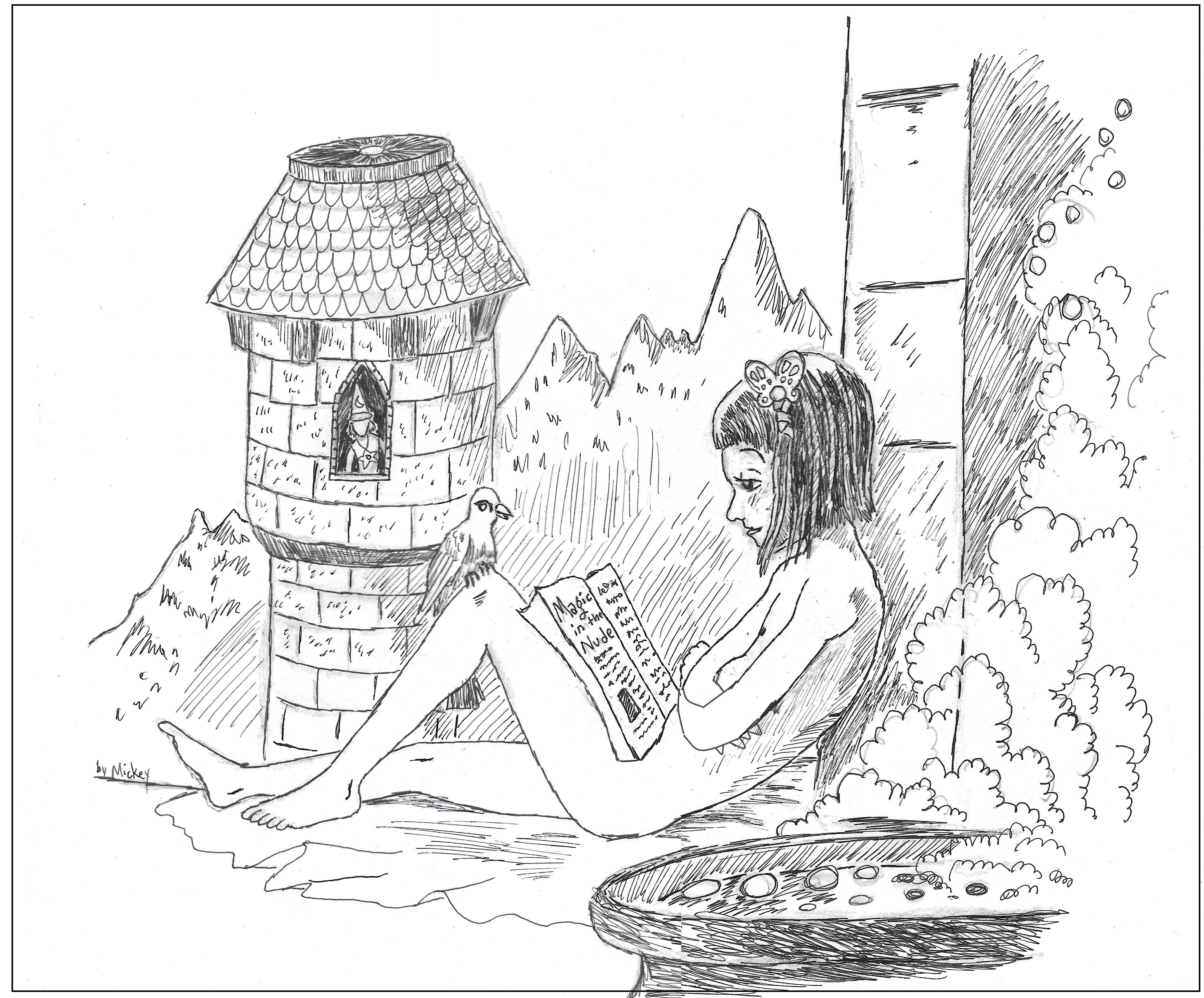
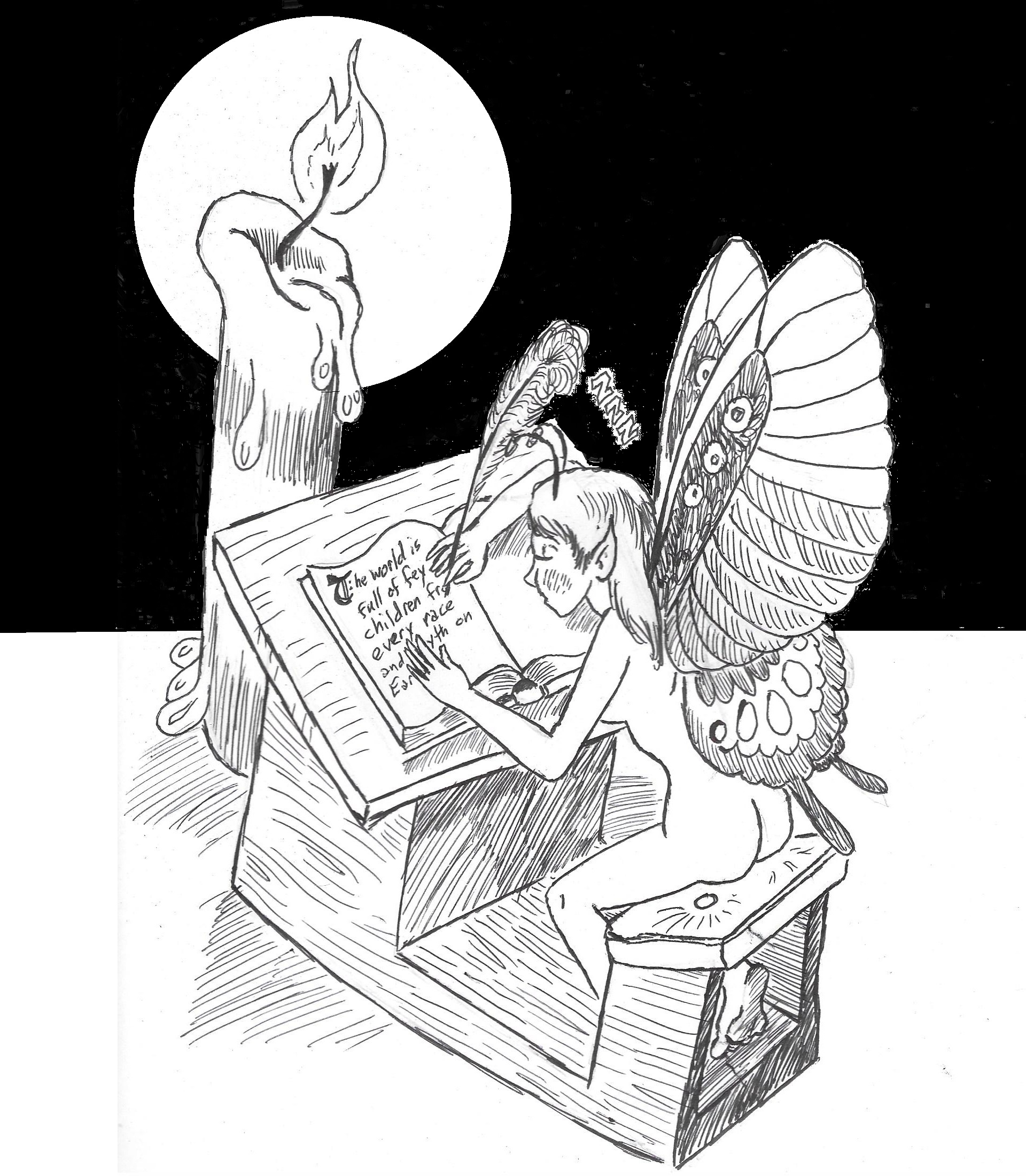
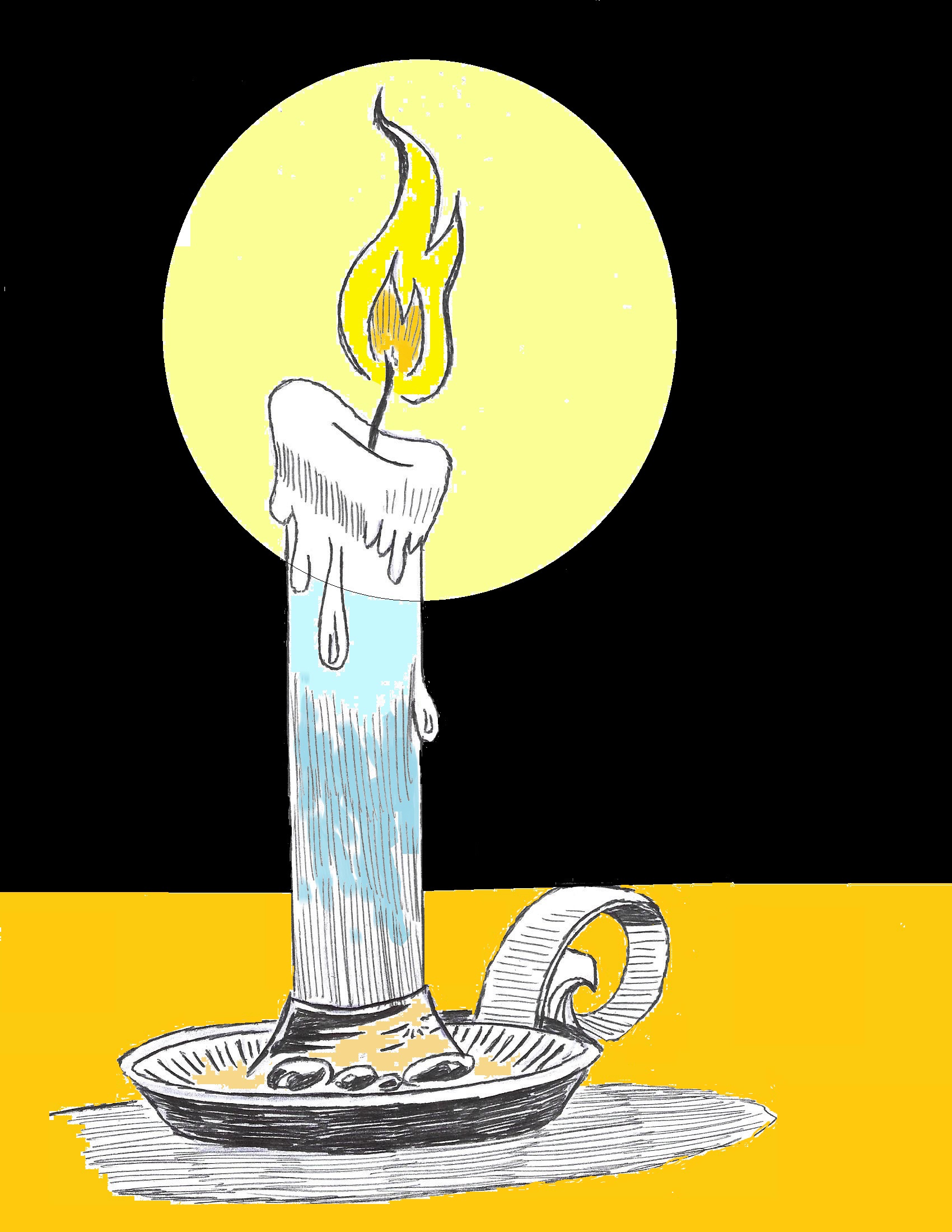
One wonders if books actually come from a naked fairy girl working by candlelight with a tiny quill pen. Of course, that one wondering such a thing is a totally crazy one.

But authors do write themselves naked. You get to see not only what is under their clothing, but what’s under their skin. You can see what’s inside their head. That’s way more than merely naked. That’s exposed to the very core of the writer’s being, more deeply than even x-rays can look.

Of course, this crazy idea is metaphorical. I don”t literally write while I am naked. At least, not all of the time.

Reading is also an immersive experience. You need to totally open yourself up to what’s in the text, playing the movie of what you read in the theater of your imagination… even if you are reading about the physics of black holes in a book by Stephen Hawking.

And reading a book connects you not only to the author, but to others who have also read the book. Both those who read and loved it, and those who read and detested it.

Of course, everything you read in a book is a lie… even if the book is not a work of fiction… even if it is a book about the physics of the black hole written by Stephen Hawking. The scientific method is how you verify truth. But it is an open-ended process. Every truth is endlessly re-verified by questions about the anomalies that are always there. And the only way to resolve the anomalies is to re-frame the truth with new facts, observations, testimonies, and further evidence built onto what is already known. In other words, truth is always relative.

But right now, the books in this world are no longer published in the same way they were from sometime shortly after the invention of the printing press to the invention of the internet and the rise of self-publishing.

Now, the books we have are written by infinite monkeys with infinite typewriters. The gate-keepers are no longer sorting out the good and great from everything else. Thus the rise of best-sellers about vampire love and sex with bondage in the style of the Marquis de Sade. But be aware too that this revelation of the publishing world comes from the typewriter of one of the monkeys. Although I do claim to be more of a rabbit-man.

And so, now you know… some of the secrets of the world of books. At least the ones known to this goofy old Book-Wizard who is actually a Little Fool.

Leave a comment

Filed under commentary, Paffooney, reading, strange and wonderful ideas about life, writing

326 and Counting

Twice before I have gone through a year posting something on this blog every single day of the year. And not just by scheduling the publication wisely to cover every day, but by writing something and publishing something every single day. At this point, I have now written something and posted it for 326 days in a row, and being past the holidays and funeral for my mother, I am probably going to make 365 again for the third time.

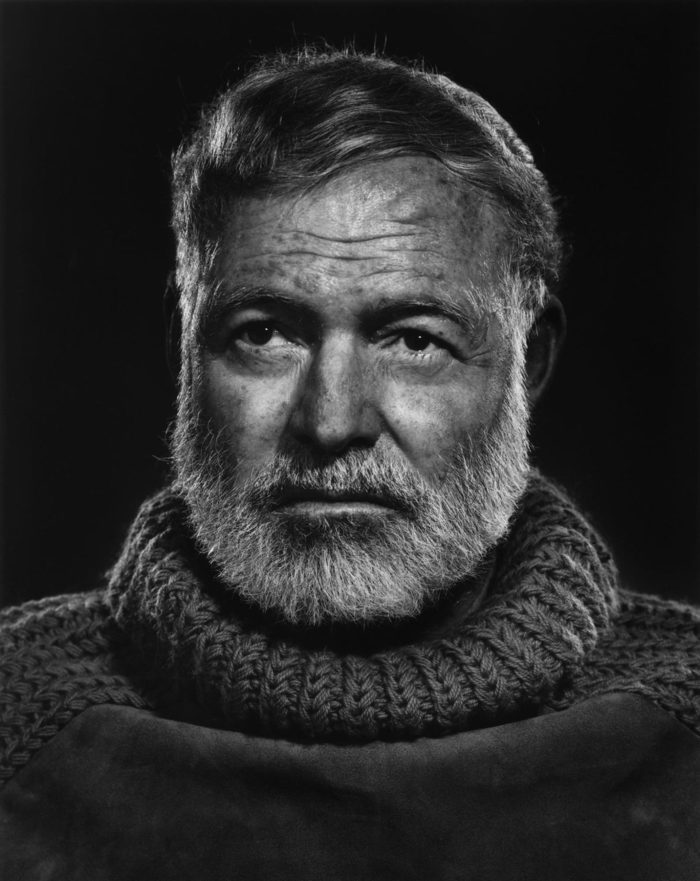
This is Ernest Hemingway for those of you who have only heard his name before now.

This is a man who also wrote something every single day. He was a former journalist who worked as an ambulance driver during World War I, for the Italian Army, where he was wounded and won a medal for his service to the Italian government.

He developed a writing style with no author commentary, sparse but crucial details, and a reliance on the reader’s intelligence to figure out the themes of his writing.

His best work is the Novel, The Sun Also Rises.

I hold that opinion because I have not only read it, but I have also read and compared it to For Whom the Bell Tolls, The Old Man and the Sea, A Farewell to Arms, and several of his short stories. His writing is fiction, but highly autobiographical which makes his stories so realistic and accessible to all readers.

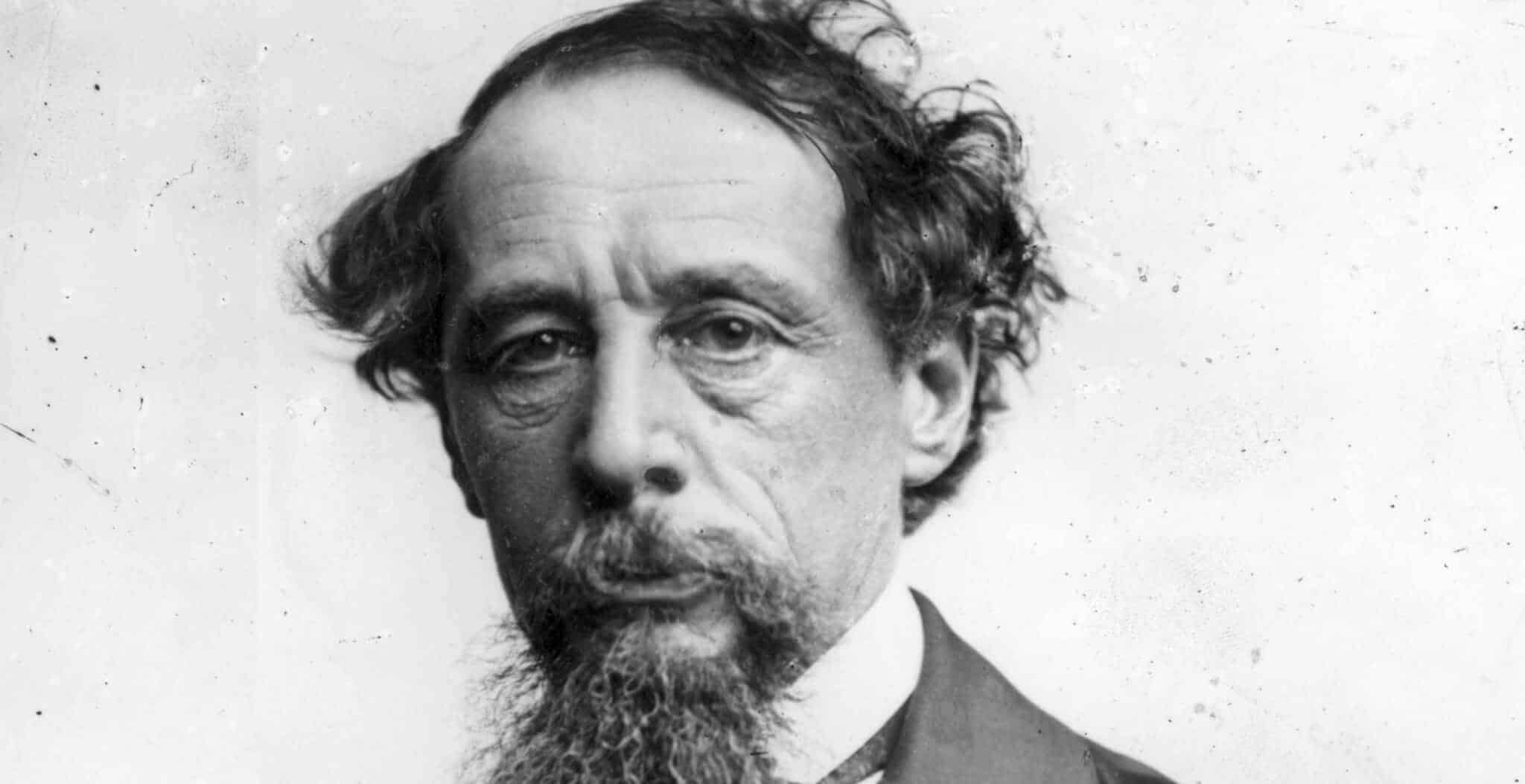
This is Charles Dickens, whom you have probably seen somewhere before when you really weren’t paying close attention.

This is also a man who wrote every single day. He started out writing for newspapers, but starting with his first major success as a fiction storyteller, The Pickwick Papers, he began writing mostly comic stories for monthly magazines.

He is noted for long paragraphs of vivid and plentiful details, and especially relatable and memorable characters.

His best work is the novel, A Tale of Two Cities.

I make that judgement after reading it three times, and also reading Oliver Twist, Nicholas Nickleby, A Christmas Carol, Great Expectations, David Copperfield, and The Old Curiosity Shop. There are also autobiographical features in the Boz’s works but he was a wonderfully astute people-watcher, and that dominates his narratives far more than his own personal story does.

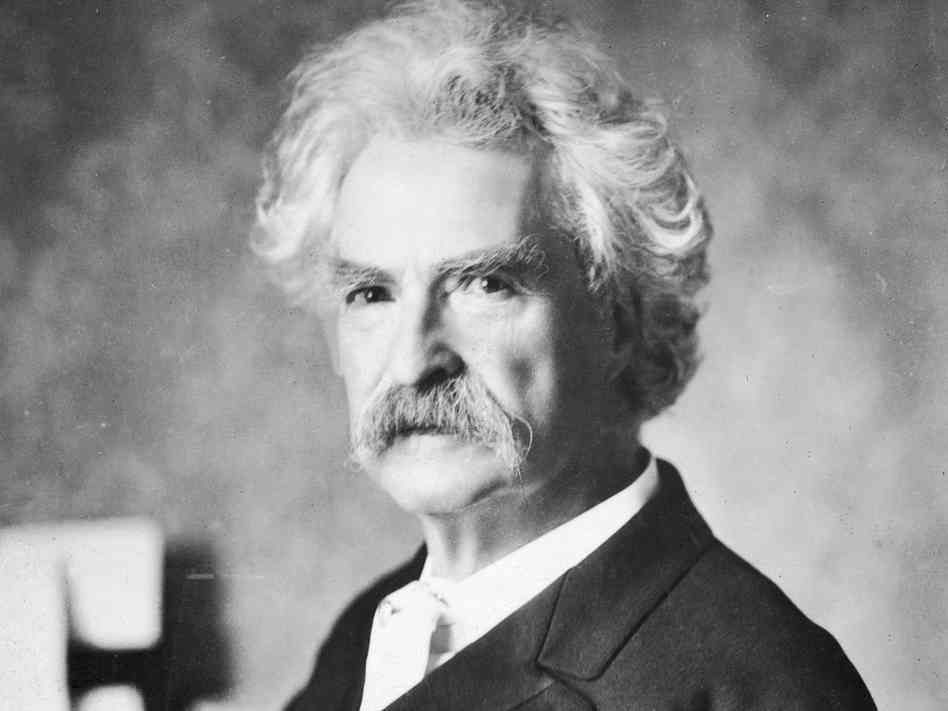
I don’t have to tell you that this is Mark Twain… because it isn’t. It is Samuel Clemens
.

This writer is known particularly for his sense of humor. It should be mentioned, however, that his fiction is not only filled with humor, but was very keenly realistic. His use of author commentary probably makes him the opposite of Hemingway, but he still carries that journalistic quality of writing it exactly how he sees it… full of irony and irrationally-arrived-at truth.

I don’t know for a fact that he wrote every single day. But he probably did. He always said, “The writing of the literary greats is like fine wine, while my books are like water. WIne is good for those that can afford it, but everybody drinks water.” You can’t have writing that is as plentiful as water without writing fairly often.

His best book is The Adventures of Huckleberry Finn. I am not the only one who thinks so. Hemingway wrote, “All American Literature began with one book, Huckleberry Finn.”

I have also read, Tom Sawyer, Pudd’nhead Wilson, The Prince and the Pauper, A Connecticut Yankee in King Arthur’s Court, Roughing It, and The Autobiography of Mark Twain.

So, what’s the point of all this literary foo-foo? Hemingway would expect you to figure that out for yourself. But I’m addicted to topic sentences, even if I wait til the end to reveal it. If you want to be a writer, you need to read a lot of really good writing. And even more important, you need to write every day.

3 Comments

Filed under artists I admire, commentary, Mark Twain, novel writing, strange and wonderful ideas about life, writing, writing humor, writing teacher

What 2020 Has Done To Me

The year began with me recovering from a bout of flu caught while substituting at Bush Middle School. I had thought it would be the end of me. But, no. I managed to survive. It left me feeling that no mere virus could get the better of me.

Oh, foolish and overly simple me! I had no idea what was coming. I had decided to write a novel set in a residential nudist park in South Texas that I knew nudists from but had never actually visited.

I discovered that my financial situation was headed for disaster if I didn’t earn enough money from substitute teaching. I was trying to pay off my Chapter 13 bankruptcy, and I was committed to paying $2000 dollars worth of our ever-increasing property tax. I wouldn’t be able to earn the money in time to avoid late fees, which meant I needed to earn even more extra money.

I dug down deep and found myself able to substitute teach to the full extent my doctor and the Texas Teacher Retirement System would allow. I was really hitting my stride and enjoying teaching again. I met a couple of kids in classes I subbed for that connected so well, I used them as inspiration for a few things in the novel I was writing, A Field Guide to Fauns. The novel practically wrote itself.

I published it. But it was about naked people. So a majority of people who might be fooled into reading one of my books will never read this one.

I was looking forward, after teaching so much that I could pay off the tax only one month late, to making more money I might actually be able to put in savings for a few minutes. But March ended all hope of that.

The long Covid imprisonment began with one novel published and one more, my AeroQuest rewrite, being more than halfway along.

I found myself with way more time to write and do other stuff than I had anticipated. But, of course, little money to do anything but survive with.

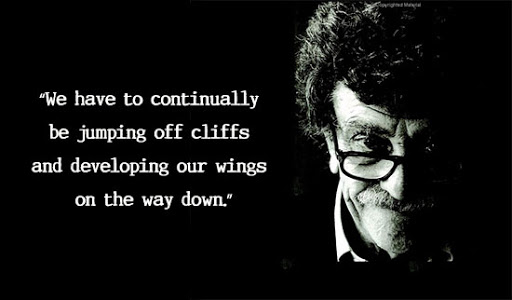
I definitely understood Kurt Vonnegut better in very short order.

I had a chance to reread a LOT of my own writing.

I gave some of my own books a careful reread and proofreading, even updating the content on Amazon. I began collecting my best posts from my daily blog. I put it in book form, becoming not one, but two collections of autobiographical essays.

My quest to put all my teacher recollections, goofy humor and cartoons, and philosophical wacky-waxings into some kind of order, allowed me to get a real sense of the overview of my life as both a teacher and a writer.

But, not only did my number two son get a job with the Dallas County Sheriff’s Department as a jailor, but he got Covid in July as well from his job.

Not only did my number one son find a serious relationship with an excellent young lady, but he was forced to stay away from us and limit contact to the point he almost became a stranger.

And not only did my father’s Parkinson’s Disease get worse, it killed him in midsummer during a surge in the pandemic that meant only my mother and two sisters could actually be at the funeral.

But, in spite of setbacks, I managed to stay Covid-free and read and write way more than is probably good for any human man.

I published or re-published six books during 2020. It is an accomplishment that reflects a fear of imminent death and loss of any further chance to make my writing real, not just foolish fantasies and dreams trapped in my stupid head.

So, what has 2020 done to me?

It has made me fearful of the future. It took away enough of my health that I will never be able to stand in front of a classroom ever again. And it took my father away.

But it has also galvanized me with the heat of the struggle to survive. It has made me more careful, and more appreciative of what life is, and especially more determined to have more of it.

2 Comments

Filed under autobiography, commentary, feeling sorry for myself, humor, novel writing, writing

Finding My Voice

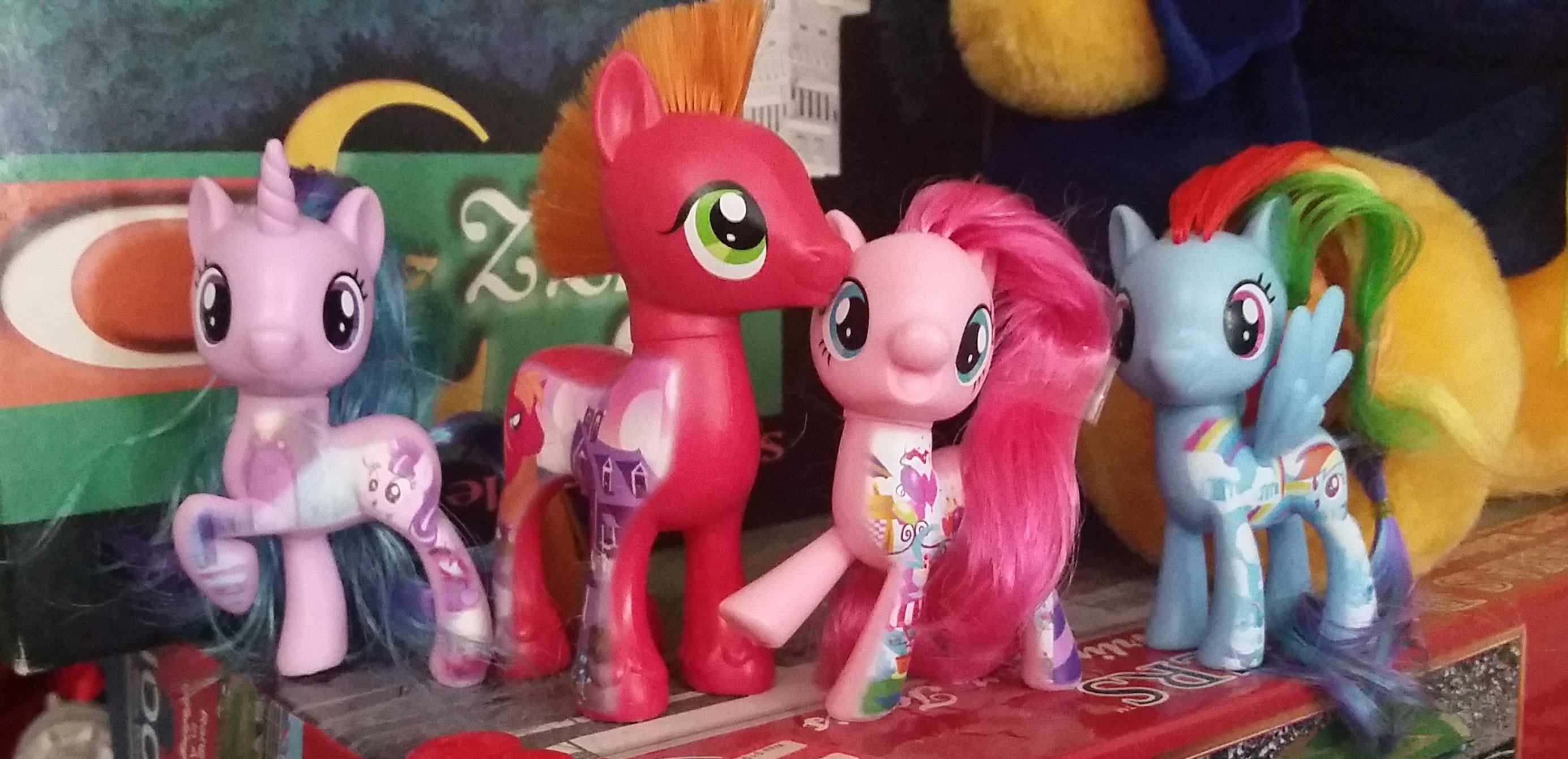
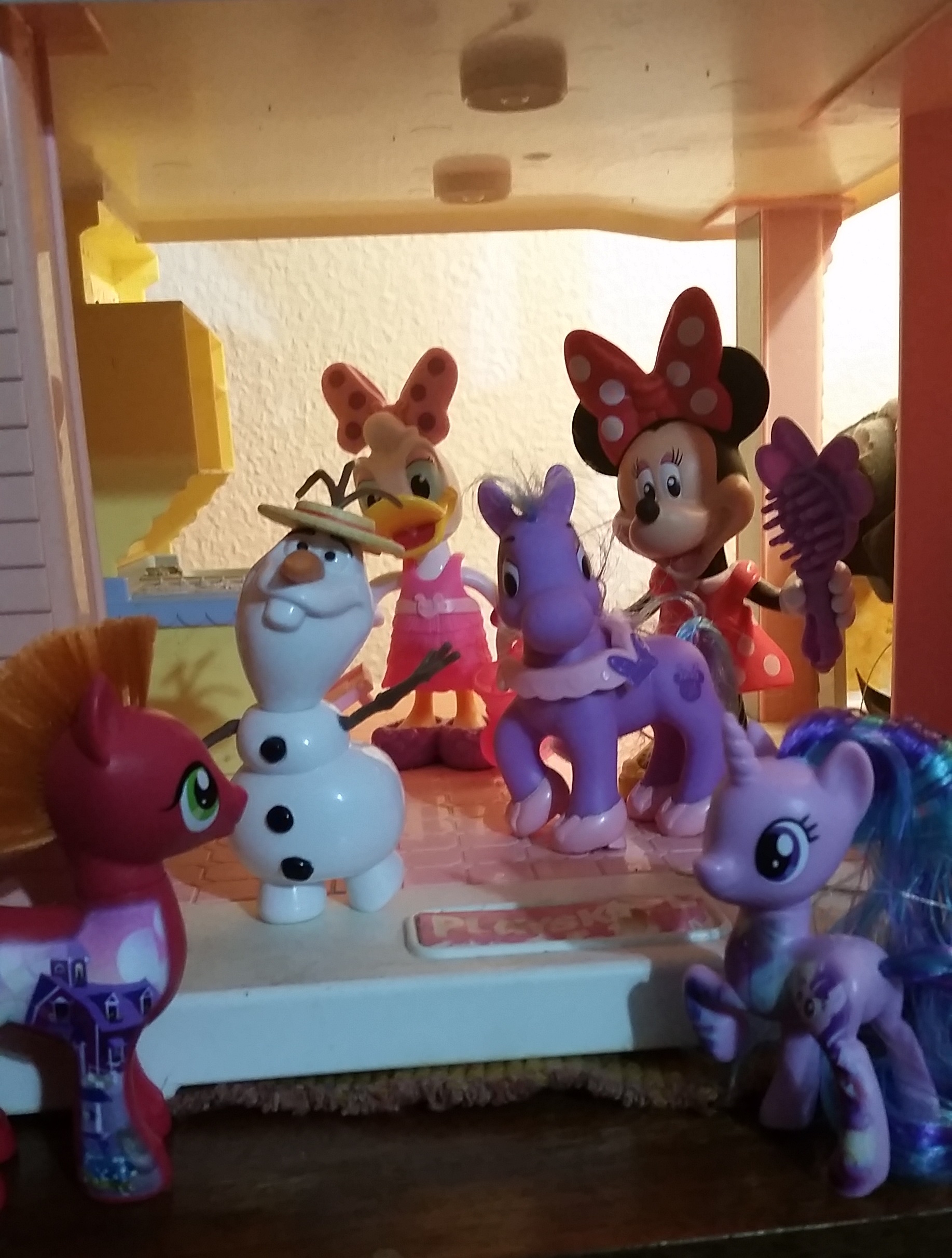
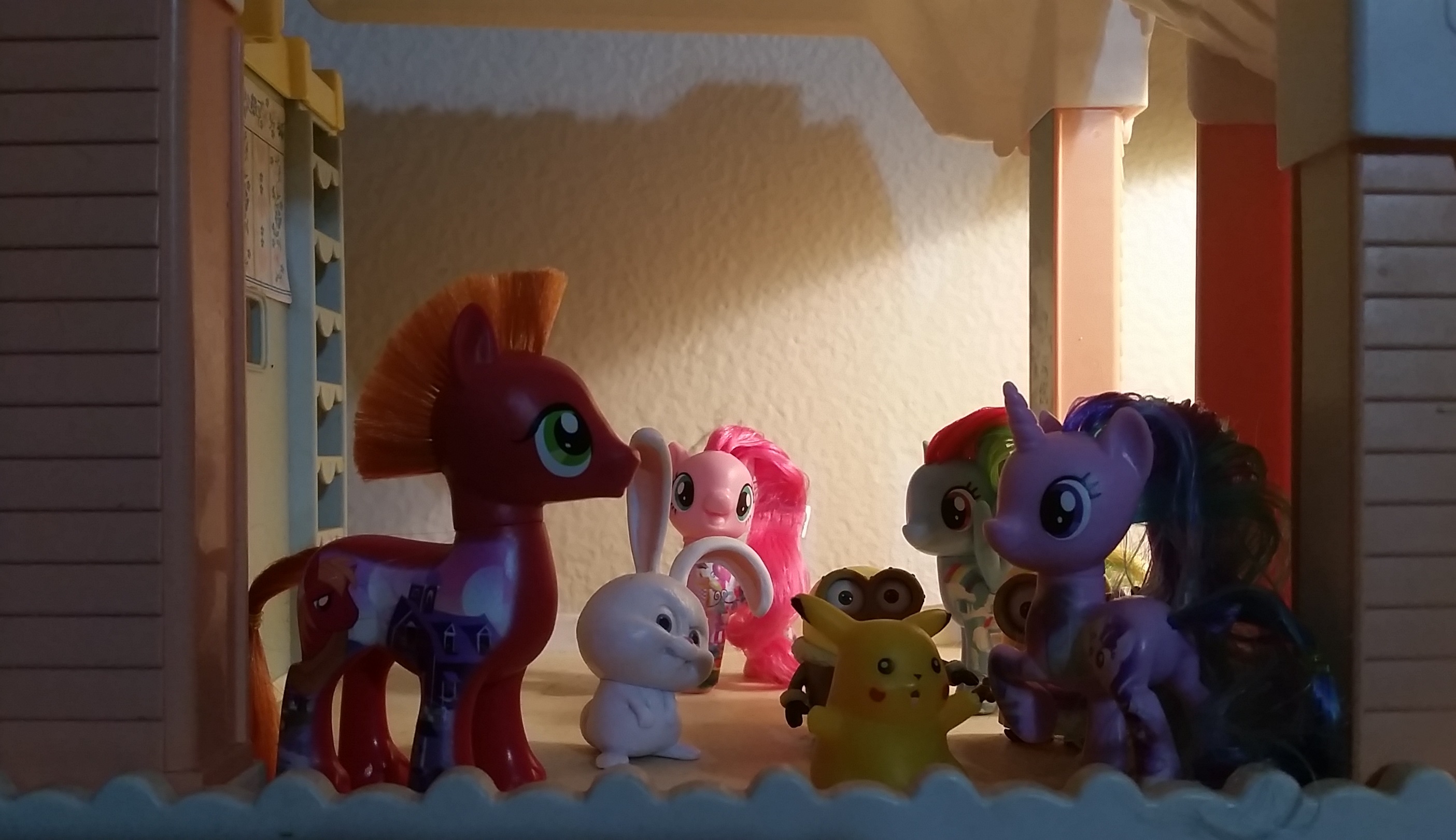
As Big MacIntosh welcomes more little ponies into my insanely large doll collection, I have been reading my published novel Snow Babies.  The novel is written in third person viewpoint with a single focus character for each scene.  But because the story is about a whole community surviving a blizzard with multiple story lines criss-crossing and converging only to diverge and dance away from each other again, the focus character varies from scene to scene.

20171214_121204

Big MacIntosh finds himself to be the leader of a new group of My Little Ponies.

In Canto Two, Valerie Clarke, the central main character of the story, is the focus character.  Any and all thoughts suggested by the narrative occur only in Valerie’s pretty little head.  Canto Three is focused through the mind of Trailways bus driver Ed Grosland.  Canto Four focuses on Sheriff’s Deputy Cliff Baily.  And so, on it goes through a multitude of different heads, some heroic, some wise, some idiotic, and some mildly insane.  Because it is a comedy about orphans freezing to death, some of the focus characters are even thinking at the reader through frozen brains.

20171215_084211

The ponies decide to visit Minnie Mouse’s recycled Barbie Dreamhouse where Olaf the Snowman is the acting butler.

That kind of fractured character focus threatens to turn me schizophrenic.  I enjoy thinking like varied characters and changing it up, but the more I write, the more the characters become like me, and the more I become them.  How exactly do you manage a humorous narrative voice when you are constantly becoming someone else and morphing the way you talk to fit different people?  Especially when some of your characters are stupid people with limited vocabularies and limited understanding?

20171215_084322

The ponies are invited to live upstairs with the evil rabbit, Pokemon, and Minions.

I did an entire novel, Superchicken, in third person viewpoint with one focus character, Edward-Andrew Campbell, the Superchicken himself.  That is considerably less schizophrenic than the other book.  But it is still telling a story in my voice with my penchant for big words, metaphors, and exaggerations.

The novel I am working on in rough draft manuscript form right now, The Baby Werewolf, is done entirely in first person point of view.  That is even more of an exercise of losing yourself inside the head of a character who is not you.  One of the first person narrators is a girl, and one is a werewolf.  So, I have really had to stretch my writing ability to make myself into someone else multiple times.

I assure you, I am working hard to find a proper voice with which to share my personal wit and wisdom with the world.  But if the men in white coats come to lock me away in a loony bin somewhere, it won’t be because I am playing a lot with My Little Ponies.


My best novel is free to own in ebook form for today and tomorrow. Buy it now with the link above. The offer is good until the end of the day on 12/14/2021.

Leave a comment

Filed under commentary, goofiness, humor, insight, NOVEL WRITING, photo paffoonies, self portrait, strange and wonderful ideas about life, writing, writing humor