
One good thing about being a humorist is, if somebody calls you out for an error you made in your writing, you can always say, “Well, it’s a joke, isn’t it?” Errors are for serious gobbos and anal-retentive editors. I live with happy accidents. It is a way of life dictated in the Bob Ross Bible.
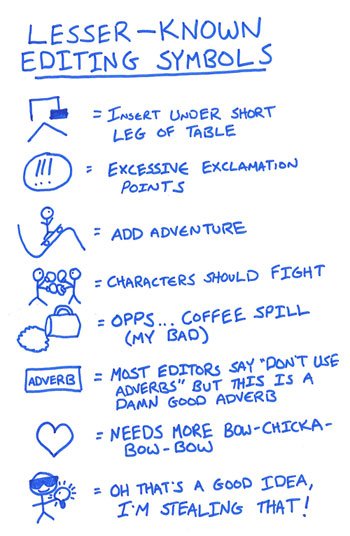
Yeah, I know it’s supposed to be “oops” not “OPPS”, but after all, this isn’t even a list I made up myself. I stole the whole thing from another writer on Twitter.
You have no idea what a cornucopia of ravings from knit-wit twit-tweets Twitter really is.
Oh, you waste time time on Twitter too?
Then you know already.
Twitter makes you want to shout at your computer, and has so many Trump-tweets and conservative blather-bombs on it, that it can seriously impair your editing skills.
So I look elsewhere and elsewhen to sharpen my critical English-teacher eye.
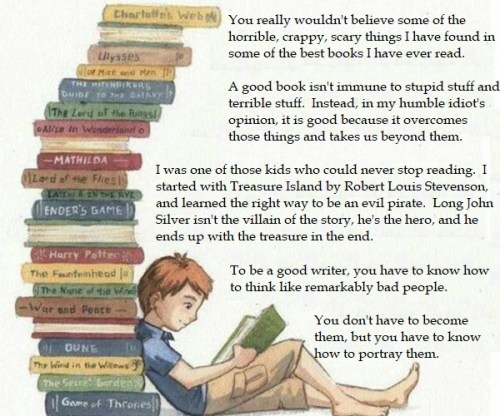
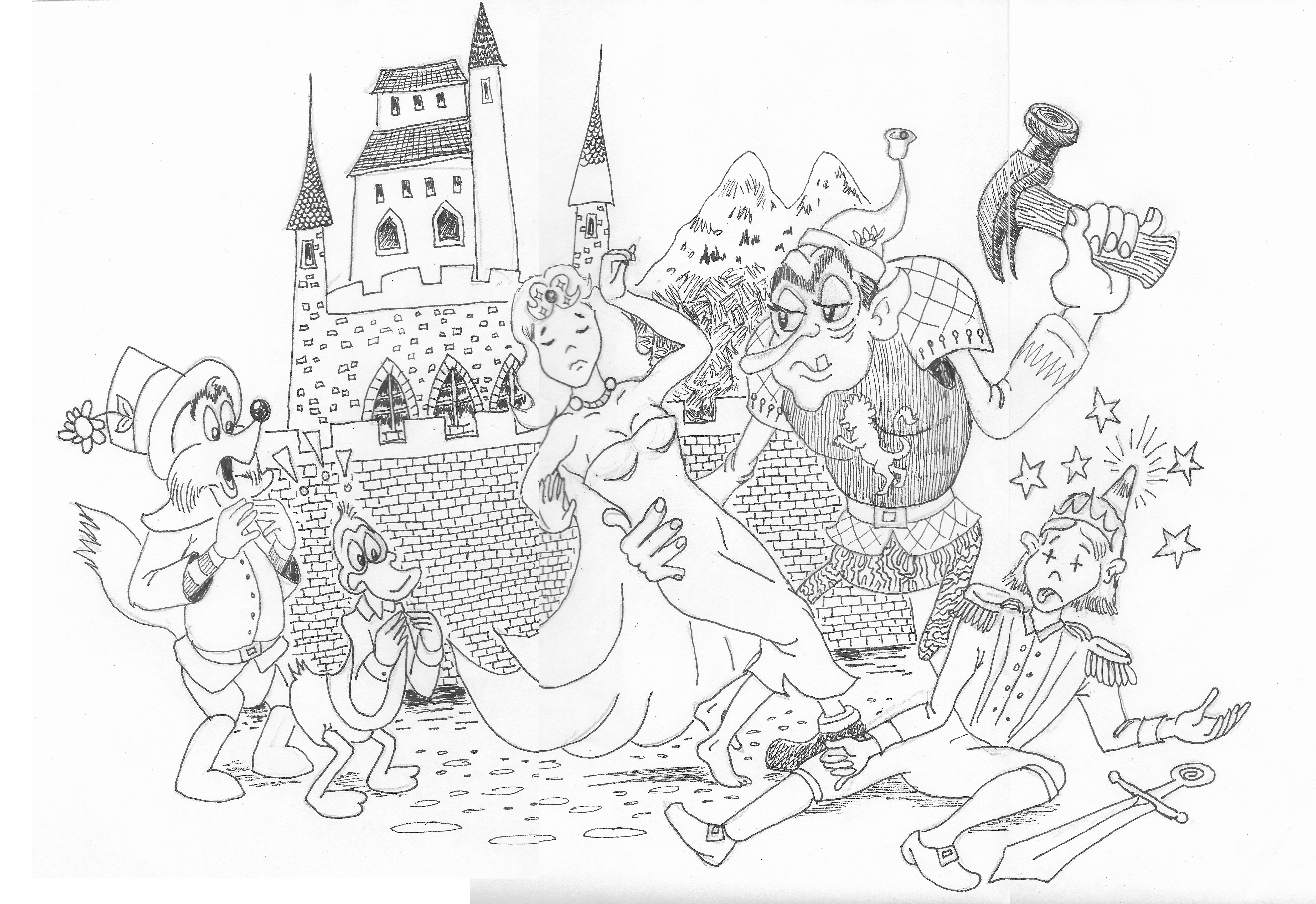
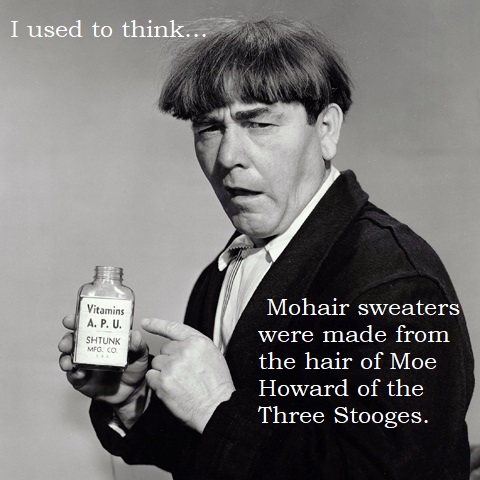
Yes, the illustrator of that meme doesn’t get the blame for the content. I wrote that violation of the sacredness of classic literature myself. I think we should thank God for the fact that neither Charles Darwin nor Dr. Seuss decided to act on evil impulses. The world is a better place for their decision on how to use their genius, and how to edit themselves.
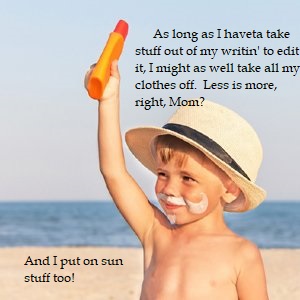
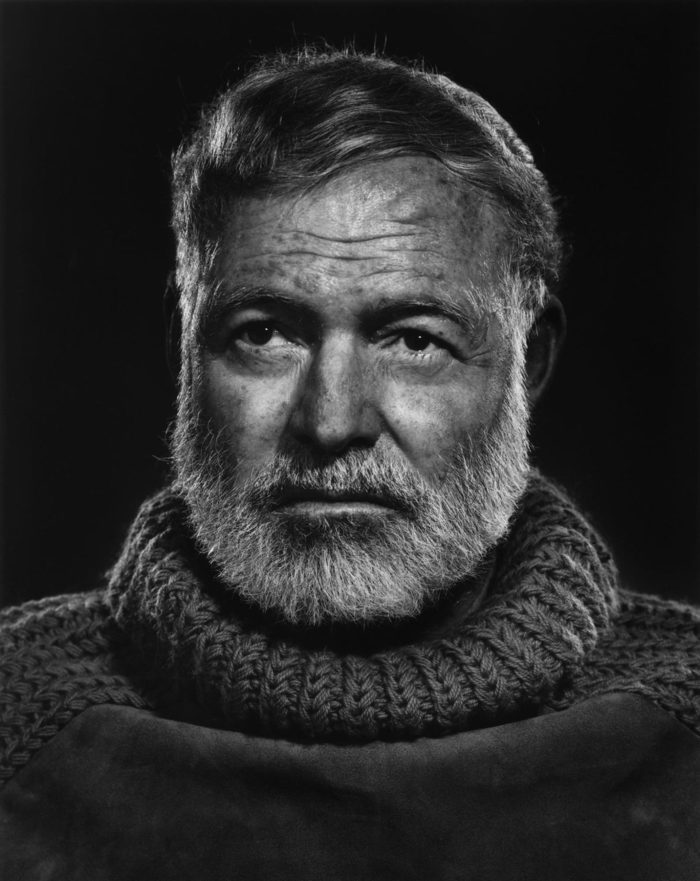
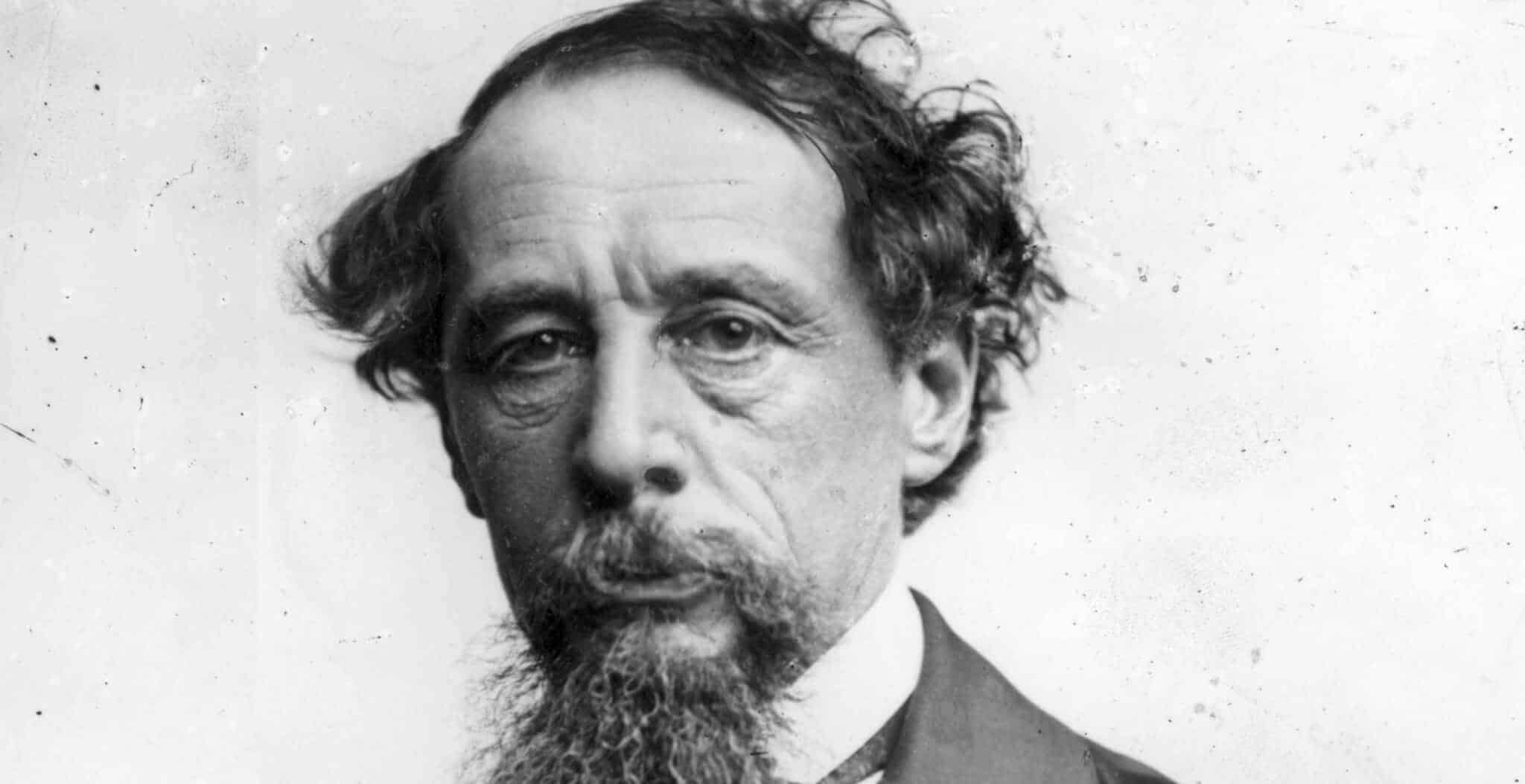
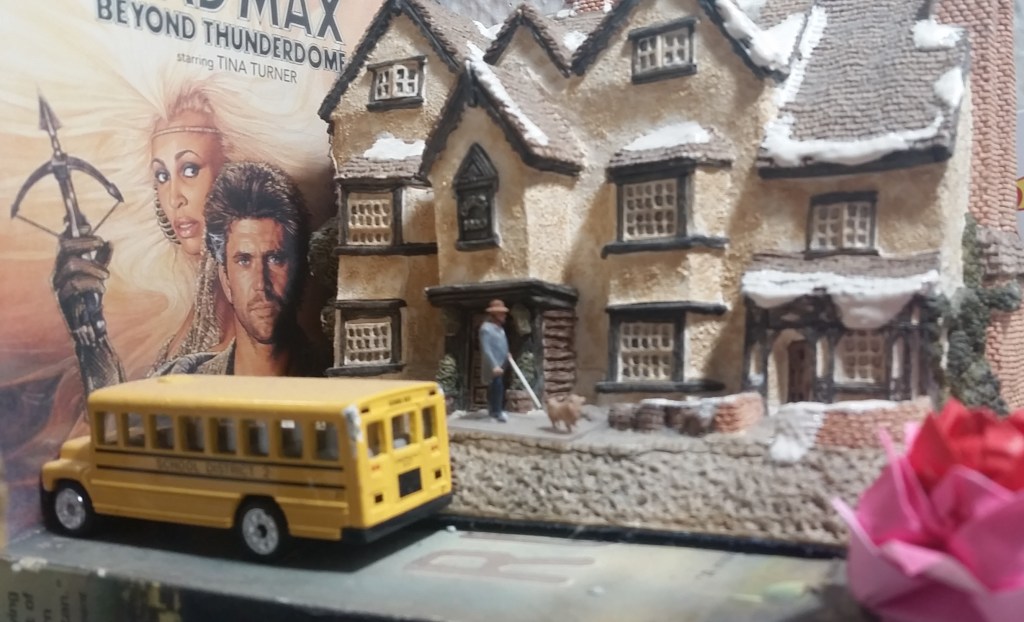
So, this is me writing today’s post about editing as a writer, and failing miserably to edit my own self. I got the pictures from Twitter and edited them myself. Or failed to edit them properly, as the case is more likely to prove. But however I may have twisted stuff and changed stuff and made up new words, editing is essential. It makes the whole world better. Now let’s consider editing the White House for a bit, shall we?


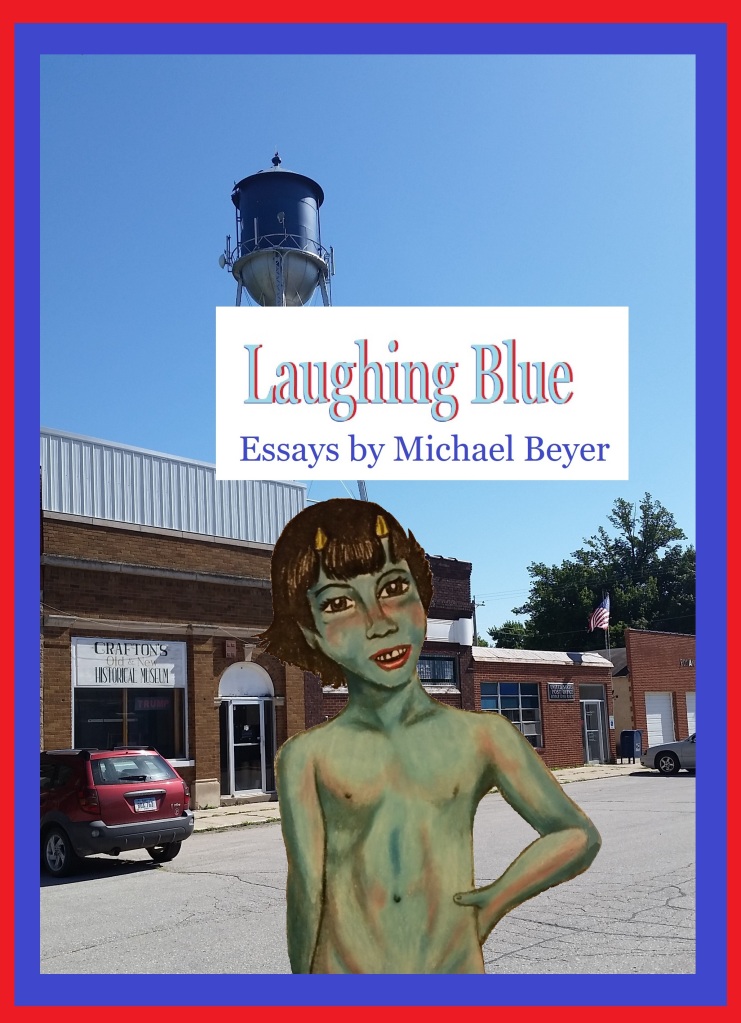
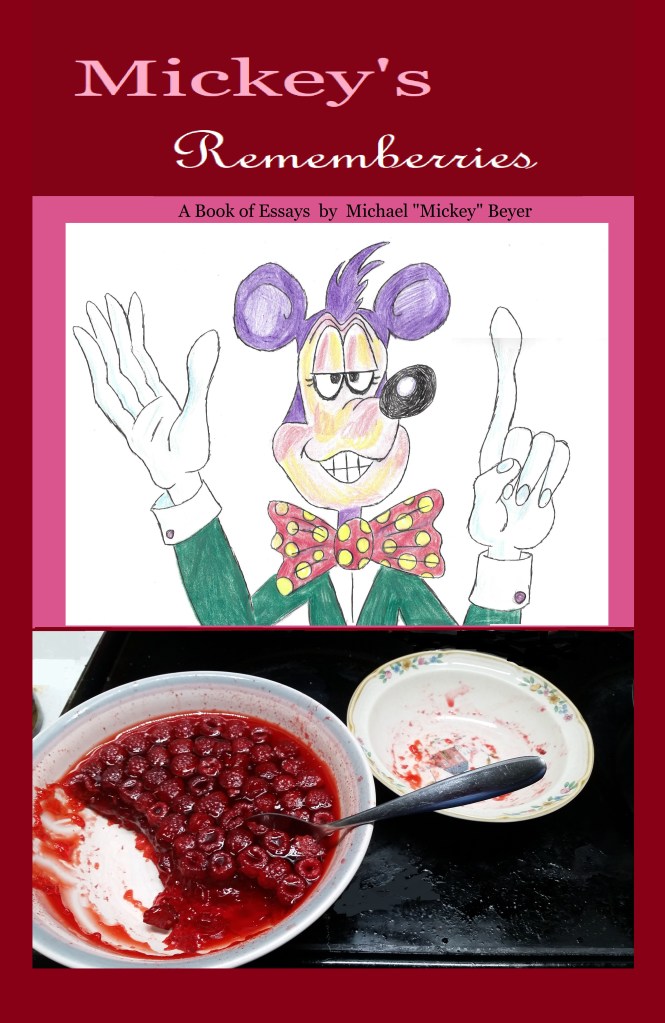
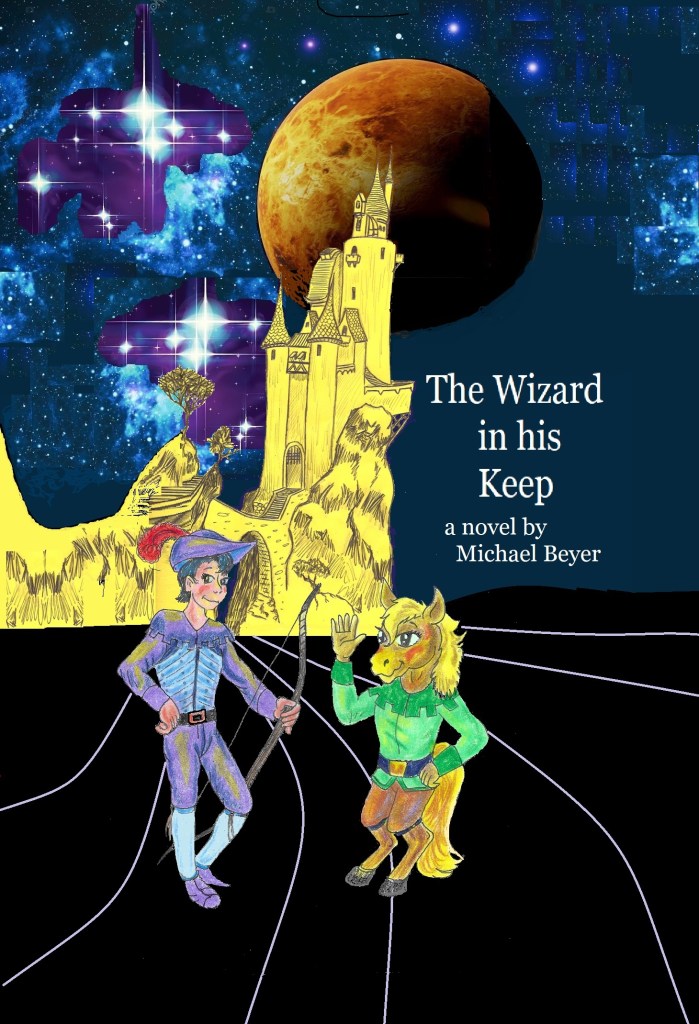






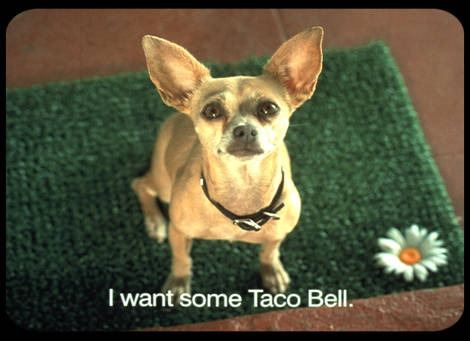


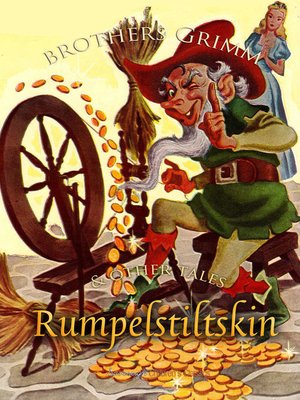


The Truth About the World of Books
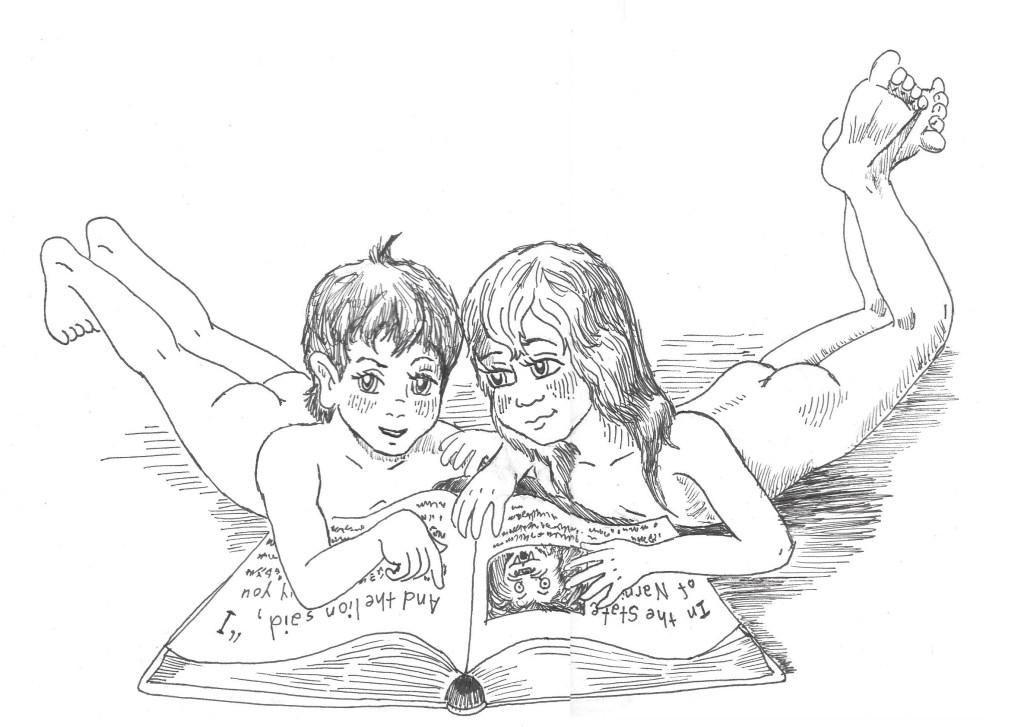
You can live a thousand lifetimes if you are willing to read a thousand books.
Yes, I know that means living life vicariously through the words and descriptions of other people.
But it allows you the magic of being able to see things through the eyes of other people.
The universe is expanded in your mind with every new idea you learn from a book.
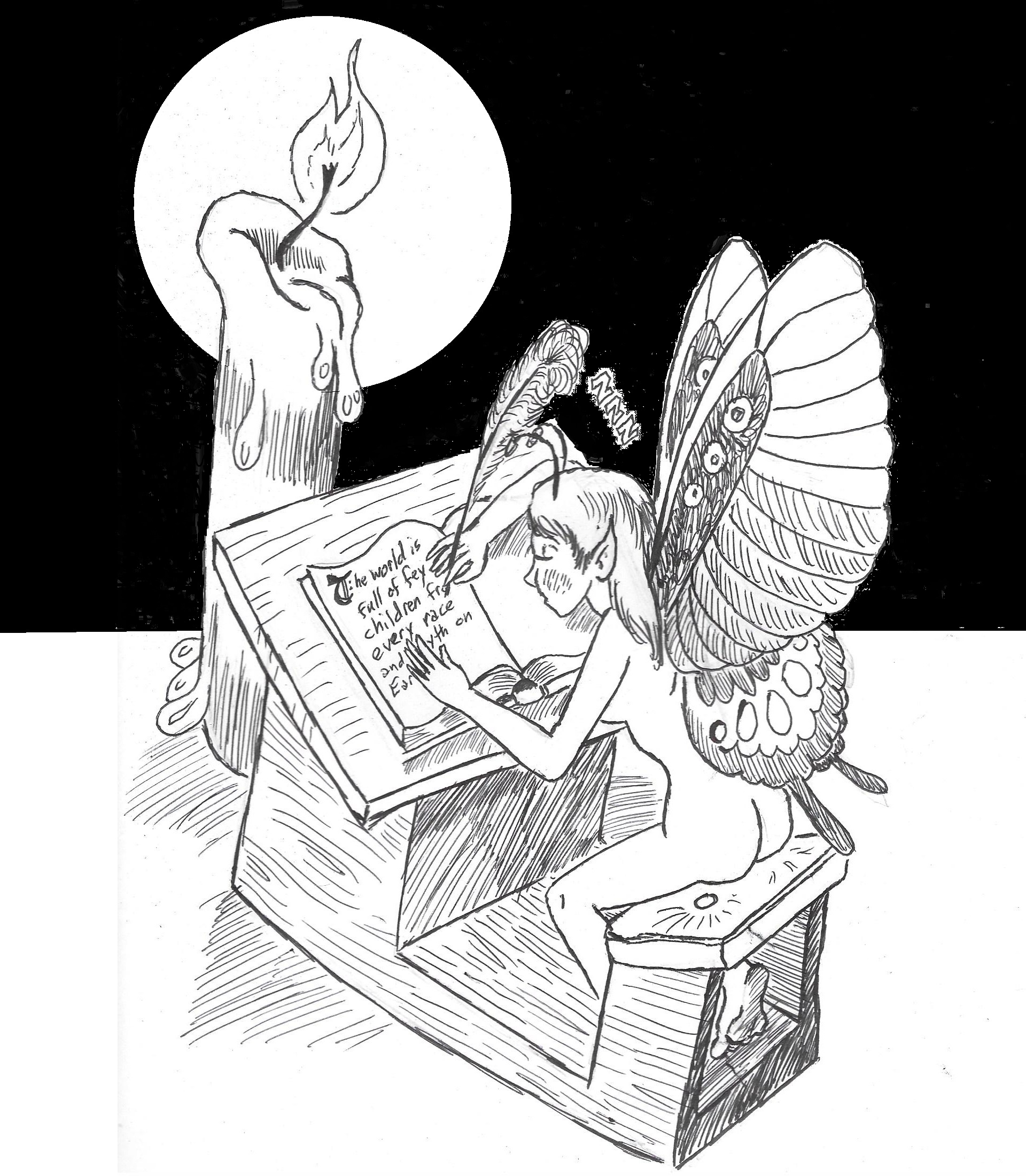
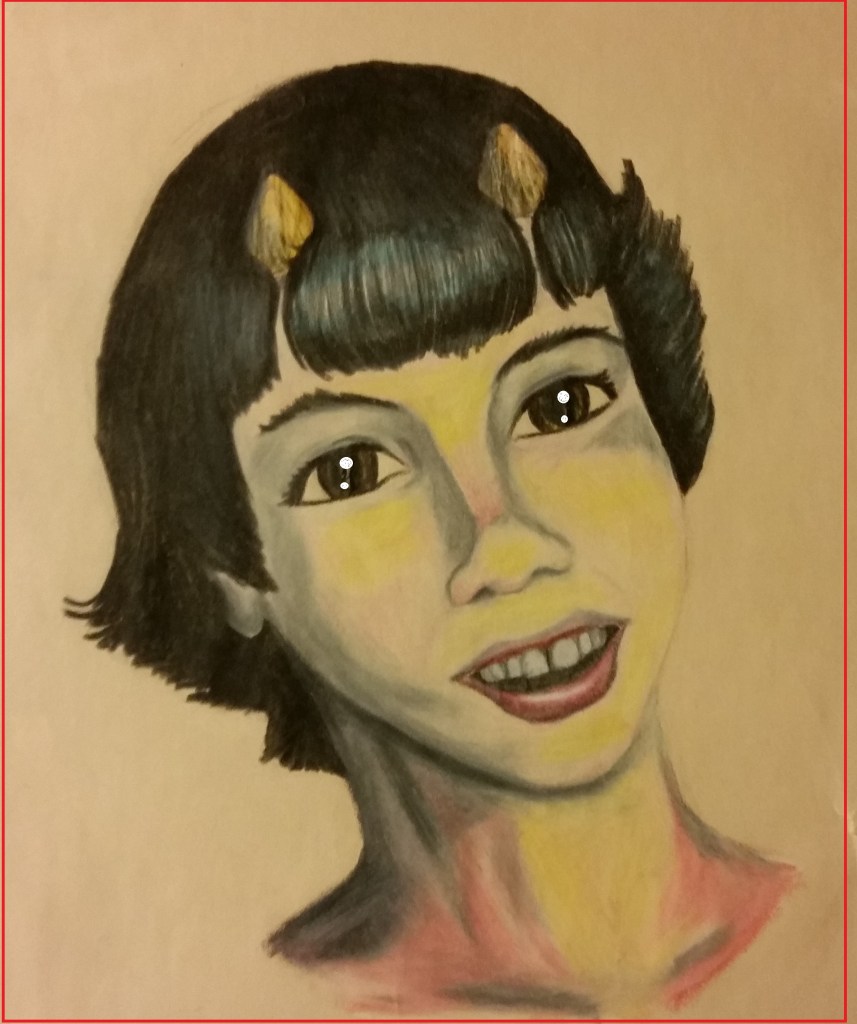
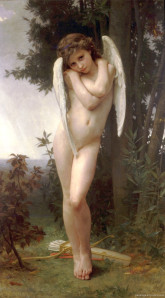
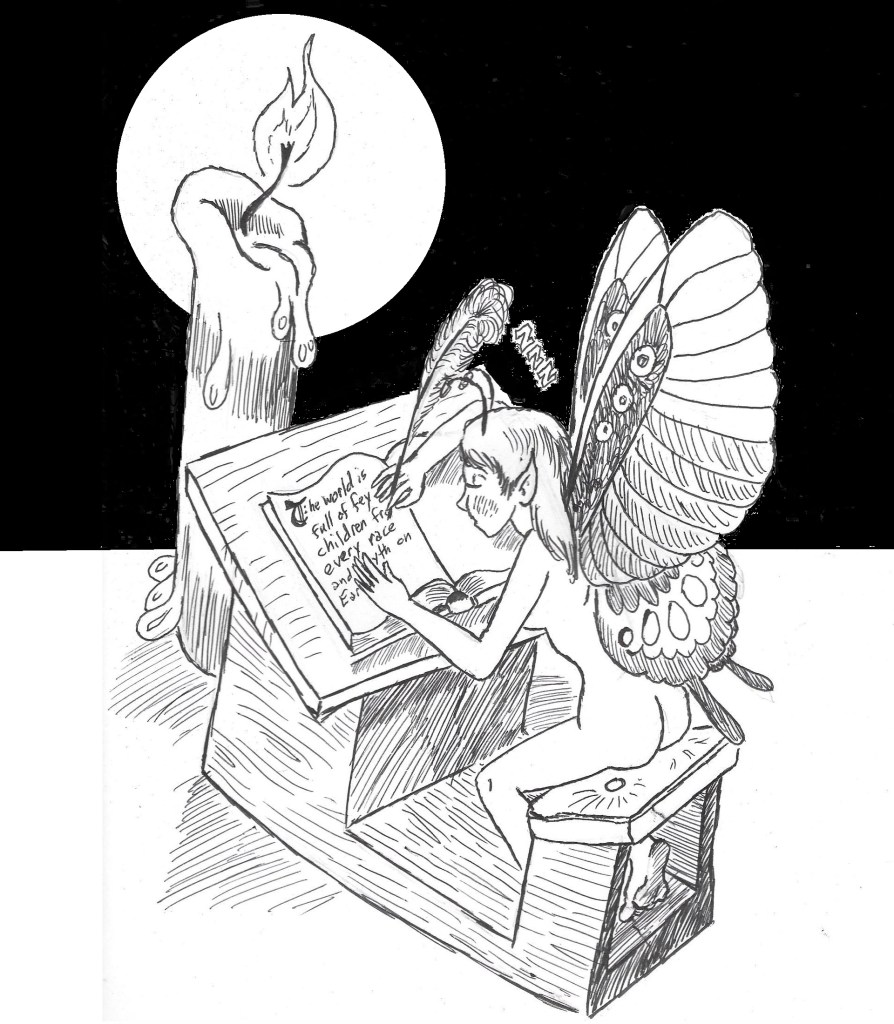
One wonders if books actually come from a naked fairy girl working by candlelight with a tiny quill pen. Of course, that one wondering such a thing is a totally crazy one.
But authors do write themselves naked. You get to see not only what is under their clothing, but what’s under their skin. You can see what’s inside their head. That’s way more than merely naked. That’s exposed to the very core of the writer’s being, more deeply than even x-rays can look.
Of course, this crazy idea is metaphorical. I don”t literally write while I am naked. At least, not all of the time.
Reading is also an immersive experience. You need to totally open yourself up to what’s in the text, playing the movie of what you read in the theater of your imagination… even if you are reading about the physics of black holes in a book by Stephen Hawking.
Of course, everything you read in a book is a lie… even if the book is not a work of fiction… even if it is a book about the physics of the black hole written by Stephen Hawking. The scientific method is how you verify truth. But it is an open-ended process. Every truth is endlessly re-verified by questions about the anomalies that are always there. And the only way to resolve the anomalies is to re-frame the truth with new facts, observations, testimonies, and further evidence built onto what is already known. In other words, truth is always relative.
But right now, the books in this world are no longer published in the same way they were from sometime shortly after the invention of the printing press to the invention of the internet and the rise of self-publishing.
Now, the books we have are written by infinite monkeys with infinite typewriters. The gate-keepers are no longer sorting out the good and great from everything else. Thus the rise of best-sellers about vampire love and sex with bondage in the style of the Marquis de Sade. But be aware too that this revelation of the publishing world comes from the typewriter of one of the monkeys. Although I do claim to be more of a rabbit-man.
And so, now you know… some of the secrets of the world of books. At least the ones known to this goofy old Book-Wizard who is actually a Little Fool.
Leave a comment
Filed under commentary, Paffooney, reading, strange and wonderful ideas about life, writing