Being a daily blogger who has now reached 421 consecutive days with at least one post on WordPress and at least one Tweet on Twitter (linking it to this blog,) I am attempting to impose order and structure on the content of this humor blog.
Mondays are for self-reflection, Tuesdays are for my on-going novel writing, Wednesdays are for what ever is current or topical to complain about, Thursdays are about teaching something (or stories about teaching something to somebody in the past,) Fridays are supposed to be funny business, Saturdays are about artwork, and Sundays are for major themes and big ideas.
So, you can see, I blow the structure apart regularly every single week. I almost never do it according to plan.
But that doesn’t excuse the fact that I am supposed to be Funny on Fridays. You see, not only is Funny on Friday an alliteration, a poorly-connected form of ironic humor, but Friday is named after the Norse goddess Frigga, the goddess of love, marriage, fertility, family, and civilization. There is no Norse goddess of humor. But humor is obviously always about sex, the toilets backing up, kids defying their parents in order to do something foolish, how terrible your mother-in-law really is, laws that Republicans pass that screw up your life, and sex again… all those things Frigga was the goddess of.
And I have now come to the realization that I have arrived at my Laughing Place. I am now retired from a job I loved that provided me with numerous little anecdotes about the funny things that happen to teachers. You know, things like a kid that destroyed the hallway drinking fountain by head-butting it, the kid who could make his entire head turn purple by tightening every muscle in his rubber face, the boys who held fart contests for an entire month in 1984, the winner of the contest winning a week of in-school suspension, and the loser winning the exact same prize, and many other such stories that most of the girls were smart enough not to become the main characters of.
I have also managed to reach a point in life where I don’t have to worry about money (at least not the way I used to worry, being more than thirty thousand dollars in debt.) After five years of paying off a Chapter 13 Bankruptcy and inheriting a farm as a third-part-owner of farmland where we rent the land and don’t do the work ourselves. I am no longer in debt. And the evil pirate bankers are no longer circling my home like vultures. So, I am in my Laughing Place because debt-free farmland ownership is my brier patch. The evil pirate bankers threw me in, and it turned out it was a good place for the rabbit that is me. Now I can laugh and laugh. And I might as well do it on Fridays.
So you can now rely on me to try and frequently fail to follow the schedule and be funny on Fridays.
Don’t get too excited. I searched every box, trunk, bag of tricks, safe, closet, and jelly bean jar that I have in my rusty old memory. I didn’t find much. In fact, the old saying is rather applicable, “The beginning of wisdom is recognizing just how much of a fool you really are.” The little pile of bottle caps and marshmallows that represent the sum total of my wisdom is infinitely tiny compared to the vast universe of things I will never know and never understand. I am a fool. I probably have no more wisdom than you do. But I have a different point of view. It comes from years worth of turning my ideas inside out, of wearing my mental underwear on the outside of my mental pants just to get a laugh, of stringing images and stupid-headed notions together in long pointless strings like this one.
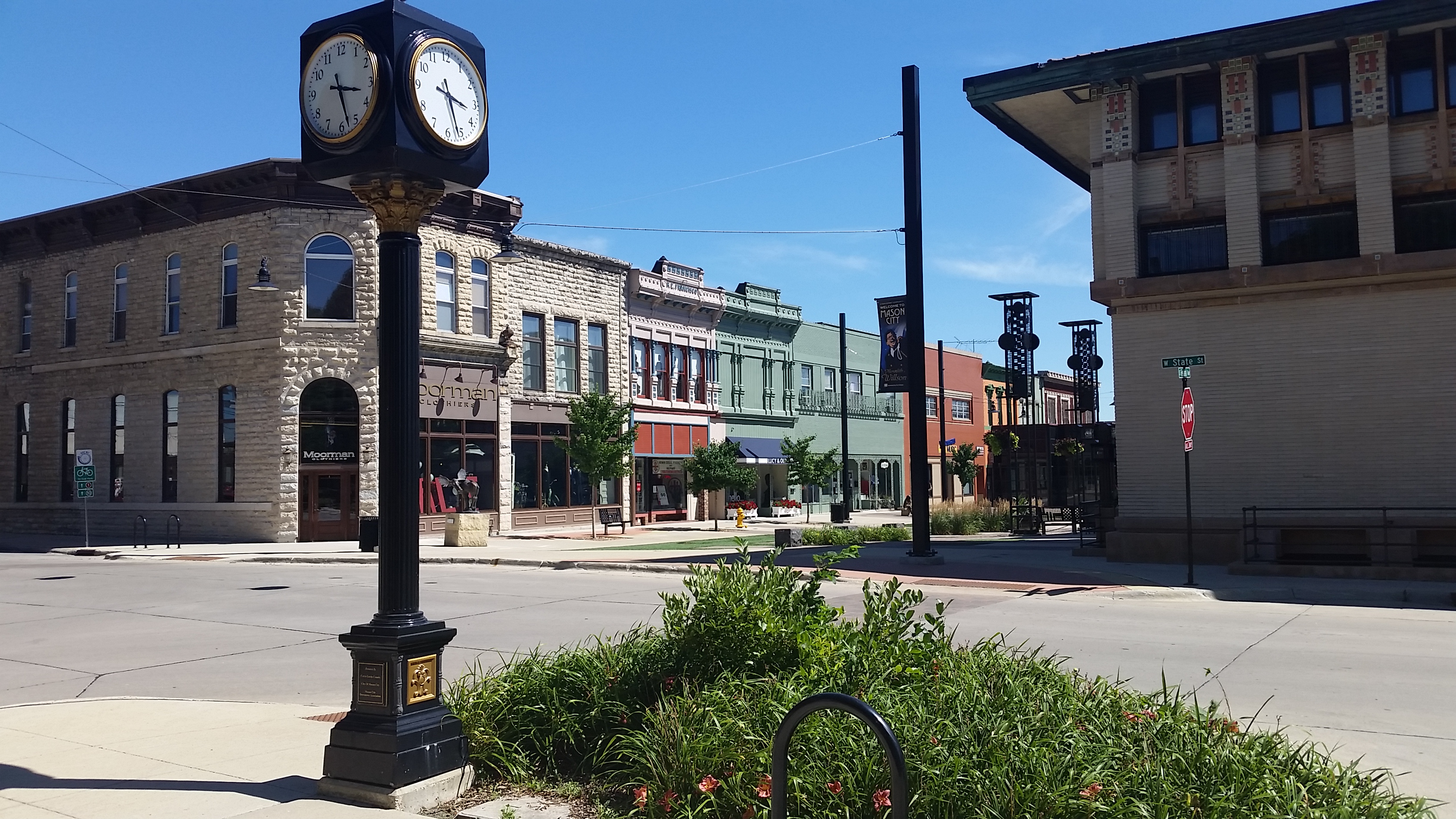
Mason City, Iowa… where I was born. River City in the musical “The Music Man“.
One thing I can say with certainty, nothing makes you understand “home”, the place you grew up in and think of as where you come from, better than leaving it and going somewhere else. Federal Avenue in Mason City looks nothing now like it did when I was a boy in the 1960’s going shopping downtown and spending hours in department stores waiting for the ten minutes at the end in the toy section you were promised for being good. You have to look at the places and people of your youth through the lenses of history and distance and context and knowing now what you didn’t know then.
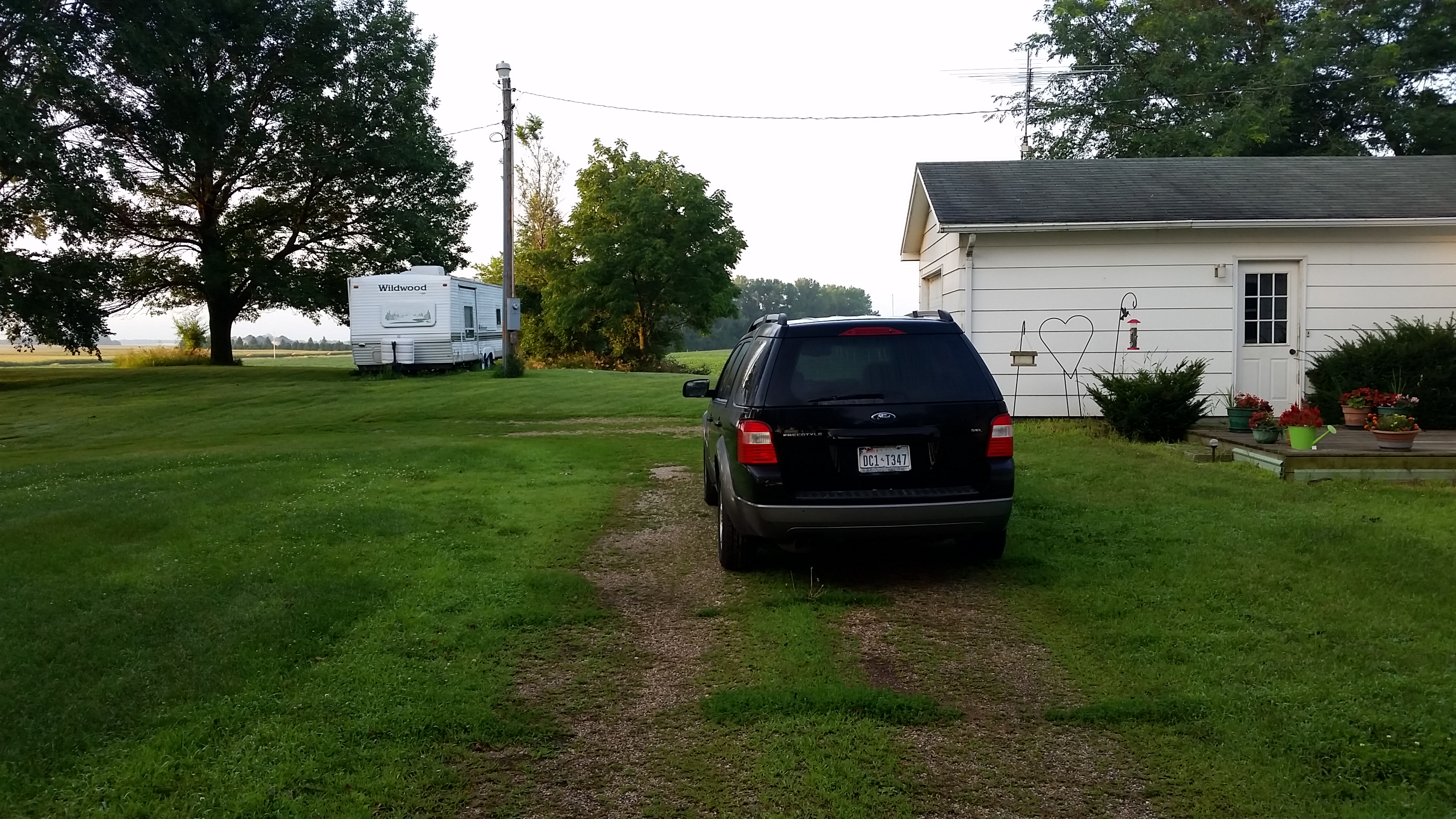
Grandpa Aldrich’s farm in Iowa is now Mom and Dad’s house. It has been in the family for over 100 years, a Century Farm.
The only thing that stays the same is that everything changes. If I look back at the arc of my life, growing up in Iowa with crazy story-telling skills inherited from Grandpa Aldrich, to going to Iowa State “Cow College” and studying English, to going to University of Iowa for a remedial teaching degree because English majors can’t get jobs reading books, to teaching in distant South Texas more than a thousand miles away, to learning all the classroom cuss words in Spanish the hard way, by being called that, to moving to Dallas/Fort Worth to get fired from one teaching job and taking another that involved teaching English to non-English speakers, to retiring and spending time writing foolish reflections like this one because I am old and mostly home-bound with ill health. I have come a long way from childhood to second childhood.
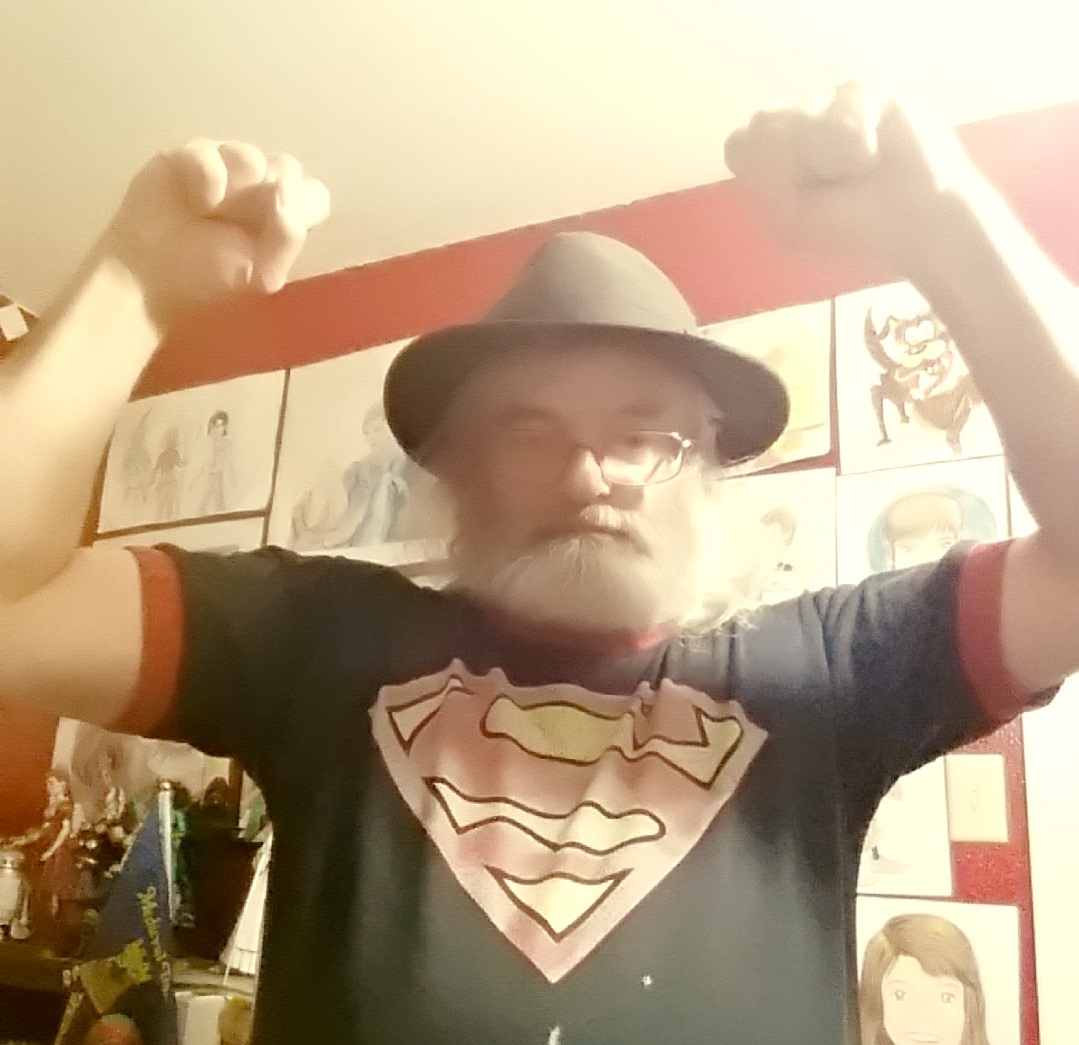
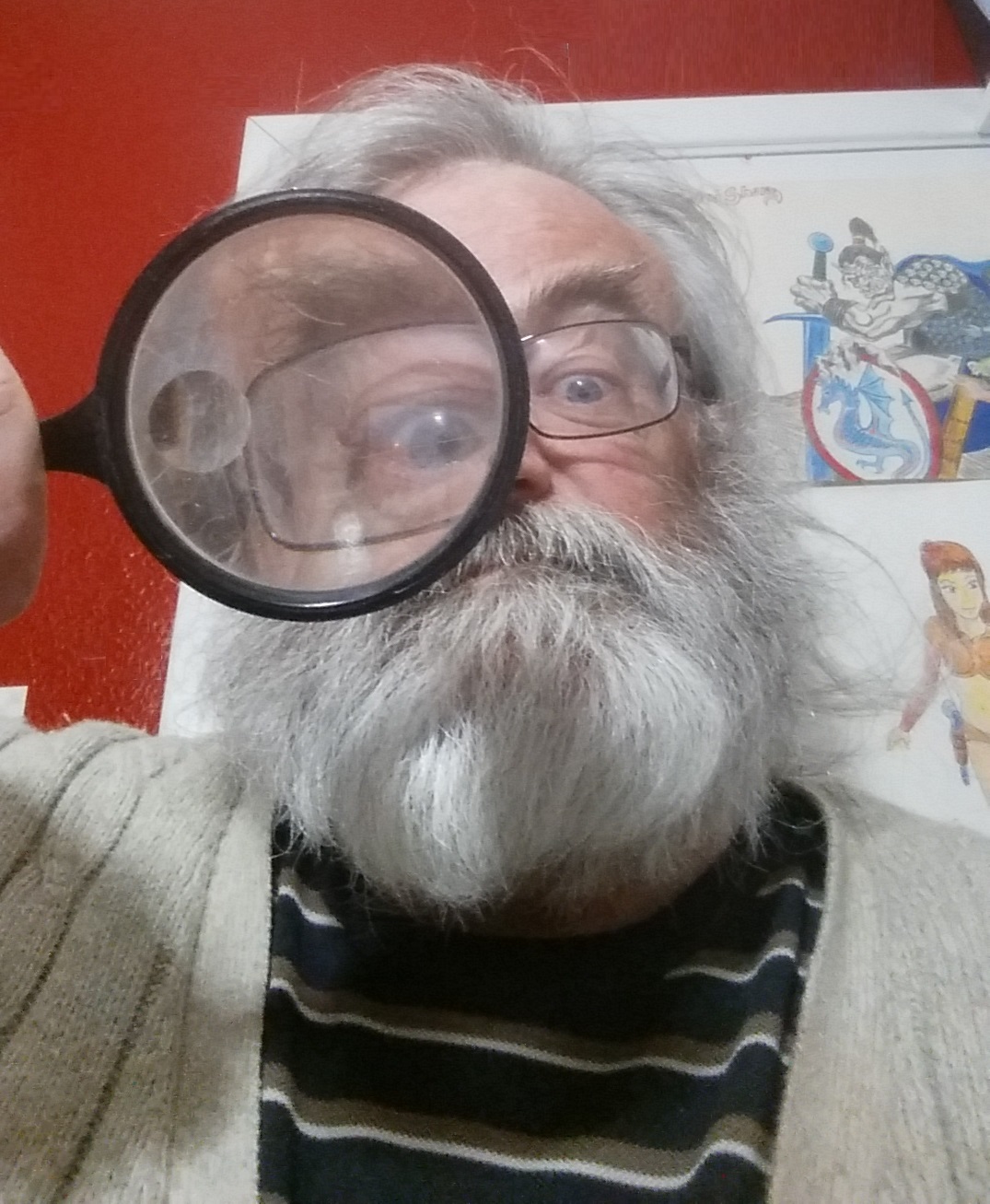
If “what doesn’t kill you makes you stronger” is really true, I should be Superman now. I look like I’ve seen a lot of Kryptonite, don’t I?
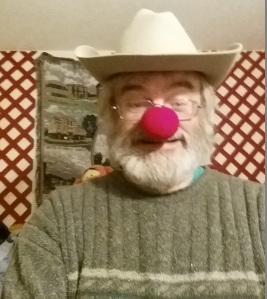
Six incurable diseases and being a cancer survivor since 1983 have left their marks upon me. Literally. Little pink bleedy spots all over me are the mark of psoriasis. The fuzzy-bad photo of me spares you some of the gory details. The point is, I guess, that life is both fleeting and fragile. If you never stop and think about what it all means then you are a fool. If you don’t try to understand it in terms of sentences and paragraphs with main ideas, you are an even bigger fool. You must write down the fruit of your examinations and ruminations. But if you reach a point that you are actually satisfied that you know what it all means, that makes you the biggest fool of all.
If I have any wisdom at all to share in this post about wisdom, it can be summed up like this;
Writing helps you with knowing, and knowing leads to wisdom. So take some time to write about what you know.
Writing every day makes you more coherent and easier to understand. Stringing pearls of wisdom into a necklace comes with practice.
Writing is worth doing. Everyone should do it. Even if you don’t think you can do it well.
You should read and understand other people’s wisdom too, as often as possible. You are not the only person in the world who knows stuff. And some of their stuff is better than your stuff.
The stuff you write can outlive you. So make the ghost of you that you leave behind as pretty as you can. Someone may love you for it. And you can never be sure who that someone will be.
So by now you are probably wondering, where is all that wisdom he promised us in the title? Look around carefully in this essay. If you don’t see it there, then you are probably right in thinking, just as I warned you about at the outset, “Gosh darn that Mickey! He is a really big fool.”
I read a lot of other people’s blogs for a lot of reasons. As an old writing teacher and retired Grammar Nazi, I love to see where writers are on the talent spectrum. I have read everything from the philosophy of Camus and Kant to the beginning writing of ESL kids who are illiterate in two languages. I view it like a vast flower garden of varied posies where even the weeds can be considered beautiful. And like rare species of flower, I notice that many of the best blossoms out there in the blogosphere are consistent with their coloring and patterns. In other words, they have a theme.
So, do I have an over-all theme for my blog? It isn’t purely poetical like some of the poetry blogs I like to read. I really only write comically bad poetry. It has photos in it, but it isn’t anything like some of the photography blogs I follow. They actually know how to photograph stuff and make it look perfect and pretty. It is not strictly an art blog. I do a lot of drawing and cartooning and inflict it upon you in this blog. But I am not a professional artist and can’t hold a candle to some of the painters and artists I follow and sometimes even post about. I enjoy calling Trump President Pumpkinhead, but I can’t say that my blog is a political humor blog, or that I am even passable as a humorous political commentator.
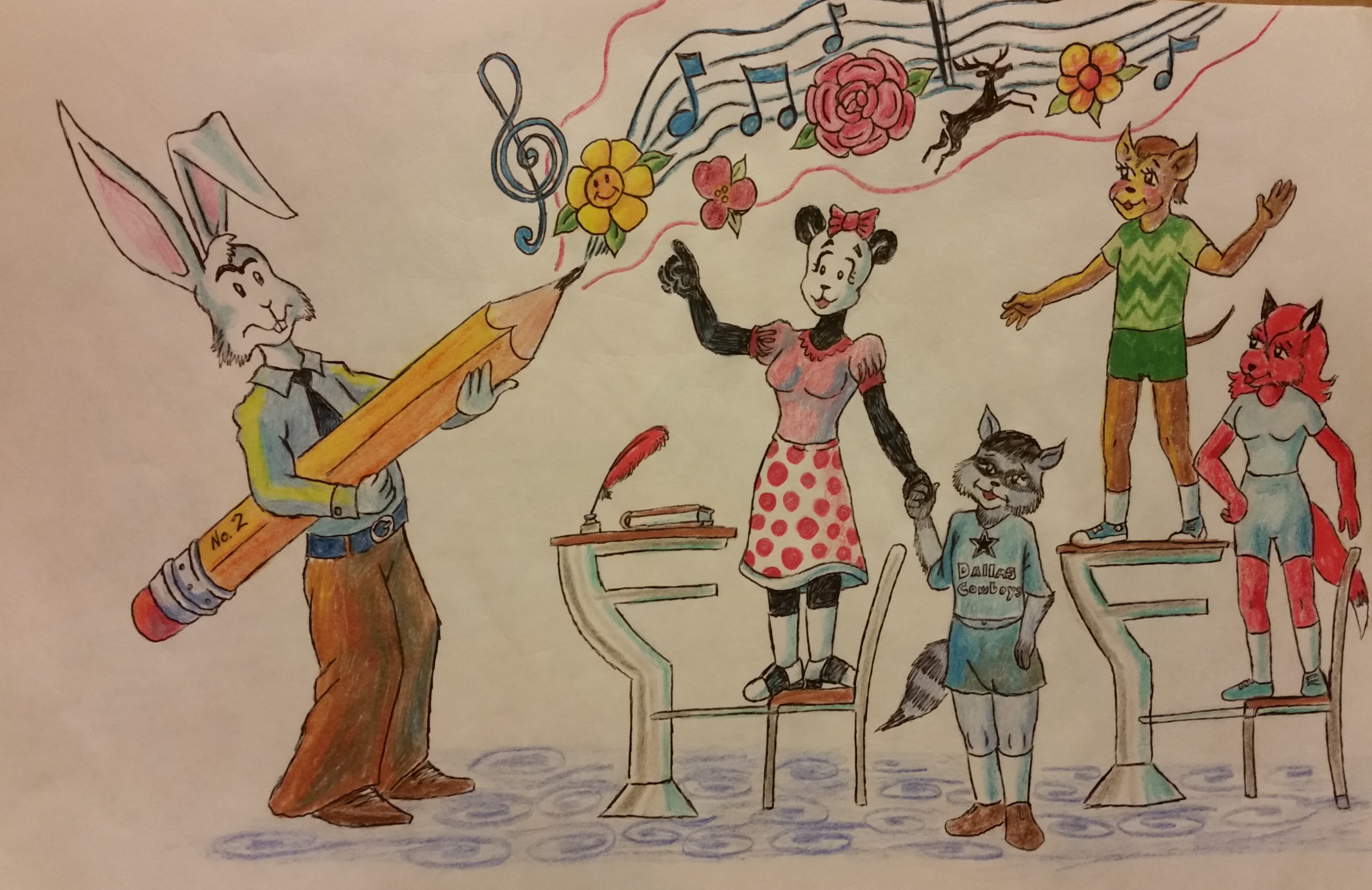
One thing that I can definitely say is that I was once a teacher. I was one of those organizers and explainers who stand in front of diverse groups of kids five days a week for six shows a day and try to make them understand a little something. Something wise. Something wonderful. Something new. Look at the video above if you haven’t already watched it. Not only does it give you a sense of the power of holding the big pencil, it teaches you something you probably didn’t realize before with so much more than mere words.
But can I say this is an education blog? No. It is far too silly and pointless to be that. If you want a real education blog, you have to look for someone like Diane Ravitch’s blog. Education is a more serious and sober topic than Mickey.
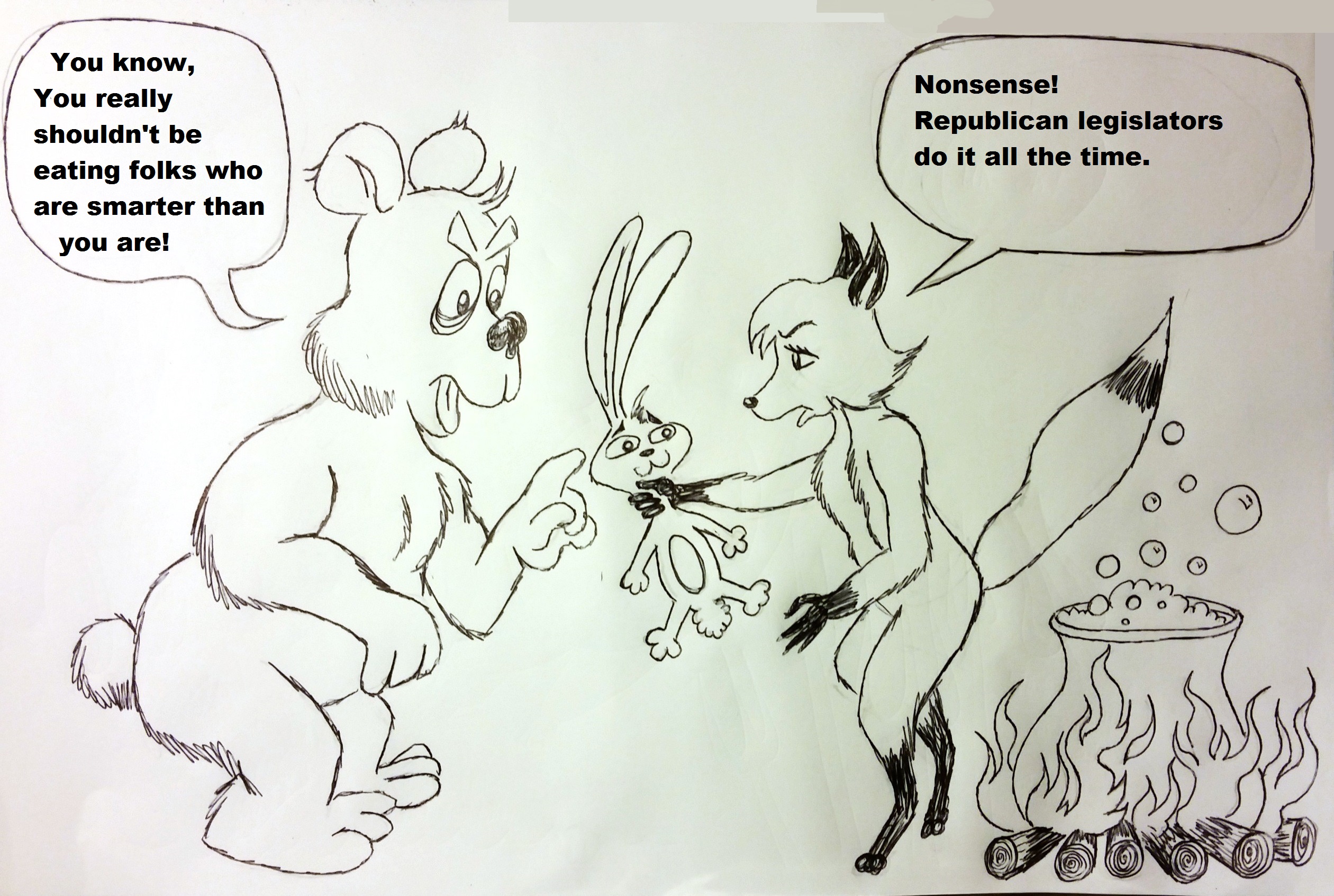
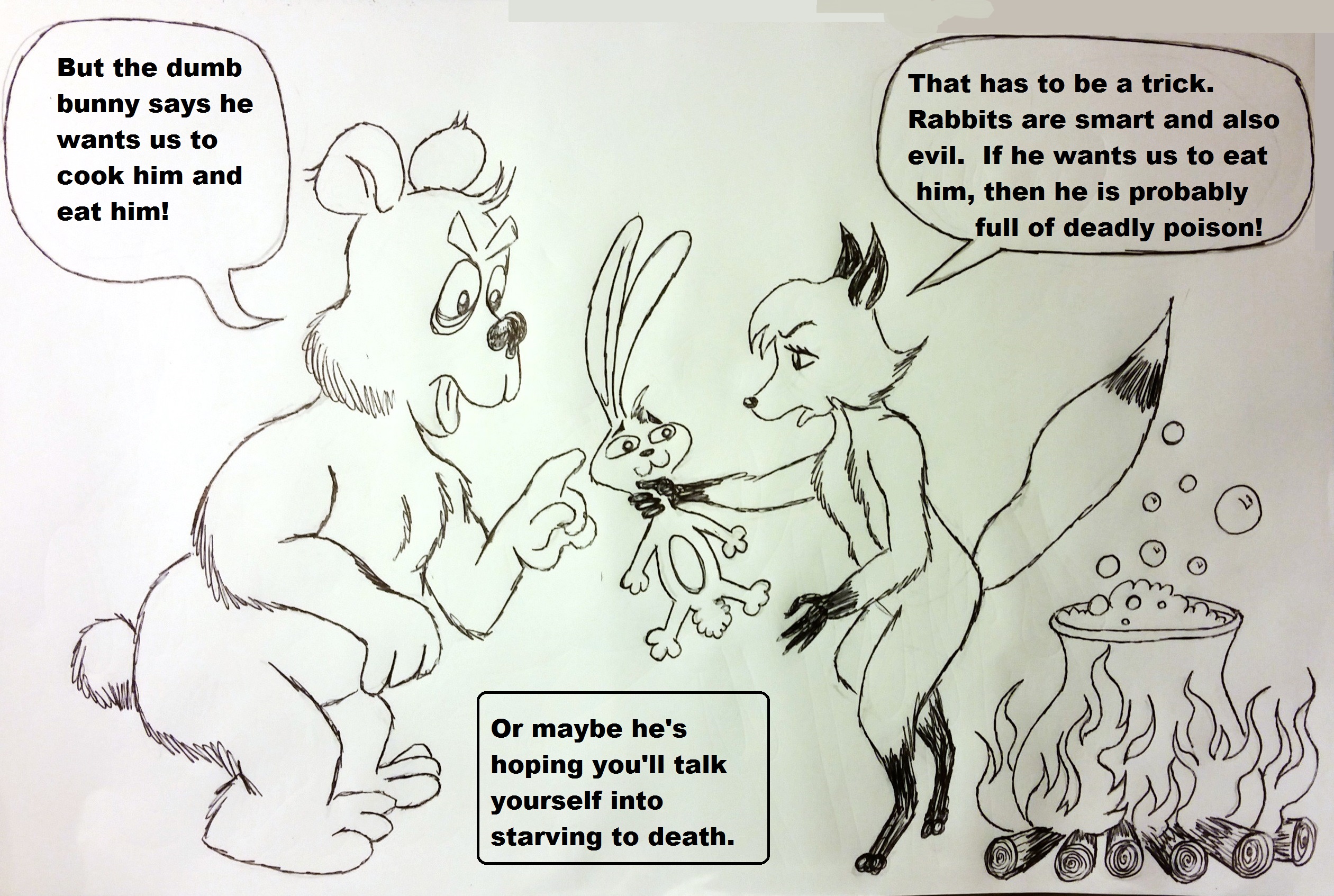
By the way, were you worried about the poor bunny in that first cartoon getting eaten by the fox and the bear? Well, maybe this point from that conversation can put your mind at ease.
Mickey is tricky and gets good mileage out of his cartoons.
You may have gotten the idea that I like Bobby McFerrin by this point in my post. It is true. Pure genius and raw creative talent fascinate me. Is that the end point of my journey to an answer about what the heck this blog is about? Perhaps. As good an answer as any. But I think the question is still open for debate. It is the journey from thought through many thoughts to theme that make it all fun. And I don’t anticipate that journey actually ending anytime soon.
I have always contended that I don’t have writer’s block. But some days, especially if I am not feeling well, I have writer’s lethargy. I can be slow to come up with the next thing. Writing can become bogged down and I am easily distracted or lose focus and have to return to what I was trying to do previously.
There is evidence that I have often had that kind of problem frequently on this blog. One thing I do to overcome writer’s lethargy is suddenly start thinking about how you can overcome writer’s block. What are the strategies that help me overcome it?
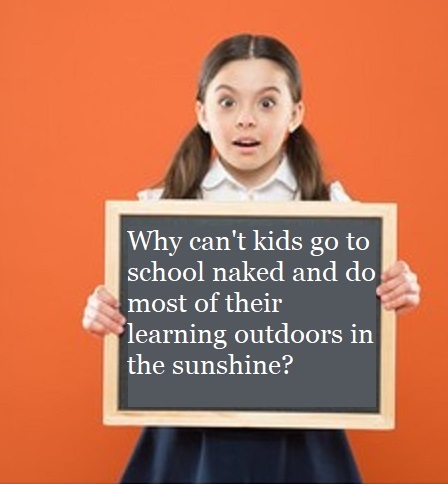
I often resort to “kickstart statements.” These are surprising or deep-left-field items that give the old brain a shot of adrenaline. The picture of the girl with the message blackboard is that kind of kickstarter. I never could have used that thing in any kind of social-media post when I was still employed as a teacher. It has the potential to generate parent complaints and administrative thoughts about evaluations and contract cancellations. But there really are kids who have thoughts like that in your classroom, and I know because not only was I a kid like that myself, I used it as an optional journal topic for writing practice, and, boy! do they ever catch fire when they can write about something like that and they know only the teacher is ever going to read it. It is the way I learned how many of my students had ever been to a nude beach in Corpus Christi or Lake Travis (Hippy Hollow.)
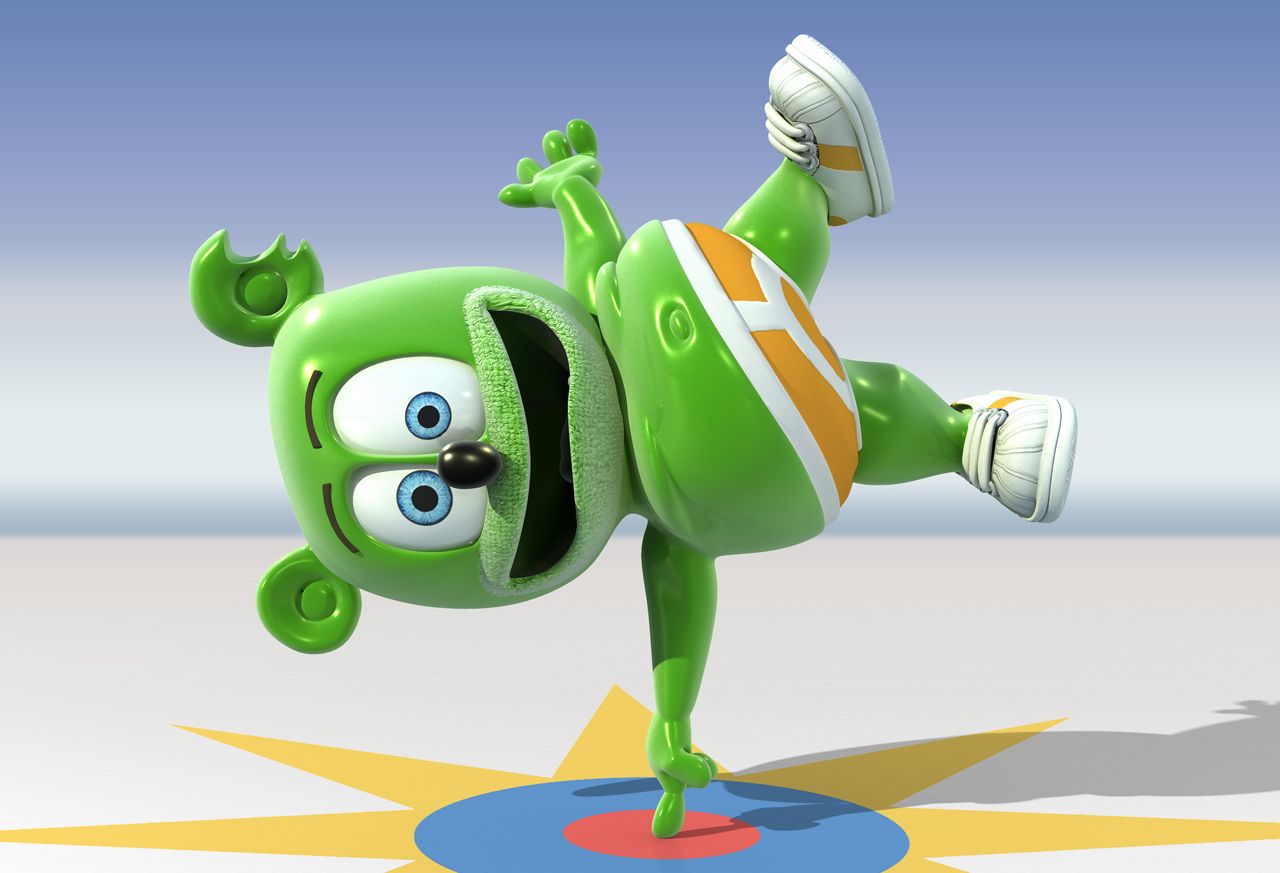
I can also look around the room, or scroll through my media library on WordPress and find an image or an item that generates ideas, responses, and even stories. I scrolled through to find this image of the Gummi Bear, who was a brief internet sensation on YouTube a few years ago coming from German CGI cartoons that illustrated earworm music with dancing green gummy bears. There’s a lot a goofy writer like me can run away with inspired by a nonsense thing like that.
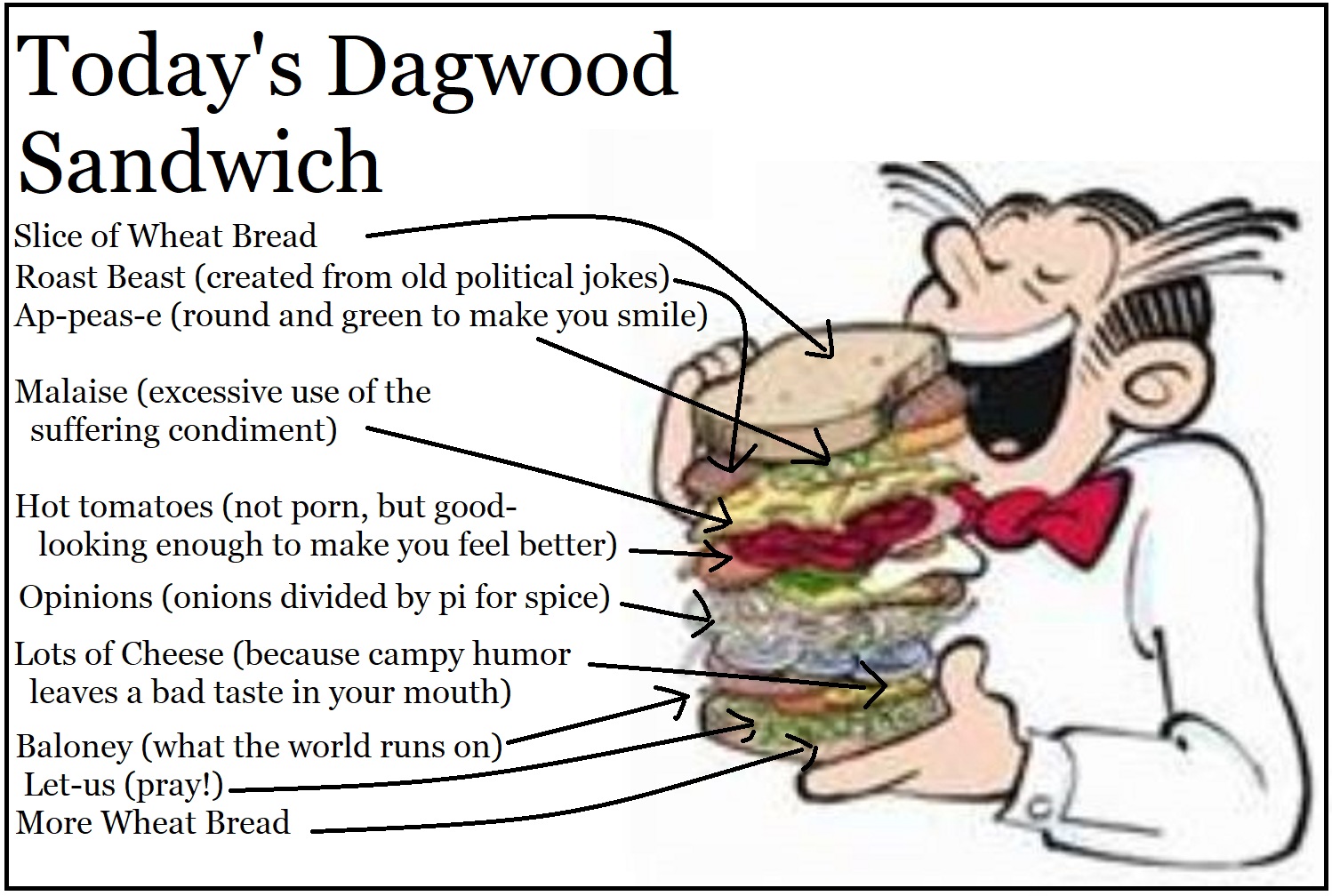
It is also possible to generate new ideas by deconstructing a metaphor in as humorous and convoluted a way as possible. This word-food thing is the result of writer’s lethargy of a while back.
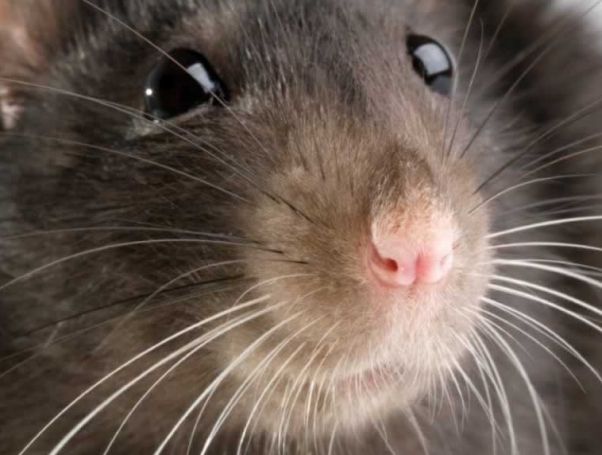
Of course, there is always the ranting factor. This, I think, is a go-to method used by stand-up comedians. They will pick something that is deeply bugging them, like the rats that inhabit my attic and walls during a winter that hasn’t yet completely gone. And they start listing all the ways they can make funny stories about the time the rat appeared on the bathroom floor tiles while my daughter was on the toilet, or the time the dog killed a rat that was in the trap already, but not dead enough not to bite back with the dog’s nose conveniently within the reach of rat teeth. And then they can rant onward about how disgusting rats are. And how can anyone look at a rat face and think they are cute? You look at that evil, beady-eyed face and you don’t think Mickey Mouse, you think plague, disease, the Black Death, and how much the Bank of America lawyer who sued you looks just like that.
So, you can see that generating ideas is easy. And you can write something interesting even on days when you can’t think of anything … quickly. When you have, not writer’s block, but writer’s lethargy.
Concluding this meandering ridiculous rant about how you distill the meaning of your books into themes is no small task. My limiting goal was to identify one main theme for each of my books. It has to be limited because every well-written book has multiple themes of varying complexity and scope.
And then when you tie everything together as I have done with my Hometown Novels, there are themes that cross the borders from one book into the next. This essay will sum up by telling about the books I have written beyond the borders of my Hometown books.
The Wizard in his Keep
This book is unique in dozens of ways. It is an orphan-journey through a virtual-reality video game that you can actually live inside because of the full-body interface suits that get you into the game. It is science fiction because of the virtual-reality technology, but the competition within the game is set in a fantasy kingdom running on magic and super powers. And the plot is a parallel of Charles Dickens’s The Old Curiosity Shop.
This book is the conclusion to several character arcs that begin with the Hometown Novels’ very first book, Superchicken. One character’s life ends in death, but on his own terms. Another character finds the answers to his missing sister and the family she kept secret from him. And the orphans find a loving family that they never knew existed. So, one big theme is that; “You make your own happy endings by hard work, risk, and perseverance, not by magic or luck” But this is an overarching theme that covers more than one story in more than two or three other books.
The book also holds true to several other things that are true about my stories. It is a comedy with at least one character dying sometime before the story ends. It is surrealism, giving a rational grounding in realism to some rather fantastic things. And the characters who find success are empathetic types who realize that loving others is more important than loving ourselves.
A Field Guide to Fauns
An important facet of my novel-writing experience has come about through the general audience reception of my works. Specifically, nudists and naturists were attracted to my books through the nudist characters in my book Recipes for Gingerbread Children.
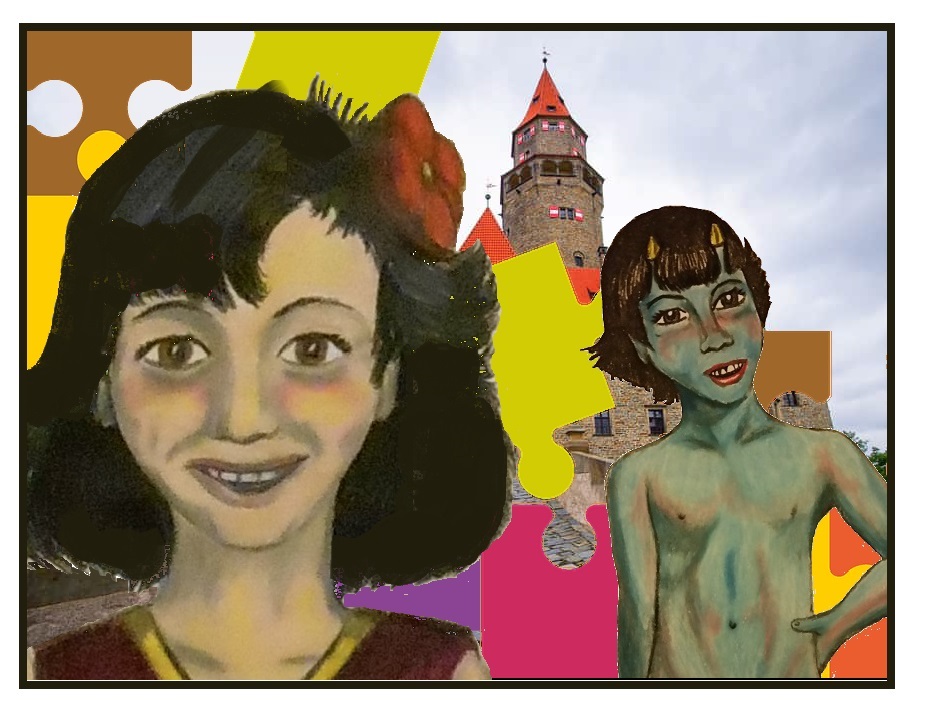
That is the reason this book, A Field Guide to Fauns even exists. I wrote it specifically for an audience of nudists, naturists, and people like me who have always been fascinated by nudism and were simply afraid to actually try it until we grew old, mature, and goofy enough not to care what other people think about me being a naked old man..
The book is about a boy named Devon who goes from a traumatic event that took him out of his divorced mother’s home and put him in his father’s house. But his father is remarried to a woman with twin daughters who are dedicated nudists, and live in a residence that is located in a South Texas nudist park. He has to recover from his trauma by becoming a nudist living a naked life himself. The theme is, “You can overcome childhood trauma if only you are open to being nakedly honest about yourself… especially being nakedly honest with yourself.”
Stardusters and Space Lizards
This story is one of the sequel messes written to go with Catch a Falling Star. It follows the alien characters and three of the human characters from that book out into the stars. It is basically an allegory for the climate-change crisis we face here on planet Earth. Besides the fact that this book offers the idea that inventive children can solve world-wide problems, and Texas politicians can be translated into lizard-people monsters who are actually to blame for everything, the theme of this book is really, “To solve ecological problems on a world-wide scale, we must first acknowledge that those problems are not caused by lack of understanding, but by the disregard for life that people have when they are motivated by personal gain, power, and reputation.”
Laughing Blue
This book is even harder to give a main theme to since it is a book of essays. Every entry, every single essay, has it’s own unique theme, ideally expressed in a topic sentence that states the theme.
But it is not impossible to find an over-arching theme. It is filled with short vignettes and stories about my childhood, my life as a teacher, my cartoons and bizarre sense of humor, my philosophical musings, and complaints about the things that have hurt me. It is largely autobiographical. And the main theme is basically, “When life gives you lemons, make a lemony joke of some sort because laughing is much better than crying and a better thing to do when you’re blue.”
I know, I know… purple paisley prose.
I am well aware that I have not put a theme to every single book I have written. But I think I have, in the course of 6 essays, done a fair job of puzzling together and proving my point that a novel, or even other kinds of books, need a coherent main theme, and the author should, hopefully, know what those themes are. So, the essay ends here. Mostly because I am old and cranky and tired of repeating myself endlessly.
The Central Timeline of my Hometown Novels picks up again in 1988-1990
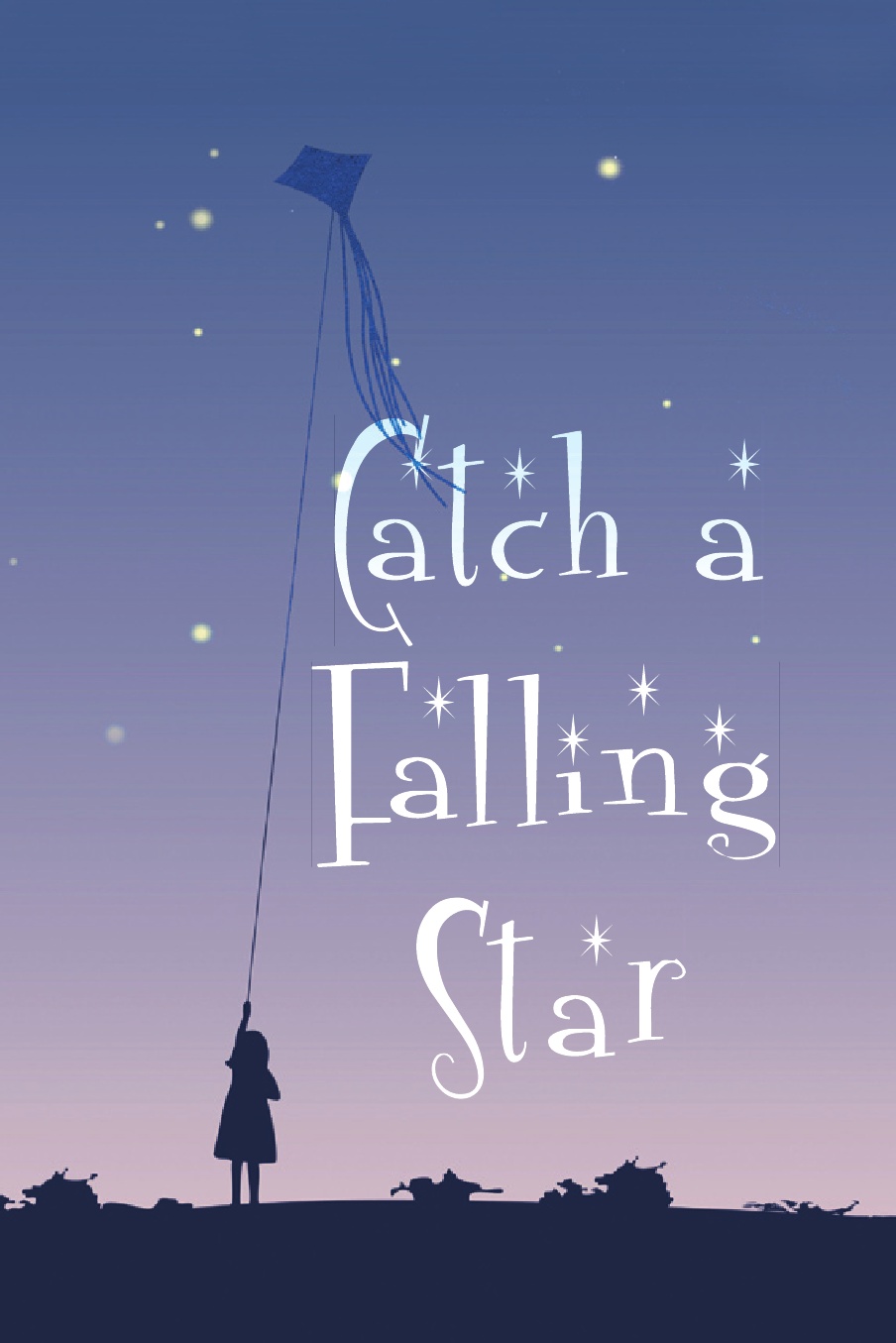
My first good published novel, Catch a Falling Star, was published in 2013 by I-Universe, an imprint belonging to Penguin Books of Random House Publishing. This is one of those special imprints where the author is expected to hire the editors, proofreaders, and marketing experts out of their own pockets and, essentially, pay to publish. I had to have my manuscript read and approved. This was serious publishing, and my book did win a Publisher’s Choice Award and a Rising Star Award. But I had to pay for everything and the publisher insisted on pricing the book out of competitiveness. The book has earned me $16.00 so far that I am aware of in spite of about $3,000.00 invested in making it salable. So, the theme of this book should be, “Traditional publishers screw beginning authors out of money as gleefully as any publication scam does.” Of course, they would never do that to Stephen King or J.K. Rowling. But I am definitely not them. All the books I wrote and talked about in Parts 1, 2, & 3 (except for Superchicken) were completed after this book.
Catch a Falling Star
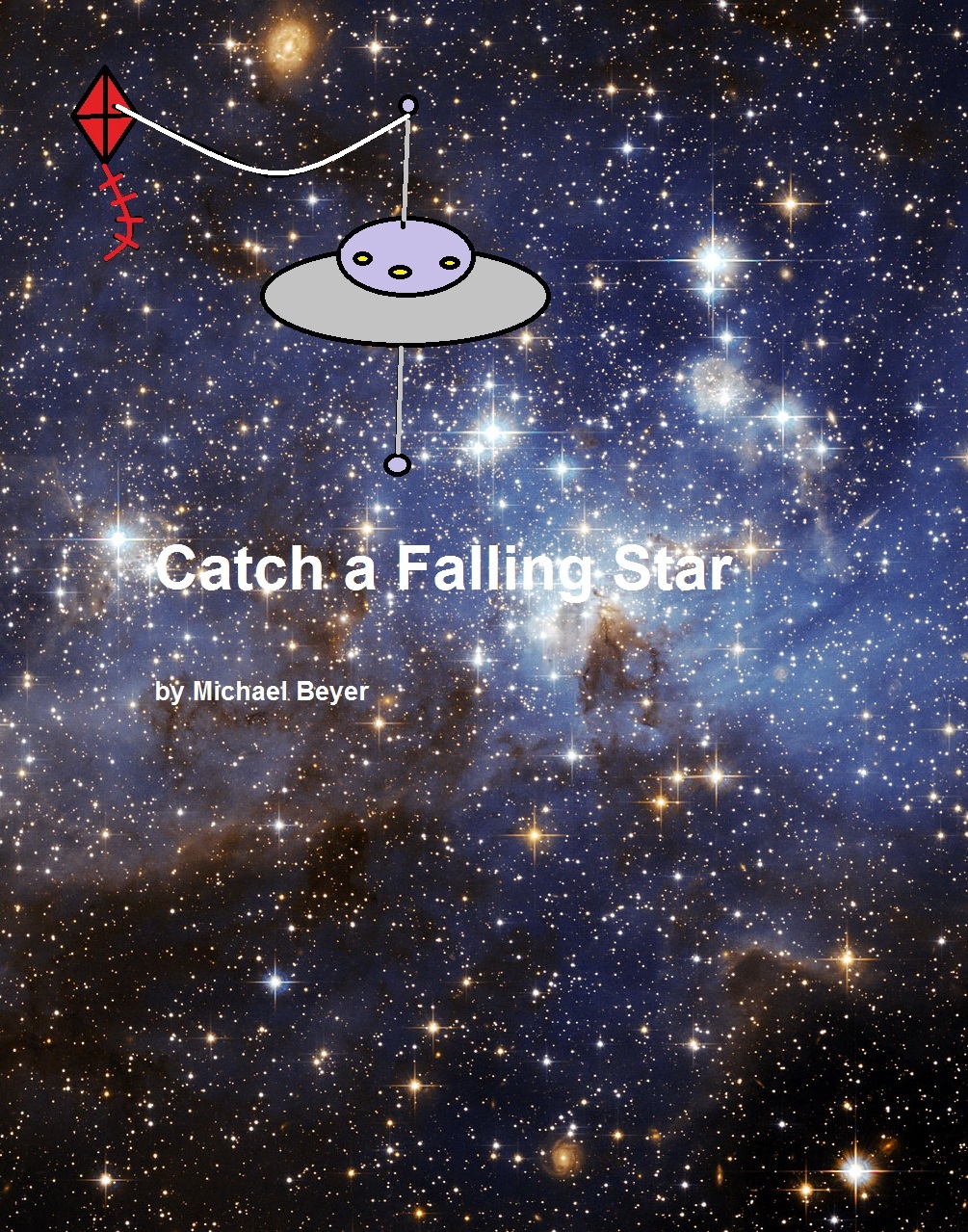
This is the cover idea I submitted for Catch a Falling Star, but it was, of course, rejected.
So, the main theme of this book is not about publishing and being cheated. It is about my small home town in Iowa being invaded by invisible aliens from outer space. But they are totally incompetent aliens who have in-bred almost all the intelligence out of their generational mother-ship, eat their own children to maintain their population, and have totally given up love, creativity, and empathy because of an over-reliance on their stolen technology. They are also descended from frog-like amphibians.
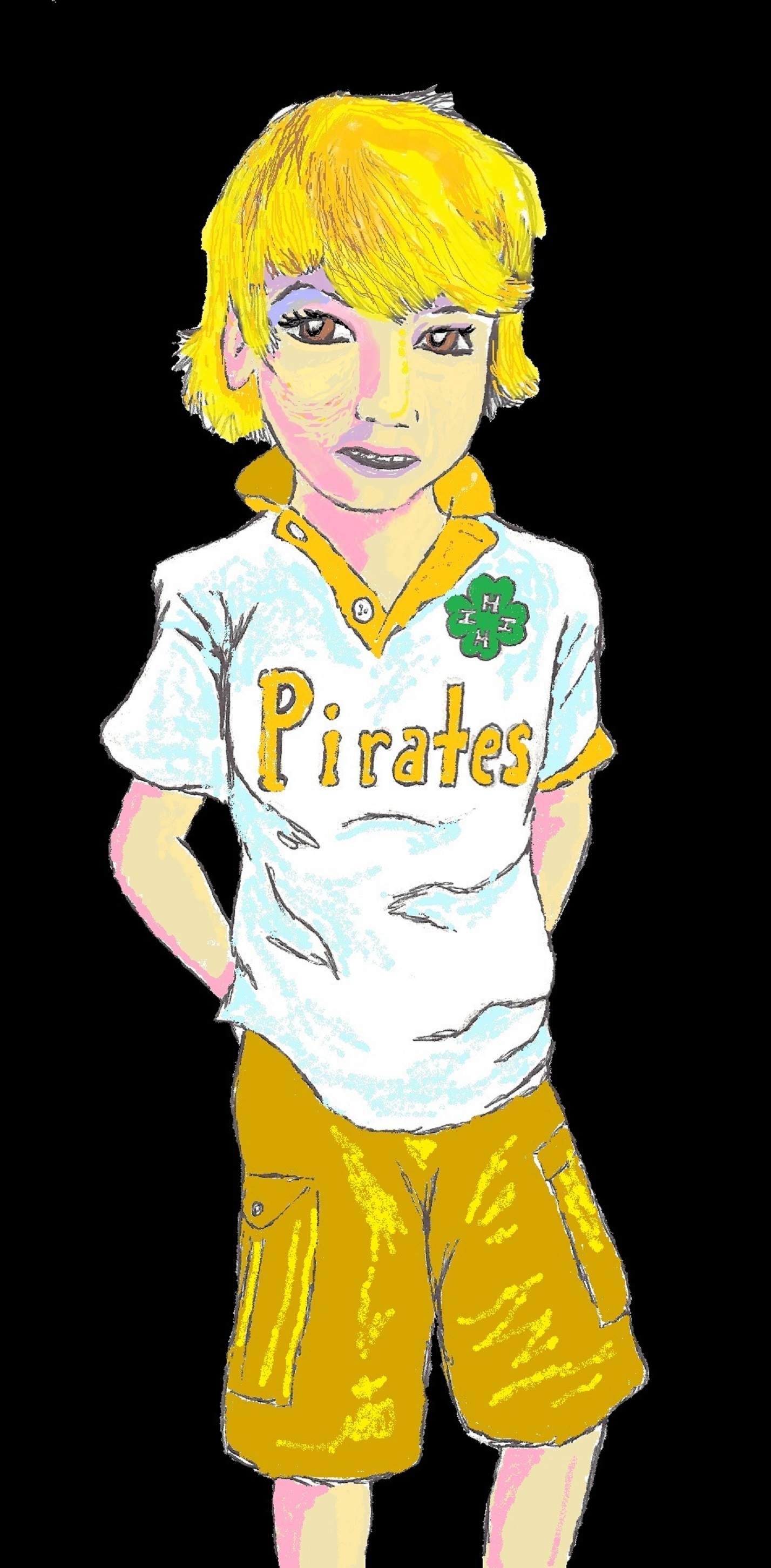
The aliens make a critical mistake in their sinister plan. They kidnap a young specimen to study for weakness, a member of the Norwall Pirates named Dorin Dobbs. And they accidentally lose one of their own tadpoles on Earth where he is adopted by a childless couple.
As each side learns about the other, the invasion is doomed and the alien children rebel against becoming dinner. The theme of this book is something like, “If only you get to know me, you cannot overcome me by force, especially not if you learn to love me.”
The Bicycle-Wheel Genius
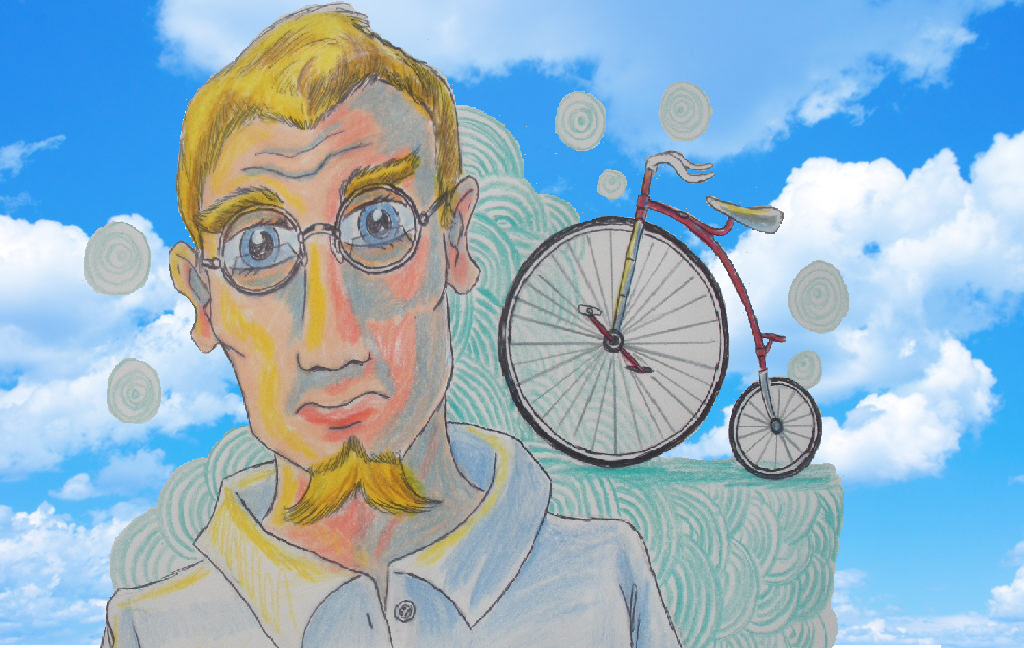
The second novel of the 90’s is this one, which I call a prequel/equal/sequel because it begins prior to Catch a Falling Star, includes untold events during the previous book, as well as retold events from a different point of view, and subsequent events that occur after the alien invasion goes away leaving an invisible starship behind. It involves an inventor who lost his wife and son in a fire caused by his experiment, making him now suspicious of electronics and only willing to invent new ways to use bicycle parts. And this sad inventor/scientist has moved in next door to Tim Kellogg, leader of the Norwall Pirates. Tim has had his best friend and key partner in crime move away. And he needs a new best friend. So, you can probably guess what Tim has in mind.
You can probably see already that this book is going to have a Toy-Story-sort of theme, “Everybody needs a good friend to make their way through life.” (And if you don’t have one, you can always make one. But not out of bicycle wheels. This is another example of a long-winded parenthetic aside.)
Magical Miss Morgan
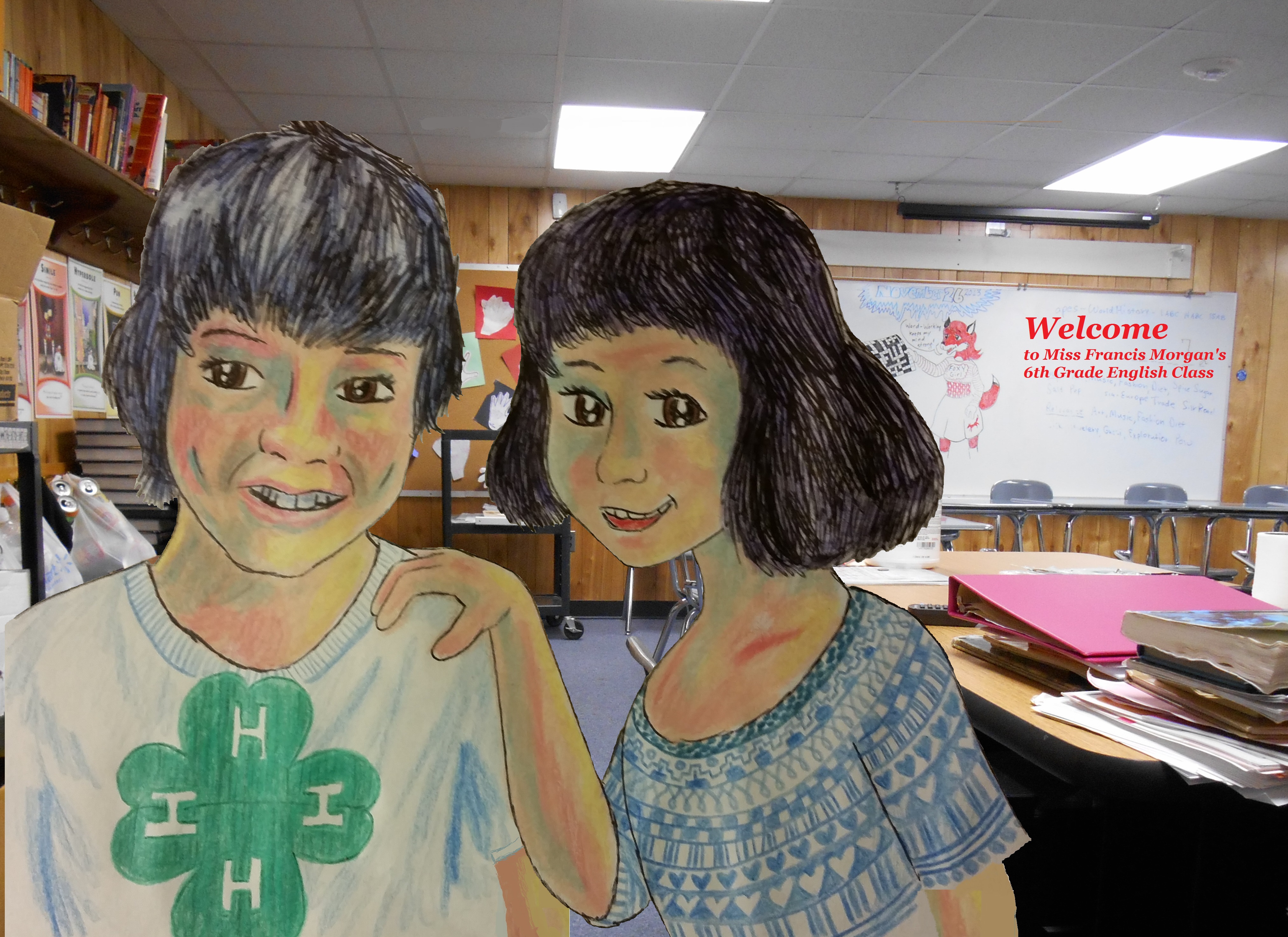
This is my teacher-story. Of course, Miss Morgan is not really me. I am not a woman. She is based on a gifted teacher I knew and worked with named Enedina Mendiola who gave her whole life to teaching, was naturally gifted with the power to teach kids and make them love her, and who died shortly after she was forced to retire from teaching for health reasons. She was an incredible human being, and I miss her mightily. But Miss Morgan teaches my subject, Language Arts, rather than the Science that Mother Mendiola taught.
The story is about how a gifted teacher with her own way of doing things deals with the ups and downs of the classroom, difficult students, even more difficult parents, and nearly impossible administrators. She goes through a tough period where she proves that good teaching is a subversive act. The theme is simple, “A good teacher has her own set of golden rules, and to be successful, she must continue to apply them consistently. Even if she has to give up teaching to do it.”
Given enough time, there are two more titles in this series of 90’s stories that I hope to write. Kingdoms Under the Earth and Music in the Forest.
So, now I have some good news and some bad news. The good news is I have more things to teach you about my struggle with themes. The bad news is… that means there will be a Part 5 to this essay.
There are a number of factors that work against me as an author of mostly Young Adult fiction. That can impact acceptable themes in a big way. First of all, I have been inundated with criticisms about portraying nude people and kids who are talking about both nudity and sex.
I suppose this comes about for two main reasons.
Number one, I portray real people I knew during my career as a school teacher. They are portrayed in a way that if they personally read my stories, they will never recognize themselves. I am careful about naming characters, describing characters physically, and portraying real events as they actually happened. All of those things are fictionalized and made unrecognizable through imagination’s magnifying glass.
But the emotional plots, character thoughts, and basic motivations behind real events are accurate assessments of things I was told, things I witnessed, the highs and lows that people really go through, and the discussions I have had about what people, and especially kids, really think about.
Some of the people who read and comment on and even review my books are taken aback at what I am saying kids actually think about and want to act upon. They are comparing kids to an unrealistic, idealized picture of what they believe kids should be. And they don’t want to accept them as they really are.
I write books for the twelve-year-old me.
The Young Adult category of books is written not for children, as many of my critics would have it, but for YOUNG ADULTS. I foolishly believe, then, that I am talking to an audience of teens and preteens who desperately want to read stories about people just like them, confused about the adults they are swiftly turning into. And not all the issues and secrets and desires they are contending with daily are simple, cute, and funny.
I myself was dealing with being a sexual assault victim when I was twelve, not having at that point been taught where babies actually come from, or accurately being told what sex factually was. Misinformation I had in abundance. And everything was colored by a self-hatred that made me burn myself on the heating grate every time I had any sort of sexual urges that I didn’t understand and believed would send me directly to Hell.
Nudity and Naturism are Natural to me
So, as a bookish boy, I really wanted to have a book, or even multiple books that spoke to me about the things that I feared and fed my manic-depressive behaviors.
My life was literally saved by the Methodist minister who was also the father of my best friend when I was twelve. He was the one that presented the facts of life to me and the members of my class who were between the ages of eleven and thirteen. He explained the facts about what sex was, how it worked, and how it could be a good and loving thing. And most importantly, he answered my question about whether thinking about sex would send you to Hell. Midwestern Methodists in the 1960’s were progressive about teaching kids the truth about sex.
I feel now an obligation to treat the subject the same way when it comes up as a theme in some of my stories.
Sex is a serious subject even for young teens.
I got a scathing review on Sing Sad Songs because, while talking about sex, young characters actually admitted to experimenting with sex. The reader was so offended she felt the need to tell everyone who reads Amazon reviews that I was practically a child pornographer. KDP scrutinized this and kinda punished me, lowering the number of stars given by reviewers on two different books, even though punishment is not what their policy indicates is appropriate. This, in spite of the fact that there was no graphic sex scene or concrete descriptions of sex acts in the text. I edited the offensive part out by changing a few words. But it was a thing that shouldn’t have been a thing. Other YA novels, even classic YA novels, do more explicit things than I talked about in the unedited version of the story. It was a prude having an overreaction. And I would’ve loved to have a story with what I wrote in it back when I was a child burning the skin on the back of my legs and lower back over the thought that having sexual thoughts made me a monster.
I am aware that in a book-banning climate currently, my books could be banned.
I am aware that having a transgender character and numerous nudist characters, including a book, A Field Guide to Fauns, set in a nudist park, opens me up to having my own stories become controversial and the subject of book-burning conversations. But this is a thing all authors have to deal with in any case. Popular authors, classic authors, hard-working mid-level authors and other mostly-ignored authors like me all deal with the same thing.
What I write about is not evil and not unprecedented. Others write about the same things I do, some of them better than me, some of them not.
Obviously I need to return to the Hometown Novel timeline to complete the 1990’s in Part 4 if this essay. So, you have been warned.
In Part 1 I set out to uncover the major theme of each of the books in my Hometown Series, the stories set in the imaginary version of my home town and filled with mixed-and-matched versions of the people I have known in my life. Unfortunately, I have been allowed to write and self-publish novels for long enough that I can’t do the entirety of that task in one go. So, last time was the analysis of the novels set in the 1970’s.
The Central Time-Line Picks Up Again in 1983.
Valerie Clarke is the most important character in the novels of the 1980’s. She is the combination of a girl who I grew up with and was in the same class at school with until we both graduated from high school in 1975, and a girl who was a favorite student of mine in the early 1990’s and impacted my classroom and my life during both the 7th and the 8th grades.
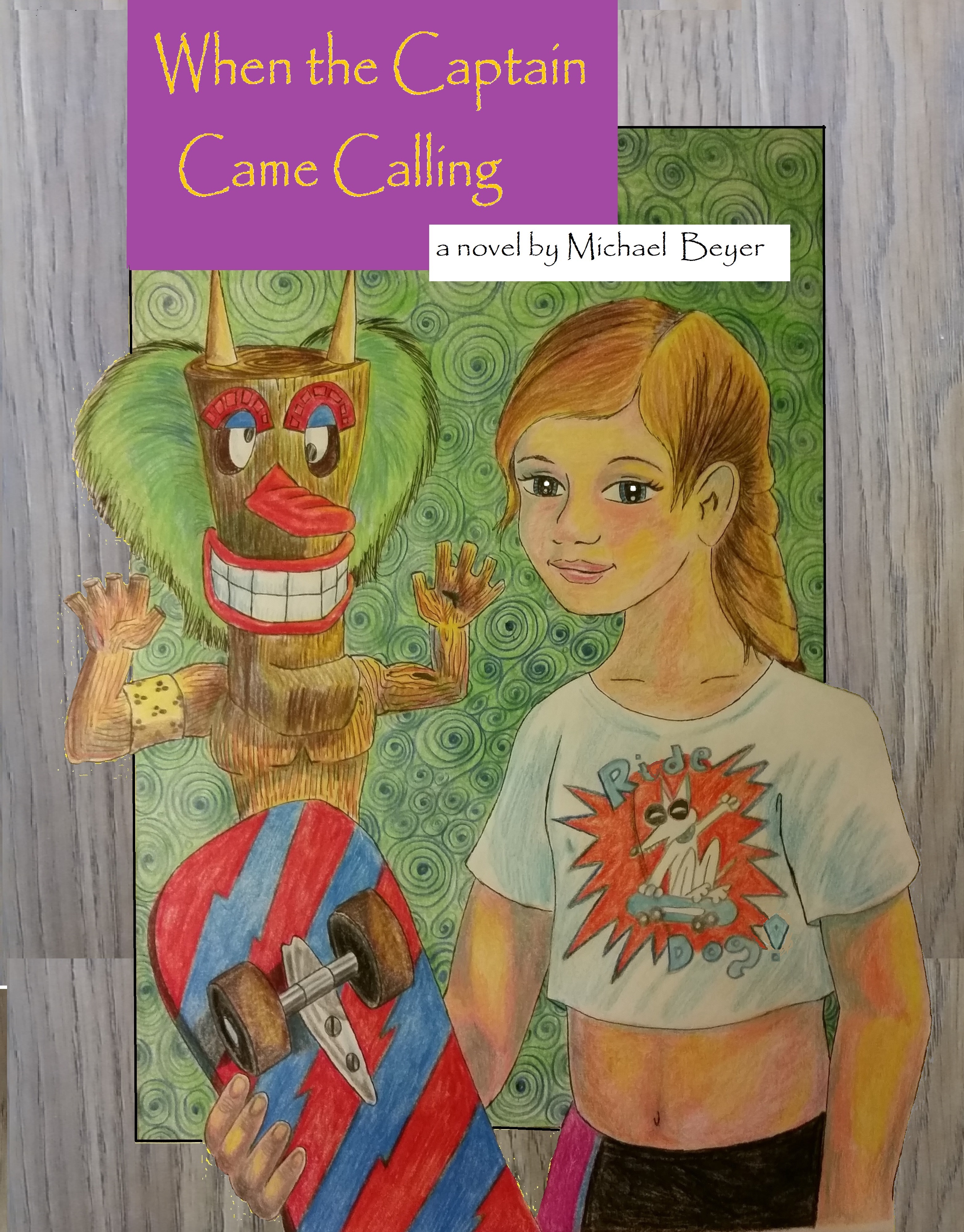
When the Captain Came Calling
The first book of these four novels is When the Captain Came Calling. Admittedly, this is not the best book I have ever written, and is closer to the worst. But it is necessary back-story for the books that come after. The story begins with the reformation of the Norwall Pirates (the original Pirates all having graduated from high school and gone their own ways) under the leadership of a strong-willed girl named Mary Philips, aided by her boyfriend and next-door neighbor. Valerie is recruited to be the second girl in the club full of boys. And then an old Norwall resident, Captain Noah Dettbarn, returns to Norwall after years of being a South Pacific captain of a merchant ship. But he is cursed with being invisible by an enraged voodoo priest whose daughter he fell in love with.
The theme of the book is how, “A band of friends can help each other overcome loss and trauma, even the invisible members of the group.” But it was a particularly difficult story to write because of the death by suicide of Valerie’s father, and the subsequent suicide of my cousin’s son during the writing of the novel.
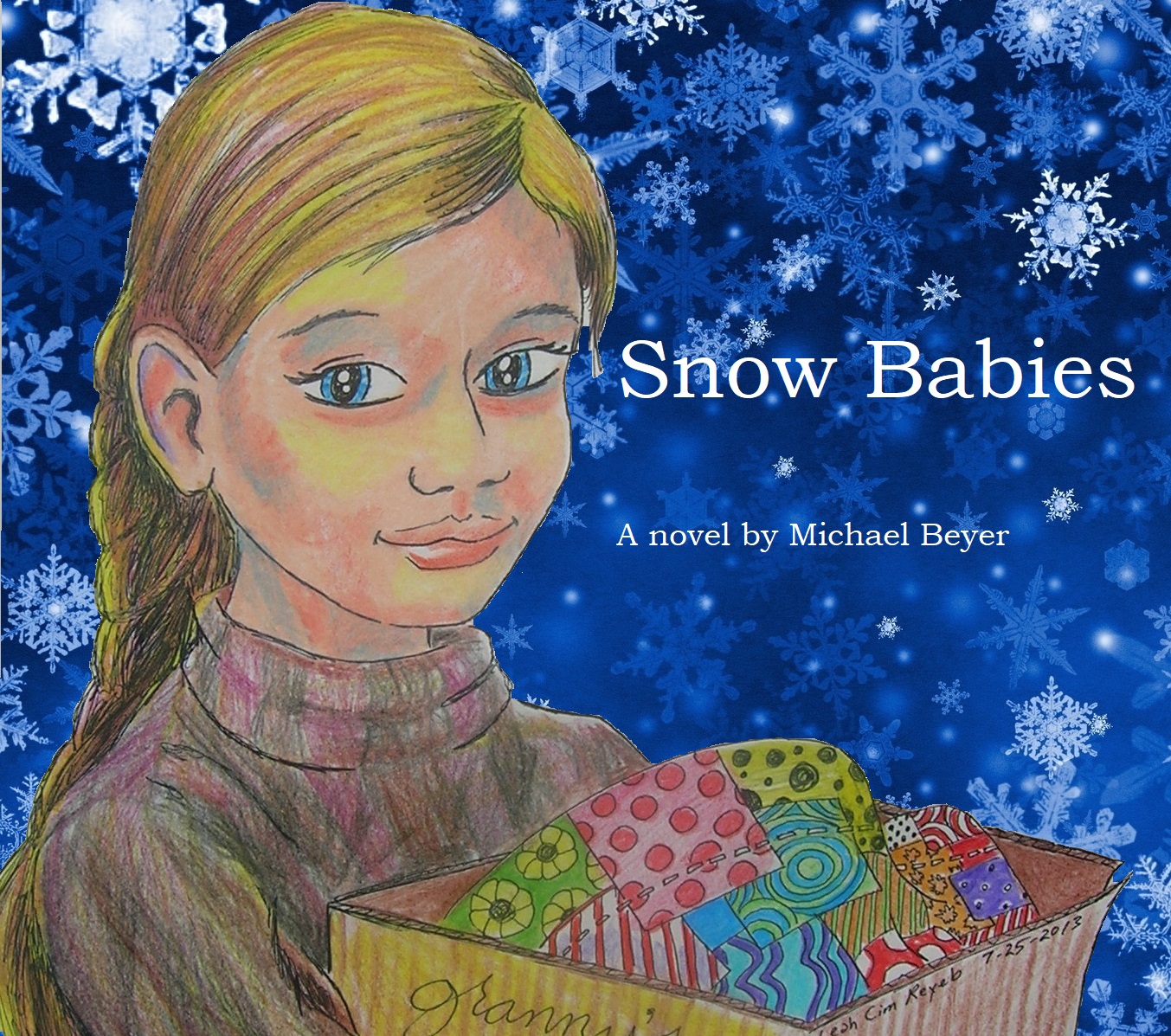
The second book of the 80’s series is the best book I have ever written. Snow Babies is the story of how a blizzard unexpectedly traps the entire town of Norwall under a blanket of snow, snow flurries, white-out winds, snow-drifts, and the threat of freezing to death. In this story, Valerie takes in a hobo who wears a coat of many colors made out of crazy-quilt patches. And he turns out to be a father figure for the fatherless girl, and a little bit of everything else the town needs him to be to survive the blizzard.
The actual theme of the story, one of many, is that, “In times of crisis, everyone needs to come together and find enough love for one another to make survival possible.” There are a large number of characters that come together to make this theme work; the Trailways bus driver, four runaway orphans on his bus, the deputy marshal who finds and rescues the stranded bus, the members of the Norwall Pirates, the bumbling owner/operator of the hardware store, the many members of the Murphy clan, the social worker who lost her job by pursuing the orphans, the school-bus driver, and many more.
Sing Sad Songs
If this book isn’t the second-best thing I have ever written, it is at least in the top five. It is also the book that makes me cry the hardest every time I reread it. It is an emotional roller-coaster ride.
The story is told by three narrators in equal parts. Vicar Martin is the owner of Martin Brothers’ Bar and Grill. His business is failing and his family (a sister, a brother, and a nephew) is dysfunctional. Billy Martin, 13, is his nephew. And Valerie Clarke is the friend of Billy who made him part of the Norwall Pirates.
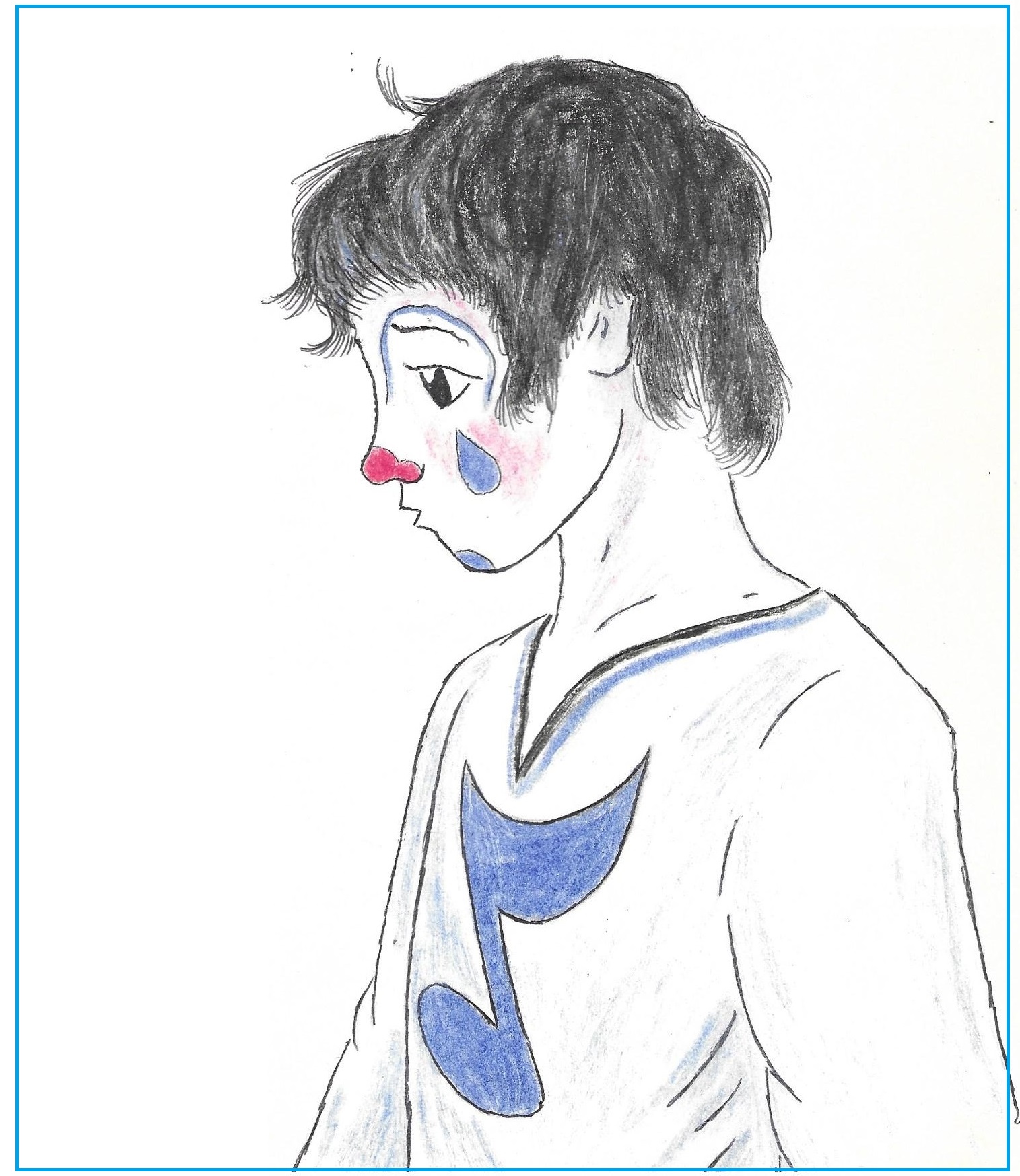
The main character is Francois Martin, the soul survivor of his family’s car accident in France. His father’s will sends him to live with his cousins, the Martins of Norwall, whom he has never met. Once brought to Iowa, he puts on sad-clown face paint and begins singing karaoke in Martins’ Bar. That, of course, is a surprising and unlooked-for success. Of course, there is a serial killer being hunted by the FBI. This story doesn’t have a happy ending.
But the theme is simple, “Love is the solution to most of life’s problems, and when you lose the ones you love, it is time to grieve and sing sad songs.”
Fools and Their Toys
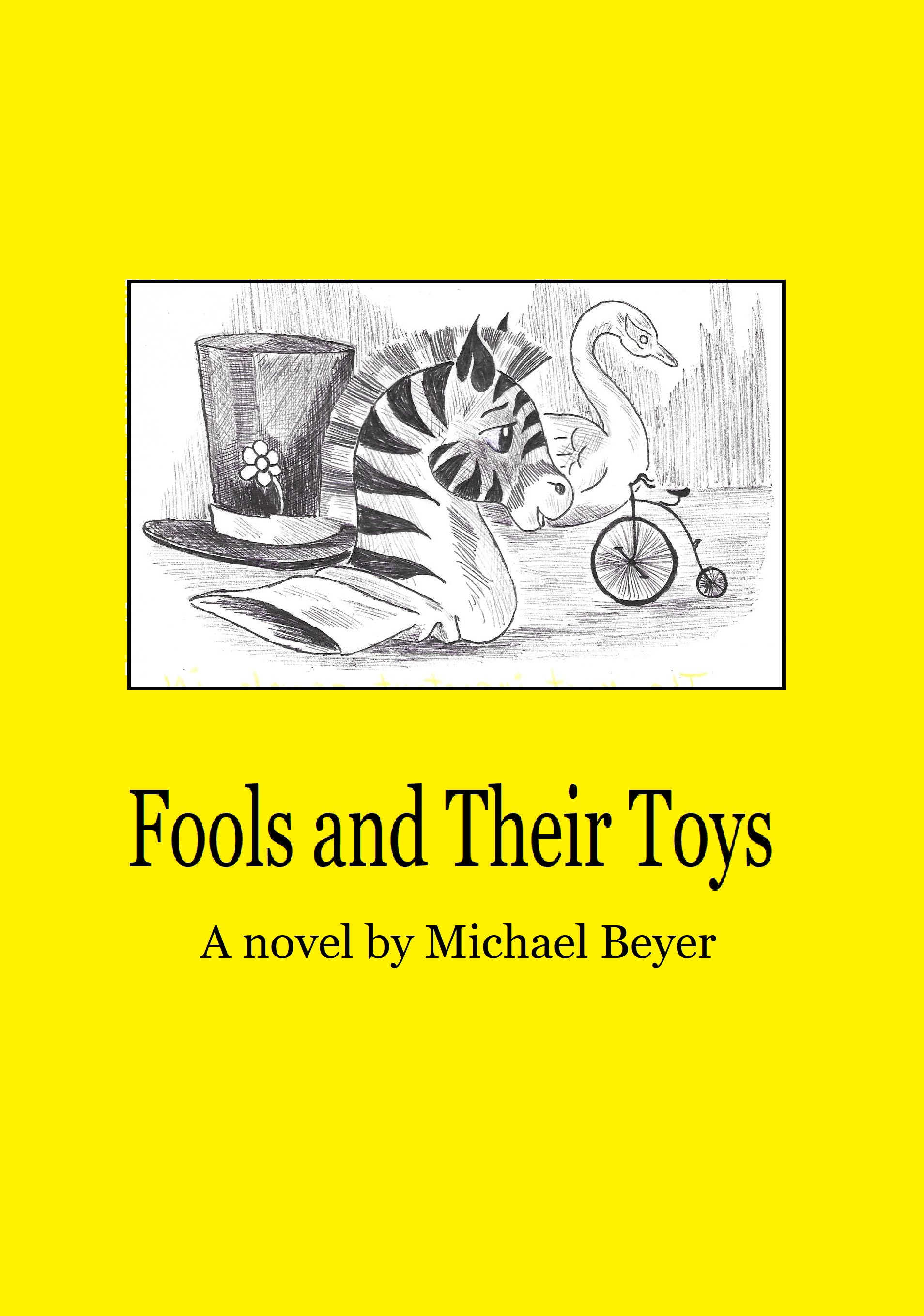
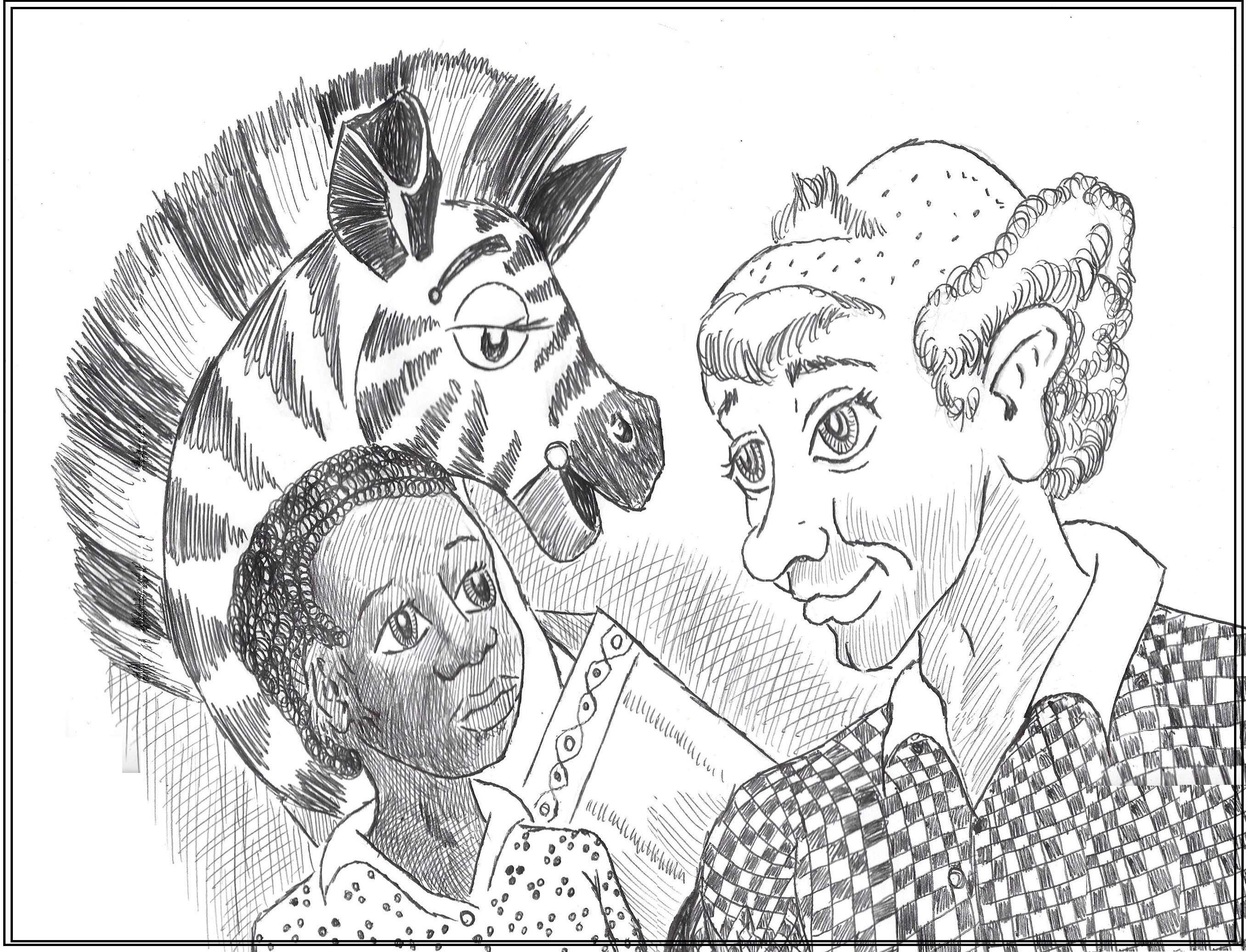
The follow-up to the book Sing Sad Songs is a story narrated by a ventriloquist’s puppet. The Teddy Bear Killer, murderer of young boys, has been caught. And yet, the wrong person is being held for trial in the case. And the only one who can reveal the truth is a talking zebra puppet who has gone missing.
This is the most complicated story I have written because the narrator is not only a ventriloquist’s puppet, but he is given voice by mumbling Murray Dawes. And Murray is in a place on the autism spectrum where he not only can’t talk without the puppet, but he can’t remember things in time order. And a further complication, he not only isn’t the real killer, he is a traumatized former victim who survived his encounter. And while the puppet is lost, he can only talk to his adopted brother, Terry Houston, who is deaf and communicates only in sign language.
The theme is, “Communicating with others is one of the most important things in life, but not everyone has equal gifts in this area.”
This book has been the least read and commented on of all my books. That is understandable. It is hard to read in more than one way. The story is not in time order. It is also about a sado-masochistic serial killer. It is the one book in this part of the series where Valerie does not appear.
He Rose on a Golden Wing
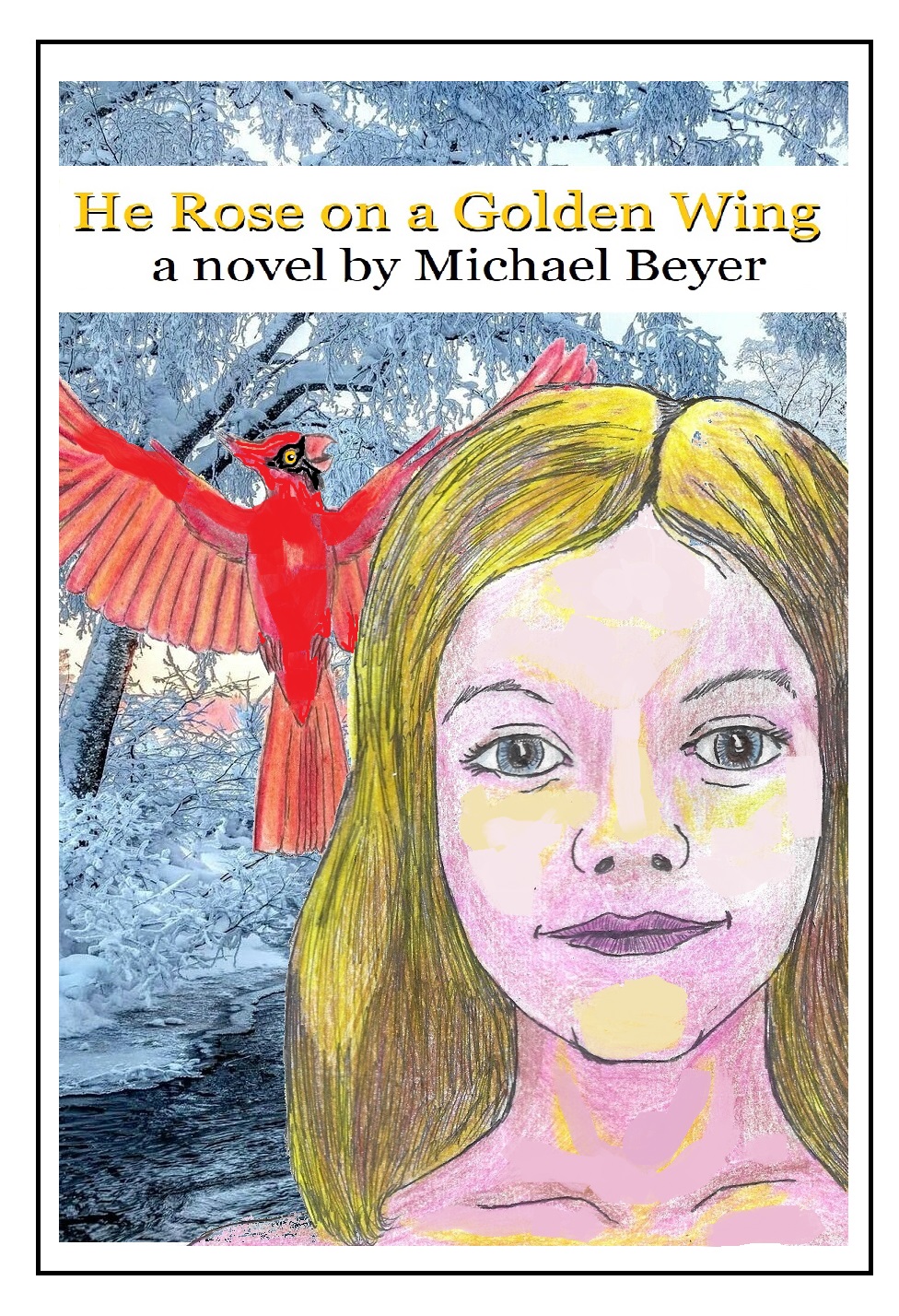
The intended last book in this part overlaps with the next part occurring in the 1990’s. I am writing it now. You can follow it chapter by chapter on Tuesdays. I reserve the right to explain its theme until I have actually gotten it down on paper.
You have probably realized by this point in the essay that there will be one more part to come (at the very least.)
As a reading teacher I often pounded on the theme, “If you read and truly understood a book, you should be able to make a relatively short statement of the broad general themes of the book in your own words.” This is not merely truth about proving to a skeptical teacher that you are not just holding a book for several class hours of sustained silent reading without absorbing anything, but is also a measure for the author of a book to see if he or she really had a purpose for writing the ding-dang thing.
So, I propose to do that very same sort of theme-searching test to prove that I actually know the reasons why I wrote such a time-consuming pile of purple paisley prose.
The Central Time-Line Starts in 1974
I decided to write the Hometown Stories back in college in 1977. At the time I didn’t truly understand the full scope and size of this project. But I knew I intended to write a series of interlocking stories about life in my hometown of Rowan, Iowa. I brainstormed a bunch of surrealistic fantasy stories that I could set in the fictional version of Rowan that I renamed Norwall. I peopled the stories with renamed and recombined real people from my family and my home town.
Superchicken
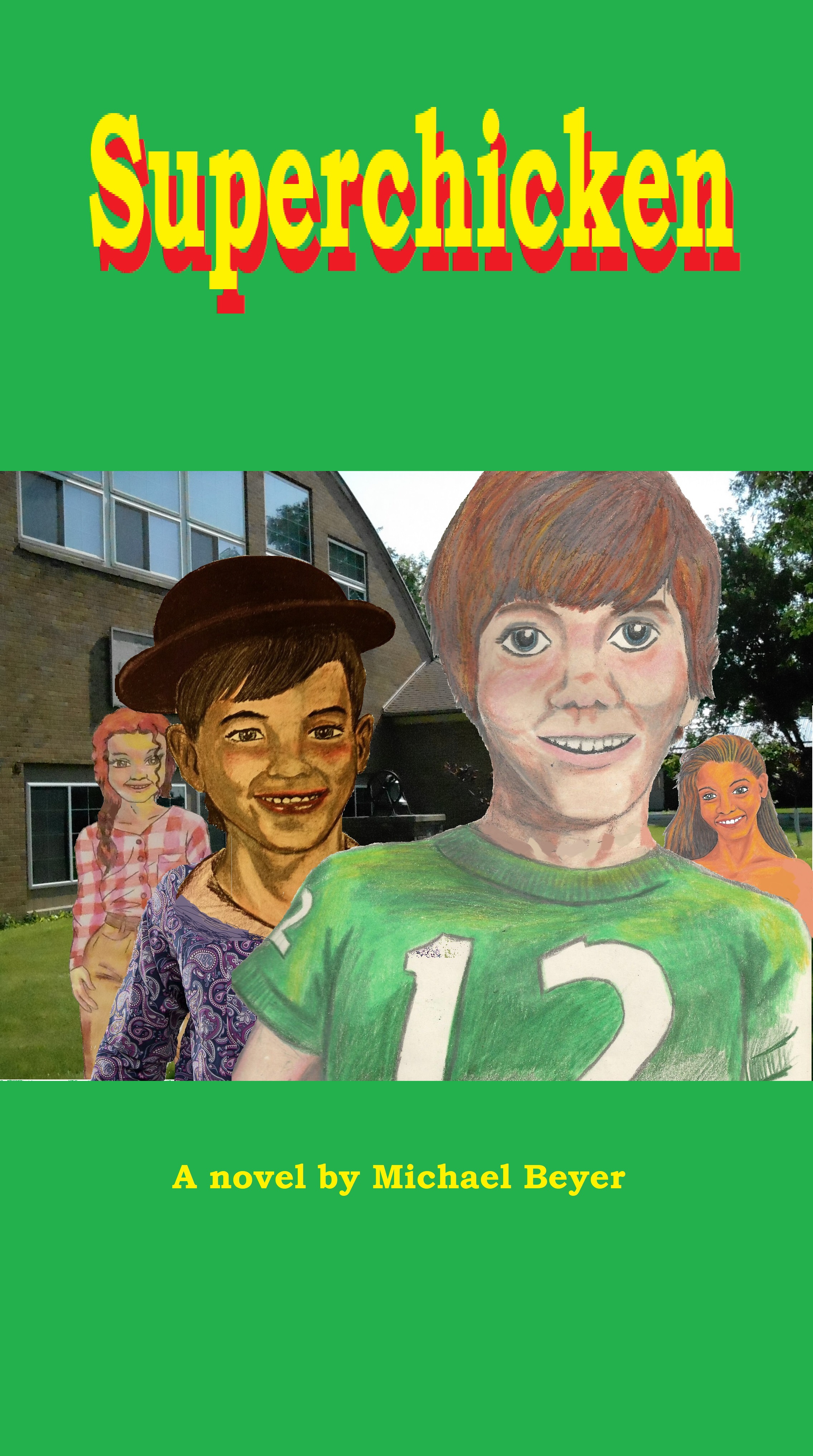
The first novel I wrote is Superchicken. Edward-Andrew, the main character, is an outsider. He is treated as such in a small town where everybody knows everybody, and are sometimes related to everybody. He encounters the newly-formed Norwall Pirates Liar’s Club. He is forced to perform an initiation task that is entirely embarrassing and inappropriate, involving wearing a dress and naked girls. But the theme is that you have to open yourself up completely to new experiences in order to make a place for yourself in a new community.
Recipes for Gingerbread Children
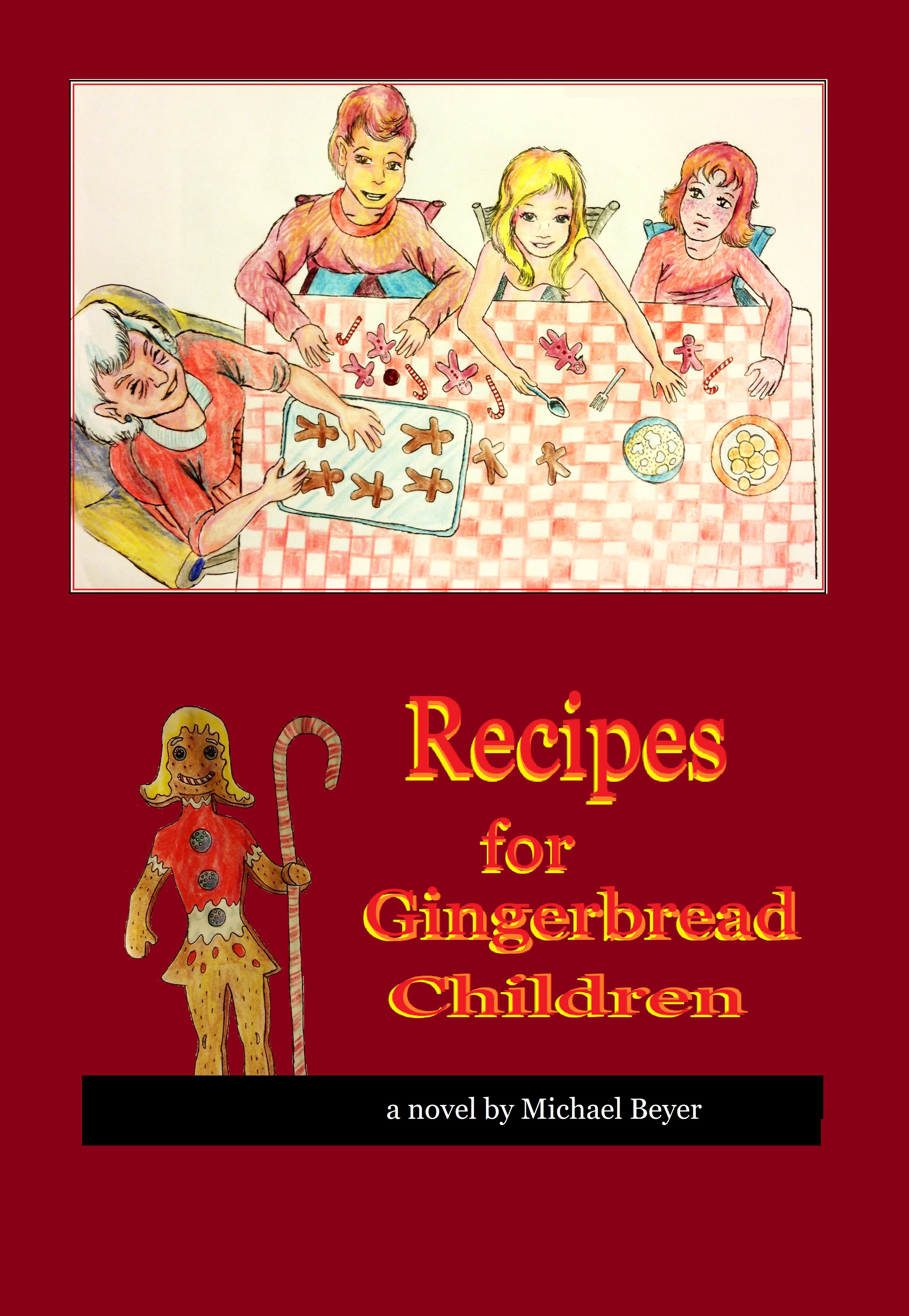
The second novel in the series is not the second one I wrote. Actually, I was writing two novels at once with many of the same characters in them. Recipes for Gingerbread Children is a companion story for The Baby Werewolf. They both happen at the same time, the Fall of 1974. Grandma Gretel Stein is an old German lady who has a magical way with the baking of gingerbread. She was also once a nudist in Germany after World War I. Because of that, she is befriended by the Cobble family who are also devoted to living life nude. The twin Cobble sisters lure their friends to Grandma Gretel’s “Gingerbread House.” There they learn of her bewitching ways of telling a good story.
The theme of this story is about telling stories. Gretel tells stories about good versus evil. And she knows something about that subject as she was married to a Jewish man and had a Jewish daughter in Germany during World War II.
The theme is that “No matter how badly life has harmed you and deprived you, you can eventually overcome it by taking control of it, telling your own story about it, and coming to terms with the truth of life as you have lived it.
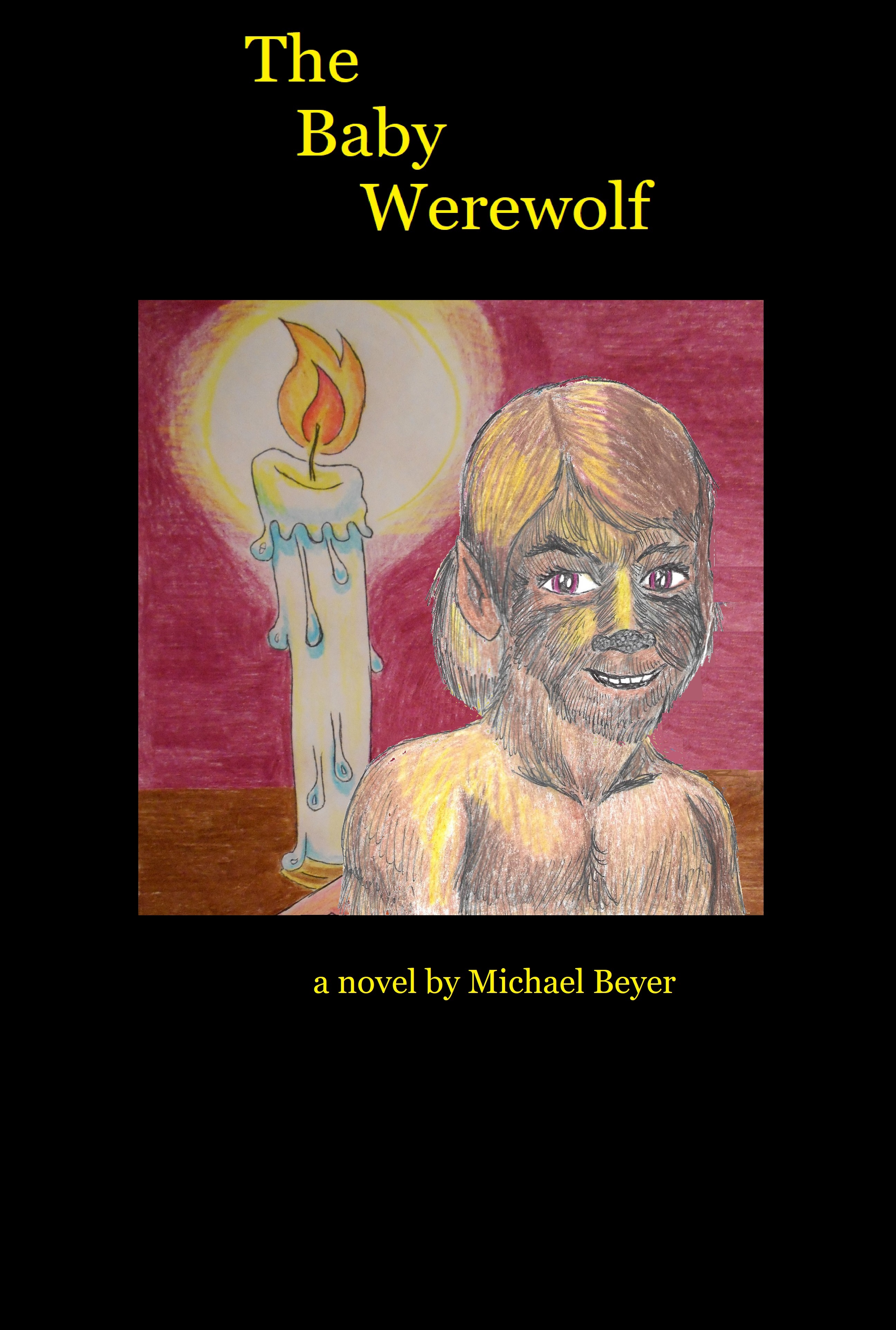
The Baby Werewolf
The children who visit Grandma Gretel for stories and cookies in Recipes for Gingerbread Children, Todd Niland, Sherry and Shelly Cobble, and Torrie Brownfield, become the main characters in the monster story that is The Baby Werewolf. Torrie is a boy born with hypertrichosis, the”werewolf-hair disease,” that makes him look like a monster to the people of Norwall. And to make matters worse, somebody is using vicious animals to murder people. The theme of this story is the question about , “What makes somebody a monster? And if you are a monster, how do you keep from acting monstrously?
The Boy… Forever
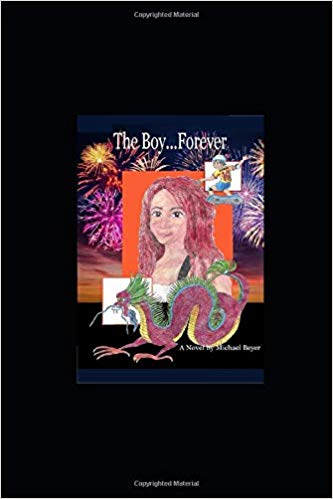
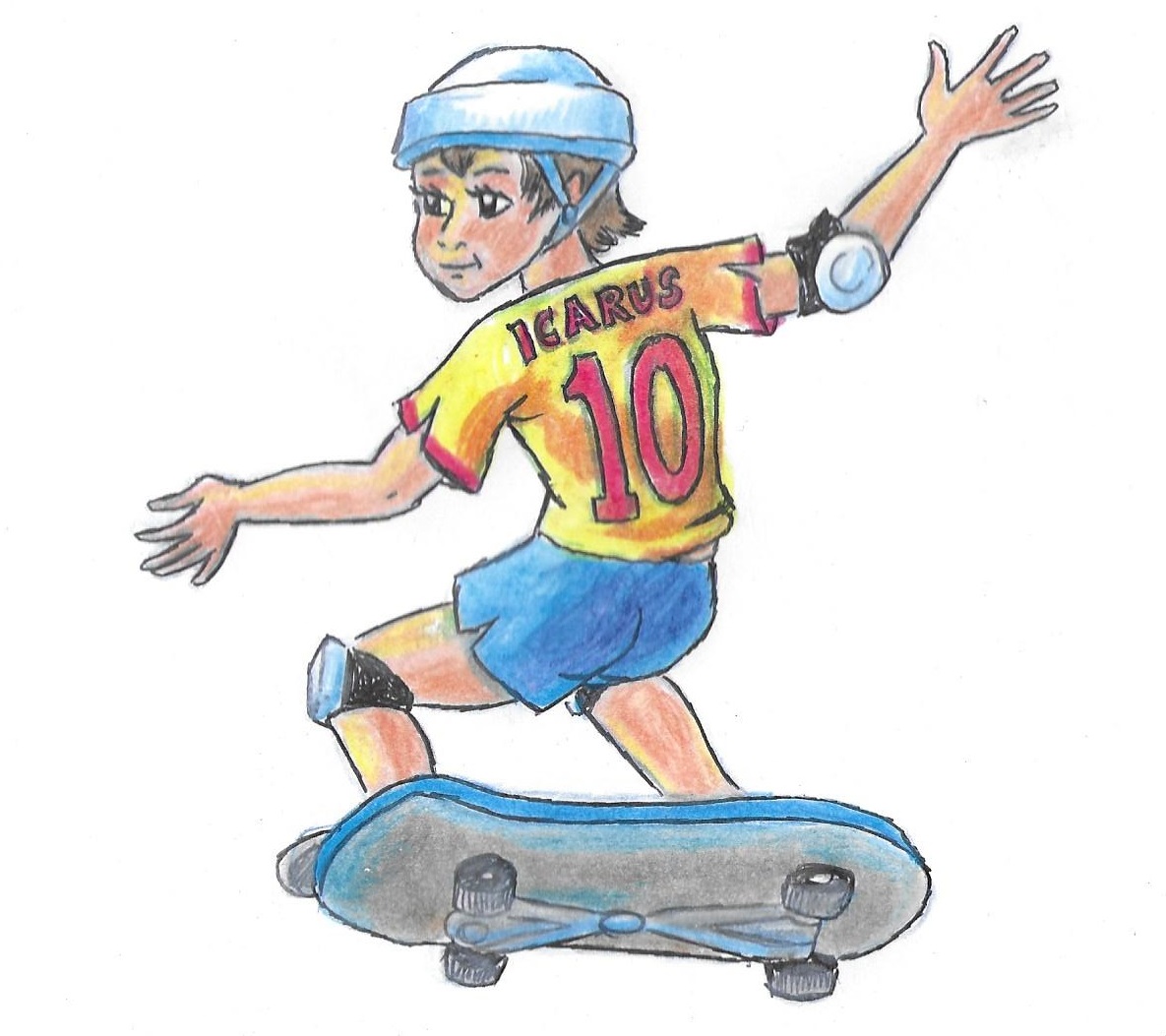
When the Norwall Pirates go to High School in the Fall of 1975, Anita Jones’s cousin Icarus comes to live with her family after a failed suicide attempt. It turns out that Icky is immortal. He cannot be killed and cannot die, unless it is done by the ancient Chinese wizard who claims to be a dragon, and his daughter Fiona.
The theme in this book about immortals and their affect on the daily lives of the Norwall Pirates is that, “The promise of living forever, when it becomes a reality, is more of a nightmare than it is a dream come true.”
The one possible book from the 1970’s that I haven’t written yet is tentatively titled Under Blue Glass. It is about the Norwall Pirates facing graduation from high school… or failing to graduate. And the consequences of success or… failure.
So, Part 2 will take the Norwall Pirates and the Hometown novels into the 1980’s. That is both a promise and a threat.
My current free-book promotion is doing better than any I have done before. And not only have I given away more free copies than ever before, it has already yielded one five-star review.
But you have to pour a little cold water on your head whenever you get too happy about being an author who has readers. It ain’t all bluebirds and sunshiny days.
The Pubby review exchange thingy is continuing to operate worse and worse. I am not subjecting the new book to any of that pain and squirrel poop. You break your head to read a book in only four days and write a review to earn the points you need to get your own books reviewed. And a lot of books on Pubby seeking review are written by… um, not really genius-level writers. They don’t know how to craft a scene with a beginning, middle, and end that fulfills an actual story-crafting purpose. You know, advancing the plot, building a character with depth and complexity, establishing a setting, or advancing a theme. Instead, they flood the page with adjectives and adverbs, excessive but irrelevant details, going around the scene telling you what eye color each character has, repeated cliches, and other dumb stuff. But it makes you feel mean and petty to point out in your review what specific dumb stuff made you give their work of not-really-genius only a three-star review.
And when you submit your own precious book potentially full of irritating dumb stuff, they don’t bother to actually read it before reviewing it. They write their review based on what other reviewers have said about it. And sometimes they give you a bad review because somebody else gave you a bad review with a dire dyspeptic rant about all your irritating dumb stuff. And they have no right to somebody else’s dire dyspeptic opinion if they didn’t read those things in your book for themselves to be certain the other viewer’s opinion is not based on something their dire and dyspeptic imagination saw in your story that wasn’t really there. And how do I know they didn’t read the book? Well, Pubby allows you with extra points charged to request a verified-purchase review. So, if their review isn’t labeled a verified purchase, they did not even have a copy of the book to write a review from. Pubby simply refunds the extra points you spent when the verified purchase label is not present.
Honestly, the only thing you know about the people who read your books are what comes through feedback. And you get remarkably little of that. The most important part of that is when somebody you know in real life reads your book, liked it, and tells you so. Sometimes readers will connect with your book in a way that makes them want to write a detailed review and implore others to read and like your book too. I have had a handful of those along the way, whether from aspiring fellow authors who know what the things are that you have actually done well, Twitter nudists who are literate and hungry for stories that use the word “naked” a lot without being an erotic or a pornographic writer, or fellow teachers who appreciate the many ironic, humorous, and empathetic details you have applied from your own teaching career.
I will continue to write and write and write some more. That means life to me. And I will continue to do some of the things authors do to pursue readers, because feedback grows that life. But I am old and in poor health and will not be doing this forever. If writers ever become immortal, it is not because they ever found the philosopher’s stone. At some point even Shakespeare, Dickens, and Poe had to stop writing.






Wrestling with Themes… Part 6
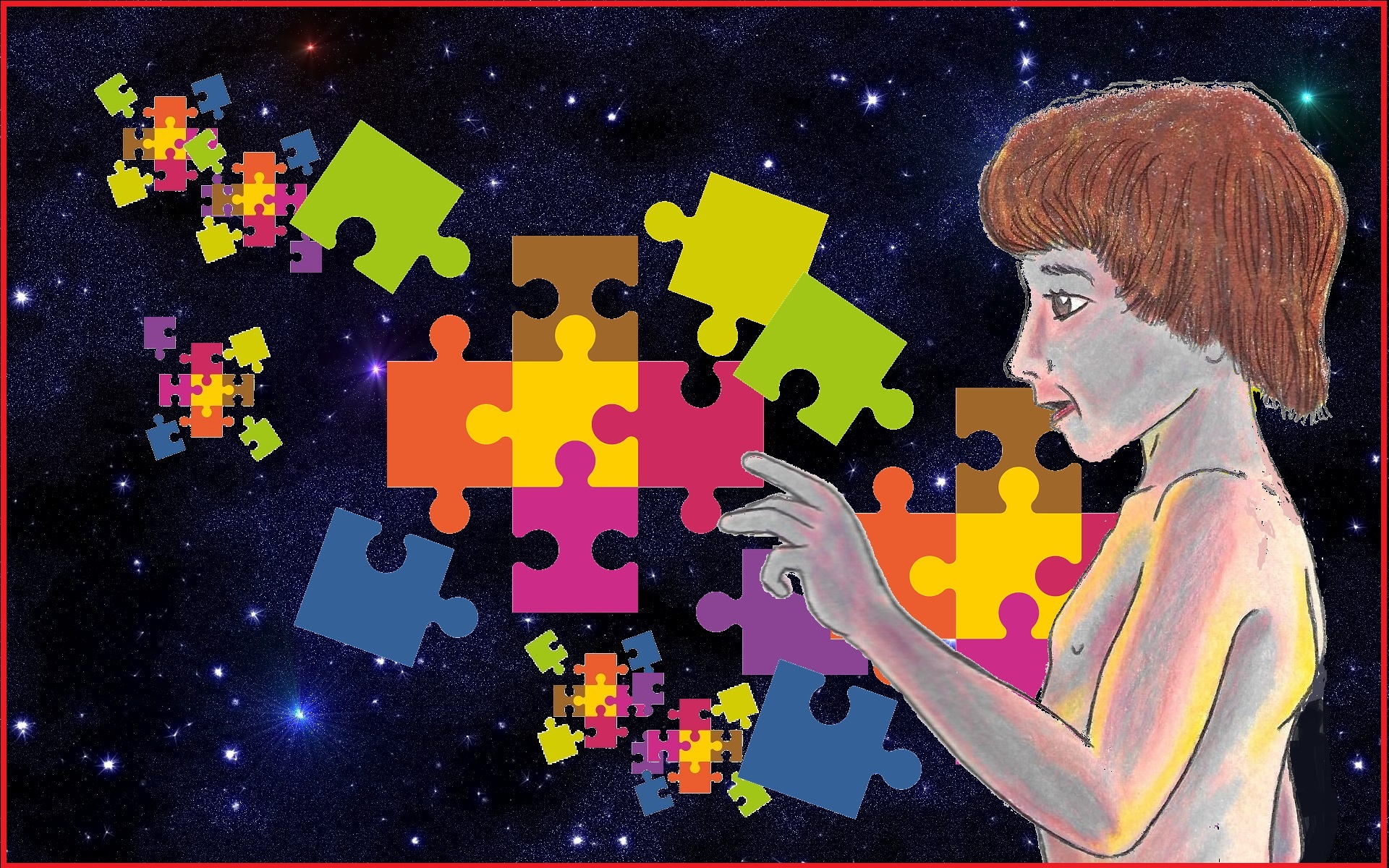
Concluding this meandering ridiculous rant about how you distill the meaning of your books into themes is no small task. My limiting goal was to identify one main theme for each of my books. It has to be limited because every well-written book has multiple themes of varying complexity and scope.
And then when you tie everything together as I have done with my Hometown Novels, there are themes that cross the borders from one book into the next. This essay will sum up by telling about the books I have written beyond the borders of my Hometown books.
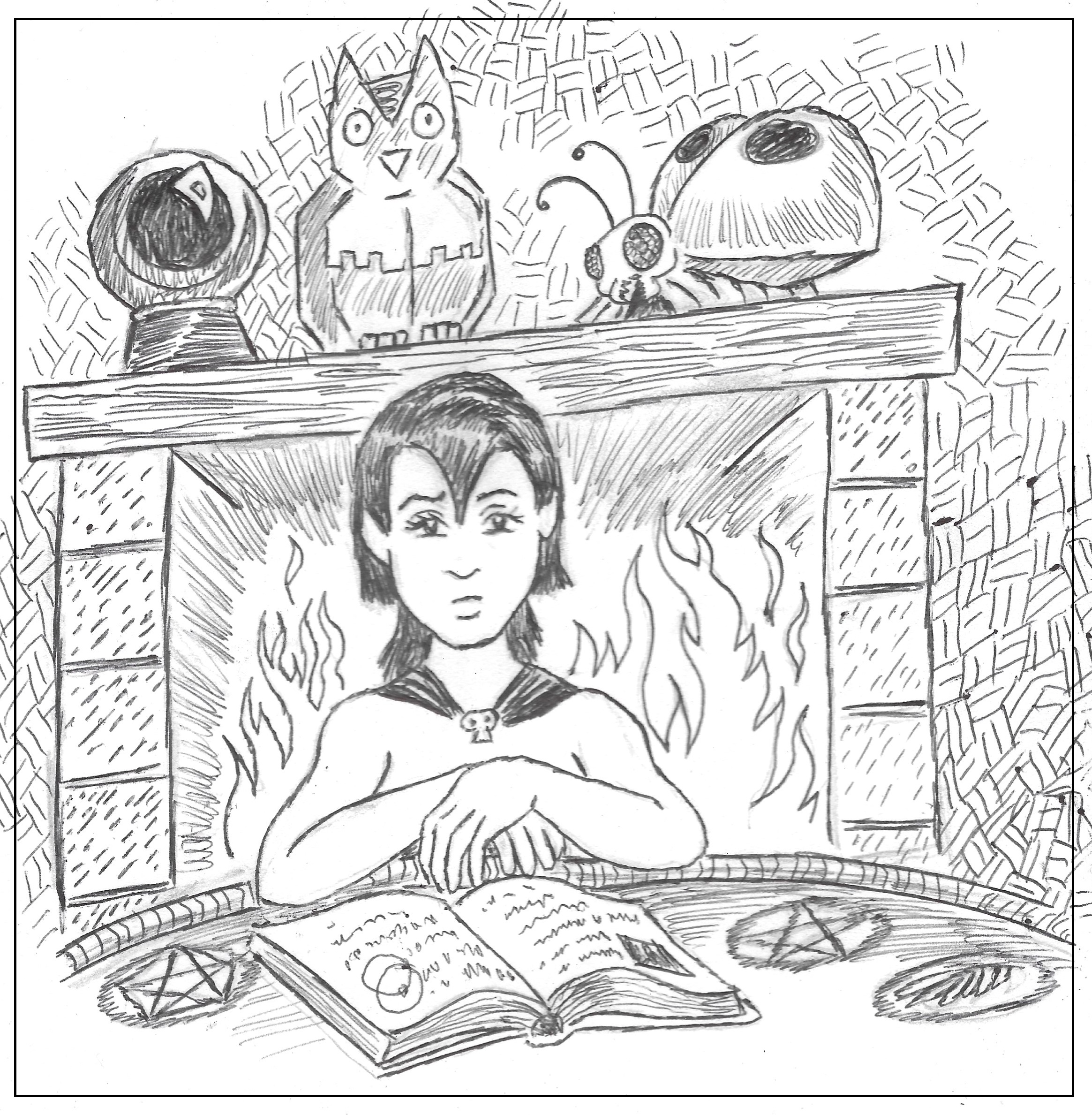
The Wizard in his Keep
This book is unique in dozens of ways. It is an orphan-journey through a virtual-reality video game that you can actually live inside because of the full-body interface suits that get you into the game. It is science fiction because of the virtual-reality technology, but the competition within the game is set in a fantasy kingdom running on magic and super powers. And the plot is a parallel of Charles Dickens’s The Old Curiosity Shop.
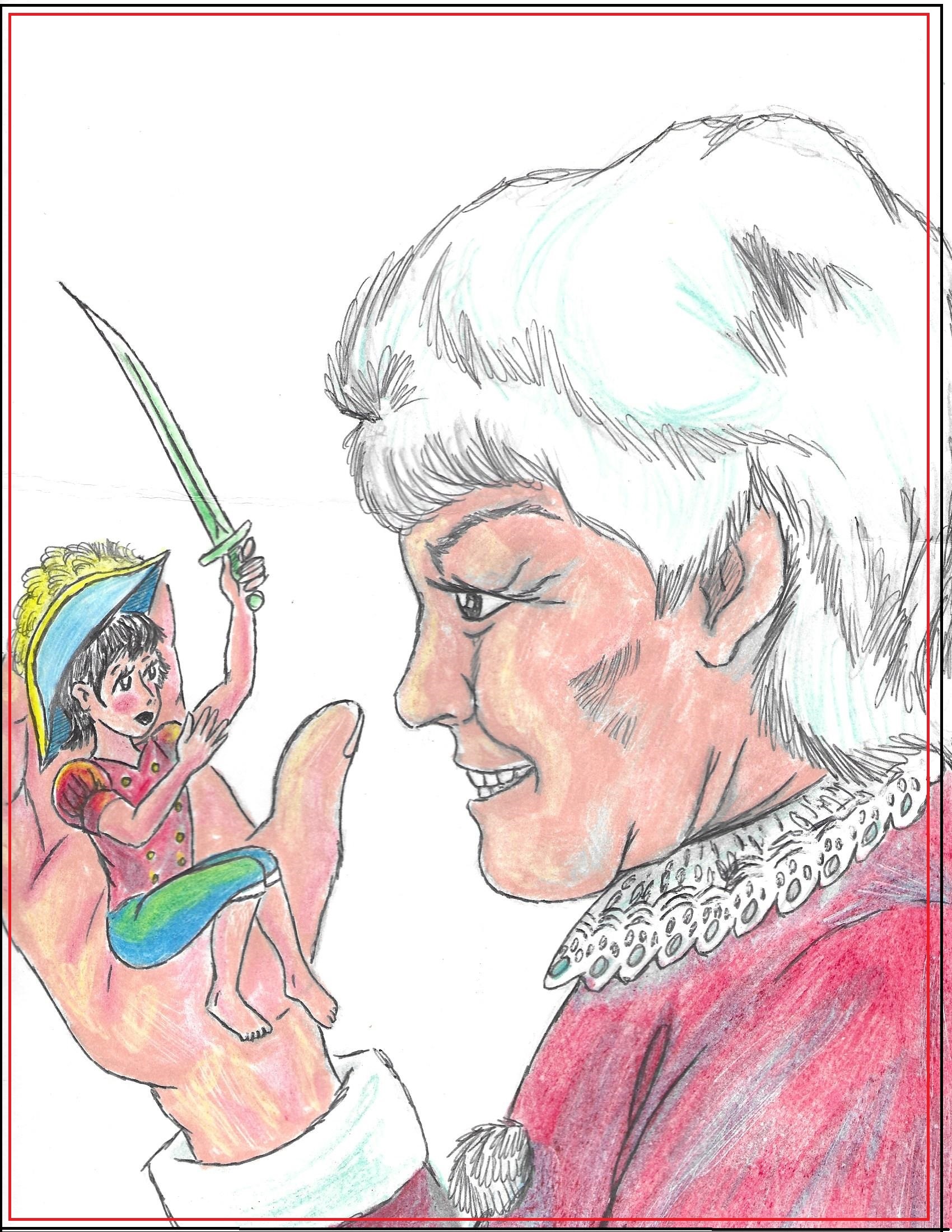
This book is the conclusion to several character arcs that begin with the Hometown Novels’ very first book, Superchicken. One character’s life ends in death, but on his own terms. Another character finds the answers to his missing sister and the family she kept secret from him. And the orphans find a loving family that they never knew existed. So, one big theme is that; “You make your own happy endings by hard work, risk, and perseverance, not by magic or luck” But this is an overarching theme that covers more than one story in more than two or three other books.
The book also holds true to several other things that are true about my stories. It is a comedy with at least one character dying sometime before the story ends. It is surrealism, giving a rational grounding in realism to some rather fantastic things. And the characters who find success are empathetic types who realize that loving others is more important than loving ourselves.
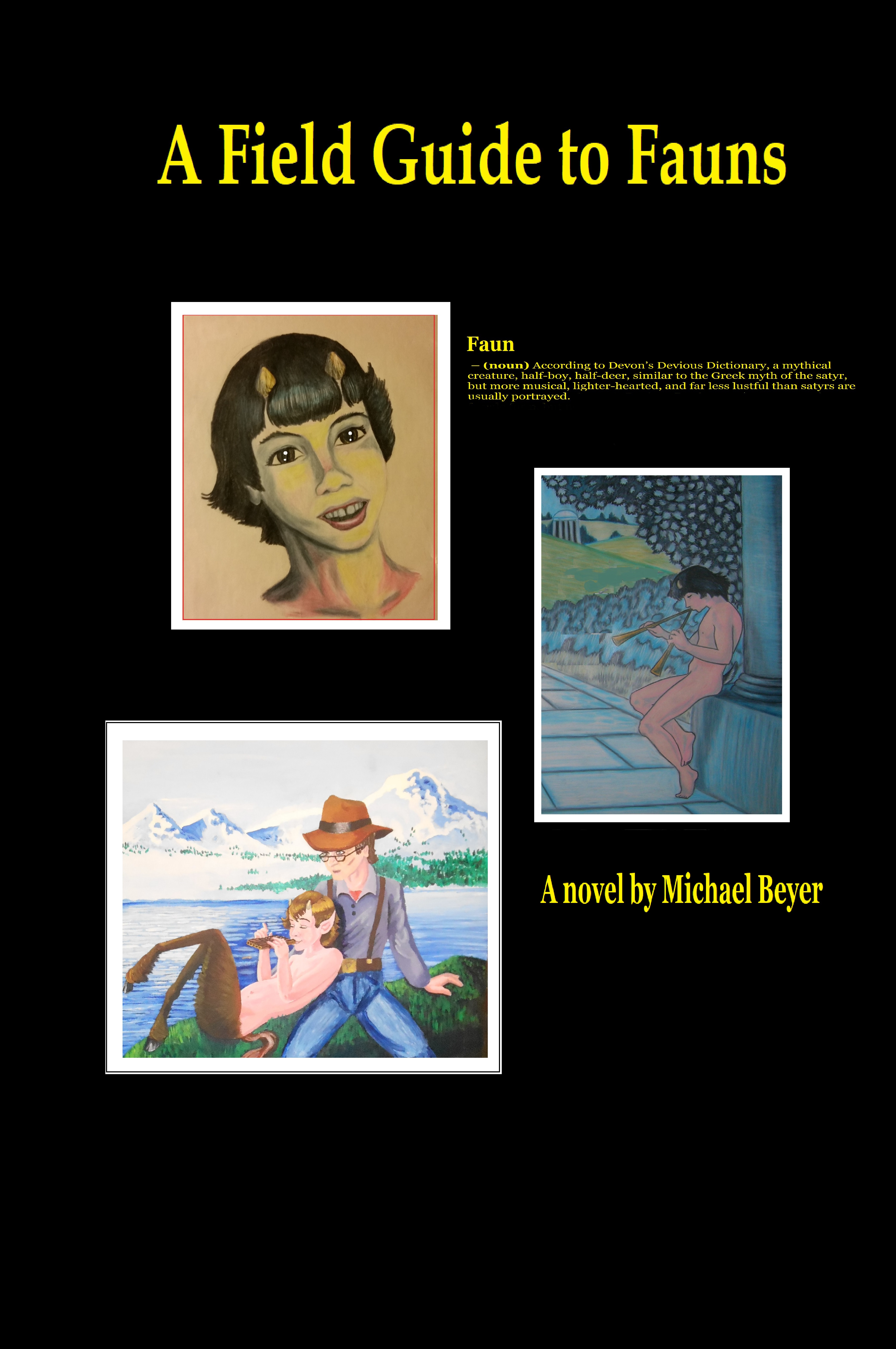
A Field Guide to Fauns
An important facet of my novel-writing experience has come about through the general audience reception of my works. Specifically, nudists and naturists were attracted to my books through the nudist characters in my book Recipes for Gingerbread Children.
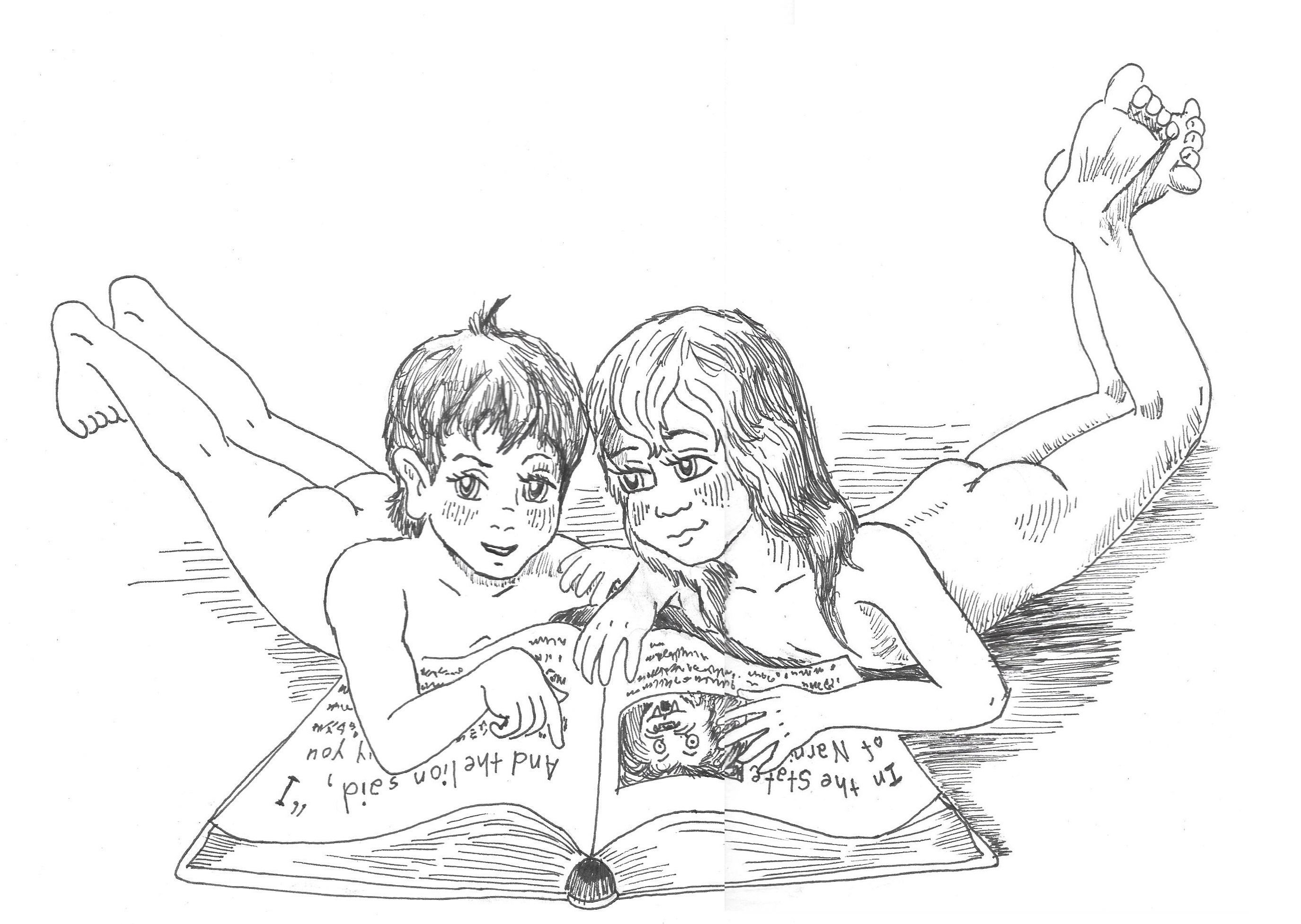
That is the reason this book, A Field Guide to Fauns even exists. I wrote it specifically for an audience of nudists, naturists, and people like me who have always been fascinated by nudism and were simply afraid to actually try it until we grew old, mature, and goofy enough not to care what other people think about me being a naked old man..
The book is about a boy named Devon who goes from a traumatic event that took him out of his divorced mother’s home and put him in his father’s house. But his father is remarried to a woman with twin daughters who are dedicated nudists, and live in a residence that is located in a South Texas nudist park. He has to recover from his trauma by becoming a nudist living a naked life himself. The theme is, “You can overcome childhood trauma if only you are open to being nakedly honest about yourself… especially being nakedly honest with yourself.”
Stardusters and Space Lizards
This story is one of the sequel messes written to go with Catch a Falling Star. It follows the alien characters and three of the human characters from that book out into the stars. It is basically an allegory for the climate-change crisis we face here on planet Earth. Besides the fact that this book offers the idea that inventive children can solve world-wide problems, and Texas politicians can be translated into lizard-people monsters who are actually to blame for everything, the theme of this book is really, “To solve ecological problems on a world-wide scale, we must first acknowledge that those problems are not caused by lack of understanding, but by the disregard for life that people have when they are motivated by personal gain, power, and reputation.”
Laughing Blue
This book is even harder to give a main theme to since it is a book of essays. Every entry, every single essay, has it’s own unique theme, ideally expressed in a topic sentence that states the theme.
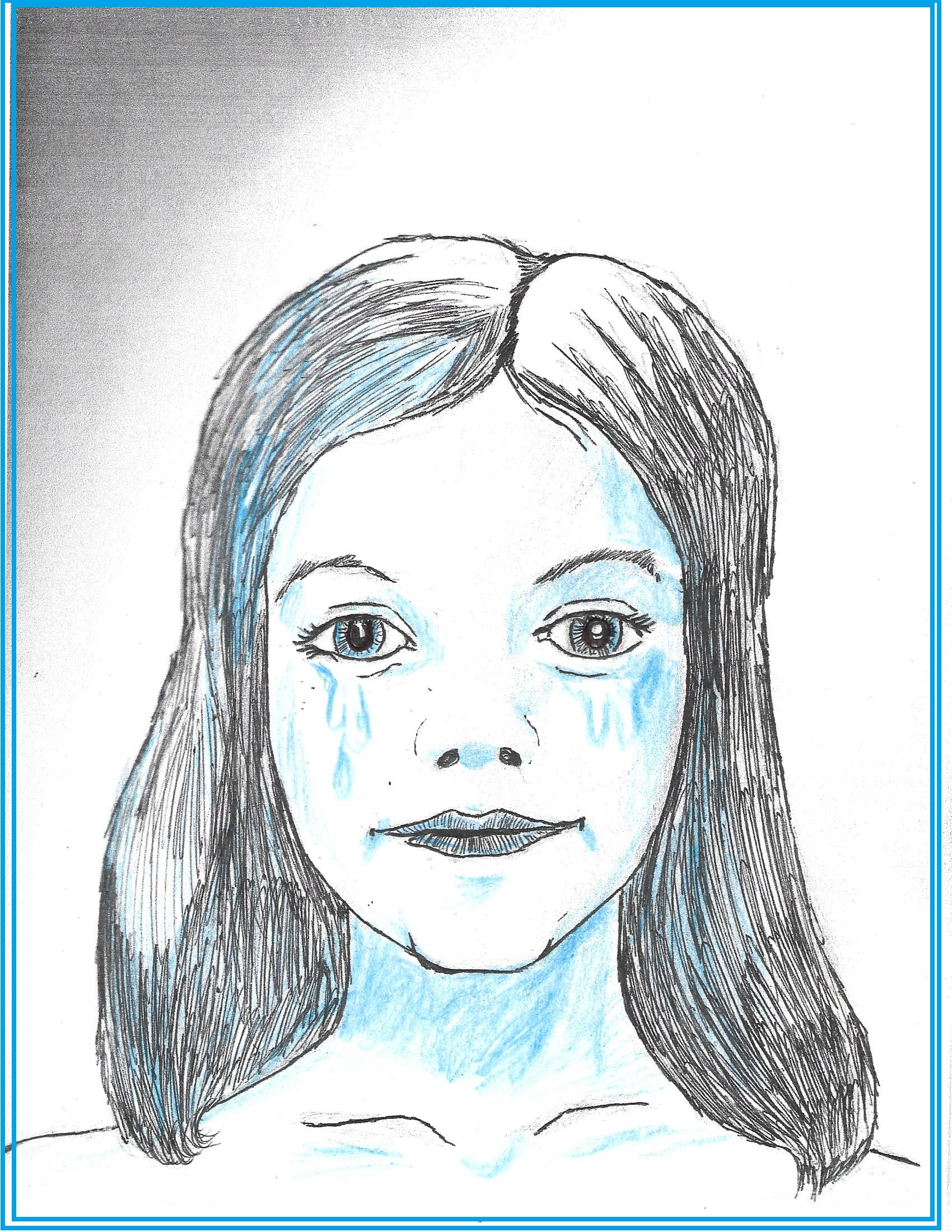
But it is not impossible to find an over-arching theme. It is filled with short vignettes and stories about my childhood, my life as a teacher, my cartoons and bizarre sense of humor, my philosophical musings, and complaints about the things that have hurt me. It is largely autobiographical. And the main theme is basically, “When life gives you lemons, make a lemony joke of some sort because laughing is much better than crying and a better thing to do when you’re blue.”
I know, I know… purple paisley prose.
I am well aware that I have not put a theme to every single book I have written. But I think I have, in the course of 6 essays, done a fair job of puzzling together and proving my point that a novel, or even other kinds of books, need a coherent main theme, and the author should, hopefully, know what those themes are. So, the essay ends here. Mostly because I am old and cranky and tired of repeating myself endlessly.
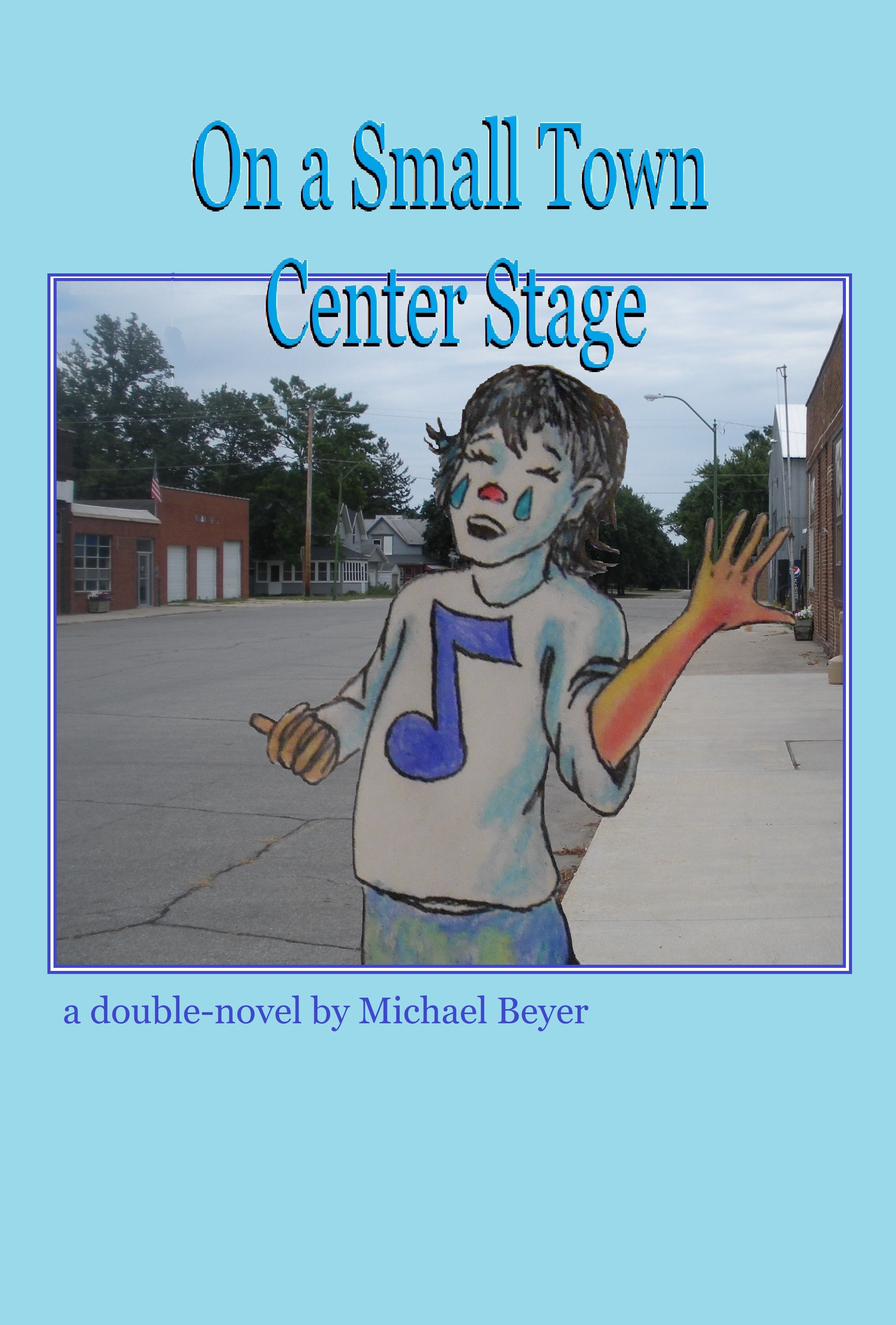
Leave a comment
Filed under autobiography, commentary, humor, novel plans, novel writing, Paffooney, writing, writing humor