
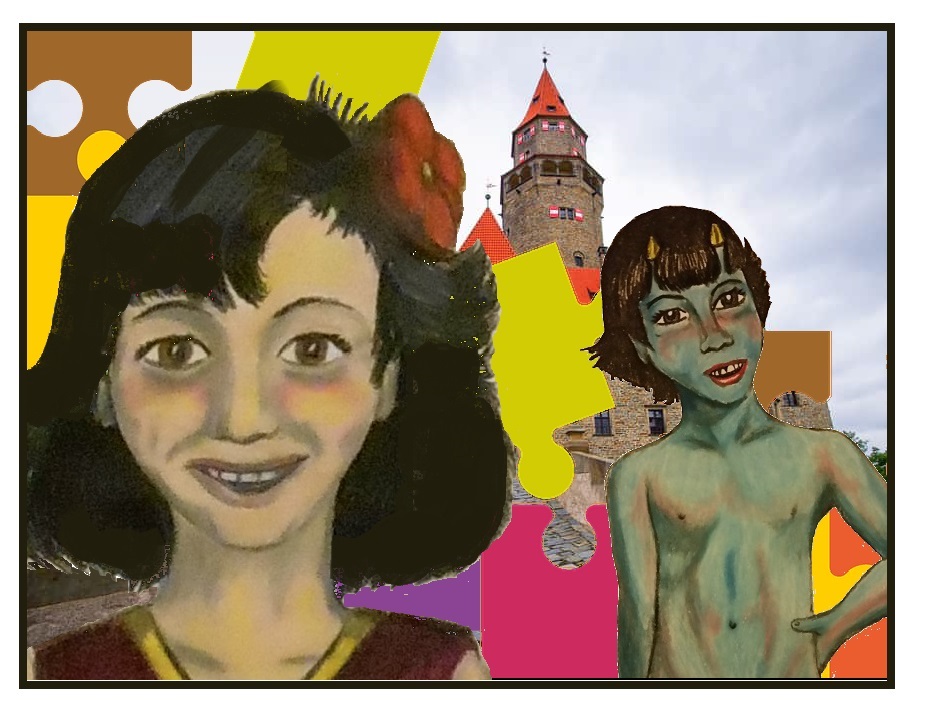
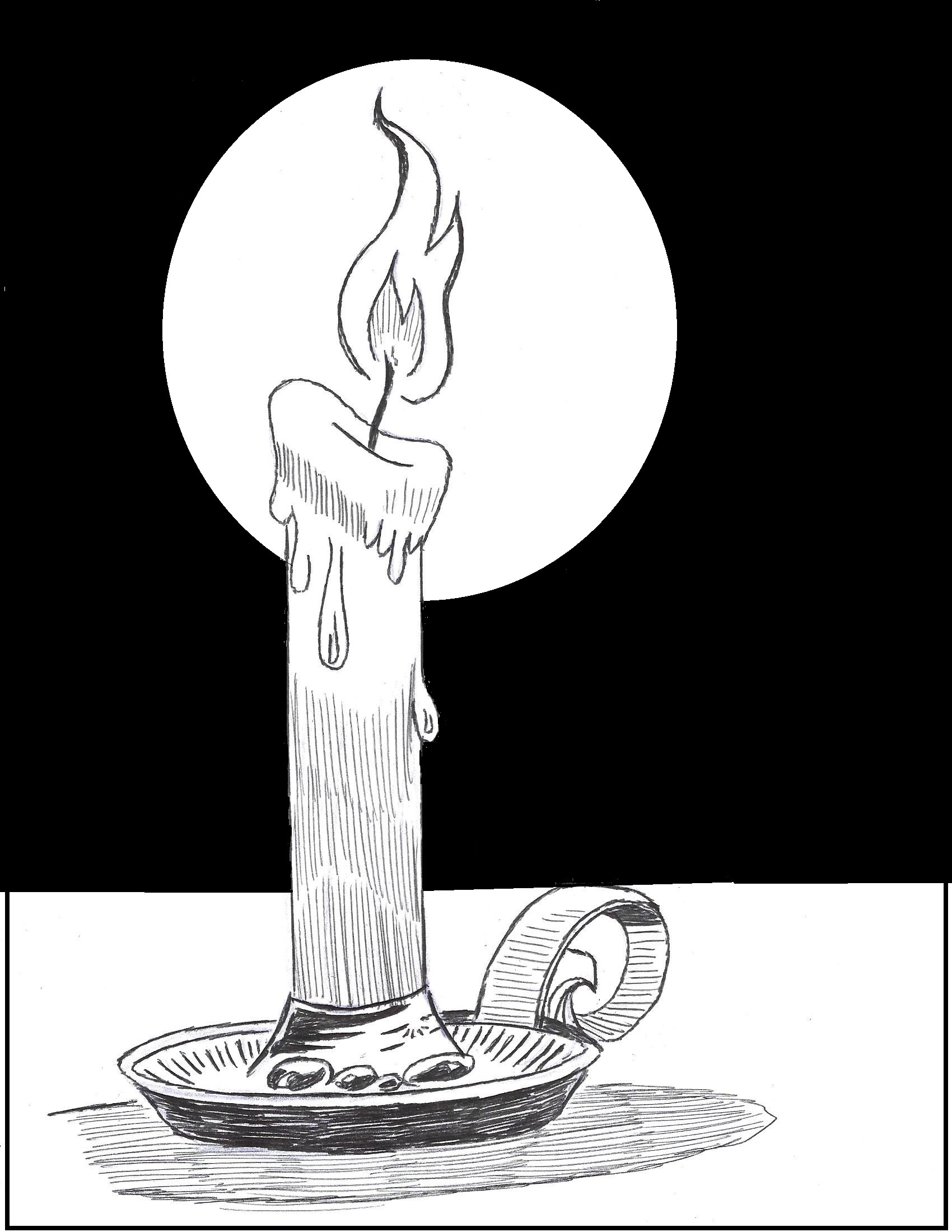
Yes, I am still ill, and still making new pictures out of old ones.
This makes consecutive daily post #193.
Yes, I am still ill, and still making new pictures out of old ones.
This makes consecutive daily post #193.
Filed under Uncategorized

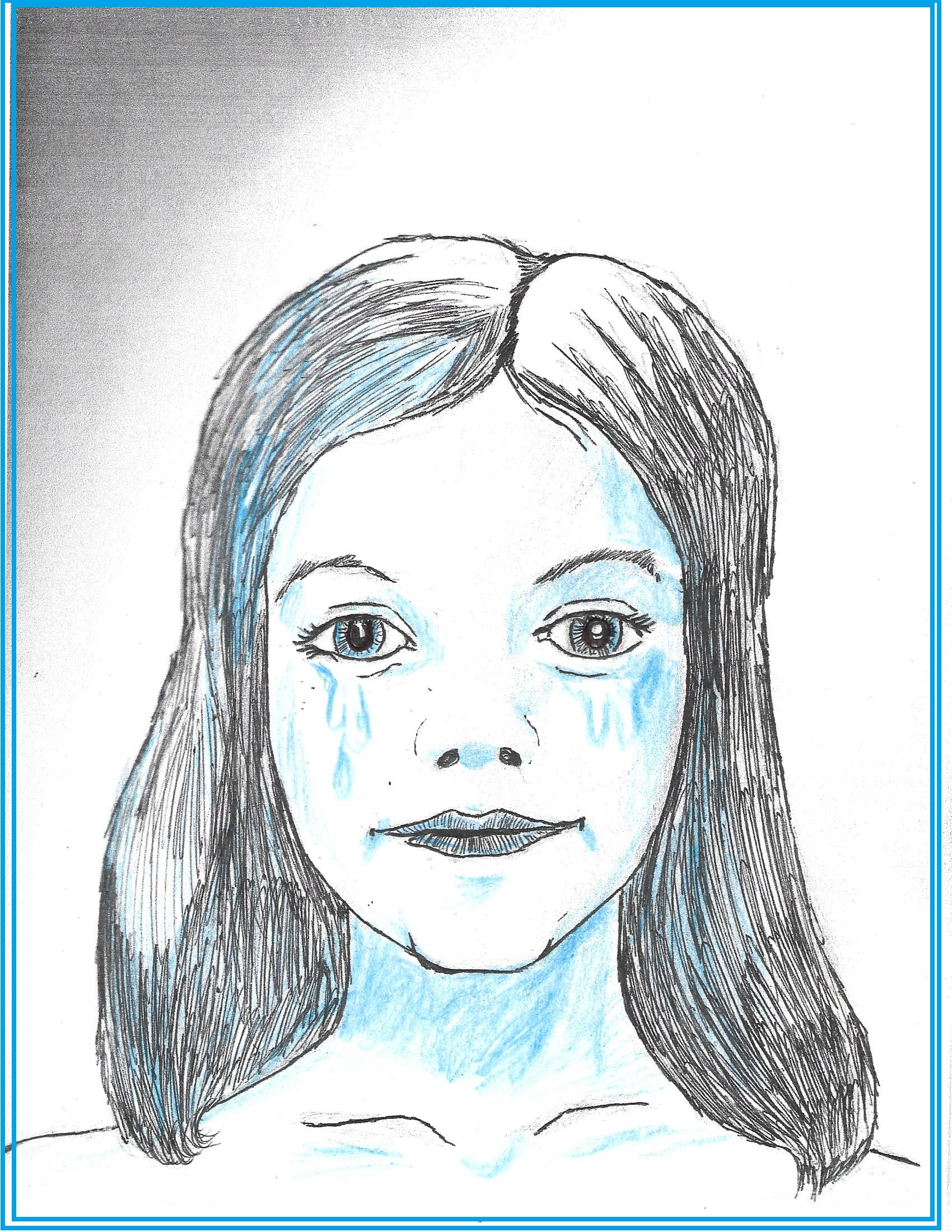
I have an unidentified form of flu. Headaches and bodyaches make writing and thinking hard. So I spent writing time today making the picture above. I had intended to write an essay today about solving the life-puzzles I face as my life and world are drawing to a close.
It is not Covid. And I think my vaccination may be making the flu go easier than it would have without it. But I still need rest and recovery.
Oh, and this post makes 192 daily posts in a row.
Filed under Uncategorized
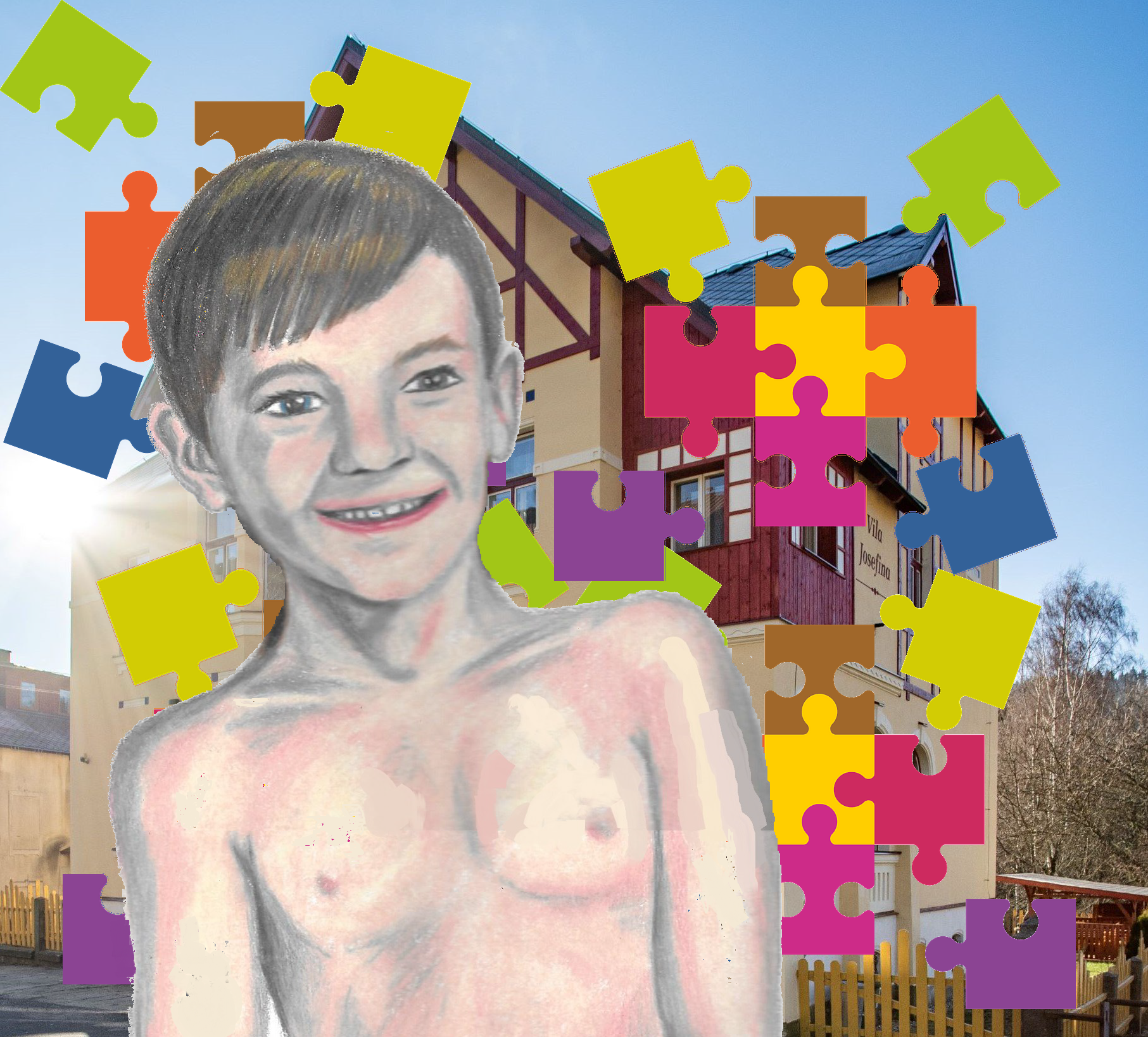
Sometimes you just have to write everything down that you’ve been juggling in your head. The pieces of the puzzle won’t fall together in order until long after you place them in front of you. I’m not suggesting that my mind is a literal blender, but, especially when I’m writing in a stream-of-consciousness style, I am really good at making idea milkshakes. There are several large pieces to the puzzle of life that are now on the table in front of me.
One jagged-edged puzzle piece that is going to be hard to solve into the larger picture is climate change. The latest IPCC Report states without a doubt that it is no longer within our power to keep the world temperature from rising beyond the critical 1.5 degrees threshold. The Arctic ice covering will soon be permanently gone, the Gulf Stream is breaking up and diffusing, the oceans are rising and turning to acid… dang!
But it doesn’t do any good to become a Doomer and Gloomer. If we give up we will be much deader than we need to be. There are things that can still be done to mitigate the worst of it. And Elon Musk is not going to save us by taking us all to Mars. And the politicians funded by massive fossil-fuel corporations aren’t going to solve the problems either. We as the majority of human life on Earth need to come together and insist on our right to live. We need to convert our energy use to non-fossil-fuel production schemes. We need to do for ourselves what the rich mother bookers won’t do for us to help us survive.
The recently deposed orange-faced King of America now needs to be held accountable for the things he did illegally while in office. In other countries, a corrupt leader guilty of what he is guilty of would’ve been stood up against a brick wall and shot by now. We certainly can’t let him run for Prexydint in 2024. We won’t survive another four years of the evil-clown kingdom. It will be the death of all of us. Literally.
And my son is ill again. The one who already had Covid once. And may now have the Delta variant in spite of being vaccinated. He is definitely ill with something.
All these things worry me. I have been mentally juggling these things in my head for too long. And now, screws are loose inside there. I need to puzzle it back together, not put the blender on puree.
Filed under Uncategorized
I do write poetry. But I must admit, I am not a serious poet. I am a humorist at heart, so I tend to write only goofy non-serious poems like this one;

So here is a poem that rhymes but has too much “but-but-but” in it. A poem about pants should not have too many “buts” in it. One butt per pair, please. So this is an example of spectacularly bad poetry. Why do we need bad poetry? Because it’s funny. And it serves as a contrast to the best that poetry has to offer.
As a teacher I remember requiring students to memorize and recite Robert Frost’s poem, “The Road Not Taken”. Now this sort of assignment is a rich source of humorous stories for another day. Kids struggle to memorize things. Kids hate to get up in front of the class and speak with everybody looking at them. You get a sort of ant-under-a- magnifying-glass-in-the-sun sort of effect. But in order to truly get the assignment right and get the A+, you have to make that poem your own. You have to live it, understand it, and when you reach that fork in the road in your own personal yellow wood, you have to understand what Frost was saying in that moment. That is the life experience poetry has a responsibility to give you.

Hopefully I gave that experience to at least a few of my students.
Bad poetry makes you more willing to twirl your fingers of understanding in the fine strands of good poetry’s hair. (Please excuse that horrible metaphor. I do write bad poetry, after all.)
But all poetry is the same thing. Poetry is “the shortest, clearest, best way to see and touch the honest bones of the universe through the use of words.” And I know that definition is really bad. But it wasn’t written on this planet. (Danged old Space Goons!) Still, knowing that poetry comes from such a fundamental place in your heart, you realize that even bad poetry has value. So, I will continue writing seriously bad poetry in the funniest way possible. And all of you real poets who happen to read this, take heart, I am making your poetry look better by comparison.
Filed under humor, insight, irony, philosophy, poem, poetry, Uncategorized

I am having a bad health day.
I feel terrible. I have the spiking and crashing of the blood-sugar roller-coaster going on, but causing diabetic depression rather than vomiting or coma.
No one needs to worry about me. I will not hurt myself. I will seek help if it gets any worse. But when you reach the top of the mountain, there is nowhere to go but down.
On WordPress I was recently at the top of the mountain (in terms of my audience numbers.) I was averaging 200+ views per day. There were more than 300 views twice last week.
But now it is dropping drastically. Although, I believe I will make more than 50 today.
Nudist Notions was the name of the post with the biggest post-viewing numbers. I suspect that Google’s algorithm had it high on the list when people were searching “nudists” and/or “nudism.” because it is a positive post about nudism.
But there was not an increase in likes. It was probably not actual nudists doing the viewing.
There were a lot of viewers from Russia and Brazil, according to my site’s metrics.
(https://doctorbipolar.wordpress.com/2013/09/25/isaac-newton-famous-bipolar-scientist/)
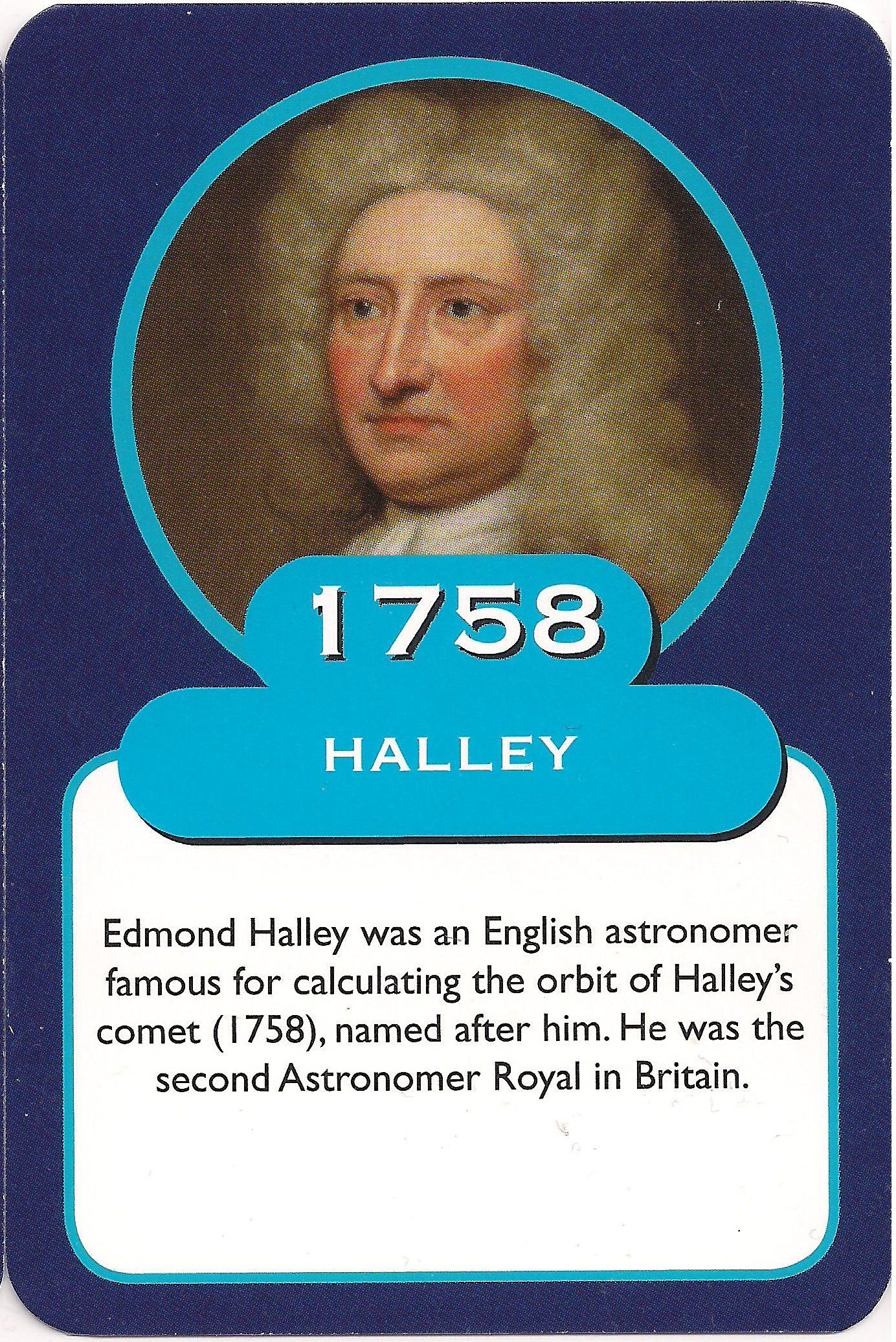
Sometimes it is suffering that prompts genius to achieve greatness.
I, of course, have not invented calculus today. Or even understood how to do calculus… I am pretty sure I was not Isaac Newton in any previous life.
I am probably not a genius,
Genius or not, I am definitely on the decline today.
I can’t think worth spit.
And it’s probably good that I misspelled the last word in the previous sentence.
But I do believe I have the ability to recover myself from depression. My mother is doing better than yesterday, though still in hospice care. And I can still get some writing done today in spite of the difficulties.
Onward and upward!
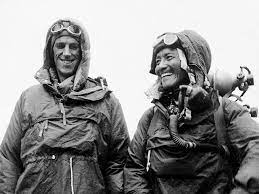
I will be looking for my next Everest… maybe tomorrow.
Filed under Uncategorized
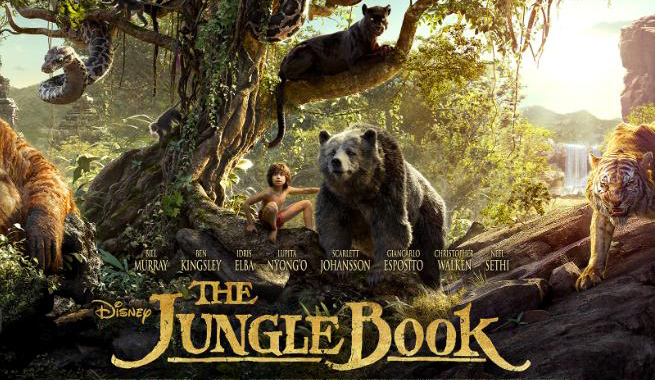
Last night my family and I went to the new Disney movie Jungle Book directed by John Favreau. It was the movie version I have been waiting for all my life.
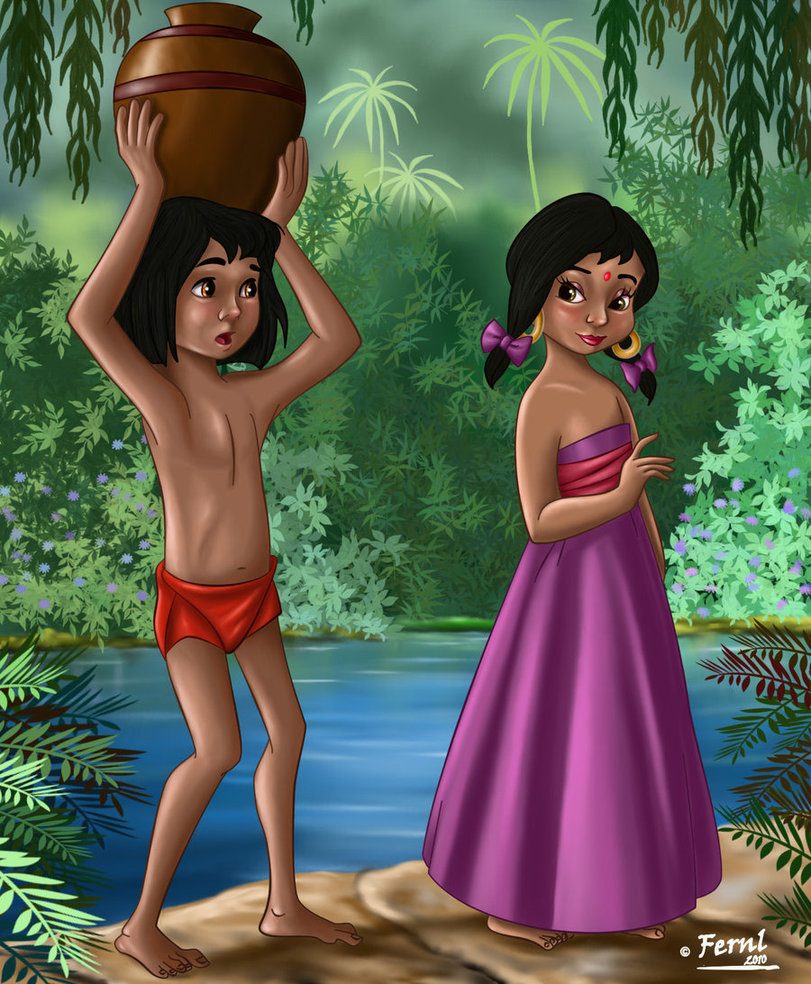
The amazing thing about this movie is the way it took the book and layered its themes and central idea on top of the classic 60’s Disney cartoon. The music is still there and intact, though mostly moved to the end credits. The kid is still cute and mostly vulnerable, at least until the conclusion. And they have still given the Disneyesque comedic touch to the character of Baloo the bear, voiced by comedian Bill Murray in the this incarnation. But this is a live action movie and the kid-friendly Bowdlerization of the original story is a thing no longer.
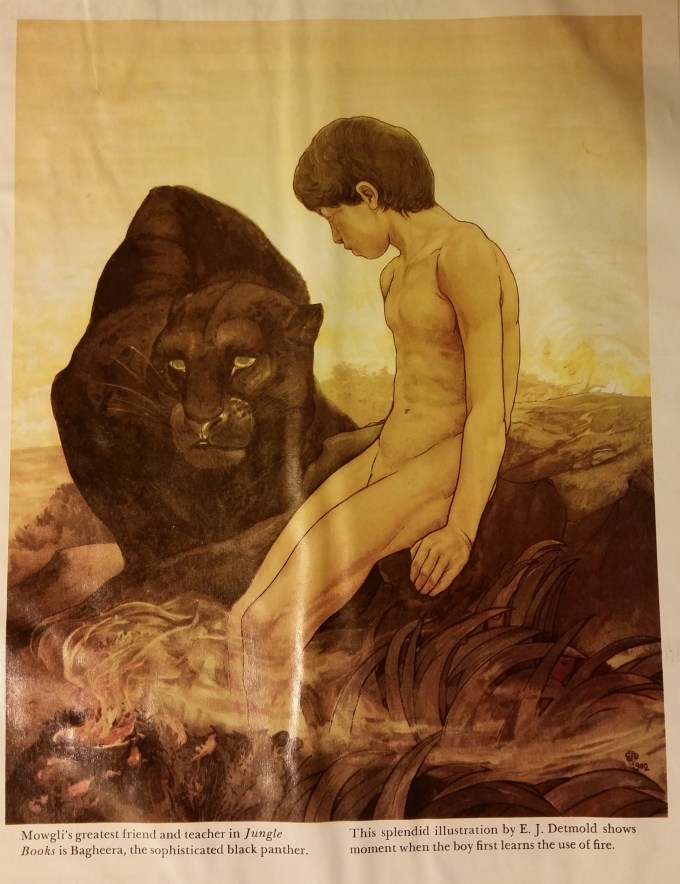
A classic book illustration by E.J. Detmold
Fortunately for the young actor, Neel Sethi, they don’t require him to play the entire movie naked as would be required by a strictly by-the-book approach. They allow him the Disney-dignity of the cartoon red loin cover. But the sense of a human child facing the violence of the jungle naked, armed only with his creature-appropriate natural defenses, has been put back into the story. This version literally has teeth and claws. We see the boy’s body wounded and scarred during the course of his life in the jungle. And at a time of crucial confrontation, Mowgli takes the defense stolen from man village, a torch of the feared red flower, and throws it away into the water, facing the terrible tiger with only his wits and the abilities of his fangless, clawless human body. Thus, an essential theme I loved about the book when I was twelve is restored. Man has a place in the natural world even without the protections of civilization.
The story-telling is rich and nuanced, with multiple minor characters added. Gray Brother has been restored to Mowgli’s family. The fierce power of Mowgli’s wolf mother has been written back into the screenplay. And the character of Akela is given far more importance in the story than the cartoon could even contemplate. Although his role in aiding Mowgli to kill the tiger Shere Khan has been taken away from him, Akels’s death becomes the central motivation bringing Mowgli and Shere Khan together for the final inevitable confrontation. And this movie does not shy away from the reality of death as the cartoon did, resurrecting Baloo at the end and Kaa’s attempts to eat Mowgli being turned into a joke (though I would like to note if you have never read the book, Kaa is not supposed to be a villain. He was Mowgli’s wise and powerful friend in the book). Even the tiger survives in the cartoon version. This is no longer a cute cartoon story with a Disney sugared-up ending.


I will always treasure the 1960’s cartoon version. I saw it at the Cecil Theater in Mason City, Iowa when I was ten. I saw it with my mother and father and sisters and little brother. It was my favorite Disney movie of all time at that point in my life. I read and loved the book two years after that, a paperback copy that I bought with my own money from Scholastic book club back in 1968, in Mrs. Reitz’s sixth grade classroom. That copy is dog-eared, but still in my library. But this movie is the best thing that could possibly happen to bring all of that love of the story together and package it in a stunning visual experience.
Filed under art criticism, humor, movie review, Uncategorized
My views on WordPress have been blowing up. Last week I had over 2,000 views for the first time ever in a single week. The primary culprit, a post about nudists called Nudist Notions. It had 465 views last week, almost a quarter of the total, although it got nary a single like.
Here’s a link if you’re interested in seeing what awful thing is in it that anonymous viewers are drawn to like flies.
I am not particularly worried about anyone using my post to do evil with it. The three pictures contain nothing that is lewd or pornographic. Two of the pictures are my own artwork containing an altered photograph and colored-pencil nudes that don’t show any body parts that would be considered completely private. The photo of a real nudist family making a sand-castle on the beach does not show their privates either.
The essay is basically about the publication of my book Superchicken which has nudist characters in it and recently got a five-star review from one of my nudist friends from Twitter. Neither the book or the post say anything particularly negative about nudists or nudism, so the viewing explosion is probably not due to nudists as they would like or comment as they have in the past. And if it’s a brewing backlash, I have no idea about what they are backlashing against
So, what do I have to worry about? Is it the Russians again, threatening to blackmail me by telling my wife that I am a nudist? She wasn’t happy about it the last time they called, even though she knew about my nudist tendencies from long ago. She just doesn’t like being called by Russians. Is it chickens planning to assassinate me for revealing the existence of Chicken-dance-Fu, the chosen combat style of chicken ninjas that think I was talking about them instead of the kind of chicken that has no feathers? Over 400 chickens were looking at my blog last week? Or maybe just the ones working for the FBI?
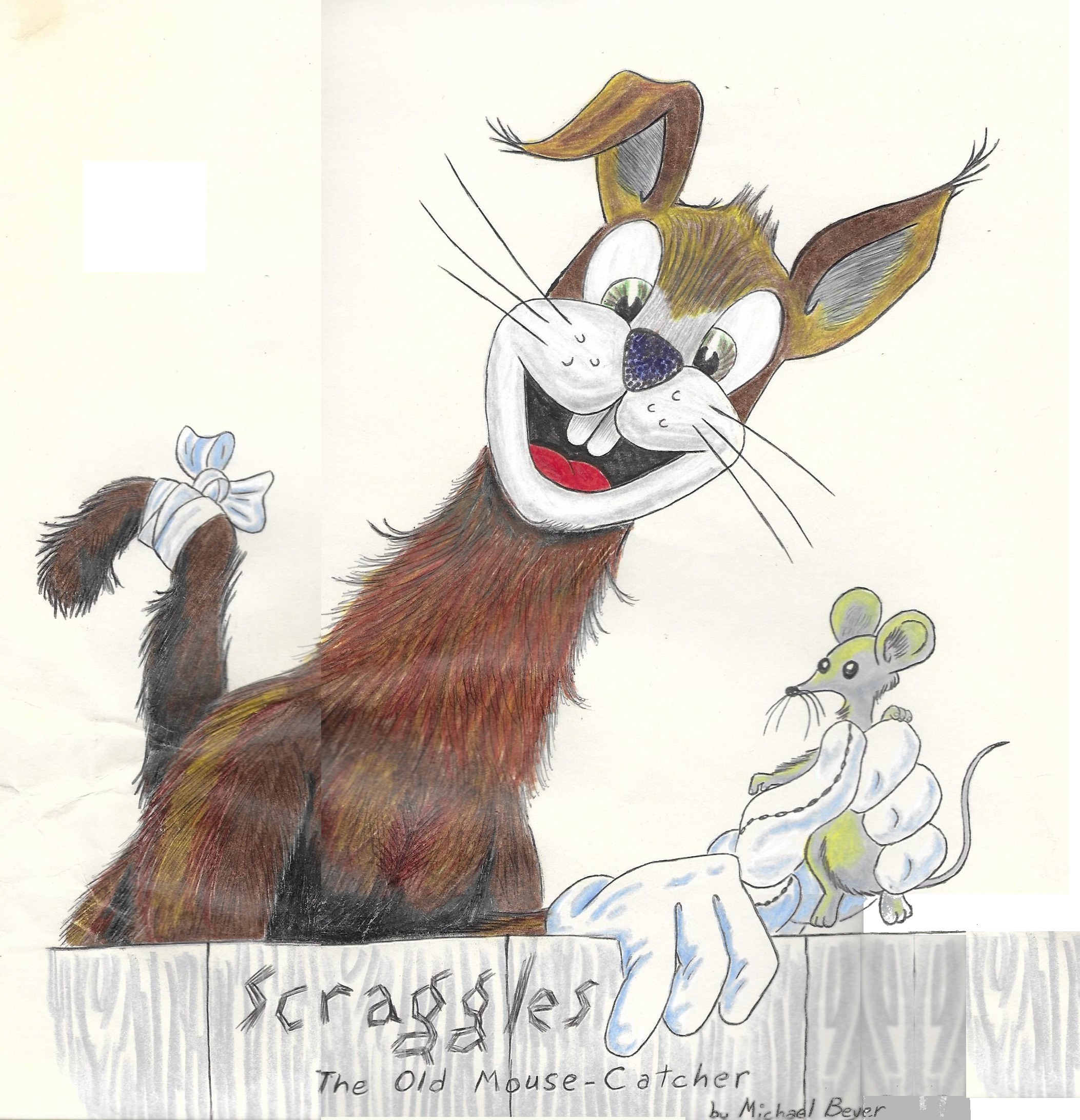
I suppose I should simply be happy that I am getting more views and as much as six cents of ad revenue per day on my blog. Jeez, the pennies are just rolling in.
Filed under Uncategorized
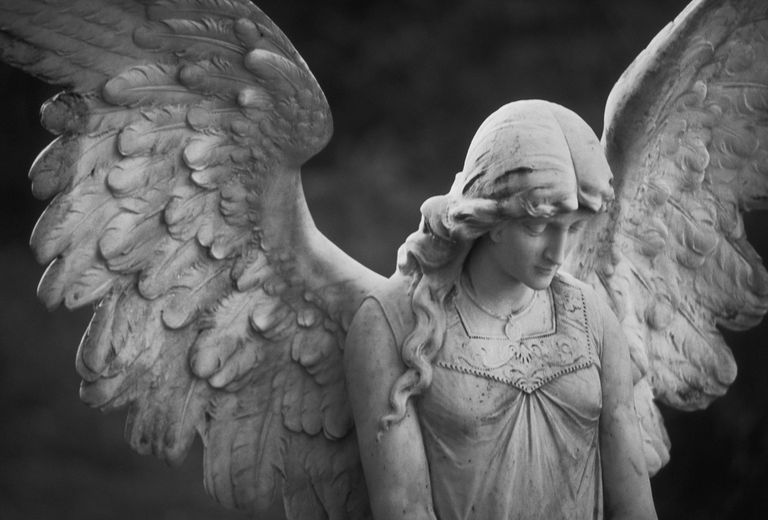
Today I got the news I didn’t want to hear. My mother, who will be 87 in October, is no longer going to be able to keep going. Her kidneys are failing. So is her heart. If she goes on dialysis for her kidney function, her heart will give out. If we have her heart get the procedures she needs, her kidneys will do her in.
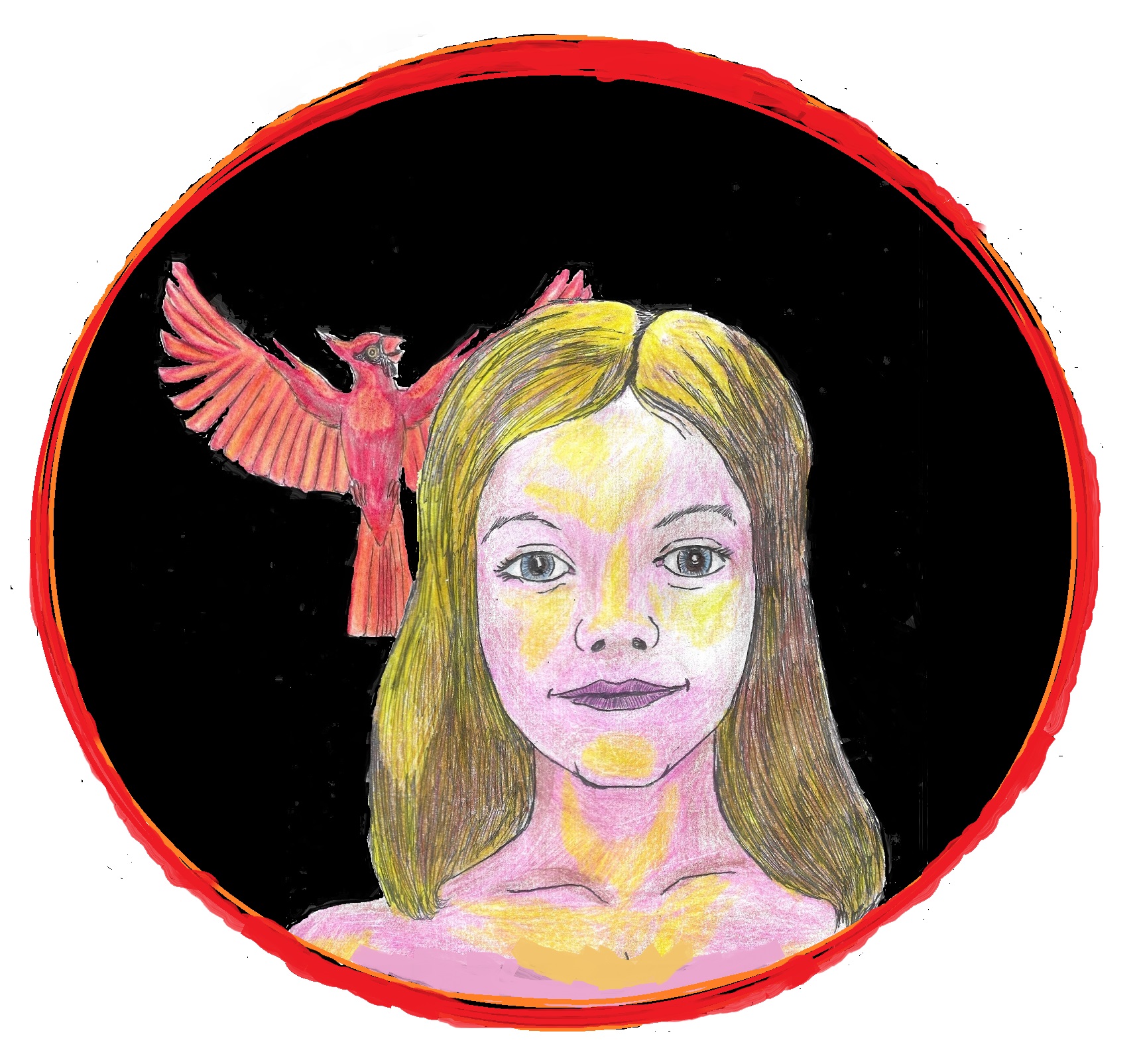
I do not fear death. Personally, I am at peace with the past, present, and the future. There is no reason to welcome death, but it is not a matter of grave concern to me.
I will not get a chance to be by my mother’s side when death comes for her. Like my father last year, she is slipping into a condition where she doesn’t know who or where she is, or who anybody around her is. So, I have to be able to live with my last words said to her that she understood were all in my goodbye when we left Iowa to come back to Texas back in July.
My own health is questionable.. It is a travel of more than 700 miles with both ends of the journey in States where Delta Coronavirus is raging out of control. So, just like my father a year ago, I may not even be able to attend her funeral.
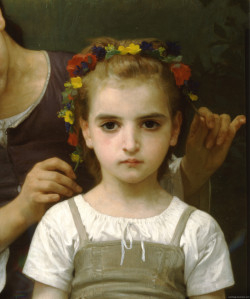
But love is stronger than death. I may not get to tell her I love her and have her understand me before she is gone. But she already knows. We all know where our heart is and where it came from. And mine came from hers.
Filed under Uncategorized
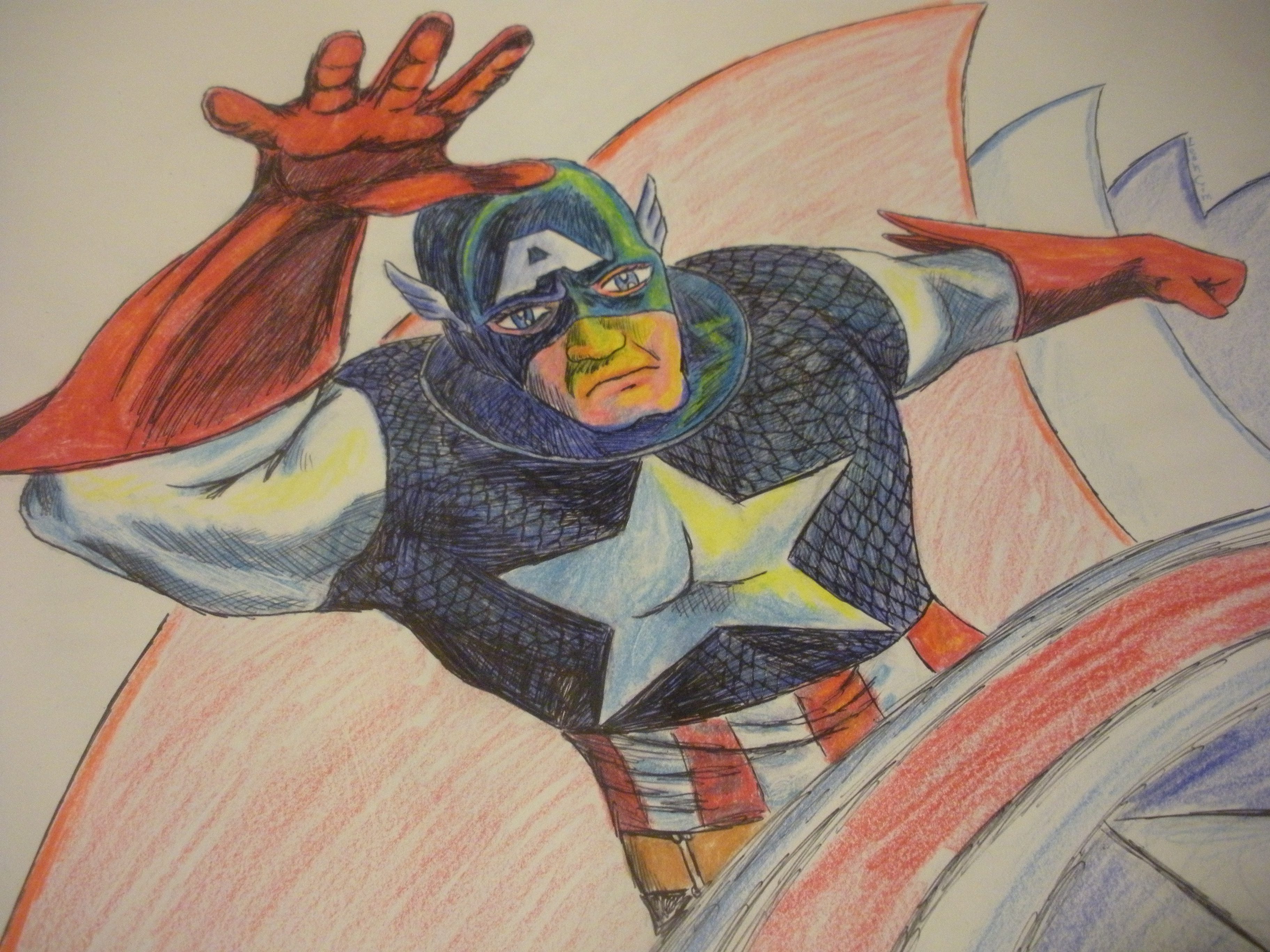
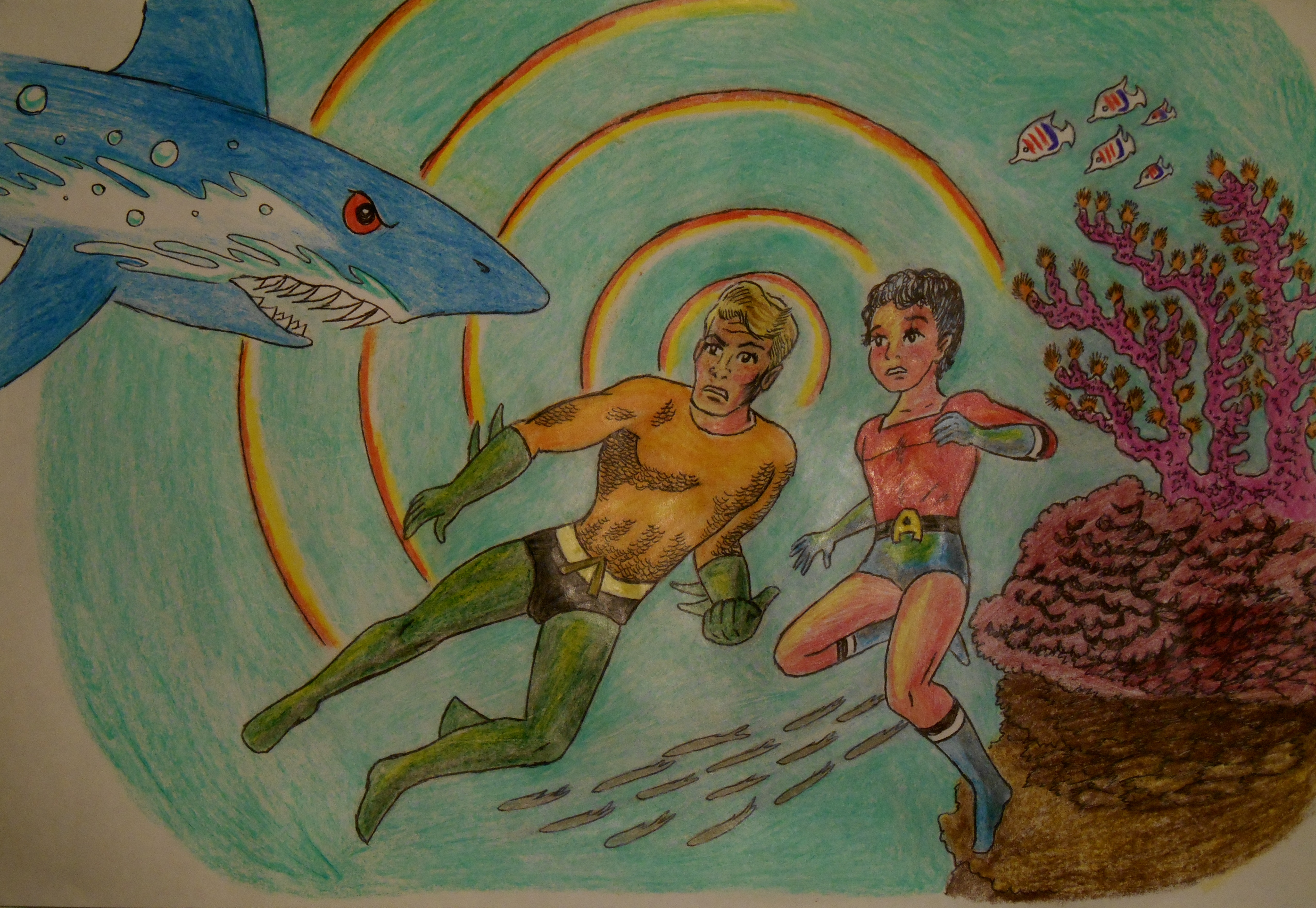
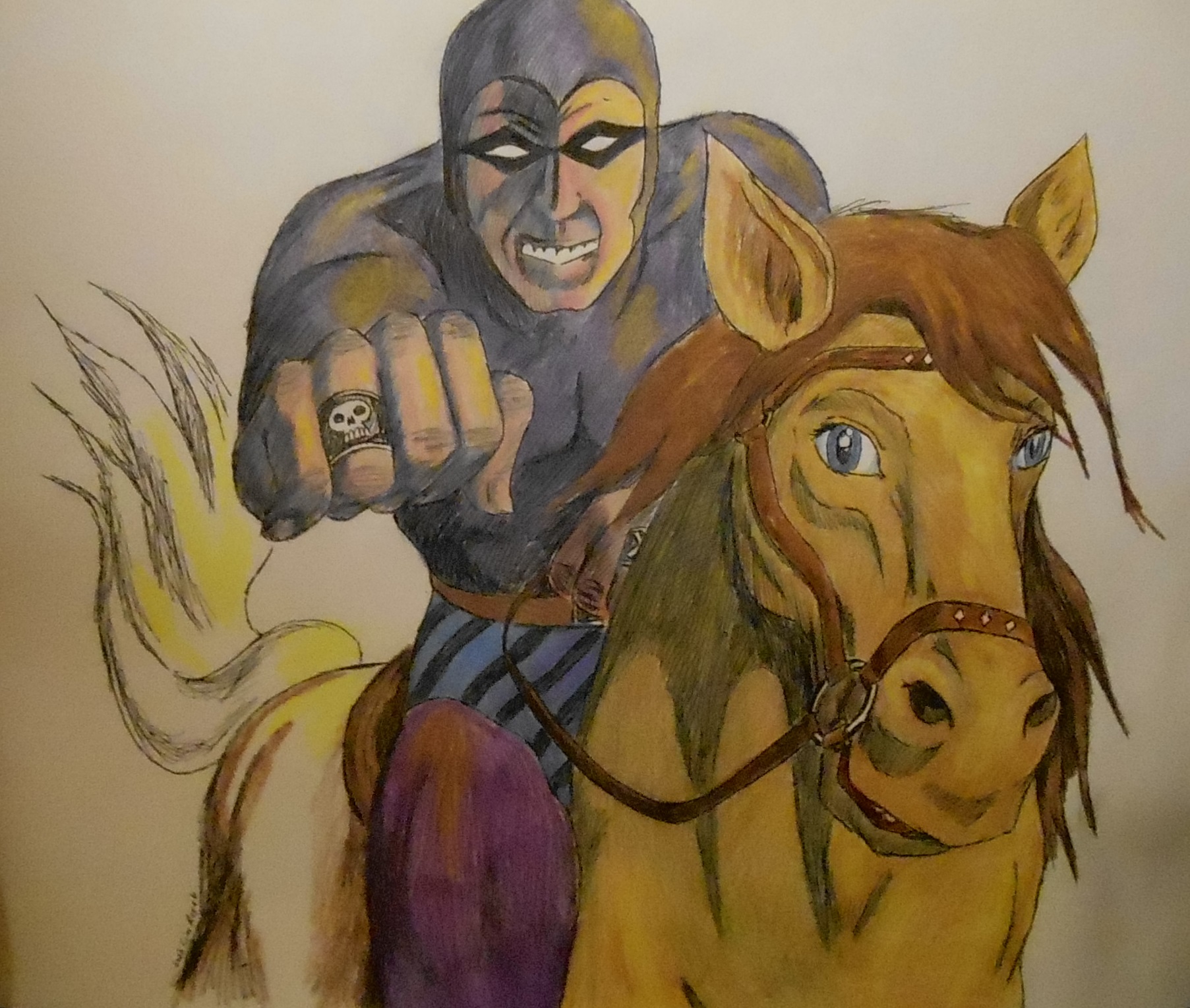
I was a comic book nut from a very early age. I started collecting comics in 1966 when I was ten years old. Almost as soon as I started collecting them, I began copying the drawings, copying Spiderman, Hawkeye, Captain America, Avengers, and Batman. I am a comic book lover, and I am also a comic book plagiarist. But I promise to use my own artwork and photographs to illustrate this blog post. After all, I am illustrating being a copy cat.
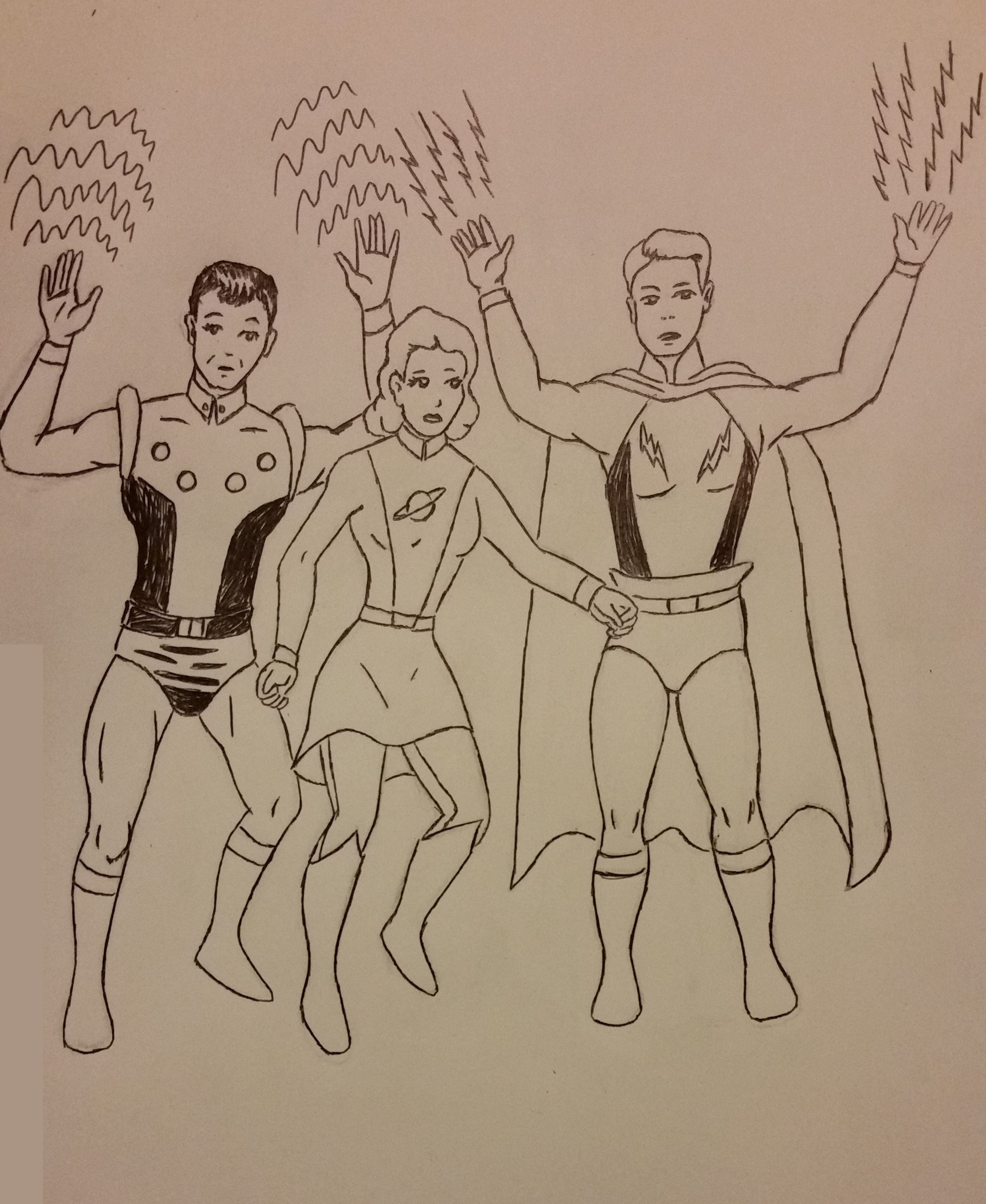
Cosmic Boy, Saturn Girl, and Lightning Lad in the style of artist Curt Swan in 1962.
My parents didn’t approve of kids with comic books. I desperately wanted Spiderman comic books and Avengers comic books, like the ones I read in the barbershop every time I was waiting for a haircut. But they had gotten wind of Frederic Wertham’s campaign against comic books two years before I was even born. The learned psychiatrist insisted that comic books corrupted children with sexual images hidden in the artwork (oh, gawd, look where Saturn Girl’s hands are… close anyway), Batman and Robin were homosexuals trying to influence young boys to be gay, Wonder Woman was a lesbian who was into bondage. This he said in 1954, but it didn’t really reach my parents’ ears in rural Iowa for another 12 years. The result was severe limits on my comic book ownership possibilities. But Superboy and the Legion of Super-Heroes were acceptable, as were Casper the Friendly Ghost and Scrooge McDuck.
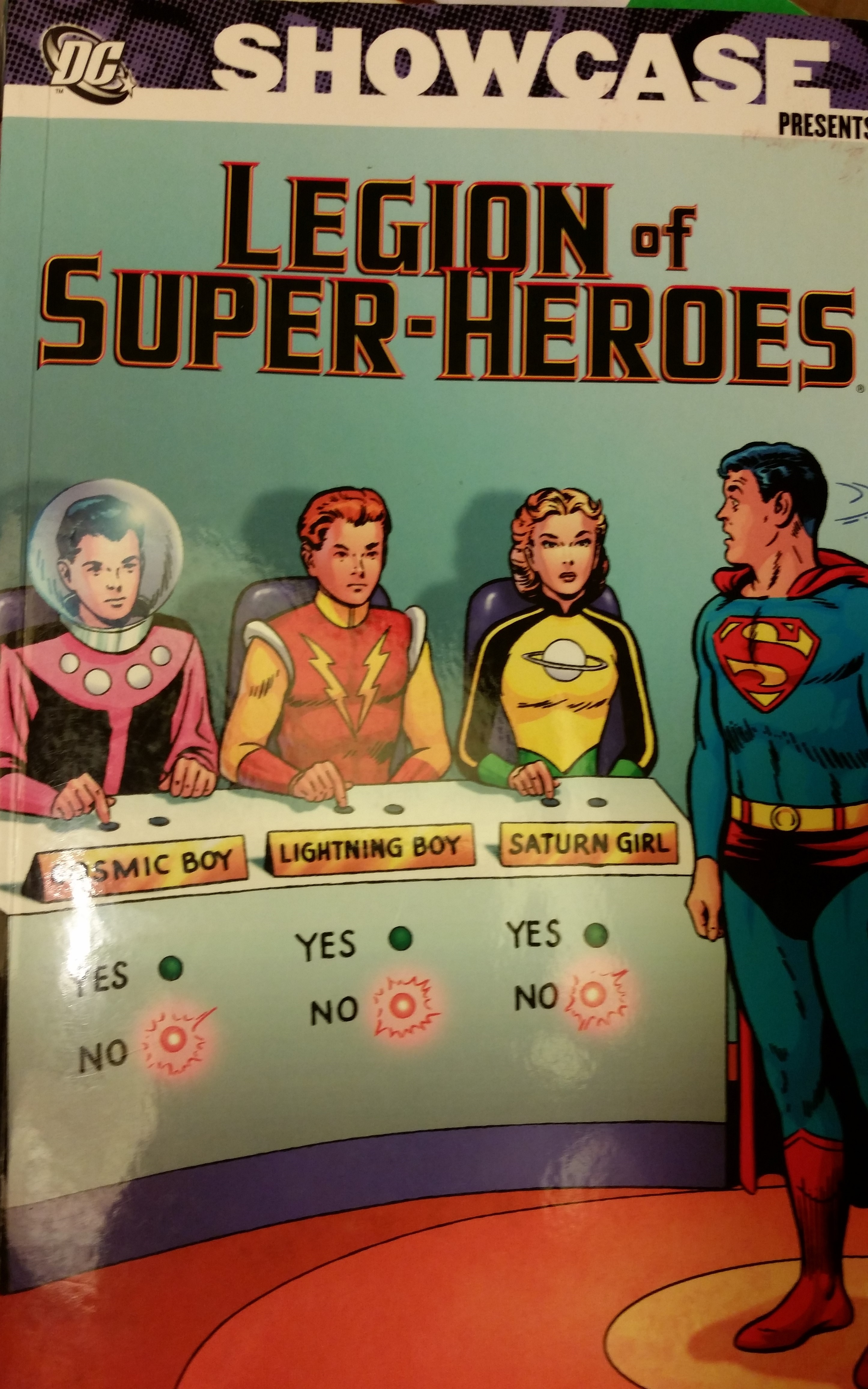
So, my copy above of Curt Swan’s work is from the Legion of Superheroes. Superman was boy-scout enough to qualify too. I could get by with Tarzan even though he was a mostly naked guy running around the jungles. And time and money solve a lot of problems. I was allowed to subscribe to Avengers and X-men and the Amazing Spiderman once I had field-work money to put towards it. I drew lots of comic book heroes from that point onwards.
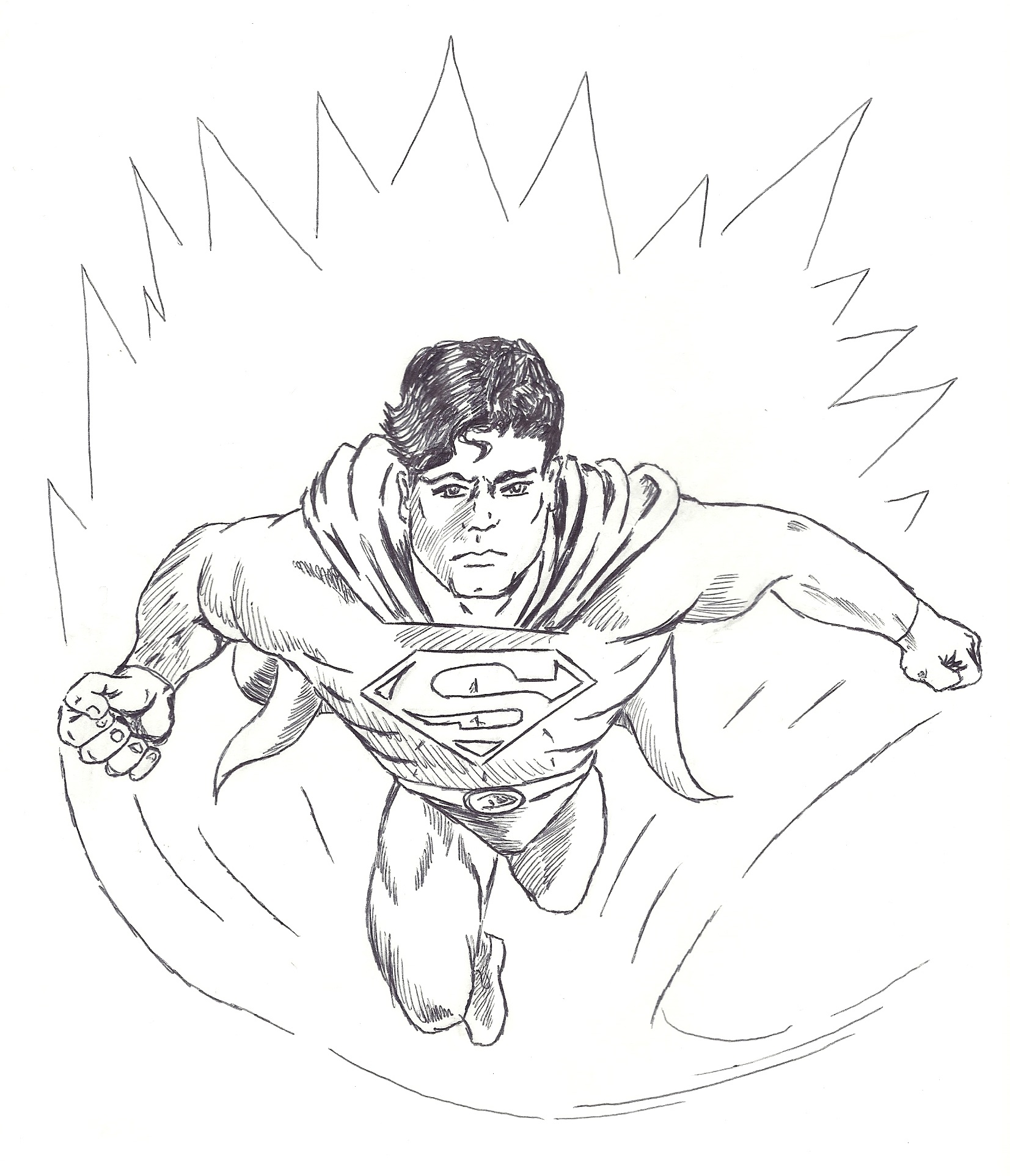
I learned how to draw men with unhealthy amounts of muscles, women with waists that would break in two with the amount of breastly boobage a teenage boy would pack on top, and numerous people who actually seemed to think capes made sense as a fashion statement. I also learned how to do shading in pen and ink and foreshortening from master artists like John Romita Jr. and George Perez and Barry Windsor-Smith. And I would be remiss if I didn’t give proper credit to Murphy Anderson and Jack “King” Kirby. I know you don’t know who those people are because you are not the comic book nut I am… nobody is. But believe me, they are masters of an American Art form. And I will never be one of them, because even though I am almost as good as some of them, I chose to be a teacher instead of being a comic book artist, a thing I could’ve so easily succeeded at back in the 1980’s. You should know this too… I have never regretted making that choice.
Filed under artwork, autobiography, comic book heroes, humor, Paffooney, Uncategorized
My mother is dying.
My sister called last night to tell me that this time, when she went into the hospital for her chronic heart problem, she would not be coming out again.
She is 87 years old, just half a year younger than when we lost her mother at 88. And at almost 65 it is not unreasonable to believe that I have to expect to lose my mother sooner rather than later. But I am still not ready to lose my mother.
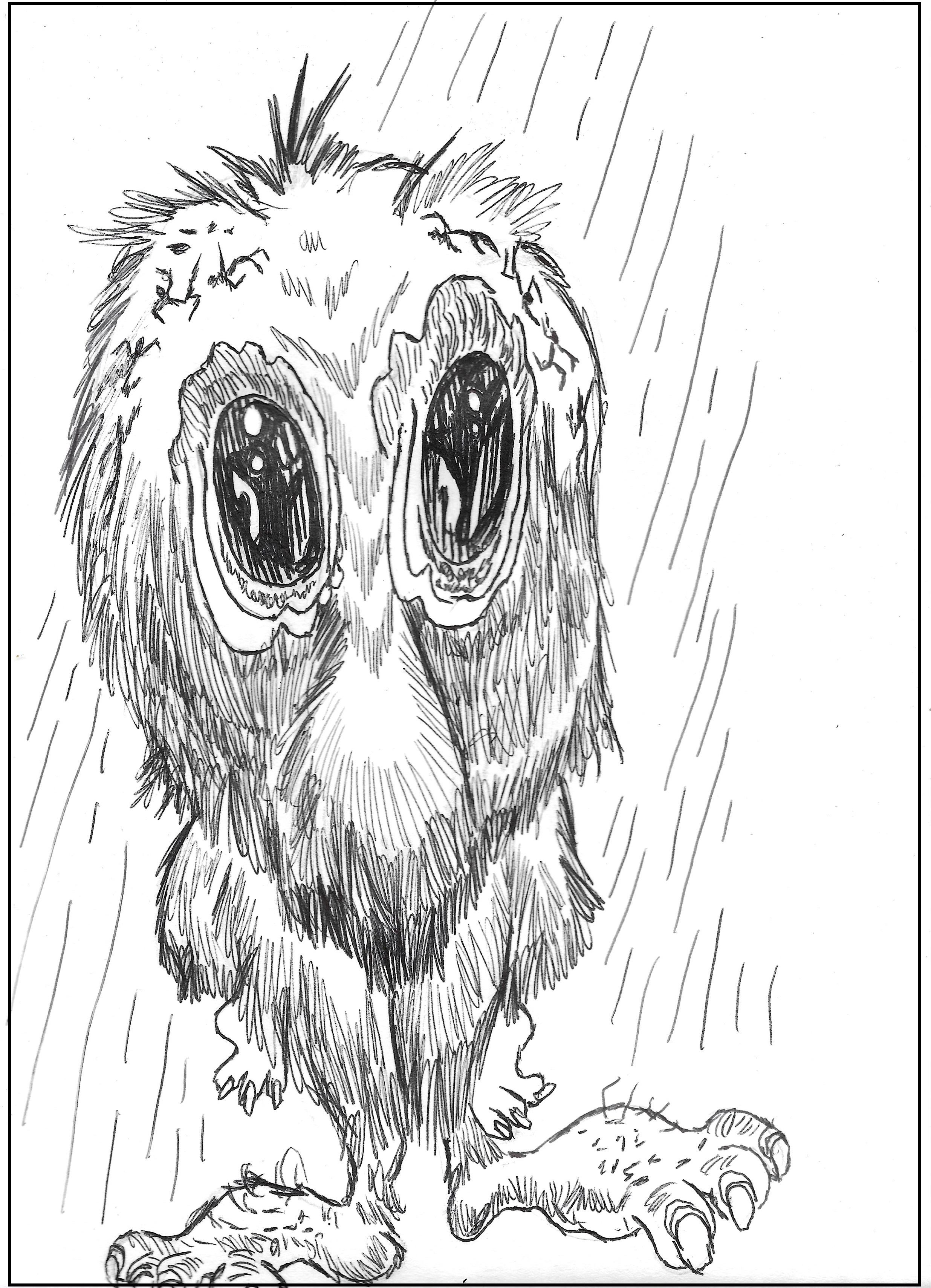
See this ugly little hairy mushroom-guy? This is Murky Deepends. I started drawing him as a teenager. I needed to see him face to face… because I was a survivor of a sexual assault. I started drawing him after the phone call that kept me from killing myself.
And this picture of him that I drew today is the only picture of him that I still have. I may have drawn hundreds over the years. I drew him to tear up the picture, or burn the picture, or soak it in water and flush it down the toilet.
Murky is my depression.
And before I could use him as an illustration for this piece, I had to make sure I put a black box around him. No way can I ever let him escape again to grow and take over my life one more time. I cannot let him win.
I know he looks kind of sad and pitiful. But don’t feel sorry for him. He’s a stone cold killer. And if you look at him carefully enough, you may detect a smile on his face.
I am sad now about my mother. But it is okay to be sad. I lost my father less than a year ago. During the pandemic lockdown. I did not get to see him before he died. I did not get to attend his funeral.
My fear is that the same thing will happen now with Mom. I have no way to safely get to Iowa again. The pandemic is raging again in both Texas and Iowa with the Delta variant. My sister is the only one who can get into see her and be with her according to hospital Covid rules. (Mom does not have Covid. Only a weak and failing heart.)
And it is okay to feel sad. I have earned the right to be sad through 63 and three quarters years of love and devotion.
And Murky has no place in my sadness. Murky is depression. Not a feeling like sadness, but an absence of feeling, a numbness and incapacitation. So, I will keep him in a box or destroy him completely. I will get through this with the rest of my family, and Murky will not have any power over me.
Filed under battling depression, Depression, Uncategorized

