

Communicating with a wife is complicated. In fact, I couldn’t do the whole writer-think thing about that topic without writing a book. But I can successfully ruminate for about 500 words on the that awkward first encounter, the first time I ever was embarrassed in front of a non-sister girl.
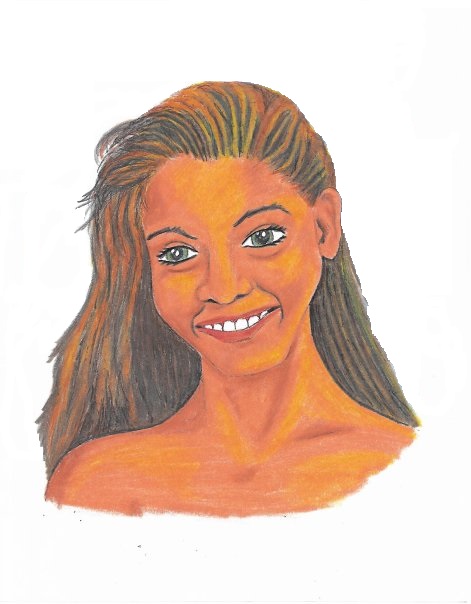
In grade school I met my first crush in kindergarten. Alicia Stewart was a honey-sweet little brown-haired girl with a bow in her hair. I was a boy. I was not allowed to like girls. Hating them was the only thing that made sense to my friends and I. But, secretly, I didn’t hate Alicia. In fact, if I was ever to be doomed to be married when I grew up, I would’ve only accepted that horrible fate if it was with her. And in my small town school I saw her practically every school day. In fact, in Miss Malkin’s music class on Tuesdays and Thursdays I sat right next to her in Miss Malkin’s seating chart for six years.
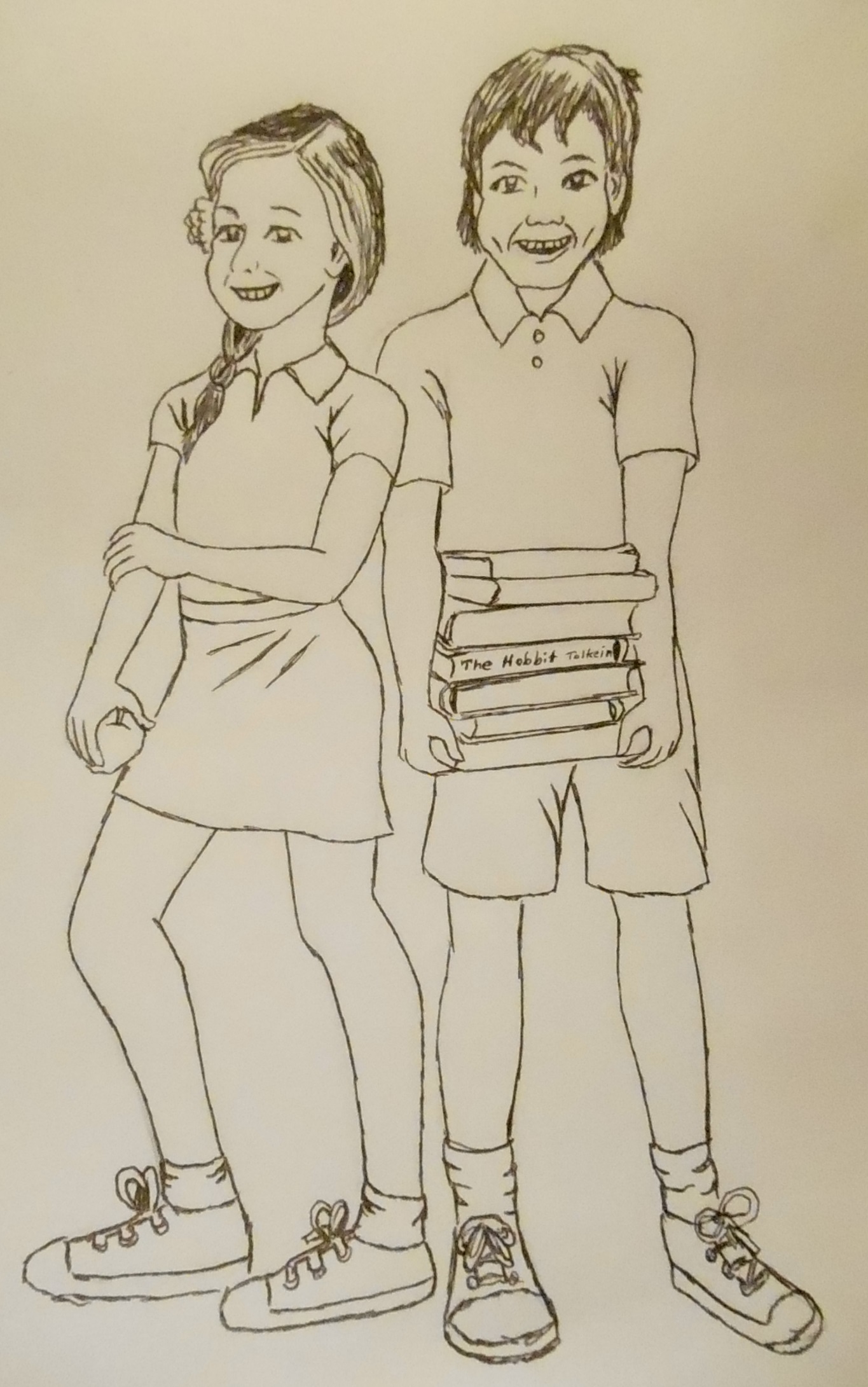
In Miss Malkin’s music class we always did musical stuff like listening to classical records, singing songs for the yearly musical review concert (we did the songs from the musical The Music Man one year… you don’t get more musicky than that), and we did square dancing. Yeah, you heard that right. Square dancing. You had to have a girl for a partner. And one year, Miss Malkin decided it would be cute to have the boys ask the girls to be their partners. Now, as boys… in top secret boy-conversations, we had generally agreed that if such a problem would ever occur, Alicia Stewart was the only acceptable choice. We all hated girls. But we all were secretly in love with Alicia. She was girl-hating-boy approved. When I was twelve, there was another girl that was making me uncomfortable too. Marla Carter was nine when I was twelve. She had big brown eyes and dimples. Her face was somehow heart-shaped, and only Alicia could make my palms sweat any worse than she did. But in top secret boy-conversations it was ruled that she was a booger-eating little girl and totally toxic. Well, I didn’t totally agree, but I was still subject to all girl-hating directives.
“Okay,” Miss Malkin said, “the boys will now pick their partners… one at a time in alphabetical order.”
My last name began with the letter “B”, but my best friend Mark had a last name starting with “A”.
“I pick Alicia,” Mark said.
My heart sank. I had my pick of any girl besides Alicia. Marla was standing about four feet away from me, her hands folded together behind her back, looking at me with those puppy-dog eyes. My throat was too dry to speak.
“Um, ah… I can’t pick anyone…” I croaked. “You pick it, I will dance with it.”
“Now, don’t be like that, Michael. Get on with it!” Miss Malkin commanded. Everyone loved the music teacher, and so everyone obeyed her. I had to submit.
I looked at Marla, dug my toe into the floorboards, and said, “I choose my cousin Diane.”
Talking to girls has always been a matter of embarrassment. The words are always awkward and shaped not by my brain, but by my bowels. This fact has always been a hindrance to my dealings with the female species, but it has been an unending source of potential for writing humor.









 Catch a Falling Star
The Cowboy Code
When I was a boy playing cowboys and Indians with cap pistols and rubber tomahawks, we all knew that cowboys had a code. The guy in the white hat always shoots straight. He knows right from wrong. He only shoots the bad guy. He even shoots the gun out of the bad guy’s hand if he can. Westerns are about right and wrong, good and bad, and the unyieldingly good knights of plains.
And boys believe what they see on TV and in the movie theaters. People who make television shows never lie, do they? In fact, Wyatt Earp was based on a real guy who really lived and really shot the bad guys at the gosh-darn real OK Corral.
Daniel Boone was a real guy too. He faced the opening up of new lands full of deadly dangers. And when Fess Parker played him in 1964, wearing Davy Crockett’s coonskin hat, he walked the earth like a guardian angel, making everyone safe by the end of the episode. He even knew which Indians were good and which were bad. Mingo was always on Daniel’s side. And when they spoke to each other about the dangers they faced, it was never about killing the people they feared. It was about doing what is was right, about helping the community at Boonesboro to survive. Being encouraging… looking forward to a more settled future created by following the cowboy frontier code.
So, I am left wondering what ever happened to the cowboy code? I listen to Republican presidential candidates talking about dipping bullets in pig’s blood to kill Muslims, and building walls against Mexican immigrants, and why our right to carry assault rifles is sacred, and I wonder what happened. Didn’t they experience the same education from the television versions of the Great American Mythology? Didn’t they learn the code too?
I am old enough now to know that cap guns are not real guns and you cannot solve problems by shooting somebody. But that was never the point of the cowboy code. We need straight-shooters again in our lives, not to shoot people, but to tell the unvarnished truth. We need wise people who can tell who are the good Indians and who are the bad We need them to shoot the weapons out of the bad guys’ hands. And I know that’s asking for leaders to be larger than life and be more perfect than a man can actually be. But Daniel Boone was a real man. Myths and legends start with a fundamental truth.
Leave a comment
Filed under autobiography, commentary, cowboys, humor, insight, philosophy, politics, Uncategorized
Tagged as autobiography, childhood beliefs, cowboy code, Daniel Boone, humor, politics, Red Ryder, Roy Rogers, Wyatt Earp