This is actually a 2019 post from before the pandemic. The creepy poetry, however, still applies.
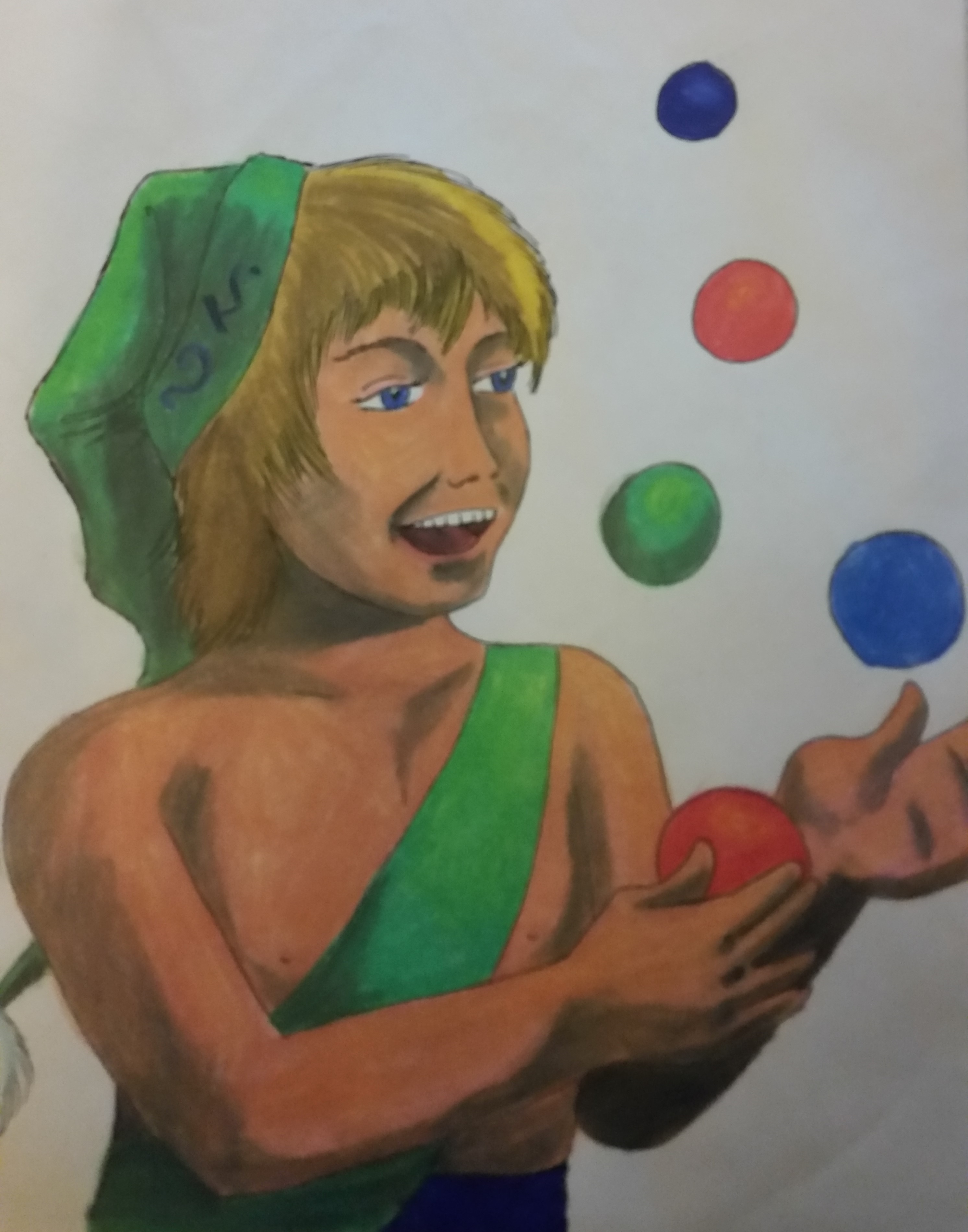
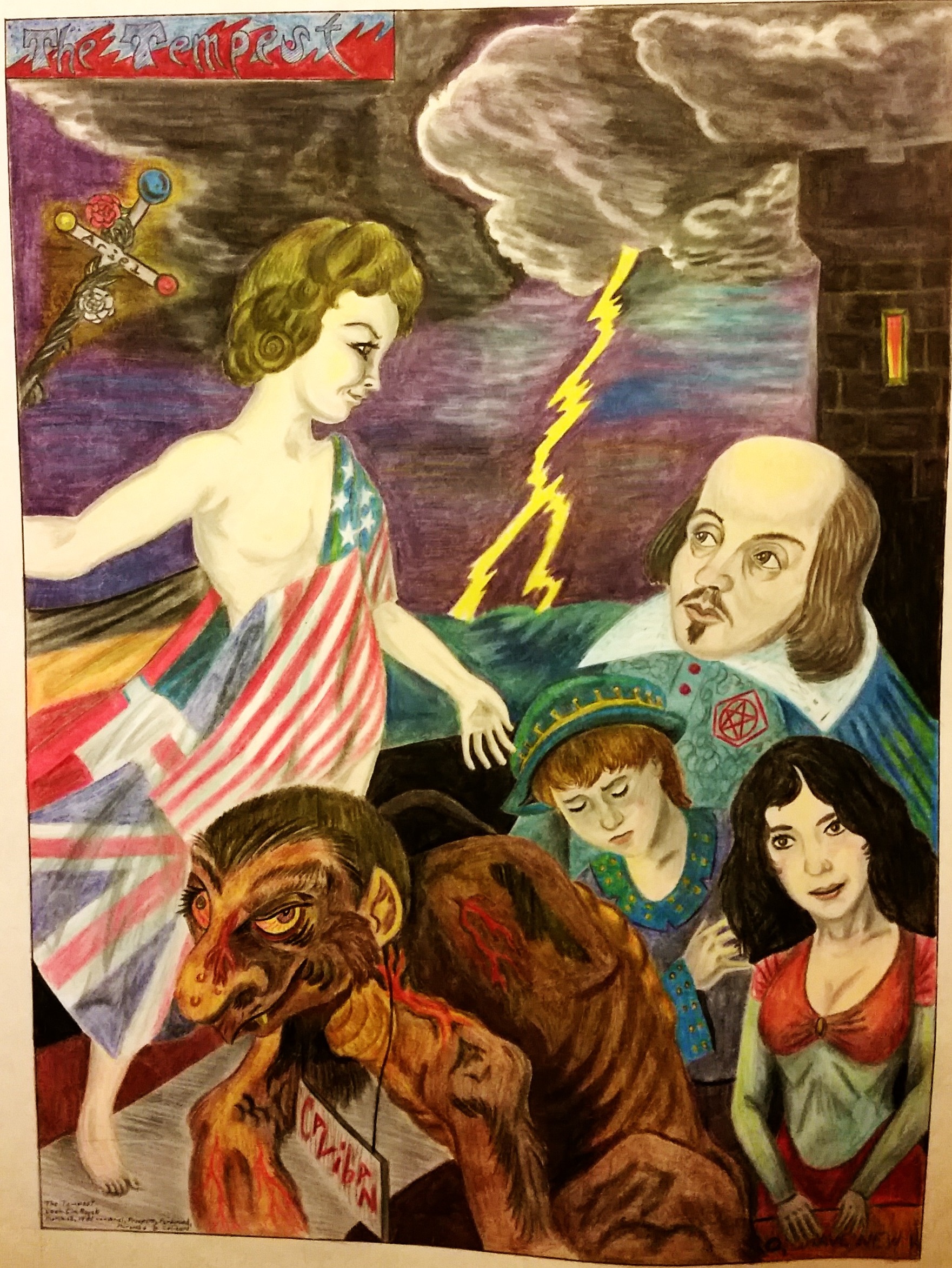
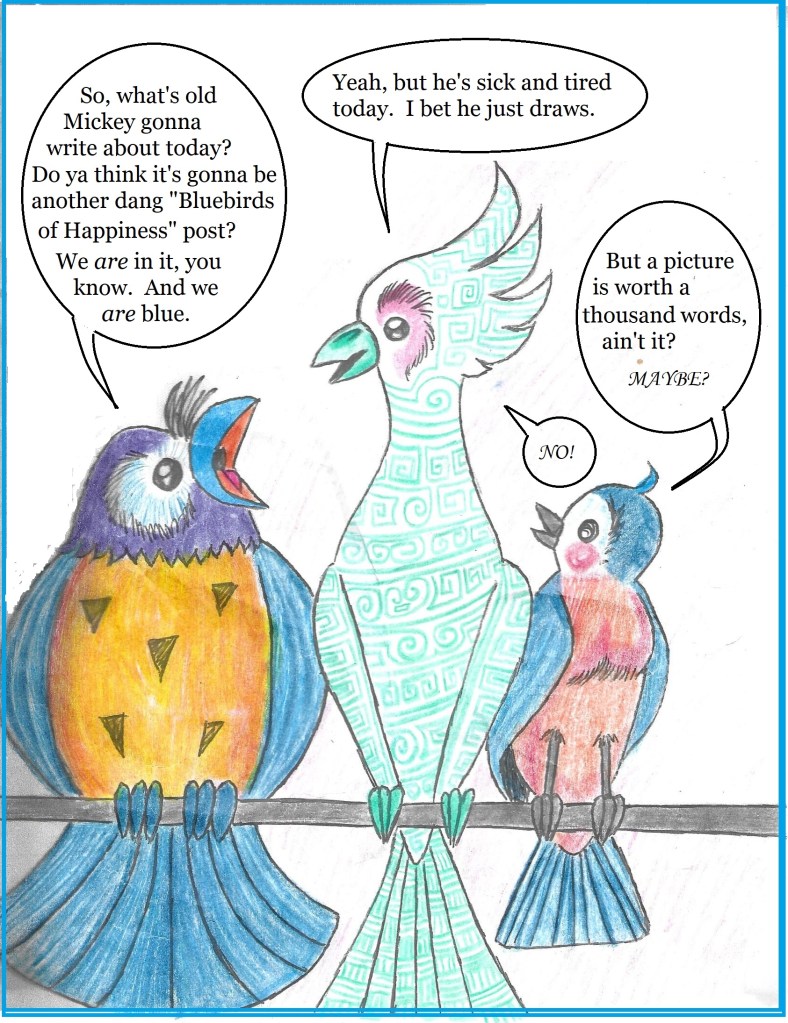
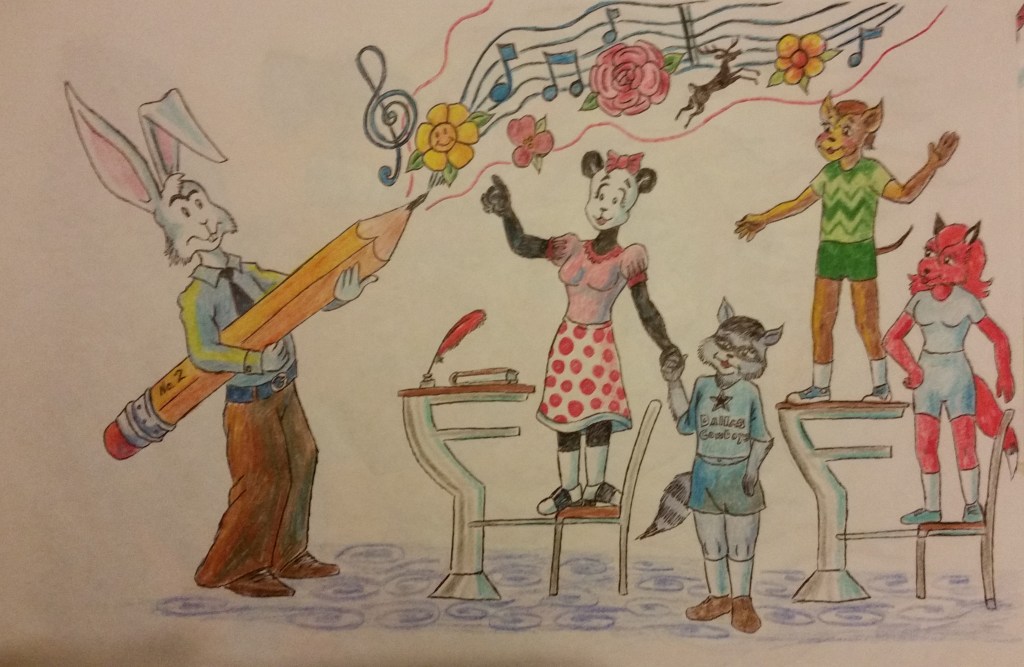
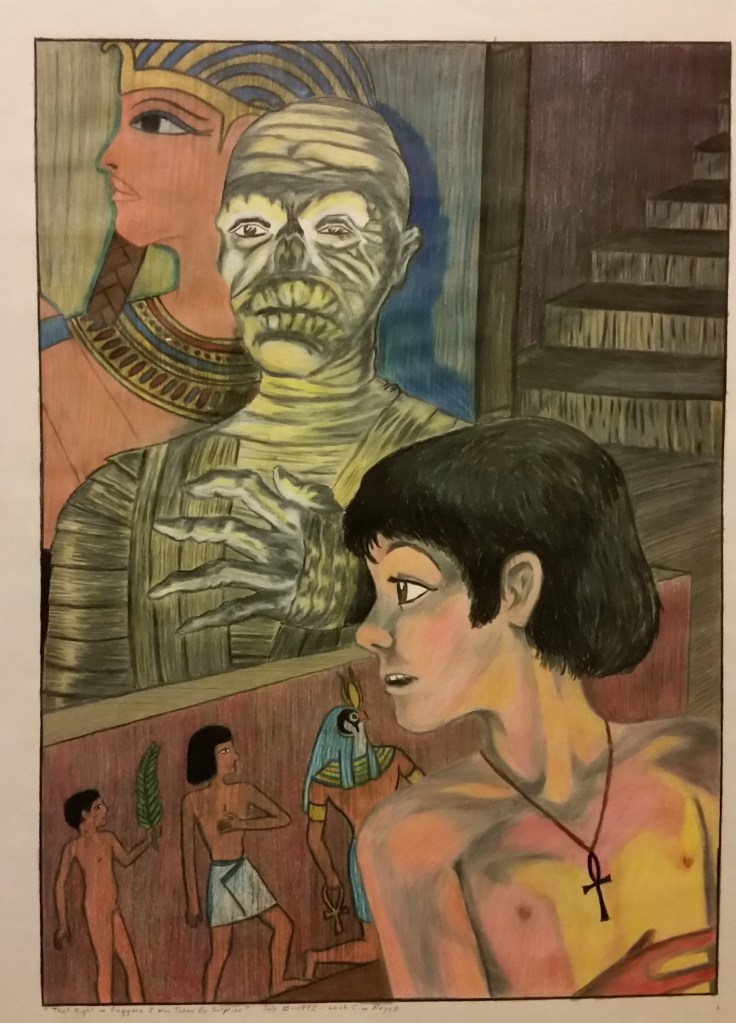
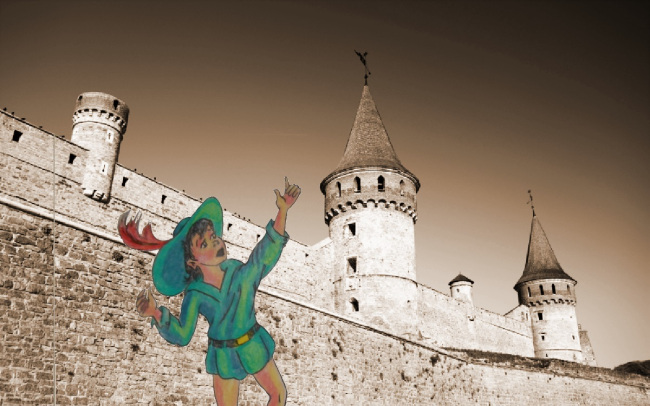
I am not, at this writing, feeling very spry anymore. I substituted for an ESL teacher in Irving yesterday. I enjoyed it. But the frosty cold weather took its toll on me, as did the misbehavior of clownish 11th graders. I am left exhausted and thoroughly convinced that huge high school classes averaging thirty kids in them are not something I am well enough to deal with anymore. I probably need to decide against taking any future high school sub jobs. They make me deathly tired and inspire creepy poetry about mortality in me. Anyway, it caused me to do some picture-making, and some silly poetical complaining.
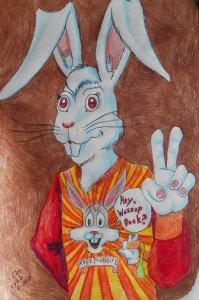
There is a reason why anything in my artwork starting with a rabbit is assumed to be autobiographical. I raised rabbits as a 4-H project from about the age of 10 and we kept rabbits in pens until I was finishing my undergraduate degree. (Rabbit chores fell to my little brother when I was away from home.) In many ways, I was a rabbit-man. My personal avatar as a school teacher was Reluctant Rabbit.
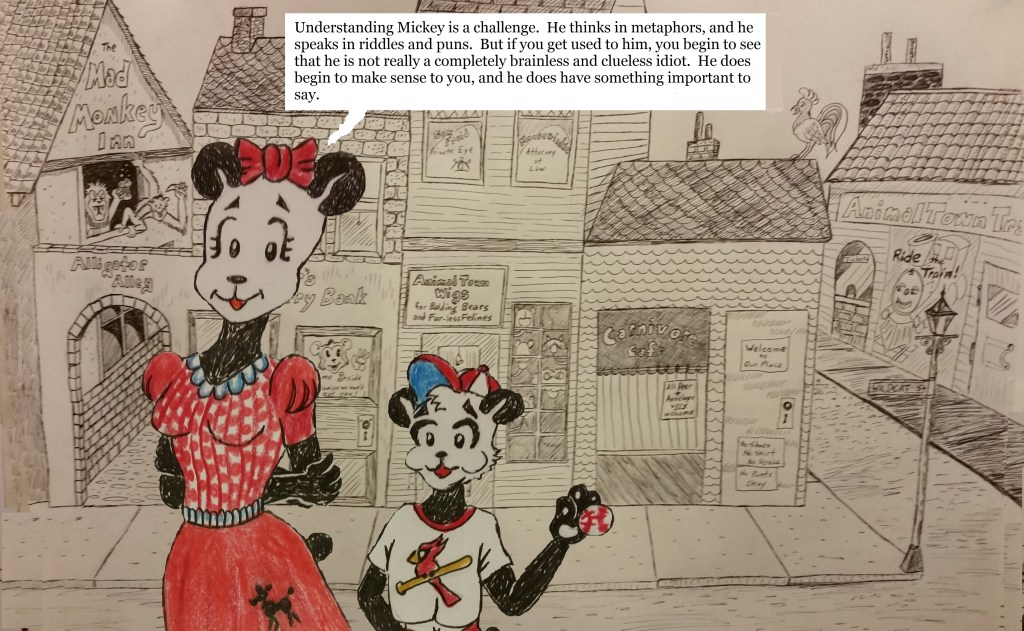
The panda known as Mandy in my cartoon world is an avatar of my wife, an immigrant from the Pandalore Islands.
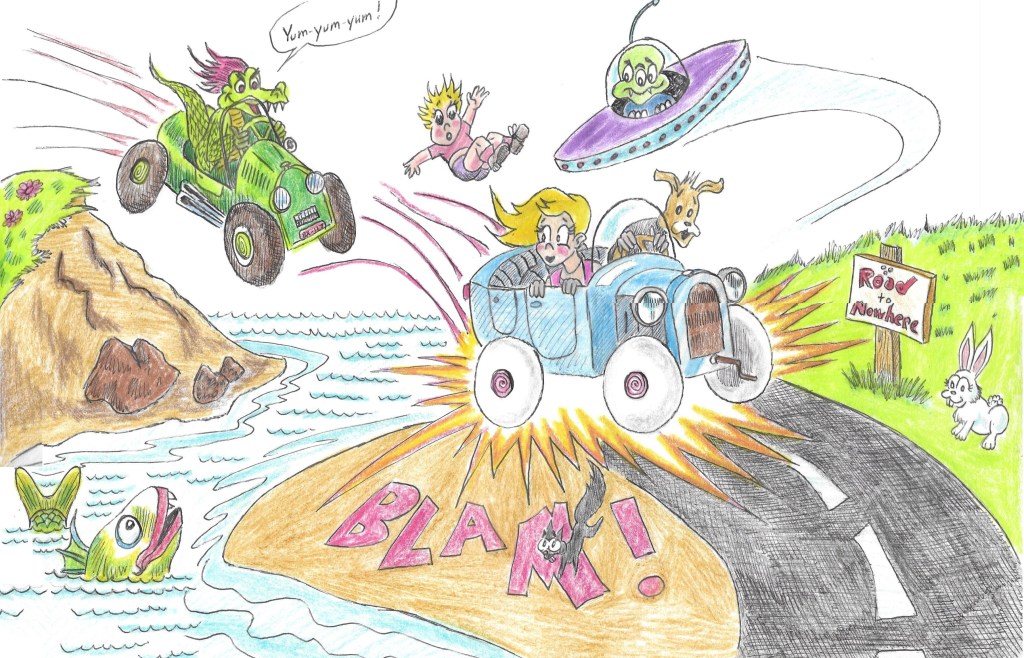
There is often an exaggerated sense of adventure in my cartoonally weird Paffoonies, the very name of which is a fantasy word.
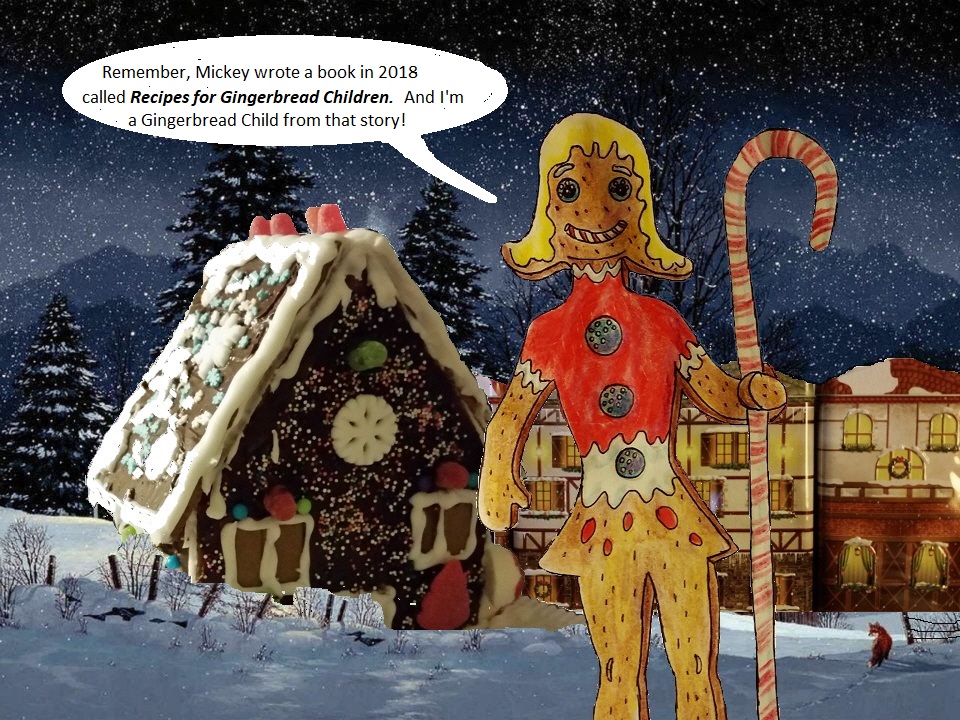
I have been known to actually believe gingerbread can be magical enough for gingerbread men to come to life once baked. It is the reason I bite the legs off first, so they can’t run away.
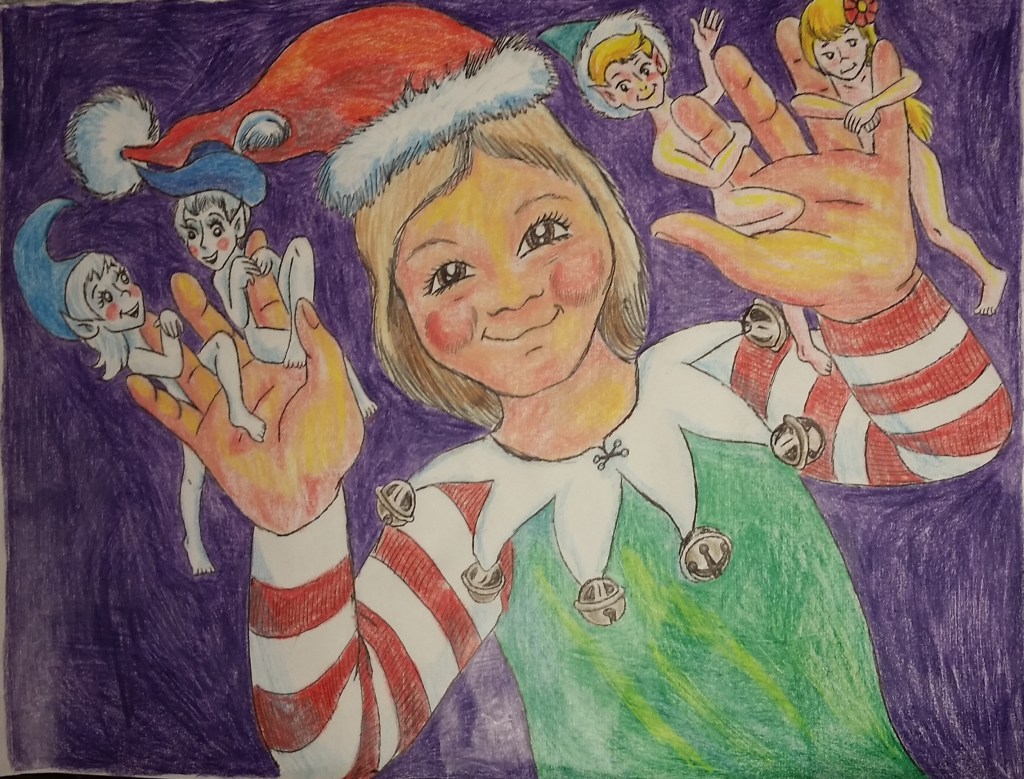
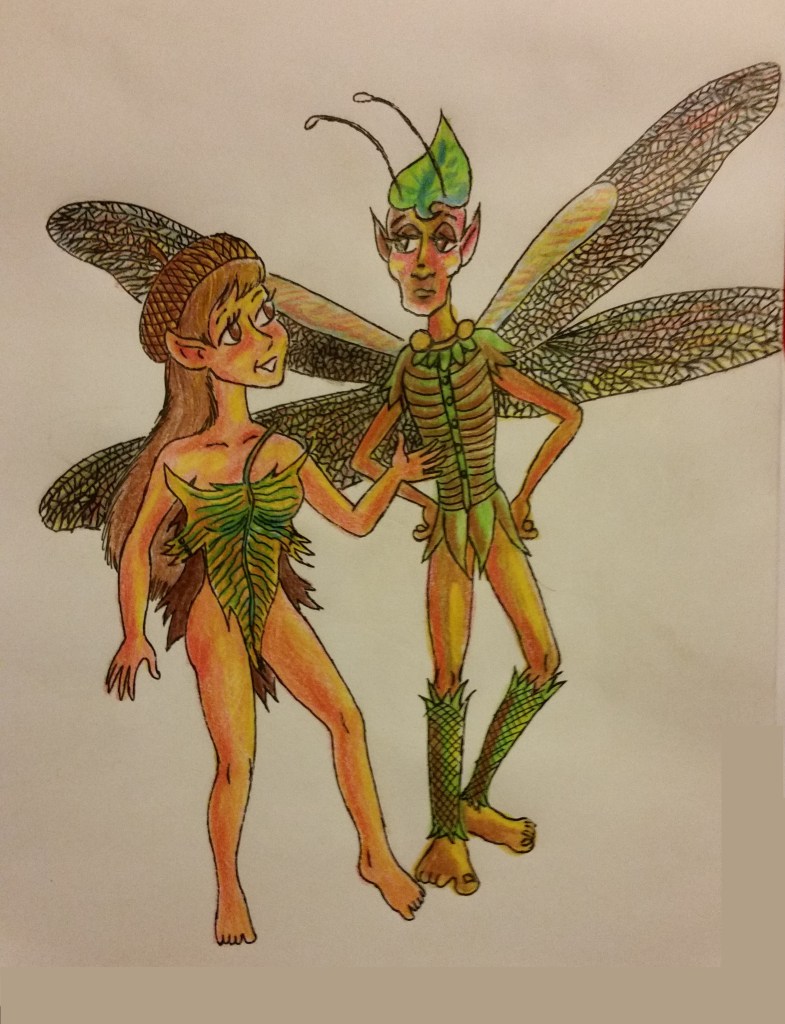
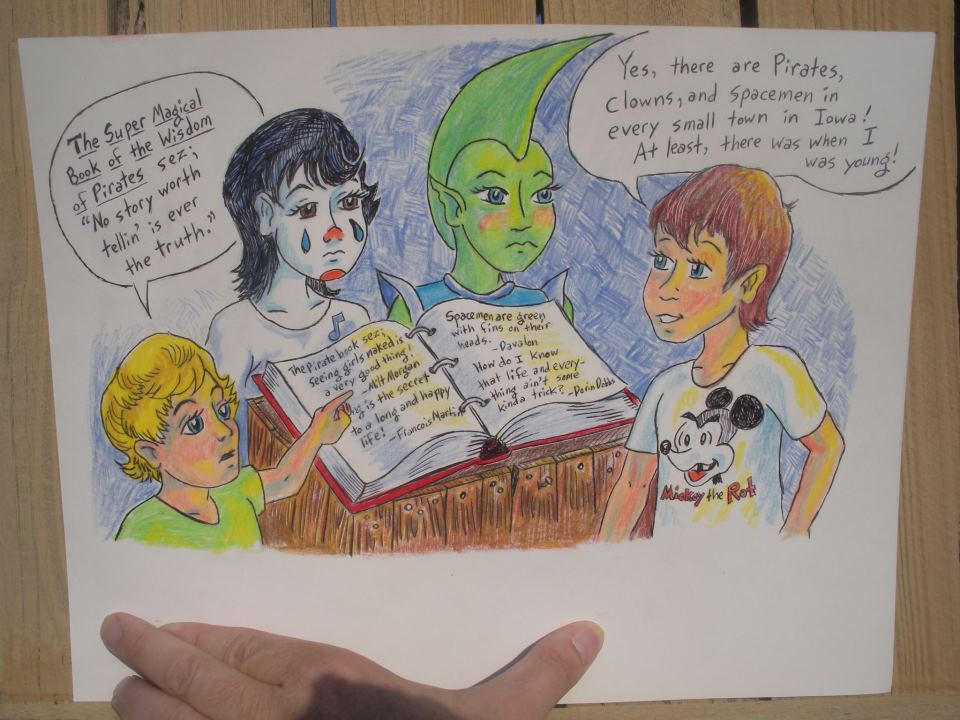
I have been known to see elves, fairies, and numerous other things that aren’t really there. In fact, a whole secret hidden kingdom of them inhabited the schoolyard in Iowa where I attended grades K through 6. They were all mostly three inches tall. The biggest ones, like dragons reaching only about six inches tall at their largest.
Of course I am afraid of death, evil, and… (shudder) mummies.I think of art and story-telling as a form of music. I am a troubadour whose songs (like this one) are often completely silent.My fantasy art tends to be more “comic book” than “art gallery”.
I am, unfortunately, a dedicated conspiracy theorist. No, not the braying, unintelligent kind like Alex Jones who has an unhinged and hidden agenda. More the Indiana Jones kind, seeking the truth no matter where it leads, but always relying on research, science, and creative methods of re-framing the facts in order to reveal truths that other people don’t see even when the answers are right in front of them.
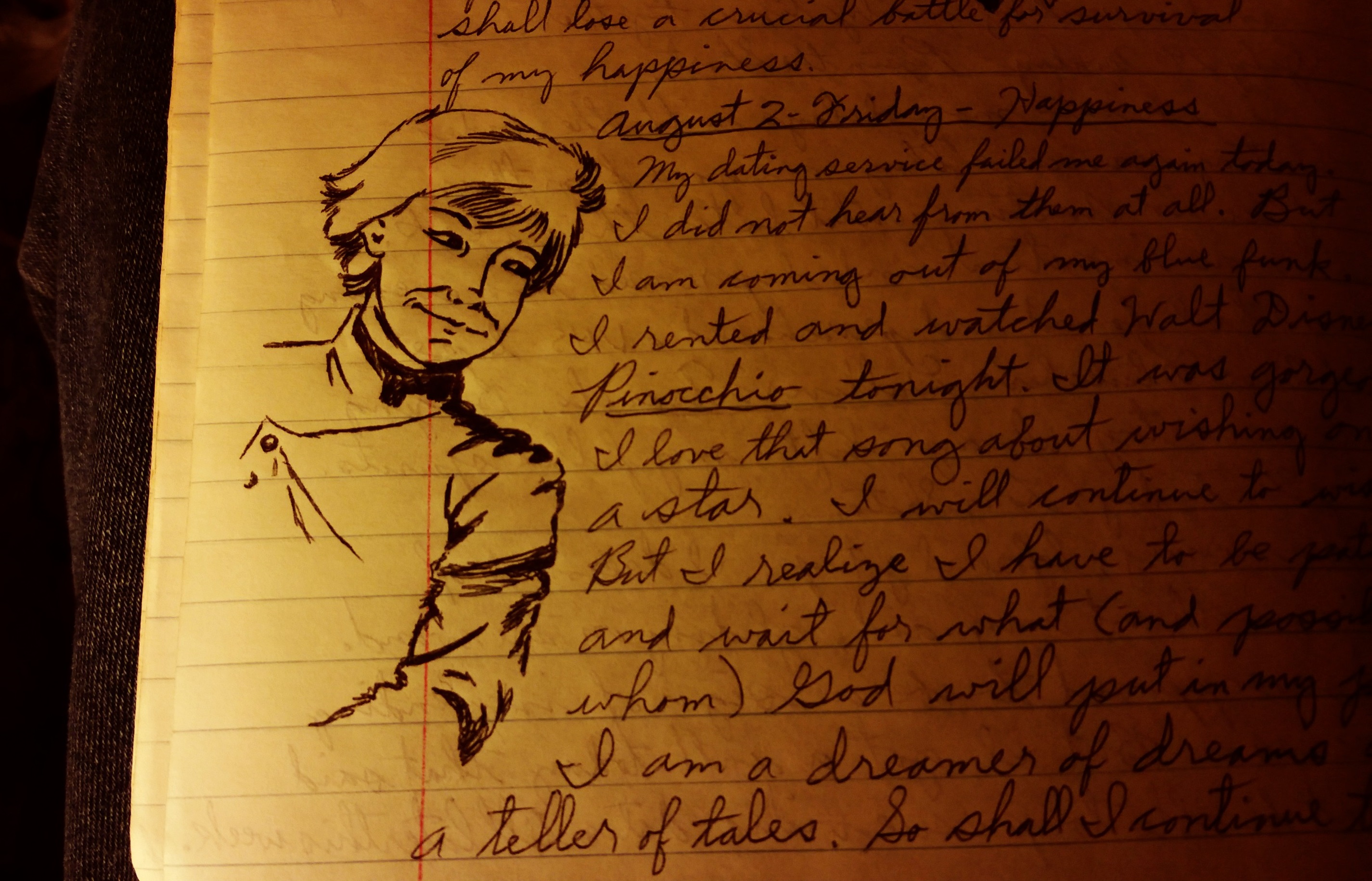
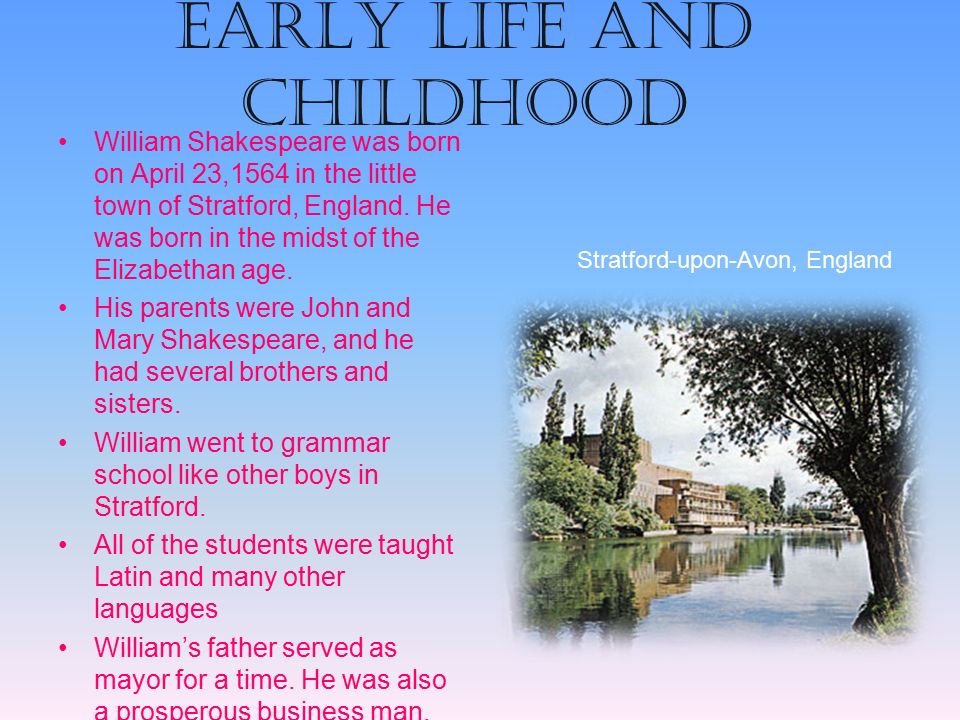
An example of this is my firm belief that everything we think we know about the man known as William Shakespeare is based on an ages-old deception and is basically an unrevealed lie.
Of course, I am not the only literature-obsessed kook who has ever taken up this notion of someone else having written the great works of Shakespeare. I share the opinion with Ralph Waldo Emerson, Nathaniel Hawthorn, Walt Whitman, Prime Minister Benjamin Disraeli, Charles Dickens, Actor Derek Jacobi, and the great Mark Twain (also not the writer’s real name) .
It is very possible the standard details of the life of William Shakespeare have been fudged just a bit… or maybe quite a lot.
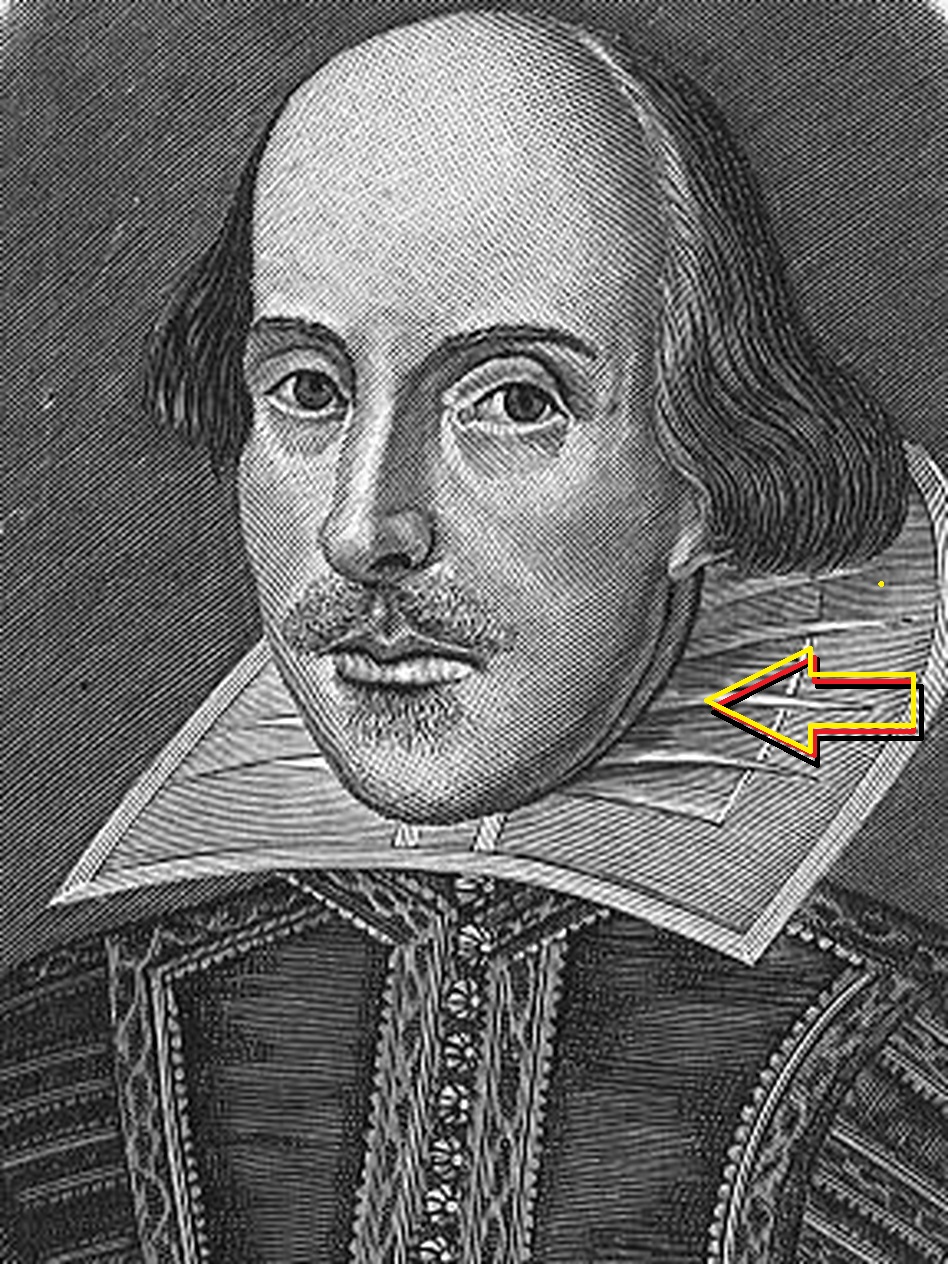
The biggest question that I can see when looking at the man we pretend is the actual author of the plays, is why doesn’t this man look like an author? As brought out in the video, the only example we have of the author’s own handwriting are six signatures from legal documents, three of which come from his last will and testament. And if the name is really William Shakespeare, then the Stratford man misspelled his own name. He wrote it as Shakspere or Shaksper. And the handwriting is atrocious, nothing like the carefully practice signature I sometimes put on my own handwritten work. How does that happen? I have seen signatures by many other authors, both famous and obscure, and nowhere do I see such careless script as what is allegedly the signature of the greatest and most acclaimed writer who ever lived.
The accepted life story of Shaksper doesn’t bear up under scrutiny either. In spite of being a wealthy businessman and mayor, his father can be seen to be provably illiterate, relying on associates and underlings to write the paperwork involved in his business and mayoral rule. There is no proof in the form of enrollment lists or written record of Shaksper having ever enrolled at or attended the school that supposedly taught Stratfordian youths to read and write. His wife and children and grandchildren were also provably illiterate. What other writer has such a lack of effect on his own family?
And Shaksper’s will details everything he owned and left to others at his death. Nowhere is there a mention of plays, manuscripts, poetry, or even books. The greatest author who ever lived owned no books at all? He was provably wealthy enough to buy books, and public libraries did not exist back then. How then did he demonstrate such knowledge of Ovid’s Metamorphosis, as well as the functioning of royal courts both in England and abroad? How did he get so many details right about places in Italy and Europe which he had never visited or seen with his own eyes? Something is definitely missing.
It is true that everything mentioned is merely circumstantial evidence. And yet, if all circumstantial evidence leans in only one direction, then isn’t the conclusion probably sound?
Do you not see the lines of the mask in this portrait?
But if Shaksper, the Stratford man, did not write the masterful literary works he has been given credit for, then who did? And why did he let the credit go to someone else?
Ah, I am betting you are beginning to smell a multi-part essay brewing. I mean to tell you who I think is under the mask, who it was I believe actually wrote under the pen name of William Shakespeare.
Let’s begin with some stupid advice. I don’t have time to write a lot today because the Princess is ill and must go see the doctor in Plano. So the advice is; Set aside time for writing and always allow plenty of time for it. You will probably notice already that I am giving you advice that I am not taking myself this morning. So don’t follow that advice. It is stupid advice. I have given it to creative writing classes for years and thought I meant it. But looking back on real life, I realize, it has never been true for me. My best ideas, my best writing, always seem to come in the middle of the pressure-cooker of daily struggle and strife. I have battled serious illness for most of my adult life. I have the luck of a man who tried to avoid letting a black cat cross his path by crashing his bicycle at the top of a hill covered in clover with only three leaves each and then rolling down the hill, under a ladder, and crashing into a doorpost which knocks the horseshoe off the top. The horseshoe lands on my stupid head with the “U” facing downward so the luck all drains out. Bad things happen to me all the time. But it makes for good writing. Tell me you didn’t at least smile at the picture I just painted in your mind. You might’ve even been unable to suppress a chuckle. I am under time pressure and misfortune pressure and the need to rearrange my entire daily schedule. So it is the perfect time to write.
This essay, however, is about bad advice. And I am a perfect person to rely on as a resource for bad advice. I am full of it. Of course, I mean I am full of bad advice, not that other thing we think of when someone tells me I am “Full of it!” So here’s another bit of writing advice that is probably completely wrong and a bad idea to take without a grain of salt, or at least a doctor’s prescription. You should stop bird-walking in your essay and get to the damn point!
I know a lot about the subject of depression. When I was a teenager, I came very close to suicide. I experienced tidal waves of self-loathing and black-enveloping blankets of depression for reasons that I didn’t understand until I realized later in life that it all came from being a child-victim of sexual assault. Somehow I muddled through and managed to self-medicate with journal writing and fantasy-fixations, thus avoiding a potentially serious alcohol or drug problem. This is connected to my main idea, despite the fact that I am obviously not following the no bird-walking advice. You see, with depression, Bad advice can kill you. Seriously, people want to tell you to just, “Get over it! Stop moping about and get on with life. It isn’t real. You are just being lazy.”
I have been on the inside of depression and I know for a fact that not taking it seriously can be deadly. In fact, I have faced suicidal depression not only in myself, but in several former students and even my own children. I have spent time in emergency rooms, mental hospitals, and therapists offices when I wasn’t myself the depression sufferer. One of my high school classmates and one of my former students lost their battles and now are no longer among the living. (Sorry, have to take a moment for tears again.) But I learned how to help a depression sufferer. You have to talk to them and make them listen at least to the part where you say, “I have been through this myself. Don’t give in to it. You can survive if you fight back. And whatever you have to do, I will be right here for you. You can talk to me about anything. I will listen. And I won’t try to give you any advice.” Of course, after you say that to them, you do not leave them alone. You stay by them and protect them from themselves, or make sure somebody that will do the same for them stays with them. So far, that last bit of advice has worked for me. But the fight can be life-long. And it is a critical battle.
So taking advice from others is always an adventure. Red pill? Green pill? Poison pill? Which will you take? I can’t decide for you. Any advice I give you would probably just be stupid advice. You have to weigh the evidence and decide for yourself. What does this stupid essay even mean? Isn’t it just a pile of stupid advice? A concluding paragraph should tell you the answer if it can. But, I fear, there is no answer this time.
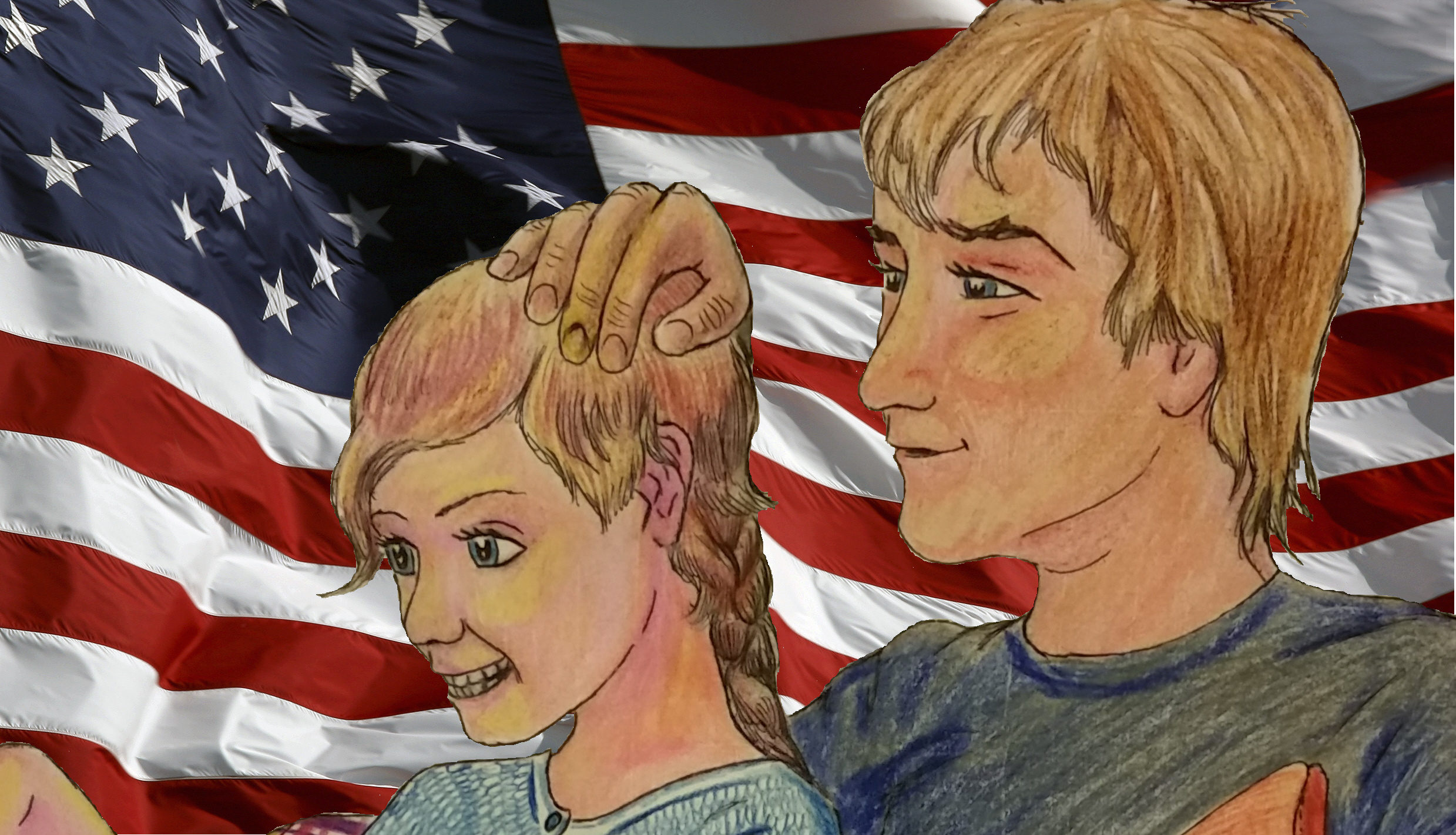
Veterans day is here again. It means something different now that my son is a Marine. It was always a solemn and somber occasion in the past. My great uncle on my father’s side died in World War II, a training accident inside a Navy gun turret. My great uncle on my mother’s side was part of the second wave on the beach in Normandy. He was injured by a German grenade and moderately disabled for the rest of his life. I never got to hear war stories. He was too damaged to ever talk about anything that happened in the war. My mother’s cousin was flying a plane in the Viet Nam Conflict. It went up, and didn’t come down again. You think of those things, and wish it could be different. You pray that it will be different for your son who is a soldier.
But when the worst that can happen comes to pass… there are no regrets. Whatever future we have is rooted in the past. Pain and suffering are difficult to manage, but when you manage them, it leaves you stronger… better as a person than you were before. So I don’t take anything for granted. I was not a warrior in this life. I was a teacher, a story-teller. And I made some mistakes along the way. I have lost some whom I cared about very deeply. Ruben, Fernando, and J.J. are all gone tragically. I will always feel I should have done more to help them when they were boys and needed help. Miraculously with the Gulf War, Afghanistan, and Iraq I have lost no former students to war, though many of mine have fought. I pray that my luck continues to hold.
But there are no regrets. And “you can listen as well as you hear”, so listen to this. I love you.
Yes, I am talking to sons and daughters, to former students, to former colleagues, to everyone I have ever known. And even if I don’t know you, never met you, even if you never get a chance to hear this message… I am talking to you also. We are all one. We all live and love and strive together, and even if we disagree to the point of war… we still belong to each other. Thank you for being you. You needed to hear that at least as much as I needed to say it.
My son is coming home on leave for Thanksgiving. I will be giving thanks.
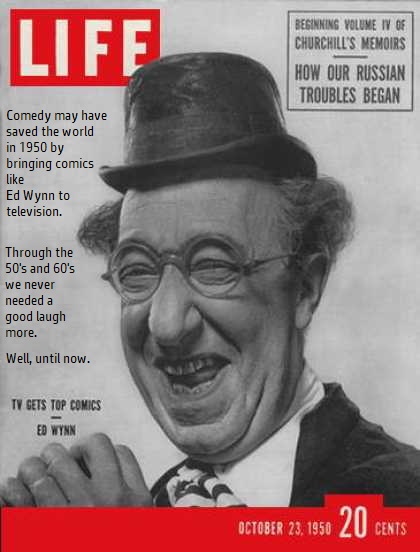
“Mickey, why can’t you be more serious the way smart people are?”
“Well, now, my dear, I think I take humor very seriously.”
“How can you say that? You never seem to be serious for more than a few seconds in a row.”
“I can say it in a high, squeaky, falsetto voice so I sound like Mickey Mouse.”
“You know that’s not what I mean.”
“I can also burp it… well, maybe not so much since I was in junior high.”
“I distinctly remember getting in trouble in Mrs. Mennenga’s third grade class in school for pantomiming pulling my beating heart out of my chest and accidentally dropping it on the floor. She lectured me about being more studious. But I made Alicia sitting in the row beside me laugh. It was all worth it. And the teacher was right. I don’t remember anything from the lesson on adding fractions we were supposed to be doing. But I remember that laugh. It is one precious piece of the golden treasure I put in the treasure chest of memories I keep stored in my heart.”
“I always listened to the words Groucho Marx was saying, even though he said them awfully fast and sneaky-like. I listened to the words. Other characters didn’t seem to listen to him. He didn’t seem to listen to them. Yet, how could he respond like he did if he really wasn’t listening? In his answers were always golden bits of wisdom. Other people laughed at his jokes when the laugh track told them to. I laughed when I understood the wisdom.”
“Laughing is a way of showing understanding. Laughing is a way of making yourself feel good. Laughing is good for your brain and your heart and your soul. So, I want to laugh more. I need to laugh more. I love to laugh.”
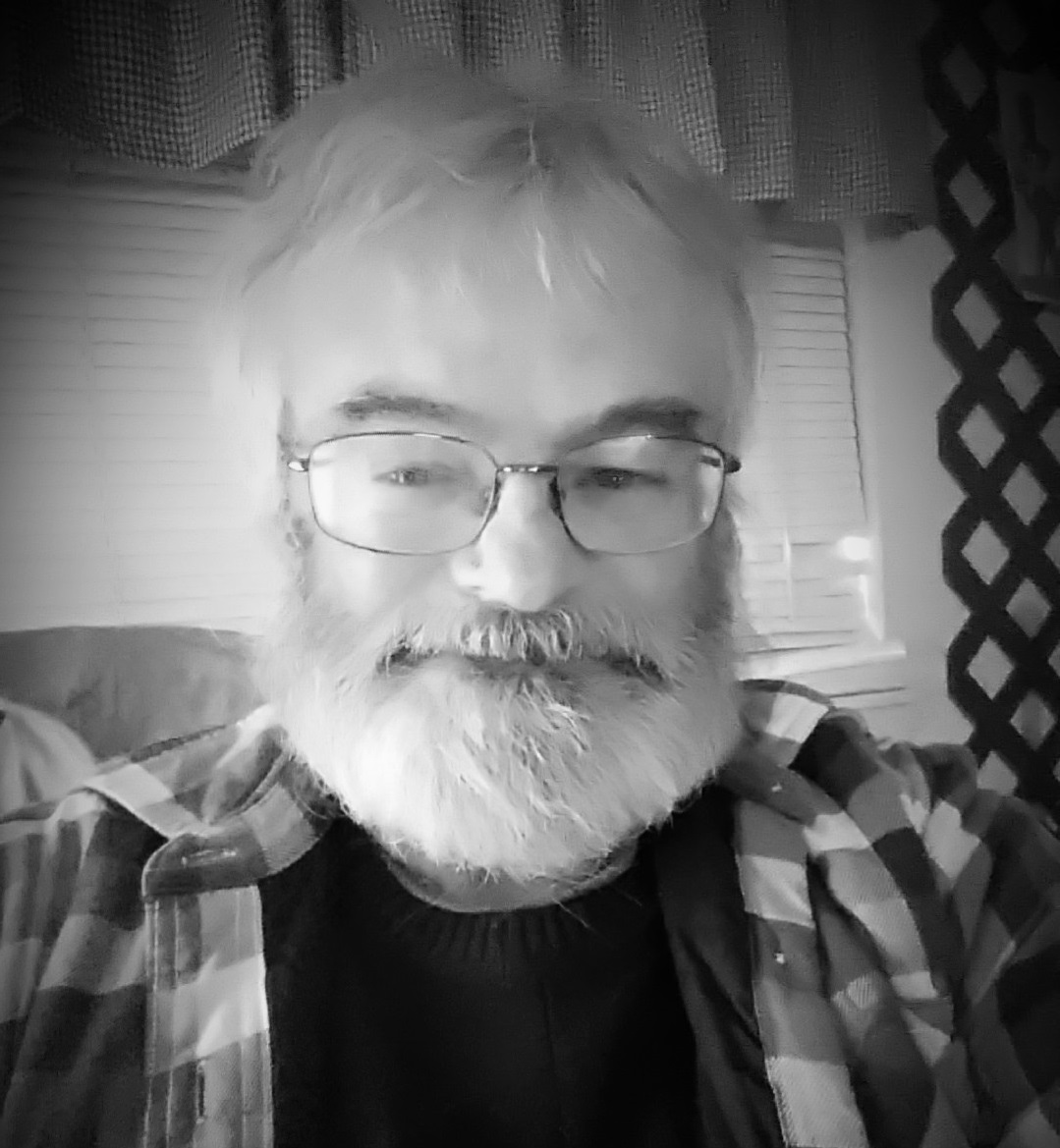
Time dictates lots of things. I am not now even the ghost of what I was back then. I look more like Santa Claus than my father or my grandfathers ever did. You may notice that, even with glasses on, I have to squint in order to see who I really am.
It is normal to do a bit of self-examination after a milestone birthday. But I never claimed to be normal. In fact, I doubt after the results of the recent election that you could say I was anything like the common man at all.
I was raised a Christian in a Midwest Methodist Church from a small Iowa farm town. But I have since become something of an agnostic or atheist… not because I don’t believe in God, but because I don’t believe anyone can tell me who God is or how he wants me to be other than me. But I am also not at the center of the universe the way most religious people believe. I believe that all people are born good and have to work at being bad by making self-centered choices and making excuses to themselves for behaving in ways that they know are wrong. God doesn’t forgive my sins because he doesn’t have to. I am tolerant of all people and most things about them. To sum up this paragraph, I am nothing like the dedicated Christians I know and grew up among. The actions of the new, in-coming government and dominant political party convince me that intolerance, self-interest, and rationalizations are the norm.
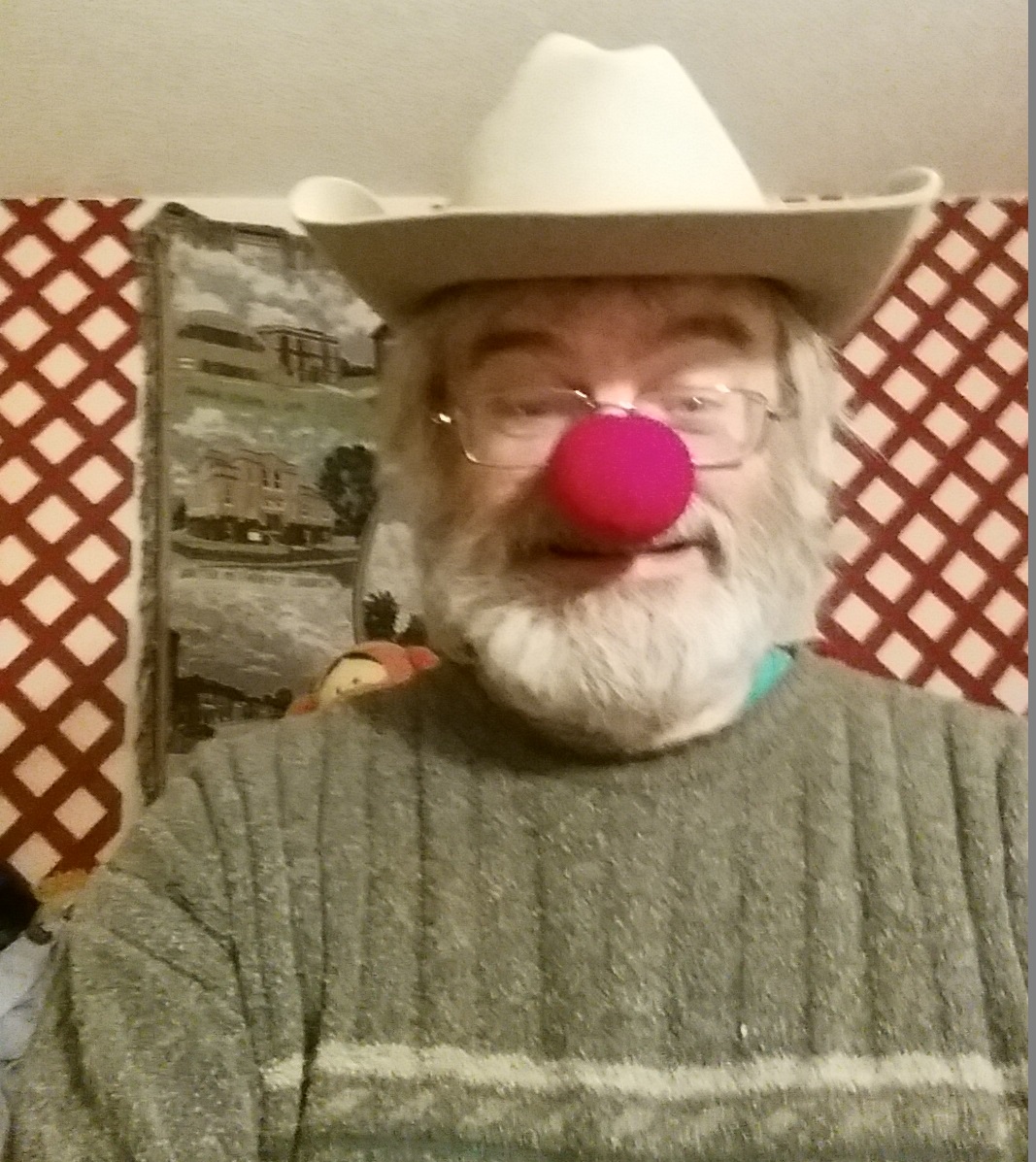
Sometimes my nose gets really red and my hair bozos out for no particular reason.
I deal with the problems of life by making jokes and forging ahead with carefully considered plans in spite of the doubts others express about my abilities, my choices, and my sanity. I prefer to do something rather than to sit idly by and do nothing. Yet, I never do anything without agonizing over the plan before I take that step. And like the recent election, things usually go wrong. I have failed at far more things in my life than I have succeeded at.
I am told I think too much. I hear constantly that I make things too complicated. People say I should do practically everything in a different way… usually their way. But I inherited a bit of stubbornness from my square-headed German ancestors. In fact, I inherited Beyer-stubborn from my Grandma Beyer. In all the time I knew her, I never saw her change her mind about anything… ever. She was a Republican who thought all Republicans were like President Eisenhower, even Ronald Reagan… but not Barry Goldwater. Someone convinced her that Goldwater was a radical. That was almost as bad as being a Democrat. I, however, have strayed from the Beyer-stubborn tradition enough to change my mind once in a while, though only after carefully considering the facts on both sides of the question. Nixon changed me from a Republican like Grandma into a Democrat. Fortunately, Grandma Beyer loved me too much to disown me.
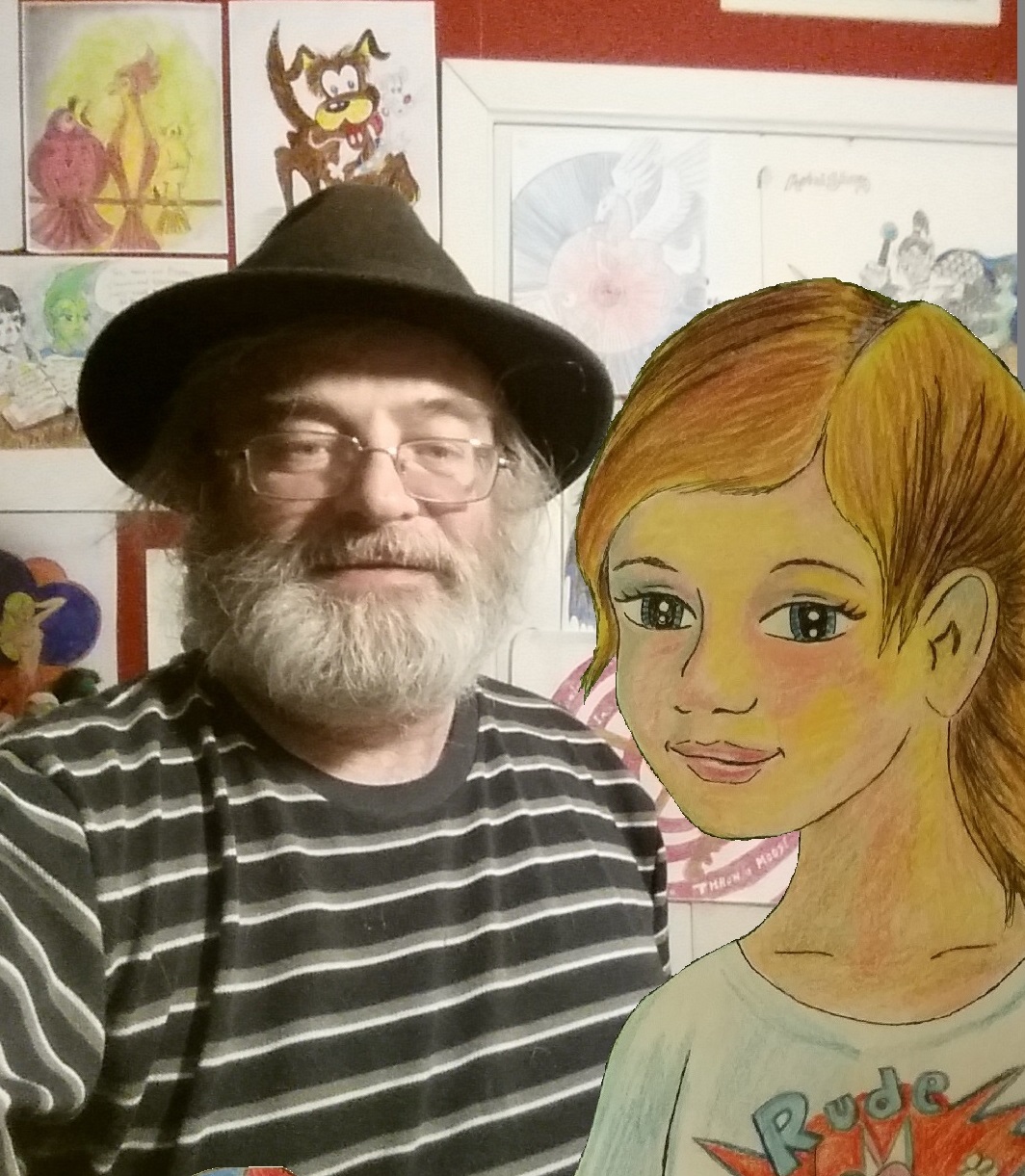
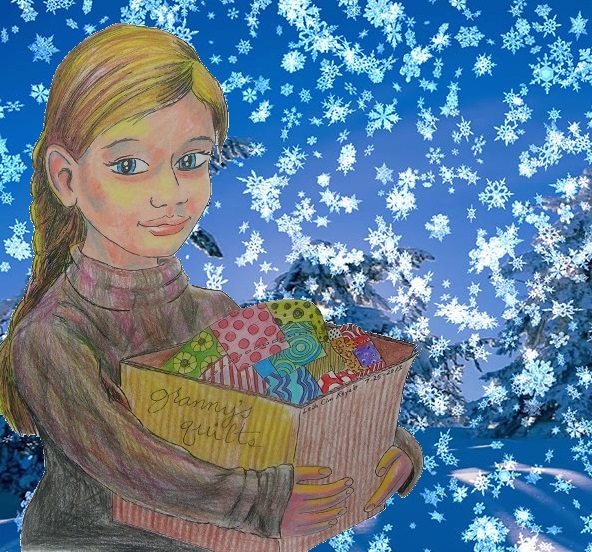
In my retirement, I have gotten even more artistical than I was before. This is a picture of me with my fictional child Valerie.
So how do I summarize this mirror-staring exercise now that I have passed the 500-word goal? Probably by stating that I do have a vague idea of who I am. But I promise to keep looking in the mirror anyway. One never knows what he will see in the map of his soul that he wears on his face.
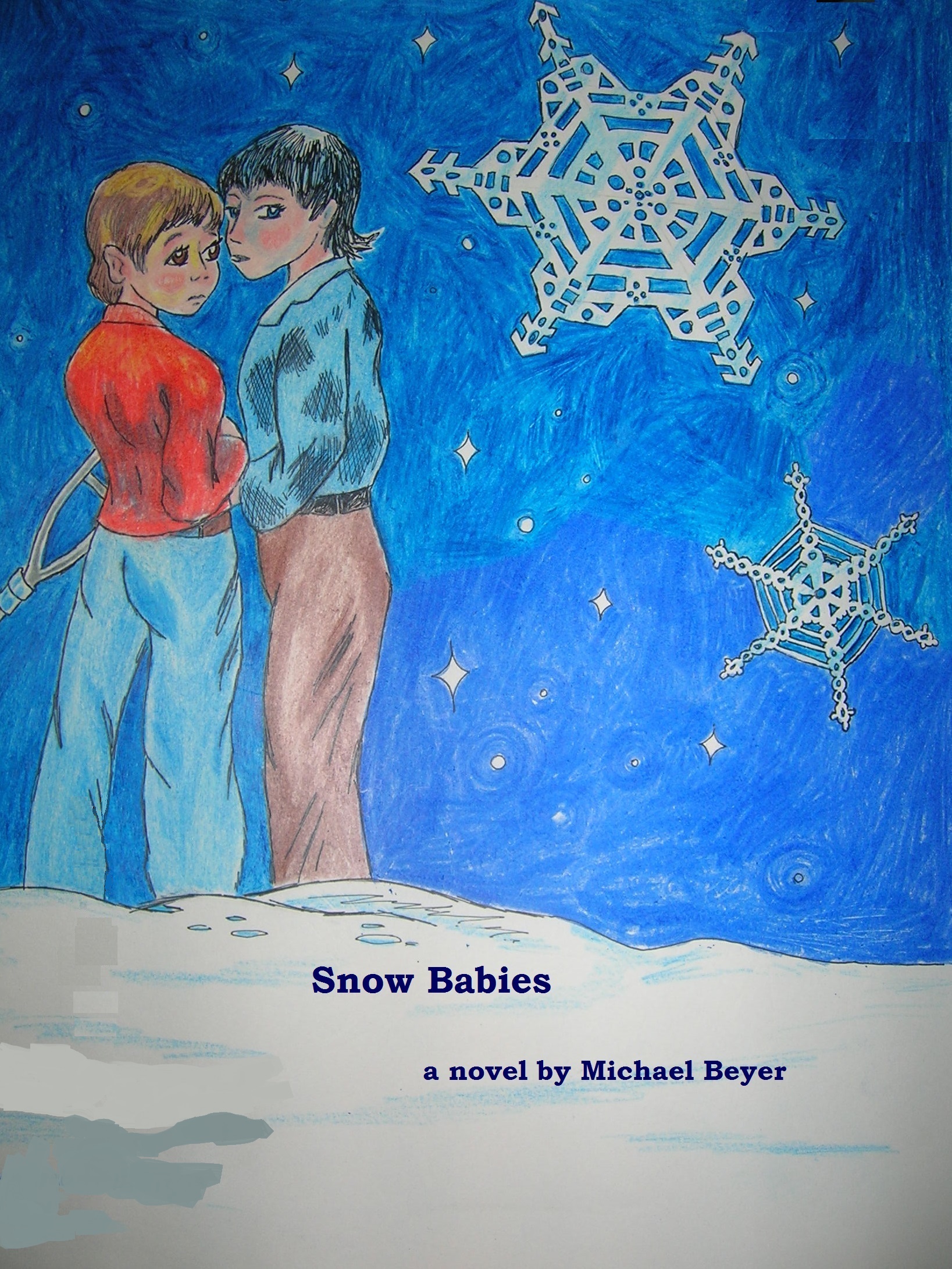
My life always seems to come down to snow. It is a theme that runs through my little teacher-life, my little story-teller-life. Did you know that I was born during a blizzard? Mason City, Iowa was snowed in during the November blizzard of 1956 when I was born, on this date in the wee hours of the early morning. Some of my most vivid memories happened in the snow.
There was that night when I was eleven and snow was falling heavily as choir practice at the Methodist Church came to an end. The walk home was more difficult than I had anticipated when I started out. The entire front of me was plastered with snow as I leaned into the wind and trudged like some kind of plodding living snowman. I got as far as the Library on Main Street when Mrs. Stewart and Mrs. Kellogg called me into the library to thaw out. They called Mom and Dad to come the three blocks from home and pick me up. But Alicia Stewart was there. The most beautiful girl in all of Rowan, as far as my young heart was concerned. She sat in the row across from me at school. I am fairly certain that my Math grades were so poor mainly from the time I wasted watching her sharpen her pencils and turning the pages in her textbook. I had my Russian snow hat on that night and the ear flaps were pulled down. I had the little bill on the front of the cap pulled down to shield my eyes, and it was caked and dripping with snow as I entered the library.
I pounded off some of the caked snow and said, “Gee, I think it might be snowing outside.”
Everyone laughed.
Alicia pulled up the bill of my cap and looked me right in the eye. “Michael, you are so funny,” she said. That smile she gave me that snowy night warmed my heart, and drove the cold out of even my frozen toes. I still keep the memory of that smile in my heart to this very day, in a drawer where nobody can find it, and I haven’t really ever told anybody about it until here and now.
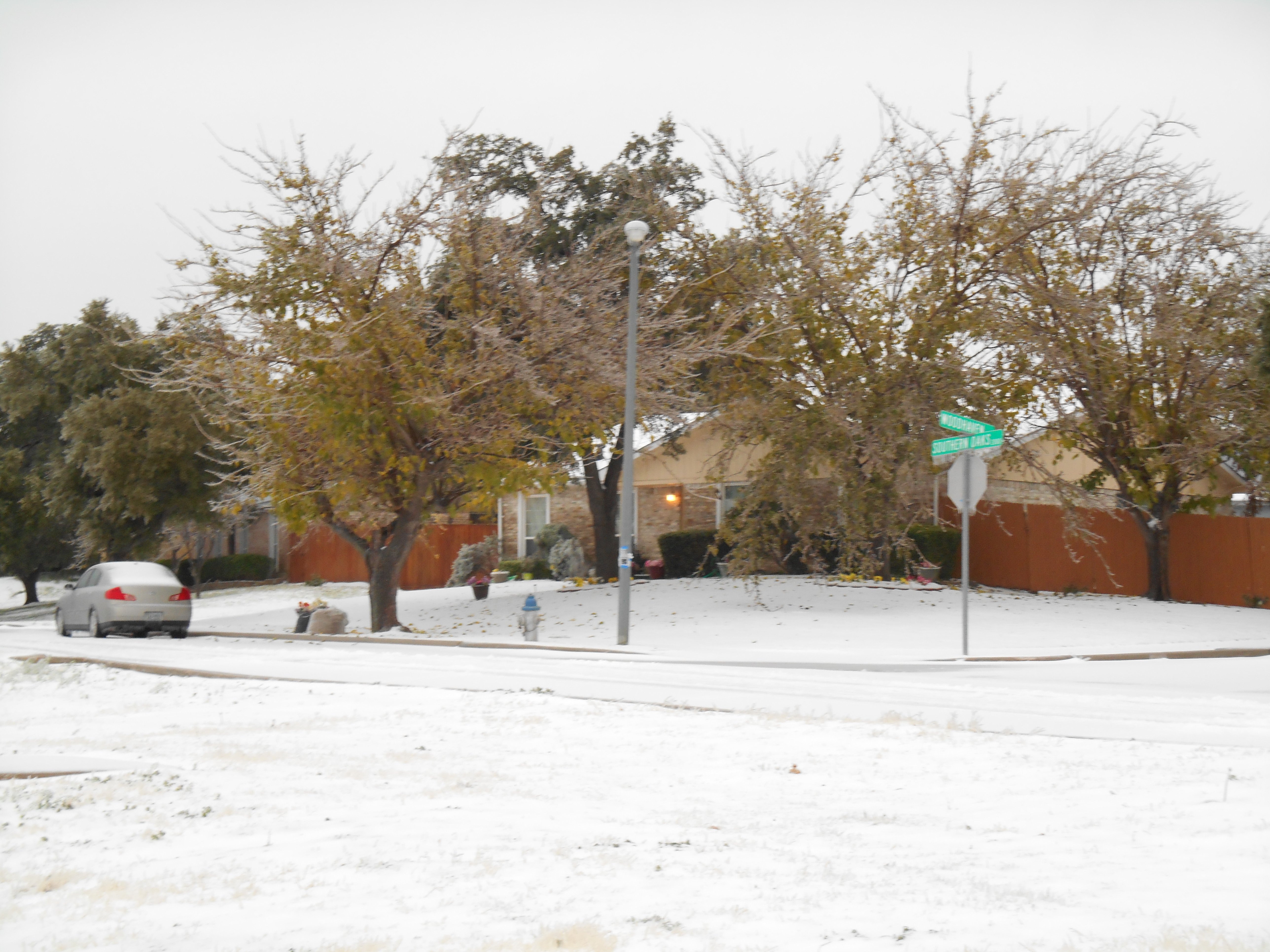
And snow keeps coming back to find me, even now that I live in Texas where snow is much more of a rare thing. On February 14th, 2003 in Dallas we woke up to another heavy snow flurry.
The people I love most in the world were enthralled. My wife squealed like a little girl. She is from the Philippines and she told me she had never really seen the snow falling before that day. My three kids were awake and romping in the snow almost from first light. The gently falling snow was beautiful, though it was a bit damp and clumpy, falling like goose feathers from a pillow fight, and easily forming into snowballs. We built snow men in front of Tatang and Inang’s house (Filipino for grandpa and grandma). Dorin, Henry, and Cousin Sally were throwing snowballs and random handfuls of snow at me and each other for most of the morning. The Princess, barely walking and talking at that stage of her young life, ate snow and played in it until her bare hands were red and hurting. She threw a crying fit when we had to force her into the house to warm up her hands. Even pain couldn’t make her want to leave the snow behind. I never loved snow that much until I got to see it through their eyes.
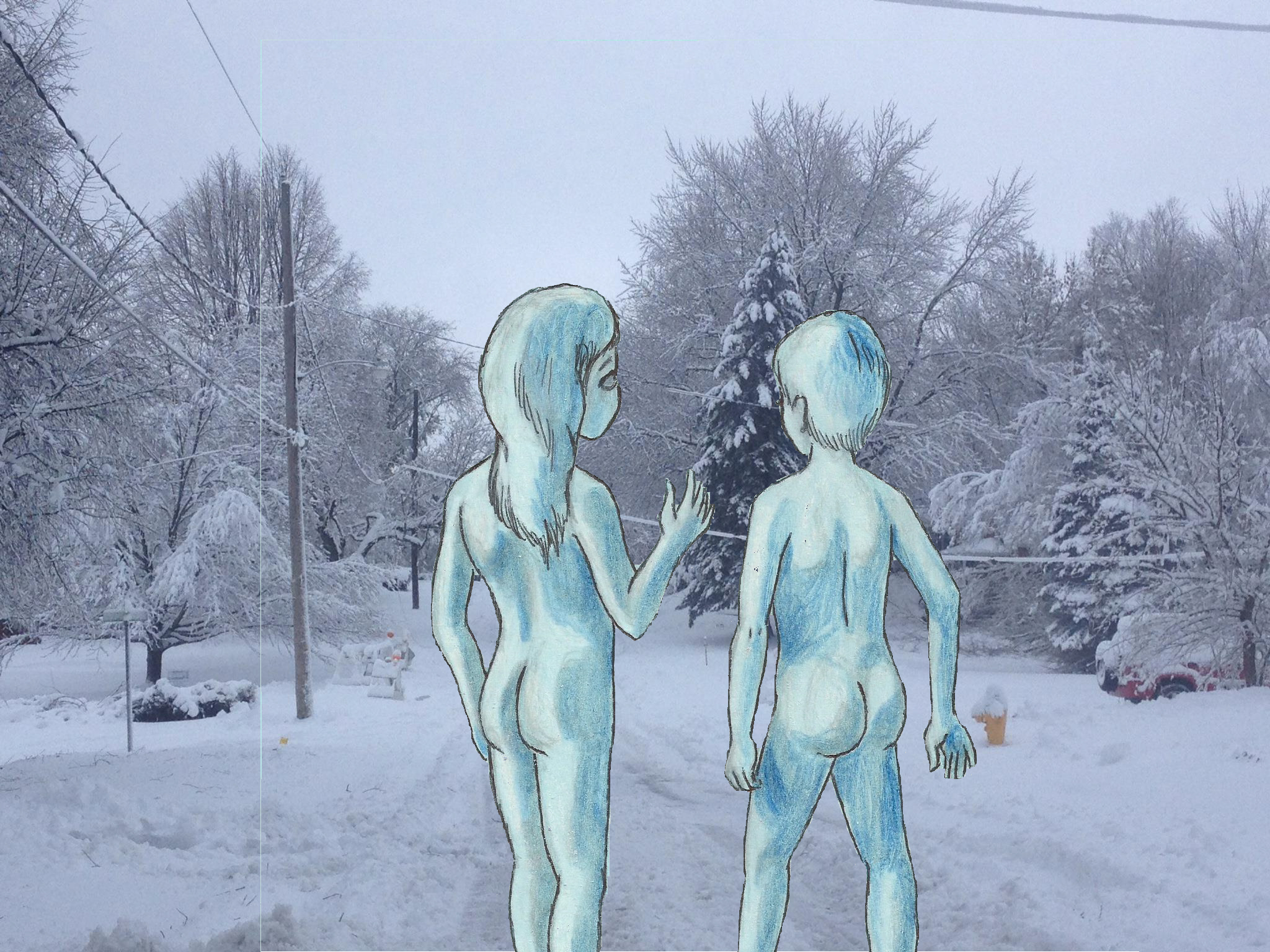
I truly believe that one day in the near future the snow will come for me again. I will probably not be living in a place where snow is frequent, so it may not even be real snow. But it will come for me to take me away the same as it brought me to this life. Not real snow, but that obscuring snow that falls as your field of vision fills up with whiteness and purity and fades away. Being in poor health for several years now, I know that sort of snow all too well. I know it will be coming again. The magic of life comes and goes in the clear, cold beauty of snow. And all the warm tangles and troubles of life will be smoothed out under a blanket of pure, white, and cleansing snow.





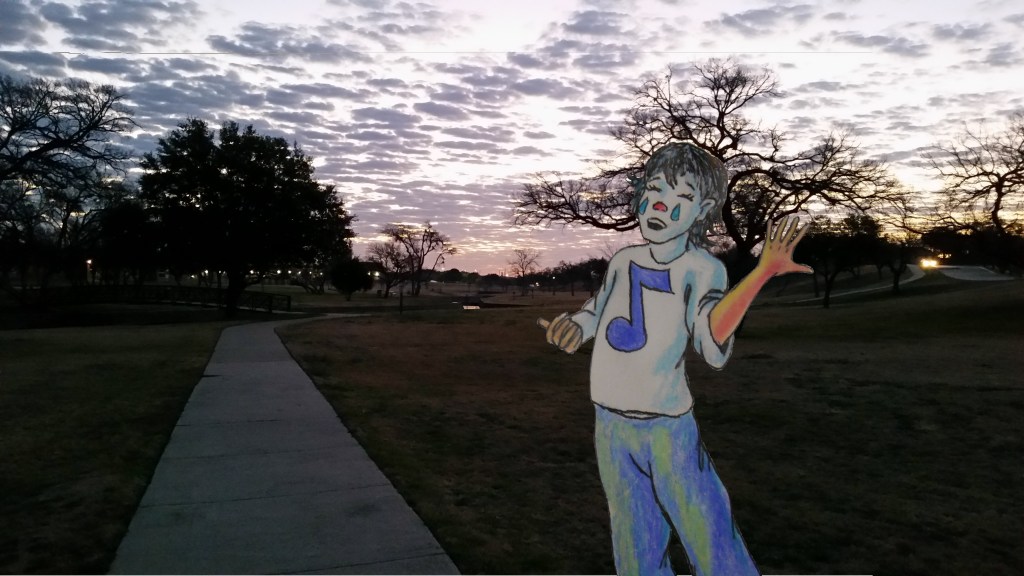
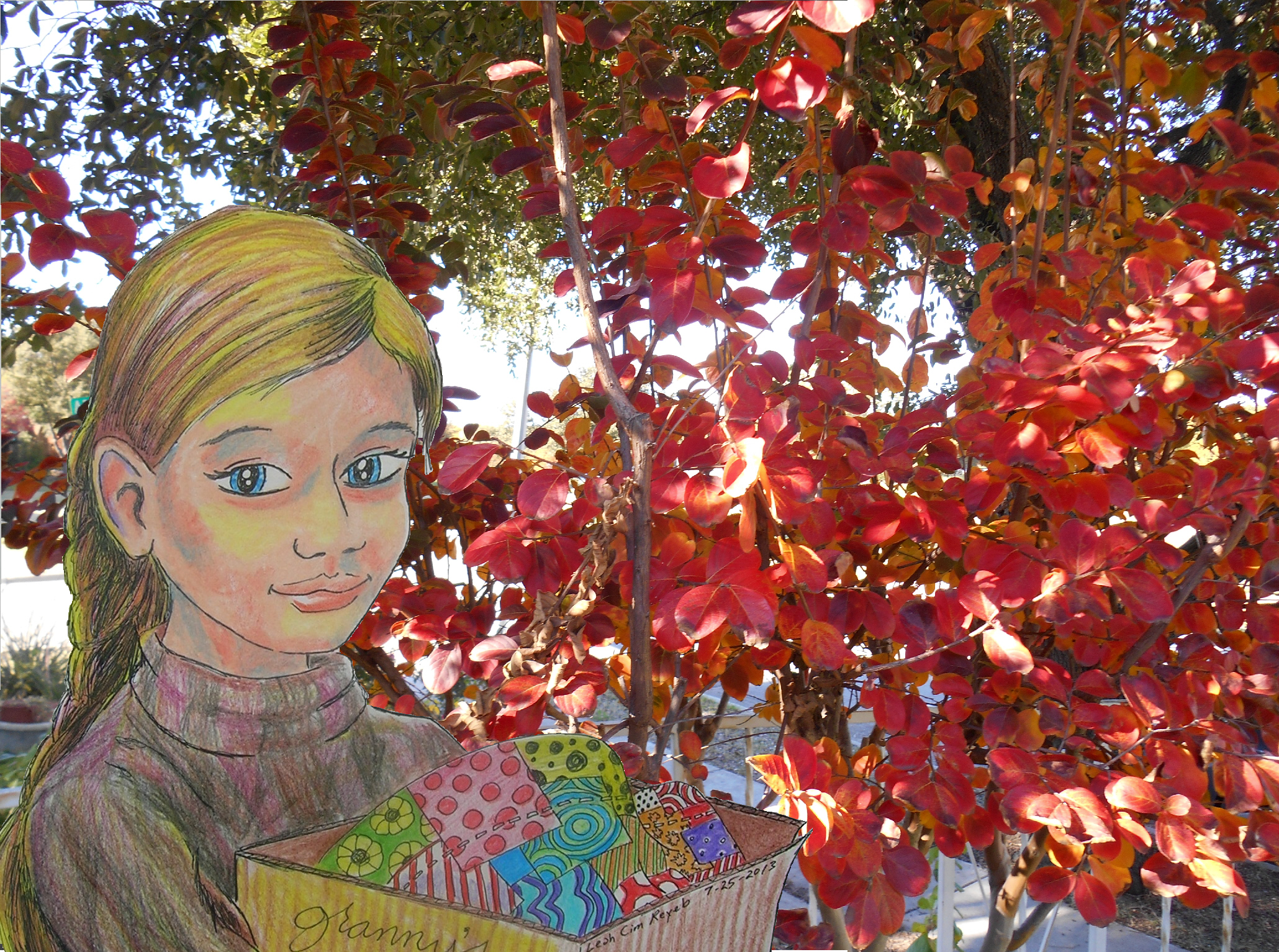


A Frosty Full Moon in a Pink Dawn Sky
Under the Full Moon
The air is cold in the age of old.
We’re no longer brave, in the moonlight wave.
Day has ended, night impended,
And darkest dawn looms for the faun.
We cannot wake with a sudden shake.
Our sacred lore responds no more.
Silence abounds on the frosty ground.
And the final score has left us poor.
A more reasonable paragraph;
This is actually a 2019 post from before the pandemic. The creepy poetry, however, still applies.
I am not, at this writing, feeling very spry anymore. I substituted for an ESL teacher in Irving yesterday. I enjoyed it. But the frosty cold weather took its toll on me, as did the misbehavior of clownish 11th graders. I am left exhausted and thoroughly convinced that huge high school classes averaging thirty kids in them are not something I am well enough to deal with anymore. I probably need to decide against taking any future high school sub jobs. They make me deathly tired and inspire creepy poetry about mortality in me. Anyway, it caused me to do some picture-making, and some silly poetical complaining.
Leave a comment
Filed under commentary, Paffooney, poem