
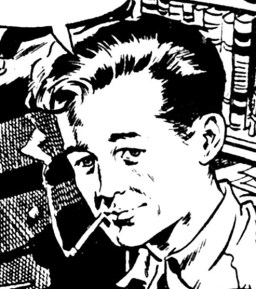
A self-portrait by Wallace Wood.
I am a bit of a cartoonist for a reason. I started drawing cartoons at the age of five. I read everything in the Sunday funny pages, not just for the jokes. I poured over the drawings and copied some. I drew Dagwood Bumstead and Blondie. I drew Lil’ Abner and Charlie Brown and Pogo. Cartoonists were heroes to me.
But my parents wanted to protect me from the evils of comic books. Superheroes were off limits most of the time. Things that are associated with evil were out of the question. So Daredevil was beyond reach. And Mad Magazine was full of socialist ideas and led kids down the dark path of satire. So the truth is, I didn’t discover Wally Wood until I was in college. His corrupting influence didn’t take hold of me until I was older and full of hormones. Ah, youth and the propensity for sin! Wally taught me that cartoons could be real.
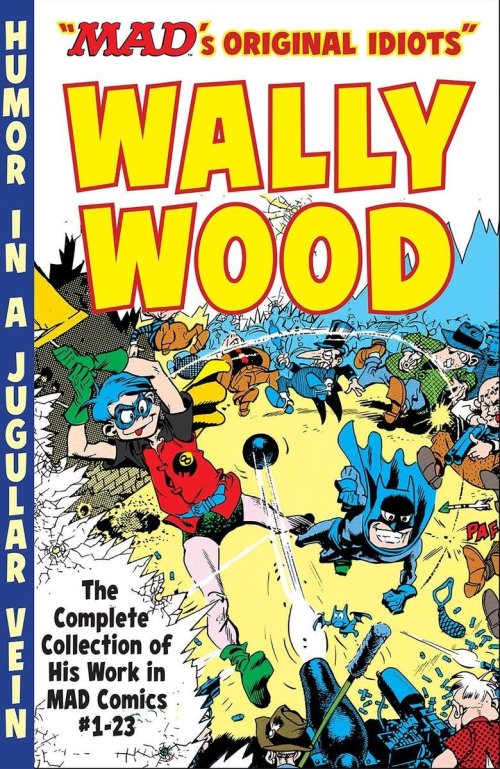
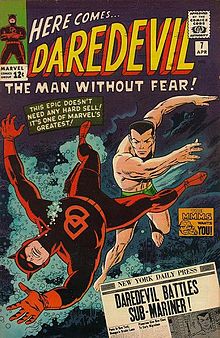
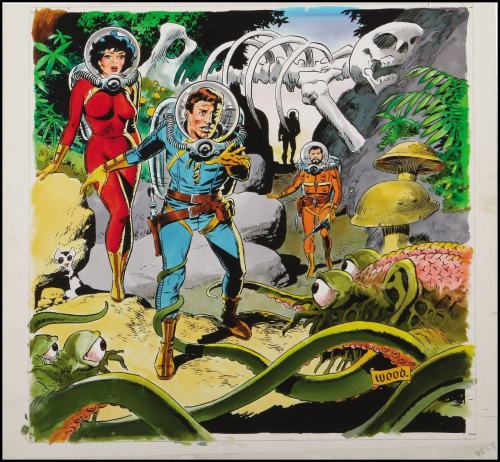
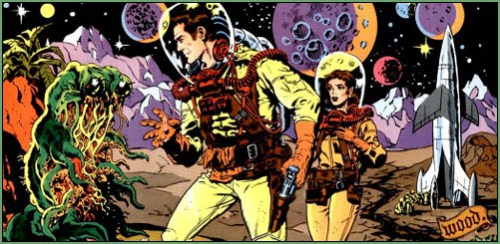
Wally Wood was one of the original artists working for EC comics who formed Mad Magazine with it’s spoofs and irreverent humor. Wood worked together with the Great Will Eisner on the Spirit. He went on to work for Marvel on the comic book Daredevil where he innovated the red suit and double-D logo, as well as doing the primary story-telling that brought that comic book from the bottom of the Marvel stack to almost the very top. His work on Daredevil resonates even until today where there is now a big controversy that the popular show on Netflix does not list Wood among the creators of Daredevil in their credits. I must remember to complain about that later.
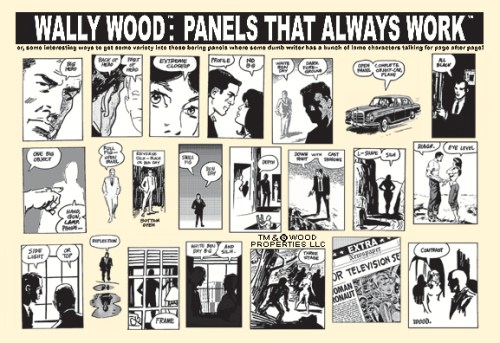
But the thing that drew me to Wood more than anything was the realistic style that he brought to the unreal realm of cartoons. The man could draw! He did marvelous detail work and was a leader in the development of dynamic composition in an artistic industry that tolerated and even often encouraged really poor-quality drawing. He took the comic book from the age of the glorified stick figure to an age of cinematic scope and know-how. Here it is revealed in his classic break-down of innovative comic-book panels;
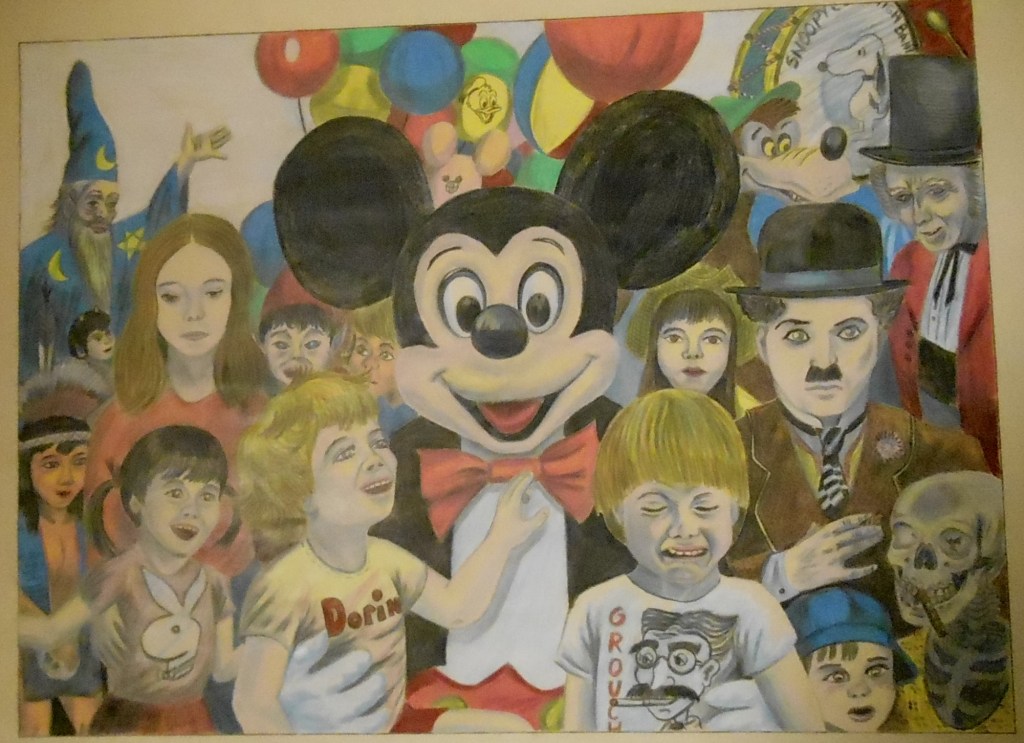
But it is also important to realize that the more power you put into art, the more it can blow up and hurt people. Wood had a dark side that went a bit darker as he went along. He had an issue with the kind of false front comics had to throw up in front after the anti-comics crusade of psychologist Fredric Wertham’s book Seduction of Innocents. He is probably the artist behind the cartoon poster The Disneyland Memorial Orgy. He started his own cartoon studio that produced increasingly erotic and pornographic comics like Sally Forth, Cannon, and Gangbang. He became increasingly ill, lost the sight in one eye, suffered severe headaches, and eventually committed suicide in 1981. With great power comes great responsibility, and we are not all superheroes in the end. But I will always admire and emulate the work of this great artist… and selfishly wish he could’ve lived to create more of the wonderful art he gave us.







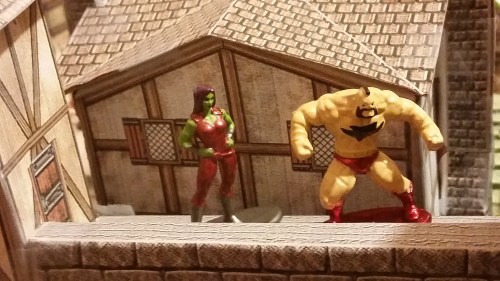
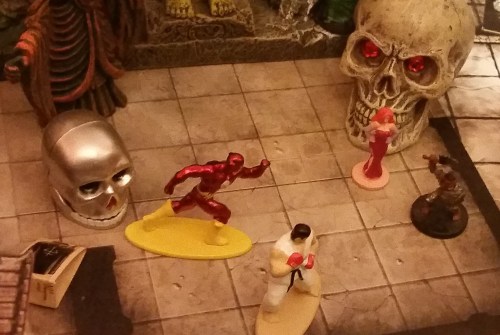
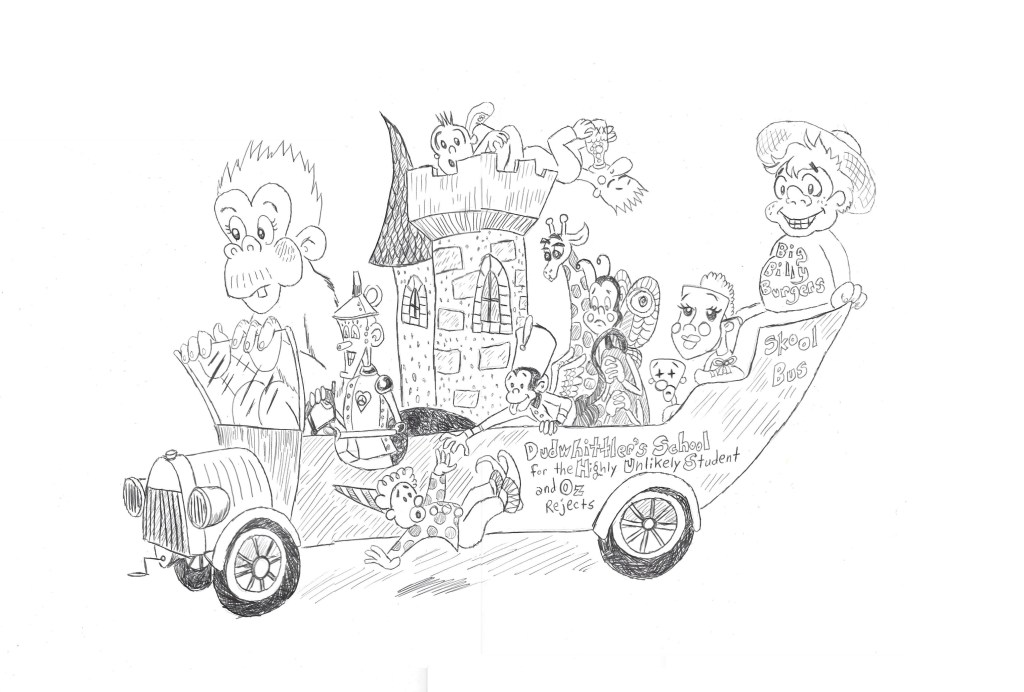
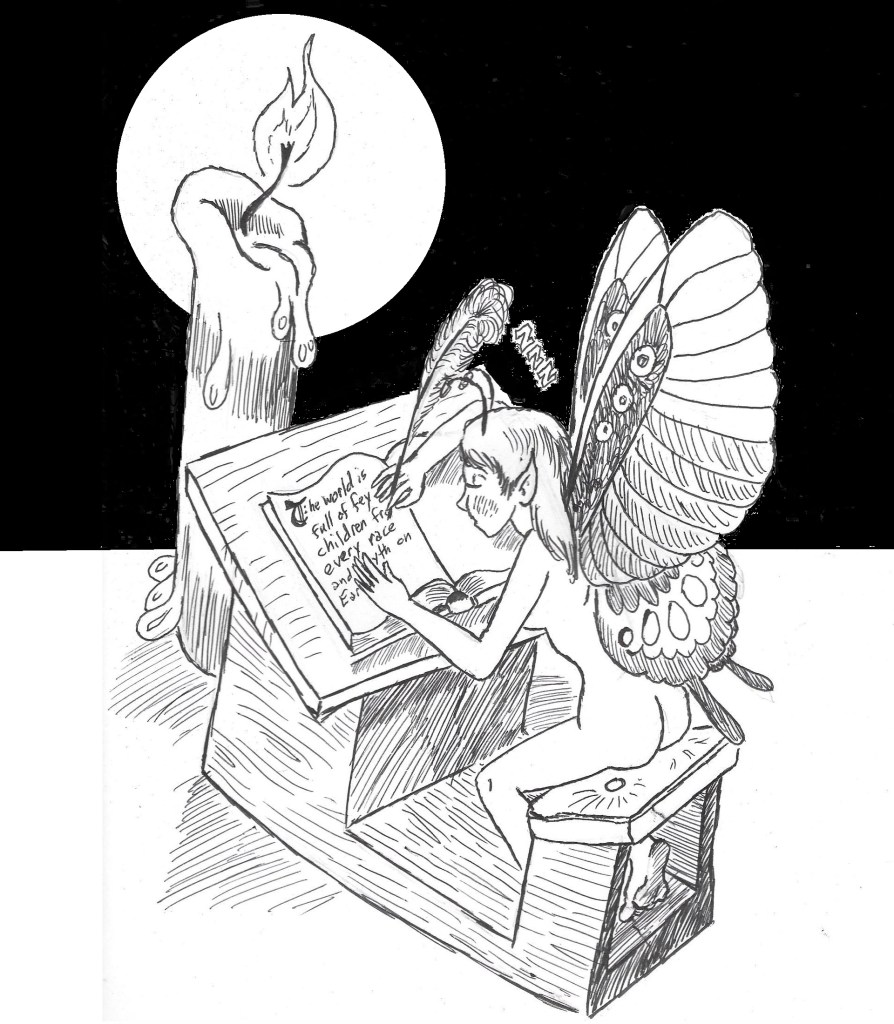
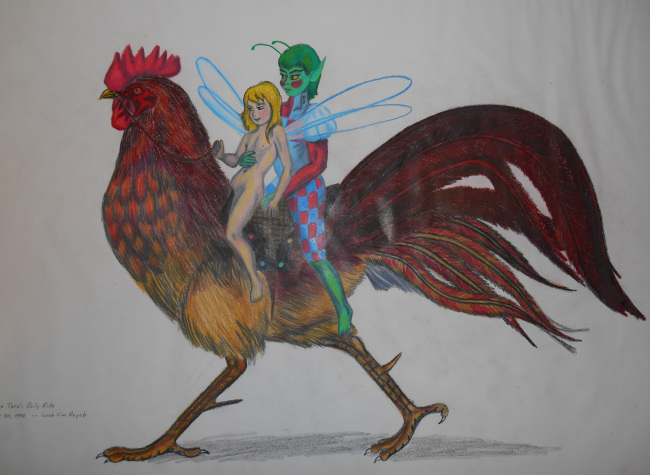
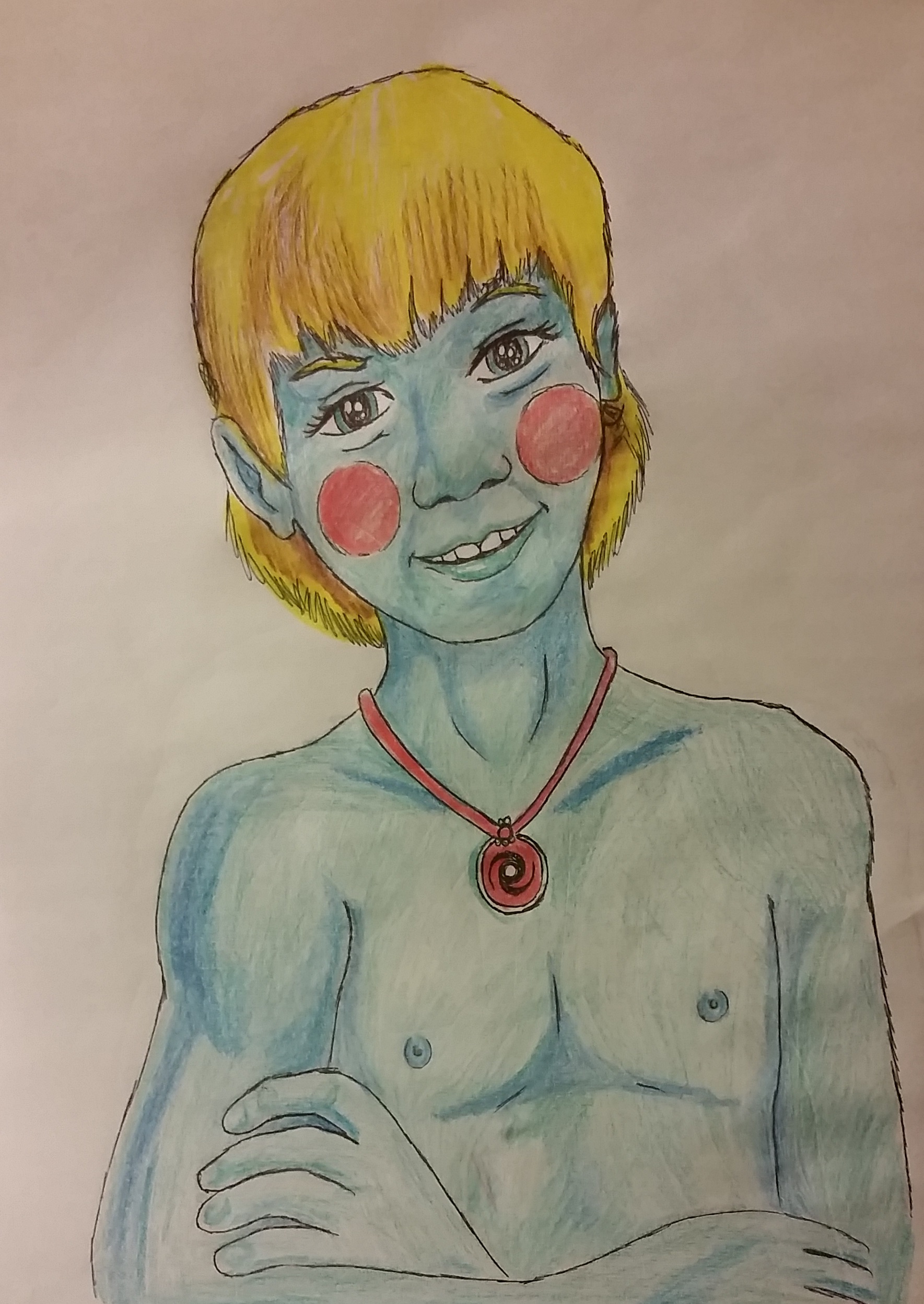
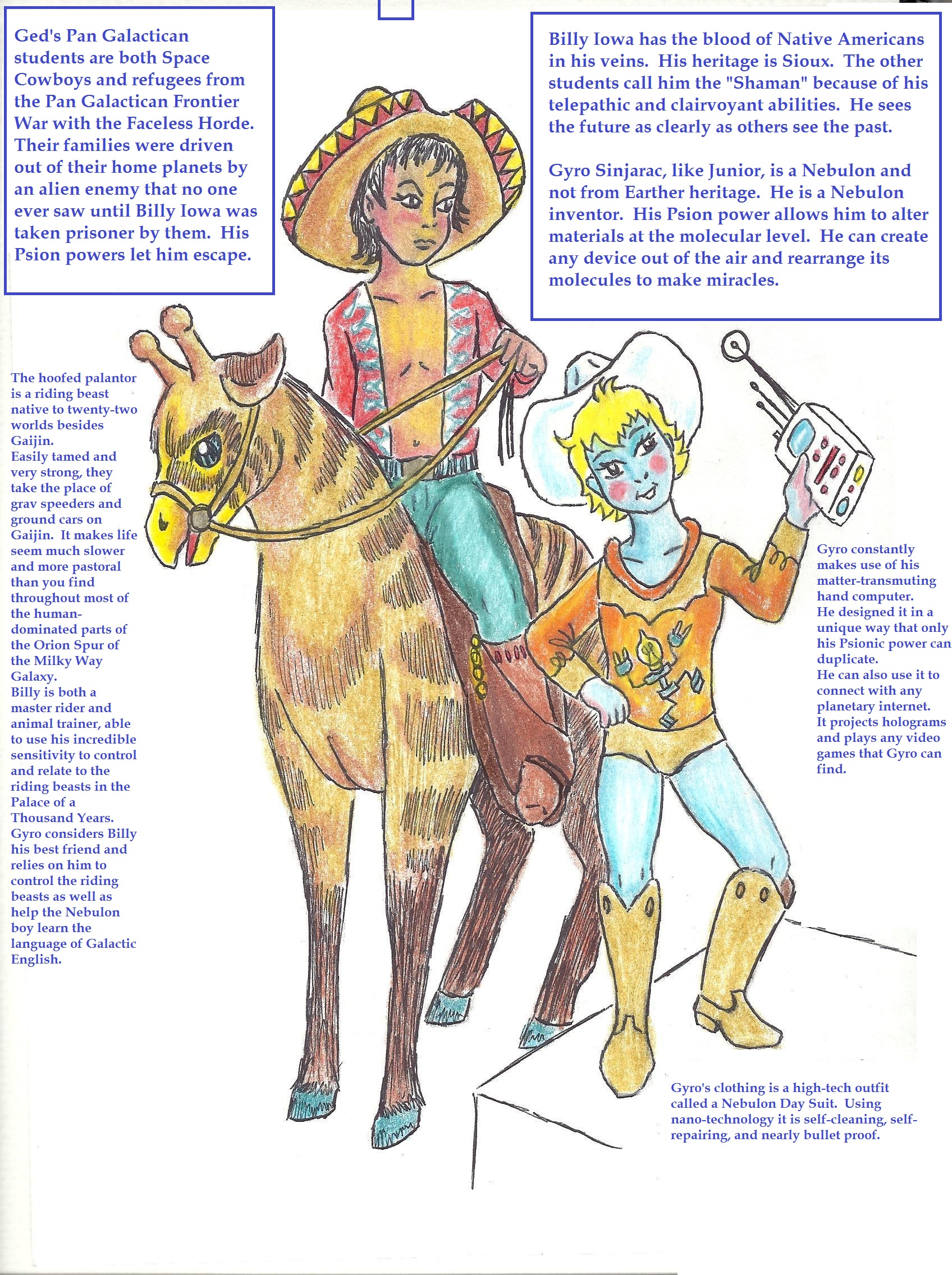
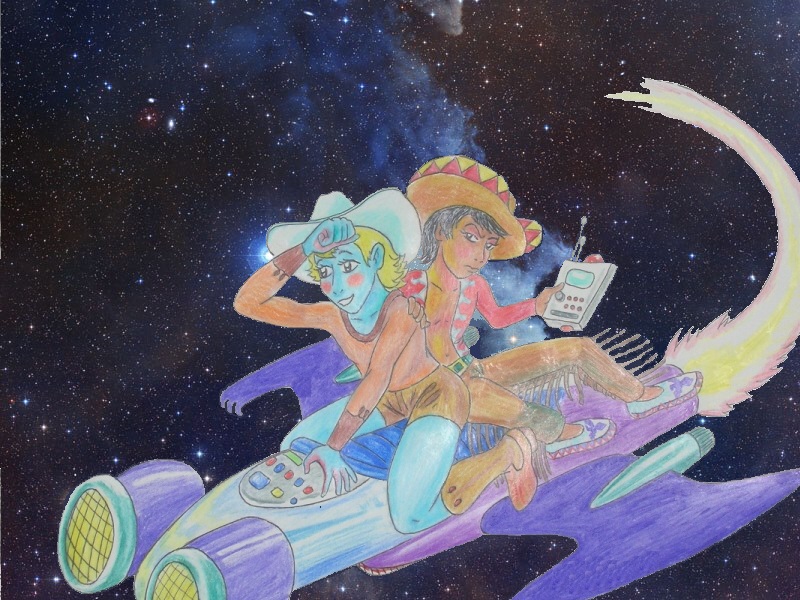
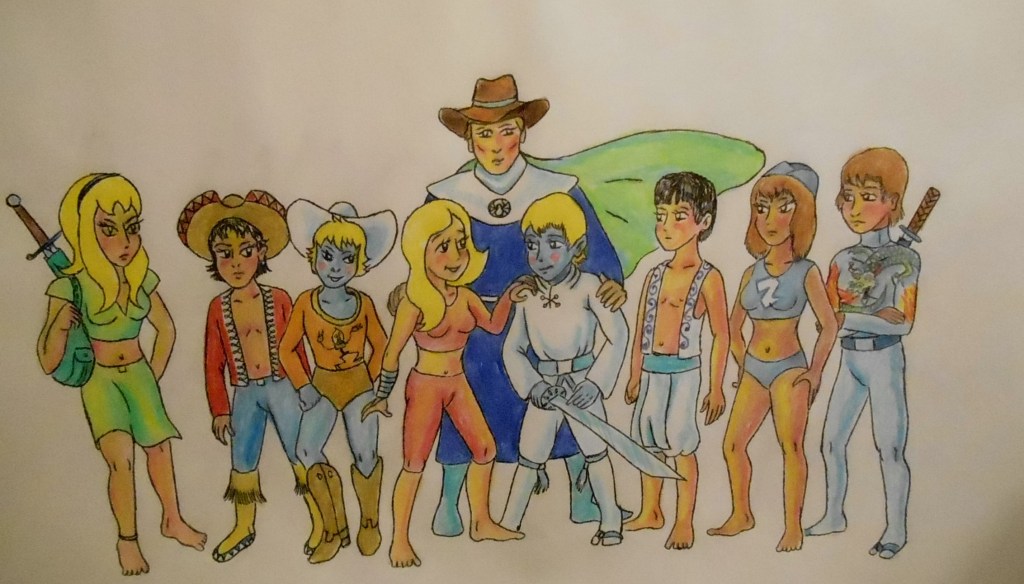
 So, what are Nebulons? Gyro Sinjarac on the left in the picture is an example from Aeroquest of a Nebulon. They are aliens who are human in every respect except for their blue skin. Interestingly they can even successfully interbreed with Earther humans. This is apparently due to either the evolution of Nebulons from Earther explorers, or, more likely, the galaxy being seeded with Earth humans and Earther DNA by the mysterious alien race known only as “the Ancients”. What is not debatable is that Nebulons have unique skin. The blue skin with high levels of natural copper sulfate in it has evolved as a protection from interstellar nebula radiation. No one who has learned their language and studied their culture has ever identified a planet of origin. Instead, the Nebulons have been a space-born race since humans first encountered them, travelling in their symbiotic space-whale space cruisers. They are a mysterious deep-space race of alien beings who use organic symbiotes, in other words, living creatures, as their pervasive technology.




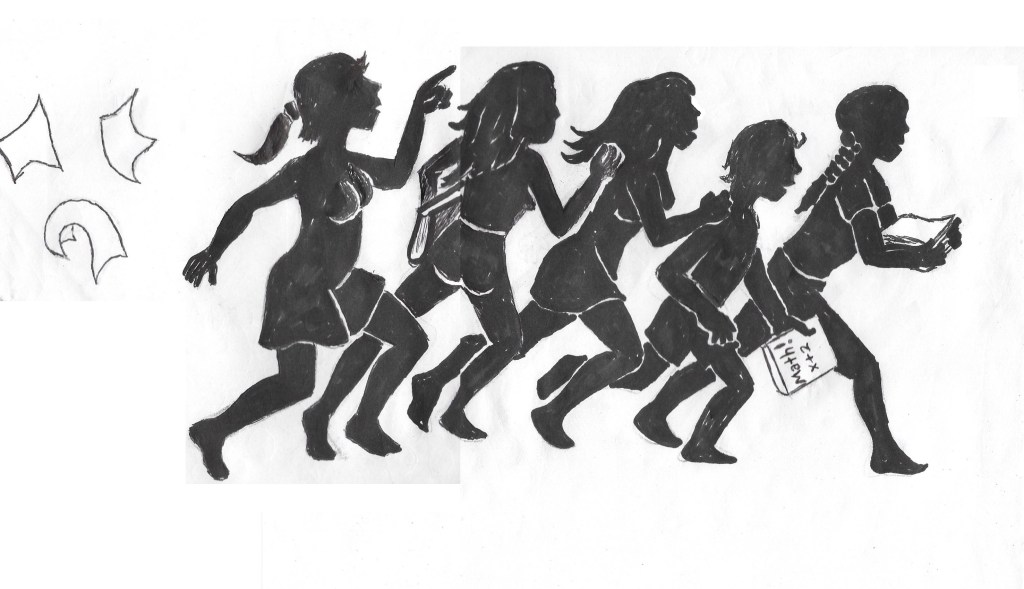

 Catch a Falling Star
Living in the World I Once Drew
It is normal for the world we live in to inspire us to draw pictures of it. But architects do the opposite. They imagine a world we could live in, and then build it.
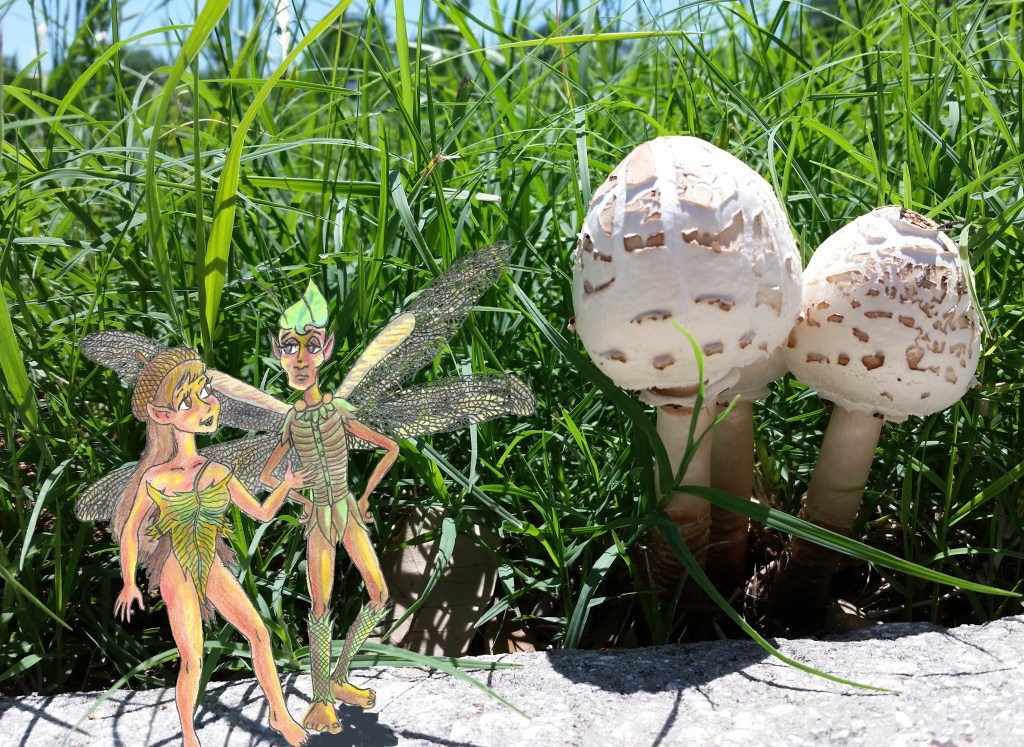
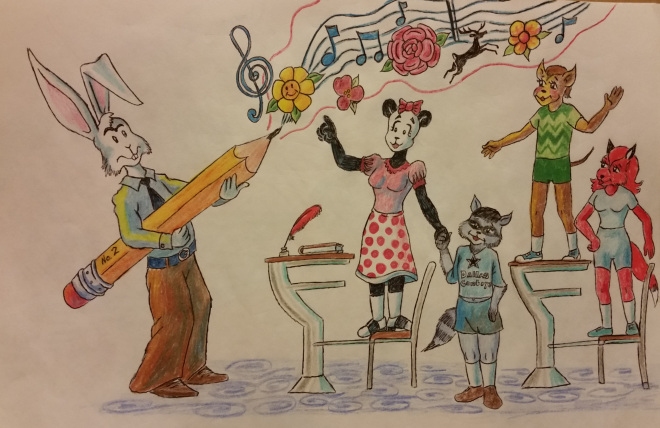
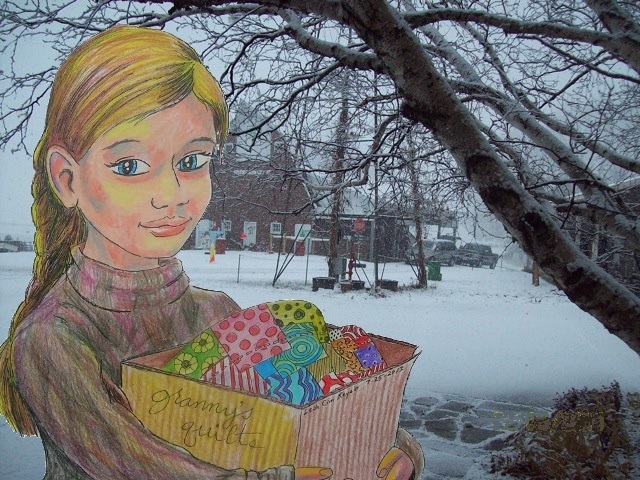
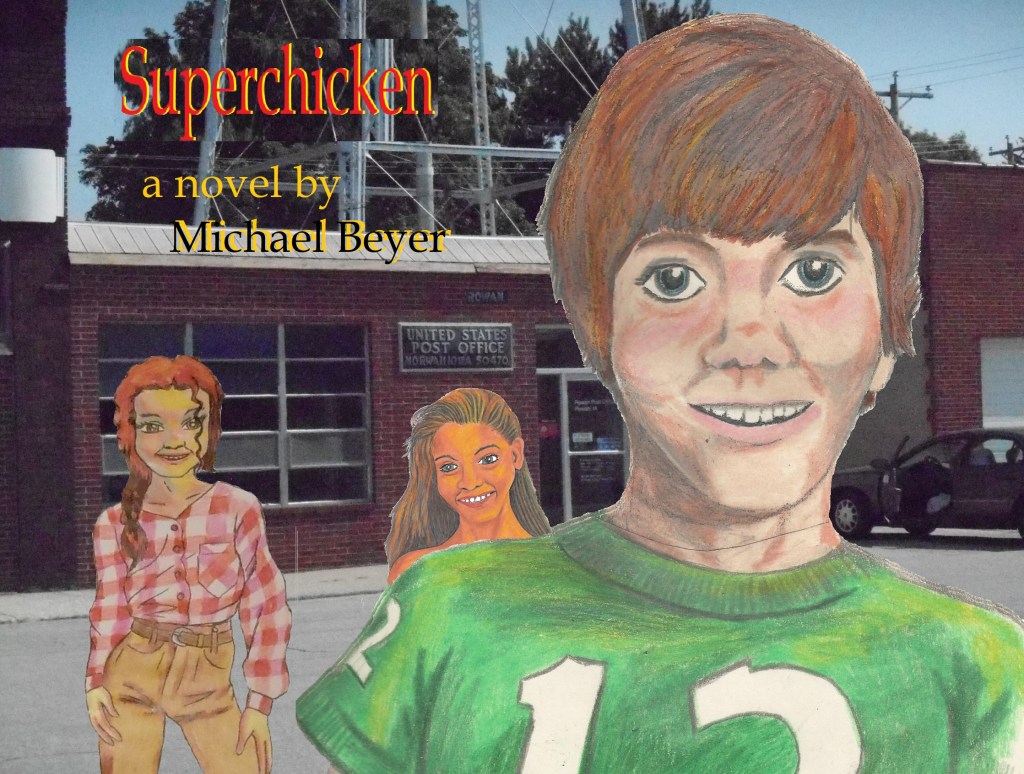
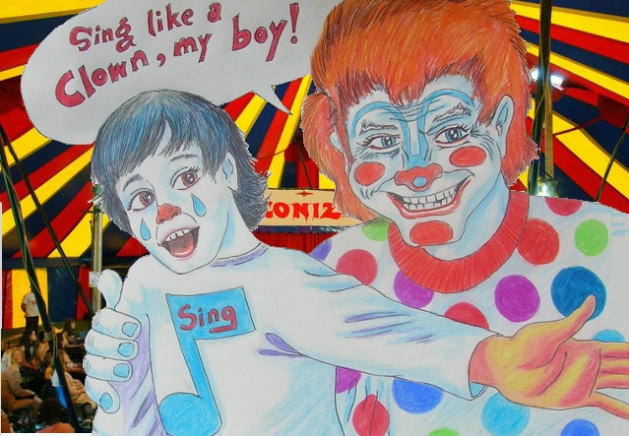
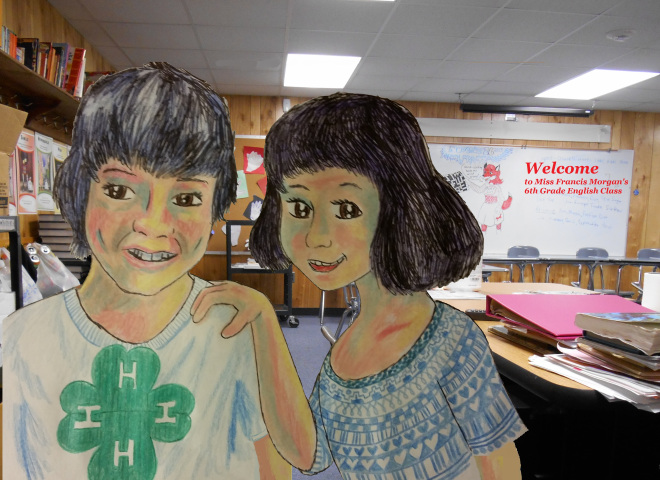
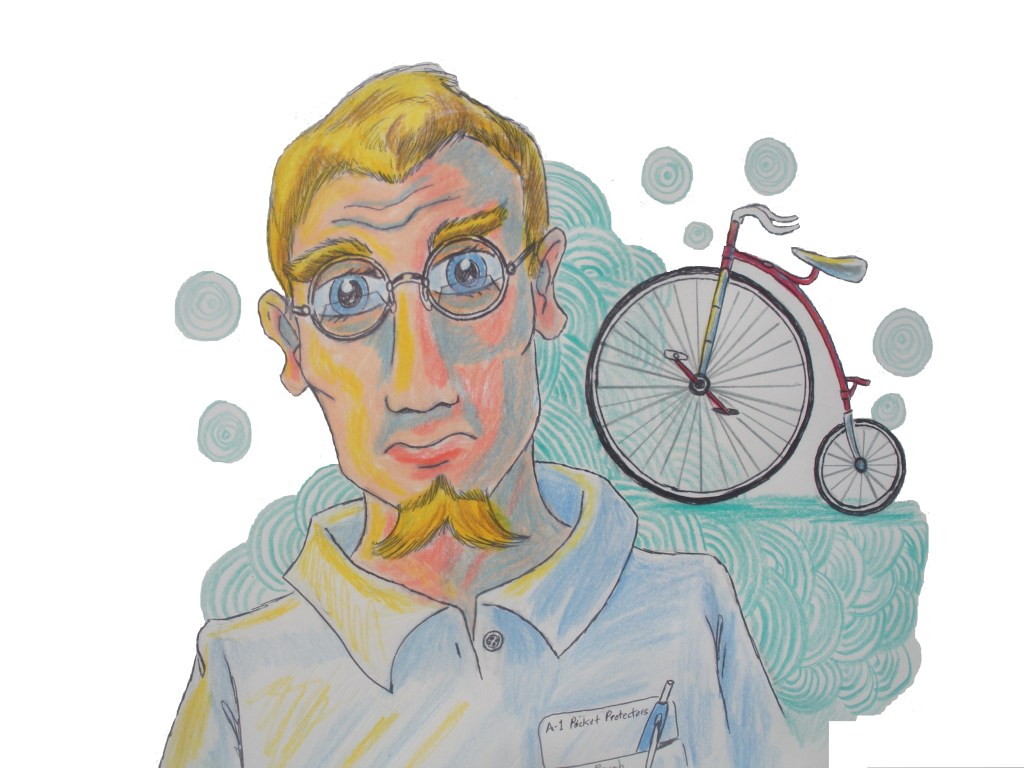
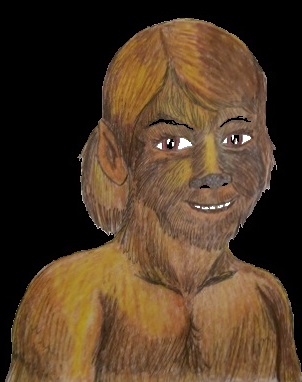
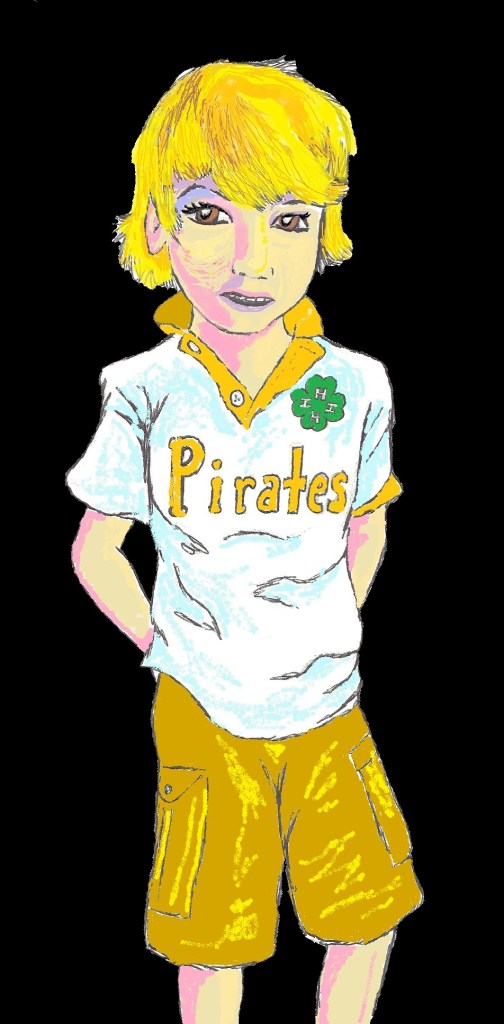
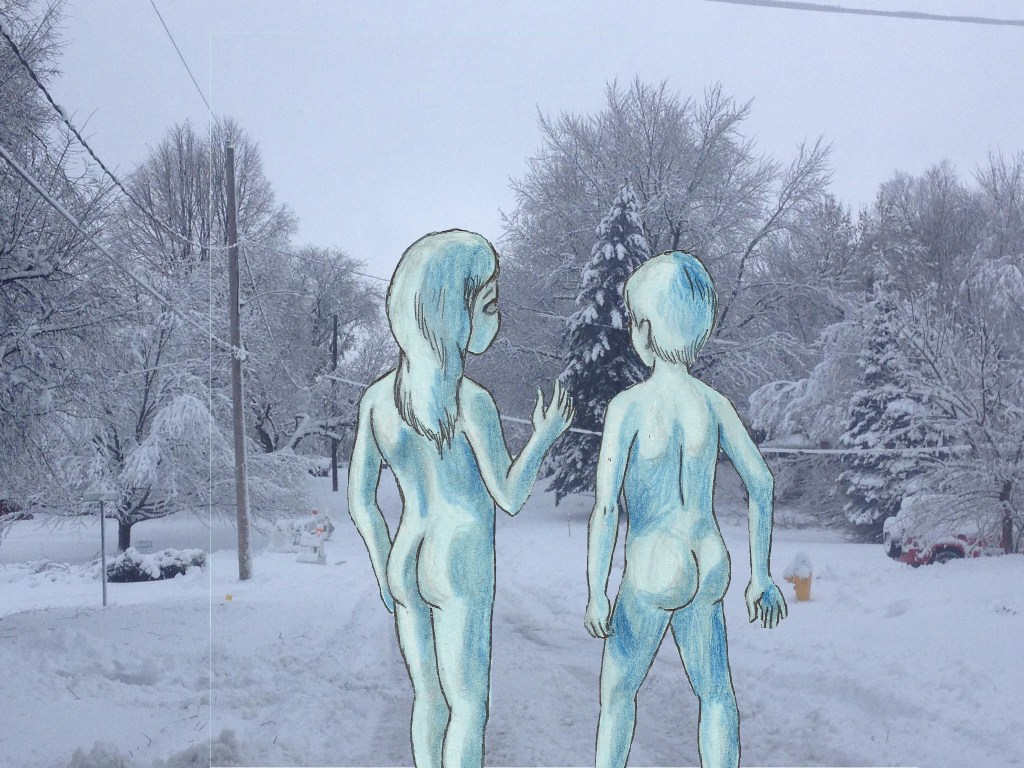
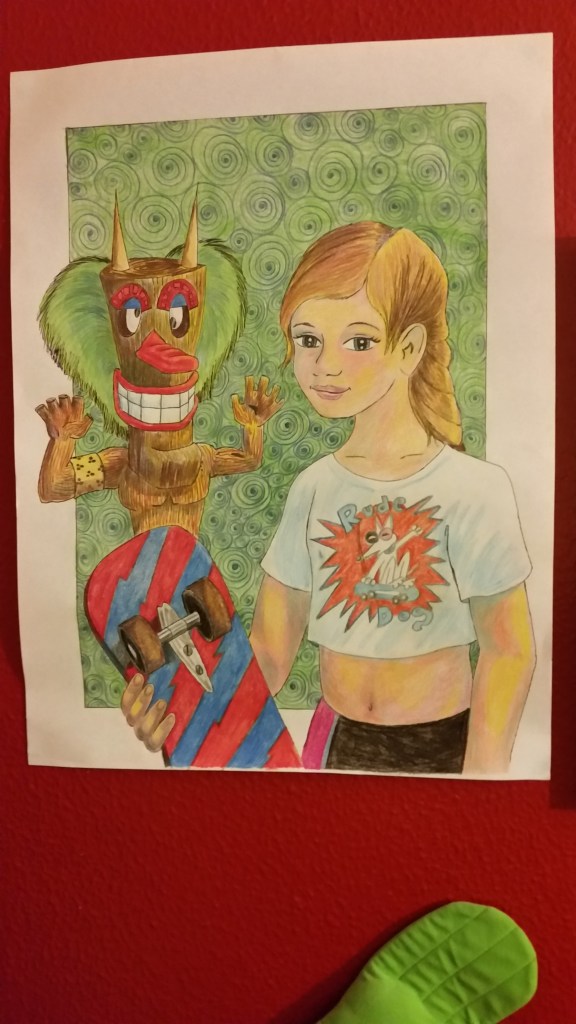
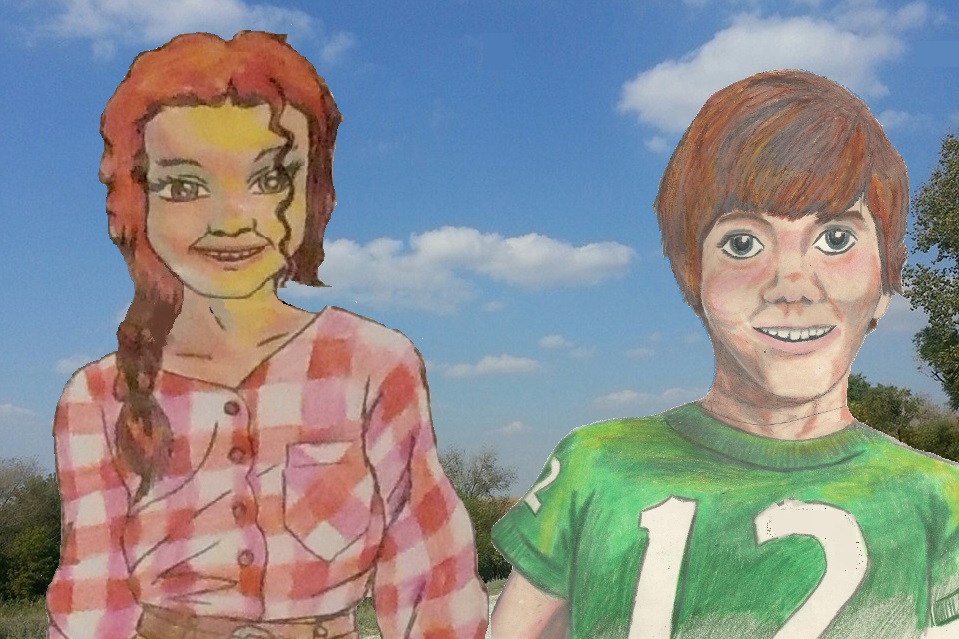
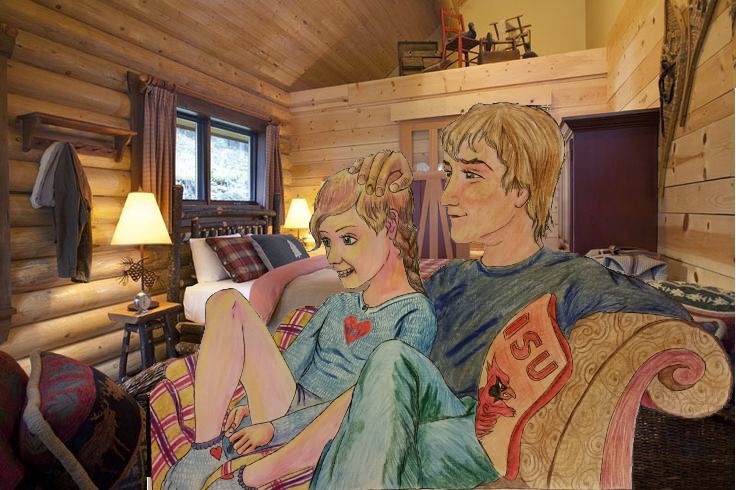
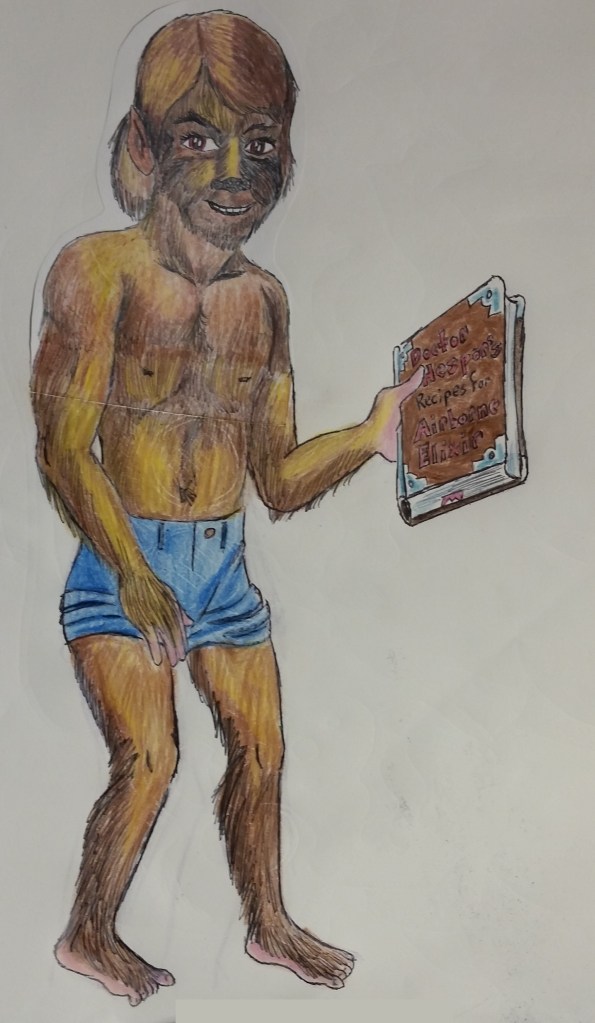
Sometimes, like in the picture above, I draw real people in imaginary places. Other times I draw imaginary people and put them in real places.
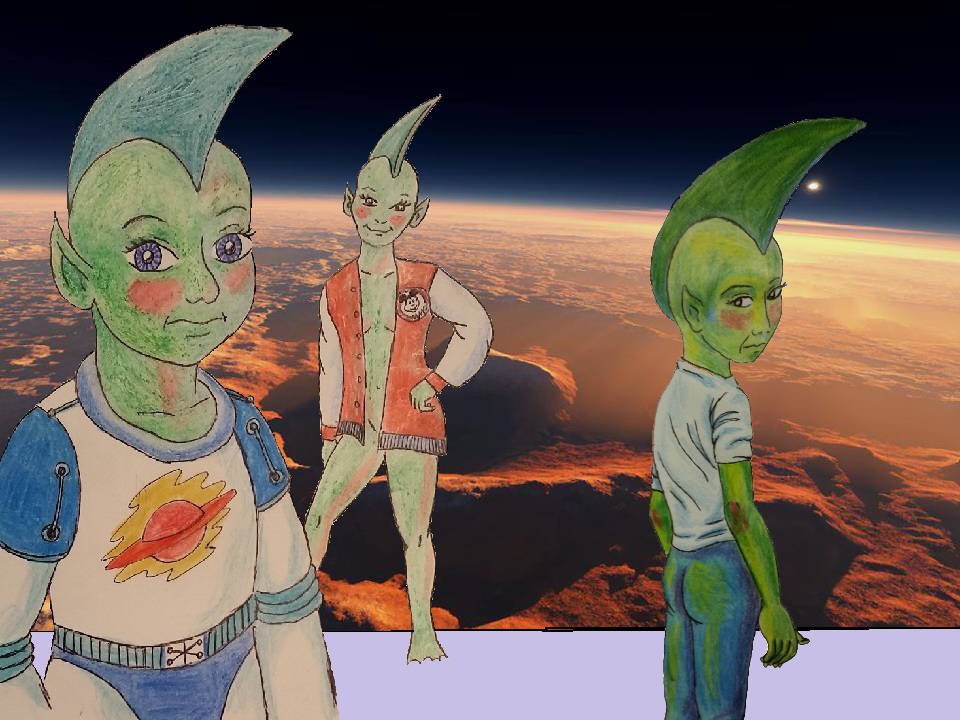
Sometimes I put imaginary people in imaginary places. (I photo-shopped this planet myself.)
In fiction, I am re-casting my real past as something fictional, so the places I draw with words in descriptions need to be as real as my amber-colored memory can manage.
When I use photos, though, I have to deal with the fact that over time, places change. The church does not look exactly like it did in the 1980s when this drawing is set.
Drawing things I once saw, and by “drawing” I mean “making pictures,” is how I recreate myself to give my own life meaning.
Leave a comment
Filed under artwork, autobiography, collage, commentary, humor, illustrations, imagination, Paffooney, photo paffoonies
Tagged as Saturday Art Day