
Filed under artwork, drawing, humor, illustrations, imagination, Paffooney
Part of the Traveller Role-Playing Game is dealing with alien races. So, as a game master for the Traveller Adventures back in the 1980’s, I had the opportunity to create alien races of my own. Truthfully, the alien Telleron race that I created for the novel Catch a Falling Star already existed in my cartoons and fiction stories before I began playing the role-playing game. The Nebulon Race, however, was invented entirely for the game. Only later did they become a part of my fiction.
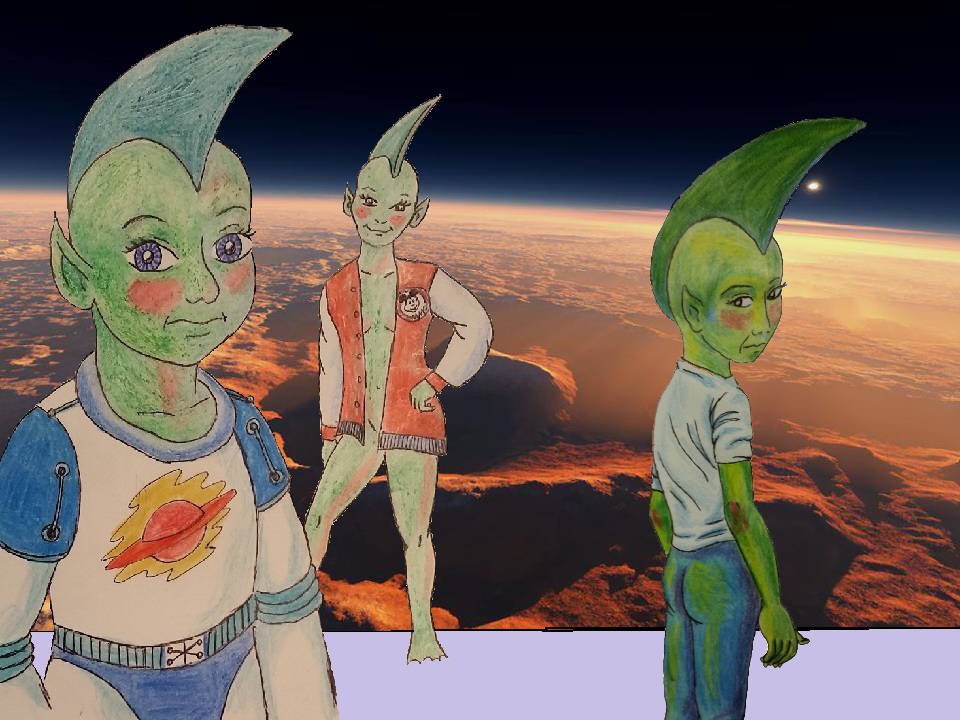
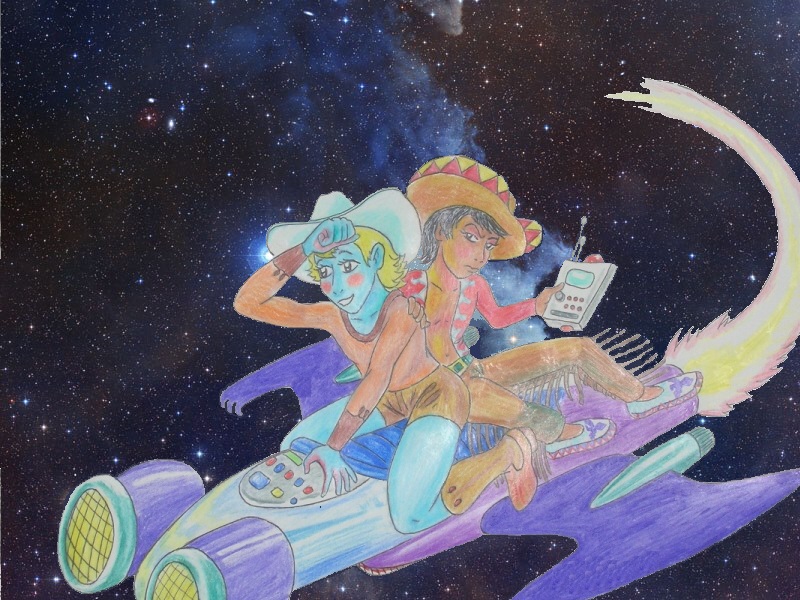
 So, what are Nebulons? Gyro Sinjarac on the left in the picture is an example from Aeroquest of a Nebulon. They are aliens who are human in every respect except for their blue skin. Interestingly they can even successfully interbreed with Earther humans. This is apparently due to either the evolution of Nebulons from Earther explorers, or, more likely, the galaxy being seeded with Earth humans and Earther DNA by the mysterious alien race known only as “the Ancients”. What is not debatable is that Nebulons have unique skin. The blue skin with high levels of natural copper sulfate in it has evolved as a protection from interstellar nebula radiation. No one who has learned their language and studied their culture has ever identified a planet of origin. Instead, the Nebulons have been a space-born race since humans first encountered them, travelling in their symbiotic space-whale space cruisers. They are a mysterious deep-space race of alien beings who use organic symbiotes, in other words, living creatures, as their pervasive technology.

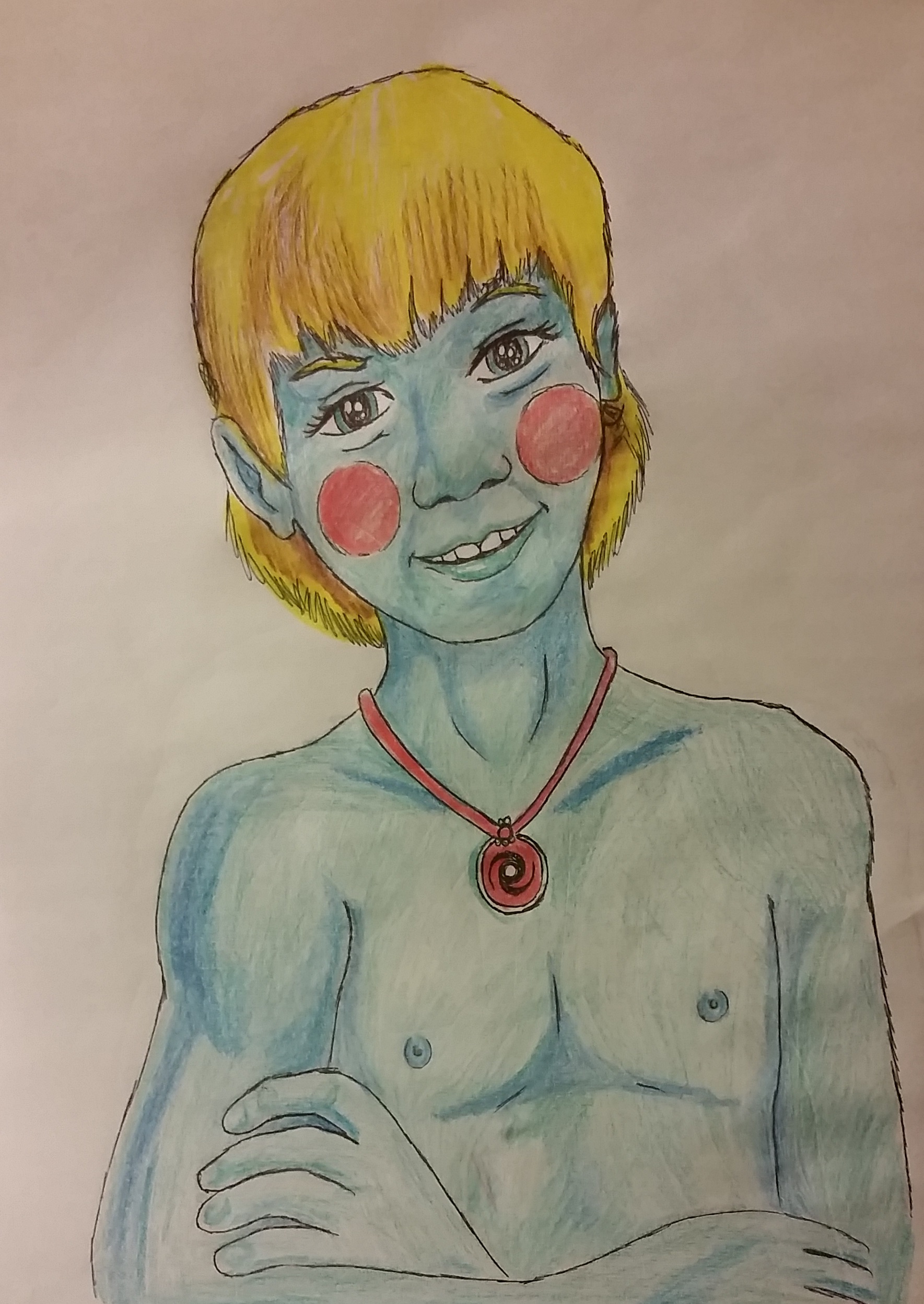
Junior Aero makes an excellent example to use to explain what Nebulons are. You can see by this picture that not only does he possess the Nebulon blue skin, but also the bright yellow hair, the red heat-transfer cheek organs, and the small stature that makes them easily satirized as “Space Smurfs” in honor of Peyo’s beloved blue comic characters.
The Nebulons as a race are often cited as evidence of the evolutionary trend of intelligent races towards neoteny, the retention of childlike features into maturity and adulthood. Even the oldest and the most physically fit of the adult Nebulon population resemble children and young teenagers rather than Arnold-Schwarzenegger-like humans. But believing them to be soft and weak like children is a mistake that often yields tragedy for those who contend against them, especially in battle. The Nebulons have often fought in space wars like the 5th Unification War, both for and against the human-led Imperium.

But the Nebulons are not automatically at odds with humanoid races in any way. They are generally happy in demeanor and temperament, easily befriending other races, even the snake-eyed Galtorrian humans that tend to dominate the Imperium. They seem to be particularly fond of Pan-Galactican Space Cowboys, having helped them during the border conflicts with the mysterious race known as the Faceless Horde.
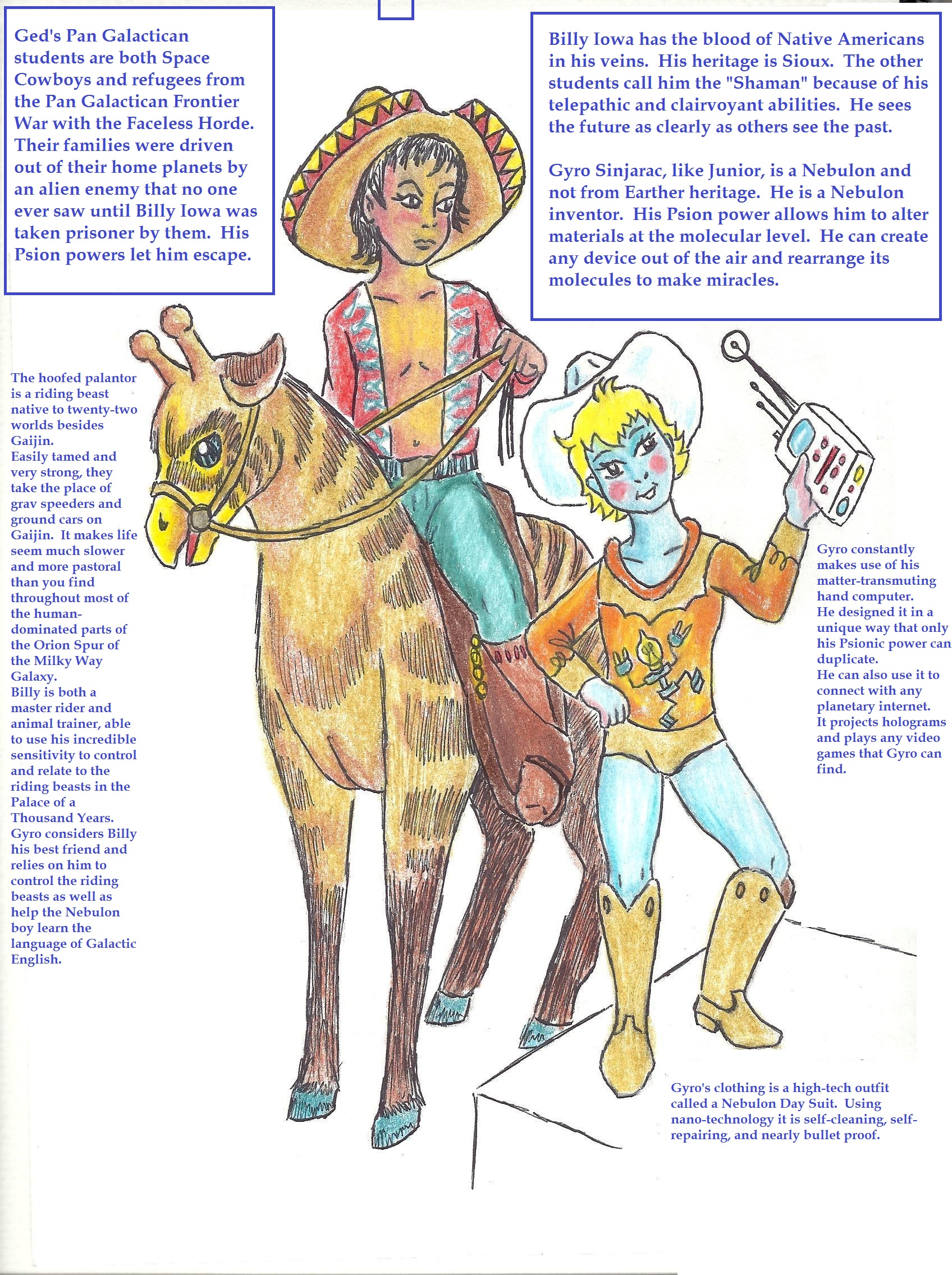
So, there is a glop of information about an alien race from my science-fiction comedy writing that you can sort out as you like, and can probably learn from as a science fiction writer yourself. They are probably an excellent example of what not to do when creating a science-fiction-style alien race of your own.
Filed under aliens, Dungeons and Dragons, humor, illustrations, Paffooney, science fiction
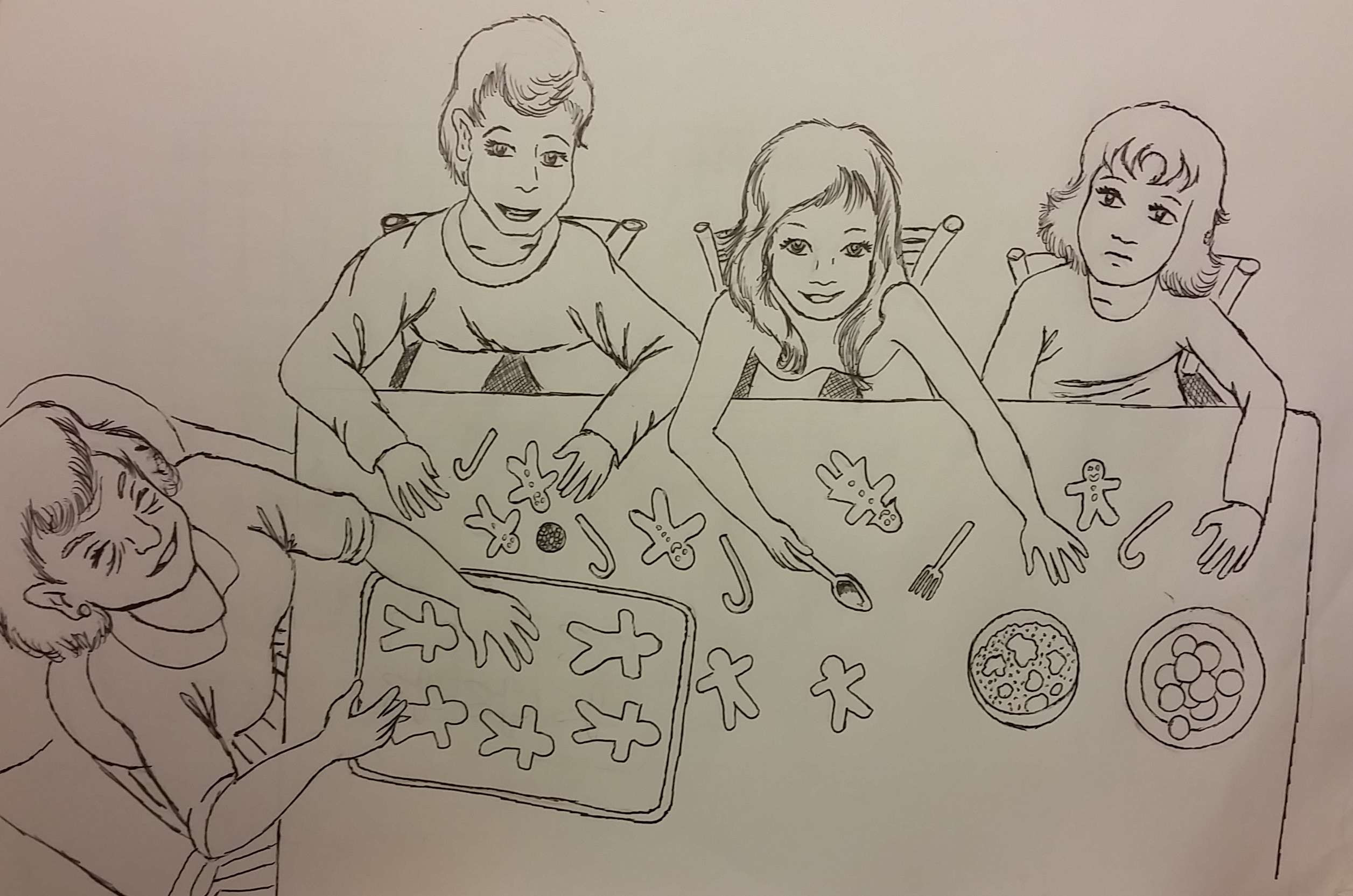
This is the pen and ink start of an illustration of the novel I am working on, Recipes for Gingerbread Children.
I admit that my obsession with the benefits of gingerbread is mostly in my head. Specifically, in my sinuses. I find products with ginger in them, diet ginger ale, ginger teas, and especially gingerbread cookies, help reduce the tightness in my COPD-laced lungs, clear my sinuses, and make breathing mercifully easier. Gingerbread cookies are also seasonally wonderful in that they are slightly Christmassy and help bring my family together.
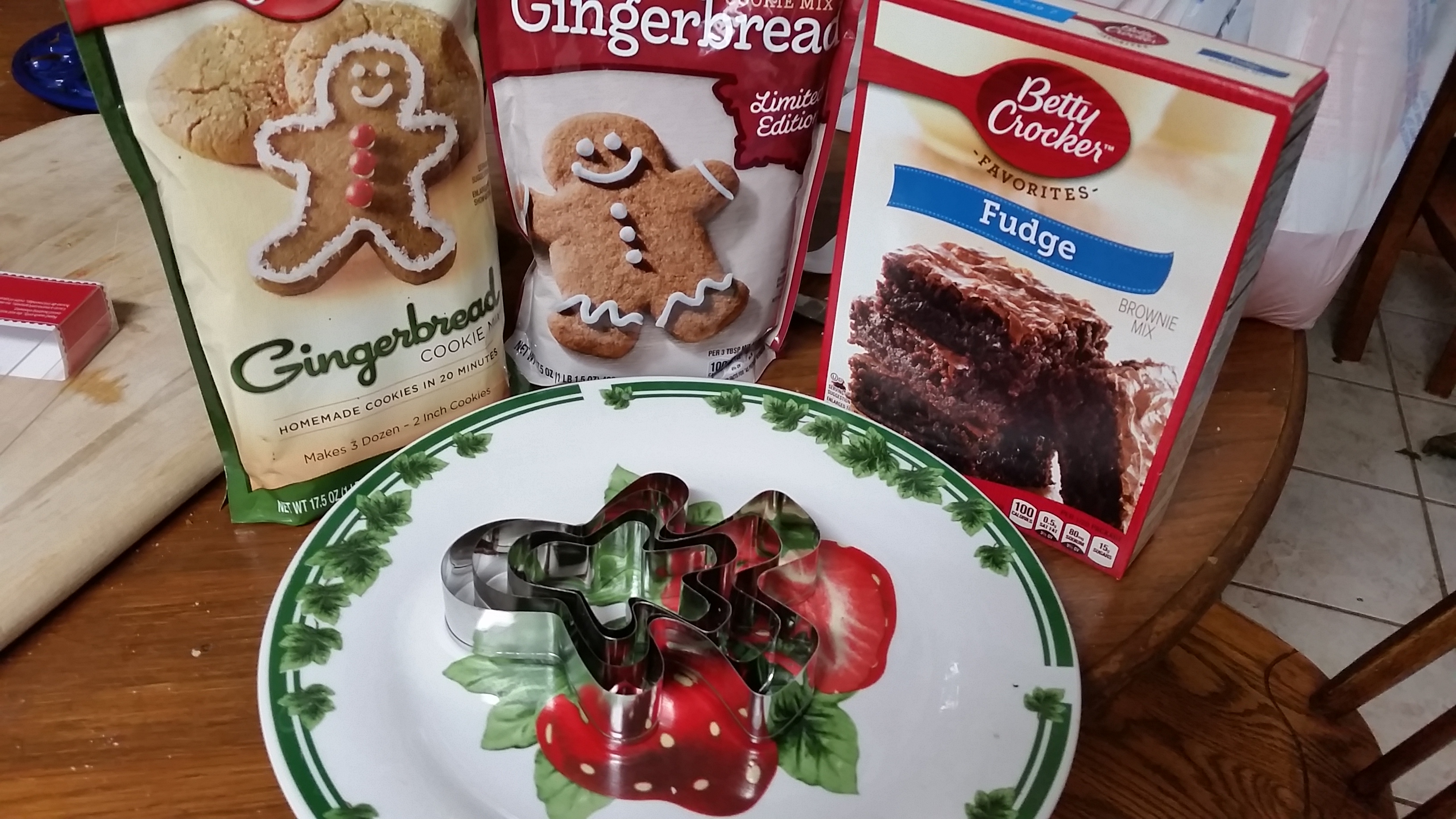
So, yesterday, a Saturday, my daughter the Princess and I executed a perfectly evil plan to commit evil acts of gingerbread and whip up some wicked little gingerbread men in a frenzy of deliciously evil bakery.


Okay, maybe not evil exactly… but I have diabetes and the Princess desperately wants to lose some weight, neither condition being one that benefits by having the temptation of wicked little gingerbread men around.
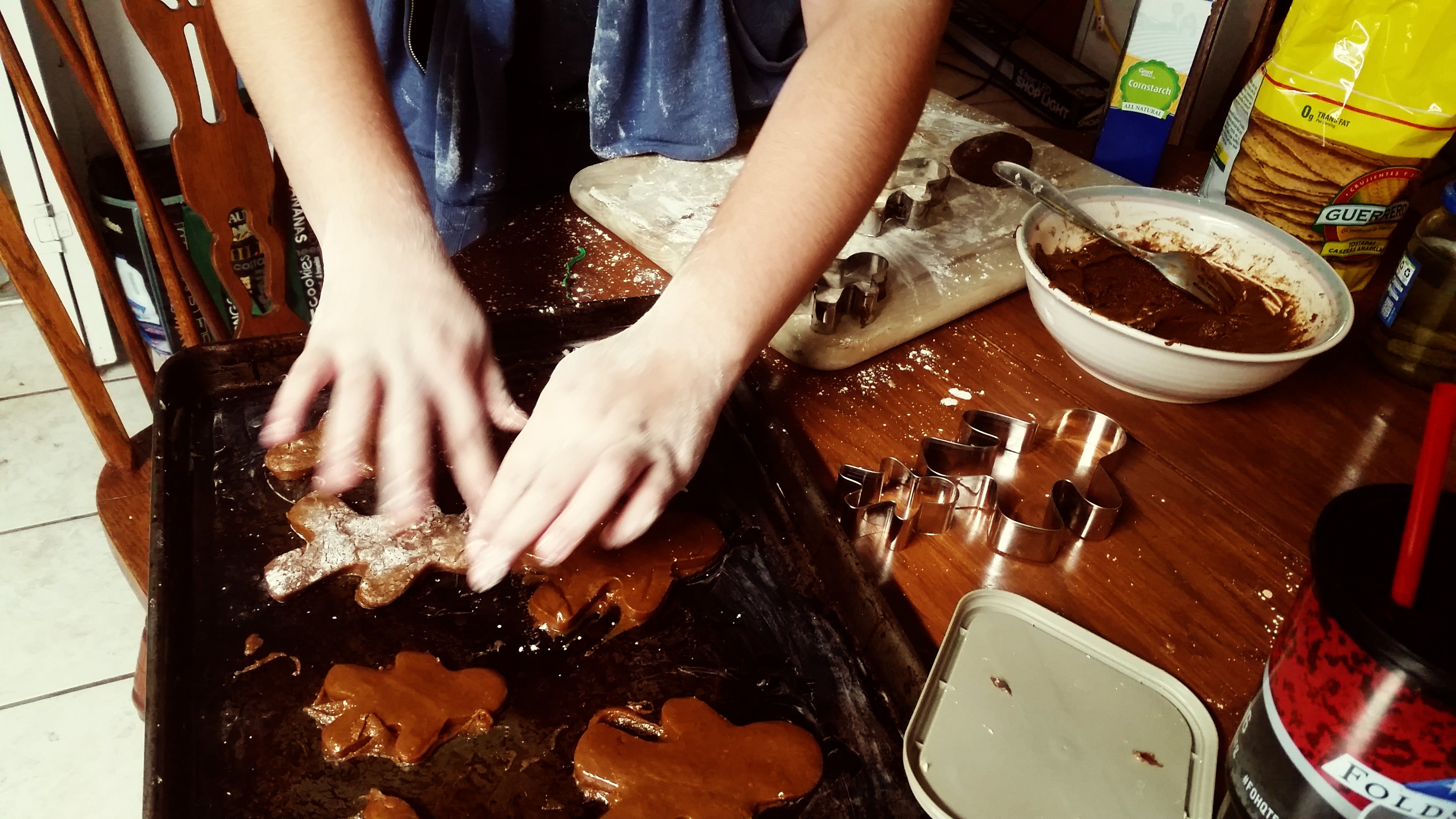
And, as with any evil plan, many things proceeded to go awry. We did not have any actual flour available to make the gingerbread dough less butter-and-egg sticky. All we had was some corn starch… which had bugs in it. After struggling to craft sticky little bodies a few times, we decided to go ahead and use the tainted corn starch. After all, a few little larvae that get overlooked and not picked out will only add a bit of extra protein, right?
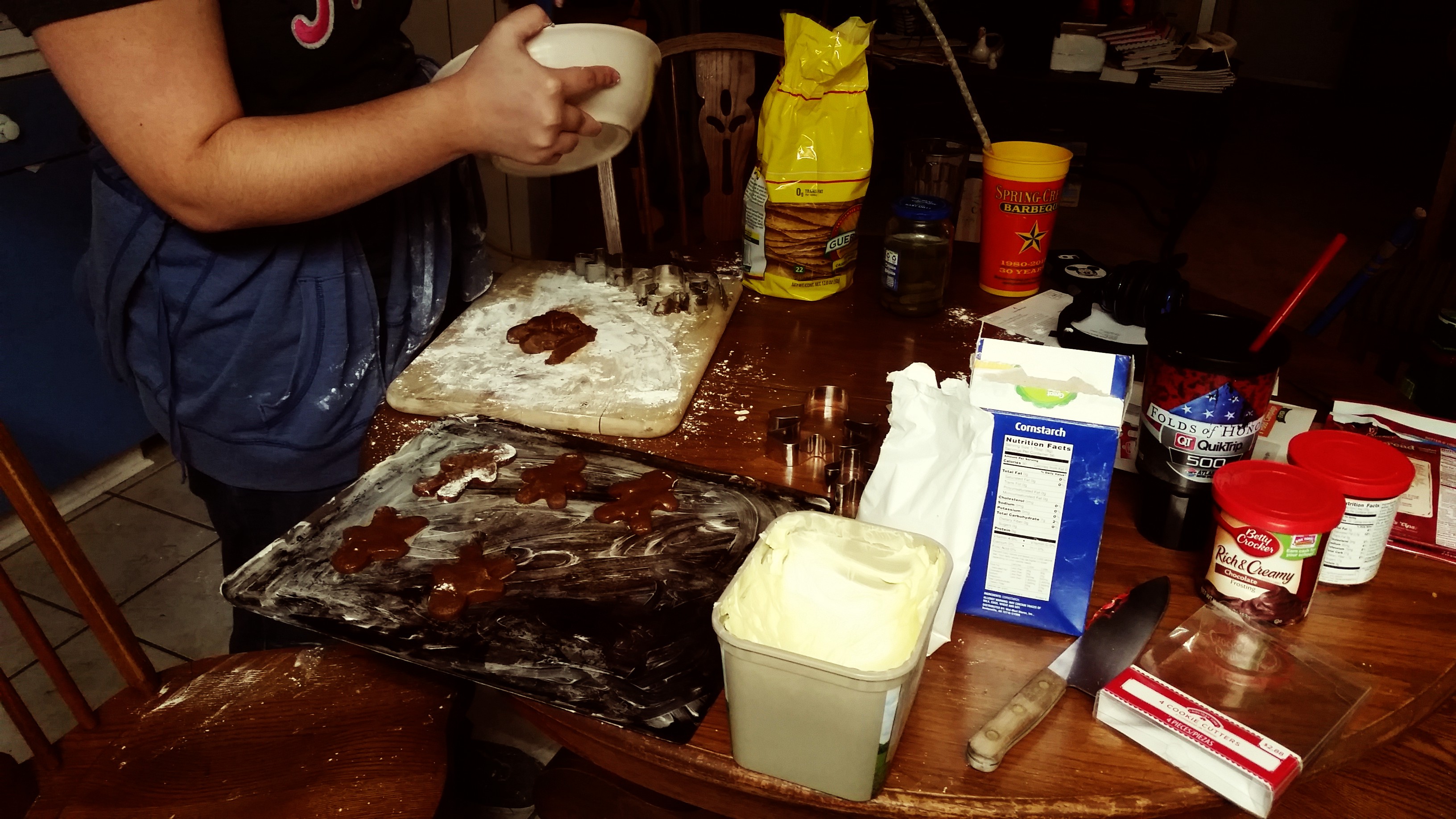
And we had the added bonus that you can make just as much mess with corn starch and margarine as you can with flour and butter!
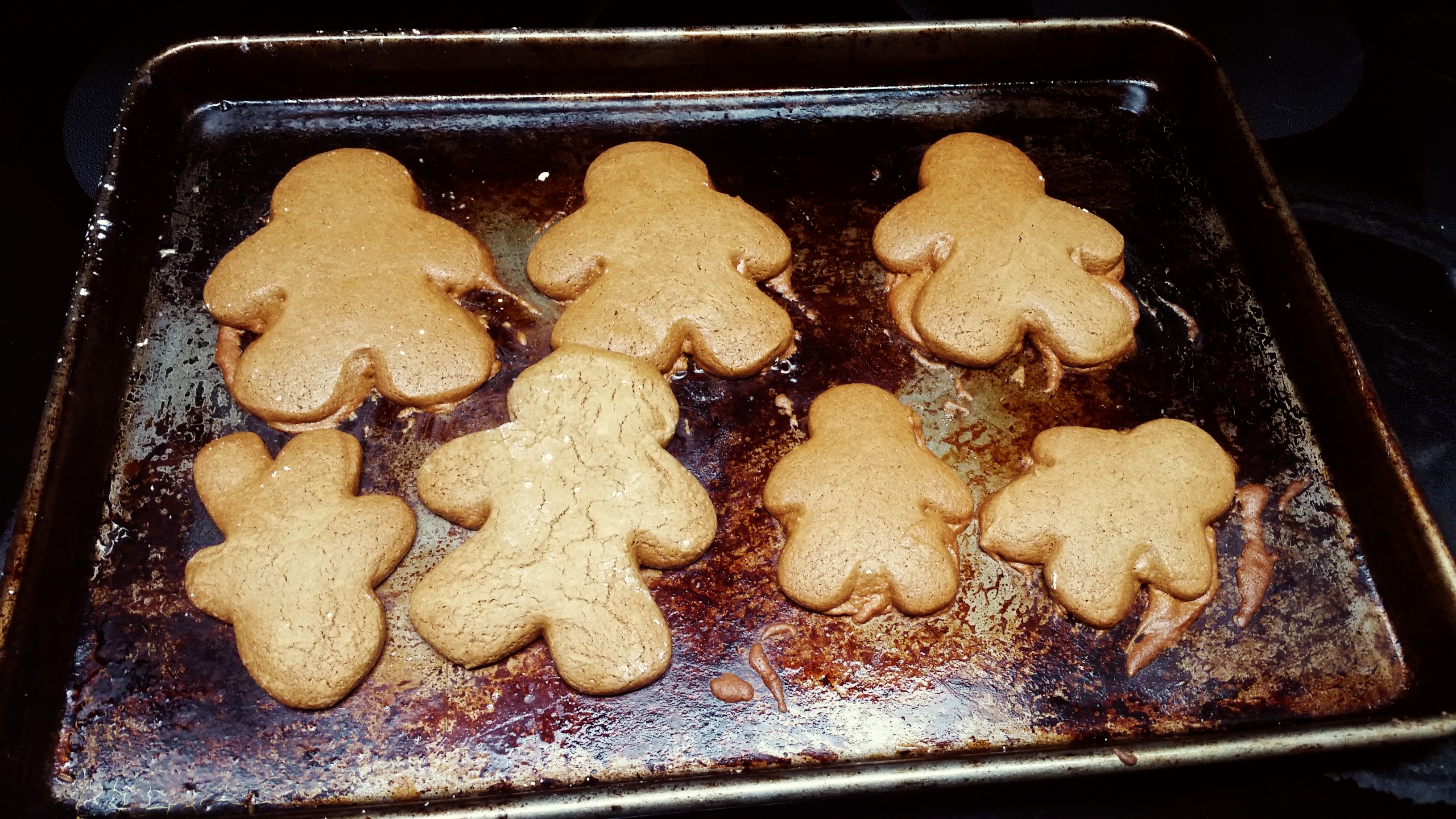
But we did get the corn-starchy little buggers baked. (And they were probably literally buggers due to the potential for having bugs in them. Oh well, it should fortify the old immune systems.)
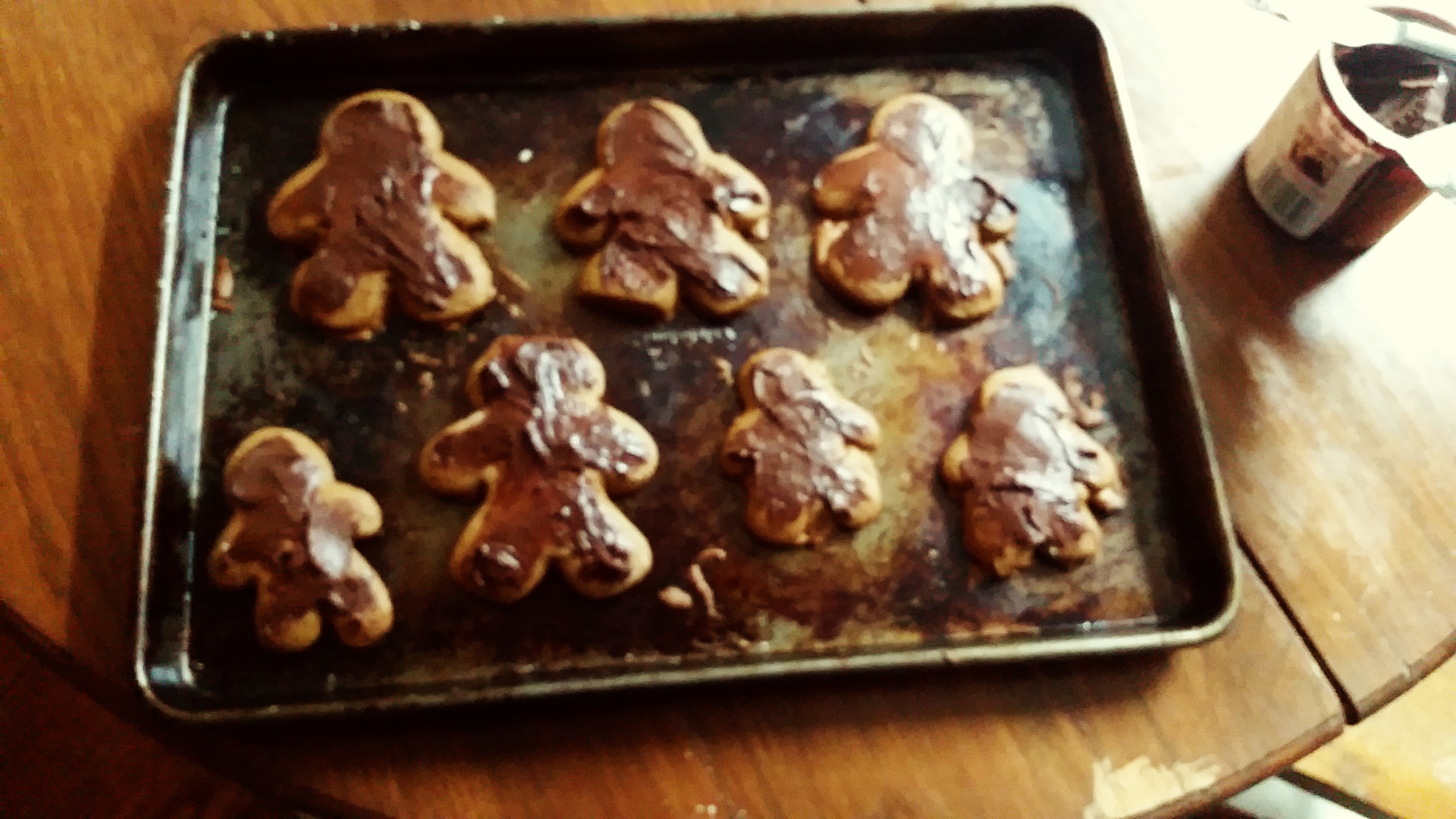
The only decoration we had was chocolate frosting, since someone ate all the sprinkles and sugar dots we bought last year for the gingerbread house. (Don’t look at me. I have diabetes.) So we frosted them, prompting the Princess to begin calling them “little burnt souls blackened in hell”.
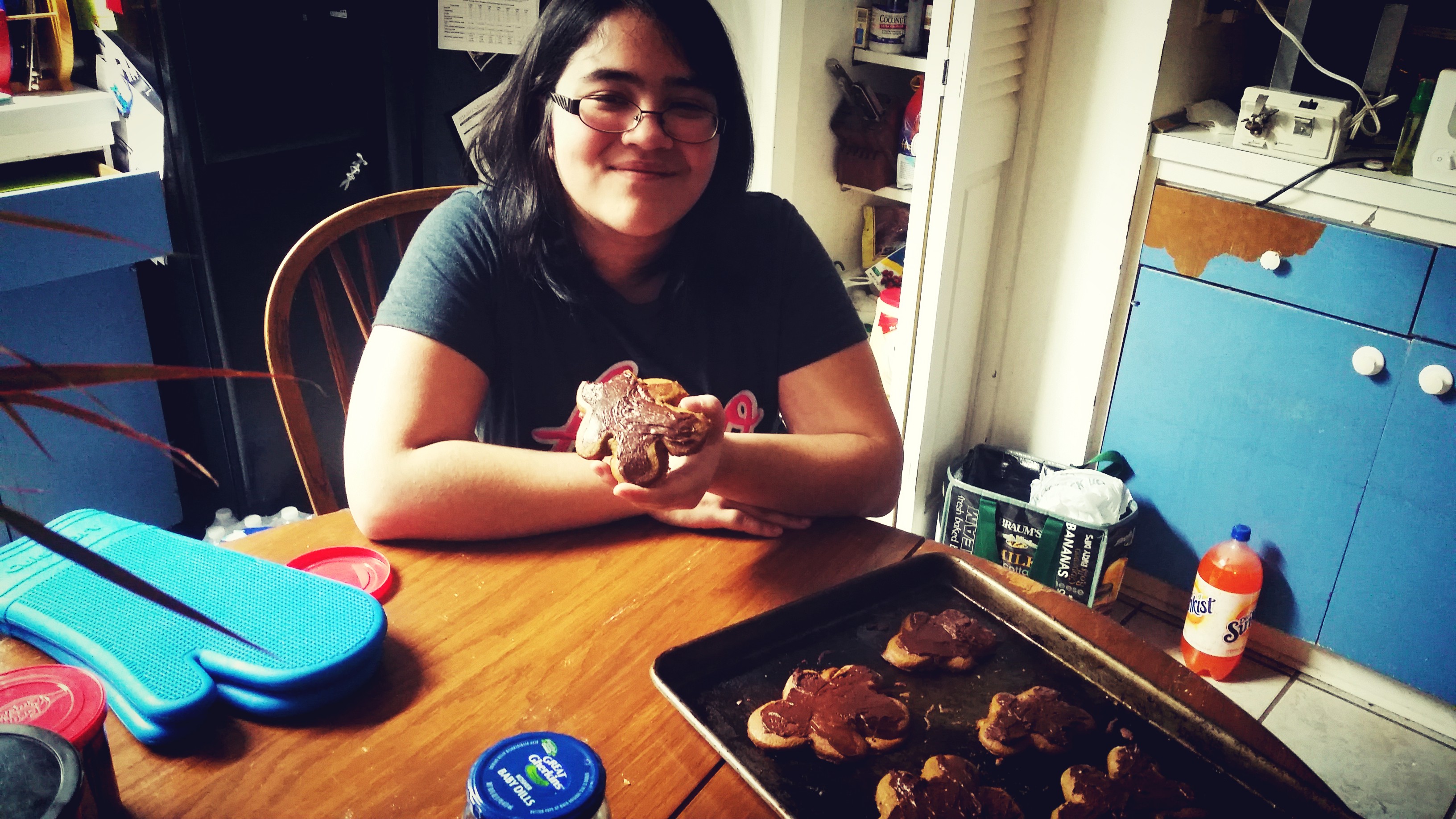
So then the cookie cannibals could allow the eating to begin.
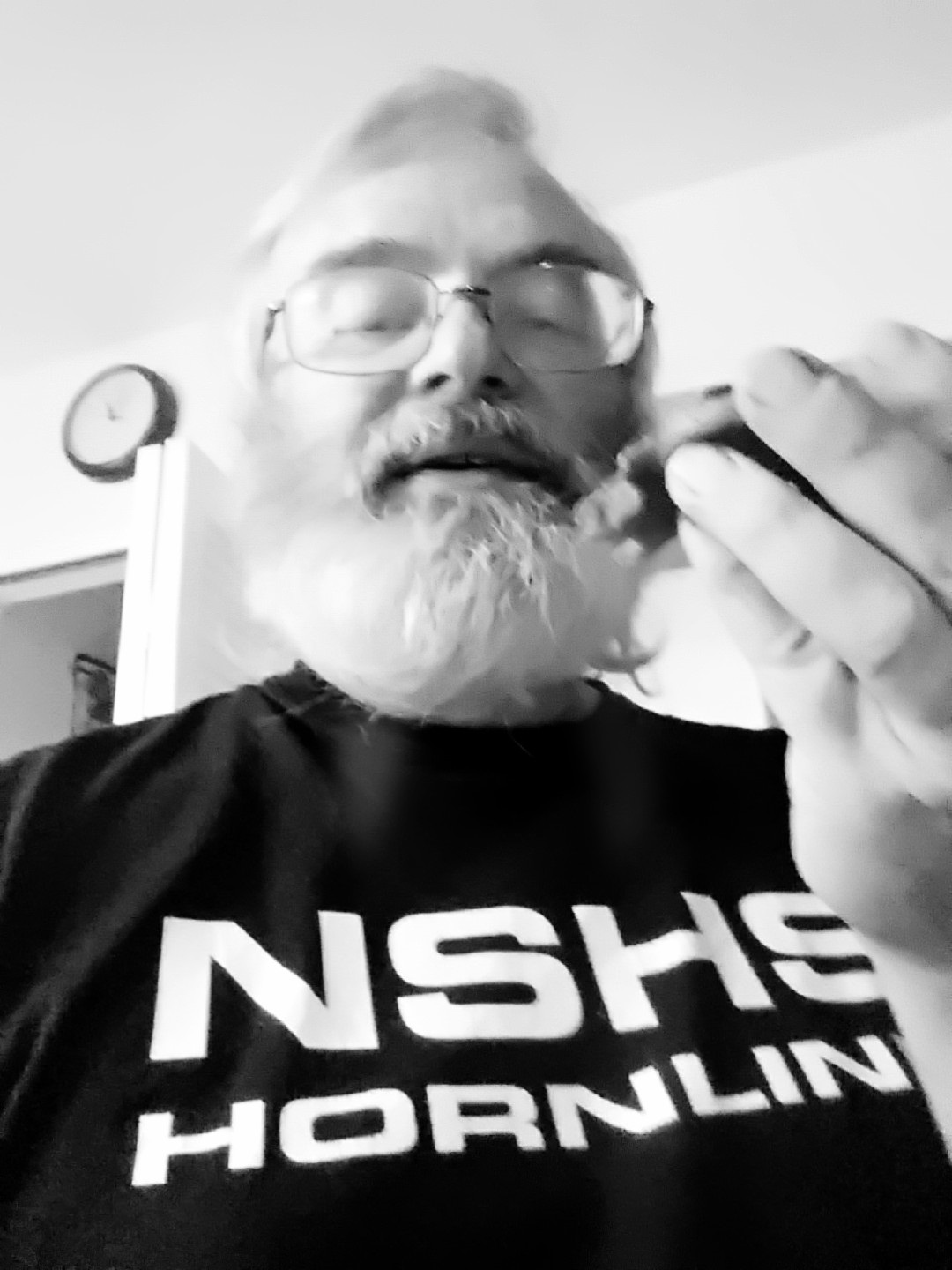
Mmmm! Good cookie!
Okay, I know it looks like the Princess did all the work, and all I did was eat them. But somebody had to do the hard work of taking all the pictures, right?
Filed under bugs, fairies, family, humor, illustrations, imagination, Paffooney, strange and wonderful ideas about life
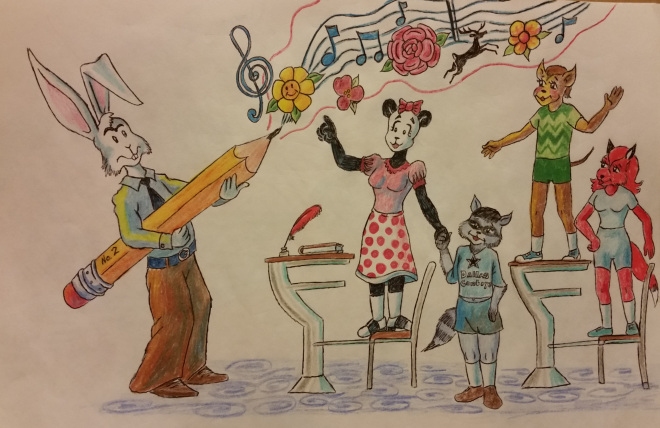
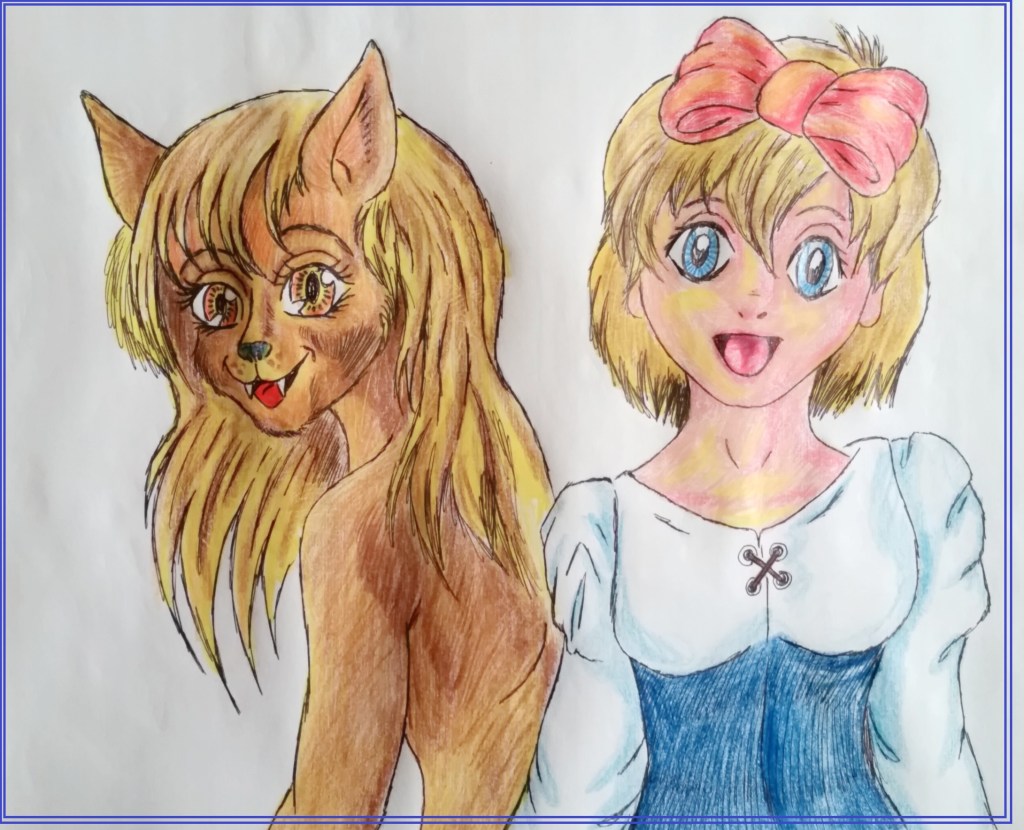
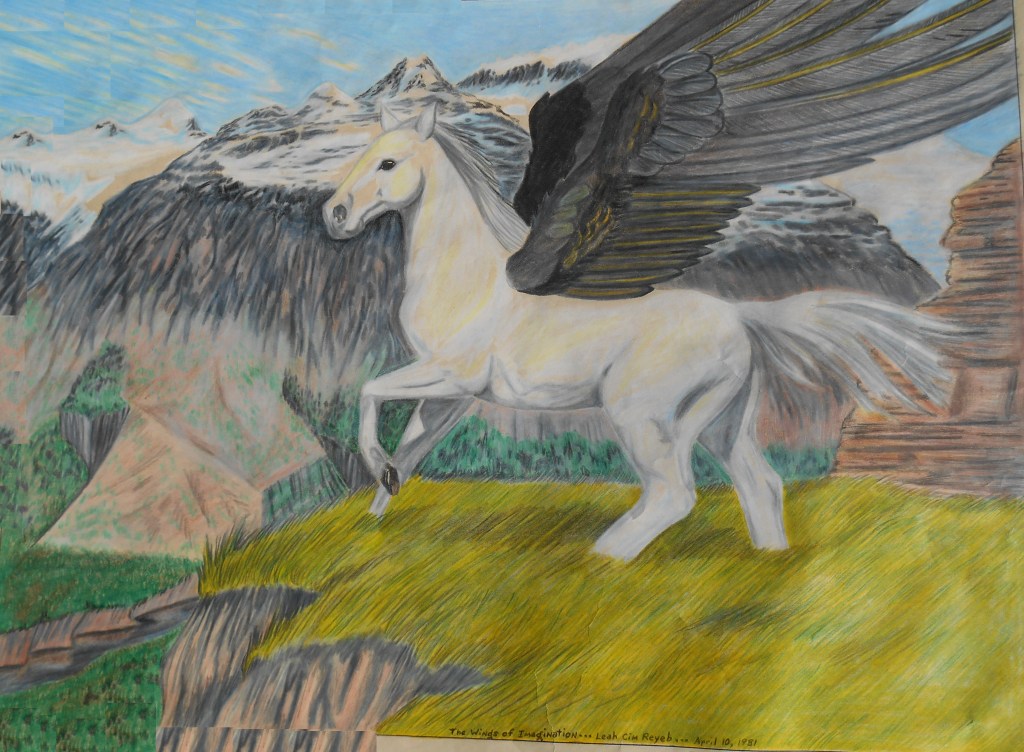
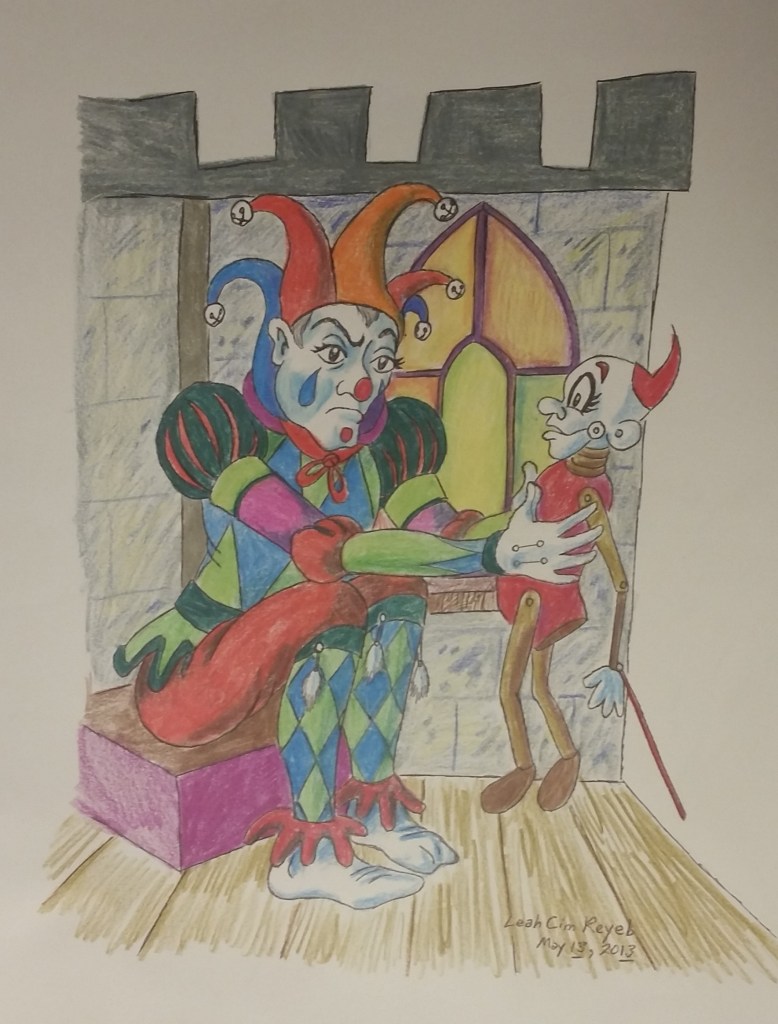
I do draw some pictures from models, photos, or other illustrations… but fantastical things that you can’t find a model for are what occur most often in my stupid head.
Filed under artwork, autobiography, humor, illustrations, imagination, Paffooney
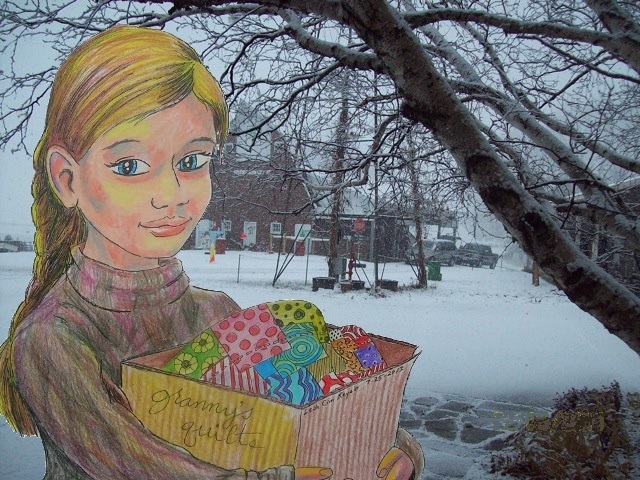
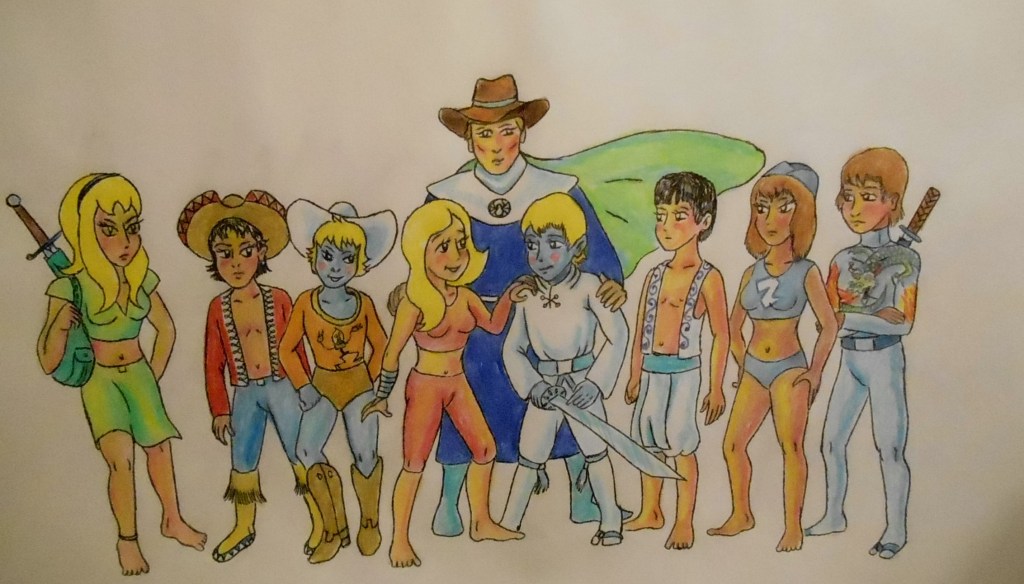
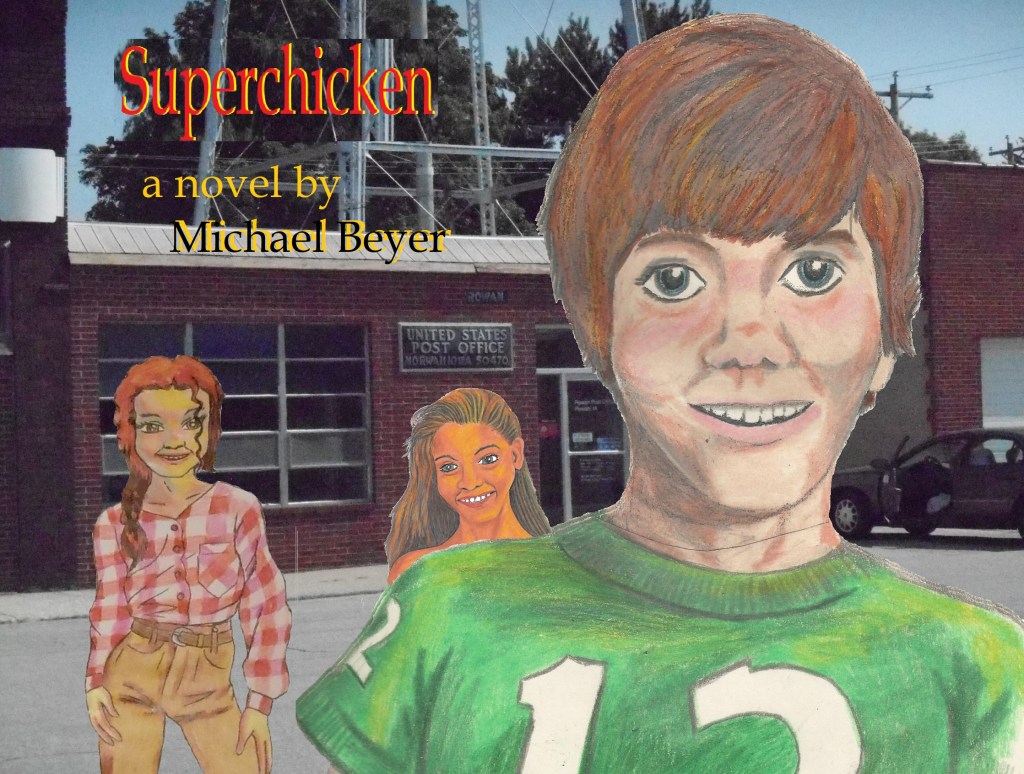
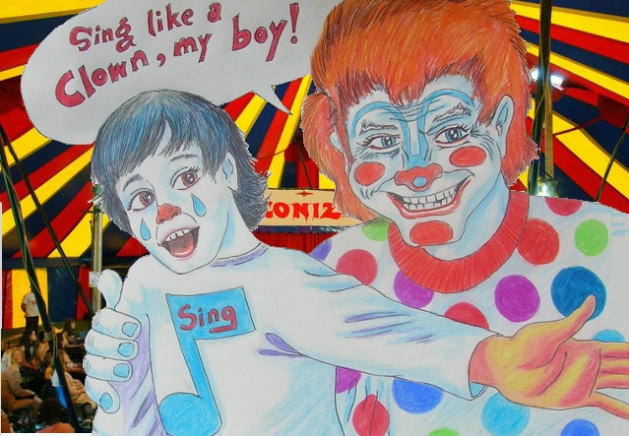
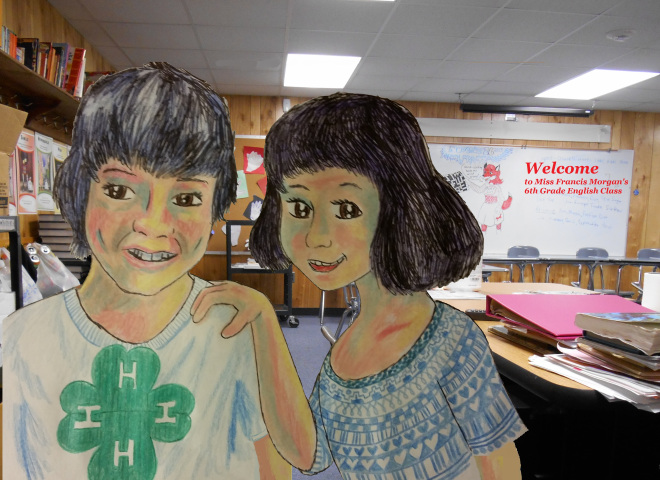
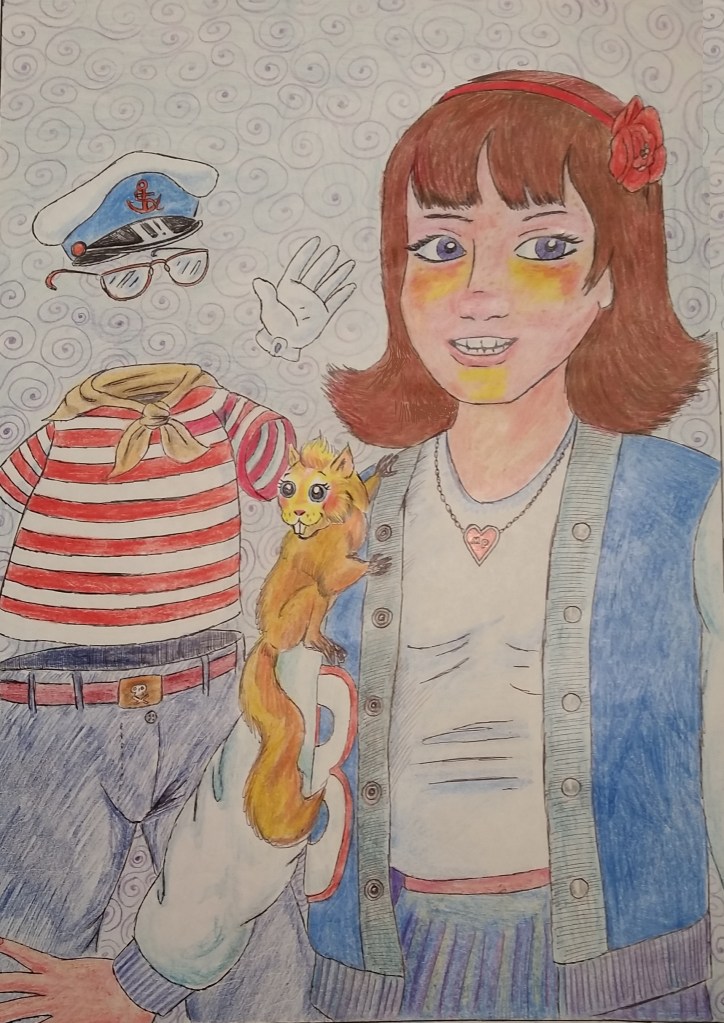
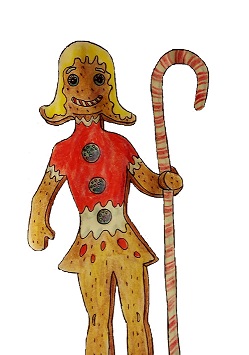
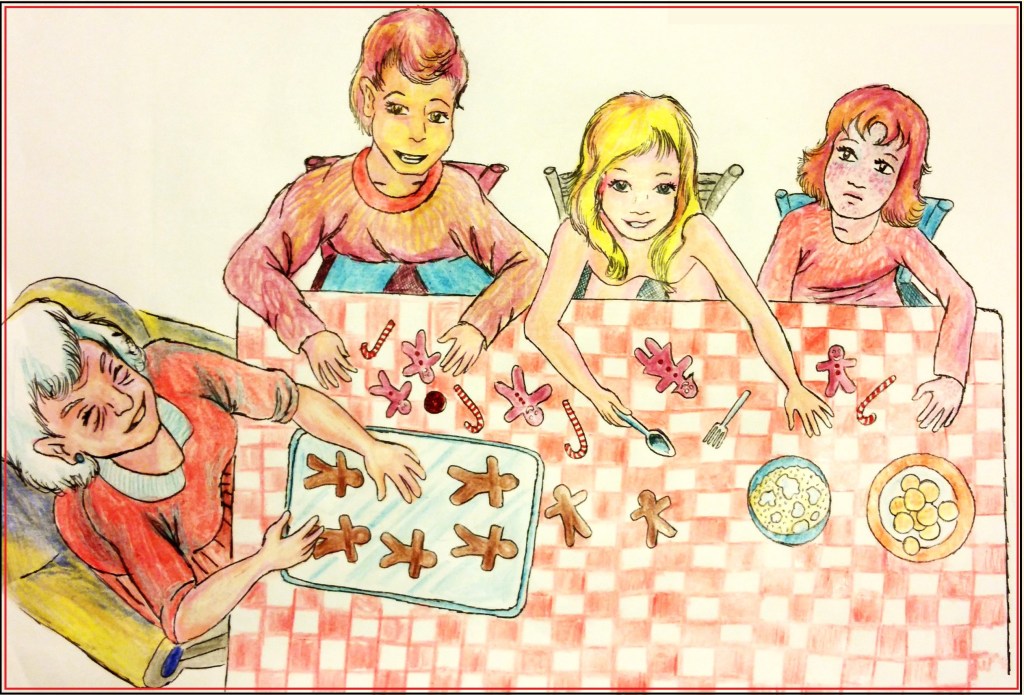
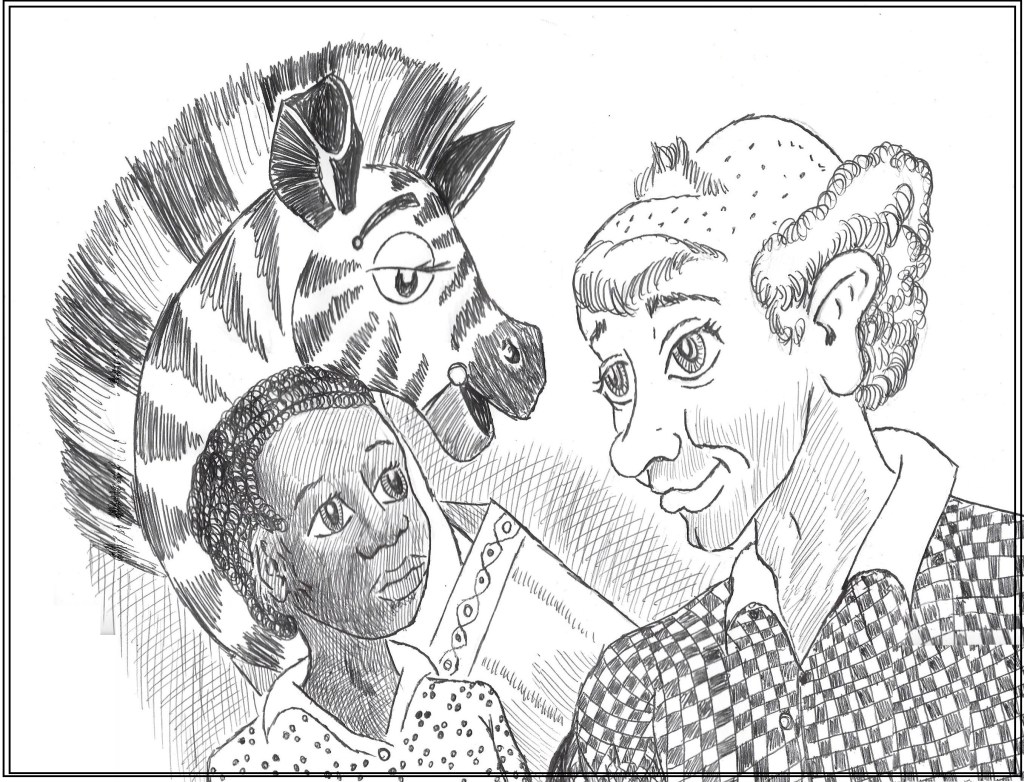
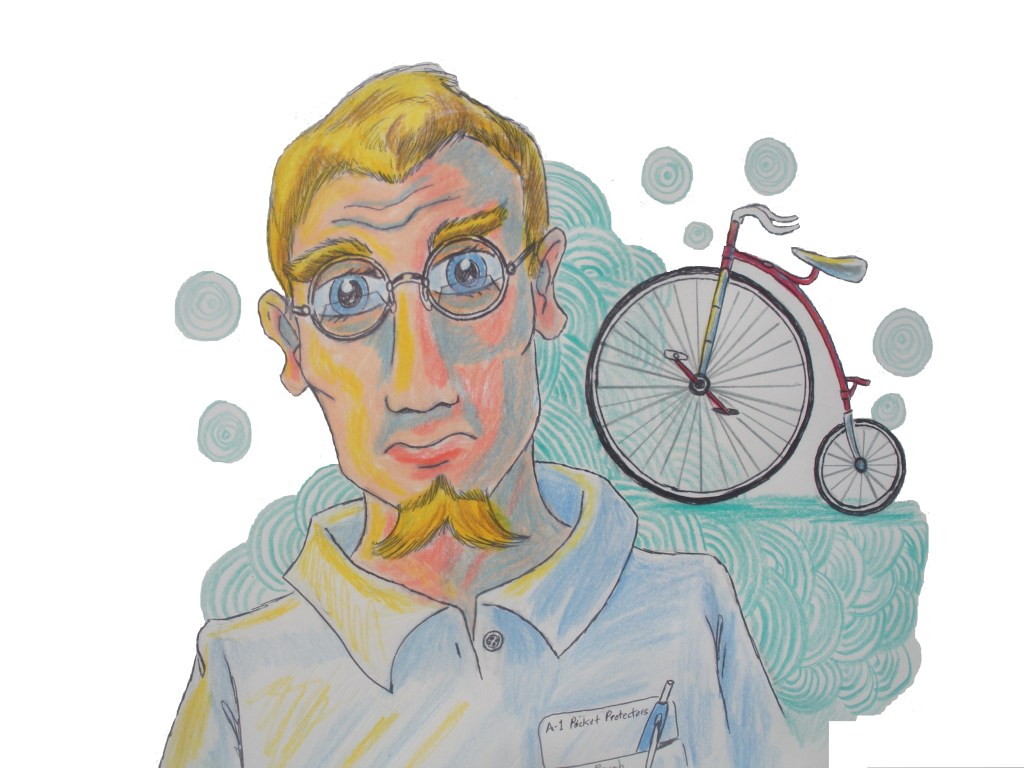
Some Art is created for the sake of illustrating my novels. So, today’s artwork is all about that.
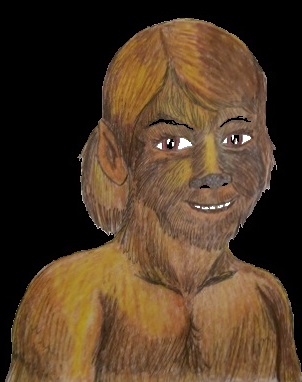
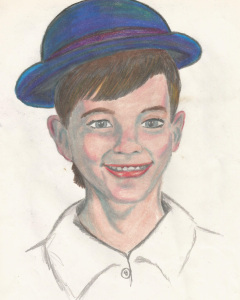
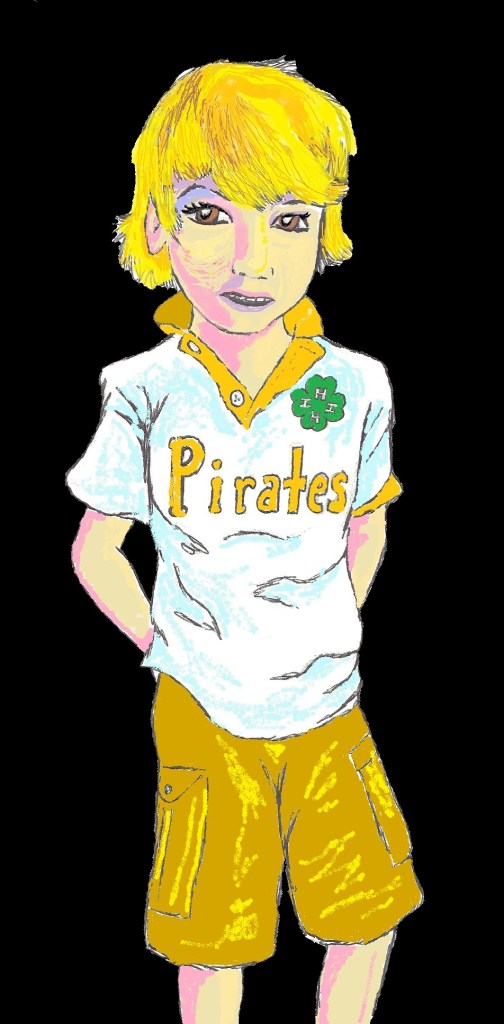
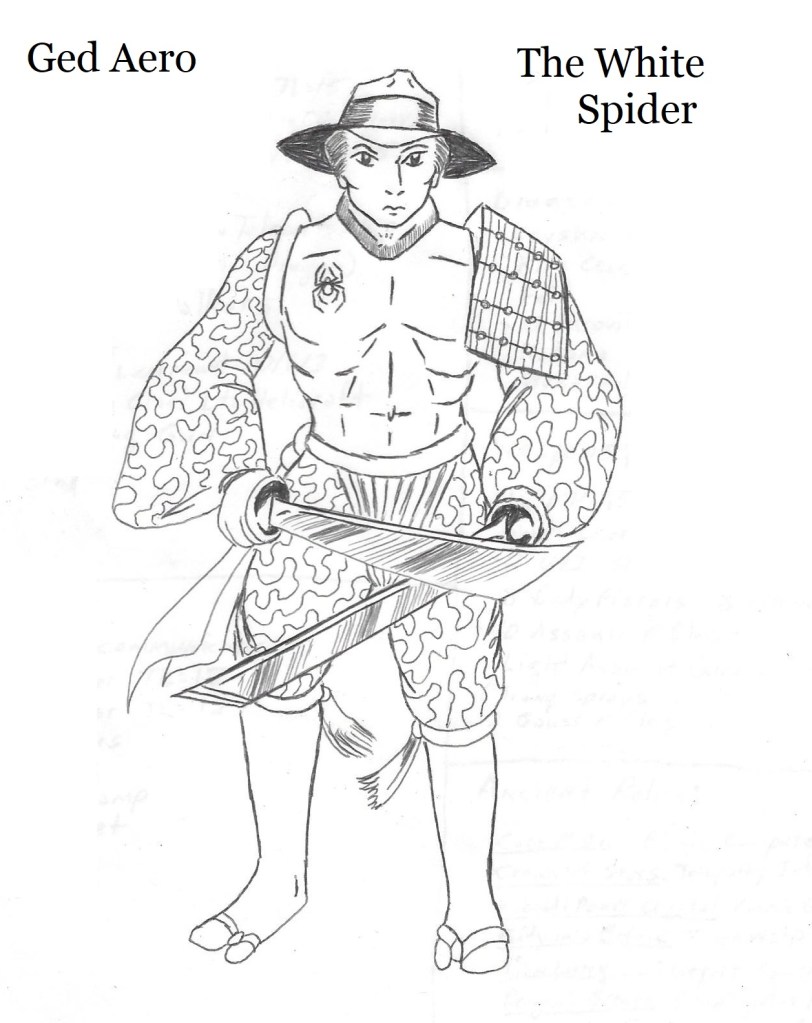
Filed under characters, illustrations, novel writing
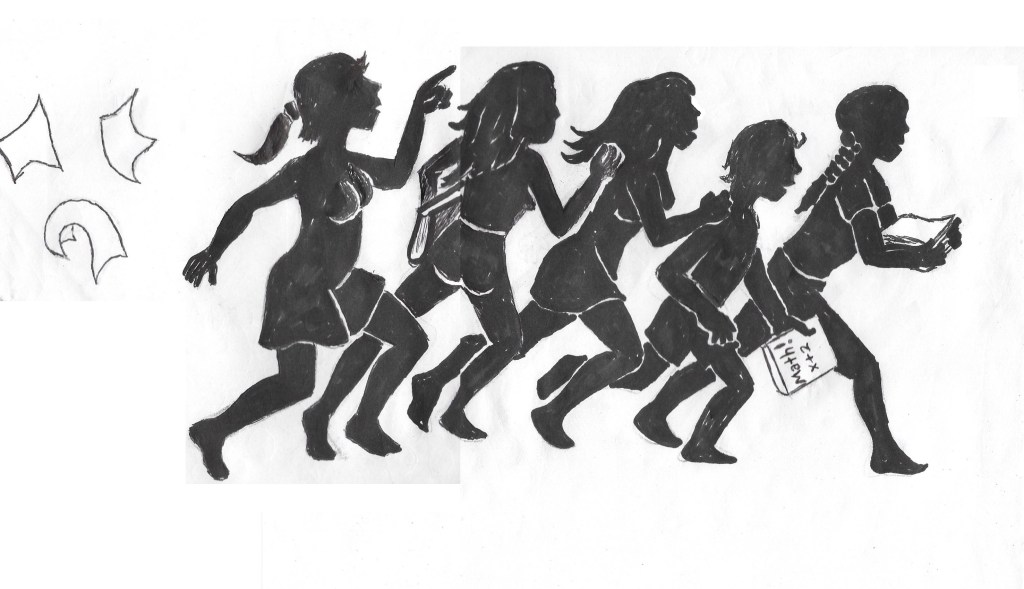
Here’s a bit of the file called Novel Pix (illustrations for my novels);
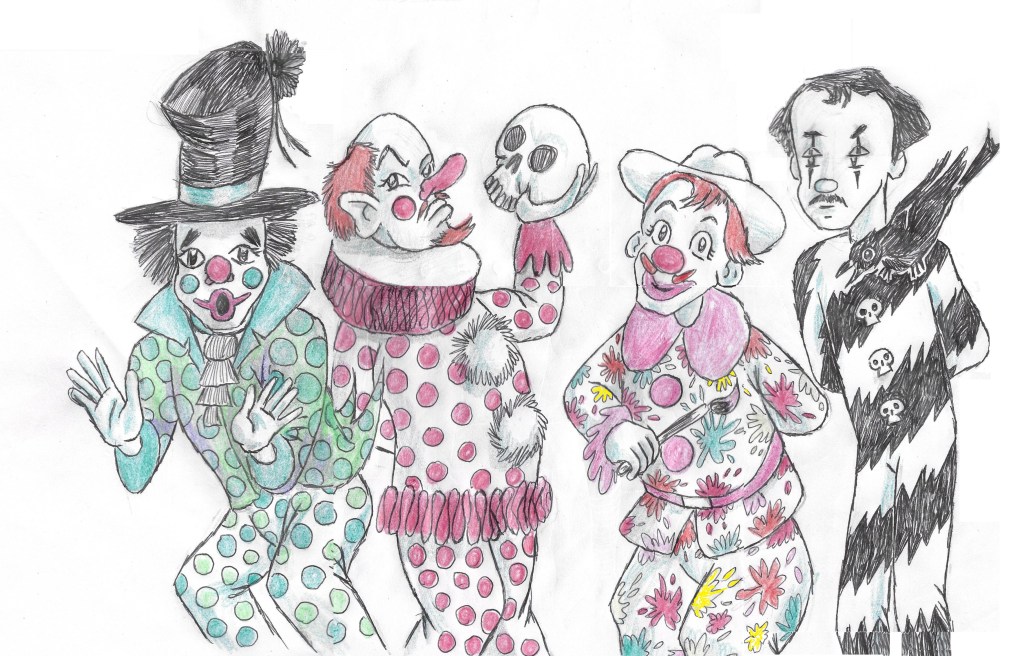
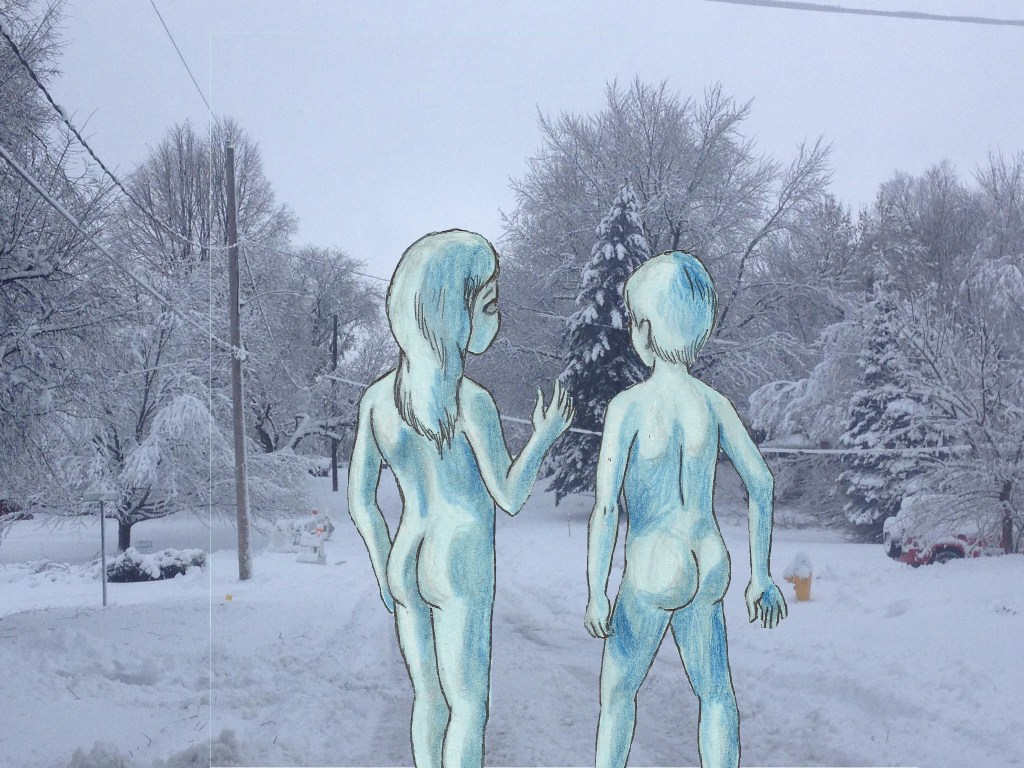
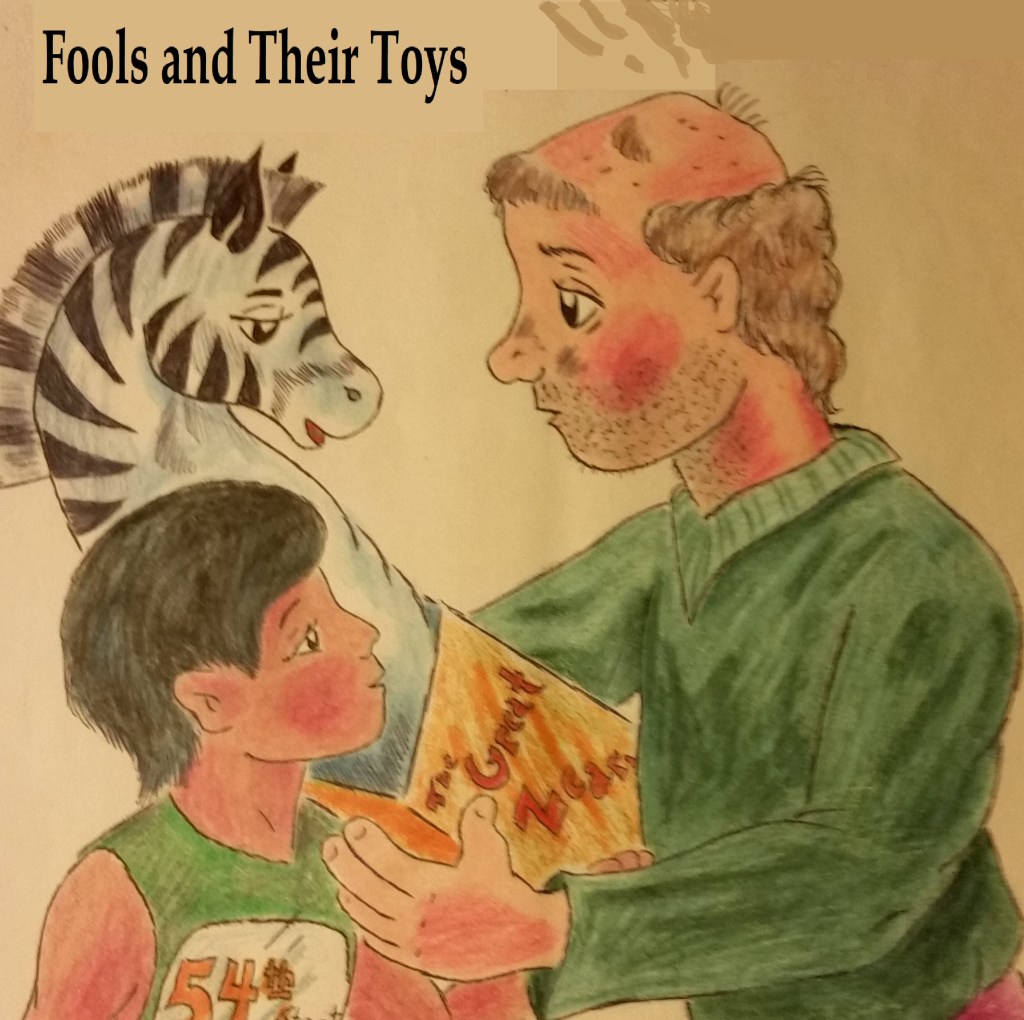
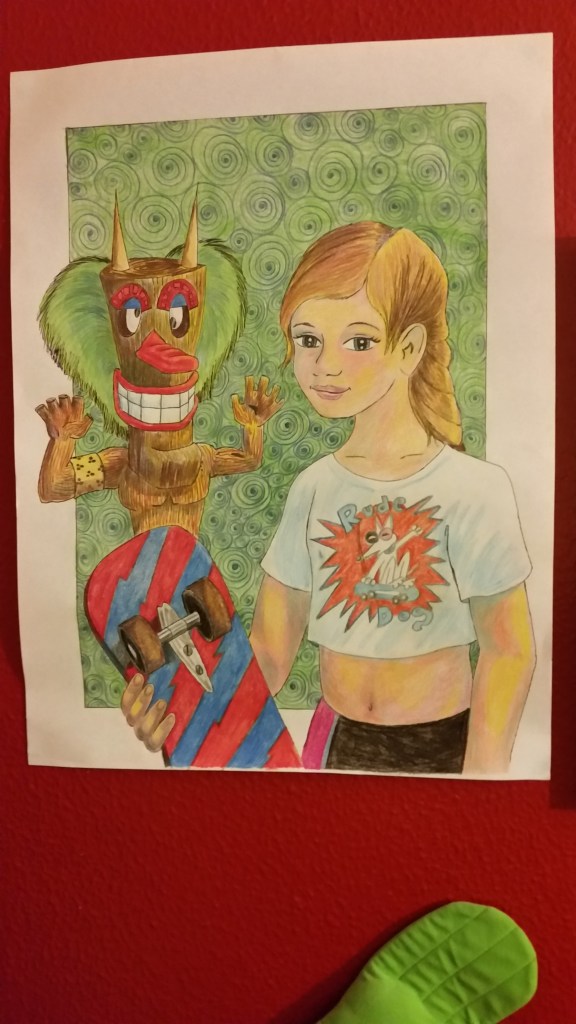
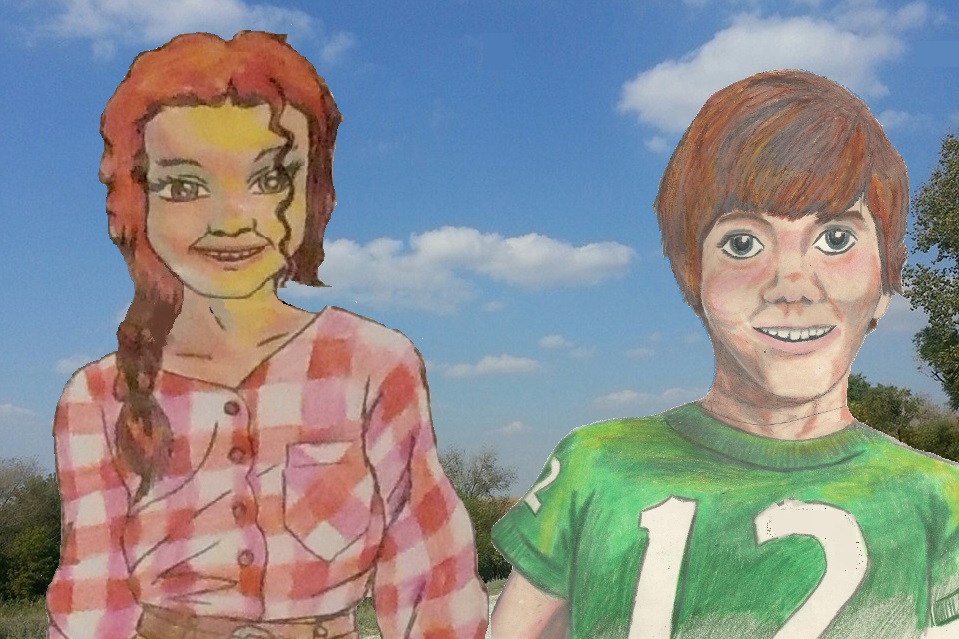
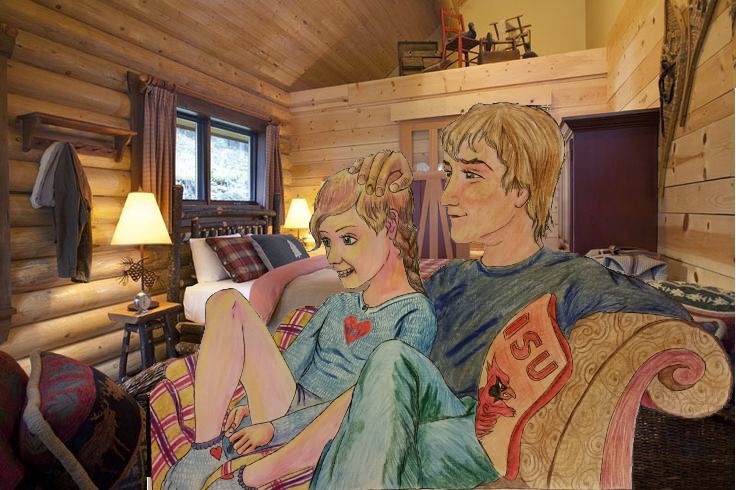

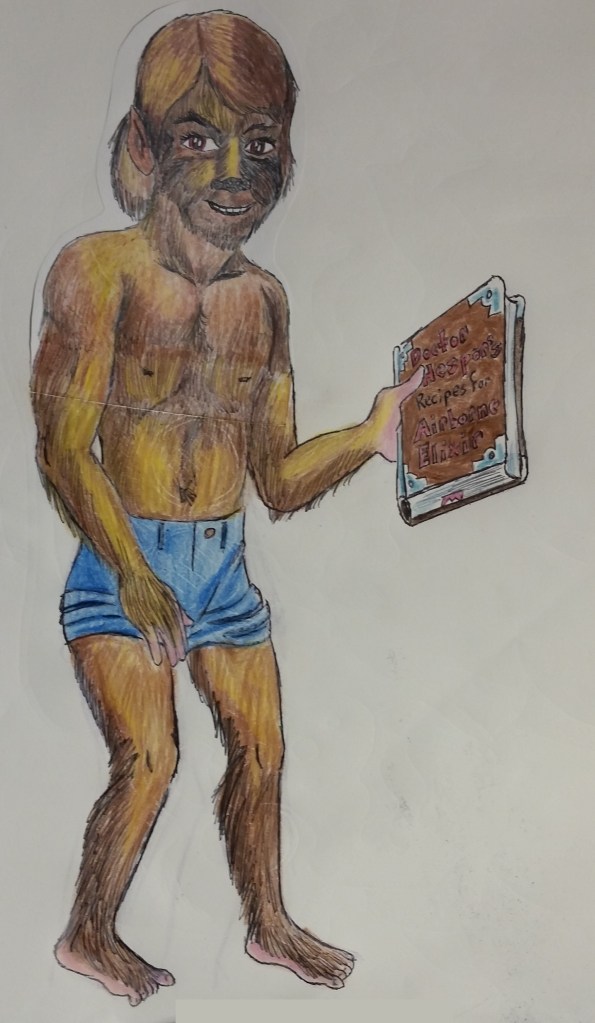
Filed under artwork, illustrations, Paffooney
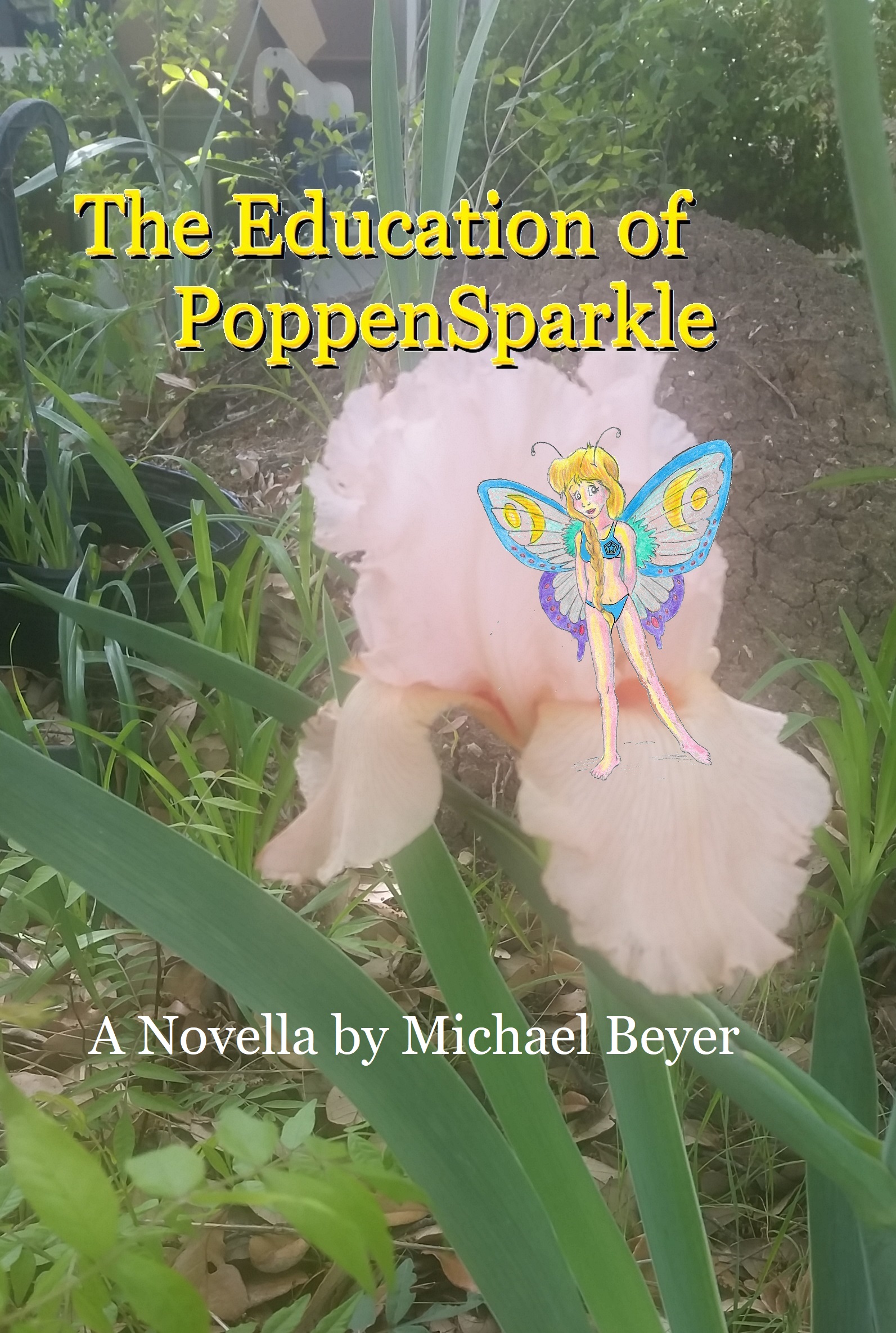
Many doctors’ appointments, eye treatments, and needed exercise to combat diabetes have all conspired to fill my time to the point that I haven’t gotten publishable work done on the writing projects. So, today there is no completed Canto 10 to share on the novel-writing day. It will be called In the Home of the Leaf Witch when I do have it published.
So, today I will share some meta-data that you might be interested in if you wonder at all how a novel project proceeds in the mind of an extra-goofy writer.
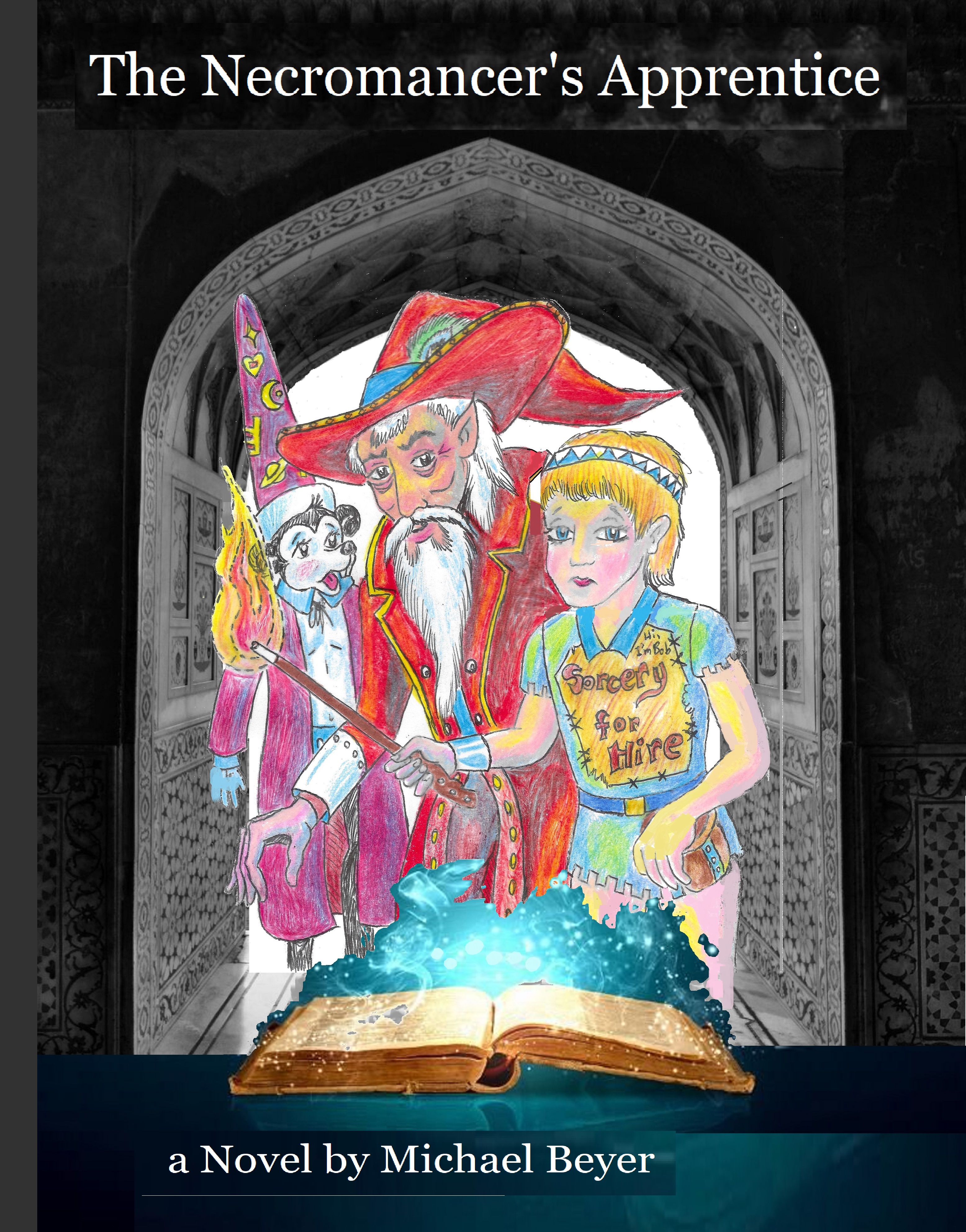
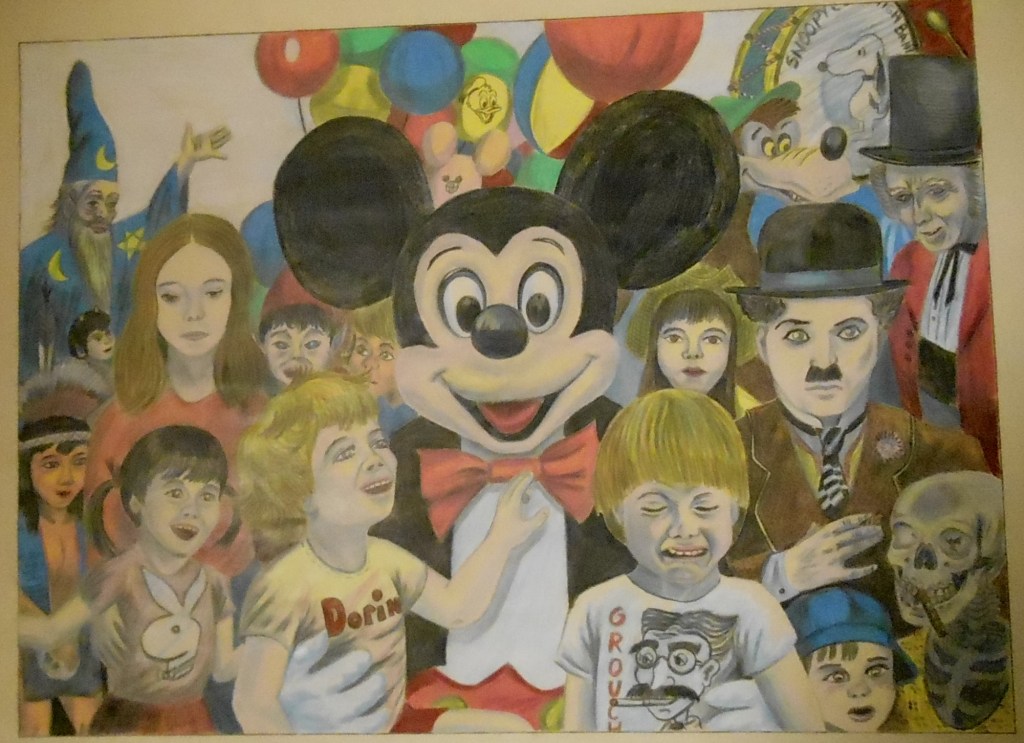
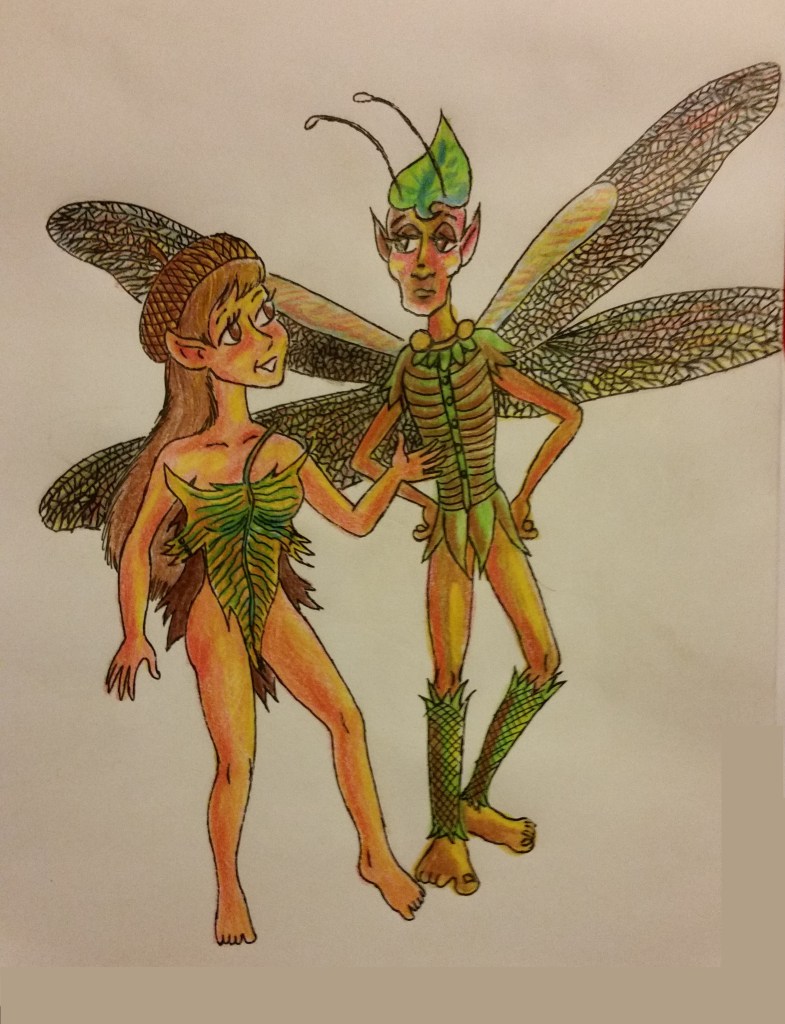
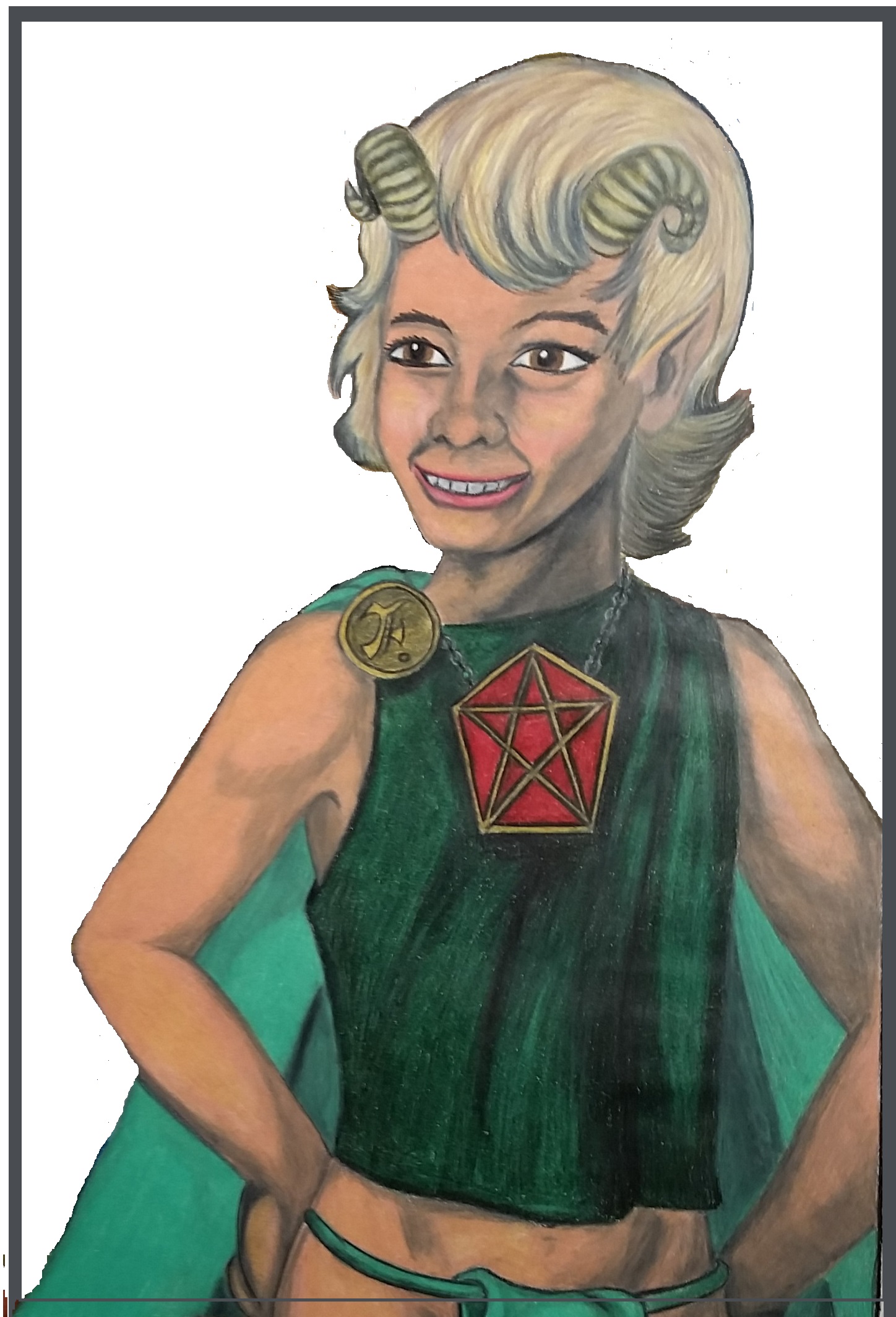
Poppy’s little novella (a book between 15,000 and 25,000 words in length) was conceived as a sequel to The Necromancer’s Apprentice, which is both a parody of the story The Sorcerer’s Apprentice, the Mickey Mouse version, and a coming-of-age story about a Sylph girl named Derfentwinkle. Derfie is an enslaved servant of an evil Necromancer at the beginning of the story, sent on a suicide mission against the leaders of the good fairies in Tellosia. She ends up captured alive by an eccentric Sorcerer named Eli Tragedy. He reforms and trains her to spite the Necromancer, his old enemy.
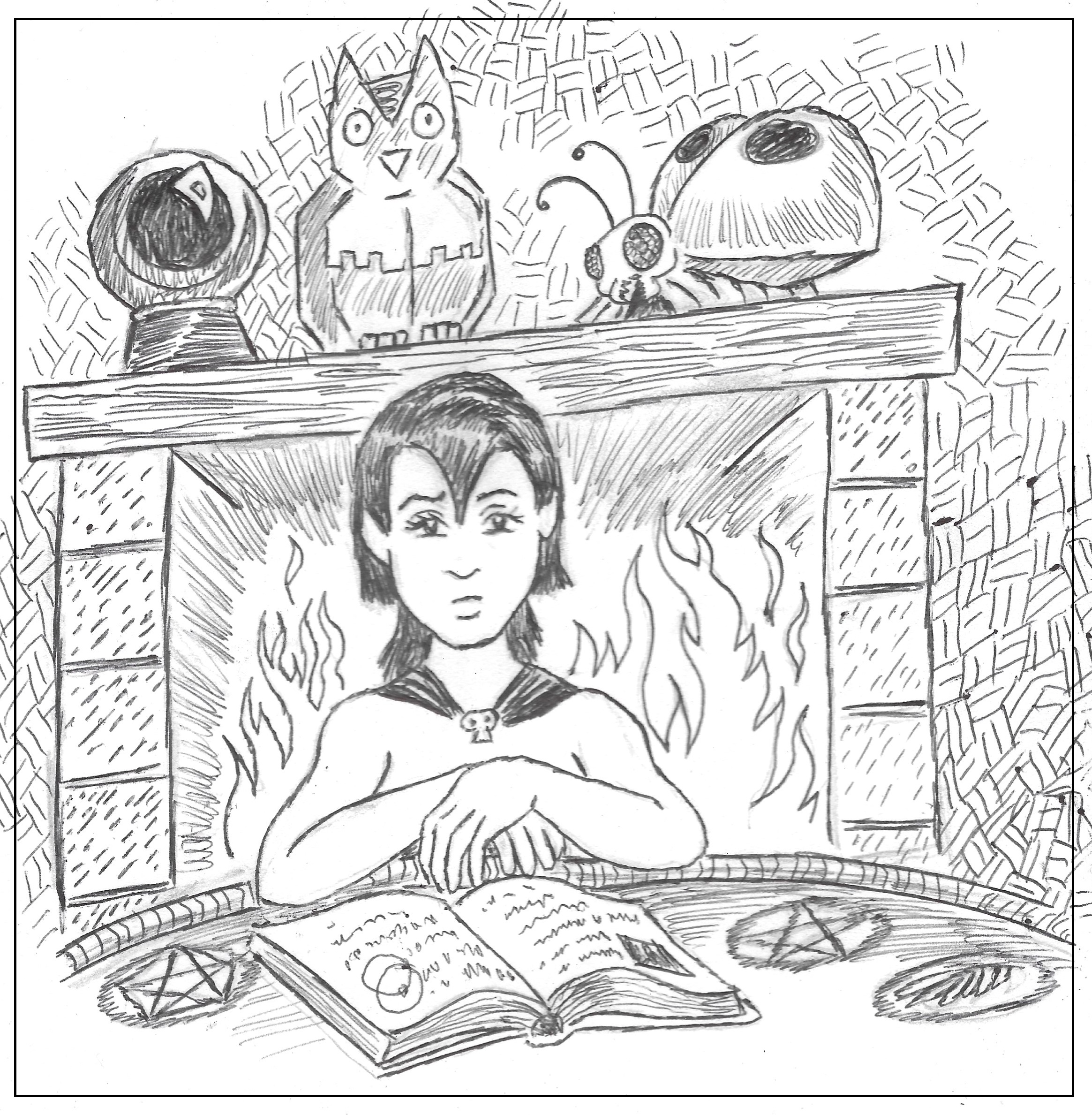
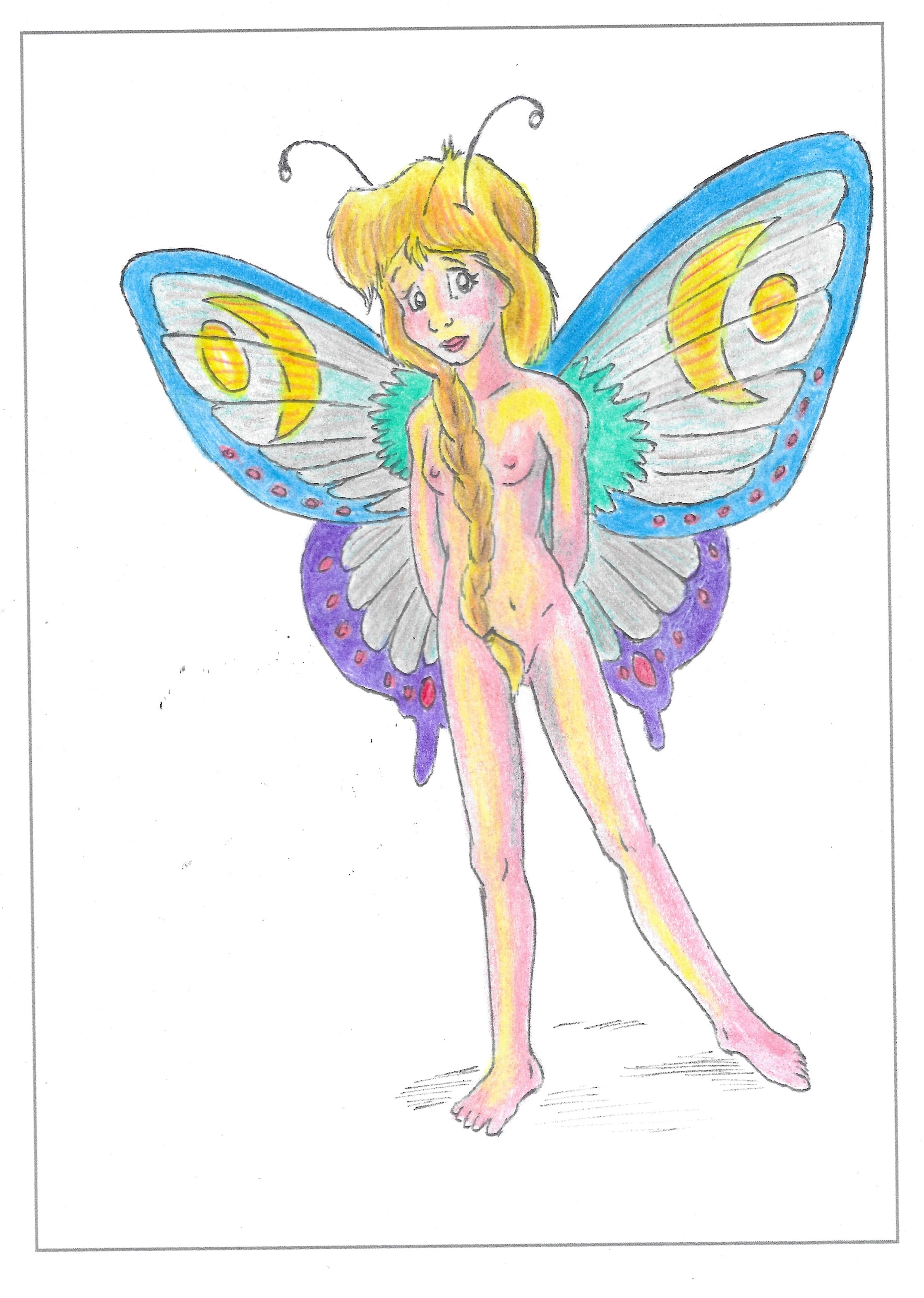
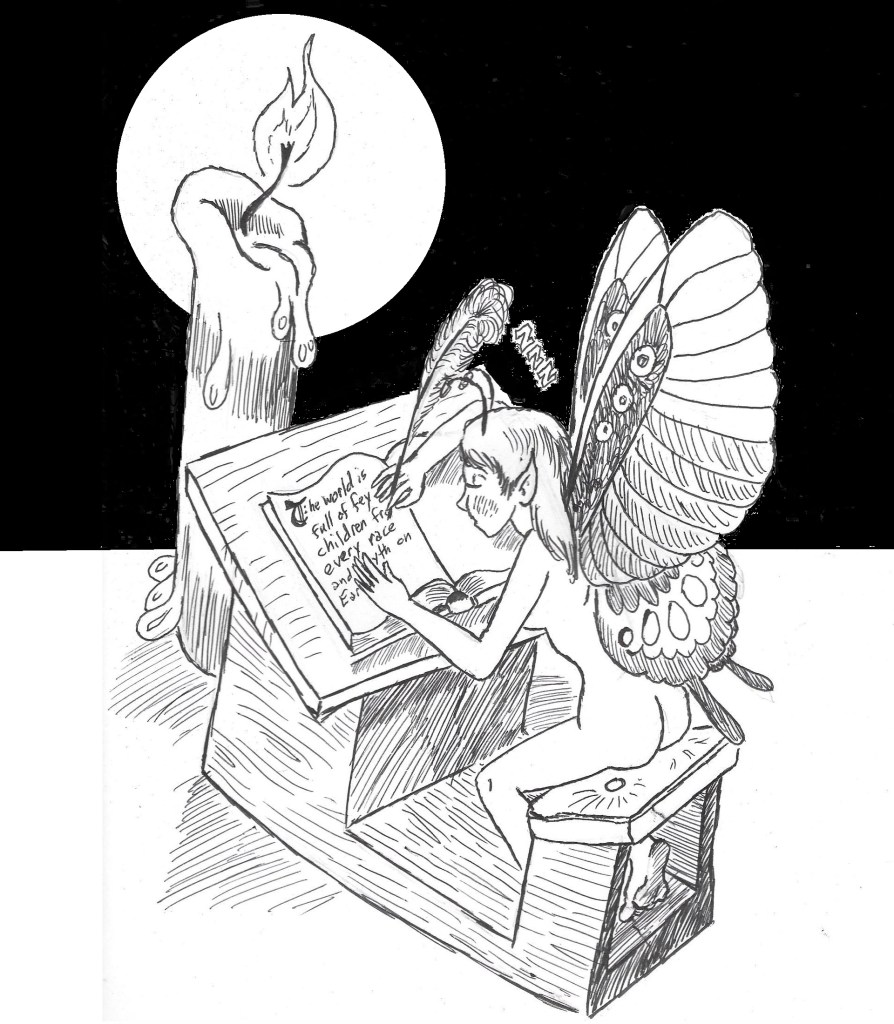
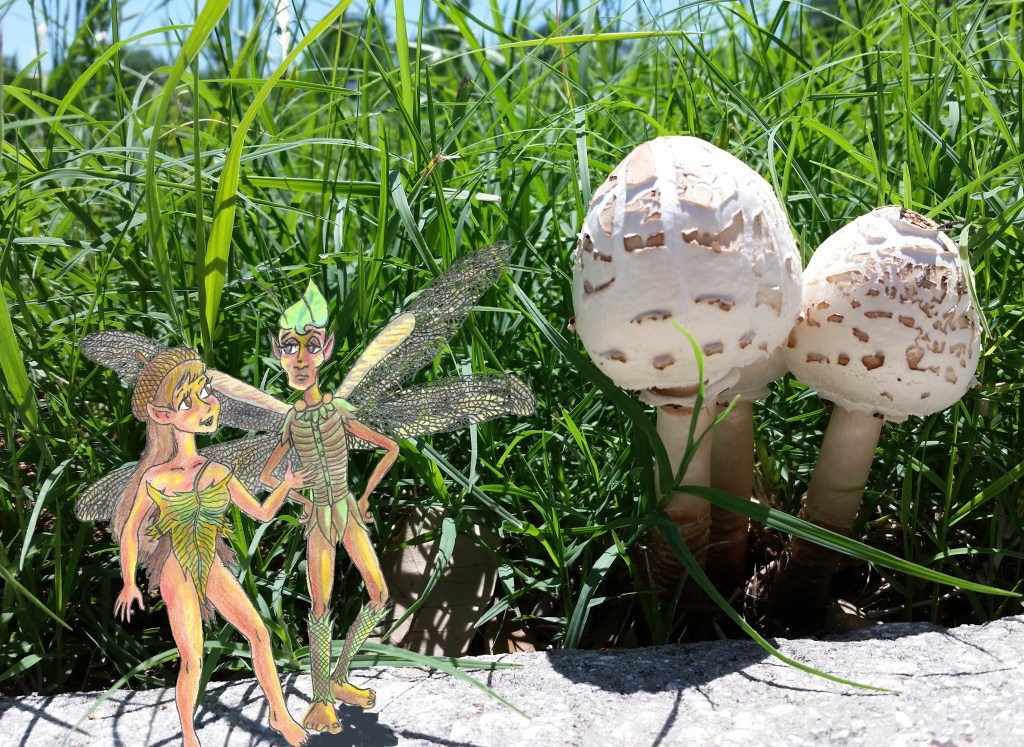
The Fairies of Tellosia are tiny compared to the human beings they live around. They call humans the Slow Ones because humans are easily fooled by Fairy glammers and disguise magic.
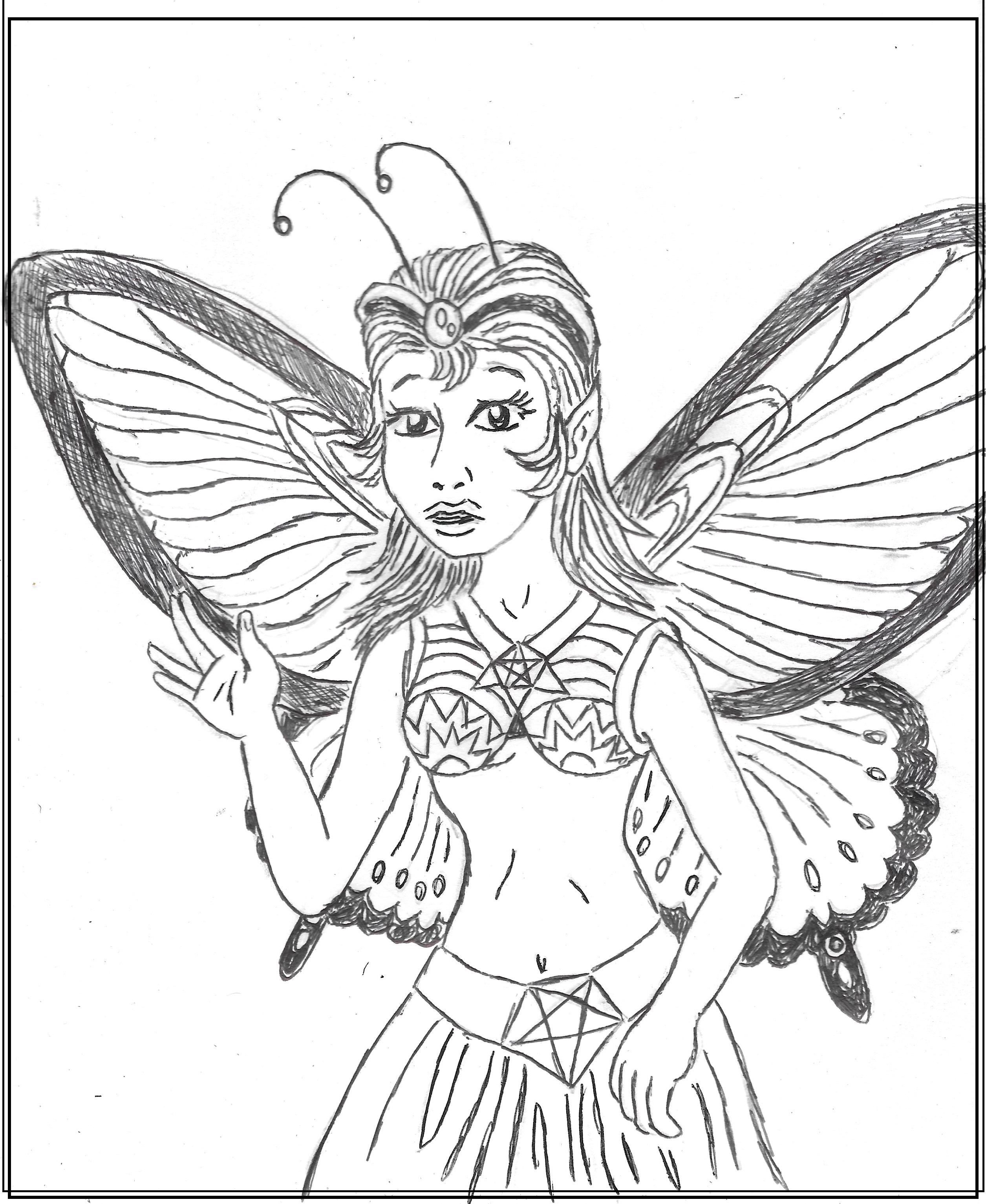
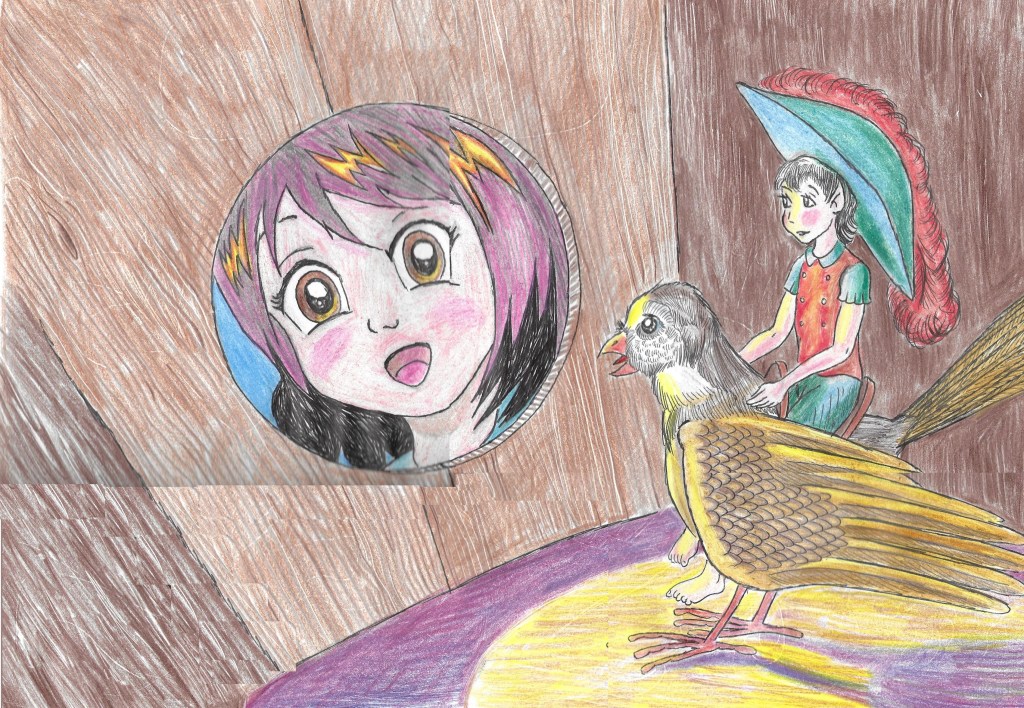
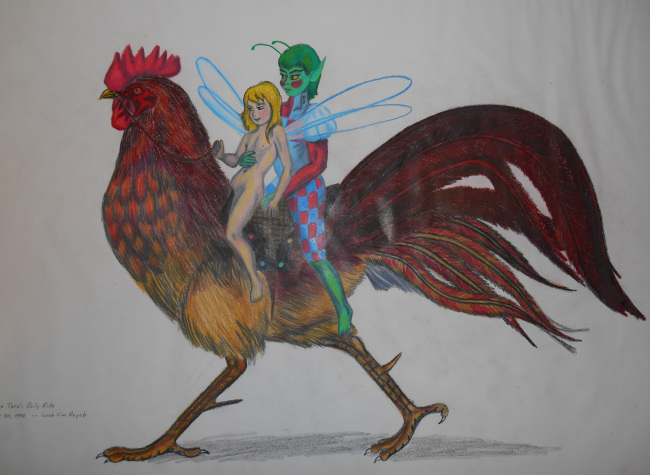
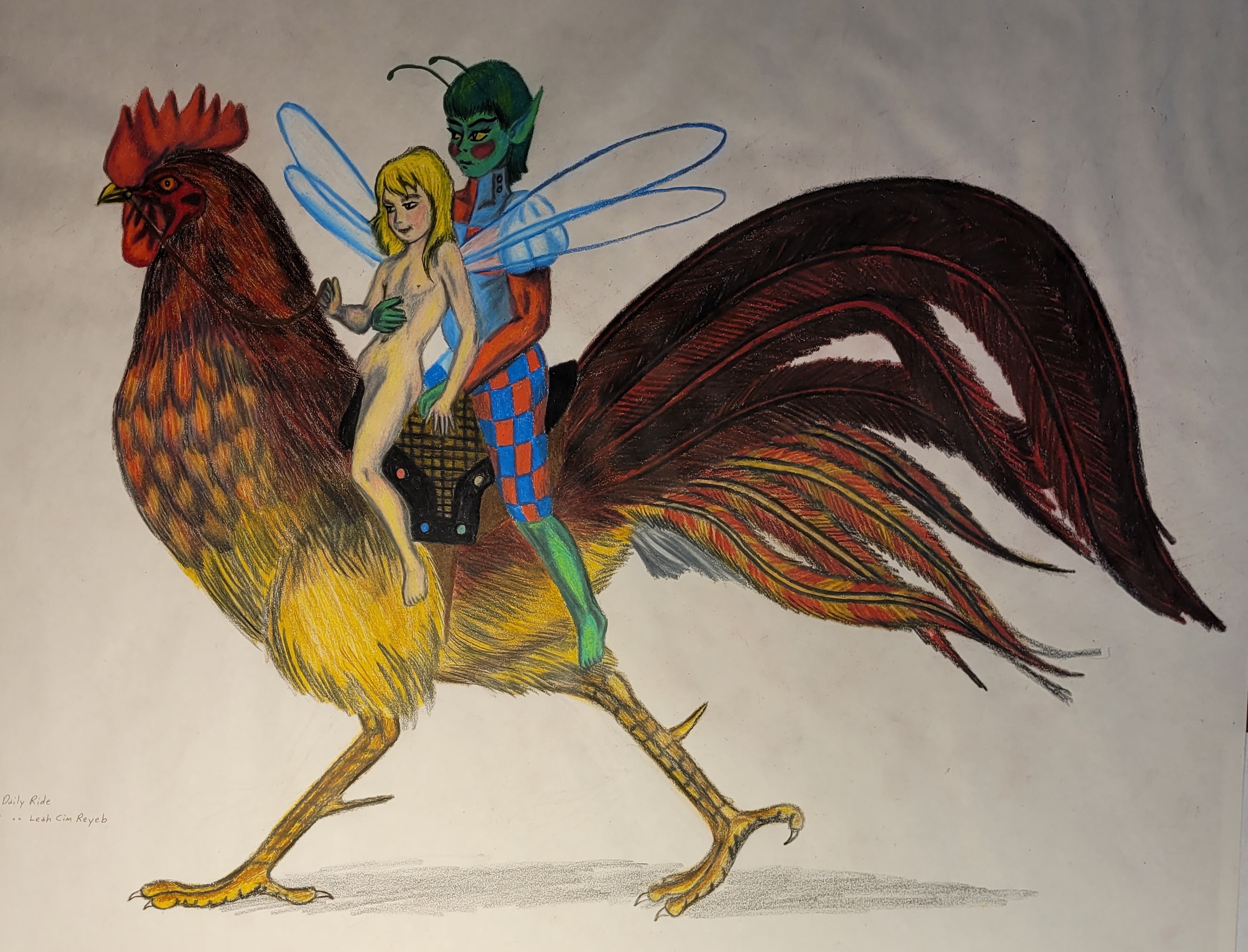
Poppy’s magical education begins as a journey on rooster-back from the Fairy Castle of Cair Tellos to the distant Castle of Cornucopia where a war is raging and several critical magical problems have to be solved.
So, if you are actually waiting impatiently for Canto 10 to drop and appear on this blog, keep an eye on us here at Catch a Falling Star. It will get published as soon as it is acceptably written and edited. And if you are not waiting for the next installment in the way readers once waited for the next chapter of Charles Dickens’ The Old Curiosity Shop, thus contradicting Mickey’s delusion that he is in any way like Dickens as an author, you can continue to glance at the pictures, ignore the text, and move on without clicking the “like” button like most readers do.
Filed under fairies, humor, illustrations, medical issues, novel, NOVEL WRITING, Paffooney
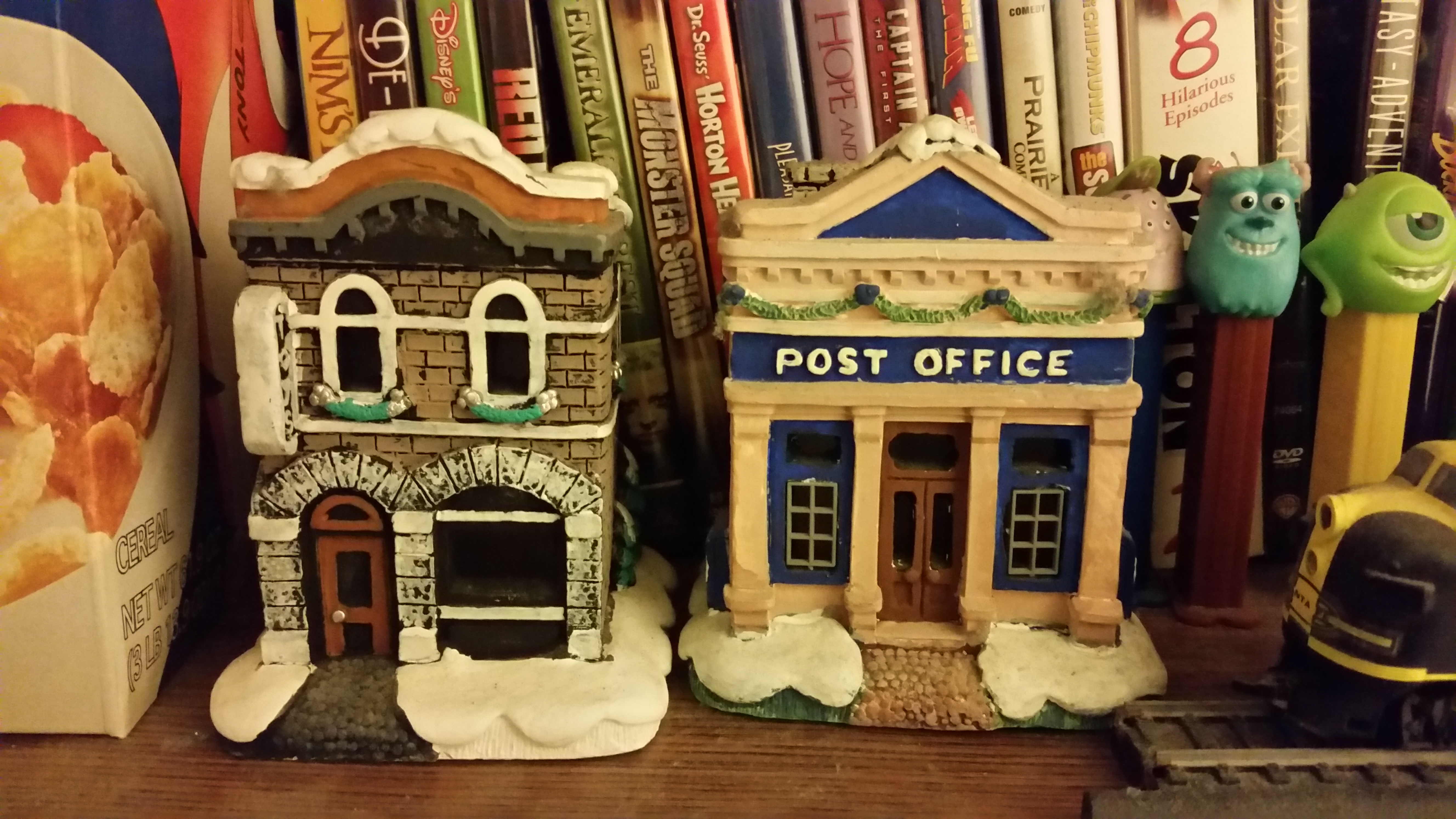
The Toonerville Post Office and Bert Buchanan’s Toy Store.
Toonerville is not only a wonderful cartoon place created by Fontaine Fox in the 1930’s, but the name of the town that inhabited my HO Train Layout when I lived in South Texas and had the Trolley actually running nearly on time. The train layout has not been restored to working condition for over a decade now. The buildings which I mostly built from kits or bought as plaster or ceramic sculptures and repainted have been sitting on bookshelves in all that time. I still have delusions of rebuilding the train set in the garage, but it is becoming increasingly less and less likely as time goes on and my working parts continue to stiffen up and stop working. So, what will I do with Toonerville?
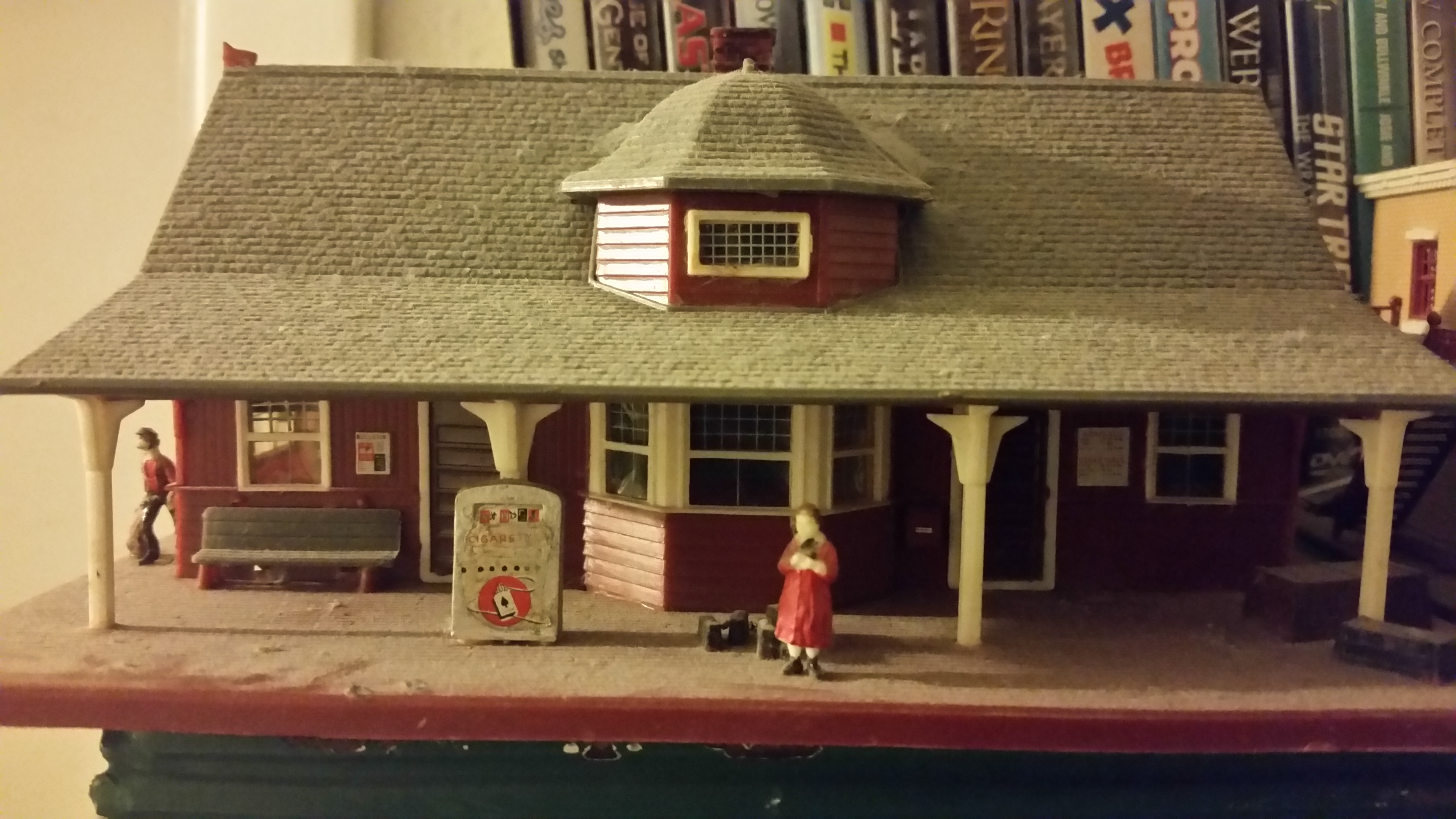
Wilma Wortle waits on the station platform for her train at the Toonerville Train station. I built this kit in the 1970’s, hence the accumulations of dust bunnies.
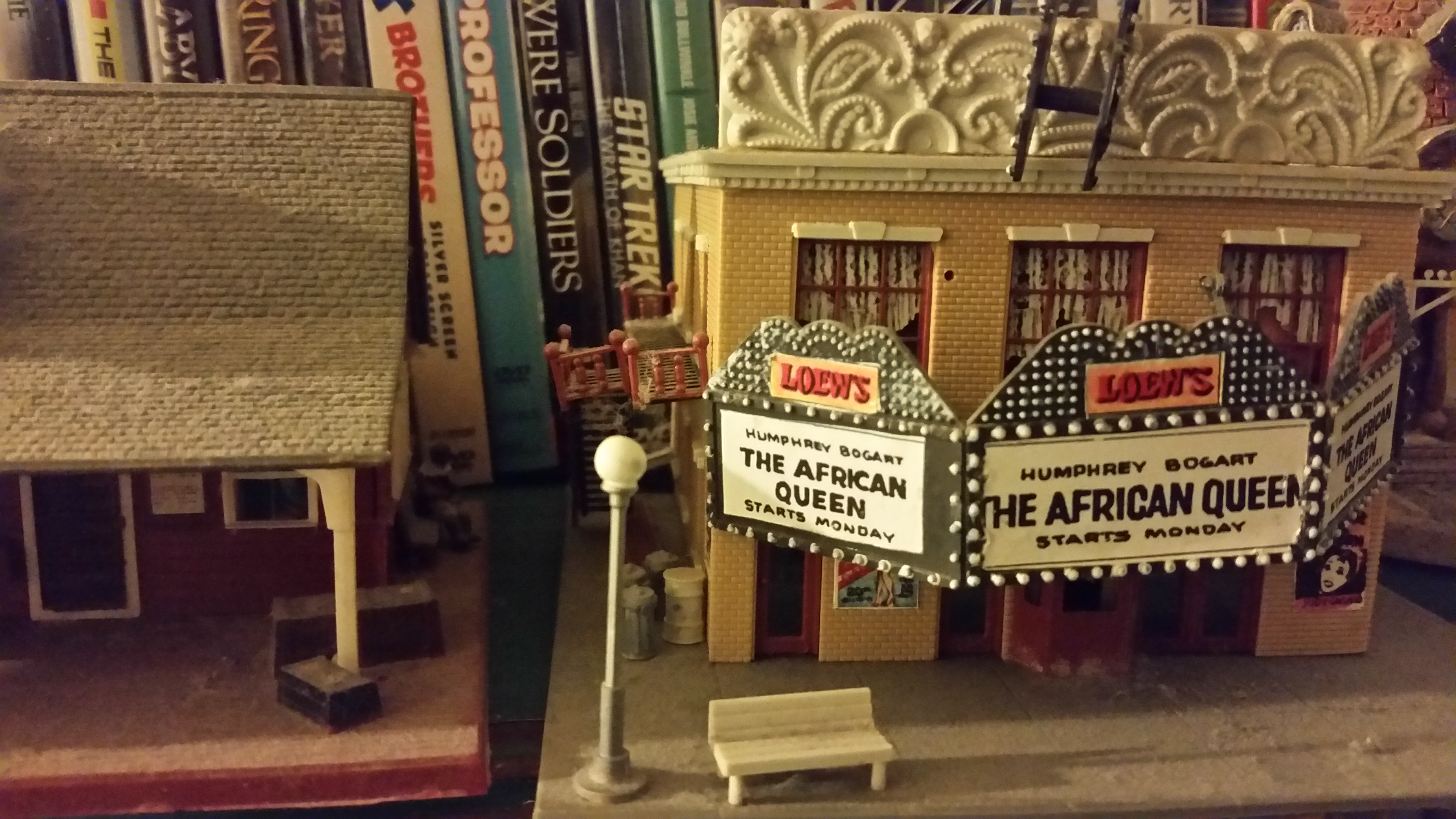
Loew’s Theater has been awaiting the start of The African Queen for more than twenty years.
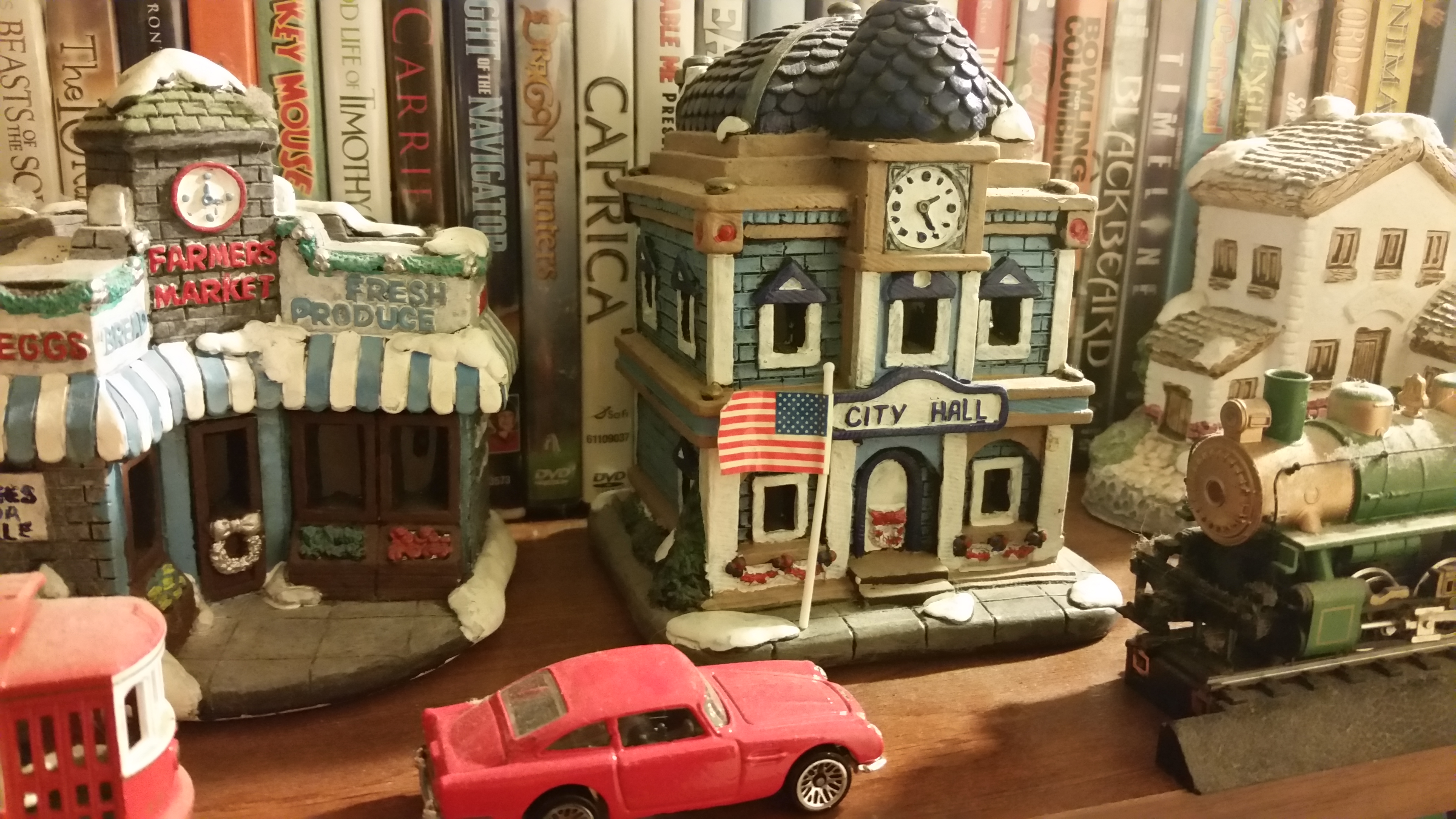
Main Street Toonerville at 2:25 in the afternoon. Or is it three? The courthouse clock is often slow.
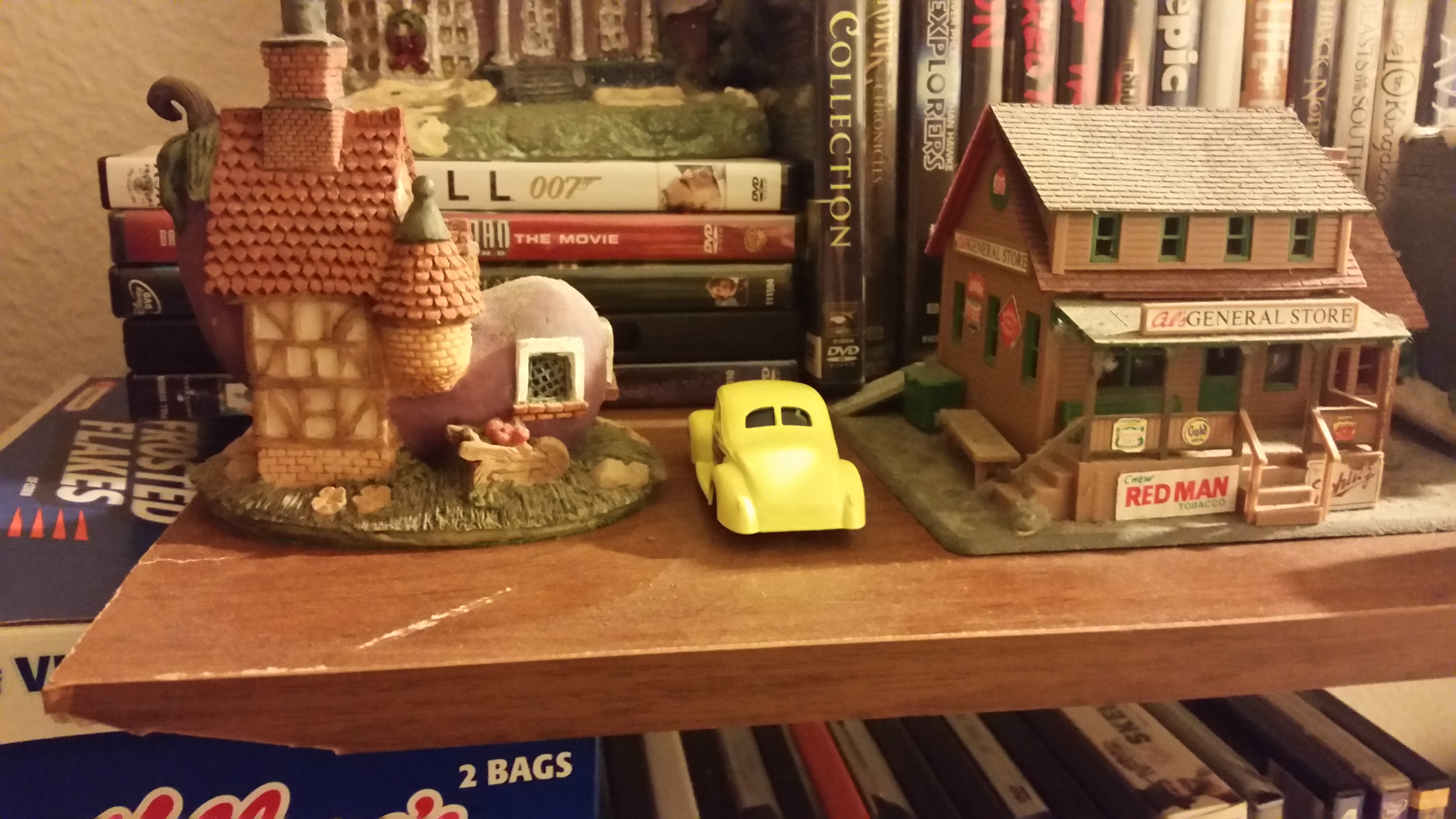
Grandma Wortle who controls all the money in the family likes to park her car near the eggplant house when she visit’s Al’s General Store.
But I may yet have found a way to put Toonerville back together through computer-assisted artsy craftsy endeavors.
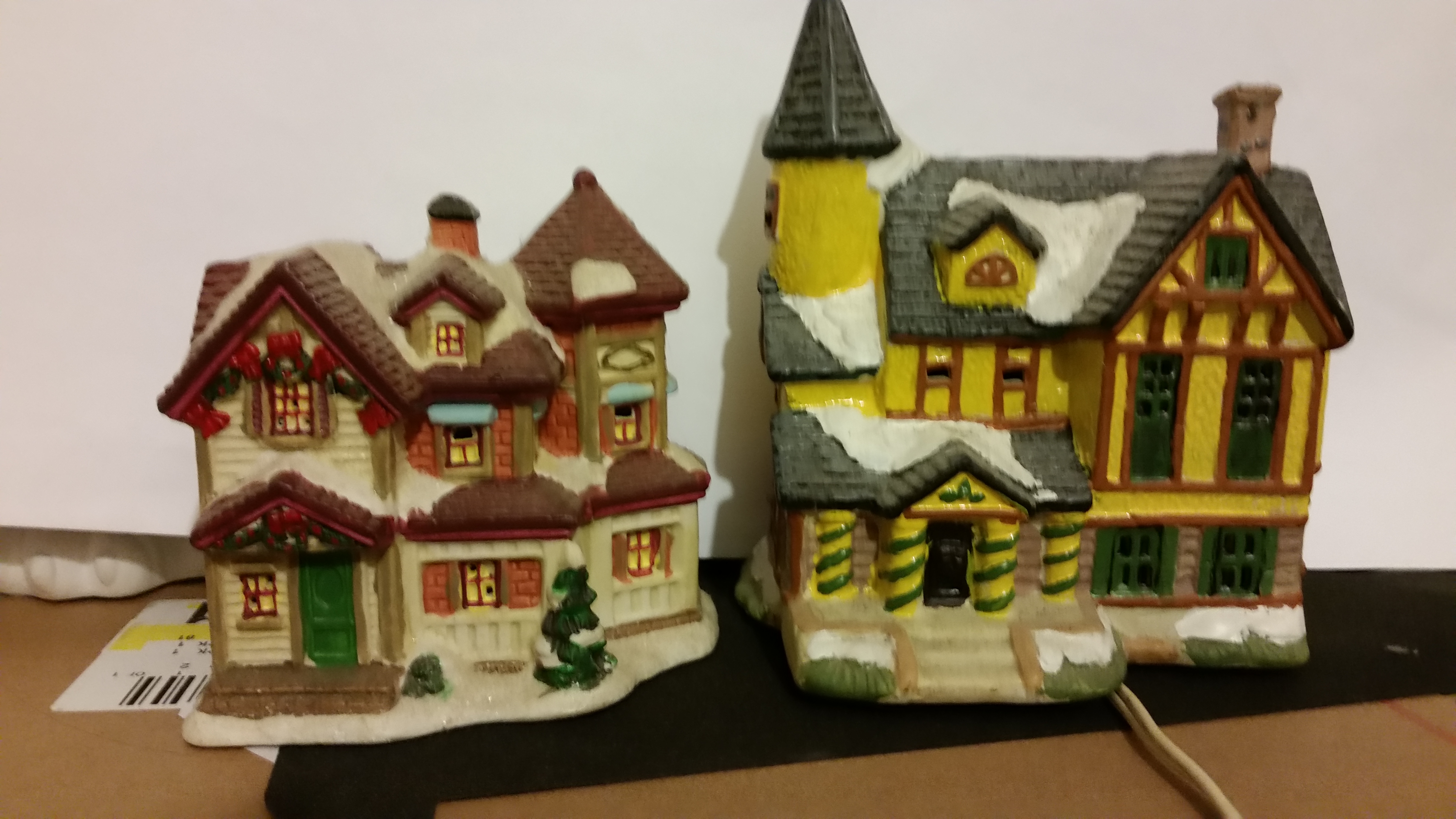
A two-shot of Bill Freen’s house and Slappy Coogan’s place on the photo set to start production.
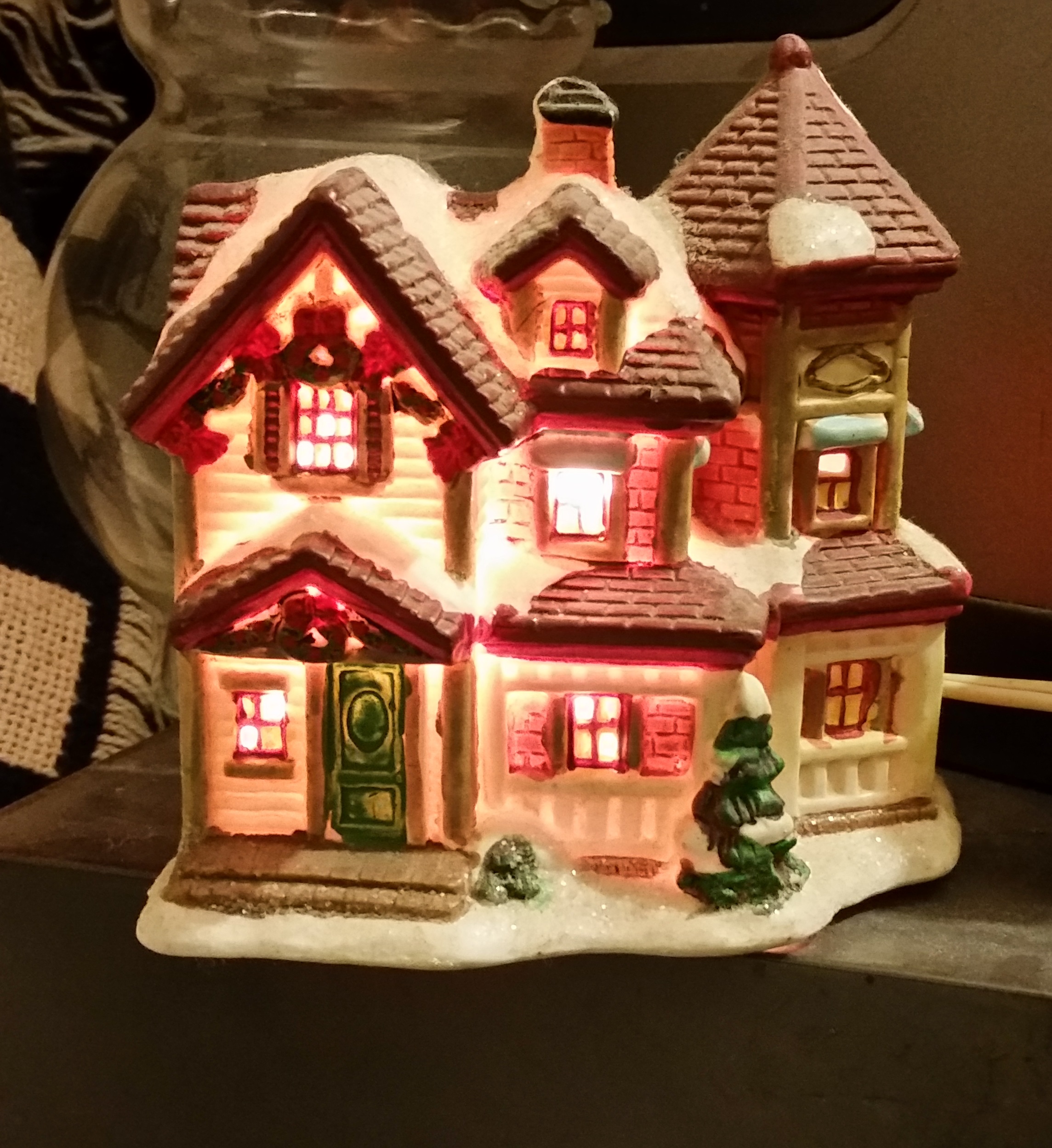
Bill Freen’s house lit up with newfangled electricical. (and I do believe that is the way Bill spells it all good and proper.)
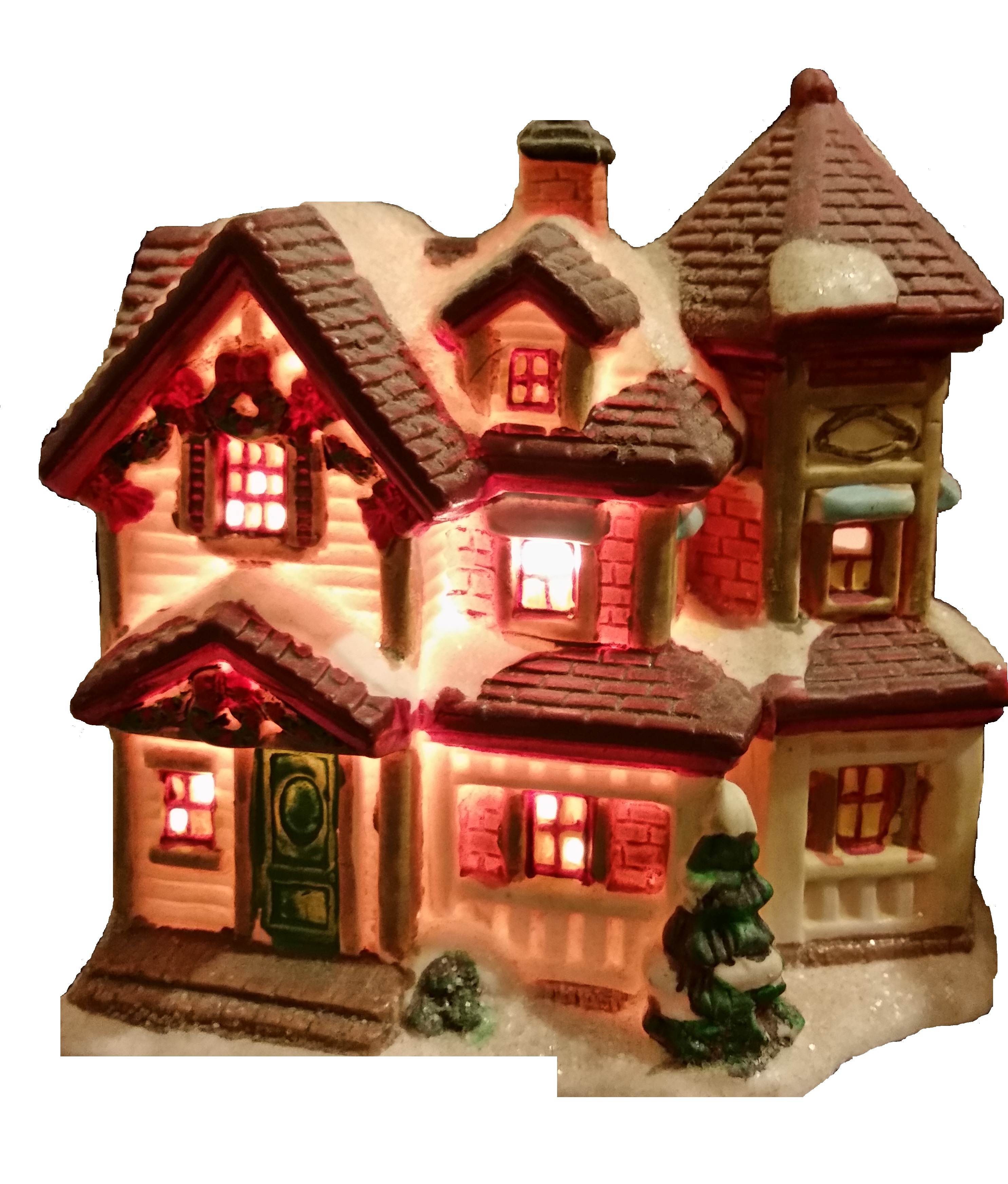
Bill Freen’s house cut out in the paint program.
So I can make composite pictures of Toonerville with realistic photo-shopped backgrounds. Now, I know only goofy old artsy fartsy geeks like me get excited about doofy little things like this, but my flabber is completely gasted with the possibilities.
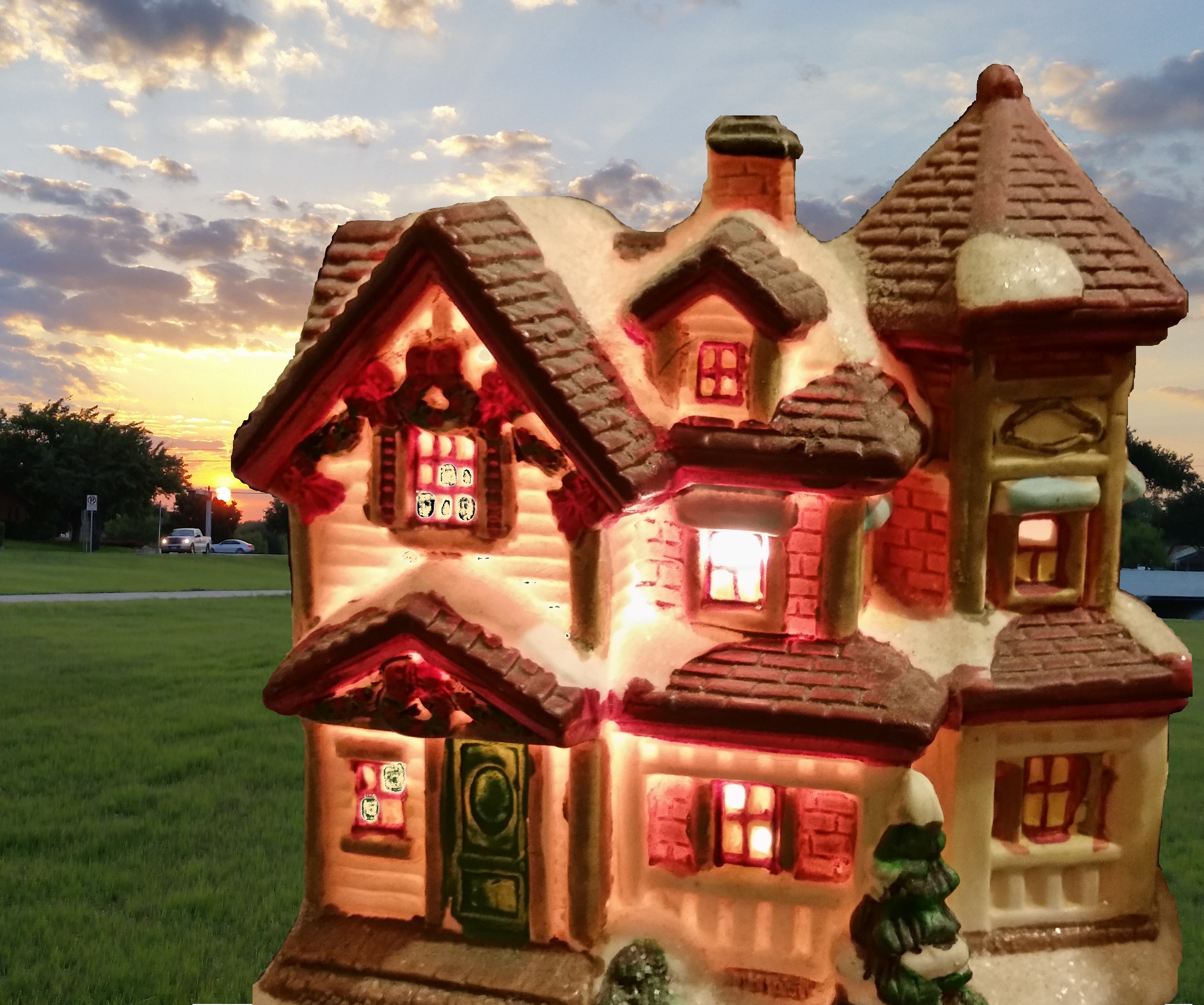
Bill Freen’s house at sunset… (but I don’t get why there’s snow on the roof when the grass is so green?)
Filed under art editing, artwork, autobiography, farm boy, foolishness, humor, illustrations, photo paffoonies, Toonerville
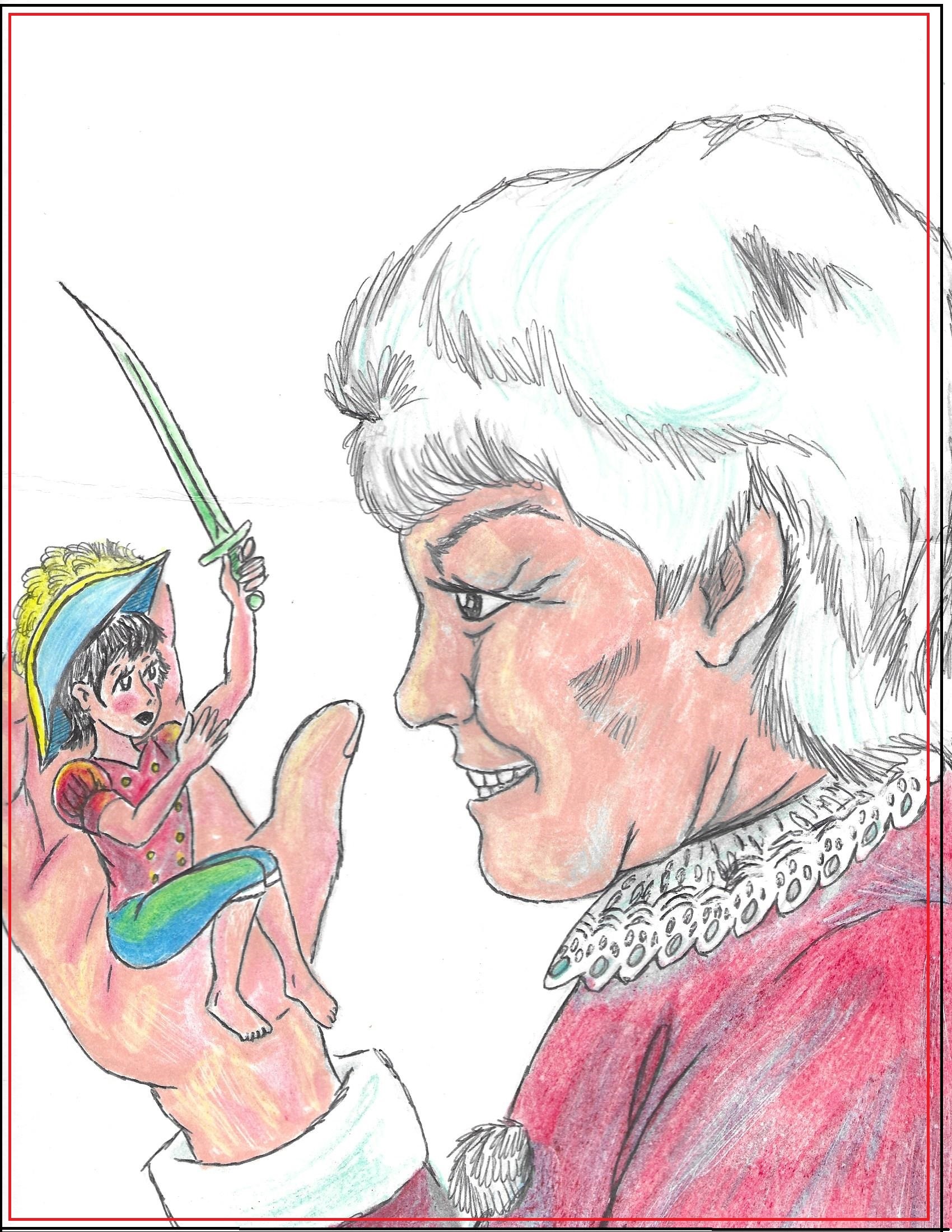
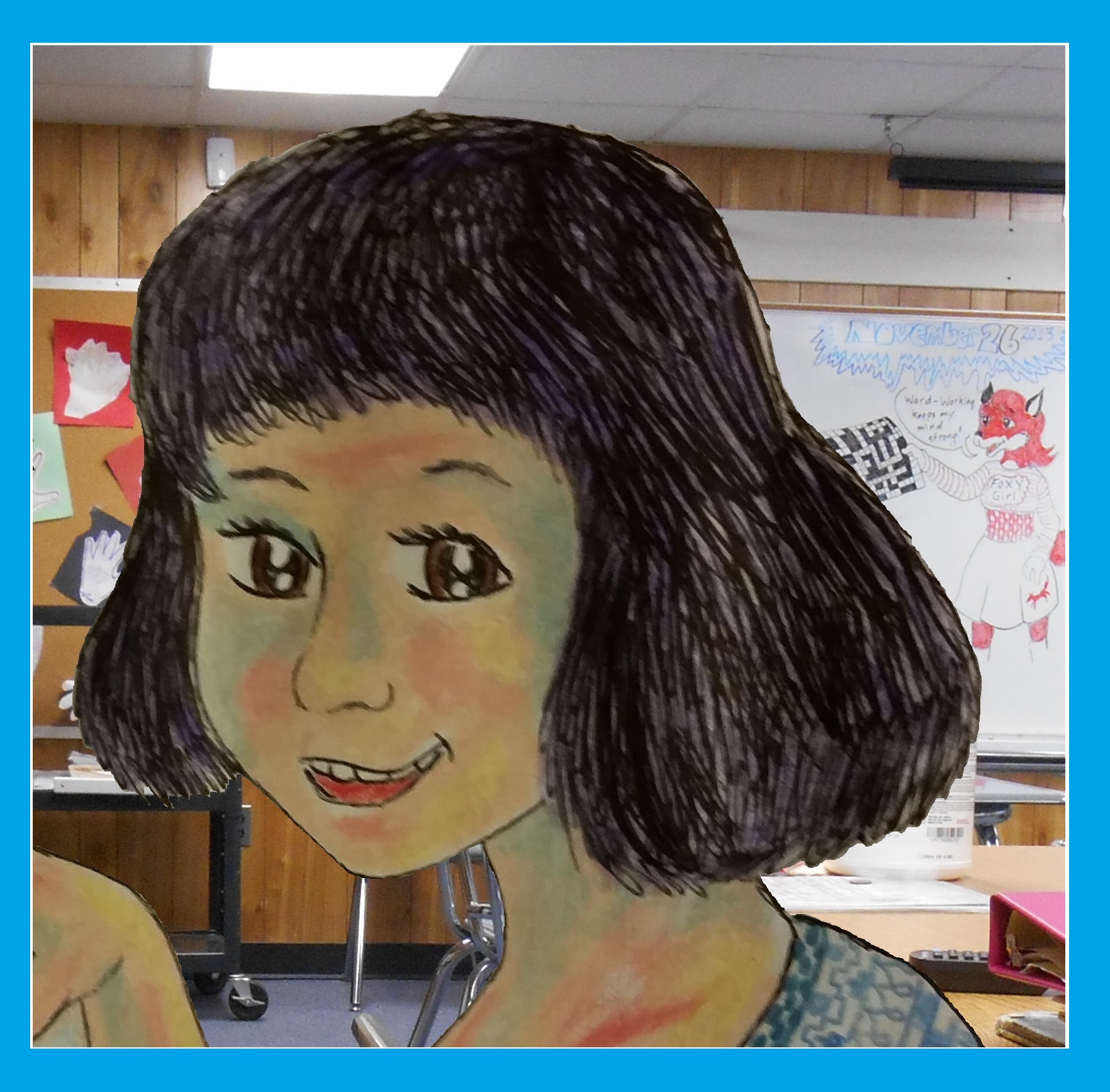
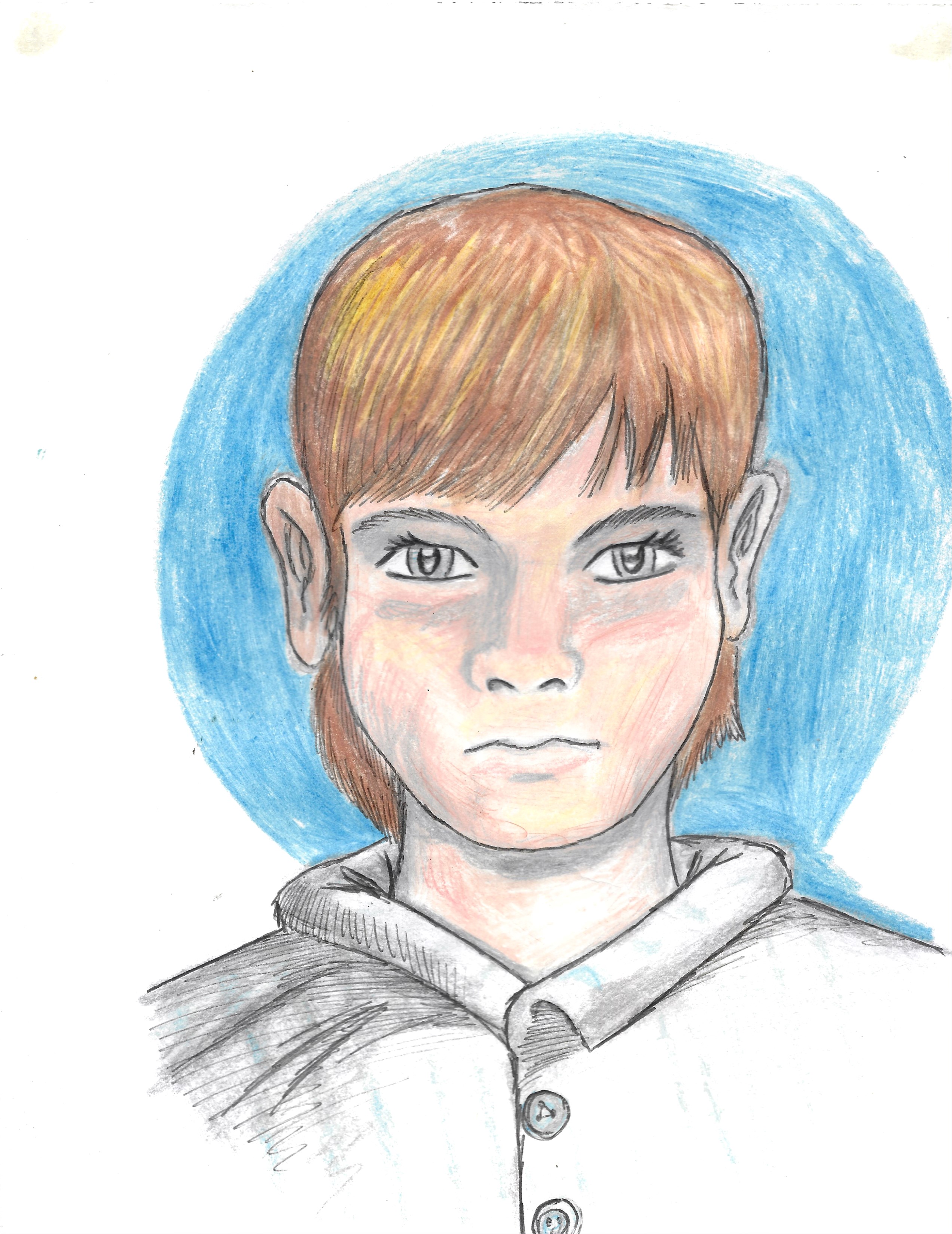
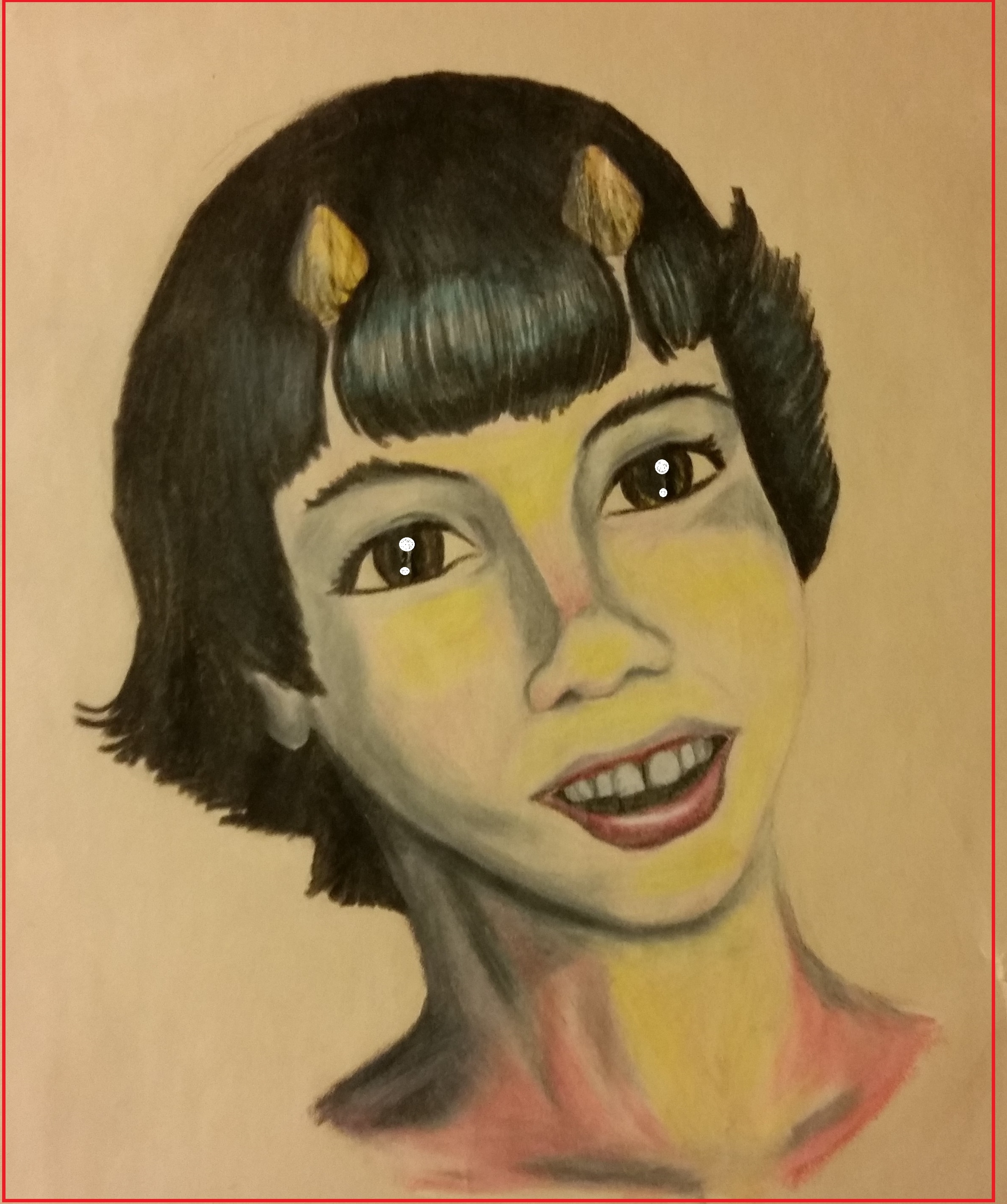
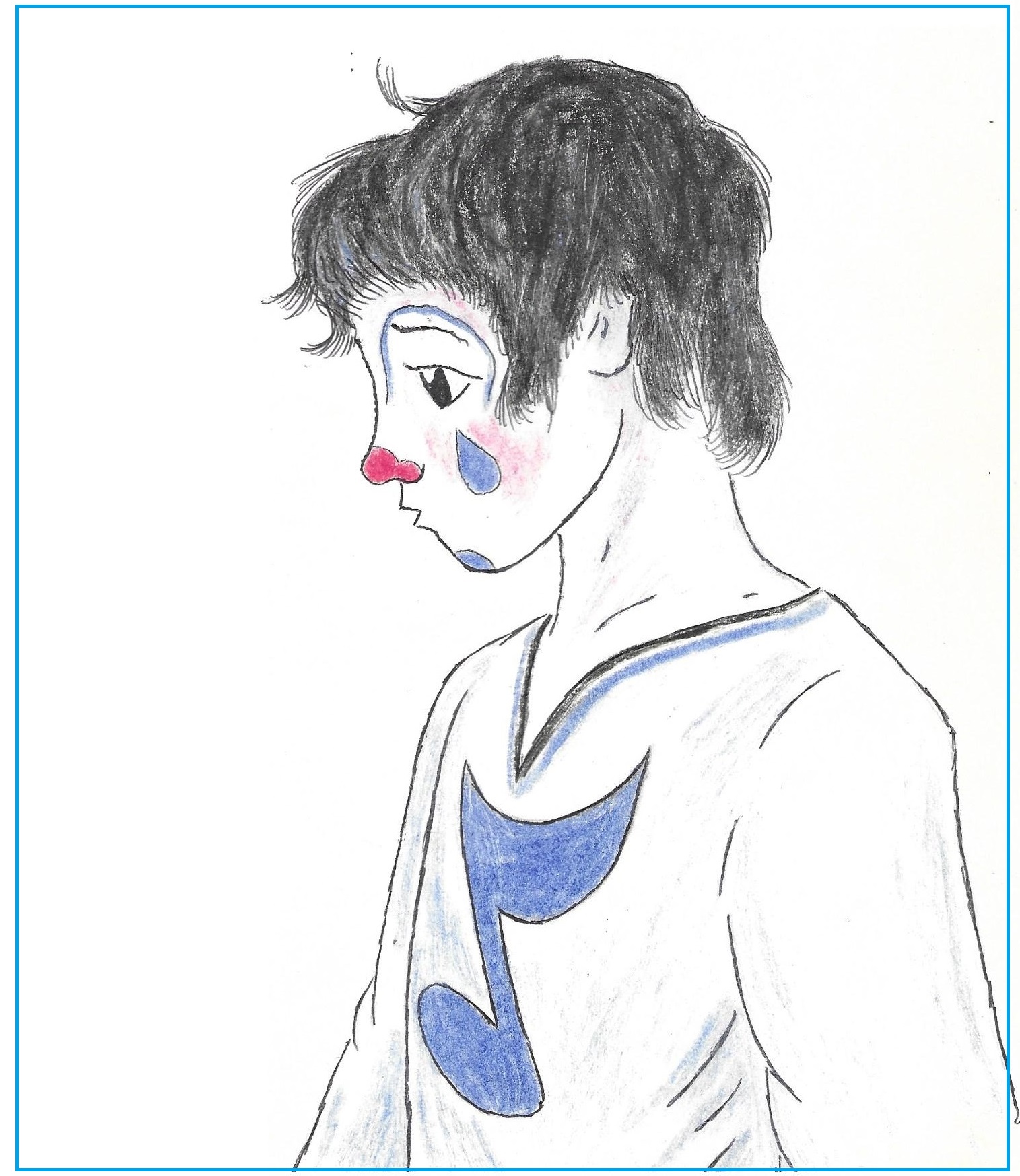
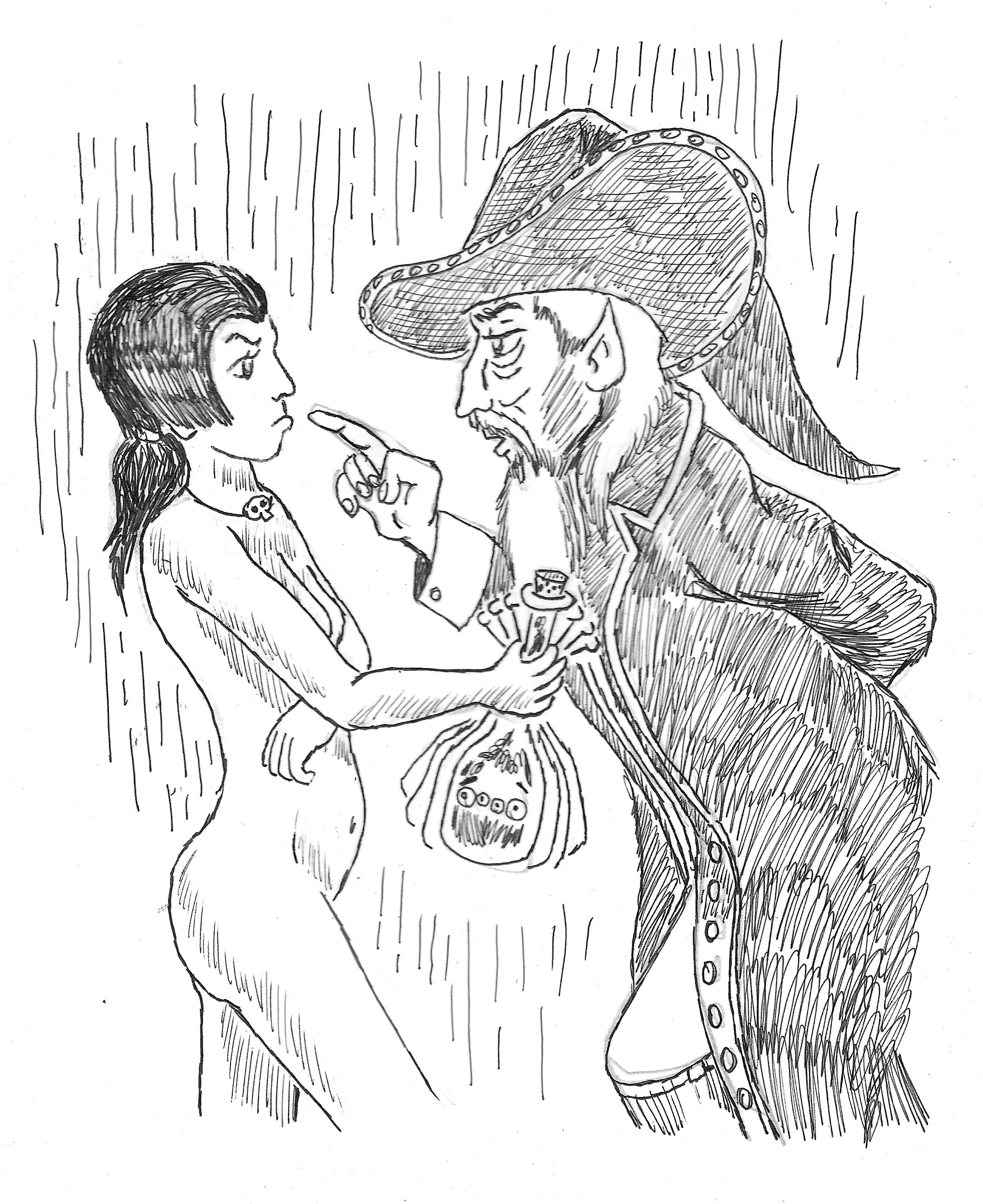
Filed under artwork, characters, colored pencil, fairies, humor, illustrations, Paffooney, pen and ink, Uncategorized
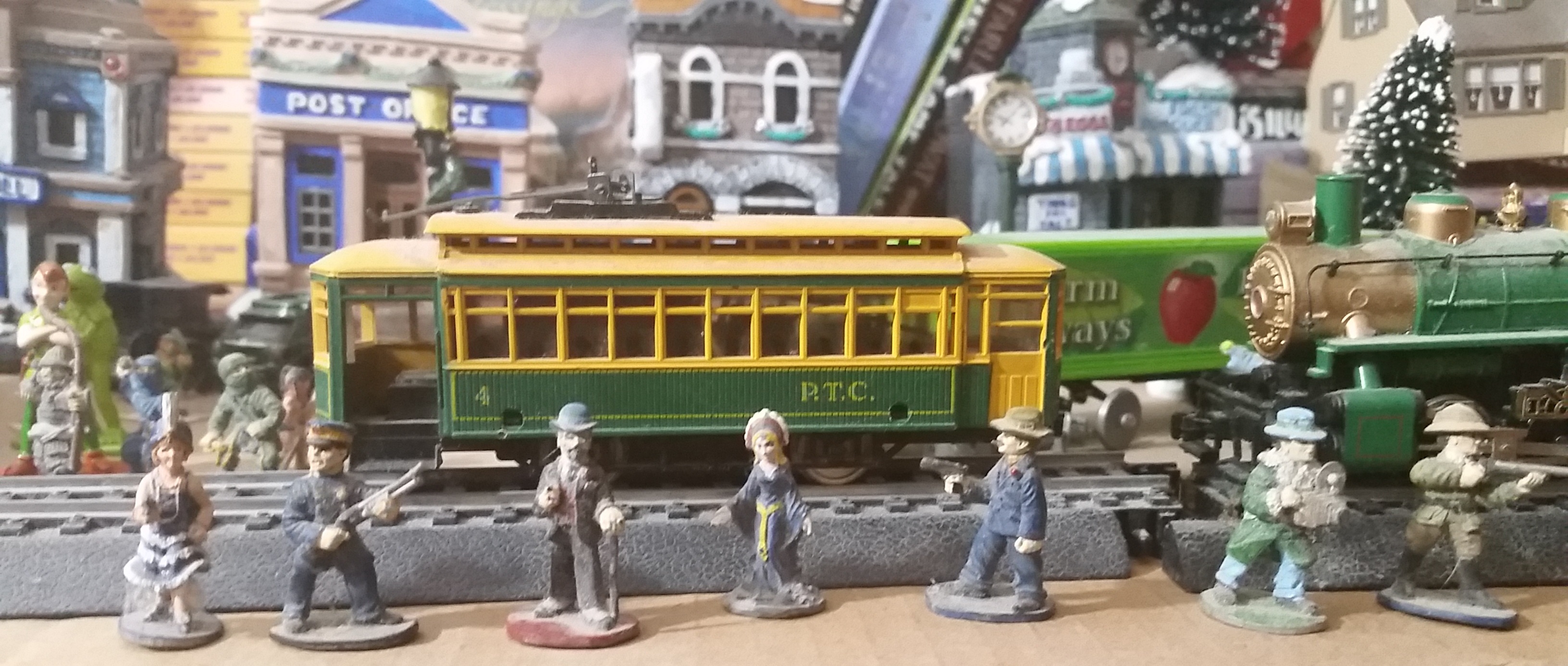
I feel the need to take up the subject of a role playing game that I planned for and played to a limited degree, but explored to the point of insanity.


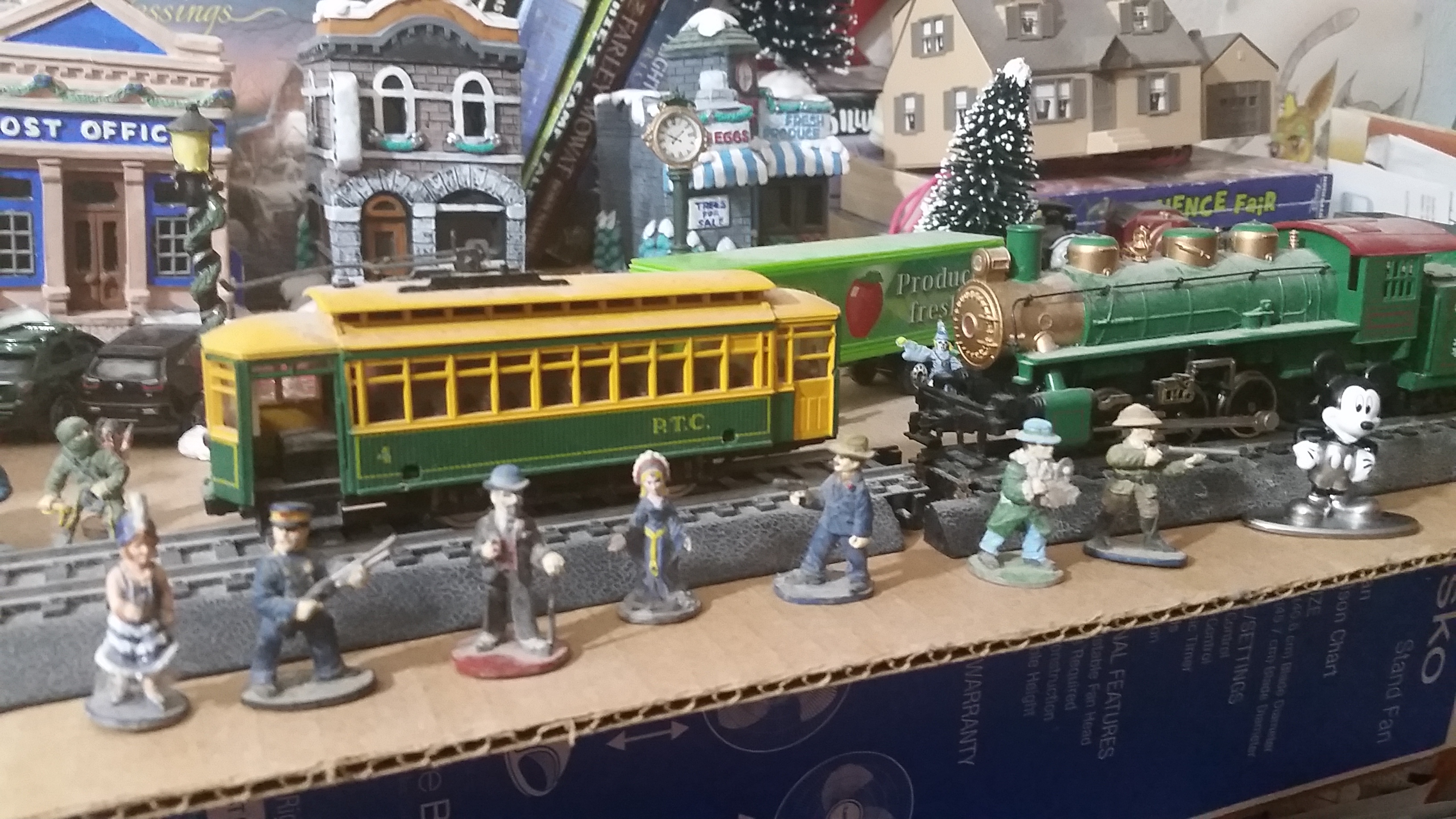
Filed under Dungeons and Dragons, horror writing, humor, illustrations, surrealism

