And it seems that it goes badly three or maybe four times as often as it goes well.
This has been a bad week for me.
I got a booster shot two days ago to protect against further Covid problems. But I am still ill today just from the injection.
And yet I am still supposed to be funny on Fridays.
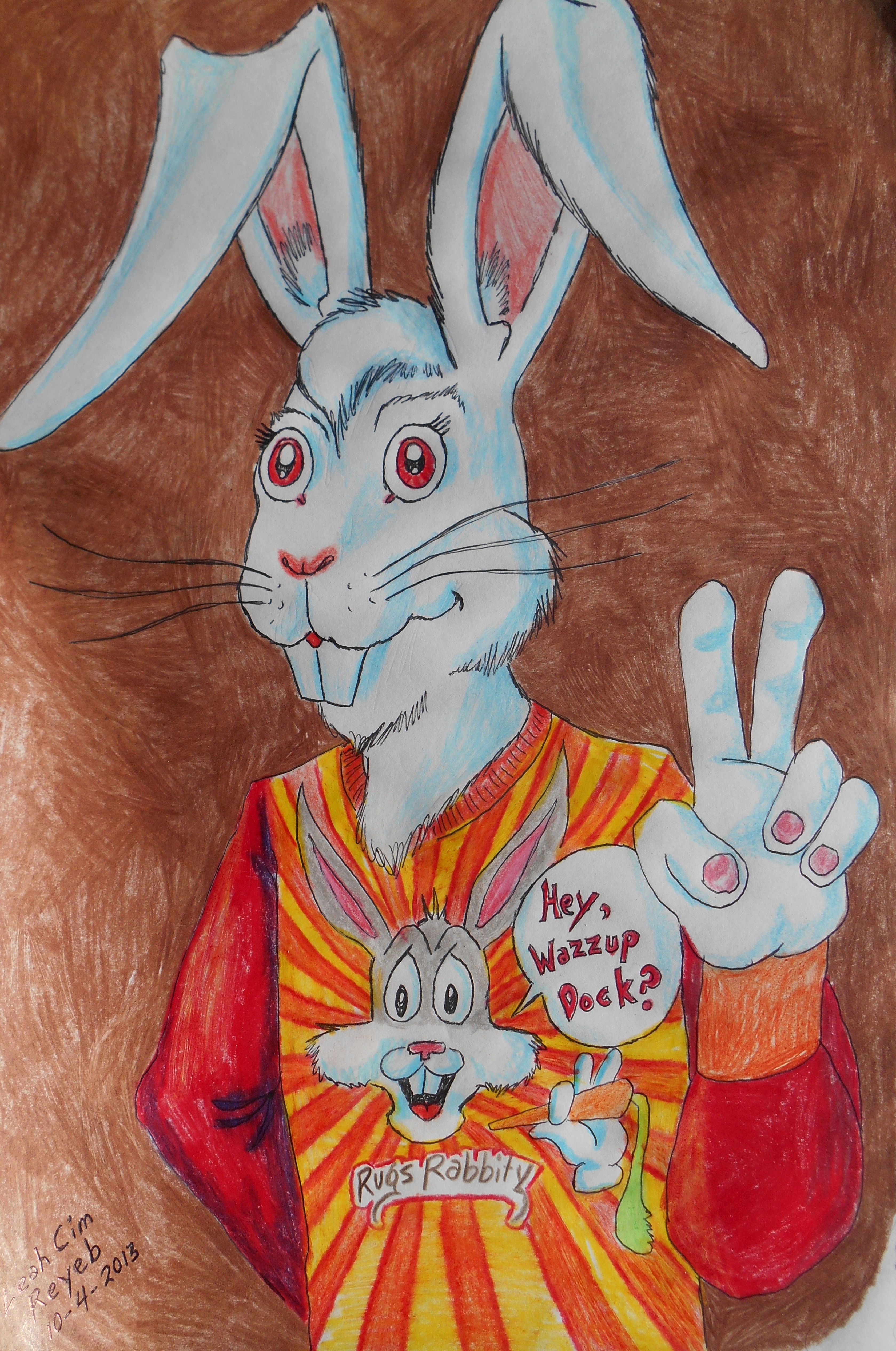
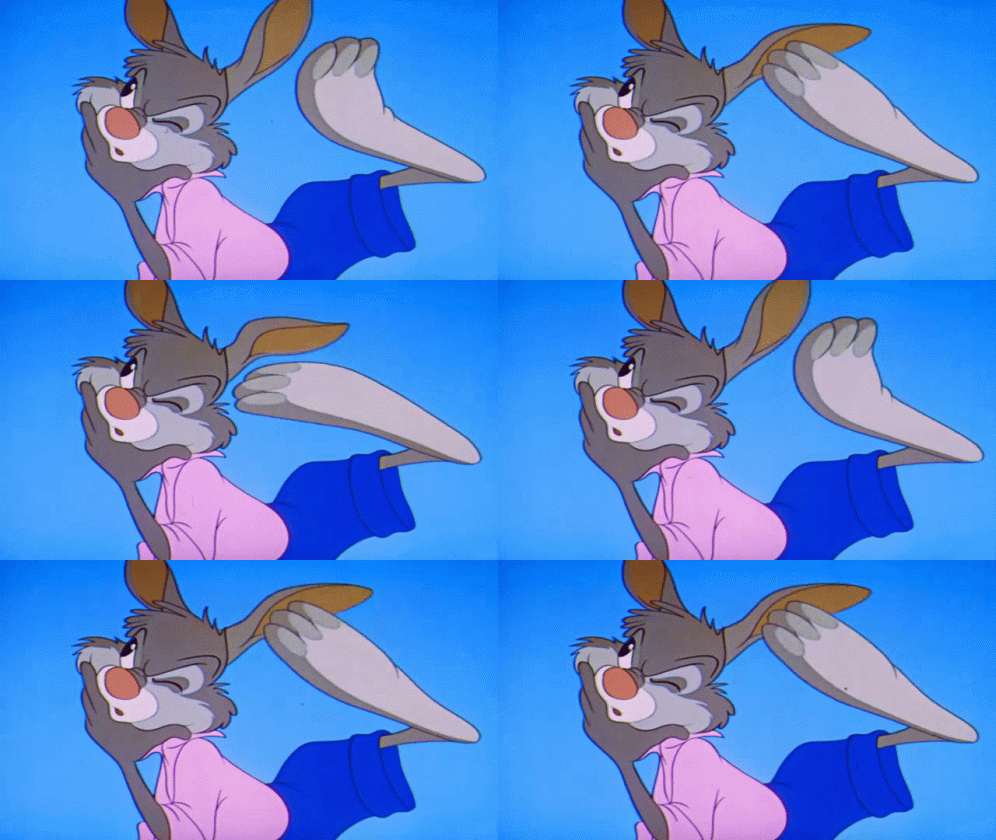
So, today, I am going to explain why rabbits’ feet are not going to help.
They are not lucky for me.
I have been a rabbit for forty years, since I was 25 and starting a career as a teacher.
Rabbits are always alert, always ready to face whatever predators may come our way, foxes, weasels, bears, tigers, bankers, health-insurance salesmen, lawyers, and politicians.
Rabbits have a field of vision that stretches for well more than the human 180 degrees of view.
They have to put together sensory input quickly, thump loudly with a hind leg, and bolt down the rabbit hole.
Critics would say that a rabbit doesn’t act assertively enough, standing up for himself in the face of what is unjust, life-threatening, and wrong. But it is not easy to be a rabbit in a dangerous world where bad luck is more common than good.
And think about it carefully, in a harsh and unjust world-environment. a rabbit’s foot is never lucky to the rabbit it came from.
So, feeling rotten, surrounded by crumbling pipes and leaky plumbing in this old house, and getting nothing but spam calls on the phone from scammers, this fat old rabbit, going blind and laid up with arthritis pain, is still happy to count all four rabbit’s feet still attached.
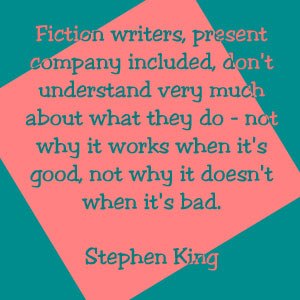
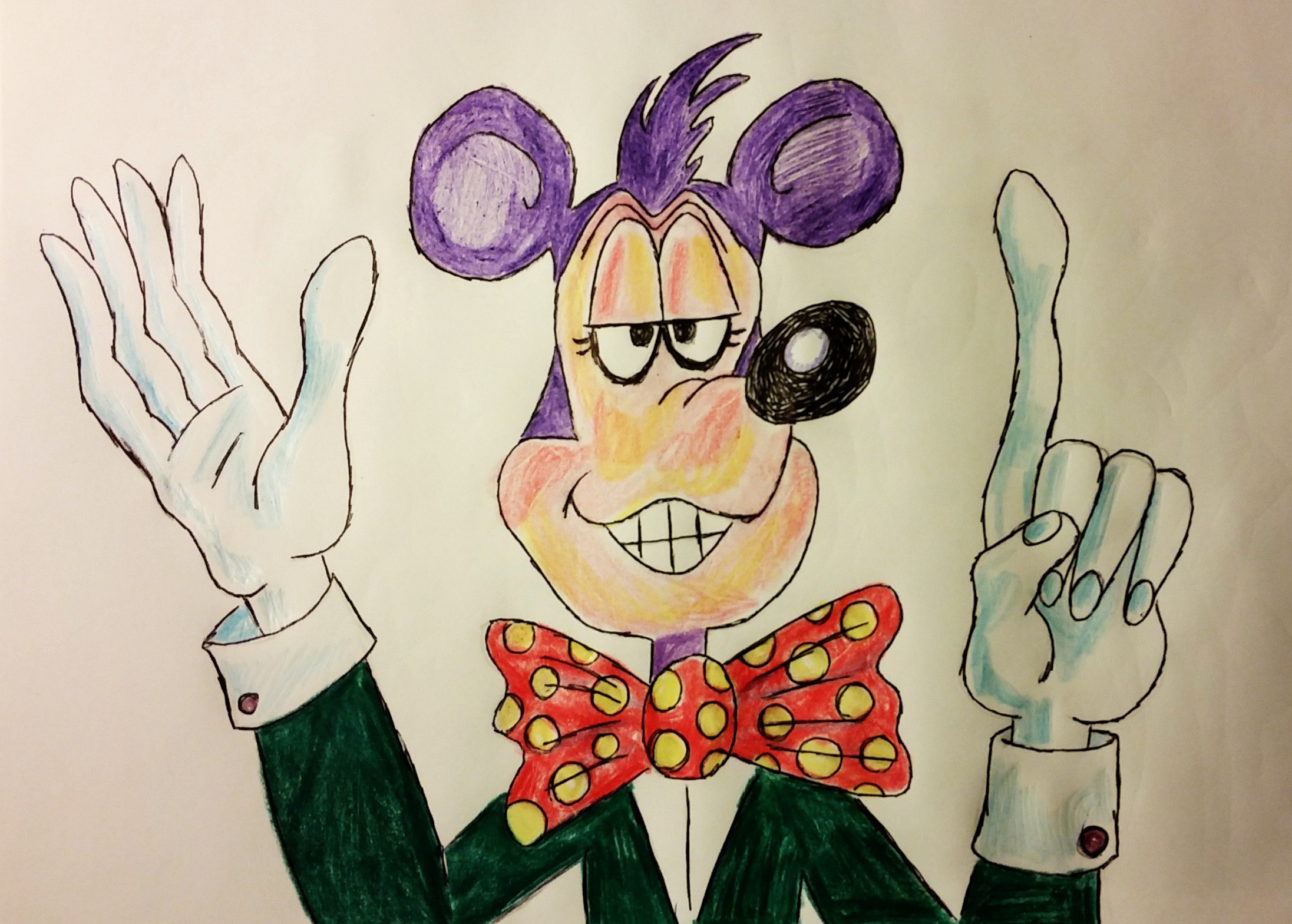
This post is about writer doubt. And Stephen King. Do those two things go together? If they don’t then Mickey is an awful writer and does not know how to do what he does. It would mean Mickey is icky.
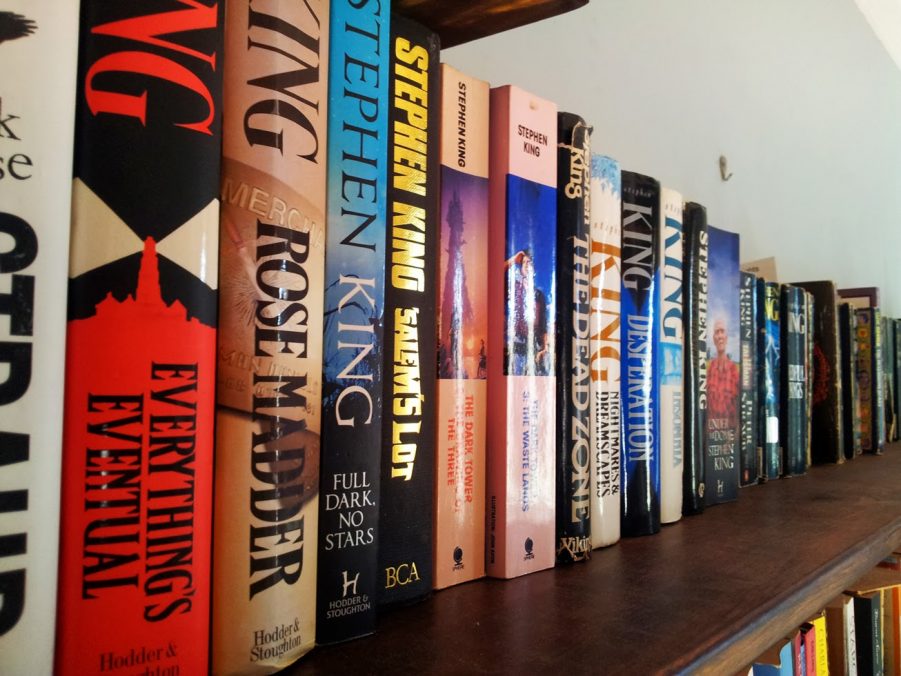
I used to think Stephen King was a totally over-rated writer. Back in the early eighties I read Carrie, King’s first novel, and got halfway throughFirestarter, and had to give up. Partly because the book was overdue at the library, and also because I found the books mechanical and somewhat joyless in the writing. I thought he suffered greatly in comparison to writers I was in love with at the time like Ray Bradbury and Thomas Mann. I began to tell others that King was somewhat icky.
But King was obviously also somewhat successful. He began to get his books made into movies and people who don’t read discovered the evil genius of a man who tells stories to scare them and laces them with a bit of real humanity, real human feeling, and love.
I saw it first in Stand by Me. That movie, starring young Wil Wheaton as the Steven King autobiographical character, really touched my heart and really made for me a deep psyche-to-psyche connection to somebody who wasn’t just a filmmaker, but somebody who was, at heart, a real human being, a real story-teller.
Now, the psyche I was connecting to may very well have been Rob Reiner, a gifted story-teller and film-maker. But it wasn’t the only King movie that reached me. The television mini-series made from It touched a lot more than just the fear centers of my brain as well. And people whose opinions I respect began telling me that the books The Dark Tower Trilogy and Misery were also amazing pieces of literature.
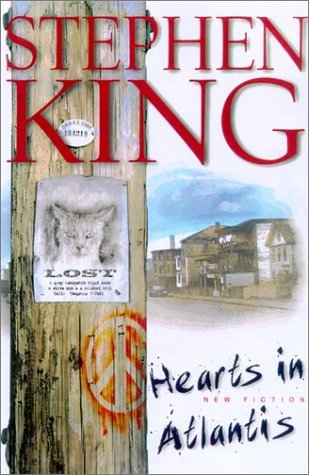
So I picked up a copy of Hearts in Atlantis at Half-Price Books and began reading a Stephen King novel for the first time since the 80’s. MY HOLY GOD! King is not a little bit icky. He is so NOT ICKY that it makes Mickey sicky to have ever thought King was even a little bit icky! Here is a writer who loves to write. He whirls through pages with the writer’s equivalent of ballet moves, pirouettes of prose, grand jetés of character building, and thematic arabesque penchées on every side of the stage. I love what I have discovered in a writer I thought was somewhat icky. Growth and power, passion and precision, a real love of both the words and the story. He may not know what he is doing. But I know. And I love it.
And so, while I have been editing the first novel I ever wrote, Superchicken, to make it ready for self-publishing, I have begun to ask myself the self-critical question, “Is Mickey really icky when he writes?” My first novel is full of winces and blunders and head-banging wonders that make me want to throw the whole thing out. But I can’t throw it out. It is the baby in the first bathwater that I ever drew from the tap. The answer to the questions of Micky ickiness have yet to be determined, and not by me. I guess I have to leave it up to you.
I feel the need to take up the subject of a role playing game that I planned for and played to a limited degree, but explored to the point of insanity.
But I am recovering now from the double-danged downers of taking care of my bankruptcy case and paying off a surprise new tax penalty that nearly sank my little boat. Therefore, I can’t go into this in depth until my mind is more fortified against the depredations of Yog Sothoth.
So, next week I will begin talking endlessly and listlessly about the infinite insanity of Call of Cthulhu, the role-playing game. In a gibbering, half-insane manner, I will describe the playing of a game where you confront the depths of human darkness in an indifferent and terrifying world. And I will attempt to explain why a school teacher in his right mind (as much as a middle school teacher can be in his right mind) would ever take up such a game. So, stay tuned to Mickey the Dungeon Master’s silly little Saturday D&D blog.
Back in my college days in the late 70’s I came back to the dorm one night late due to research until the library closed. In the entry hall to the dorms there was a piano. I had never seen anybody playing it. But as I got there, there was a student playing it. It was my nerd friend Kip, an engineering major. It was quiet, unassuming Kip. Kip who was so quiet, in fact, that I can’t even remember his last name, or what his voice sounded like. But he was playing the piano in an empty room with nobody listening. He was playing Scott Joplin’s composition “The Entertainer”. He had his back to me, totally lost in the music. He didn’t know I was there. And I… I was transfixed. I realized he was just practicing. But he knew the music right out his head, no sheet music on the piano in front of him. And he played like the ultimate virtuoso. And the music was so good it made my soul tingle.
It occurs to me that that single moment is, for me, a metaphor for my life. It is a concert played for nobody. I am competing only with myself. I am trying to please only myself. And if anybody is listening… I mean really listening… not just looking at the pictures and moving on, I don’t know it. And that is probably how it should be. This poor player is strutting and fretting his hour upon the stage. And when the concert ends… when the concert ends…? Applause is not likely. And applause is not needed. The music exists for its own sake. And the echoes of it are the fuel that powers the universe.
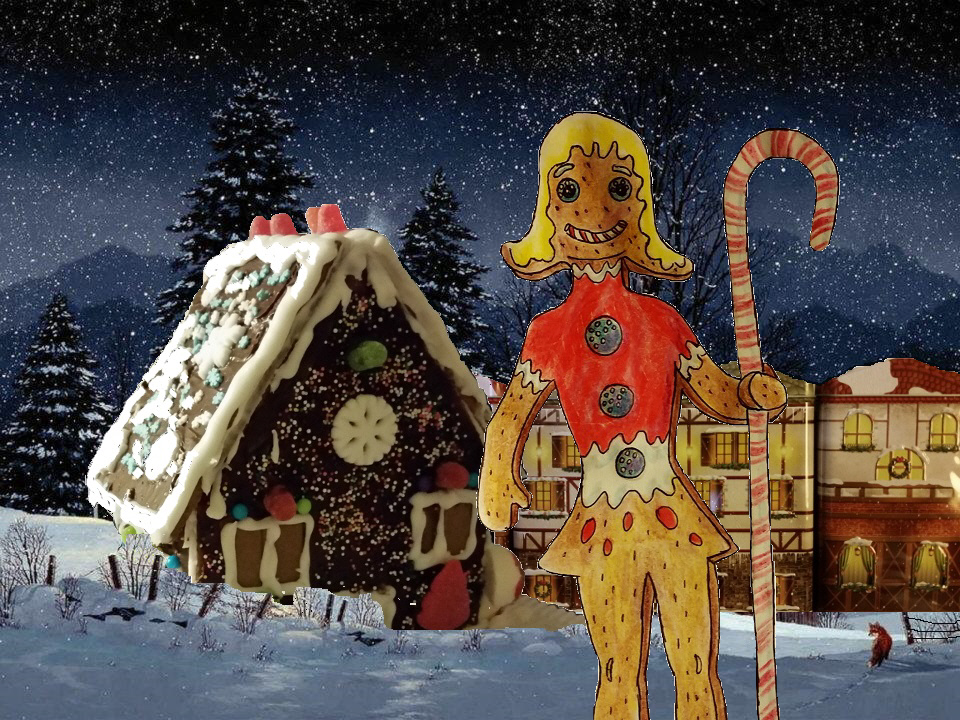
It was hard to get her eyes open on that first morning. The White Stag had taken away all the memories of her abuse at the hands of the evil Necromancer, but that hadn’t kept her from having nightmares of nameless terrors stalking her in the darkness. And she wasn’t used to sleeping in a soft bed in the Palace of Cair Tellos, the Willowcastle and Capitol of all of Tellosia.
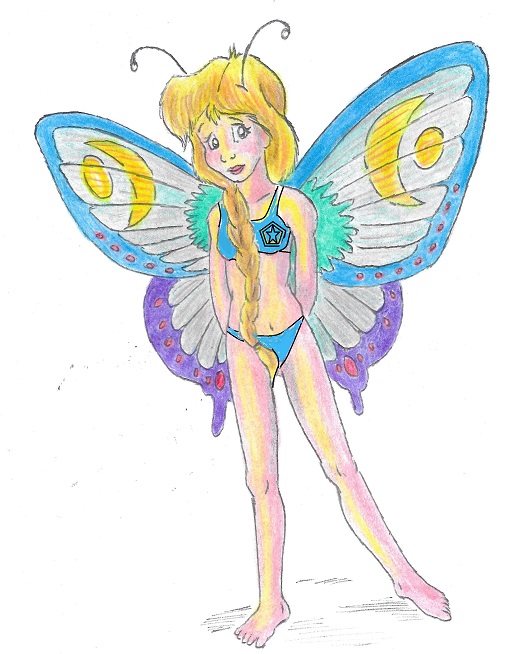
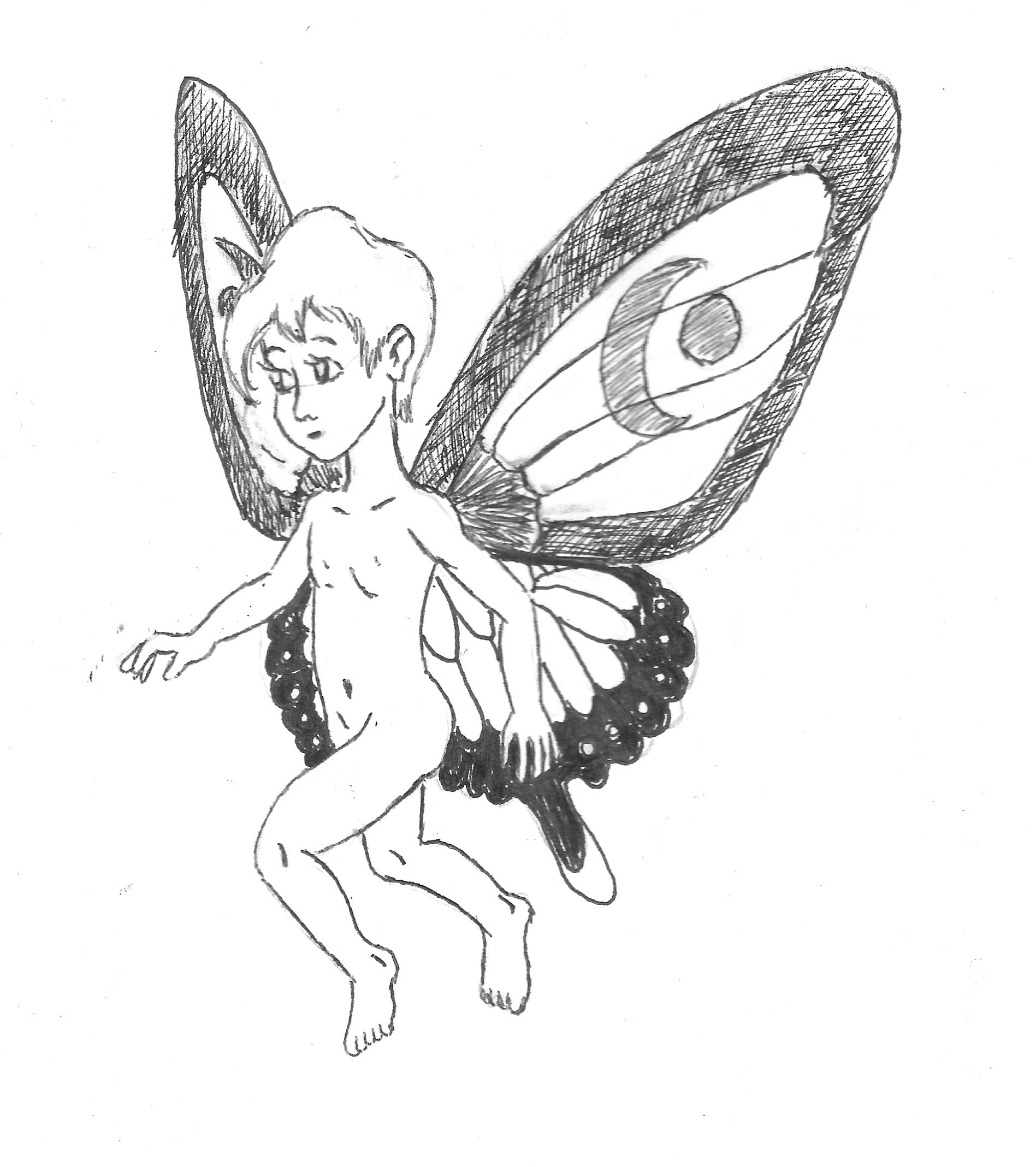
She rubbed at both of her eyes. She yawned extra large. She then used the reverse of the Wingaway Spell to restore her butterfly wings. She was still naked, and seriously planning to go out like that, looking forward to a nude sky-dance in the morning sunlight. But the enchanted clothing, top and bottom, were still there where Tod had placed them the night before. They were blue and lighter blue with yellow spots on them, a match for the colors of her butterfly wings. But never in her life before had she been forced to wear clothing. Not even the Necromancer was that cruel. Butterfly Children were Fairies made for flying unencumbered by clothing, armor, or any other bindings. They were magical beings meant for a life of joy and unbound freedom.
“So, you are awake,” Tod said, poking his head into the chamber where she had slept.
“Yes. But I’m not happy. Why do I have to be a wizard’s apprentice? And why do I have to wear clothing?”
Tod was a fairly ordinary-looking Sylph with brown hair and large, soulful brown eyes. And he never answered fast, always apparently thinking of all the possible answers before saying anything. That was nothing like the evil Necromancer. He started every answer with a yell, a threat, and an impossibly difficult order.
“When your sister and the White Stag rescued you, you were found to have considerable magical power in your little blond brain. That means you have value. And the White Stag decided to give you to Master Pippen in order to train you with those valuable skills.”
“So, is it like being a student, or more like a slave?”
“Well, I’m the Castle Steward, not an apprentice myself. But from what I can see, it is more like being a slave. But a valuable slave. You will be treated well if you continue to obey.”
“So, I’m to be constantly whipped and told how bad I am. I knew it! How about answering the question about the clothes?”
“I am well aware that Fairies prefer to be nude and natural. But Master Pippen believes that leaves you vulnerable. Everyone who lives in the upper reaches of the Willow Castle must wear magical clothing. One piece to protect you from mind-reading and mind-control. And another piece to protect you from possession, like the Necromancer did to you in the final battle.”
She wanted to beat him with her fists because it seemed so unfair. She had been a slave to the Necromancer, and now that she was free of him for the first time in her life, she would be a slave to Master Pippen. And beating Tod with fists was entirely unworkable as a plan. He was a full three inches tall and stood over her by more than half an inch. And he had training in both hand-to-hand combat and blade combat. She would never land a single light-fisted girly blow.
She picked up the clothing to look at it more closely. It was a two-piece suit, the top part, which would cover her smallish breasts bore the pentagram of wizard-armor. And the blue bottoms that would cover her sit-down parts were stitched with soul-sealing designs. The clothes were much like a Slow One’s swimsuit, the kind the gigantic Slow-One females called a “bikini.” She guessed she could wear something that small since it was made in a way that would not interfere with her butterfly wings.
“I’m going to look ugly in this thing.”
“Try it on. Let’s see.”
She put both parts on with some awkwardness, not being at all used to the idea of wearing clothes.
‘You are actually quite pretty to look at wearing that,” said Tod with a simple smile.
She still felt like smacking him, but the compliment was not unwelcome.
“This place is going to take some getting used to. It’s not like Mortimer’s Mudwallow in any way. I don’t know how to live in a castle or a royal court. Master Pippen will have my head chopped off before the week is out.”
“Poppy, his reputation isn’t really the way he is. He only executes Fairies if they break a minor law or make him really angry for some reason. And besides, I am told you are my responsibility for the time being. Only two of the five apprentices I have taken care of got beheaded. Oh, and one exploded during a magical experiment on the roof. But the odds are still… well, not entirely against you.”
“You should ask my sister, Derfentwinkle, about how that will probably go. I was always annoying or arguing with the Necromancer. And he was a scary and cruel master. Just not as into executions as Master Pippen obviously is.”
“You don’t need to worry overmuch. Both Glittershine and I will be nearby to help you.”
“Who is Glittershine? Have I met him or her yet?”
“You have not… or you would remember. She’s a Butterfly Child like you, but one experienced with Fairy magic and potions.”
“When do I meet her?”
“Now, since you’re awake and dressed. Master Pippen is expecting all of us in the sunroom.”
Poppensparkle was not wild about this new life that had been thrust upon her. But it was better than the painful abuse the stinky old Necromancer had heaped upon her… At least, she dearly hoped that it would be .
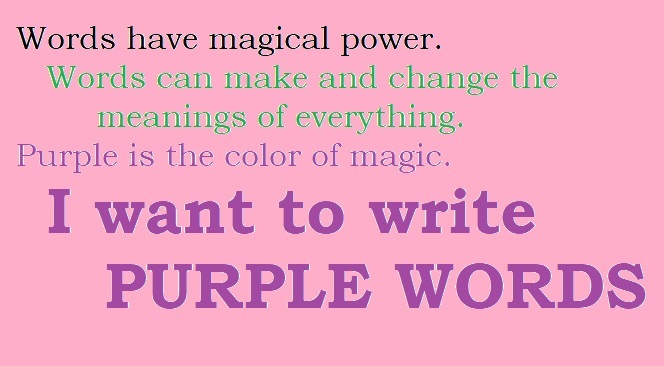
I have to because somebody has to control the words.
People are made of words. Their identity, their inner self, their reason for existence… all made of words. The very thoughts in their heads are… words.
If I want to control the words I am made of, then I must be the writer who writes his own story.
I don’t want anyone else to write the words that essentially become me. Do you?
Of course, authors create characters. Even autobiographers create characters. Carl Sandburg could no more make his words into Lincoln than a bird can make its tweets into a cat. Sandburg can, however, help us to understand Lincoln as Carl Sandburg understands the words that are Lincoln.
Lincoln probably did not have the words for “bikini girls” in his head when he wrote those words in the second quote. But somebody thought that the picture would help us understand the words. By all accounts, Lincoln was not a particularly happy man leading a particularly happy life. But he showed us the meaning of his words when he stood firm against the strong winds of harsh words and bad ideas in a terrible time. And he was as happy about it as he made up his mind to be.
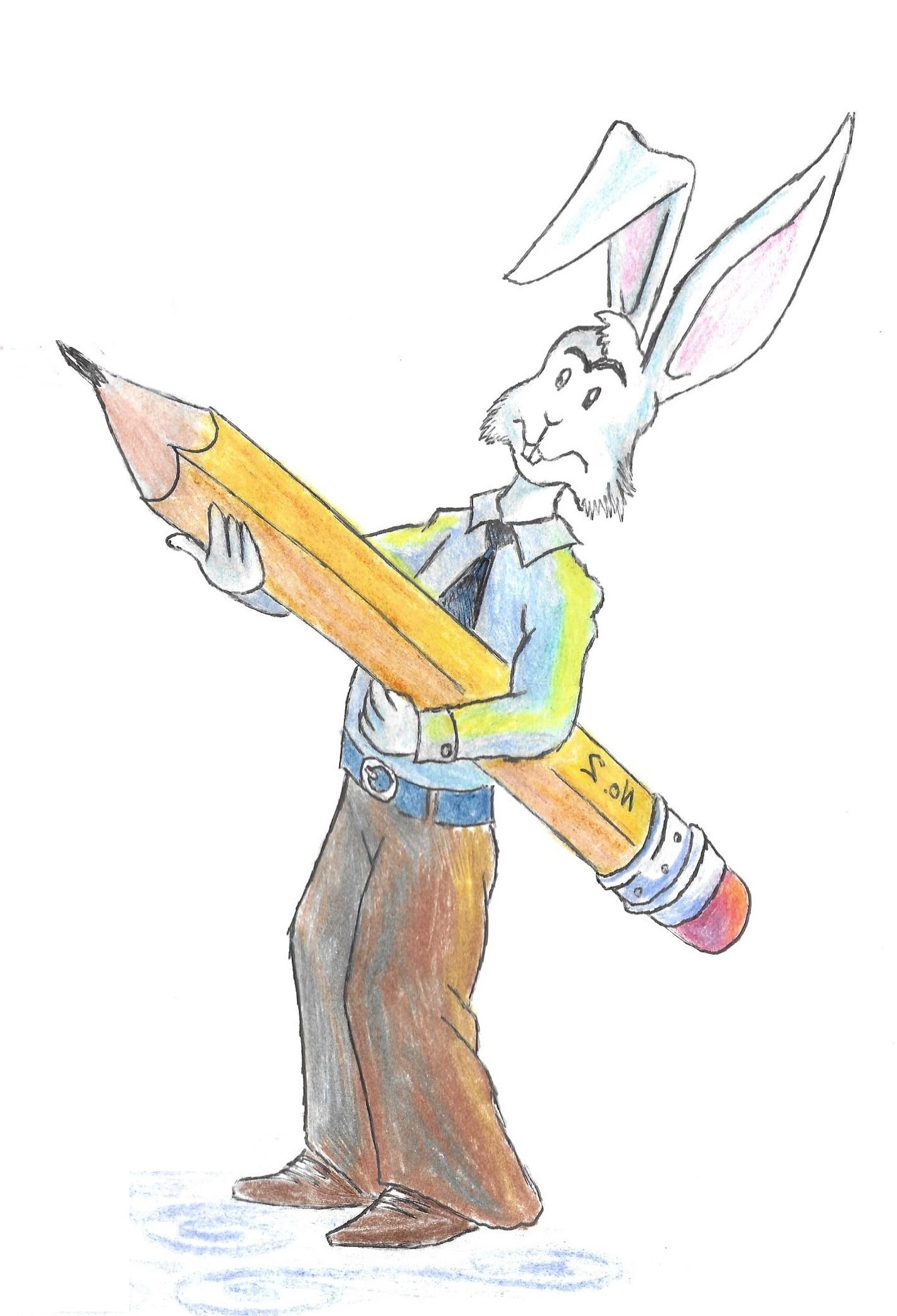
I, too, have not lived a particularly happy life. But I was always the “teacher with a sense of humor” in the classroom, and students loved me for it. Funny people are often not happy people. But they make themselves out of funny words because laughter heals pain, and jokes are effective medicine. And so I choose to write comedy novels. Novels that are funny even though they are about hard things like freezing to death, losing loved ones, being humiliated, being molested, and fear of death. Magical purple words can bring light to any darkness. I am the words I choose to write in my own story. The words not only reveal me, they make me who I am. And it is up to me to write those words. Other people might wish to do it for me. But they really can’t. The words are for me alone to write.
And so it is imperative that I write my words in the form of my novels, my essays, and this goofy blog post. I am writing myself to life, even if no one ever reads my writing.
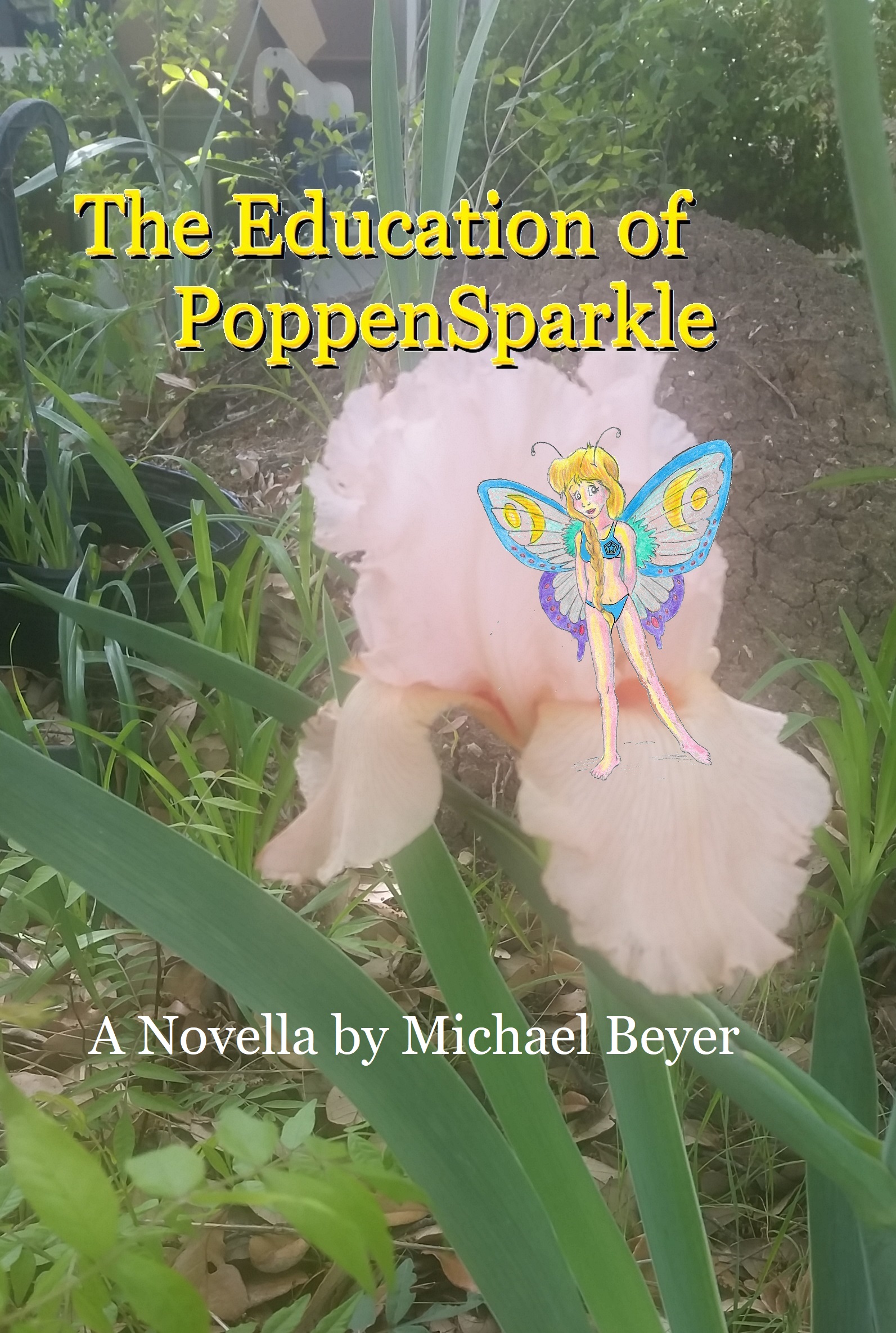
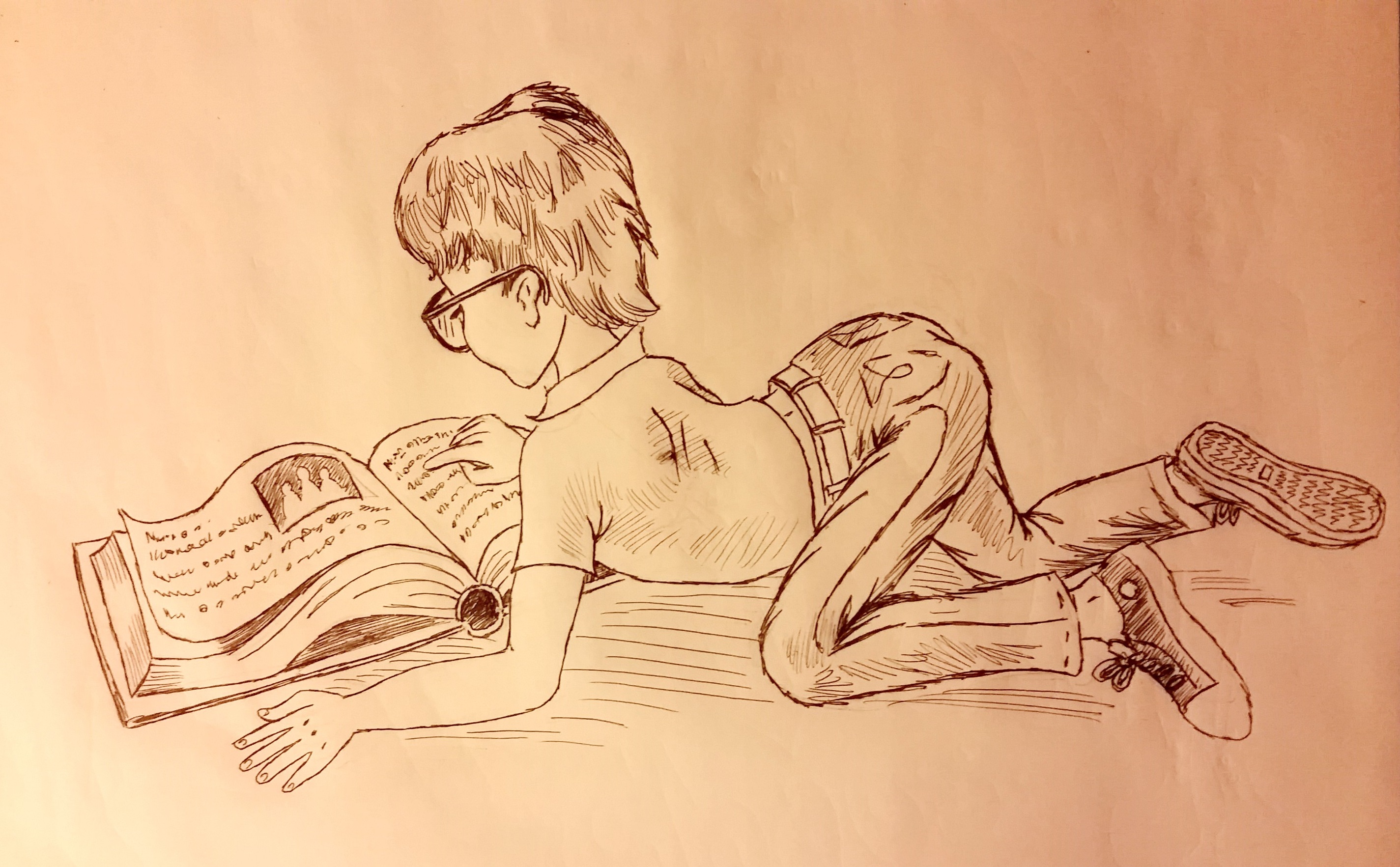
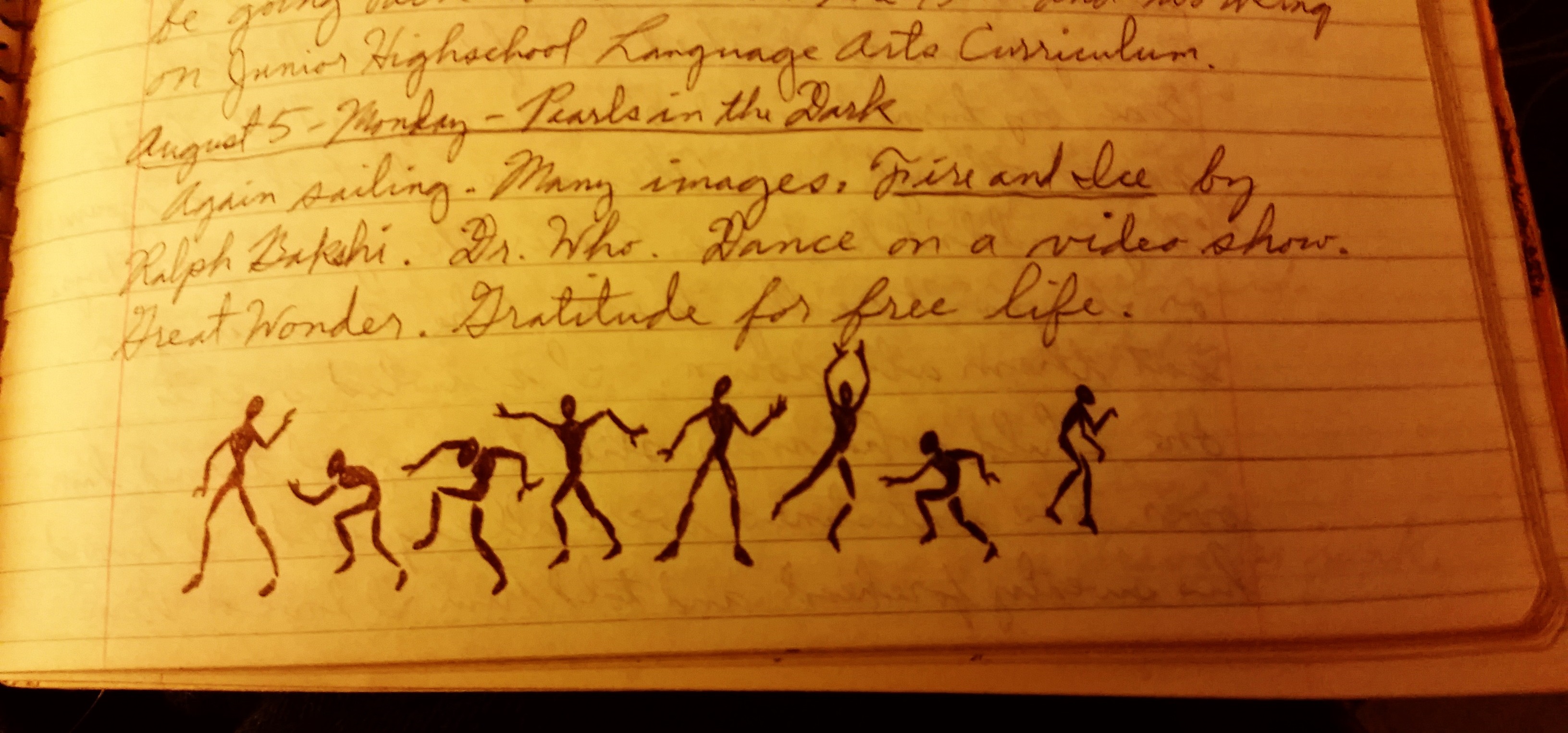
Days like today make me wonder about how long I can keep going. It has been so many years since I last had a day in which I felt no arthritis pain anywhere in my whole body, that I can’t actually remember what that felt like. With my movements and activities curtailed, I spend most of my retired life now sitting on my bed with my laptop, drawing paper, and colored pencils. I have been watching Green Eggs and Ham on Netflix, the Duck Tales reboot on Disney+, and numerous history videos on YouTube. And I have been writing a novel about teen depression and trauma, and, at the same time, a novella about a Fairy named Poppensparkle being taught magic by a master wizard who is a selfish idiot.
My bankruptcy is paid off, and my taxes have been paid for more than a month. I still have to get my second booster shot of Covid vaccine, but there is nothing else on my calendar for this month.
My writing has been increasingly going harder. The Pubby review exchange continues to get worse. The reviewing of others’ works is becoming harder, while the quality of reviews I get in return continues to get worse. Others don’t even read the books, just cobbling together reviews based on the comments in other reviews.
On WordPress I lost my ability to have ads on my site. Too many nude figures. No matter how innocent they might be. That is a loss of only pennies. But I may have gotten labeled an adults-only site even though there is not even remotely a hint of pornography.
And my views have drastically dropped from a year ago when my “Nudist Notions” post blew the number up to the highest I ever got.
Book sales are driven by Pubby reviews, so those have dropped off too.
So, the best thing that I can truly say at this point is that life is good and I enjoy being alive…with the complaints I registered duly noted. And today is about self-reflection, so I followed my overall plan for one day. And I have posted something 424 days in a row.
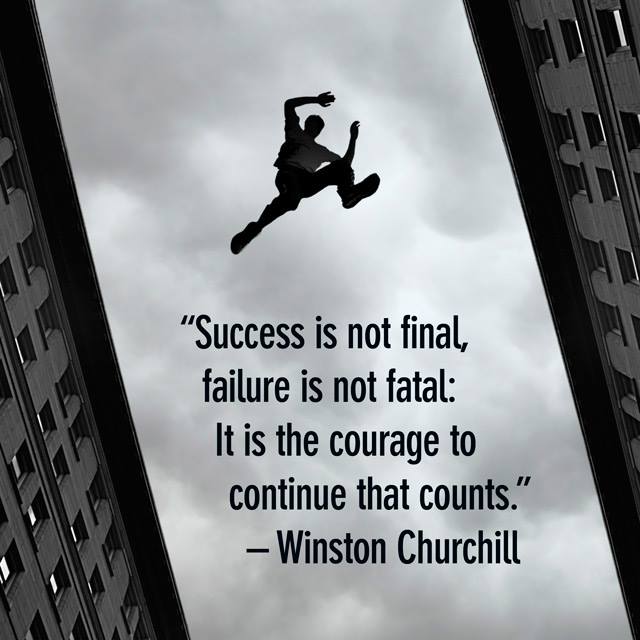
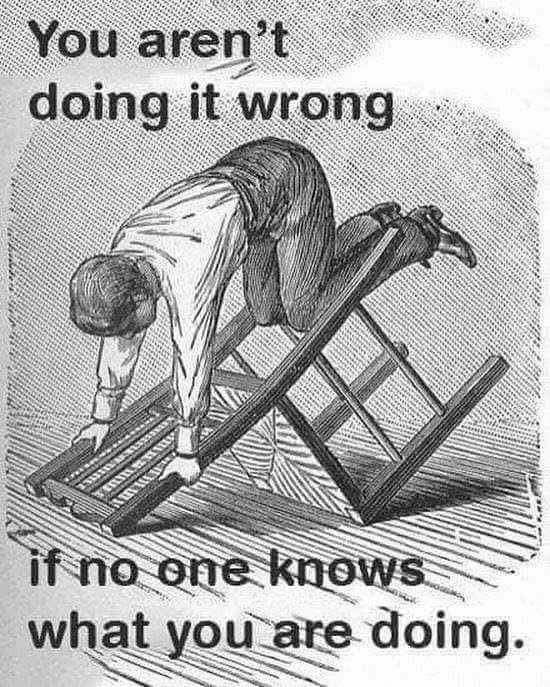
Internet memes apply to me. It says it in the name. In fact, it says it twice. “Me+me = meme”.
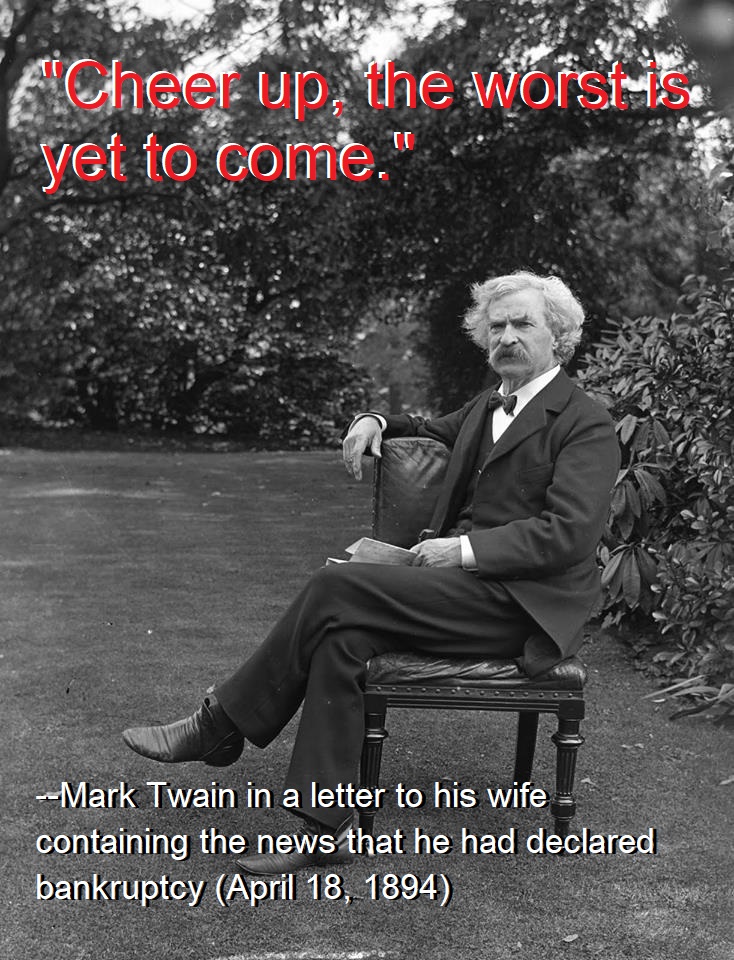
This one is uncanny. I revere Mark Twain. Apparently I walk in his shoes enough that I am imitating everything he did except becoming wealthy and famous.
And maybe I am not as good of a writer as he was. Maybe. But I am heck at living an unhappy life and going bankrupt in the process.
And this is not the only meme that uncannily defines my life.
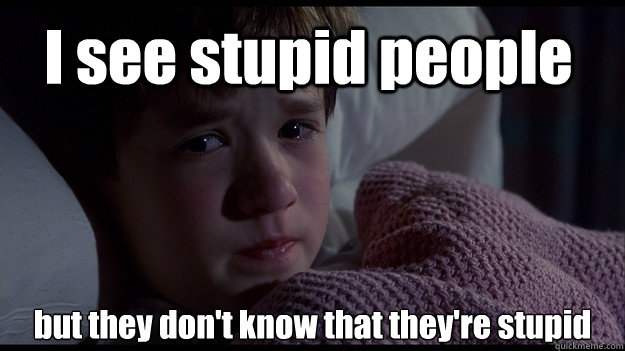
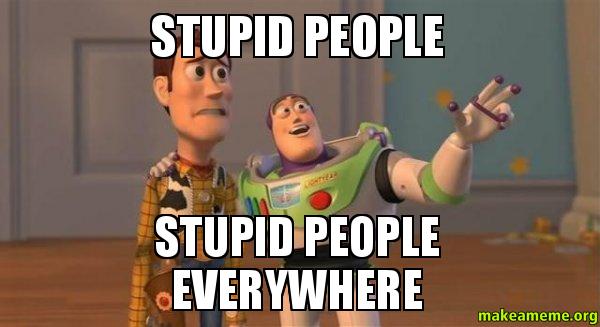
They put a stupid, orange-faced man in charge of the government because they wanted to tell Mickey, “F*** You! You are not better than me just because you are smarter than me. We are going to burn it all down to get revenge for your superiority!” And they are laughing and enjoying it now as the flames get hotter, even though their houses are on fire too. But stupid people aren’t really winning the game. There are evil people lurking in the background waiting to exploit and make money. They are winning. They hate Mickey too.
Of course, I never said anything about being better than them. Mickey is smart, but humble. I suffer from the wildfires anyway.
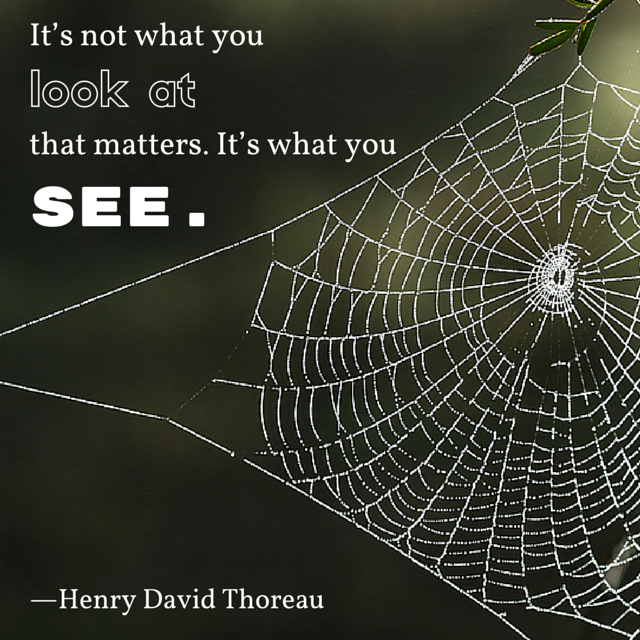
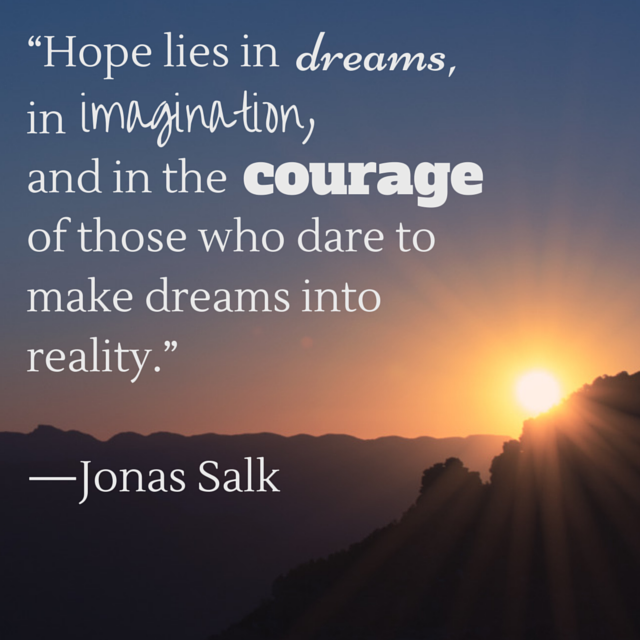
But if you know where to find it, there is helpful wisdom in memes. Short, pithy wisdom, but wisdom never the less.
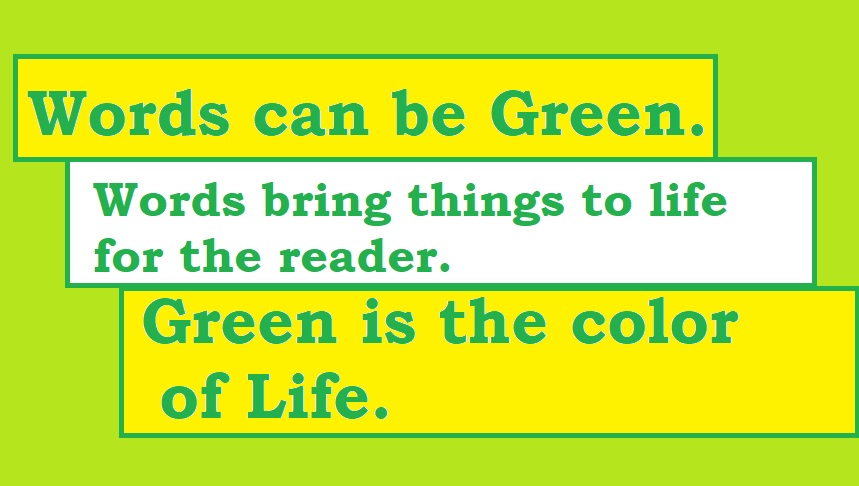
The “Me”” of the memes can be hurtful at times, saying things out of anger or fear. But he can also be uplifting, making hearts sing and soar. There is magic and power in words… if they are the right words, delivered in the right way.
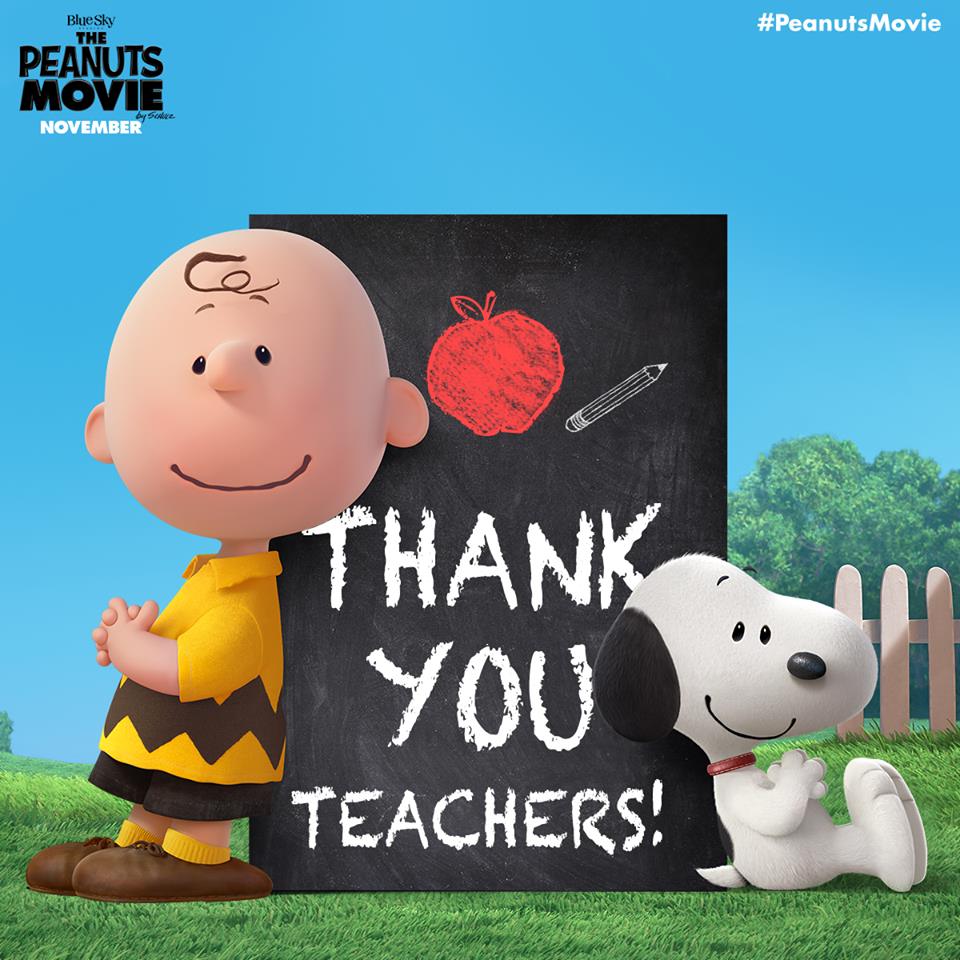
Sometimes people need be appreciated and built up rather than torn down. Some groups have been hurting more than others. Having been a teacher, I know this is particularly true. Teachers need to hear thank yous.
And I find memes to be a useful way to gain that temporary feel-good nugget of wisdom. I think it is probably a chicken nugget of wisdom. You know, bite-sized pieces of white meat protein to fortify you against the cold and the darkness. And it is important to turn away from the angry and the fearful memes. Going positive instead of negative is a bit of an antidote to the illnesses that infect social media. And I know Facebook is evil, but we are sorta stuck with it, so we might as well use it for good as it uses us and our data for evil.
So, I have shared several memes with you today because that is me…me. I do stuff like that. And you can’t tell me I am doing it wrong.















A Concert Performed For Nobody
Back in my college days in the late 70’s I came back to the dorm one night late due to research until the library closed. In the entry hall to the dorms there was a piano. I had never seen anybody playing it. But as I got there, there was a student playing it. It was my nerd friend Kip, an engineering major. It was quiet, unassuming Kip. Kip who was so quiet, in fact, that I can’t even remember his last name, or what his voice sounded like. But he was playing the piano in an empty room with nobody listening. He was playing Scott Joplin’s composition “The Entertainer”. He had his back to me, totally lost in the music. He didn’t know I was there. And I… I was transfixed. I realized he was just practicing. But he knew the music right out his head, no sheet music on the piano in front of him. And he played like the ultimate virtuoso. And the music was so good it made my soul tingle.
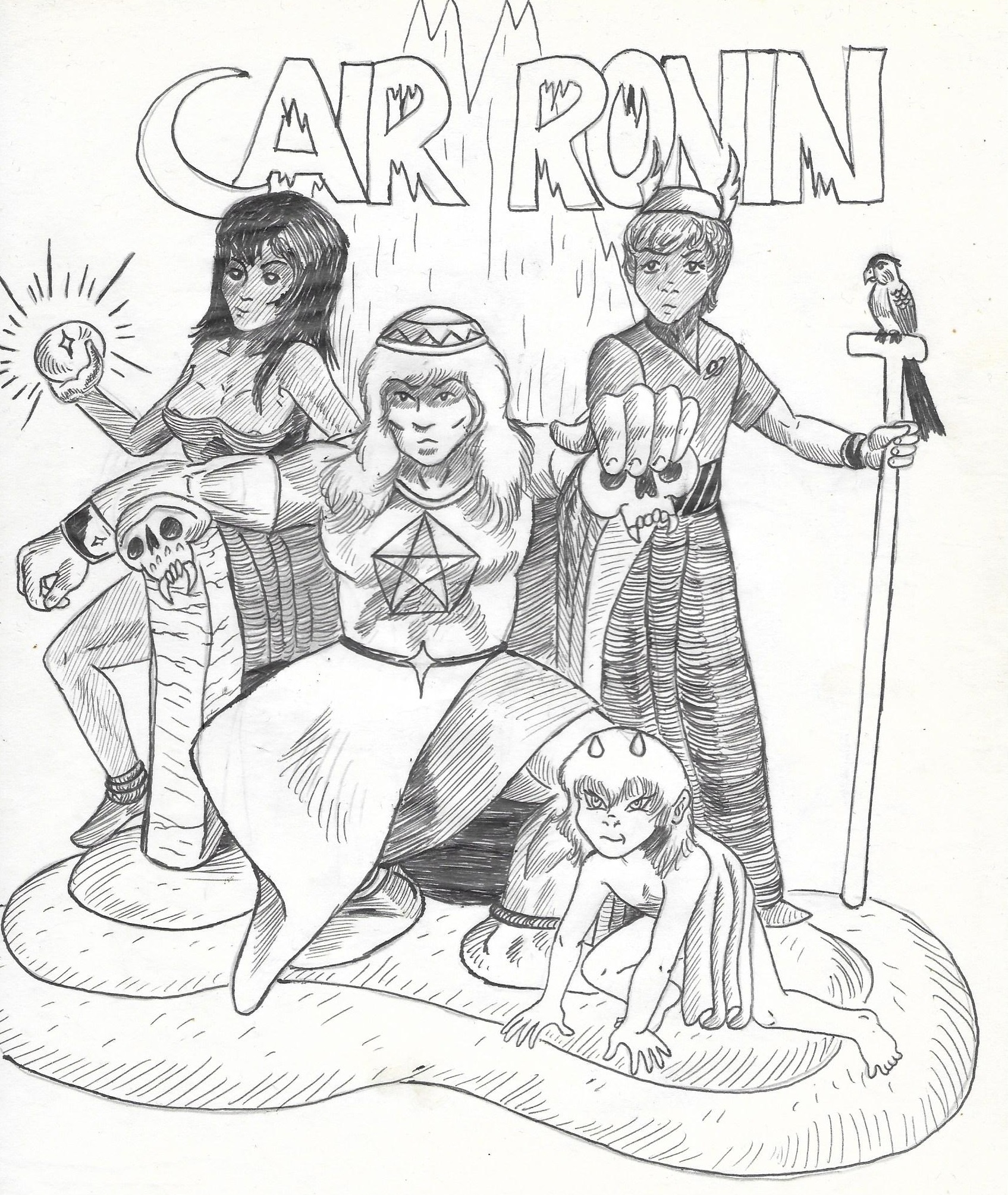
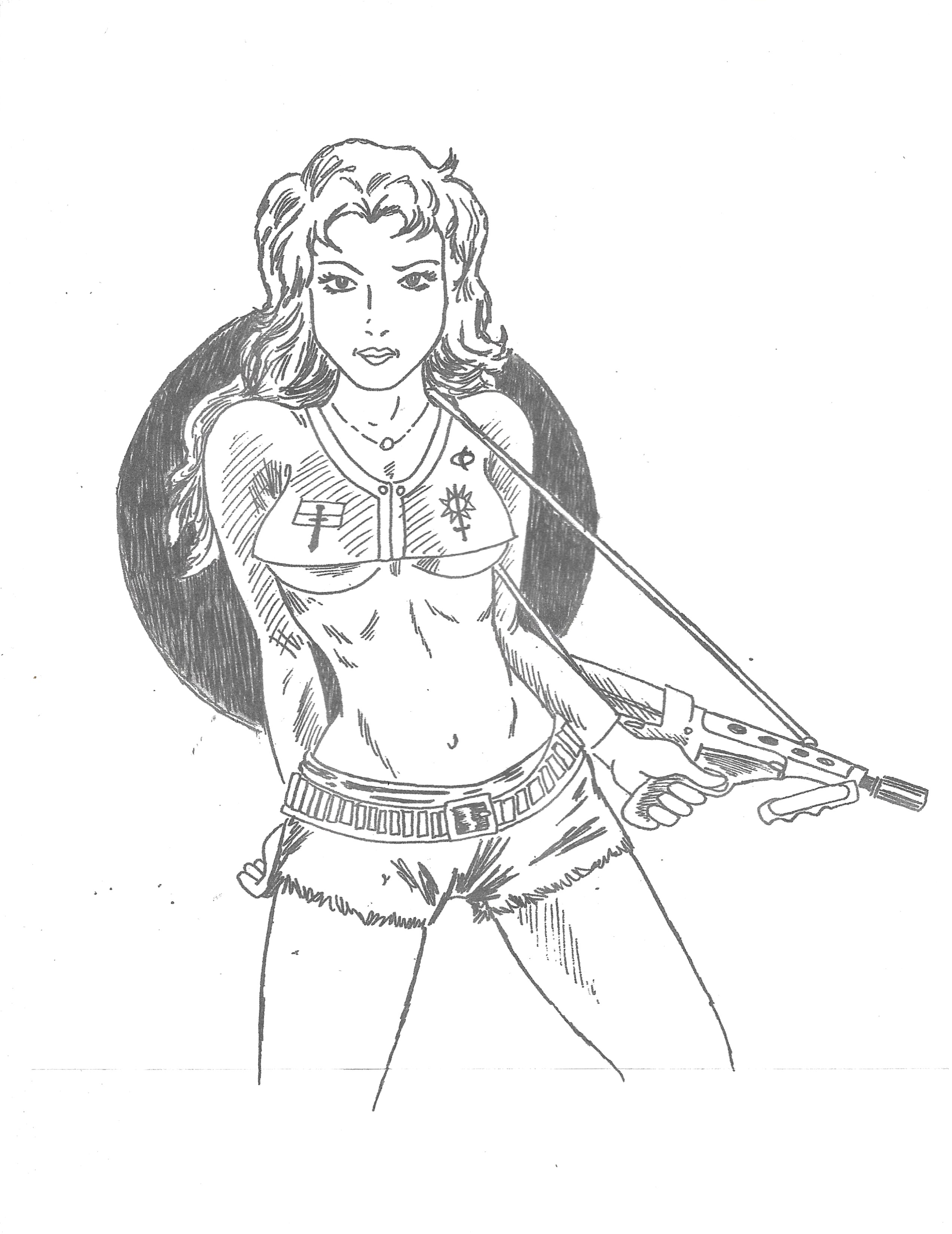
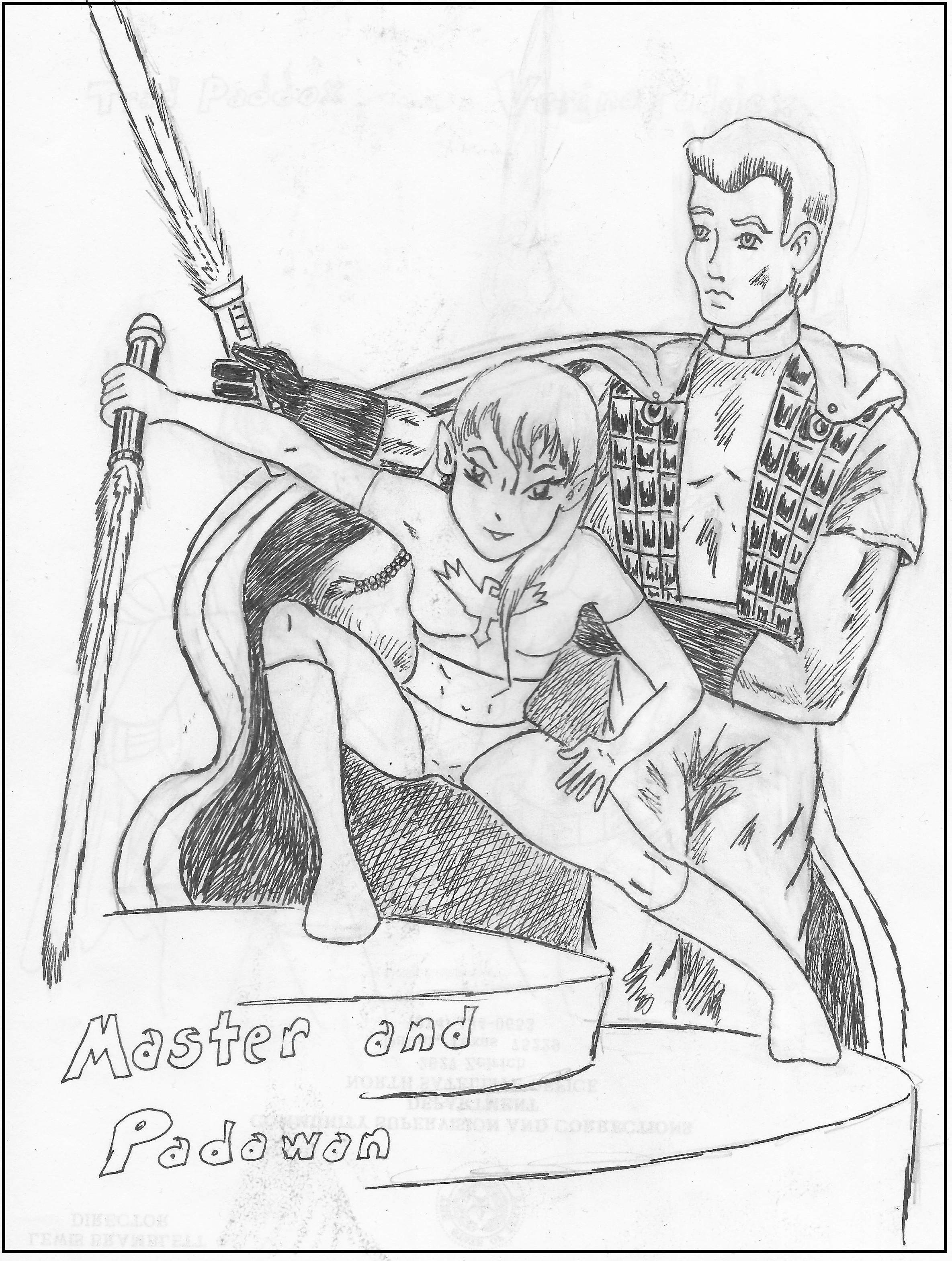
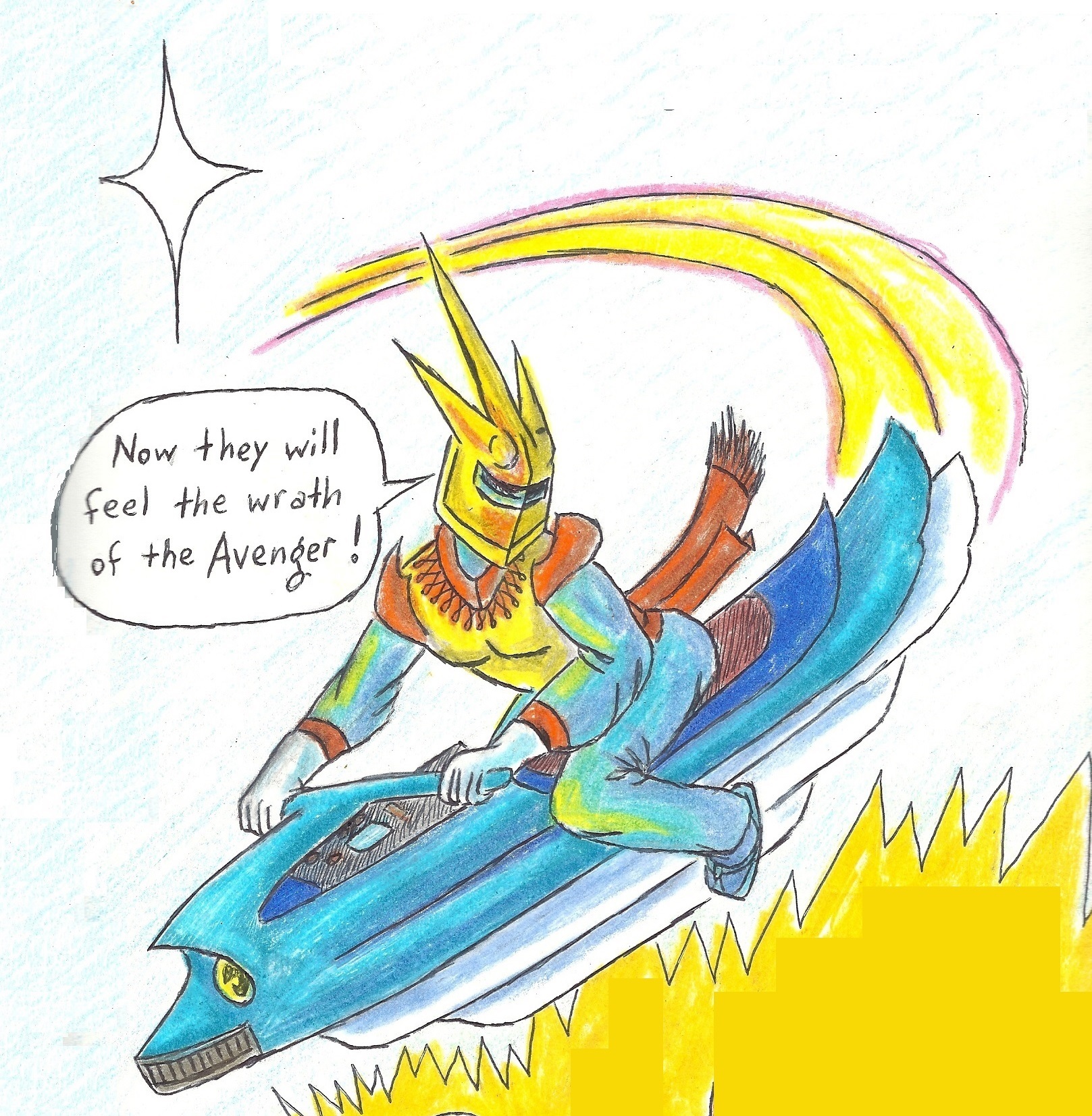
It occurs to me that that single moment is, for me, a metaphor for my life. It is a concert played for nobody. I am competing only with myself. I am trying to please only myself. And if anybody is listening… I mean really listening… not just looking at the pictures and moving on, I don’t know it. And that is probably how it should be. This poor player is strutting and fretting his hour upon the stage. And when the concert ends… when the concert ends…? Applause is not likely. And applause is not needed. The music exists for its own sake. And the echoes of it are the fuel that powers the universe.
Leave a comment
Filed under autobiography, commentary, humor, insight, inspiration, metaphor, Paffooney, strange and wonderful ideas about life