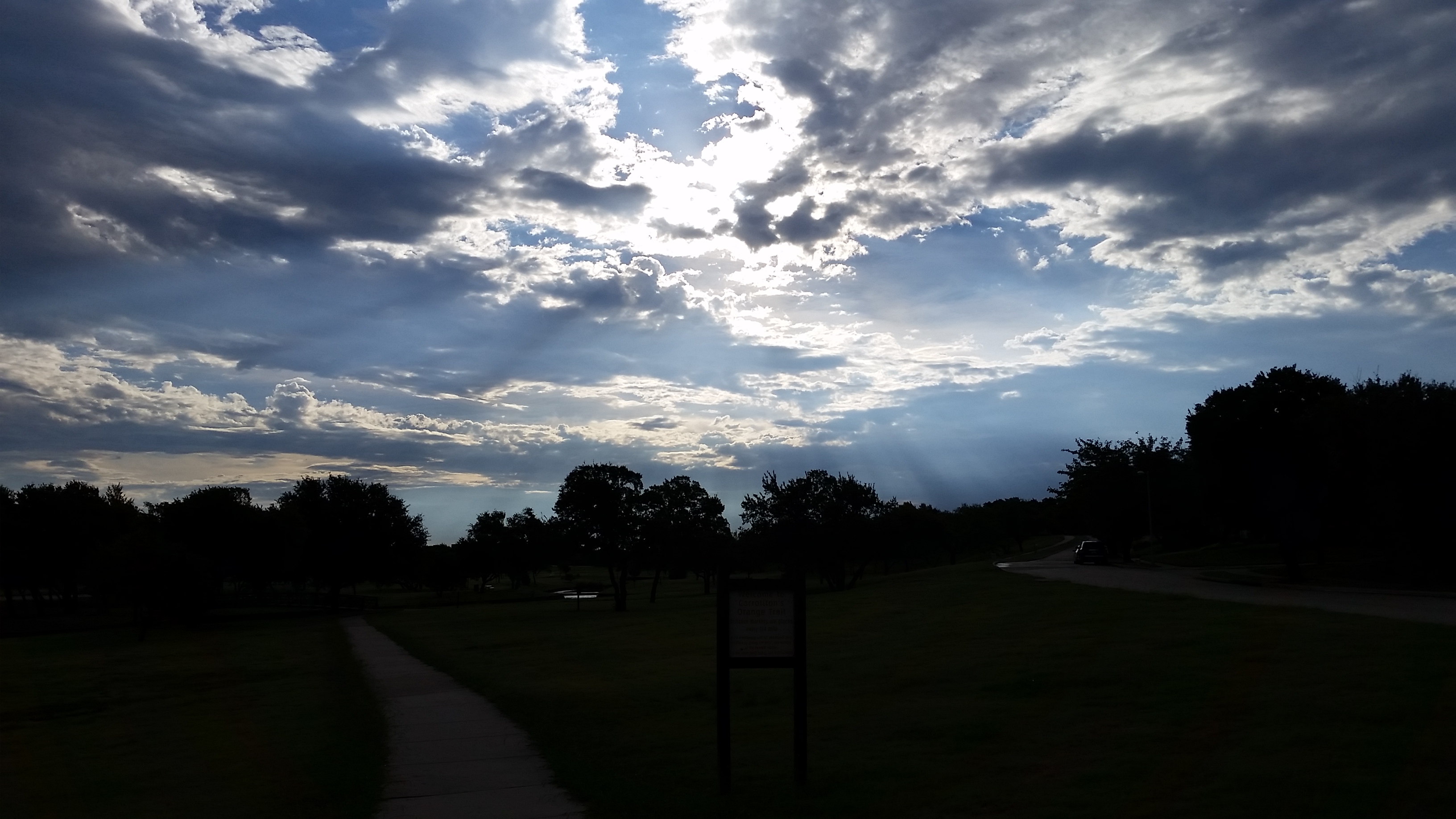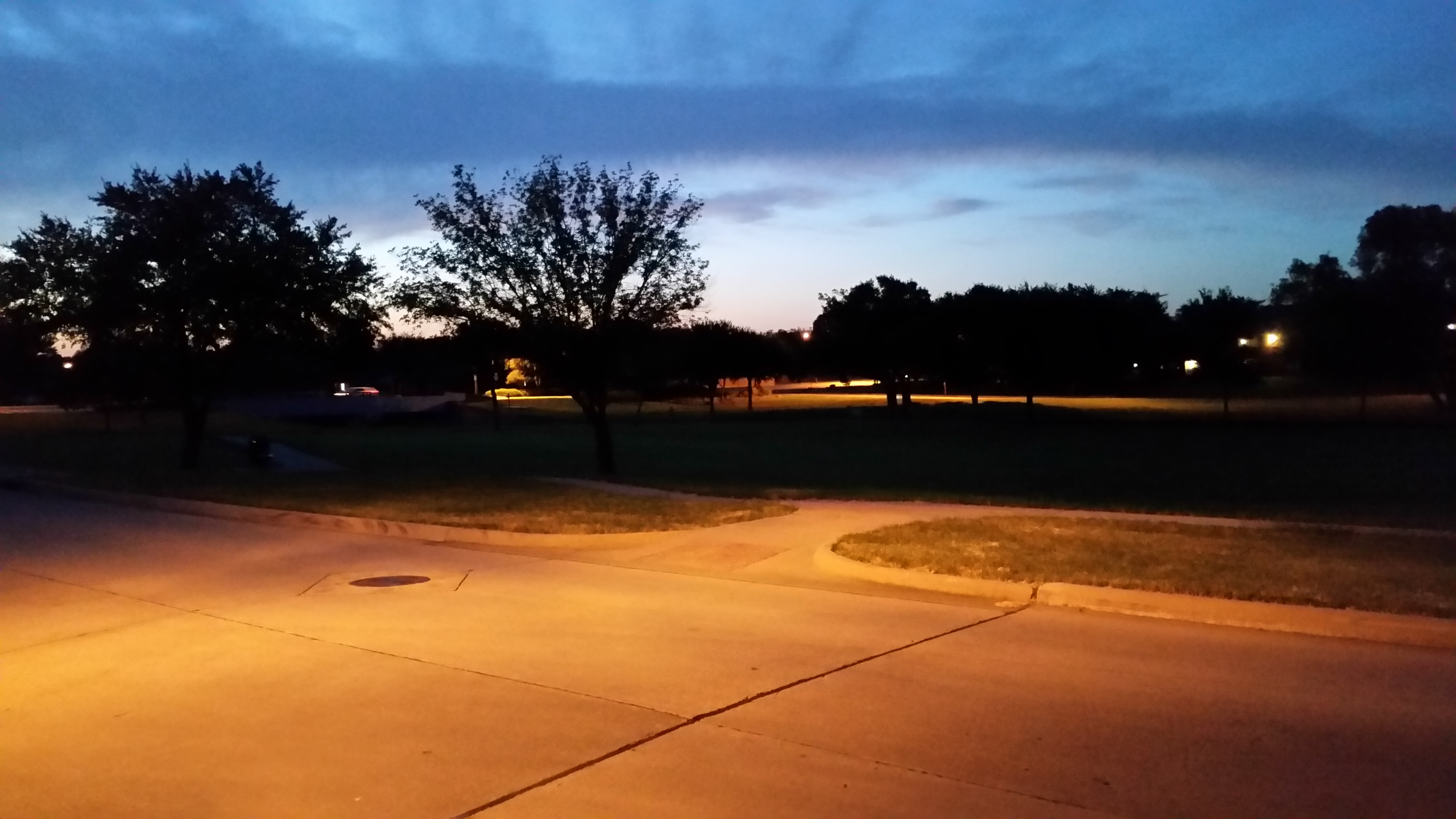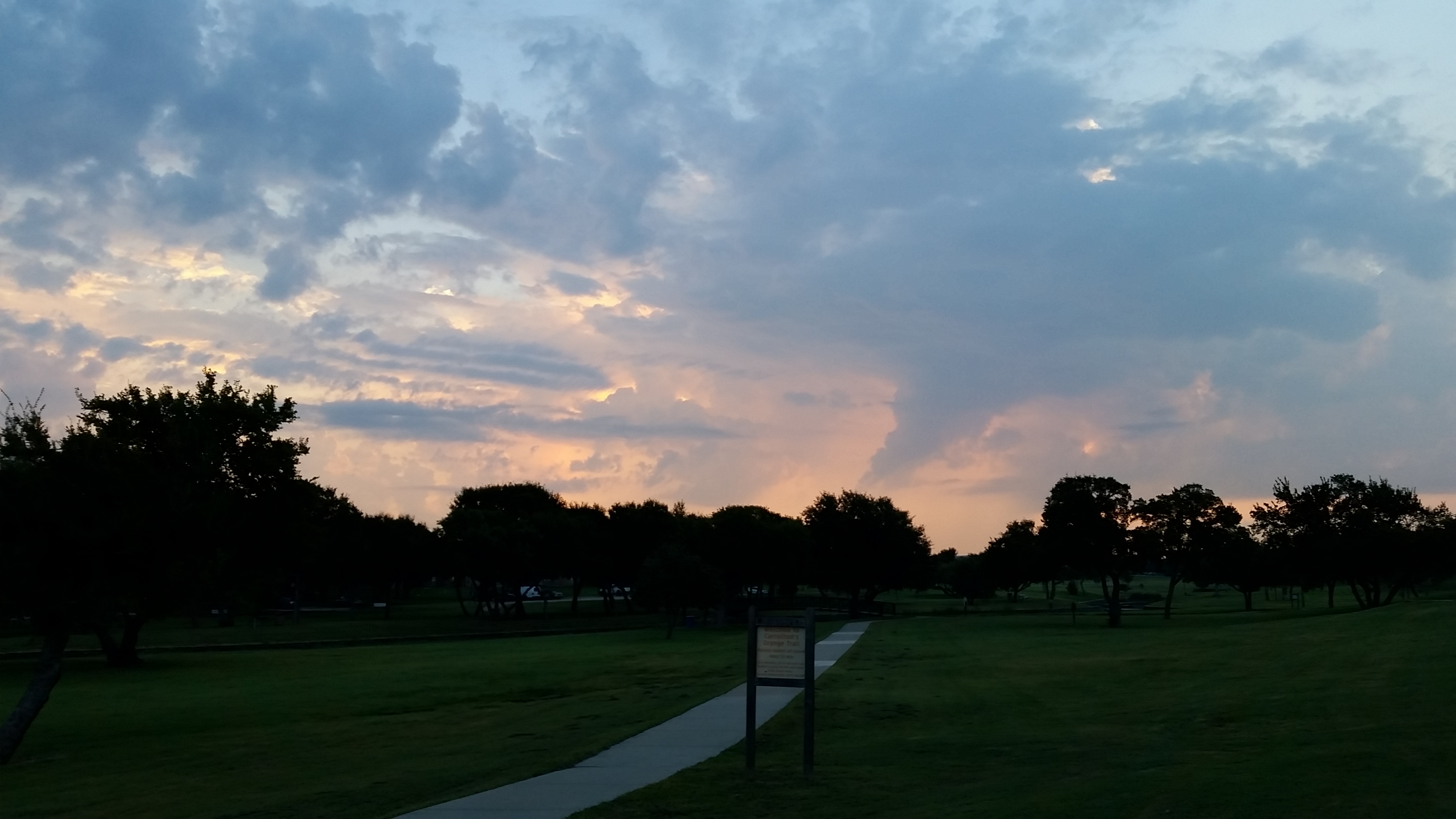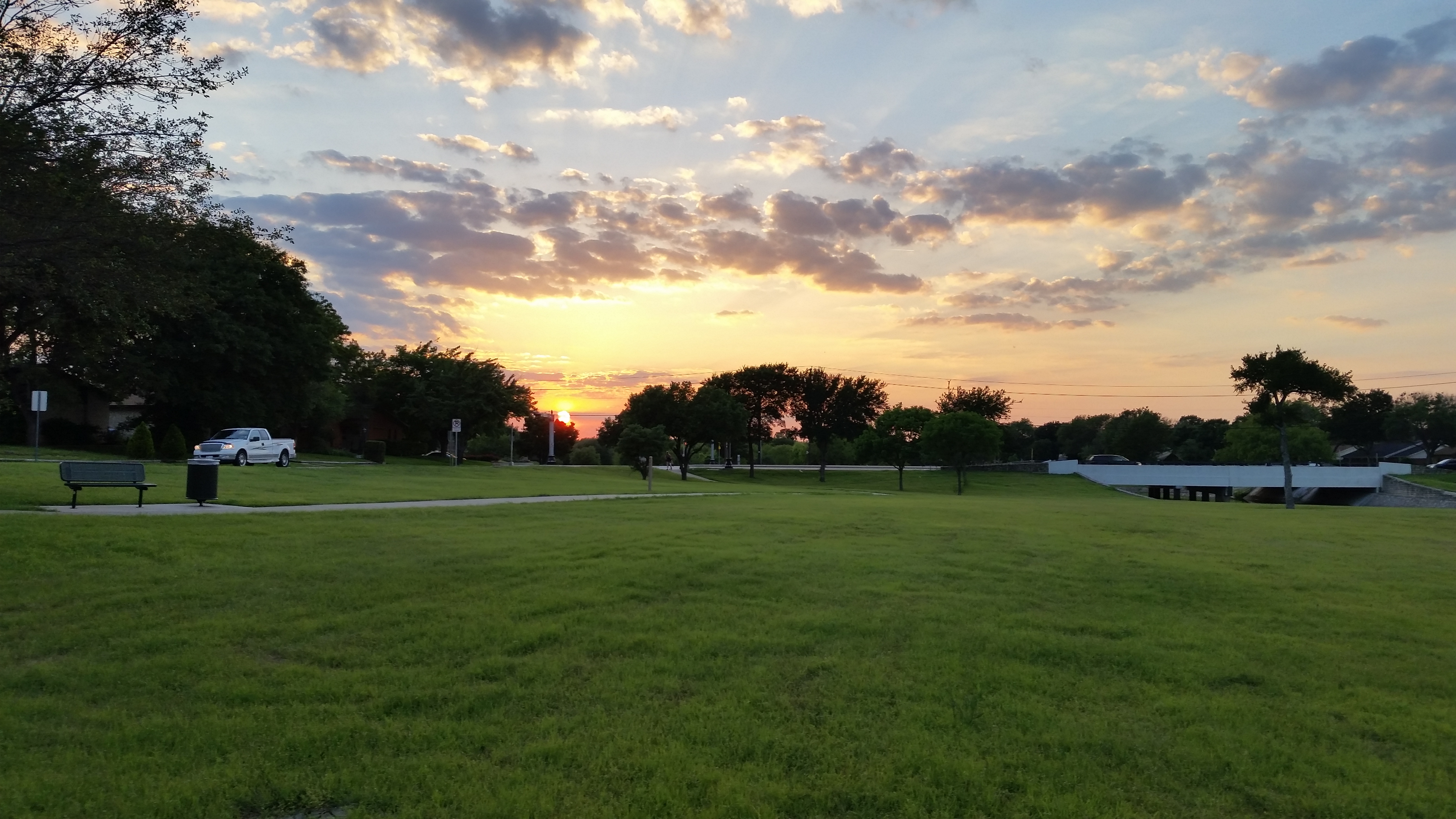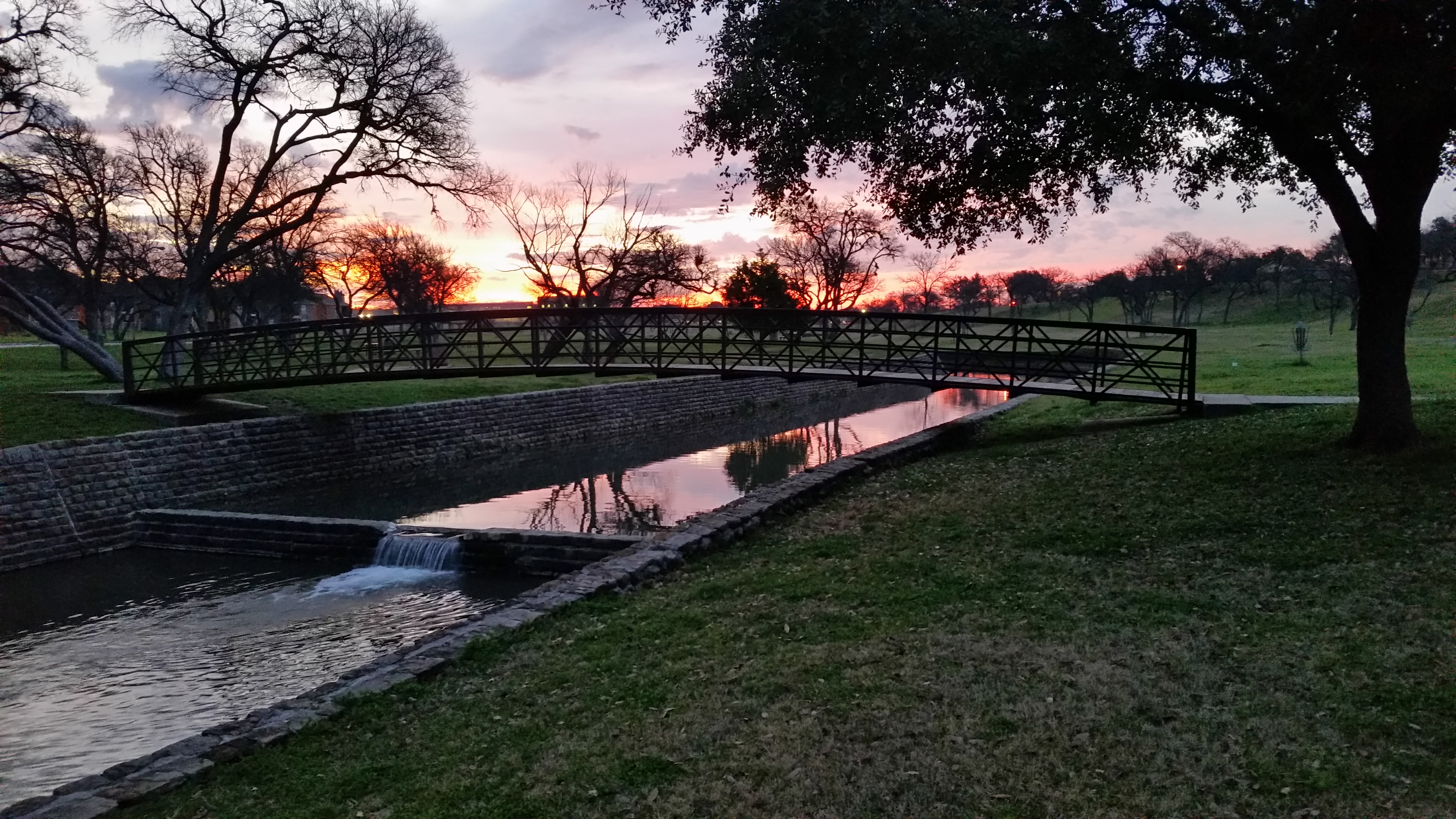
I admit it. Even though I collect pictures of sunrises to glory in the fact that I still have another day of life in this world, I rarely snap a picture of the cloudless sunrise. It is very possible that this has something to do with what ultimately gives life value and makes it worthwhile to live one more day.
If there is no pattern, no color-changes, no contrast, no variation… then why bother? And this doesn’t only apply to living your life. It applies to taking pictures of the sky too. Solid blue or solid yellow are about as interesting as a minimalist painting. (Have you ever seen the big beige squares and red squares that fill entire walls of the Dallas Art Museum? Like a picture of a polar bear in a fierce blizzard or an extreme close-up of the side of a tomato.)
Yes, sunshine and happiness are all well and good… but you don’t get a satisfactory skyscape without some clouds in it. In fact, rain clouds provide the most fascinating patterns and colors. What would the picture be without a little drama splashed here and there to make a center of interest or a counterpoint to the happy ending? They say that variety is the spice of life. And when they say that they probably mean cayenne pepper rather than parsley or oregano. If that’s not what they mean, then why the hell did we bring food into the discussion?
So, I am thinking, there have to be clouds. (Notice, I said “clouds”, not “clowns”, because… according to the song, there “oughtto be clowns”, not “have to be clowns”.)
It is true that clouds can mean sadness… that the rain is coming, that your vision is obscured, that something has come between you and God’s eye. But without clouds, the sky would be plain and boring. Better to burn bright and explode in a short amount of time than to linger over a plain pale blue.
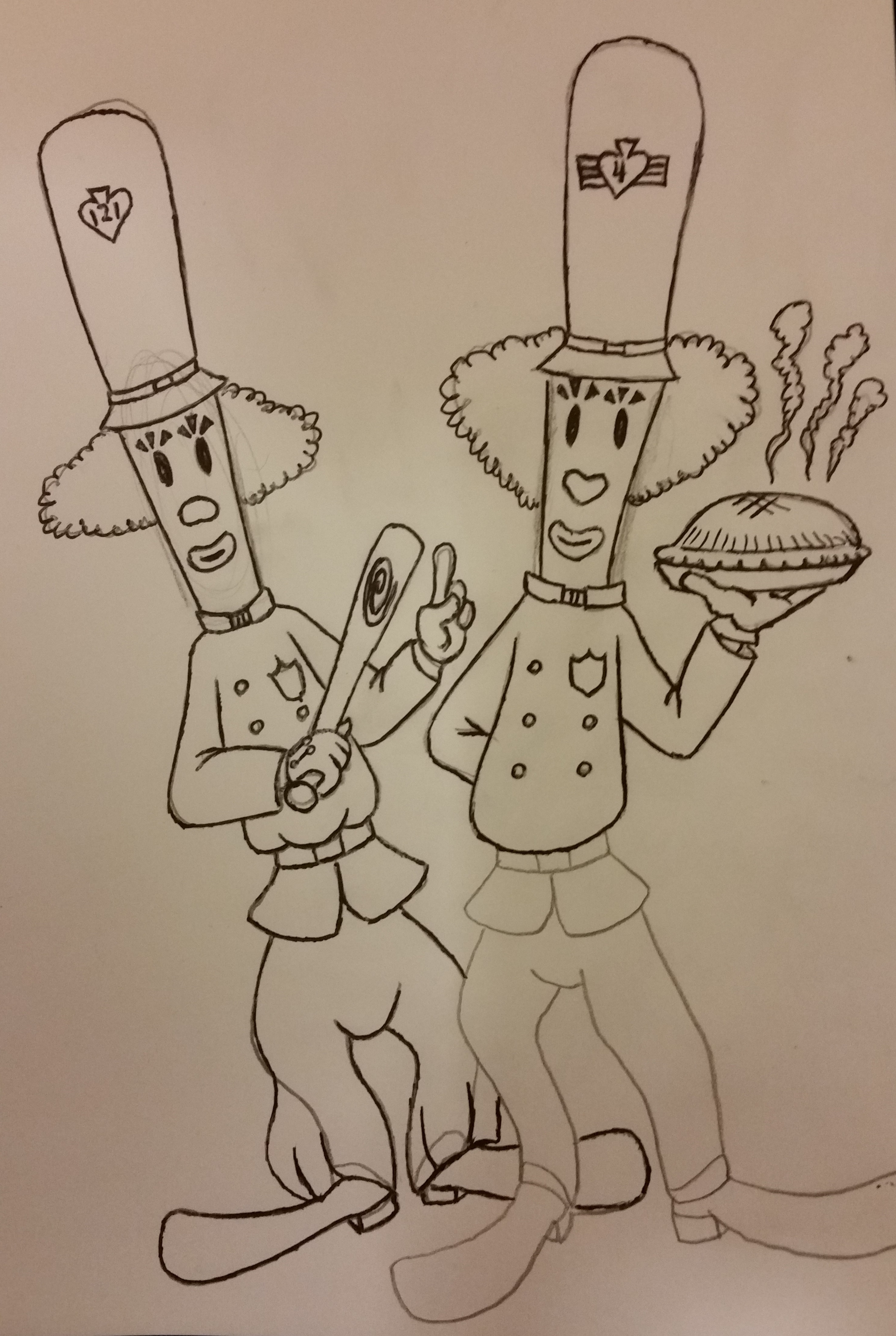
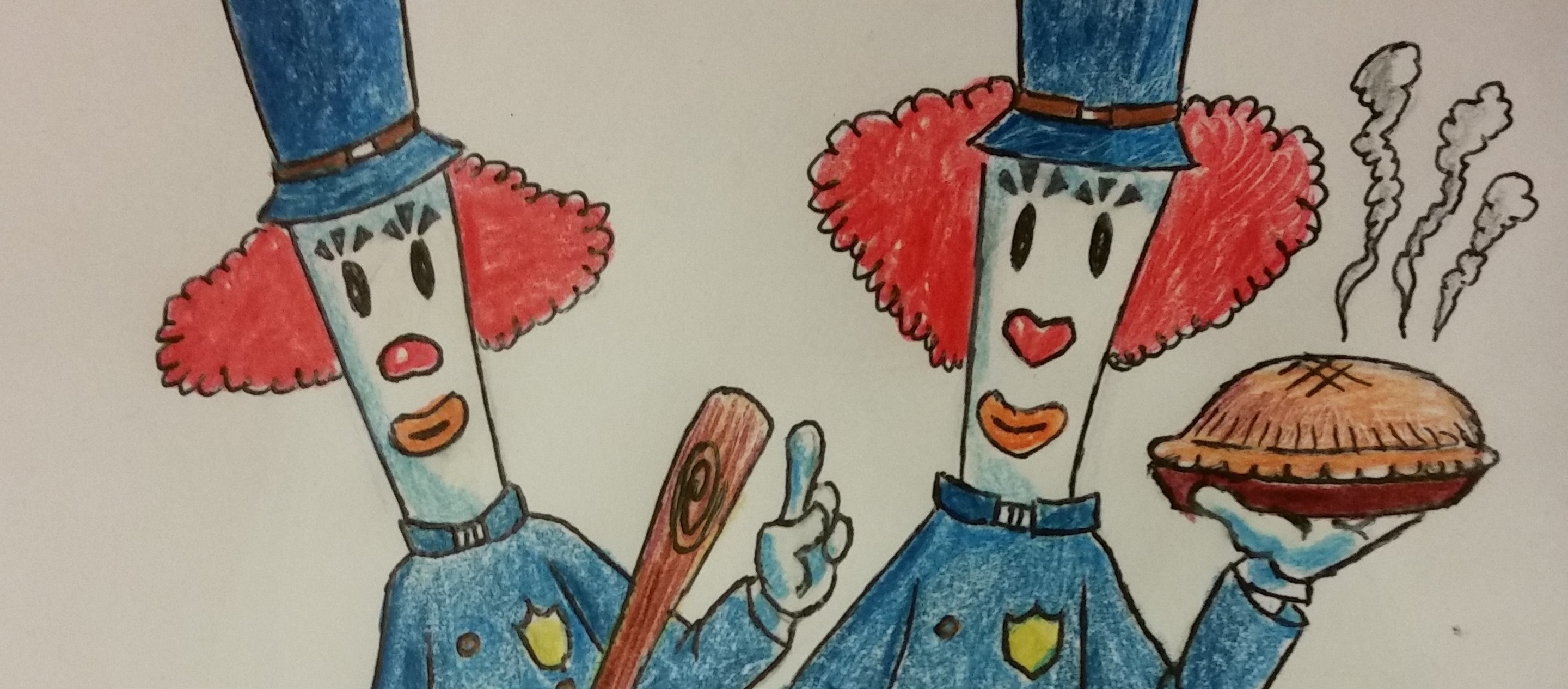
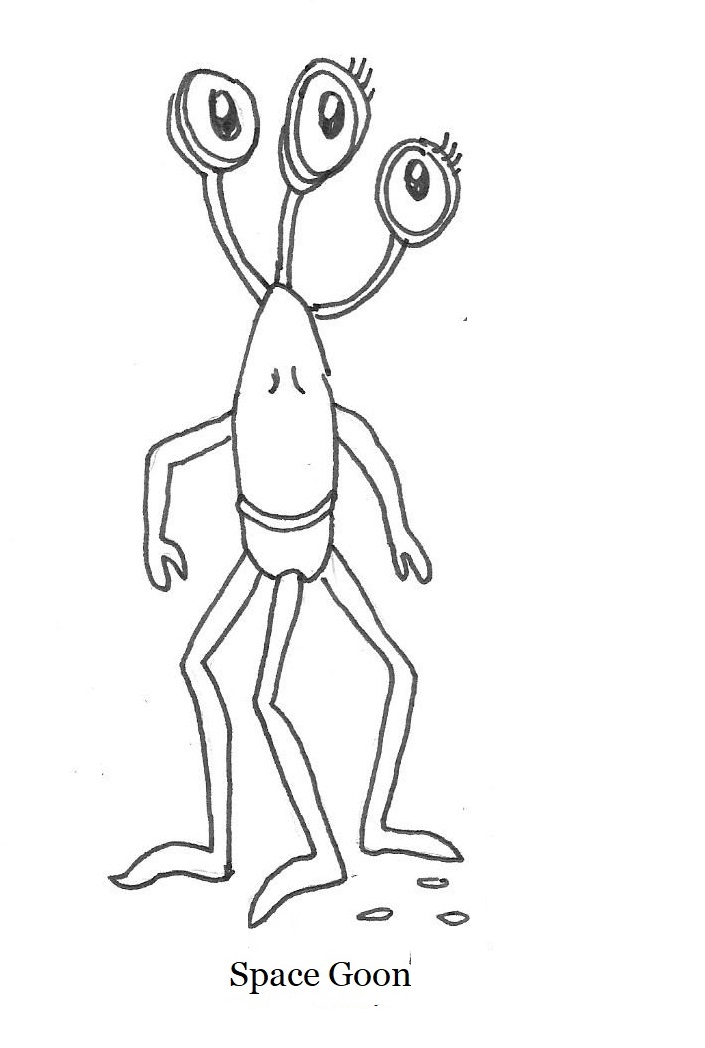
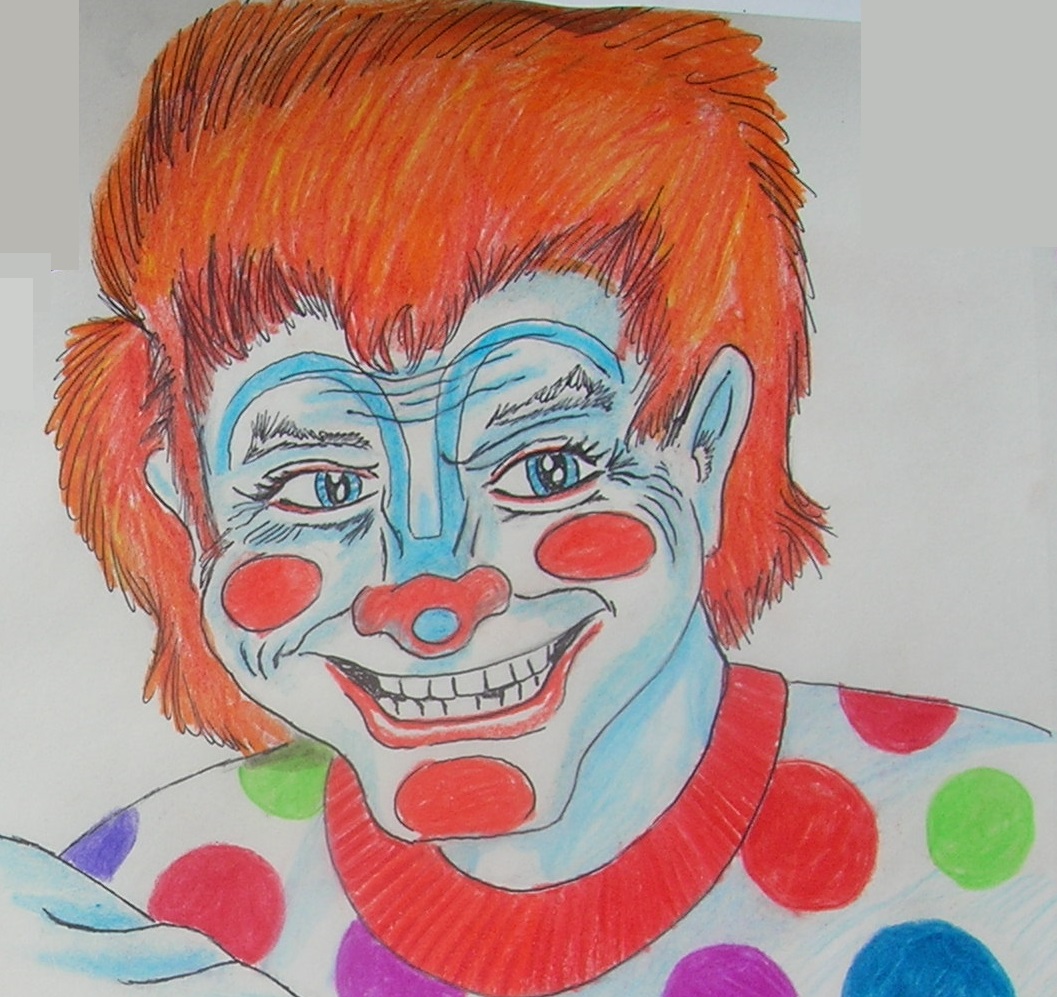
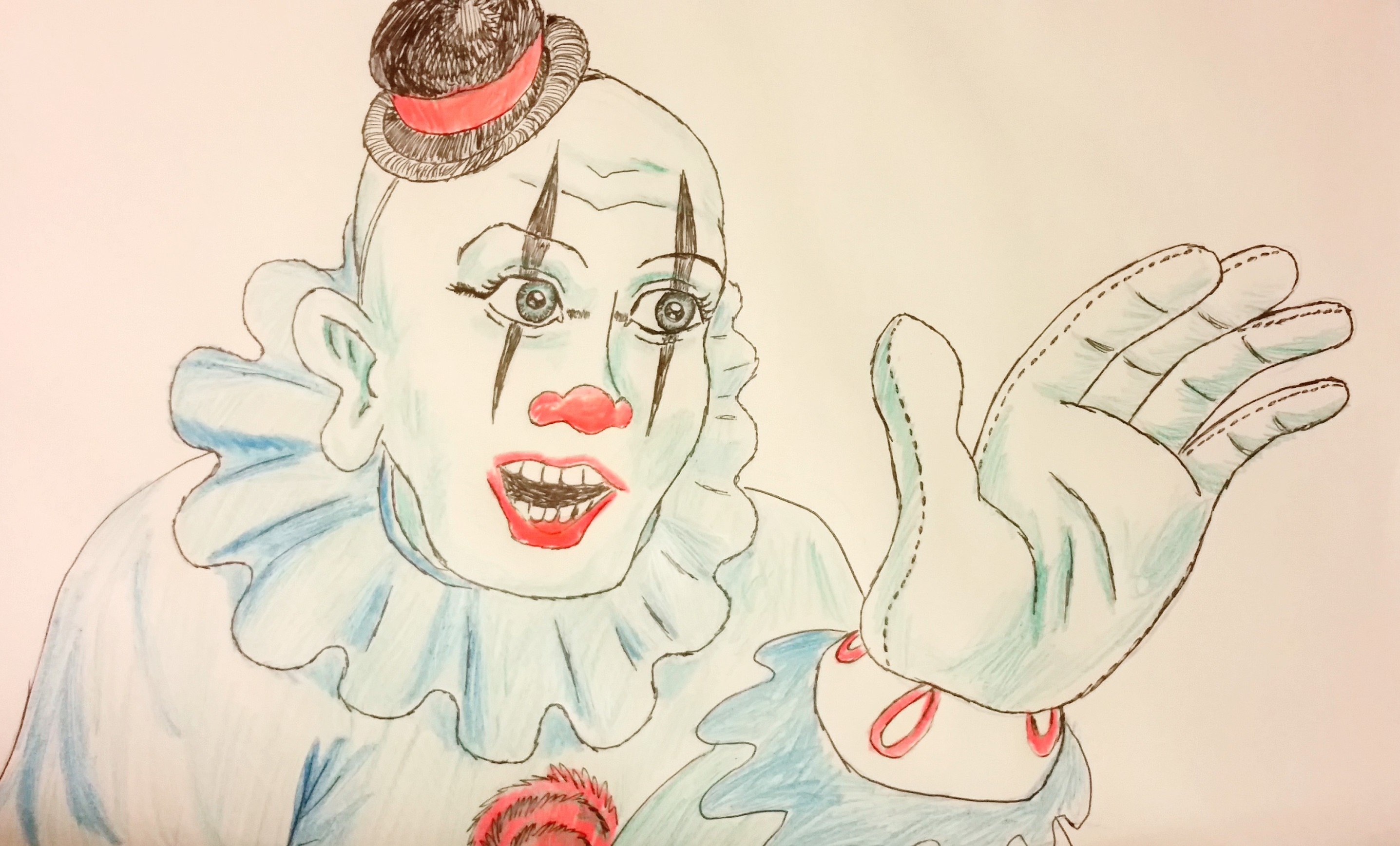
Here you see me doing some serious art-starting. I am working on ideas about how clowns can be compassionate. I am hoping this is true, because I am one… a clown, I mean. But I have some serious noodle and doodle work to do. So I will start with a doodle of Klown Kops from Klowntown’s finest. More will be explained later… and more will be doodled too.
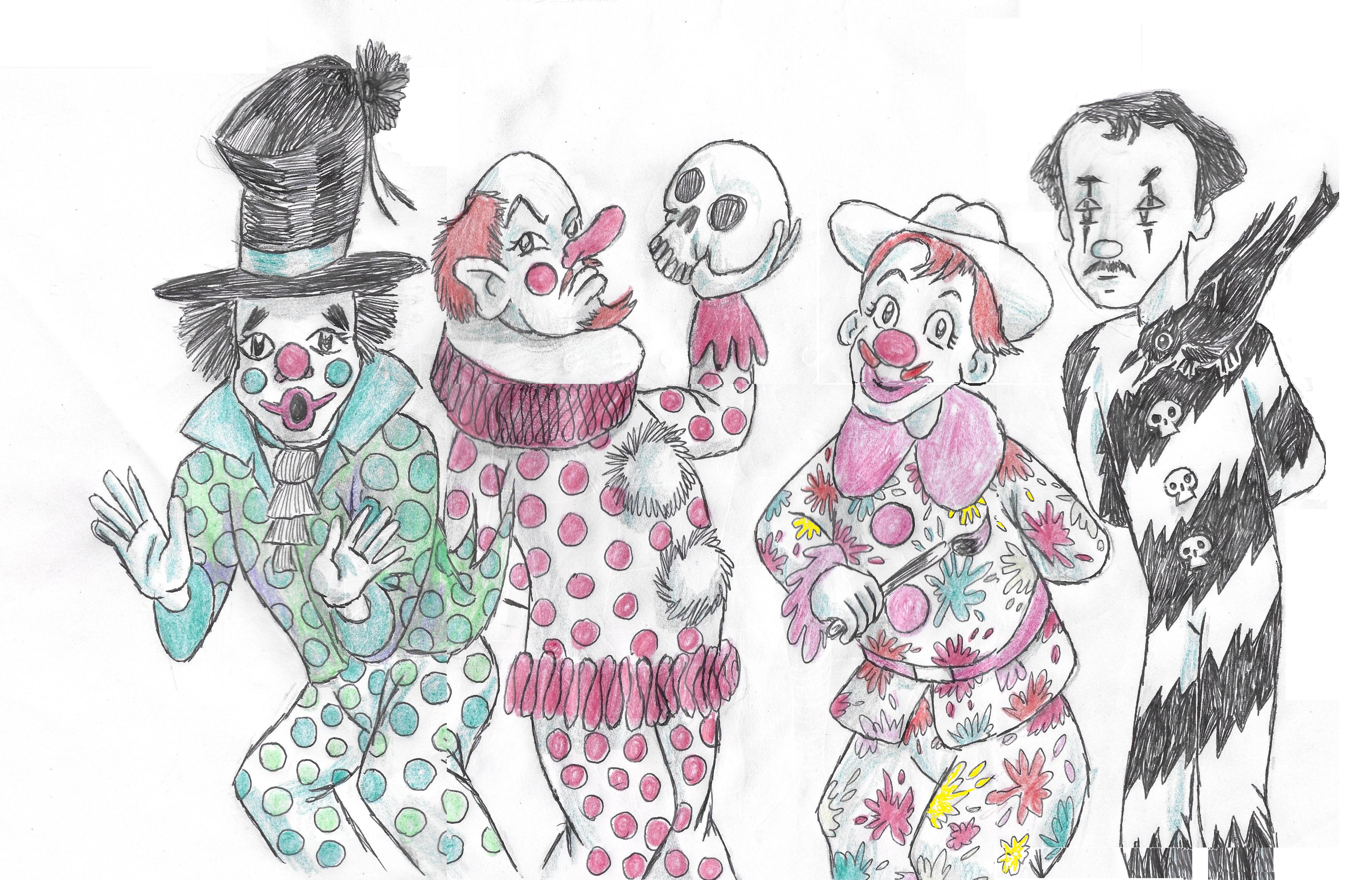
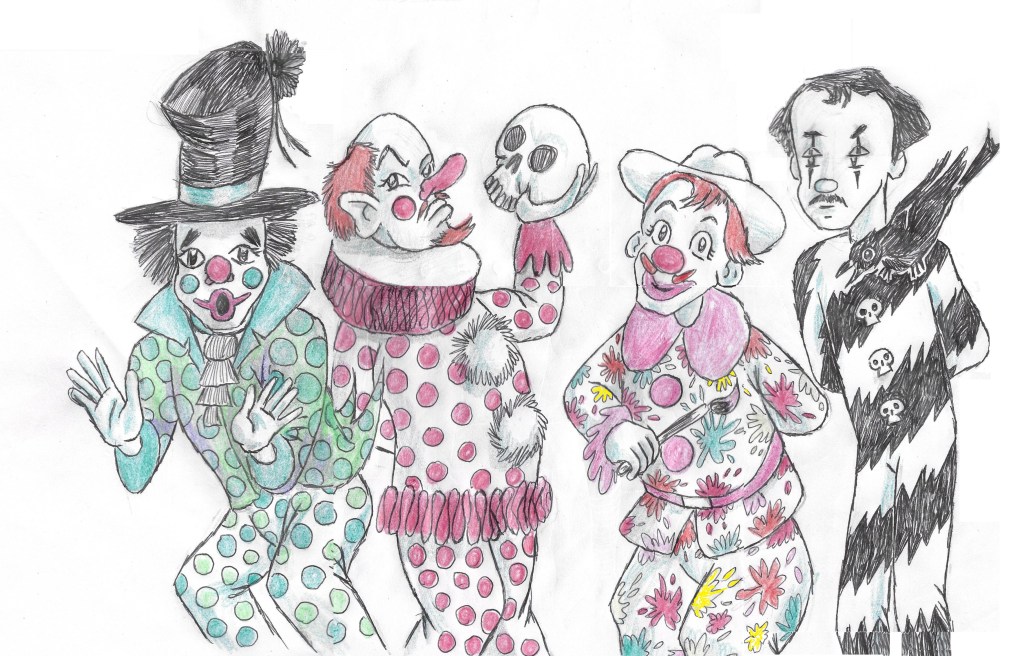
Charles Dickens, William Shakespeare, Walt Disney, and Edgar Allen Poe (the four clowns depicted above) all probably had times in their writing life when they didn’t really have anything to write about. Charles Dickens couldn’t think of anything but his time in the boot-black factory and the misery he felt as a child raised in poverty. So, what did he do? He created Wilkins Micawber as a stand-in for his ne’er-do-well father who always believed, “Something will presently turn up.” And he wrote the semi-autobiographical novel David Copperfield.
William Shakespeare didn’t actually write anything with his grade-school education and limited knowledge of the world. But when the Earl of Oxford who used his name as a nom de plume could think of nothing, he thought of ending it all, and the “To-be-or-not-to-be…” play, Hamlet, poured out of his quill pen onto paper.
And when Walt Disney rode the train in defeat, having lost his best comic character for cartoons, Oswald the Rabbit, to his old boss, he doodled a mouse and named him Mickey, even providing Mickey’s falsetto voice for decades on the silver screen. Oh, and claiming the rights to any further characters his studios produced… to this day.
Poe looked at the bust over his chamber door… and saw a raven. Instantly, NEVERMORE.
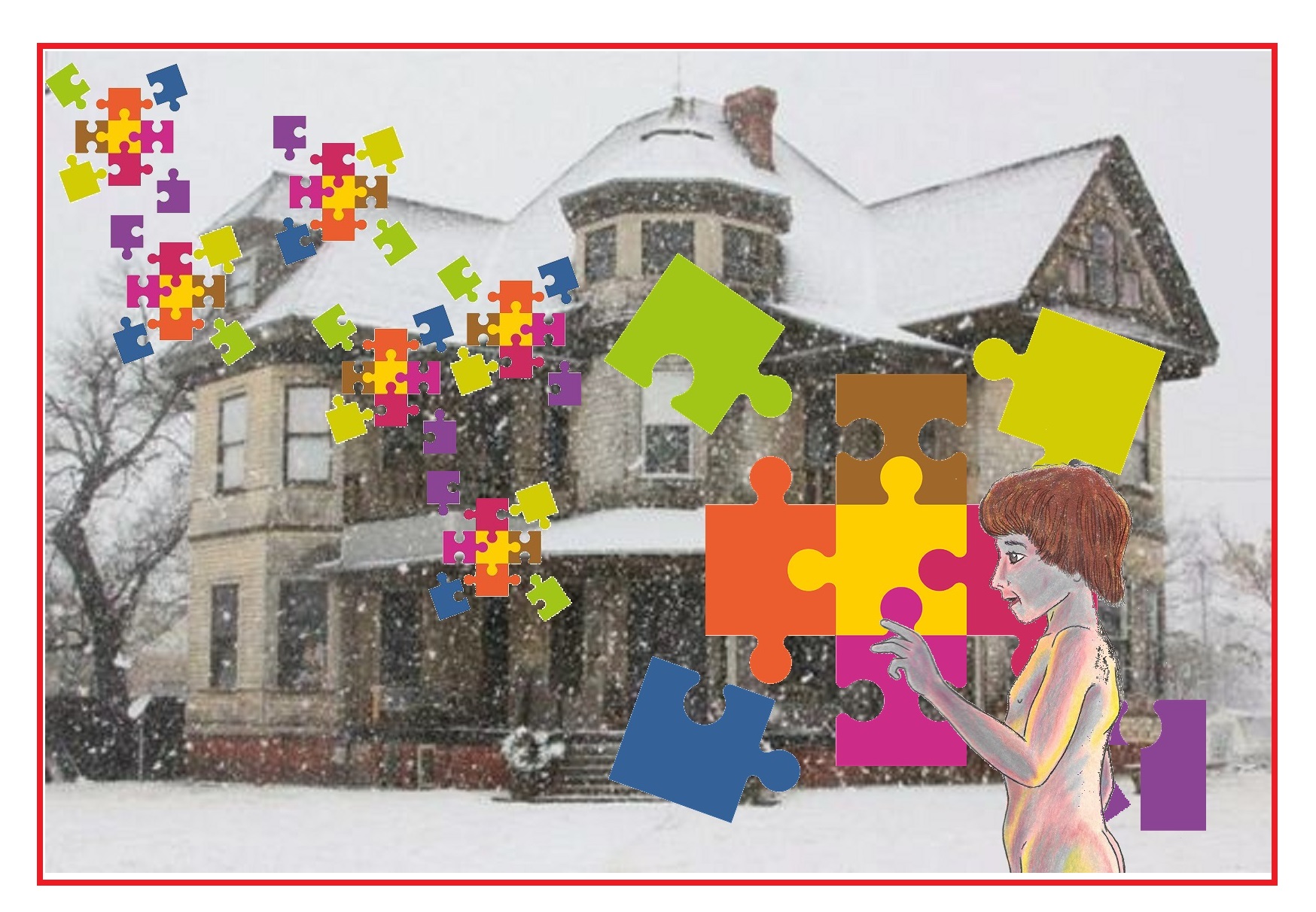
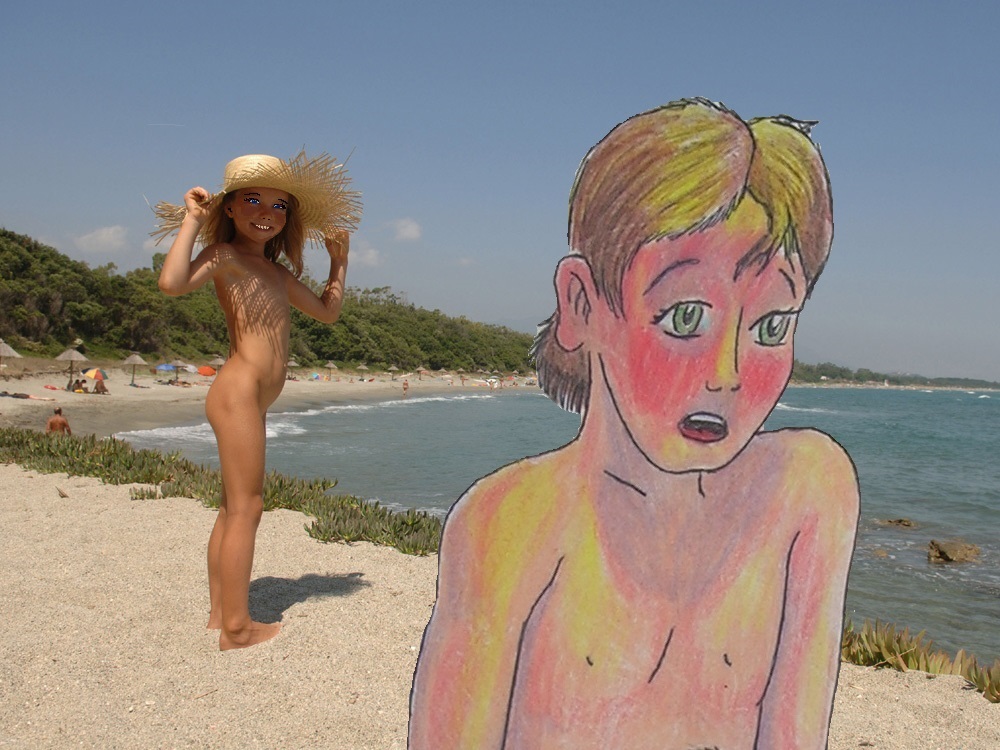
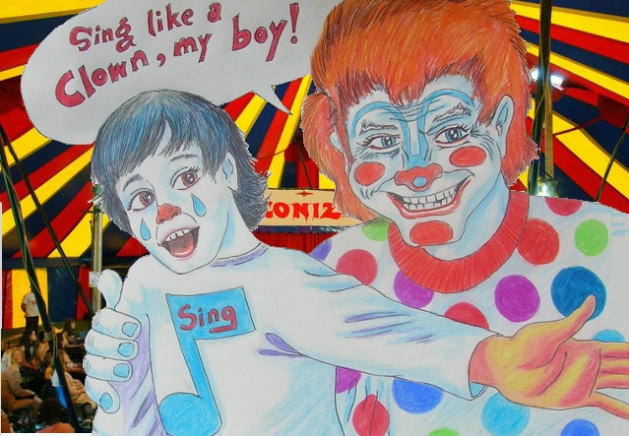
Now it’s Mickey’s turn to write about nothing, and try to live up to the nothing-masters’ artistic masterpieces of yore. For instance, the boy in the picture. I drew him from a nude model in a black-and-white photo. Nobody in class, not even the one who brought the picture, ever told me his name. And the class was forty-four years ago now. So, assuming the picture wasn’t old back then, the boy is now older than fifty-four, and possibly significantly older than that now. So it is a picture of a nude nobody in front of an abandoned house in the snow however-many years ago in a place that is probably nowhere now. And I won’t even mention the imaginary puzzle pieces floating through the air for nobody to put together. What’s that? I just mentioned them? What did I mention? They are really just nothing.
So, there is a time and a place for writing about everything. Even if that everything includes nothing… and that nothing is nowhere… and is about nobody.
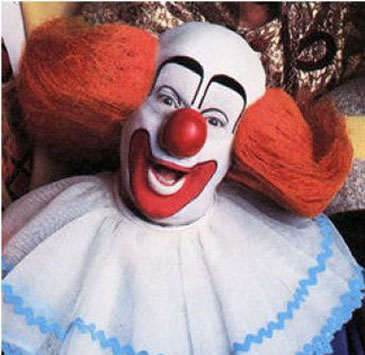
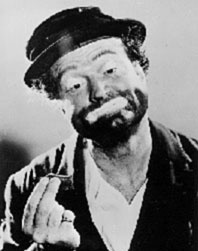
I love clowns. I always have. When I was five I wanted to be a clown. Red Skelton is my personal hero and role model, the reason I became a teacher, to use my clown skills for good rather than evil. But sinister folks who think they are joking are seriously jeopardizing all of that.
In 1988 I did watch and enjoy the movie Killer Klowns from Outer Space. It was funny. And I liked Stephen King’s “It” as a horror movie. It was definitely scary. But 2016 has become the year of the creepy clown. Why would any idiot want to dress up in an expensive horror-clown mask and clown suit to wave at somebody’s security camera at two in the morning? And, Mr. Idiot, did you at least try to figure out if the homeowner was a gun owner in an open carry State? One of the recent clowns to be arrested turned out to be a teenage boy… you know, the ultimate planner and thinker-ahead-er.
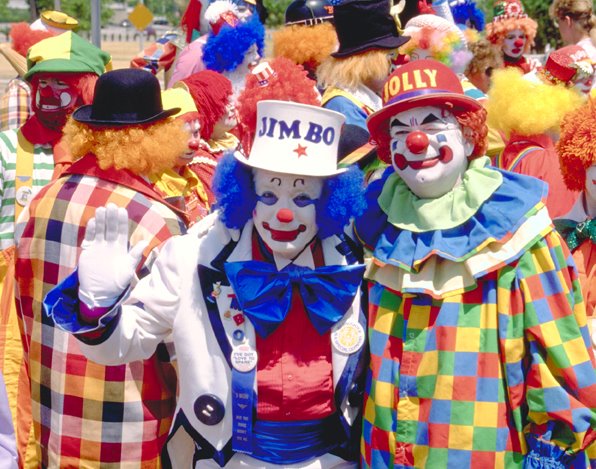
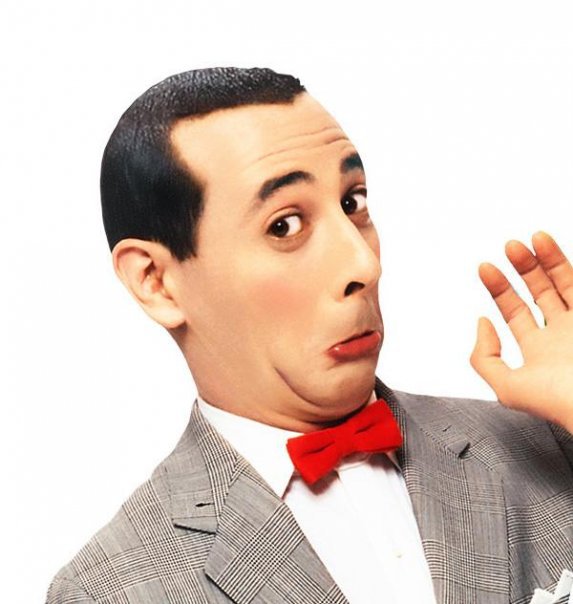
I would like to propose that we prosecute a case or two of creepy clowns in the woods at night with a mandatory “How to Love a Clown” class. After all, clowns are a worthy thing. How many clowns over how many years have handed out candy to kids and brought a smile to small faces during a Fourth of July parade? How many circus clowns like the Great Emmett Kelly made us laugh with a pantomime routine? How many Shrine Circus clowns helped entertain us and raise money to fight childhood disease and cancer? Bob Keeshan who was Clarabell the Clown on Howdy Doody helped raise me and make me the person I am now as Captain Kangaroo. The real creepy clown crime is that they are taking the image of a clown, which is a very good thing and turning it into something bleak and horrifying. My purpose for this post is to remind you of the good things about the people under the face paint. I want you to remember a few of these.
I admit it. Even though I collect pictures of sunrises to glory in the fact that I still have another day of life in this world, I rarely snap a picture of the cloudless sunrise. It is very possible that this has something to do with what ultimately gives life value and makes it worthwhile to live one more day.
If there is no pattern, no color-changes, no contrast, no variation… then why bother? And this doesn’t only apply to living your life. It applies to taking pictures of the sky too. Solid blue or solid yellow are about as interesting as a minimalist painting. (Have you ever seen the big beige squares and red squares that fill entire walls of the Dallas Art Museum? Like a picture of a polar bear in a fierce blizzard or an extreme close-up of the side of a tomato.)
Yes, sunshine and happiness are all well and good… but you don’t get a satisfactory skyscape without some clouds in it. In fact, rain clouds provide the most fascinating patterns and colors. What would the picture be without a little drama splashed here and there to make a center of interest or a counterpoint to the happy ending? They say that variety is the spice of life. And when they say that they probably mean cayenne pepper rather than parsley or oregano. If that’s not what they mean, then why the hell did we bring food into the discussion?
So, I am thinking, there have to be clouds. (Notice, I said “clouds”, not “clowns”, because… according to the song, there “oughtto be clowns”, not “have to be clowns”.)
It is true that clouds can mean sadness… that the rain is coming, that your vision is obscured, that something has come between you and God’s eye. But without clouds, the sky would be plain and boring. Better to burn bright and explode in a short amount of time than to linger over a plain pale blue.
The criminal was led into the courtroom in chains and forced to sit in a box made of metal bars so his influence would not reach out and harm anyone by drawing their sympathy in.
“Mr. Prosecutor,” said the learned judge, “what terrible crime has the perpetrator been charged with?”
“The alleged perpetrator!” objected the defense attorney, a mousy old man who looked like a cross between Santa Clause and Robert E.Lee because of his white beard, stern face, and a twinkle in his eye.
“Shut up please, Mr. Badweather. You will have your turn to speak.” The judge banged his gavel smartly to emphasize the shut-up-ness of his overruling.
“Your honor,” said the prosecutor, “Mister Pennysnatcher Goodlaughs stands accused of being a clown.”
“The people of the State of Texas, home of the free, land of the brave, and place where cowboys can hang their hat on the antlers of a moose they shot in Canada, will prove that Mr. Goodlaughs did willfully, and with malice of forethought, commit acts of supposed humor in order to make people laugh. And we will further prove that in a time of very serious things, he intentionally made light of very serious matters and the very serious men who try to turn those serious things to their exclusive… err, sorry, I mean… everyone’s benefit.”
“Your honor,” said the defense attorney, looking like a cross between Mark Twain and Colonel Sanders, “I would like to request a new venue for this trial. My client will not get a fair trial here.”
“Sir, your stupid request is rejected on the grounds that Mr. Goodlaughs cannot get a fair trial anywhere. We are all conservatives, and are therefore incapable of having a sense of humor. Continue, Mr. Prosecutor.”
“We will show numerous instances of Mr. Goodlaughs putting paint on his face to hide his true features or assume the identity of a character not his own. He has repeatedly used false noses, large shoes, and floppy hats to exaggerate his flaws and scare young children. He repeatedly wears polka-dotted clothing to simulate terrible taste and ridiculous lack of fashion-sense. He employs pratfalls and slapstick humor in his performances, things that, if any school-age child would imitate the behavior, might lead to serious injury or even death. And he has even dared to make fun of our glorious leaders, implying that they make mistakes and may even have hurt people. That they act without thinking about anything but their own pocketbooks. In other words, this clown has knowingly made jokes in order to get people to not take things seriously.”
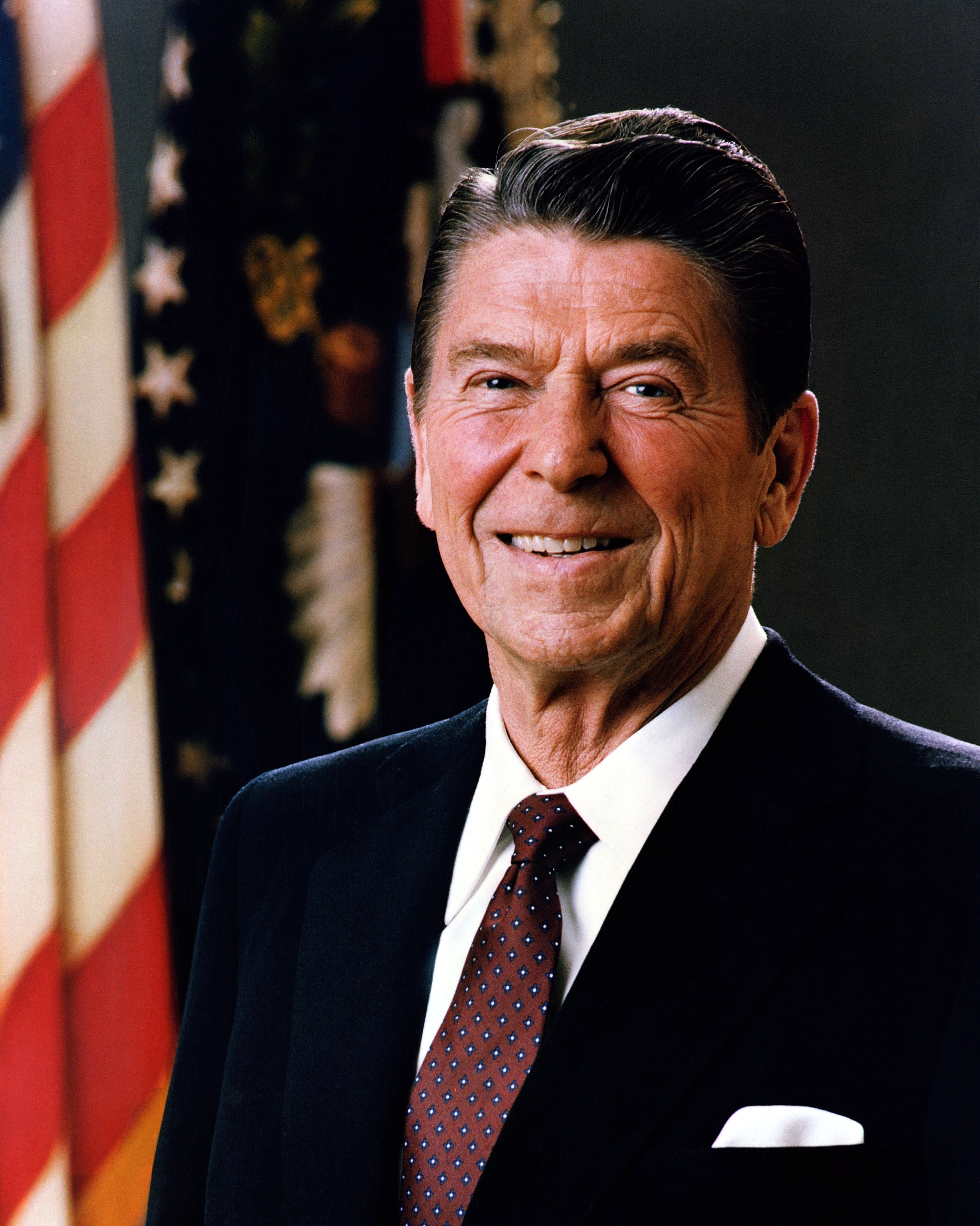
“Your honor, I object to this jury. I object to the fact that it is made up of fifty percent rednecks and fifty percent kangaroos! My client demands a new, more impartial jury!” cried the defense attorney, looking like a cross between Captain Kangaroo and Ronald Reagan.
“Has anybody noticed?” asked the judge, “that this attorney looks like he could influence this jury unfairly? He looks like two people who could lead the two halves of this jury to the wrong conclusion. Bailiff! Take the defense attorney out back and execute him by firing squad.”
After the entire courtroom heard the gunshots go off, the judge then turned to the prisoner.
“It seems, Mr. Goodlaughs, that the defense’s opening statement is now entirely up to you. Do you have anything to say in your own defense?
“I do, your honor. Ladies and gentlemen, kangaroos and Reagan Republicans of the jury, I submit to you that I have never actually been a circus clown, or wore face paint. Not that I wouldn’t if the opportunity presented itself. I merely claim the right to laugh at anything I think is funny… or can be made funny. Whether I am being what you call a clown, a humorist, a cartoonist, a comedian, a fool, a village idiot, or a witty fellow, I believe I have the right to make light of anything. Life is always better when you can laugh. Especially if you can laugh at yourself.”
“I’ve heard enough,” said the judge. “What say you, jury?”
“Guilty!”
“Yes. And I preemptively waive the prisoner’s right to appeal. Sir, you are guilty, and you shall be executed immediately.”
Everyone in the courtroom breathed a long-awaited sigh of relief.
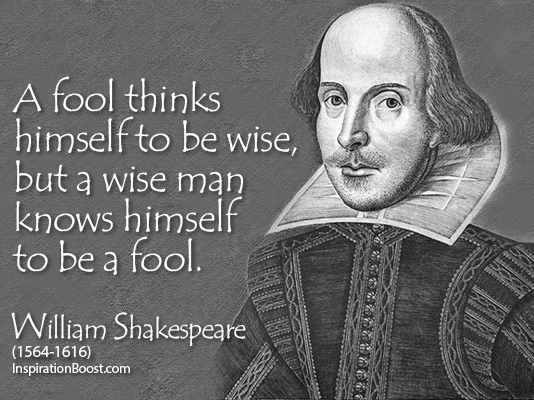
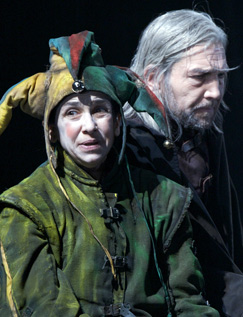
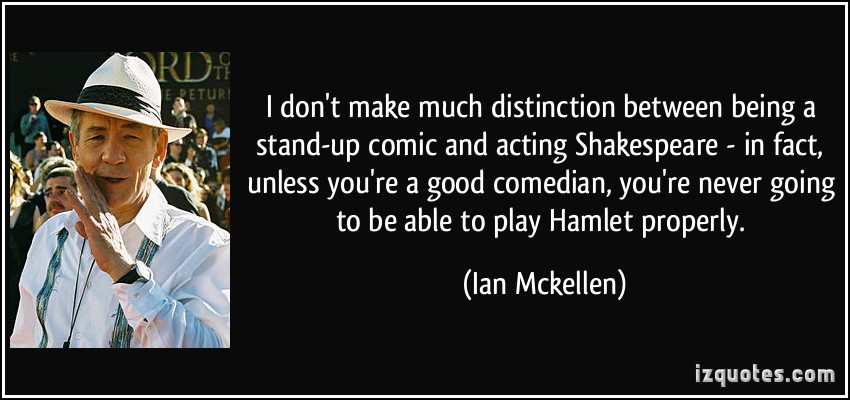
The fact that Shakespeare was a master of the art of creating and mocking fools does not really help decide the question of who Shakespeare really was. A stage actor who owned a theater in Elizabethan times and apparently focused on being the bit player, the butler, the second man on the castle wall in the great plays, would certainly know enough of flim-flam, being a con man, or artfully throwing turds at kings and queens in ways that get rewarded rather than beheaded. But a nobleman who has unpopular and unwelcome-but-probably-wise insights into the back-stabbing-goings-on of the royal court of England would equally be capable of putting the most memorable of critiques of humanity into the mouth of the fool or the clown in the great stage-play of life. Even the most depressing and violent of Shakespearean tragedies is enhanced and made pointed by the presence of the fool and the comic relief. In some ways, everything that Shakespeare wrote was a comedy.
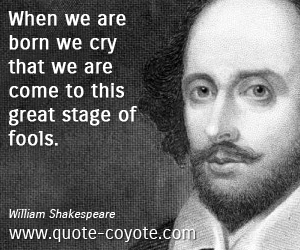
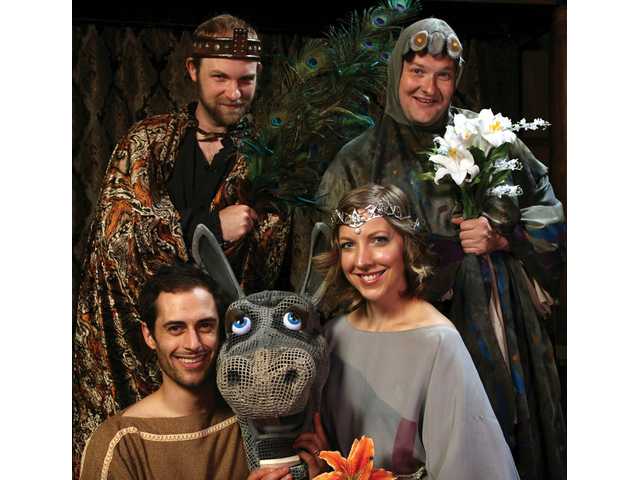
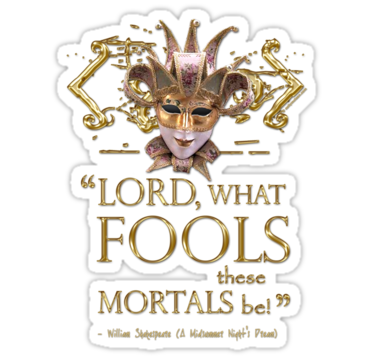
Whoever Shakespeare was, he shared Mark Twain’s overall assessment of “That damned human race” and often declared all men fools in the eyes of the playwright. Puck’s observation on humanity is delivered about not only Bottom and the other poor players who carry on their vain attempts at performing Pyramus and Thisbe while Bottom magically wears the head of an ass, but also the easily fooled lovers who mistake their true loves for one another, and even the clueless mortal King Theseus of Athens.
In the play within a play, Nick Bottom wants to be not only his own role, Pyramus the romantic lead, but argues that he should be Thisbe, the lion, and Pyramus all at once, making a satire of human nature and its overreaching ways that we could only pray Donald Trump will one day watch and magically understand. In fact, Shakespeare’s entire body of work is an extended investigation of foolishness versus wisdom, and with Shakespeare, the verdict always goes to the fool.
The plays of William Shakespeare are filled with fools doing foolish things… and fools being accidentally wise. (Think Jacques in As You Like It giving his famous “All the world’s a stage” soliloquy in which he elucidates the seven ages of man.) There are fools too who prove to be wise. (Think of the ironic advice given by the jester Touchstone in As You Like It, or the pithy commentary of King Lear’s fool). The fools in Shakespeare’s work are not merely the comedy relief, but the main point that Shakespeare makes about humanity.
Whoever the man was who wrote the plays of Shakespeare, he was someone who had a deep understanding of the basic irony underlying all of human life. And someone with that vital sense of the bittersweet, a philosophy of life that encompasses the highest heights and lowest depths that a soul can reach, is someone who has suffered as well as known great joy, someone who has experienced loss as often as profit, and has known real love as well as real hatred. It is the fool that Shakespeare shakes us by the neck with to make us recognize the fool in all of us which makes the plays resonate so deeply within us. It is watching the path of the fool unfolding that makes us shake our head and say to ourselves, “Yes, that is what life is really like.”
Charles Dickens, William Shakespeare, Walt Disney, and Edgar Allen Poe (the four clowns depicted above) all probably had times in their writing life when they didn’t really have anything to write about. Charles Dickens couldn’t think of anything but his time in the boot-black factory and the misery he felt as a child raised in poverty. So, what did he do? He created Wilkins Micawber as a stand-in for his ne’er-do-well father who always believed, “Something will presently turn up.” And he wrote the semi-autobiographical novel David Copperfield.
William Shakespeare didn’t actually write anything with his grade-school education and limited knowledge of the world. But when the Earl of Oxford who used his name as a nom de plume could think of nothing, he thought of ending it all, and the “To-be-or-not-to-be…” play, Hamlet, poured out of his quill pen onto paper.
And when Walt Disney rode the train in defeat, having lost his best comic character for cartoons, Oswald the Rabbit, to his old boss, he doodled a mouse and named him Mickey, even providing Mickey’s falsetto voice for decades on the silver screen. Oh, and claiming the rights to any further characters his studios produced… to this day.
Poe looked at the bust over his chamber door… and saw a raven. Instantly, NEVERMORE.
Now it’s Mickey’s turn to write about nothing, and try to live up to the nothing-masters’ artistic masterpieces of yore. For instance, the boy in the picture. I drew him from a nude model in a black-and-white photo. Nobody in class, not even the one who brought the picture, ever told me his name. And the class was forty-four years ago now. So, assuming the picture wasn’t old back then, the boy is now older than fifty-four, and possibly significantly older than that now. So it is a picture of a nude nobody in front of an abandoned house in the snow however-many years ago in a place that is probably nowhere now. And I won’t even mention the imaginary puzzle pieces floating through the air for nobody to put together. What’s that? I just mentioned them? What did I mention? They are really just nothing.
So, there is a time and a place for writing about everything. Even if that everything includes nothing… and that nothing is nowhere… and is about nobody.
The fact that Shakespeare was a master of the art of creating and mocking fools does not really help decide the question of who Shakespeare really was. A stage actor who owned a theater in Elizabethan times and apparently focused on being the bit player, the butler, the second man on the castle wall in the great plays, would certainly know enough of flim-flam, being a con man, or artfully throwing turds at kings and queens in ways that get rewarded rather than beheaded. But a nobleman who has unpopular and unwelcome-but-probably-wise insights into the back-stabbing-goings-on of the royal court of England would equally be capable of putting the most memorable of critiques of humanity into the mouth of the fool or the clown in the great stage-play of life. Even the most depressing and violent of the Shakespearean tragedies is enhanced and made pointed by the presence of the fool and the comic relief. In some ways everything that Shakespeare wrote was a comedy.
Whoever Shakespeare was, he shared Mark Twain’s overall assessment of “That damned human race” and often declared all men fools in the eyes of the playwright. Puck’s observation on humanity is delivered about not only Bottom and the other poor players who carry on their vain attempts at performing Pyramus and Thisbe while Bottom magically wears the head of an ass, but also the easily fooled lovers who mistake their true loves for one another, and even the clueless mortal King Theseus of Athens.
In the play within a play, Nick Bottom wants to be not only his own role, Pyramus the romantic lead, but argues that he should be Thisbe, the lion, and Pyramus all at once, making a satire of human nature and its overreaching ways that we could only pray Donald Trump will one day watch and magically understand. In fact, Shakespeare’s entire body of work is an extended investigation of foolishness versus wisdom, and with Shakespeare, the verdict always goes to the fool.
The plays of William Shakespeare are filled with fools doing foolish things… and fools being accidentally wise. (Think Jacques in As You Like It giving his famous “All the world’s a stage” soliloquy in which he elucidates the seven ages of man.) There are fools too who prove to be wise. (Think of the ironic advice given by the jester Touchstone in As You Like It, or the pithy commentary of King Lear’s fool). The fools in Shakespeare’s work are not merely the comedy relief, but the main point that Shakespeare makes about humanity.
Whoever the man was who wrote the plays of Shakespeare, he was someone who had a deep understanding of the basic irony underlying all of human life. And someone with that vital sense of the bittersweet, a philosophy of life that encompasses the highest heights and lowest depths that a soul can reach, is someone who has suffered as well as known great joy, someone who has experienced loss as often as profit, and has known real love as well as real hatred. It is the fool that Shakespeare shakes us by the neck with to make us recognize the fool in all of us which makes the plays resonate so deeply within us. It is watching the path of the fool unfolding that makes us shake our head and say to ourselves, “Yes, that is what life is really like.”
Skyscapes of the Cloudy Mind
I admit it. Even though I collect pictures of sunrises to glory in the fact that I still have another day of life in this world, I rarely snap a picture of the cloudless sunrise. It is very possible that this has something to do with what ultimately gives life value and makes it worthwhile to live one more day.
If there is no pattern, no color-changes, no contrast, no variation… then why bother? And this doesn’t only apply to living your life. It applies to taking pictures of the sky too. Solid blue or solid yellow are about as interesting as a minimalist painting. (Have you ever seen the big beige squares and red squares that fill entire walls of the Dallas Art Museum? Like a picture of a polar bear in a fierce blizzard or an extreme close-up of the side of a tomato.)
Yes, sunshine and happiness are all well and good… but you don’t get a satisfactory skyscape without some clouds in it. In fact, rain clouds provide the most fascinating patterns and colors. What would the picture be without a little drama splashed here and there to make a center of interest or a counterpoint to the happy ending? They say that variety is the spice of life. And when they say that they probably mean cayenne pepper rather than parsley or oregano. If that’s not what they mean, then why the hell did we bring food into the discussion?
So, I am thinking, there have to be clouds. (Notice, I said “clouds”, not “clowns”, because… according to the song, there “ought to be clowns”, not “have to be clowns”.)
It is true that clouds can mean sadness… that the rain is coming, that your vision is obscured, that something has come between you and God’s eye. But without clouds, the sky would be plain and boring. Better to burn bright and explode in a short amount of time than to linger over a plain pale blue.
Leave a comment
Filed under clowns, commentary, foolishness, humor, photo paffoonies
Tagged as clouds, humor, metaphor, photography, sunrises, weather, writing