
This is another in my continuing series of Saturday night D&D posts, though it was written on Saturday morning and contains no Dungeons and Dragons information whatsoever.
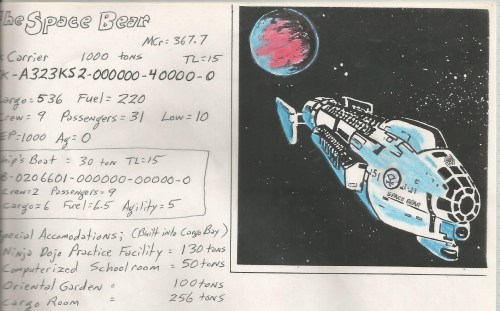
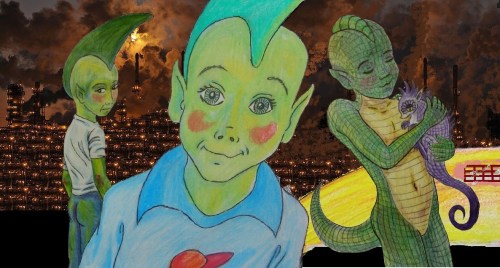
The Space Bear was a travelling space ship/school.
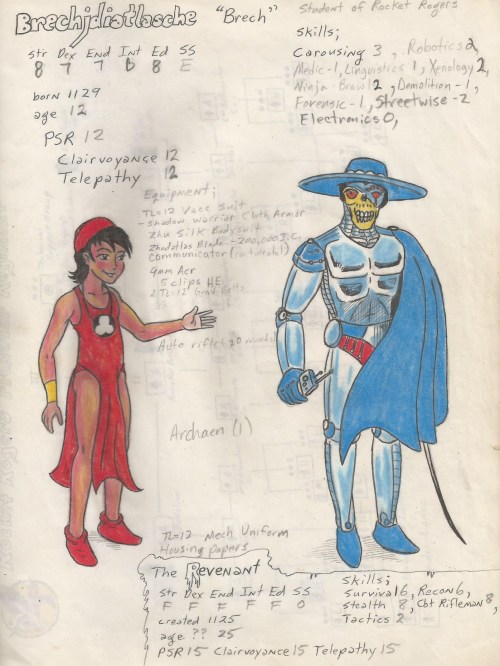
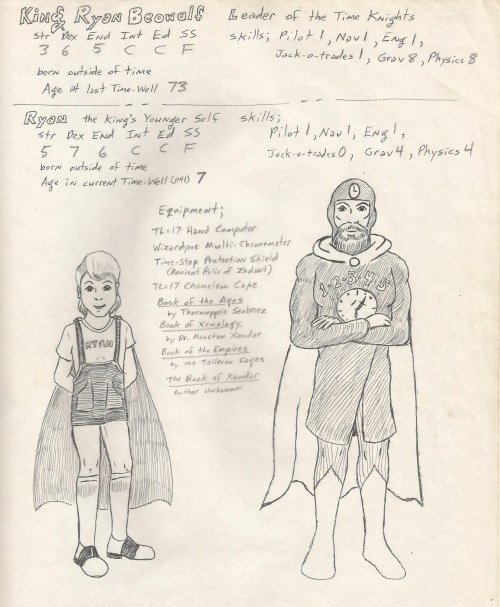
You see, in the early 1980’s, I got in trouble with Baptists for playing Dungeons and Dragons with kids from school because… well, demons and dragons are evil, right? Apparently even the imaginary ones in games and illustrations. So I turned my attention to science fiction games. Traveller was my rule system, and all science fiction was my campaign. And then in 1986 Ronald Reagan and NASA decided to blow up the first teacher in space aboard the Challenger shuttle mission. So, my Traveller game became less about “explore and conquer” and more about “teachers in space”.
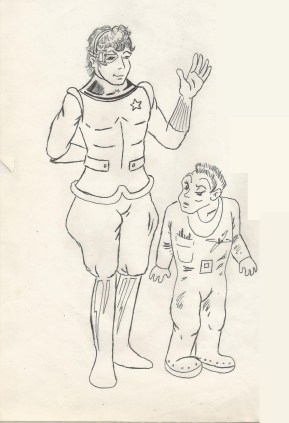
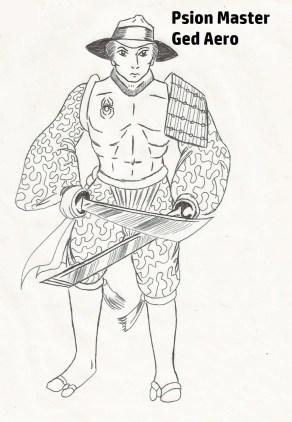 Ged Aero was the player character of one of my favorite kids. He was a psionic shape-changer who could transform into other animals, space creatures, and alien beings. He became so powerful that he naturally inherited the job of leader of the Psionics Institute, a criminal teachers’ union that taught psionic skills to psionically talented kids. It was a criminal organization because the semi-fascist government of the Third Imperium had made psionics illegal. He gathered students and taught them to use their powers for good. The students were all non-player characters to start with, but as new kids from school wanted to play the game too, and player characters were needed, the students of Ged’s psionics dojo became player characters.


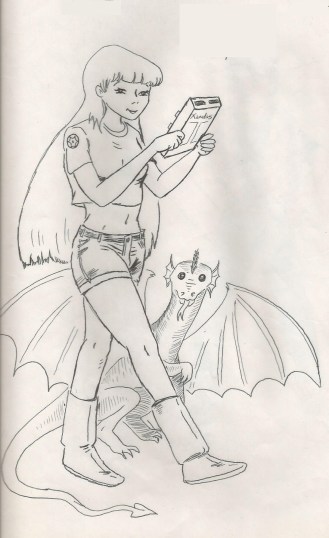
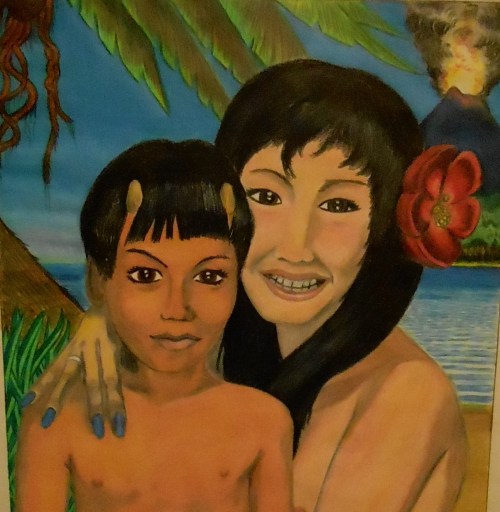
Junior Aero, a former student and the adopted son of Ged’s deceased brother Hamfast, grew up and became a player character himself. He taught psionics, being a telepath who could talk to computers and robots that were self-aware. His wife, Sarah Smith Aero, also became a teacher. She and Junior had twins, a boy and a girl, both genetically Nebulons, and both destined to be students aboard the Space Bear.
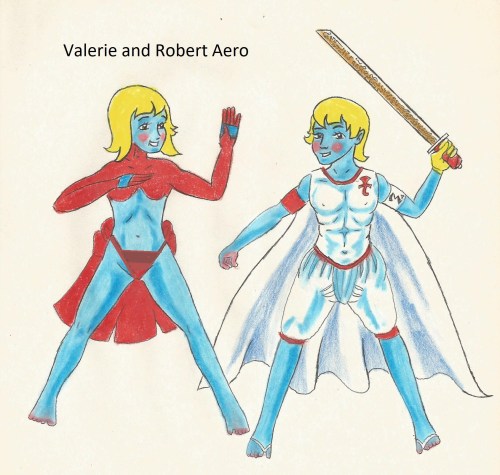
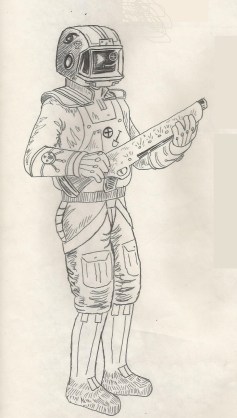
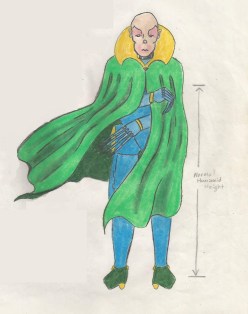
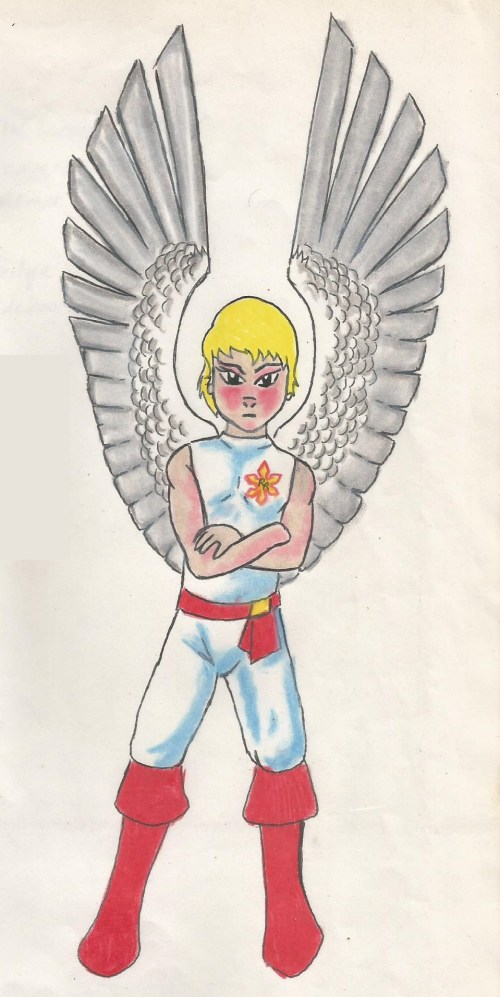
Of course, you may have noticed a K’ung Fu sort of thing going on in the illustrations I am showing you. That was because one time as Ged was in dinosaur form and fighting with a ninja swordmaster, he won the fight by eating the ninja. His shape-changing power then absorbed all the muscle memories and martial arts training of the ninja he ate. So, his students would not only become psionic masters of mind manipulations, but ninja warriors as well.


So, whether they liked it or not, my Traveller players had to learn to teach their skills to others, lead students through complex adventures and problem=solving situations, and basically do themselves a lot of the same things they saw me doing in school all as part of a role-playing game. You see, that was one of the main dangers of playing role-playing games on Saturdays with that kooky English teacher in South Texas. The danger was, you might actually have to learn something. Although, most of them probably didn’t realize that that was precisely what they were doing. They thought we were just playing games, or junk like that.

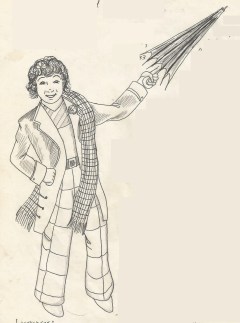


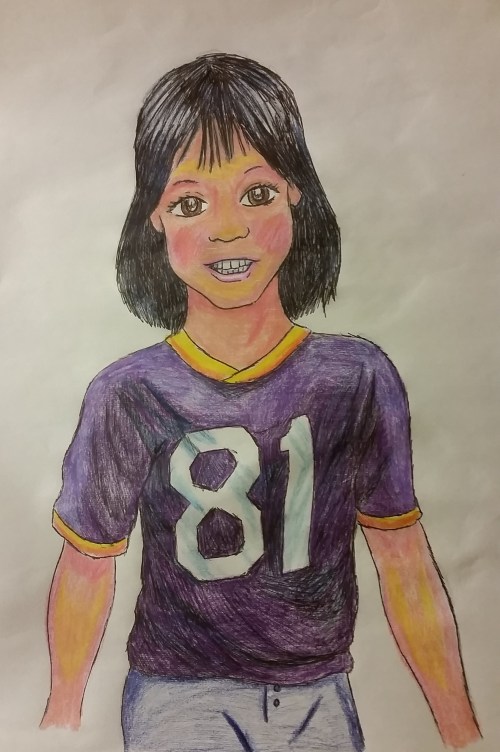
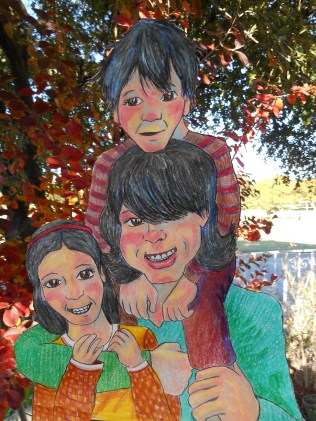
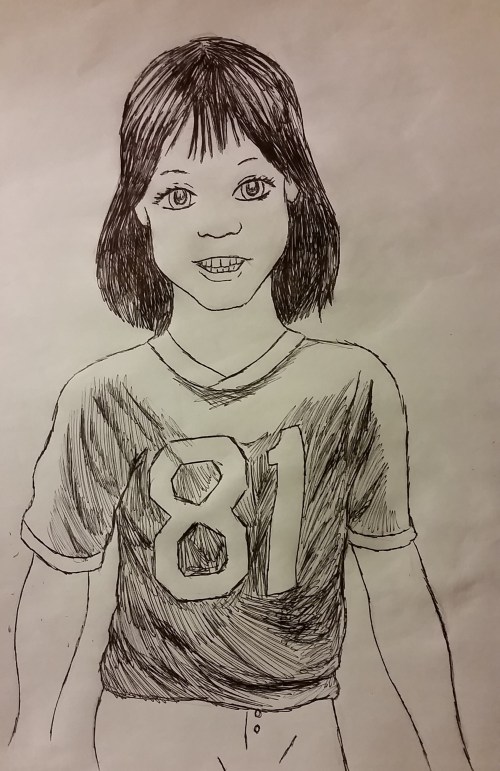
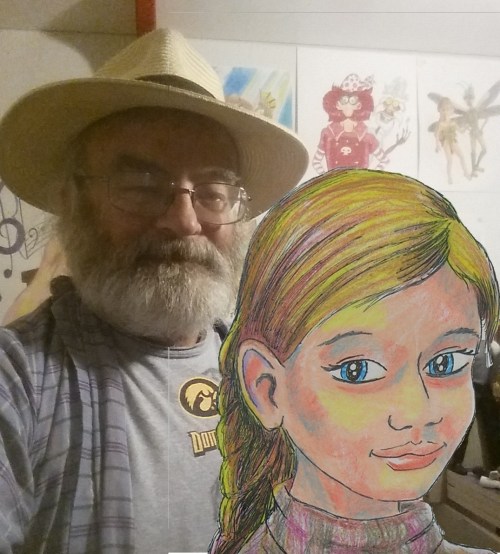





Homely People
I prefer to write about, think about, and draw pictures of homely people. But don’t mistake me. I am not talking about ugly people. Our President, the giant blood sausage with a bird’s nest on top that we have put in charge of making us all feel sick to our stomachs every day, demonstrates what ugly means. Ugly is not just weird and interesting to look at, it is also repellent behavior that makes physical flaws take a back seat… no, a rumble seat in the trailer behind by comparison.
I am talking about the ordinary people back home. The ones that may be sitting by your own fireplace on a cold day trying to warm their hands after throwing snowballs outside. And, of course, that snowball that hit Maggie Doozman in the side of the face and knocked her glasses off, made you laugh for an instant, until you realized she was crying, and Kirk Longhatter didn’t even apologize for throwing so hard, so you went over and picked her glasses up for her and handed them to her, and she smiled at you through the tears. That is the kind of homely I mean.
There is a lot that is beautiful in homely people. Sure, maybe not a classically beautiful Elizabeth Taylor face or a Gregory Peck lantern jaw. Maybe not even a shapely behind or a graceful step when walking across the street. But ordinary beauty. Kindness. Humility. Determination in the face of long odds. Good-natured jokery. A touch of childish silliness. A moon face that actually shines when a smile lights it up. That is beauty that can be found in homely people.
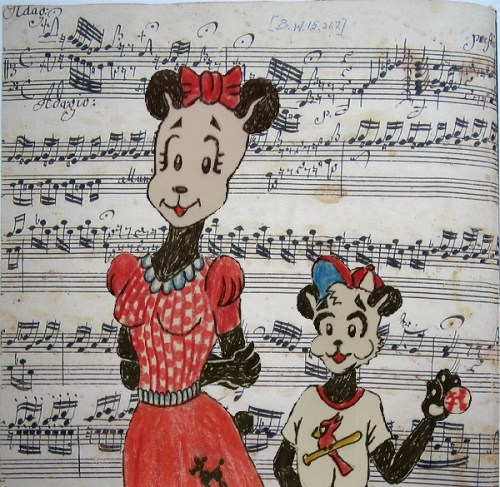
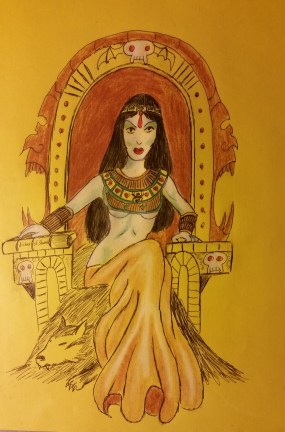
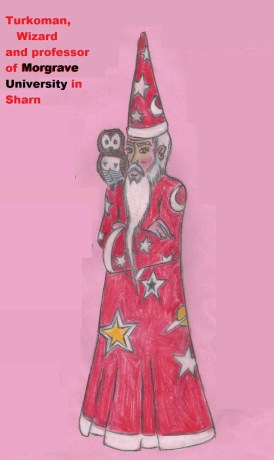
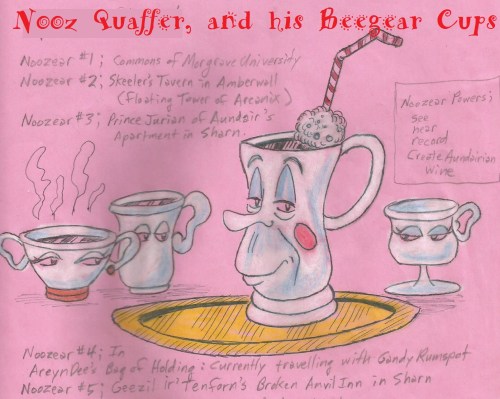
You’ve probably figured out by now that this post is just an excuse to show off some goofy old off-kilter portraits I did. But that doesn’t change the fact. I do love homely people.
This slideshow requires JavaScript.
3 Comments
Filed under artwork, autobiography, cartoons, characters, commentary, compassion, humor, insight, Iowa, Paffooney, strange and wonderful ideas about life