
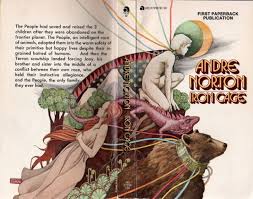
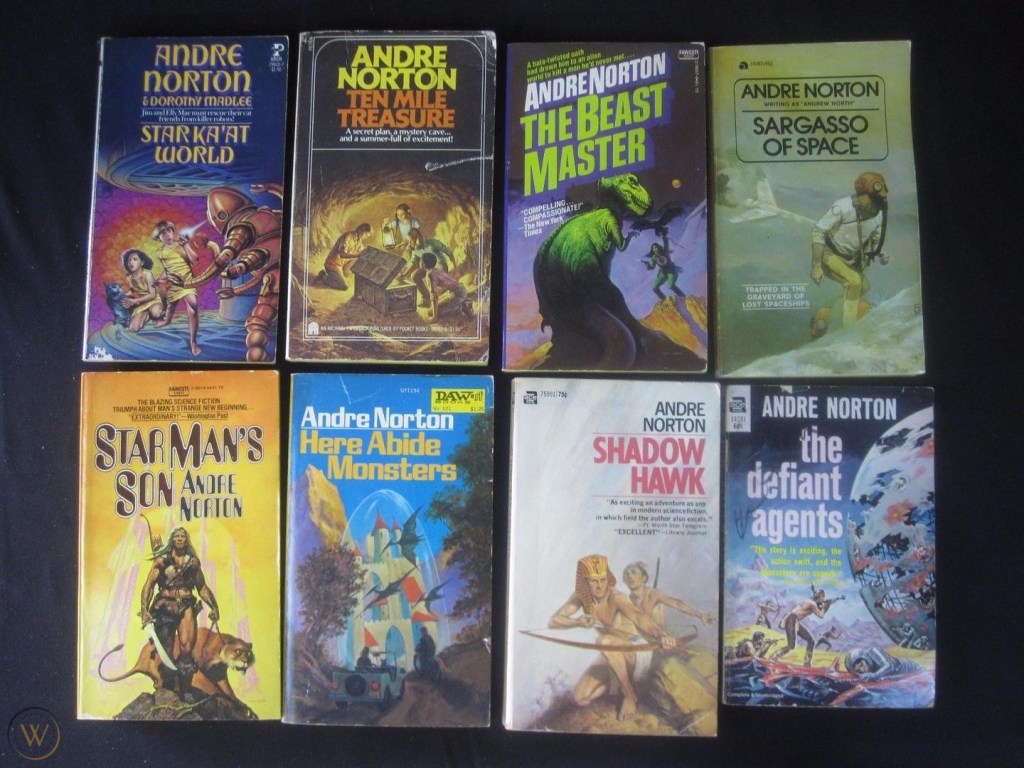
It began for me in 1977 with this wrap-around cover illustration. I knew there were a lot of this guy’s books on the shelves of the college bookstore along with works by Robert E. Howard, Roger Zelazney, and Theodore Sturgeon. And I knew this guy had also written paperback books under the name “Andrew North”, a name I had seen on the twenty-five cent novels in the drugstore where you could buy the really good pulp fiction novels only slightly used.
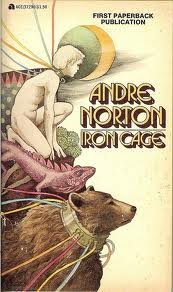
I had never before bought one of his books. And the book money I had for the fall quarter at Iowa State was supposed to all go towards the book-list given to me as a Junior-level English major. But the naked kid on the cover had a wired-up collar around his neck. And I had only recently recovered long-suppressed memories of being a victim of a sexual assault. I had to have it. I had to know what that illustration had to do with the story inside.
So, I bought a book that I judged by its cover.
And it was not the wrong thing to do.
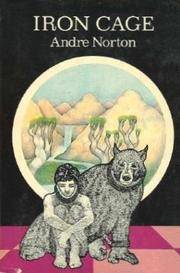
The main character was a boy named Jony, the naked boy on the cover of the book. He is taken by alien beings as a study specimen along with his mother, the pregnant woman on the back of the wrap-around illustration. The story starts with Jony in a cage, treated like an animal. His mother, also a study specimen has been mated to a Neanderthal-like humanoid specimen who cannot speak, and she has given birth to twins, a boy, and a girl. They are kept in separate cages by their inhuman captors.
Jony manages a mass escape, taking his mother and his younger siblings with him, and releasing as many of the other study specimens as he can. Luckily they escape onto a very earth-like planet. But unluckily, the mother is in very poor health and dies soon after escaping. Jony is then responsible for his little brother and sister in a wilderness that is not empty of others. Luckily, the others they first run afoul of are the bear-like ursine aliens who share their need to not be recaptured by the zoo-keeper aliens.
It was a perfect novel for me. I identified strongly with the main character, who had been violated in a very personal way by monsters. And then had to build a new life in a world full of potential other-monsters. Andre Norton shared my pain and helped me overcome it.
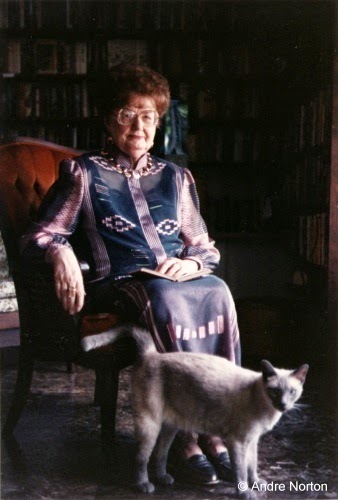
But she also fooled me big-time. She was not a he.
She was a librarian and editor of pulp fiction who wrote enough sci-fi and fantasy in the 50’s, 60’s, and 70’s to finally become a full-time author.
She was already on book number 29 when she retired from being a librarian to write full time.
And I would go on to own and read several of her other books, which were good, but never quite lived up to that first one I read. Of course, that may have been because of the timing and circumstance that led me to a book that I actually needed to read. That book set me on the road to recovery from my personal darkness. And it may have sparked in me the need to eventually become a nudist. And more important than that, it may have led me to a lifelong need to teach reading.
Andre Norton was a real writer. And she made me one too. Though I never knew who she really was until after I bought that book because of the picture on the cover. And I never got around to properly thanking her for all of that… Until this very moment.






![Recipes for Gingerbread Children by [Beyer, Michael]](https://images-eu.ssl-images-amazon.com/images/I/51rYQ0Eqg4L.jpg)

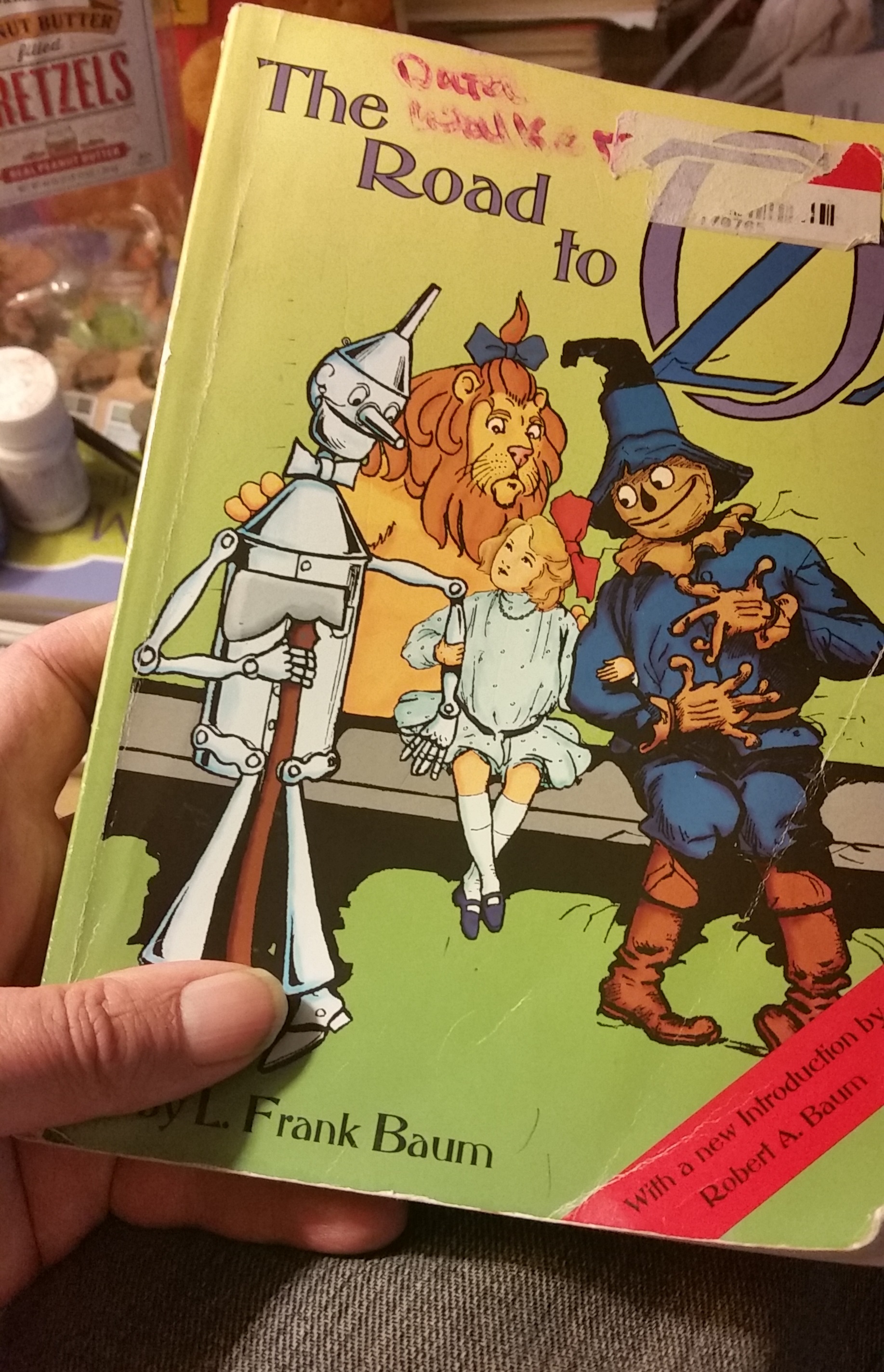
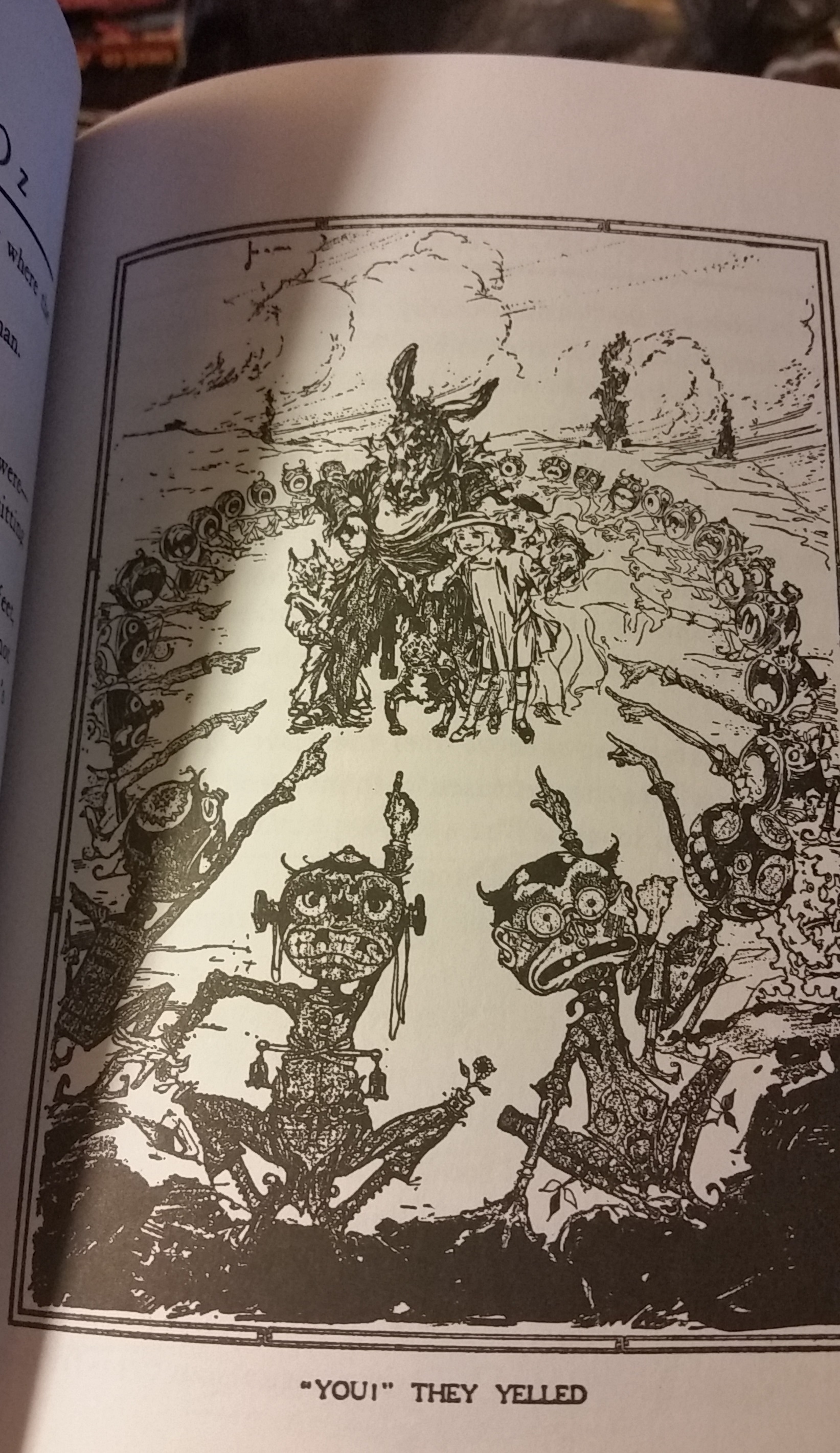
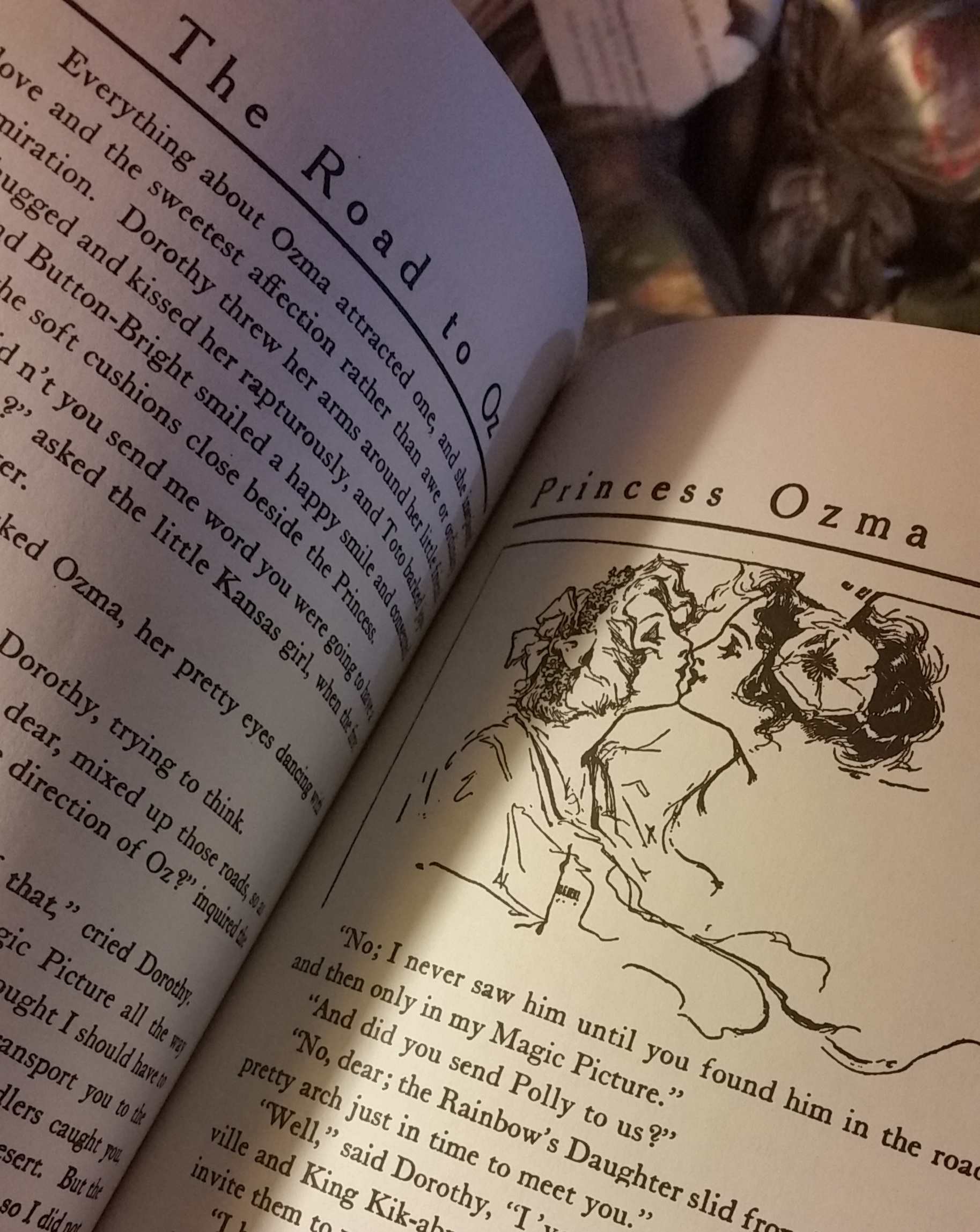
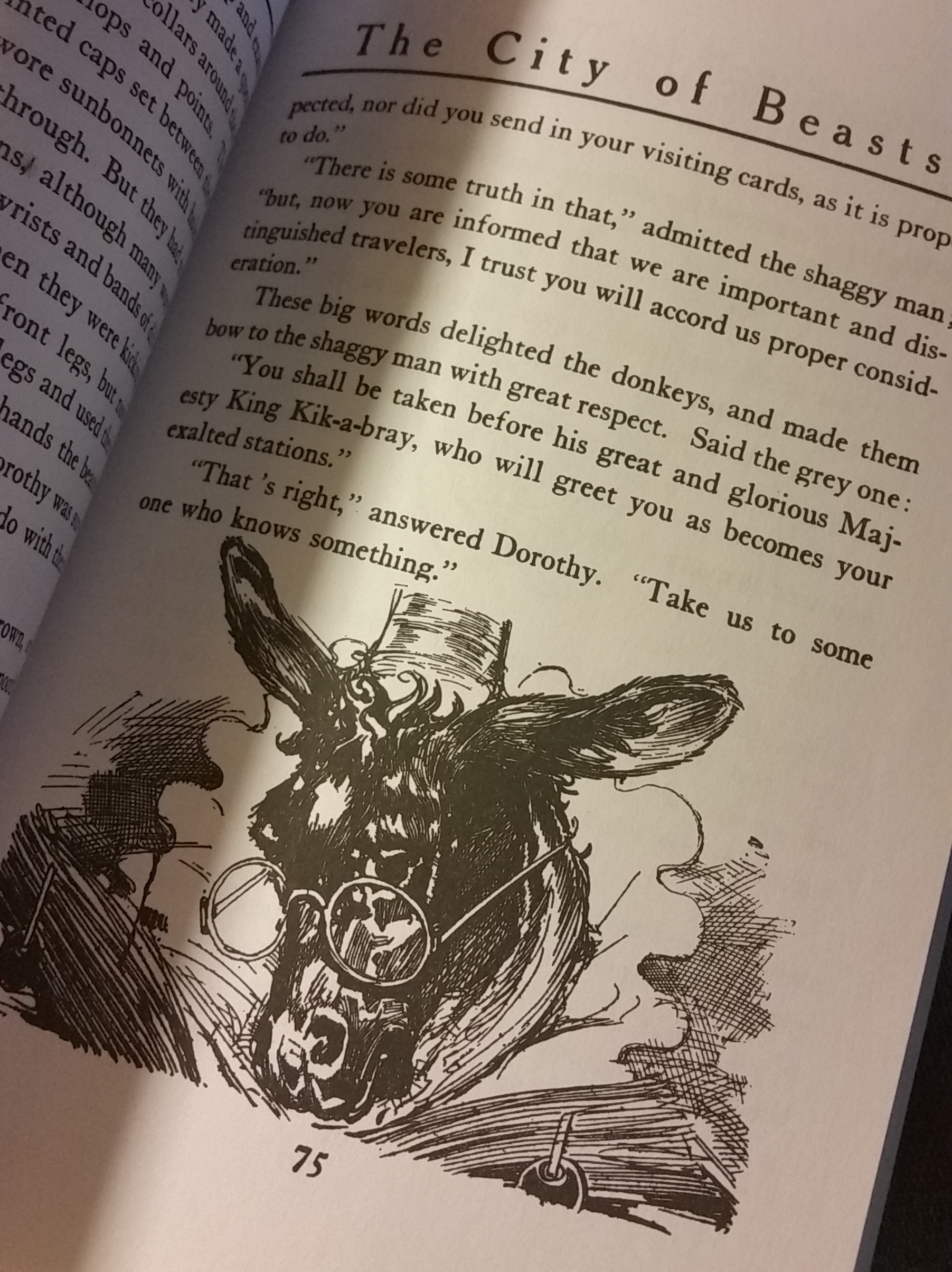


Success is All in My Head
Like any Indie writer who has had enough of paying publishers to publish my work, any tiny bit of success is immediately seized upon and cherished, and immediately all goes into my head to swell the ego and make me strut like a rooster in the barnyard who doesn’t realize the next step for him is either the stew-pot or the oven.
I have read enough Indie books to realize that a vast majority of them are written by strutting roosters that, once their head is removed, still won’t realize that they are not the greatest writer since Hemingway and Faulkner. (They can’t compare themselves to Donald Barthelme, or James Thurber, or J.D. Salinger because most of them have never heard of those writers, let alone read anything like City Life, My Life and Hard Times, or Franny and Zooey.) I confess… At least I know I am no Hemingway or Faulkner. But I continue to protect my delusion that I am a good writer of young adult novels.
But this week I got more sugar pills for the ego in the form of reviews and evidence that people are actually reading my books.
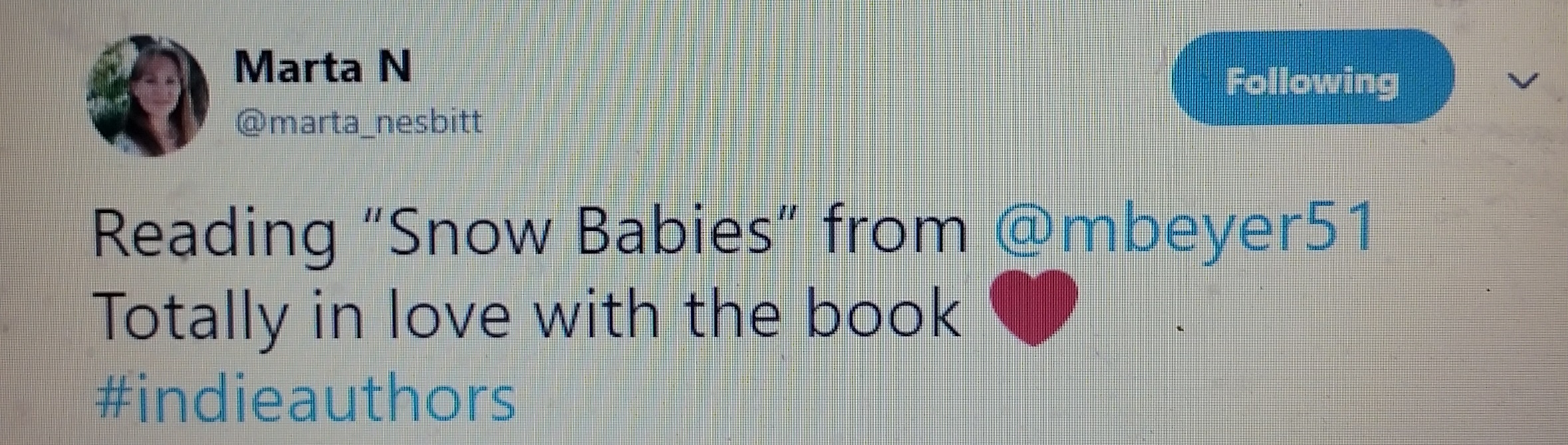
My teacher story, Magical Miss Morgan got read at least twice on Amazon Prime, one of those yielding another 4-star review. And A Field Guide to Fauns got its first review, a 5-star review, that can be seen here;http://tvhost.co.uk/april-and-may-reading
That review is written by a fellow author whose novels also contain nudist characters like the Field Guide does.
So, a little bit of success like that makes the old heart keep pumping with hope. But I am still a long way from any kind of financial proof or critical acclaim sort of proof that I am a successful writer. Any notions of success are still all in my head. And that’s where they really ought to be. After all, it is only my belief that my writing is worth doing that will cause any more of it to happen. And more of it should happen. Otherwise my head might explode. And wouldn’t that be a terrible mess?
Leave a comment
Filed under book review, commentary, humor, maps, novel writing, Paffooney, publishing, strange and wonderful ideas about life, writing humor
Tagged as Writing success