
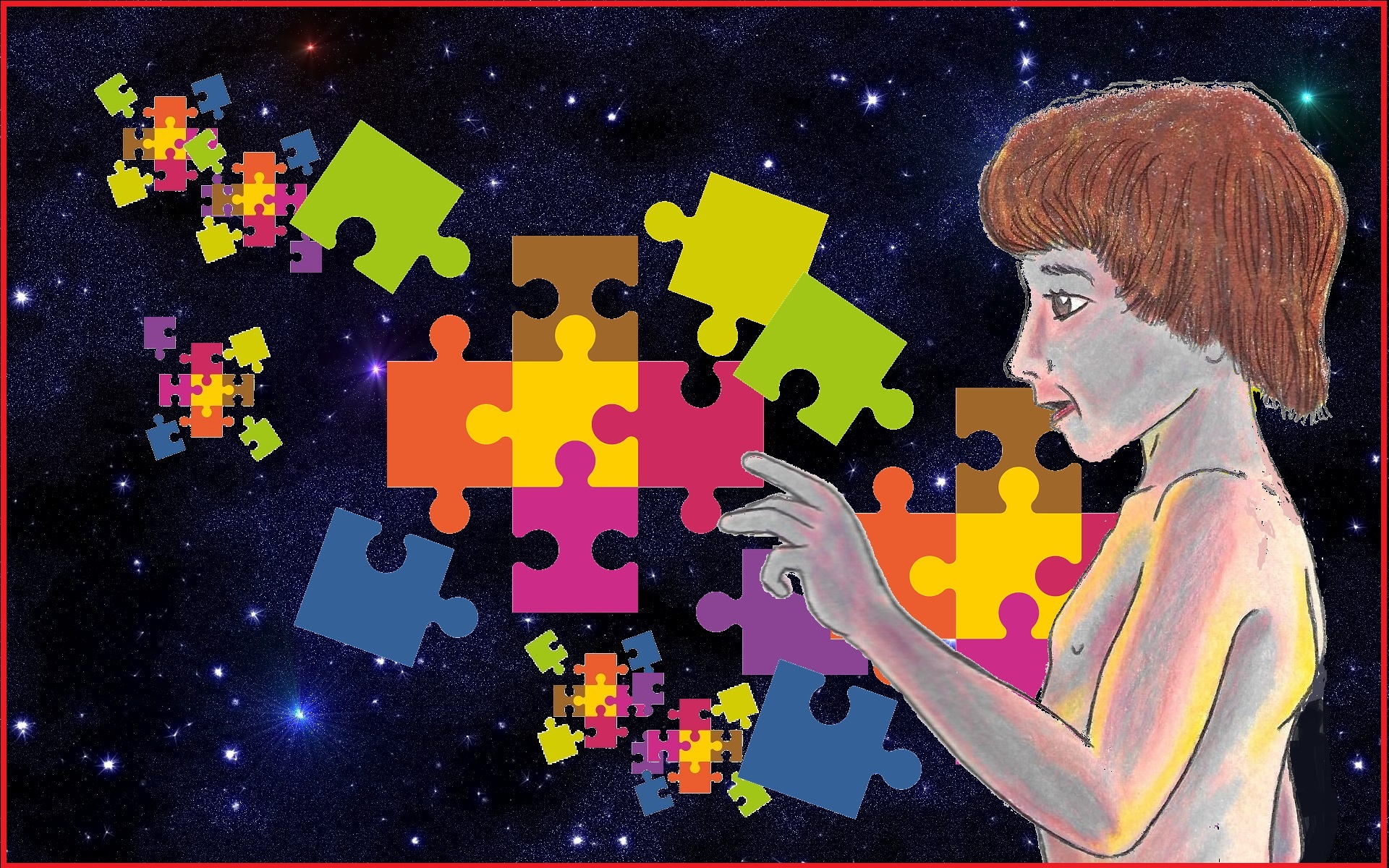
I have currently two complete novels that are on the verge of being published. I have more ideas percolating and taking shape as new novels. I have the same sort of Stephen King novel-making machine working for me that lots of prolific authors have working for them. I am regularly churning out a variety of books.
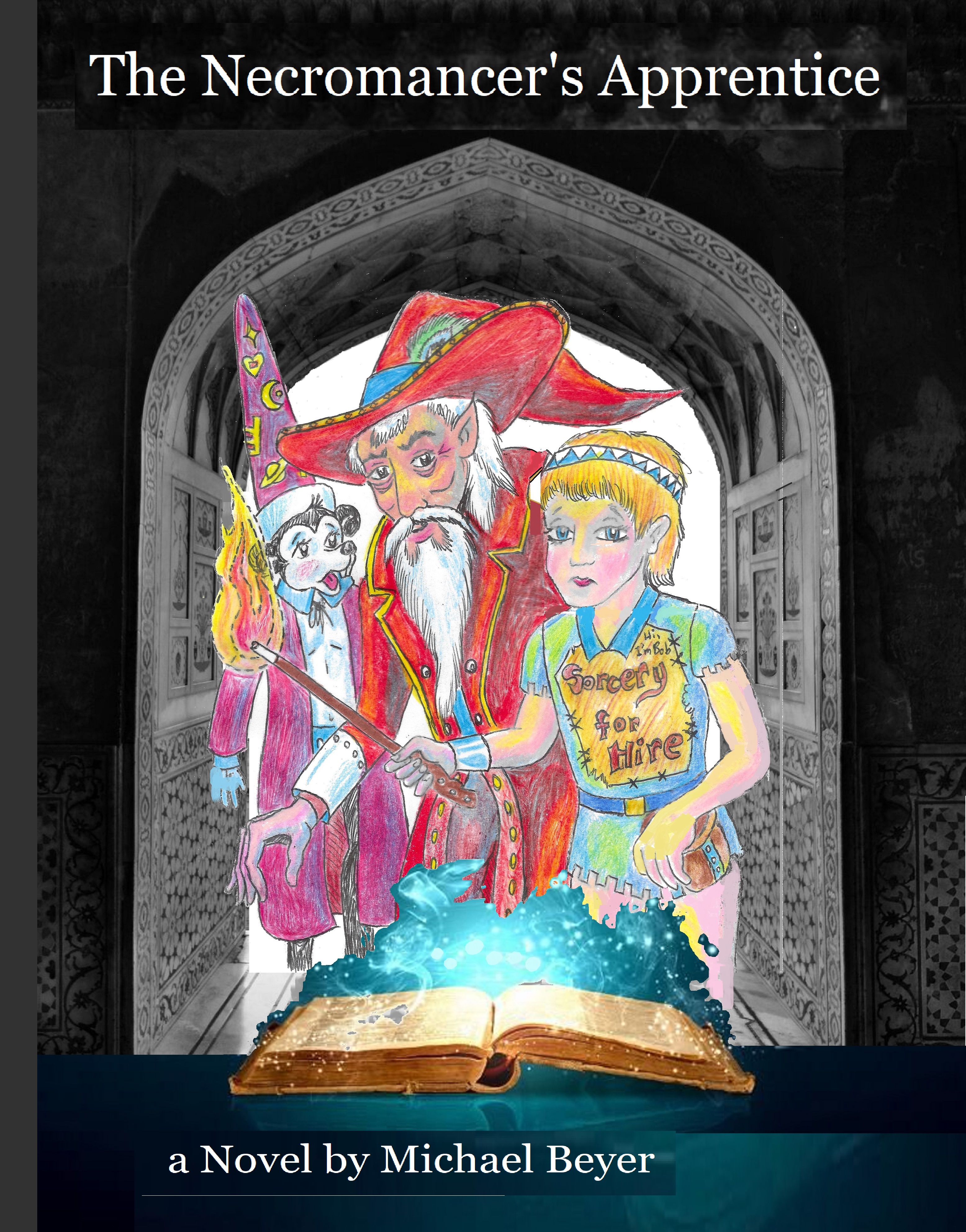
Both of my most recent books spent time on the Tuesday novel-writing post where I publish a finished chapter of a work in progress as if I were publishing it in serial form. This is useful in meeting deadlines in that it guarantees progress is definitely made every week.
It can also provide a means of writing two novels at the same time.
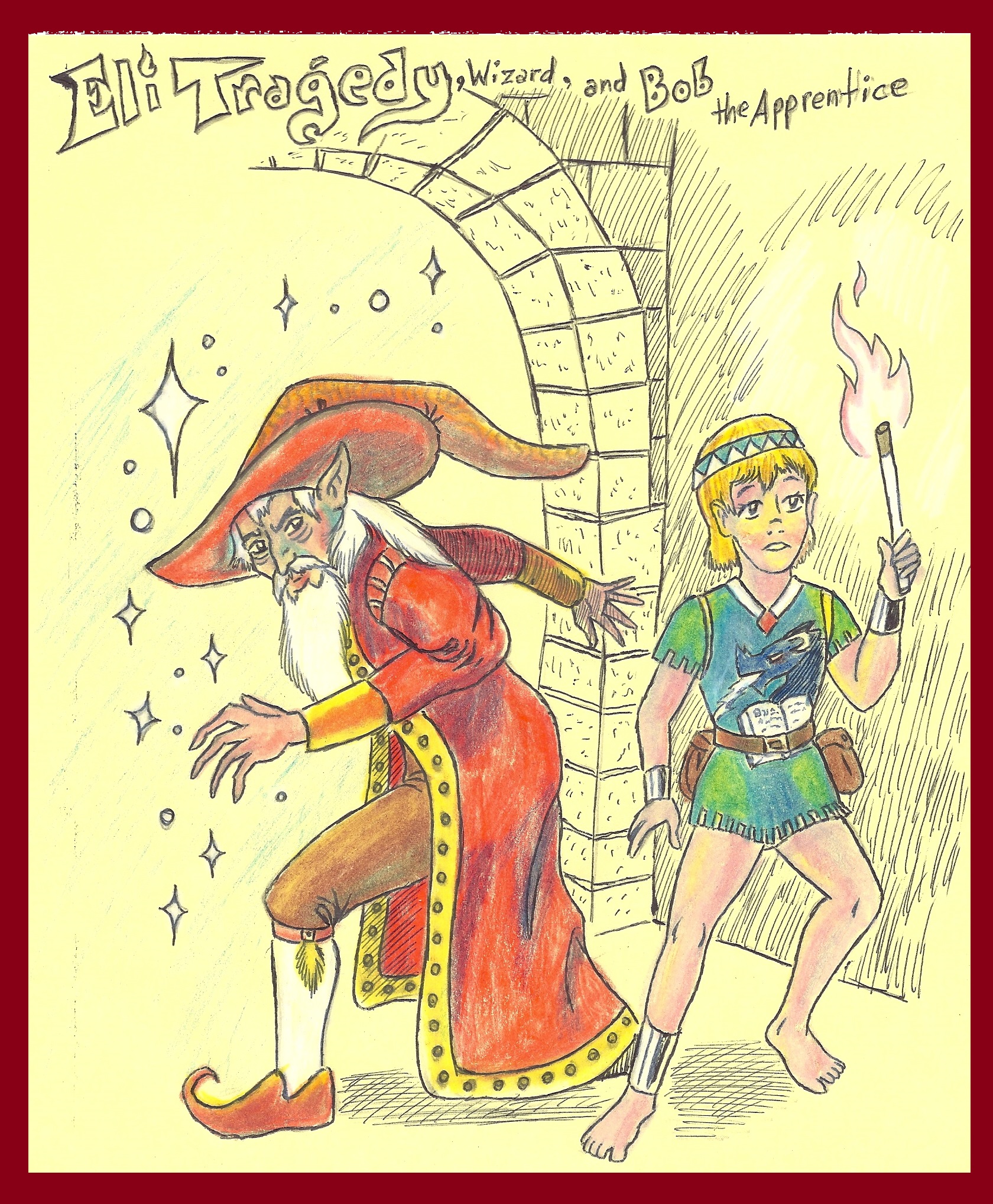
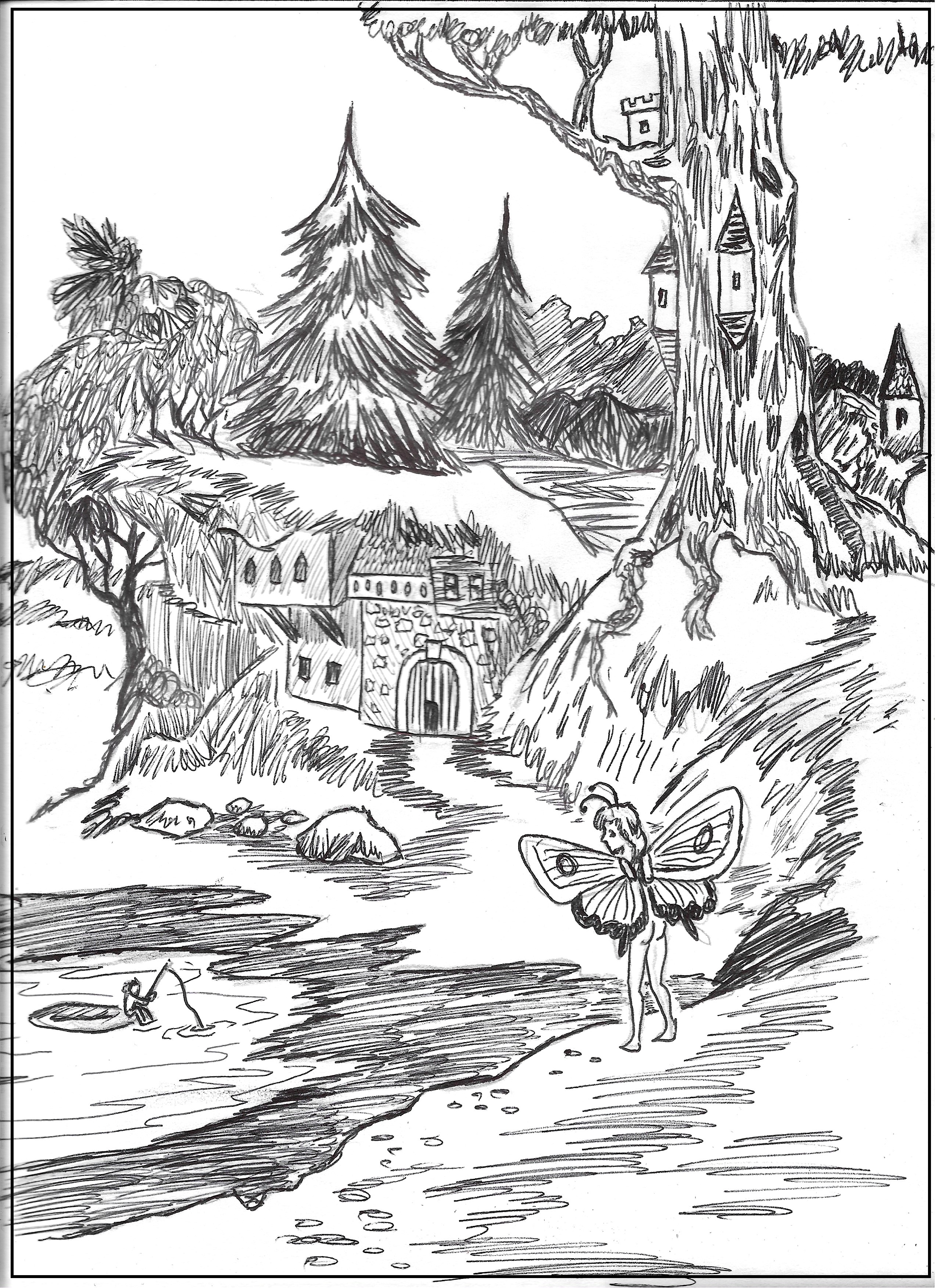
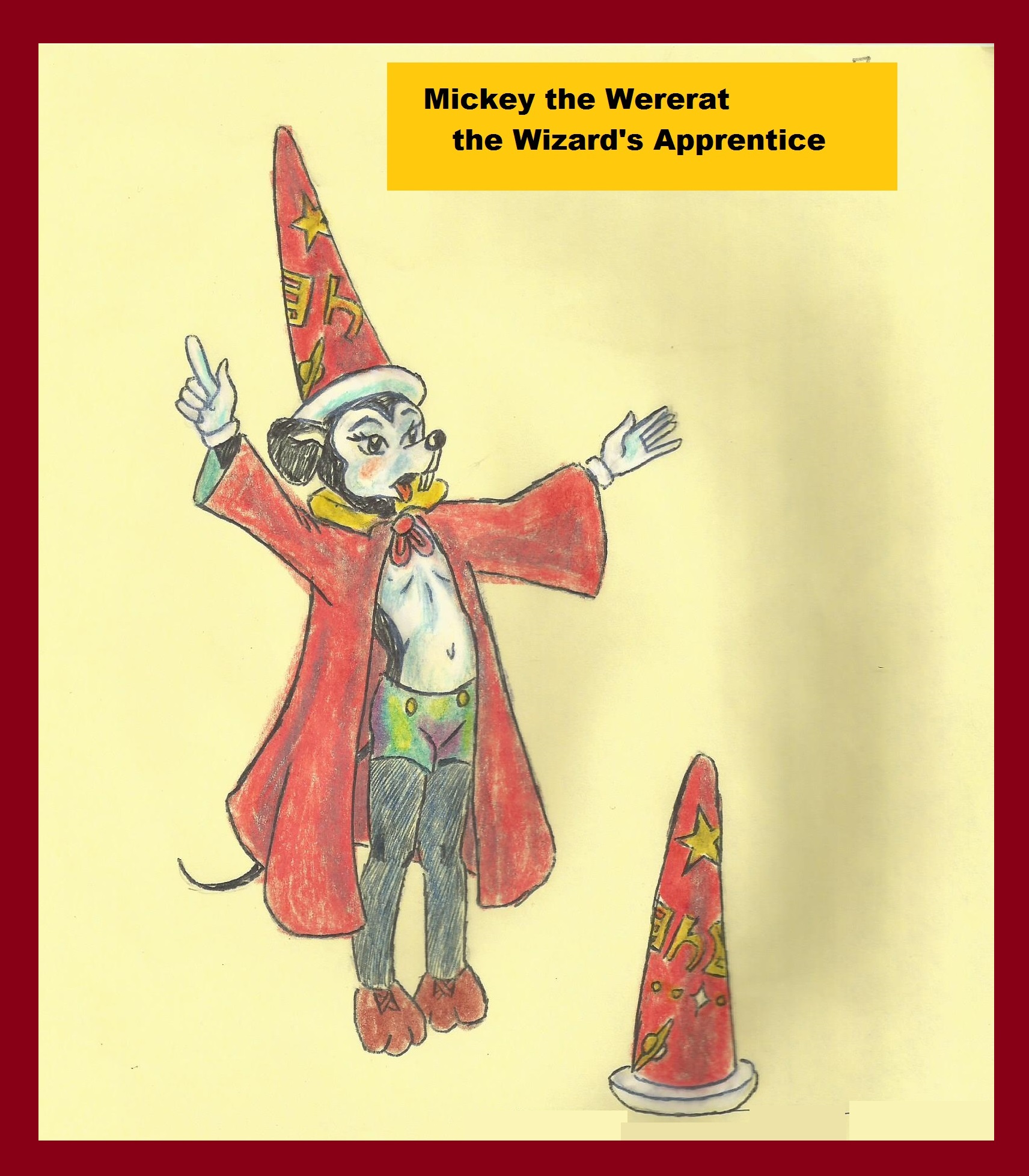
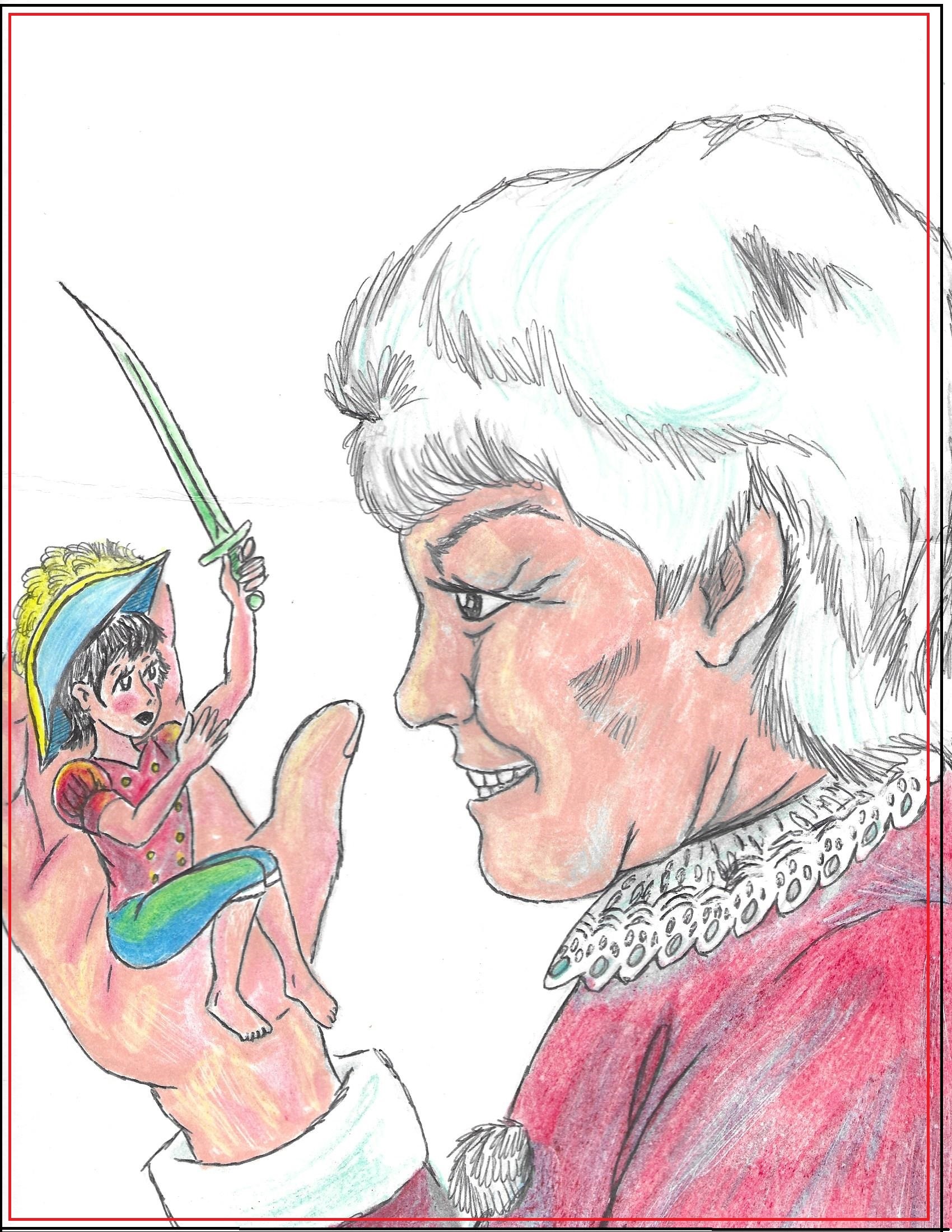
The Necromancer’s Apprentice started as a satyric parody of Disney’s the Sorcerer’s Apprentice segment of Fantasia. But it also links to other stories I have already written that includes the Fairy Kingdom of Tellosia. I even used a cross-over character, Blueberry Bates, who interacted with the Fairies in Magical Miss Morgan.
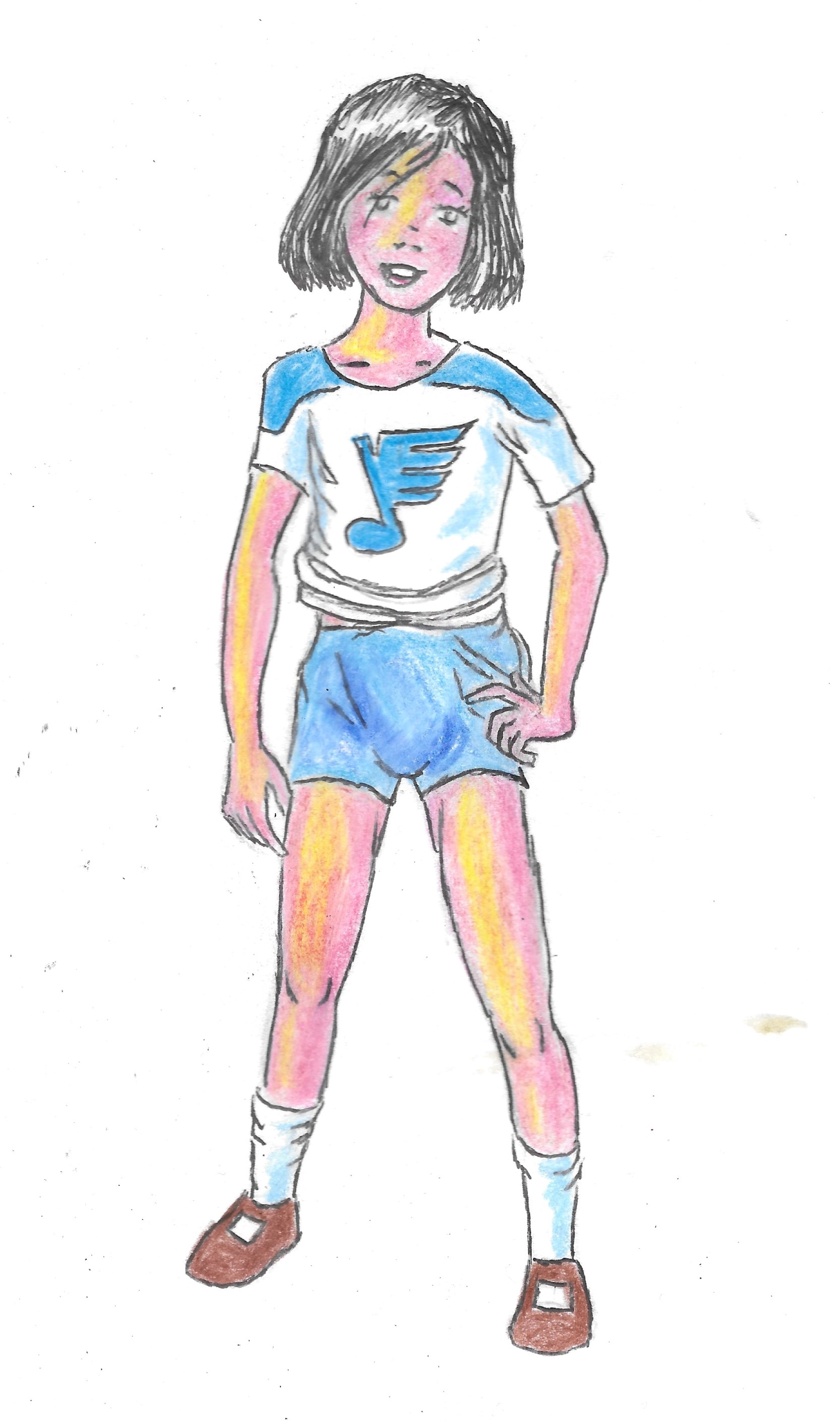
It was a novel created from a spur-of-the-moment inspiration that simply fit like a glove into the overall plan of the over-arching story I am telling, a disguised version of the Life of Mickey.
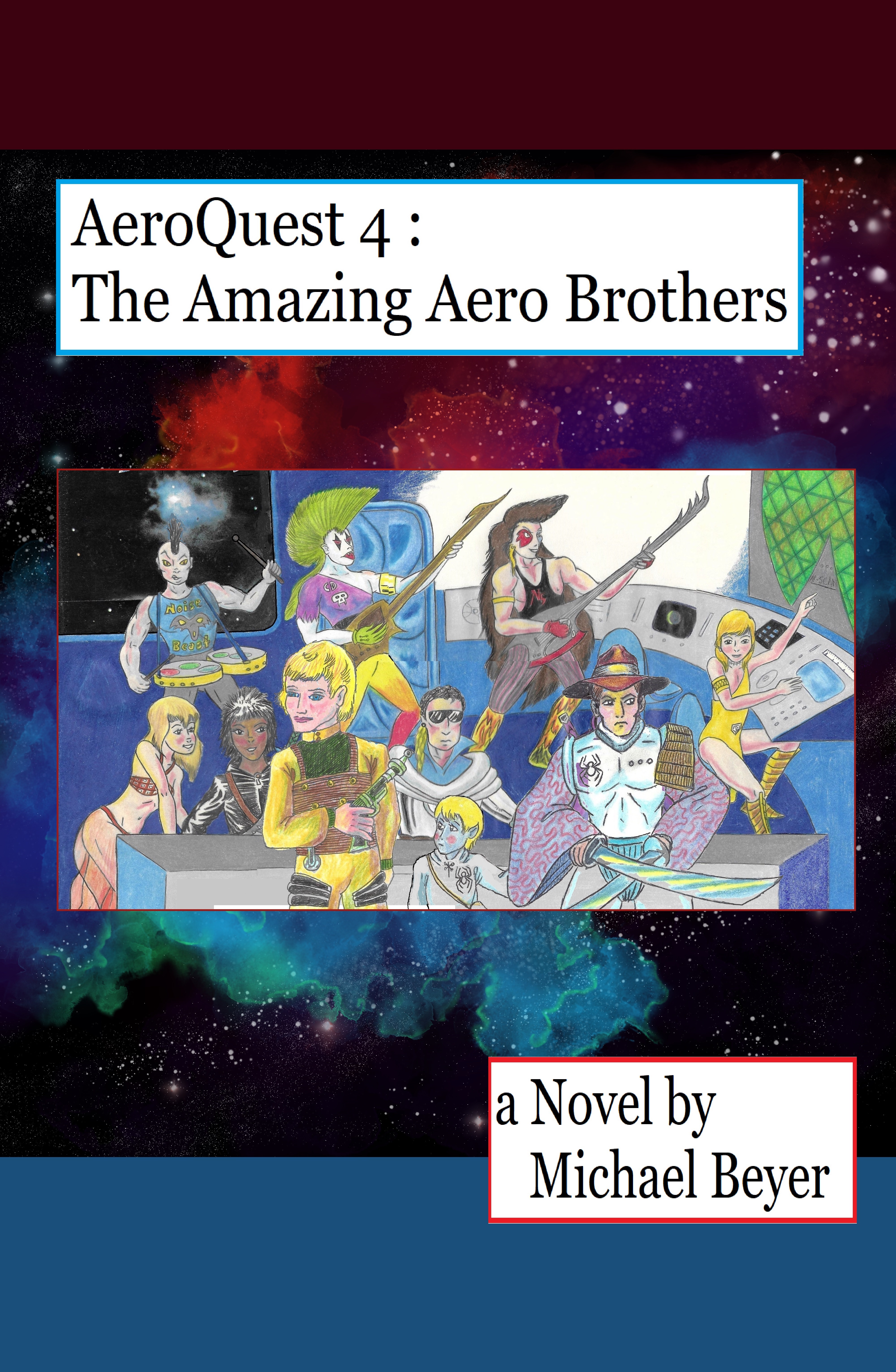
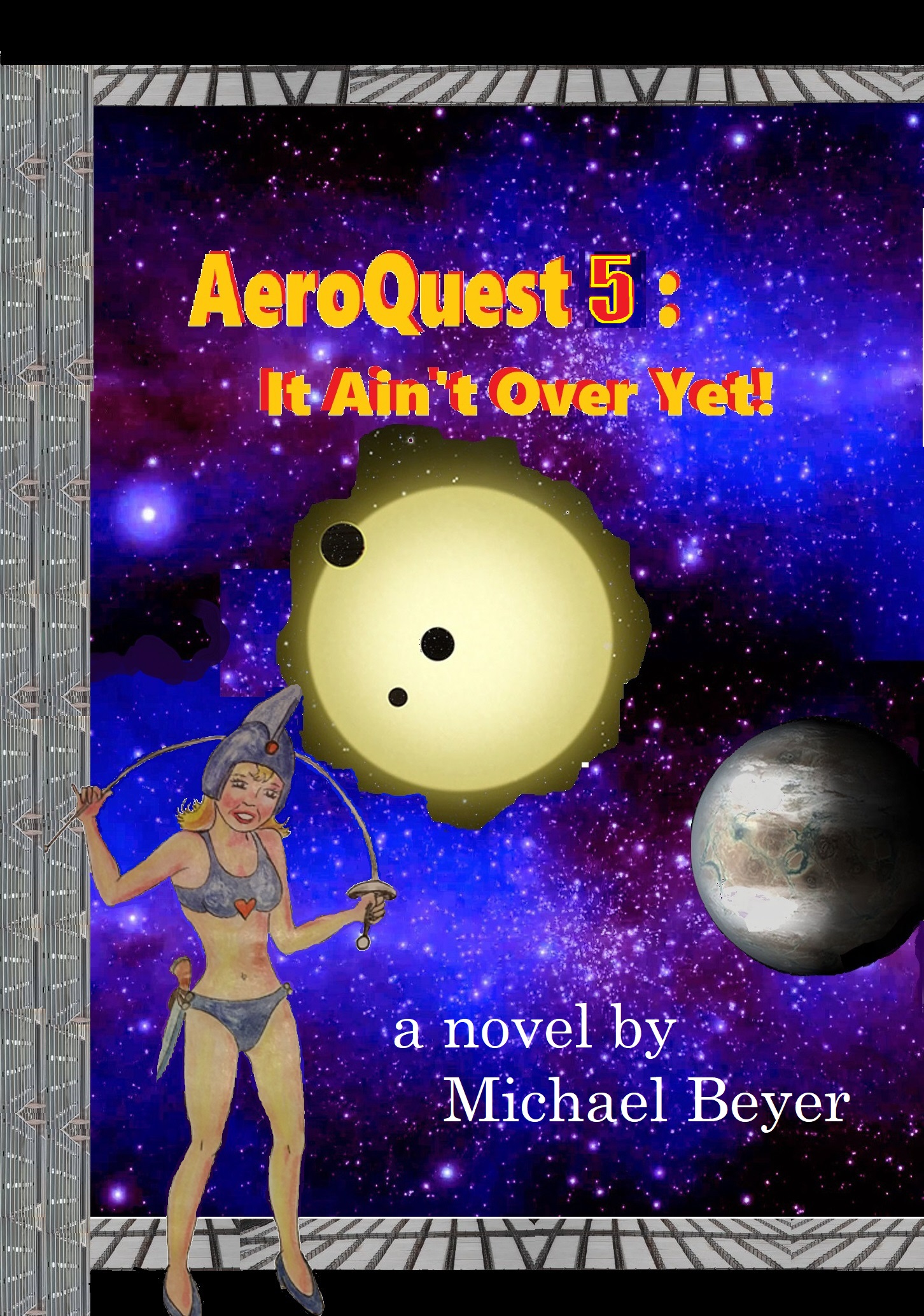
The other novel I have ready to publish is the rewrite and expansion of my horrible first novel, AeroQuest into AeroQuest 4 : The Amazing Aero Brothers.
This has been a different process altogether since it is a re-write, and large sections of that story are already written, though most of the extensions of the story occur in books 4 and 5.
But this process of ending a story doesn’t just apply to the books I am working on. It is also about writing my own story as I have entered into the final chapters of my own life. I am now old enough to be fully qualified for Medicare and already enrolled. I am in poor health, and I may even have caught Covid Omicron, the current toxic variant of the pandemic. I seem to be recovering, but the next variant will probably do me in.
So, how do you end the last years of your own life?
I have been giving my life meaning since I am no longer a school teacher by writing novels, using the full power of my writing ability and my overpowered imagination. Yes, I have tried to take control of my own story and choose to define what my life means for myself.


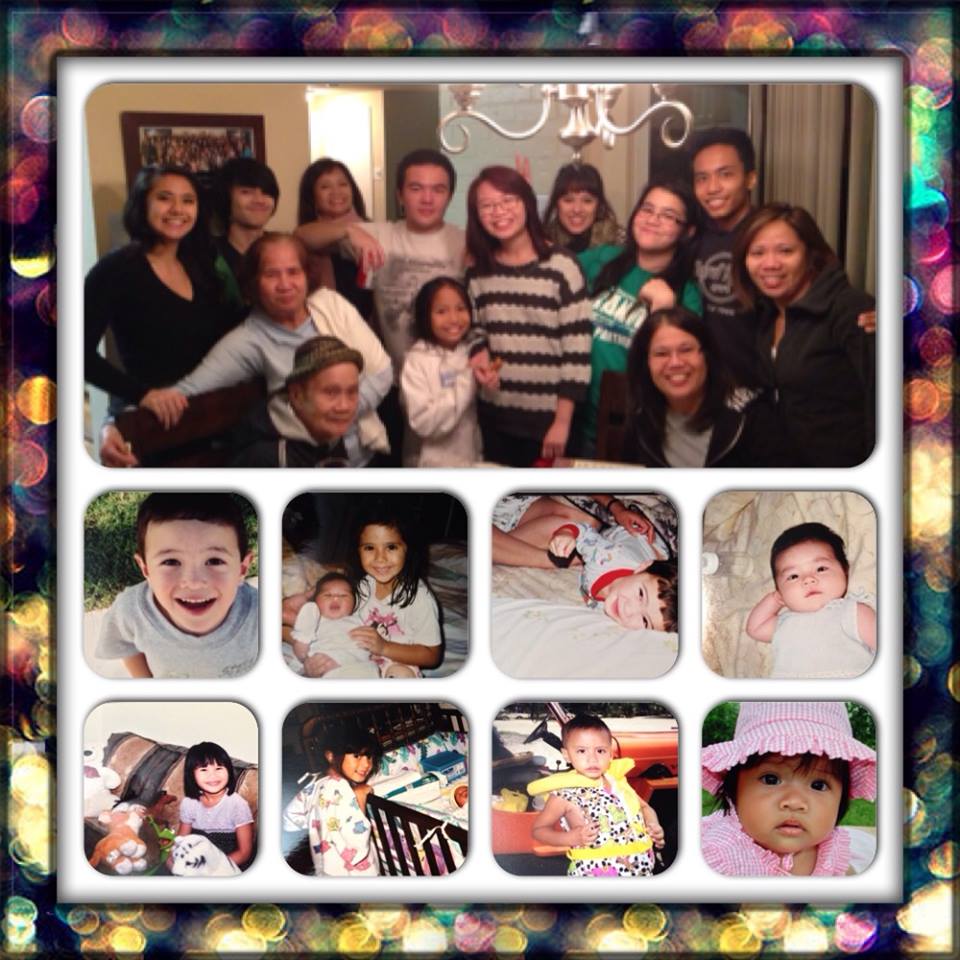
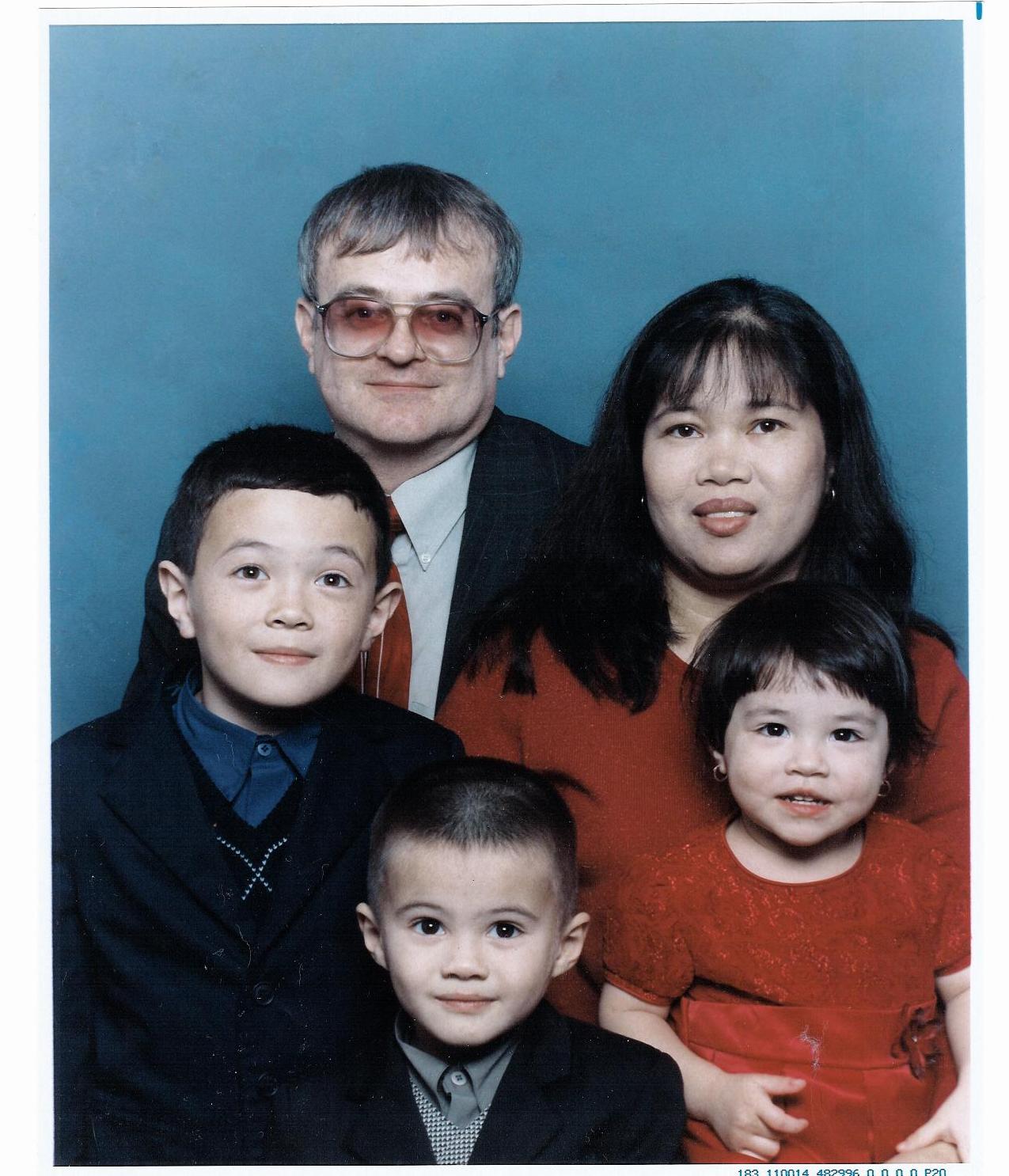


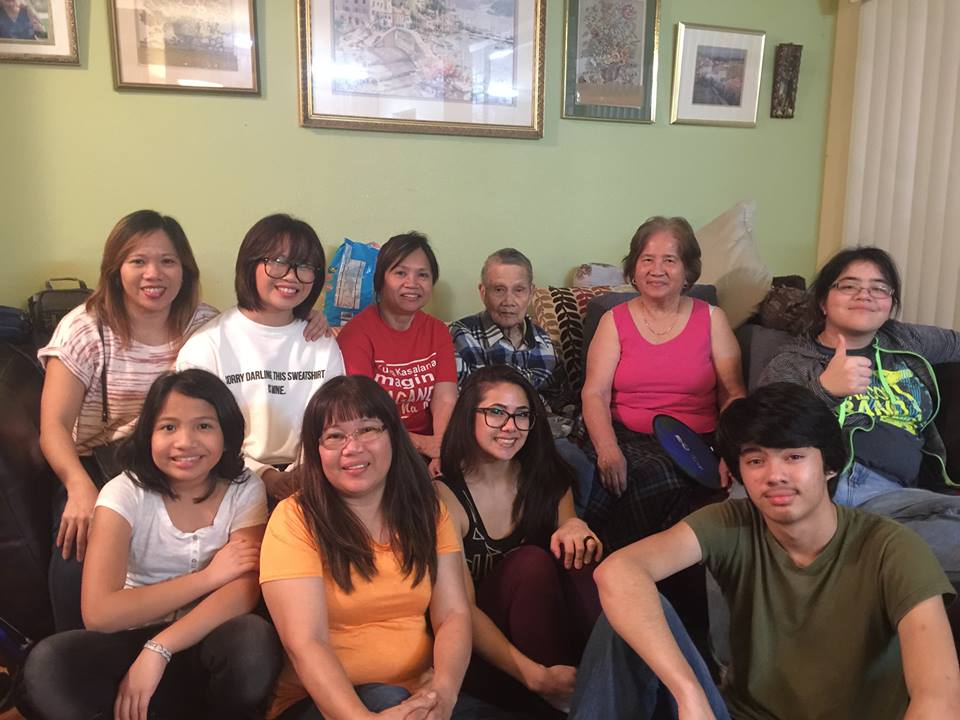

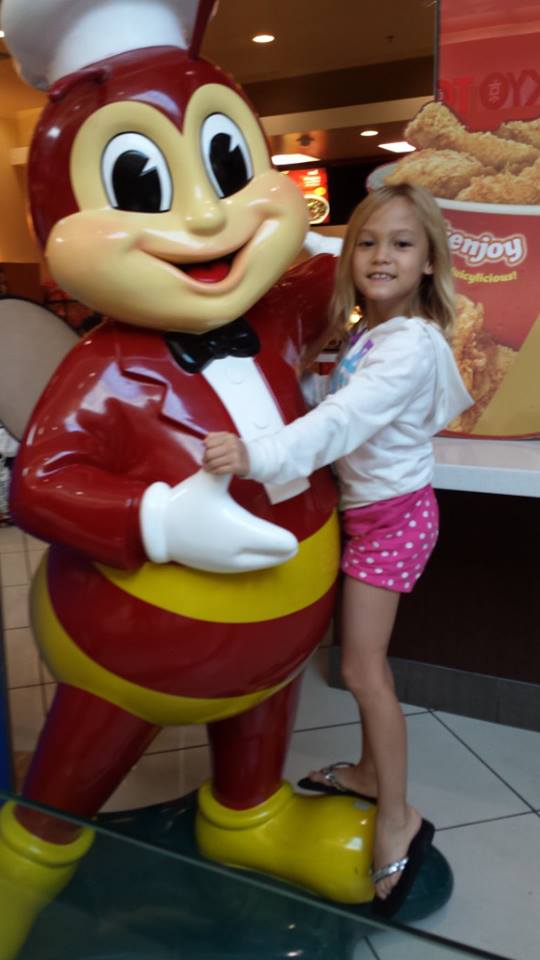 #3. To know about Filipino culture, you have to understand what Jollibee is all about. Jollibee is the Filipino MacDonald’s. Of course, it is cheaper… and better tasting. There are a few of them around the country here. California has more than Texas. They are like a giant Filipino magnet. You go there to find the Filipino community in any American city. But other people love the food too. You have to sort the Filipinos from the Hispanics and white folks that are not too proud to eat cheap and delicious.






The Cowboy Code
When I was a boy playing cowboys and Indians with cap pistols and rubber tomahawks, we all knew that cowboys had a code. The guy in the white hat always shoots straight. He knows right from wrong. He only shoots the bad guy. He even shoots the gun out of the bad guy’s hand if he can. Westerns are about right and wrong, good and bad, and the unyieldingly good knights of the plains.
And boys believe what they see on TV and in the movie theaters. People who make television shows never lie, do they? In fact, Wyatt Earp was based on a real guy who really lived and really shot the bad guys at the gosh-darn real OK Corral.
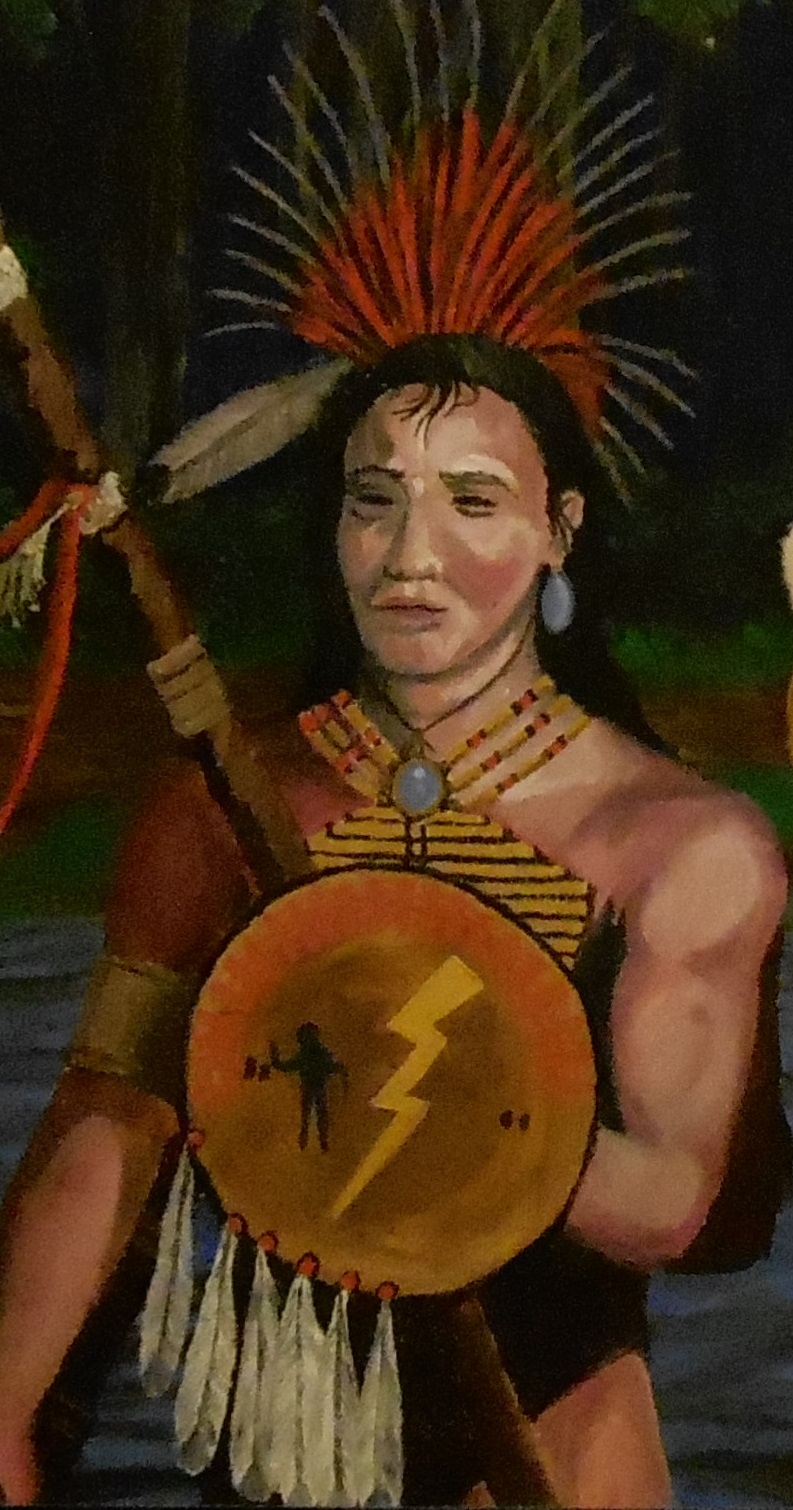
Daniel Boone was a real guy too. He faced the opening up of new lands full of deadly dangers. And when Fess Parker played him in 1964, wearing Davy Crockett’s coonskin hat, he walked the earth like a guardian angel, making everyone safe by the end of the episode. He even knew which Indians were good and which were bad. Mingo was always on Daniel’s side. And when they spoke to each other about the dangers they faced, it was never about killing the people they feared. It was about doing what is was right, about helping the community at Boonesboro to survive. Being encouraging… looking forward to a more settled future created by following the cowboy frontier code.
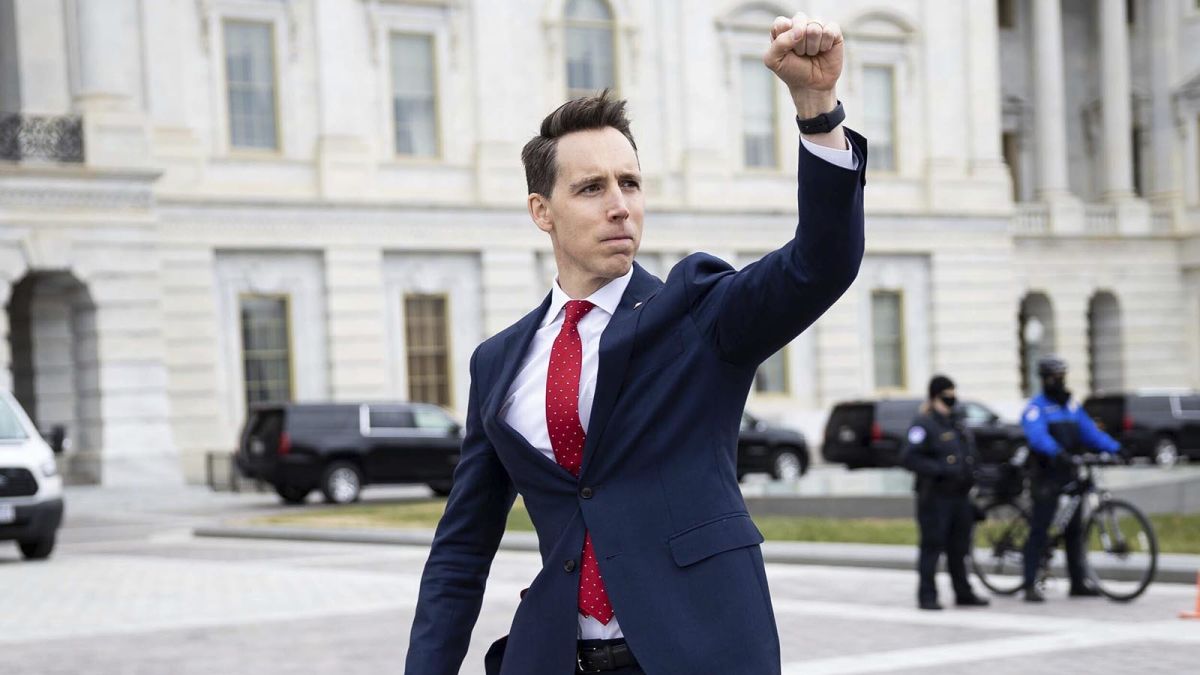
So, I am left wondering what ever happened to the cowboy code? I listen to Republican presidential candidates talking about dipping bullets in pig’s blood to kill Muslims, and building walls against Mexican immigrants, and why our right to carry assault rifles is sacred, and I wonder what happened. Didn’t they experience the same education from the television versions of the Great American Mythology? Didn’t they learn the code too?
I am old enough now to know that cap guns are not real guns and you cannot solve problems by shooting somebody. But that was never the point of the cowboy code. We need straight-shooters again in our lives, not to shoot people, but to tell the unvarnished truth. We need wise people who can tell who are the good Indians and who are the bad We need them to shoot the weapons out of the bad guys’ hands. And I know that’s asking for leaders to be larger than life and be more perfect than a man can actually be. But Daniel Boone was a real man. Myths and legends start with a fundamental truth.
4 Comments
Filed under autobiography, commentary, cowboys, humor, insight, philosophy, politics, Uncategorized
Tagged as autobiography, childhood beliefs, cowboy code, Daniel Boone, humor, politics, Red Ryder, Roy Rogers, Wyatt Earp