
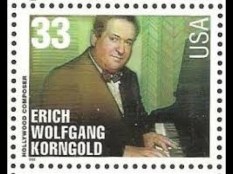
When I was in Cow College at Iowa State University I spent most of my study time listening to KLYF Radio in Des Moines. They would eventually transform into an easy-listening music station, but the time I truly lived a K-LYFe was when they played classical music. And it was there that I first fell deeply in love with the Saturday Matinee stylings of Erich Wolfgang Korngold, the first incarnation of John Williams of Star Wars fame. Yes, movie music. Classical movie music. And it seemed, mostly movie music for Errol Flynn movies.


My sister was always a lover of Errol Flynn movies, and when KGLO TV Channel 3 would play one on the Saturday Movie Matinee in the early afternoon, we would have to watch it, the whole thing, no matter how many times we were repeating the same four movies. Nancy would memorize the lines from the Olivia deHavilland love scenes. I would memorize the sword fight scenes with Errol and Evil Basil Rathbone (Good Basil was Sherlock Holmes, and we had to watch those too.) Early evenings on those Saturdays were all about playing pirate and Captain Blood adventures. Or better yet, Robin Hood.


But the music of adventure was by the composer Erich Wolfgang Korngold. He did the sound tracks for Captain Blood, Robin Hood, and the Sea Hawk.
I sincerely love the corny old movie matinee music because it was not only genius-level mood music and story-telling in a classical music instrumental masterpiece, but because even now it takes me back to the boy I was at twelve years old, playing pirate on Grandpa Aldrich’s farm. Making Robin Hood bows out of thin tree branches and arrows out of dried ragweed stalks. Sword fighting to the death with sticks with my cousin Bob, who was always Basil Rathbone in my mind. while I’m sure I was Basil Rathbone in his mind.
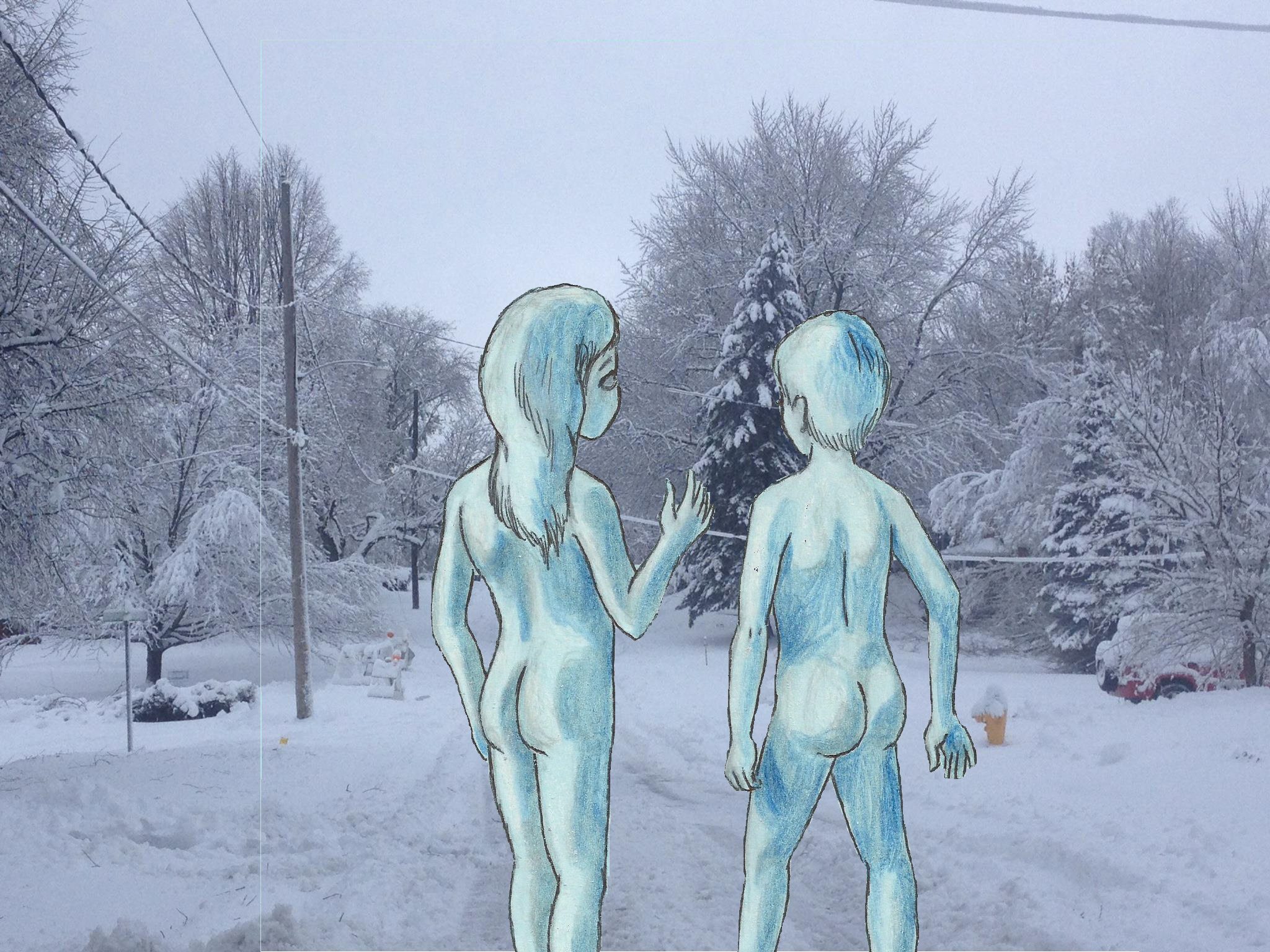
To be honest, there is much more to Korngold than I have relentlessly gushed about here like a hopeless nerdling fan-boy in the throws of a geeky movie passion. He was a musical child prodigy like Mozart. He wrote a ballet called Der Schneemann (the Snow Man) when he was only eleven, and became the talk of the town in Vienna, Austria in 1908. He became the conductor of the Hamburg Opera by 1921. He wrote some very fine classical music in the 20’s that still rings through orchestra halls to this day before coming to America in the early 30’s with film director Max Reinhardt. He scored his first film in 1935, adding music to Reinhardt’s Midsummer Night’s Dream. He was fortunate to escape Europe just as the Nazis were coming to power in Germany, and also at the right time to team up with new movie star sensation, Errol Flynn. He won his first Oscar for the musical score of the movie Anthony Adverse in 1936 and he won his second for The Adventures of Robin Hood in 1938. He died in 1957, a year after I was born. But I promise, I didn’t kill him. I was in college in the 1970’s when his music underwent a revival, complete with renewed popularity.
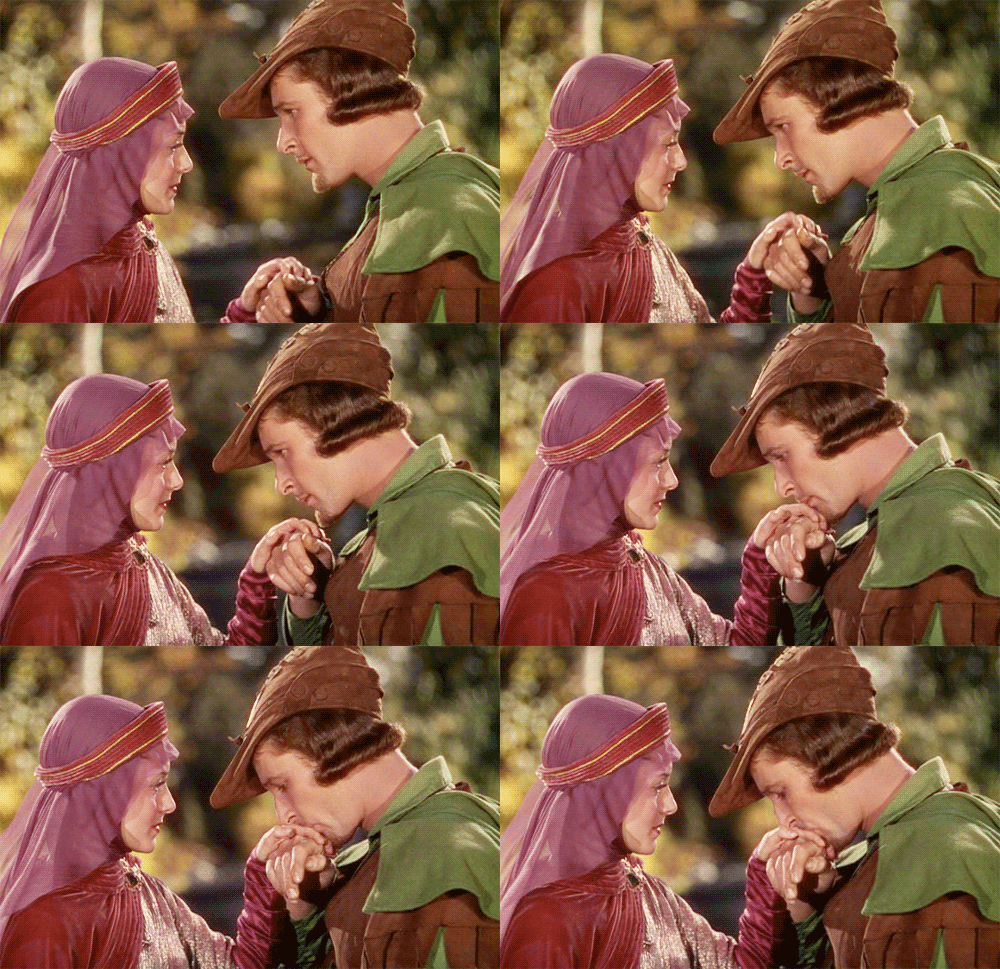
His music was pure gold to listen to in the fields of corn in Iowa in the 1970’s. It was just as good as that last pun was terrible. So, in other words, really, really, spectacularly good. It was the music that scored my childhood fantasy adventures.
















 Catch a Falling Star
The Cowboy Code
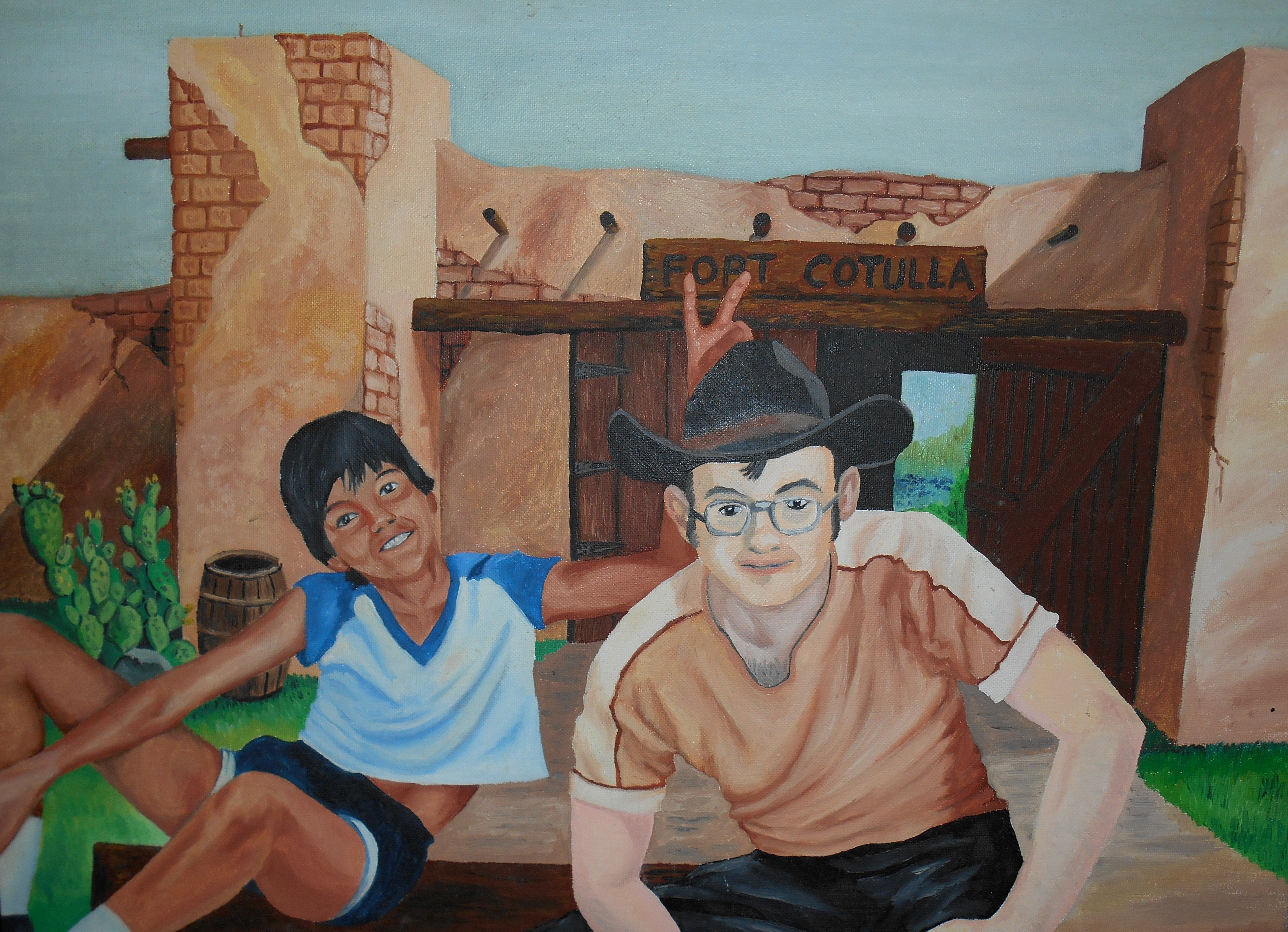
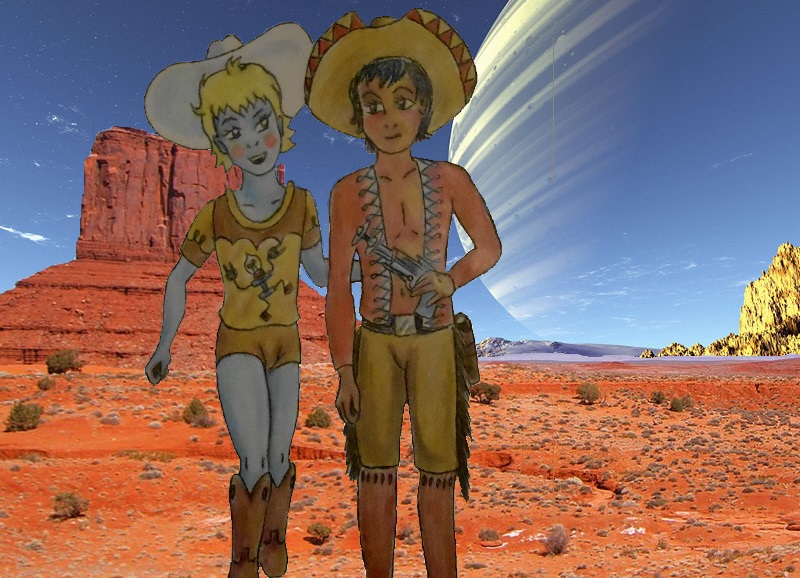
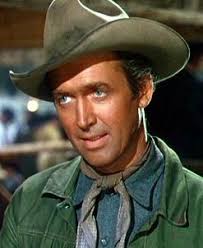
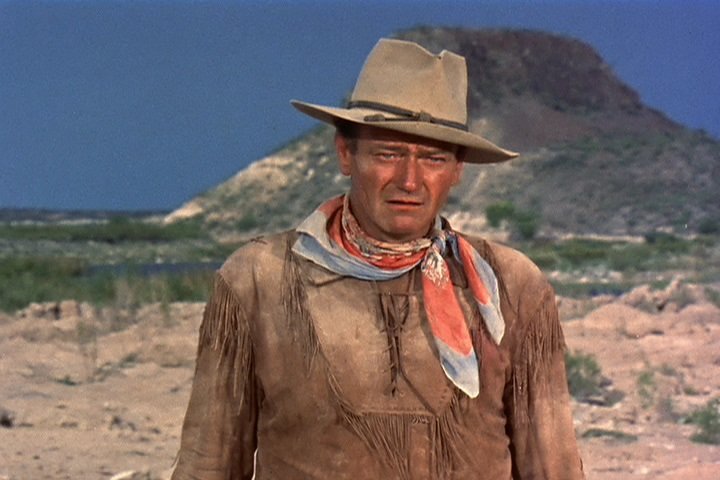
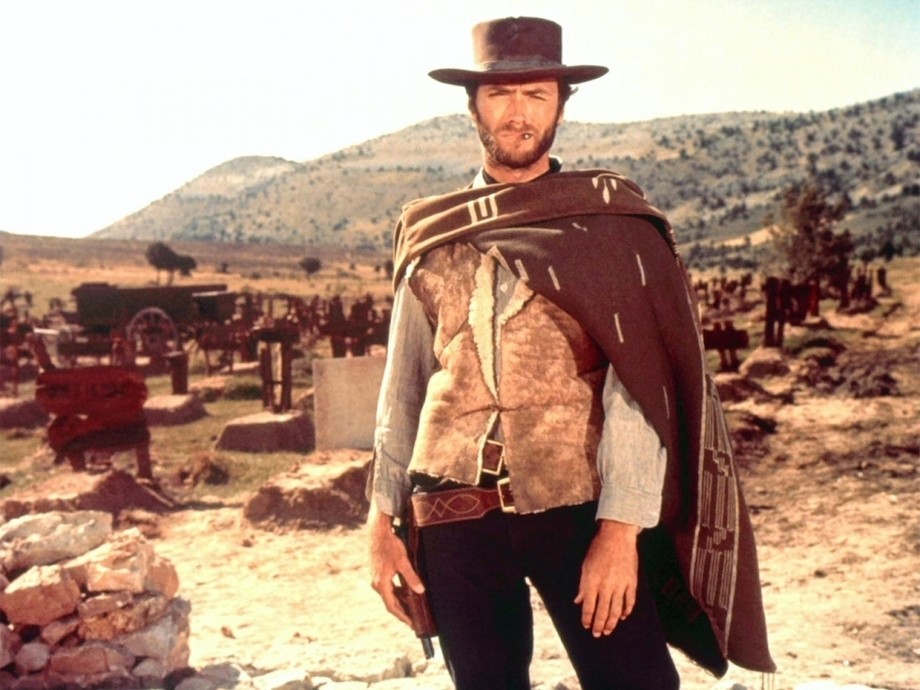
When I was a boy playing cowboys and Indians with cap pistols and rubber tomahawks, we all knew that cowboys had a code. The guy in the white hat always shoots straight. He knows right from wrong. He only shoots the bad guy. He even shoots the gun out of the bad guy’s hand if he can. Westerns are about right and wrong, good and bad, and the unyieldingly good knights of plains.
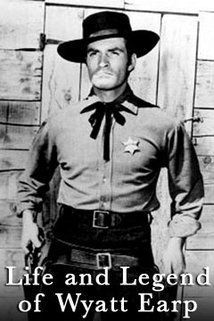
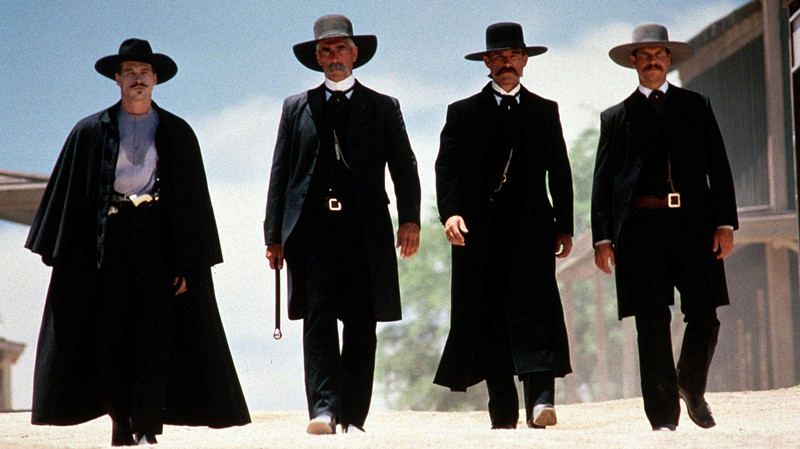
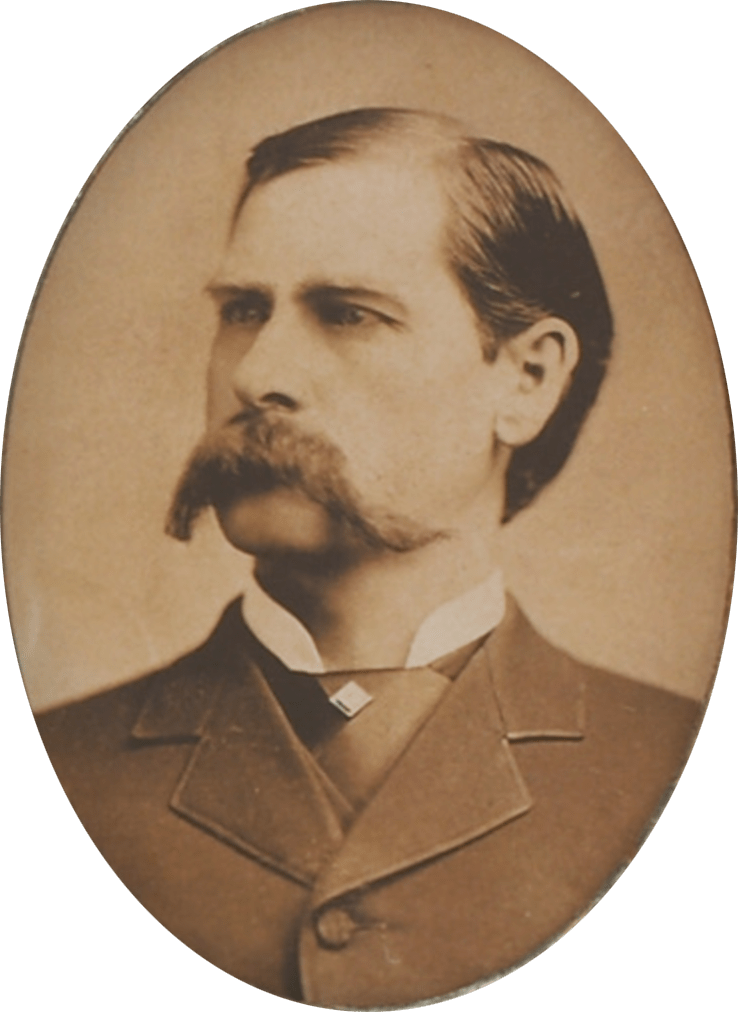
And boys believe what they see on TV and in the movie theaters. People who make television shows never lie, do they? In fact, Wyatt Earp was based on a real guy who really lived and really shot the bad guys at the gosh-darn real OK Corral.
Daniel Boone was a real guy too. He faced the opening up of new lands full of deadly dangers. And when Fess Parker played him in 1964, wearing Davy Crockett’s coonskin hat, he walked the earth like a guardian angel, making everyone safe by the end of the episode. He even knew which Indians were good and which were bad. Mingo was always on Daniel’s side. And when they spoke to each other about the dangers they faced, it was never about killing the people they feared. It was about doing what is was right, about helping the community at Boonesboro to survive. Being encouraging… looking forward to a more settled future created by following the cowboy frontier code.
So, I am left wondering what ever happened to the cowboy code? I listen to Republican presidential candidates talking about dipping bullets in pig’s blood to kill Muslims, and building walls against Mexican immigrants, and why our right to carry assault rifles is sacred, and I wonder what happened. Didn’t they experience the same education from the television versions of the Great American Mythology? Didn’t they learn the code too?
I am old enough now to know that cap guns are not real guns and you cannot solve problems by shooting somebody. But that was never the point of the cowboy code. We need straight-shooters again in our lives, not to shoot people, but to tell the unvarnished truth. We need wise people who can tell who are the good Indians and who are the bad We need them to shoot the weapons out of the bad guys’ hands. And I know that’s asking for leaders to be larger than life and be more perfect than a man can actually be. But Daniel Boone was a real man. Myths and legends start with a fundamental truth.
Leave a comment
Filed under autobiography, commentary, cowboys, humor, insight, philosophy, politics, Uncategorized
Tagged as autobiography, childhood beliefs, cowboy code, Daniel Boone, humor, politics, Red Ryder, Roy Rogers, Wyatt Earp