
I slept in this morning. Spent another late night doing nothing but watching monster movies. I recently got myself a DVD collection of Hammer Films monster movies from the sixties. I found it in the $5 bargain bin at Walmart, a place I regularly shop for movies.
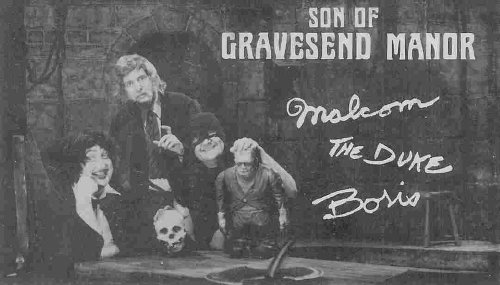
When I was a boy, back in the 60’s, there always used to be a midnight monster movie feature called Gravesend Manor on Channel 5, WOI TV in Ames, Iowa. It started at 11:00 pm and ran til 1:00 am. I, of course, being a weird little monster-obsessed kid, would sneak downstairs in my PJ’s when everyone else was asleep and I would laugh at the antics of the goofy butler, possibly gay vampire duke, and the other guy who was supposedly made in the master’s laboratory. And when the movie started, I was often scared witless by the black-and-white monster B-movie like Scream of Fear!, or Curse of the Mummy’s Tomb, or Eyes of the Gorgon. It was always the reason I could rarely get up in time for church and Sunday school the next morning without complaints and bleary-eyed stumbling through breakfast. I never knew if my parents figured it out or not, but they probably did and were just too tired to care.
It was my source for critical monster-knowledge that would aid me greatly when I grew up to be a fireman/cowboy hero. Because battling monsters was… you know, a hero prerequisite. And I intended to be the greatest one there ever was. Even better than Wyatt Earp or Sherlock Holmes or Jungle Jim.


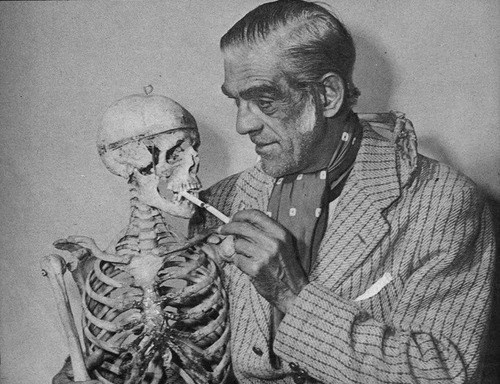
Boris Karloff, Bela Lugosi, Peter Lorre, Peter Cushing, Vincent Price, and the immortal Christopher Lee were my tutors in the ways of combating the darkness. When I started watching a really creepy monster movie, I always had to stick it out to the end to see the monster defeated and the pretty girl saved. And they didn’t always end in ways that allowed me to sleep soundly after Gravesend Manor had signed off the airways for the night. Some movies were tragedies. Sometimes the hero didn’t win. Sometimes it was really more of a romance than a monster movie, and the monster was the one you were rooting for by the end. I remember how the original Mighty Joe Young made me cry. And sometimes you had to contemplate more than tragedy. You had to face the facts of death… sometimes grisly, painful, and filled with fear. You had to walk in the shoes of that luckless victim who never looked over his shoulder at the right moment, or walked down the wrong dark alley, or opened the wrong door. The future was filled with terrifying possibilities.


Now, at the end of a long life, when I am supposed to be more mature and sensible, I find myself watching midnight monster movies again. What’s wrong with me? Am in my second childhood already? Am I just a goofy old coot with limited decision-making capabilities? Of course I am. And I intend to enjoy every horrifying moment of it.
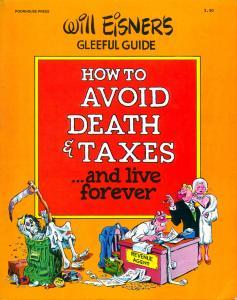
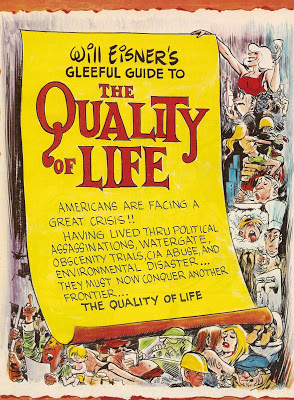


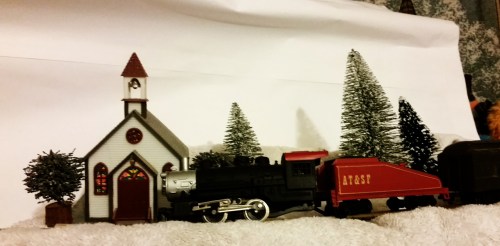
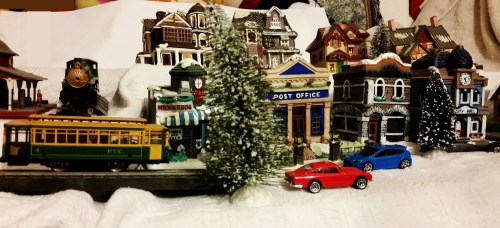
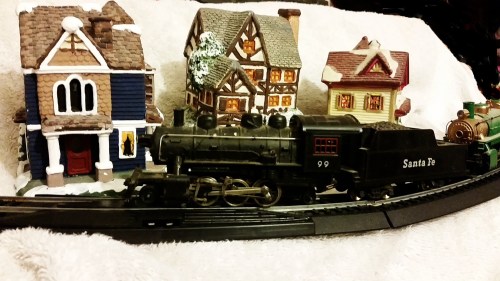
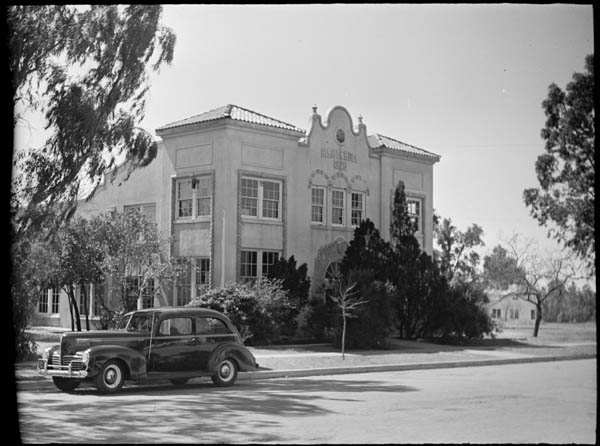




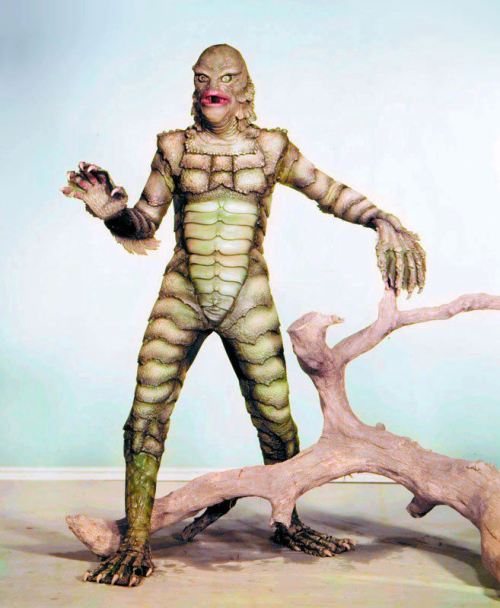
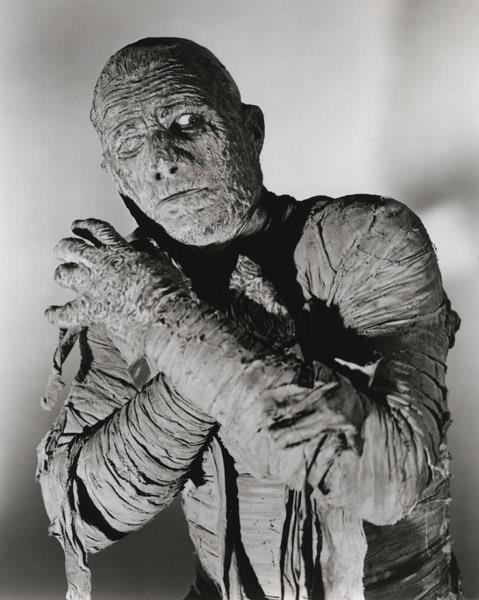
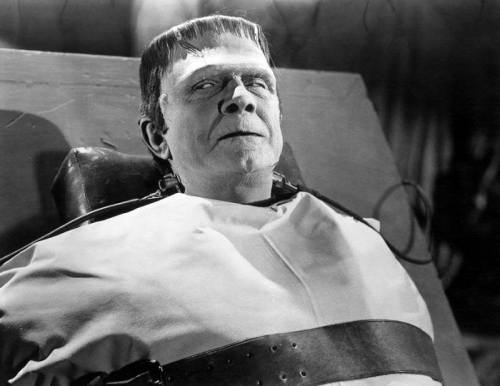 But the thing about monster movies… at least the good ones, is that you can watch it to the end and see the monster defeated. We realize in the end that the monster never really wins. He can defeat the monstrous qualities within himself and stop himself. Or the antidote to what ails him is discovered (as Luke did with Darth Vader). Or we can see him put to his justifiable end and remember that if we should see those qualities within ourselves, we should do something about it so that we do not suffer the same fate. Or, better yet, we can learn to laugh at the monstrosity that is every-day life. Humor is a panacea for most of life’s ills.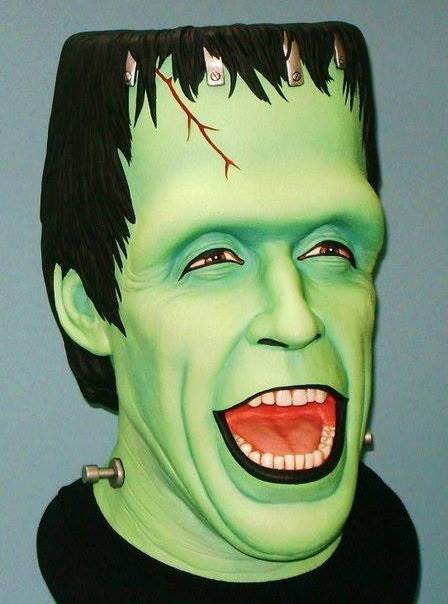





Into the Spring
The weather, amazingly, is more than fifty degrees Fahrenheit better than it was a week ago today in Texas.
The sun is now out.
“Shall I compare thee to a Summer’s day...?”
‘Of course not. It is not Sonnet 18 out there.
It… “art NOT more lovely and more temperate.”
And William Shakespeare is just a pen name.
But I saw a pair of Robins in the park while walking the dog.
And I don’t mean Robin Williams and Robin Hood.
I mean the red-breasted birds that herald the arrival of Spring.
Though it is not Spring. And I have trouble sitting here and writing this due to painful hemorrhoids.
Still, it seems like something new is starting.
It has now been an entire three years since the start of the pandemic. More than a million people have died. Including my cousin Karen and my high school friend Tim.
It is definitely time for something new, something better, to begin.
Leave a comment
Filed under artwork, autobiography, birds, commentary, healing, humor, Paffooney