Category Archives: artists I admire

Randomness

Today’s artworks for Saturday Art Day are all filled with random things put together by chance and whimsy in order to mishmash together some kind of point about surrealism. This would be because this is a surrealist blog, and I am a surrealist artist and writer. Either that or it is because if you put fish in your ears, the color of the sky changes to swirling gold and purple. Those are some powerful fish!
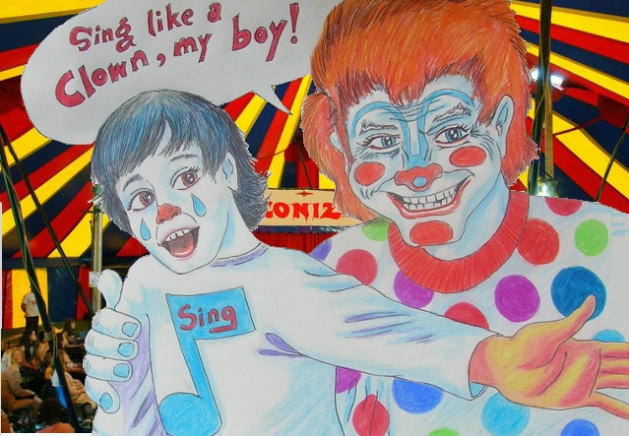
Clowns and dreams and singing sad songs for love in the circus tent of your dreams.

Of course, Surrealism is more than just a pile of random things. As Salvador Dali did it, the random images were made as realistic as possible and connected together. There was some reason behind the juxtaposition of these otherwise unrelated things (like the line-up of weird uncles you get at the Thanksgiving table when your great grandma had nine kids, seven of whom grew old enough to have families of two or more kids, and everyone within driving distance is invited to grandpa’s farm house for a big-family family meal (even if they had to put a second kids’ table in the storm cellar).
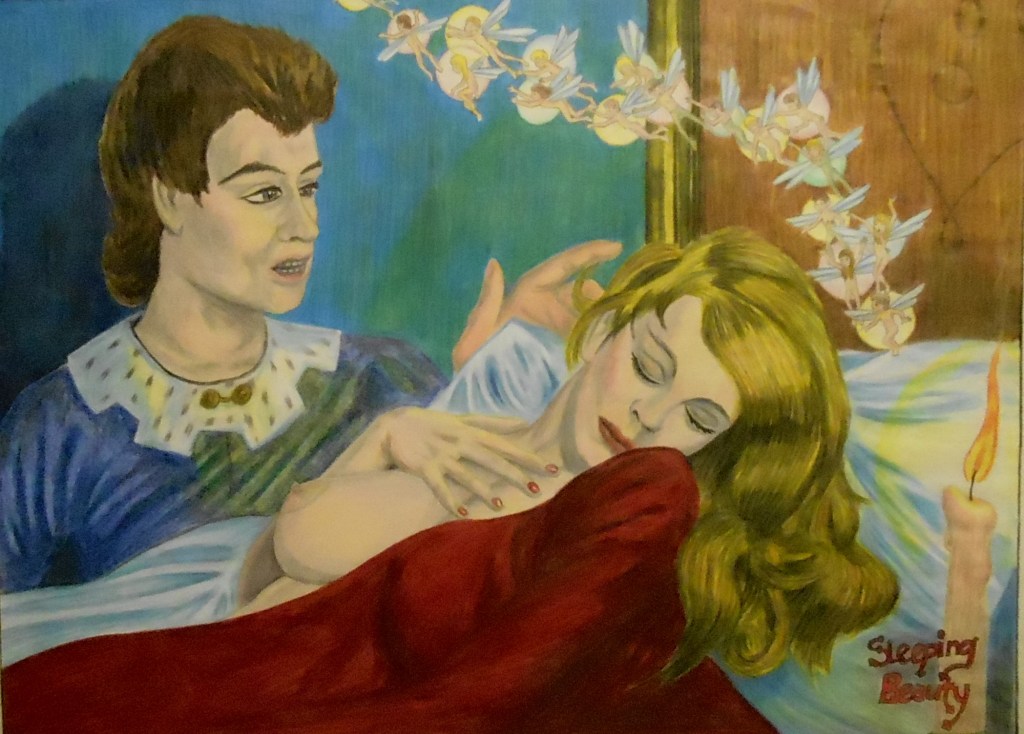
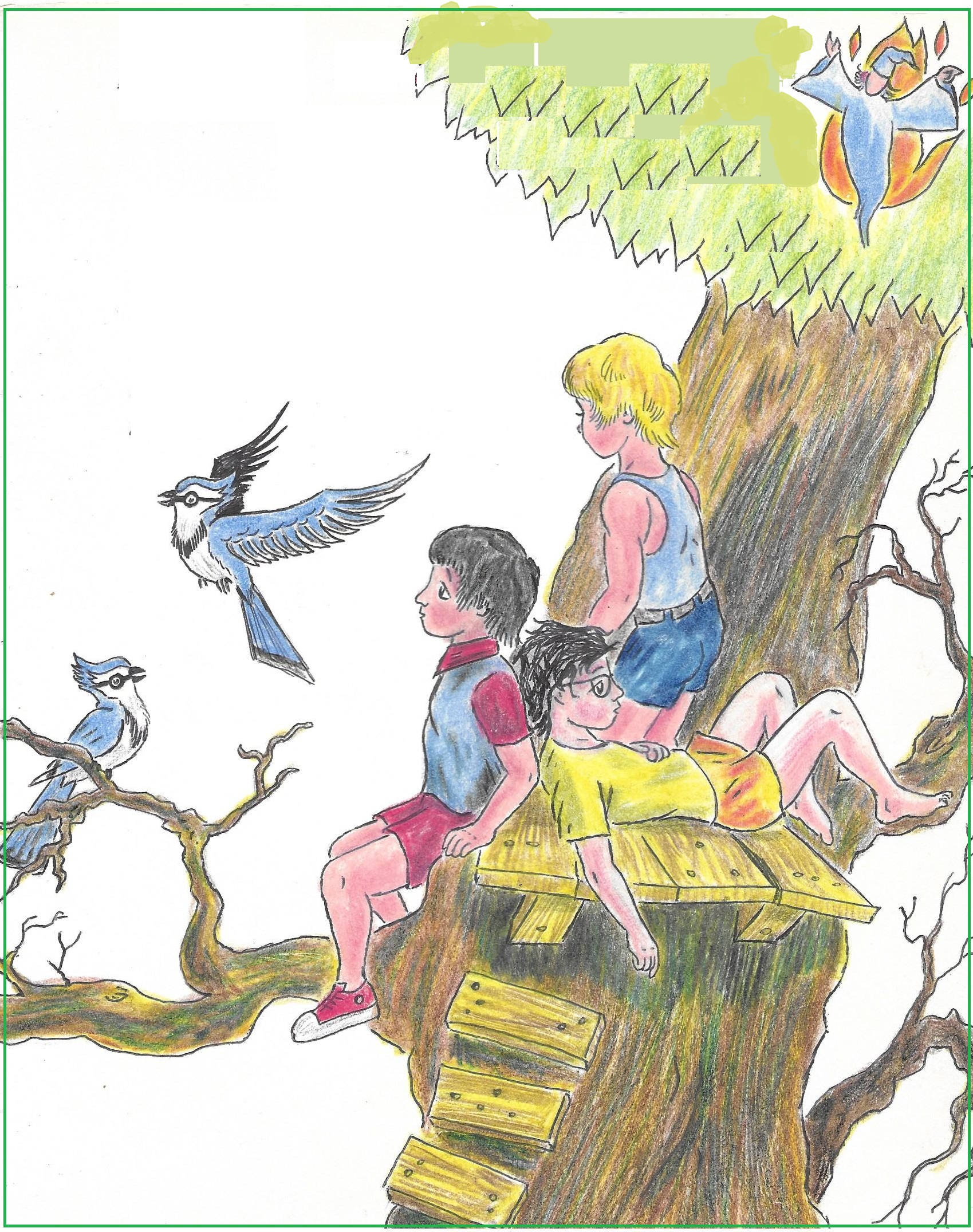
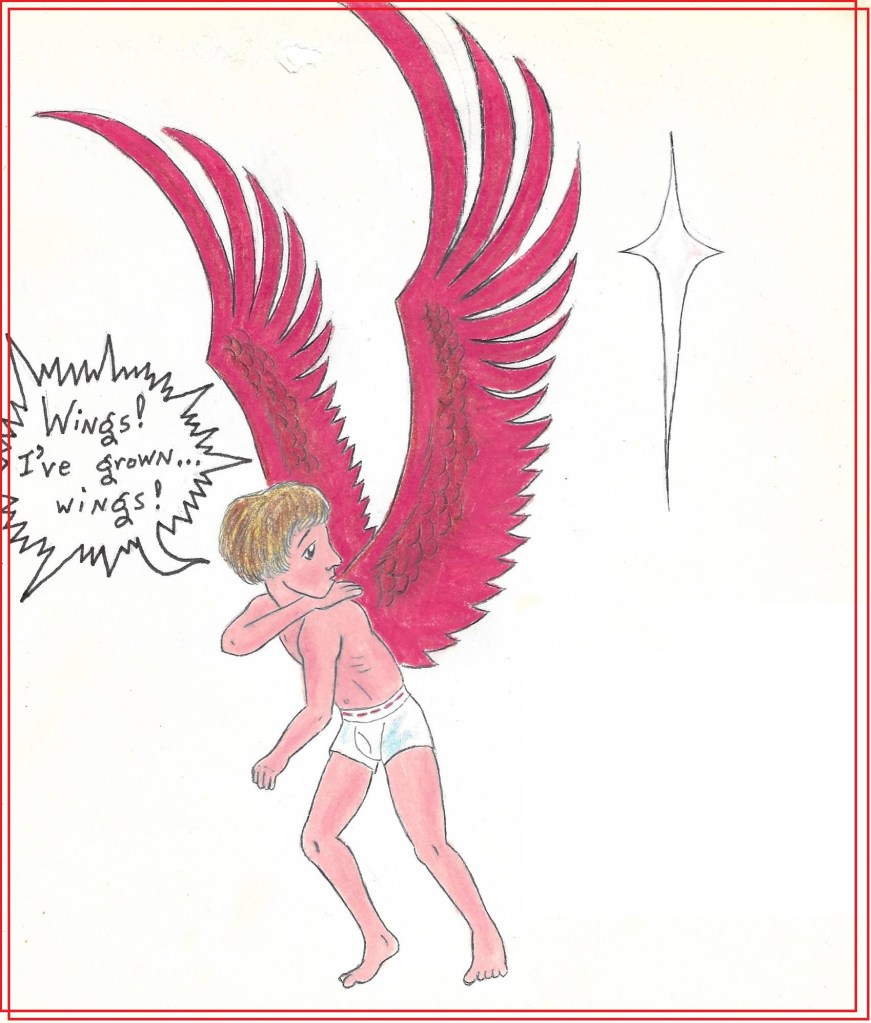
Do candles, a naked breast, flying children, and Prince Young John Travolta mean anything?

Of course, the meaning that ties it all together can be a secret or hidden meaning. Salvador Dali was deeply in love with his wife Gala, who was thirty years younger than he. He had an older brother who died before he was born, making him forever feel like a “replacement child”. These things are expressed in his paintings. Did you ever discern that from his paintings of melted clocks and discarded masks being kissed on the lips by giant ants?
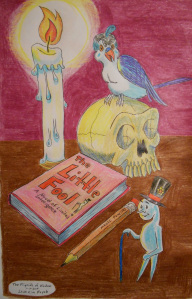
And what the hell does this even mean?

The Little Fool?

Subtitled; a novel of limited intelligence?

And it is a colored-pencil drawing of a candle, an empty skull, a budgie, a book, and a weird little goofy ghost dressed like Mr. Peanut… without the monocle or spats… does that make him naked?

And a pencil? Why?
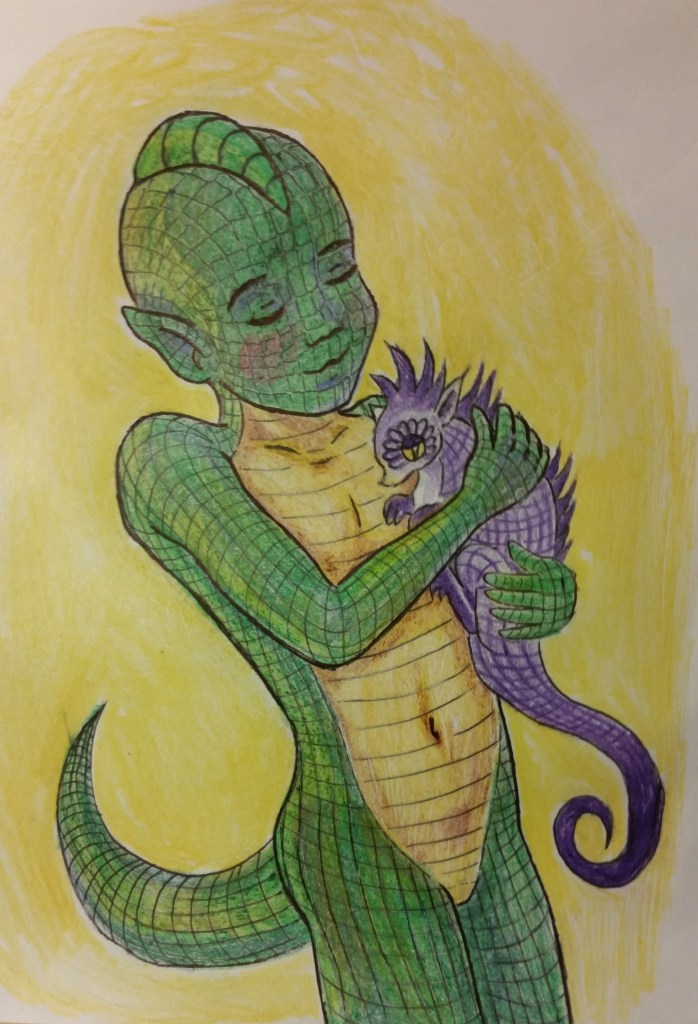
Can you tell from my artwork that I chose a career of being a public-school English teacher over becoming a commercial artist or a cartoonist? Or that I was the victim of a sexual assault at the age of ten and then never told anybody about it until the guy who assaulted me was dead? Or that I was so afraid of my own body when I was young that I eventually had to become a closet nudist as an adult? And what does my artwork have to say about all of that?
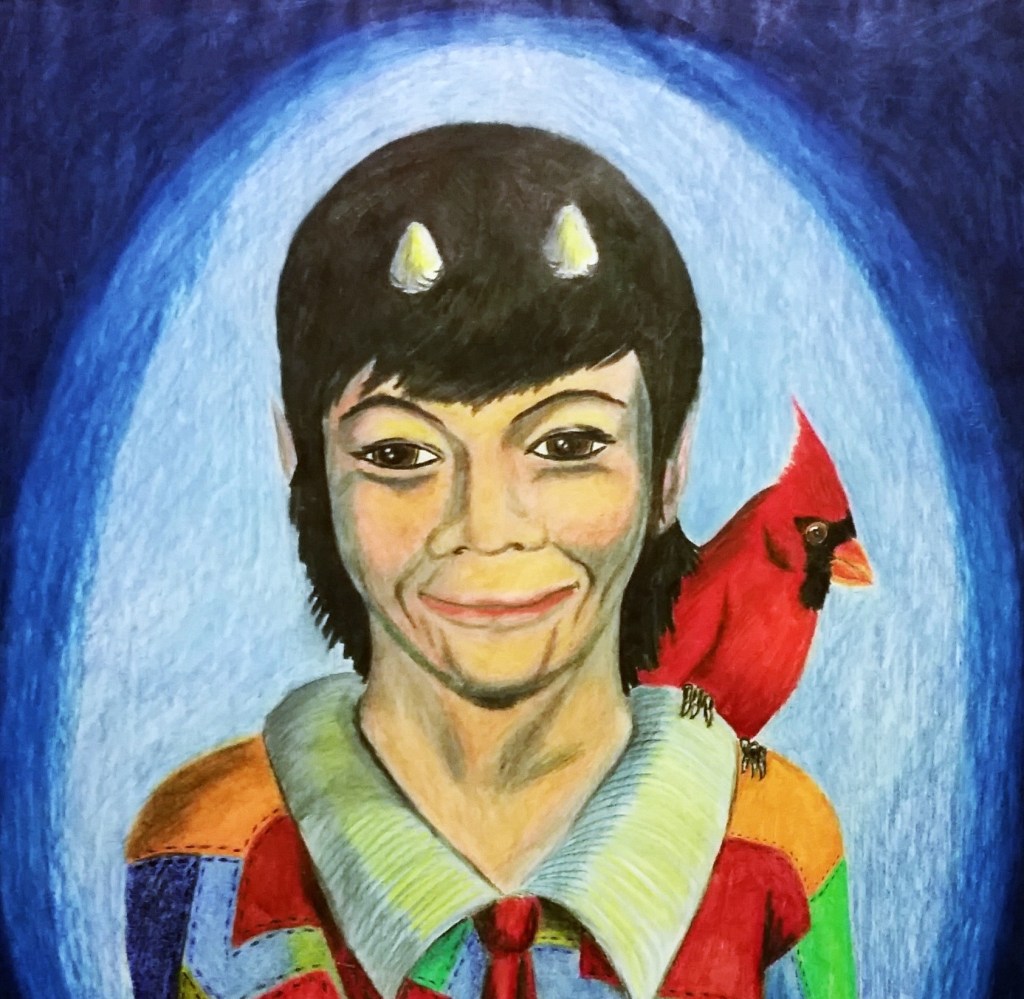
And do you understand why Salvador Dali is an artistic hero of mine? And I love the movies of Stephen Spielberg for the exact same surrealist reasons?
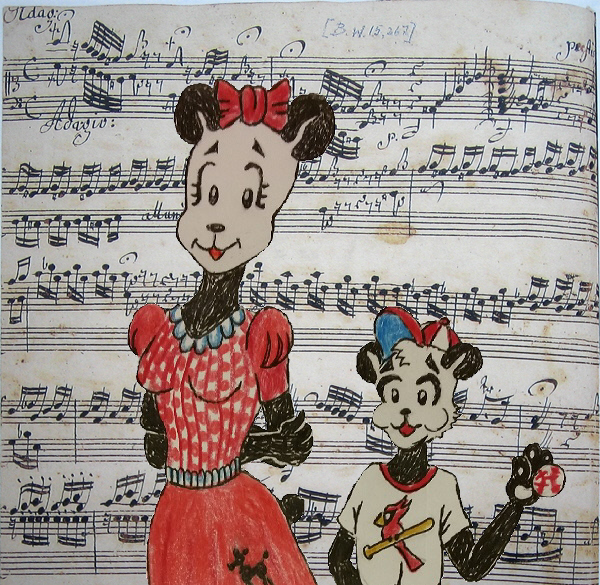
If you regularly read this blog, or even just look at the pictures, you may have seen all of these pictures and heard all of these ideas before. I didn’t make this post from anything new. The only thing that is new… is how I randomly chose to put all of these things together in a way I haven’t done before.
Leave a comment

Filed under artists I admire, artwork, insight, Paffooney, strange and wonderful ideas about life, surrealism

I’d Like to Share Something Really Special…

I am spending Thanksgiving week at home in Texas by myself, except for the dog. The rest of my family is having a Thanksgiving meal together in Iowa (hopefully, if the weather doesn’t have other plans) or on a road trip to Central Florida, a trip I was supposed to also attend. I simply cannot travel to either place. My arthritis is too bad to sit for long car rides, and in the Trump economy, school teachers can’t afford air travel. So, I had to practice being selfless once again. They needed to do these things, and I had to talk them into doing these things without me. My misfortunes can’t be allowed to ruin my family’s grace and peace, not when I can still give gifts of myself by allowing them to go and do without worrying about me.

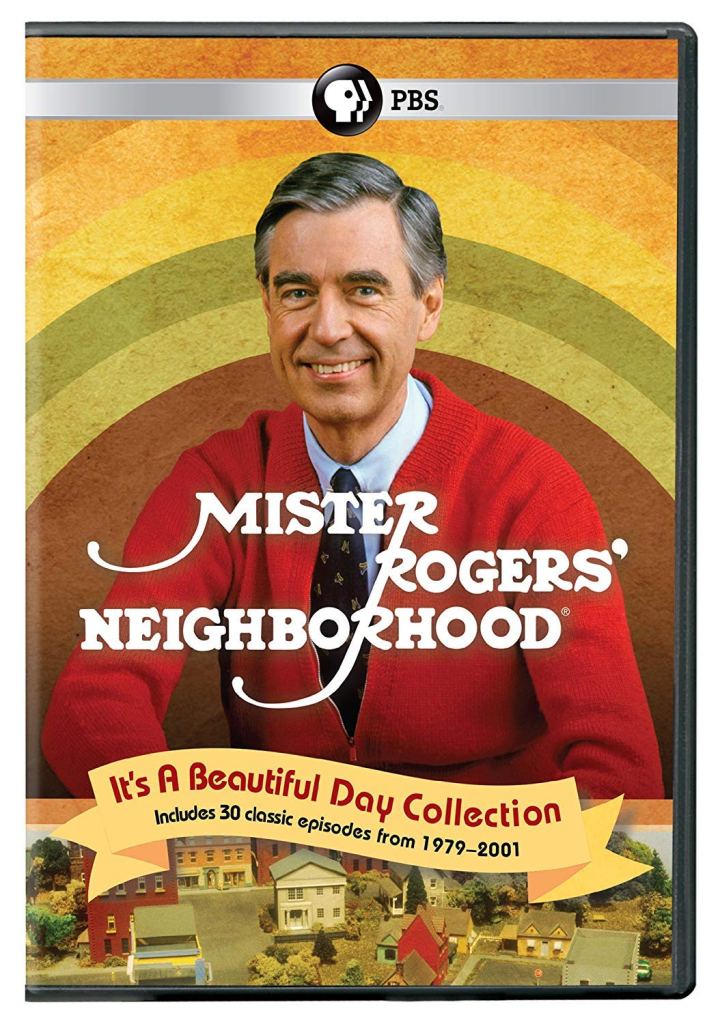
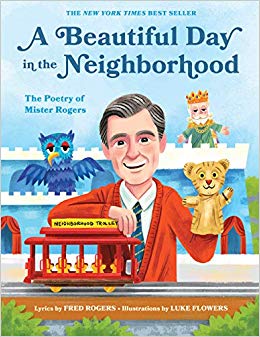
I can’t actually say that I learned to be selfless and encouraging from Fred Rogers. He was really only one of many such teachers, a list headed by my maternal grandfather. But in a way, he is responsible for giving me the tools I use to make things like that happen.

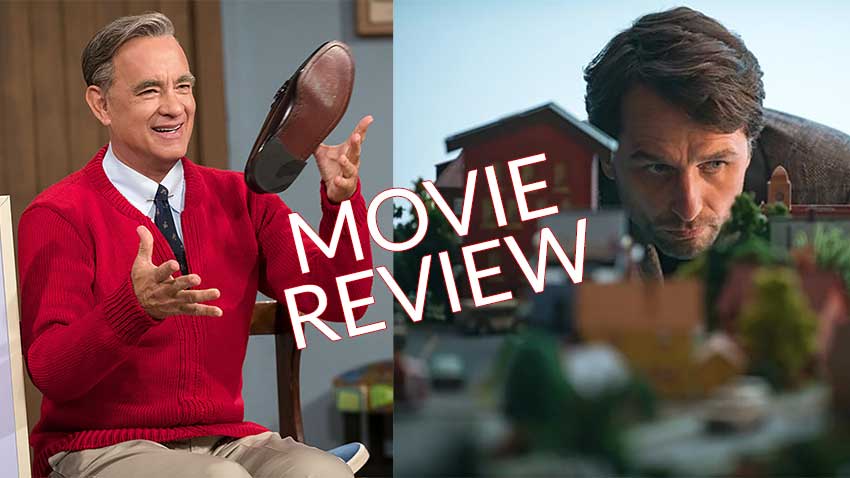
https://www.cinemovie.tv/Movie-Reviews/a-beautiful-day-in-the-neighborhood-movie-review

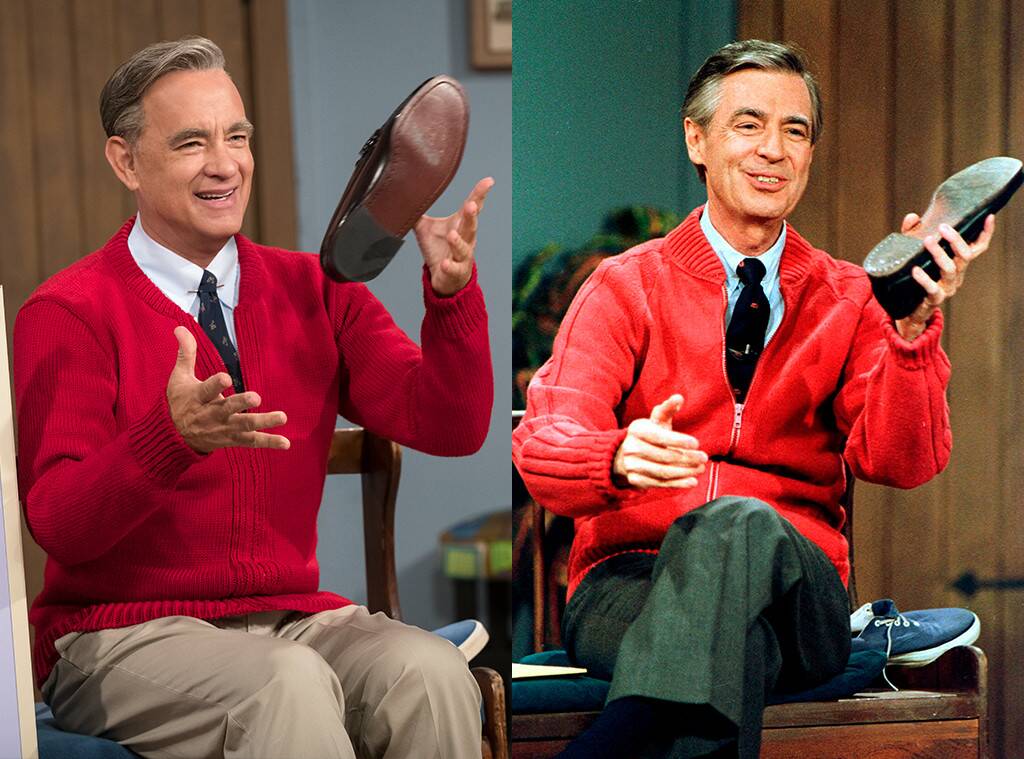
Yesterday I went to the movie “A Beautiful Day in the Neighborhood” at the Music City Mall in Lewisville. I can drive those few miles. And I freely admit to crying through a good portion of the movie. It is not really a sad movie. It is not actually a biopic. It is based on a real article in Esquire magazine by journalist Tom Junod. It is a partially fictionalized story about how the innate goodness of a man like Fred Rogers has a profound impact on the journalist, and all of the rest of us as well, through that act of caring and loving and gentle being-just-the-way-you-are. There is no doubt about it, when Tom Hanks, channeling Fred Rogers in the restaurant scene, asks for one minute of silence to think of all those people who have had a hand in making you who you are, he looks directly into the audience, he looks directly at me individually, and the entire theater is dead silent as everyone is doing exactly what the movie character is asking you to do. It was a singular moment in cinema that I have never experienced before. It touched my soul.

I left that movie theater feeling amazingly fulfilled. Was it because it was an excellent movie? It definitely was excellent. Was it because of the wonderful way Tom Hanks brought Fred Rogers back to life even though he looks nothing like him? He definitely made that happen. Or was it because the movie invoked a true angel, a once-living hand of God now gone from this world? Because Fred Rogers was that for so many kids for more than 800 episodes.

I must confess, when I was a teenager, I didn’t think much of “Mister Rogers’ Neighborhood“, though I saw some of those first black-and-white episodes, back when King Friday and Daniel Striped-Tiger were new. If I had to watch kids’ shows on PBS, which I often did because of younger siblings and cousins, I much preferred the color and the Muppets in “Sesame Street”.

But when I had been a teacher for a few years, and had to search hard for ways to communicate and teach for use with South Texas middle-schoolers, I began to see the true genius of Fred Rogers. He never talked down to kids. He never lost patience, even when things went wrong. He was always trying to keep it simple, even when the point he was making was as metaphorical as talking about keeping a “garden in your mind”. He was understandable. He was welcoming and relentlessly nice. And it wasn’t a TV character. It was really him.

I can’t really say this was a movie that changed my life. But maybe it did. I cried silently during a large portion of it, not because of the sad parts in the movie, but because I recognized so much of myself in the journalist waking up to the need to be as real and honest and able to connect to other people as Fred Rogers always did.

So, my conclusion to this essay that may be a movie review, or possibly an homage to Fred Rogers, is really quite simple. Thank you, Mr. Rogers. I really like you, just the way you are.

10 Comments

Filed under artists I admire, compassion, education, empathy, heroes, humor, inspiration, movie review, sharing from YouTube, strange and wonderful ideas about life, teaching

Dancing With Alan Watts

It seems sometimes, in a Judaeo-Christian society, that we are a constantly being scrutinized by a rather harsh all-knowing God who rewards getting the faith-words accurately correct, to the letter, and the faith-based actions perfect, without a single mistake. And He punishes missteps of word or deed with pain and suffering and the potential of an eternity in Sheol or Hell. And that is a tough God to live with. He is like a teacher who uses his or her God-like powers to reward or punish to lead his students all down an exacting, narrow path to a destination that does not have room for everyone when they arrive.

It doesn’t take long in childhood for a highly intelligent person to realize before childhood is over that this cosmology is actually a load of horse pucky. It didn’t even take long for somebody as semi-stupid as me.

What I like about listening on YouTube to the wisdom of Alan Watts is that he gives us an alternative way of seeing the universe and ourselves. This he can offer through his studies of Eastern and Buddhist philosophies. Everything appealing in John Lennon’s signature song “Imagine” comes from Lennon’s love of listening to the lectures of Alan Watts. He is obviously a wise-guy.

Alan Watts teaches us the pathways that lead to finding yourself, who you truly are, and how you fit into the universe as a whole. When Carl Sagan says that we are all made of star-stuff, he is not only telling us what is literally true, as the elements our bodies were formed from were literally made in the nuclear forges at the centers of stars that later exploded in nova-bursts to scatter the elements across the skies of everywhere. He is also telling us that what Alan Watts says is metaphorically true, that everything in the universe is part of the same thing and we are all one in this way.

There is plenty to worry about in my little life. I could easily drop dead at any time from any one of my six incurable diseases or even the return of the skin cancer I beat in 1983. I suffer from the consequences of disease daily, as I have for many years now. My sins are many. I broke my promise the other day to never show you the horrors of my naked body on this blog. I constantly eat the wrong thing and continue to do things that I know are bad for the environment and the health of my body. I am prejudiced against racists, stupidity, and the actions of dedicated Trump-lovers. In many ways I deserve God’s wrath and brutal correction. I have come to truly believe that climate change is going to end life on Earth. I am horrible.

But I have learned from Alan Watts that all of those concerns mean nothing. I don’t believe in Heaven or an afterlife. But I do not fear death. I am one with the universe. And the universe goes on even if I do not. And I will always be a part of it, even after I am no longer alive. The universe has a mind and is intelligent And I take part in that because one small part of that intelligence is me, and lives in my head.

There is comfort to be found in the words of Alan Watts. And living in pain as I do, I really need that comfort most of the time. That is why I have attempted to share a bit of that comfort with you.

8 Comments

Filed under artists I admire, commentary, feeling sorry for myself, finding love, foolishness, healing, health, humor, Paffooney, philosophy

Happy Birthday, Carl Barks

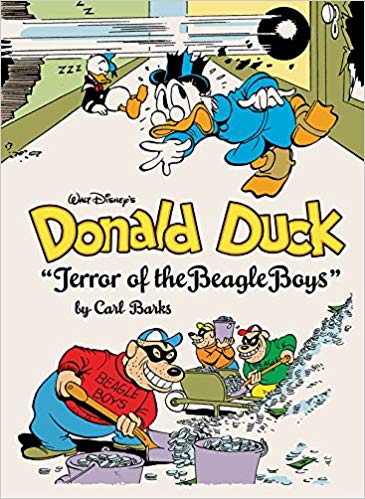
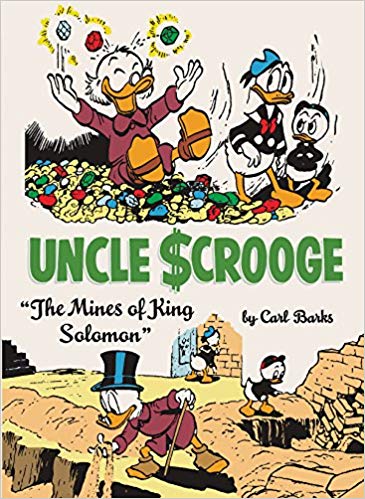
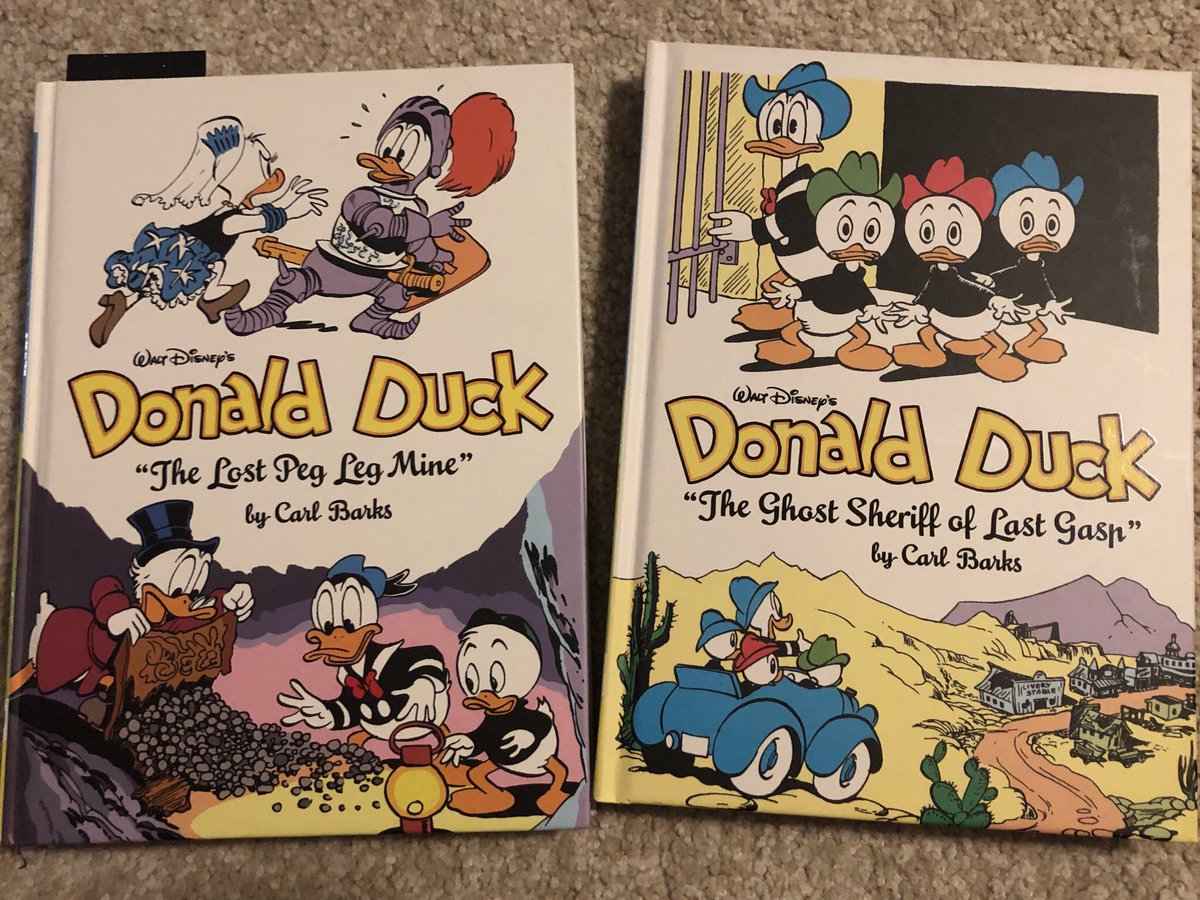
Carl Barks was born on March 27th, 1901. So, today is his 118th birthday. If you have no idea who I’m even talking about, then you were never a kid and a comic book fan in the 1960s. Carl Barks is both Uncle Scrooge’s father and Donald Duck’s stepfather.

Carl is a personal art hero of mine. I grew to adulthood on the adventures of his plucky ducks doing duck adventures in Duckburg. I have written about my devotion to Carl in this blog before. In fact, here is the link; https://catchafallingstarbook.net/2014/09/27/carl-barks-master-of-the-duck-comic/
That’s essentially true. A large part of my character as a junior high school English teacher was based on what I learned about mentoring from Scrooge McDuck and about teaching important facts from Gyro Gearloose.

Carl was not immune to criticism. Cartoonists get blow-back, a fact of life. But he overcame it with a wry sense of humor and interesting views of how you pursue goals in life. He had a firm sense of fair-play and justice. You could get actual morals to the stories in a Carl Barks’ duck cartoon.

The characters were not perfect. They all had glaring flaws, the heroes right along with the villains. Of course, the villains never learned to change their ways, while the heroes often learned to improve themselves by working on the weaknesses, and it wasn’t all about becoming a gazillionaire (a term I think Barks may have invented).

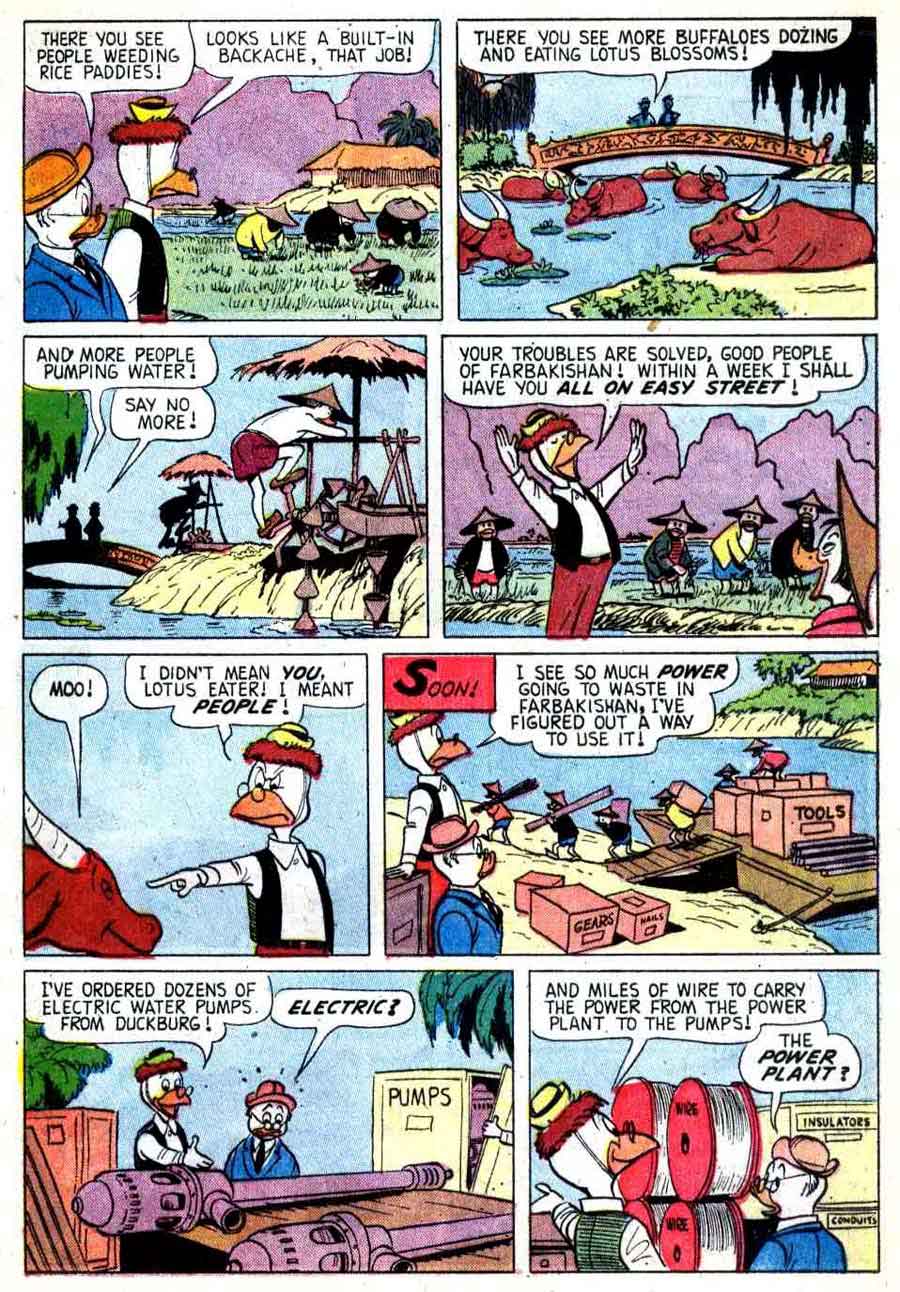
I even learned a good deal about adventure story-telling from Carl Barks’ comic books about Duck people doing ducky stuff that was really about people doing people-y stuff in the real world. Yes, people in the world around me are very Carl Barks’ ducky.

So, happy birthday, Carl. 118 years young. And he’s only been gone from our world since August of 2000. He still talks to me and teaches me through his Duck comics.

Leave a comment

Filed under artists I admire, autobiography, comic book heroes, goofy thoughts, humor

The Golden Age

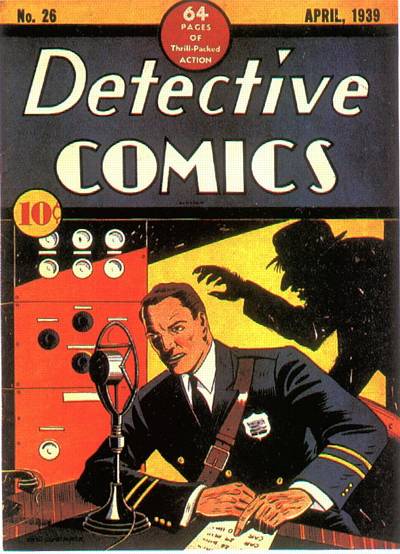
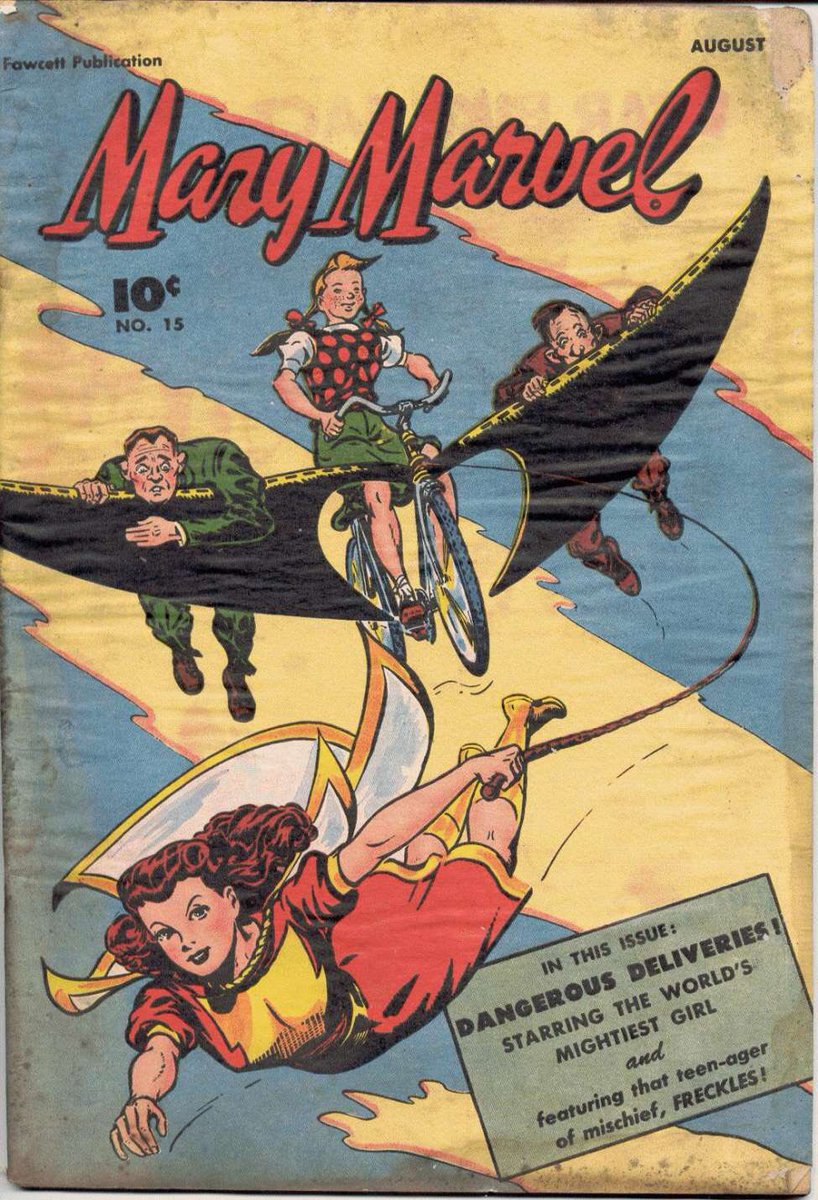
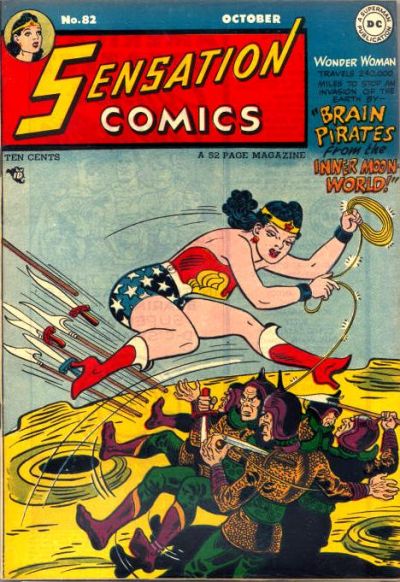
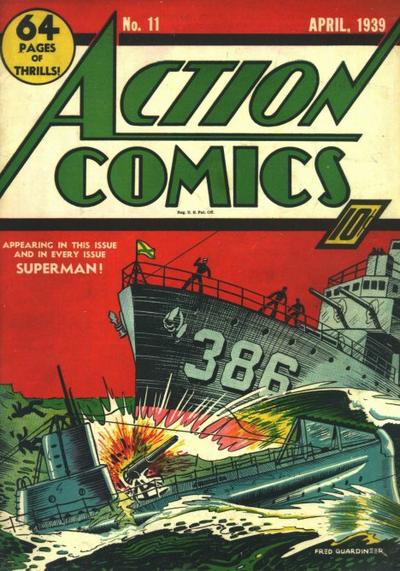
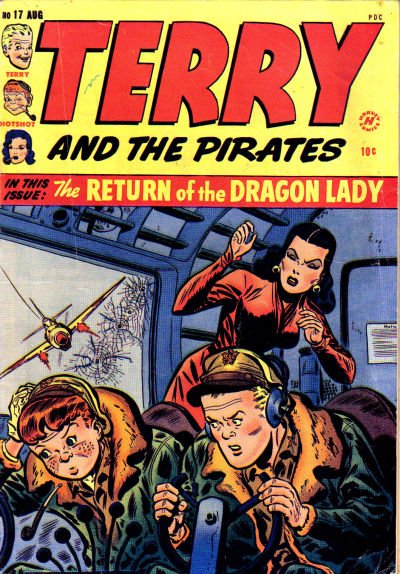
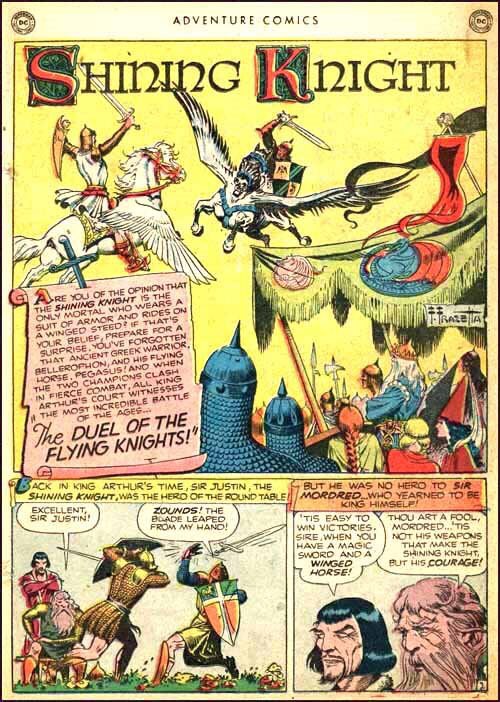
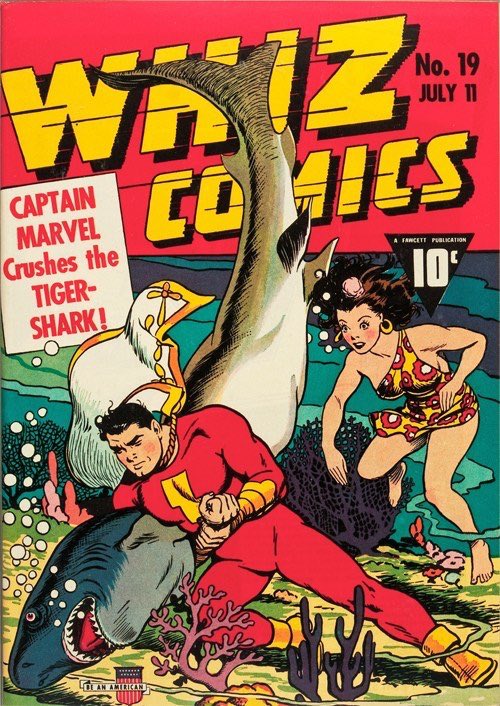
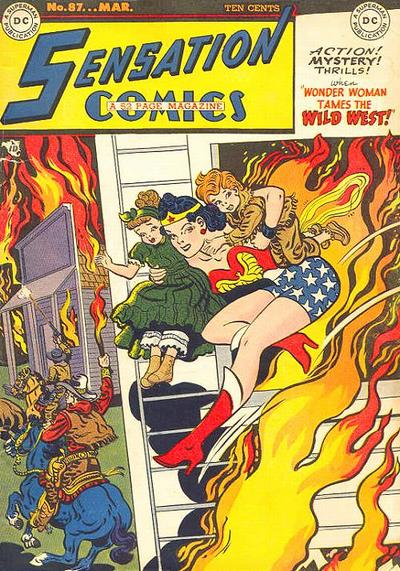
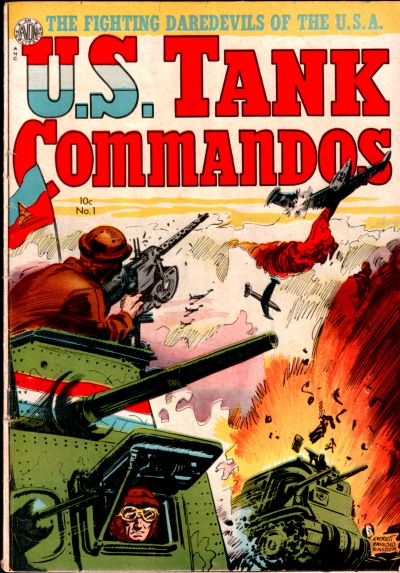
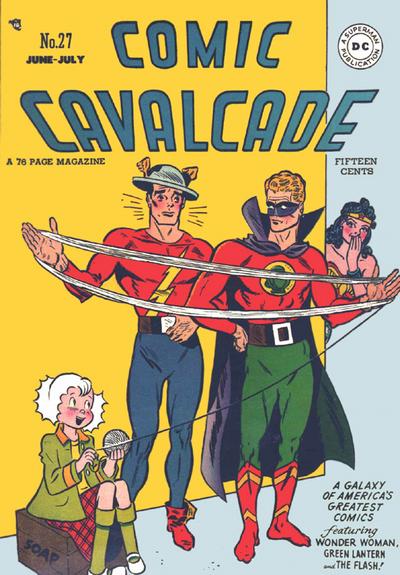
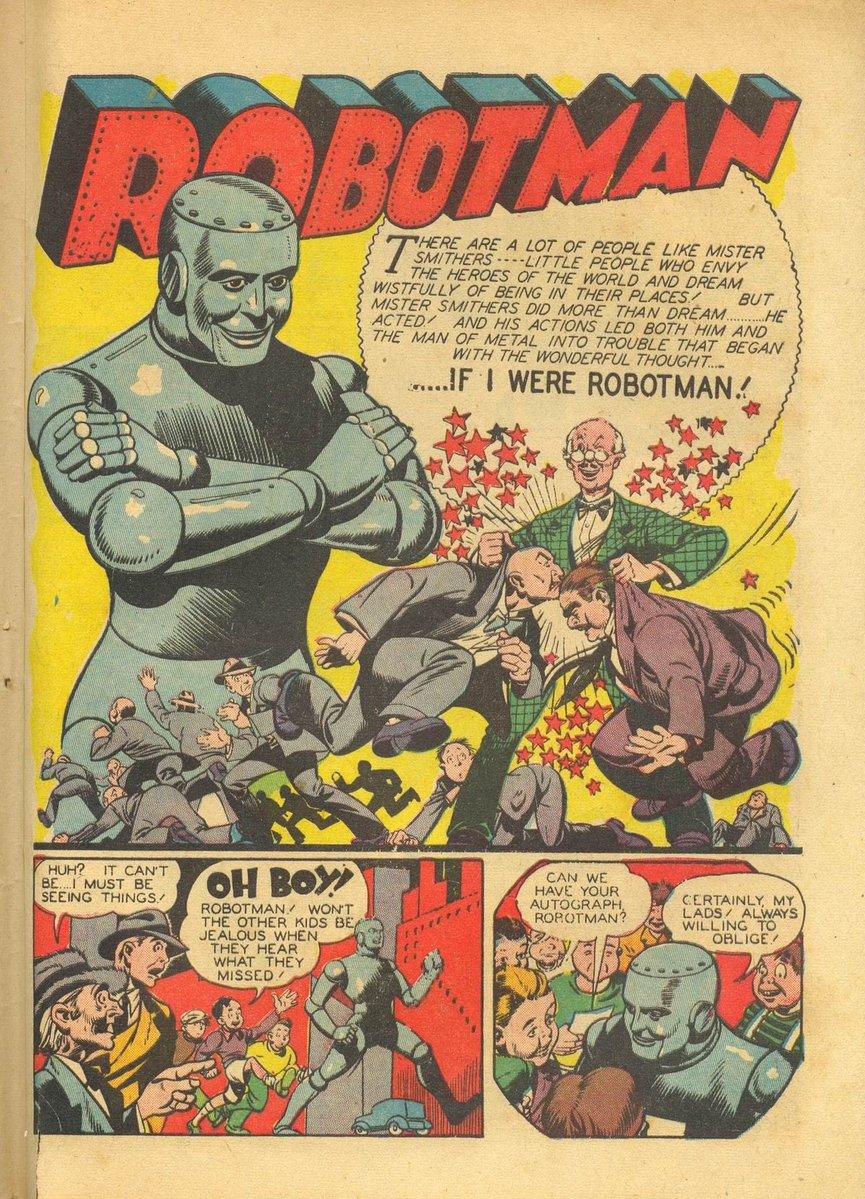
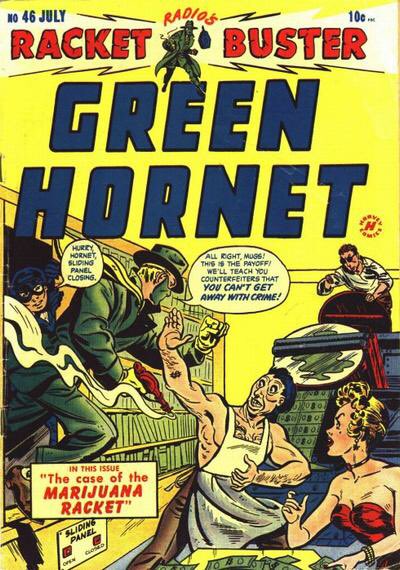
I am certainly no expert on the Golden Age of Comics. I was, in fact, born the year that the Golden Age ended. I am a child of the Silver Age (1956 to the early 1970s) and those were the comics I grew up with. But I admit to a fascination with the initial creation of the characters I love, including Batman, Superman, the Flash, Captain America, the Phantom, Steve Canyon, Wonder Woman and numerous others who were first put on the comic book pages in the Golden Age. And being subject to comic book prices that zoomed upward from a dollar an issue, I was bedazzled by the ten cent price on old comics.

Comic books owe their creation to the popular newspaper comic strips from the Depression era and WWII wartime. Originally, comic strips were gathered and printed on cheap paper. Dick Tracy, Prince Valiant, Terry and the Pirates, Flash Gordon, and other adventure strips would lead to the war comics and hero-centered comics that would morph into superhero comics.

Some of the artwork in Golden Age comics leaves a lot to be desired. Especially original, straight to comic book publications that were produced fast and furiously by publishers who would open one week, produce three issues. and go out of business three weeks later. But in the mad scramble, some truly great artists formed the start of their illustrious careers, Will Eisner, Hal Foster, Milt Caniff, and Bill Elder learned to master their craft in the newspaper strips, and all later created comic books and graphic novels. True geniuses like Jack “King” Kirby and Bob Kane and Jack Davis grew directly from comic book studio madhouses into comic-book-artist immortality.

As with most things that have a Golden Age, the truth was that later comic book eras were superior in most ways. But this Golden Age was the foundational age for an American art-form that I truly love. So, flaws and warts are overlooked. And some of these old ten cent books on super-cheap paper are worth huge amounts of money if you still have a rare one in mint condition. Ah, there’s the rub for a manic old collector guy like me.

Most of the Golden Age comic book images used for this post were borrowed from the ComicsintheGoldenAge Twitter page @ComicsintheGA. If you love old comics like I do, you should definitely check it out.

Leave a comment

Filed under artists I admire, artwork, comic book heroes, comic strips

Harvey Comic Books


“Joker”, a harlequin jack-in-the-box logo for Harvey

When I was a kid old enough to begin to see and interact with the real world in the tragic and magical 1960s, the first comic books available to me, long before my parents would allow me to pick up and buy Spiderman and Batman and (shudder) comics with monsters in them, were the kid-friendly comics of the Harvey Brothers.

Now, you have to understand that Harvey Comics had been around since the 1940s and made their money on characters licensed first from the Brookwood Publications company that Alfred Harvey bought out in 1941 to provide the building, equipment, and publishing personnel to start producing comic books.

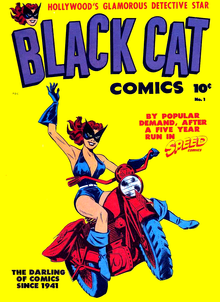
Robert B. Harvey and Leon Harvey joined the company to help produce titles they now owned the rights too like Black Cat, the Shield, Shock Gibson, and Captain Freedom.

…………………………………………Of course, most of those characters didn’t last very long. Black Cat was the only title still being published by Harvey in the 1950s.

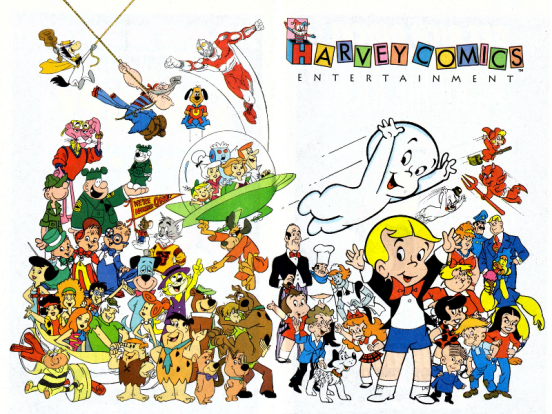
They would go on to license characters from Famous Studios, the animated cartoon works of Max Fleischer and his brother Dave. That’s when the kid- friendly, parent-approved comic books of Fleischer creations like Casper the Friendly Ghost opened up the world of comic books to seven-year-old Mickey circa 1963.

In spite of this cover art, Casper rarely wore clothing.

Now, it is probably obvious that there are many ways that Harvey Comics influenced me as a storyteller later in life. It goes without saying that my dedication to childish humor in stories derives from this comic-book source. The cuteness of characters is another necessity of comic storytelling gleaned from these ripe fields of baby faces. And stories advanced by magical means and absurd sidetracks also come from here. But did you ever notice that Casper and the other ghosts all perform in the nude? Yes, I think my childhood longing to be a nudist began with Casper’s naked adventures. But unlike Casper, my urges along those lines were suppressed and repressed by parents and society as a whole. So watching Casper and Spooky and Pearl (Spooky’s goilfriend) romp naked through comic book hijinks were a sublimated substitution for that childhood desire. (Sure, none of them had genitals, but it wasn’t about that.)

…………………………………………….Of course, there were many other Harvey characters to enjoy that actually did wear clothes. I was particularly fond of Hot Stuff because he made such an art out of burning things and being a bad kid and roasting the backsides of fools and hypocrites with his trident. And he only ever wore a fireproof diaper, so he was almost a nudist too.

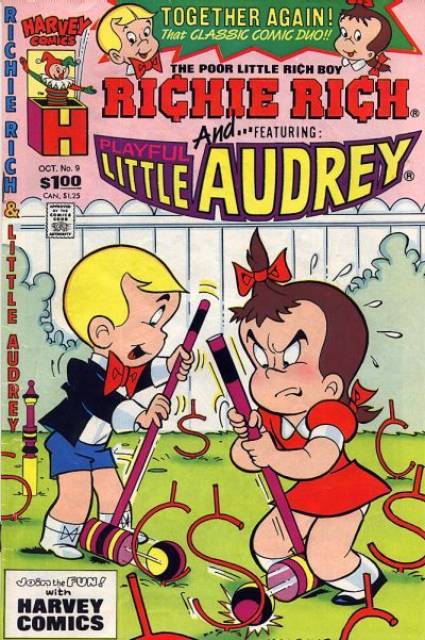
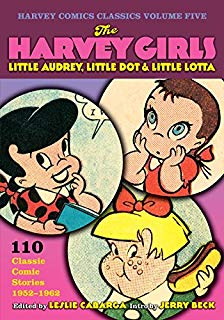
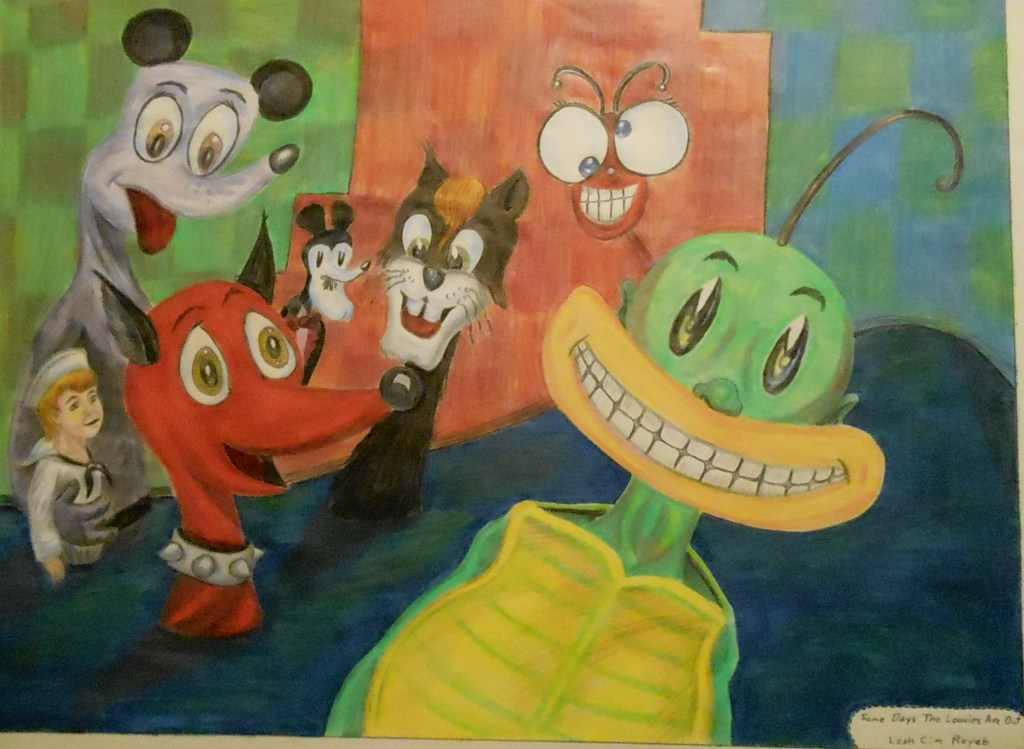
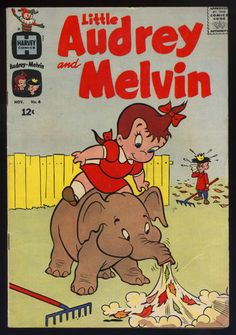
There were many other characters licensed by Harvey as well, including Felix the Cat, Little Audrey, Baby Huey, and the characters from Walter Lance Studios like Woody Woodpecker, Andy Panda, and Chilly Willy.

Dell would later take over the comic book rights to Walter Lantz Studios creations.

So, now you know the true story of how my innocent childhood was warped and woven and corrupted by the characters of Harvey Comics.

4 Comments

Filed under artists I admire, autobiography, collage, comic book heroes, goofy thoughts, humor, Uncategorized

Peculiar Books

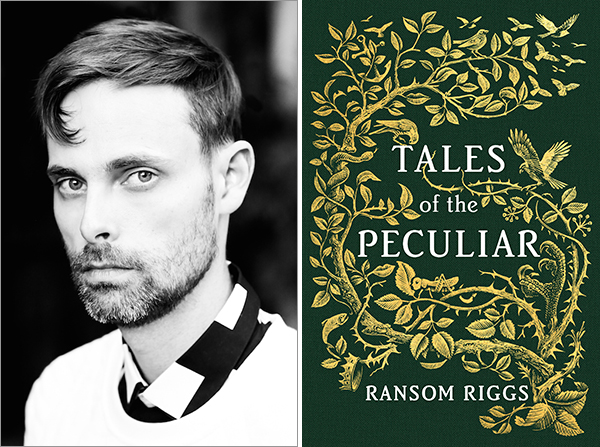
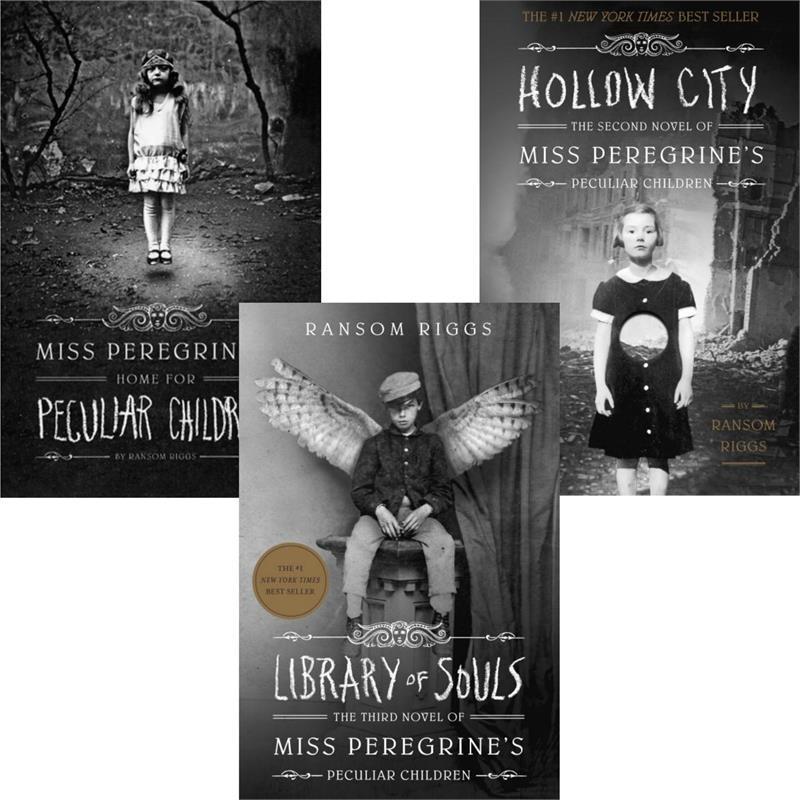
The gentleman writer pictured above is a successful creator of innovative and engaging fiction.  As a 1979 vintage, he was still a toddler when I began my teaching career in 1981.  Like John Green, another author I admire who was only a small child when I began teaching, he cut his writer’s teeth by writing for Mental Floss the humor-centric publisher of puzzles, facts, and trivia.  While I do, in fact, envy his success, I do not in any way take it lightly.  He is a capable, highly-intelligent story-teller whose books I have grown to dearly love.

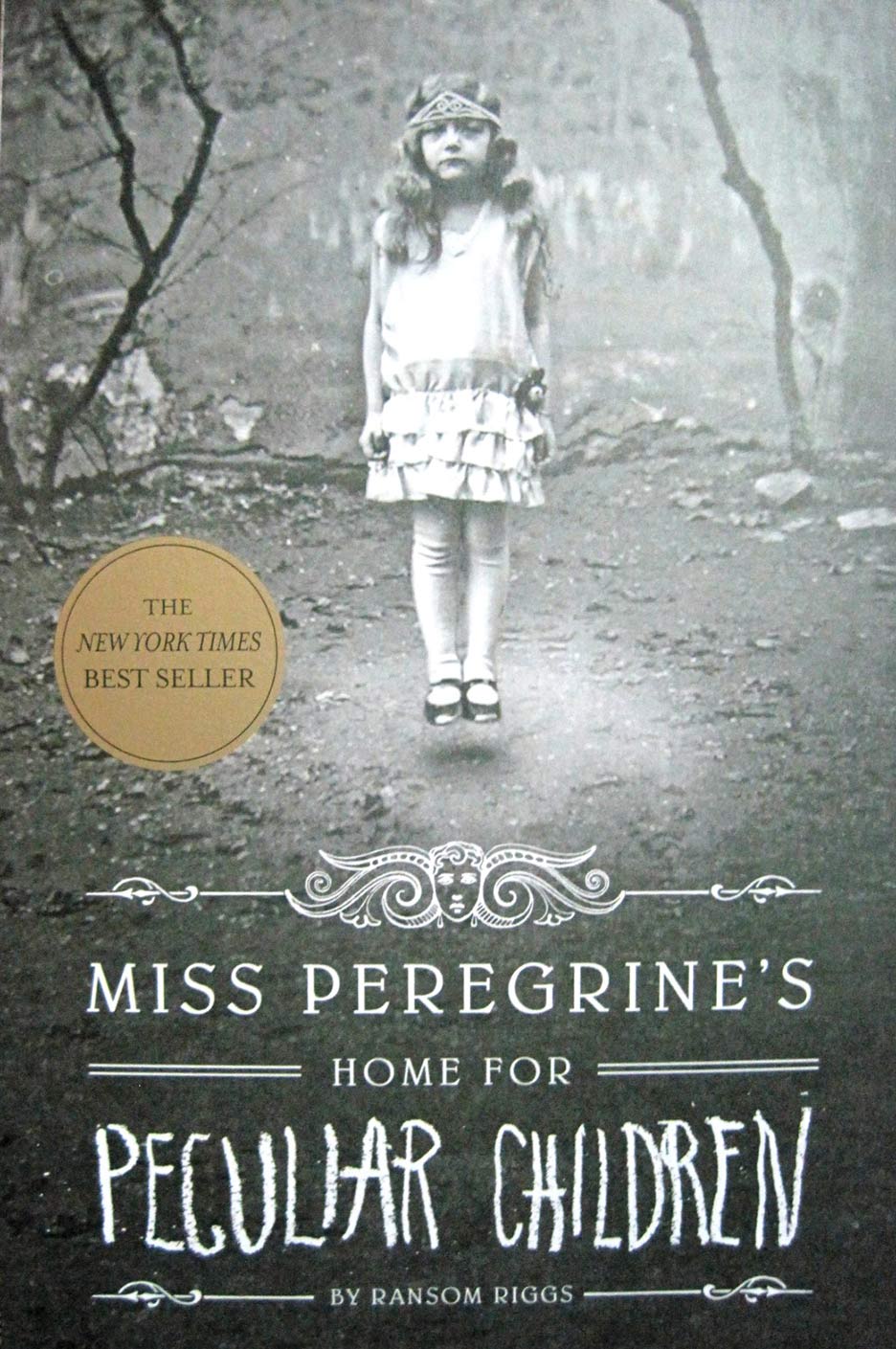
The first book in the peculiar series, also the first book I snagged at Half-Price Books and then devoured in a week (I bought a second copy to read after foolishly eating the first), is the peculiar tome pictured above.  In these stories, the peculiar author presents numerous old black-and-white photographs from the days when stereopticons stood in for televisions because the so-called boob-tubes hadn’t had the decency to be invented yet.  Most of these photos are bizarre in some way like the one used on his first cover.  And the pictures become the story.  The girl on the cover of Miss Peregrine’s Home for Peculiar Children becomes Olive, a young girl whose peculiar power is to float in the air.  In fact, she has to wear lead shoes to keep from floating off into the sky.  

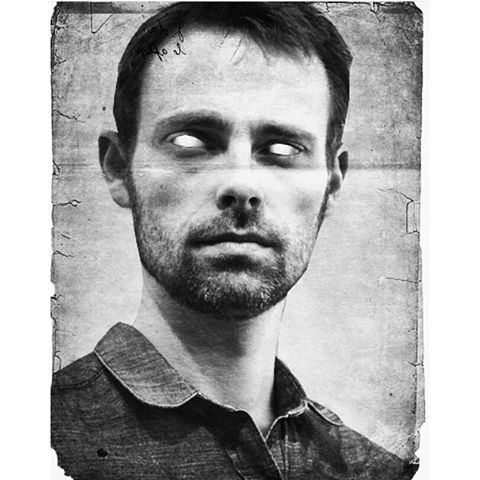
Ransom Riggs as a wight, the vampire-like villains of the series of peculiar books.

Peculiars are menaced by, and have to be protected from wights, former peculiars who eat the souls of their own kind to become white-eyed powerful villains who wish to rule and eat all peculiar people.

The peculiar children have to be protected by creatures called Ymbrynes, women who were originally peculiar birds that found they could turn into human women, and not only that, could loop time in ways that provided pockets of protection from those who would persecute them where time never passed.

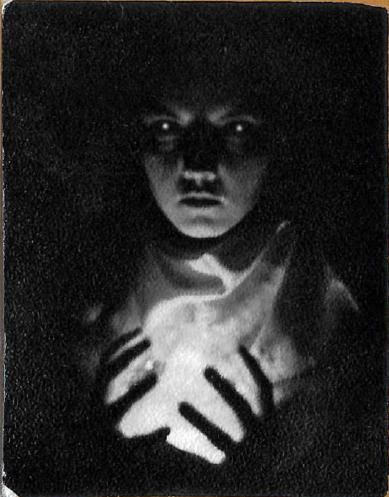
Emma, a peculiar girl who can generate fire from her bare hands.

The protagonist-narrator of the entire trilogy is Jacob Portman, a Florida boy who learns that he has inherited a one-of-a-kind peculiar power from his grandfather (turning it into a two-of–kind thing).  And when his grandfather is killed by wights, he learns of a place he must go to take his grandfather’s former place guarding Miss Peregrine’s troop of peculiat children, including Emma, pictured here, (a hot chick in more than one way).

I will not tell you any more of the story of the trilogy.  I hate to spoil anything from another author’s work.  I found that the discovery of every delicious detail and oddity along the way was the tastiest feature of the fiction.  (I do have to break that bad habit of eating books.  Gustatory learning, my peculiar ability and my curse.)  I will, rather, merely recommend that you discover the peculiar charms of these peculiar books for yourself.  (And try not to discover them by eating them.  Books have too much fiber and too little protein to be used like that.)

3 Comments

Filed under artists I admire, book review, humor, old books

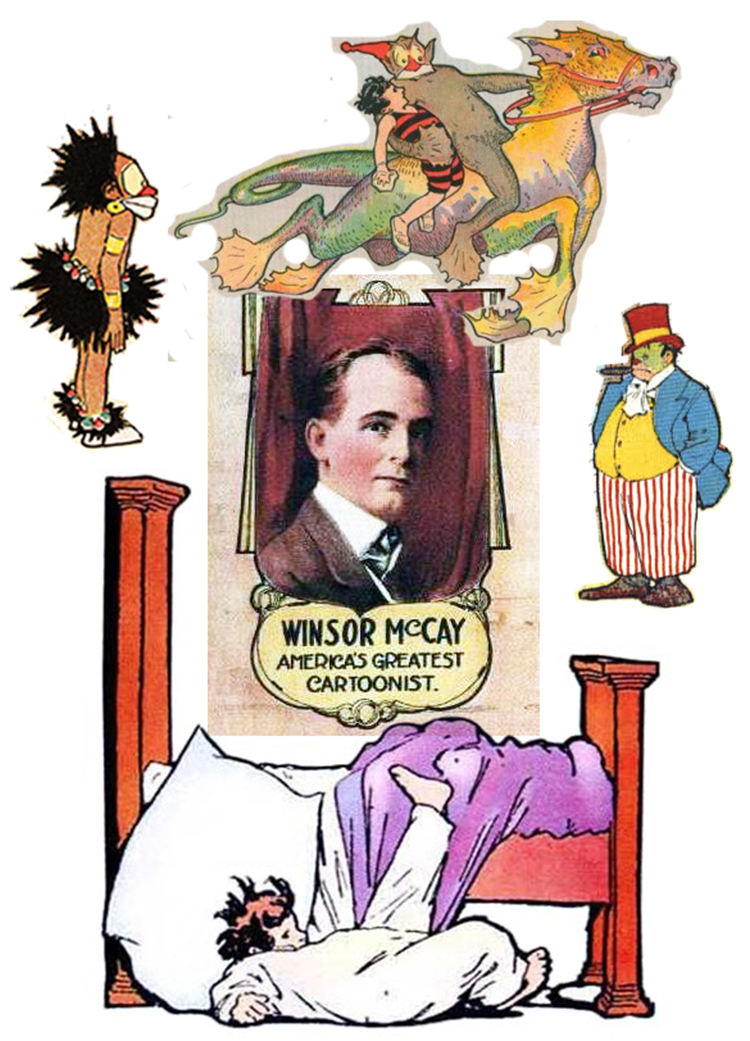
Winsor McCay

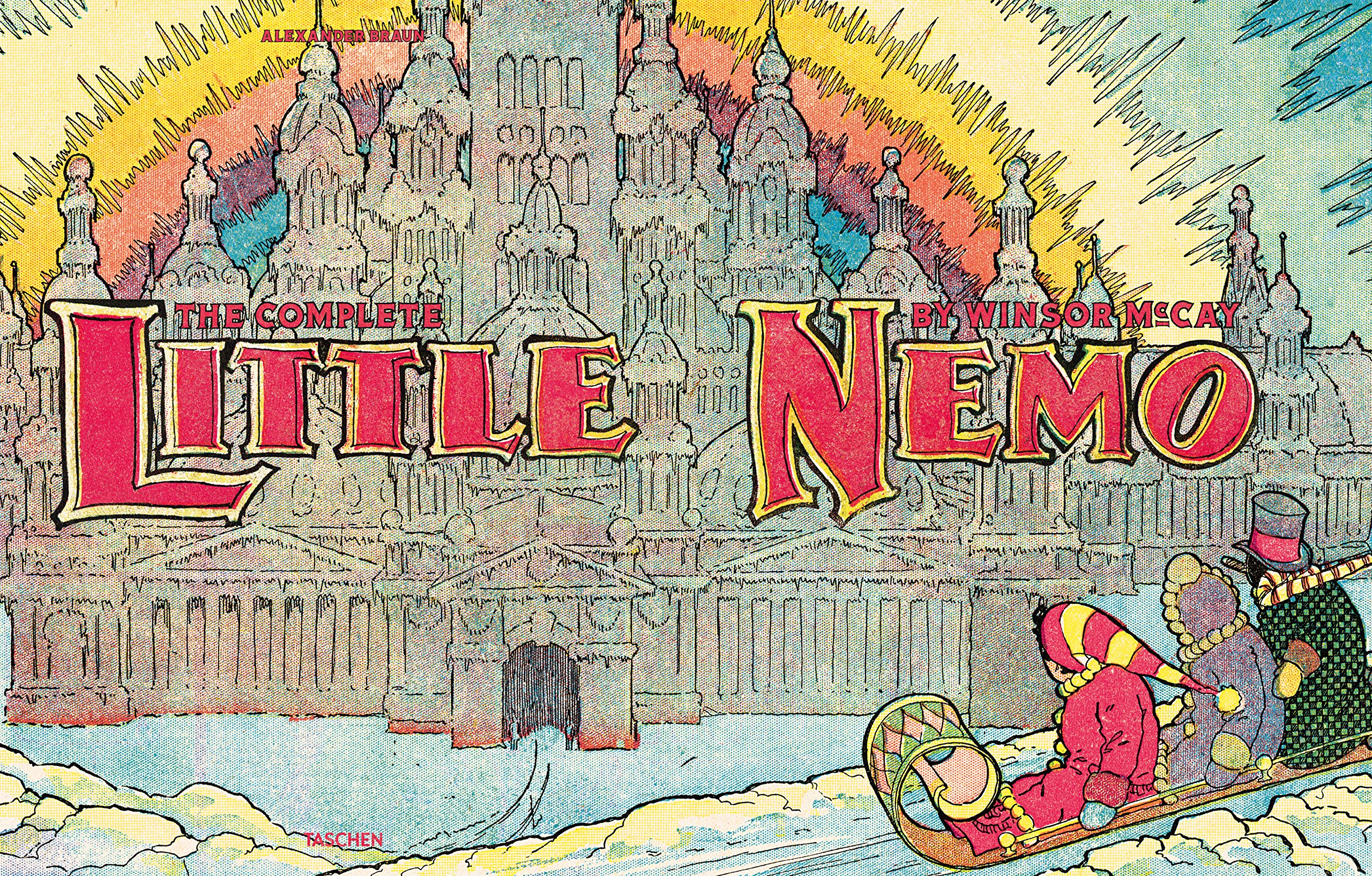
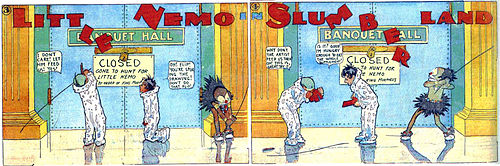
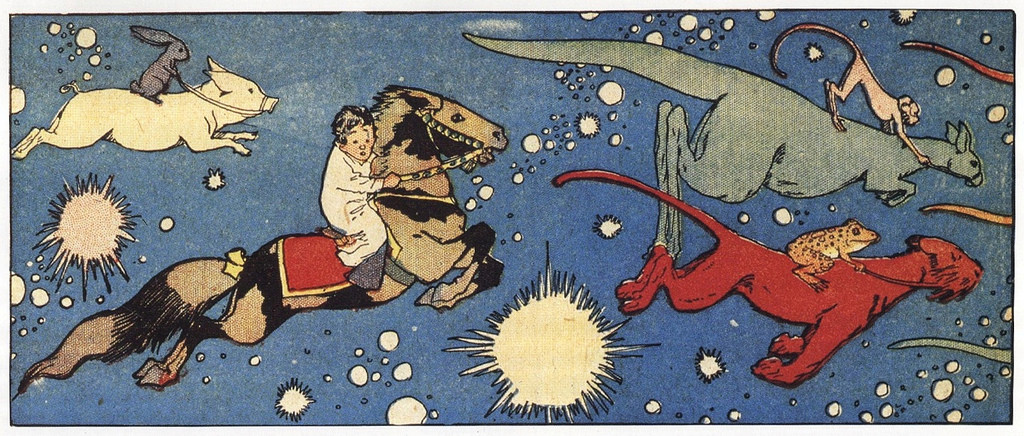
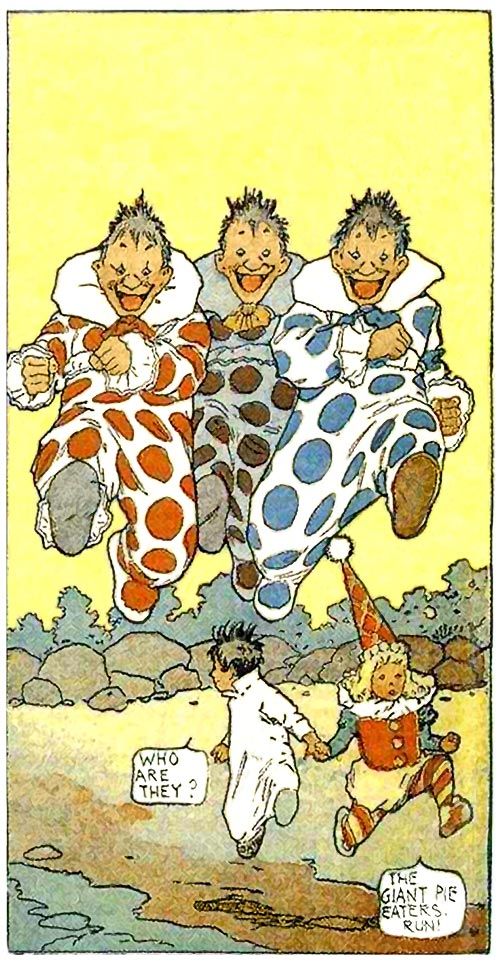
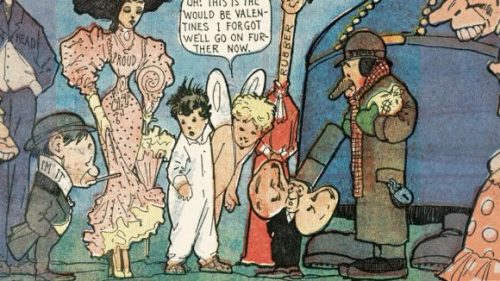
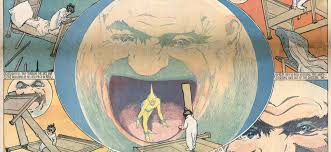
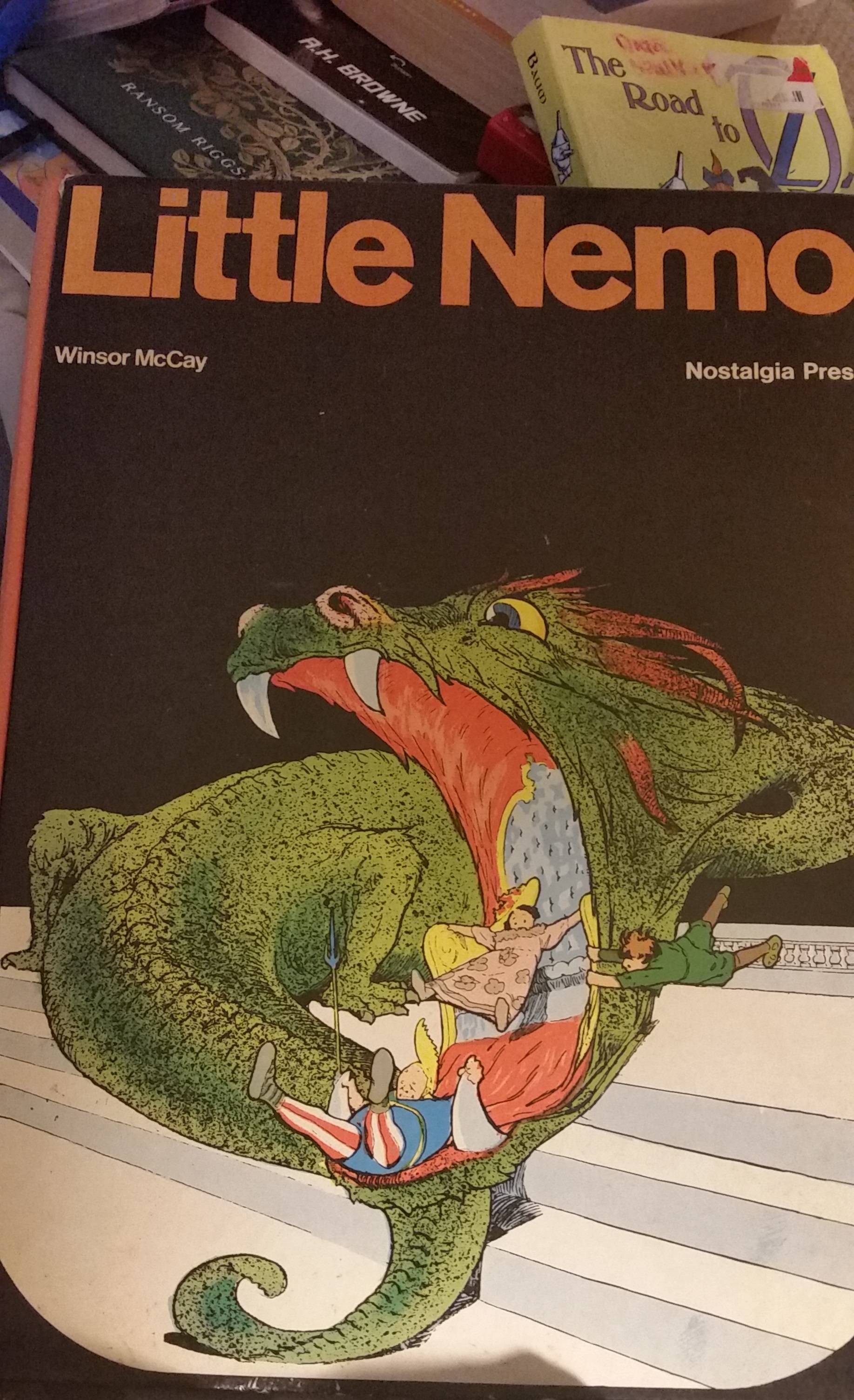
One work of comic strip art stands alone as having earned the artist, Winsor McCay, a full-fledged exhibition at the Metropolitan Museum of Art in New York City.  Little Nemo in Slumberland is a one-of-a-kind achievement in fantasy art.

Winsor McCay lived from his birth in Michigan in 1869 to his finale in Brooklyn in 1934.  In that time he created volumes full of his fine-art pages of full-page color newspaper cartoons, most in the four-color process.  

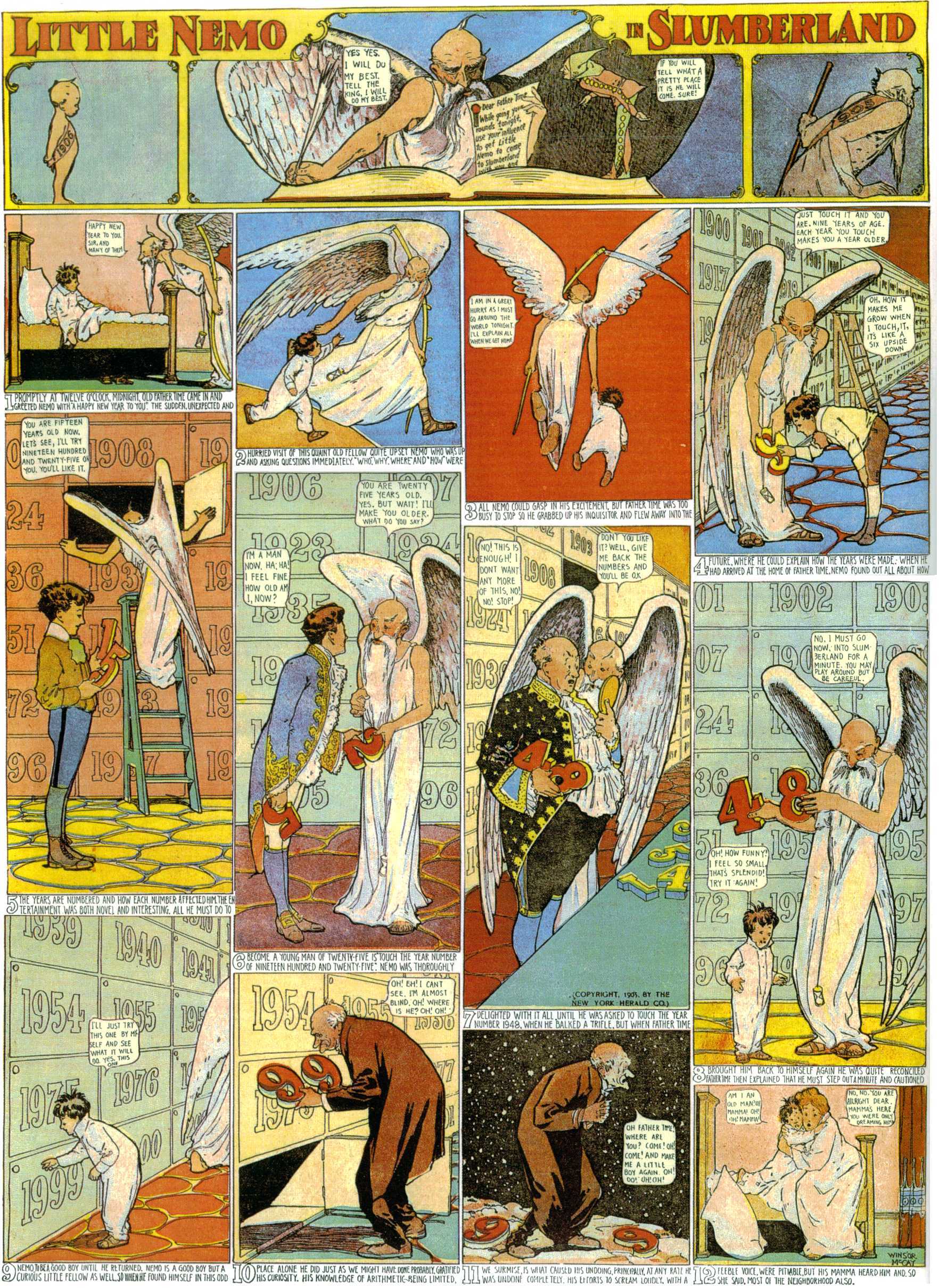
The New Year’s page 1909

As a boy, he pursued art from very early on, before he was twenty creating paintings turned into advertising and circus posters.  He spent his early manhood doing amazingly detailed half-page political cartoons built around the editorials of Arthur Brisbane,  He then became a staff artist for the Cincinnati Times Star Newspaper, illustrating fires, accidents, meetings, and notable events.  He worked in the newspaper business with American artists like Winslow Homer and Frederick Remington who also developed their art skills through newspaper illustration.  He moved into newspaper comics with numerous series strips that included Dreams of the Rarebit Fiend and Little Nemo in Slumberland.  And he followed that massive amount of work up by becoming the “Father of the Animated Cartoon” with Gertie the Dinosaur, with whom he toured the US giving public performances as illustrated in the silent film below; 

The truly amazing thing about his great volume of work was the intricate detail of every single panel and page.  It represents a fantastic amount of work hours poured into the creation of art with an intense love of drawing.  You can see in the many pages of Little Nemo how great he was as a draftsman, doing architectural renderings that rivaled any gifted architect.  His fantasy artwork rendered the totally unbelievable and the creatively absurd in ways that made them completely believable.

I bought my copy of Nostalgia Press’s Little Nemo collection in the middle 70’s and have studied it more than the Bible in the intervening years.  Winsor McCay taught me many art tricks and design flourishes that I still copy and steal to this very day.

No amount of negative criticism could ever change my faith in the talents of McCay.  But since I have never seen a harsh word written against him, I have to think that problem will never come up.

My only regret is that the wonders of Winsor McCay, being over a hundred years old, will not be appreciated by a more modern generation to whom these glorious cartoon artworks are not generally available. 

2 Comments

Filed under art my Grandpa loved, artists I admire, artwork, book review, cartoon review, cartoons, comic strips, commentary

Ginger Ale


20181108_090115

Long about the middle of October every year I have to partake of the miracle that is Ginger Ale during pollen season.  And believe me, in Texas, pollen season lasts until the parched grass and dry air sets in again during the droughts of middle July through September.  Sometimes in a wet year (which used to be rarer than now) the tree pollen, mold spores, mountain cedar, and ragweed fill the air year around.  Ginger in any form is a god-sent cure-all for ailments of the lungs, ears, nose, and throat.  It reduces inflammation, dilutes mucus, and helps you restore the breath of life.  I have developed a real taste for ginger products of all sorts as a result of the medicinal boost it gives me every year.  It explains my addiction to gingerbread.  Also why I often put ginger root in a pot on the stove filled with boiling water and then inhale the fumes.  I love Ginger Ale because it makes me feel good.

Simon’s Cat on YouTube is another kind of Ginger Ale for me.  Admittedly it is a mental sort of medicine, not a drink or a cookie or a steam inhaler.  But watching those simple black and white cartoon antics that are so realistically catlike makes me laugh and increases serotonin in the brain, and it provides a very real depression medicine.

Now, I know full well that I am connecting two very unlike things and calling them both Ginger Ale on the mere passing similarity of the medicinal benefits.  But life is far more metaphorical than it is literal.  And that is why I continue to maintain that poets live better lives than the rest of us even if they die young for love of beauty.  And it is better to be a cartoon cat than a literal king.

Leave a comment

Filed under artists I admire, battling depression, cartoon review, commentary, goofy thoughts, healing, health, strange and wonderful ideas about life

Ravel’s Bolero

One of the first pieces of classical music to grab me by the ears and absolutely force me to love a piece of music with no words was Ravel’s Bolero.

Miss Malek played it on a phonograph for us in the basement of the Rowan Schoolhouse when I was in 3rd grade back in the fall of 1965.  Shortly after that, my father bought a record of it for our record player at home.  I must have listened to it a hundred times before 4th grade.  It was the first piece of music I learned to listen to with pictures creating themselves in my mind.  Here’s the basic picture in fact;

DSCN4651

Yes, it suggests to me that life is a long plodding march toward inevitable battle, a battle that one day will end in defeat and death.  No one lives forever and no song continues without end.  But there is beauty, pageantry, and color to be felt and filled with along the way.  And the march is not without purpose.  What music we will create along the way!  It is glorious to be alive and provide the drumbeat for the march of the creations of your soul, your children and the words you come to live by.  I do not intend to retreat to the castle as many would do.  I will not cower as I await the conclusion.  I will march to meet it in a glorious crescendo.  And that, dear reader, is what Maurice Ravel’s Bolero is about, as far as I am concerned.

2 Comments

Filed under artists I admire, artwork, classical music, colored pencil, insight, inspiration, Paffooney