
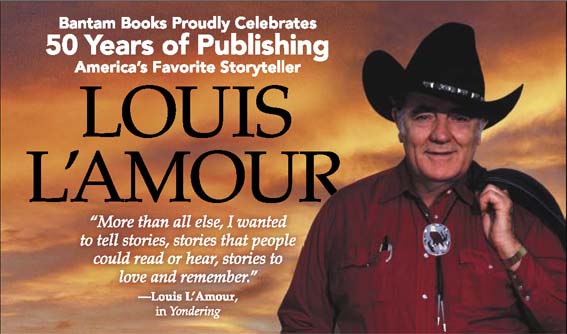
This man was my Grandpa Aldrich’s favorite author. Grandpa had ridden the range in the Dakotas in the 1920’s and early 30’s. He was basically an Iowa farmer for his whole life, but he rode horseback on the plains just long enough to become addicted vicariously to the life L’Amour so vividly describes in his many western novels.


Grandpa read every Louis L’Amour book the Rowan library had. He read a few more besides. And I have no idea how many he read twice, three times, or more. For the last decade of his life, he did very little sleeping, being used to two hours of actual sleep a night, and spending the rest of the time reading westerns while he rested.
This reading addiction is not only one that I understand, but share. I, too, love the westerns, the heroes, the manly and poetic prose, and the sheer story-telling ability of Louis L’Amour. I have not yet read every single book he wrote while he was alive. But I am working on it.
Recently I reread the book The Daybreakers, a critical cog in the story-cycle of the Sackett family. Here is my review from Goodreads of the third time I read this book.
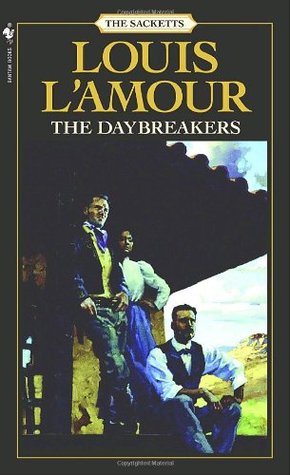
by

Louis L’Amour is a master storyteller. He created the narrator hero, Tyrel Sackett, as a young Luke Skywalker. His natural Force abilities are those qualities which make him a competent Westerner and a powerful gunfighter. His brother Orrin Sackett takes the Han Solo role from rogue pilot to New Mexico Sheriff and eventual congressman. Jonathan Pritts is the evil Emperor. He wants to take over the Mexican land grant belonging to the Alvarado family (Princess Leiah’s family on Alderaan). (Drusilla Alvarado is the Princess Leiah character). Ironically, Tom Sunday is a reverse Darth Vader. He befriends Tye, teaches him to read and how to be a good cattleman. And then he later turns on the Sackett family because of a wrong he feels from Orrin. The confrontation between Tye and his dark-side father figure is inevitable.
The writer abilities I see in the author deserve a much more detailed analysis than I can write here, but I loved this great American novel and strongly recommend it.
We have lost Louis L’Amour. He will never write another book. Which gives me a chance to read everything he wrote. But he writes so well, and is such an important part of American literature, that is only the smallest of consolations.


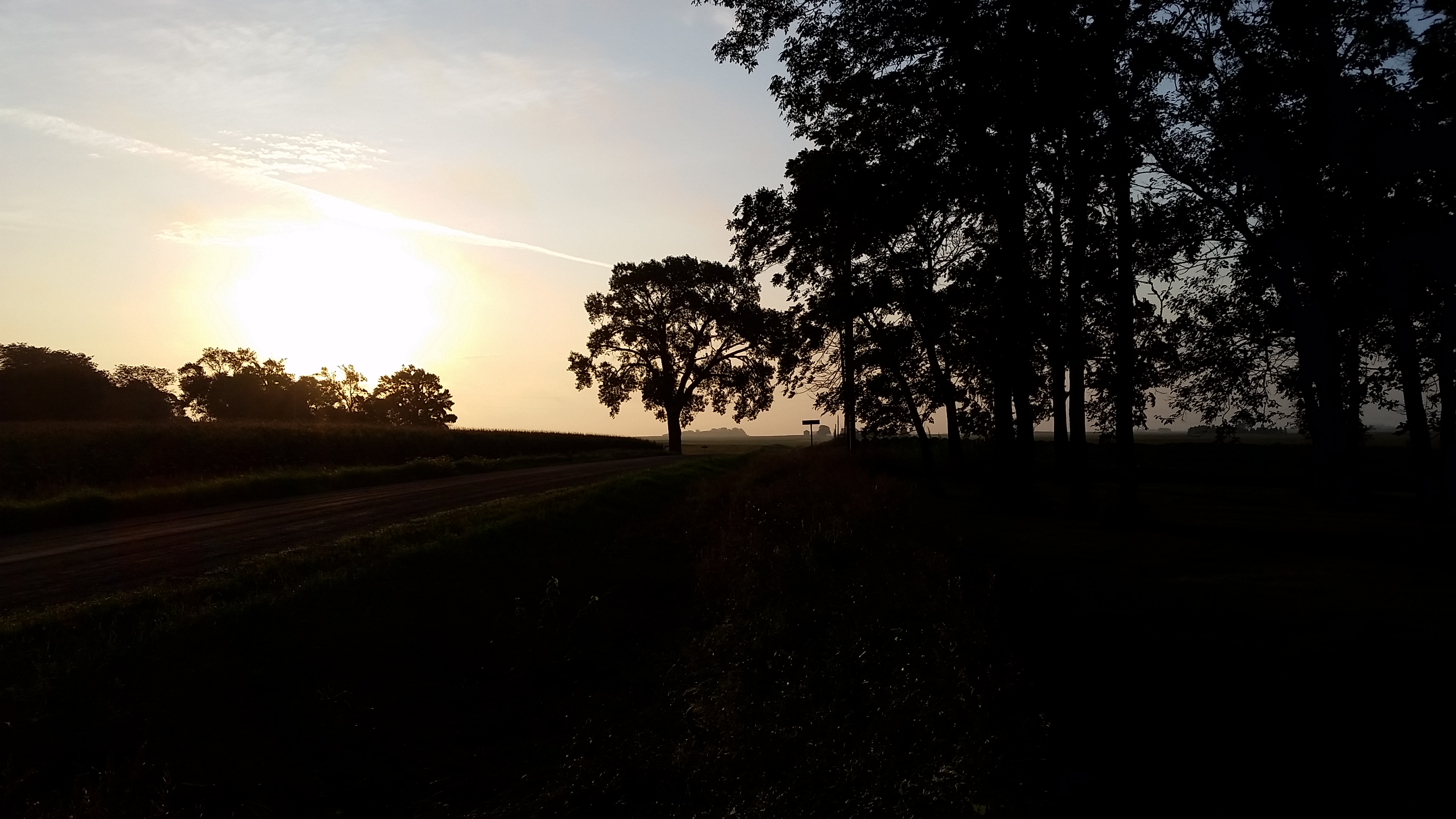

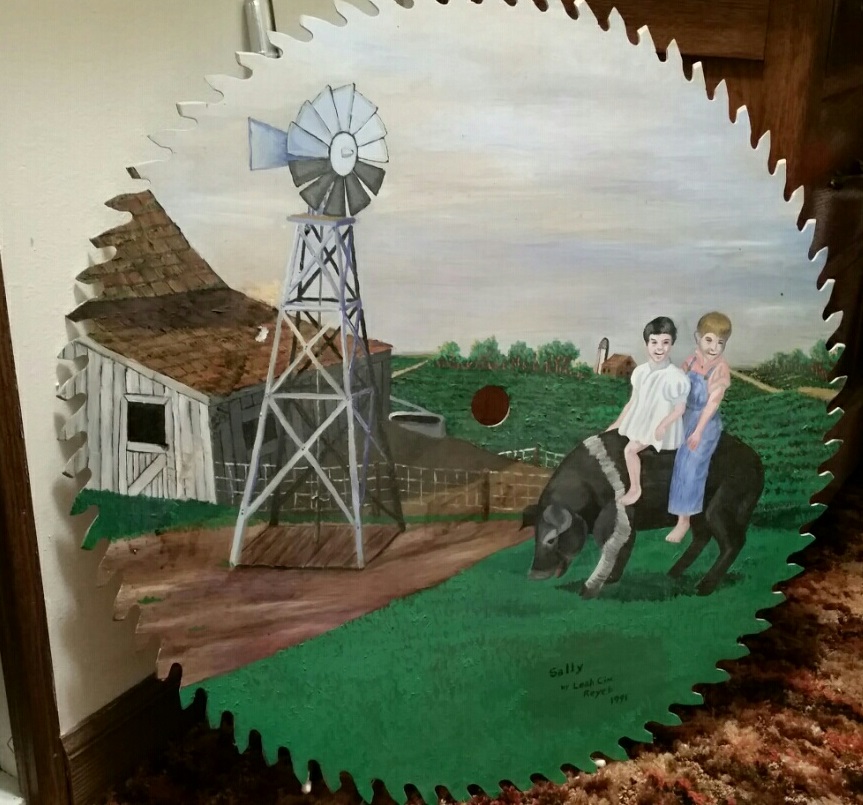
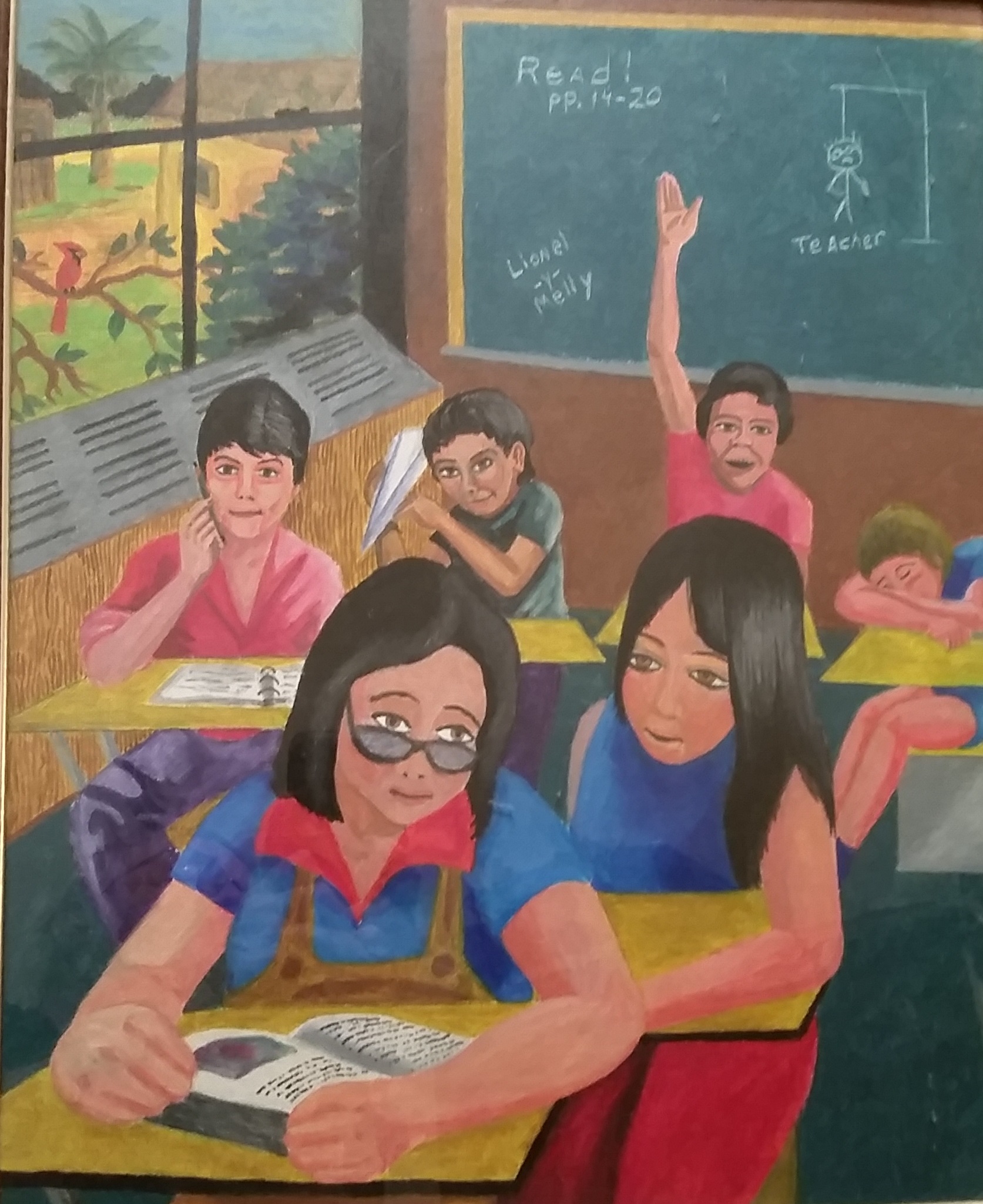
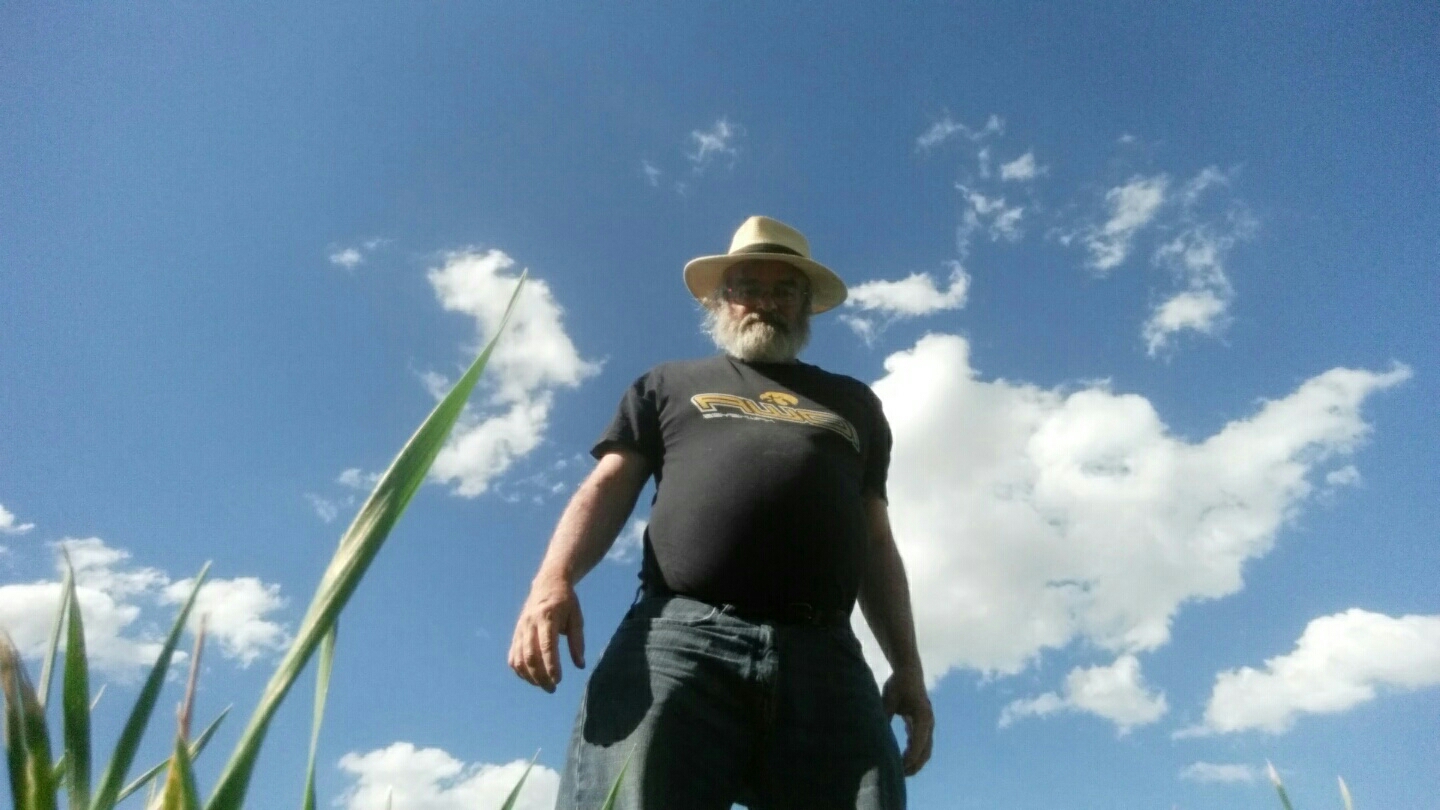
 So we returned to Texas, and that is probably where the sunset of my life will take place. I am retired from teaching now. I am blogging and telling lies instead… well, writing fiction. I should have another book published soon. And it has fairies in it. So maybe there is still time to pull off the REALLY BIG LIES.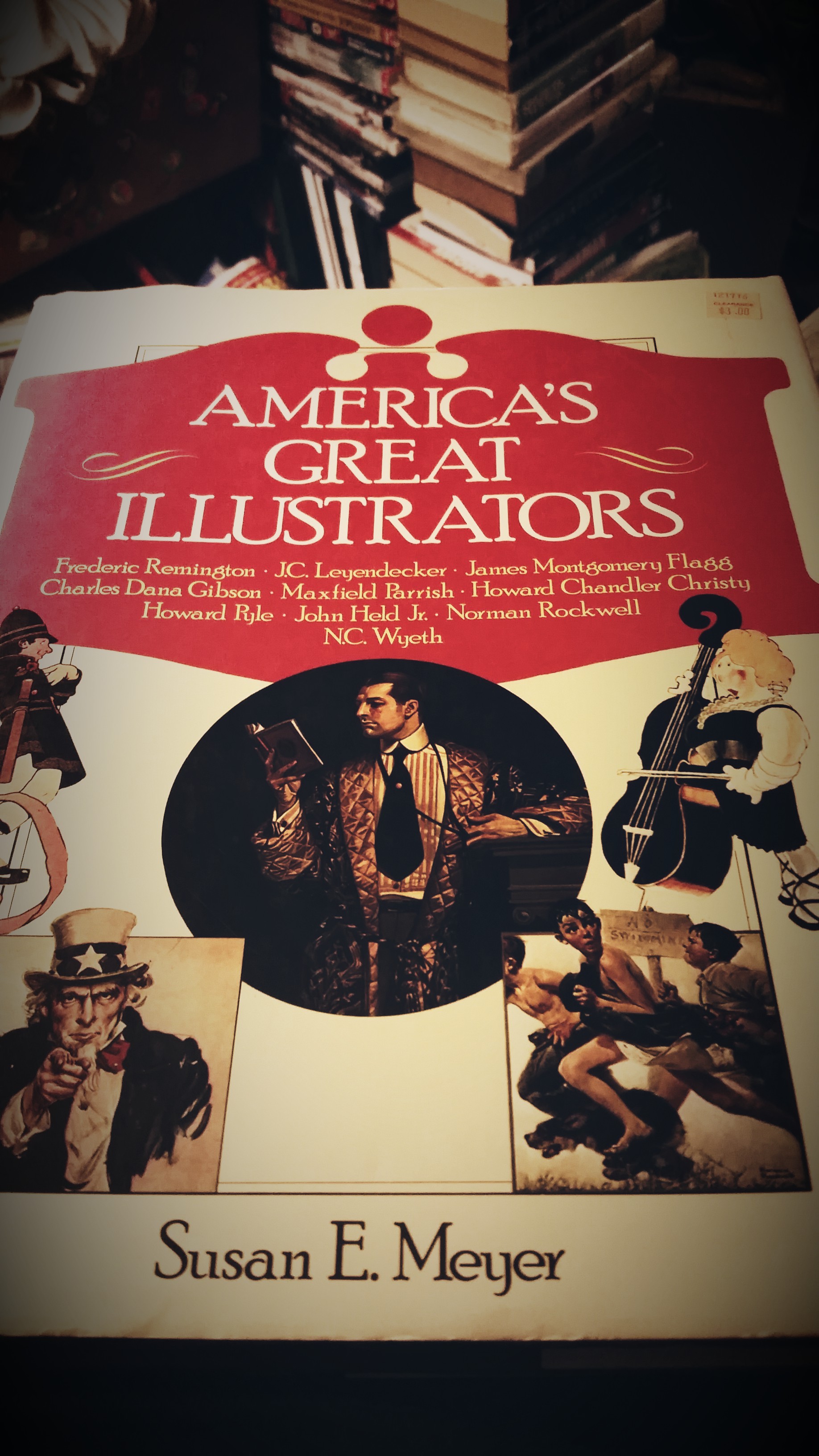
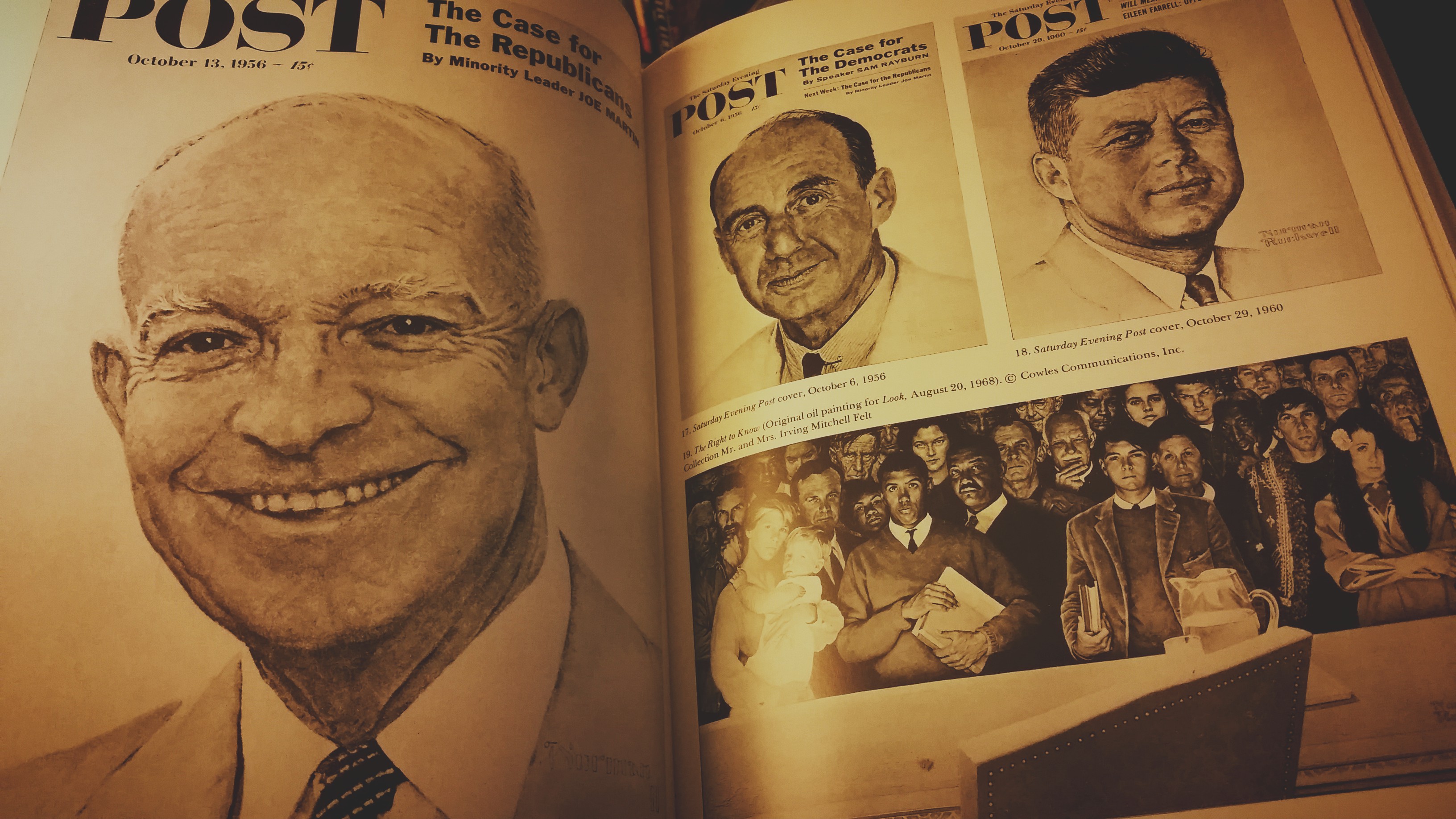
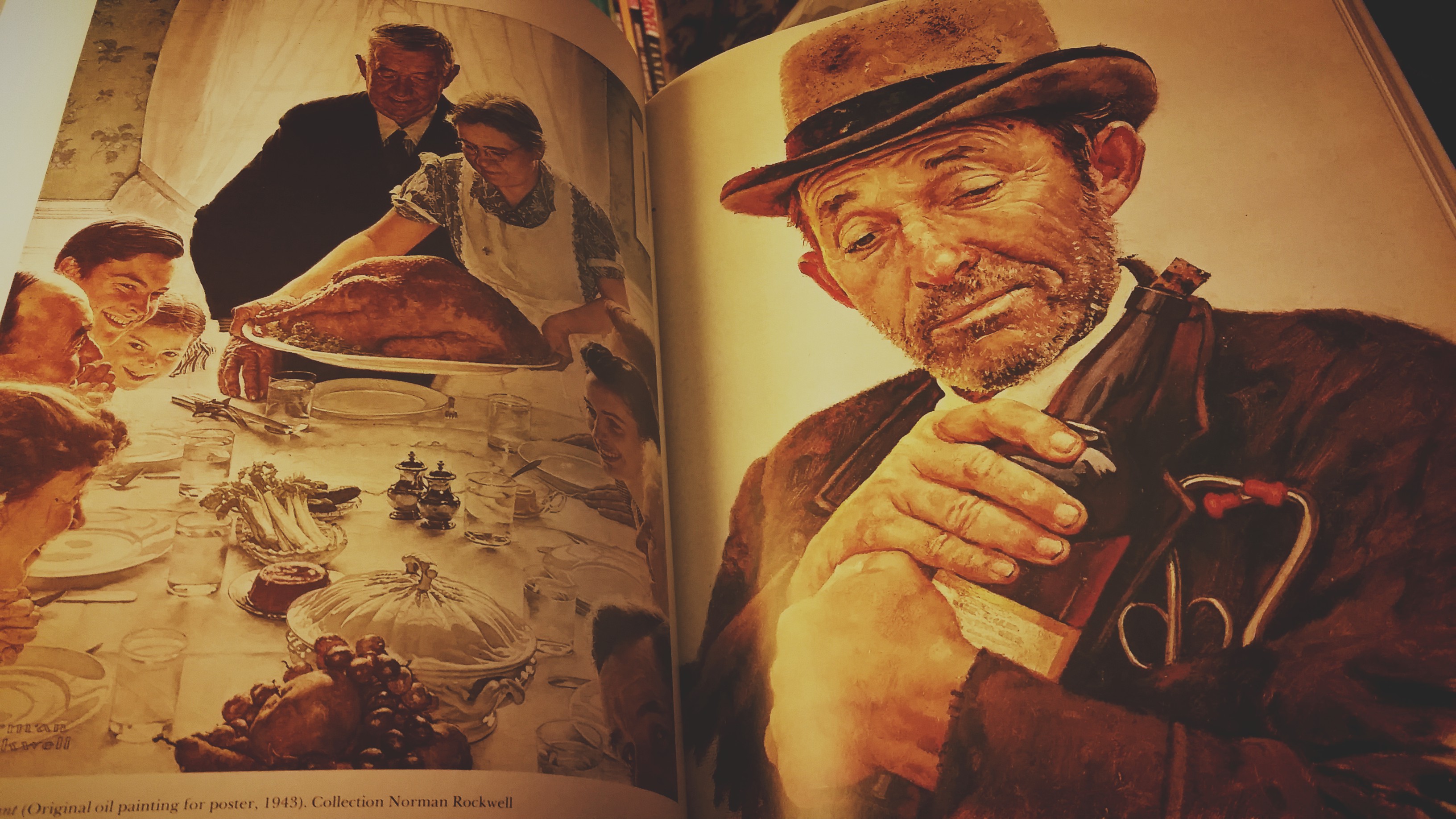
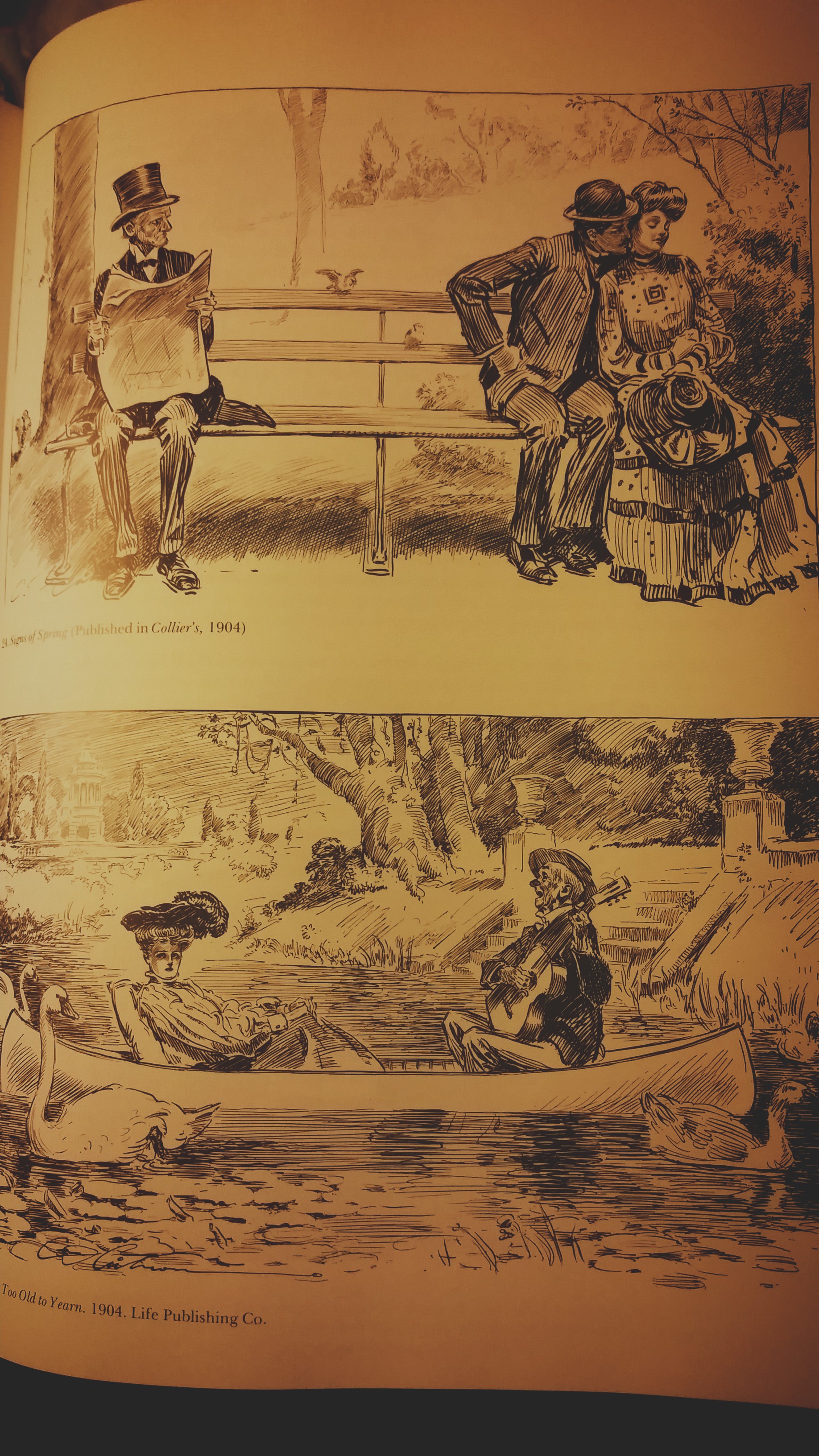
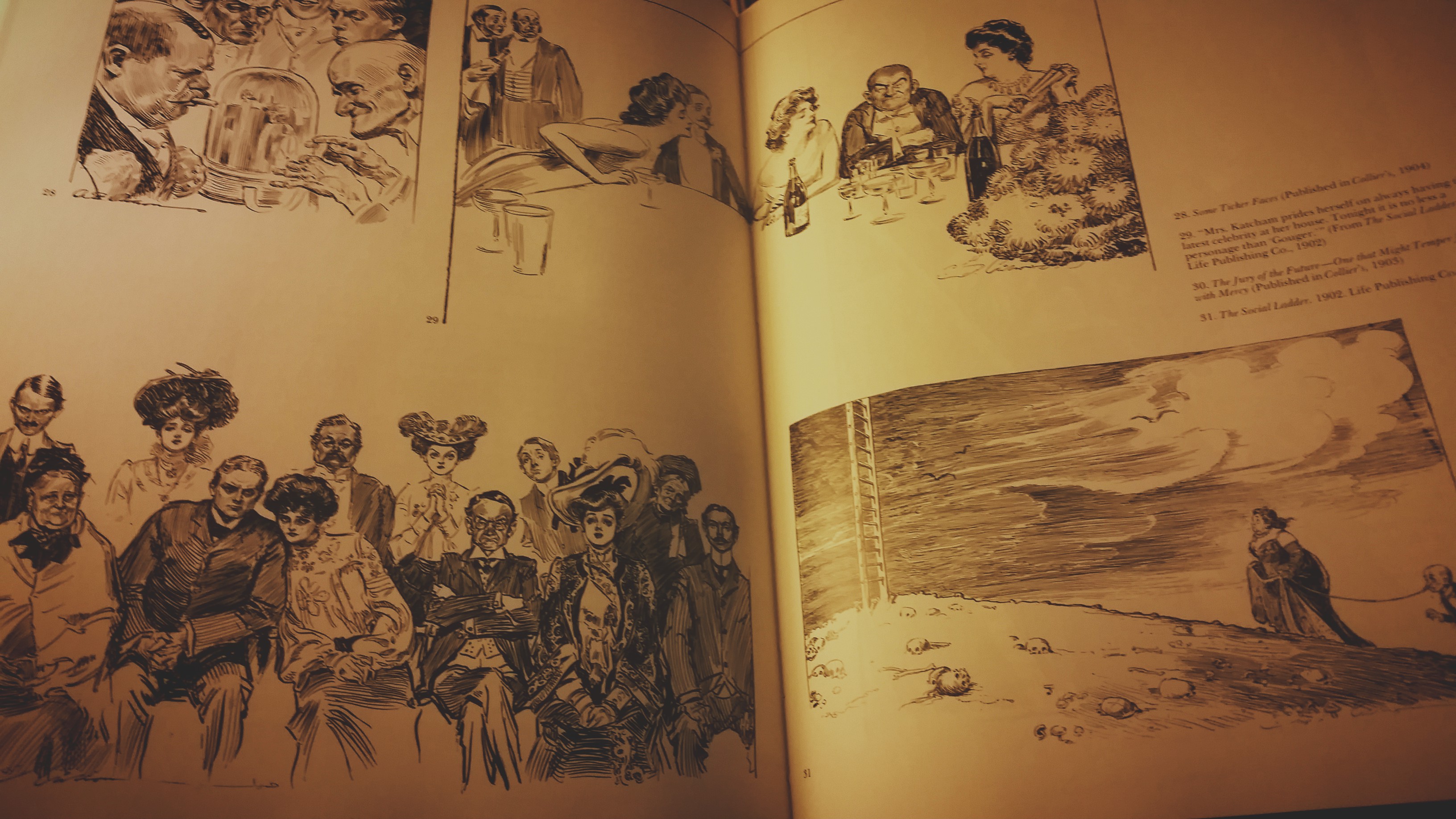


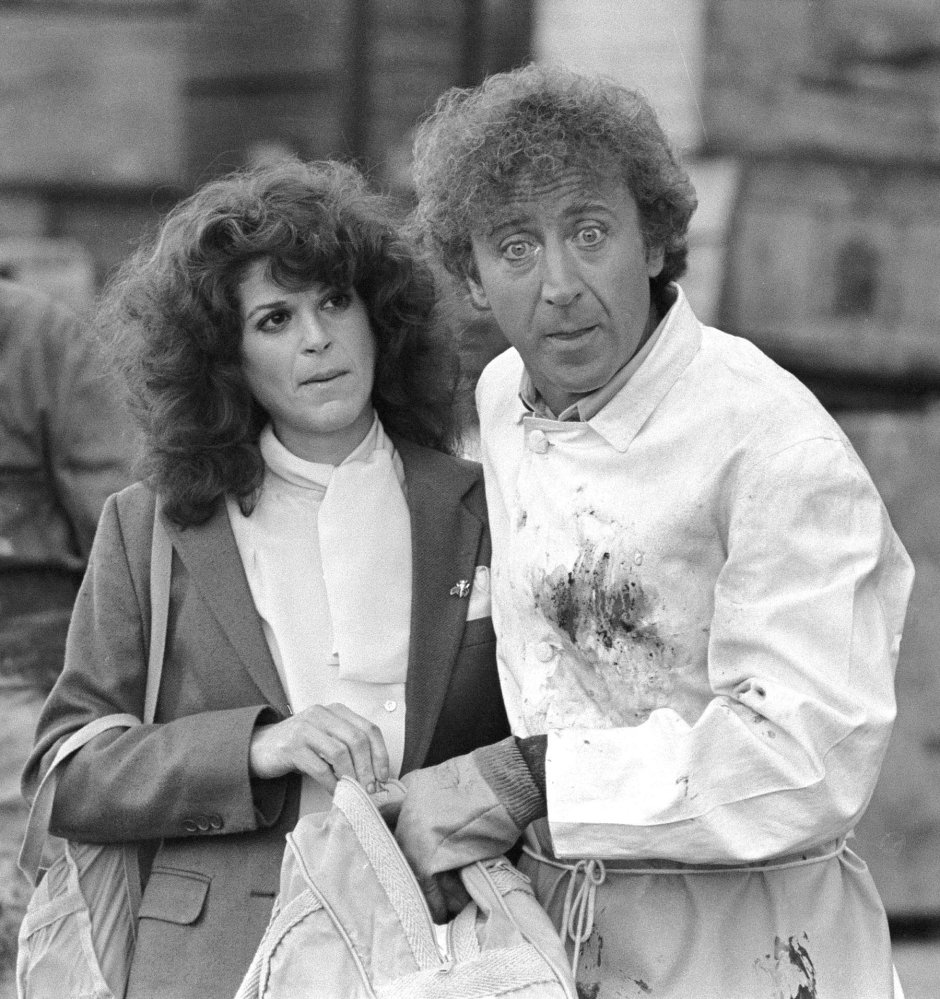


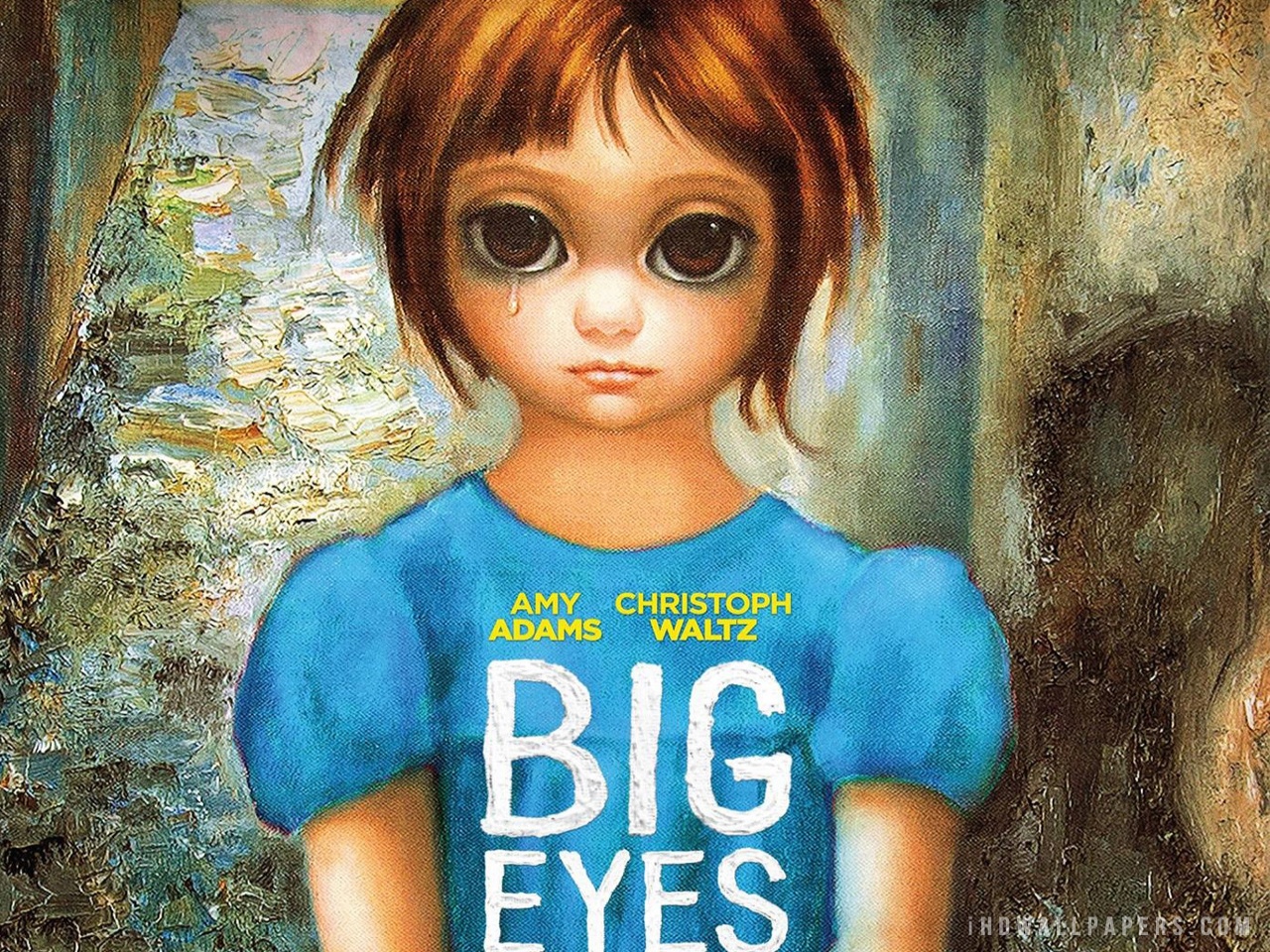
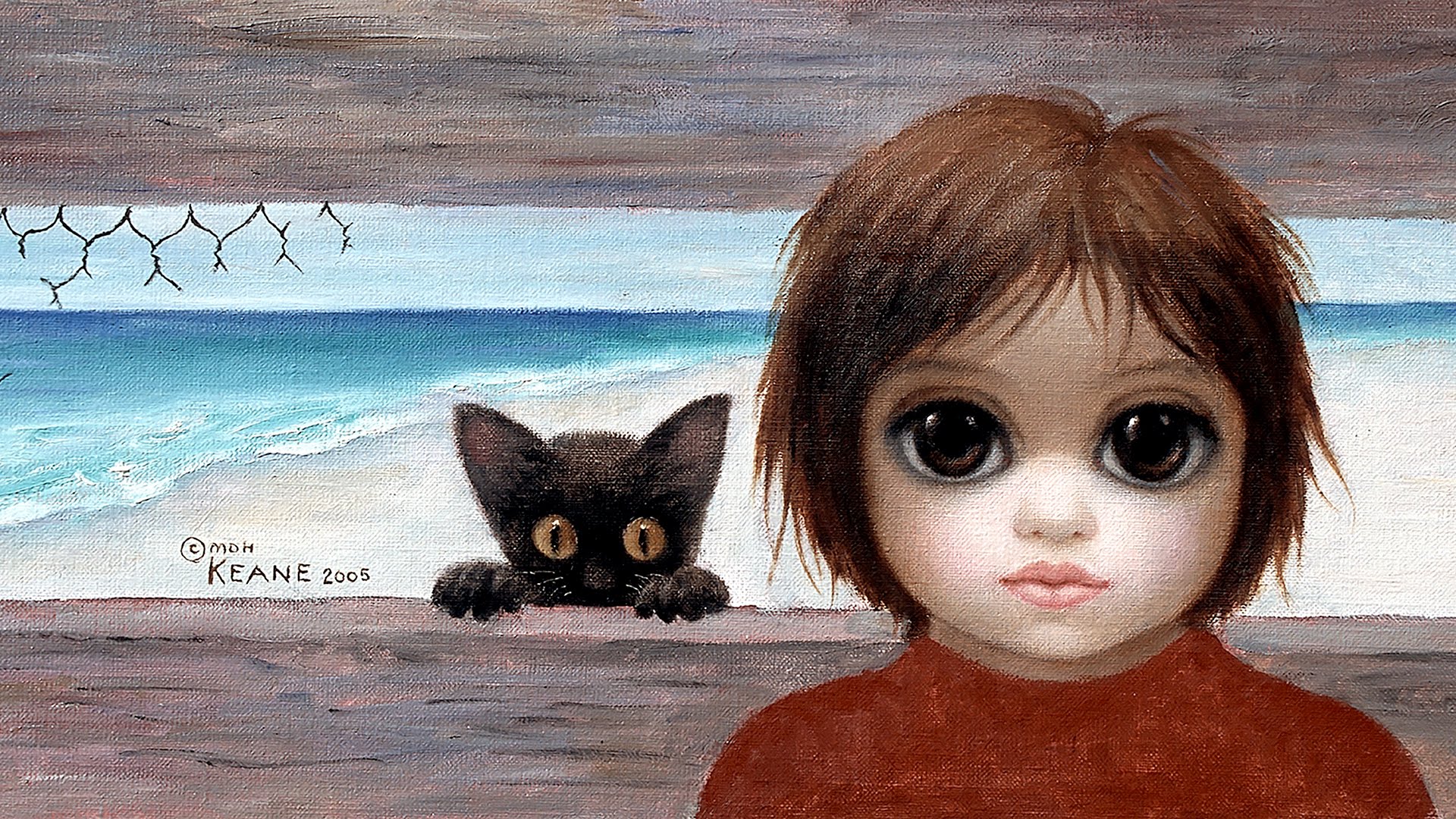
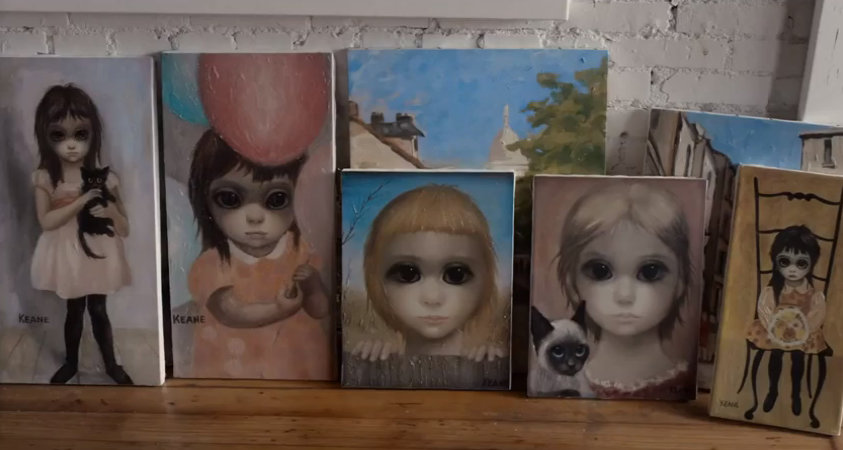
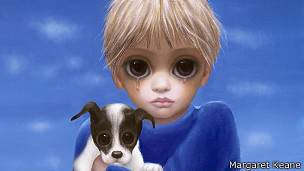 Yesterday, before the big game, I watched the DVD I bought of Tim Burton’s Golden Globe Award movie, Big Eyes. It is the true-story bio-pic of an artist I loved as a kid, Margaret Keane… though I knew her as Walter Keane.








Winsor McCay
One work of comic strip art stands alone as having earned the artist, Winsor McCay, a full-fledged exhibition at the Metropolitan Museum of Art in New York City. Little Nemo in Slumberland is a one-of-a-kind achievement in fantasy art.
Winsor McCay lived from his birth in Michigan in 1869 to his finale in Brooklyn in 1934. In that time he created volumes full of his fine-art pages of full-page color newspaper cartoons, most in the four-color process.
As a boy, he pursued art from very early on, before he was twenty creating paintings turned into advertising and circus posters. He spent his early manhood doing amazingly detailed half-page political cartoons built around the editorials of Arthur Brisbane, He then became a staff artist for the Cincinnati Times Star Newspaper, illustrating fires, accidents, meetings, and notable events. He worked in the newspaper business with American artists like Winslow Homer and Frederick Remington who also developed their art skills through newspaper illustration. He moved into newspaper comics with numerous series strips that included Dreams of the Rarebit Fiend and Little Nemo in Slumberland. And he followed that massive amount of work up by becoming the “Father of the Animated Cartoon” with Gertie the Dinosaur, with whom he toured the US giving public performances as illustrated in the silent film below;
The truly amazing thing about his great volume of work was the intricate detail of every single panel and page. It represents a fantastic amount of work hours poured into the creation of art with an intense love of drawing. You can see in the many pages of Little Nemo how great he was as a draftsman, doing architectural renderings that rivaled any gifted architect. His fantasy artwork rendered the totally unbelievable and the creatively absurd in ways that made them completely believable.
I bought my copy of Nostalgia Press’s Little Nemo collection in the middle 70’s and have studied it more than the Bible in the intervening years. Winsor McCay taught me many art tricks and design flourishes that I still copy and steal to this very day.
No amount of negative criticism could ever change my faith in the talents of McCay. But since I have never seen a harsh word written against him, I have to think that problem will never come up.
My only regret is that the wonders of Winsor McCay, being over a hundred years old, will not be appreciated by a more modern generation to whom these glorious cartoon artworks are not generally available.
2 Comments
Filed under art my Grandpa loved, artists I admire, artwork, book review, cartoon review, cartoons, comic strips, commentary
Tagged as Little Nemo in Slumberland, Winsor McCay