

Drawing nudes is a risky business. People judge you more harshly when you draw a nude and don’t explain the context. What a pervert you must be. They forgive you a little when you explain that you are an artist and once you took an anatomy drawing class in college where you were drawing from actual nude models. But understand, artists probably take classes like that because they are perverts to begin with.
And you have the added complication of being a victim of sexual assault as a child, so you have a PTSD-sort-of fear of nudity and physical contact while at the same time having all the natural urges that flesh is heir to.
The nude above was drawn actually from a photograph, a Polaroid. The griffon (who represents the fear in your PTSD-inspired dreams) did not want to pose nude in real life. So, you were given a photograph in which she was actually holding on to her boyfriend’s shoulder. Oh, wait! You mean “he” not “she”. The griffon was a boy. But she smiled when she saw the picture. And she asked why there was an eagle in it.
“But that’s not an eagle, it’s a griffon,” you said. “It represents being afraid of being nude.”
Obviously you did not give her the version of the picture with the “eagle” in it. She was happier with the nude you did give her, though it wasn’t drawn as well as this one.
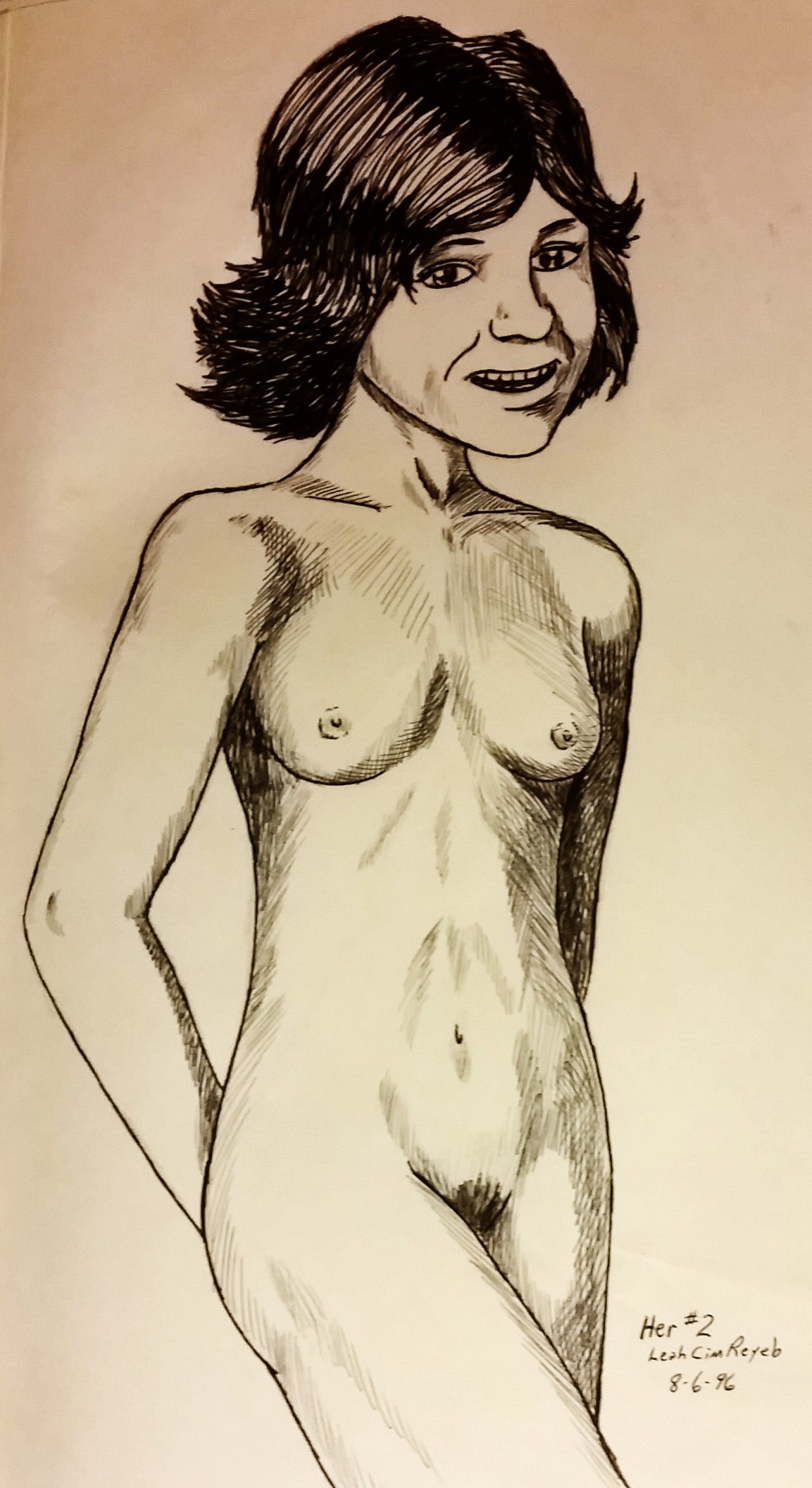
And you are always a little leery of posting nudes you have drawn over the years on your blog, but somehow they get more views than anything else you post, and while you have to wonder why these pictures are so popular among judgmental people who have told you that you are probably a pervert, you secretly know the real reason.
This picture of Karla gets lots of views. You have posted it three or four times before. (Of course, that is not Her real name.)
It is kinda the thing that started the college nude drawings. She was your roommate’s girlfriend, and she was looking at your drawings because Bill told her about your artworks and she was curious. She challenged you to draw her. It was the first nude model you ever drew outside of class. Bob sat in the room with the two of you and watched you draw. (Oh, wait. You called him Bill before. Change that. Bob Bill. There, that’s better.) You drew in pencil.
You did two versions of it. The pen and ink that you drew of it in 1996 was made from the one that you kept.
If you had never done that picture of Karla, the one of the griffon wouldn’t exist either. She had to go and show her picture off to her friends. After all the great cartoons you drew over the years, you might know that the biggest reputation you ever got as an artist came about because of a pencil drawing of a smiley nude girl. And she had a big mouth… both figuratively and literally. But she was nice, and you couldn’t be mad at her. She and Bob Bill got married, and she probably still has that picture in its little frame somewhere in her house.

There was a time in my life, in fact, for a majority of my life, that all these things were pretty much secrets that I kept to myself. I didn’t show the nude pictures to others. I kept them in a portfolio in a closet. I never would’ve admitted to being a nudist at heart either. Or anything about being assaulted as a boy. Or told anyone about any of it in a blog post like this. I can only do that now that I am old and know that none of my sins are really that awful and need to be kept secret. There is a certain beauty in that. You don’t even really need to keep doing it in second person point of view, confusing the audience into thinking it’s about them and not about you. Sorry about the meta-messaging. I just find it funny that I can be completely open at the end of the essay of life, and no longer feel the need to hide all the things that we hide under our clothing. Sometimes there is beauty to be found in the depths of a risky picture.
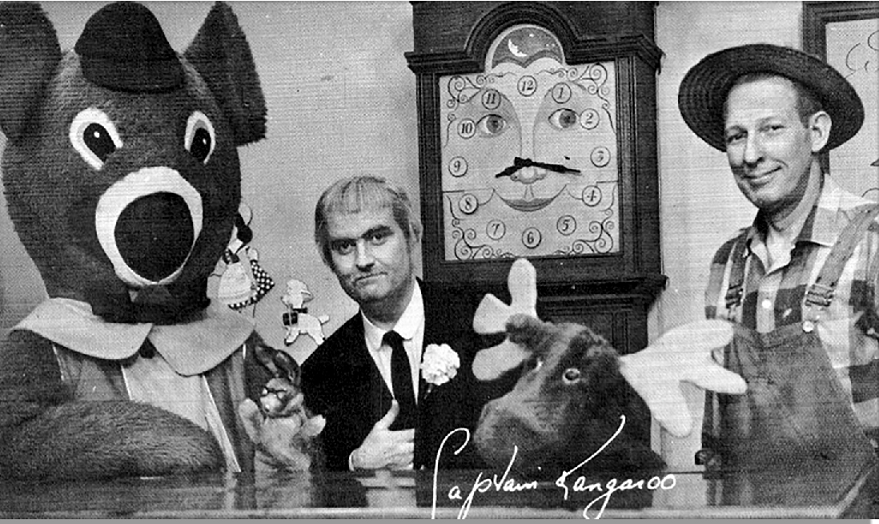
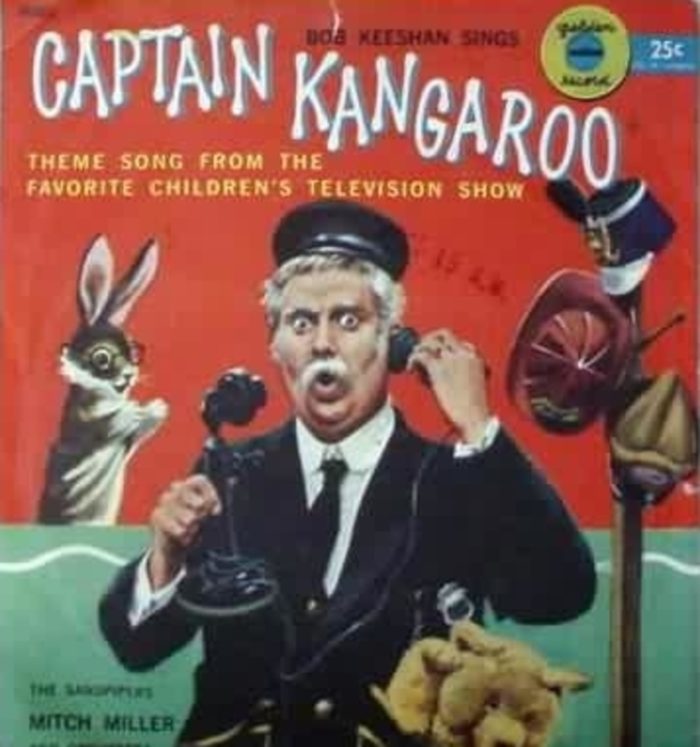
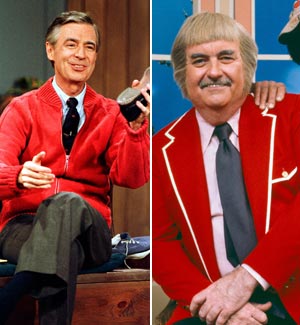 But Bob Keeshan, though a TV personality, was much more of a teacher than anything else. His show went on air before I was born, and I don’t remember a moment in my childhood that he wasn’t a part of it. He was like Mr. Rogers, but came into our lives even before Fred Rogers appeared on the scene. I watched the show in the mornings before school started, at a time when I walked all the way across our little Iowa farm town to get to school. He taught me important early lessons in life that were just as impactful as the math and language and social skills I was getting later in the day. Of course, I had to leave home for school before the show ended at 8:00 a,m. But just like school, watching and participating in any part of it was capable of teaching you something good.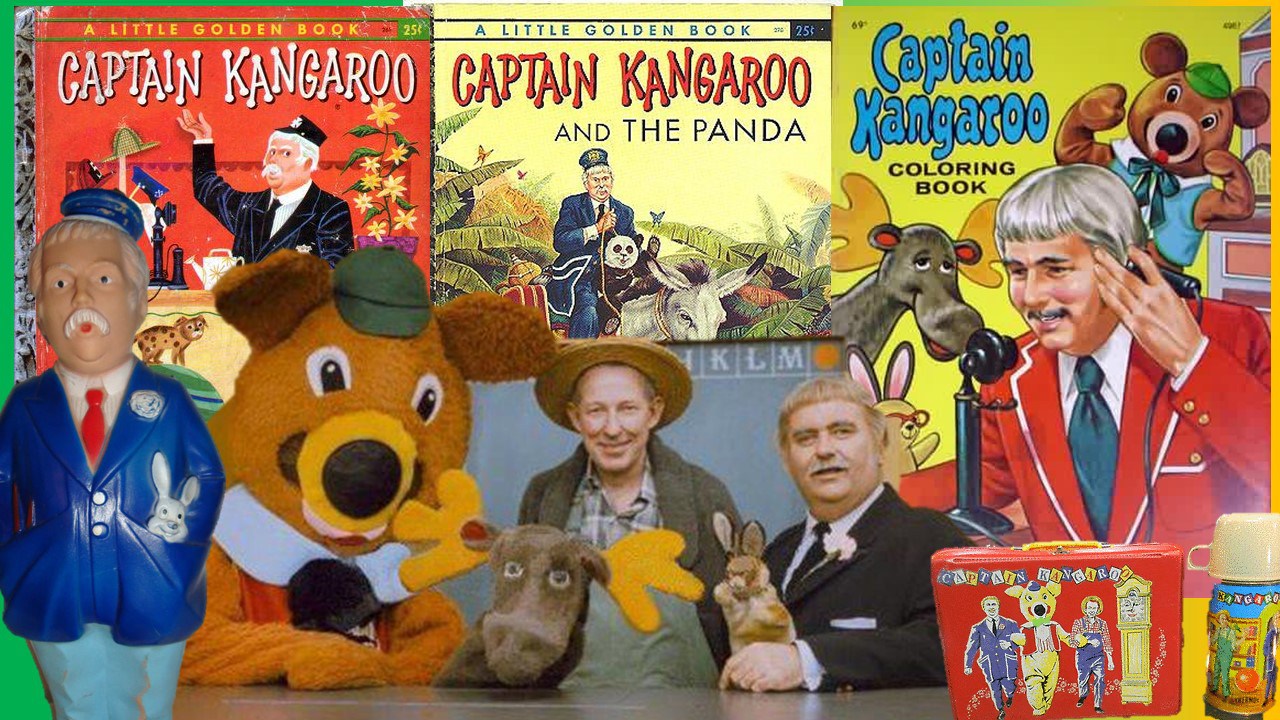


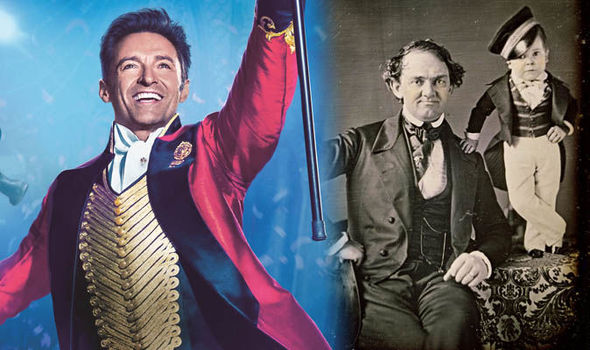



![Clofillia, Josphine [Madame Clofullia, P.T. Barnum's "Bearded Lady of Geneva"]. Daguerreotype by Thomas M. Easterly, 1853. Photographs and Prints Collections. Missouri History Museum. Easterly 321. NS 17387. Scan © 2008, Missouri History Museum.](https://i0.wp.com/catchafallingstarbook.net/wp-content/uploads/2018/04/beardedlady.jpg?w=273&h=154&ssl=1 "beardedlady")











Only One Star?
There are certain books that simply have to exist in order for me to be me. I couldn’t be the person I am without The Lord of the Rings by Tolkien, Dandelion Wine by Ray Bradbury, The Little Prince by Antoine de Saint-Exupery, The Alchemist by Paulo Coelho, Der Zauberberg (The Magic Mountain) by Thomas Mann, and A Wrinkle in Time by Madeleine L’Engle. These are all books that have an allegorical element, a trans-formative effect, that shapes how you think and how you live after reading them. Some of these books have not been made into a movie. Some probably still can’t be. Others have not been made into an effective movie. But, then, Disney in 2018 makes a movie version of A Wrinkle in Time that makes me relive the primary experience of the book all over again.
I was disappointed to see the critics being harsh about the movie. I had high hopes before going to see it. Yet, you couldn’t miss the one star rating on the box office rating system of the ticket and show time site I was using. But my daughter and I went to see it yesterday anyway. It was far above my highest expectations.
You see, the novel itself is magical. The essential characters of Mrs. Whatsit, Mrs. Who, and Mrs. Which have to be witch-like, super-real incarnations of inter-dimensional beings. It is the view of them with open-minded childlike eyes that makes the complex relationships of this story to reality apparent to anyone who thinks clearly like a child. It is the reason why this book is a young adult novel, written primarily for children, even though the concept of a tesseract is wholly mind-bending in a Stephen Hawking sort of way. It is the wonder with which the director of this movie lensed the dimension-tessering time witches that makes this movie the best version. Not like that failed attempt in 2003. That was almost there, but not quite by half.
Critics don’t like some of the special effects and the color schemes of some scenes. Many things about the final battle with evil are seen by them as inexplicably bizarre. They don’t like the over-use of extreme close-ups on the faces of characters. And they think the performances of some of the child actors are too wooden and unreal to carry off the story.
I wholeheartedly disagree.
This is a story that takes place in the heads of the people involved, including the viewer of the movie. The extreme close-ups pull you into the personal feelings and struggles of the main characters. Particularly Storm Reid as Meg. The story is about her struggle as an adolescent to be at peace with her own flaws and self-image while at the same time being responsible for finding and saving her father, as he has completely lost his way on his quest to “shake hands with the universe”. Meg undergoes a challenge to her self image as she is cruelly bullied by another girl in school. She has to come to terms with loving her super-genius little brother Charles Wallace. And she has to weather the changes that occur when she encounters a potential first love in Calvin. It is a coming of age story that really smart kids can relate to directly from their own personal experience.
This one-star movie with only a 40% fresh rating on Rotten Tomatoes is a far better movie than the critics would have you believe. It is doing quite well at the box office. Kids seem to love it. And in my wacky opinion, it is the best movie version of the book to date. I love this movie.
Leave a comment
Filed under art criticism, commentary, magic, movie review, science fiction
Tagged as A Wrinkle in Time, Madeleine L'Engle, movie review