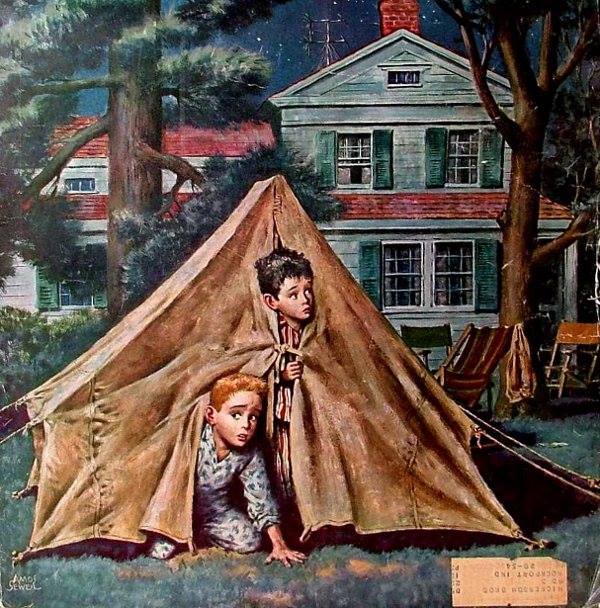
Category Archives: art criticism

Homely Art – Part Two – Paul Detlefsen

Detlefsen-Swimming_Hole

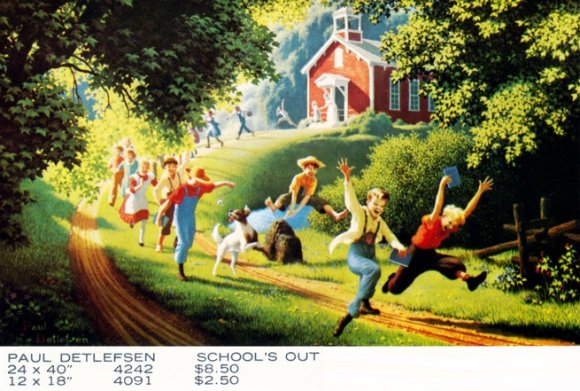
Back in about 1968 my Grandma Beyer was seriously scandalized by an artist named Paul Detlefsen.  Detlefsen did a lot of covers for the “Ideals Magazine” that Grandma always had on her coffee tables.  He scandalized her by putting a painting on the cover that showed a young boy taking his pants off, the rear view only, so he could go skinny dipping with a group of naked boys.  Truthfully the picture shown above is by Detelfsen, but it is not the one that offended her.  I have discovered that this painter of old-timey things like blacksmith shops and one-room school houses has painted at least four different versions of “the Old Swimmin’ Hole”.  And Grandma was easily scandalized when we were kids.  She was a very conservative woman who loved Ronald Reagan and his politics most severely and thought that Richard Nixon was a leftist radical.  She didn’t like for people to be naked, except for bath time, and maybe not even then.  She is one of the main reasons, along with this painter whom she adored, that I came to learn later in life that “naked is funny”.horseandbuggydays-print  http://www.freeplaypost.com/PaulDetlefsen_VintageArtPrint_A.htm

Grandma Beyer also seriously loved puzzles, and besides “Ideals” covers, Paul Detlefsen did a beaucoup of jigsaw puzzles. (Beaucoup means a lot in Texican, I tend to think in Iowegian and talk in Texican and completely forget about the need to translate for those people who don’t know those two foreign tongues)   One of the puzzles we spent hours working on was “Horse and Buggy Days” that I pictured here.  They were the kind of puzzle paintings where every boy was Tom Sawyer and every girl was Becky Thatcher.  And there were a lot of them.  Here is another;

detlefsen

http://www.bigredtoybox.com/cgi-bin/toynfo.pl?detlefsenindex

Grandma had this in puzzle form also.  We put the puzzle together, glued it to tag board, and framed it.  It has hung on the wall in a Grandparent’s house, first Grandma Beyer’s and then Grandma Aldrich’s, since the early 1970’s.  My own parents now live in Grandma Aldrich’s house, and that puzzle-painting may be hanging in an upstairs bedroom to this very day.  Detlefsen is not known as a great artist.  He was a humble painter who painted backdrops for films for over 20 years.  In the 1950’s he switched gears and started doing lithographs that were turned into calendars, jigsaw puzzles, laminated table mats, playing cards, and reproductions you could buy in the Ben Franklin Dime Store in Belmond, Iowa and hang on your back porch at home.  I believe I saw his paintings in all these forms in one place or another.  According to Wikipedia (I know, research, right?) “In 1969, UPI estimated that his artwork had been seen by 80 per cent of all Americans.”  That is pretty dang good for a humble painter, better numbers than Pablo Picasso ever saw.  Let me share a few more of his works, and see if you recognize any of these;

db_Paul_Detlefsen_Covered_Bridge1 b01e8afaadde Artist Paul Detlefsen PaulDetlefsen_VintageArtPrint_B11 il_fullxfull.285794883

3 Comments

Filed under art criticism, art my Grandpa loved, artwork, homely art, oil painting

Homely Art – Part One – Thomas Kinkade

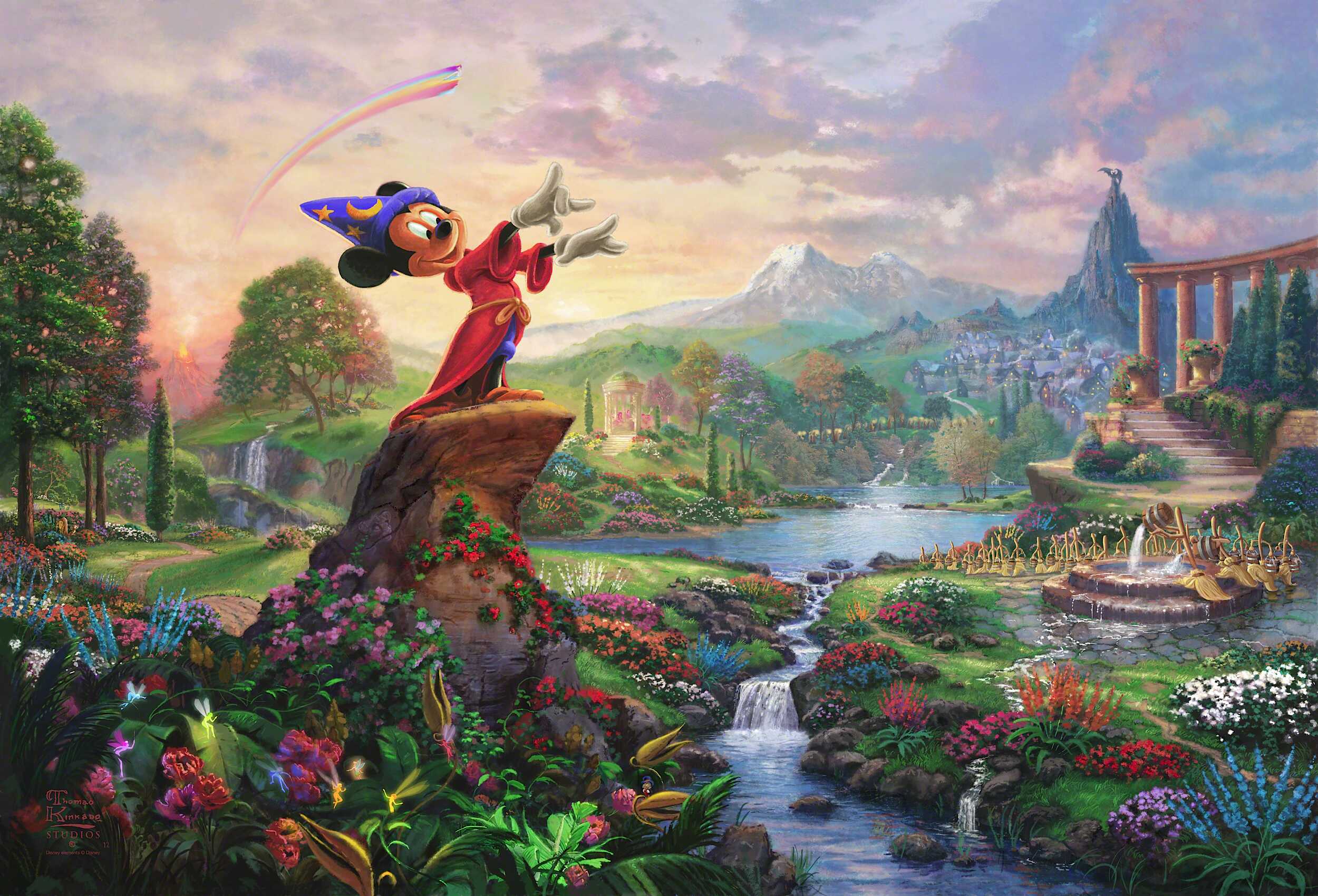
Fantasia  These images can be found at http://thomaskinkade.com/

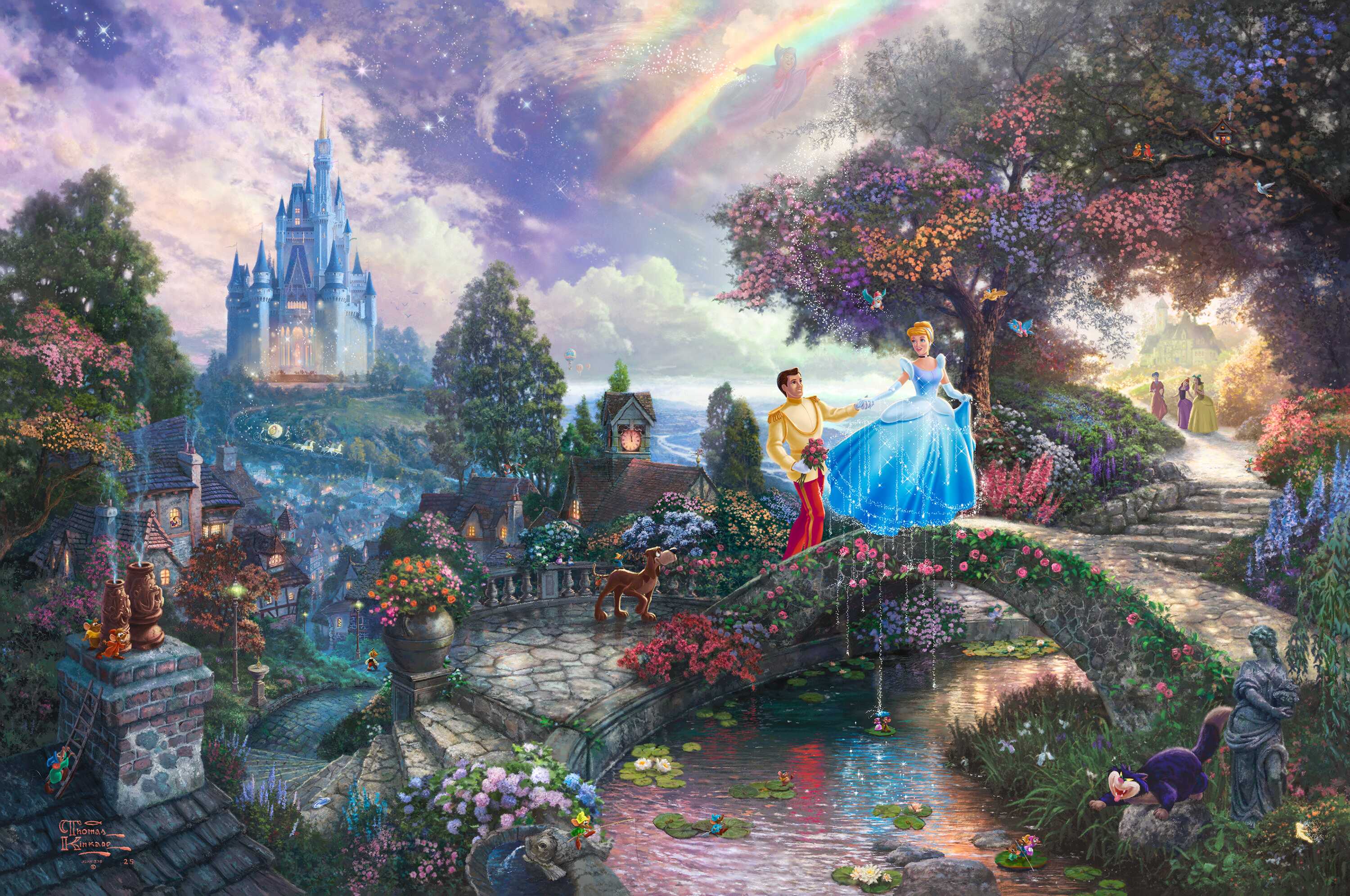
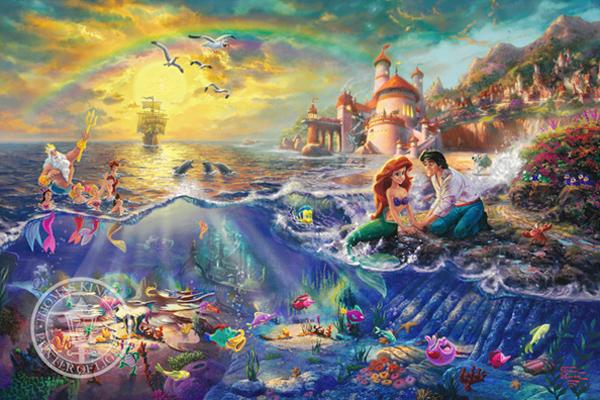
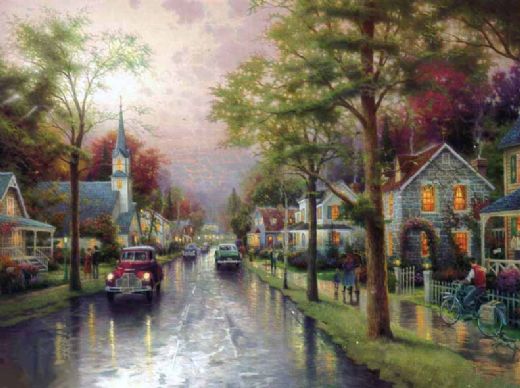
I honestly have a thing for artists that critics hate and common folk like my parents and grandparents loved.  Norman Rockwell is a bit like that.  He enjoyed commercial success as a magazine illustrator.  That is about as far from avant garde art as you can get.  But what can I say?  I don’t call myself an artist.  I am a cartoonist and all around goofball.  I don’t do serious art.  So the questions surrounding Thomas Kinkade bounce off my tough old non-critical hide like bullets off the orphan of Krypton.  I love his pictures for their gaudy splashes of color, his way with depicting puddles and water of all sorts (splashes of splashes), and his rustic homes and landscapes of another era.  This is a man who does lovely calendar art and jigsaw puzzle art.  He is roundly criticized for factory production of “original” oil paintings which are actually a base he created and made a print of painted over by an “assistant” artist or apprentice.  But I don’t care .  I like it.  And you used to be able to see his originals without going to museums, in art stores at the shopping mall.  He is unfortunately dead now.  For most great artists, that makes their work more valuable and more precious.  Kinkade’s art hangs in so many homes around the country already that his fame has probably already reached its peak.  Look at these works that he did for Hallmark and Disney and various other mass-market retail outlets.  I dare you not to like it.

Cinderella-Wishes-Upon-A-Dream thomas-kinkade-signed-and-numbered-limited-edition-print-and-hand-embellished-canvas-the-night-before-christmas-1 kinkade-2010-bambis-first-year-1st-art-disney-thomas Teacup Cottage kinkade-2012-lg-little-mermaid-disney-art ladyandthetramp thomas-kinkade-hometown-morning-19676

Leave a comment

Filed under art criticism, oil painting, Thomas Kinkade

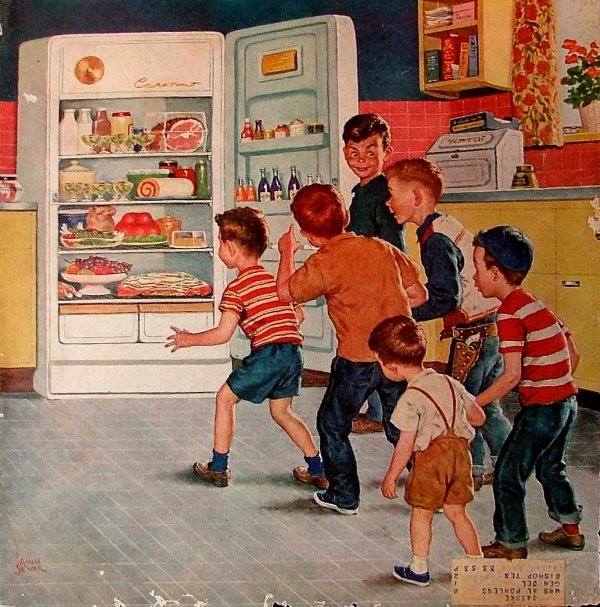
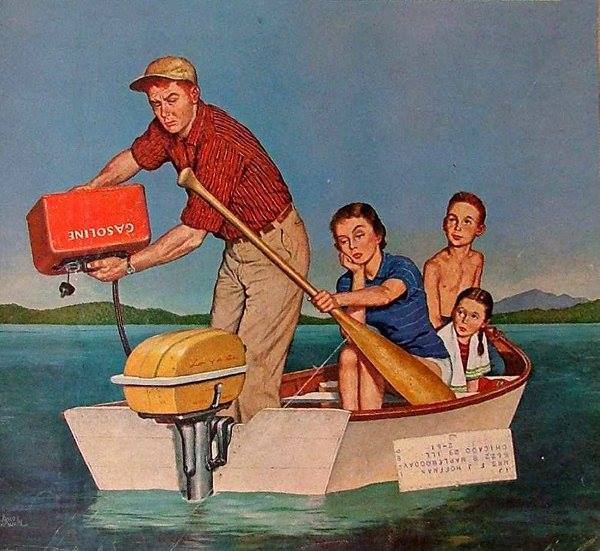
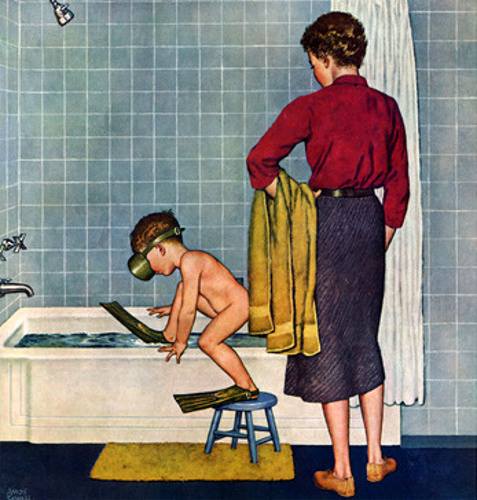
Homely Art – Amos Sewell

Still being under the weather and filled with sinus head-pain, I decided to go back to a subject I love so much that the post will simply write itself.  You know I love Norman Rockwell and his art, and I fervently believe that kind of mass media oil-painting does not put him in a lesser category than Rembrandt or Michelangelo or Raphael or any other painter with a ninja turtle namesake.   He is a genius, and though he is not a realist in so many ways, his work is more truthful than practically any other kind of painting.  If you are taken by surprise and didn’t know I had this passionate obsession, maybe you should go back and look at this post;   Norman Rockwell

Now that I got that out of my system, here is another Saturday Evening Post artist that is often confused with Rockwell.  His name is Amos Sewell.

11873526_1032725256739973_4919654303824590046_n

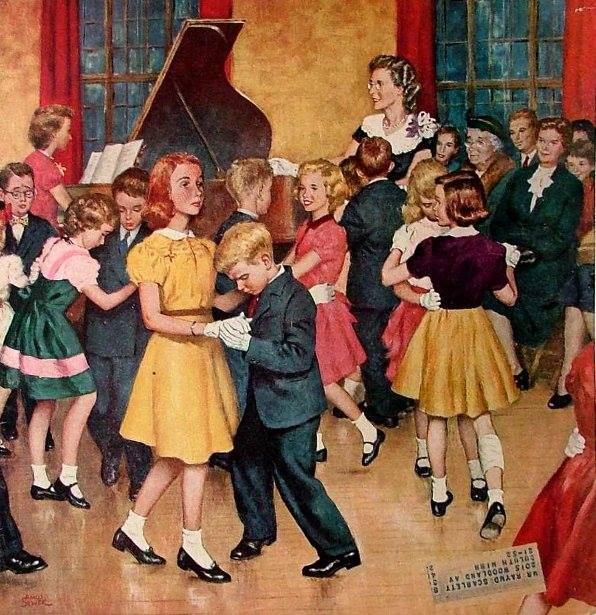
Sewell was an amateur tennis player who was talented enough to win tournaments.  He was an employee of Wells Fargo who was headed towards anything but an art career until he decided to make a leap of faith in 1930.  He started as an illustrator for Street and Smith pulp fiction, and soon caught the notice of the big-time magazine markets for his art.  He published art for Saturday Evening Post,   Country Gentlemen Magazine, and Women’s Day.

11855684_1032724350073397_6985701137057034931_n

Like Rockwell, he was able to find the funny in everyday scenes, like the dance party to the right.  That young man at center stage is trying so hard not to step on the feet of the red-headed girl, that you want to laugh, but can’t because it’s obvious how embarrassed he would be, and the charm of the picture leads you to shun the thought of interrupting.  The scene is so real the boy would hear you laughing as you looked at the Post cover.

11870904_1032728563406309_3782150834774591970_n

11866457_1032728726739626_9033099913708919775_n

11889619_1032728970072935_2637789351554720524_n

More expert on this kind of art than I am is the Facebook site that I first got turned on to Sewell by.  Children in Art History

They can also be found on WordPress.  Children in Art History (WordPress)

9500708_72dpi_nocallout-150x185

11889413_1032724710073361_2181902444339379253_n

There is no doubt that Amos Sewell belongs in the same pantheon of artists as Norman Rockwell, Thomas Kinkade, or Paul Detlafsen.  They are all artists who achieve in their work exactly what I have always striven for.  I want to be able to hold the mirror up to our world the way they did.  I want to capture both the fantasy and the reality in the subject of everyday family life.  I also want to share this work with you because I cannot stand the idea that such artistic ambrosia could one day be forgotten in archives where no one ever looks at it and feels the message in their heart.

2 Comments

Filed under art criticism, homely art, humor

Making Portraits

scan0005

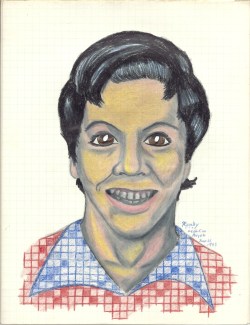
My biggest regret as a cartoonist and waster of art supplies is the fact that I am not the world’s best portrait artist.  I can only rarely make a work of art look like a real person.  Usually the subject has to to be a person I love or care deeply about.  This 1983 picture of Ruben looks very like him to me, though he probably wouldn’t recognize himself here as the 8th grader who told me in the fall of 1981 that I was his favorite teacher.  That admission on his part kept me from quitting and failing as a first year teacher overwhelmed by the challenges of a poor school district in deep South Texas.

scan0006

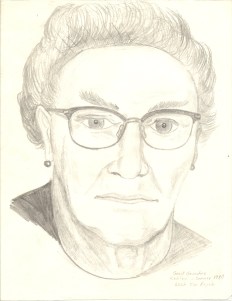
My Great Grandma Hinckley was really great.

My great grandmother on my mother’s side passed away as the 1970’s came to an end.  I tried to immortalize her with a work of art.  I drew the sketch above to make a painting of her.  All my relatives were amazed at the picture.  They loved it immensely.  I gave the painting to my Grandma Aldrich, her second eldest daughter.  And it got put away in a closet at the farmhouse.  It made my grandma too sad to look at every day.  So the actual painting is still in a closet in Iowa.

scan0007

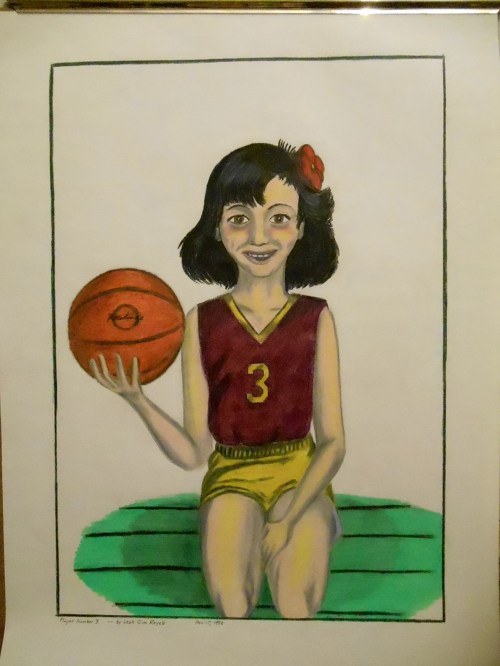
There were, of course, numerous students that made my life a living heck, especially during my early years as a teacher.  But I was one of those unusual teachers (possibly insane teachers) who learned to love the bad kids.  Love/hate relationships tend to endure in your memory almost as long as the loving ones.  I was always able to pull the good out of certain kids… at least in portraits of them.

dscn4715

When kids pose for pictures, they are not usually patient enough to sit for a portrait artist.  I learned early on to work from photographs, though it has the disadvantage of being only two-dimensional.  Sometimes you have to cartoonify the subject to get the real essence of the person you are capturing in artiness.

But I can’t get to the point of this essay without acknowledging the fact that any artist who tries to make a portrait, is not a camera.  The artist has to put down on paper or canvas what he sees in his own head.  That means the work of art is filtered through the artist’s goofy brain and is transformed by all his quirks and abnormalities.  Therefore any work of art, including a portrait that looks like its subject, is really a picture of the artist himself.  So, I guess I owe you some self portraits to compare.

20160424_180408

Yeah, that’s me at 10… so what?

Leave a comment

Filed under art criticism, artwork, autobiography, humor, kids, Paffooney, self portrait, strange and wonderful ideas about life

The World is a B-Movie

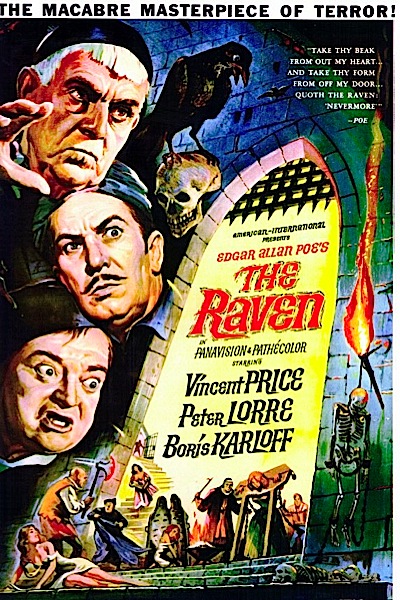
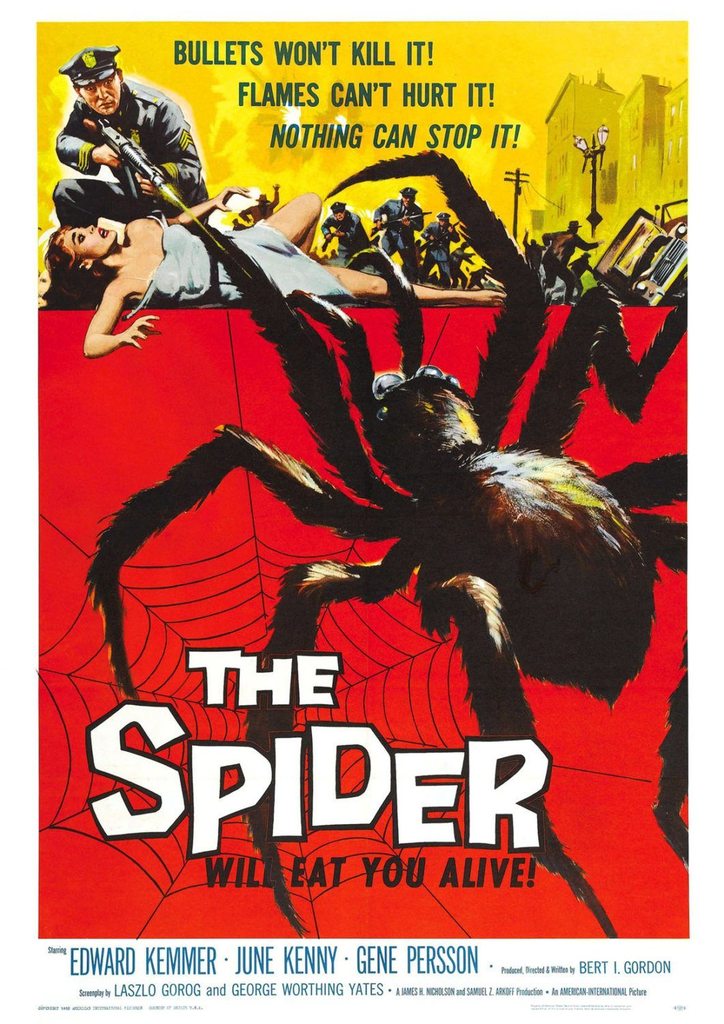
Yes, I am saying the world I live in is a low-budget commercial movie made without literary or artistic pretensions. You know, the kind where movie makers learn their craft, taking big risks with smaller consequences, and making the world of their picture reflect their heart rather than the producer’s lust for money.

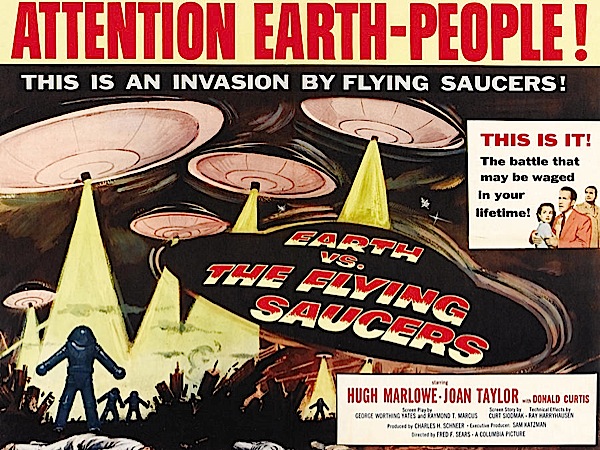
Mostly what I am talking about are the movies I remember from late-night Saturday TV in black and white (regardless of whether or not the movie was made in Technicolor) and the less-risky as well as more-likely-good Saturday matinees on Channel 3. Movies made in the 1950s, 1960s, and early 1970s. They were perfect, of course, for the forbidden Midnight Movie on the show called Gravesend Manor. I had to sneak downstairs to watch it on Saturday nights with the volume turned way down low. (Not that Mom and Dad didn’t know. Well, maybe they didn’t know how many of those I watched completely naked… maybe.)

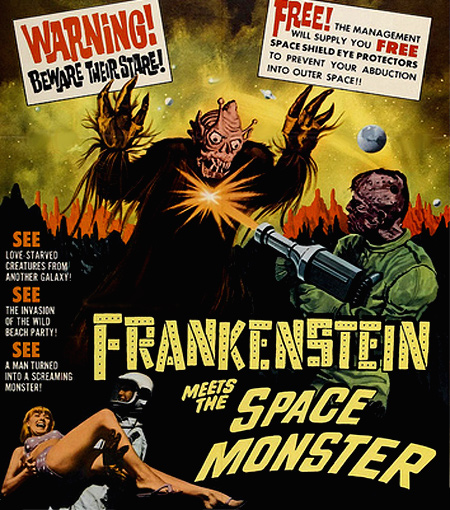
I watched this one when I was twelve, late night on an October Saturday. I had a bed-sheet with me to pull over my head at the scariest parts. Frankenstein was a crashed astronaut brought back to life by the magic of space radiation. He was uglier than sin, but still the hero of the movie, saving the Earth from invading guys in gorilla suits and scary masks (none of which looked like the movie poster.)

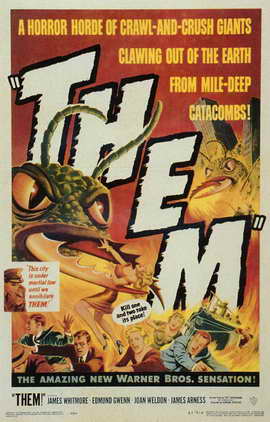
This one, starring James Whitmore, a really good B-Movie actor, was about giant ants coming up from the sewers and the underground to eat the city.

I would end up watching it again twenty years later when I was wearing clothes and not alone in the dark house lit only by a black-and-white TV screen.

I realized on the second viewing that it was actually a pretty good movie in spite of cheesy special effects. And I realized too that I had learned from James Whitmore’s hero character that, in times of crisis, you have to run towards the trouble rather than away from it, a thing that I used several times in my teaching career with fights and tornadoes and even rattlesnakes visiting the school campus looking to eat a seventh-grader or something (though it was a bad idea for the snake even if it had been successful.)

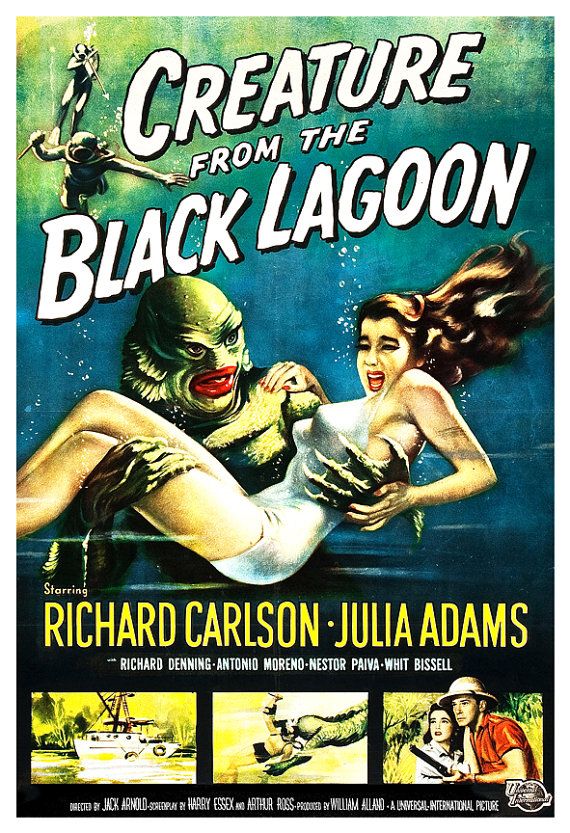
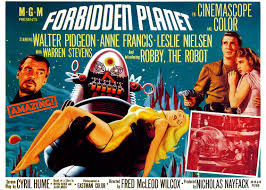
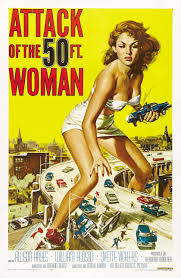
This one, of course, taught me that monsters liked to carry off pretty girls in bikinis. And not just on the poster, either. But it was the hero that got the girl, not the monster. This movie taught me that it sucks to be the monster. Though it also taught me that it was a good movie to take your pajamas off for and watch naked when you are thirteen.

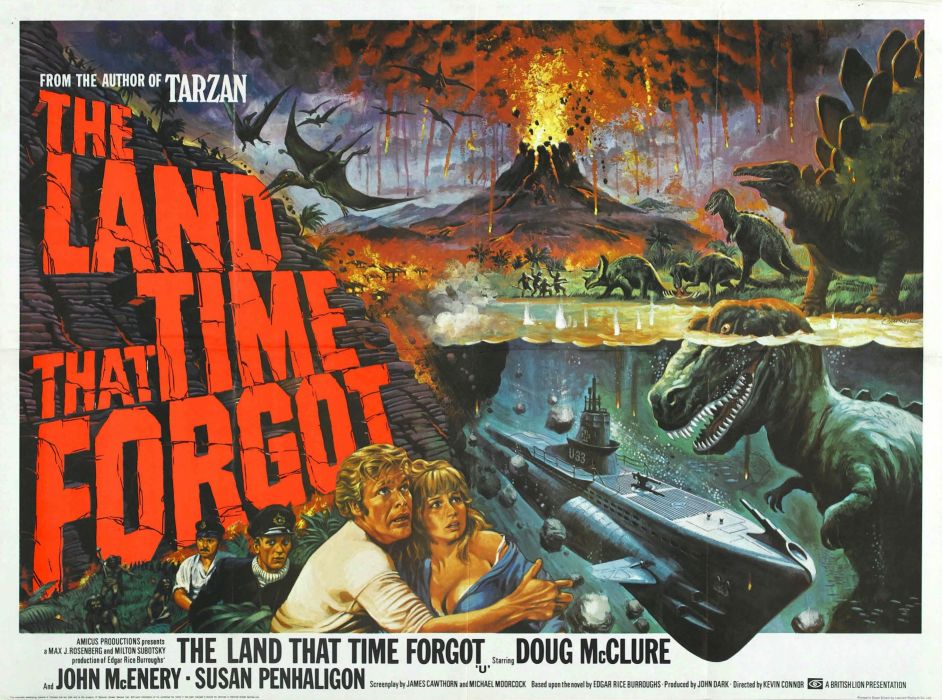
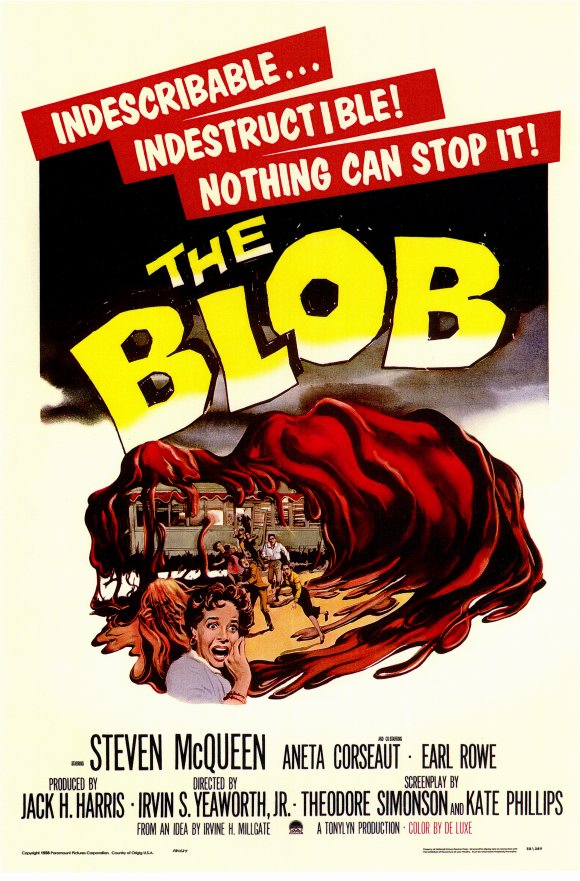
But not all B-movies had to be watched late night on Saturdays. This movie was one of the first ones that I got to go to the movie theater to see by myself. (My sisters and little brother were still too young and got nightmares too easily to see such a movie.) It came out when I was in my teens and Mom and Dad began thinking of me as an adult once… or even possibly twice in a month.

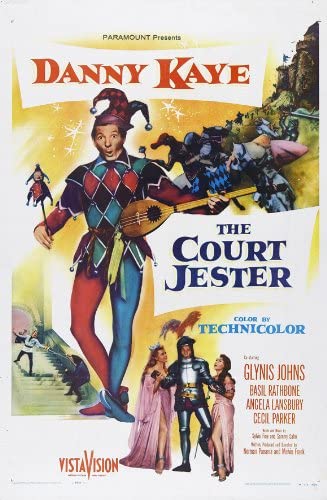
And not all B-movies were monster movies, gangster movies, and westerns. Some, like a lot of Danny Kaye’s movies, were movies my Dad and my grandparents were more than happy to watch with me. I saw this one in both black-and-white and color. And I learned from this that it was okay to take advantage of happy accidents, like a case of mistaken identity, and using your wits, your creative singing ability, and your inexplicable good luck to win the day for everybody but the bad guys armed only with your good sense of humor.

And some of the best movies I have ever seen, judging by what I learned about movies as literature from Professor Loring Silet in his Modern Film Class at Iowa State University, are by their nature B-movies.

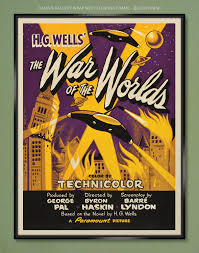
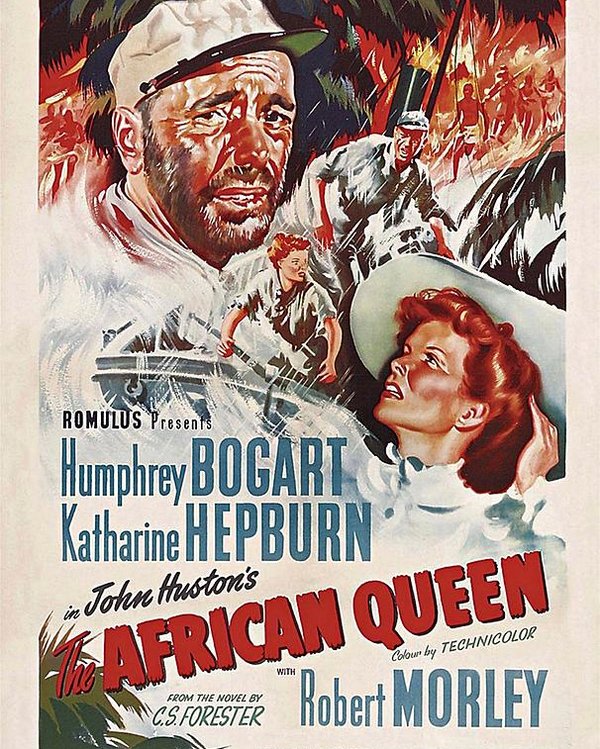
I am using movie posters in this blog post only from movies I have personally seen. (And I admit that not all of them are strictly “good” movies according to Professor Silet, but I like them all.)

Feel free to tell me in the comments if you have seen any of these movies yourself. I am open to all opinions, comments, and confessions.

This one is based on Shakespeare’s The Tempest.
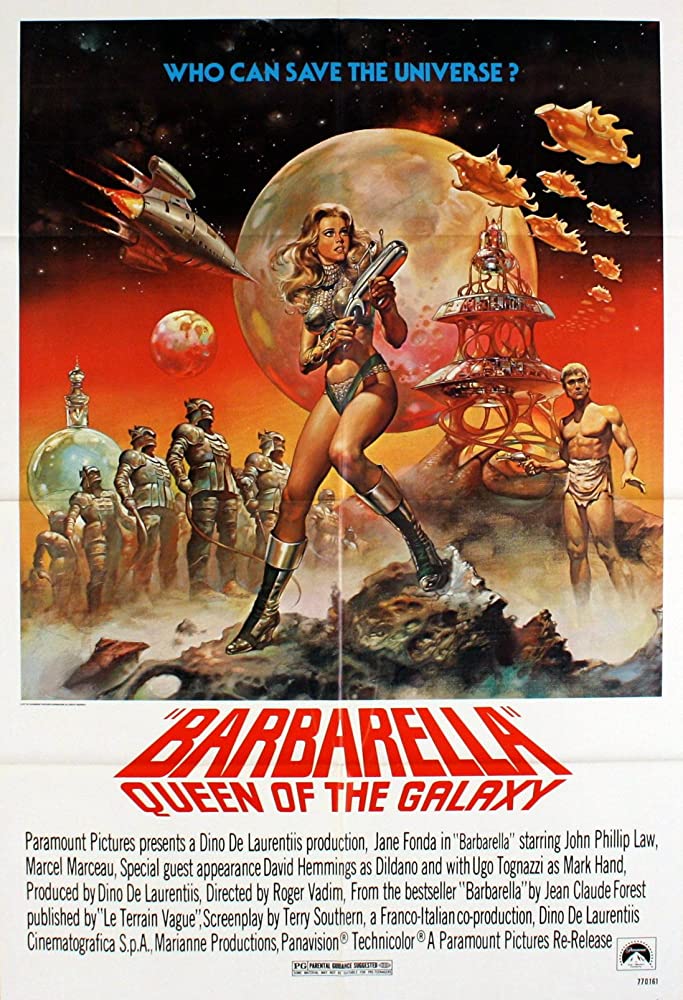
I saw this one in college. You had to be 18 at the time to even buy a ticket.
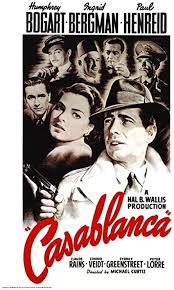
I actually think that this is one of the best movies ever made. It will always make my own personal top-ten list.

I live in a B-movie world. The production values around me are not the top-dollar ones. But the stories are entertaining. The real-life heroes still run towards the problem. And it still sucks to be the monster. But it has always been worth the price of the ticket. And during my time on Earth here, even in 2020, I plan on staying till the end of the picture. I go nowhere until I see the Best Boy’s name in the end credits. And maybe not even then.

Leave a comment

Filed under art criticism, heroes, humor, monsters, movie review, strange and wonderful ideas about life, TV as literature, TV review

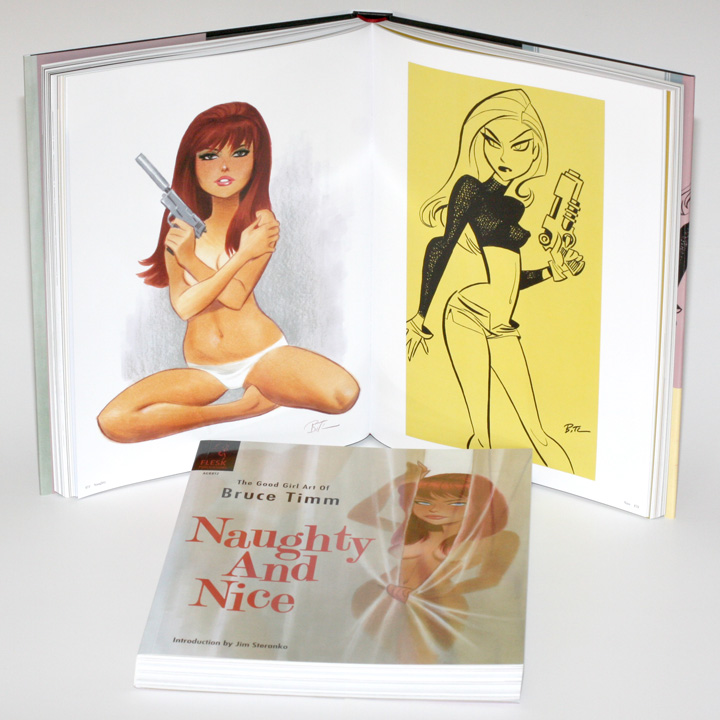
About Bruce Timm

“Today I thought I would tell you about Bruce Timm.”

“Bruce Timm?  Who the heck is he?”

“You know. That artist with that style… you know, the Batman guy.”

“You mean he played Batman?”

“No.  He designed Batman; The Animated Series.”

“Oh, that guy… the guy who draws girls really good.”

“Yes, that’s the one.”

new-justice-league-series-bruce-timm

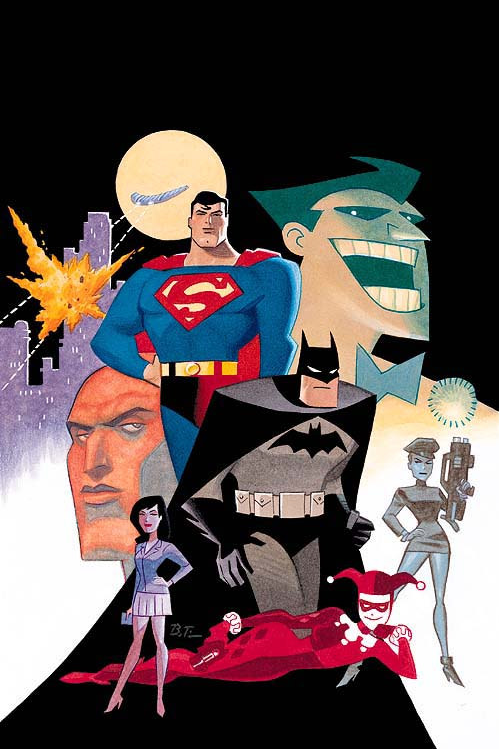
“He gave all the DC heroes their modern, animated look… their style and flair.  He made them angular, immediately identifiable, and powerful.”

4

“Yeah, I think he not only did the Batman cartoon, all film noir and retro-cool, but the Superman series that followed it, the Justice League, and all the cartoon series and movies that went along with those.”

“But that’s not all he did, either, is it?”

“No, there’s more.  He wanted to be a comic book artist, but before he got into animation, Marvel and DC turned him down.”

25e4094273e0d5a978ef3c3055e68176

“I heard he worked at Filmation for a while.”

“Yes, he got a chance to draw and design characters for Blackstar, Flash Gordon, He-Man and the Masters of the Universe, She-Ra; Princess of Power, and the Lone Ranger.

“Dang!  He was busy.  But only superhero stuff?”
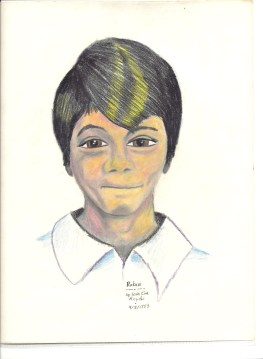
“In 1989 he went to work for Warner Brothers.  He worked on Tiny Toon Adventures.”

“That Spielberg/Bugs Bunny thing?  The one with Buster and Babs Bunny?”

“Yeah, that one, believe it or not.”

gimeno-logo-5-tiny-toons-copy

“Tell me more about the girls.  I want to hear about him drawing girls.  Wonder Woman in Justice League was hot.”

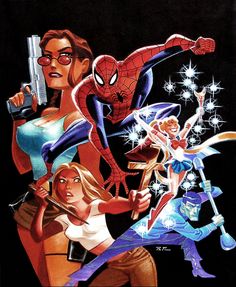
“Showing you is probably better than telling you.  Be prepared to cover your eyes, though.  He liked to draw the female figure nude and semi-naked.”

91a861e9c261d53b1d77a8e929c92401

Betty and Veronica from the Archie comics.

brucee-timm-teaser-2012-b-800

bt-nan-book-pictures-01

“I like how he draws pretty girls.”

“You would.”

“He’s the artist you wish you could be, isn’t he?”

“Pretty much.  He’s about four years younger than me.  If I had gone the comic-book artist route instead of becoming a public school teacher, our careers might’ve been parallel.”

“Except he has talent.”

“Yeah, there’s that.”

Leave a comment

Filed under art criticism, artists I admire, comic book heroes, humor

Critiques in Color

20151104_shawn

I recently posted about being synesthetic and discovering how I am different from normal people.  Here is the post if you are interested..   Then I discovered that Kanye West is also synesthetic as he gushed some southern-fried crappie-doo about how wonderful he is as an artist because he sees the colors of his music.  Well, now I don’t want that mental affliction any more.  I don’t wish to be anything like him.  Of course, it has to be incurable, doesn’t it.

20150910_122142

Now I am wasting today’s post on another metacognative thinking-about-thinking style of paragraph pile when I could be rhapsodizing about the humor of Dave Barry or the wisdom of Robert Fulghum, the author of

All I Really Need to Know I Learned in Kindergarten.

Here it is on Amazon.

I could be shamelessly promoting the work of artists whose works I love instead of examining the random filing cabinets in the back rooms of my stupid old head.  But I can’t because I now need to explain myself to myself again.  Self doubt and self examination are features of being an artist.  We reach a point where we have to think about how we do what we do, because if you don’t know where the magic comes from, you might not be able to call on it the next time you need it.

That Night in Saqqara 1

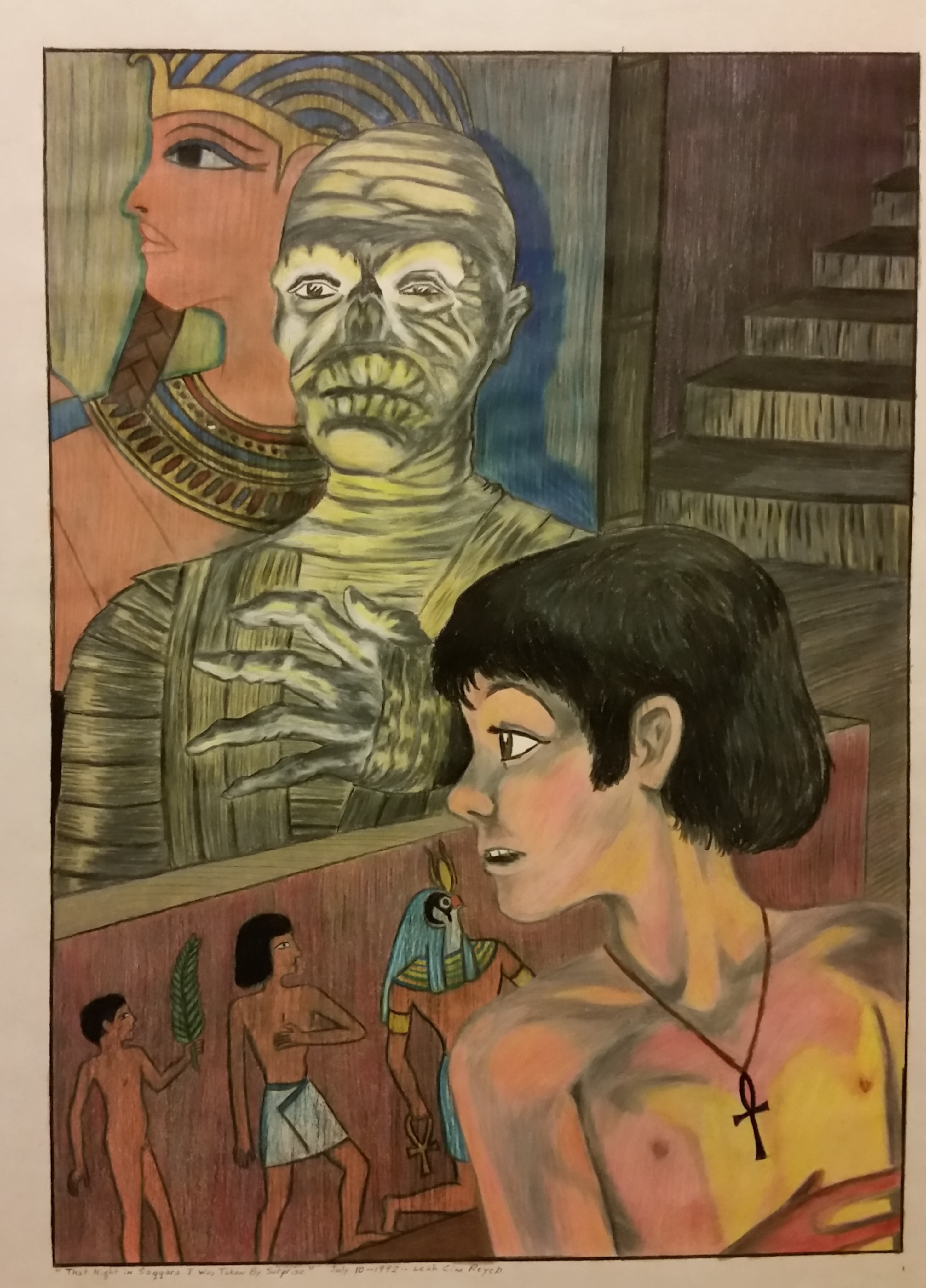
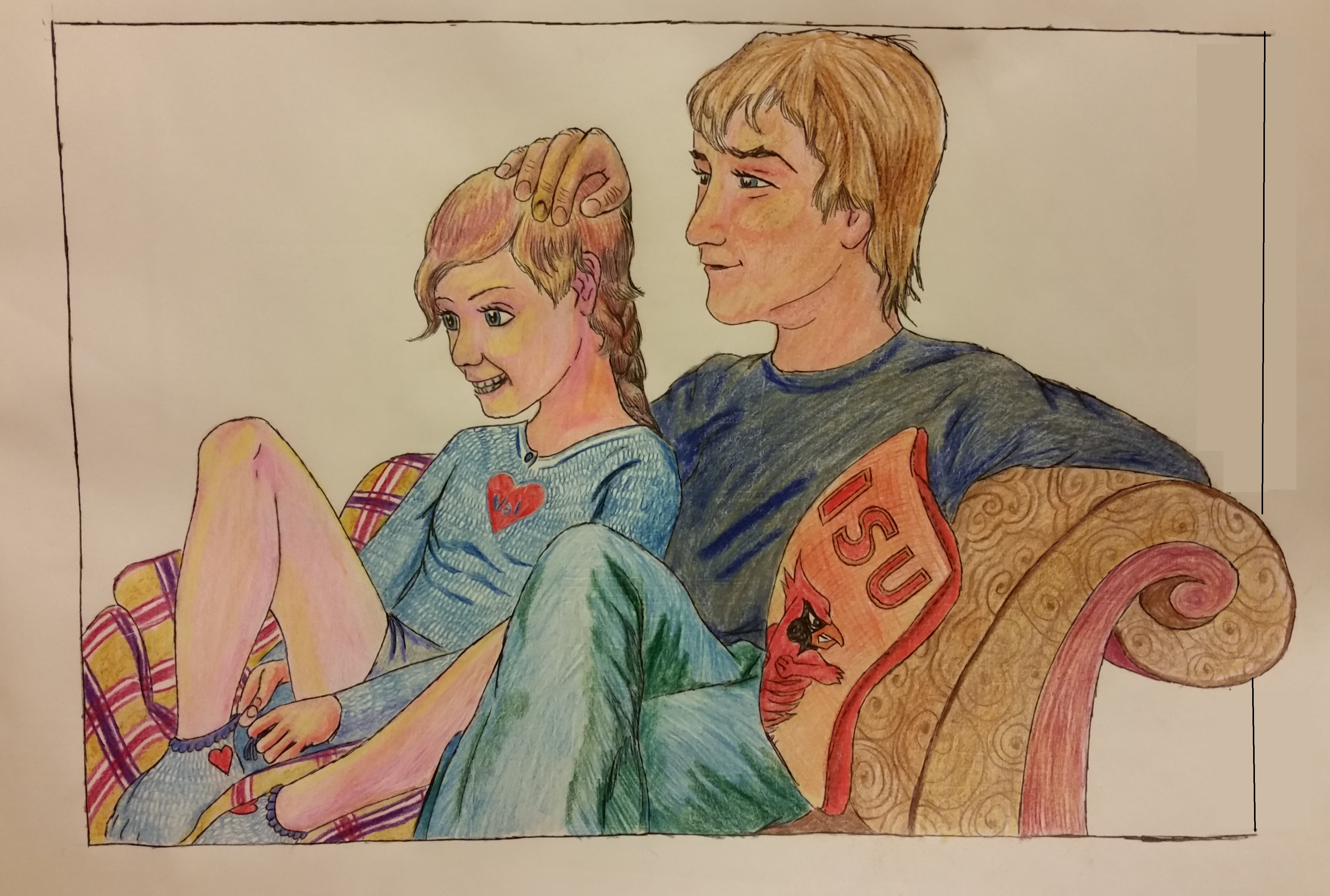
I am a self-taught artist.  I have had art classes in high school and college, but never professional art training.  I know how to manipulate the rule of thirds, directional composition, movement, perspective, and lots of other artsy-craftsy techniques, but it is all a matter of trial and error and an instinct for repeating what works.  I have had a good deal more professional training as a writer.  But I do that mostly by instinct as well.  Trained instinct.  I have reached a point where my art is very complex and detailed.  And I don’t mean to suggest there are no flaws.  In fact, I am capable enough to see huge, glaring mistakes that really skew my original intent and make me feel hopelessly incompetent.  But others who see it and don’t know the inner workings of the process can look past those mistakes and not even see them.  Given enough time to look at my own work with new eyes, I am able to see at least some of what they see.

the Clarkes

Now that I have totally wasted 500-plus words on goofy talking-to-myself, what have I really accomplished beyond boring you to death?  What’s that you say?  You are not dead yet?  Well, that’s probably only because you looked at the pictures and didn’t read any of my sugar-noodle brain-scrapings in loosely paragraph-like form.  And if you did read this awful post by a colorblind artist who doubts his own abilities, you probably didn’t learn anything from it.  But that’s not the point.  The point is, I care about doing this, and I need to do it right.  And I managed to learn something… how to ramble and meander and make something that is either a hot mess… or something that vaguely resembles self-reflective art.


Leave a comment

Filed under art criticism, artwork, autobiography, colored pencil, coloring, feeling sorry for myself, humor, magic, Paffooney, strange and wonderful ideas about life, Uncategorized

The Art of Contemplation

I believe one of the primary reasons that art exists at all is because we are thinking creatures with a need to spend serious time in deep minding of the consequences of existence. We need to question everything. And art helps us do that by depicting the thoughts that existed first in the mind of the artist, and then must be translated through experiencing into the mind of the viewer.

Landscapes are very useful for contemplation. They present an interpretation of the real world you can mentally walk around in.
If you are walking around mentally in a work of art, you are seeing more than just a place. You are walking mentally through the mind and the perceptions of the artist. You see what he or she has seen, even if you see it differently. Even if it is a photo the artist took.
The people, places, and things your viewer-eyes encounter when mentally walking around in a work of art have to have some overall meaning. Some purpose. Some reason for being.
What do you suppose the picture above means? I can’t tell you, even though I drew it. You, the viewer, must give it meaning.

Leave a comment

Filed under art criticism, artwork, imagination, insight, Paffooney

Thinking About Thinking with a Thought-free Thinker

Yes, today is another in a long, tepid series of Art-Day posts, but it is also about metacognitive thinking. Specifically thinking about thinking using pictures to think with. (Maybe that title should say, “Free-Thought Thinker” rather than, “Thought-Free.”)

To start with, what does a person actually see when they close their eyes? My brain does not color everything on the inside of my eyelids black. Even in the dark of night with no nightlight so that nothing shines through my eyelids, my brain interprets the dark as shapes, patterns, and colors. Hence the inspiration for this picture.

But my brain is never satisfied with raw shapes, colors, and patterns. It has to interpret ideas into them. The mass of yellow and black resolves into a butterfly, or a sunflower, or an etude by J.S. Bach. The pink mass becomes a blond girl playing the music in my head…. a girl from piano-lesson days in the early 70’s. But naked. The way I always thought about her while sitting and waiting for my piano lesson and listening to hers. How else does a boy think about a pretty girl when he is fourteen?

And as the items in the picture take shape, they do also begin to tell a story. Who is this Dr. Seabreez? Is he a shaman of the Republic of Lakotah People? Is he a white man? Seabreez is not a Native American name. The naked boy by the tent flap has a crutch, and there is a mouse silhouetted nearby. Does that make him a medical doctor? A veterinarian? A professor of Native-American Studies? The mind begins to piece together a script.

But here we see that Dr. Seabreez has set up a new practice in Japan. Again the boy near the door has a crutch and there is a silhouetted mouse near him. But now the other boy has horns on his forehead. Why horns? And pointed ears? Is he a Doctor of Magic and Wizardry? Demonology perhaps? And what is an anthropomorphized panda doing in Japan? That’s clearly a Japanese castle in the distance. The collar Kanji is definitely Japanese in character.

And now there are horns again. Three of them by my count. And another naked character. But a Grecian background. The mind is here making connections between the pictures, noticing patterns. Appreciating colors. And turning every detail over in the mind’s eye, evaluating and analyzing.

Art, especially on Saturdays, totally engages the mind. That is one of the reasons we keep art around to look at again and again. It is the purpose of art to make us see something. And not just once, superfluously. We must see it in depth, looking beyond the surface.

Leave a comment

Filed under art criticism, artwork, humor, irony, magic, Paffooney

The World is a B-Movie

Yes, I am saying the world I live in is a low-budget commercial movie made without literary or artistic pretensions. You know, the kind where movie makers learn their craft, taking big risks with smaller consequences, and making the world of their picture reflect their heart rather than the producer’s lust for money.

Mostly what I am talking about are the movies I remember from late-night Saturday TV in black and white (regardless of whether or not the movie was made in Technicolor) and the less-risky as well as more-likely-good Saturday matinees on Channel 3. Movies made in the 1950s, 1960s, and early 1970s. They were perfect, of course, for the forbidden Midnight Movie on the show called Gravesend Manor. I had to sneak downstairs to watch it on Saturday nights with the volume turned way down low. (Not that Mom and Dad didn’t know. Well, maybe they didn’t know how many of those I watched completely naked… maybe.)

I watched this one when I was twelve, late night on an October Saturday. I had a bed-sheet with me to pull over my head at the scariest parts. Frankenstein was a crashed astronaut brought back to life by the magic of space radiation. He was uglier than sin, but still the hero of the movie, saving the Earth from invading guys in gorilla suits and scary masks (none of which looked like the movie poster.)

This one, starring James Whitmore, a really good B-Movie actor, was about giant ants coming up from the sewers and the underground to eat the city.

I would end up watching it again twenty years later when I was wearing clothes and not alone in the dark house lit only by a black-and-white TV screen.

I realized on the second viewing that it was actually a pretty good movie in spite of cheesy special effects. And I realized too that I had learned from James Whitmore’s hero character that, in times of crisis, you have to run towards the trouble rather than away from it, a thing that I used several times in my teaching career with fights and tornadoes and even rattlesnakes visiting the school campus looking to eat a seventh-grader or something (though it was a bad idea for the snake even if it had been successful.)

This one, of course, taught me that monsters liked to carry off pretty girls in bikinis. And not just on the poster, either. But it was the hero that got the girl, not the monster. This movie taught me that it sucks to be the monster. Though it also taught me that it was a good movie to take your pajamas off for and watch naked when you are thirteen.

But not all B-movies had to be watched late night on Saturdays. This movie was one of the first ones that I got to go to the movie theater to see by myself. (My sisters and little brother were still too young and got nightmares too easily to see such a movie.) It came out when I was in my teens and Mom and Dad began thinking of me as an adult once… or even possibly twice in a month.

And not all B-movies were monster movies, gangster movies, and westerns. Some, like a lot of Danny Kaye’s movies, were movies my Dad and my grandparents were more than happy to watch with me. I saw this one in both black-and-white and color. And I learned from this that it was okay to take advantage of happy accidents, like a case of mistaken identity, and using your wits, your creative singing ability, and your inexplicable good luck to win the day for everybody but the bad guys armed only with your good sense of humor.

And some of the best movies I have ever seen, judging by what I learned about movies as literature from Professor Loring Silet in his Modern Film Class at Iowa State University, are by their nature B-movies.

I am using movie posters in this blog post only from movies I have personally seen. (And I admit that not all of them are strictly “good” movies according to Professor Silet, but I like them all.)

Feel free to tell me in the comments if you have seen any of these movies yourself. I am open to all opinions, comments, and confessions.

This one is based on Shakespeare’s The Tempest.
I saw this one in college. You had to be 18 at the time to even buy a ticket.
I actually think that this is one of the best movies ever made. It will always make my own personal top-ten list.

I live in a B-movie world. The production values around me are not the top-dollar ones. But the stories are entertaining. The real-life heroes still run towards the problem. And it still sucks to be the monster. But it has always been worth the price of the ticket. And during my time on Earth here, even in 2020, I plan on staying till the end of the picture. I go nowhere until I see the Best Boy’s name in the end credits. And maybe not even then.

Leave a comment

Filed under art criticism, heroes, humor, monsters, movie review, strange and wonderful ideas about life, TV as literature, TV review