
Comic books are not real life. They are better than real life. They allow you to go forward in your own story with the myth of the super power to bolster your courage. You can face your daily devils and demons secure in the knowledge that, while no one is perfect, we can all at least imagine holding firm to an ideal in spite of the trials we face… being true to a power and a goodness beyond ourselves… being a hero.

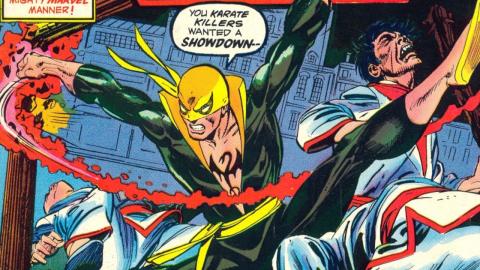
I have followed Iron Fist’s adventures since the 1970’s. It is true that I haven’t been as devoted to him and his heroics as I have been to Spiderman and the Avengers. But I love the idea of a good guy in white standing up to the bad guys in black and beating the poop out of them with a good heart and a bare fist, not resorting to guns and bombs and gratuitous killings. Danny Rand, the Iron Fist, has always been such a character to me. Noble because he does not intentionally kill the enemy, like Batman, Superman, Captain America and so many other favorite super heroes.
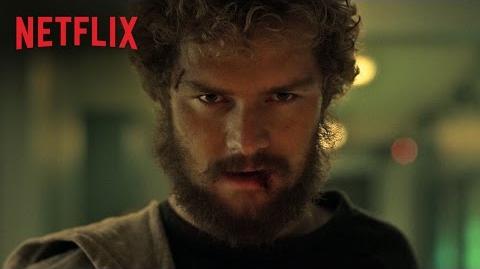
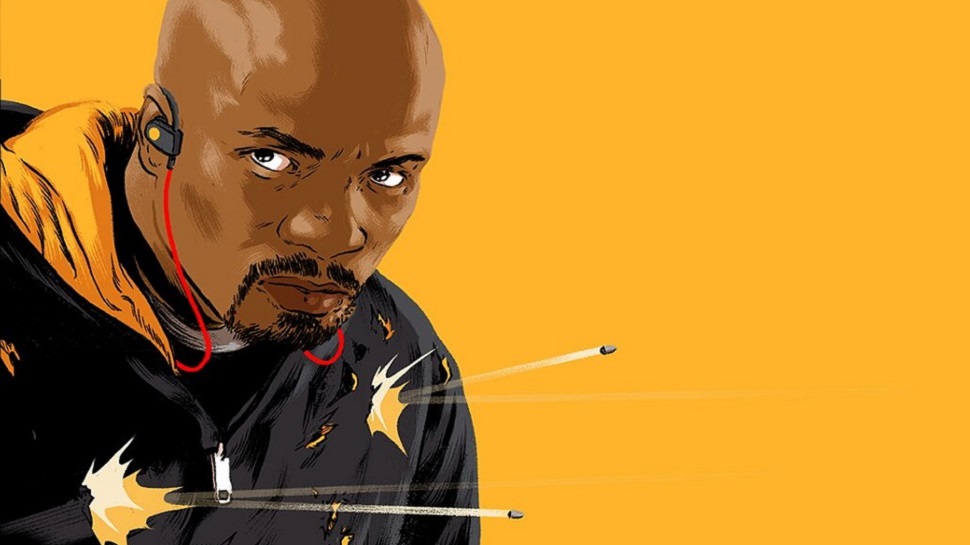
I admit it, this love-gush of a post is only happening because I finished binge-watching the new Iron Fist series on Netflix. I depend on Netflix now to deliver to me effortlessly what I used to endlessly hunt and scrabble for in the way of idea fuel and motivational electricity. And even though I am a notoriously uncritical critic, I have to say, it was not as heart-thumpingly good as either Daredevil or Luke Cage. But it brought an old friend to life in a way that I never before believed could happen. And I love the way it fit this puzzle piece into the overall jigsaw of the Marvel superhero stories on Netflix. It used characters like the ER nurse Claire and the villainous Madam Gao to connect plotlines in Daredevil and Luke Cage, and the evil but helpful lawyer character from Jessica Jones. Will I watch it again? Definitely. Will I need to draw Iron Fist for myself? Probably. But this is a hard experience to either explain or recapture. Television using comic book heroes, sometimes, at its best, makes life better than it really is.




 Catch a Falling Star
Why We Doo
I remember when Scooby Doo, Where Are You? premiered on Saturday Morning Cartoons in 1969. I was thirteen and in the 7th grade. I had been six during the Cuban Missile Crisis of 1962, seven when Kennedy was assassinated in 1963, ten when I was sexually assaulted in 1966, and still twelve when Neil Armstrong walked on the Moon in the Summer of 1969. I was obsessed with monsters, horror comics, 20,000 Leagues Under the Sea, and the Pirates threatening Jim Hawkins in Treasure Island. I knew what fear was. And I was mad to find ways to combat the monsters I feared.
Don’t get me wrong. I was under no illusions that Fred, Daphne, Velma, Norville “Shaggy” Rogers and Scooby Doo were the answer to all my fears as viable heroes and heroines. They were goofballs, all of them, based on the characters I vaguely remembered from The Many Loves of Dobie Gillis. I was aware that Shaggy was just Maynard Krebs in cartoon form (the hippie character portrayed by Gilligan’s Island actor Bob Denver.)
One of the critical things about the show for me was the fact that there was a rational explanation for the monsters. They were men in masks, special effects and projector tricks, or remote-controlled mechanical things.
And the way you overcame them and saved the day was by having Shaggy and Scooby act as bait, cause the traps to get sprung at the wrong time, and then fall on the villains, trapping them under the butt of the talking dog.
Villains and horror could be overcome by laughing at them. They were more likely to be clowns than carnivores. And even if they were carnivores, the teeth were not real.
There was a universal truth in that. Danger and horror and fear were easier to handle when you could laugh in spite of those things.
And to top it all off, those meddling kids and their stupid talking dog were with me my whole life. Those cartoons got remade and spun off so many times that my kids learned to love them as much as I did. And those four meddling kids and that talking dog are still making new stories even now.
And that is why we do the Doo!
Leave a comment
Filed under autobiography, cartoon review, cartoons, commentary, humor, monsters, Uncategorized
Tagged as hanna-barbera, horror, Netflix, review, Scooby Doo