
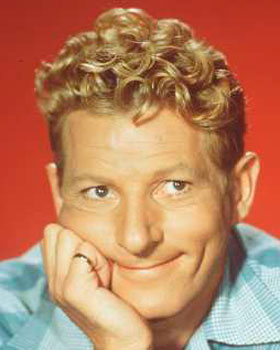
Archive photo from the Los Angeles Times
My childhood was shaped by television events like the annual showing of The Wizard of Oz and classic movies on Friday nights when I was allowed to stay up past my bedtime to watch the whole thing. I have told you before how much I loved the comedy of Red Skelton. Another comedian who shaped who I am through his wondrously manic movie performances was Danny Kaye.
One of those Friday movie classics that really struck home was the wonderful, kid-friendly movie Hans Christian Andersen.
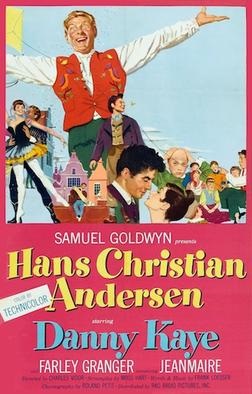
1952 movie poster from Wikipedia
The movie was about a storyteller from a previous century and embroidered his biographical story with his famous children’s stories in the form of songs. And Danny Kaye could trip through multi-syllabic, fast-paced musical numbers like no other rubber-faced clown I have ever seen. I wanted to be such a story-teller from a very early age. I even wanted to write the kind of stories that could be made into songs. Let me show you a few of the bits that amazed me and killed me with laughter.
This song from the Inspector General was doubly engaging because the corrupt businessmen were trying to poison the character Danny played with the wine he was supposed to drink during the drinking song.
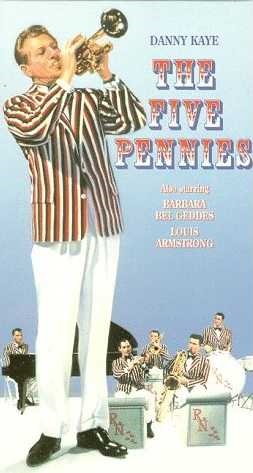
The movies Danny Kaye was in were mostly about the musical comedy. But sometimes they were just about the music. He appeared in musicals like White Christmas with Bing Crosby and stage musicals like Lady in the Dark which won him awards on Broadway. He made movies about music like The Five Pennies and A Song is Born. He always said he couldn’t read music, but he demonstrated perfect pitch and scored a number one hit with The Woody Woodpecker Song recorded for the animated cartoons of Walter Lantz. How cool is that?
And you already know that The Wizard of Oz is my favorite movie of all time. In 1964 Danny became the host for CBS’s annual showing of the film. He was able to do funny songs that made you snort your hot cocoa through your nose from laughing, and he could also do beautiful ballads like these.
I will always take the opportunity to watch a Danny Kaye movie one more time, whether it comes on YouTube or a Netflix oldie or a $5 DVD from the bin at the front of the Walmart Superstore. And I will always think of him in his role as Hans Christian Anderson.
Oh, and he was a very funny comedian too when he wasn’t singing, as in The Court Jester and The Secret Life of Walter Mitty.















 Catch a Falling Star
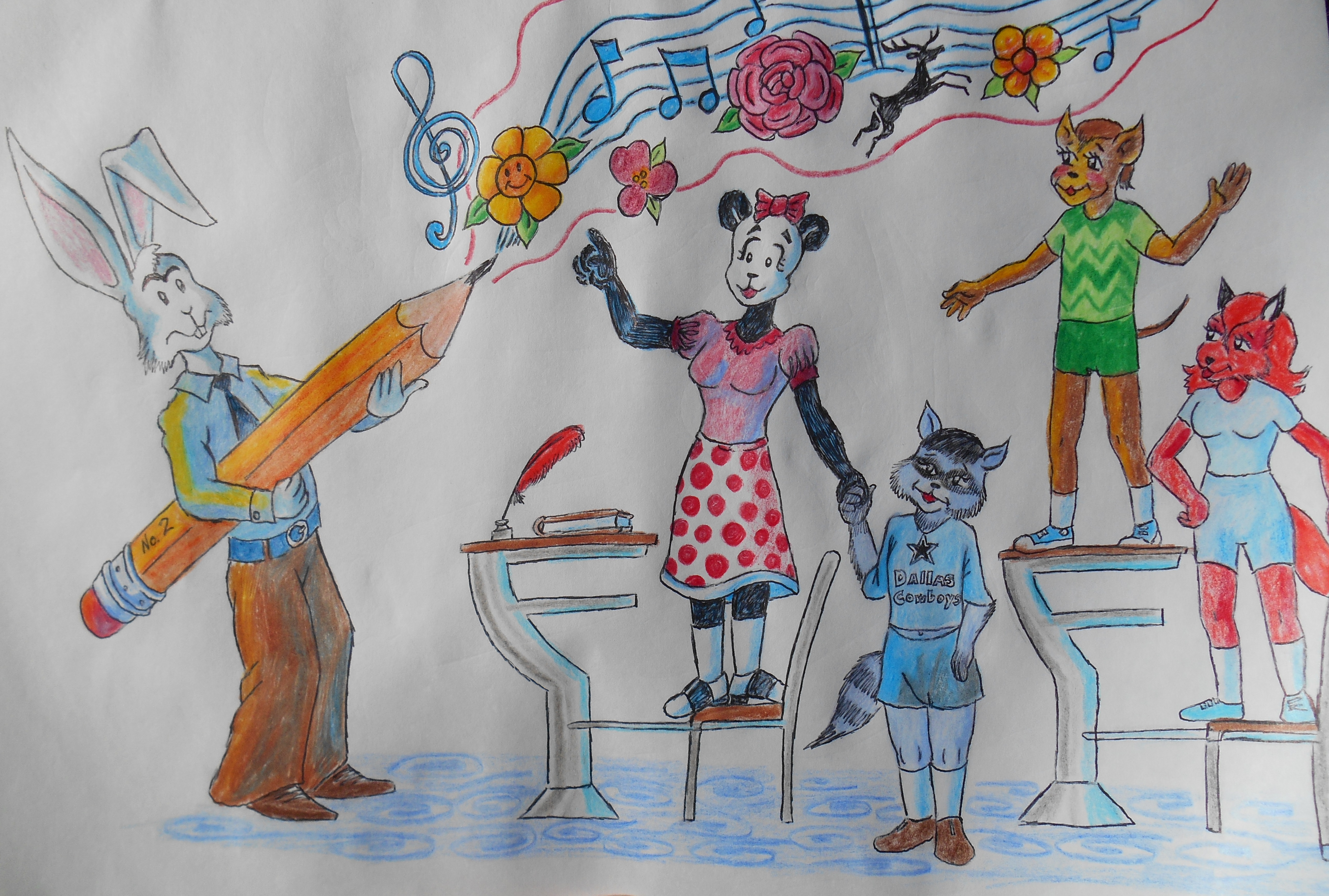
How To Write A Mickian Essay
I know the last thing you would ever consider doing is to take up writing essays like these. What kind of a moronic bingo-boingo clown wants to take everything he or she knows, put it in a high-speed blender and turn it all into idea milkshakes?
But I was a writing teacher for many years. And now, being retired and having no students to yell at when my blood pressure gets high, the urge to teach it again is overwhelming.
So, here goes…
Once you have picked the silly, pointless, or semi-obnoxious idea you want to shape the essay around, you have to write a lead. A lead is the attention-grabbing device or booby-trap for readers that will draw them into your essay. In a Mickian essay, whose purpose is to entertain, or possibly bore you in a mildly amusing manner, or cause you enough brain damage to make you want to send me money (this last possibility never seems to work, but I thought I’d throw it in there just in case), the lead is usually a “surpriser”, something so amazingly dumb or off-the-wall crazy that you just have to read, at least a little bit, to find out if this writer is really that insane or what. The rest of the intro paragraph that is not part of the lead may be used to draw things together to suggest the essay is not simply a chaotic mass of silly words in random order. It can point the reader down the jungle path that he or she can take to come out of the other end of the essay alive.
Once started on this insane quest to build an essay that will strangle the senses and mix up the mind of the reader, you have to carry out the plan in three or four body paragraphs. This is where you have to use those bricks of brainiac bull-puckie that you have saved up to be the concrete details in the framework of the main rooms of the little idea-house you are constructing. If you were to number or label these main rooms, this one you are reading now would, for example, be Room #2, or B, or “the second body paragraph”. And as you read this paragraph, you should be thinking in the voice of your favorite English teacher of all time. The three main rooms in this example idea house are beginning, middle, and end. You could also call them introduction, body, and conclusion. These are the rooms of your idea house that the reader will live in during his or her brief stay (assuming they don’t run out of the house screaming after seeing the clutter in the entryway).
The last thing you have to do is the concluding paragraph. (Of course, you have to realize that we are not actually there yet in this essay. This is Room C in the smelly chickenhouse of this essay, the third body paragraph.) The escape hatch on the essay that may potentially explode into fireworks of thoughts, daydreams, or plans for something better to do with your life than a read an essay written by an insane former middle school English teacher at any moment, is a necessary part of the whole process. This is where you have to remind them of what the essay is basically about, and leave them with the thought that you want to haunt them in their nightmares later. The last thing that you say in the essay is the thing they are the most likely to remember. So you need to save the best for last.
So, here, finally, is the exit door to this masterfully mixed-up Mickian Essay. It is a simple, and straightforward structure. The introduction containing the lead is followed by three or four body paragraphs that develop the idea and end in a conclusion that summarizes or simply restates the overall main idea. And now you know why all of my former students either know how to construct an essay, or have several years left in therapy sessions with a psychiatrist.
Leave a comment
Filed under commentary, education, humor, Paffooney, teaching, writing, writing teacher
Tagged as foolish ideas, How to write an essay, humor, Mickian essays, teaching writing, teaching writing with humor