
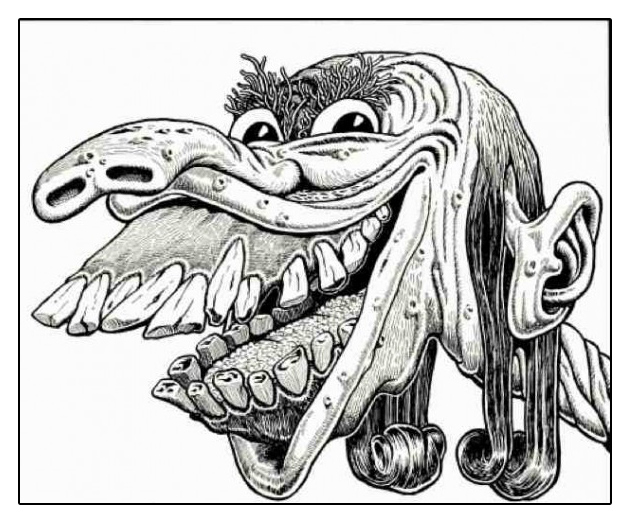
Basil Wolverton (1909 to 1978) became famous as a cartoonist by winning a contest. He submitted the picture of Lena to Al Capp’s newspaper strip to answer the question of what Lena, who had been appearing for weeks in Li’l Abner underneath a black square with an editor’s warning printed on it that she was just too ugly to be revealed, actually looked like. Capp ran the contest to depict Lena and selected Wolverton’s drawing from among 500,000 entries. I think Capp got it right when he chose this to be the world’s ugliest woman.
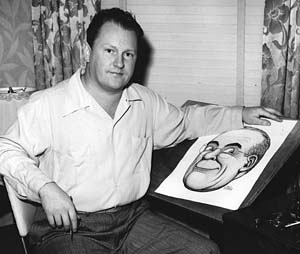
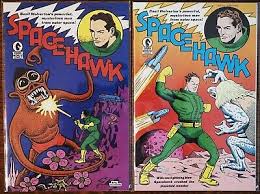
Wolverton had done comics before this one amazingly ugly picture. He did Spacehawk for Target Comics up to 1942, and he did a comic series called Powerhouse Pepper for Timely Comics (which is the company that became Marvel after the 1940’s.) But Lena not only brought him fame, it really started him down the path of his intensely detailed “spaghetti and meatballs” style of rather ugly comic art.
He used millions of little dots and lines to create art that would really soak up the printer’s ink supply and gave his artwork a uniquely “pointillistic” look.
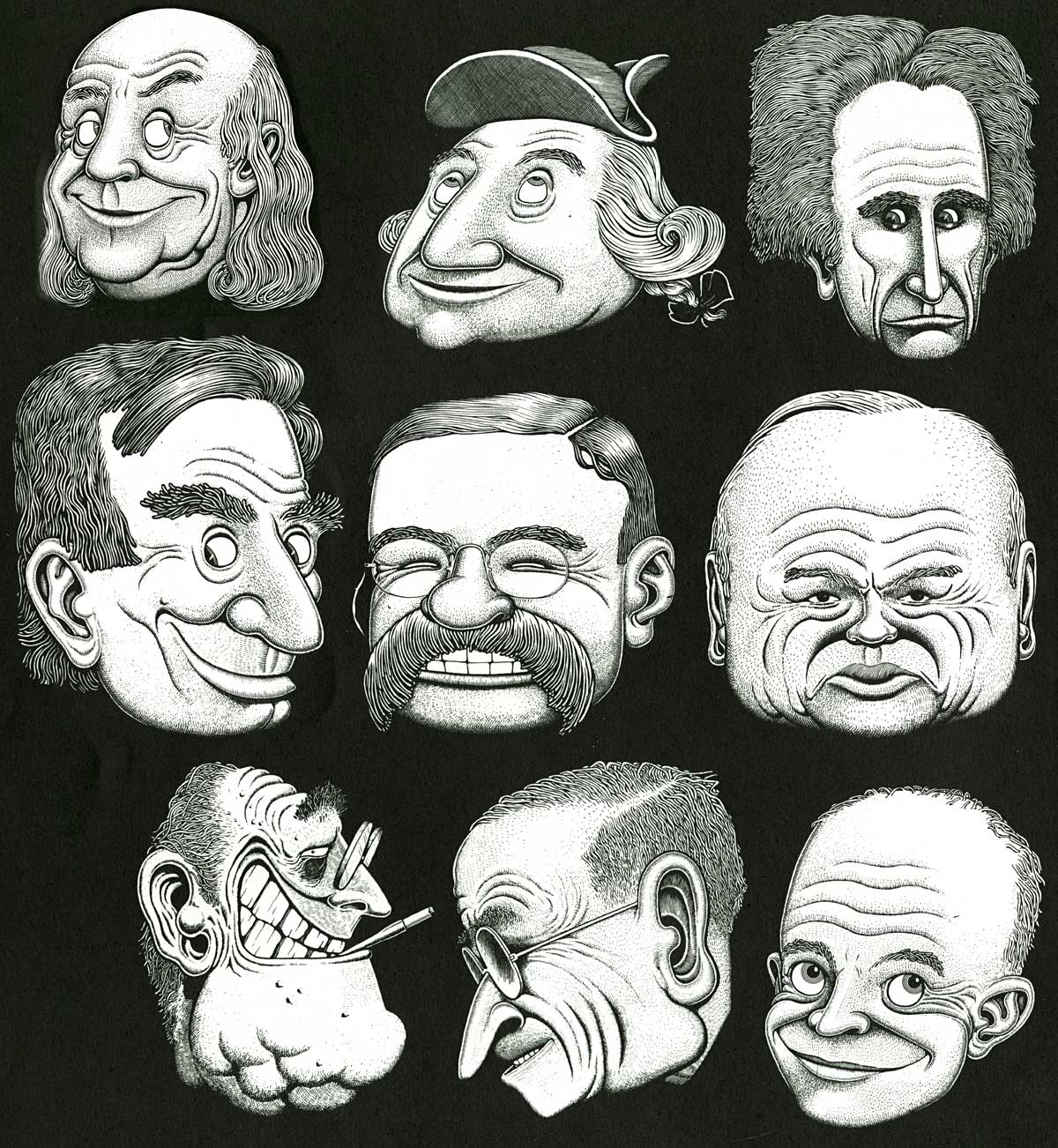
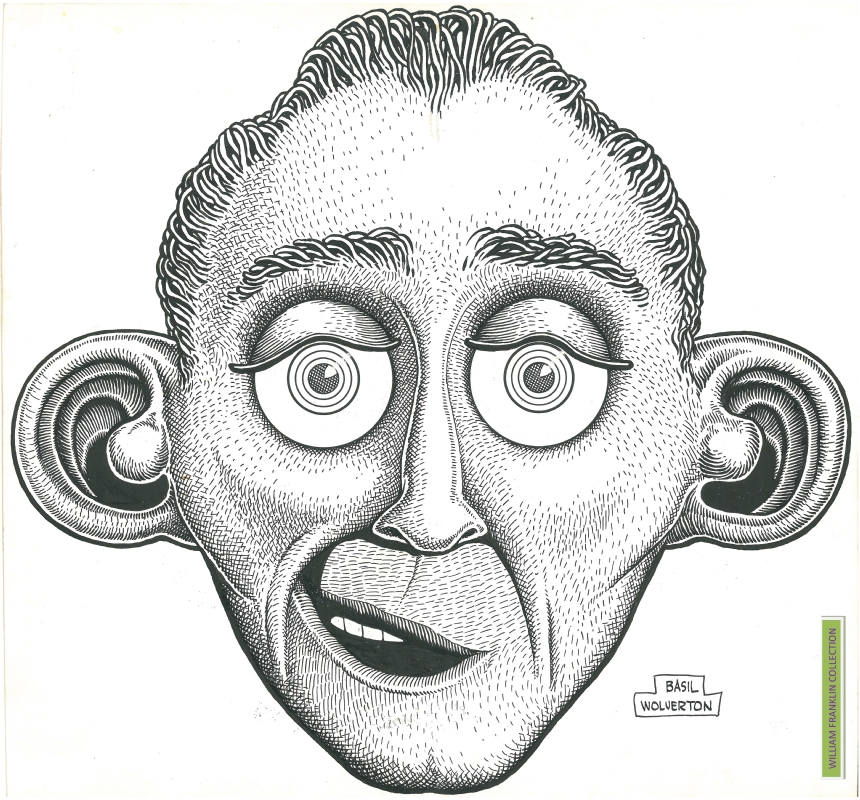
Here’s Wolverton’s portrait of Bing Crosby.
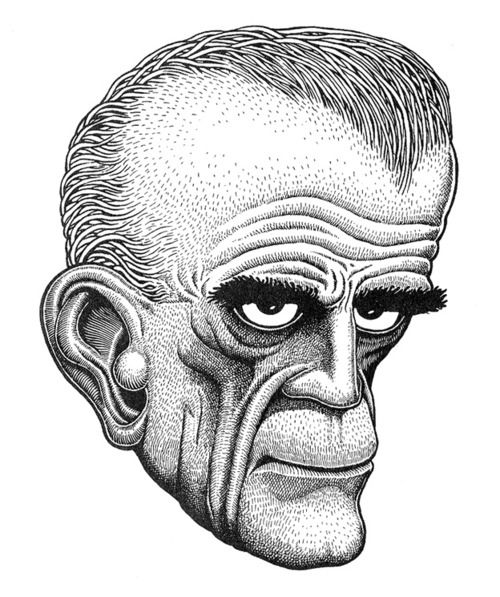
And here’s monster movie monarch, Boris Karloff.
But what really made Wolverton’s unique artwork popular and lucrative was his uniquely twisted and downright ugly portraits.
ugh! wotta beauty!
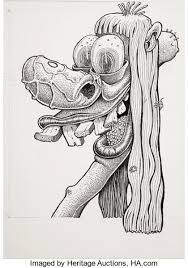
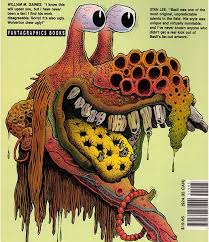
Ain’t this one… um… unique?
He would go on to be featured in Mad Magazine, Cracked, Panic Magazine, and Topp’s trading card series of Ugly Posters. He managed to do work that reached amazing levels of monstrously ugly humorous mastery of pen and ink drawings.
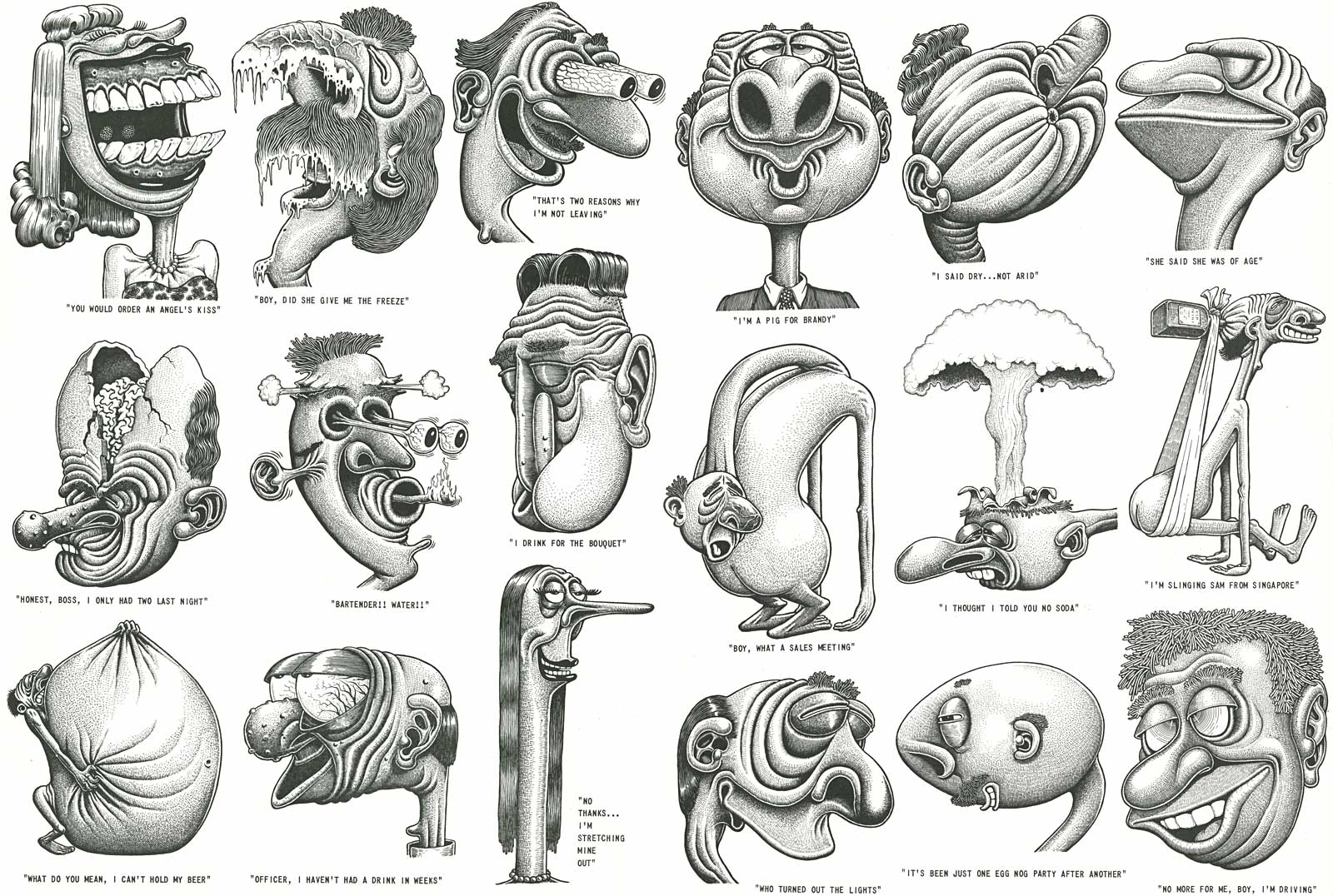
For years Basil made me laugh. But there’s no denying it… Basil masterfully drew really, really ugly artwork.
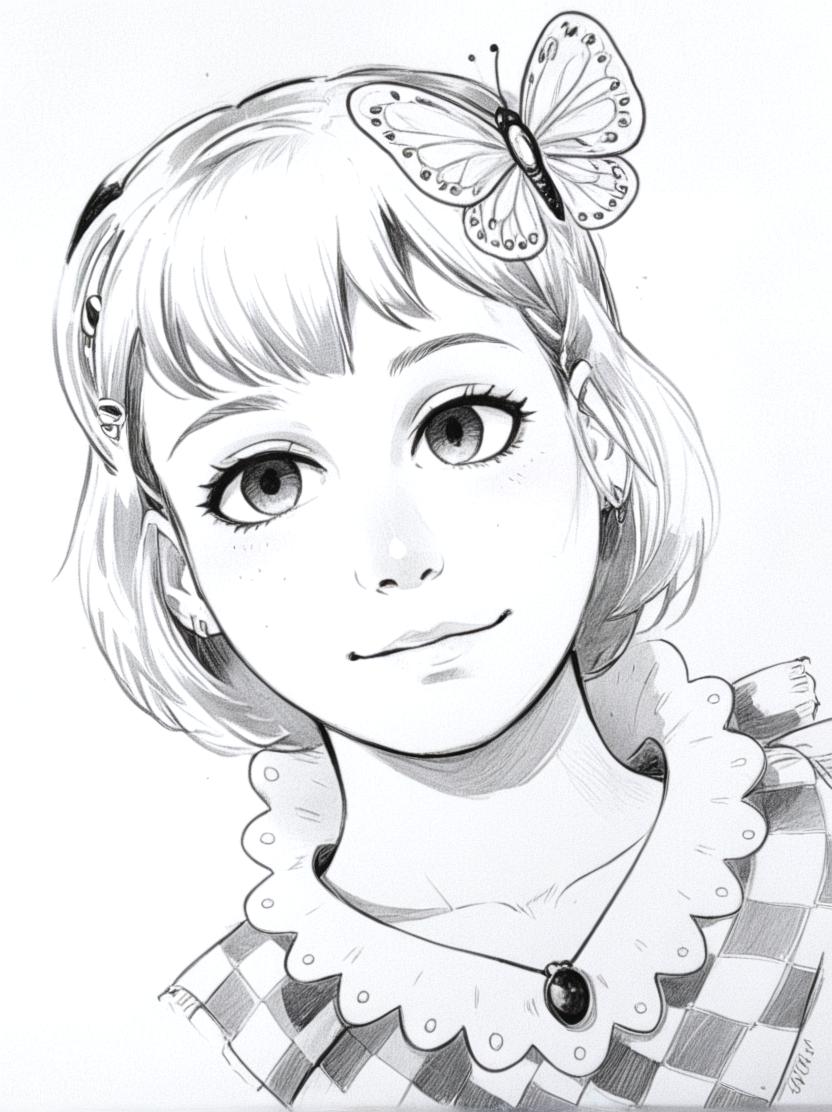
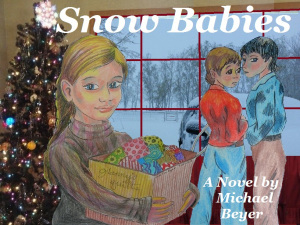
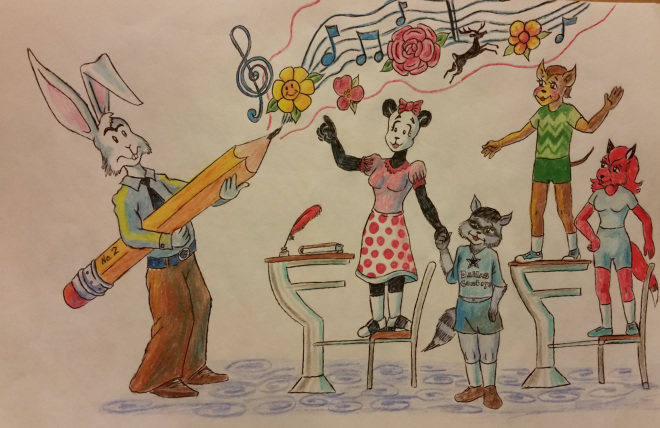
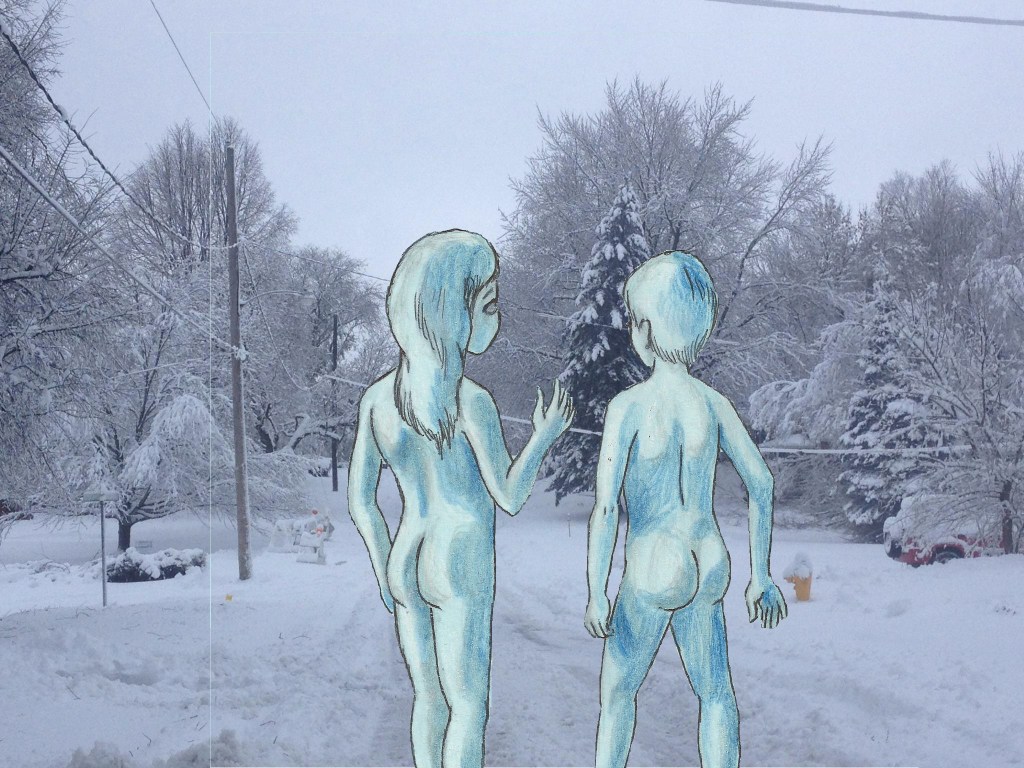
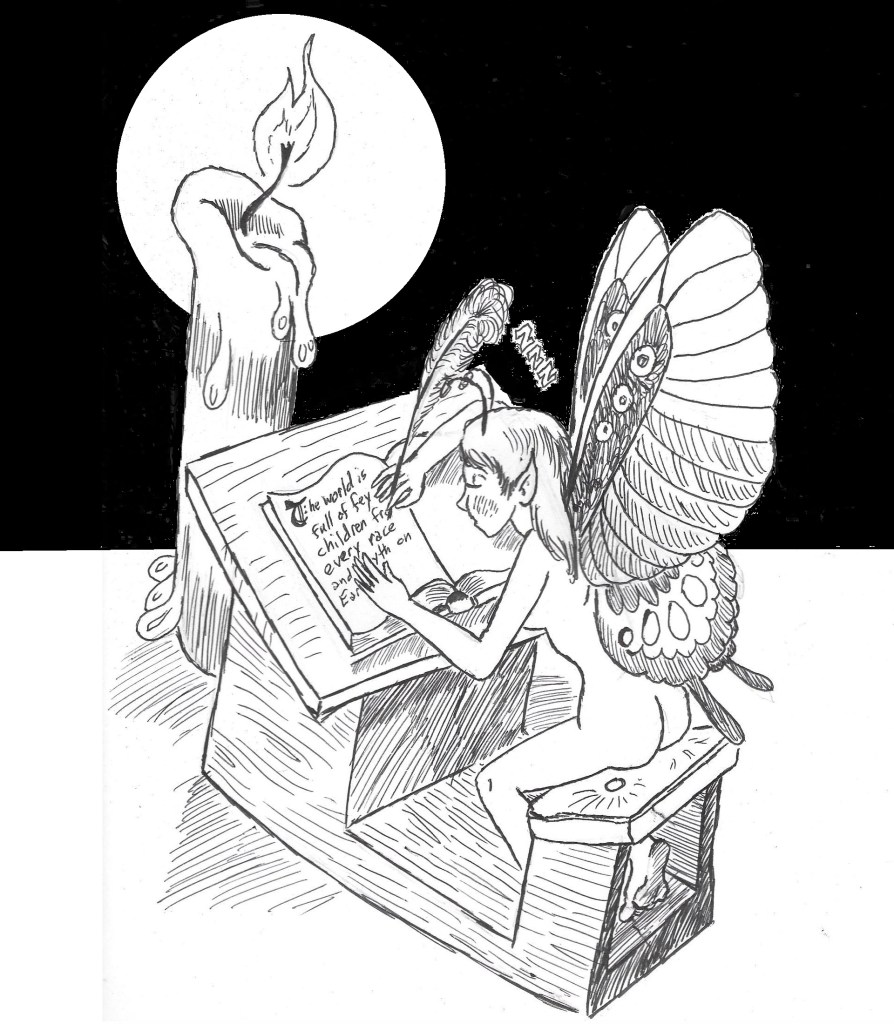



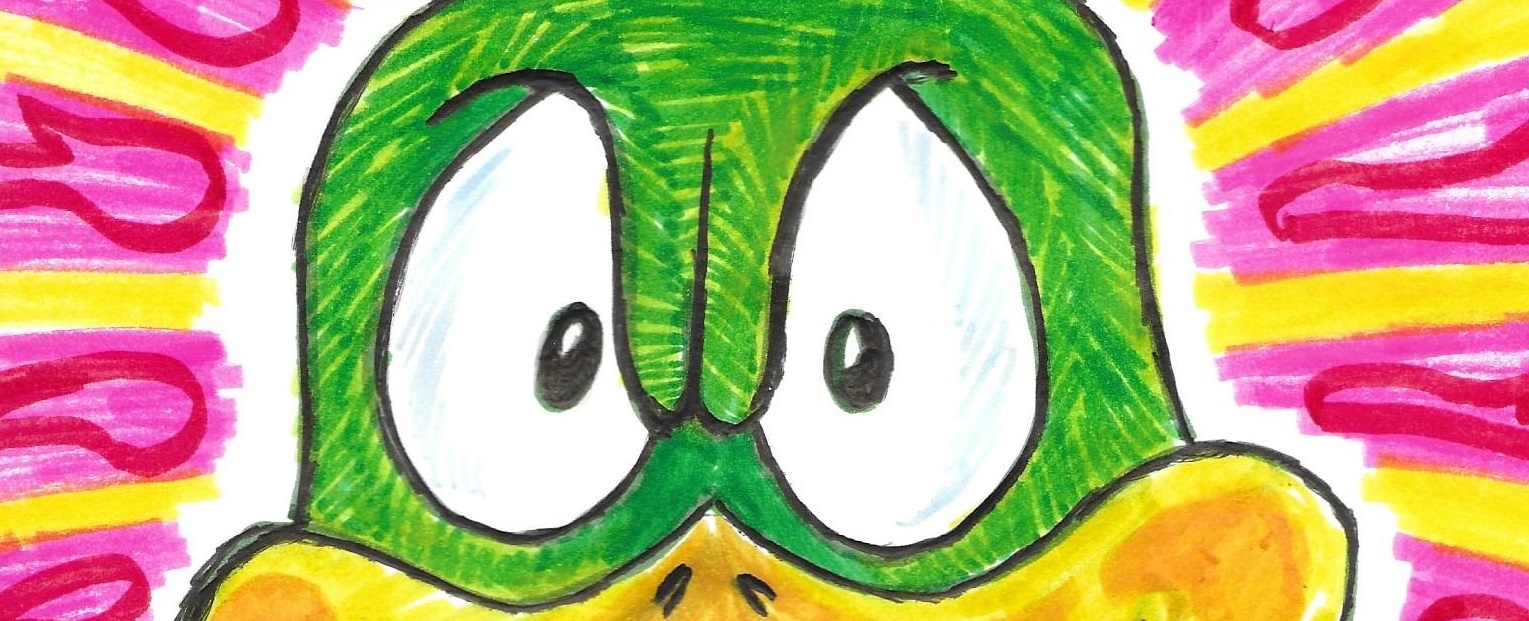
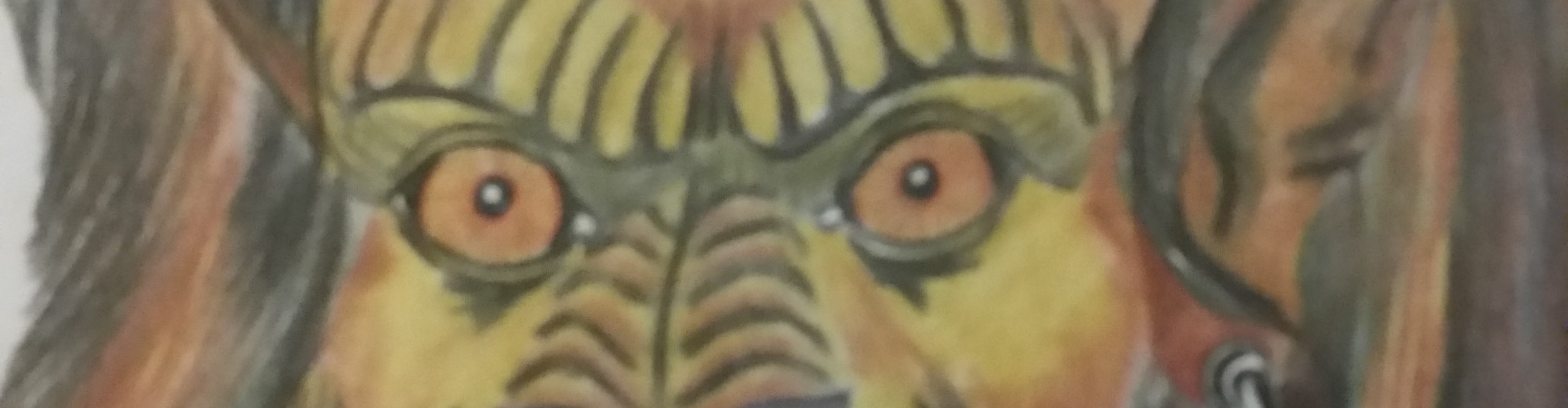


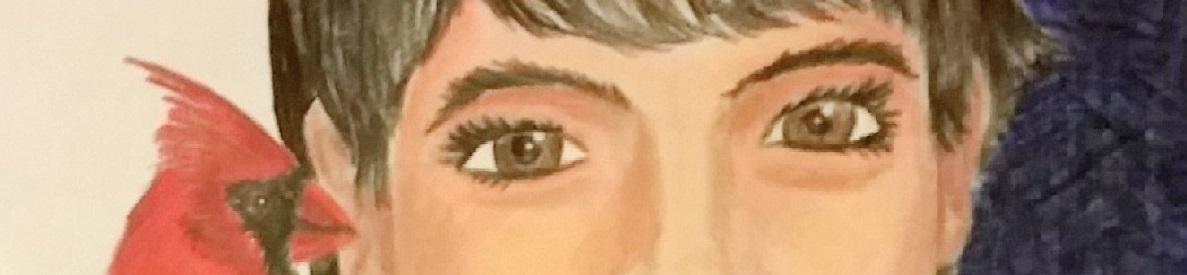
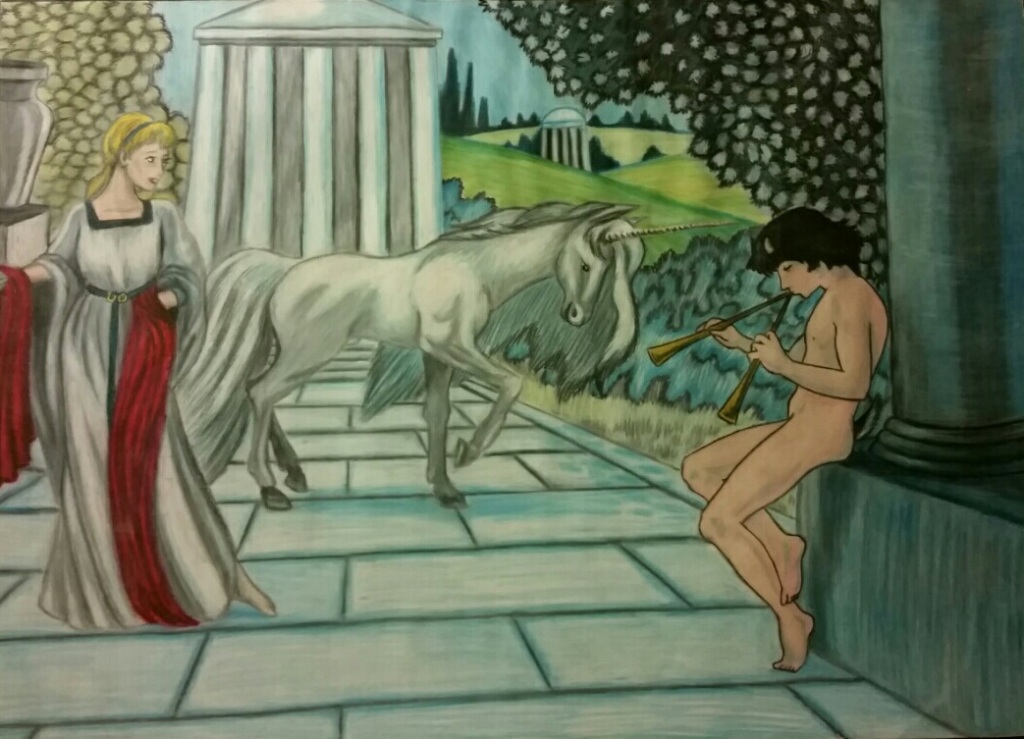



My Bookish Journey
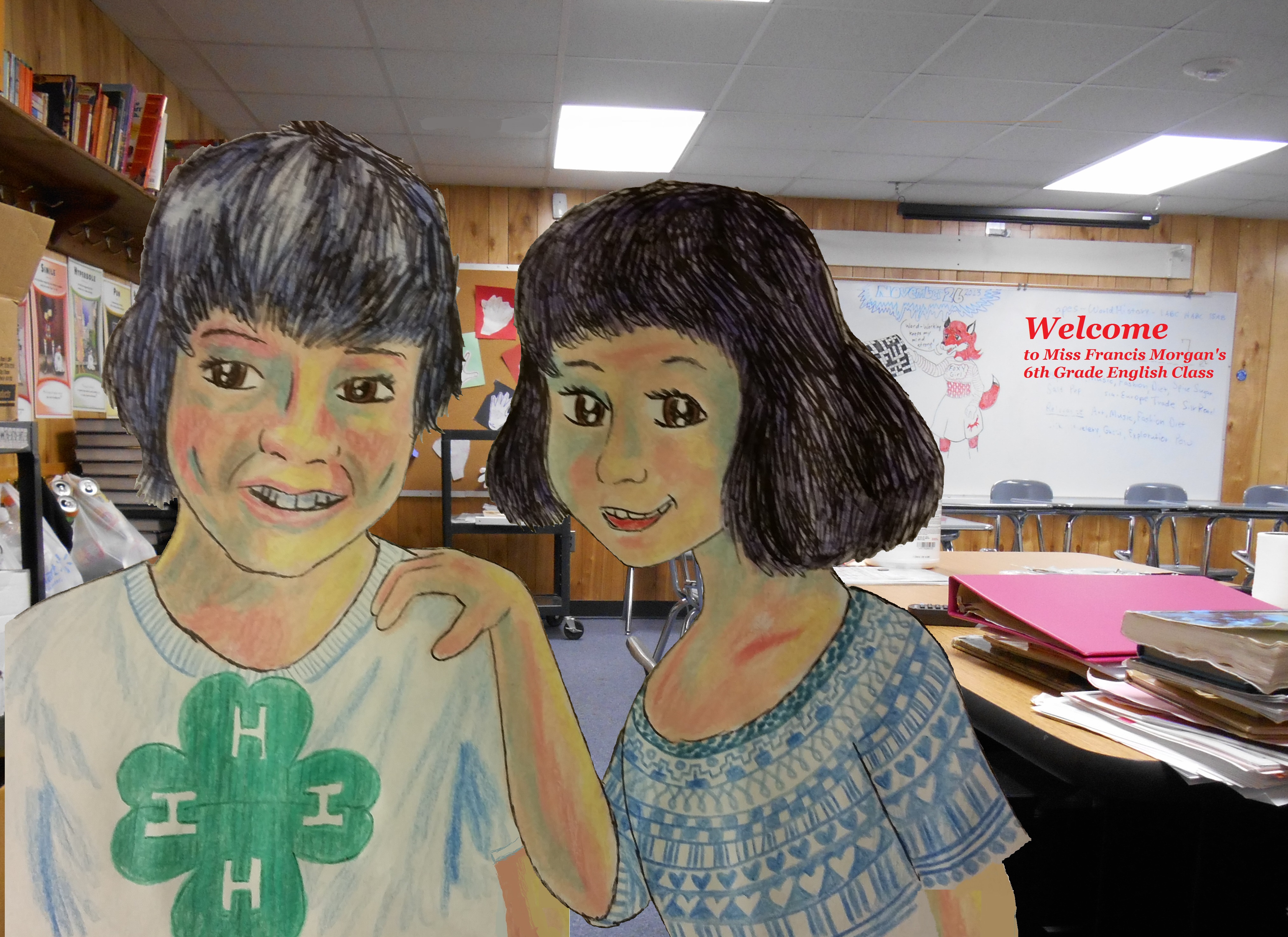
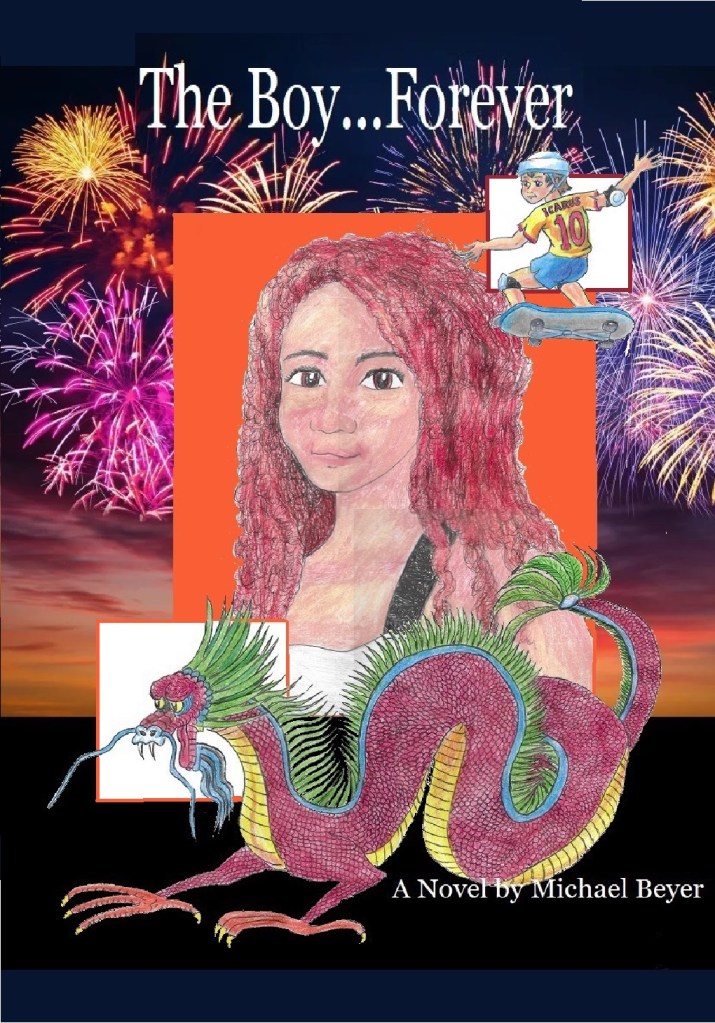
My journey as a writer actually began in grade school. I was writing Star Trek-like comics from the time I was in the fourth and fifth grade, ten and eleven years old. I called my comics Zebra Fleet, about the last fleet in the Star League on the distant, far reaches of the Milky Way Galaxy.
I started writing book-length stories in college, at Iowa State University. They weren’t all science fiction. They began to be more and more about the time and place where I grew up, Rowan, Iowa in the 1960s and 1970s They involved the people I knew there and then. My family, my friends, the people of Rowan, and random Iowegians. I based important characters on people I actually knew, mostly those I knew quite well. But I changed and swapped character details to hide their identities a little bit, and I gave them names that were mixed and matched and borrowed from the 1977 Ames, Iowa phone book. Dettbarn, Efram, Sumpter, Bircher, Clarke, MacMillan, White, and Murphy all came from there. Niland came from a famous alumni of the University of Iowa who played for the Dallas Cowboys.
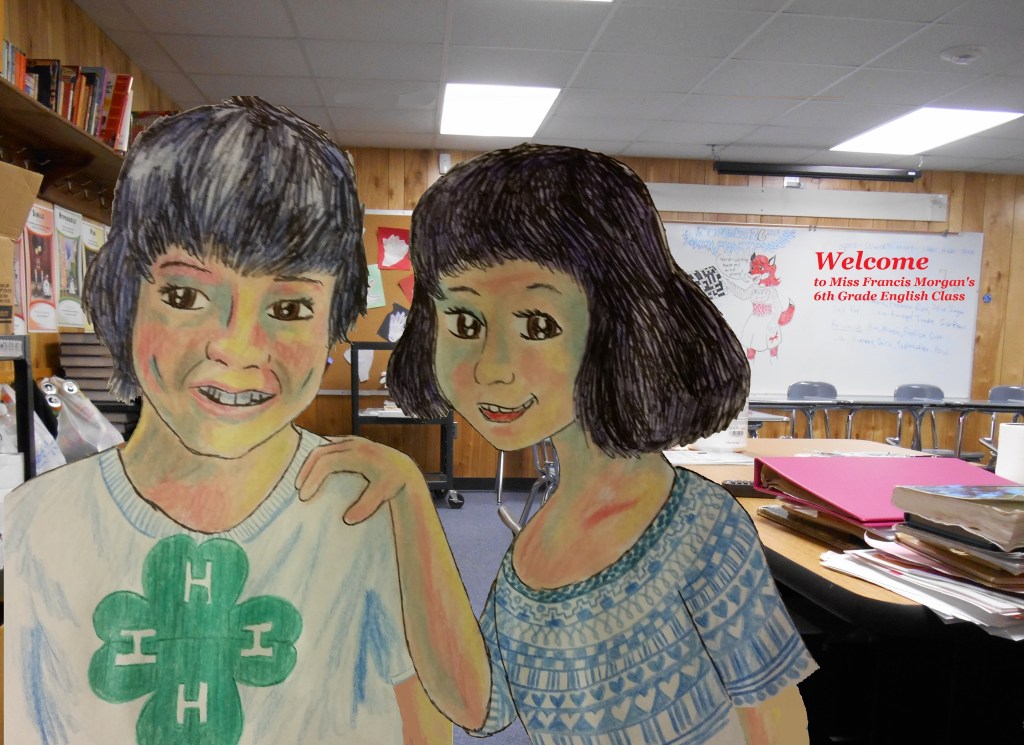
In order to have food to eat and money to spend as an adult, I had to take my BA in English and add to it an MA in Education to get a job as a teacher. I took my closet full of nascent novels and moved to Texas where my dad’s job took my parents before I graduated college. There I added hundreds of characters who were perfect for Young Adult novels as I got to know real kids and learned about their real lives. I changed their names, details, and often cultures as I added them to my stories.
Other than a couple of shots in the dark as submissions of cartoons and manuscripts to publishers, I mostly kept my stories in the closet and focused more on teaching (which, to be fair, is also a form of story-telling.) I put my handful of rejection letters in the closet too.
But then, I got laid off for two years due to health and a wicked witch as a principal, and I spent my non-job-hunting time writing a novel about my science-fiction role-playing games with former students. It was called AeroQuest.
I managed to find a publisher for that book. But it was a bogus sort of experience. They paid me an advance of one dollar. Then they had me sign a seven-year contract in 2007. No editor or proofreader even worked for them. I basically had to edit and format the book myself. All they did is intentionally flub-up some titles and sections of text in the printed form. This was part of the master plan to get me to pay for an extensive fix to the mistakes they made. The only marketing they did was to send a notice for my over-priced paperback to the list of friends and relatives that they required me to make for them. Publish America is no longer in business. They were closed down by a class-action lawsuit from the authors they had tricked into paying them thousands of dollars for totally defective publishing services. Since I didn’t pay them any scam pennies, I didn’t get any of the money from the lawsuit. I only got my publishing rights back.
So, I went back to whole-heartedly teaching. Then, in 2012 I completed another manuscript that I thought was the best work that I had ever done. I submitted it to I-Universe publishers. They read it and loved it. As it turned out, they were in the process of being acquired by Penguin Books. They were the closest thing to a mainstream publisher that would entertain submissions by new and unproven authors like me.
They, of course, were offering a publishing package that included working with real editors and marketing personnel. But I had to go a bit into debt to swing the price. So, I was still paying someone to publish my book correctly. But, as a step in my author’s journey, it was invaluable. I got to work closely with an experienced editor who had previously worked for both MacMillan and Harcourt, two mainstream traditional publishers.
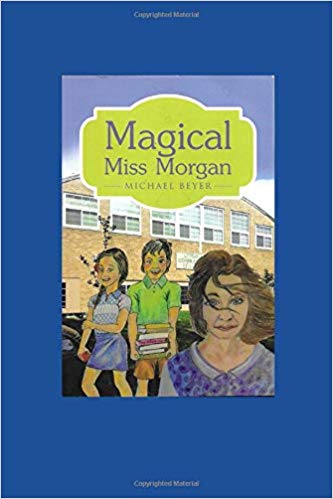
My book was given the stock cover you see here despite the cover requests I made and got approved. My original ask was apparently too expensive to print. There is no girl flying a kite in the story at all, let alone at night. It is a story about incompetent aliens trying to invade a small town in Iowa. I had requested a flying saucer with a kite flying behind it.
That first real publisher, though, made me into a real writer. The I-Universe marketeers got me listed as a winner of the Editor’s Choice Award. And they put that award and the Rising Star award on every paperback copy they printed. Everyone who read the book seemed to really like it. They set me up with this blog, space on their website for my book and bio, and they put me in touch with Barnes and Noble to talk about “meet the author” sessions to promote getting the book on their shelves. But a trip to the hospital with pneumonia and the end of the room on my Discover Card caused me to bring an end to my marketing campaign. I ended up with two five-star reviews and sixteen dollars-worth of royalties.
At this point in the story, temporarily stalled, I must start touting the part two of my essay for today. I should warn you, I have a lot more negative things to say about publishing next time.
4 Comments
Filed under autobiography, commentary, novel writing, Paffooney, publishing, writing
Tagged as author, books, fiction, publishing, writing