Today was spent in the ER pursuing what might have been a bad turn in my heart struggle. Fortunately, an x-ray, six or seven blood tests, a CT-scan, an EKG, and three hours of heart monitoring proved that it was nothing to worry about. It wasn’t wasted worry either. I went to the ER because of signs and symptoms that my cardiologist had warned me to be alert about. I happily turned out not to have any post-surgery blood clots, nor any further undetected blockages or bleeding following my new pacemaker being installed.
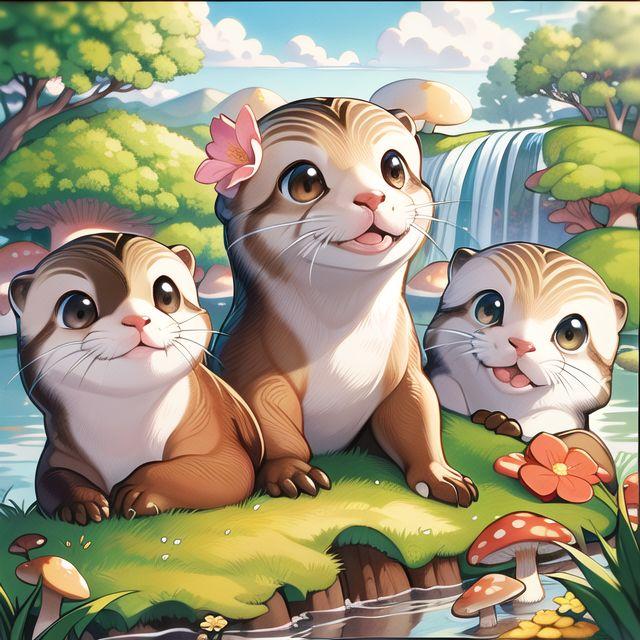
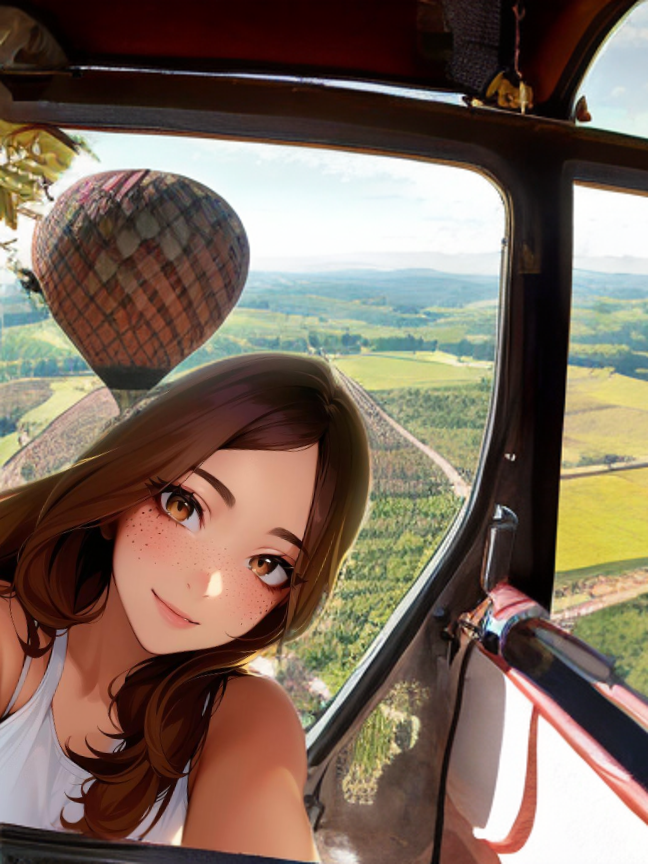
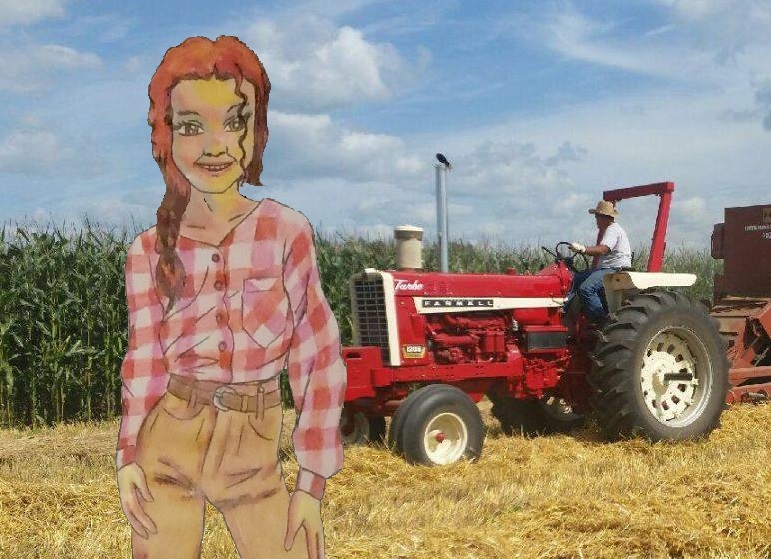
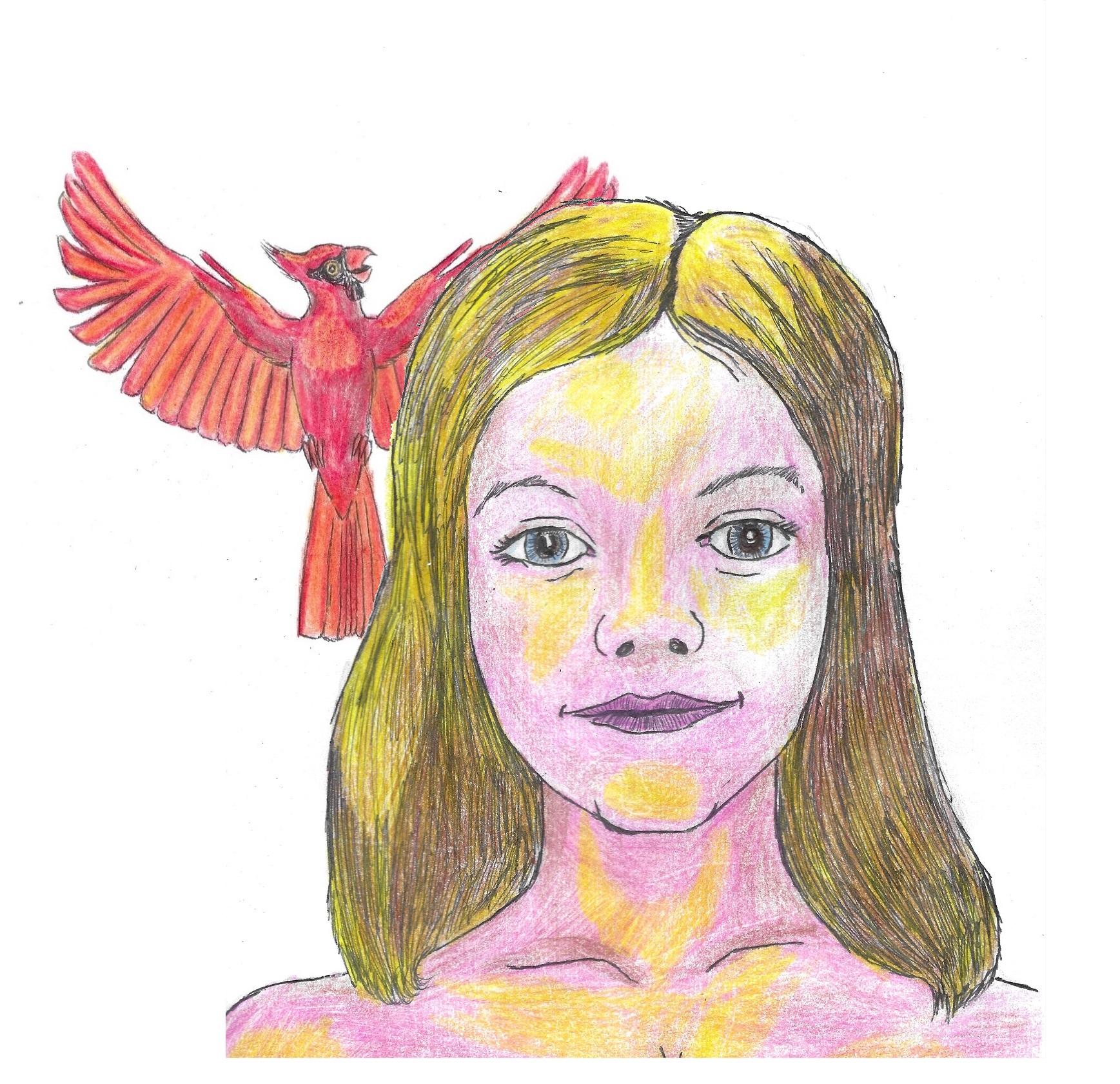
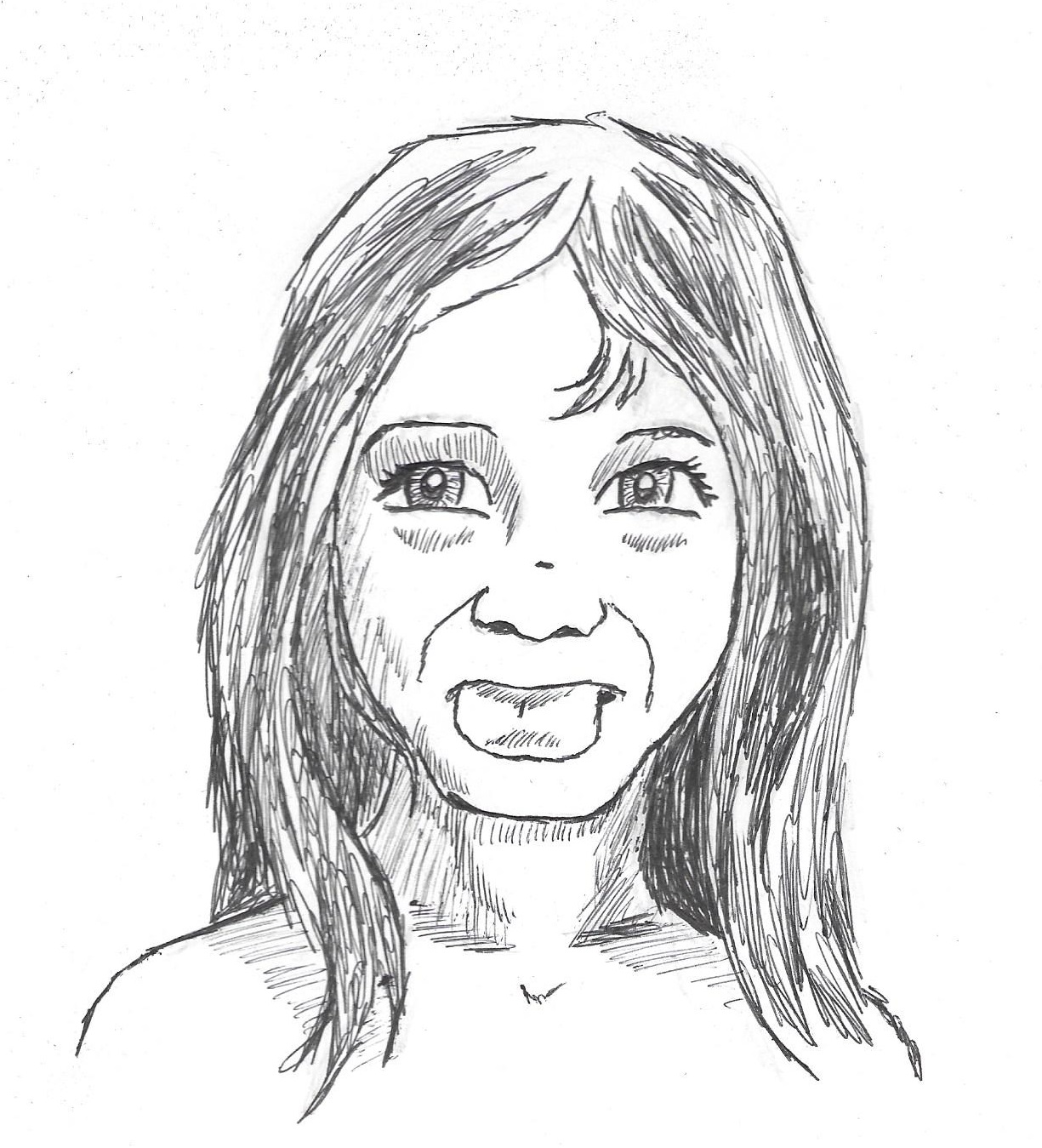
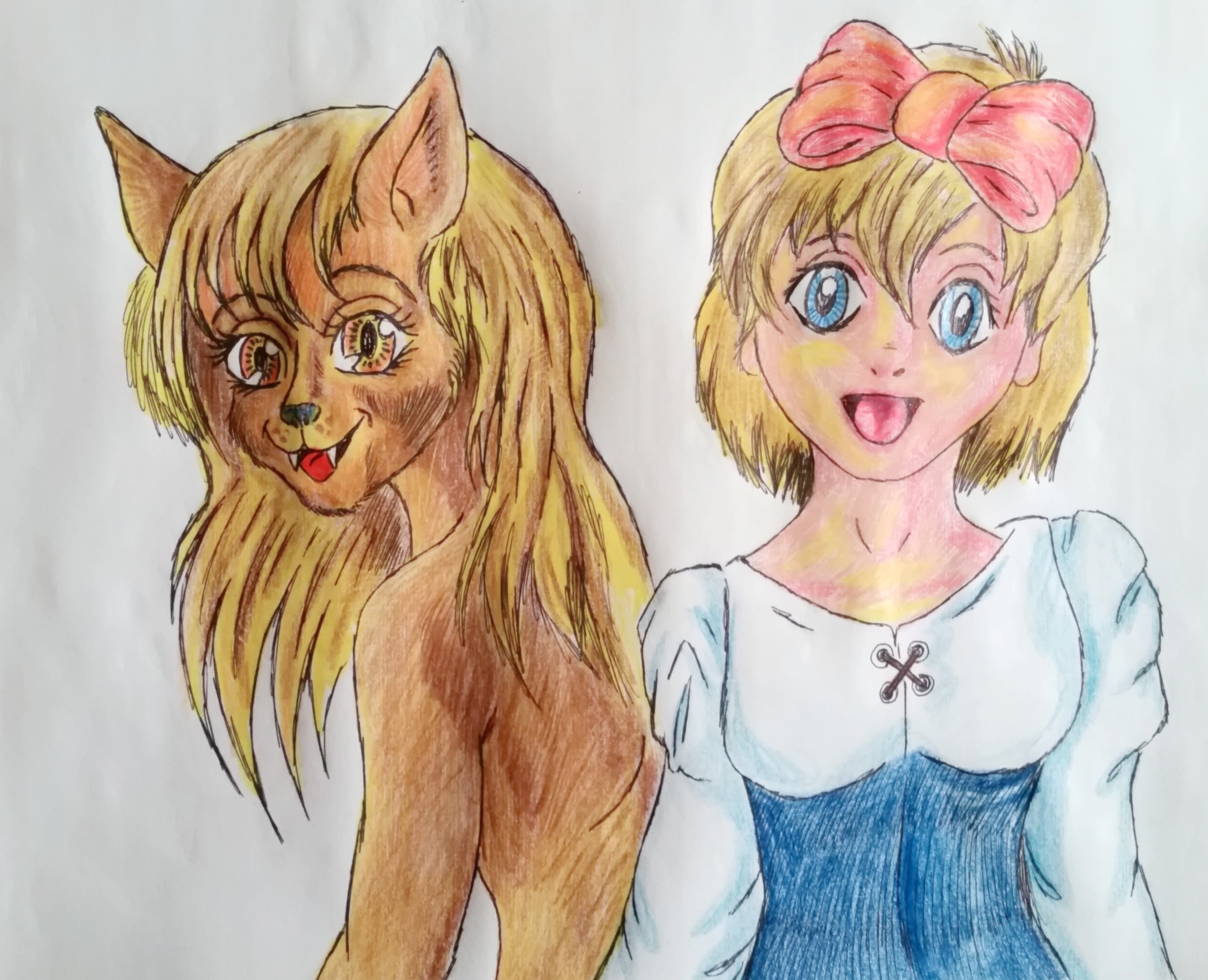
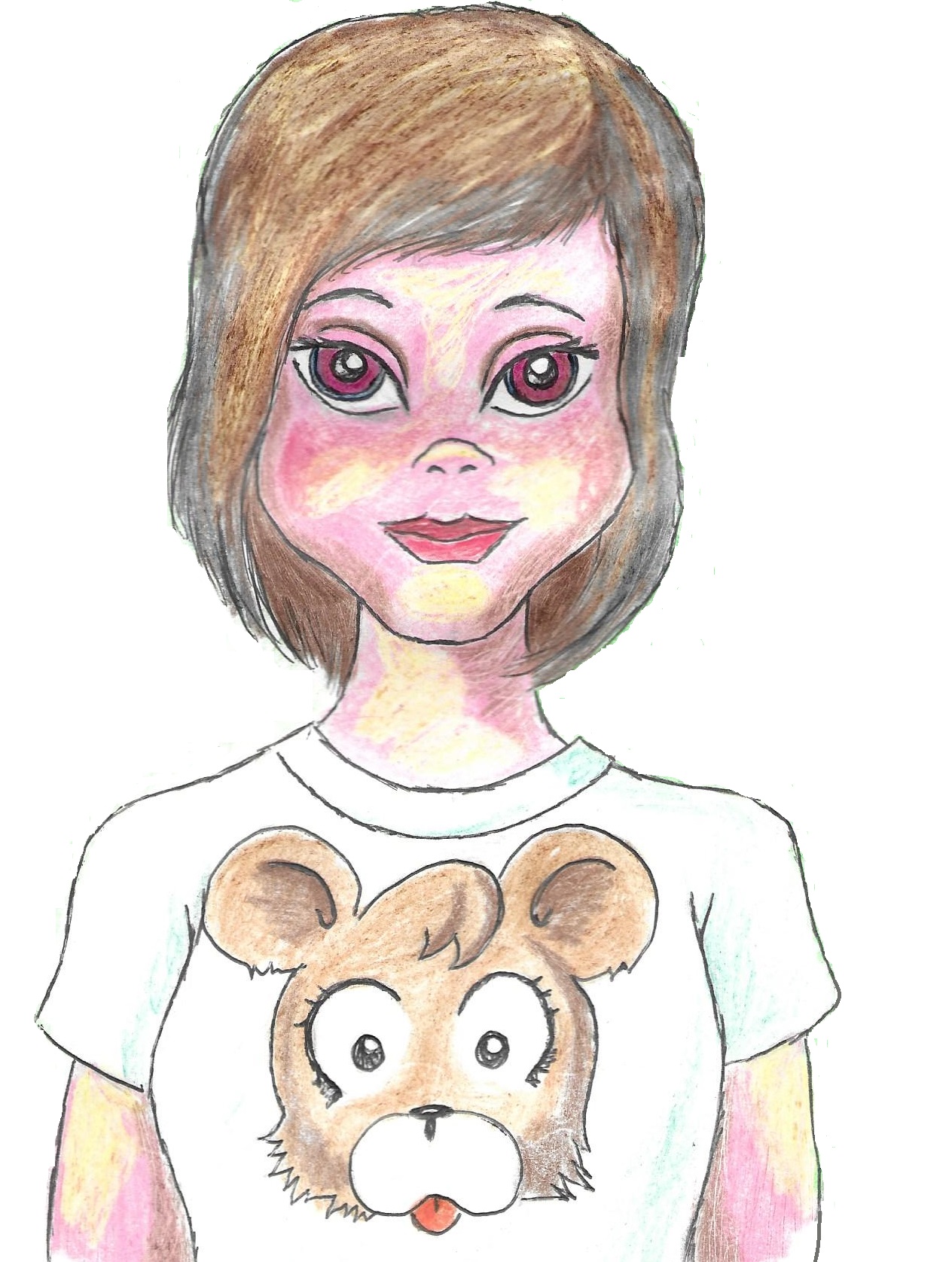
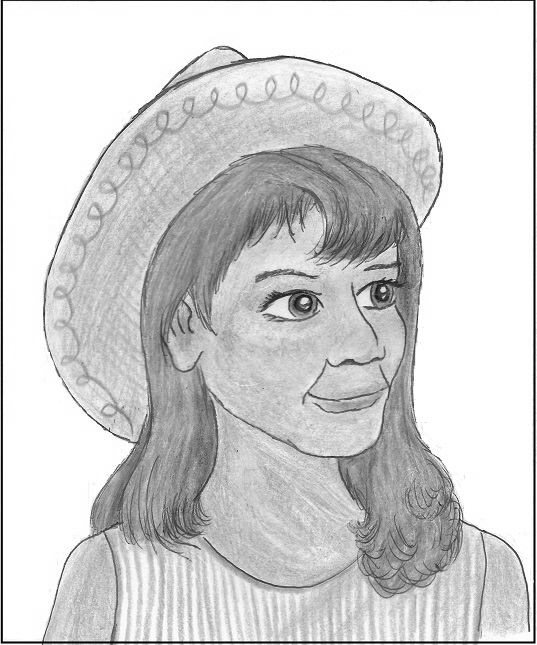
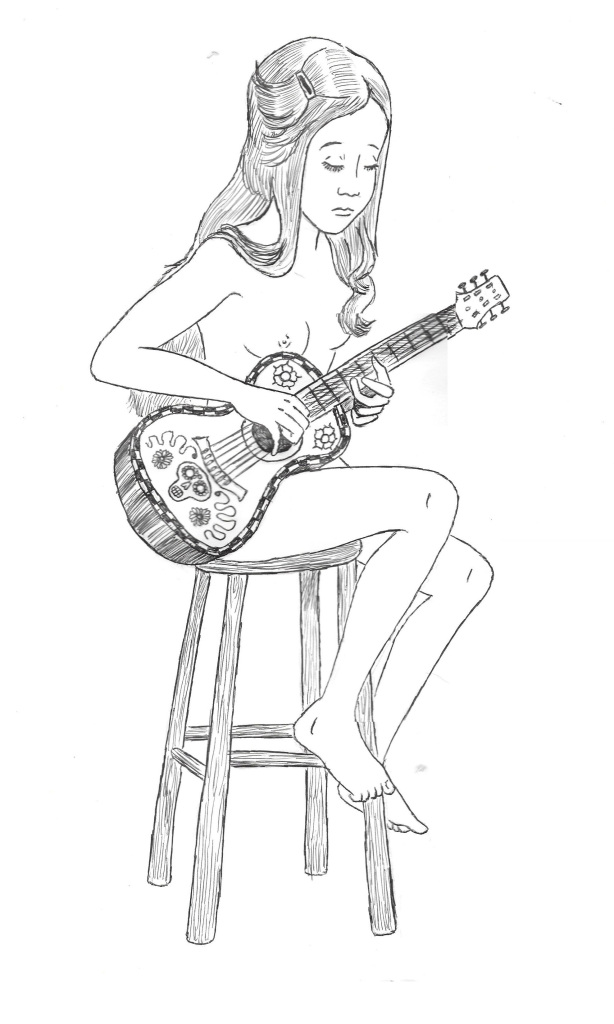
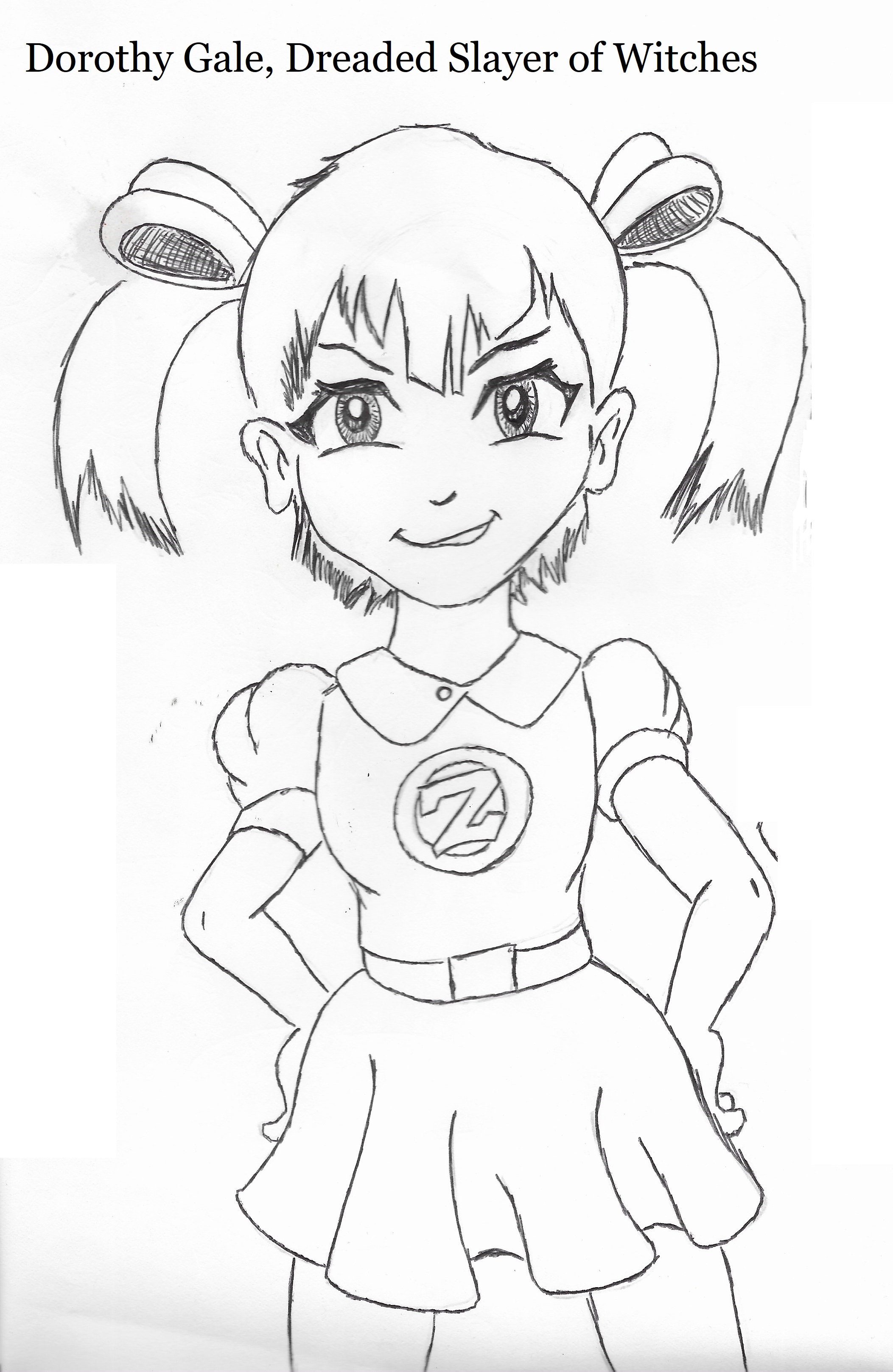
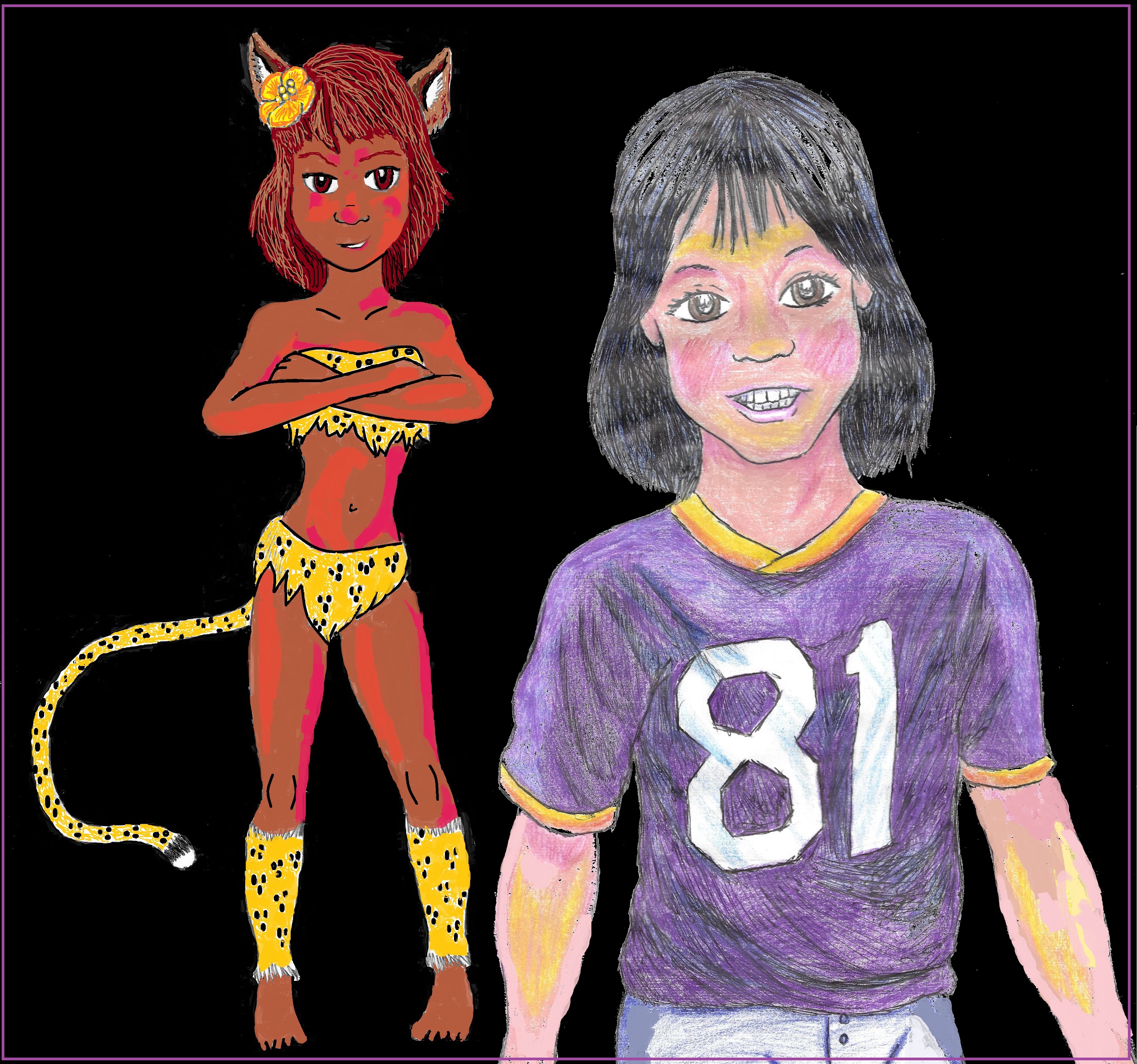
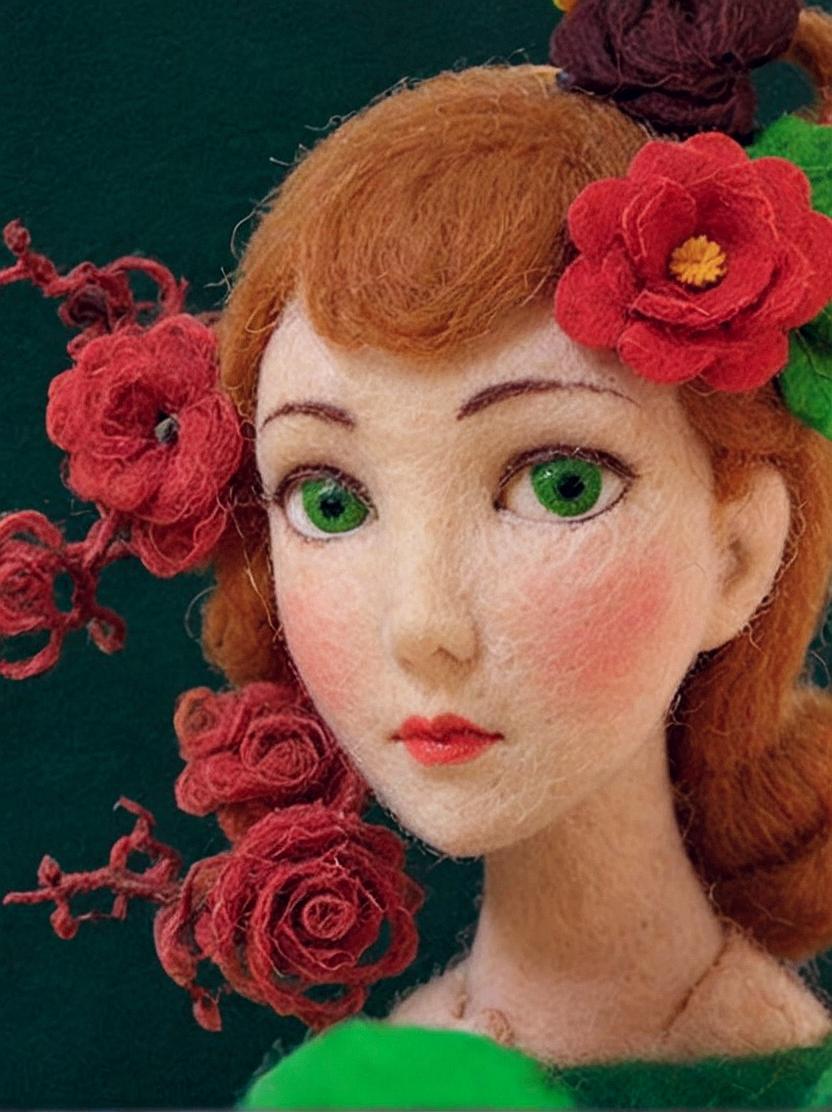
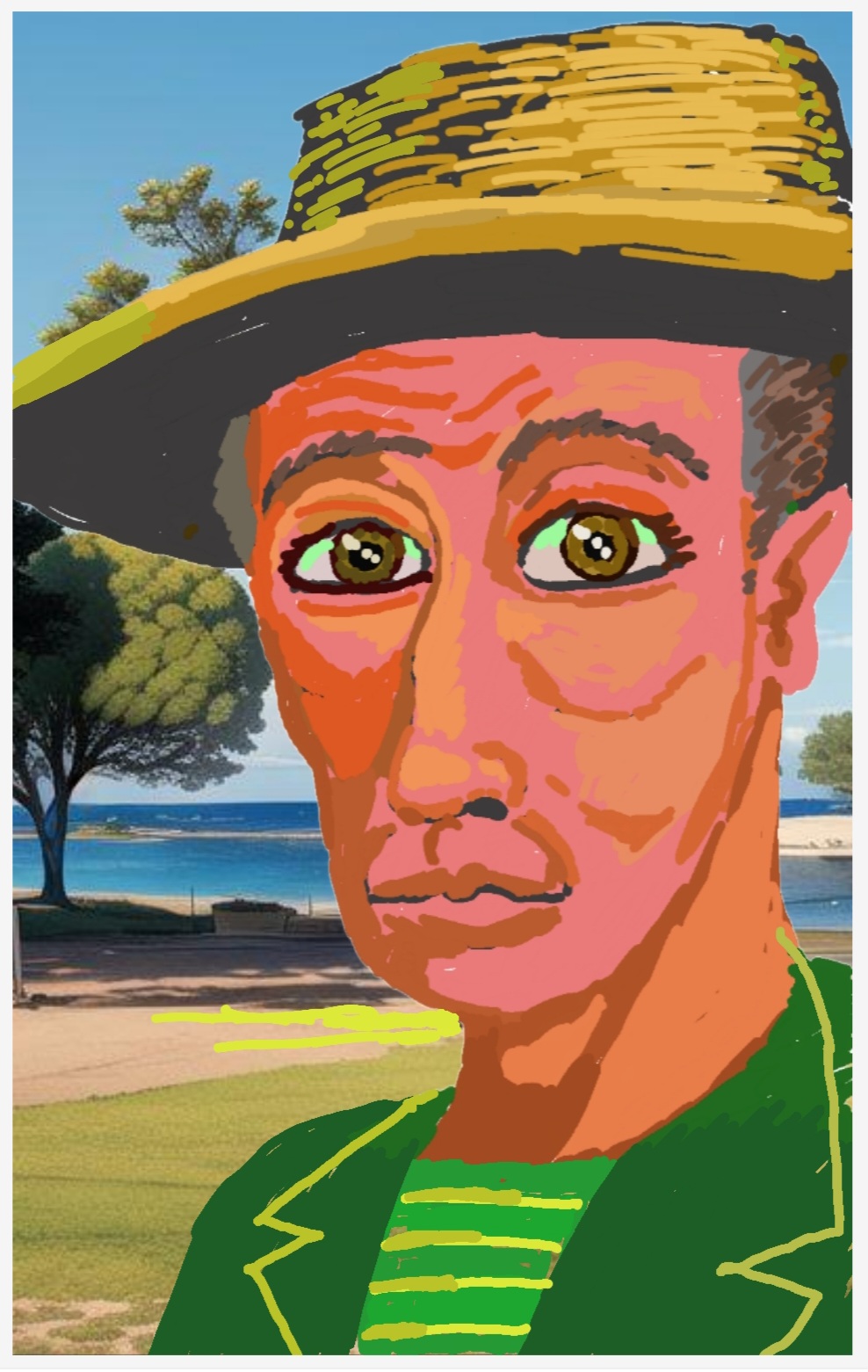
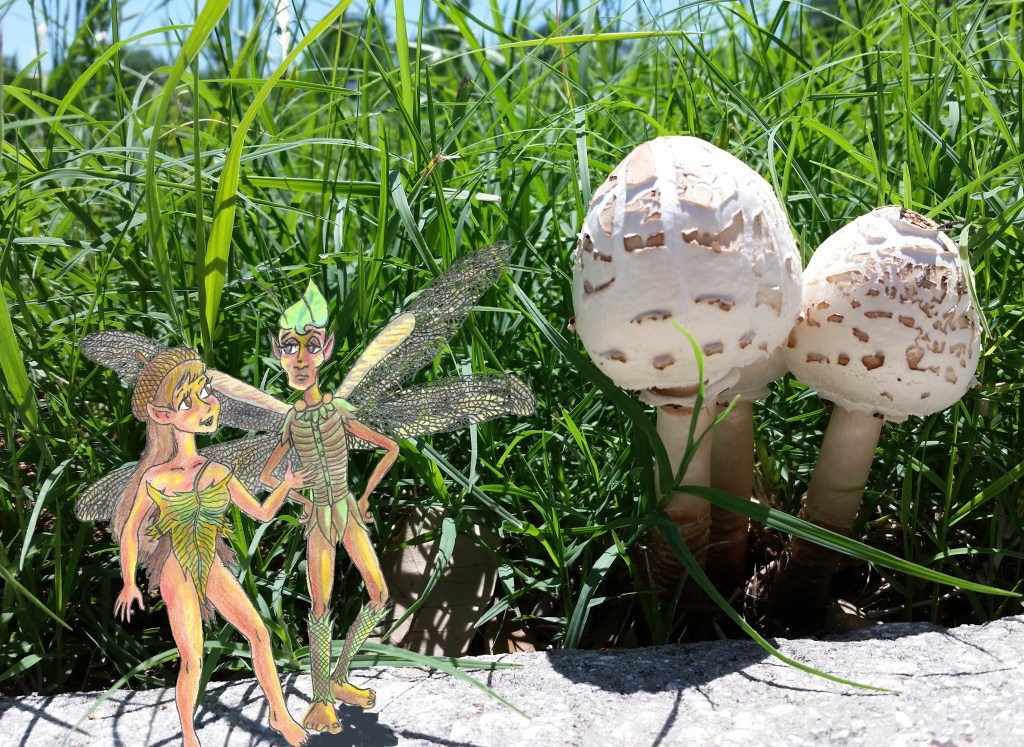
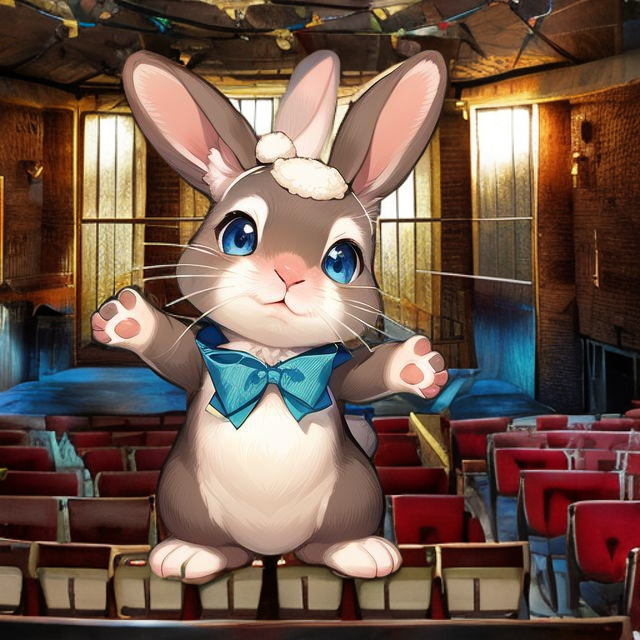
,So, being too tired to write more, here are two digital artworks I created with digital art tools, a Digital Drawing Pad app, AI Mirror app, and Picsart AI Photo Editor app, as well as the funky otter picture being created from a color-by-number cutsie picture from the Tapcolor Pro app.
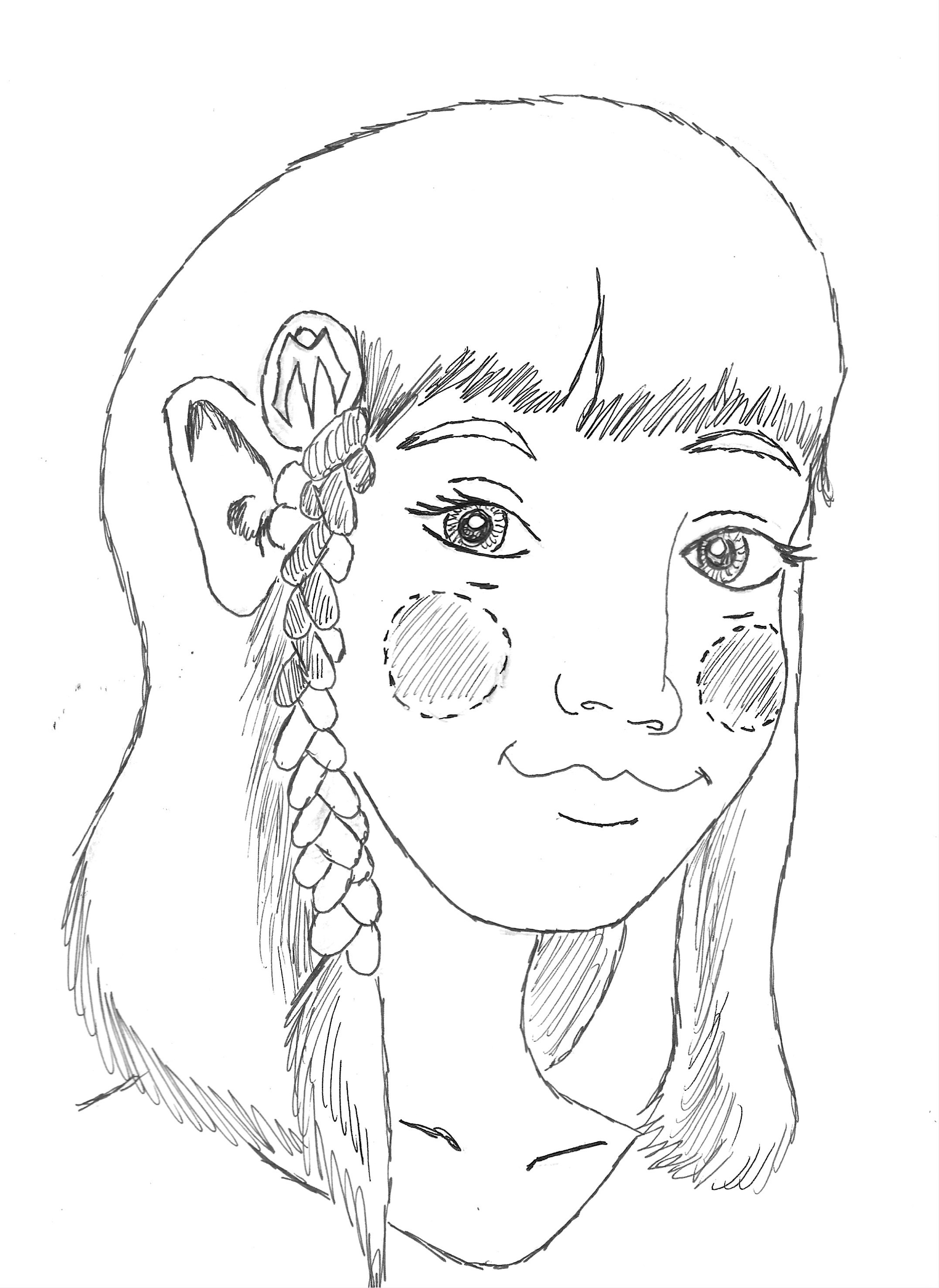
As a boy, drawing girls was always important to me. I didn’t understand them. I couldn’t control them other than to make them dislike me. I couldn’t get away from them… but I could draw them. I could completely control what the picture looked like. And I could make them be whatever I wanted.
Lines and shapes and contours… a smirk on the lips… a twinkle in the eye.
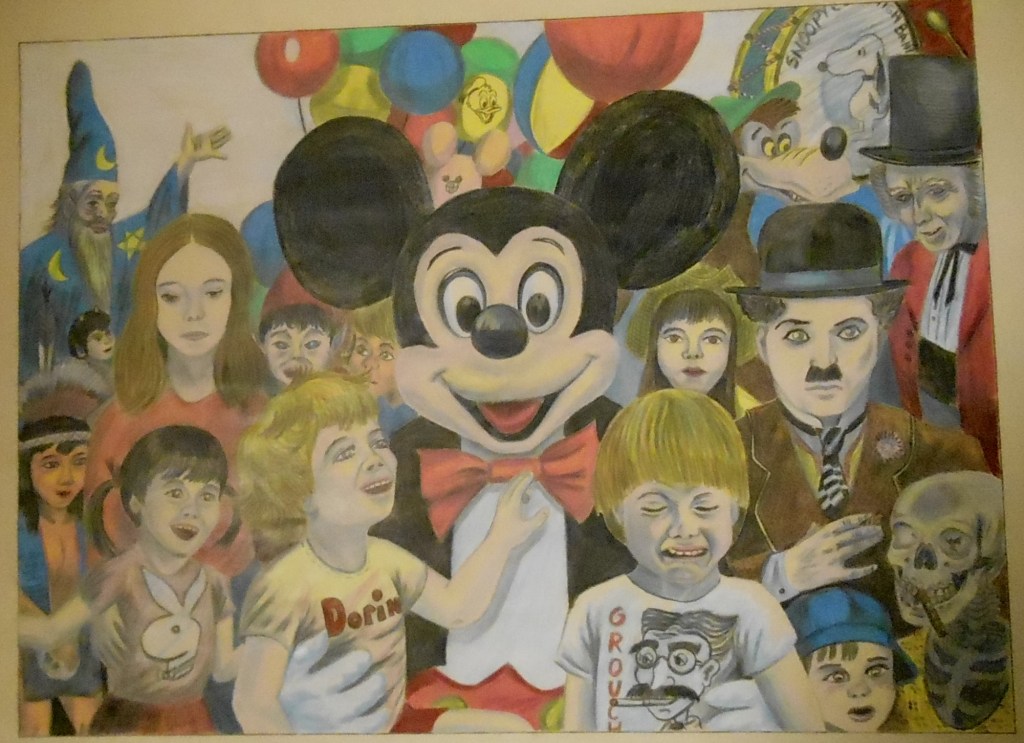
Before you go into panic mode, let me clearly state: No college or high school was actually foolish enough to invite Mickey to give the commencement address to its graduates. So, don’t worry about a generation of our youth actually taking to heart the advice Mickey is about to give and ruining our world for the next twenty years. This is just the insane drivel that Mickey would say if some superintendent, principal, or college dean were actually stupid enough to ask.
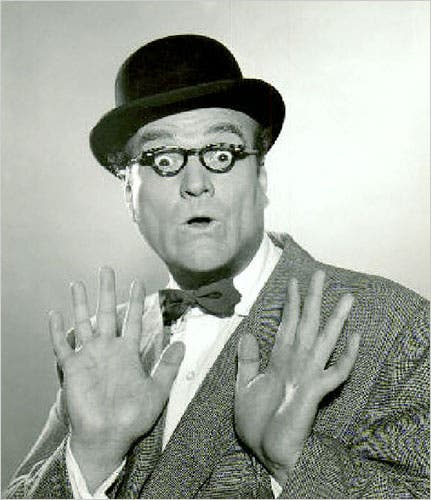
This is not Mickey. It is either George Applebee, or it is Red Skelton pretending to be George, depending on how literal or gullible your brain is.
The most impressive commencement speech I remember from my life in education was given in 1974 by my favorite high school English teacher, Mr. Sorum. He was a gifted speaker and told a mean joke whenever a joke was needed to make the point.
He talked for forty-five minutes about “Taking the next bite of the hot dog.”
Of course, he was talking about a metaphor where the hot dog was a life of being a good citizen and living in service to the greater good. High school graduation, in this speech, was the first bite of the hot dog. Some of us were listening to what Mr. Sorum was actually saying. My second bite of the hot dog was to get an English degree from Iowa State University. My third bite was a teaching degree from the University of Iowa. The fourth was choosing a life of service by being a public school English teacher. So, I followed his advice.
Most of my class, though, took that speech to mean life was all about eating hot dogs. Was I wrong? Do I need to rethink my life?
This is not Mickey either. This is Boris Karloff in makeup having a cigarette, or possibly being Frankenstein’s monster.
If I am going to give advice to today’s graduates, the advice I would have to give is, “For God’s sakes, don’t choose to be a public school teacher! Do you have any idea how hard that job is for how little reward (practically none of it in money?)”
So, what advice do I have for actually doing something with your life that helps with the common good?
The most important one; “After you go to the bathroom, flush! Gol dangit!And afterwards, wash your danged hands!“
You wouldn’t believe what kind of bacteriological nightmares are being placed in your hand daily if you have a job where you are supposed to regularly shake hands.
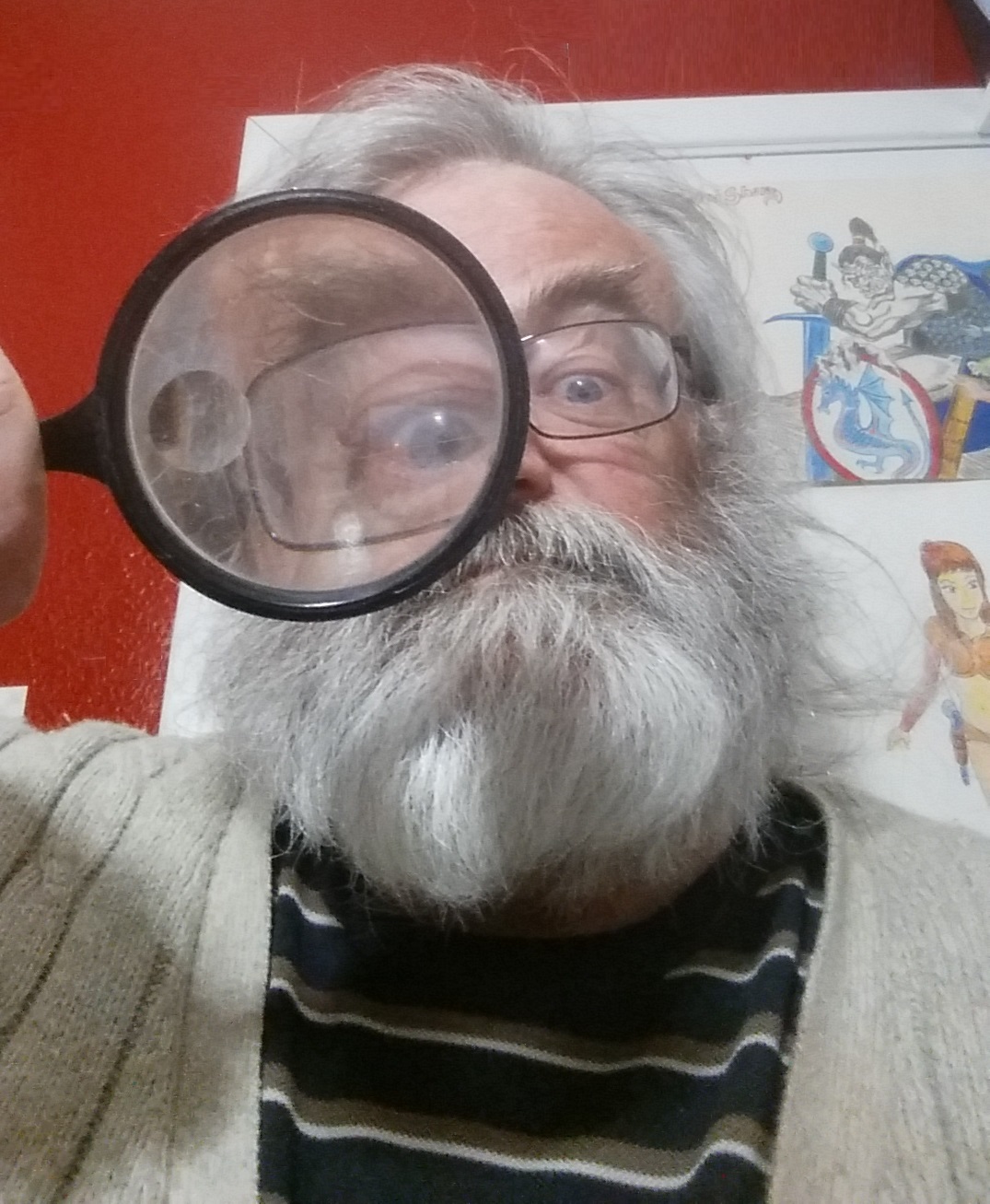
This is Mickey. Or possibly a two-eyed cyclops giving the world the ultimate stink-eye.
Another key recommendation;; “Stop being so gosh-darned ugly!”
Of course, you know that this is not a matter of whether you have a pretty face or you scare rats in dark rooms. This is a matter of behavior. A matter of how many people you hate and treat with scorn and injustice, as well as who you routinely hate, and why you hate them. Hating anyone for any reason is not good for their health and is even worse for yours.
And a final thought about how to improve the world; “Figure out what and who you love in this world. Everyone needs to have something and someone to love and work at sharing your life energy with.” People need other people and they need a purpose, even if they have to forge that purpose out of cardboard, imagination, and thin air.
If, by chance, you can already handle all of these things that idiot Mickey is lecturing you about, especially if these things come naturally to you, then totally ignore that first dumb thing Mickey said. Think seriously about becoming a teacher. What you have we desperately need more of. And with your expertise passed on to others, we might just be able to make more of it.
So, I am trying to use what I am learning from AI art programs to help me do a better job of promoting my writing adventures with the loopy, unrealistic goal of making money with books. I know… stupid Mickey thinks authors ought to make some money off the books they’ve published too. What a stupid guy that Mickey is. He doesn’t know that money made from books on Amazon goes 99% to Jeff Bezos. He’s the one risking death in space inside his super penis rocket. That means he deserves the larger share of any money my writing may have earned on his super, super-sized everything delivery service. All hail the penis-flying bald man who invented sending books everywhere by drones!
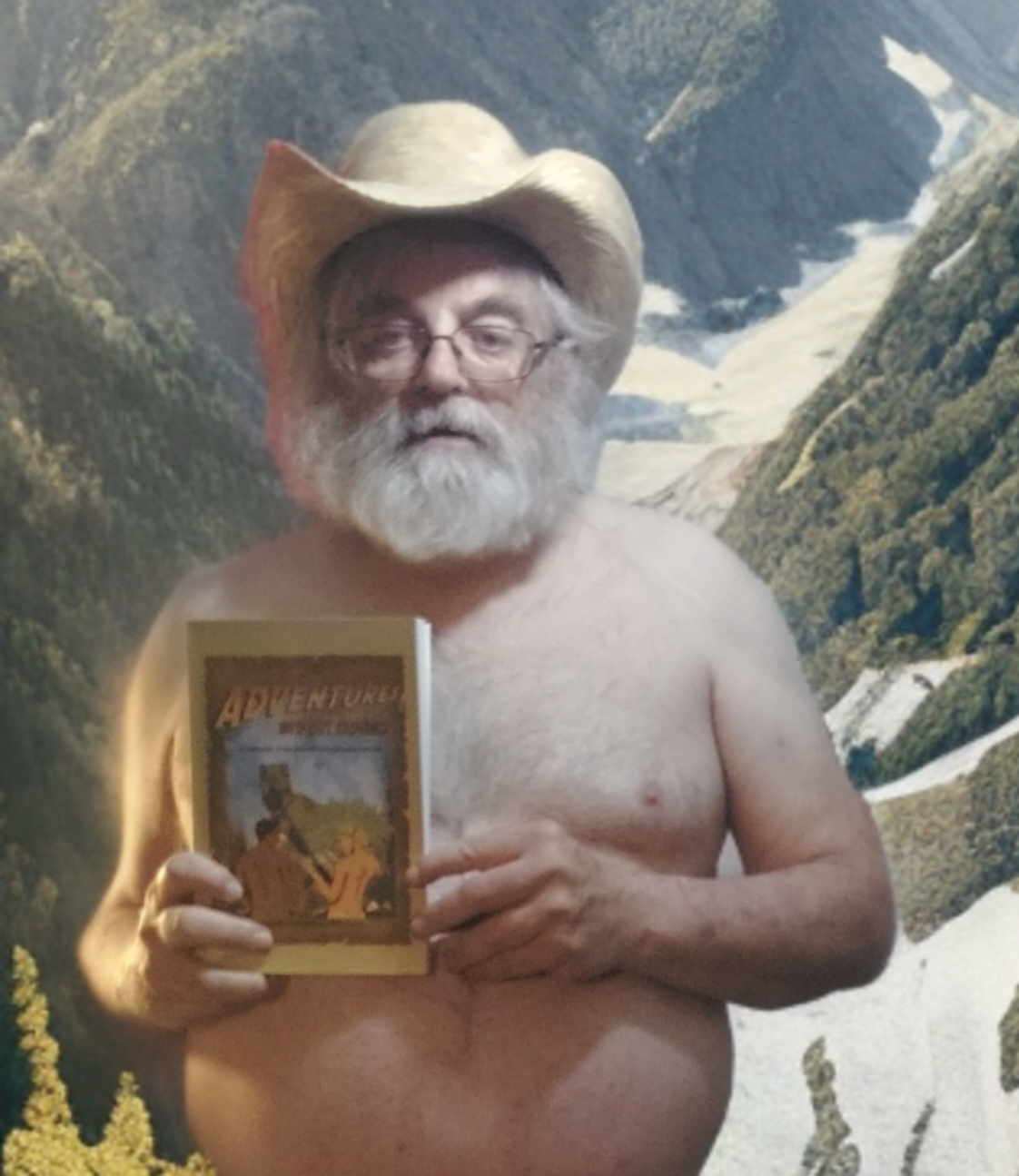
So, let me go ahead with the promotional picture I created for the nudist short-story collection, Adventures Without Clothes. My story, “The Kelpie” is in this book which sends all proceeds to Doctors Without Borders. Good book. Good story by me. Great nudist fiction by Ted Bun, Will Forest, Paul Z Walker, and other contributors from the naturist/nudist fiction creators from the internet. It is doing better profitwise than any other book that I am associated with, including my very best books..
You can see I posed naked in the mountains with the book to lend a sense of adventure to the promotion. I actually posed naked for this picture, since I am supposedly a nudist myself. My wife and daughter refused to have anything to do with the taking of this photograph. I had to learn how to make my computer tablet take the picture according to voice commands. And the mountains didn’t want to be in the picture either (Which caused me no grief since I didn’t want to freeze my personal dillybonger off.) I cheated by inserting the mountains with Picsart AI photo editor. Dillybonger saved, mountain and family not embarrassed to death.
So, naturally, you now want to click on the link above to get your personal copy of this wonderful book based on my fabulous naked promo picture.
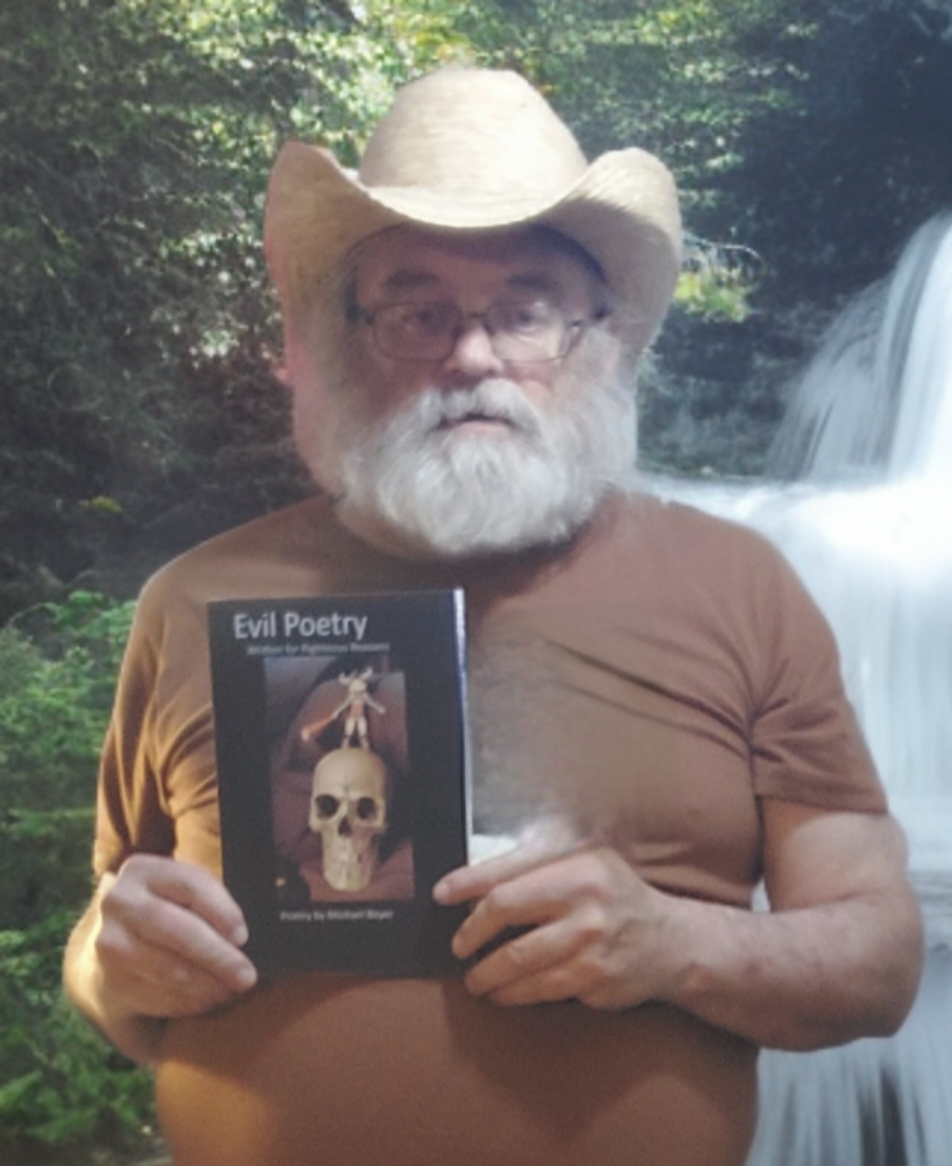
So, let’s try that same thing again with another recent book, my book of Evil Poetry bound in paperback form under a black cover with a large skull on it. That’s the way to sell a book of poetry, right? By calling it evil and failing to scare you with another picture of my horrid naked self. The brown shirt is not photoshopped on. I was really wearing clothes this time. The waterfall is again an invention of Picsart AI.
Of course, good poetry is capable of many things. It can make you laugh. It can make you cry. It can make you hurt. And it can make you die (at least a little. Besides, cry and die rhyme a little.)
And nowhere am I claiming this is good poetry. It is probably, definitely not GOOD POETRY. I condemn it wholly as EVIL POETRY in the very title. You should try it anyway. I was good in the picture, wearing my clothes and everything. And if you like poetry there are some things you may like in this book. And if you hate poetry, you will definitely find things here to bolster that point of view. And it is illustrated with some good to mediocre artwork.
So, now you know what happens when a dumb guy is allowed to play with AI and digital tools. And also allowed to promote his own books with his own naked pictures and terrible jokes.
Yes, since my unfortunate heart event, I have been thinking about death too much. It is a reality we all face, and yet, it is not healthy to give in to it before it actually happens. Obsession is more like a disease to be avoided than a possible cure. But there is a lot of speculation on the nature or existence of an afterlife, both religious, philosophical, and scientific, that can be absorbed from the internet, books, and the wisdom of elders. In fact, there is a good deal of observation and learned conclusions I can draw from my own experience as a lifelong learner and seeker (a fancy way of saying an ancient know-it-all crazy coot.)
My inner self, having lived life naked in the snow.
So, here is what I believe… not what I know because I cannot prove it… But what I believe is based on how I put together everything that I have come to think is true.
All things come together as one thing. If there is a God, the entire universe is God. It is suggested by Quantum Physics that consciousness, in the form of fundamental information at the subatomic level, flows everywhere in the universe. The entire universe is the mind of God. Zeus, Jehovah, Allah, Buddha, and Odin are all the same God. The entire universe is alive and wise and we, each of us individually, are a tiny part of that whole.
A Shinto wise man summarizes it all this way,
You begin life as a drop of rain when you are first born. You drop down from the sky to the pavement below. As you grow and learn, you rise up in the sunlight like an evaporating raindrop. And when you grow old, you come down again, a raindrop heavy with experience. And when you die, you land back in the great wide ocean, a part of it all once again.
There is nothing to fear about death. I don’t need to be upset about its nearness. The universe is unfolding as it should. And I am not dead yet.
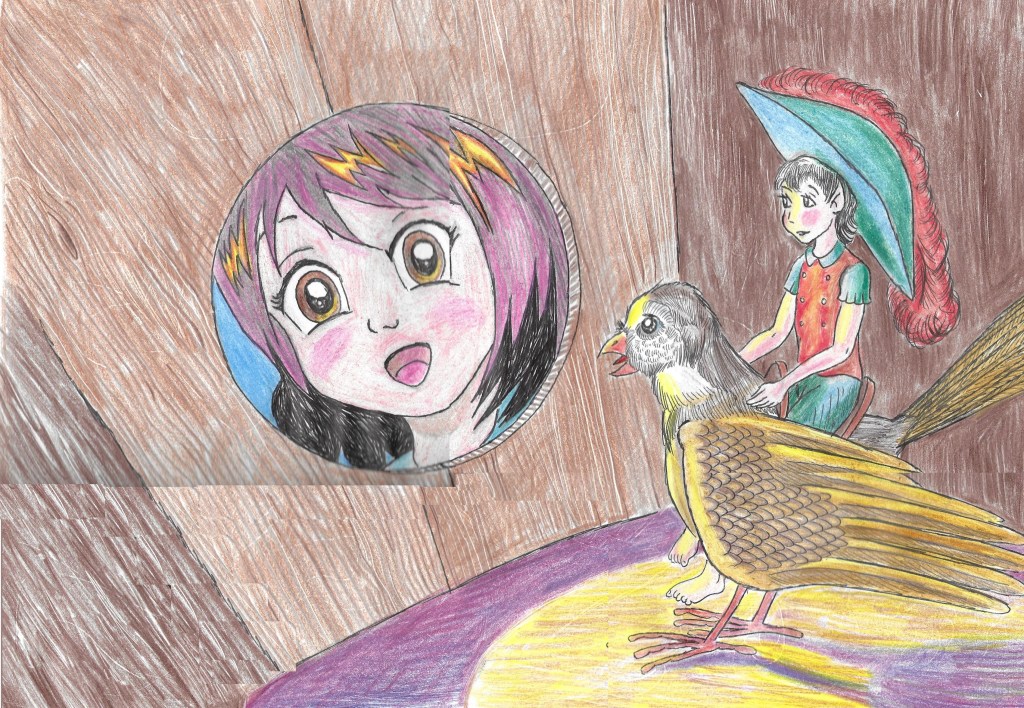
One never knows what mysteries can be uncovered inside the bird house. The plot of the story depends on what happens next in the picture.Details make the real story clear.Pictures tell a story even if the story-teller falls asleep in the process.A picture can spin a fairy-tale even if it doesn’t show a plot. Pictures easily establish a setting.Pictures can allude to many, many other things.
I am not dead. That cannot be reiterated often enough. But because I am not dead via surgery, putting a pacemaker in my chest and making me into a cyborg, I am now in a painful and very limiting recovery. I am going to have to give up driving a car. I am going to delay moving back to Iowa. But not forever. I want to die there in the land of my birth, where a majority of my ancestors and relatives are buried.
So, unable to do much beyond sleep, watch TV, and draw, I decided to make an art fart that reminded me of home on the farm.
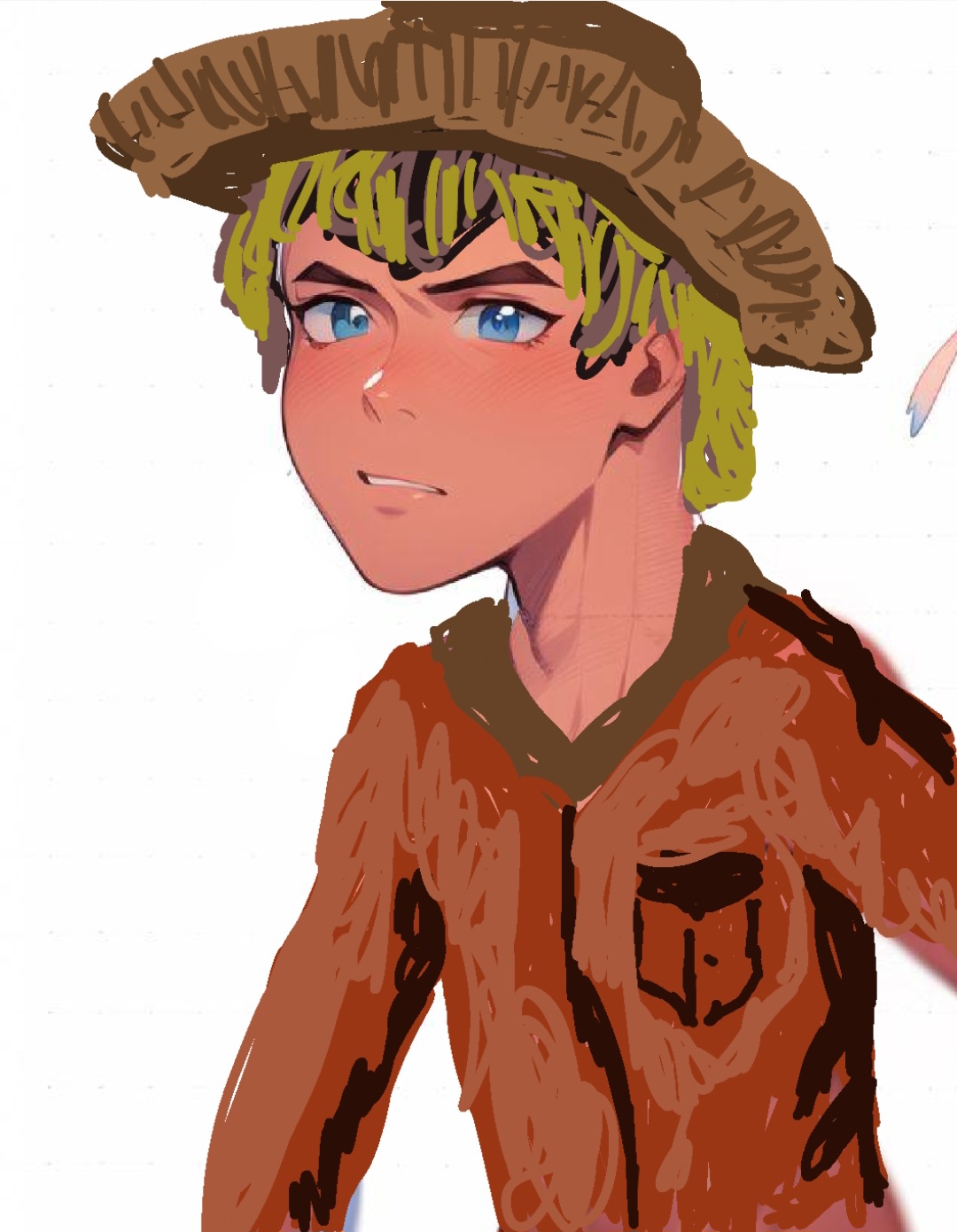
Using my electronic stylus and the Digital Drawing Pad app on my touch-screen phone I worked on the essential figure first, doing considerable editing on the face, especially the eyes.
I roughed in more details so the boy wouldn’t be naked or bald.
.I spent time refining details, my arthritis still showing in the result.
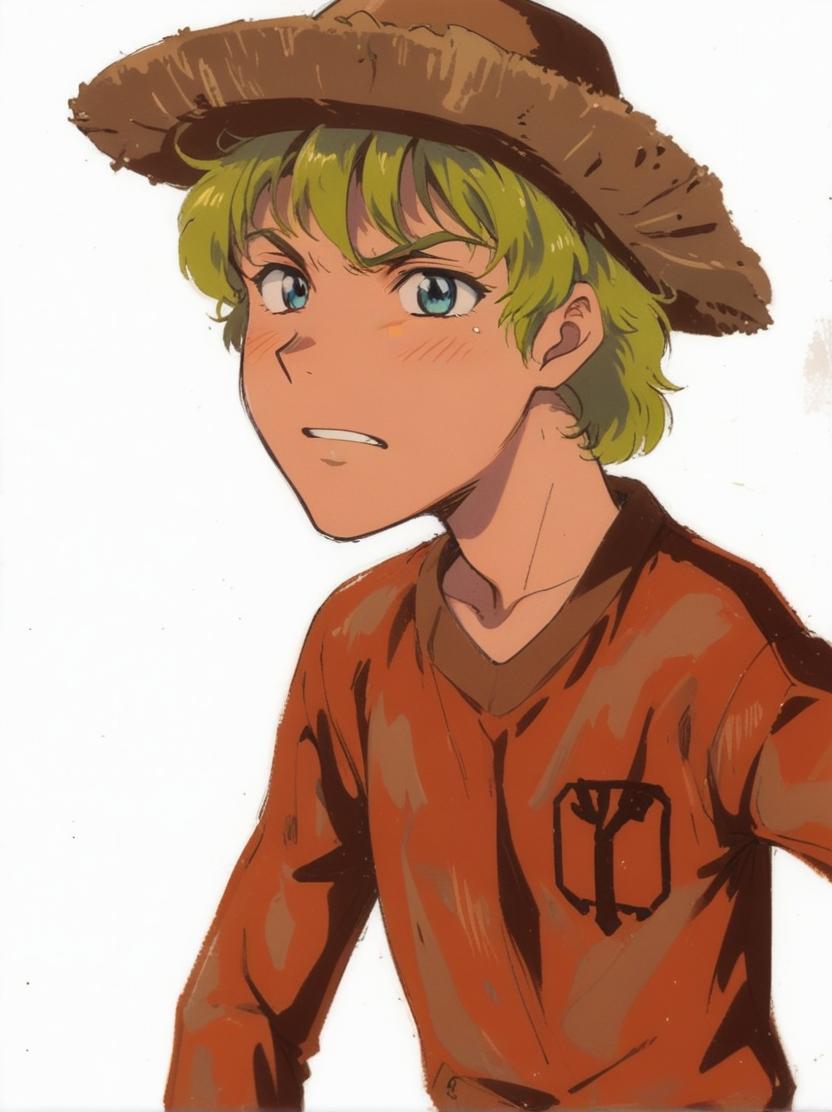
;I then used the AI Mirror app to smooth out details and make the boy less aggravated in the area of his snarling puss. (Look up the word if you think it is being used inappropriately.)
I then used Picsart AI Photo Editor app to put him in a barn and slathered more detail work on it with my stylus.
So, it was something to do while recuperating, and gives me a chance to show you steps in the process of making a Paffooney. (Yes, a made-up word and still not inappropriate.)
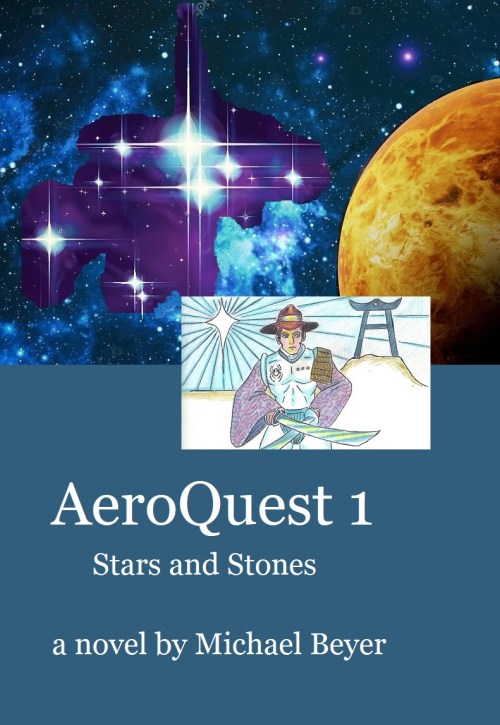
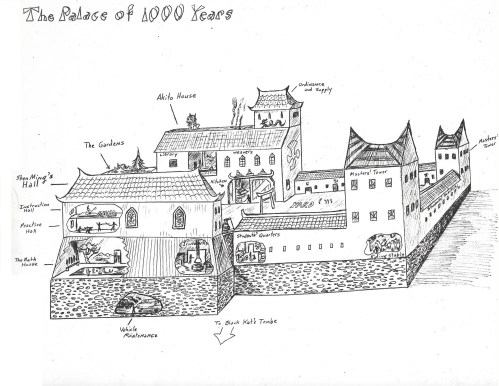
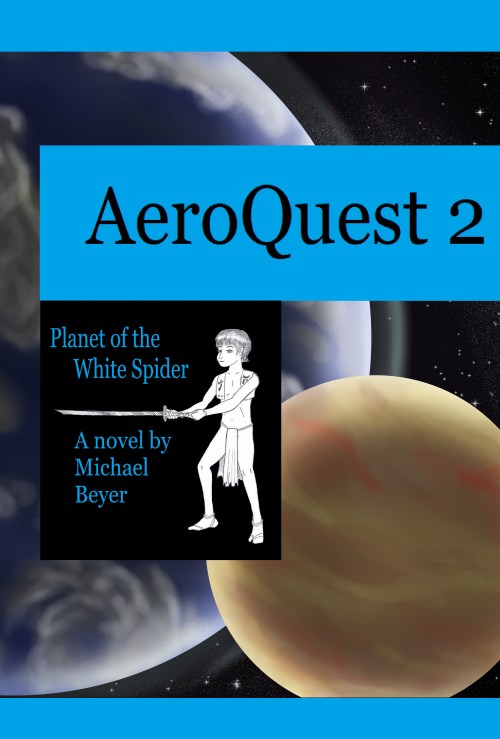
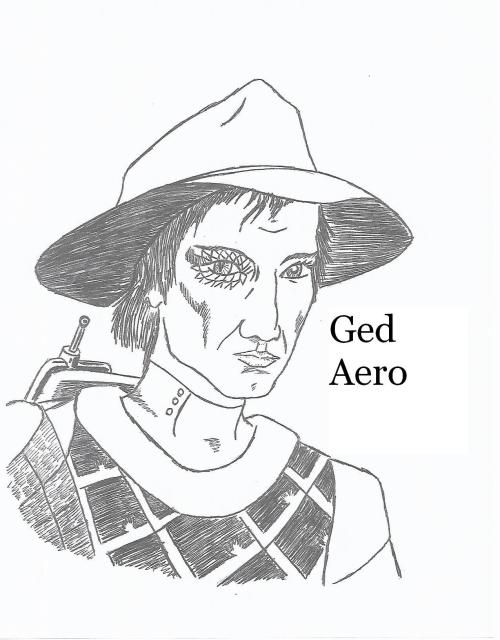
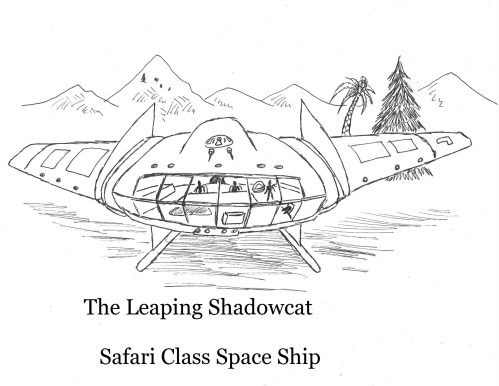
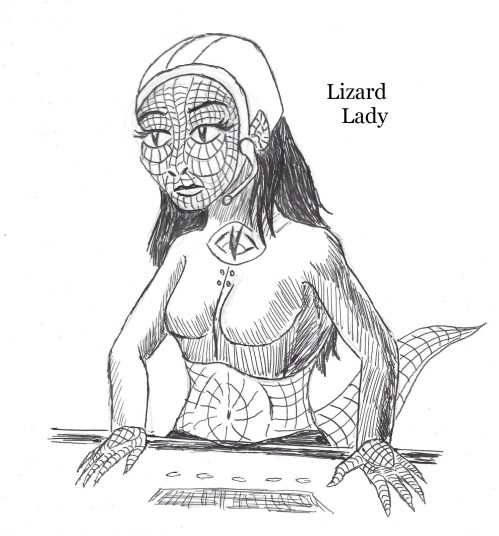
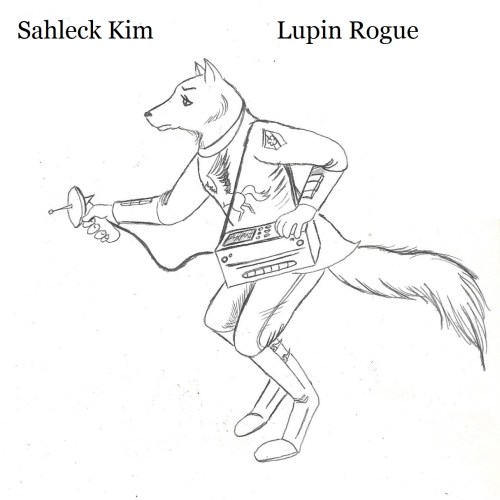
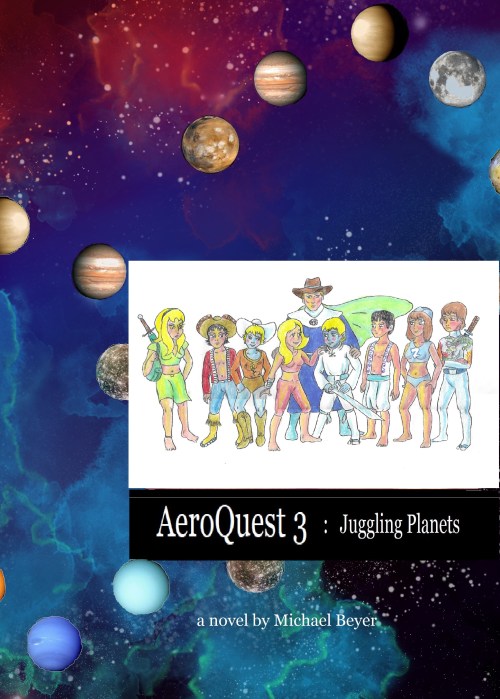
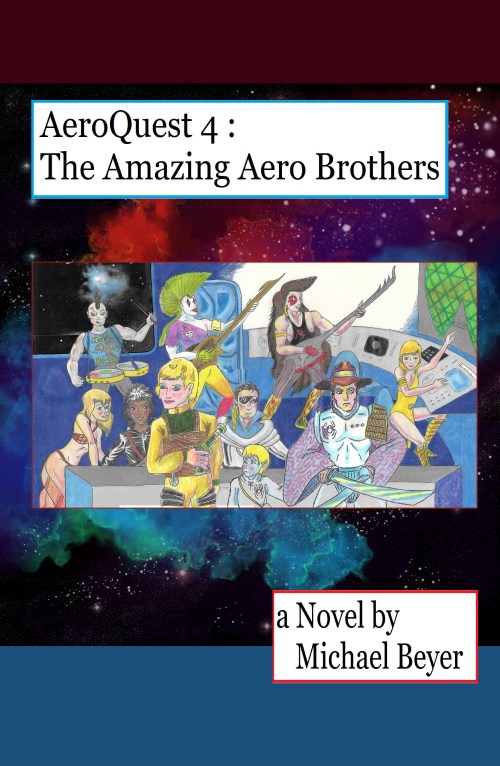
These are the pieces of art and illustrations that are going into the re-writing project of my novel Aeroquest.
I decided to totally rework the novel and illustrate it more fully because it was always supposed to be a science-fiction satire and parody that was more cartoonish than literary.
It is a story about a teacher conquering a space empire. It arose from a science-fiction role-playing game that filled my days in the 1980’s and early 90’s.
It parodies Star Wars, Star Trek, Flash Gordon, Buck Rodgers, Dune, and much more besides. And it includes many of my own wacky inventions about what the future might hold in store.
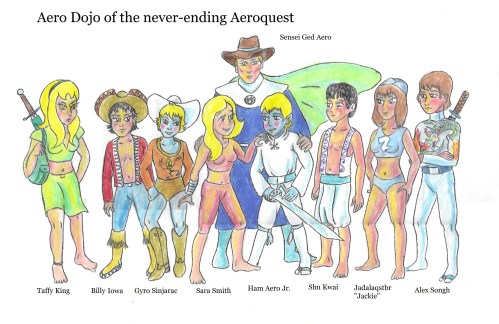
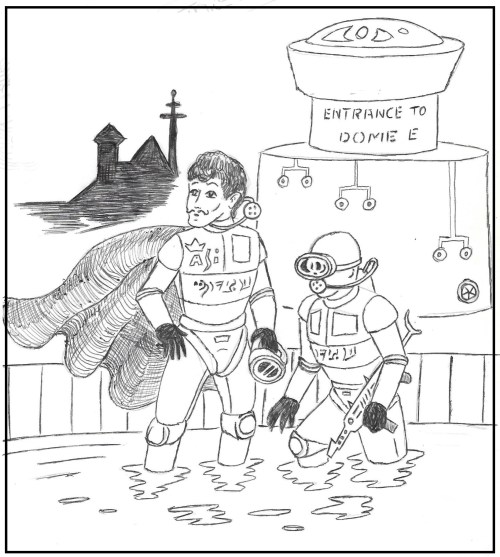
Here is the original teacher in space and some of his first class of students.
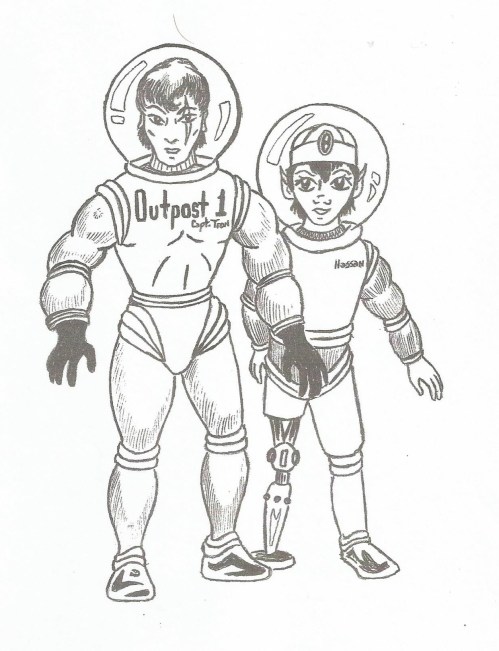
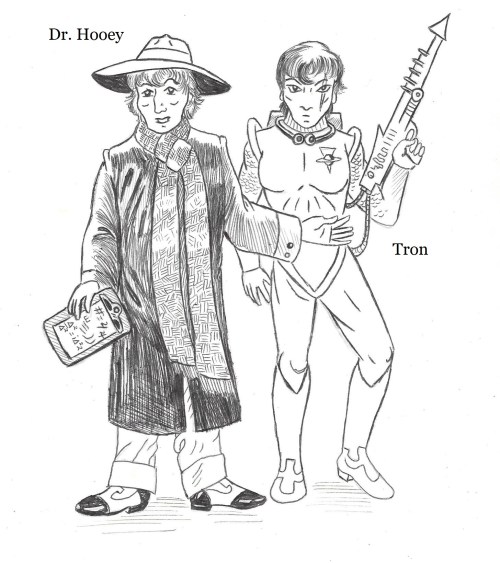
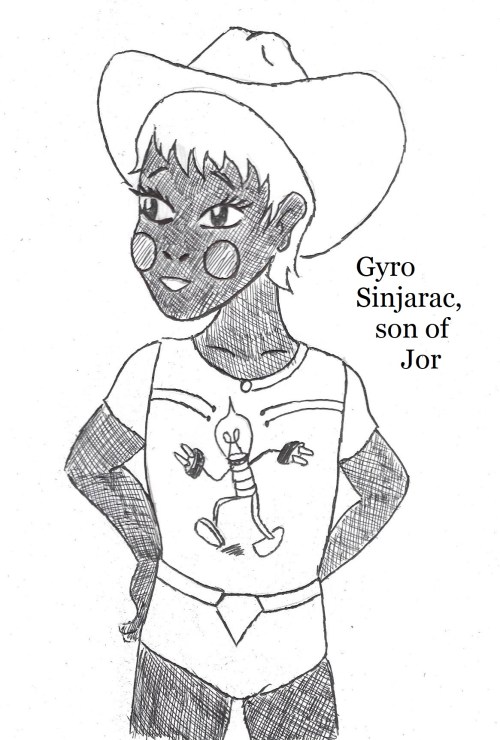
Many of the main characters are based on the actual role-playing characters made up by the boys and young men who played the game with me. Many had to be re-named, however, because, like Tron Blastarr above, they often had movie-character names.
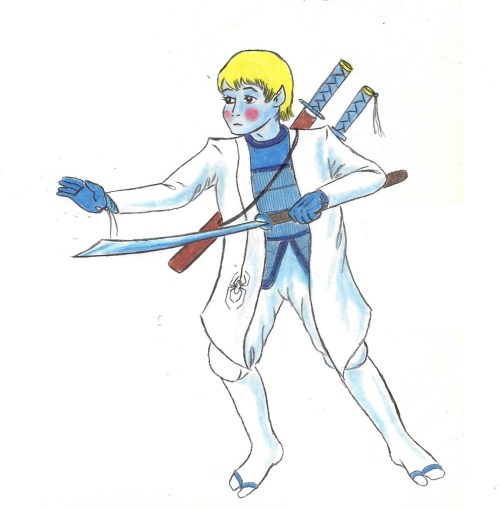
This important character was a parody of Professor X of the X-men, from the comic books and well before the movies.
It was a simple matter to give him psionic powers and transfer him into outer space. Oh, and get him out of the wheel chair too.
The character’s creator was the son of the local high school science teacher.
Ninja powers were a thing with teenage boys in the 80’s.
Combat is an important part of the role-playing game.
We became well-versed on weapons and tactics… and how to manipulate the rolls of the dice… by cheating if necessary.
How else do heroes overcome impossible odds?
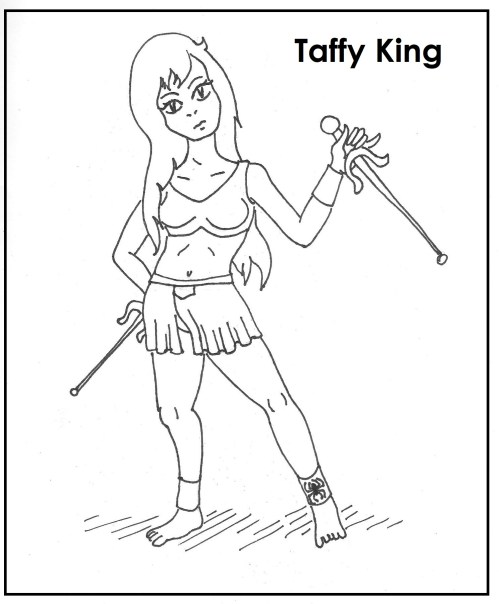
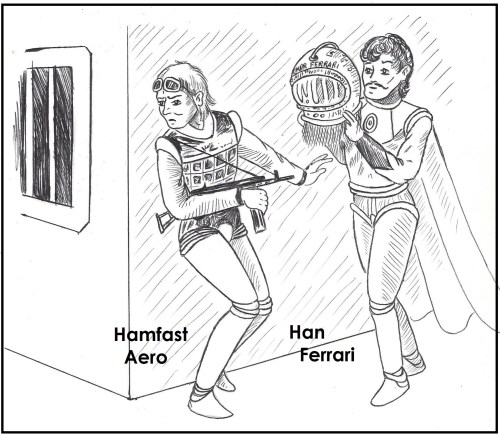
Two more player characters that play a critical role in the novels.
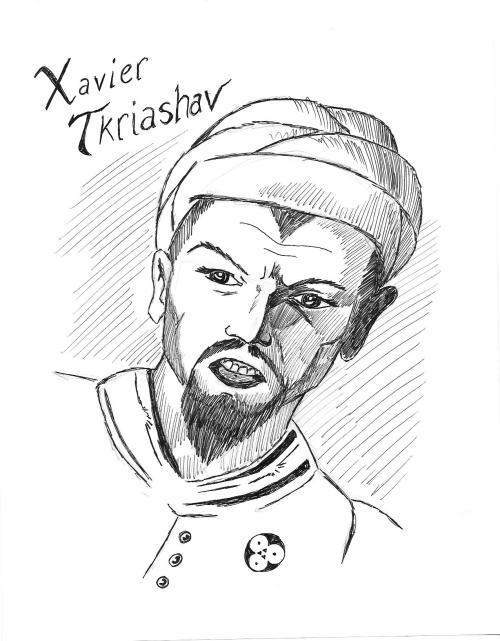
Again with the parody characters that came from player-character ideas stolen from TV and the movies.
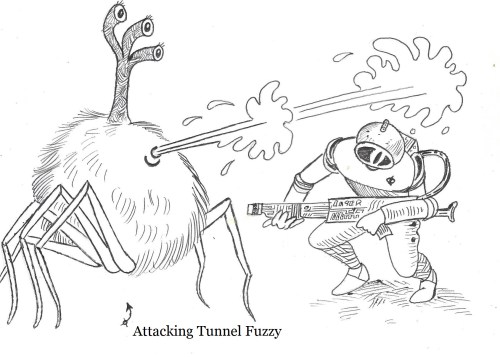
Aliens are necessary to this kind of story.
I am near to completing this third novel in the series.
The Nebulon aliens, though very human-like, are blue of skin. That is not easy to depict in a black-and-white drawing.
Heart rate repeatedly 37 beats per minute. Heart failure is imminent at that low rate.
I was wheeled directly to the intensive care unit. A temporary pacemaker was immediately shoved through a vein in my hip directly to my heart.
Of course, they don’t settle for that. Once my heart stabilized, they switched the pacemaker off again, thinking it was a side-effect of my blood pressure medicine that caused the problem. It was. My heart beat normally for eight hours. Then my heart rate got bad again in the night. The pacemaker was switched back on, stabilizing me until morning. Sunday morning, they turned it back off again. I stayed stable for another few hours, and they told me they would take the temporary pacemaker out again and send me home on Monday. My body had recovered from the side effects.
But my heart had other ideas… at the same time of night as the previous bad night started.
They left the thing off for the rest of the night, and without telling me ahead of time, they scheduled me for a permanent pacemaker.
I actually spent a lot of that night thinking I was going to die. I saw the number 37 again, and I knew they weren’t being honest with me about what was going to happen.
But Monday morning brought a serious surgery. And they control the pain, but you have to be conscious for that implant surgery. That was a wonderful experience I hope never to have to go through again. But I probably will.