Okay, this is the essay part. That first part is a terrible poem written by me to illustrate how to make your own found poem. Of course, you should know that I was not a natural-born poet. I am among the lower percentages of America’s worst-possible poets. Right there somewhere between the poetry books of Farley Bumbletongue and the Collected Musings of Hans Poopferbrains of Snarkytown, Wisconsin.
But I take great pride in my abilities as a terrible poet. You see, what I mainly was, truly was, was an English teacher of middle school and high school kids. And found poems were an activity in the classroom intended to teach writing skills, creativity, and an appreciation of what a poem actually is.
I needed a large usable picture file cut out of Christmas catalogs, Walmart advertisements, newspapers, magazines (“What are those?” is the most common comment you would get out of today’s classrooms,) grocery-store bargain flyers, outdated calendars, and any other non-pornographic picture sources available.
I would hand out three random images pulled out of the picture file without looking at them to each student (or small groups of students) and then require them to create a poem of at least twelve lines with an optional rhyme scheme and rhythm.
I would have to remind them not to eat the pictures, even if they were pictures of food. And with middle school students I would have to have extra pictures for the next class to replace the ones they ate anyway.
I would tell them there was a time-limit, specified to be much shorter than the actual time I planned to give them, and then let them create horrible poetry. Near Vogon quality in its horribleness.
When all of this was done, we would have a good long laugh by sharing the pictures and poems, and find out who the truly wacky and perverted poets were.
Now, don’t go telling parents that we teachers are wasting their children’s precious learning time this way, but it is not I lesson I created. Simply a lesson I used at least once every year.
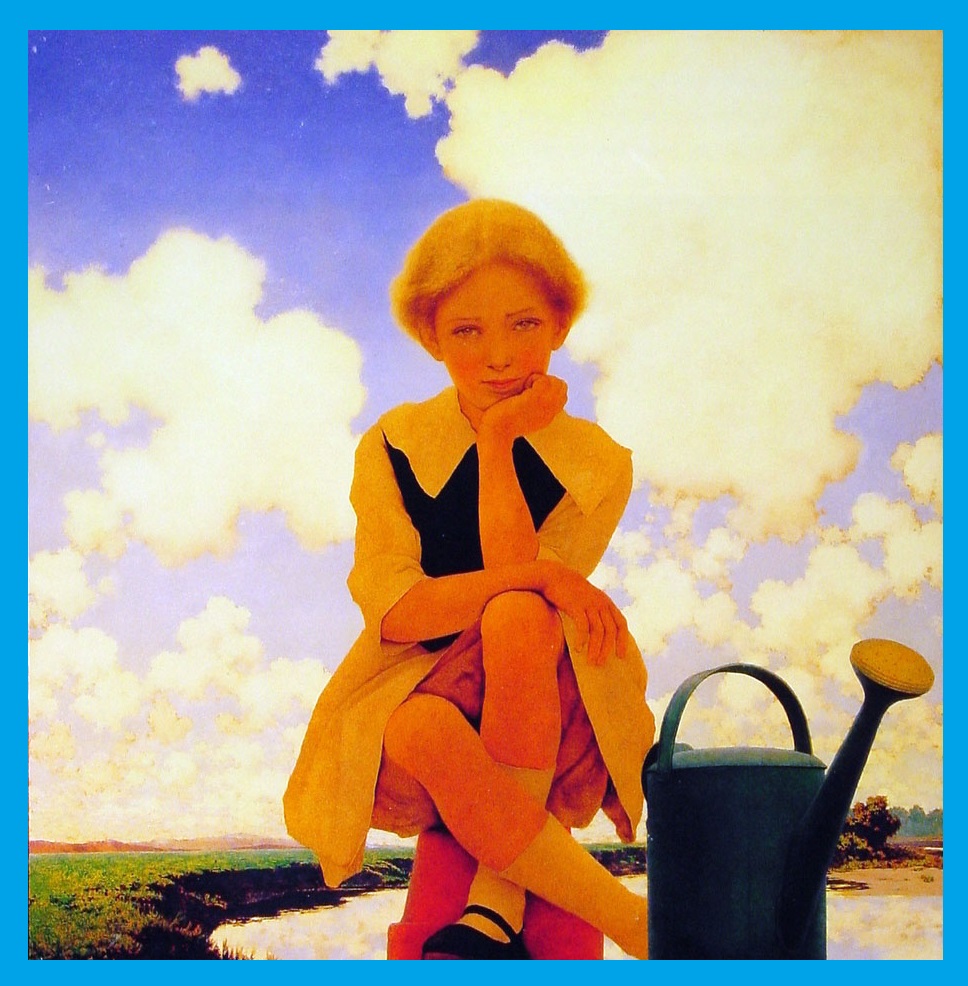
But the real question on my mind is, “Given three random pictures, what kind of poem would you write?” Feel free to share.
I know the last thing you would ever consider doing is to take up writing essays like these. What kind of a moronic bingo-boingo clown wants to take everything he or she knows, put it in a high-speed blender and turn it all into idea milkshakes?
But I was a writing teacher for many years. And now, being retired and having no students to yell at when my blood pressure gets high, the urge to teach it again is overwhelming.
So, here goes…
Once you have picked the silly, pointless, or semi-obnoxious idea you want to shape the essay around, you have to write a lead. A lead is the attention-grabbing device or booby-trap for readers that will draw them into your essay. In a Mickian essay, whose purpose is to entertain, or possibly bore you in a mildly amusing manner, or cause you enough brain damage to make you want to send me money (this last possibility never seems to work, but I thought I’d throw it in there just in case), the lead is usually a “surpriser”, something so amazingly dumb or off-the-wall crazy that you just have to read, at least a little bit, to find out if this writer is really that insane or what. The rest of the intro paragraph that is not part of the lead may be used to draw things together to suggest the essay is not simply a chaotic mass of silly words in random order. It can point the reader down the jungle path that he or she can take to come out of the other end of the essay alive.
Once started on this insane quest to build an essay that will strangle the senses and mix up the mind of the reader, you have to carry out the plan in three or four body paragraphs. This is where you have to use those bricks of brainiac bull-puckie that you have saved up to be the concrete details in the framework of the main rooms of the little idea-house you are constructing. If you were to number or label these main rooms, this one you are reading now would, for example, be Room #2, or B, or “the second body paragraph”. And as you read this paragraph, you should be thinking in the voice of your favorite English teacher of all time. The three main rooms in this example idea house are beginning, middle, and end. You could also call them introduction, body, and conclusion. These are the rooms of your idea house that the reader will live in during his or her brief stay (assuming they don’t run out of the house screaming after seeing the clutter in the entryway).
The last thing you have to do is the concluding paragraph. (Of course, you have to realize that we are not actually there yet in this essay. This is Room C in the smelly chickenhouse of this essay, the third body paragraph.) The escape hatch on the essay that may potentially explode into fireworks of thoughts, daydreams, or plans for something better to do with your life than a read an essay written by an insane former middle school English teacher at any moment, is a necessary part of the whole process. This is where you have to remind them of what the essay is basically about, and leave them with the thought that you want to haunt them in their nightmares later. The last thing that you say in the essay is the thing they are the most likely to remember. So you need to save the best for last.
So, here, finally, is the exit door to this masterfully mixed-up Mickian Essay. It is a simple, and straightforward structure. The introduction containing the lead is followed by three or four body paragraphs that develop the idea and end in a conclusion that summarizes or simply restates the overall main idea. And now you know why all of my former students either know how to construct an essay, or have several years left in therapy sessions with a psychiatrist.
My proudest achievement of my thirty-one year years as a public school teacher was the fact that I survived my whole first year. That doesn’t sound like much to you unless you are a teacher. But it sounds even more amazing if you knew what South Texas junior high schools were like in 1981. I mean, my school, Frank Newman Junior High had practically been destroyed the year before I started teaching there by the seventh graders I would be teaching as eighth graders.
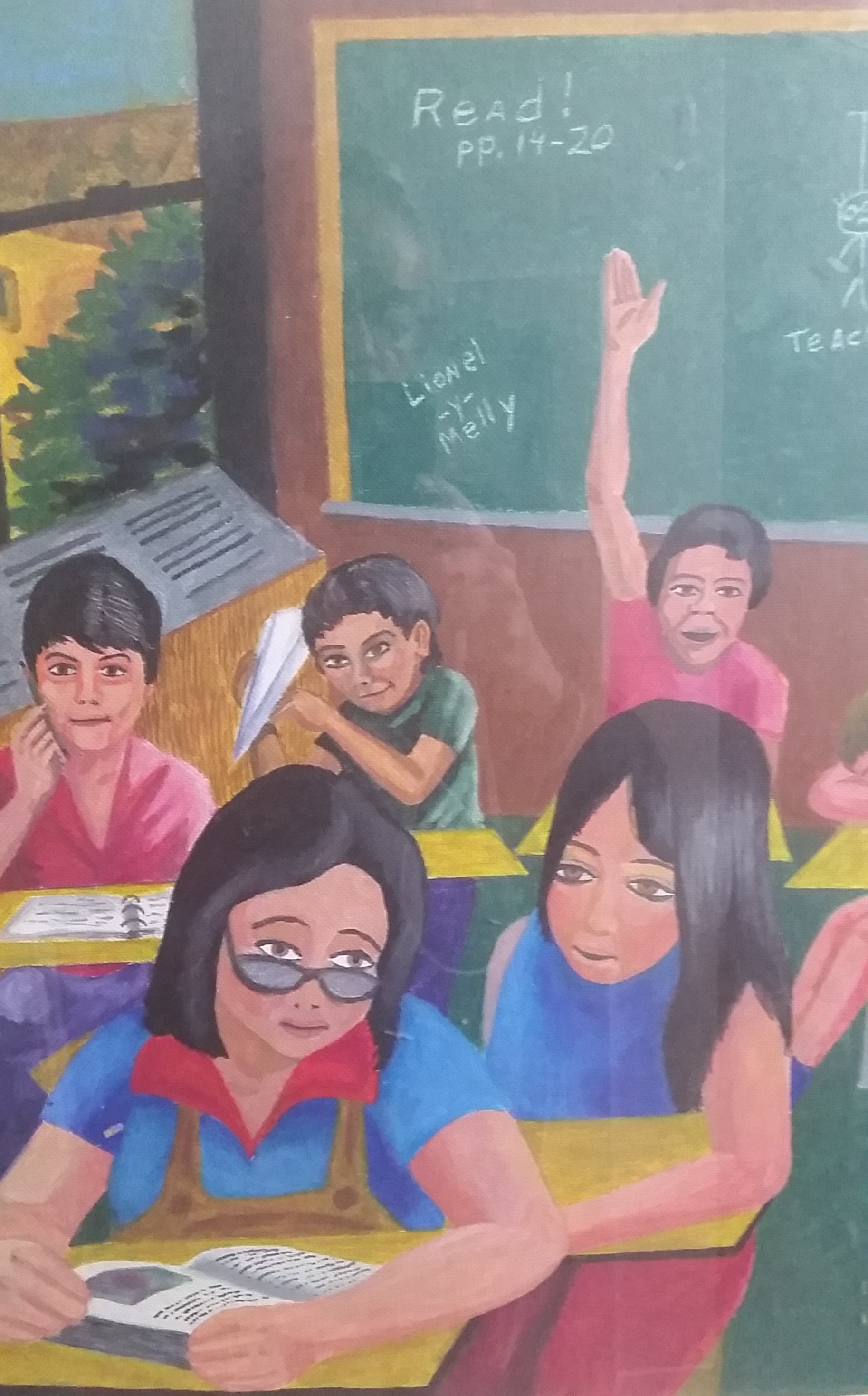
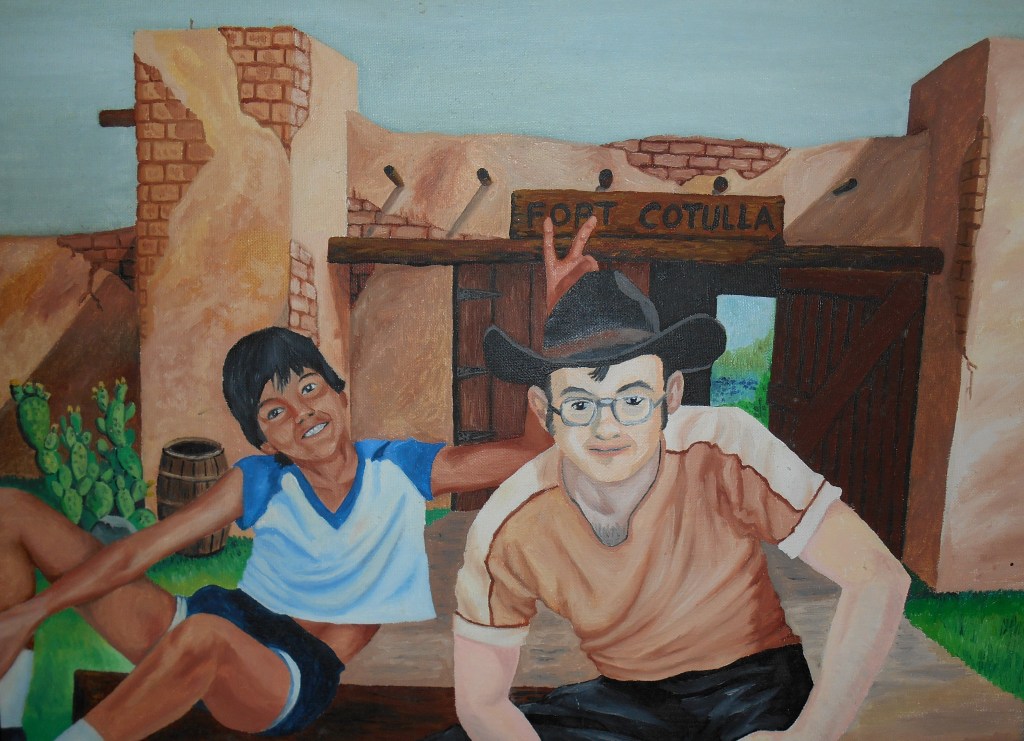
You see some of my favorites in the painting I did during my third year as a teacher. From front to back they are Dottie, Teresa, Ruben, Fabian, and Javier. Of course, in these essays about being a teacher, I usually don’t use real names to protect the privacy of my former students, both the innocent and the guilty. So, I leave it to you to decide whether, even though I love these kids, those aren’t probably their real names. Unless… they are.
But not all Texas eighth graders are loveable people. In fact, they are hard on first-year rookie teachers. Especially the ones with a Midwestern faith that they can step in and change the world with their idealistically pure and golden teaching methods. Those teachers they will try to eat alive.
I followed the seventh grade English teacher in the same classroom with the same kids. They made her scream daily, had classroom fist fights weekly, exploded firecrackers under her chair twice during the year, and made her run away to the San Antonio airport and leave teaching behind forever. As ninth graders, they made their English I teacher leave teaching forever even though she was a three-year veteran. And believe me, they tried to do the same to me.
I foiled them constantly by being an on-your-feet-all-day teacher rather than a sit-behind-the-desk-and-yell teacher like my predecessor. After I had a chance to sit during planning period, I always had to clean thumbtacks, tape, and smeared chocolate bars off the seat of my little wooden teacher chair. Paper airplanes were the least gross things that flew through the air. Boogers, spit-wads, spit-wet pieces of chalk, and brown things you had to hope were chewed chocolate flew constantly whenever you had your back turned to them. And if there was only one kid behind you and you turned on him and asked pointedly, “Who threw that?” The kid, of course, saw nothing, has no idea, you can torture him, and he still won’t know anything because you are a lousy teacher and didn’t make him learn anything.
And lessons were mostly about talking over the malevolent tongue-wigglers. They didn’t listen. Not even to each other. One kid would be talking about monster trucks that shoot fire out of their exhaust pipes while the kid next to him was talking at the same time about whether Flipper is properly called a dolphin or a porpoise, or like his older brother says, “a giant penis-fish.” And the girls behind them are actually hearing each other, but only because they are speculating which boy in the classroom has the cutest butt.
I broke up three fights by myself that year, one of which I got slugged in the back of the head by the aggressor during, teaching me to always get between them facing the aggressor and never being wrong about who the aggressor is.
They don’t let you do much teaching at all your first year. They force you to practice discipline by keeping them all seated at the same time with their books open in front of them. “I don’t do literature,” Ernie Lozano told me. Well, to be accurate, none of them actually did literature that year. But they taught me to survive long enough to learn how to actually teach them something.
On the last day of school that year we gave them all extended time on the playground, using the outdoor basketball court to keep them occupied for long enough for a terrible school year to finally run its course. They didn’t set the school on fire that year. They didn’t break into the office that year and steal all the cash. We did well enough at keeping them under control that year that I got rehired and our principal got promoted to high school principal. I had a decision to make that year. Would I keep teaching? Or find another job? Sixty percent of all first-year teachers in Texas in 1982 quit teaching. I only earned $11,000 that year. Did I really want to continue down that dark path for another school year?
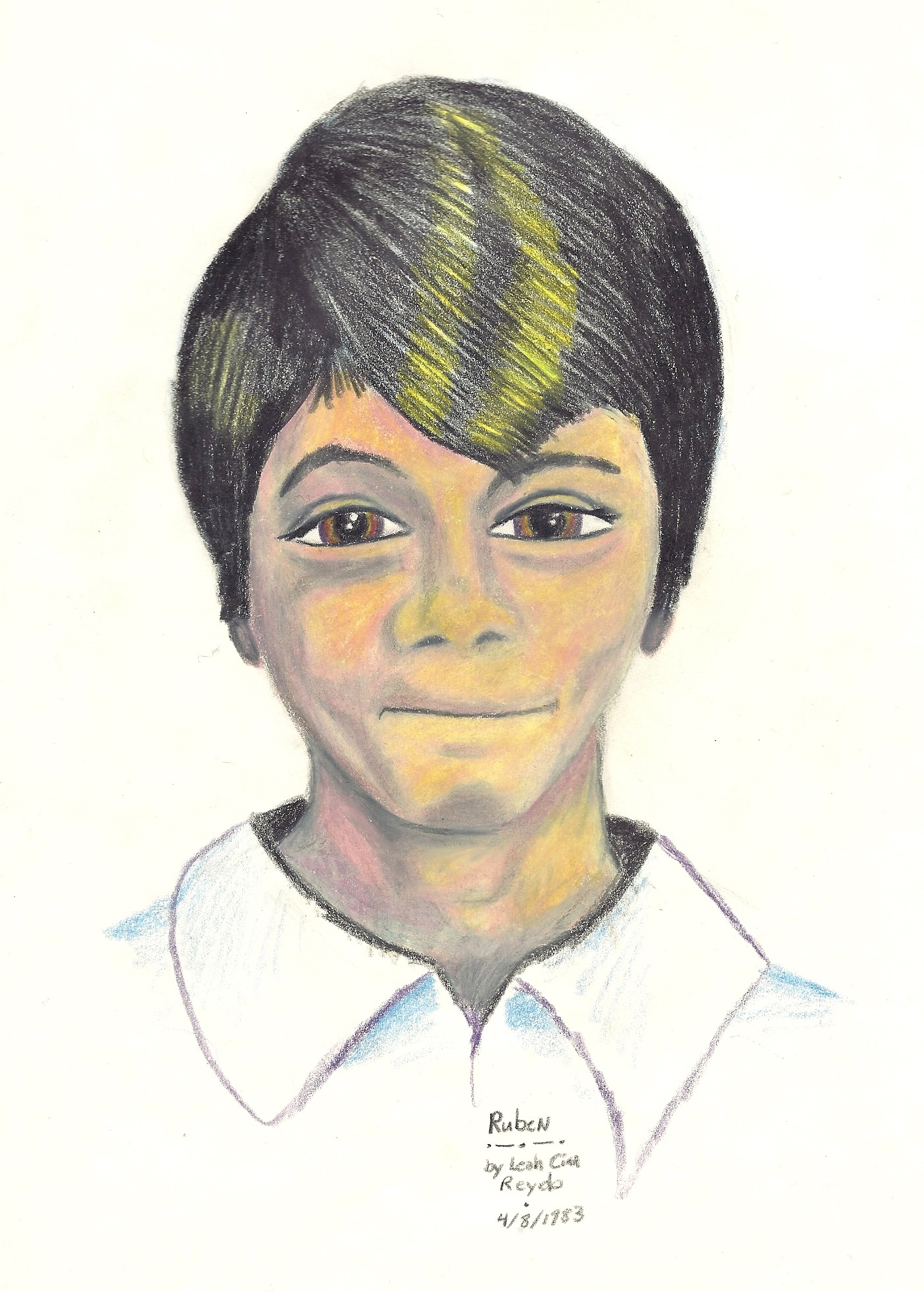
Ruben walked up to stand beside me and watch the bigger eighth graders foul each other on the basketball court. “You know, Mr. Beyer, you were my favorite teacher this year.”
“Thank you, Ruben. I needed to hear that.” I bit my lip to keep from crying.
That was when I made the decision. I stuck it out in that same school and district for the next 23 years. I became the head of the Cotulla Middle School English Department. I moved to the Dallas area for family reasons in 2004, but I would teach for eight more years in two more districts and in three more schools. But all of that is Ruben’s fault. Because that was the most important thing anyone ever said to me as a teacher. And I did hear it more than once. But he was the first.
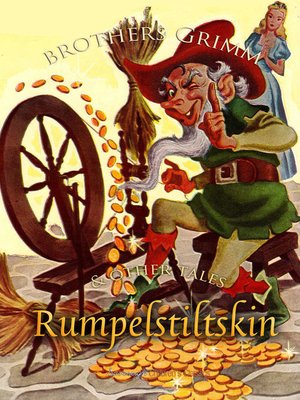
I start today with nothing in my head to write about. I guess I can say that with regularity most days of the writing week. Sundays in particular are filled with no useful ideas of any kind. But I have a certain talent for spinning. As Rumpelstiltskin had a talent for spinning straw into gold, I take the simple threads of ideas leaking out of my ears and spin them into yarns that become whole stories-full of something to say. And it is not something out of mere nothing. There is magic in spinning wheels. They take something ordinary and incomplete, and turn it into substantial threads useful for further weaving.
Of course the spinning wheel is just a metaphor here for the craft of writing. And it is a craft, requiring definable skills that go well beyond merely knowing some words and how to spell them.
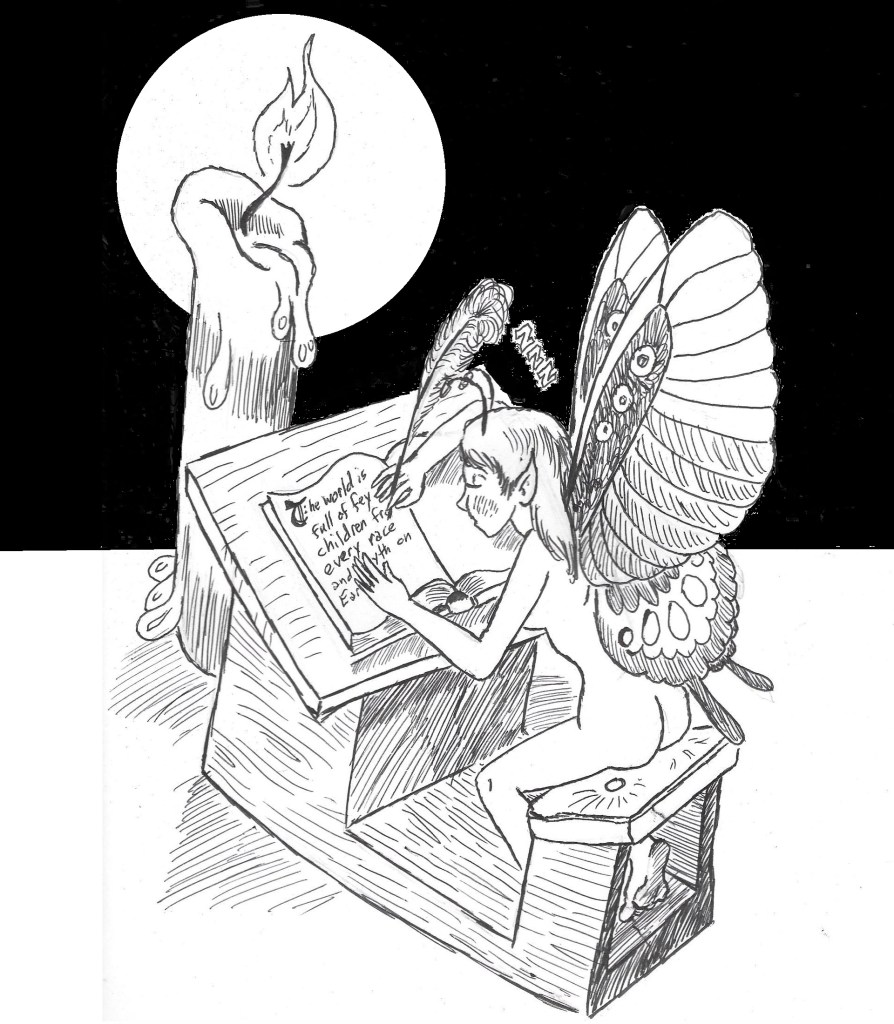
My own original illustration.
The first skill is, of course, idea generation. You have to come up with the central notion to concoct the potion. In this case today, that is, of course, the metaphor of using the writing process as a spinning wheel for turning straw into gold. But once that is wound onto the spindle, you begin to spin yarn only if you follow the correct procedure. Structuring the essay or story is the next critical skill.
Since this is a didactic essay about the writing process I opened it with a strong lead that defined the purpose of the essay and explained the central metaphor. Then I proceeded to break down the basic skills for writing an essay with orderly explanations of them, laced with distracting images to keep you from dying of boredom while reading this, a very real danger that may actually have killed a large number of the students in my writing classes over the years (although they still appeared to be alive on the outside).
My mother’s spinning wheel, used to make threads for use in porcelain doll-making, and as a prop for displaying dolls.
As I proceed through the essay, I am stopping constantly to revise and edit, makeing sure to correct errors and grammar, as well as spending fifteen minutes searching for the picture of my mother’s spinning wheel used directly above. Notice, too, I deliberately left the spelling-error typo of “making” to emphasize the idea that revising and proof-reading are two different things that often occur at the same time, though they are very different skills.
And as I reach the conclusion, it may be obvious that my spinning wheel of thought today spun out some pure gold. Or, more likely, it may have spun out useless and boring drehk. Or boring average stuff. But I used the spinning wheel correctly regardless of your opinion of the sparkle of my gold.
Every Dungeons and Dragons player, especially game masters, know about the oubliette. In the foundations of towers in the castles of the French you often find a windowless room with the only entrance in the ceiling. It is a dark hole where you throw captives you want to simply forget. In fact, the name comes from the word in Middle French, “oublier” which translates to “forget”. Now, of course, as a former school teacher, I know about oubliettes. I have been in one more than once. I have tossed bad kids in there more than once. But the thing I had to learn about “forget holes” is that there is always a way out.
I had a principal who decided I had betrayed him because he overheard me talking sympathetically to a teacher he had been berating for asking that he discipline students she sent to him for disruptive behavior. He overheard me saying that he would be more understanding if he tried to manage a class himself once in a while. For my indiscretion he took away my gifted class and gave me in its place a class composed entirely of students who had been repeatedly sent to him by teachers for being disruptive and unmanageable. It was a class from hell. Really… from hell… Satan’s stepson was the first student he put in that class. I was told I would have to discipline them entirely without help from him. But as tough as it is teaching twenty dysfunctional learners at once with no outside help, it was do-able. In fact, I liked some of the kids in that class. (Hated some too, though, because you can’t always like every kid no matter how crappy they act.) I didn’t manage to teach them much English. They all spoke Skuggboy fluently the whole time. But I did endure. In fact, when that principal was suddenly jobless two-thirds of the way through the year and replaced by a new principal, I got a chance to get some back. She overhead Satan’s stepson doing his comic stand-up routine in response to my specific directions and came in to remind him who was in charge in the classroom and who deserved respect. That reminder lasted for a good fifteen minutes and was a prelude to a parent-principal conference that same afternoon. I saw his evil smile turned upside down for the first time that school year.
Whenever I put a student in the oubliette (asked them to stand outside the classroom door until I could talk to them about their bad behavior) I never left them there more than five minutes. I would quickly give the class the directions they needed to continue on their own, and then I would go out to execute the prisoner. It usually was an explanation of how I wanted them to behave, and then giving them a choice, whether they wanted to go back in and do the right thing, or they wanted to visit the office with a written explanation by me of exactly what they did wrong. Even though nothing would probably happen to them in the office, they rarely chose that option.
So, there is always a way out… but there are many forms of the oubliette, and no one is immune to being sent there.
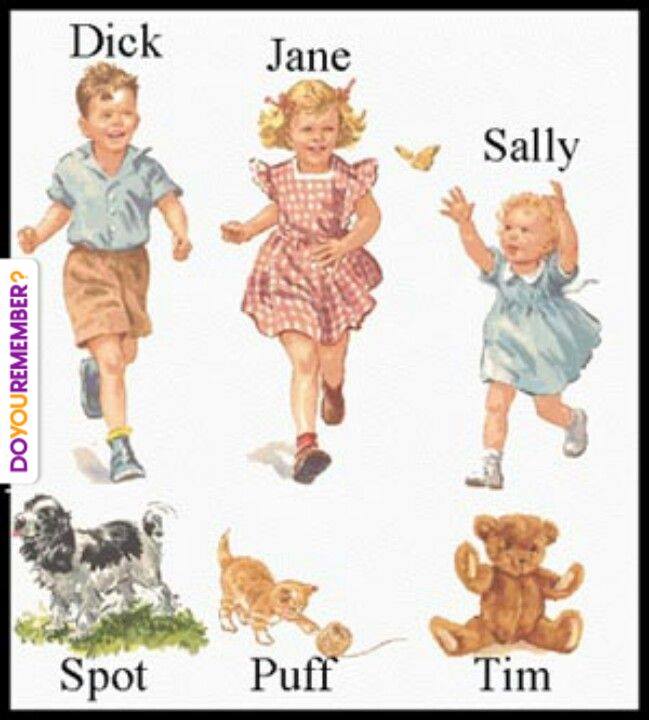
See Sally…? Wait a minute! Why don’t I remember Sally?
Did Dick forget to feed Spot and Spot was forced to kill and eat Sally?
No… I had Dick and Jane books in Kiddy-garter and they did have Sally in them. And Spot never killed anyone. But with all the running she did, Sally did not do anything memorable. If my teacher, Miss Ketchum, had told the Spot eats Sally story, I’m sure I would’ve remembered Sally better and learned to read faster.
This slideshow requires JavaScript.
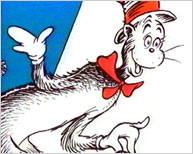
But I actually did learn to read faster because there was a Cat in the Hat, and a Yertle the Turtle, and because Horton the elephant heard a Who, and a Grinch stole Christmas. Yes, humor is what always did it for me in the classroom. Dr. Seuss taught me to read. Miss Mennenga taught me to read out loud. And in seventh grade, Mr. Hickman taught me to appreciate really really terrible jokes. And those are the people who twisted my arm… er, actually my brain… enough to make me be a teacher who taught by making things funny. There were kids who really loved me, and principals who really hated me. But I had students come back to me years later and say… “I don’t remember anything at all from my classes in junior high except when you read The Outsiders out loud and did all those voices, and played the Greek myth game where we had to kill the giants with magic arrows, and the stupid jokes you told.” High praise indeed!
I think that teaching kids to laugh in the classroom was a big part of teaching them how to use the language and how to think critically. You find what’s funny in what you learn, and you have accidentally examined it carefully… and probably etched it on the stone part of your brain more memorably than any other way you could do it. And once it’s etched in stone, you’re not getting that out again any time soon.
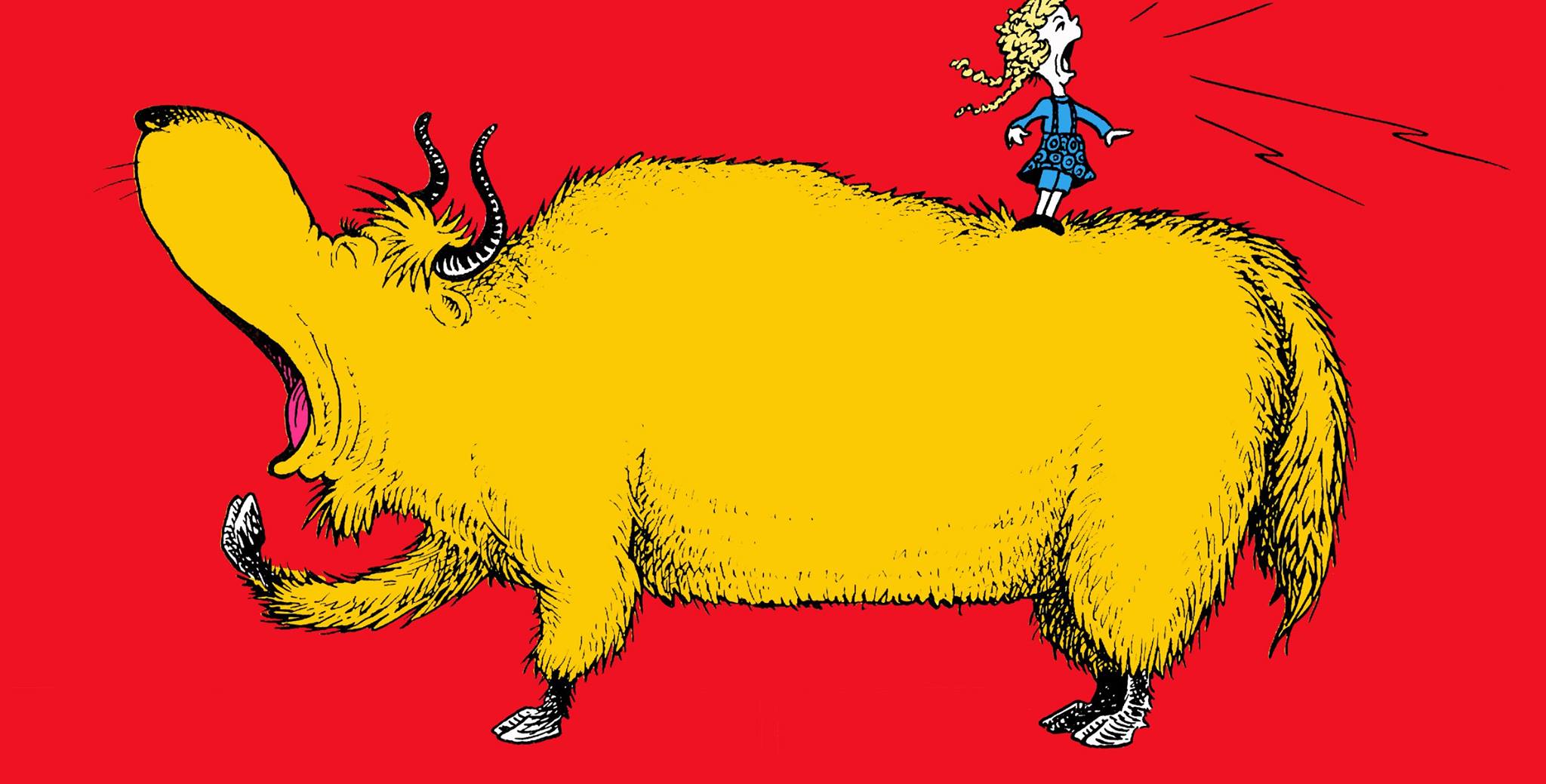
Humor makes you look at things from another point of view, if for no other reason, then simply because you are trying to make somebody laugh. For instance, do you wonder like I do why the Cat in the Hat is trying to pluck the wig off of Yelling Yolanda who is perched on the back of yellow yawning yak? I bet you can’t look at those two pictures positioned like that and not see what I am talking about. Of course, I am not betting money on it. I am simply talking Iowegian… a totally different post.
But the point is, humor and learning go hand in hand. It takes intelligence to get the joke. Joking makes you smarter. And that is why the class clowns in the past… the good and funny ones… not the stupid and clueless ones… were always my favorite students.
My proudest achievement of my thirty-one year years as a public school teacher was the fact that I survived my whole first year. That doesn’t sound like much to you unless you are a teacher. But it sounds even more amazing if you knew what South Texas junior high schools were like in 1981. I mean, my school, Frank Newman Junior High had practically been destroyed the year before I started teaching there by the seventh graders I would be teaching as eighth graders.
You see some of my favorites in the painting I did during my third year as a teacher. From front to back they are Dottie, Teresa, Ruben, Fabian, and Javier. Of course, in these essays about being a teacher, I usually don’t use real names to protect the privacy of my former students, both the innocent and the guilty. So, I leave it to you to decide whether, even though I love these kids, those aren’t probably their real names. Unless… they are.
But not all Texas eighth graders are loveable people. In fact, they are hard on first-year rookie teachers. Especially the ones with a Midwestern faith that they can step in and change the world with their idealistically pure and golden teaching methods. Those teachers they will try to eat alive.
I followed the seventh grade English teacher in the same classroom with the same kids. They made her scream daily, had classroom fist fights weekly, exploded firecrackers under her chair twice during the year, and made her run away to the San Antonio airport and leave teaching behind forever. As ninth graders, they made their English I teacher leave teaching forever even though she was a three-year veteran. And believe me, they tried to do the same to me.
I foiled them constantly by being an on-your-feet-all-day teacher rather than a sit-behind-the-desk-and-yell teacher like my predecessor. After I had a chance to sit during planning period, I always had to clean thumbtacks, tape, and smeared chocolate bars off the seat of my little wooden teacher chair. Paper airplanes were the least gross things that flew through the air. Boogers, spit-wads, spit-wet pieces of chalk, and brown things you had to hope were chewed chocolate flew constantly whenever you had your back turned to them. And if there was only one kid behind you and you turned on him and asked pointedly, “Who threw that?” The kid, of course, saw nothing, has no idea, you can torture him, and he still won’t know anything because you are a lousy teacher and didn’t make him learn anything.
And lessons were mostly about talking over the malevolent tongue-wigglers. They didn’t listen. Not even to each other. One kid would be talking about monster trucks that shoot fire out of their exhaust pipes while the kid next to him was talking at the same time about whether Flipper is properly called a dolphin or a porpoise, or like his older brother says, “a giant penis-fish.” And the girls behind them are actually hearing each other, but only because they are speculating which boy in the classroom has the cutest butt.
I broke up three fights by myself that year, one of which I got slugged in the back of the head by the aggressor during, teaching me to always get between them facing the aggressor and never being wrong about who the aggressor is.
They don’t let you do much teaching at all your first year. They force you to practice discipline by keeping them all seated at the same time with their books open in front of them. “I don’t do literature,” Ernie Lozano told me. Well, to be accurate, none of them actually did literature that year. But they taught me to survive long enough to learn how to actually teach them something.
On the last day of school that year we gave them all extended time on the playground, using the outdoor basketball court to keep them occupied for long enough for a terrible school year to finally run its course. They didn’t set the school on fire that year. They didn’t break into the office that year and steal all the cash. We did well enough at keeping them under control that year that I got rehired and our principal got promoted to high school principal. I had a decision to make that year. Would I keep teaching? Or find another job? Sixty percent of all first-year teachers in Texas in 1982 quit teaching. I only earned $11,000 that year. Did I really want to continue down that dark path for another school year?
Ruben walked up to stand beside me and watch the bigger eighth graders foul each other on the basketball court. “You know, Mr. Beyer, you were my favorite teacher this year.”
“Thank you, Ruben. I needed to hear that.” I bit my lip to keep from crying.
That was when I made the decision. I stuck it out in that same school and district for the next 23 years. I became the head of the Cotulla Middle School English Department. I moved to the Dallas area for family reasons in 2004, but I would teach for eight more years in two more districts and in three more schools. But all of that is Ruben’s fault. Because that was the most important thing anyone ever said to me as a teacher. And I did hear it more than once. But he was the first.
I was a middle school English teacher. And part of that job is to build reading skills. But that is a challenging thing. Especially if you work for a poor rural school district with limited budgets and very little ability to buy computers and the necessary software. After all, being a reading teacher in the upper grade levels of public schools is HARD. Can you figure out a child’s reading level with teacher-made Cloze tests? Do you know how to tell a book’s reading level just by sampling the concept density, vocabulary load, and sentence lengths in the beginning, middle, and end of a book? Do you know where to find the readability information in the student’s History and Science textbooks? And did you know there is no formula anywhere to cover how you match up kids to books they will actually read and like without becoming a mind-reading trusted friend of every kid in your class?
Seriously. Even if you are a teacher certified to teach reading, they do not teach you these things below the doctorate level in teacher-training schools. I had to teach myself before I could effectively teach them.
The fact is, life-long readers are made by book-reading parents who read to their children a lot before they ever come to school. Those kids get to school and top the lists of readers no matter what reading or literacy test you give them. They benefit from a reading teacher they can talk to about books, but they don’t need them. They know how to teach themselves. And kids who don’t catch fire in their reading ability thanks to an enthusiastic and gifted kindergarten, first, or second-grade teacher are never going to learn to read for fun, or probably ever read anything not assigned by their boss with job-loss consequences ever again after leaving school. Some kids burdened with dyslexia, ADD, or even mental illness of some sort are never going to read at all… without intervention.
And high-stakes State tests that have been all the rage with Republican governments who want to prove teachers make too much money, don’t even measure reading skills and compare results to see how much kids have gained every single year. They don’t want to give teachers credit if they take it upon themselves to actually teach students to read better. That is not what capitalist economies want to measure. They prefer to see how well students conform to norms and standards… to make an obedient working class that doesn’t cost too much because they think for themselves.
But a good teacher teaches kids to read or read better. They do it in spite of the huge challenge. There are ways to do it.
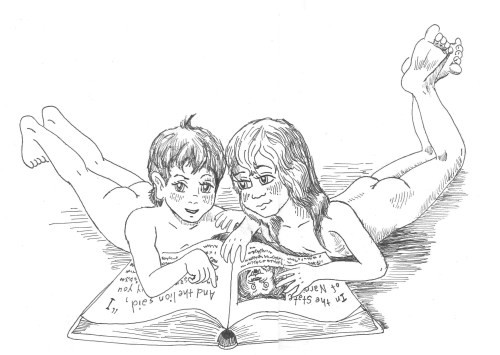
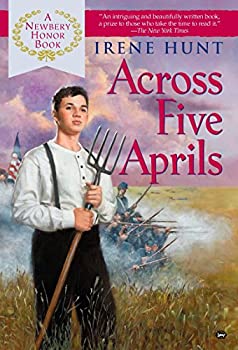
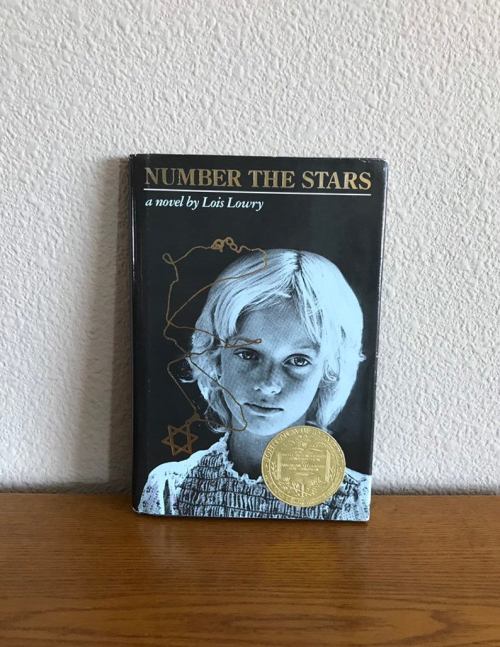
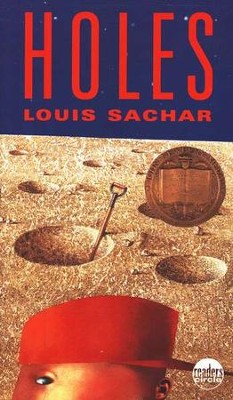
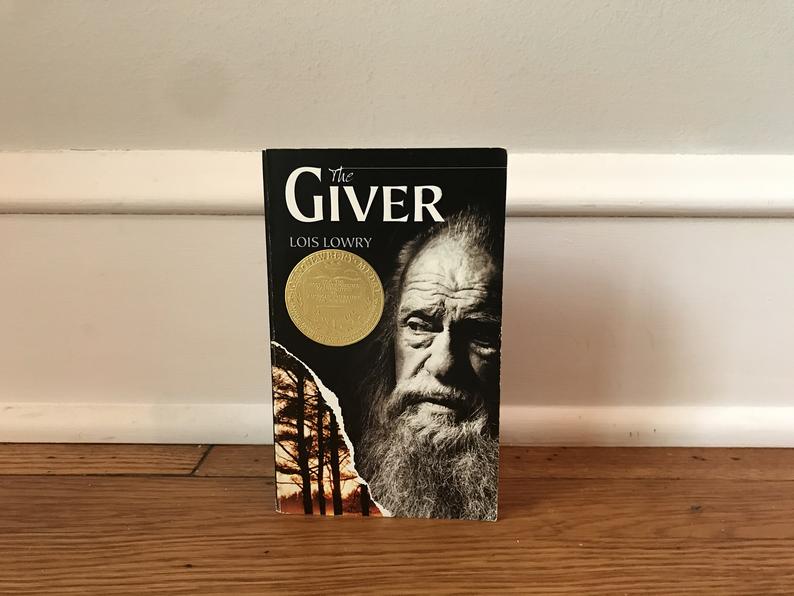
Pictured in this post are four books that I have read aloud to my classes. And walked them through the stories with word banks, guided-reading worksheets, focused discussions about theme-setting-character and whatnot. I tricked them into caring about what happens to the main characters because you learn to care about them as people (meaning both the characters and the student readers who invest themselves in those characters.)
I have used these books to make students laugh, as when Mr. Sir is shooting at yellow-spotted lizards in Holes. And I have made them cry, as when the family learns how Tom was killed in the Battle of Shiloh in the book Across Five Aprils. And I have horrified them when it is revealed what happens to old people and defective babies in The Giver. You can literally make students love good books if you are willing to share them hard enough.
I have never tried to get students to read books literally naked as my Paffooney might be suggesting. I don’t think the school boards I have worked for would’ve liked that very much. But it is a triumph of teaching when you can get them to figuratively immerse themselves in books to that degree.
But teaching reading is something all schools need to be doing. And I have to tell you, they are not doing nearly enough anywhere in Texas. And maybe not in the rest of the United States either.. Now that I can teach no more… I am left despairing. But not because of lack of belief in kids and good books.
This book of mine is in a free-book promotion this weekend.
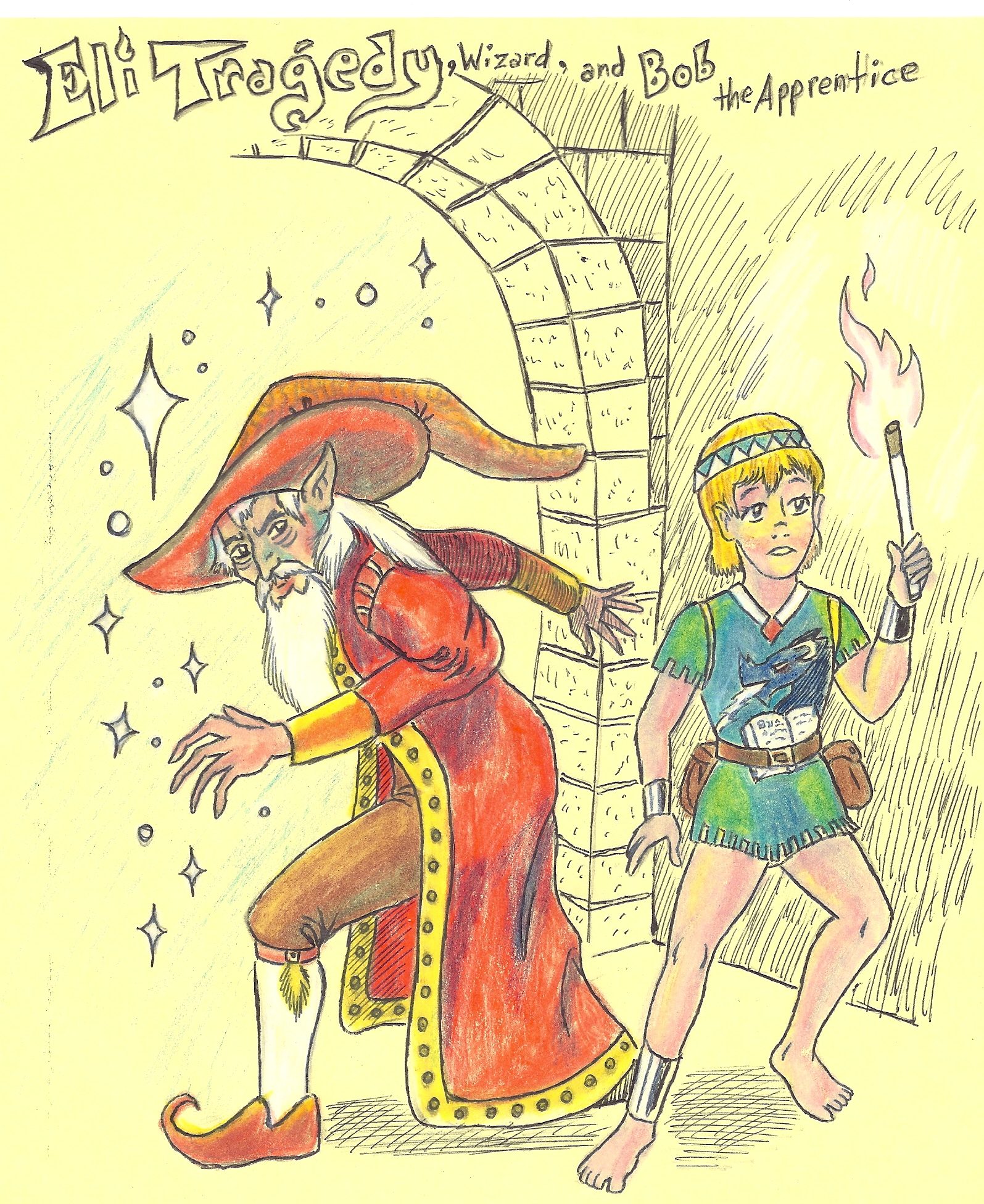
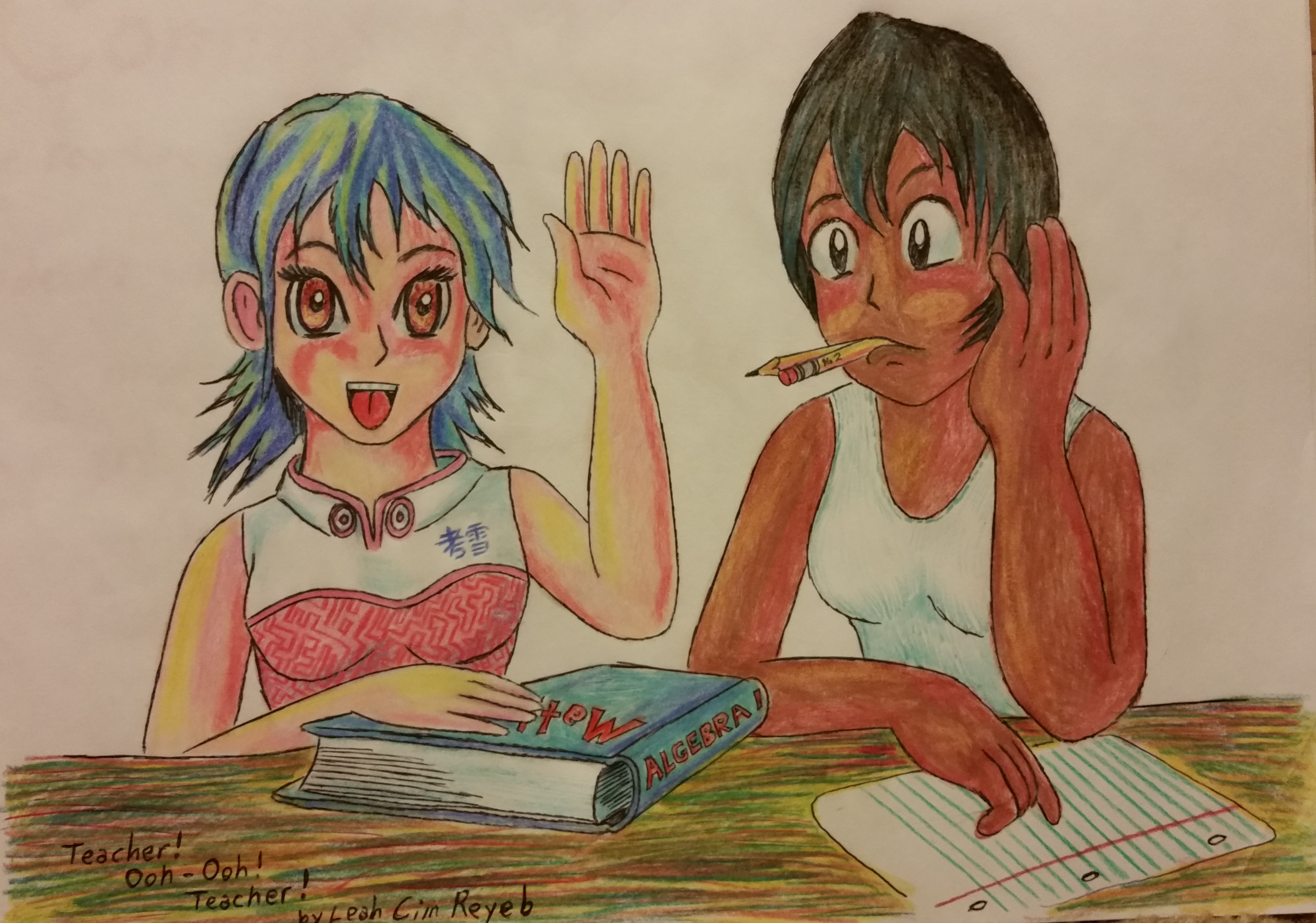
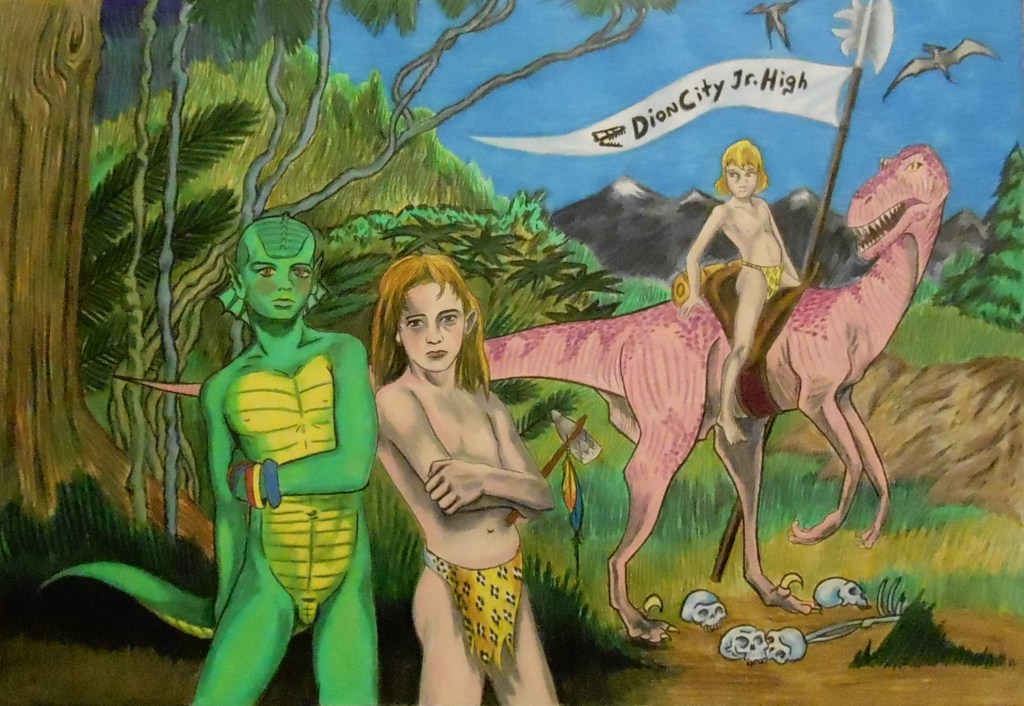
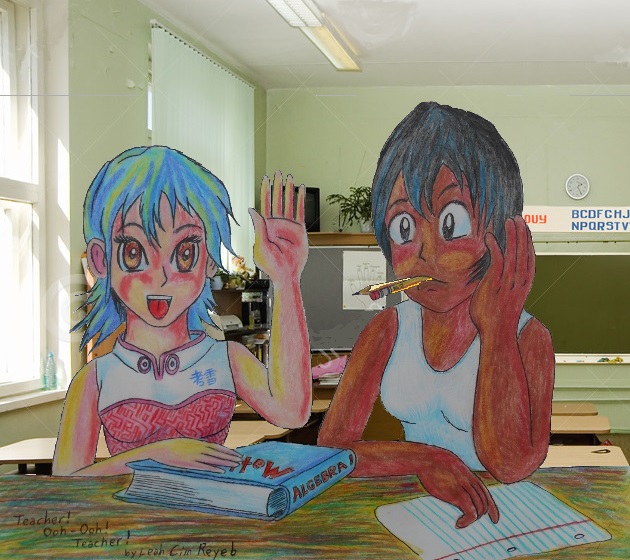
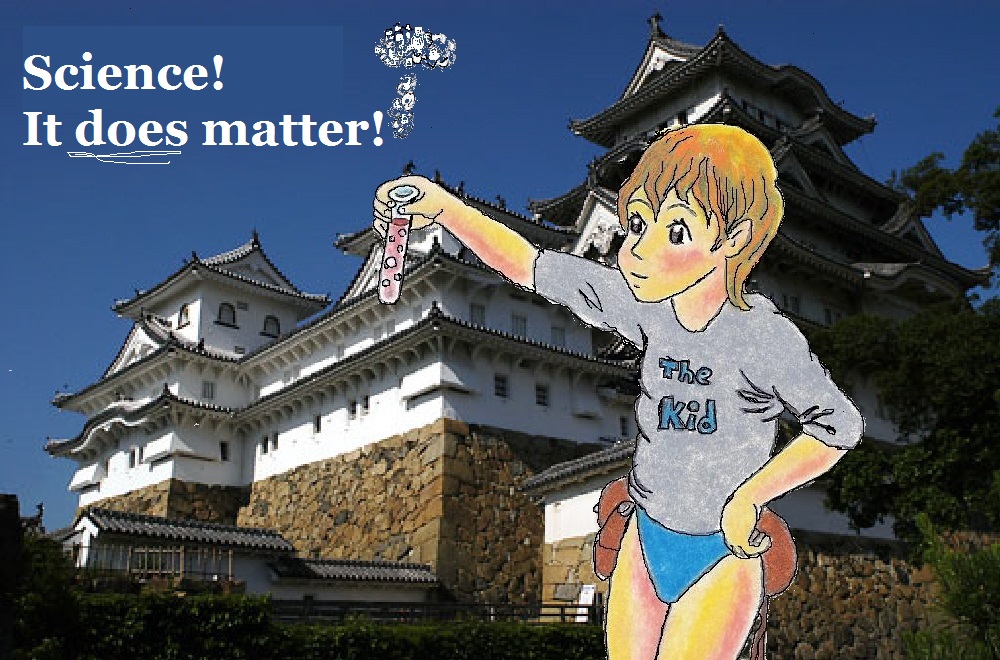
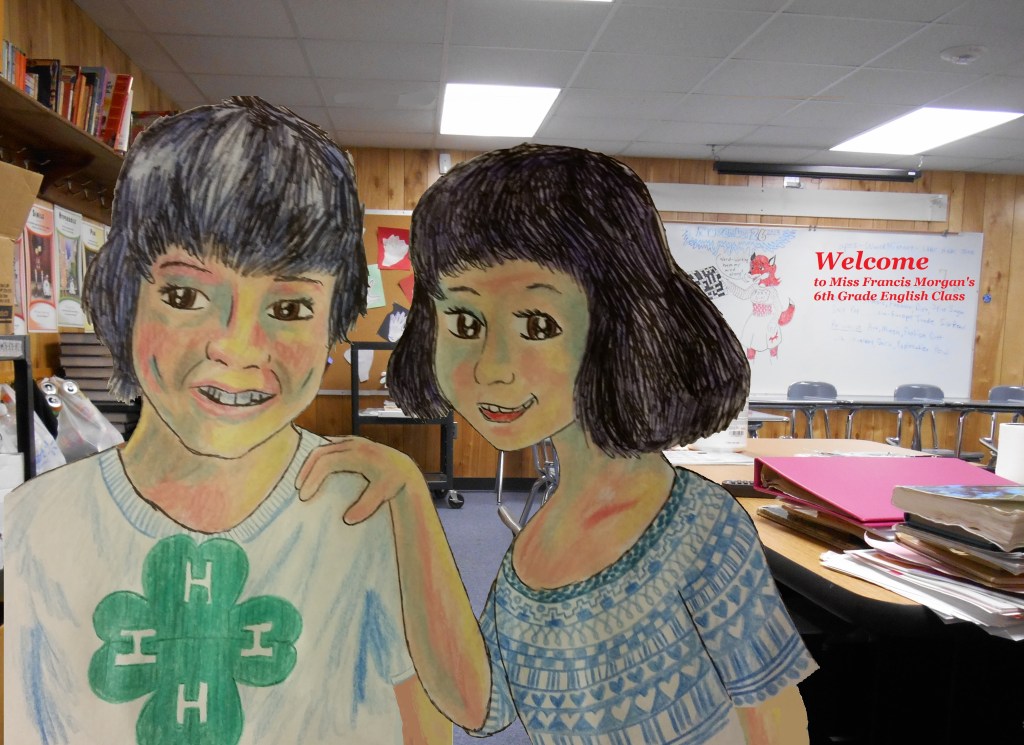
A lot of my artwork has to do with students and teachers, and of course, the schools they attend. I wonder where this obsession came from?
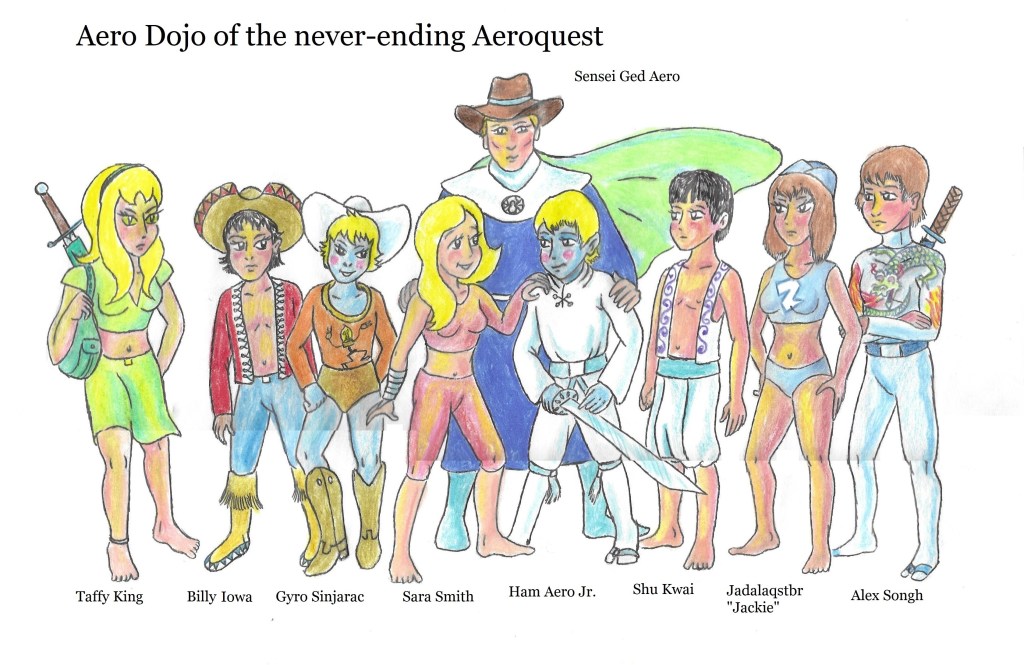
The Psionic Ninja Class from AeroQuest.
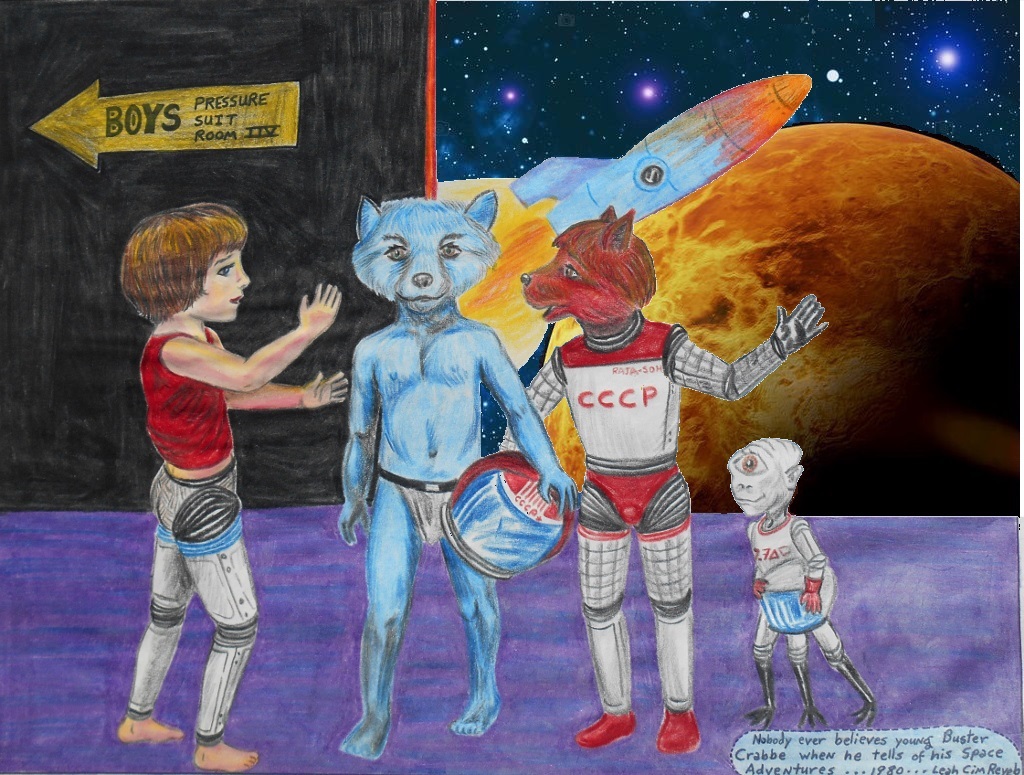
There’s a lot of science fiction elements in school. After all, we are preparing students for the future.
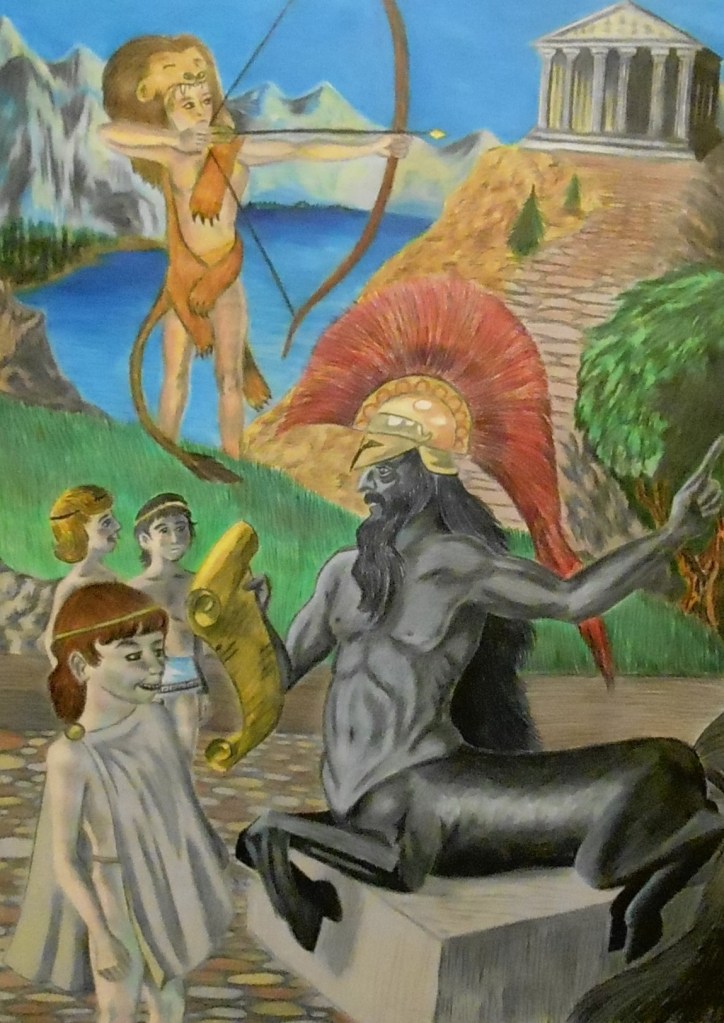
Schools of the past fascinate me too. This is Chiron the Centaur teaching Hercules, Jason, Achilles, and other demigods and heroes.
It is hard to tell just by looking whether this school is in the past or in the future. The secret is, this illustrates a science fiction novel I haven’t written yet. It is on another planet three thousand years in the future.
This picture of one of my last high school ESL classes is not realistic. Students are far more cartoonish than they are pictured here.
Of course, school is not about the teachers. It is about the students.
These two are Blueberry Bates and Mike Murphy.
They are fictional people.
But they are based on three different seventh grade couples I taught in Texas.
One set actually grew up and married each other.
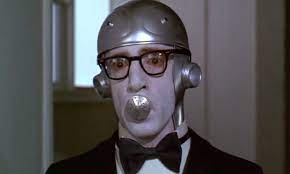
You know how you can tell that this school is from science fiction? The student in the picture is actually a robot who looks human.
Teachers are not supposed to fall in love with students. Of course, when the school district tells you that, at the beginning of the year, they are talking mostly about high school students, and they are talking exclusively about romantic love. I have never had a real problem with that rule. Romantically, little half-brained and totally immature middle school students are downright icky. Especially the walking, talking, and sometimes farting middle school boys.
But schools, even though they can’t really say it, and some administrators don’t believe they want it to be so, they want teachers to have “teacher love” for students. That means, in a vaguely defined way in administrative brains compatible with the real meaning of “fully funded,”that they want teachers to become surrogate mothers and fathers to students, the kind of love you have for an orphan you have adopted because you can plainly see they need someone… anyone… to love them and care for them… no matter how ugly they might be on the outside.
“To be a good teacher, you gotta learn to love ugly,” Head Principal Watkins said to us all for the two years he managed to love our faculty. And he meant it. I was not the only teacher I heard him tell, “You are a wonderful teacher because you care about kids.” And he meant it. Not like most principals.
But when you see a picture of David, the way he was back then, you can see he was not ugly. Just his situation was ugly.
He was one of six kids that lived with his single mother in the housing project for low-income families. His mother had, at the time the principal called me into his office, been cited by authorities twice for neglect of her children.
“Mike, I know you have mentored and helped several kids outside of school. And we have a boy coming into your seventh grade class that we would like for you to help out however you can. We know you went through the whole social-services and foster-parent training from San Antonio. And David Gutierrez could really use a bit of a boost from you,” the Head Principal told me behind closed doors.
Boy, was that ever an understatement. I was spending considerable time hanging out with the pretty blond reading teacher. The first time I cooked for her, fried hamburgers and instant mashed potatoes, David had a plate already at the tiny table in my little apartment. And, skinny little thing that he was, he ate three quarters of all the food I had badly cooked. Annabel didn’t mind. And not because the burgers were burnt and the potatoes were runny… I am still not a great cook. She would become David’s second mom for those next three years. She gave him as much if not more “teacher love” than I did.
He was not a good student in any of his classes. But he was an adequate reader, and he actually improved noticeably in the time he was hanging out with us.
But he gave us a turn during that first fall when he got sick. He had the seventh grade History teacher first period every morning. And one day in October he reported to class all listless and red-eyed, And Mrs. Finch was a sharp and capable teacher, knowing what drug problems looked like, and what they didn’t look like. She sent him to the nurse. It was a fever of one-hundred-and-three degrees. The parent was called, but the parent didn’t answer. So, immediately after school Annabel and I took him directly from the nurse’s office to the doctor. And after it was determined he had a bad sinus infection, we took him to my place and put him in the spare bedroom (all apartments on North Stewart Street were two-bedroom, but there was only one of me.) Annabel stayed with him while I filled the prescription for antibiotics. We got him dosed and rested at least before his mother returned from her cleaning job in Laredo, sixty miles south. We told her everything that happened. And she took him home. His two older sisters took over nursing duty.
But when the school contacted the doctor, it was explained that the infection was severe mainly because David was malnourished and dangerously anemic. Of course, that was evidence of neglect and had to be reported.
In order to avoid having to give up custody to the State his mother moved him to Laredo, closer to her work. Both of the older sisters, Bunny and Bea had advised their Mom to give him to Annabel and me. But, of course, we were not married and in no position to become his actual parents.
So, David spent two months in Laredo, calling me every night from a pay phone. His grades in school tanked. He was miserable and lonely.
The problem was worked out in David’s family. His older brother sent money every month to his two older sisters. And Bunny had a job and kept the apartment in Cotulla for herself. So, as a compromise, since Bea was already living there with Bunny to attend high school, David came back to live with them, along with his younger sister. They returned to the school where all their friends were.
Through the rest of David’s seventh grade until the end of high school he was like a son to me. He was constantly at my place, playing computer games, watching VHS movies, and charming my girlfriend. (Annabel had the apartment next door for three of the next four years.) I played games with him. I fought with him about getting his homework done. I basically did the Dad-thing for him, something no other man had ever been bothered to do. In later years he would work as a substitute teacher for me. He would introduce me to new girlfriends. And the last time I saw him, in Uncle Moe’s Mexican Restaurant, he introduced his pregnant wife to me and my wife.
In Hebrew, the name David means, “Beloved.” Hence, that’s the only part of his name in this essay that is real.






 Catch a Falling Star
How To Write A Mickian Essay
I know the last thing you would ever consider doing is to take up writing essays like these. What kind of a moronic bingo-boingo clown wants to take everything he or she knows, put it in a high-speed blender and turn it all into idea milkshakes?
But I was a writing teacher for many years. And now, being retired and having no students to yell at when my blood pressure gets high, the urge to teach it again is overwhelming.
So, here goes…
Once you have picked the silly, pointless, or semi-obnoxious idea you want to shape the essay around, you have to write a lead. A lead is the attention-grabbing device or booby-trap for readers that will draw them into your essay. In a Mickian essay, whose purpose is to entertain, or possibly bore you in a mildly amusing manner, or cause you enough brain damage to make you want to send me money (this last possibility never seems to work, but I thought I’d throw it in there just in case), the lead is usually a “surpriser”, something so amazingly dumb or off-the-wall crazy that you just have to read, at least a little bit, to find out if this writer is really that insane or what. The rest of the intro paragraph that is not part of the lead may be used to draw things together to suggest the essay is not simply a chaotic mass of silly words in random order. It can point the reader down the jungle path that he or she can take to come out of the other end of the essay alive.
Once started on this insane quest to build an essay that will strangle the senses and mix up the mind of the reader, you have to carry out the plan in three or four body paragraphs. This is where you have to use those bricks of brainiac bull-puckie that you have saved up to be the concrete details in the framework of the main rooms of the little idea-house you are constructing. If you were to number or label these main rooms, this one you are reading now would, for example, be Room #2, or B, or “the second body paragraph”. And as you read this paragraph, you should be thinking in the voice of your favorite English teacher of all time. The three main rooms in this example idea house are beginning, middle, and end. You could also call them introduction, body, and conclusion. These are the rooms of your idea house that the reader will live in during his or her brief stay (assuming they don’t run out of the house screaming after seeing the clutter in the entryway).
The last thing you have to do is the concluding paragraph. (Of course, you have to realize that we are not actually there yet in this essay. This is Room C in the smelly chickenhouse of this essay, the third body paragraph.) The escape hatch on the essay that may potentially explode into fireworks of thoughts, daydreams, or plans for something better to do with your life than a read an essay written by an insane former middle school English teacher at any moment, is a necessary part of the whole process. This is where you have to remind them of what the essay is basically about, and leave them with the thought that you want to haunt them in their nightmares later. The last thing that you say in the essay is the thing they are the most likely to remember. So you need to save the best for last.
So, here, finally, is the exit door to this masterfully mixed-up Mickian Essay. It is a simple, and straightforward structure. The introduction containing the lead is followed by three or four body paragraphs that develop the idea and end in a conclusion that summarizes or simply restates the overall main idea. And now you know why all of my former students either know how to construct an essay, or have several years left in therapy sessions with a psychiatrist.
Leave a comment
Filed under commentary, education, humor, Paffooney, teaching, writing, writing teacher
Tagged as foolish ideas, How to write an essay, humor, Mickian essays, teaching writing, teaching writing with humor