Category Archives: teaching

Really Bad Jokes

bozo

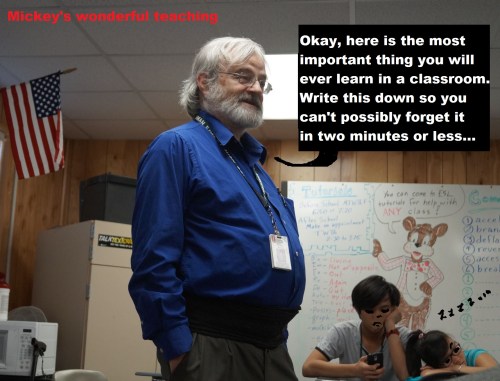
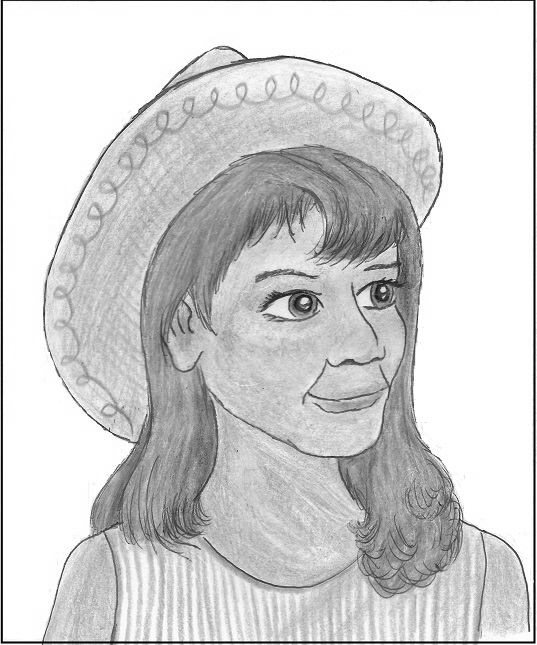
If you have the bad habit of reading this particular blog more than once, then you are probably aware that I used to be a public school teacher.  Even worse, I used to be a middle school English teacher.  Aagh!  Seventh graders!  It explains a lot about how life has warped my intelligence, personality, and world view.  It also explains somewhat where I found such a fountain-like source for some of the worst jokes you ever heard.

Now, as to the question of why I have chosen in my retirement early-onset senility to become a humor-blogger… well, that is simply not something I can answer in one post… or even a thousand.  But kids are the source of my goofball clown-brain joking around.

wally

Kid-humor, you see, is stunted and warped in weird ways by the time period you are talking about.  The eighties, nineties, two thousands, and the tens are all very different.  And those are the various sets of students that I attempted to learn moose bowling from by teaching them English.

Still, there are certain universal constants.

Potty humor really kills.  If you want to make a thirteen-year-old crack up with laughter, roll around on the floor, and maybe wet his or her pants, then you only need to work the “poop” word, or the “nickname for Richard” word, or the “Biblical word for donkey” word into the conversation.  Of course the actual words, even though we all know what they actually are, are magical words.  If you actually say them to kids in school as their teacher, those words can actually make you magically and permanently disappear from the front of the classroom.  All kids are big fans of George Carlin and his seven words, even though most of them have never heard of him.

And violent humor is popular with kids from all decades.  The most common punch line in the boys’ bathroom is, “… and then he kicked him in the Biblical word for donkey!” followed closely in second place by, “… and then she kicked him in the Biblical word for donkey!”  I am told (for I don’t actually go in such scary places myself) that in the girls’ bathroom the most popular punch line is, “…so I kicked him right in the soccer balls, and he deserved it!”   Why girls are apparently obsessed with soccer, I don’t know… or particularly care.sweet-thing

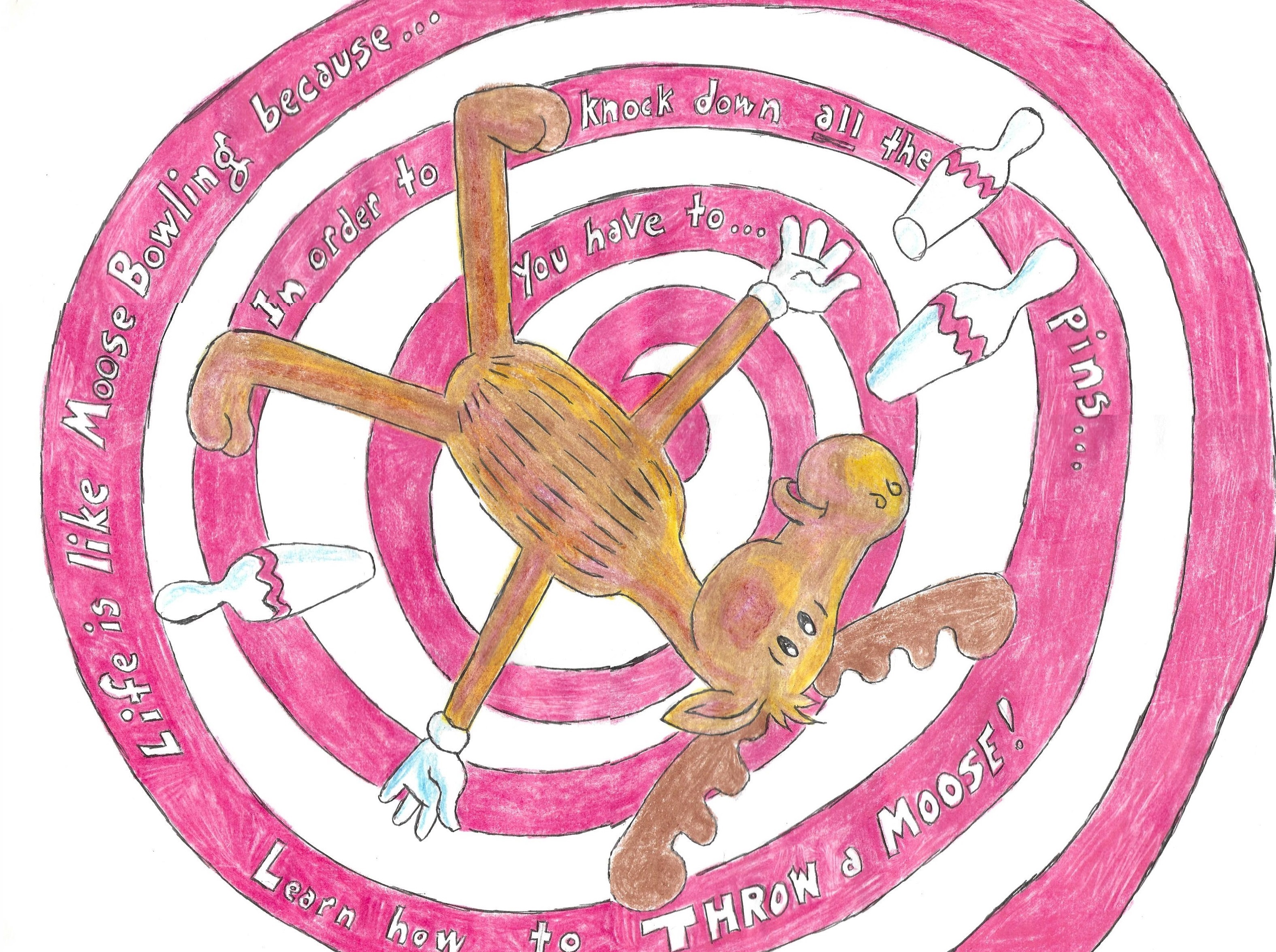
So my education in humor began with bad-word jokes, slapstick humor, put-downs, and rude noises coming from unfortunate places.  Humor in the classroom is actually a metaphorical mine field laced with tiger traps, dead-falls that end with an anvil hitting you on the head, or being challenged to a life-or-death game of moose bowling.  (Don’t know what moose bowling is?  Moose bowling is a very difficult game that, in order to knock down all the pins and win, you have to learn to roll a moose down the alley.)  Sounds like I spend too much time watching cartoons and playing video games, doesn’t it?  Well, there’s more.  And it gets worse from here.  But I will spare you that until the next time I am foolish enough to try making excuses for my really bad jokes.

3 Comments

Filed under autobiography, humor, irony, kids, satire, strange and wonderful ideas about life, teaching, word games, wordplay, writing humor

Hello, Good Morning, Welcome to My Classroom

A critical teacher-skill is welcoming students as they enter your class each day. According to instructional leaders and classroom-management experts, you should stand in the doorway, greet them with a big idiot’s grin on your face, call them by name, if you can, and shake their hands if you can, pulling them into your classroom as if they are certainly doomed to be there even if they accidentally walked into the wrong classroom. I realize now that I am retired, how much I miss that ritual.

“Good morning, Sasha. How nice to see you this wonderful day.”

“Hi, Mr. B. Are we going to learn anything today?”

“Of course we are! Wonderful things! You are going to learn the most important lesson of your life today.”

“What lesson is that?”

“That we need to learn something each and every day.”

“Oh, great… yeah.”

“Ola, El Gongie, kay-paw-so, my dude!”

“Ay, vato… remember, you gotta address me like the OG I am. If I gotta respect you, you gotta show proper respect for me and my reputation, dude.”

“Oh, sorry. I thought that’s what I was doing. What did I get wrong?”

“Nothing, my dude. I am jes messin’ wit you. Gotta remind you to do it right.”

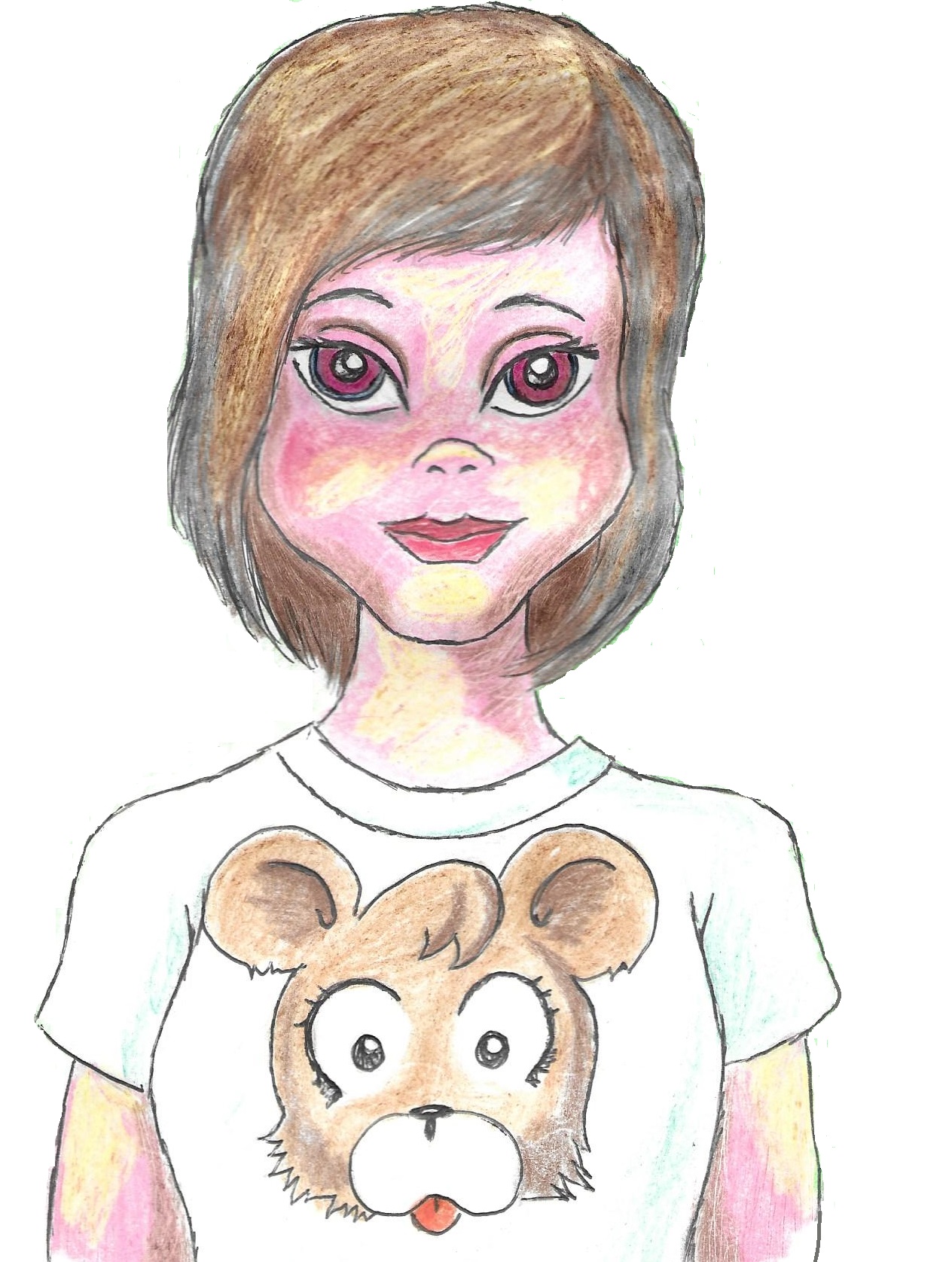
“Marissa, good morning! So nice to see you and your smiling face.”

“Don’t talk to me, Beyer. I’m mad at you right now.”

“Oh? What did I do now?”

“You didn’t do anything, but I’m not talking to you today.”

“So, you’ll yell at me about something later?”

“Yeah. But I won’t yell. I just need to talk to you… later.”

“Okay, right after class, just stay put when the bell rings.”

“In front of your next class?”

“No, they can wait outside the door for a minute or two.”


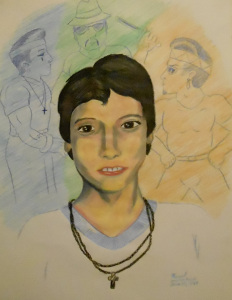
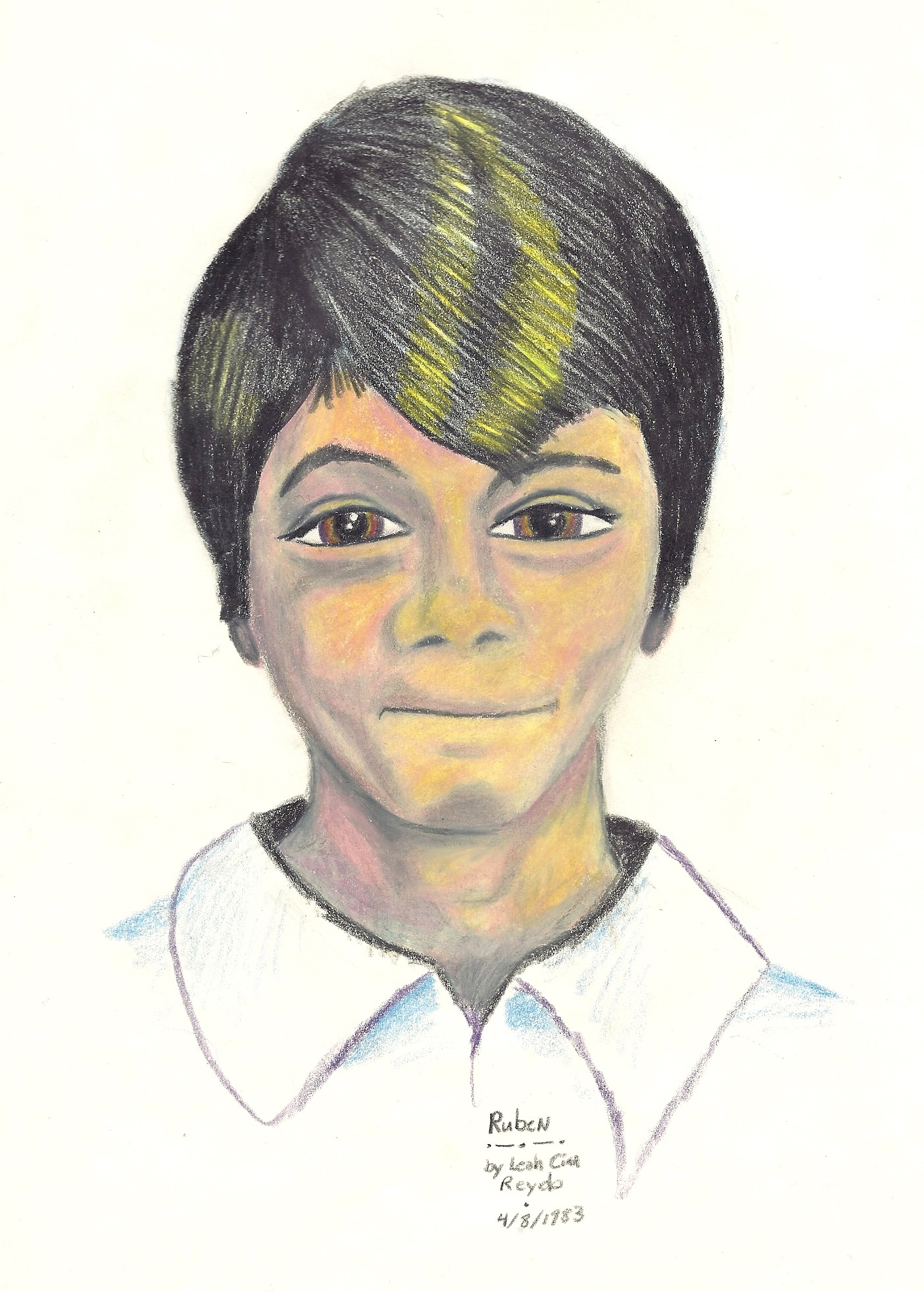
“Ruben! Good morning!”

“Hello, Mr. B. I read that book you lended me yesterday.”

“All in one evening?”

“It was only 200 pages. I read five times that in a week.”

“Well, that’s good. What did you think?”

“It was awful. No way it shoulda ended the way it did. It made me laugh, it made me cry, and then I reached the last ten pages, and I almost threw it out the window. Except I still had to read the last nine pages.”

“So, you didn’t like the book?”

“I loved it. It’s now my new favorite book!”

Now that I am retired and can’t even substitute teach anynore, I don’t have that excitement of greeting them and never knowing what I’m going to get in return. But i am saying hello to everyone I meet on the walking path. And sometimes I get an answer.

“Hey, I like your beard! You really need to be wearing a red hat this time of year.”

“Oh, I know… I get confused with him all the time around Christmas. And I don’t even own any flying reindeer.”

2 Comments

Filed under humor, kids, Paffooney, self portrait, teaching

A Mr. Holland Moment

Life is making music.  We hum, we sing to ourselves, movie music plays in our head as the soundtrack to our daily life. At least, it does if we stop for a moment and dare to listen.   We make music in many different ways.  Some play guitar.  Some are piano players.  And some of us are only player pianos.  Some of us make music by writing a themed paragraph like this one.  Others make an engine sing in the automotive shop.  Still others plant gardens and make flowers or tomatoes grow.  I chose teaching kids to read and write.  The music still swells in my ears four years after retiring.

The 1995 movie, Mr. Holland’s Opus, is about a musician who thinks he is going to write a magnificent classical orchestra opus while teaching music at a public high school to bring in money and allow him time to compose and be with his young wife as they start a new family.

But teaching is not, of course, what he thought it was.  He has to learn the hard way that it is not an easy thing to open up the closed little clam shells that are the minds of students and put music in.  You have to learn who they are as people first.  You have to learn to care about what goes on in their lives, and how the world around them makes them feel… and react to what you have to teach.  Mr. Holland has to learn to pull them into music appreciation using rock and roll and music they like to listen to, teaching them to understand the sparkles and beats and elements that make it up and can be found in all music throughout their lives.  They can even begin to find those things in classical music, and appreciate why it has taken hold of our attention for centuries.

And teaching is not easy.  You have to make sacrifices.  Big dreams, such as a magnum opus called “An American Symphony”, have to be put on the shelf until later.  You have children, and you find that parenting isn’t easy either.  Mr. Holland’s son is deaf and can never actually hear the music that his father writes from the center of his soul.  And the issue of the importance of what you have to teach becomes something you have to fight for.  Budget cuts and lack of funding cripples teachers in every field, especially if you teach the arts.  Principals don’t often appreciate the value of the life lessons you have to give.  Being in high school band doesn’t get you a high paying job later.

But in the end, at the climax of the movie, the students all come back to honor Mr. Holland.  They provide a public performance of his magnum opus, his life’s work.  And the movie ends with a feeling that it was all worth it, because what he built was eternal, and will be there long after the last note of his music is completely forgotten.  It is in the lives and loves and memories of his students, and they will pass it on.

But this post isn’t a movie review.  This post is about my movie, my music.  I was a teacher in the same way Mr. Holland was.  I learned the same lessons about being a teacher as he did.  I had the same struggles to learn to reach kids.  And my Mr. Holland moment wasn’t anywhere near as big and as loud as Mr. Holland’s.  His was performed on a stage in front of the whole school and alumni.  His won Richard Dreyfus an Academy Award for Best Actor.  But his was only fictional.

Mine was real.  It happened in a portable building on the Naaman Forest High School campus.  The students and the teacher in the classroom next door threw a surprise party for me.  They made a lot of food to share, almost all of which I couldn’t eat because of diabetes.  And they told me how much they would miss me, and that they would never forget me.  And I had promised myself I would never cry about having to retire.  But I broke my promise.  In fact, I am crying now four years later.  But they are not tears of sadness.  My masterwork has now reached its last, bitter-sweet notes.  The crescendos have all faded.  But the music of our lives will still keep playing.  And not even death can silence it completely.

2 Comments

Filed under artwork, autobiography, commentary, happiness, insight, kids, movie review, teaching

I Hope You Dance…

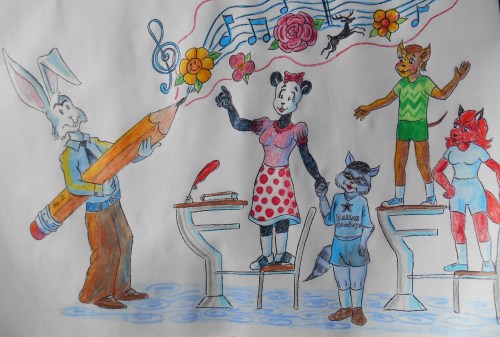
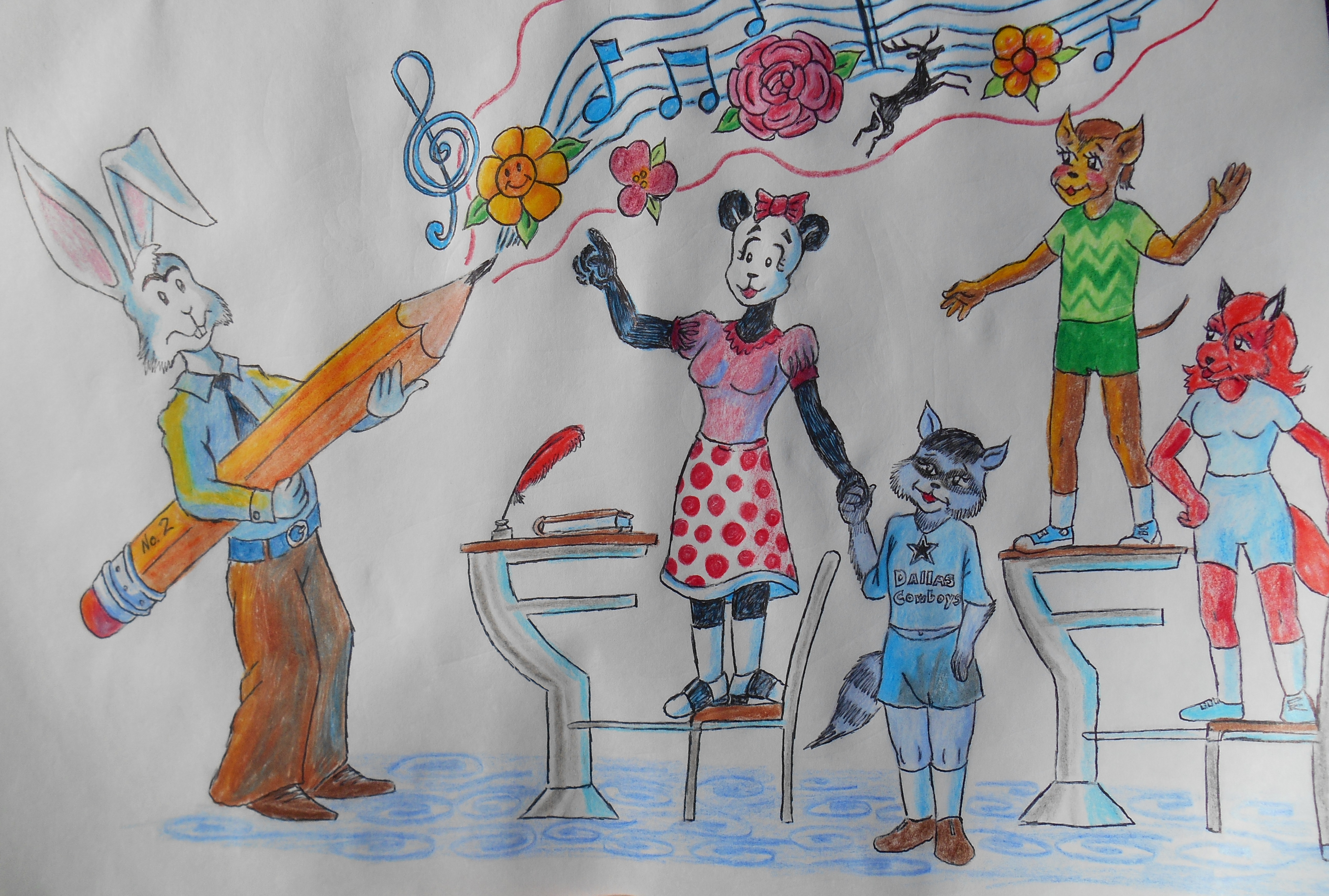
When you walk to the front of the classroom and take up the big pencil in front of a group of young teens and twelve-year-olds, there is a strong pressure to learn how to sing and dance. That, of course, is a metaphor. I was always too arthritic and clunky in my movements to literally dance. But I looked out over a sea of bored and malevolence-filled eyes, slack and sometimes drooling mouths attached to hormone-fueled and creatively evil minds. And I was being paid to put ideas in their heads. Specifically boring and difficult ideas that none of them really wanted in their own personal heads. So I felt the need to learn to dance, to teach in ways that were engaging like good dance tunes, and entertaining in ways that made them want to take action, to metaphorically get up and dance along with me.

I wanted them to enjoy learning the way I did.

But the music of the teacher is not always compatible with the dance style of the individual learner. The secret behind that is, there is absolutely no way to prompt them to dance along with you until you learn about the music already playing in their stupid little heads. (And you can’t, of course ever use the word “stupid” out loud, no matter how funny or true the word is,) You have to get to know a kid before you can teach them anything.

The discordant melodies and bizarre tunes you encounter when you talk to them is like dancing in a minefield blindfolded. Some don’t have enough to eat at home and have to survive off of the nutrition-less food they get in the school cafeteria’s free-and-reduced lunch program. Some of them have never heard a single positive thing from the adults at home, enduring only endless criticism, insults, and sometimes fists. Some of them fall in love with you. Some due to hormones. Some due to the fact that you treat them like a real human being. Some because they just stupidly assume that everyone dances to the same tunes they hear in their own personal head.

Some of them automatically hate you because they know that if you hear their own secret music in their own self-loathing heads, you will never accept it. They hate you because you are a teacher and teachers always hate them. Some of them, deep down, are as loathsome as they think they are.

But, if you find the right music, you can get any of them, even all of them, to dance. It might be hard to find. It might be a nearly impossible task to learn to play that music once you find it. But it can be done.

And if you get them to dance to your music, to dance along with you, I can’t think of anything more rewarding, anything more life-fulfilling. Have you ever tried it for yourself? If you are not a teacher, how about with your own children or the children related to you? Everybody should learn to dance this dance I am talking about in metaphors. At least once in your life. It is addictive. You will want to dance more. So the next time the music starts and you get the chance… I hope you’ll dance!

Leave a comment

Filed under commentary, education, kids, metaphor, Paffooney, teaching

Yes, I Throw a Moose or Two

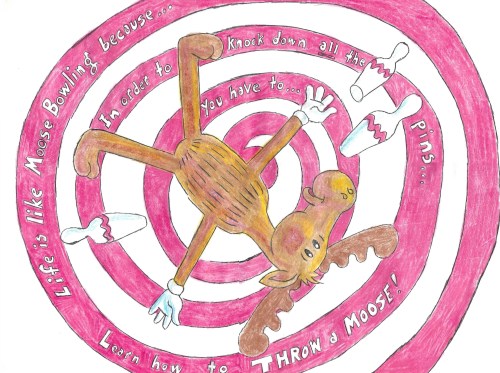
I thought that this silly poem needed to be re-posted because school is ending.  The need for silliness is absolutely imperative.  I also need to throw a few mooses… er… moosei… er… meese?  How do you pluralize the word moose?

Life is as Hard as Bowling with a Moose (A Poem)

Life is like Moose Bowling,
Because…
In order to knock over all the pins,
And win…
You have to learn HOW TO THROW A MOOSE!

As the days count down, I have had to exercise my moose-throwing muscles more and more.  Today I have five days left in my teaching career.  So many precious kids I have to give up and never see again…  So many teachers will tell you that every year the kids are getting worse and worse, and their attitudes are turning more sour, disrespectful, and violent.  But those teachers don’t know the secret.  You have to throw a moose or two at the problem.  Real discipline is hard work.  Harder than demanding that kids sit in rows and be silent… heads down and pens scratching away.  You have to actually talk to kids and learn who they are… what they feel is important… what their problems are, and what they want you to do about them.   You have to be honest, give them a hook or two to draw them into the whole learning thing.  You have to actually care. 

So, I do.  I care.  And I let them talk.  It’s a moose that has to be tossed.

The comment was made this morning that you have to keep them working right up until the end of the year.  Doing no formal lessons in class is actually a lot harder and more risky than continuing to plod through the textbook.  But in five more days there are no more classes, no more books, no more teachers’ dirty looks… school’s out forever.   I haven’t done any lessons since two weeks ago.  Grades are in the gradebook.  I have been showing kids my favorite movies.  Especially movies from the eighties.  (Truthfully, I have not been well enough to actually teach.  My body aches and I can’t breathe very well)  I have been talking to kids about those movies… what they think about them, and what they think about life in general.  Kids are telling me they are worried about my poor health.  They say they are interested in my books and my writing, even though they don’t actually read just for pleasure and will never buy what I write… or even look at this blog.  They tell me about their troubles, their hopes and dreams, their most significant relationships, and they tell me that they will miss me next year.  Five days… will I make it through without breaking into tears?  No, I won’t.  I may not even try.  That’s one moose too heavy to throw.

But I have no regrets.  I have touched more than two thousand five hundred lives (a pretty close estimate… I don’t have a good enough memory to actually count.)  They have touched my life in return.  No other thing I could have done with my life would ever mean as much.  Doctors save lives, but teachers shape real people.  So what does it all mean?  I mean, really?  It means I have thrown a lot of mooses… er… moosei… er… well, you know what I mean.  And if my arms are growing weary, then it is for a very good reason.

2 Comments

Filed under humor, Paffooney, strange and wonderful ideas about life, teaching

Spinning Wheels of Thought

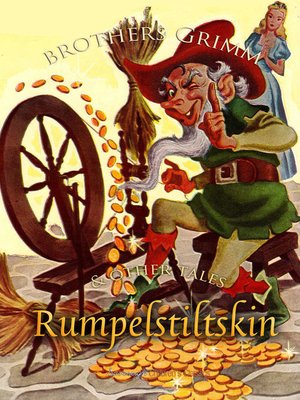
Picture borrowed from; https://www.townsends.us/products/colonial-spinning-wheel-sp378-p-874

I start today with nothing in my head to write about. I guess I can say that with regularity most days of the writing week. Sundays in particular are filled with no useful ideas of any kind. But I have a certain talent for spinning. As Rumpelstiltskin had a talent for spinning straw into gold, I take the simple threads of ideas leaking out of my ears and spin them into yarns that become whole stories-full of something to say. And it is not something out of mere nothing. There is magic in spinning wheels. They take something ordinary and incomplete, and turn it into substantial threads useful for further weaving.

Of course the spinning wheel is just a metaphor here for the craft of writing. And it is a craft, requiring definable skills that go well beyond merely knowing some words and how to spell them.

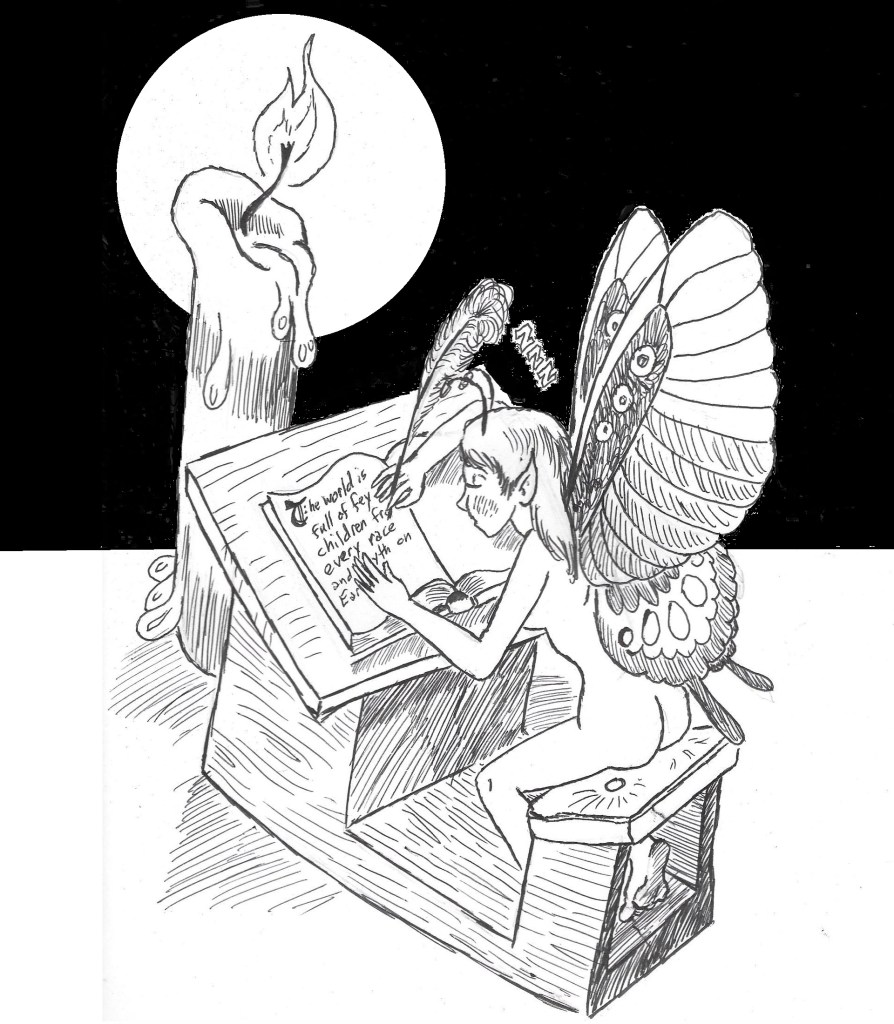
My own original illustration.

The first skill is, of course, idea generation. You have to come up with the central notion to concoct the potion. In this case today, that is, of course, the metaphor of using the writing process as a spinning wheel for turning straw into gold. But once that is wound onto the spindle, you begin to spin yarn only if you follow the correct procedure. Structuring the essay or story is the next critical skill.

Since this is a didactic essay about the writing process I opened it with a strong lead that defined the purpose of the essay and explained the central metaphor. Then I proceeded to break down the basic skills for writing an essay with orderly explanations of them, laced with distracting images to keep you from dying of boredom while reading this, a very real danger that may actually have killed a large number of the students in my writing classes over the years (although they still appeared to be alive on the outside).

My mother’s spinning wheel, used to make threads for use in porcelain doll-making, and as a prop for displaying dolls.

As I proceed through the essay, I am stopping constantly to revise and edit, makeing sure to correct errors and grammar, as well as spending fifteen minutes searching for the picture of my mother’s spinning wheel used directly above. Notice, too, I deliberately left the spelling-error typo of “making” to emphasize the idea that revising and proof-reading are two different things that often occur at the same time, though they are very different skills.

And as I reach the conclusion, it may be obvious that my spinning wheel of thought today spun out some pure gold. Or, more likely, it may have spun out useless and boring drehk. Or boring average stuff. But I used the spinning wheel correctly regardless of your opinion of the sparkle of my gold.

2 Comments

Filed under humor, insight, Paffooney, strange and wonderful ideas about life, teaching, Uncategorized, writing, writing teacher

Teacher Opinions

In Texas you hear that schools have been in the thrall of “woke” liberals who are trying to make all white kids feel shame and guilt because being white means you are a racist. This shaming curriculum is apparently called “Critical Race Theory.” And individuals’ basic freedoms are under attack by things like vaccine mandates and mask mandates. How could they? Don’t they realize your right to choose to get Covid Delta Variant and die in an ICU somewhere is guaranteed in the Constitution?

Where in Texas is this terrible teaching going on?

In 31 years teaching in Texas public schools, I never saw any such teaching going on. And I never met even one single radical-teaching commissar that would advocate such communist claptrap teaching.

Good teachers do not have political agendas. Good teachers don’t teach their own opinions. When opinions are involved, good teachers show both sides. But only if neither side is entirely, provably correct.

So, what is Critical Race Theory?

critical race theory (CRT)intellectual and social movement and loosely organized framework of legal analysis based on the premise that race is not a natural, biologically grounded feature of physically distinct subgroups of human beings but a socially constructed (culturally invented) category that is used to oppress and exploit people of colour. Critical race theorists hold that racism is inherent in the law and legal institutions of the United States insofar as they function to create and maintain social, economic, and political inequalities between whites and nonwhites, especially African Americans.” -The New York Times

Do you understand that definition? And if you do, how would you teach it to third graders? Or to eighth grade History classes? Or even high school AP Civics classes?

You wouldn’t. It isn’t factual. It is a “loosely organized framework of legal analysis,” That makes it a complex study of legal questions and possible sociological inequities. That makes it a law school debate topic, not something to be taught in public schools (with the possible exception of AP Debate class.)

I find myself actually agreeing with the fascist propagandists on Fox News, like Tucker Carlson, who suggest any public school teacher trying to teach this in public schools should be fired. We should not be letting such clueless idiots be teachers. And most competent teaching schools would weed them out before they ever qualified for a teaching certificate. Only intellectually competent individuals should be given teaching certificates that they have earned through their own rigorously tested education. An education that exists for teachers. Unfortunately it doesn’t exist for Texas Governor, or Texas Lieutenant Governor, or Texas Attorney General. All you need for those positions is a soul evil enough to rig the appropriate election.

Not that my rage is cooling to the melted-iron level of heat, I need to remind you that these are my opinions. And opinions are onions divided by Pi. If you don’t enjoy that onion flavor, then let it lie and avoid it on your steak and potatoes.

6 Comments

Filed under angry rant, politics, teaching

Classroom Clownery (Not to be confused with Sean Clownery… He’s James Blond)

16473244_1449448801783847_8086681324837506057_n

See Dick?

See Jane?

See Sally?

See Dick run?

See Jane run?

See Sally…?   Wait a minute!  Why don’t I remember Sally?

Did Dick forget to feed Spot and Spot was forced to kill and eat Sally?

No…  I had Dick and Jane books in Kiddy-garter and they did have Sally in them.  And Spot never killed anyone.  But with all the running she did, Sally did not do anything memorable.  If my teacher, Miss Ketchum, had told the Spot eats Sally story, I’m sure I would’ve remembered Sally better and learned to read faster.

This slideshow requires JavaScript.

But I actually did learn to read faster because there was a Cat in the Hat, and a Yertle the Turtle, and because Horton the elephant heard a Who, and a Grinch stole Christmas.  Yes, humor is what always did it for me in the classroom.  Dr. Seuss taught me to read.  Miss Mennenga taught me to read out loud.  And in seventh grade, Mr. Hickman taught me to appreciate really really terrible jokes.    And those are the people who twisted my arm… er, actually my brain… enough to make me be a teacher who taught by making things funny.  There were kids who really loved me, and principals who really hated me.  But I had students come back to me years later and say… “I don’t remember anything at all from my classes in junior high except when you read The Outsiders out loud and did all those voices, and played the Greek myth game where we had to kill the giants with magic arrows, and the stupid jokes you told.”  High praise indeed!

funny-pinoy-jokes-grammar-nazi-natzi-hitler-alert-2013

I think that teaching kids to laugh in the classroom was a big part of teaching them how to use the language and how to think critically.    You find what’s funny in what you learn, and you have accidentally examined it carefully… and probably etched it on the stone part of your brain more memorably than any other way you could do it.  And once it’s etched in stone, you’re not getting that out again any time soon.

dr_cat.jpg

12140070_10153033719407821_7711720876061693795_o

Humor makes you look at things from another point of view, if for no other reason, then simply because you are trying to make somebody laugh.  For instance, do you wonder like I do why the Cat in the Hat is trying to pluck the wig off of Yelling Yolanda who is perched on the back of yellow yawning yak?  I bet you can’t look at those two pictures positioned like that and not see what I am talking about.  Of course, I am not betting money on it.  I am simply talking Iowegian… a totally different post.

But the point is, humor and learning go hand in hand.  It takes intelligence to get the joke.  Joking makes you smarter.  And that is why the class clowns in the past… the good and funny ones… not the stupid and clueless ones… were always my favorite students.

Leave a comment

Filed under clowns, goofiness, high school, humor, irony, kids, philosophy, teaching, word games

The Oubliette

Every Dungeons and Dragons player, especially game masters, know about the oubliette.  In the foundations of towers in the castles of the French you often find a windowless room with the only entrance in the ceiling.  It is a dark hole where you throw captives you want to simply forget.  In fact, the name comes from the word in Middle French, “oublier” which translates to “forget”.  Now, of course, as a former school teacher, I know about oubliettes.  I have been in one more than once.  I have tossed bad kids in there more than once.  But the thing I had to learn about “forget holes” is that there is always a way out.

Eli Tragedy

I had a principal who decided I had betrayed him because he overheard me talking sympathetically to a teacher he had been berating for asking that he discipline students she sent to him for disruptive behavior.  He overheard me saying that he would be more understanding if he tried to manage a class himself once in a while.  For my indiscretion he took away my gifted class and gave me in its place a class composed entirely of students who had been repeatedly sent to him by teachers for being disruptive and unmanageable.  It was a class from hell.  Really… from hell… Satan’s stepson was the first student he put in that class.  I was told I would have to discipline them entirely without help from him.  But as tough as it is teaching twenty dysfunctional learners at once with no outside help, it was do-able.  In fact, I liked some of the kids in that class.  (Hated some too, though, because you can’t always like every kid no matter how crappy they act.)  I didn’t manage to teach them much English.  They all spoke Skuggboy fluently the whole time.  But I did endure.  In fact, when that principal was suddenly jobless two-thirds of the way through the year and replaced by a new principal, I got a chance to get some back.  She overhead Satan’s stepson doing his comic stand-up routine in response to my specific directions and came in to remind him who was in charge in the classroom and who deserved respect.  That reminder lasted for a good fifteen minutes and was a prelude to a parent-principal conference that same afternoon.  I saw his evil smile turned upside down for the first time that school year.

20150807_135157

Whenever I put a student in the oubliette (asked them to stand outside the classroom door until I could talk to them about their bad behavior) I never left them there more than five minutes.  I would quickly give the class the directions they needed to continue on their own, and then I would go out to execute the prisoner.  It usually was an explanation of how I wanted them to behave, and then giving them a choice, whether they wanted to go back in and do the right thing, or they wanted to visit the office with a written explanation by me of exactly what they did wrong.  Even though nothing would probably happen to them in the office, they rarely chose that option.

So, there is always a way out… but there are many forms of the oubliette, and no one is immune to being sent there.

Leave a comment

Filed under forgiveness, humor, Paffooney, teaching

Practical Magic

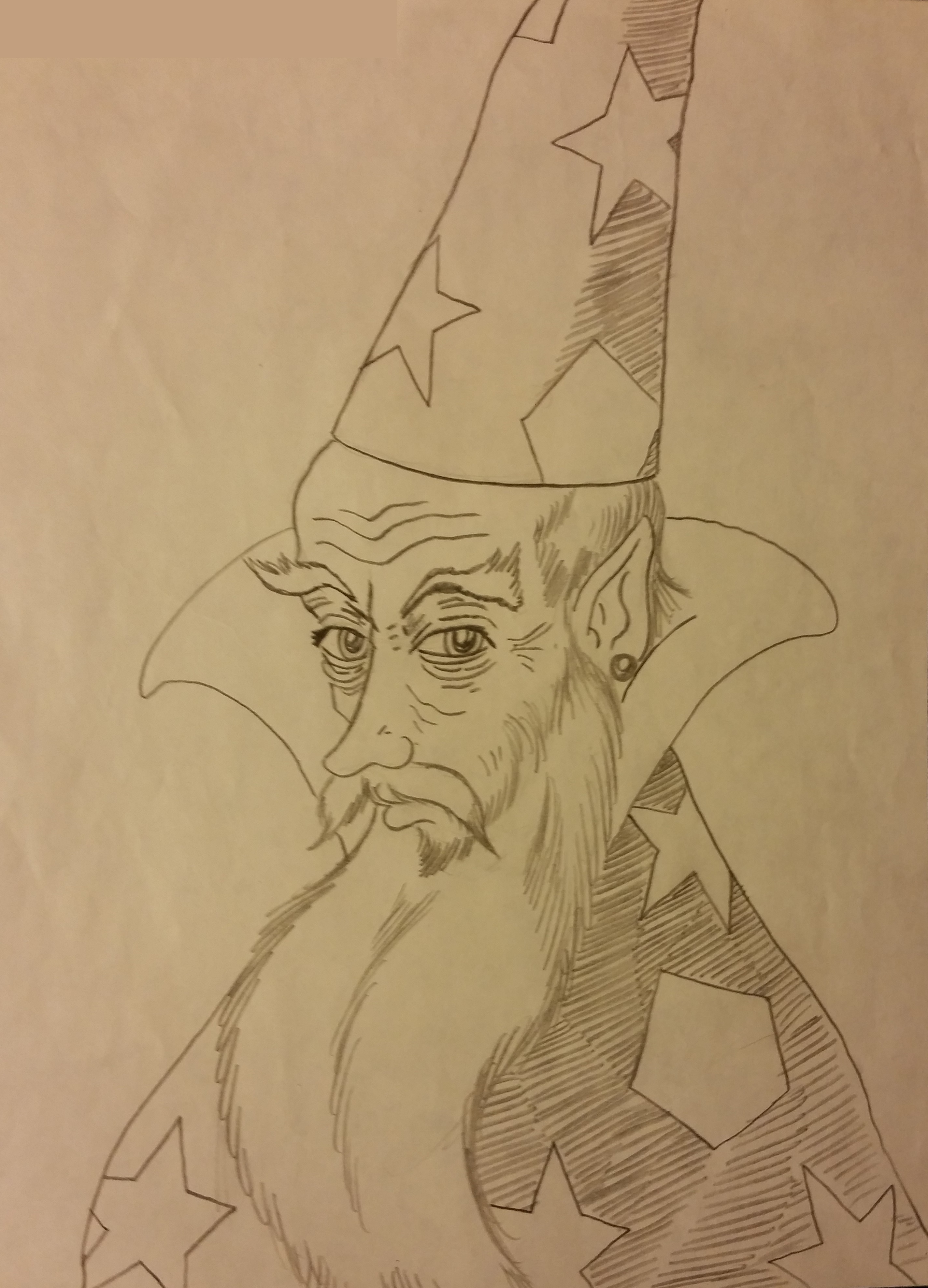
Wizards do magical spells. It kinda goes without saying. But to do magical spells, you have to know how the magic works… and why.

Me, imprisoned in my own crystal ball by my naughty familiar.

The secret is in knowing what the word “magic” actually means. It is not supernatural power, nor the creation of something out of nothing. It is entirely the act of uncovering and understanding the underlying truth, the actual science that most people don’t yet comprehend that underpins the thing you are trying to accomplish. Jonas Salk was a wizard. His polio vaccine was a successful magical potion. But magic can be evil too. Albert Einstein and Robert Oppenheimer were wizards. And the atom bomb was an act of necromantic evil.

Me, in my early green wizard phase.

So, being a wizard, I have learned lessons over a lifetime that uncovered for me the secrets of practical interpersonal magic. Being a teacher has taught me far more than I taught to others.

So let me share with you some of my hard-won practical magic.

In a room full of rowdy children, most of whom are not minding any of the teacher’s directions, you can get their attention easily by shouting, “What the poop is going on here?” with the biggest evil grin on your face that you can manage. They will immediately quiet down like magic and look at you. Some will be wondering if their teacher is having a fatal stroke. Some will be wondering what punishments their behavior has earned as indicated by your evil grin (and here it should be noted, their little imaginations will cook up something much worse and much scarier than anything you could’ve thought of to unwisely threaten them with. A few will begin recording you with their cell phone cameras in hopes of future behavior they can post online and get you fired with. And the rest will laugh at the word “poop” and forget why they were acting out. At that point, with their full attention, you can ask them to sit down and look at page 32, and, not knowing what else to do, they will probably do it.

Here are some other rules of practical magic that apply to the wizarding arts of being a public school teacher;

  1. Violence is never the answer. Change their actions and reactions by making them laugh, making them cry, or making them think about something else entirely. The last thing you would ever want to do is hit them, even if they hit you first.
  2. Anything they can be forced to repeat eight times in eight different ways is something that will be fixed in their memory for more than just the duration of a class period. It moves things into their long-term memory, and that is itself a very magical thing.
  3. Students laugh when you surprise them or present them with the absurd. Tell them they should imagine themselves as pigeons who have to act out Shakespeare’s play Romeo and Juliet. What costumes will they wear, and why? What stage directions are necessary to add to the play that are unique to pigeons, and how will they word them? How does pigeon Mercutio go about his death soliloquy when stabbed by pigeon Tibault? Will he have to say, “Look for me tomorrow and you will find me a very grave pigeon?” By the end of the lesson they will have learned more about this play they are supposed to learn about as ninth graders than they ever would have otherwise.

Being able to do any of those things is actually a manifestation of magical power, and only producible by a wizard. The simple fact is, every good teacher is a wizard.

Me, as a wizard in my blue period. The period at the end of this essay.

1 Comment

Filed under autobiography, magic, Paffooney, strange and wonderful ideas about life, teaching, William Shakespeare, wizards