
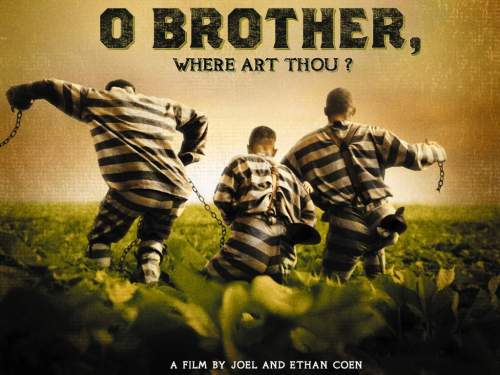
I love musicals. What can I say? I am a surrealist as an artist, and so I am dedicated to combining the disjointed and bizarre to make something that makes you laugh, or makes you cry, or makes you go, “Huh? I wonder why?” So when, in the middle of a sometimes serious but mostly comic story of escaped convicts on the lam in the Great Depression Era South, people suddenly burst into song… I love it!
And this movie is filled with creative stuff and biting social satire about religion, politics, crime and punishment, love and sex, desire and disappointment, and, most of all, the need to escape from it all if only for a moment to share a good, old-fashioned song.
The main character is Ulysses Everett McGill (played by George Clooney), so naturally the sirens overpower him and turn one of his crew into a frog. This is because this story is based on the Odyssey by Homer. Only the Trojan War is replaced by a chain gang singing spirituals as they break rocks, the cyclops is a Bible salesman and Ku Klux Klan member with a patch over one eye, and when Ulysses returns to Ithica, he defeats his wife’s suitors with a song. How can you not love a story as creative as that?


The whole movie is shot in color-corrected sepia tones to give it an old-photograph, old-timey feel. John Turturro and Tim Blake Nelson are masterful in the role of McGill’s two idiot hayseed friends.
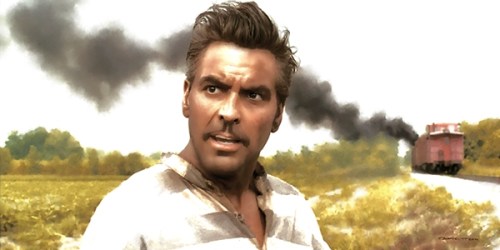
Again, I remind you, as a completely uncritical critic, I have no intention of trying to tell you what is wrong with this movie. I loved it. I will watch it again. I am writing this review only because I feel moved to tell you how much I loved it and why. So if you don’t approve of that, well, don’t shoot me. Put me on a chain gang and give me a chance to sing.







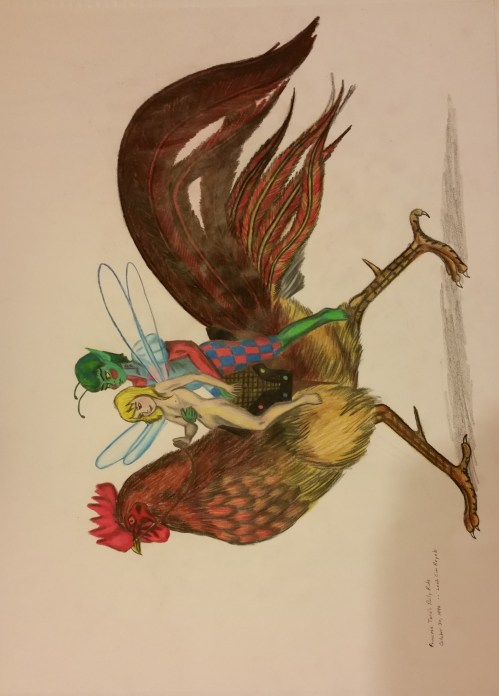
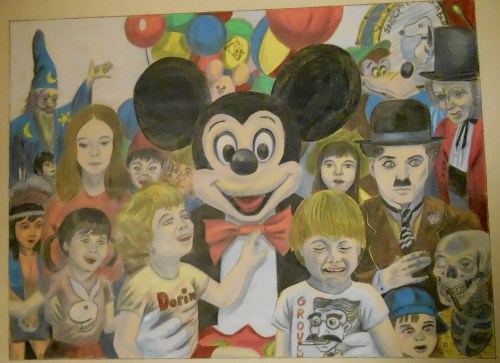






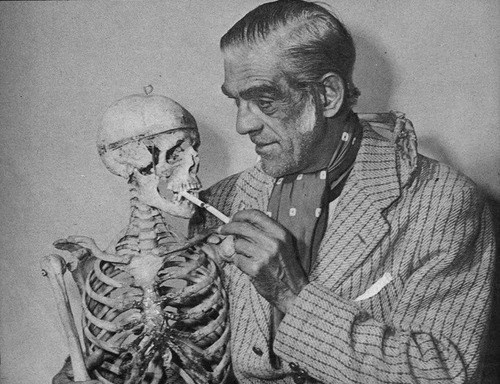
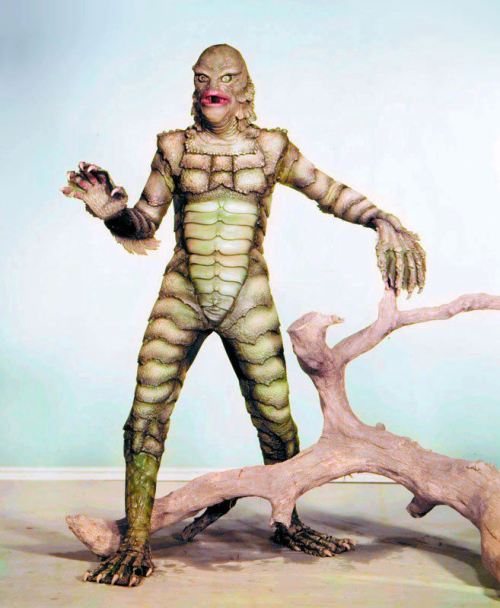
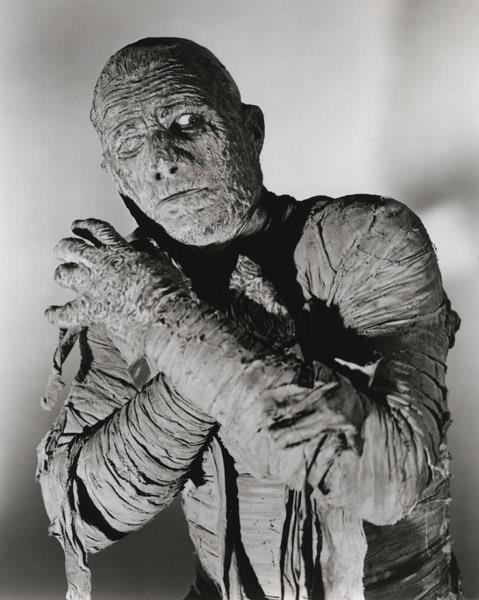
 But the thing about monster movies… at least the good ones, is that you can watch it to the end and see the monster defeated. We realize in the end that the monster never really wins. He can defeat the monstrous qualities within himself and stop himself. Or the antidote to what ails him is discovered (as Luke did with Darth Vader). Or we can see him put to his justifiable end and remember that if we should see those qualities within ourselves, we should do something about it so that we do not suffer the same fate. Or, better yet, we can learn to laugh at the monstrosity that is every-day life. Humor is a panacea for most of life’s ills.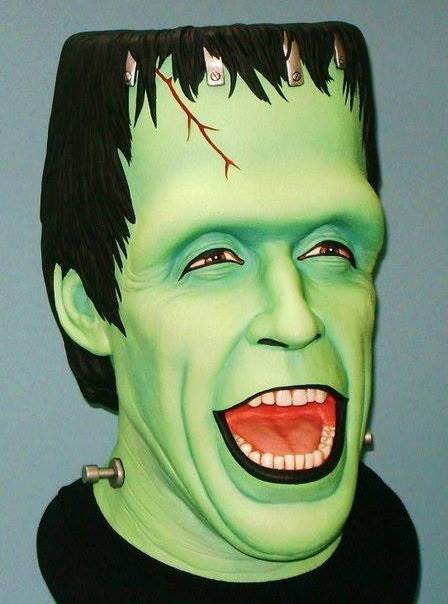






The Centaur
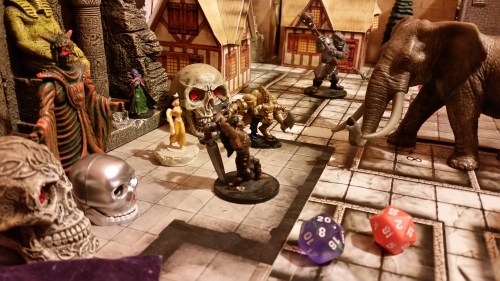
The centaur… Kentaur, Κένταυρος, Centaurus, Sagittary… human from the waist up,horse body from the waist down… I hate to break it to you, but the damned things are only imaginary. There are no real ones anywhere. Not even in Thessaly. The half-horse children of Ixion and Nephele are totally made up by goofy story-tellers in the distant past.
And yet, what they actually represent in poems, plays, stories, and myths is a very real part of what it means to be human and what it means to be alive.
There are many centaurs in literature, going all the way back to the Greeks. But my favorite depictions of the man-horses of literature occur in what are basically children’s books. In the Chronicles of Narnia C. S. Lewis portrays centaurs as wise and noble, gifted at star-gazing, prophecy, healing,and warfare. Aslan the Lion, the Christ-figure of the tales, relies on their steadfast faithfulness in his battles against evil and the White Witch. In the Harry Potter books of J.K. Rowling, the centaurs live in the Forbidden Forest just outside of the Hogwarts grounds, always in hiding from the human world and shy, at least until Firenze comes Chiron-like to join the faculty, aid in the teaching of magic, and help in the struggle against the evil of Voldemort. In the Percy Jackson series by Rick Riordan, Chiron himself of Greek myth teaches the young heroes, though the rest of the centaurs you meet in the stories are very Dionysian and basically a bunch of drunken party boys… err… party horses… err… horseboys.
So essentially the centaur has a dual nature. On the one hand they are cultured and learned and wise. On the other hand, they are directly connected to the earth and the natural world, liking the sensual half of the human experience. And it might be important to note… centaurs never wear pants… in fact, could never wear pants.
In Greek mythology, the Centauromachy, or war between the centaurs and the Lapiths, represents a central struggle in the human psyche. The centaurs are pictured as being as wild as untamed horses. They are sensual and willful and try to disrupt the wedding of Hippodamia to Pirithous, King of Lapithae by kidnapping Hippodamia and all the other Lapith women and girls. It turns out badly for the centaurs because they represent unbridled sensuality without rules while the Lapiths (who are directly related to the centaurs as cousins) represent rules and rationality. We all know how that is expected to play out in human society… so of course that is what happens in the myth. The rational always rules in the end.
So I identify strongly with the idea of the centaur. The rational man-part guiding the sensual horse-part. The whole teacher-y Chiron thing… and getting to walk around naked… on four legs. The centaur is a thing to draw and a thing to tell stories with and a thing to invade your dreams. Part man, part horse, and totally unreal.
Leave a comment
Filed under artwork, commentary, goofy thoughts, humor, Paffooney, strange and wonderful ideas about life, surrealism