
Yes, I am saying the world I live in is a low-budget commercial movie made without literary or artistic pretensions. You know, the kind where movie makers learn their craft, taking big risks with smaller consequences, and making the world of their picture reflect their heart rather than the producer’s lust for money.
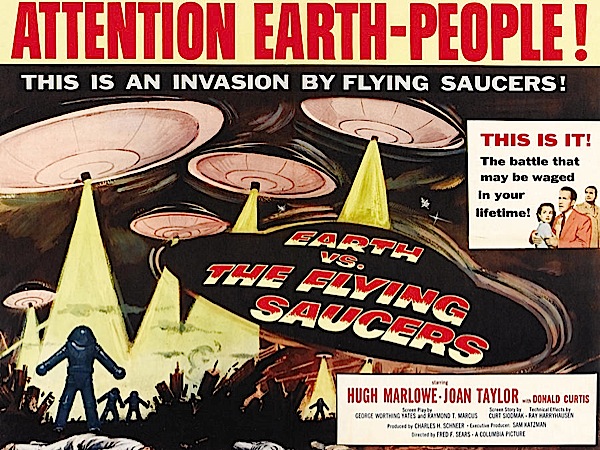
Mostly what I am talking about are the movies I remember from late-night Saturday TV in black and white (regardless of whether or not the movie was made in Technicolor) and the less-risky as well as more-likely-good Saturday matinees on Channel 3. Movies made in the 1950s, 1960s, and early 1970s. They were perfect, of course, for the forbidden Midnight Movie on the show called Gravesend Manor. I had to sneak downstairs to watch it on Saturday nights with the volume turned way down low. (Not that Mom and Dad didn’t know. Well, maybe they didn’t know how many of those I watched completely naked… maybe.)
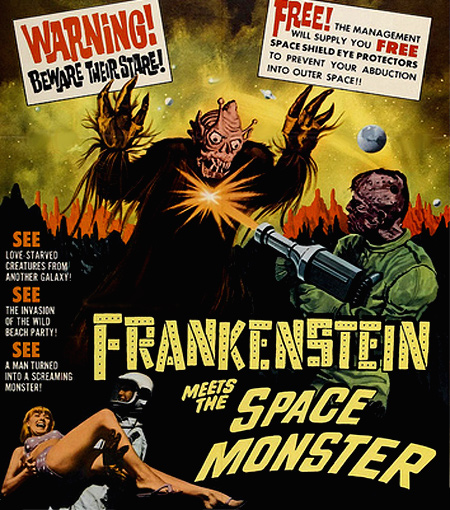
I watched this one when I was twelve, late night on an October Saturday. I had a bed-sheet with me to pull over my head at the scariest parts. Frankenstein was a crashed astronaut brought back to life by the magic of space radiation. He was uglier than sin, but still the hero of the movie, saving the Earth from invading guys in gorilla suits and scary masks (none of which looked like the movie poster.)
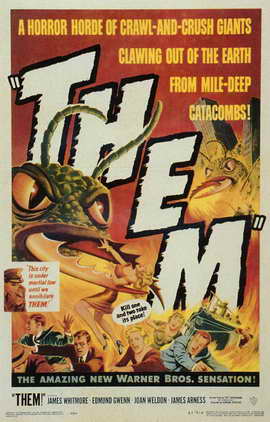
This one, starring James Whitmore, a really good B-Movie actor, was about giant ants coming up from the sewers and the underground to eat the city.
I would end up watching it again twenty years later when I was wearing clothes and not alone in the dark house lit only by a black-and-white TV screen.
I realized on the second viewing that it was actually a pretty good movie in spite of cheesy special effects. And I realized too that I had learned from James Whitmore’s hero character that, in times of crisis, you have to run towards the trouble rather than away from it, a thing that I used several times in my teaching career with fights and tornadoes and even rattlesnakes visiting the school campus looking to eat a seventh-grader or something (though it was a bad idea for the snake even if it had been successful.)
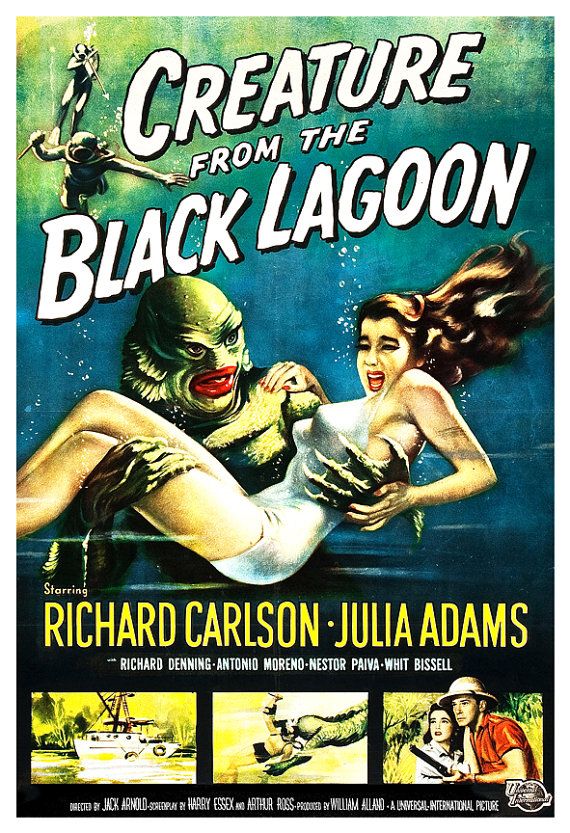
This one, of course, taught me that monsters liked to carry off pretty girls in bikinis. And not just on the poster, either. But it was the hero that got the girl, not the monster. This movie taught me that it sucks to be the monster. Though it also taught me that it was a good movie to take your pajamas off for and watch naked when you are thirteen.
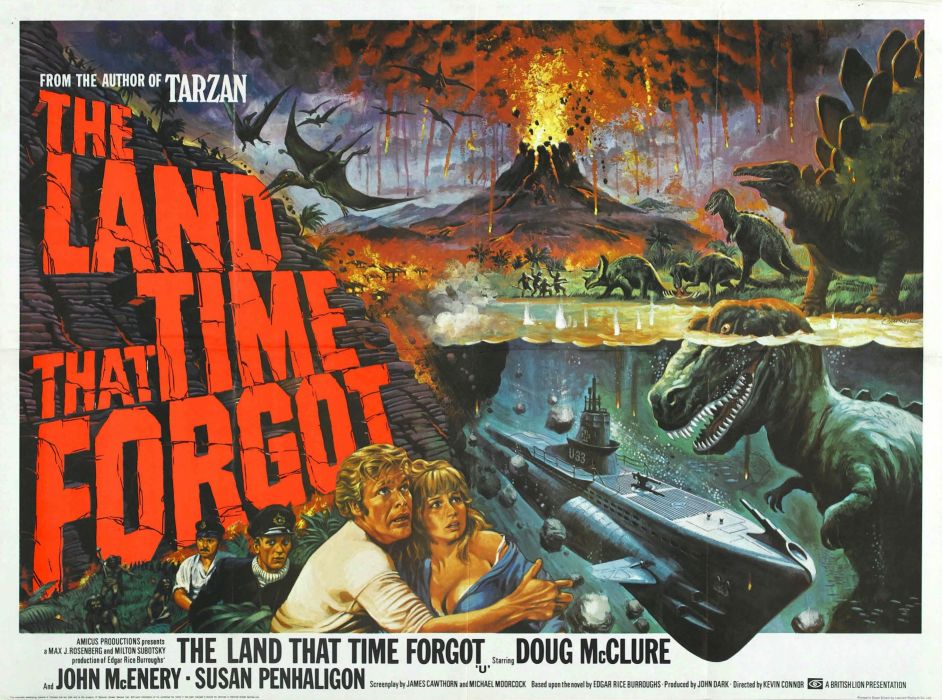
But not all B-movies had to be watched late night on Saturdays. This movie was one of the first ones that I got to go to the movie theater to see by myself. (My sisters and little brother were still too young and got nightmares too easily to see such a movie.) It came out when I was in my teens and Mom and Dad began thinking of me as an adult once… or even possibly twice in a month.
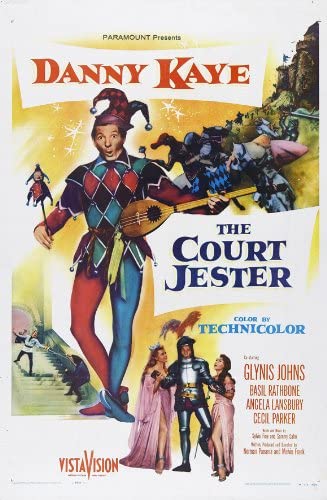
And not all B-movies were monster movies, gangster movies, and westerns. Some, like a lot of Danny Kaye’s movies, were movies my Dad and my grandparents were more than happy to watch with me. I saw this one in both black-and-white and color. And I learned from this that it was okay to take advantage of happy accidents, like a case of mistaken identity, and using your wits, your creative singing ability, and your inexplicable good luck to win the day for everybody but the bad guys armed only with your good sense of humor.
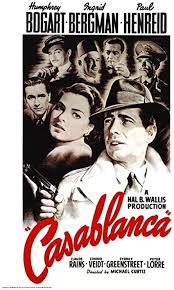
And some of the best movies I have ever seen, judging by what I learned about movies as literature from Professor Loring Silet in his Modern Film Class at Iowa State University, are by their nature B-movies.
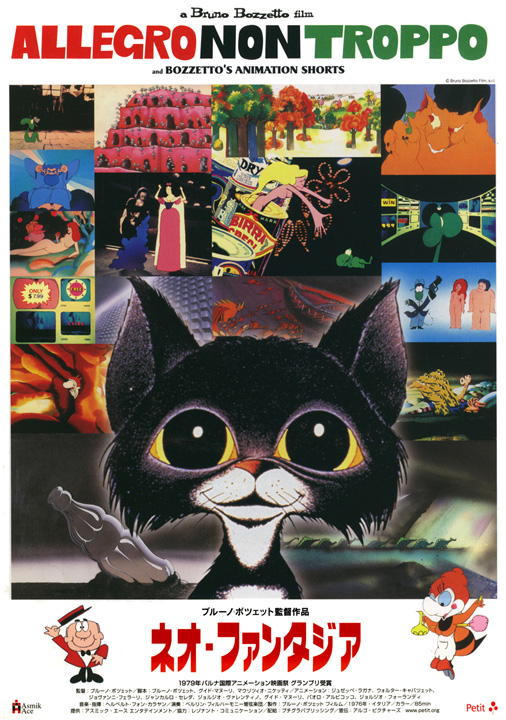
I am using movie posters in this blog post only from movies I have personally seen. (And I admit that not all of them are strictly “good” movies according to Professor Silet, but I like them all.)
Feel free to tell me in the comments if you have seen any of these movies yourself. I am open to all opinions, comments, and confessions.
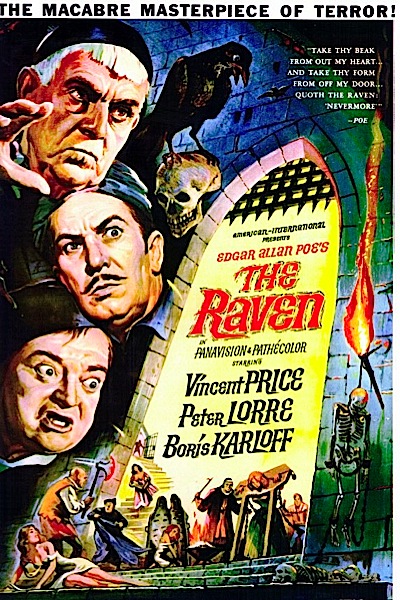
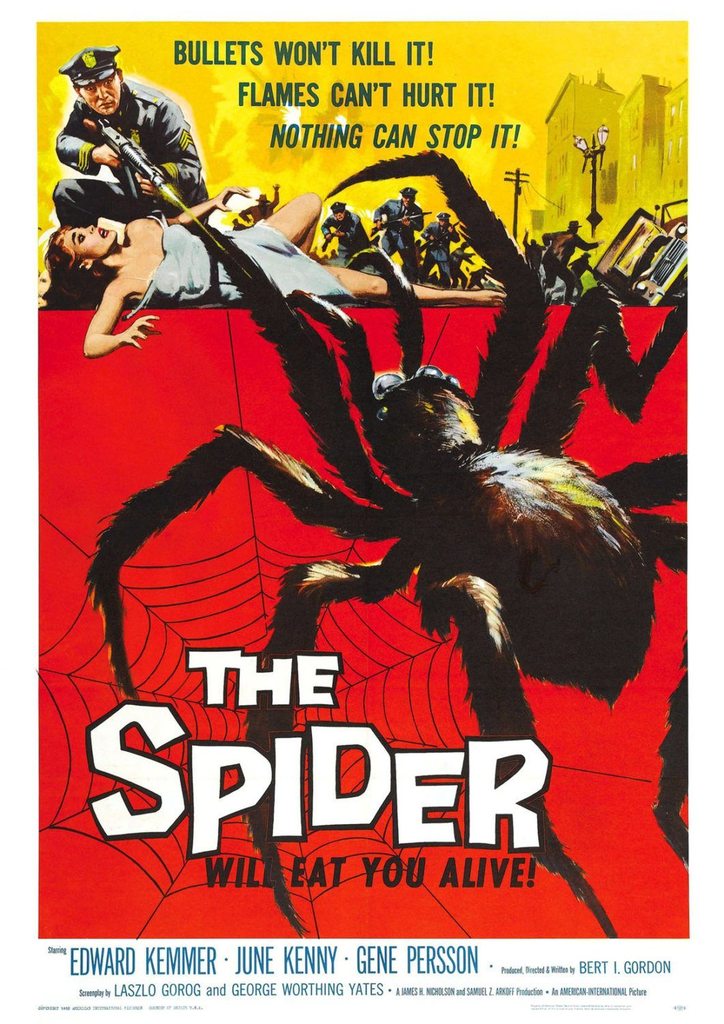
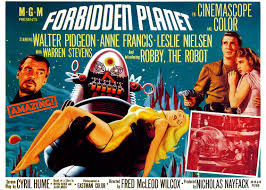
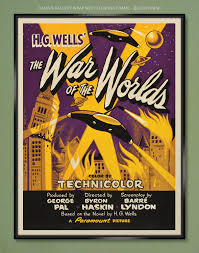
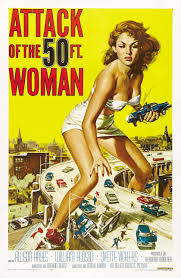
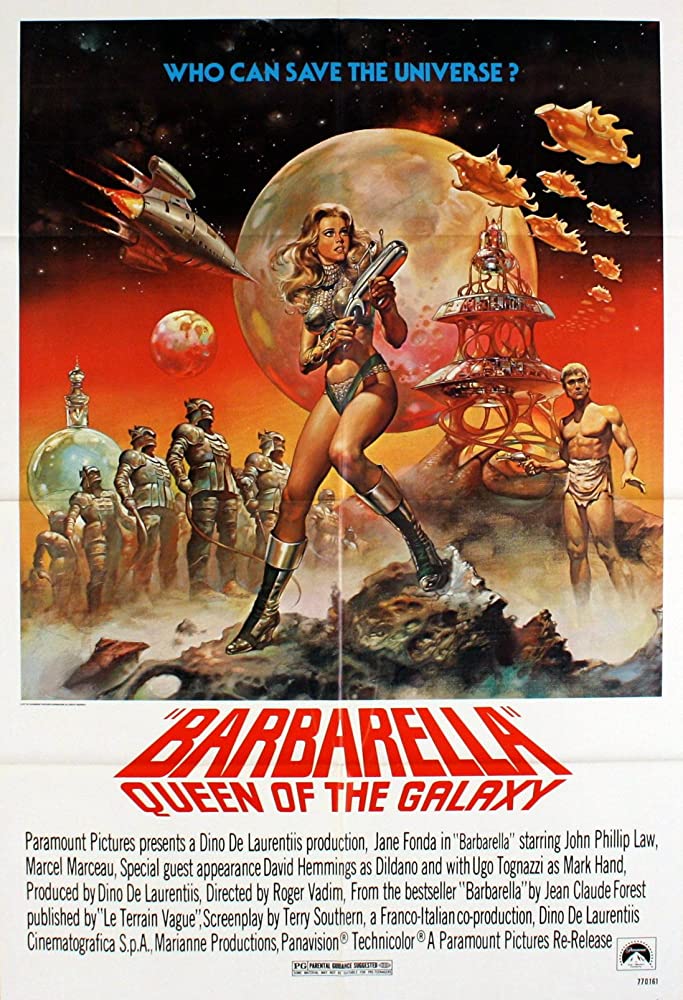
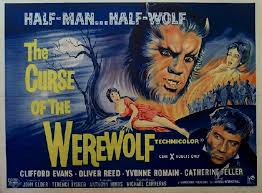
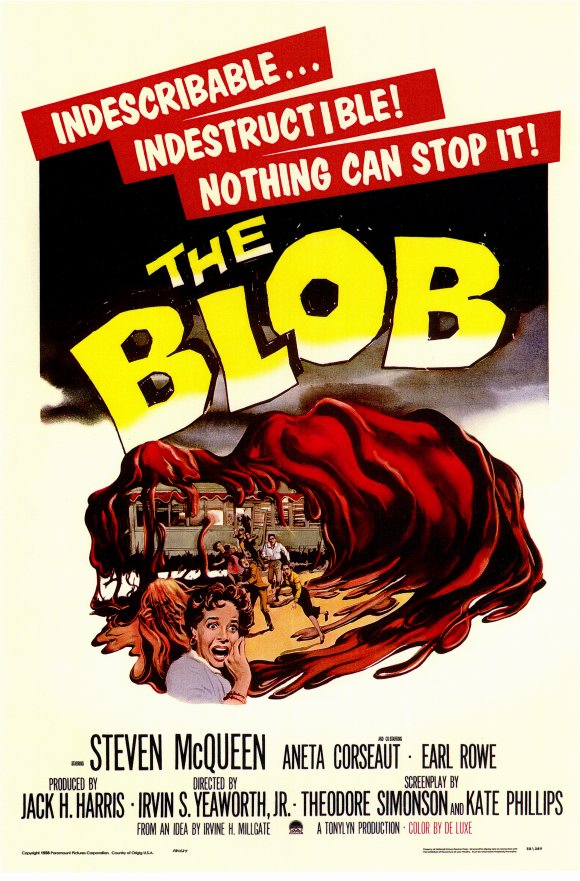
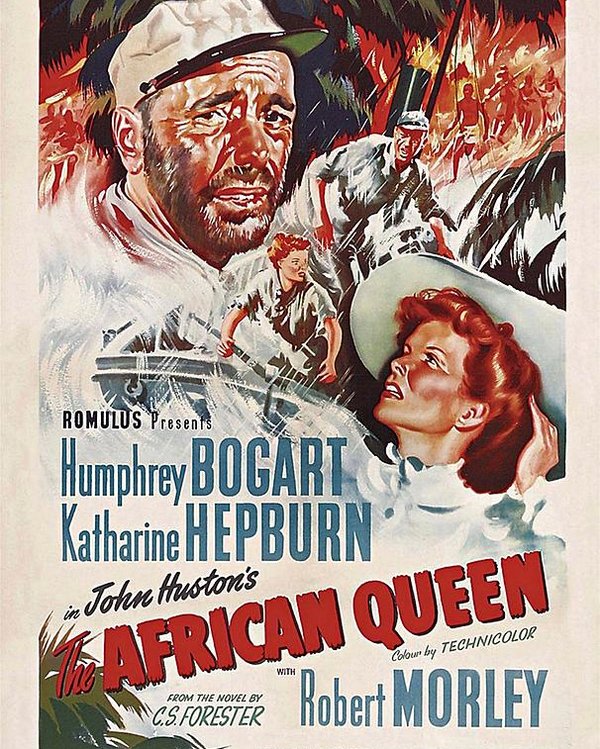
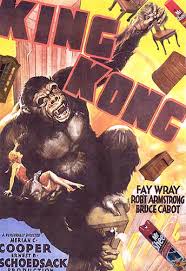
I live in a B-movie world. The production values around me are not the top-dollar ones. But the stories are entertaining. The real-life heroes still run towards the problem. And it still sucks to be the monster. But it has always been worth the price of the ticket. And during my time on Earth here, even in 2020, I plan on staying till the end of the picture. I go nowhere until I see the Best Boy’s name in the end credits. And maybe not even then.


 J
J
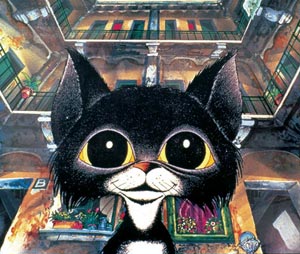
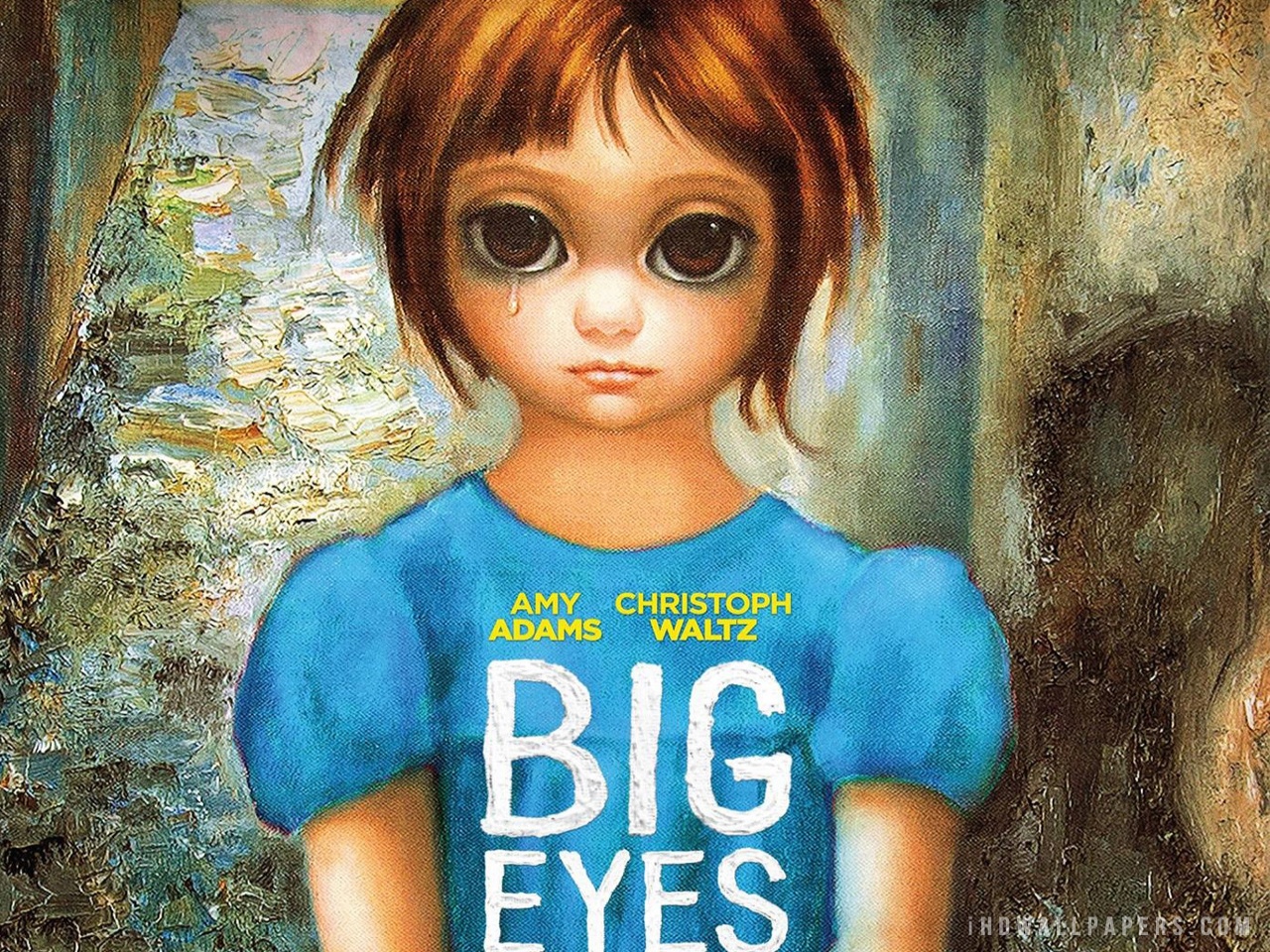
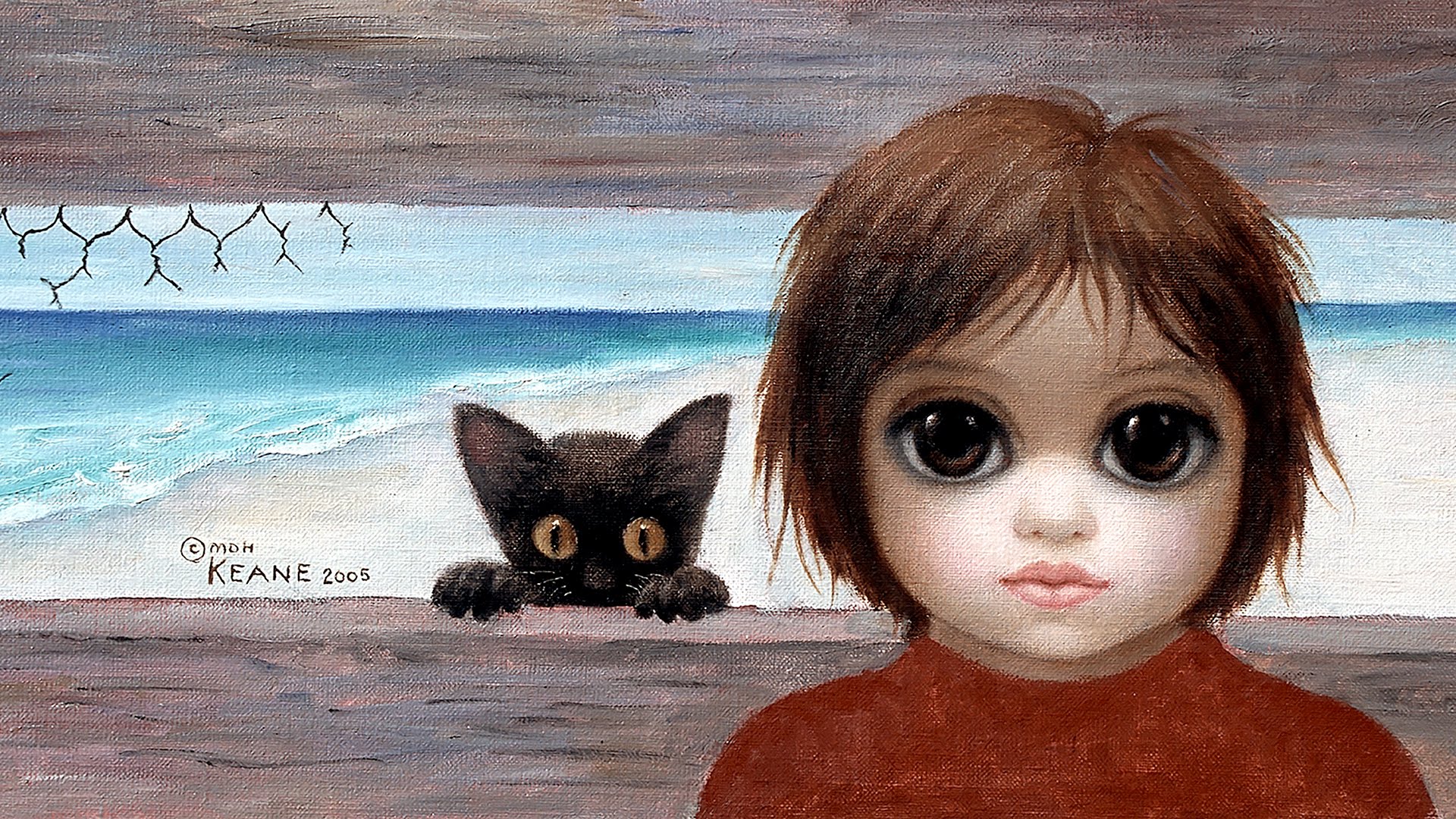
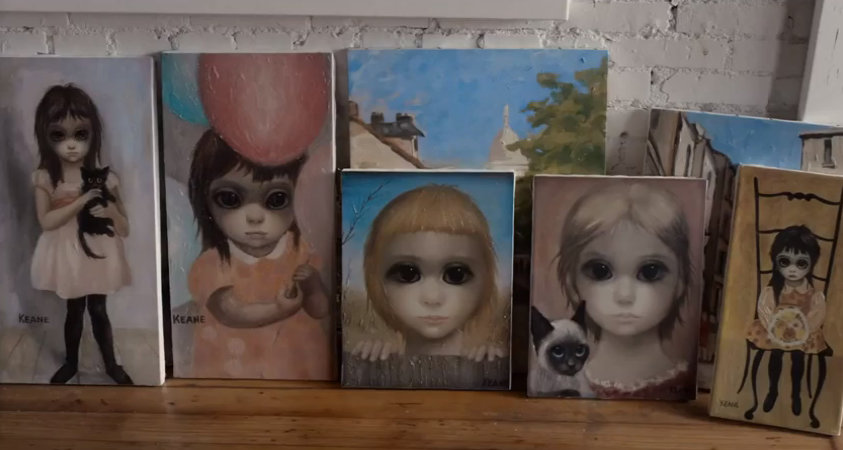
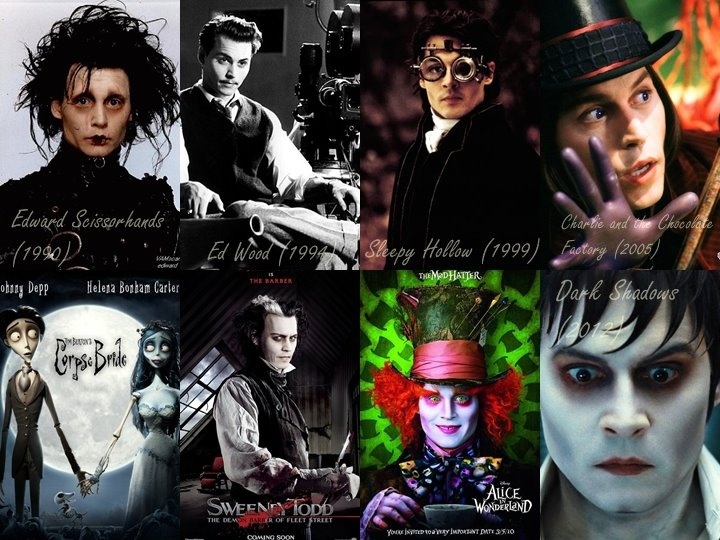
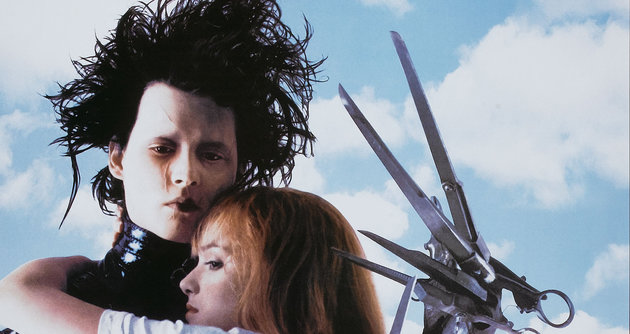
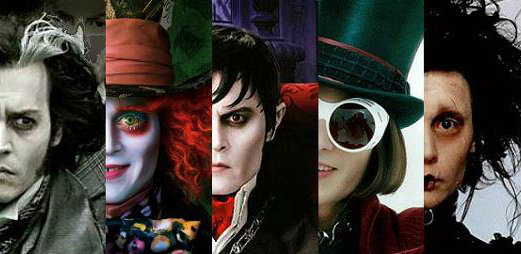
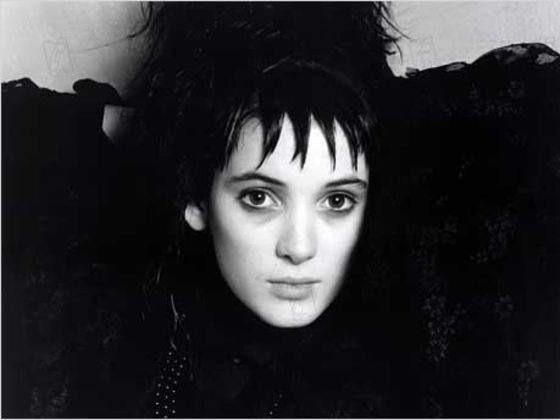
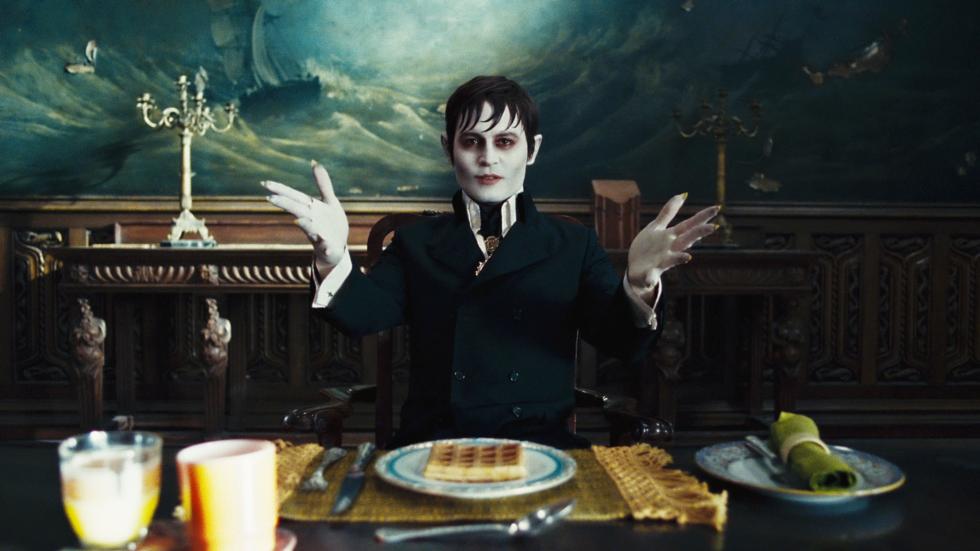
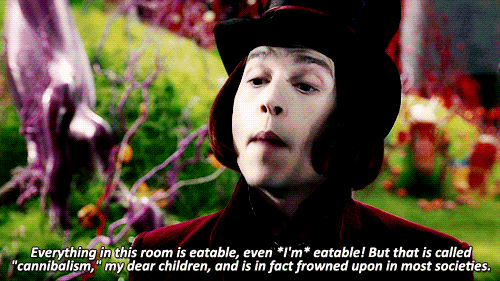
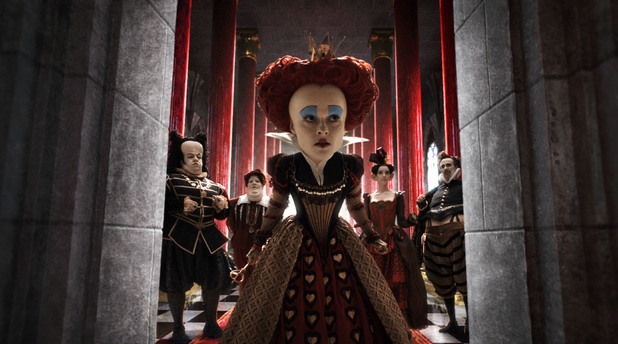
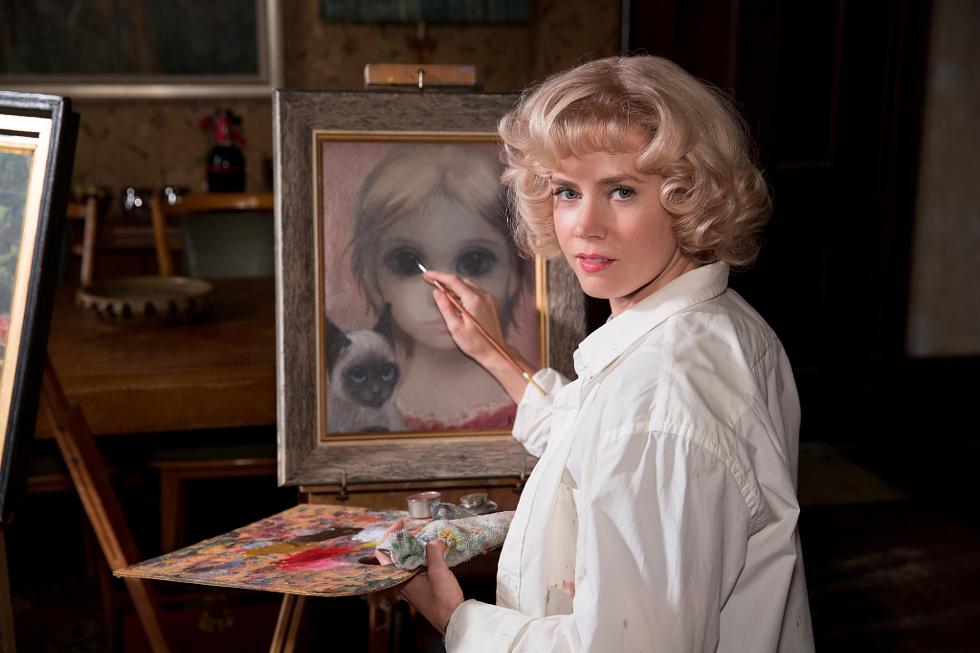
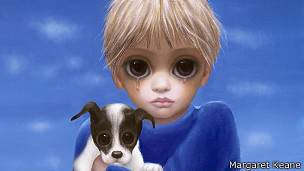 Yesterday, before the big game, I watched the DVD I bought of Tim Burton’s Golden Globe Award movie, Big Eyes. It is the true-story bio-pic of an artist I loved as a kid, Margaret Keane… though I knew her as Walter Keane.



















![Clofillia, Josphine [Madame Clofullia, P.T. Barnum's "Bearded Lady of Geneva"]. Daguerreotype by Thomas M. Easterly, 1853. Photographs and Prints Collections. Missouri History Museum. Easterly 321. NS 17387. Scan © 2008, Missouri History Museum.](https://i0.wp.com/catchafallingstarbook.net/wp-content/uploads/2018/04/beardedlady.jpg?w=273&h=154&ssl=1 "beardedlady")


 Catch a Falling Star
Why Do You Think That? (Part Two)
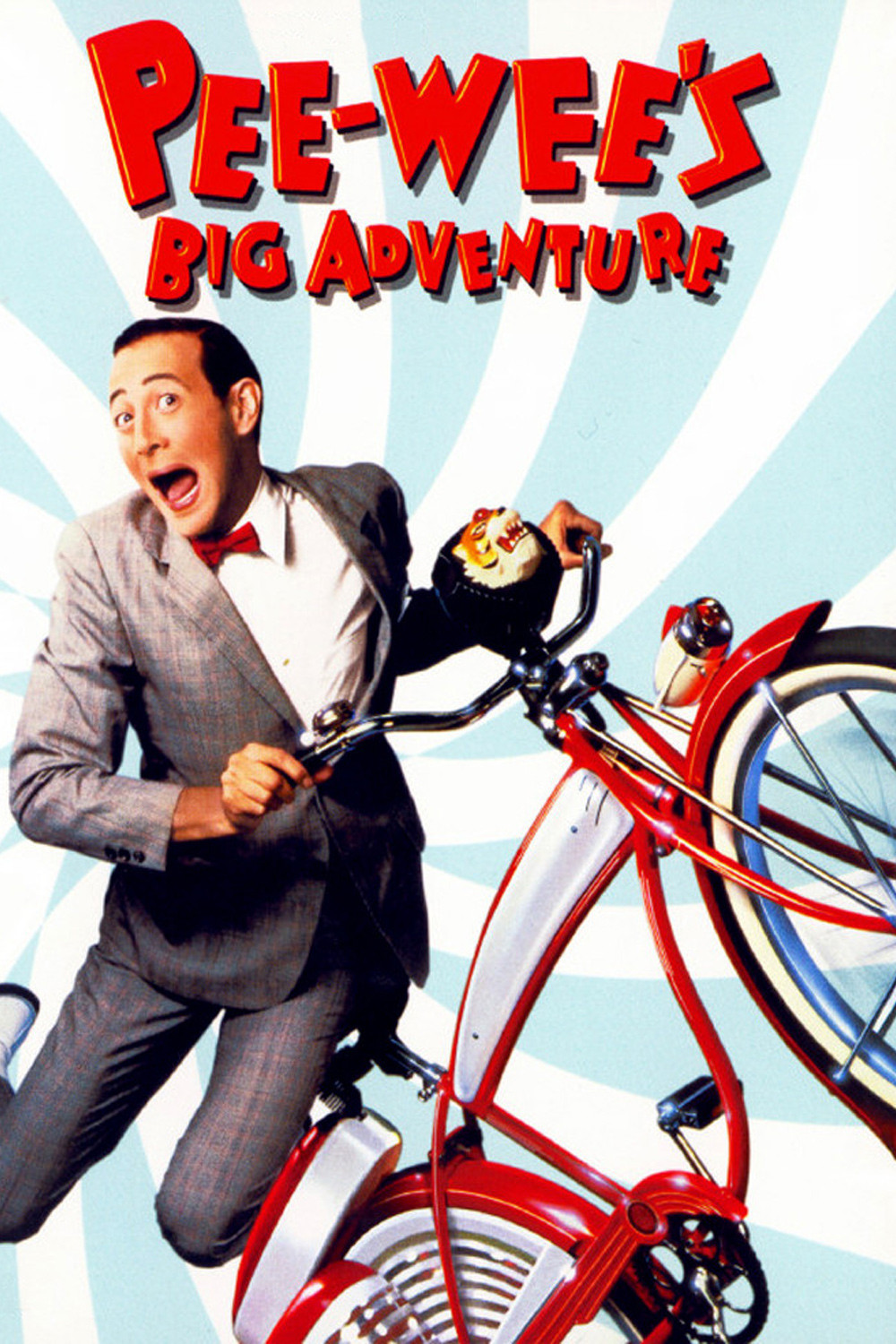
In my short, sweet sixty years of life, I have probably seen more than my share of movies. I have seen classic movies, black-and-white movies, cartoon movies, Humphrey Bogart movies, epic movies, science fiction movies, PeeWee Herman movies, Disney movies, Oscar-winning movies, and endless box-office stinkers. But in all of that, one of the most undeniable threads of all is that movies make me cry. In fact they make me cry so often it is a miracle that even a drop of moisture remains in my body. I should be a dried-out husk by now.
I wept horribly during this scene. Did you?
And the thing is, people make fun of you when you cry at movies. Especially cartoon movies like Scooby Doo on Zombie Island. (But I claim I was laughing so hard it brought tears to my eyes. That’s the truth, dear sister. So stop laughing at me.) But I would like to put forth another “Why do you think that?” notion. People who cry while watching a movie are stronger and more powerful than the people who laugh at them for crying. A self-serving thesis if ever there was one.
Movies can make you cry if you have the ability to feel empathy. We all know this. Old Yeller is the story of a dog who endears himself to a prairie farm family, saves Travis’s life at one point, and then gets infected with rabies and has to be put down. Dang! No dry eyes at the end of that one. Because everyone has encountered a dog and loyal dog-love somewhere along the line. And a ten-year-old dog is an old dog. The dogs you knew as a child helped you deal with mortality because invariably, no matter how much you loved them, dogs demonstrate what it means to die. Trixie and Scamper were both hit by cars. Queenie, Grampa’s collie, died of old age. Jiggs the Boston Terrier died of heat stroke one summer. You remember the pain of loss, and the story brings it all back.
Only psychopaths don’t feel empathy to some degree. Think about how you would feel if you were watching Old Yeller and somebody you were watching with started laughing when Travis pulls the trigger on the shotgun. Now, there’s a Stephen King sort of character.
But I think I can defend having lots of empathy as a reason for crying a river of tears during Disney’s The Hunchback of Notre Dame. You see, identifying with Quasimodo as the main character, hoping for what he hopes for, feeling like a monster and completely unloved, and fearing what he fears connect you to the story in ways that completely immerses you in the experience. This is basically a monster movie.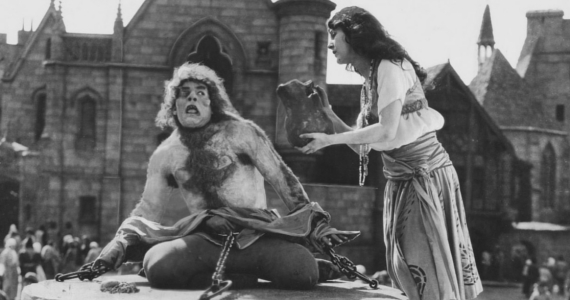
But the film puts you inside the head of the malformed man, and you realize that he is not the monster. Righteous Judge Frollo and the people who mistreat Quasimodo for his deformity of outward appearance are the real monsters. If you don’t cry a river of tears because of this story, then you have not learned the essential truth of Quasimodo. When we judge others harshly, we are really judging ourselves. In order to stop being monstrous, and be truly human, you must look inside the ugliness as Esmeralda does to see the heroic beauty inside others. Sometimes the ideas themselves are so powerful they make me weep. That’s when my sister and my wife look at me and shake their heads because tears are shooting out of me like a fountain, raining wetness two or three seats in every direction. But I believe I am a wiser man, a more resolved man, and ultimately a better man because I was not afraid to let a movie make me cry.
The music also helps to tell the story in ways that move my very soul to tears. Notice how the heroine walks the opposite way to the rest of the crowd. As they sing of what they desire, what they ask God to grant, she asks for nothing for herself. She shows empathy in every verse, asking only for help for others. And she alone walks to the light from the stained glass window. She alone is talking to God.
Yes, I am not embarrassed by the fact that movies make me cry. In fact, I should probably be proud that movies and stories and connections to other people, which they bring me, makes me feel it so deeply I cry. Maybe I am a sissy and a wimp. Maybe I deserved to be laughed at all those times for crying during the movie. But, hey, I’ll take the laughter. I am not above it. I am trying to be a humorist after all.
Leave a comment
Filed under cartoon review, commentary, compassion, Disney, humor, insight, inspiration, movie review, music, philosophy, strange and wonderful ideas about life
Tagged as empathy, movies that make me cry, Old Yeller, The Hunchback of Notre Dame, Toy Story 3