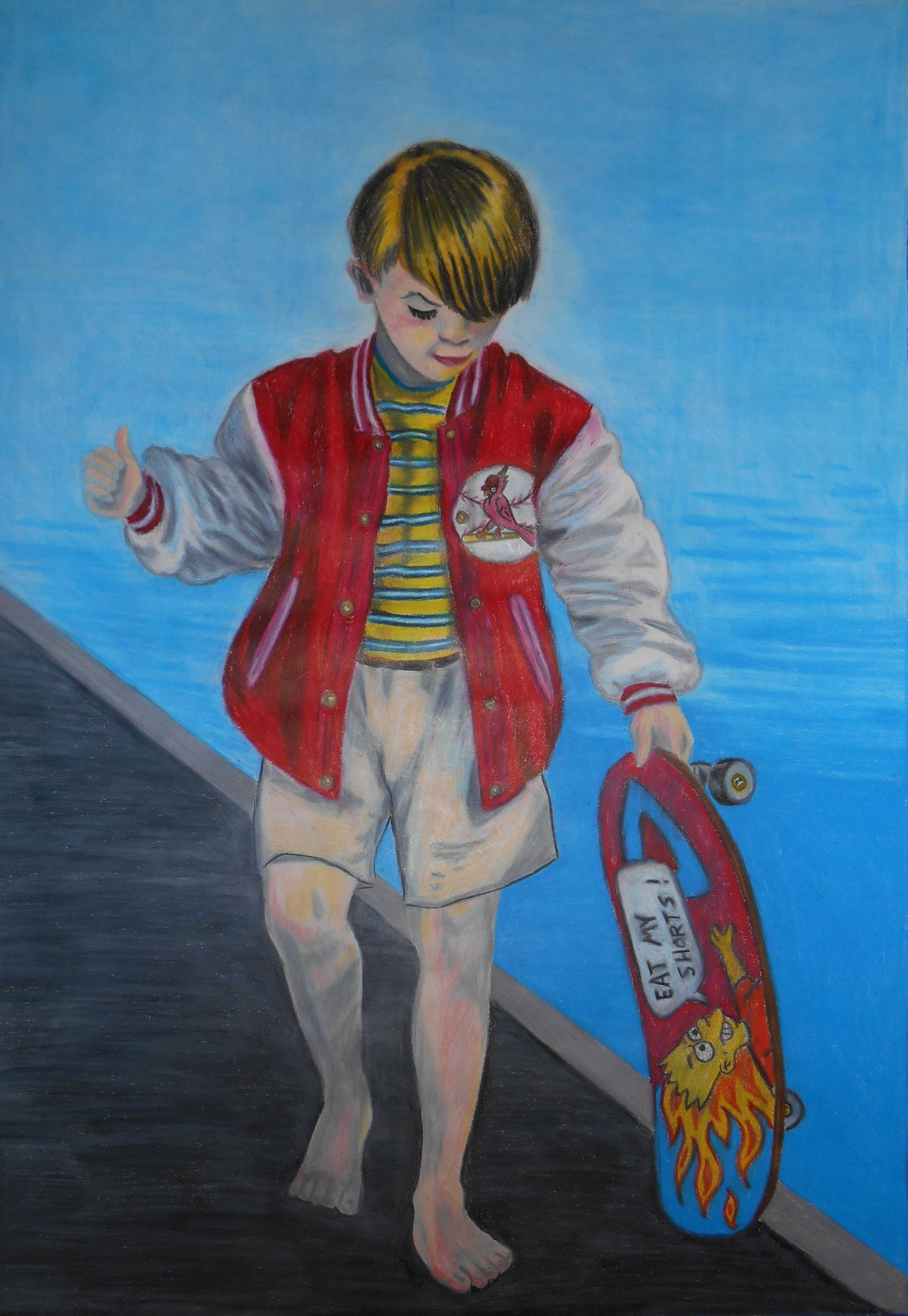
Tom Sawyer without the straw hat, as created by Lois Beyer
You may already know about my doll-collecting mania. You may have already called the mental health people to come take care of the problem, and they just haven’t arrived at my door yet with the white coat that has the extra long sleeves. But you may not know that my mother is a doll-maker and has something to do with my doll-collecting hoarding disorder.
In the early 1990’s my mother and I put our money together and bought a kiln while we were visiting my sister’s family out in California. It wasn’t the most expensive model, but it wasn’t the cheapest, either. We both had enough experience with ceramics that we didn’t want to buy a burning box that was merely going to blow our porcelain projects to kingdom come. Mother had doll-making friends in Texas who taught her about firing greenware and glazing and porcelain paint and all the other arcane stuff you have to know to make expensive hand-made dolls. Now, honestly, at the start we could’ve made some money at it selling to seriously ill doll collectors and other kooks, but we were not willing to part with our early art, and by the time we were ready to do more than just have an expensive hobby, everyone who would’ve paid money for the product was making their own. So dreams of commercial success were supplanted by the hobbyist’s mania that made more and more charming little things to occasionally display at the county fair.
The two dolls I have left to share on my blog from that era were both crafted by my mother. She lovingly fired the porcelain body parts, painted the faces by hand, and created the wardrobe on her Singer sewing machine. I made some dolls too, but never with the wondrous craft and care that made my mother’s dolls beyond compare.
Tom Sawyer was originally a boy doll who was supposed to be able to hold a model train in his hands. My mother had the pattern for the little engineer’s uniform and hat that she would use on another doll instead. He is named after the Tom Sawyer clothing pattern that my mother bought and sewed together to dress him in. He has a cloth and stuffing body underneath his clothes together with porcelain head, hands, and bare feet.
The other doll I have left to brag unctuously about is a doll named Nicole after the niece my wife and I have whom this doll bares a striking resemblance to. She displays a beautiful little girl’s sun dress with quilted accent colors that my mother sewed from scratch with the help of a pattern she was truly fond of and used more than once.
These dolls were gifts to my wife and I, presented shortly after my mother bought out my share of the kiln when she retired and moved back to the frosty land of the Iowegians. I haven’t kept them as thoroughly dusted and cobweb-free as they deserve because I have been a somewhat lazy and slovenly son… but I do love them almost as much as (and sometimes more depending on recent behavior) my own children. (After all, porcelain kids rarely make a mess, overspend allowances, or hog the television too much.)
Phoenix dissipated his fire-sword and turned towards the Black Spider leaders and their fire-fighting crew. There was an ironic smile on his face.
“You may have noticed that this entire place is now on fire. We, the three of us have decimated your ranks already. And we did not come alone. We brought Jai Chang and the army of Shen Ming. Jai-sensei needed a chance to prove himself faithful to the White Spider.”
Instantly Jai Chaing swooped down from the rafters, shooting his arrows as he leapt. Fangwoman, still wearing the helmet, took the first one through the heart. Three more fell to his arrows before the other warriors took their first shots.
Reacting as quickly as he could, the Green Phantom dropped himself through a trap door in the stage floor.
“Now you must kill me. I was your sensei, and I deserve an honorable death at your hands. Let the student now become the master.” Bone Daddy lowered his head, ready for the final blow.
“What is that? Some kind of old movie reference? You may not like it, but I choose to honor you with love and forgiveness. We will take you as our guest in a lead-lined cell. We will heal you, and give you the chance to redeem yourself among the White Spiders.”
“Phoenix, no. You dishonor me.”
“I do not. You just don’t understand… yet.”
Bone Daddy slumped unconscious to the floor. Fortunately, a wraith cannot phase while unconscious.
“I have the boy Freddy,” said Jai Chang, holding the unconscious child in his arms. Of the three White Spider commandoes, he was the only one that needed attention from a healer.
Rocket, Jackie, and Alec were all roused and led safely out of the burning building. Two soldiers carried the limp form of Bone Daddy out too.
Shen Ming himself retrieved the Avenger Helmet.
“Ah, I must be careful with this thing now.”
“Am I right in thinking you are the reason the Avenger helmet turned up on Jai Chang’s head, Shen Ming-sensei?” Phoenix asked.
“What? Me, guilty? Although I am admitting that it all worked out rather nicely for our worst enemies. Fangwoman is discovering new dimensions. Bone Daddy is now our permanent guest. And Green Phantom is now in hiding, needing to recruit many new evil ninjas to his stupid way of thinking.
“And, ah, so… we have cleaned out the Black Spider Organization in Kiro pretty well.” Shen Ming’s crooked smirk told Phoenix it was all true, but he was not unhappy about it.
There is no such thing as a perfect face. You know that human beings tend to perceive bilateral symmetry as beauty. That means, the more the left half of the face mirrors the right half. the more beautiful the face is.
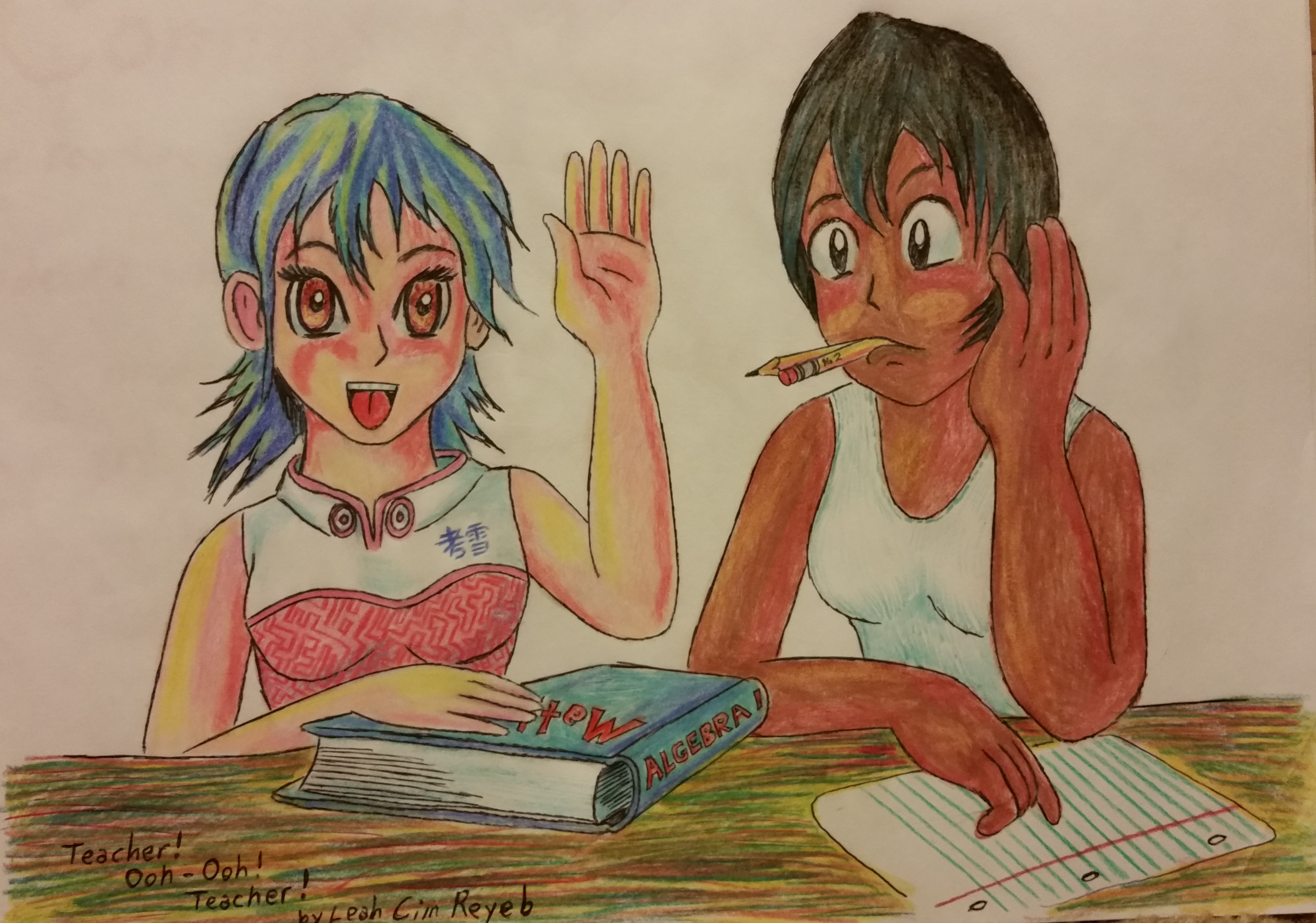
But why do we think that? No real person’s face is actually like that. Look at the girl on your right. Her eyes don’t match. The googly-eyed expression on her face may indicate that eating pencils can cause brain damage. Can you get lead poisoning from graphite pencils? Or is it just that her cartoon great grandfather was Barney Google?
And the girl on the left has a weird blush pattern on her cheeks. Perhaps it isn’t a blush. Probably she’s been biting into exploding tomatoes.
How about this face? If you put a line directly down the middle of the face, you can see that each side nearly mirrors the other. People think of that as handsome or, possibly, cute. A nearly perfect face. Me, I prefer the face of the boy. The Muppety puppet, despite it’s perfection, seems almost ugly to me.
Intelligence is revealed by the eyes. The girl on your left is looking directly at you. It makes her seem smarter. And we all know she is anyway, even without giving her a test.
Emotion is also conveyed mostly through the eyes. It is obvious that these lion eyes (or is that spelled LYIN’ EYES?) are looking at you with love. Yes, love. And he would love you even more with ketchup.
A face can tell you more about a character than thousands of words of mere description can. Do you know what Vladimir will be drawing in your art class on his first day in your classroom? I think you do. Strawberry Shortcake and Disney Princesses. What else? Oh, geez… you’ve grown a bit jaded over the years.
Teachers, well, the good ones, will need a welcoming, calm face, no matter how bad of a hair day they are having.
And would you welcome a face to face with this face? Especially on the very day you sacrificed a black cat and two chickens to create a black magic spell to punish your ex-wife? After her lawyer left you with nothing even though you were not the one who spent all the money in your joint checking account on a face-lift? And she didn’t even try to make her danged face more symmetrical!
But enough about faces for today. Everyone who is anyone has one, you know. It’s the style going around. Even though it’s been a year since you’ve seen them without a mask on.
Along about 1965, Bobby and me skinny-dipping in Avery’s Creek.
Yes, it is just not possible to write an exemplary daily essay every single day. Some days you just have to be ordinary. Today is probably gonna be one of those days.
You see, in my head I have always been Michael. My parents, grandparents, and siblings always called me that.
When I was drawing and telling stories, well, that part of me I always knew was Mickey. I was the only one who ever called me that.
But my Uncles and cousins and classmates and teachers, usually called me Mike. And that was confusing because when I first started school, there were three Mikes in my class of nine kids. Mike S. and Mike M. and I was Mike B. And when I was nine, there was another Mike B. in the grade right ahead of me (he was ten when I was nine.) But Mike S. and Mike M. had moved to other schools in the county then. So I was Mike in the classroom, and he was “the Other Mike.” Miss M had both third and fourth grade in the same small-town school so she had to manage two Mikes in one room. But both of us were Ordinary Mikes.
An Ordinary Mike in the 1960s went skinny-dipping at least three times in their early childhood. (Well, that was me. I only actually saw the Other Mike naked at the Iowa River once, though his little brother Barry said they went to the river a few times.)
And an Ordinary Mike was shy around girls. Even tomboy girls who would say yes if you asked them to go skinny dipping because they felt they were just one of the guys. An Ordinary Mike never dared to ask that, though Joel and Randy said that Lulu Baerinfeld went skinny-dipping with them one time. But Ordinary Mikes were always just wise enough to realize they were lying.
Ordinary Mikes sometimes got a “C” on their report card in Math, not because they were dumb and didn’t get it, but because they didn’t do some of the homework because they didn’t want their dumb friends to think they were too Brainiac- smart (Brainiac was a villain in Superman comics.)
But both Ordinary Mikes, me and the Other Mike, were good at Science, getting “A’s” on their report cards. We both vowed to each other that one day we would both become astronauts and walk on the Moon, or maybe Mars. But, as far as I know, neither of us managed to make that dream come true.
So, a writer like me can’t always be extraordinary. In fact, I am often quite ordinary. As I have basically proven, I was and am… Ordinary Mike.
If there is a Church of Sacred Landscapes then Bob Ross is its Jesus Christ. That is not a sacrilegious statement of bizarre cult-mindedness. Painting is a religion that has its tenets. And Bob Ross explained to us the will of God on his painting show on PBS. All the illustrations used in this post come from the Facebook page Joy of Painting with Bob Ross. All the wisdom comes from things the Master said on the show.
Bob Ross was the prophet of the paintbrush. He would present us with a lightly prepared canvas at the beginning of the show and then proceed on camera to take his brush and palette knife, and all his paints, and create a piece of the world before our very eyes. And he was not Picasso or Van Gogh or even Norman Rockwell. He was not a talented artist, but rather a very practiced one who knew all the tricks and shortcuts to sofa painting, the art of knocking out scene after scene after scene. He could make his little piece of the world in only half an hour, and he made it obvious how we could do the same. His work was not gallery quality… but his teachings were Jesus-worthy.
His work was natural, flowing, and realistic in the random complexity it presented. He took standard paintbrush strokes and pallet knife tricks and made them dance across the canvas to make happy little trees.
His painting methods presented us with a philosophy of life and a method of dealing with whatever mistakes we might make.
And of course, any good religion must take into account the existence of evil.
Bob Ross tells us that evil is necessary as a contrast to what is good and what is true. We need the dark. But we don’t have to embrace it. Bob’s paintings were never about the dark bits. He always gravitated towards the light.
Of course, sometimes you have to beat back the darkness. A good artist takes care of his tools.
Bob Ross admonishes us to look and to learn and love what we see. The man radiated a calm, gentle nature that makes him a natural leader. His simple, countrified wisdom resonates because we need calm and pastoral peace in our lives. It is one of the main reasons mankind needs religion.
So I definitely think we ought to consider building a Bob-Rossian Church of the Sacred Landscapes. We have our prophet. The man has passed away, yet he is risen to paint again endlessly on YouTube.
And if you are willing to try… Bob Ross will smile upon you.
Yes, I admit it. I am a goofy old coot and an embarrassment to my children.
That’s my role in life now. Eye rolls abound when I am around.
There are several reasons why, which I intend to list here in detail in order to embarrass my children further. But it basically boils down to the fact that I am a writer, and though I write mostly fiction, another way of saying I lie a lot, a real writer tends to reveal more of the naked truth about himself than a child can stand.
Who wants to see their father naked? Especially when he is old… wrinkled, spotty, and mostly fish-belly white.
Speaking of nakedness, one of the things that my children are most embarrassed about is the fact that I know a lot about nudists and naturists, in fact, I know many real nudists, and I have been nude in at least one social situation with other naked nudists. And, even worse, I admit it in writing where my children and their friends can see it. Of course, none of them read this blog anymore for that reason.
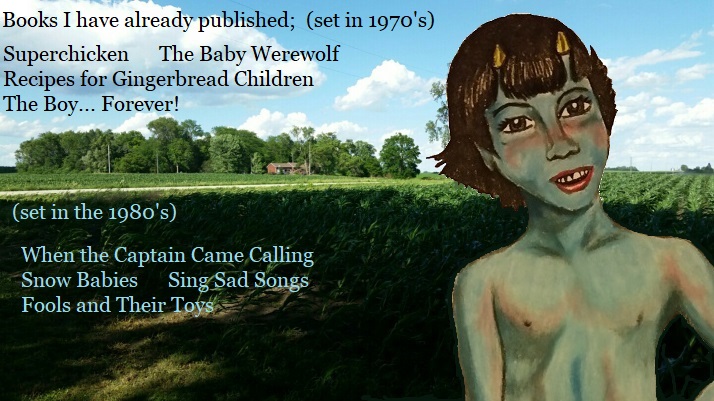
I have written novels where there are nudist characters based on some of the real nudists I have known. The novels with nudist characters in them so far are, Recipes for Gingerbread Children, The Baby Werewolf, Superchicken, The Boy… Forever, and A Field Guide to Fauns. And these novels might not embarrass them so much if they read them to discover that the novels have something to say that really isn’t about their father being a crazy naked coot. But they won’t read them because I am embarrassing to them.
And there is the verified fact that I am something of a conspiracy theorist. I firmly believe that the actor/theater owner William Shakespeare only offered his name to the real writer of Shakespeare’s plays and poetry, the 17th Earl of Oxford, Edward DeVere. There is actual evidence that is so, though it was a secret that DeVere took to his pauper’s grave after spending away his entire family estates and fortune. A pauper’s grave that no interested scholar can find the location of to this very day, although maybe he’s buried in the same place of honor as the actor/theater owner, as there are cryptic clues to that as well.
I also believe that Dwight Eisenhower met with alien civilizations in the 1950s and the Roswell Incident was a real crash of more than one spacecraft from other star systems. There exist real deathbed confessions that confirm those details, and the government has been covering up the facts for decades.
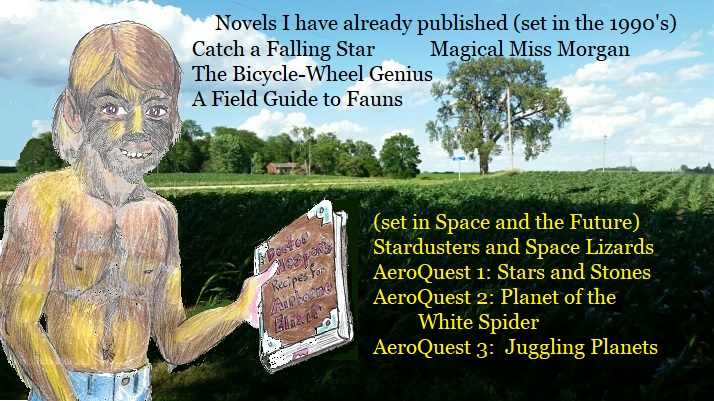
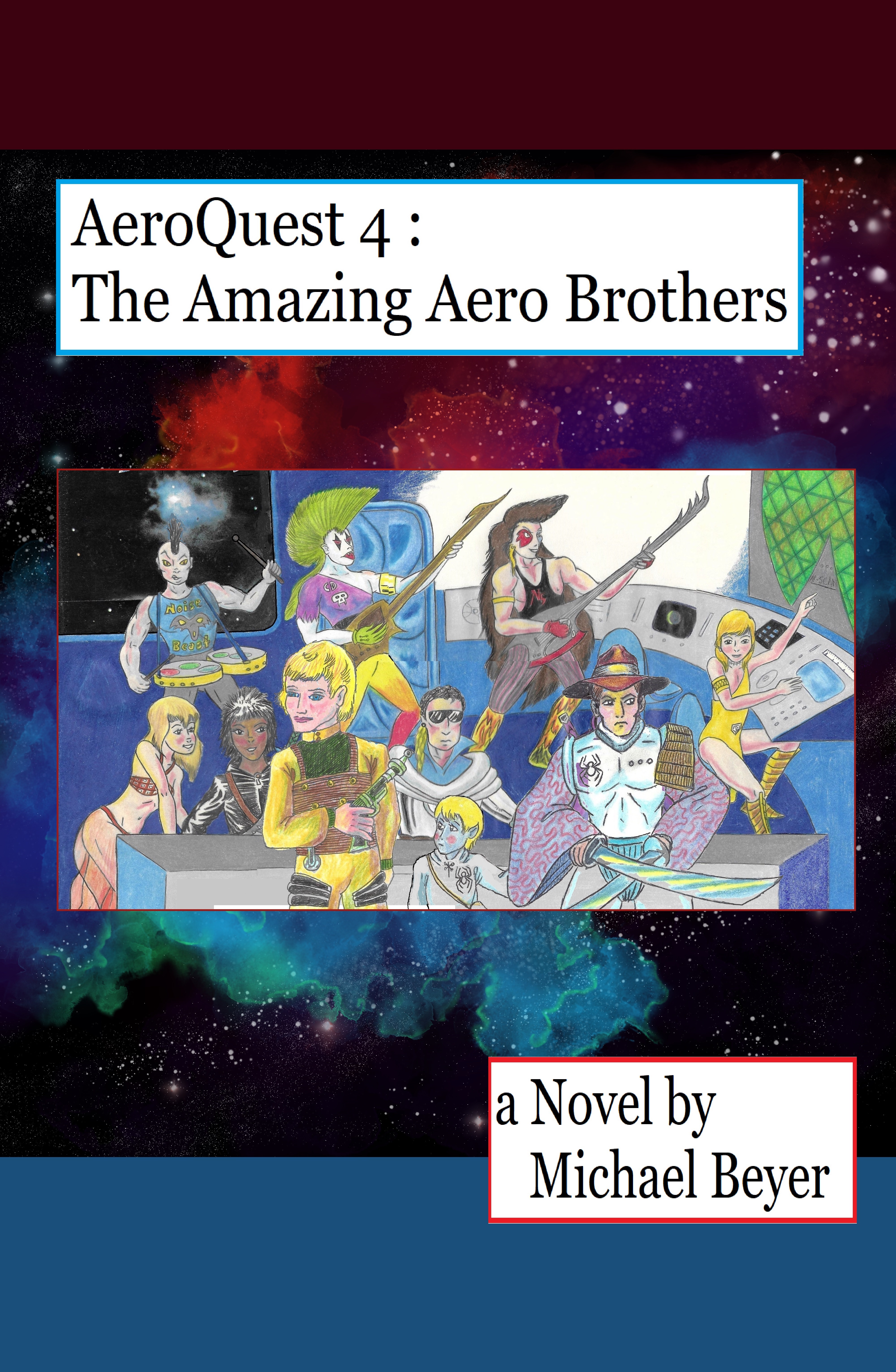
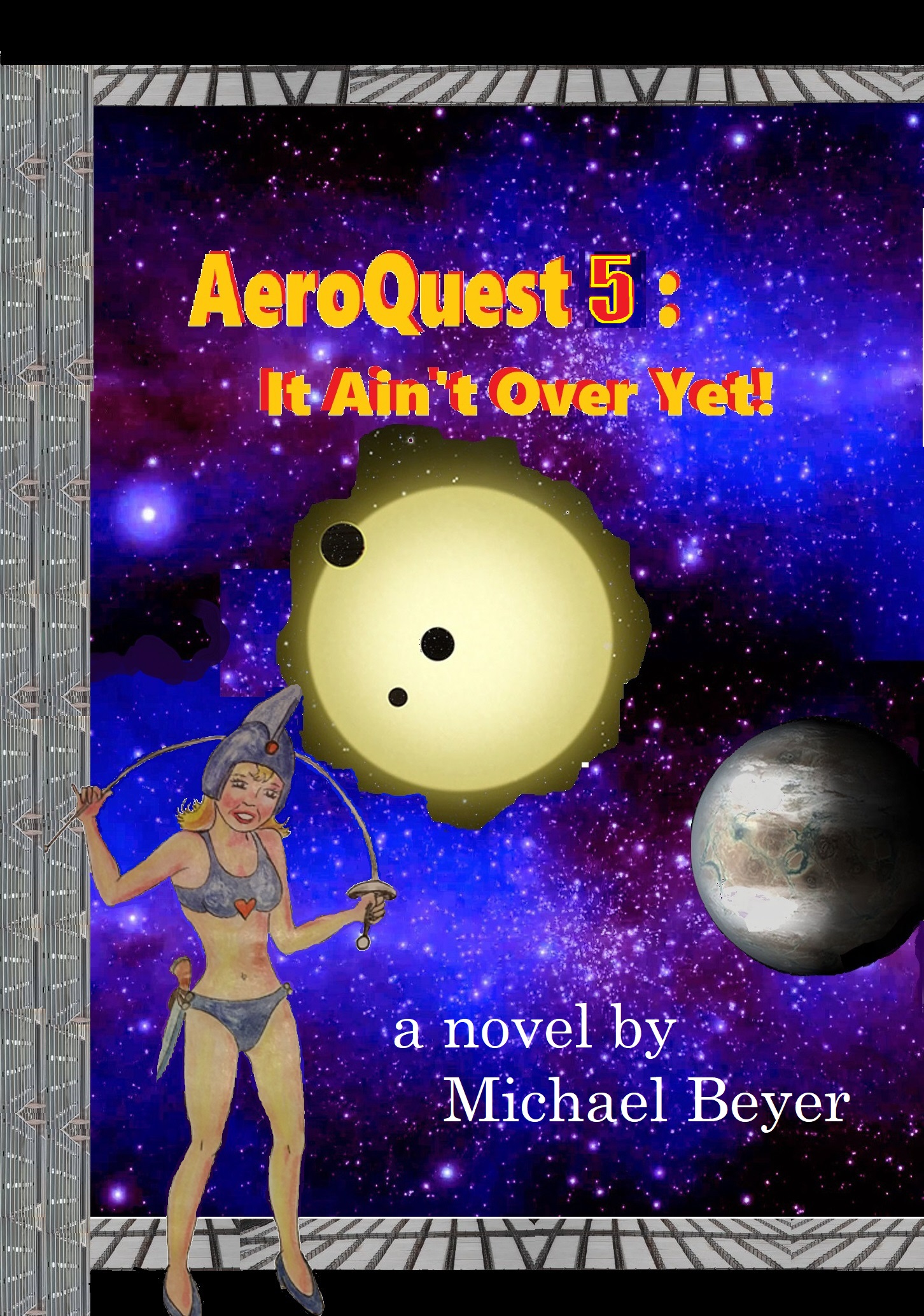
The conspiracy-theory skills I have as a crazy, embarrassing coot have resulted in books like Catch a Falling Star, Stardusters and Space Lizards, and the Bicycle-Wheel Genius.
And lastly, I was a school teacher in middle schools and high schools for thirty-one years, which means I can create kid-characters in fiction that are very realistic and have a good-but-comic qualities that make readers generally like my stories.
So, my children are probably right to be seriously embarrassed by my very existence. Of course, I, like all old coots registered with the Crazy, Embarrassing Coots of America, the CECA, am totally immune to being embarrassed by the embarrassment of my children.
In today’s Art Day post I will tackle the answer to the one question that you probably most don’t need to have an answer to.
Looney Tunes, Merry Melodies, The Woody Woodpecker Show, a Mickey Mouse Cartoon…. why does this old American art form have such a hold over Mickey’s artist’s eye, his pen and ink and drawing hand, and Mickey’s cartoony heart?
Because a simple black line on white paper can become so many different and interesting things. And they can be funny, or they can be in color, or they can make you laugh and cry at the same time.
Cartoons make it possible to turn unicorns into magical jackasses for no other reason than it tickles your funnybone.
You know the funnybone, right? It’s the part of the skeleton that looks the most ridiculously unworkable when you are not wearing your skin.
Yes, no horse actually looks like that. Only in cartoons.
What is too ridiculous to be real, like a superhero whose super power is overwhelming body odor, is the only reality in the realm of the cartoon.
And I really can’t help it. I can no more help being a cartoonist than I can help being an old, retired white guy with gray hair that used to be a school teacher who told really bad jokes and drew cartoons on the chalkboard.
The last two months have really been tough on me health-wise. And I am afraid it cuts deeply into my writing output. Today, as an example, I had planned to have a lot more done on the preparations for this essay. It will be short because I am not feeling well once again. I have already fainted once while writing before I got to this sentence.
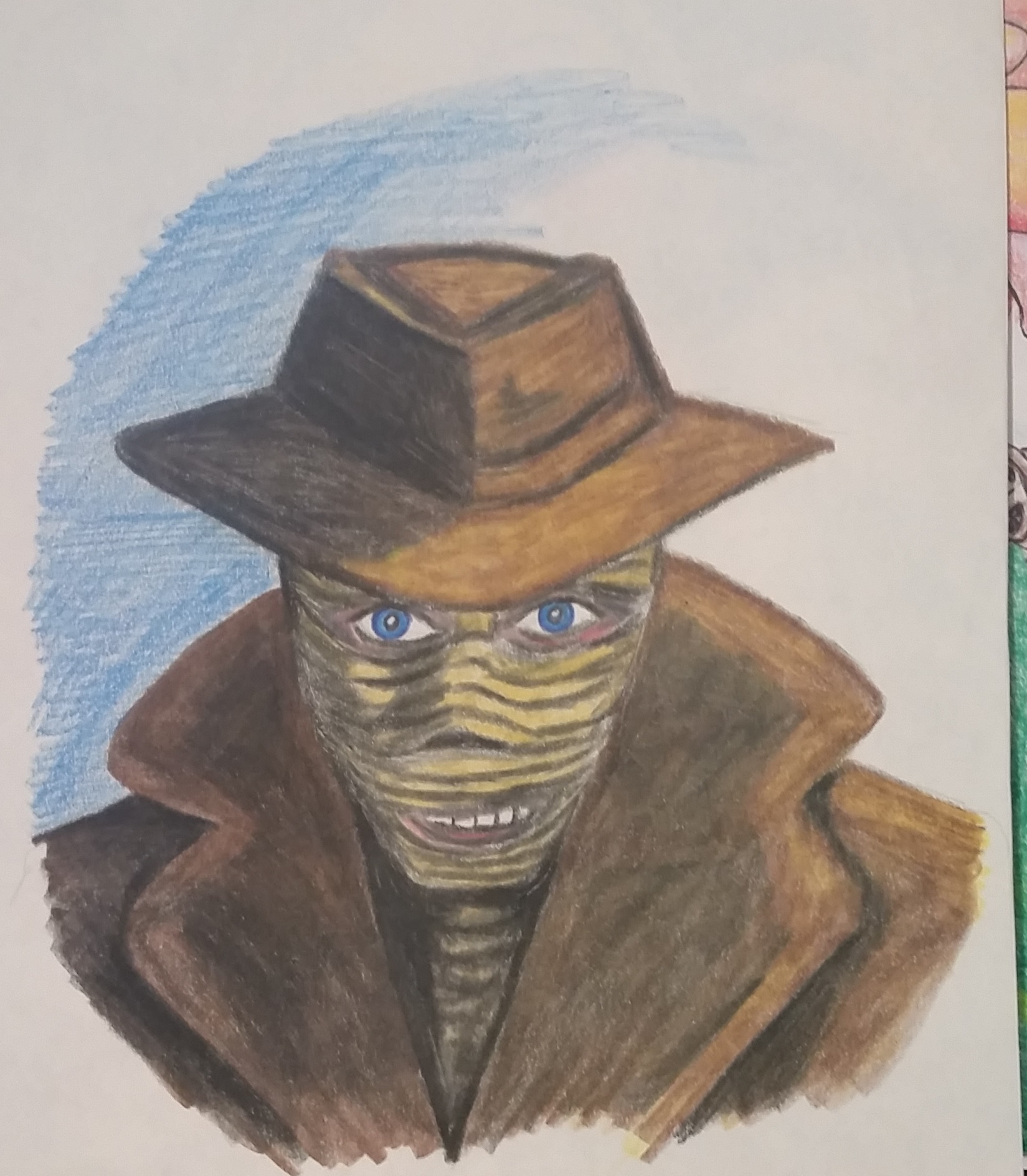
This was supposed to be a post about the alien beings living on a newly discovered planet in the book I am currently writing These are the vegatoid plant people of the planet Cornucopea. Luigi the Onion-Guy is here being threatened by thorns from the evil Throckpod storm trooper. Luigi’s co-pilot, Carrot Mabutu, is standing behind the human-eyed villain.
But because of diabetes I am feeling too low to share everything I wanted to share. So, I guess it ends here for today.
Phoenix knew they were doomed if he could not handle Bone Daddy by himself. He knew Rocket and Freddy had already fallen. He wasn’t sure if Jackie and Alec had made it away, but if Bone Daddy escaped him, then he was sure all the White Spiders would eventually fall to him.
Then, phasing through the wall behind him, Bone Daddy was suddenly there.
“So, Phoeni! You and Alec have both come back to us.”
The fireball in Phoenix’s hand grew hotter. He knew that the wraith’s phasing ability would allow almost any weapon to pass clean through his suddenly massless body. The trick would have to be unpredictable, and capable of rendering the wraith instantly dead or defenseless.
“I’ve come to destroy you, Bone Daddy. And if Alec has returned, or hurt Jackie, I’ll destroy him too.”
“Child, more than any other teacher you ever had, you were mine to teach. Your skill and your cunning, that came from me!”
“But your treachery and evil, I never took from you. I didn’t want those things. And you never saw that in me.”
He stared at Phoenix with those mostly empty eye sockets. There was orange fire blazing in those mostly invisible eyes. It was hard to read any expression on the face of a wraith. It was like looking into a milky-white skull imbedded in a head made of clear glass.
“You were my favorite, Phoenix. The best I ever taught. And I am glad at the last you came back to me. Because I alone have the right to kill you for betraying the Black Spider. ”
Phoenix chose that moment to strike. Bone Daddy had never seen him use the flame-sword psionic move with sun-plasma intensity. He and Rocket had developed it in secret.
“And I alone have the right to slay you, my favorite teacher.”
The white-hot blade that burst forth from the fireball in Phoenix’s hand arced around three-quarters of a circle, slicing three quarters of Bone Daddy’s fireproof blade, forcing both his own blade and Phoenix’s into a deep cut on his left shoulder.
Had he wraithed into phase-ghost form, the strike would have gone clean through him and probably vaporized his heart even in phase form, killing him instantly. He had saved his own life by anticipating the trick. But had sustained a possibly fatal wound anyway.
“You honor me, boy. That was the best attack you have ever done.”
The wraith-ninja in purple armor dropped to his knees. His truncated sword fell from his hand.
“Surrender. You don’t have to die,” Phoenix said with tears in his eyes. He hated this alien being. But not as much as he loved him.
“What would you do with me as your prisoner?”
“Convert you to the White Spider side. You have skills you can still teach to us.”
“Ah, but this wound is probably my doom in any case. Just because you can’t see my blood, it does not mean I am not bleeding. Cut off my head and end it quickly.”
Phoenix raised the fire-sword to do just that when he was interrupted.
“Not so fast, young pyro. Your friends have all fallen. You are surrounded and alone,” said Fangwoman wearing the Avenger helmet.
“Yes, we have our fire crew here to put out your pesky flames. We were prepared for your return,” gloated the Green Phantom. Phoenix dissipated his fire-sword and turned towards the Black Spider leaders and their fire-fighting crew. There was an ironic smile on his face.
Yes, you heard right. (Well, you did if you read the title out loud.) Real writers are subject to madness. I decided this because I found the pattern in real writing that I actually value as good writing.
Case in Point; Ernest Hemingway
The first book of Hemingway that I read in high school was For Whom the Bell Tolls. It is a book about World War One, being an ambulance driver on the battle field, the transformations that combat experiences have on the soul, and trying to deal with the love of a woman, unsuccessfully, while the soul-sucking of recovery from battle is still taking place in your head. The story has a first-person narrator. It is told in a journalistic style that only presents the facts and doesn’t do any of the thinking and feeling for you. It makes the meaning of the story all happen in the reader’s head, as if the writer is not telling you what to think. But he actually is. And doing it masterfully. Of course, it captured me horribly because at the time I read it, the Viet Nam War was winding down, I had a draft number after turning 18 in 1974, and the Khmer Rouge attacked and took control of the SS Mayaguez in May of 1975, threatening to reignite the war and expand it into Cambodia. A wonderful book to read when you are faced with grim reality and the unfolding path to madness before you.
I also read The Sun Also Rises and The Old Man and the Sea while in college as an English Major. I defy you to read either of those books and not see the madness gnawing at the writer.
Ernest Hemingway went mad from the post traumatic struggles he underwent as a consequence of WWI. His life ended when he put a shotgun in his mouth and pulled the trigger. Deep depression is a form of madness.
Case in Point; Edgar Allen Poe
Of course, I chose the portraits of these authors on the basis of which ones are the most haunting I could find. Poe’s stare captured here reveals a pair of eyes that have seen the dark depths of his own soul, a horror you can’t compare to anyone else’s except through the words of a writer, because you can’t see into someone else’s soul in any other way. Your eyes weren’t built to do that.
And we all know the kind of stories and poems he wrote. My first encounter with Poe’s writing was either The Black Cat, The Tell-Tale Heart, or the poem, “The Bells“, all of which are deeply disturbing, and all of which I read in the Eighth Grade in Mrs. Erdman’s Class.
Poe became mad due to life-long grinding poverty brought about by foster parents who loved him and had money enough, but were too firmly devoted to the idea that helping someone out financially is a weakness not to be contemplated. His young wife died an early death from lack of funds for things like heat in the winter and food on a daily basis.
We don’t fully know why the madness caused his mysterious death. He may have had rabies when he died. Or it may have been a toxic reaction to large quantities of alcohol. Or he may have died from brain injuries due to an unexplained kidnapping and beating. But what we do know is that he loved certain people passionately and hated certain people passionately through his literary criticism of their writing. In fact, one of the authors he hated may have killed him as a murderous act of revenge.
Case in Point; Charles Dickens
When one thinks of Charles Dickens as a writer, madness is rarely the thing that comes first to mind. He wrote socially-observant comedies that emphasized engaging characters and detailed understandings of the settings and the times. There are a large number of clowns and comic villains in his stories. And his works seem a bit overbalanced against the darkness of the soul.
And yet he has his dark moments. I first read Dickens in Seventh Grade through The Christmas Carol. But Marley’s ghost and his ilk, especially the spectral Ghost of Christmas Yet to Come chilled me to the bone. I wept at the death of Tiny Tim even though it meant the other boys in my class could see me crying and would make me pay a price outside of the classroom.
On my own I went on to read more Dickens, including The Old Curiosity Shop in high school, Nicholas Nickleby, A Tale of Two Cities,David Copperfield and Great Expectations in college. I further read Oliver Twist while teaching Eighth Grade English. I also read my first author-biography of Charles Dickens, shortly after reading The Old Curiosity Shop.
I soon realized how much of his stories were autobiographical. Wilkins Micawber is a portrait of his own father and his time in the poorhouse. Wackford Squeers and other unflattering depictions of education reflected his own time in British boys’ schools where the odds of being molested by upper classmen were high. And the fact that a beloved young female relative died in his arms when he was barely out of boyhood probably caused the infamous death of the character Little Nell in the final installment of The Old Curiosity Shop.
There is madness in Dickens too. I mean, how can your writing reach the very heights of the Himalayas if it has never experienced the deepest depths of the ocean?
Case in Point; J.D. Salinger
Yes, I read The Catcher in the Rye in high school. It was a right of passage in 1974. It was one of the three books that set me on my lifelong quest to find the best book ever written. (The Return of the Native by Thomas Hardy and the Little Prince by Saint-Exupéry are the other two.) It is a book that first captured me by the feelings in the brain with the central image alluded to in the title. Holden Caufield (Salinger later confessed that this narrator was really him) dreamed that he was in a field a rye where children are playing and romping with abandon. Behind Holden is a bottomless cliff. As children occasionally run towards him and the cliff behind him, heedless and not seeing the danger, he decides he must catch them and turn them back the other way. And this is what the book is, Holden’s adventures for the first time in the adult world, experiencing the possible dangers, and then turning the readers around, back into the field of rye.
I of course read Franny and Zooey and Raise High the Roof-Beam, Carpenters afterwards in college. Buddy Glass, who narrates the story of brother Seymour’s suicide, is also an admitted character-identity for Salinger himself.
Has Salinger, too, gone mad? You can ask that about a man who suddenly stopped writing at the height of his success, and then ran away to a small shed in the woods where he wrote mash notes to teenage girls for twenty years?
Final Case in Point; Mickey
And why would I ever think Mickey is mad?
Well… this list is long.
Mickey was sexually assaulted by an older boy at ten. You can see the effects of that in all of his writings, including this one.
He’s fool enough to think he might be a real writer.
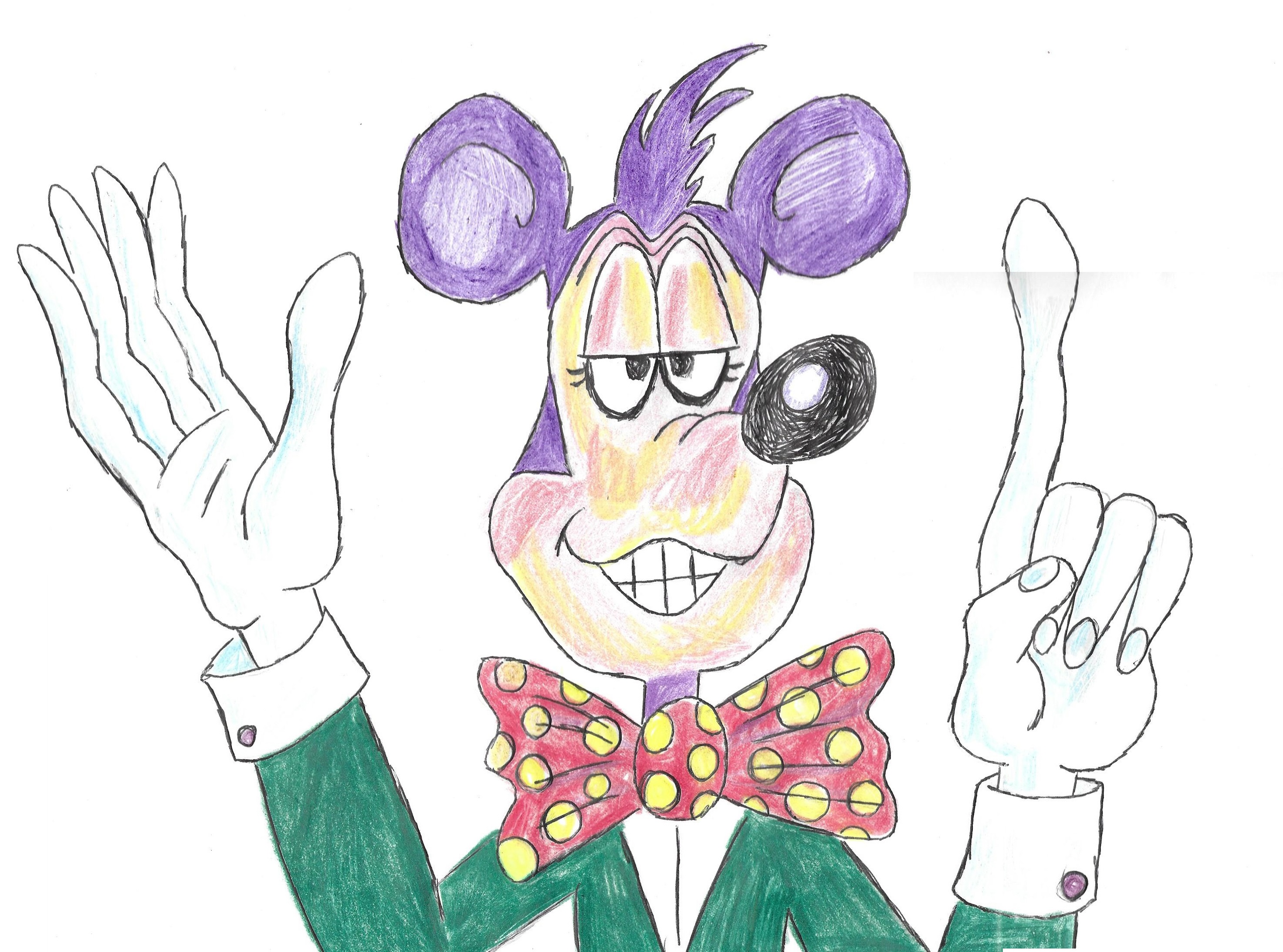
When he is in his cartoonist’s head, he portrays himself as a purple mouse. When he’s in his teacher head, he’s Reluctant Rabbit.
He thinks he can recognize great writing when he reads it.
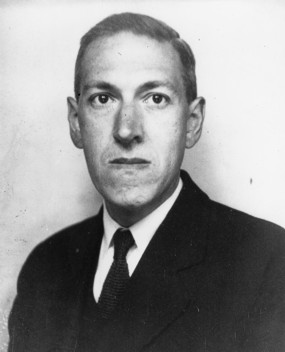
He understands the books of H.P. Lovecraft far too well.
And he seems to recognize that same madness that can be found in Ernest Hemingway, Edgar Allan Poe, Charles Dickens, JD Salinger, Mark Twain, Stephen King, Terry Pratchett, and too many more that could also be named… in himself.