Category Archives: horror writing

A Work in Progress

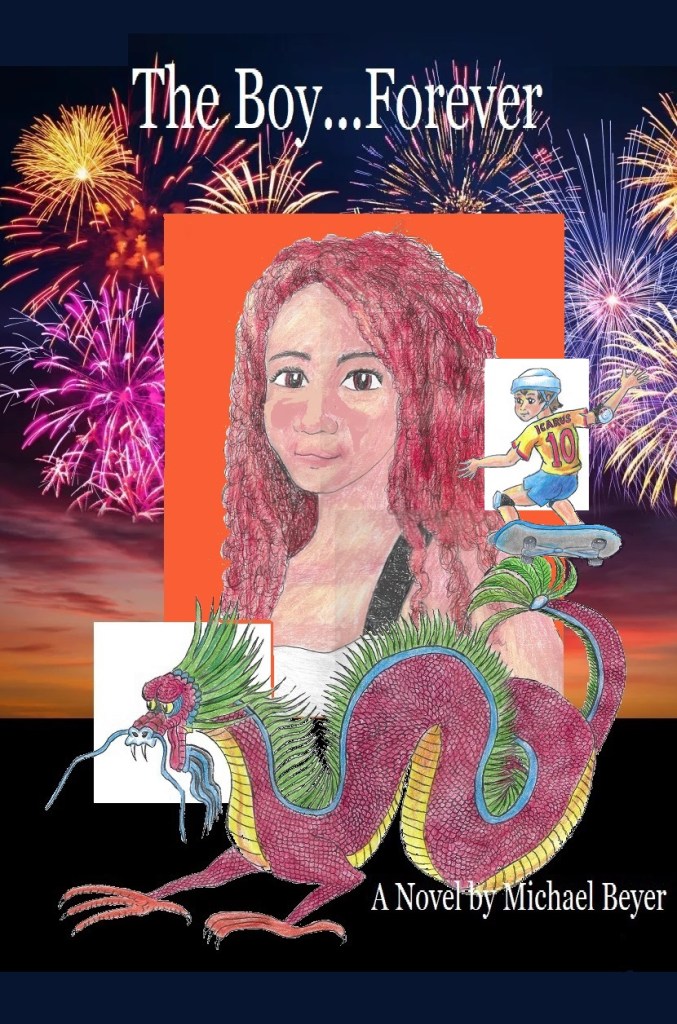
I am now deep into the plot of my novel, The Boy…Forever. How deep you may ask? Well, at least up to my eyeballs.

I am busy looking at the story through the eyes of four characters, each telling their part of the story in a different way, but in first-person narrative.

I should explain that I am writing this novel as an epistolary novel, a novel made up of written artifacts.

So, let me comment on each of the four main narrators.
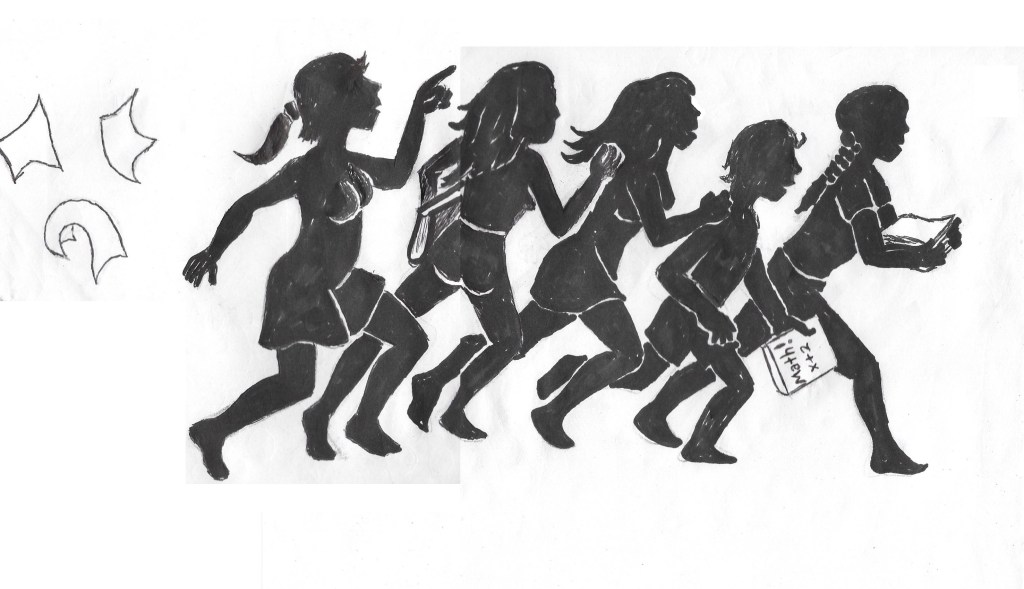
Anita Jones is telling her views of what happened in a series of letters to her cousin in Dallas, Dottie Jones. She starts off the plot by getting a letter from her cousin in St. Louis, Icarus Jones, that is basically a suicide note. Dottie’s answer letters are included in the novel, but only as commentary on the action, since she is far removed from the events being narrated. Anita is a highly sensible girl who has started a boyfriend/girlfriend relationship with Eddie Campbell, and her highly sensible life is thrown into serious disarray by her cousin’s somewhat bizarre plight.
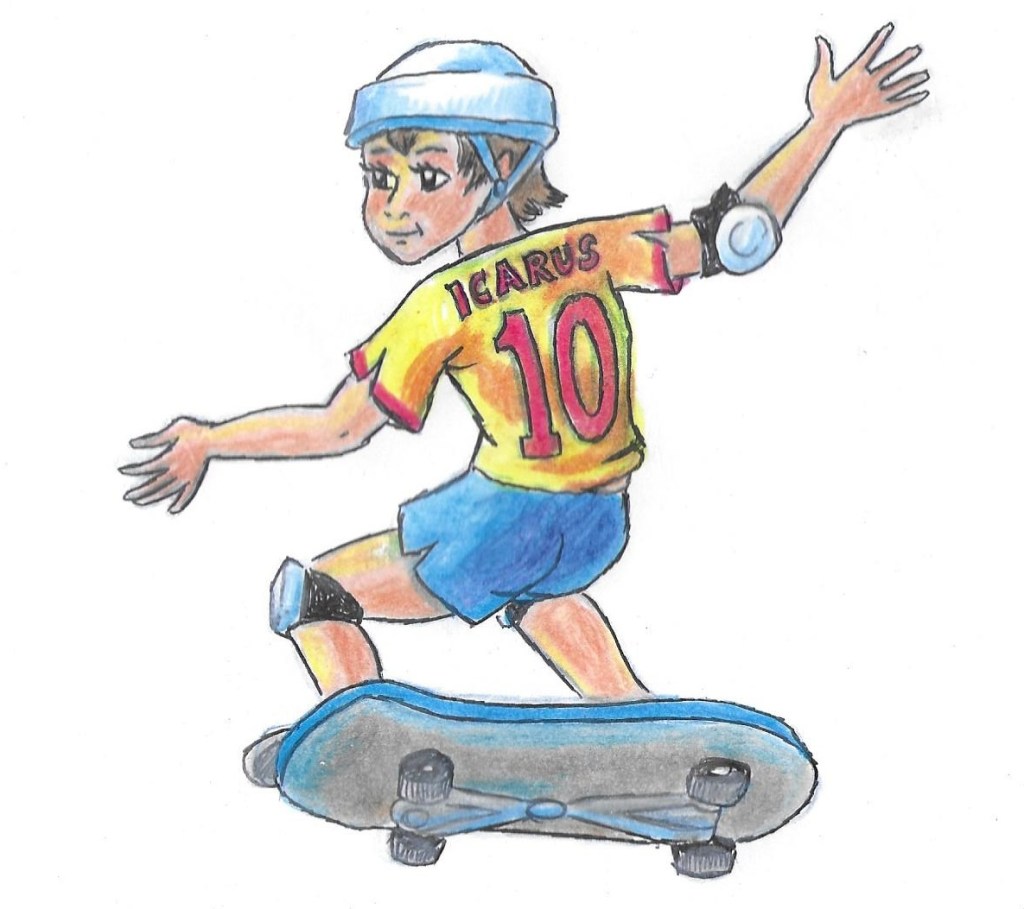
Icky himself is only the author of the suicide note, so his involvement in the story, as the most important character (even mentioned in the title), depends on the narration of others.
…………………………………………………

Sherry Cobble is writing her Nudist’s Diary to chronicle life in the 9th grade in Iowa as a happy and enthusiastic naturist whose main goal is to recruit all of her 9th grade friends to be naturists. Her twin sister Shelly is also a nudist and is supposed to being doing her half of the diary, but her boyfriend has happily accepted the invitation to become a naturist already, and her interest in the diary has waned.
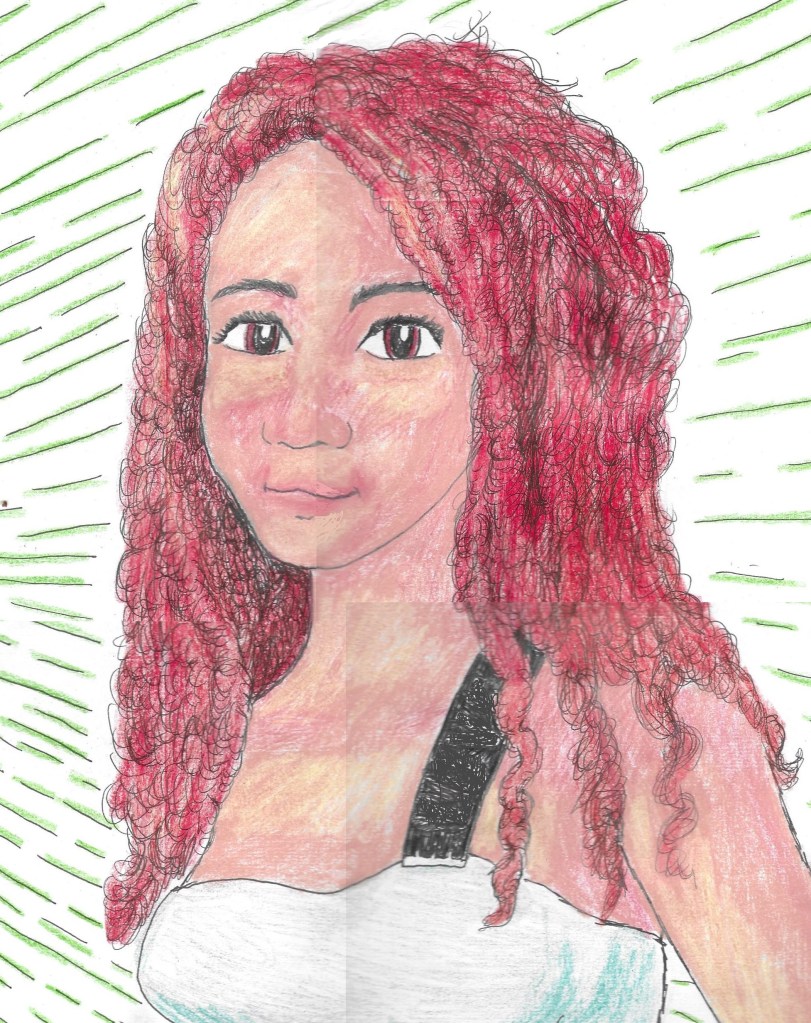
But Sherry’s diary entries soon reveal a serious conflict. Icky Jone’s girlfriend talks her step-father into moving all the way to Norwall, Iowa in order to be near to Icky. And Fiona Long soon becomes interested in Sherry’s boyfriend, Brent Clarke. In fact, she crashes Sherry’s Spring Nude Picnic party so that she can spend time playing football in the nude with Brent. And to make matters worse, Fi turns out to be a red dragon disguised in human form. Fi is obviously not one of the narrators of the book. So, her part in the story depends solely on what Sherry says about her.
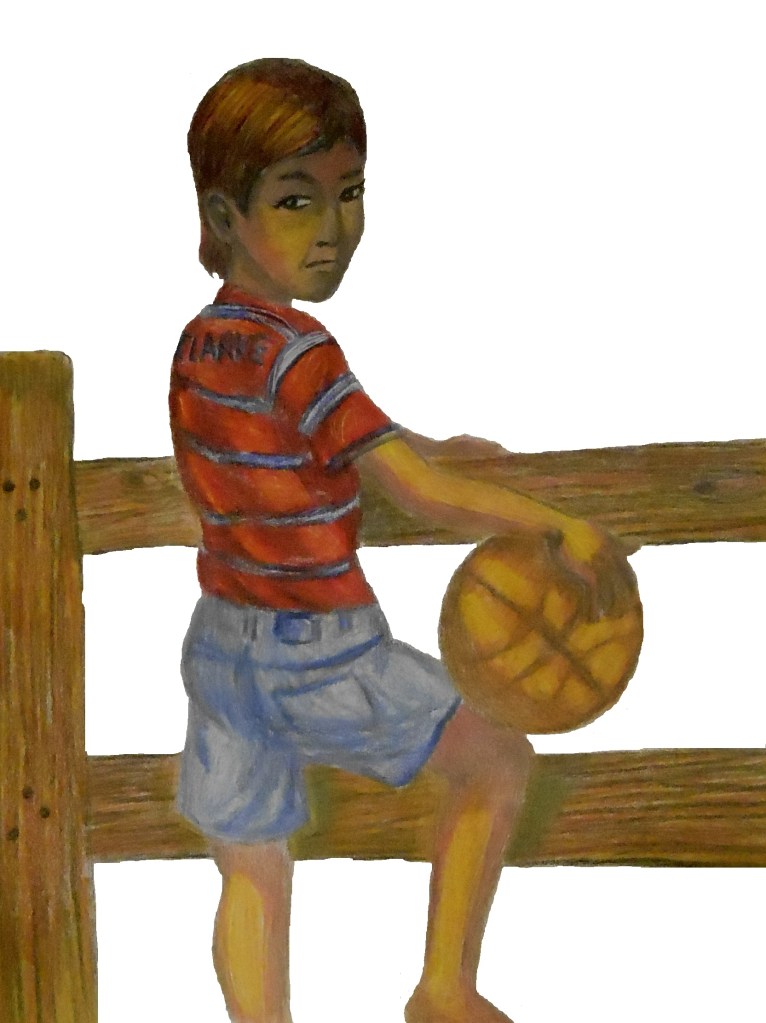
Brent Clarke is the third narrator of the book. He is the leader of the local gang of farm kids and 9th graders known as the Norwall Pirated. He’s obsessed with police work and investigating bad guys. He keeps investigator notes in which he sees himself as a great detective. And it is his detective instincts that start him recording what he can learn about Tian Long, Fi’s stepfather. His suspicions lead him to the conclusion that Mr. Long is an evil Chinese dragon in human form.
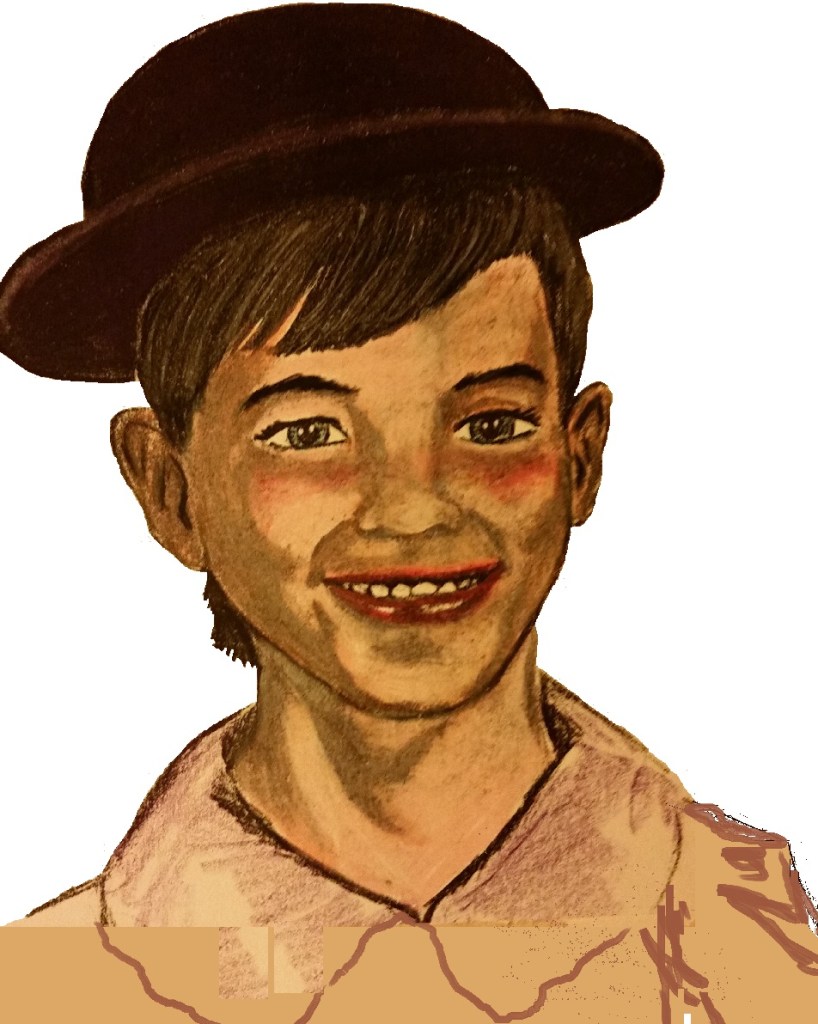
Milt Morgan is the fourth major narrator of the story. He is a highly imaginative 9th grader who is supposed to be keeping a daily journal for his English teacher (who desperately wants Milt to become a better writer and put his high-powered imagination to better uses than thinking up ways for the Norwall Pirates to get into trouble).

Milt, naturally, hates to write, but does it on a typewriter, mistakes and all, because he is a story-teller at heart. And this story has a potential to stop any and all hearts involved. You see, in some ways, it is a story about a monster. A monster who wants to eat Icky Jones. It wants to eat him because… he is boy who can potentially live forever.
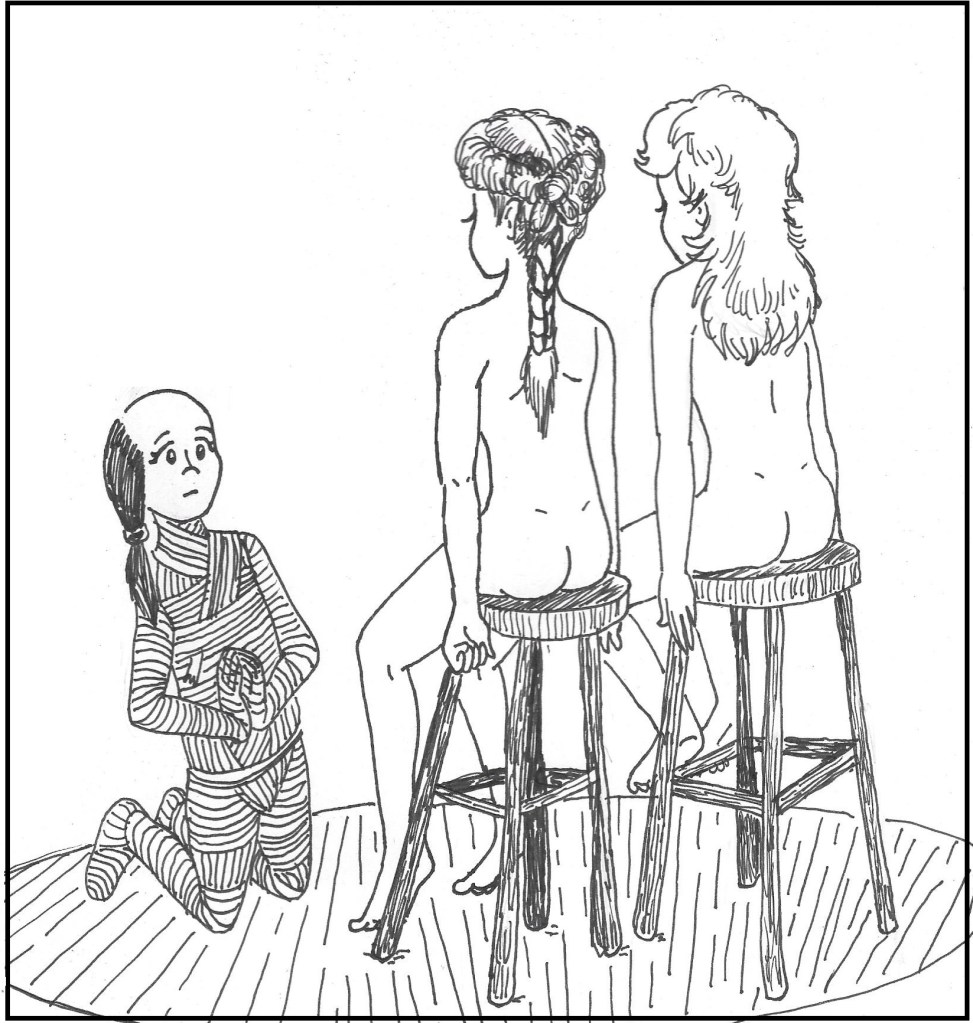
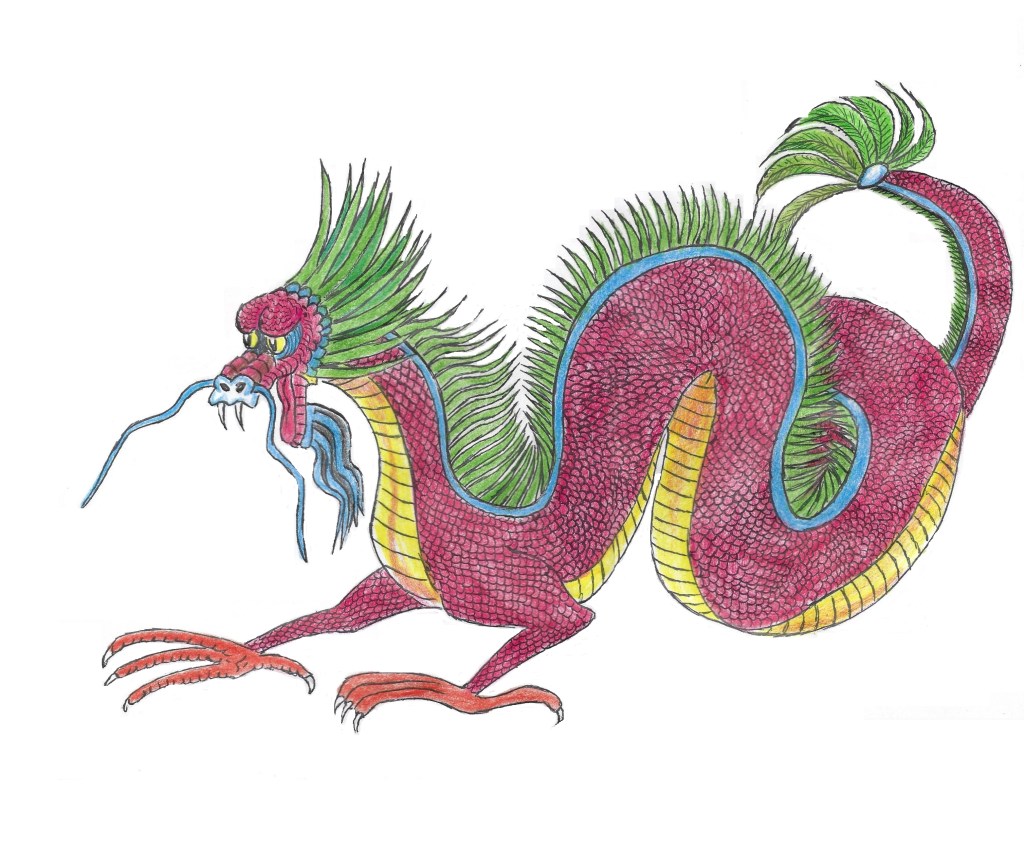
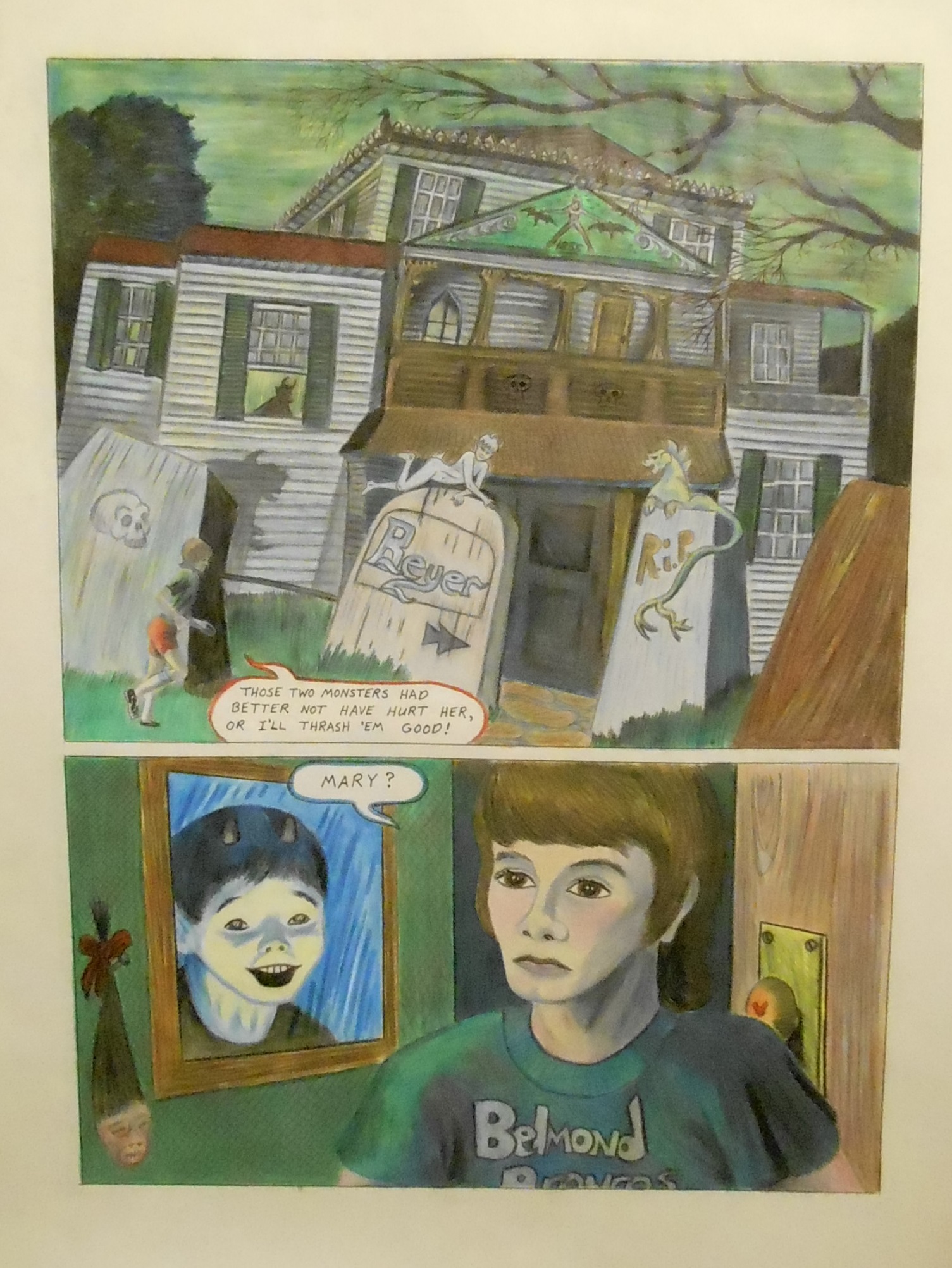
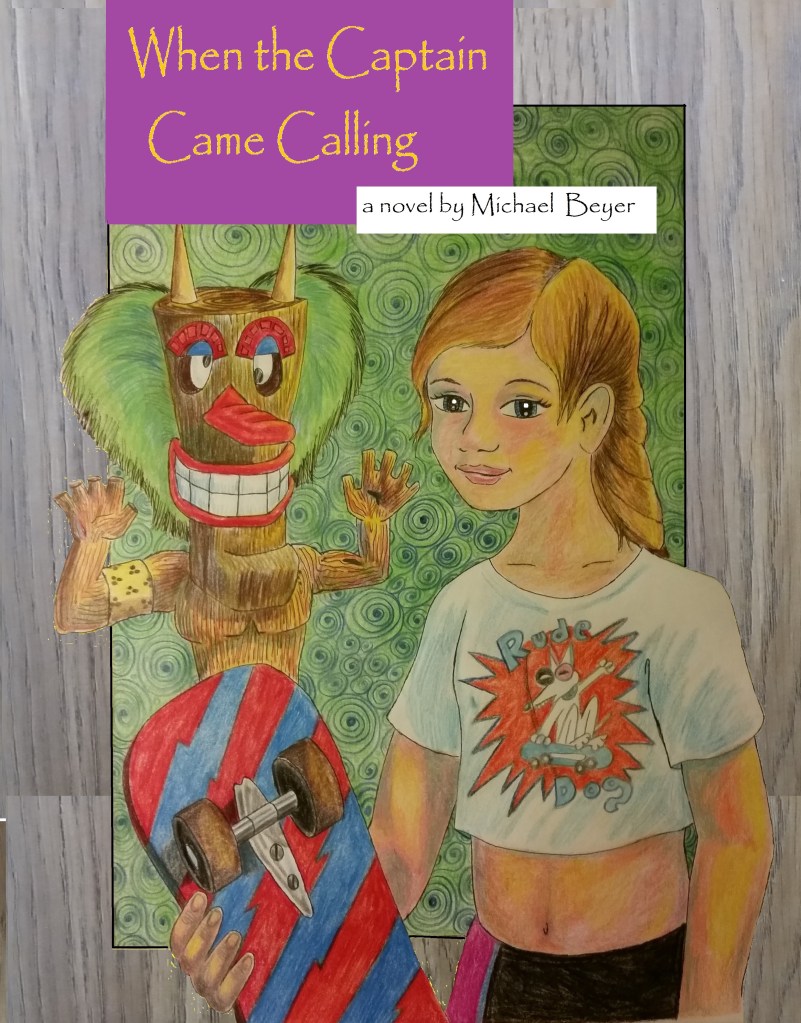
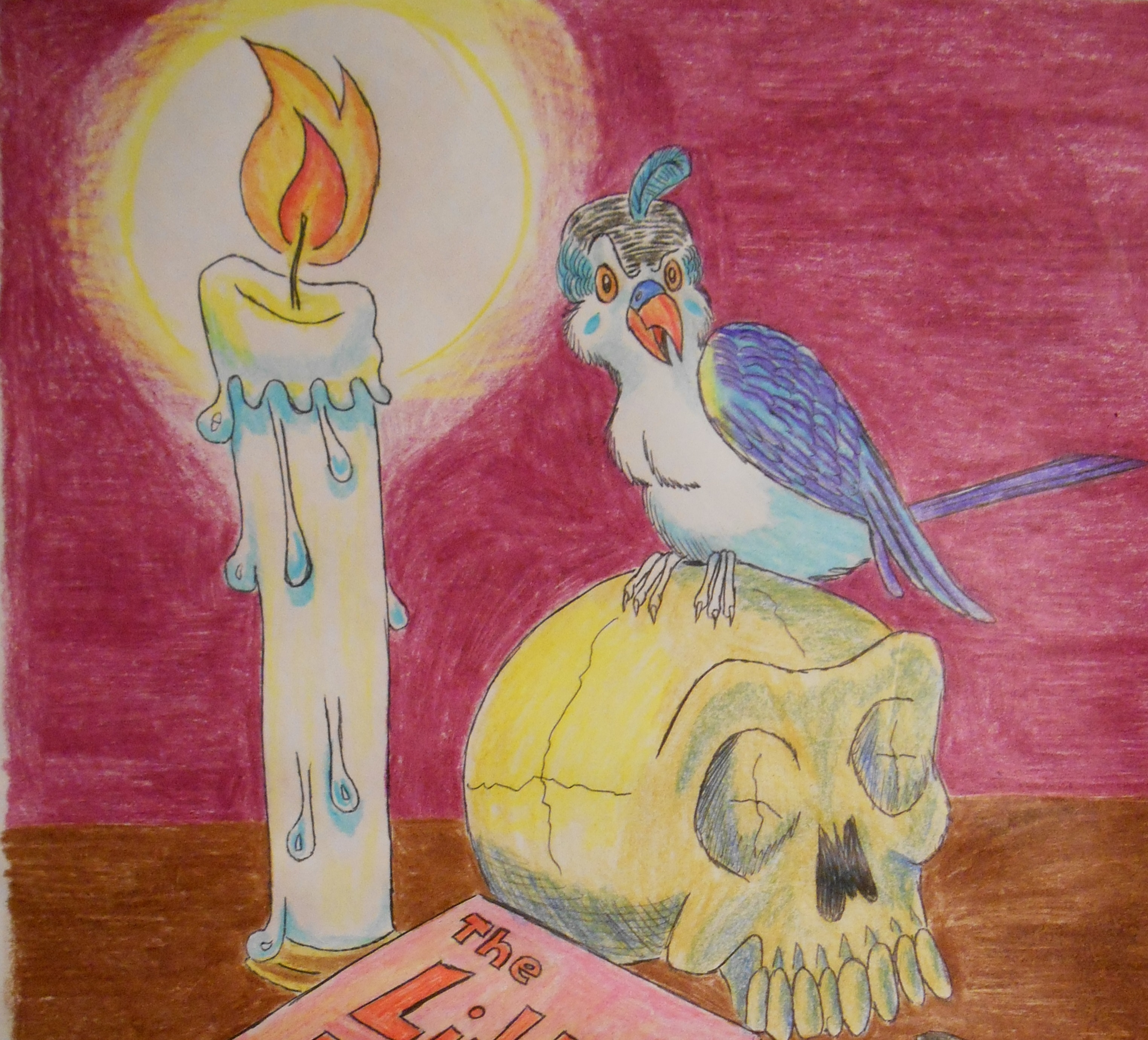
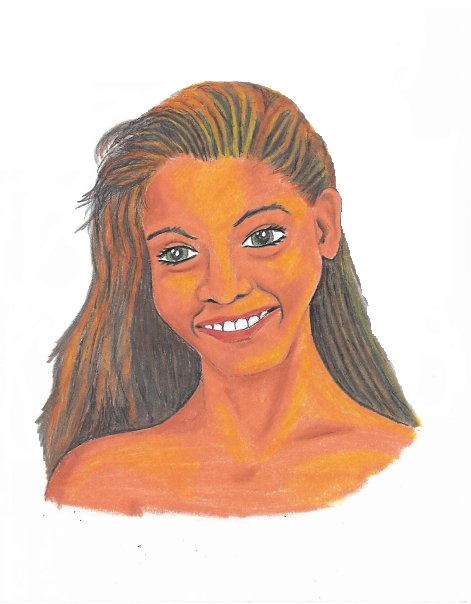
This is the most recent illustration done for the novel. This one above, not the one below.

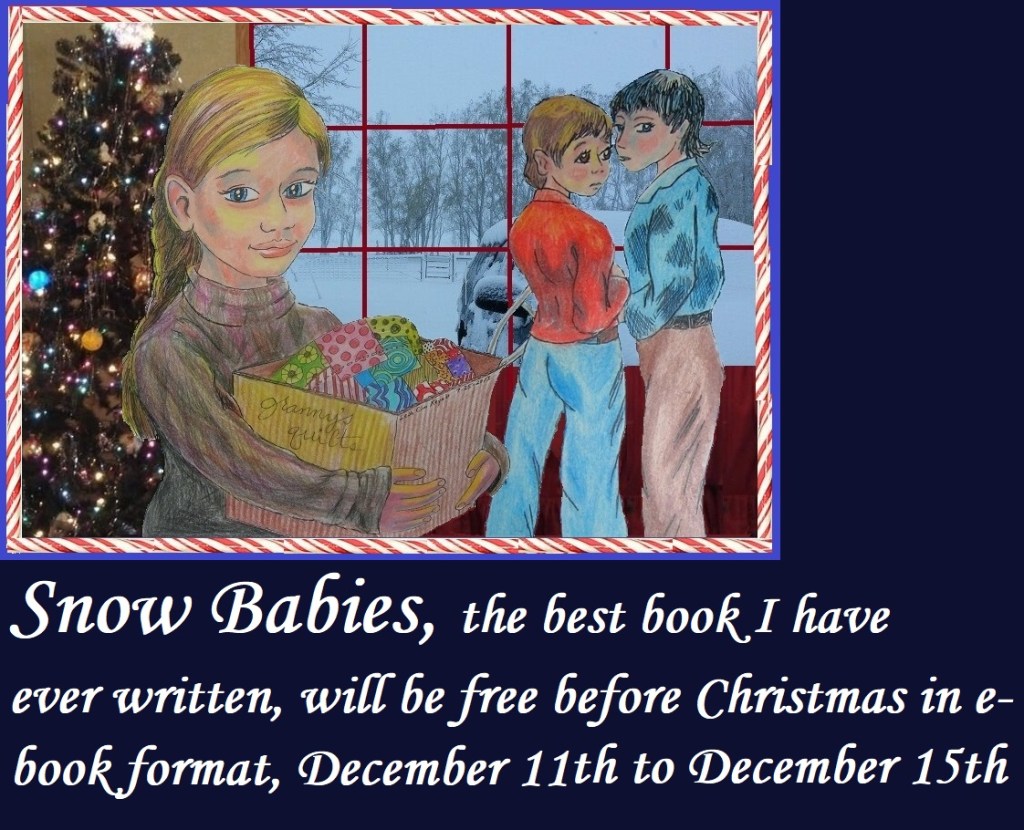
And, finally, here’s a reminder about my book promotion, beginning today.
3 Comments

Filed under artwork, horror writing, humor, illustrations, novel, NOVEL WRITING, Paffooney, work in progress

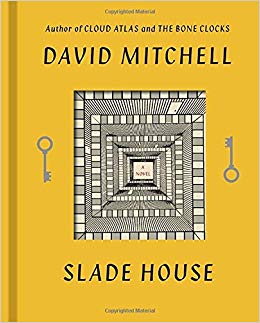
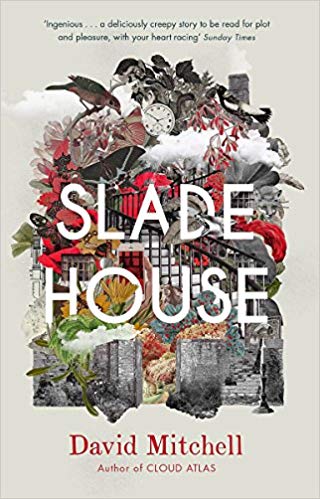
Slade House (a book by David Mitchell)

As a writer of novels, like all passable to good writers of novels, I read novels. Not just any novels. Novels that are the kind of novels I aspire to write myself.

David Mitchell is one of those novelists who can write the way I want to write. His stories are detailed and yet, compelling enough to follow wherever the story leads you. Characters are vivid and seem to have an actual life beyond the pages of the novel. And there is a chance that you will meet them again in another David Mitchell novel, even if they died in the previous David Mitchell novel you read. He writes across swaths of time and gives the story a sense of history.

Slade House is basically a haunted house story, a horror story about a house that is itself a sort of ghost. It can only be entered by a single small iron door that only appears in an alleyway every nine years. And every time it does appear, in October of 1979, 1988, 1997, 2006… , at least one somebody will go in and never come out again.

The story is side-linked to the masterpiece Mitchell novel, The Bone Clocks. It is also a plot less convoluted and multifaceted than Bone Clocks and Cloud Atlas, so much easier to follow

David Mitchell is an author I study to learn about writing and storytelling. I don’t copy him. I do take note of his bag of tricks, his writer’s toolbox, so to speak, and I pick up and play with those same tools and magician’s secrets. I would like to suggest that if you truly wish to be a writer of fiction, you must put David Mitchell’s books on your must-read-before-I-die list. If you can’t put Mitchell on that list, then here are a few others on my list; Michael Crichton, Terry Pratchett, Neil Gaiman, Louis L’Amour, Charles Dickens, Thomas Hardy, H.P. Lovecraft, Steven King, Mark Twain, and J. K. Rowling. It should be obvious that these names are all on my list for different reasons. And if you don’t read David Mitchell, there are artisan’s techniques there you can get nowhere else. But you are the reader. And if you have chosen to read this far through this essay, then you are at least fool enough to want to know the things I am telling you in this book review.

As a storyteller, David Mitchell is Rumpelstiltskin. He weaves straw into gold. And if you are canny and careful enough of a reader, you can gain some of that value from his work without giving up your firstborn.

Leave a comment

Filed under book review, ghost stories, horror writing, writing teacher

Waiting for the Curtain to Fall…

Firefang

The Amazon rain forest is burning. It filters our atmosphere, removing carbon, and producing about 20 percent of our breathable air. The Latin Trump, newly elected leader of Brazil, wants it to burn to make arable land for growing soybeans to sell to China and profit over the Pumpkinhead President’s stupid trade war.

I already worry about having a heart attack at any moment. I can’t afford insulin for my diabetes, or another trip to the emergency room. The next concerning chest pain may well be the onset of the end of everything for me. If it is just another mystery pain caused by the inflamed joints in my rib cage, or the arthritic bones pressing on my spinal chord, I will not be able to pay for the inevitable surgery I discussed with doctors before. Better for my heart to go boom and the suffering to end.

But I believe in the Dylan Thomas solution. “Do not go gentle into that good night, rather, Rage! Rage! Against the dying of the light!”

So, how do I do that? How do I rage against the end of days? Whether for the entire planet facing heat death and a destroyed environment, or just for myself?

I will write the next home-town novel about the boy who cannot die. I am calling it A Boy Forever… at least for now. That’s a working title.

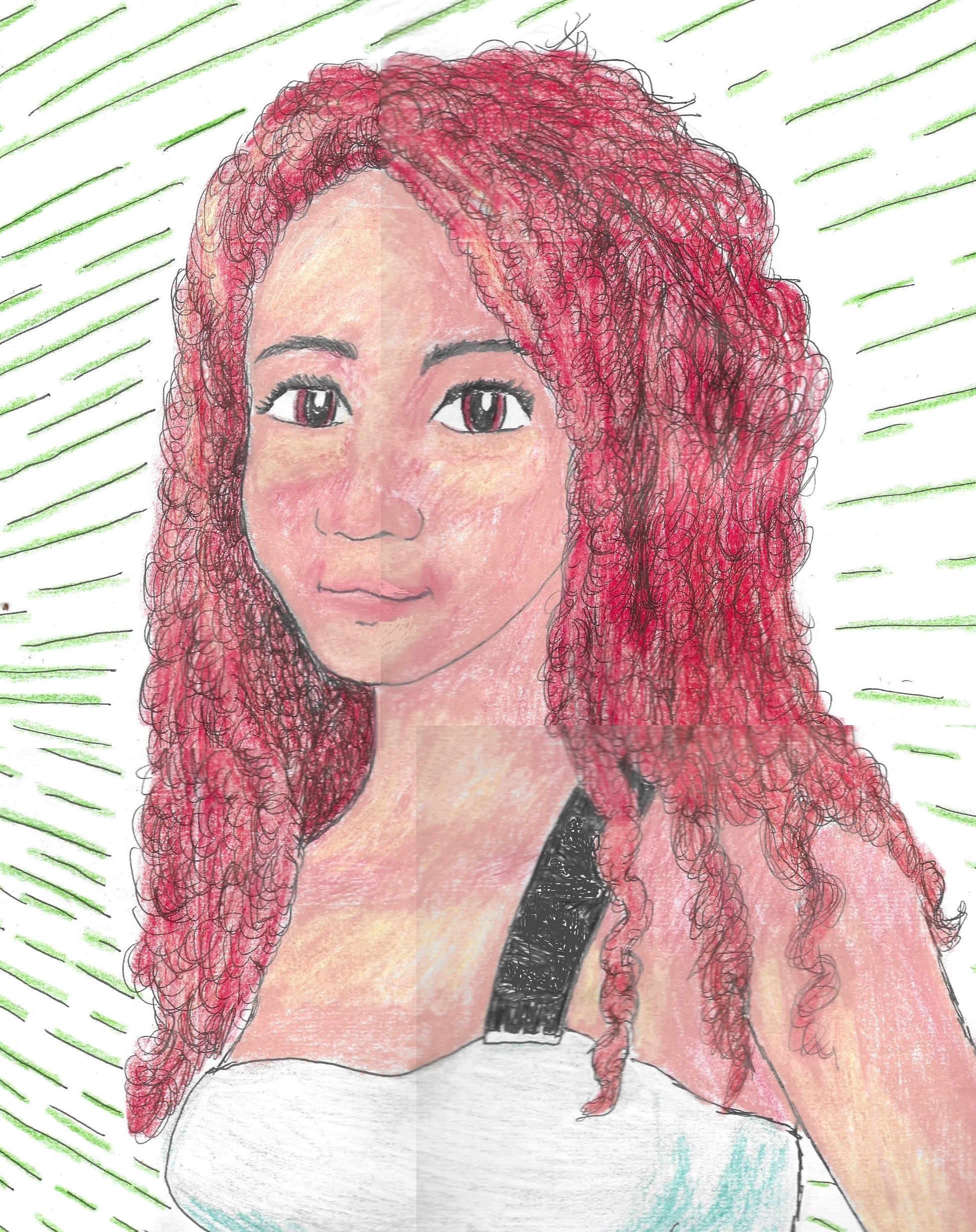
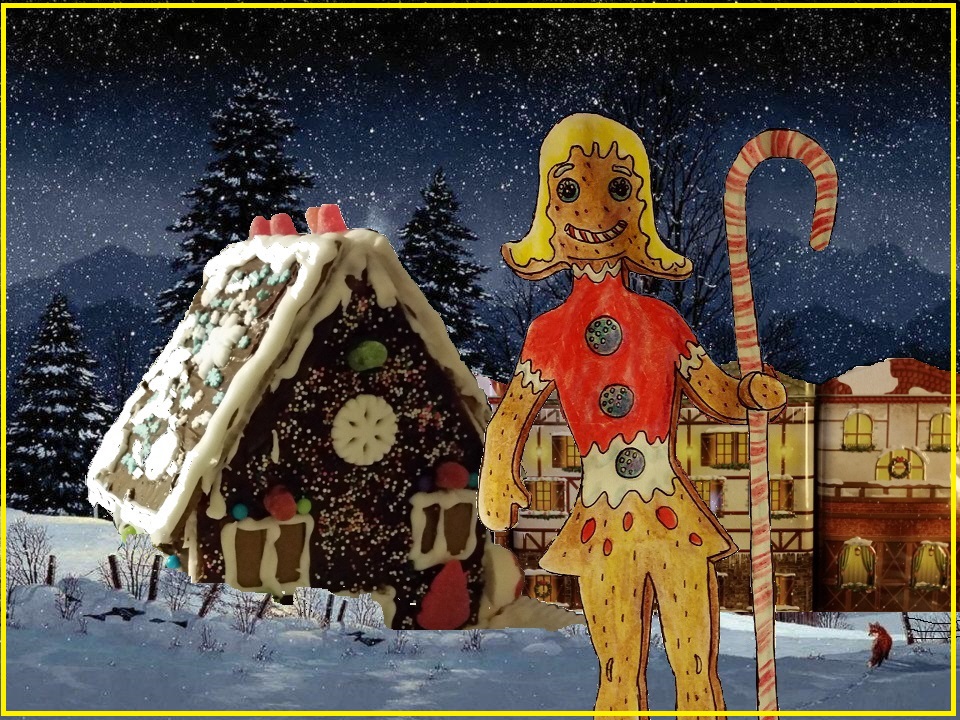
The Paffooney for today pictures Firefang, a girl who comes to the little town of Norwall, Iowa, against her will with her adoptive oriental father. She is not the protagonist. Young Icarus Jones is that. Rather, she is the antagonist, the fire-breathing troubled teen dissatisfied with life and longing for chaos and escape.

This will not be a teen romantic comedy. Well, not only that, anyway. It will be a book about an imprisoned dragon, the undying, and the undead. It will be about murder and the quest for immortality. I am working on the plot of it as an epistolary novel, made up of letters, interviews, and first-person accounts. And it will be both funny and sad, both an allegory and a farce, a parody and a prose poem.

Okay, I know it’s a tall order. But when faced with imminent death, you gotta do something, right? I intend to write another novel.

The picture is modeled after a girl from Brazil that I met over the internet, on Twitter. The character is not based on her. I barely know her. But I used her internet selfie to draw the picture portrait of Firefang.

Leave a comment

Filed under horror writing, humor, Iowa, novel, novel plans, Paffooney

A Mini-Comic for Art Day

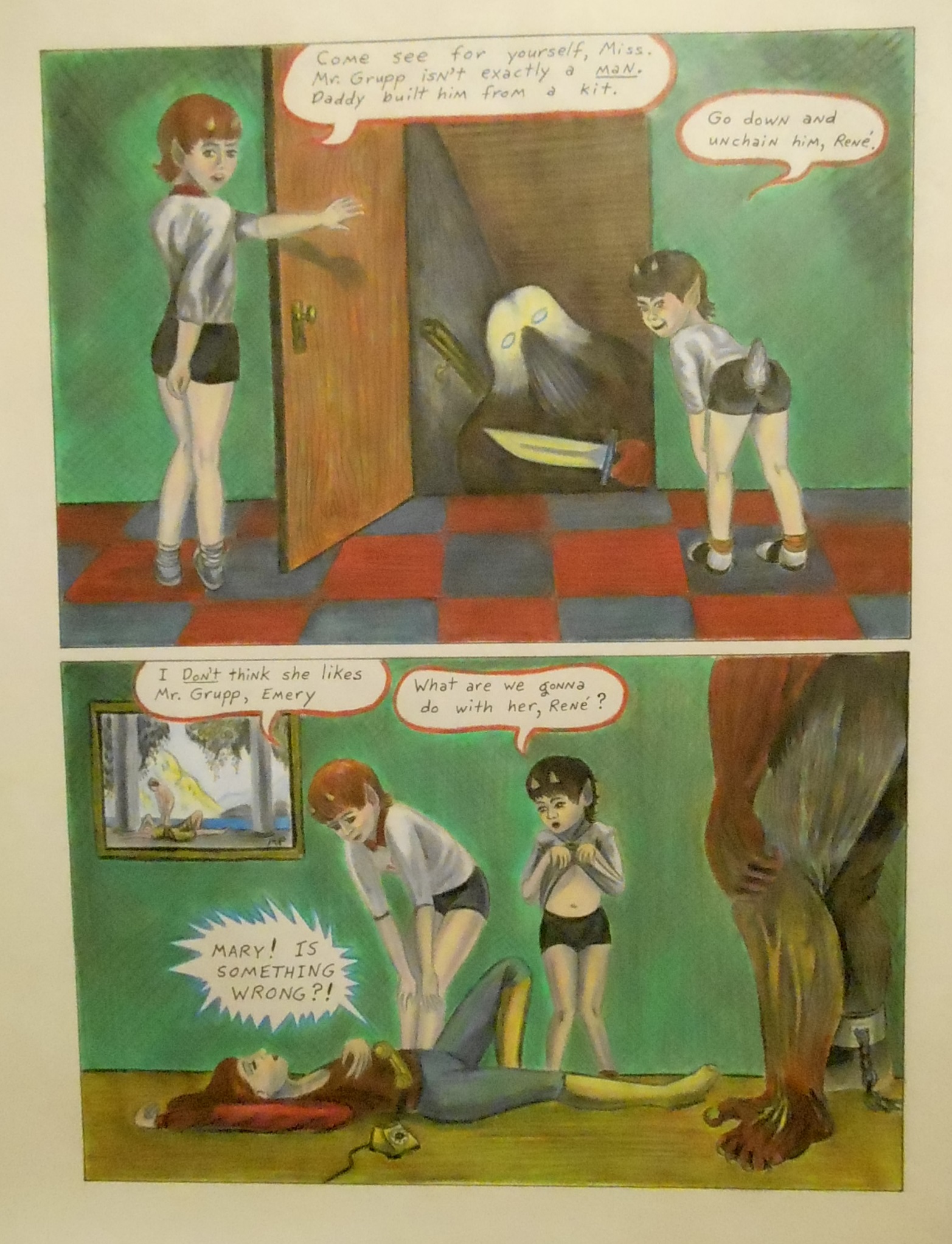
Here is a brief and very surrealistic comic story that I have published before… but a long time ago.

I know it is a bit bizarre, and hard to tell what the theme really is… but isn’t that what art is really for? Telling highly personal stories that make you think hard about seeing things through the eyes of an artist.

Leave a comment

Filed under artwork, comic strips, foolishness, horror writing, humor, Paffooney, surrealism

Chewing on Gingerbread Stories

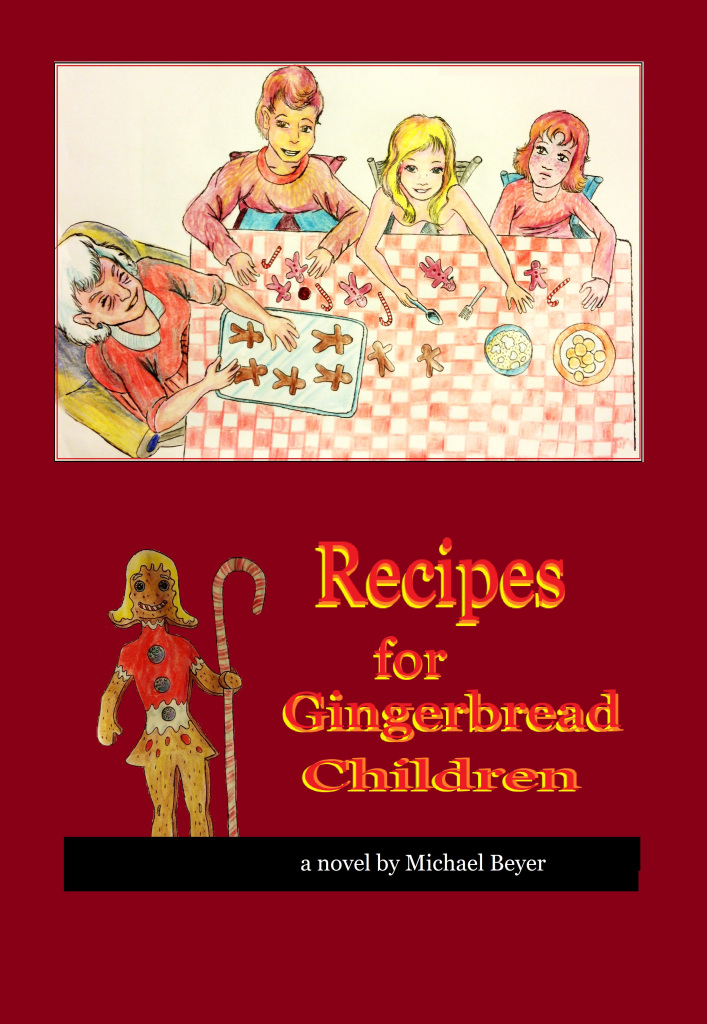
I have started re-reading my werewolf stories again as I intend to promote the heck out of the two books pictured here in the rest of 2019.

Both books are intertwined even though they are both stand-alone novels with different genre ties and different themes. They share the same characters, many of the same scenes (though seen from different viewpoints in each novel), many of the same plot points, and the same werewolf. I like to think that reading both books together makes a better, more nuanced story as a two-book whole. But each book is also a whole in itself. And you can read them in either order.

I started by re-reading Recipes for Gingerbread Children. This book is basically a fairy-tale story-collection contrasted with a Holocaust survivor’s story. It is about how a storyteller manages to shape the world around her to help herself and others make sense out of a cruel world filled with evil and betrayal.

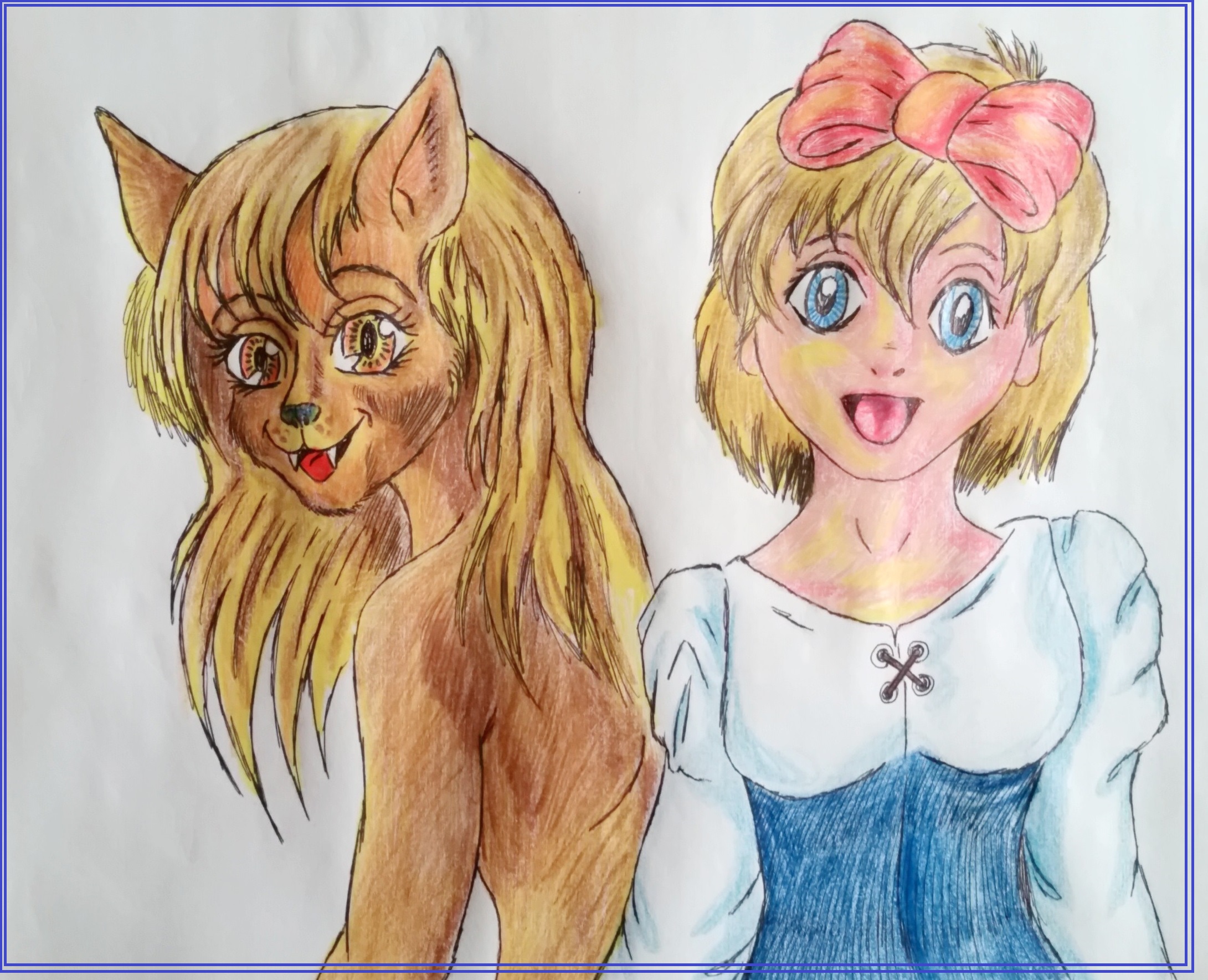
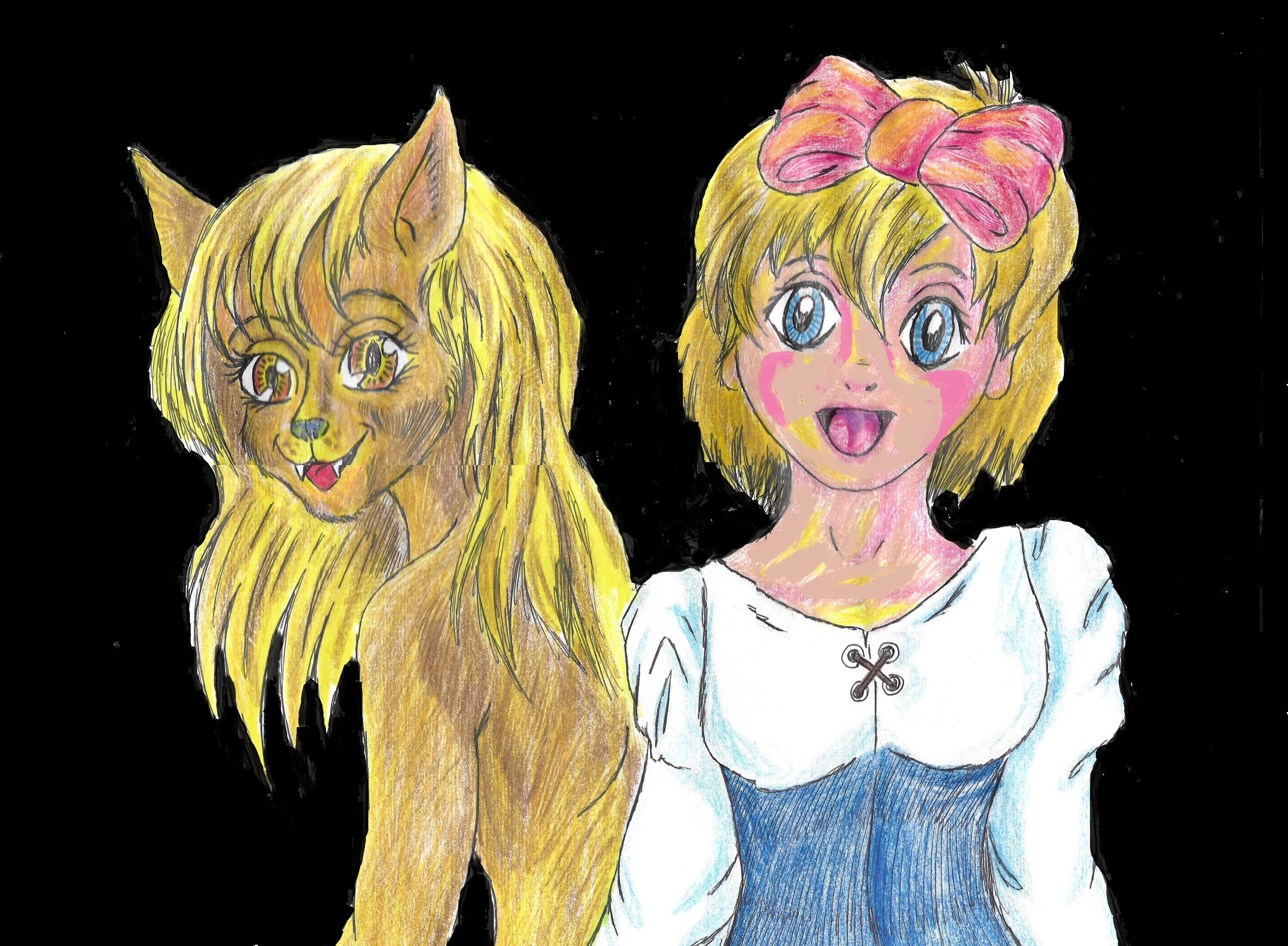
Dunderella and the Wolf Girl (a random werewolf illustration not connected to either book)

The Baby Werewolf is a Gothic horror tale where the real monster is hidden by deeply buried secrets, and lies have to be pierced to protect the innocent. I will re-read and promote this book second. I love both of these books with a paternal sort of overlooking-the-warts-and-birth-defects love.

So, I have a plan. A hopelessly pie-in-the-sky plan. But a plan. And hopefully at least some part of the plan will work.

Leave a comment

Filed under horror writing, humor, novel, novel plans, novel writing, Paffooney, publishing

When the Captain Came Calling… Canto 19

Canto Nineteen – The Log Book of the Reefer Mary Celeste

It would be two days before anything more could happen in the quest to understand about the Captain.  Valerie finally found the time to visit Mary Philips’ house while Pidney was also there.  None of the other Pirates proved available.   Danny had a 4-H meeting to attend in the old Norwall School House, and Ray Zeffer also was in 4-H.  4-H Club was the center of farm-boy life in small farm towns in Iowa.  Both the boys and the girls had their own division of the club.  Heart, head, hands, and health, the 4-H’s were an international organization that encouraged youth development and prosperity through projects and learning goals.  4-H was to farmers what Boy Scouts were to the Army, Navy, and Marines… indoctrination into the secret cult of the tillers of the earth.  Technically, the three Pirates meeting in the basement of the Philips’ house were supposed to be at the meeting too, at least Pidney was.  The Norwall Pirates were also technically a 4-H softball team, so there were definite ties to things that couldn’t be ignored for long.  Still, this secret meeting was temporarily more important.

“I’m glad creepy old Doble couldn’t come,” Pidney said.  “I don’t trust him around you girls.  He doesn’t go to 4-H meetings any more, but he apparently has more important things to do with himself anyway.”

“We have to consider him a Pirate, though,” said Mary.  “He is the only remaining member of the original club.”

“Yeah, whatever.”  Pid was frowning until he looked at Valerie.  Then he smiled.  “But I’m sure glad you could come, Val.”

Valerie smiled her thanks at the big Polack.  He could be kinda dense at times, but Valerie was deeply in love with him anyway.

“I have the log book here,” Mary said, “and we can pick up reading where we left off.”

“About the mermaid?” said Pid.

“Yes, about the mermaid.”

“Chinooki,” reminded Val.

“Let me turn to the book mark,” said Mary.

                The mermaid was a miraculous creature.  Kooky actually had very little trouble catching her in the nets he used for catching prawns whenever we were near the island of Tahiti.  It was like she wanted to be caught for some strange reason.  And we soon discovered that keeping company with Chinooki was something every man aboard desired with a passion.   Her singing voice charmed the men to sleep and suggestibility.  The mermaid possessed every piece of scrimshaw, every golden ornament, and every valuable jewel on board the ship in very short order.

                “Chinooki likes sweet mens,” Chinooki said so often we never stopped to think that it might have a double meaning.

                Chuck Jones was the first man to disappear.  Kooky later told me that Chinooki told him she ate the sweet man.  But she could say practically any scary and awful thing, and then sing a sweet song, and everyone would smile and think she did no wrong.  The cabin boy disappeared next, and Bob Clampett swore he saw the kid’s severed foot at the bottom of the oyster stew Cookie served that same night.

“I am becoming alarmed here at this story,” said Pidney.  “Is this one of those things where you read the scary story in a book and then it comes true in real life?”

“It can’t be,” said Mary.  “You know full well that Captain Noah Dettbarn was a fool and a liar long before he ever went to sea.  He has a reputation in this little town, and the old folks all say that telling a lie is the same as telling a Noah.”

Mary continued reading aloud.

                Chinooki was a favorite of every sailor aboard.  She entertained us constantly with stories and songs.  She could play Kooky’s ukulele, too, like a professional.  She had us all dancing and singing along without being truly aware of what was going on.  Crewmen kept turning up missing.  Then, when Kooky started kissing her on the lips at every opportunity, I realized I needed to confront her.  I think I owe Kooky for that, because if he hadn’t interrupted her songs with his kisses, I might never have returned to my senses.

                “Chinooki,” I said, late one night at the aft rail, “you have to stop doing to us whatever it is that you have been doing to us.”

                “Chinooki not know what you are meaning, nice Captain mans.”

                “Don’t accuse her without all the facts,” Kooky said.

                “The crew likes what Chinooki has been doing for us,” added Bob Clampett.

                “Look around, Bob,” I said.  “Where exactly is the rest of the crew?”

                Bob looked all around the deck.  There was a lot of nobody to count.  His eyes got big and round.  “Good Lord!  You are right, Captain!  Something is definitely wrong!”

                “Ho ho!  Sweet Bobs has seen through the glammer!  Maybe silly Captain mans too!” said Chinooki.  She then wobbled up to Bob using her fish tail to travel upright in the manner of a cobra.  She put her silvery arms around his neck and gave him a big old smooch on the lips. Then she bit deeply into the side of his neck.  Together they pitched backwards over the ship’s rail and fell into the ocean below.  Poor Bob did not even have a chance to scream.

At that point in the story, poor Pidney was so pale, that Mary stopped reading, apparently afraid the big Polish football hero was about to pass out from fear.

“Don’t stop now!” Valerie insisted.  “This old log book thing is getting really, really good.”

Leave a comment

Filed under horror writing, humor, novel, NOVEL WRITING, Paffooney, Pirates

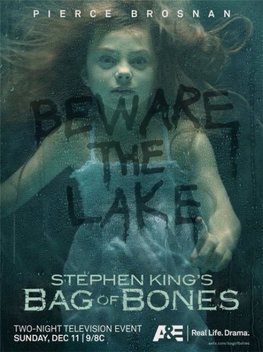
Reading Bag of Bones

This is not a book review. I did finish reading this book in a 3-hour-end-of-the-book reading orgy, spending an hour last night, and two more early in the morning before the rest of my family was awake.

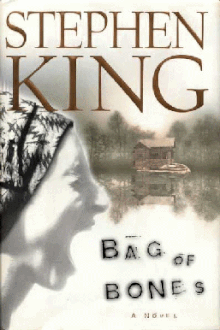
This is certainly not a book review. But I did read a Stephen King book, 1998’s Bag of Bones, which I picked up from the dollar sale shelves at Half Price Books. And I did love the story.

………………………………………………………………………This is not a book review. Instead, I want to talk about what a novelist can learn and reflect on by meta-cogitating over what this book reveals about King’s work habits and style and author’s voice.

Mike Noonan, the protagonist, is a novelist who writes books that routinely land in the numbers 10 through 15 slots in the New York Times Bestseller List. Obviously, this first-person narrative is coming directly out of King’s own writing experience. But, remember, this is not a book review. I am discussing what I have learned about how King puts a story together.

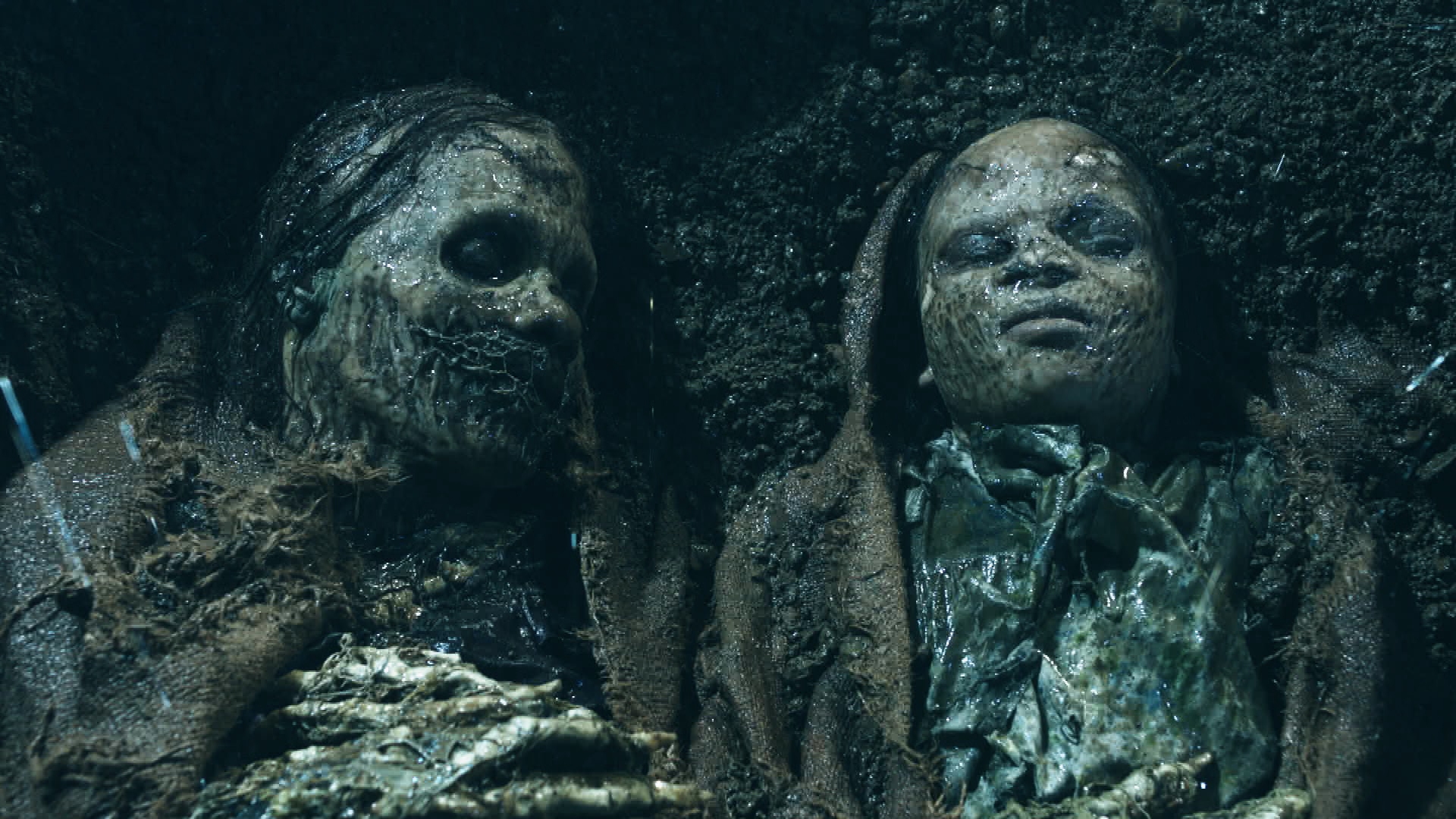
King sets a back-story for this novel that digs deep into the geographica and historica of the city in Maine where the story is set. The literal bag of bones revealed in the book’s climax is almost a hundred years old. And he takes a compellingly realistic tour back in time to the turn of the Twentieth Century more than once to reveal who the undead characters are and why they do what they do. One thing that makes a writer, a novelist, truly solid is his ability to set the scene, to grow the story out of the background in the most organic and realistic way possible. But this is not a book review. I am saying that King always does this with his books. And if you wish to write at that level, you must do that too. I know I am sincerely trying.

At the end of the story, he clearly tells the reader that he learned from Thomas Hardy that “the most brilliantly drawn character in a novel is but a bag of bones”. So, he is definitely aware that a character is a construct that has to be crafted from raw materials. It takes a master craftsman to build one with the right words to make it live and breathe on the page. He does it masterfully in this book with several characters. The protagonist, the beautiful young love interest, the love interest’s charming three-year-old daughter who is nearly slain in a horrific manner at the end of the book… The living villain is a well-crafted bag of bones, as is the ghost, the actual bag of bones in the story. But this is not a book review. Most of his books, at least the ones I have read, have the same sort of masterful characters.

There is so much more to be learned about novel writing from this book. He literally shows you how ideas are captured, how they are developed into stories, how you overcome “writer’s block”, and Noonan’s book he is writing within this book is even used as an example of how to poetically advance the plot. But this is not a book review. You should read this book. It is a very good and scary piece of work. But you should read it because it shows us how to write and do it like a master.

12 Comments

Filed under horror writing, insight, inspiration, NOVEL WRITING, writing teacher

Writing a Horror Story

Candle-lit nightmares become stories and keep me awake late at night.

I am now closing in on the publication of The Baby Werewolf, a novel whose story began with a nightmare in 1978.  It was a dream I had about being a monster.  I woke up in a cold sweat and realized, to my complete horror, that I had been repressing the memory of being sexually assaulted for twelve years, the thing that almost brought me to suicide in 1973 and that I couldn’t put into words when I talked to counselors and ministers and friends who tried to keep me alive without even knowing that that was what the dark black words were about.

I don’t normally write horror stories.  Yes, it is true, a character of some sort dies at the end of practically every novel I have ever written, but those are comedies.  I am sort of the anti-Shakespeare in that sense.  The Bard wrote comedies that ended with weddings and tragedies that end in death.  So, since my comedies all seem to end in death, I guess if I ever write a tragedy, it will have to end with a wedding.

Torrie Brownfield

But writing this horror story is no joke for me, though I admit to using humor in it liberally.  It is a necessary act of confession and redemption for me to put all those dark and terrible feelings into words.

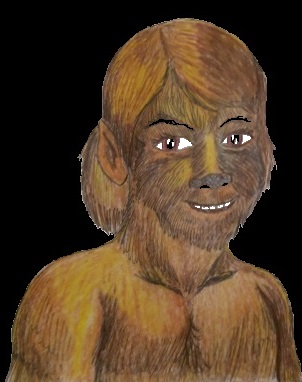
The main theme of the story is coming to grips with feeling like you are a monster when it is actually someone else’s fault that you feel that way.  Torrie, the main character, is not the real werewolf of the story.  He is merely a boy with hypertrichosis, the werewolf-hair disorder.  He has been made to feel like a monster because of the psychological and physical abuse heaped upon him by the real werewolf of the story, an unhappy child pornographer and abuser who is enabled by other adults who should know better and who should not be so easily fooled.  The basis of the tale is the suffering I myself experienced as a child victim.

It is not easy to write a story like this, draining pain from scars on my own soul to paint a portrait of something that still terrifies me to this day, even though I am more than sixty years old and my abuser is now dead.  But as I continue to reread and edit this book, I can’t help but feel like it has been worth the pain and the striving.  No one else in the entire world may ever want to read this book, but I am proud of it.  It allowed me to put a silver bullet in the heart of a werewolf who has been chasing me for fifty-two years.  And that’s how the monster movie in my head is supposed to end, with the monster dead, even though I know the possibility of more monsters in the darkness still exists.

4 Comments

Filed under autobiography, horror writing, humor, NOVEL WRITING, Paffooney

The Wolf in My Dreams

wolfgirl

Rosemary Hood was a bright, blond seventh grader who entered my seventh-grade Gifted English class in September of 1998.  She introduced herself to me before the first bell of her first day.

“I am definitely on your class list because my Mom says I belong in gifted classes.”

“Your name is Rosemary, right?”

“Definitely.  Rosemary Bell Hood, related to the Civil War general John Bell Hood.”

“Um, I don’t see your name on my list.”

“Well, I’m supposed to be there, so check with the attendance secretary.  And I will be making A’s all year because I’m a werewolf and I could eat you during the full moon if you make me mad at you.”

I laughed, thinking that she had a bizarre sense of humor.  I let her enter my class and issued her copies of the books we were reading.  Later I called the office to ask about her enrollment.

“Well, Mr. Beyer,” said the secretary nervously, “the principal is out right now with an animal bite that got infected.  But I can assure you that we must change her schedule and put her in your gifted class.  The principal would really like you to give her A’s too.”

So, I had a good chuckle about that.  I never gave students A’s.  Grades had to be earned.  And one of the first rules of being a good teacher is, “Ignore what the principal says you should do in every situation.”

But I did give her A’s because she was a very bright and creative student (also very blond, but that has nothing to do with being a good student).  She had a good work ethic and a marvelous sense of humor.

She developed a crush on Jose Tannenbaum who sat in the seat across from her in the next row.  He was a football player, as well as an A student.  And by October she was telling him daily, “You need to take to me to the Harvest Festival Dance because I am a werewolf, and if you don’t, I will eat you at the next full moon.”

All the members of the class got a good chuckle out of it.  And it was assumed that he would. of course, take her to the dance because she was the prettiest blond girl in class and he obviously kinda liked her.  But the week of the dance we did find out, to our surprise, that he asked Natasha Garcia to the dance instead.

I didn’t think anything more about it until, the day after the next full moon, Jose didn’t show up for class.  I called the attendance secretary and asked about it.

“Jose is missing, Mr. Beyer,” the attendance secretary said.  “The Sherrif’s office has search parties out looking for him.”  That concerned me because he had a writing project due that day, and I thought he might’ve skipped school because he somehow failed to finish it.  When I saw Rosemary in class, though, I asked her if, by any chance, she knew why Jose wasn’t in class.

“Of course I do,” she said simply.  “I ate him last night.”

“Oh.  Bones and all?”

“Bone marrow is the best-tasting part.”

So, that turned out to be one rough school year.  Silver bullets are extremely expensive for a teacher’s salary.  And I did lose a part of my left ear before the year ended.  But it also taught me valuable lessons about being a teacher.  Truthfully, you can’t be a good teacher if you can’t accept and teach anyone who comes through your door, no matter what kind of unique qualities they bring with them into your classroom.


4 Comments

Filed under education, horror writing, humor, Paffooney

We Are All Gonna Die

20180624_09xx4944

I hope you listened to Joe.  Not just the first part, then got bored and disgusted and turned on Fox News.  I hope you listened all the way to the end and heard the hopeful things he says there.  He is a very good video essayist who uses real science to reason with you about questions that are really about life and death.  One way we may be going to die as a species is through climate change and global warming.  The dire predictions we get from climate scientists, whom nobody seems to take seriously, are becoming increasingly alarming.  If we are too stuck in our own little kingdoms and don’t look the castle windows at the weather outside, we are not only going to have our parades rained on, it will be acid rain, and the parade marchers will get boiled on the hoof as they march.

McConnell-and-Dracula-e1499321042132-387x400

Those of us who put too much faith in the Trump Train, burning its beautiful clean coal, are going down to the bottom when we get to the canyon bridge and the train roars off the tracks.  Just ask Paul Manafort after his trial ends, or Jeff Sessions after Trump fires him to make racist sausages out of him to serve at an I-Love-Putin Picnic, what the ride has been like on the Trump Tongue Express.

But, of course, the Pumpkinhead in Chief is not the only reason we have no money and no jobs and are going to be roasted to death in a polluted world.  There is also the little matter of Trillions of Dollars in Debt that was racked up to make the rich richer and people like me foot the bill.

I know you may be suspicious of an interview conducted on RT which is an arm of Russian propaganda in the USA.  But I should point out, if you like Trump, you like Russia already, and both of these journalists, Chris Hedges and David Cay Johnston, are not afraid to tell the unvarnished truth.  That means the mainstream media is uncomfortable about putting them on the air, and those who want to stir up trouble find it easiest to do that by simply allowing access to researched facts and basic truths we are reluctant to hear.

If you don’t believe in the predictions offered by science, it is bound to be because of one of two different things.  Either you see the science and follow how the results of computer models become overwhelmingly dire, disgusting you with a total lack of optimistic outcomes, or you reject science in favor of the oil companies’ rose-colored fairy-tale outlooks where unicorns will consume CO2 clouds and fart out benevolent rainbows.  From where I stand now, broke and old and ill, it doesn’t matter much to me.  In the short time frames we are looking at for global-warming Armageddon, I will undoubtedly reach the end of my natural life.  I probably won’t be around for the horrific-suffering part of how this all is going to end.

I know if you haven’t turned away from this heat-death-of-the-planet idea already, you are probably pretty depressed by this point in the essay.  I know I am.  It does not bode well for my children and any future grandchildren.  But I will leave you with the reminder that we are human beings.  And human beings are complex and able to solve large complex problems.  We put men on the moon.  (Or we did the even harder job of faking it and not letting the secret be discovered for fifty years, complete with space-travel debris on the moon that you can take photographs of from earth with a really good telescope.)  So, just maybe this massive terrifyingly horrible problem can yet be solved in the nick of time.  I do believe in the good that can be found in mankind.  But I also see the corruption and evil.  So hopefully Mark Twain’s final hope for mankind, that this time when God drowns us, there will be no Ark, will be thwarted.  Believe me, I have no wish to die a horrible death.  But I am a pessimist after all.

9 Comments

Filed under angry rant, battling depression, commentary, feeling sorry for myself, horror writing, Liberal ideas, pessimism