
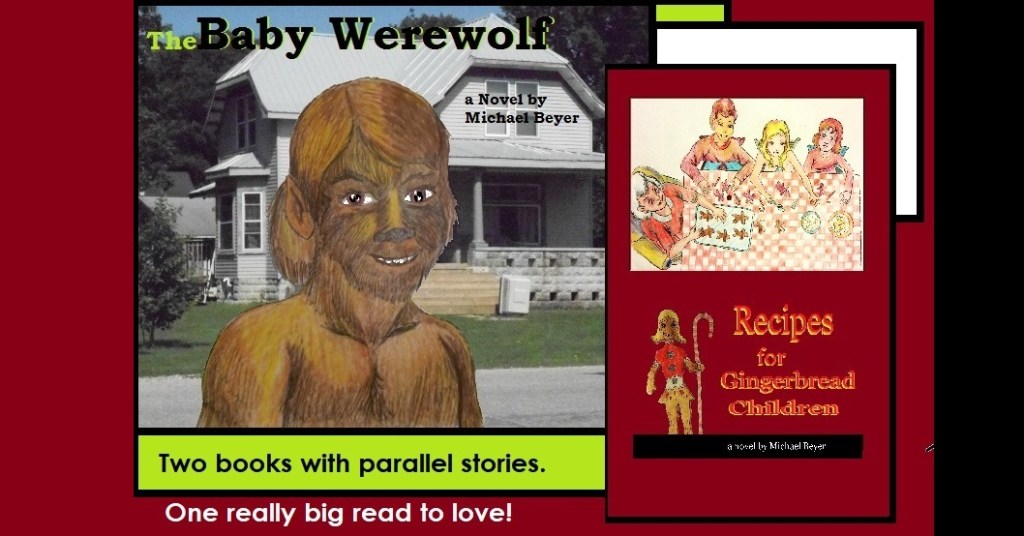
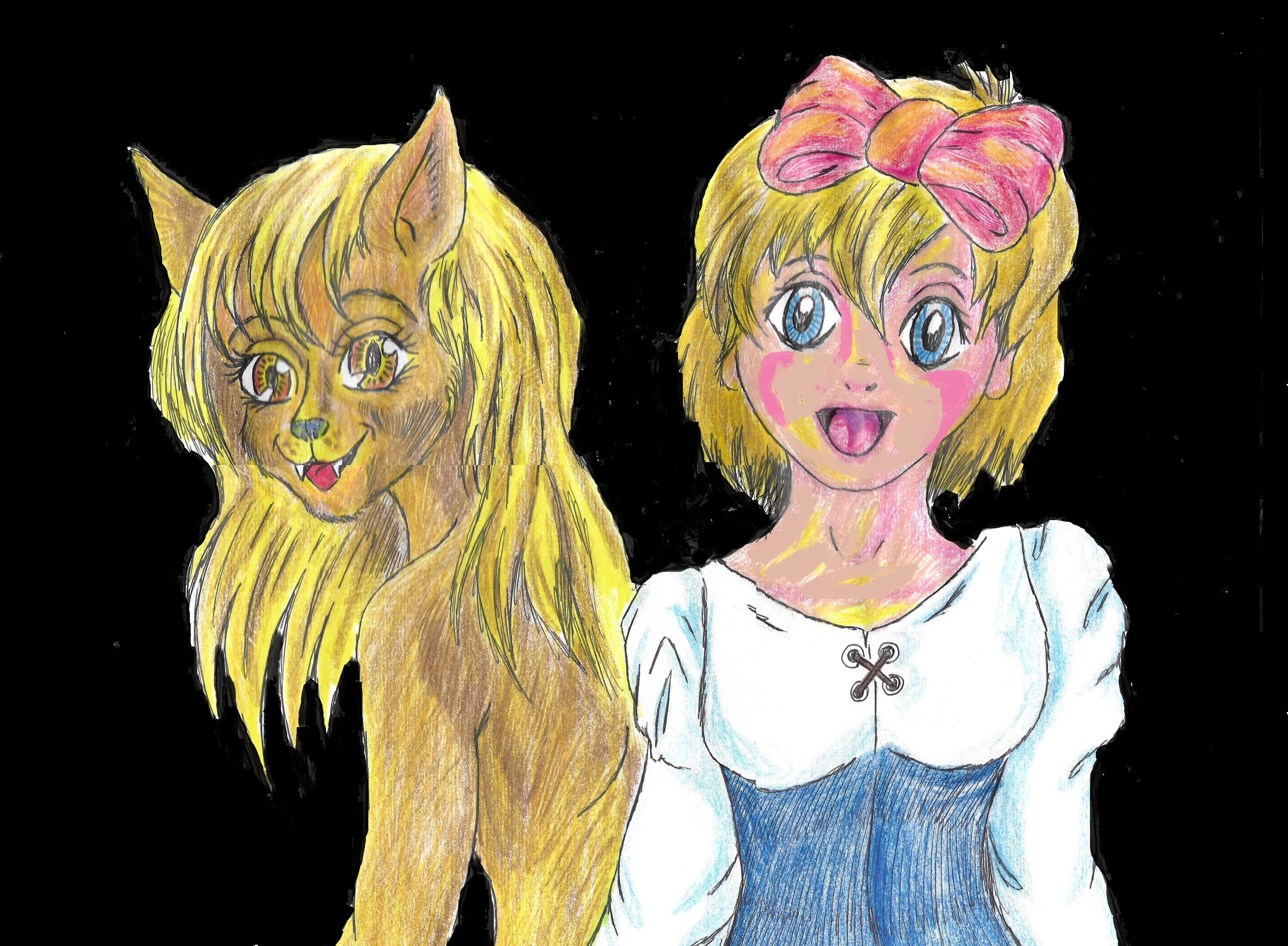
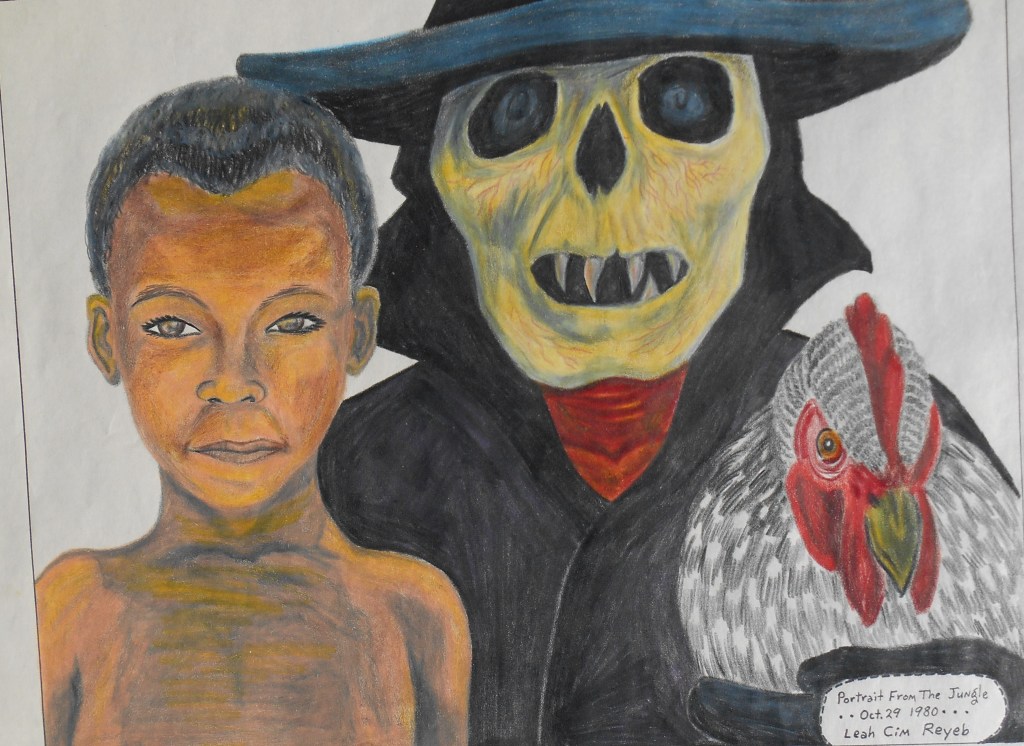
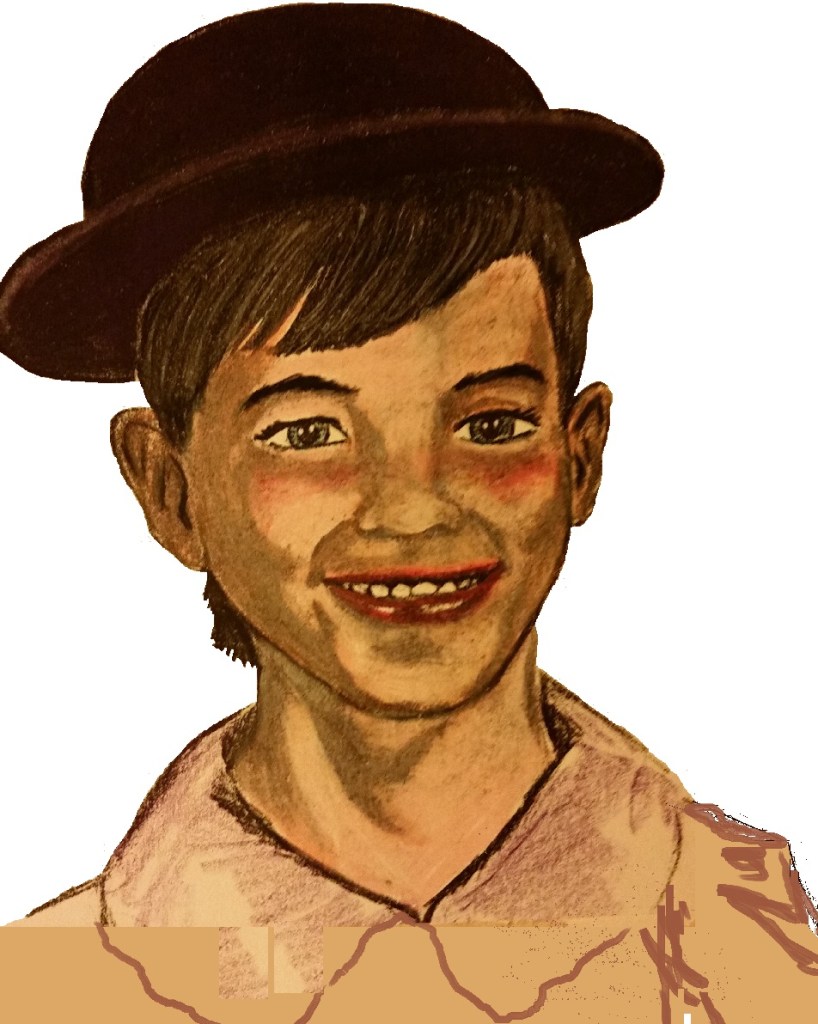
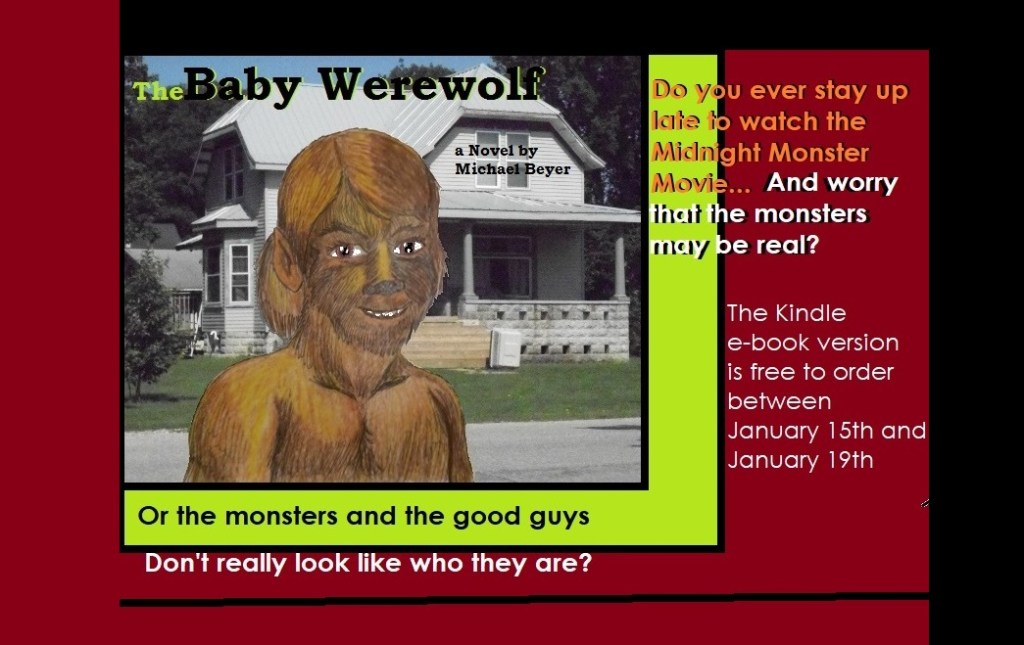
Some characters need to have their story told for reasons that are buried deep in the author’s personal history and damaged psyche. For me, Torrie Brownfield, the Baby Werewolf, was that kind of character.
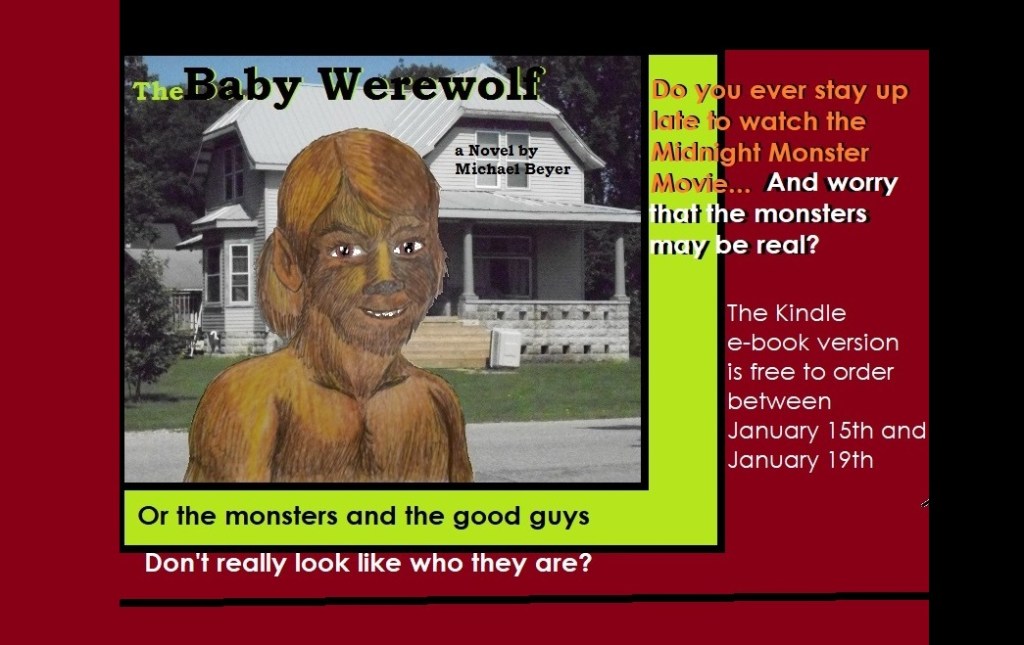
The book, The Baby Werewolf, is a different kind of horror story. The central question of the book is this, “Am I a monster? And do I know why or why not?” And Torrie has to answer that question because he was born with a rare genetic disorder called hypertrichosis. It is the “werewolf-hair disease” where hair growth happens in unusual places on the body and in Torrie’s case, everywhere but the palms of his hands and the soles of his feet. He is a perfectly normal boy who really only looks like a monster. But how you look can have a profound impact on how people treat you.
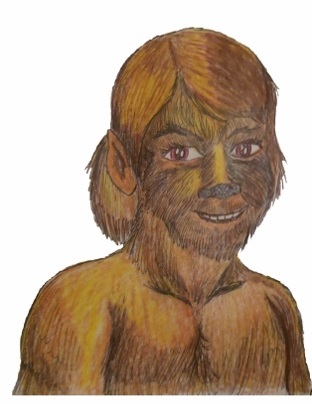
And the character of the boy who looks like a werewolf and thinks he is a monster is based entirely on me. Unlike Valerie Clarke whose origins I can pinpoint, I have to honestly admit the way Torrie thinks and feels and acts are all based solely on me and me alone.
You see, when I was a boy of ten I went through a horrible traumatic experience that threw my whole life into darkness. And I kept it secret from everybody. In fact, for a few years, I kept it a secret even from myself.
It is not that I really didn’t remember I had been sexually assaulted by an older boy. The nightmares and remembered pain were a constant even when I couldn’t admit to myself what had happened. I defended myself from it all by burying the knowledge deep, and worrying about things that only sexual-assault victims worried about. I embarrassed myself twice in seventh grade by wetting my pants in class, all because I couldn’t go into the boys’ bathroom at school. Whenever I would have sexual urges of any kind, I would lie down or sit on the heating grate at home, burning scars into my lower back and the back of my lower legs. I fretted about how to fight monsters. And I knew from the movies that if a vampire bit you, you could become a vampire. And if a werewolf bit you, you could become a werewolf. So, if a sexual predator bites you, do you not become a…??
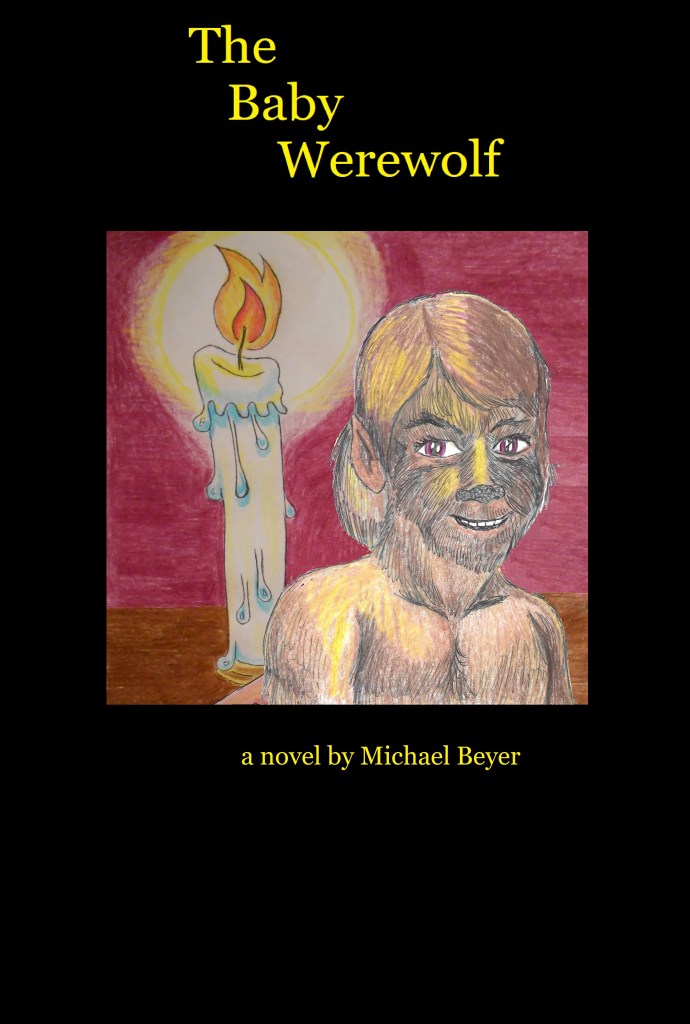
In all honesty I probably became a teacher at least in part to protect other kids from the same kind of thing that happened to me. And I had to write this book to tell the story of how not to be a monster.
The true monster in this monster-movie tale is actually Torrie’s uncle, the person who actually psychologically abuses him. And the villain proves himself to be a sexual deviant, trying to create kiddie porn in his photography studio.
I suppose I just spoiled the whole whodunnit part of the book. But the murder mystery was never the point of the novel. The message of this novel is that no child is ever a monster unless he actually chooses to become one.
And that is the kind of character Torrie Brownfield is. The autobiographical kind. The kind that brings the author’s worst fears about himself to light, and tries to answer the question with… “No, I am not a monster.”









Directions to Be Worried About
The question came up on Twitter. “What things aren’t safe to write about in a Young Adult novel?”
I have personally never questioned myself about that before. The writer asking for input was writing something science-fiction-y about a telepath using telepathy to torture someone. He was apparently worried that a younger audience would be traumatized by that.
Really? Anyone who can ask that has never spent much time talking to young readers.
I base my answer on over thirty years of trying to get kids to read things of literary quality. My very first year of teaching a male student stood up when the literature books were passed out and announced, “I don’t do literature!”
“Really, Ernie? You are going to lay that challenge before me?”
We slogged through The Adventures of Tom Sawyer that year, using and reusing 20 paperback copies of the novel purchased with my own money. Ernie maybe didn’t like it. But he did literature.
And I went on a thirty-four year quest to find out what literature kids really would do and what literature kids really needed to do.
Here’s a tiny bit of wisdom from Mickey’s small brain and comparatively large experience; Kids are not traumatized by literature in any form. Kids are traumatized by life. They need literature to cope with trauma.
Kids want to read about things that they fear. A book like Ender’s Game by Orson Scott Card has some graphic violence in it and a war against faceless aliens, but it does an excellent job of teaching how to empathize as well as fight against bullies, and it helps them grapple with the notion that the enemy is never clearly the thing that you thought it was to begin with.
Kids want to read the truth about subjects like love and sex. They are not looking for pornography in YA novels. They get that elsewhere and know a lot more about it than I do. They want to think about what is right and how you deal with things like teen pregnancy, abortion, matters of consent vs. rape and molestation. Judy Blume started being objectively honest with kids about topics like puberty and sex back in the 60’s with books like Are You There, God? It’s Me, Margaret. and Iggie’s House.
If you are writing for young adults, middle grade and high school kids, even kids 5th Grade and below who are high-level readers, it is more important to worry about writing well and writing honestly than it is to worry about whether they can handle the topics and trauma that you wish to present. Write from the heart and write well.
I can honestly say I know these things I have said are true about young readers from having read to them, read with them, and even taught them to read. As an author, my opinion is worth diddly-squoot since I have hardly sold any books, and no kids I know have read them (except for two of my nieces, both of whom are pretty weird and nerdy just like me.)
2 Comments
Filed under autobiography, commentary, education, empathy, good books, horror writing, humor, Paffooney, strange and wonderful ideas about life, writing, writing humor, writing teacher