
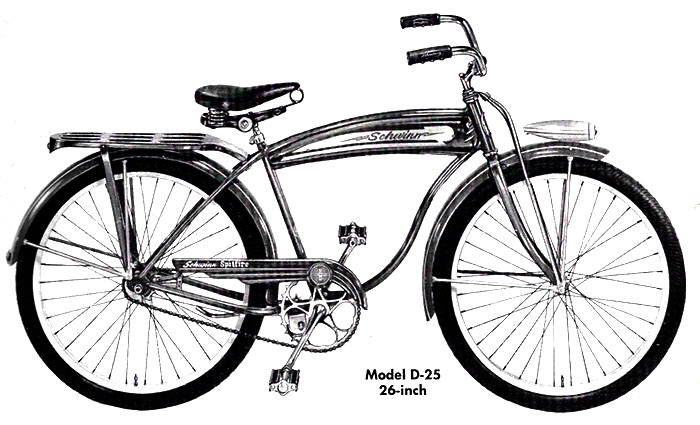
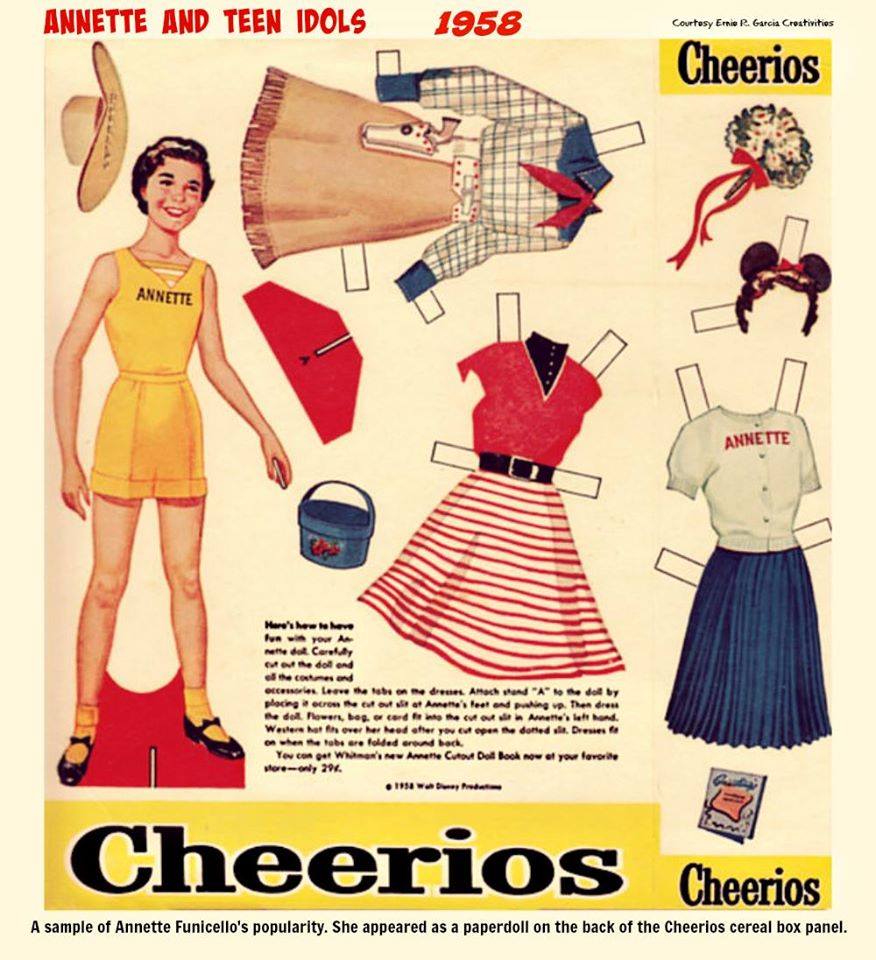
My bicycle was red. It was red and looked just like the ones that Captain Kangaroo had in his commercials that we watched on a black-and-white TV every day before we walked or rode our bicycle to school, across town a whole long seven blocks away. After school I could ride it out a whole mile and a half to Jack’s farm with Bobby and Richard and Mark the preacher’s kid to go skinny dipping in the cold creek in Jack’s South pasture. Jack was younger than any of us except Bobby. And it was a golden age.
Spiderman comic books and Avengers comic books cost twelve cents to own, but they were forbidden. And as much as we sneaked them and passed them around until they fell apart, usually in Bobby’s hands, we never knew that Dr. Wertham had gone to Congress to make our parents believe that comic books would make us gay and violent. He was a psychiatrist who wrote a book, so even if you didn’t believe him, you had to worry about such things.
I believed in Santa Claus until 1967. And after I found out, I only despaired a tiny little bit, because I began to understand you have to grow up. And adults can lie to you, even if they don’t do it to be mean. And the world is a hard place. And the golden age ended in November of 1963 when JFK was assassinated.
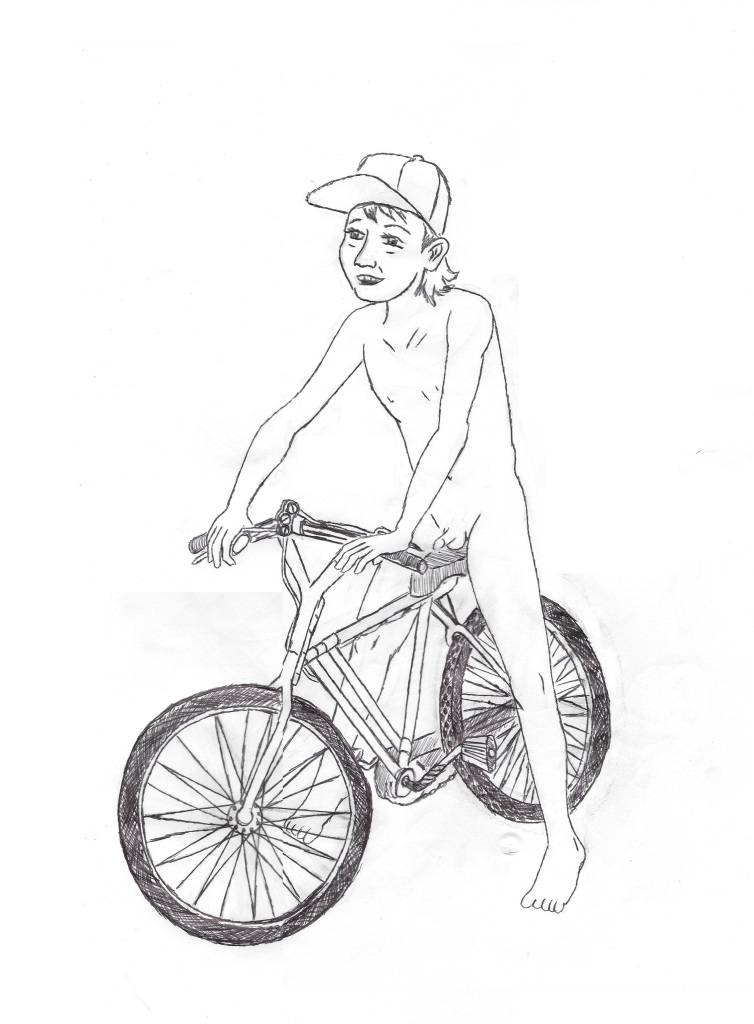
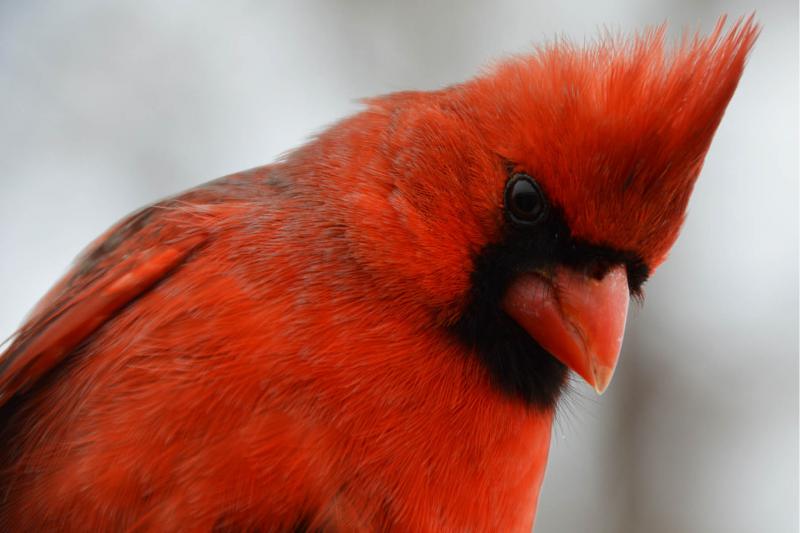
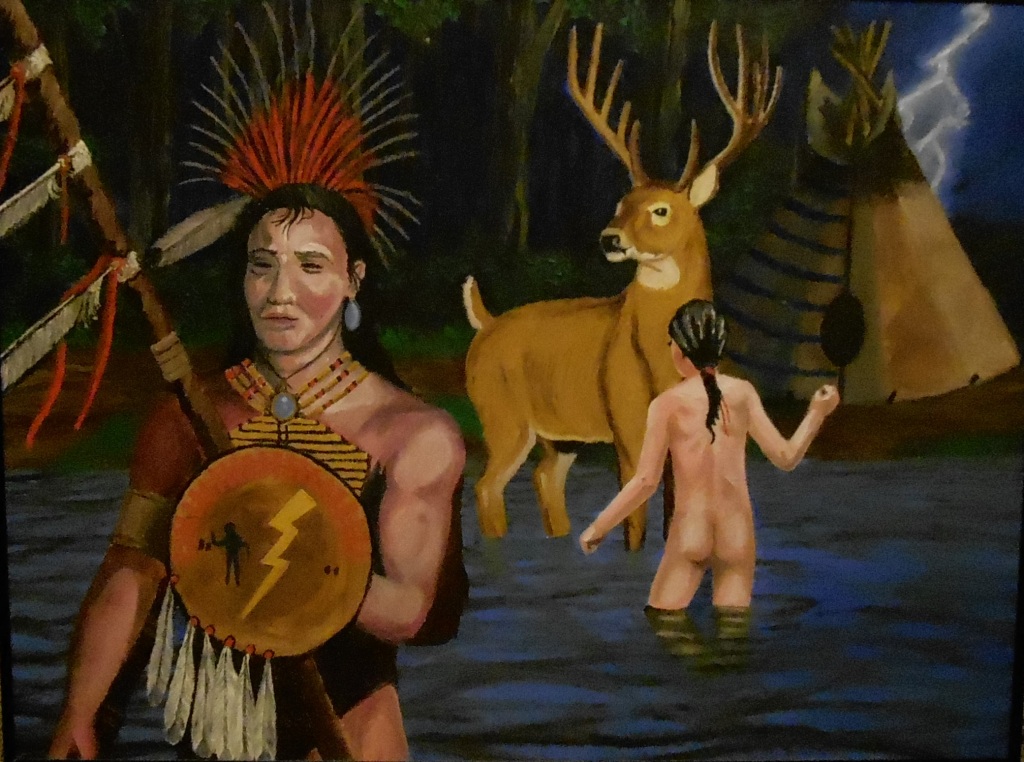
In June of 1968 I rode my bicycle out to the Bingham Park woods, Once there, I took off all my clothes and put them in the bicycle basket, and then I rode up and down the walking paths through the trees with nothing between me and God but my skin. I had a serious think about how life should be. All the while I was terrified that someone might see me. I was naked and vulnerable. A mere two years before that I had been sexually assaulted and was terrified of older boys, especially when I was naked and vulnerable. But I was a fan of the St. Louis Cardinals and Bob Gibson. They were repeated World Series winners. And they beat the Yankees in the series in 1964. And more important than that, cardinals were the little red songbirds who never flew away when the winter came. You don’t give up in the face of hardship. You face the trouble. No matter how deep the snow may pile up.
And in 1969, the first man to walk on the moon showed that a Star Trek world was in reach of mankind. Star Trek was on every afternoon after school. I watched a lot of those episodes at Verner’s house on his family’s black-and-white TV. The Klingons were always bested or beaten because the crew of the Enterprise outsmarted them. You can solve the problems of the universe with science. I know this because of all the times Mr. Spock proved it to me not just by telling me so, but by showing me how you do it. And what you can achieve is greatly enhanced if you work together like Spock and Kirk and Bones… and sometimes Scotty always did.
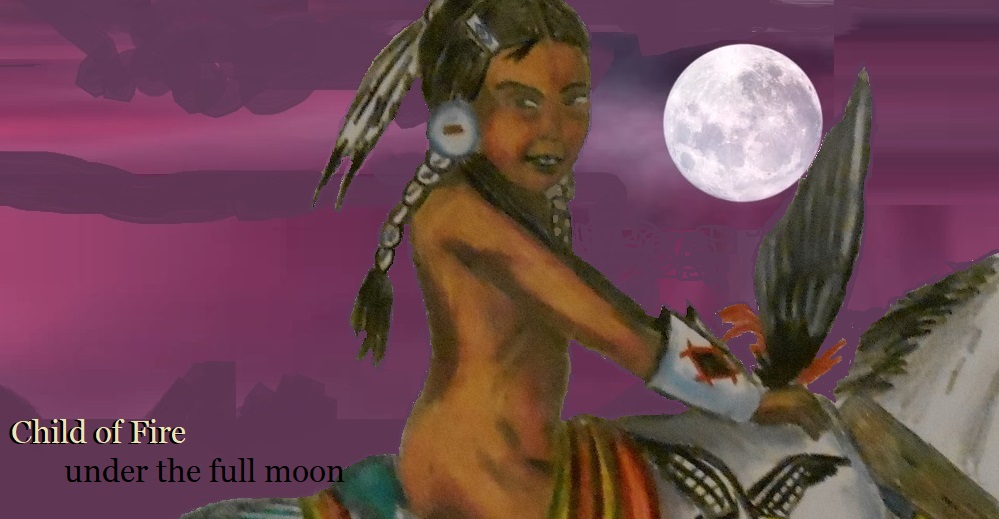
So, what is the way it should be? What did Mickey decide while naked in the forest like a Dakota Sioux shaman on a spirit-quest?
JFK’s 104th birthday was on May 29th. Dr. Wertham has been dead for 40 years. Bob Gibson was 85 when he passed away in October of last year. Captain Kirk turned 90 in March of this year.
The Golden age is long gone. There is no single set of rules that can clearly establish how it should be now. But I like those ideas of how it should be that I established for myself while naked on a Schwinn Spitfire in a forest long ago.
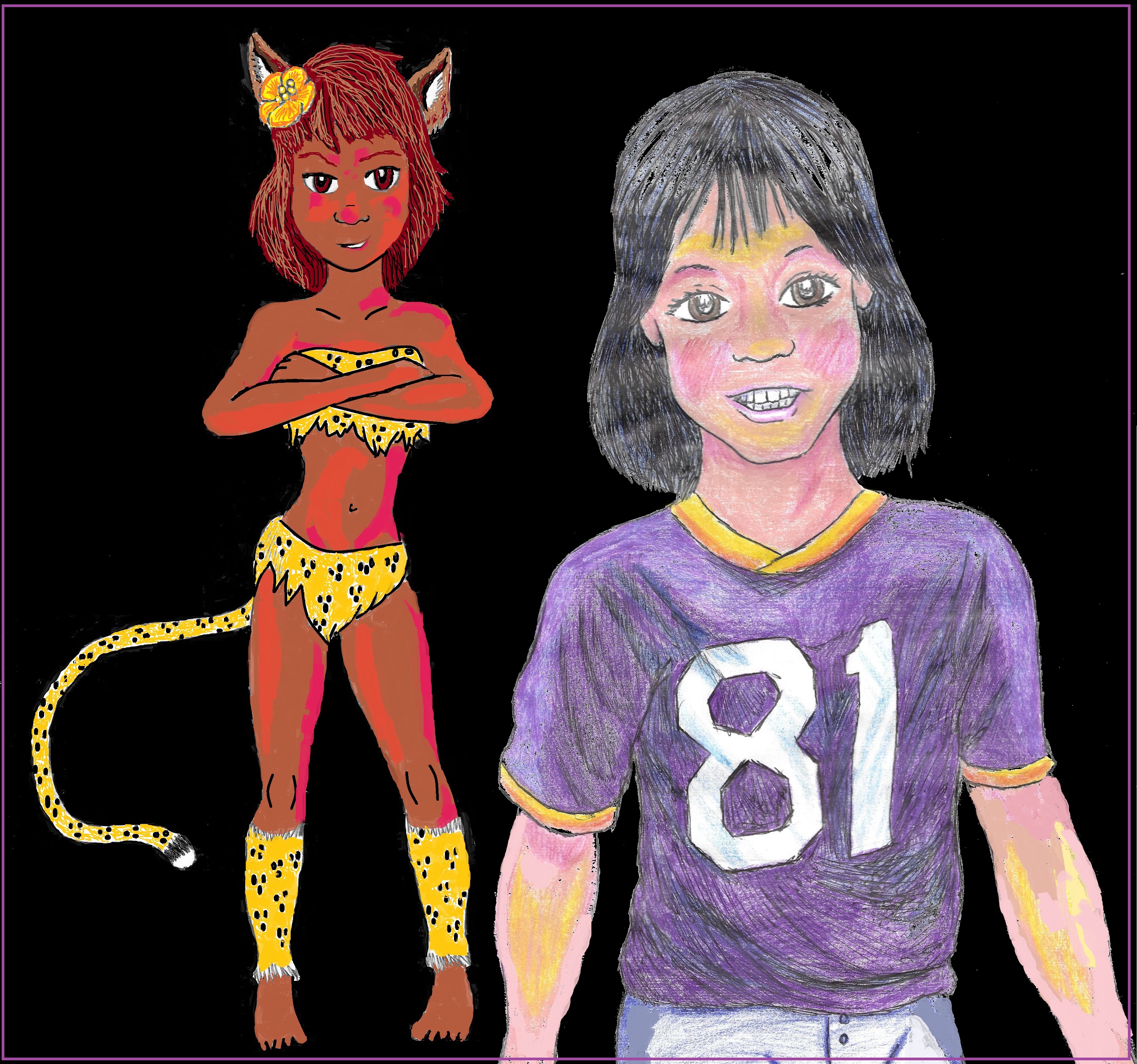
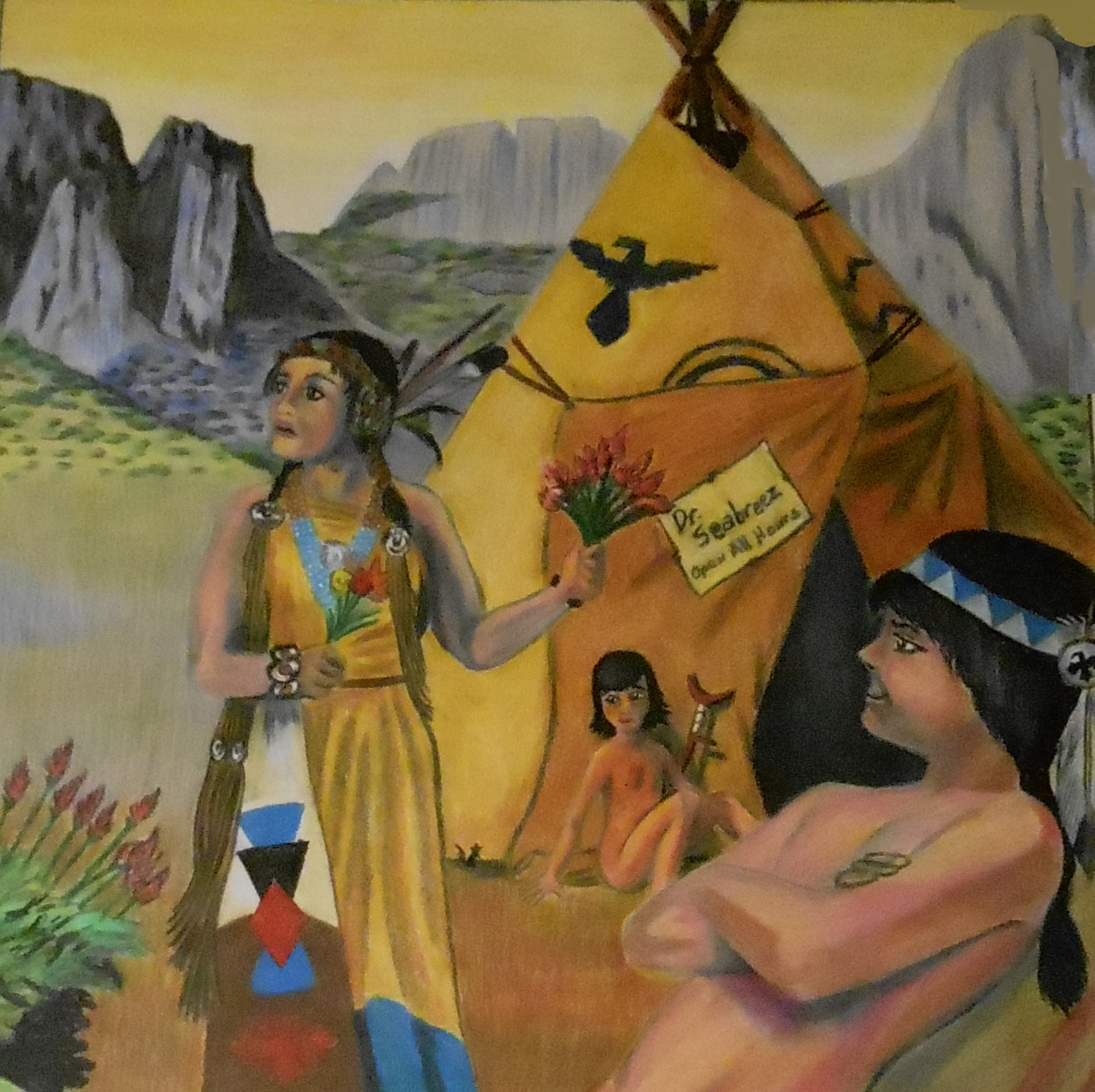
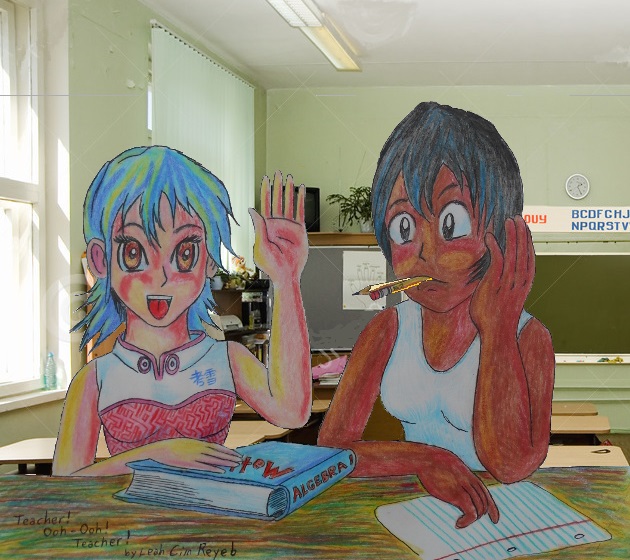
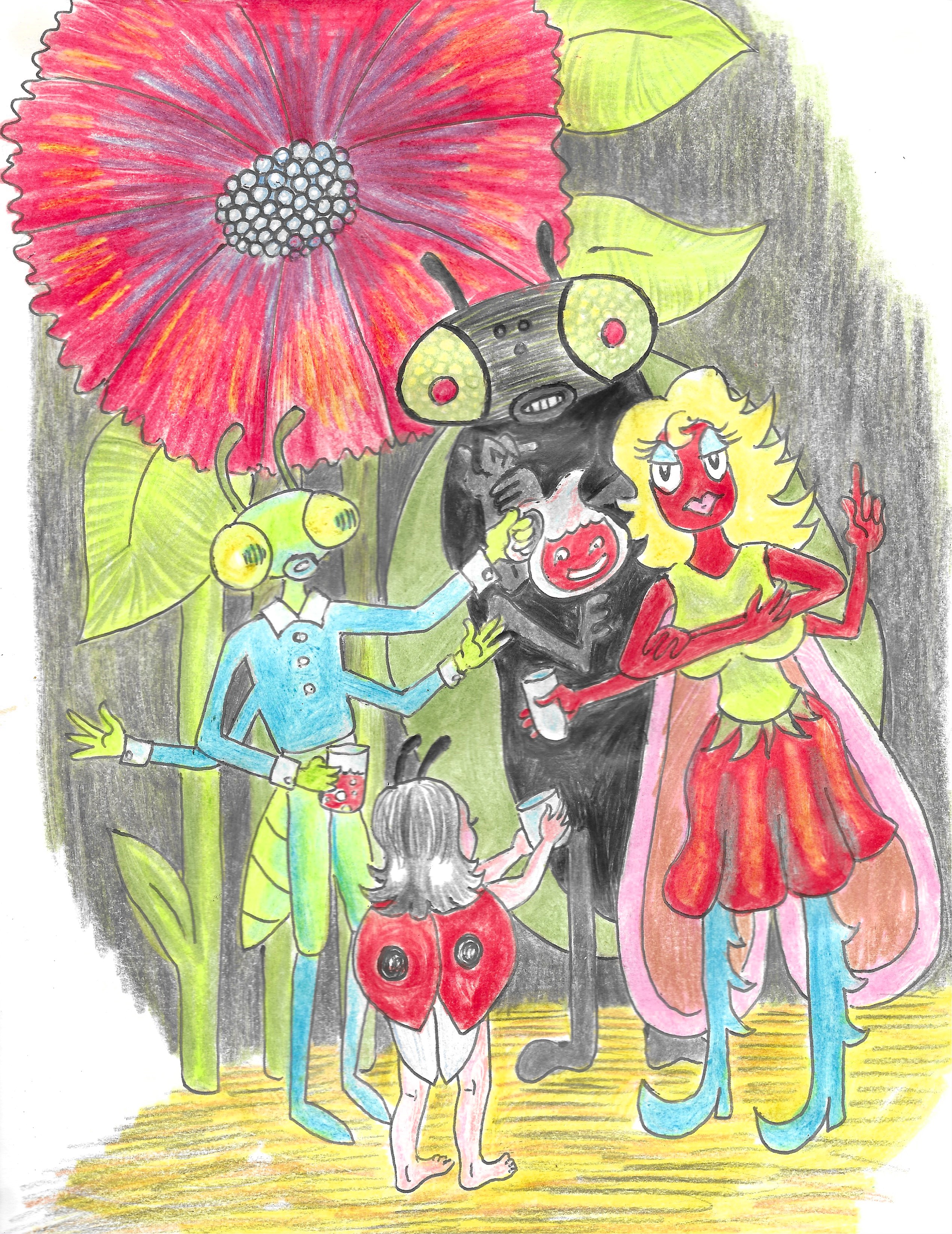
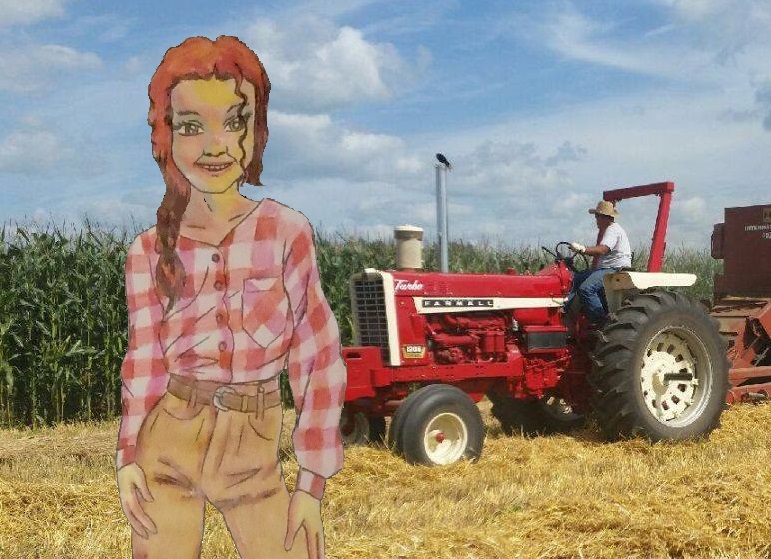
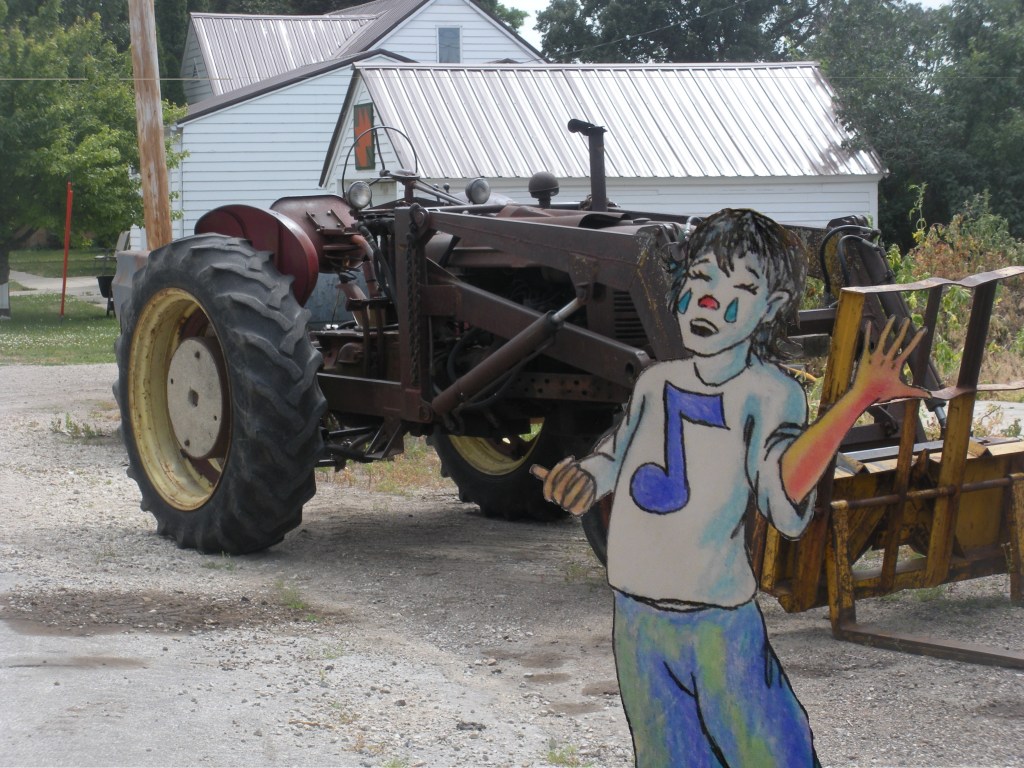
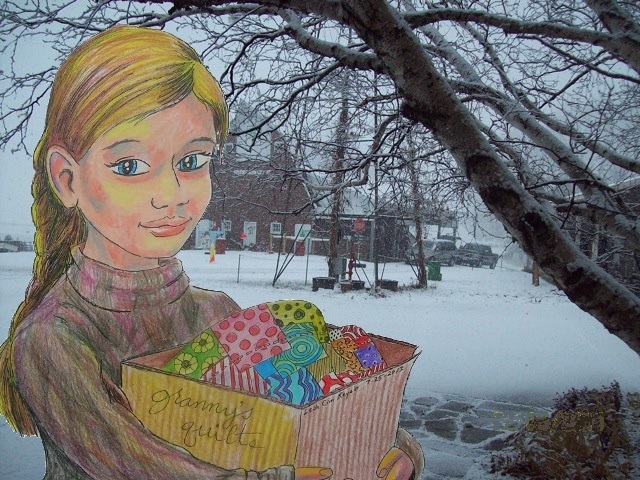

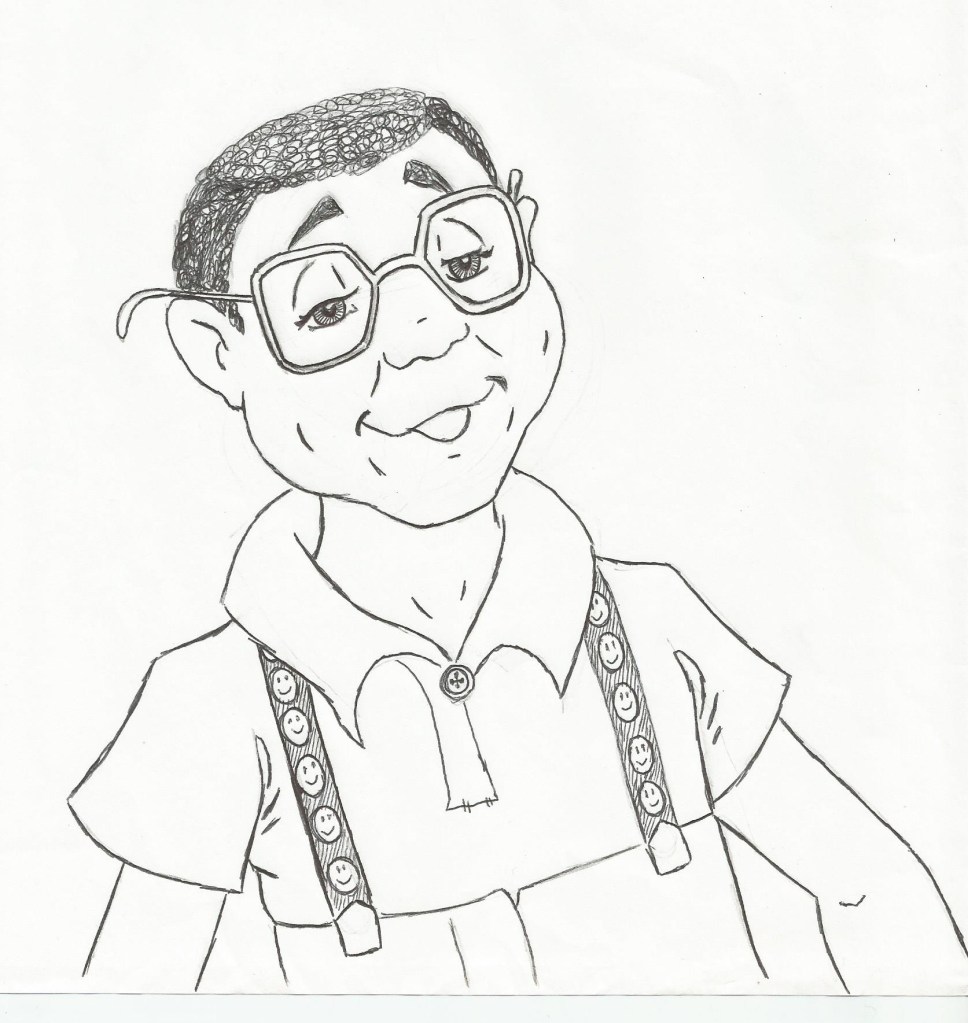


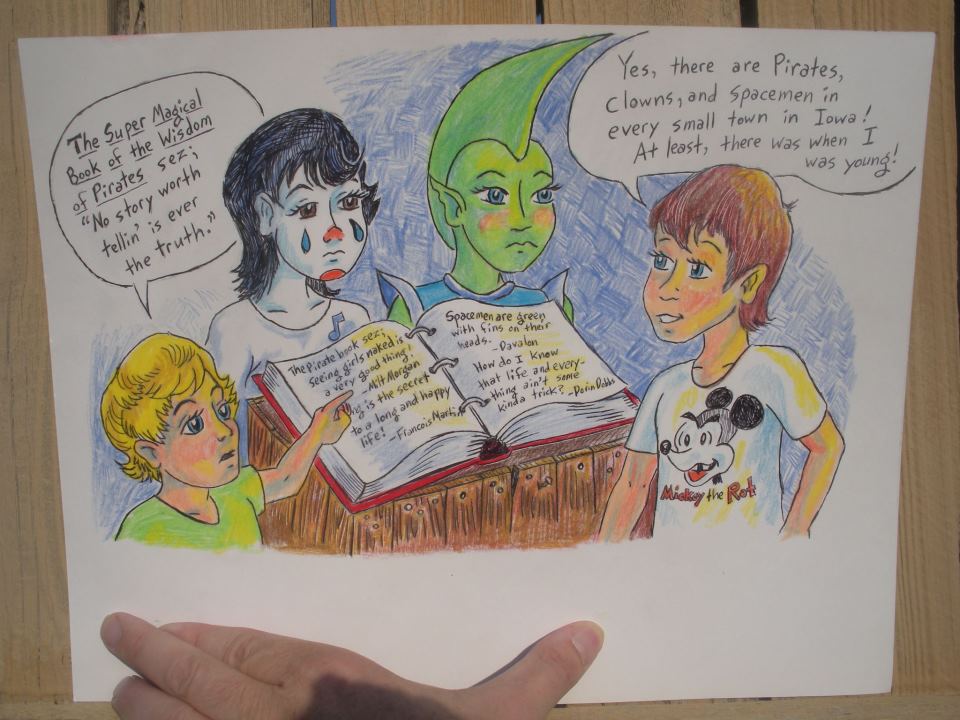
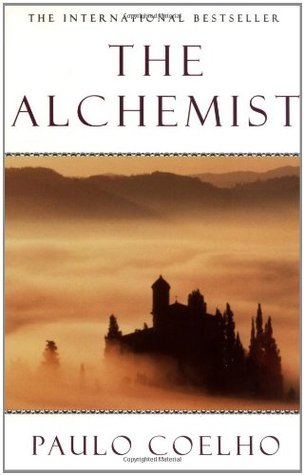
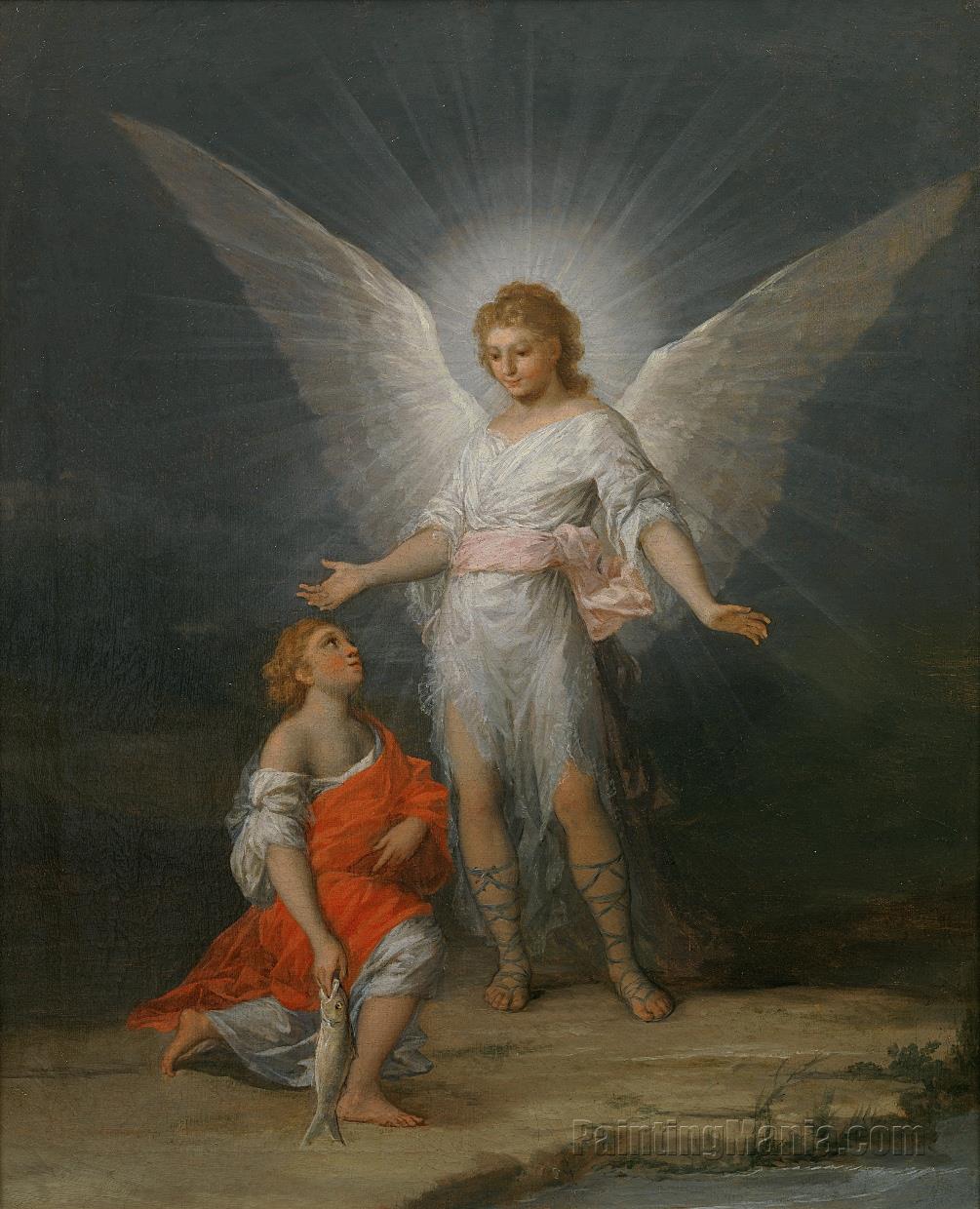

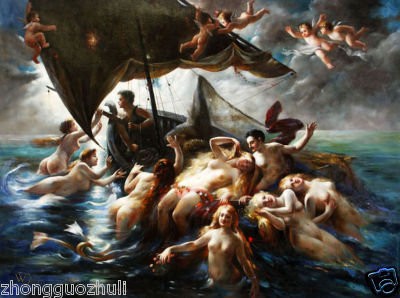
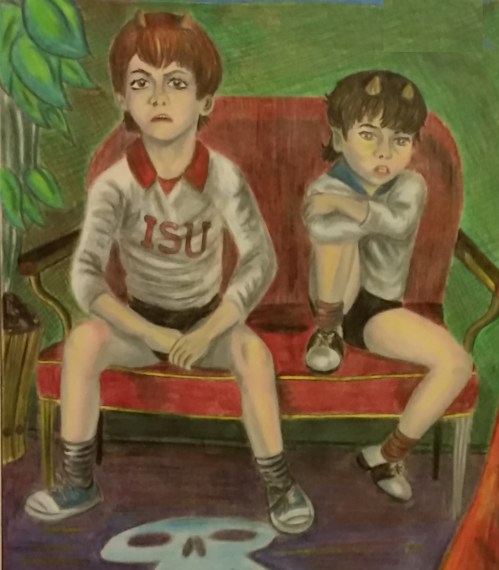
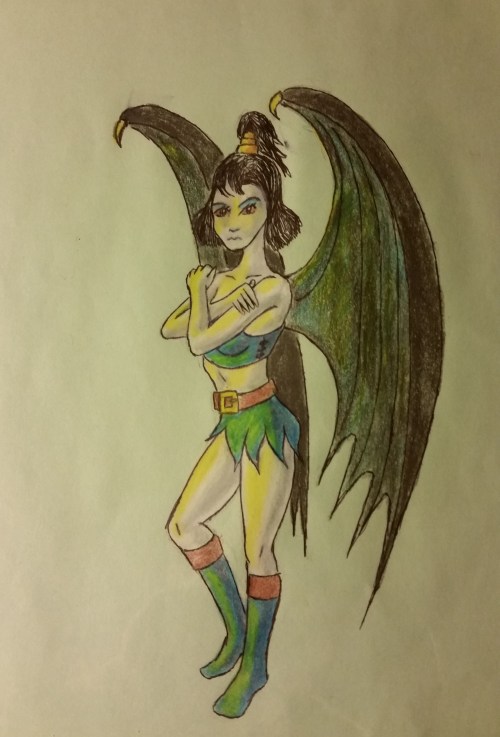
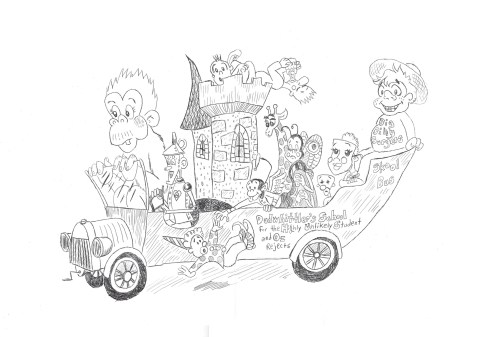



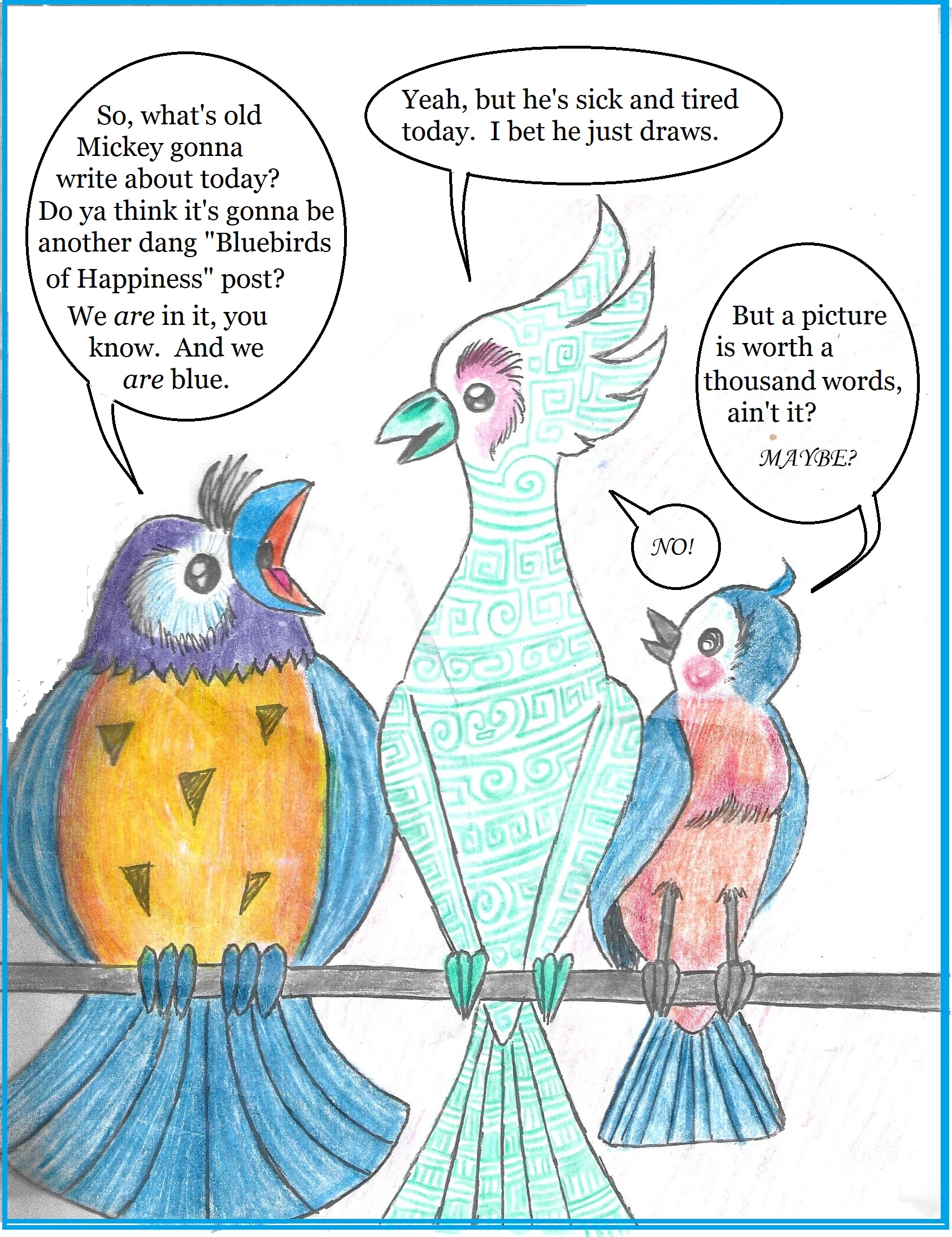
 Catch a Falling Star
Reading is Life
I have spent a lot of time reading and reviewing other people’s books. And at the same time I have invested some of my free-reading time in re-reading my own novel, The Baby Werewolf. The thing about all of it together is that it represents the actual life-force of the author. We all do it. Authors put their own experience, their own heart, and their own precious world into their work. We do it at different levels of confidence, competence, and creativity. But we all do it. And because we do it, someone needs to read it.
A story…
contains the characters that the author has known, the author has loved, and especially the people the author has lost over the course of his or her life.
At least, the competent authors do that. They put real people into their work. You can tell, even in really awful, poorly written novels, that flashes of what the authors really observed, really hated, or really fell in love with about the people in their lives are there to be read and absorbed.
Places
are also crucial to the story. Fiction or nonfiction, you will be taken to other homes, other cities, other worlds than the one you yourself inhabit.
What more can you truly say about your life than where you lived it, where you are from, and what background defines you as an author?
And plot…
that which happens in a story, is probably the most important thing of all. Because reading gives you a share in someone else’s life, in someone else’s experience. A chance to walk about in someone else’s shoes.
You can comfortably learn what others have learned before you. You can share in their ups and downs and all-arounds to experience the same chills and thrills and sadness as they have lived, and loved, and laughed about.
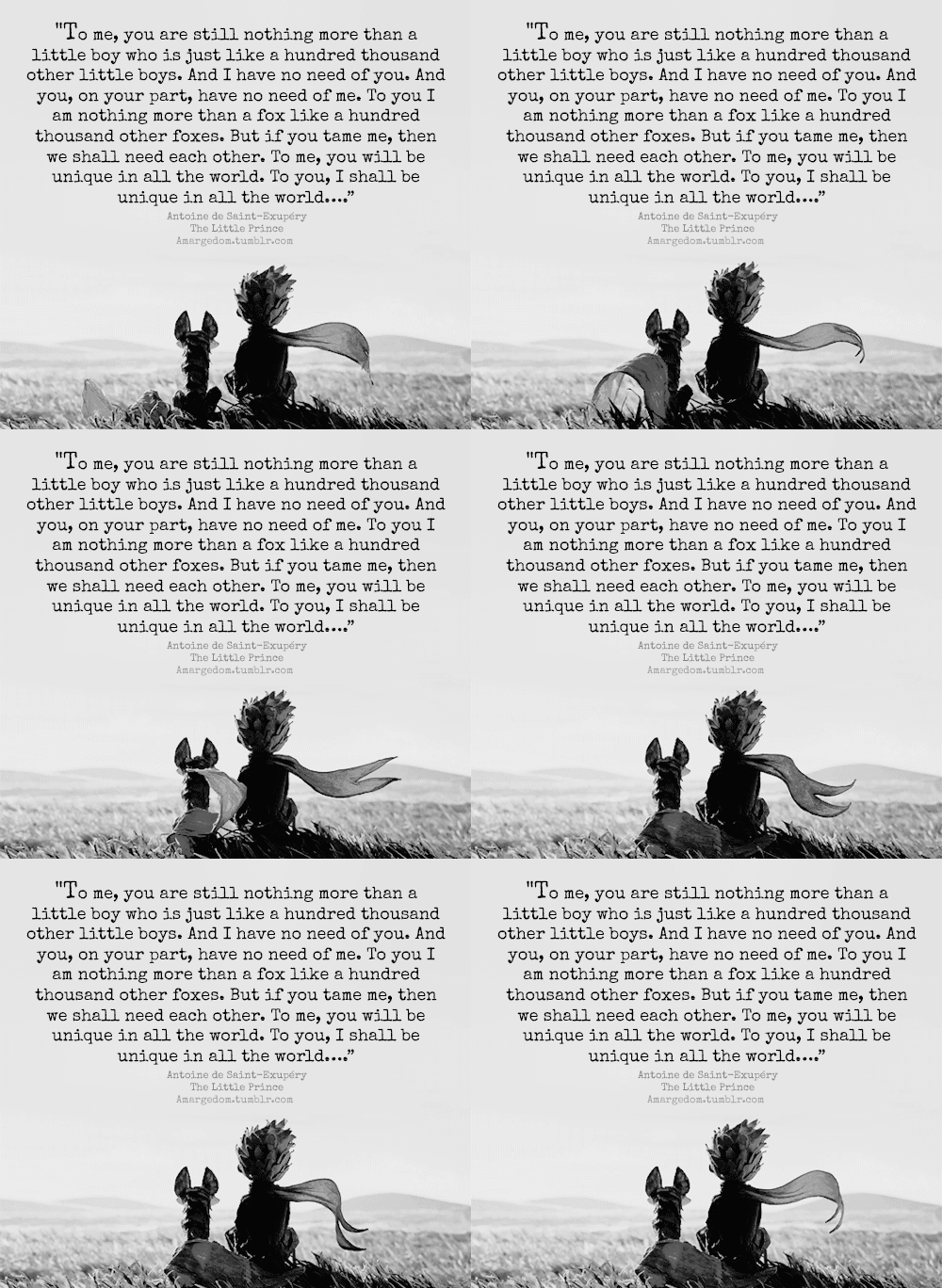
So, in this essay, I contend that human life on the planet Earth is a very good thing. And you multiply its goodness a thousand-fold if only you will only pick up and read someone else’s book.
Leave a comment
Filed under artwork, commentary, humor, novel writing, Paffooney, reading