

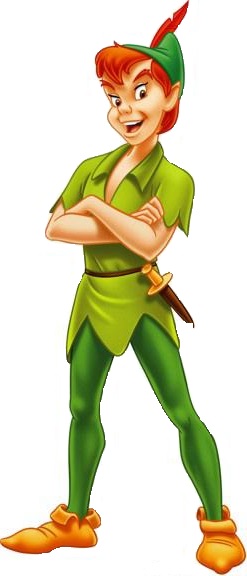
Yes, in some ways, I have Peter Pan syndrome. I have never truly grown up. But not in the ways that really matter in life.
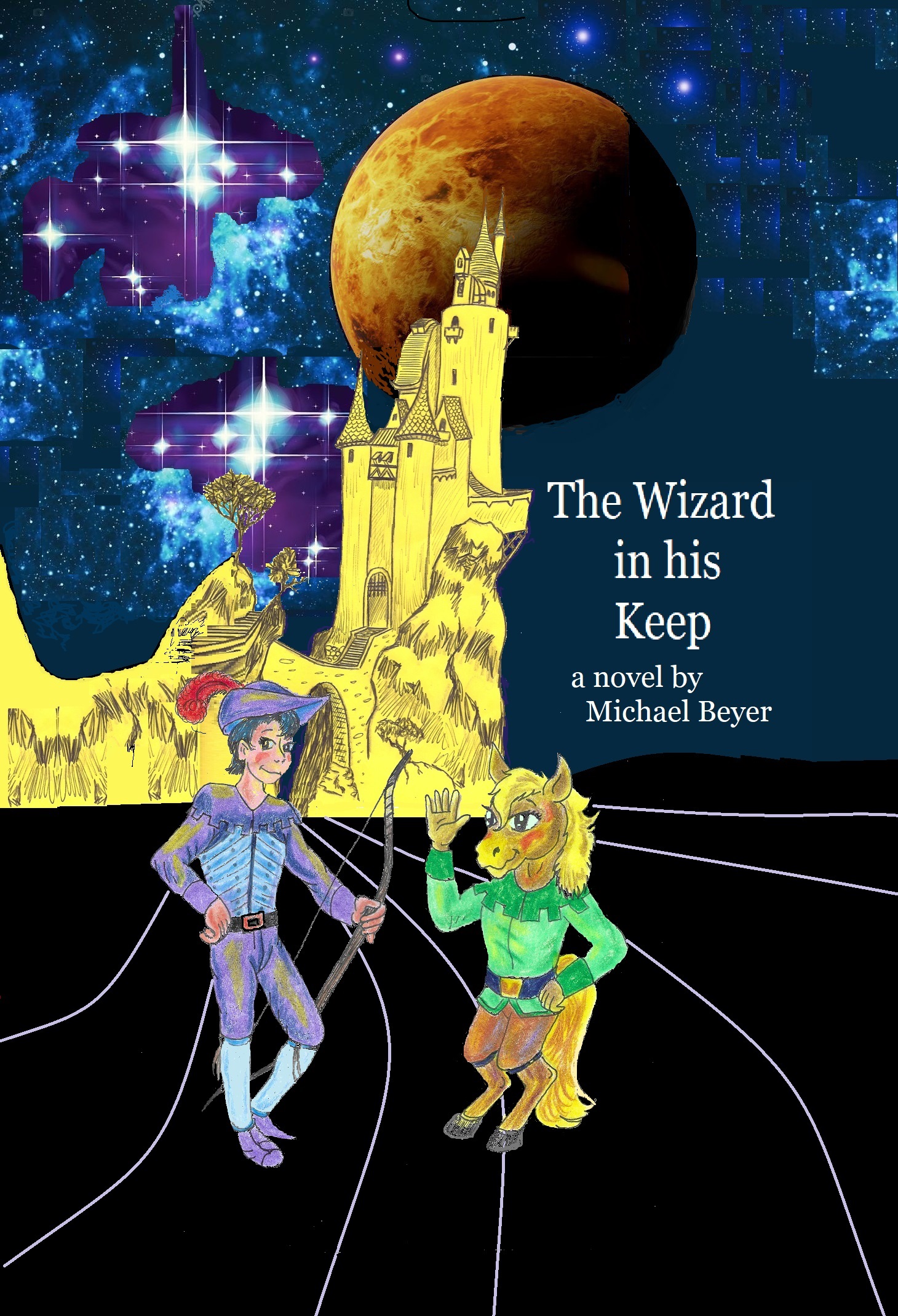
As a writer of fiction, I put all my effort into writing young adult novels. My main characters are mostly children from roughly around eight years old to teens who are almost adults.
But it is not as G-rated as Nancy Drew. I have issues that creep in to become the monster under the bed. My childhood was not all naked innocence and sunshine.
Don’t get me wrong. I had wonderful parents. And wonderful grandparents. And the little town of Rowan, Iowa becomes the town of Norwall in all my Earthbound fiction. It was a very magical, if boring, place to grow up. I lived in town, but my uncles and grandparents lived on working farms. I knew farm life. I knew how you fed animals, trained animals, and helped them reproduce. I knew that farm animals die. And, sometimes, people die too. Even people who are important to you and you depend on.
And at the ripe old age of ten, I was sexually assaulted by an older boy. It is hard to talk about that even now, 52 years later. It wasn’t so much a sex act that I was forced to commit. It was more of a sexual-torture thing. He took his pleasure from twisting my private parts, making me hurt intensely, telling me all the while not to scream or call out for help. I think I even passed out at one point. There was no pleasure in it for me in any way. In fact, once he let me go with more threats, I promptly turned it into a repressed memory for twelve years. It turned me from an outgoing, leader-of-the-gang type kid into a miserable wallflower. It made me contemplate suicide as a teen. It led to some self harm that my parents never actually figured out, burning my lower back against the heater grate and making small burn scars on my arms and legs. It kept me from falling in love with a girl until my thirties. And it made me turn myself inside out through drawings, cartoons, and story-telling.
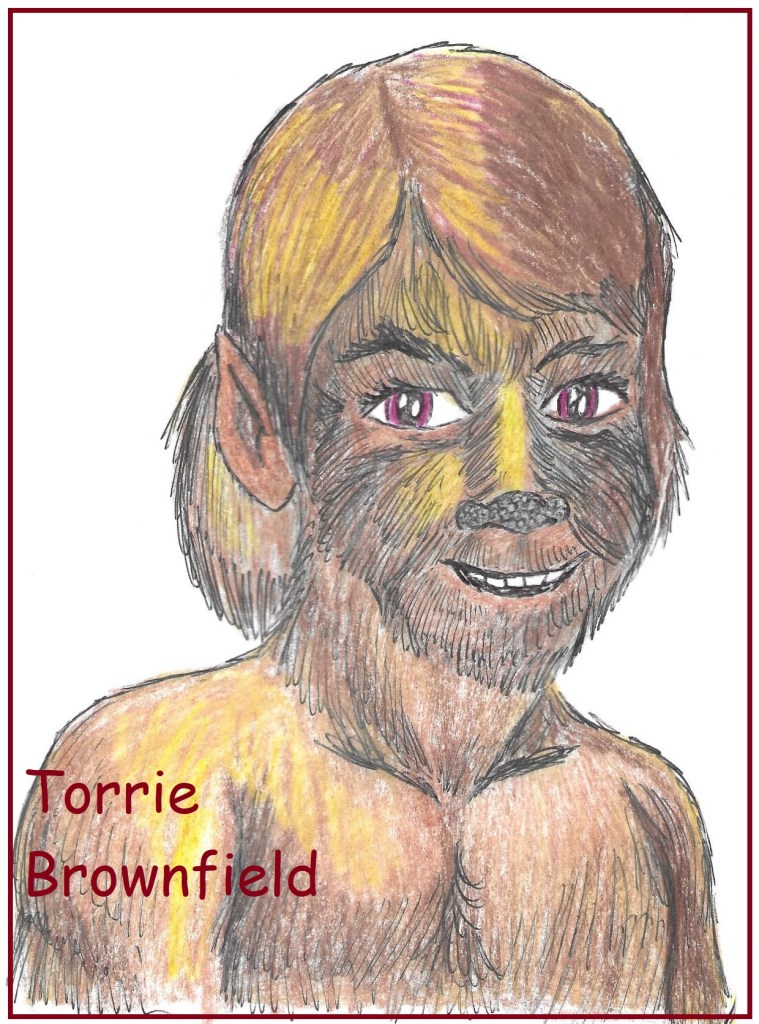
Some of the key stories I have turned into novels were created because of what happened to me, the horror at the center of my childhood. The monster in my novel, The Baby Werewolf, and the serial killer in Fools and Their Toys were both inspired by him, were both a reaction to what he did to me.
And do you know what he means to me now? I have forgiven him. He passed away a few years ago of a heart condition. I avoided him and his family from when it happened until now. I never told anyone what he did to me. I never sought any kind of revenge or justice for his act. To this day I still haven’t revealed his name to anyone, though I have been able to talk about it in this blog since he died. He has paid his price. The scales are balanced. I am healed. That is enough.

What he gave me, though, was a gift of purpose and an ability to fight the darkness with a strategy of sharing every tactic I have learned about defending myself from predators, depression, and crippling self-loathing in novel form. I shared those tactics as well during my years as a teacher and mentor to kids who had problems like mine for which my solutions sometimes also served as answers. I was able to put into thematic form the positive answers to the question every kid asks themselves somewhere along the road to adulthood, “Am I a monster because of what I have done and what has happened to me?”
The answer, of course, is, “No, I am not a monster.” But kids like me desperately need someone to tell them that and give them reasons why it is true. Fiction can do that. At least, I believe that it can.
And so, I write YA novels, novels for kids trying to become adults. And what good does that do if nobody ever reads my books? Or even this blog post which some of you who actually read my blog posts have probably given up on as too hard to read several paragraphs ago? It keeps me young. At 62 I still think like a twelve-year-old. Admittedly a wise-beyond-his-years twelve-year-old. I have never grown up in my mind where it counts. And maybe it even makes me able to fly like Peter Pan. But no jumping off roofs to find out for sure.
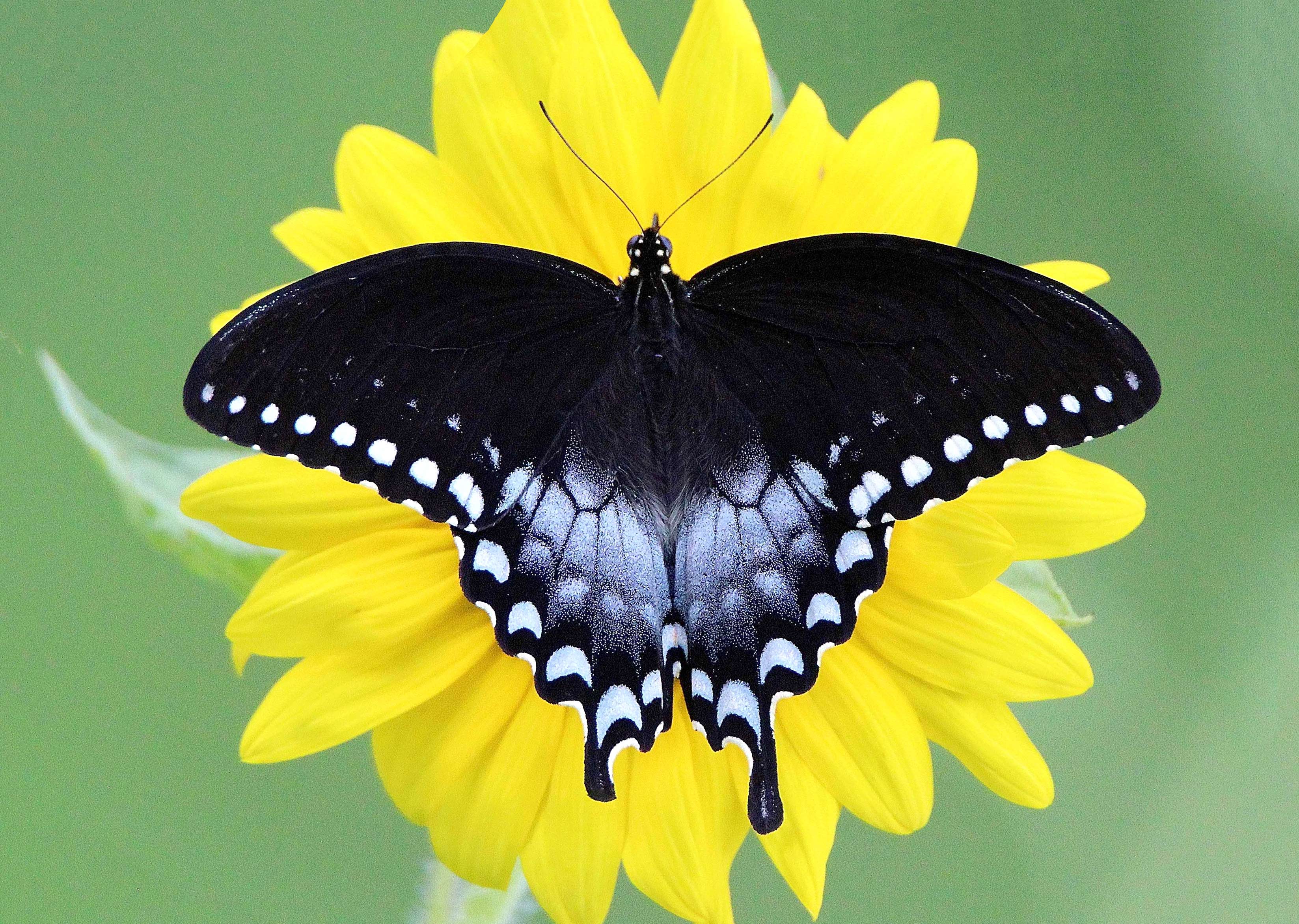










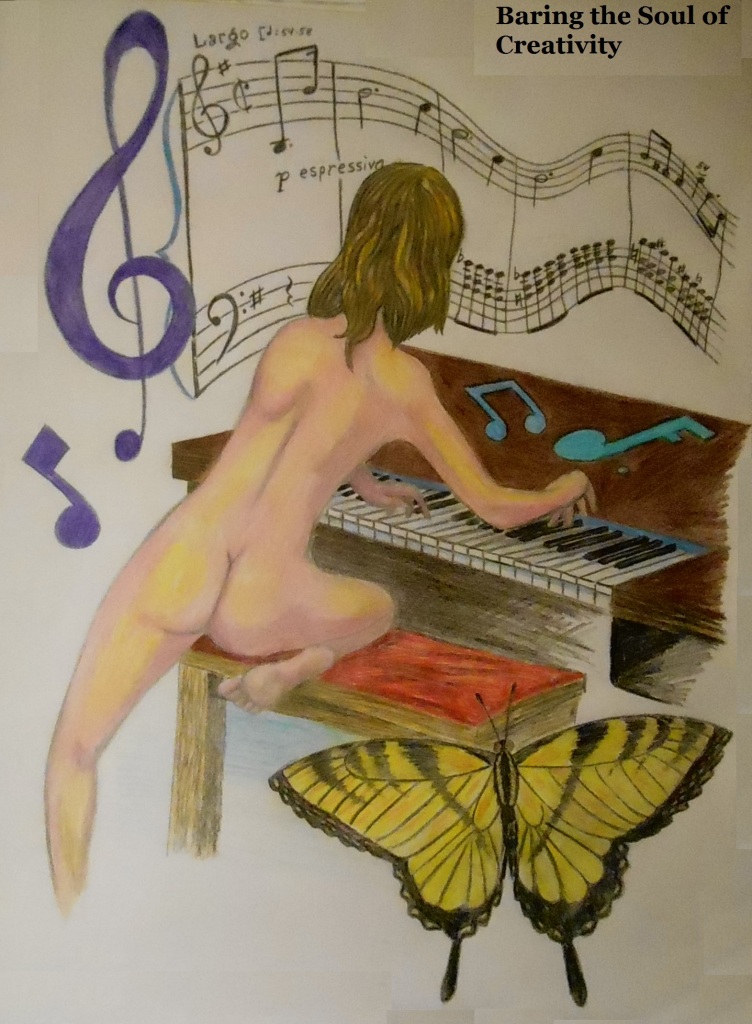
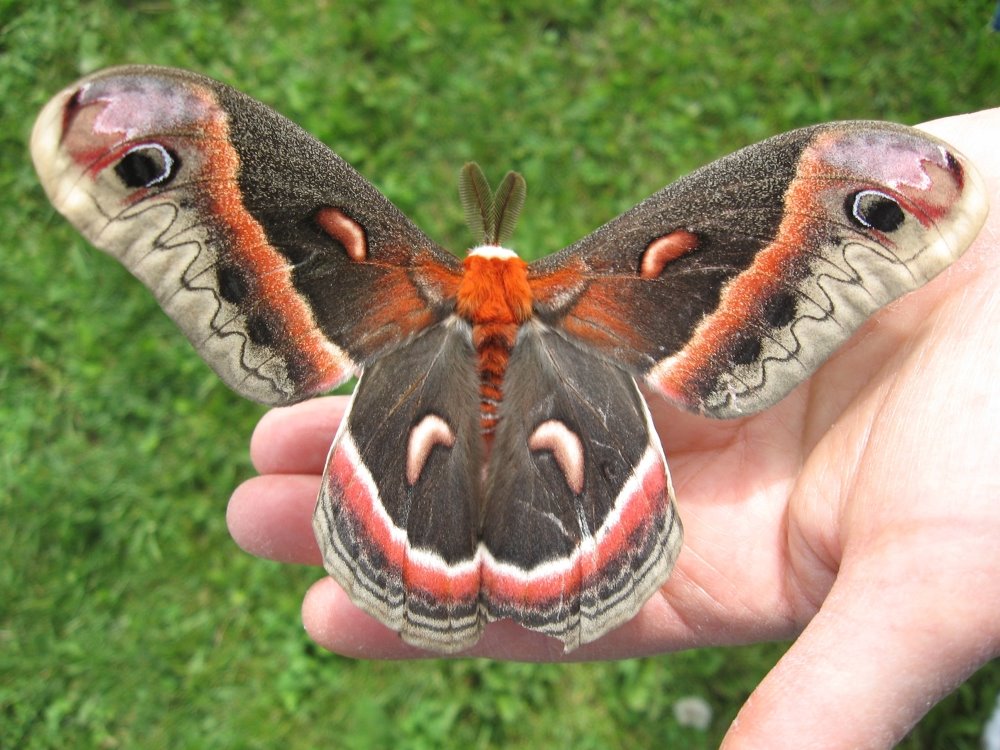


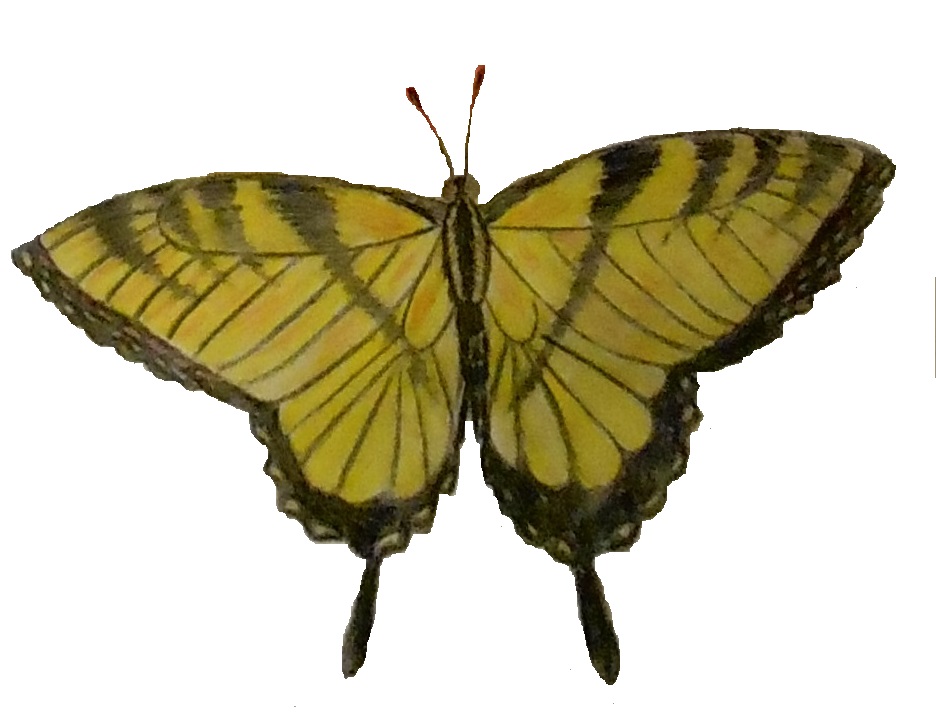 But my greatest challenge as a butterfly hunter was the tiger swallowtail butterfly. They are rare. They are tricky. And one summer I dueled with one, trying with all my might to catch him. He was in my own back yard the first time I saw him. I ran to get the butterfly net, and by the time I got back, he was flitting high in the trees out of reach. I must’ve watched him for half an hour before I finally lost sight of him. About five other times I had encounters with him in the yard or in the neighborhood. I learned the hard way that some butterflies are acrobatic flyers and can actually maneuver to avoid being caught. He frustrated me.



Aquarium, Terrarium, Planetarium
As a teenager I was very much into raising tropical fish in an aquarium. Having fish to watch and fuss around with is a healthy, mind-calming hobby that literally helps you learn about environmental issues. Keeping an aquarium is all about keeping fundamental forces of biology in relative balance.
Some fish are there just for beauty. The angelfish and gouramis I have pictured already are mainly that. Though you could also say that kissing fish, the pink kissing gouramis, also provide comic relief.
Keeping an aquarium is a balancing act.
.
.
.
.
If you put the wrong fish together, problems ensue. Fully grown angelfish will eat expensive guppies and neon tetras. Goldfish waste so much fish food and make so much fish poop that the tank has to be cleaned nearly every day to prevent it becoming a befouled cesspool of toxic filth and bacteria. Unless…
You employ bottom-feeders like the corydorus catfish or the red-tailed black shark (actually a loach, not a shark) to feed on the waste and be the janitor-fish.
A carefully balanced tank is a living work of art that grows and changes and progresses…
…Until something goes wrong. Every fish tank I ever put together eventually had a crisis that made the whole ecology crash. All the fish would die and the tank would smell bad. This would usually happen when I wasn’t there to tend it as needed, when I was away at college or on vacation. Water has to be refreshed. The water can never be allowed to cool lower than seventy degrees, even in winter. The air pump can’t break down and stop aerating the aquarium. The filter has to be clean and unclogged. And disease has to be treated.
In a way, our entire planet earth is like that too. Of course, if it was all sealed under glass, it would be a terrarium, not an aquarium. But we can identify the same sorts of threats to the ecosystem of the terrarium we live in as would be found in a tropical fish tank. Donald Trump and his Republican fat-cats are the goldfish. Global warming threatens the air and water in the tank. An asteroid could break the glass and spill the contents out. So many things could crash our carefully balanced fish tank. And there is an even greater environment out there beyond the edges of our little solar system. Does the title make sense now in a way it didn’t before? No? Oh, well, I tried.
Leave a comment
Filed under autobiography, commentary, humor