

Every writer, whether he or she writes fiction or non-fiction, is really writing about themselves. The product originates within the self. So, that self has to gaze into the mirror from time to time.
So, the question for today is, who, or possibly what, is Mickey?
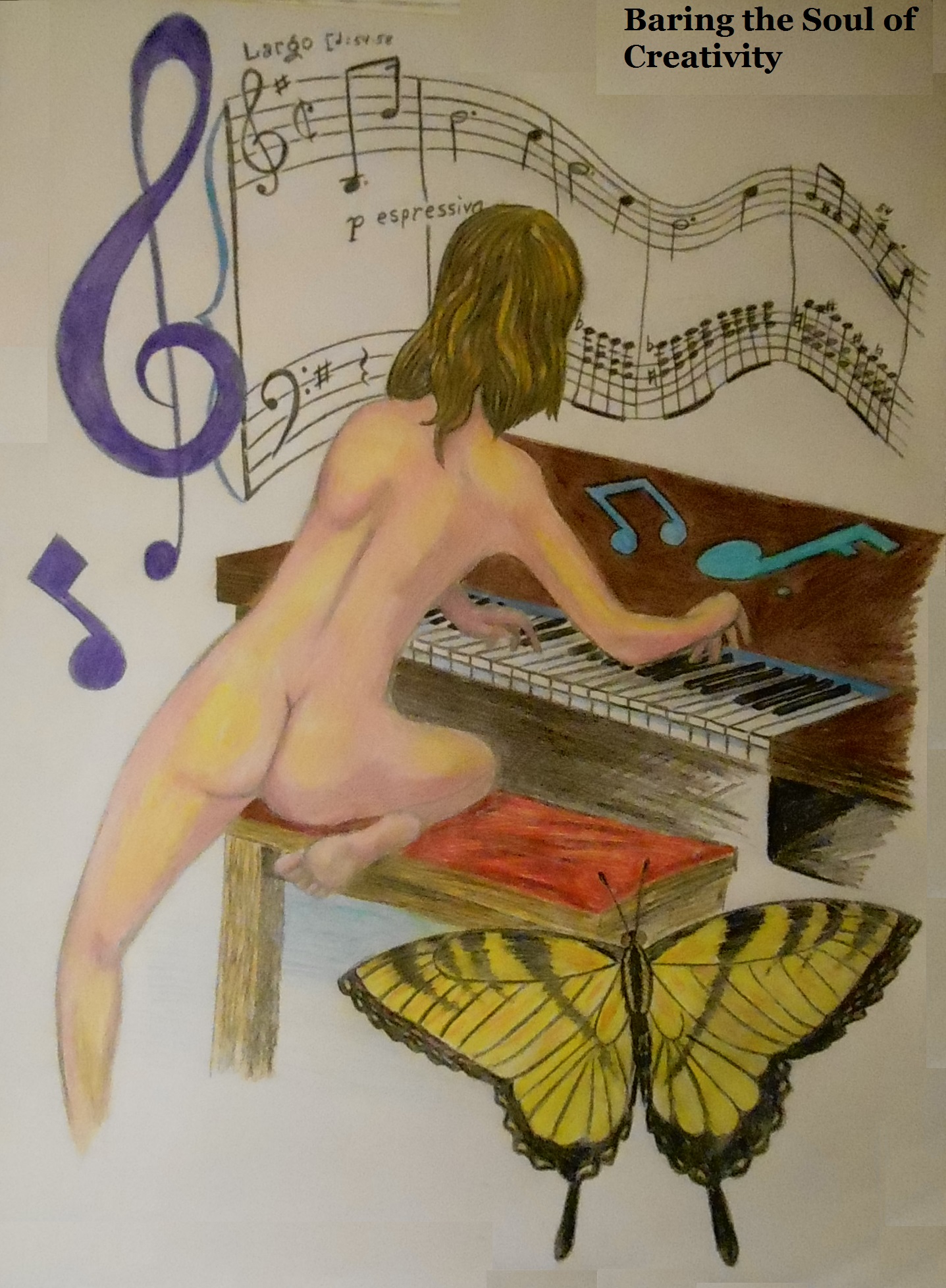
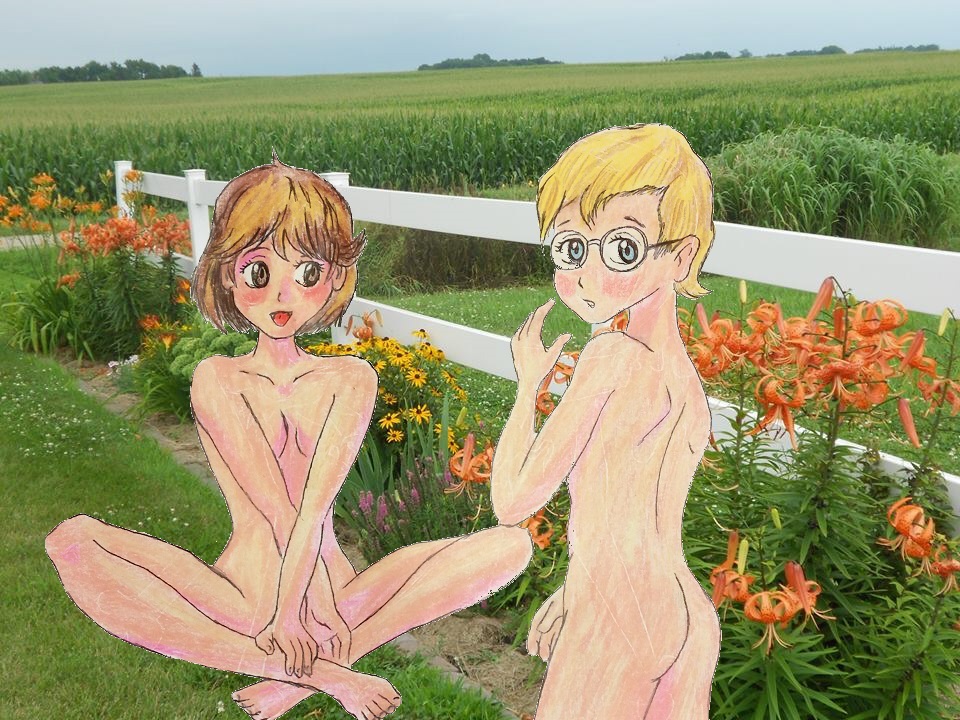
I have been posting stuff every day for a few years now, and in that time, I have been much-visited on WordPress. Maybe not much-read, but then, you cannot actually tell if somebody read it or not. Most probably look only at the pictures. And, since I am also an artist of sorts, that can also be a good thing. Though, just like most artists, my nude studies are more popular than the pieces I value the most. But unless the looker makes a comment or leaves a “like”, you really have no idea if they read or understood any of the words I wrote. And you have no idea what they feel about the art. Maybe they just happened to click on one of my nudes while surfing for porn.
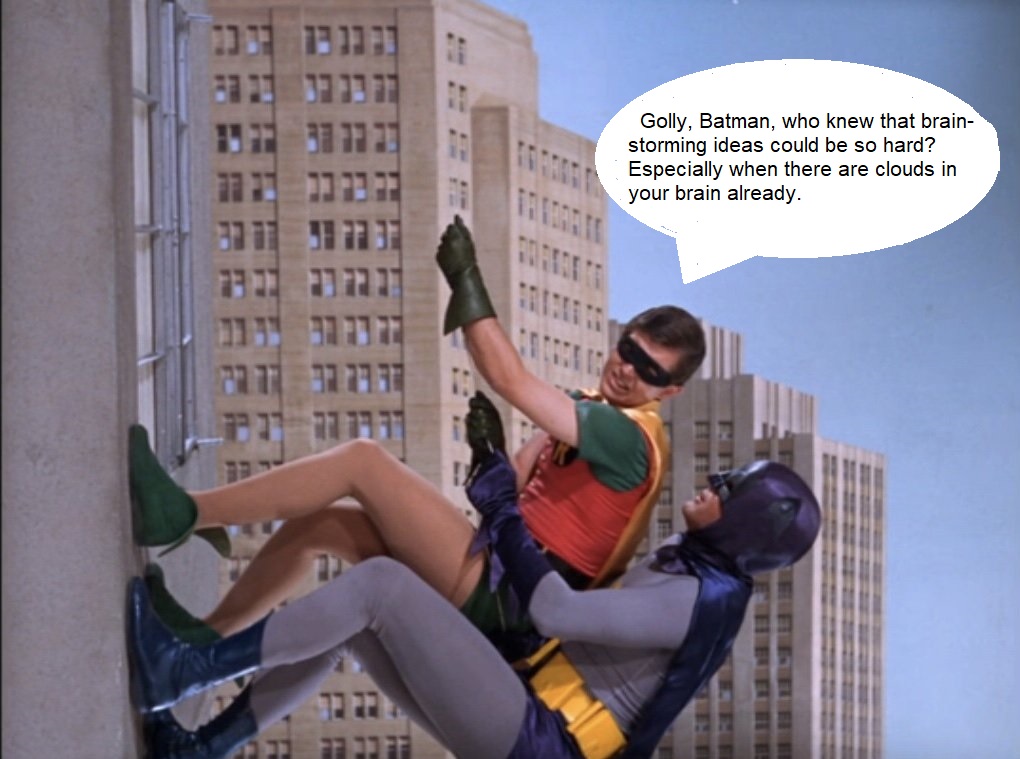


I rarely get below 50 views of something in my blog every day. The last three days were 86 views, 124 views yesterday, and 88 views already today. My blog has definitely picked up pace over the length of the coronavirus quarantine. But no definable reason seems obvious. Some of my posts are polished work, but Robin is right when he says today’s post is merely fishing with the process, which is true almost every day.
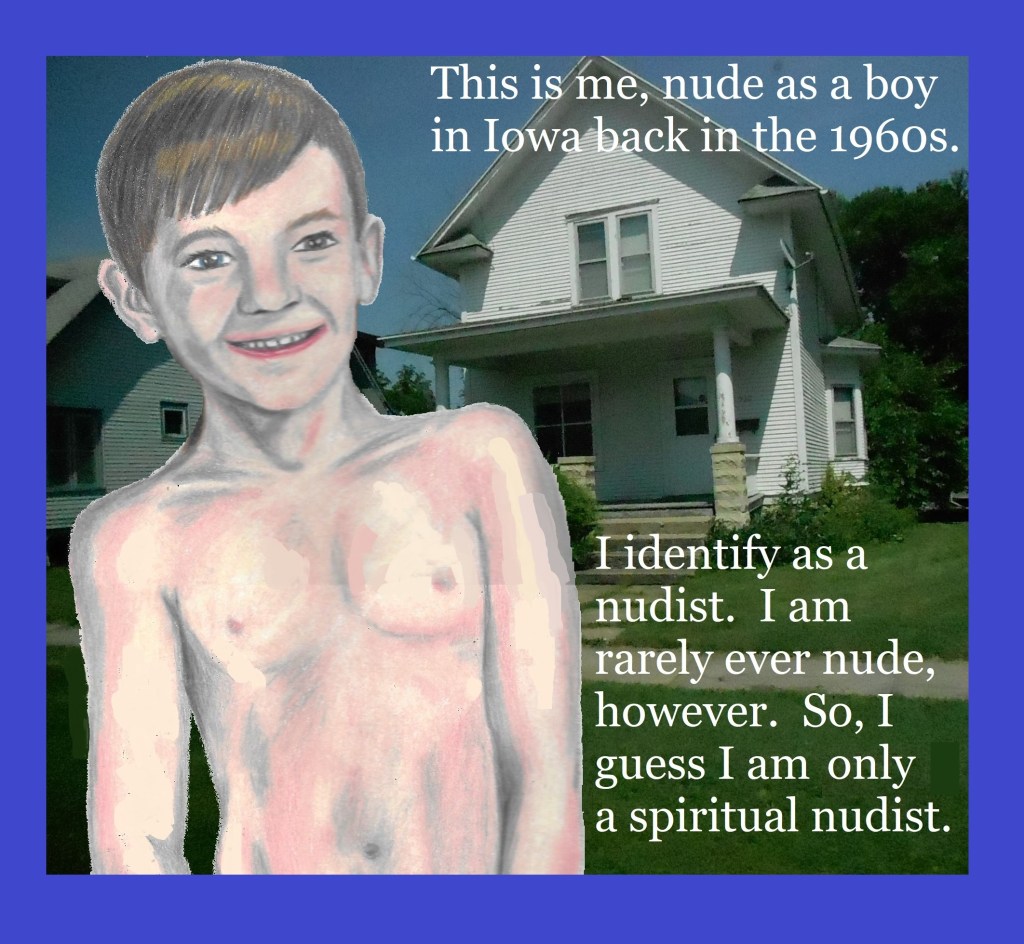
As a person I am quirky and filled with flaws, pearls of wisdom that result from clam-like dealing with flaws, strange metaphors that shine the pearls, and obsessions like the one I have with nudism that leaves me properly dressed for diving for pearls.
I have demonstrated throughout my life that I have an interest in and experience with nudism, though not the boldness to parade my naked self before the world outside of the writing that I do. I also spent most of my bachelorhood dating reading teachers and teachers’ aides, finally settling down and marrying another English teacher. I completed a thirty-one year career as an English teacher, which means I spent a lot of time teaching writing and reading to kids who were ages 12 to 18. Twenty-four of those years were spent in the middle school monkey house. And all of that led to being so mentally damaged that I wasn’t good for much beyond becoming a writer of YA novels or possibly subbing for other mentally-damaged teachers in middle schools around our house.
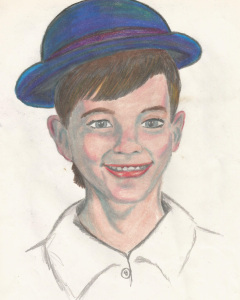
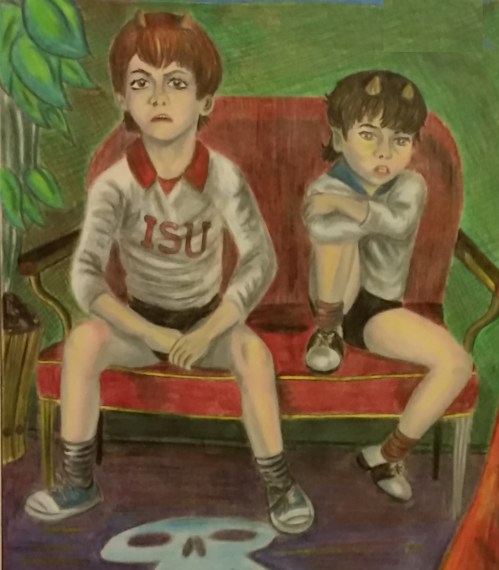
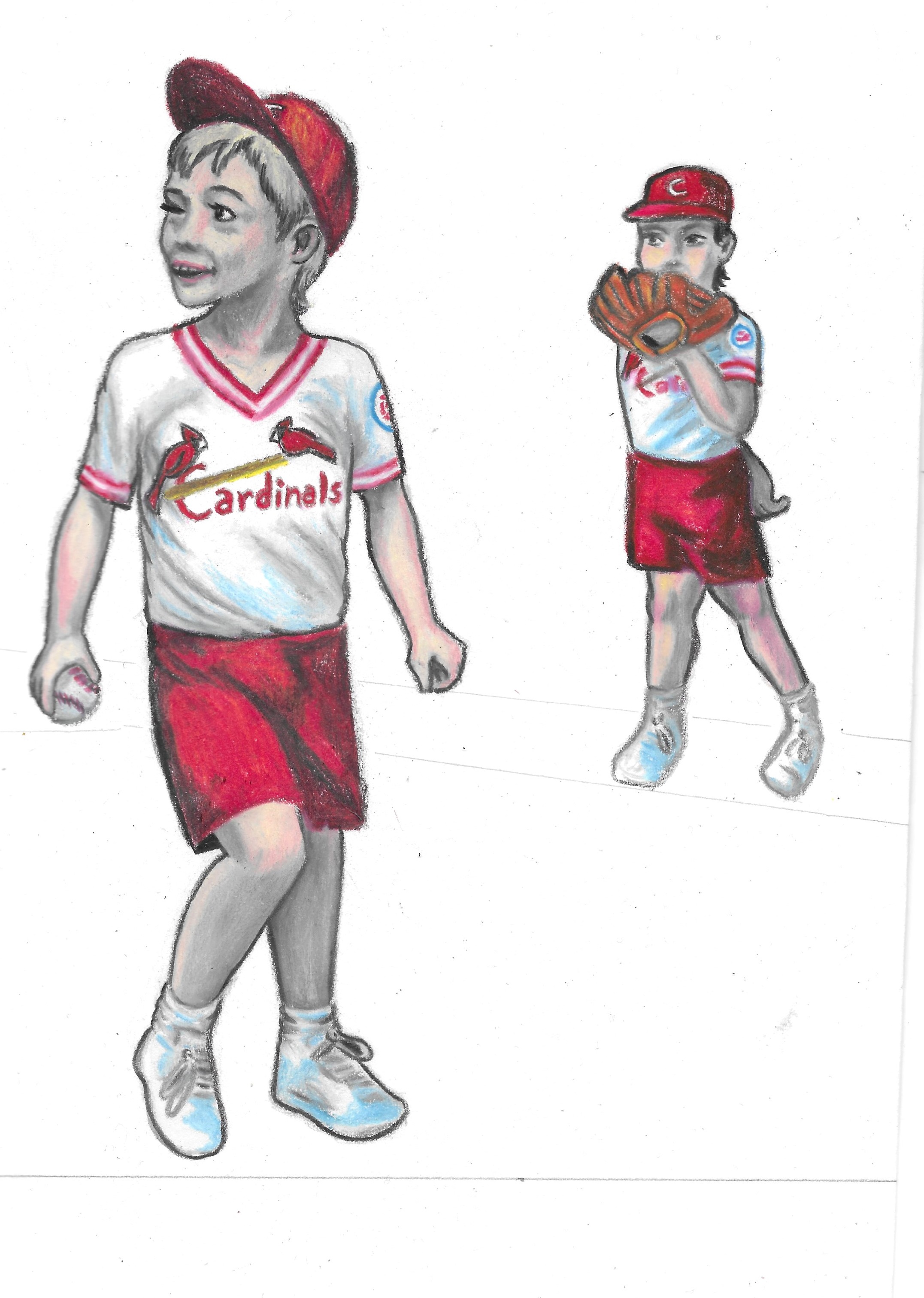
A real telling feature of what I have become is the fact that most of the characters I write about in my fiction are somehow a reflection of me. Milt Morgan, seen to the left, is illustrated here with a picture of me as a ten-year-old wearing a purple derby. Yes, I was that kind of geeky nerd.
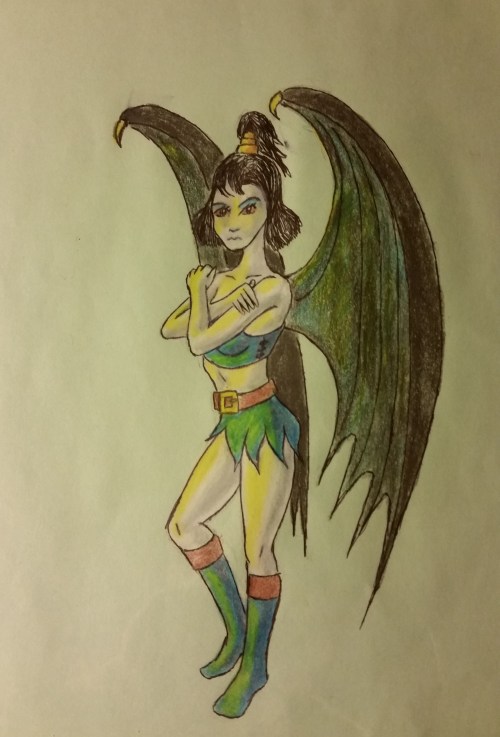
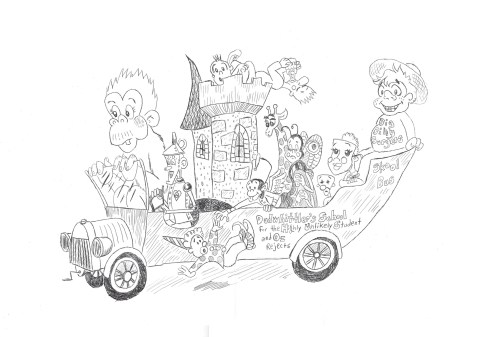
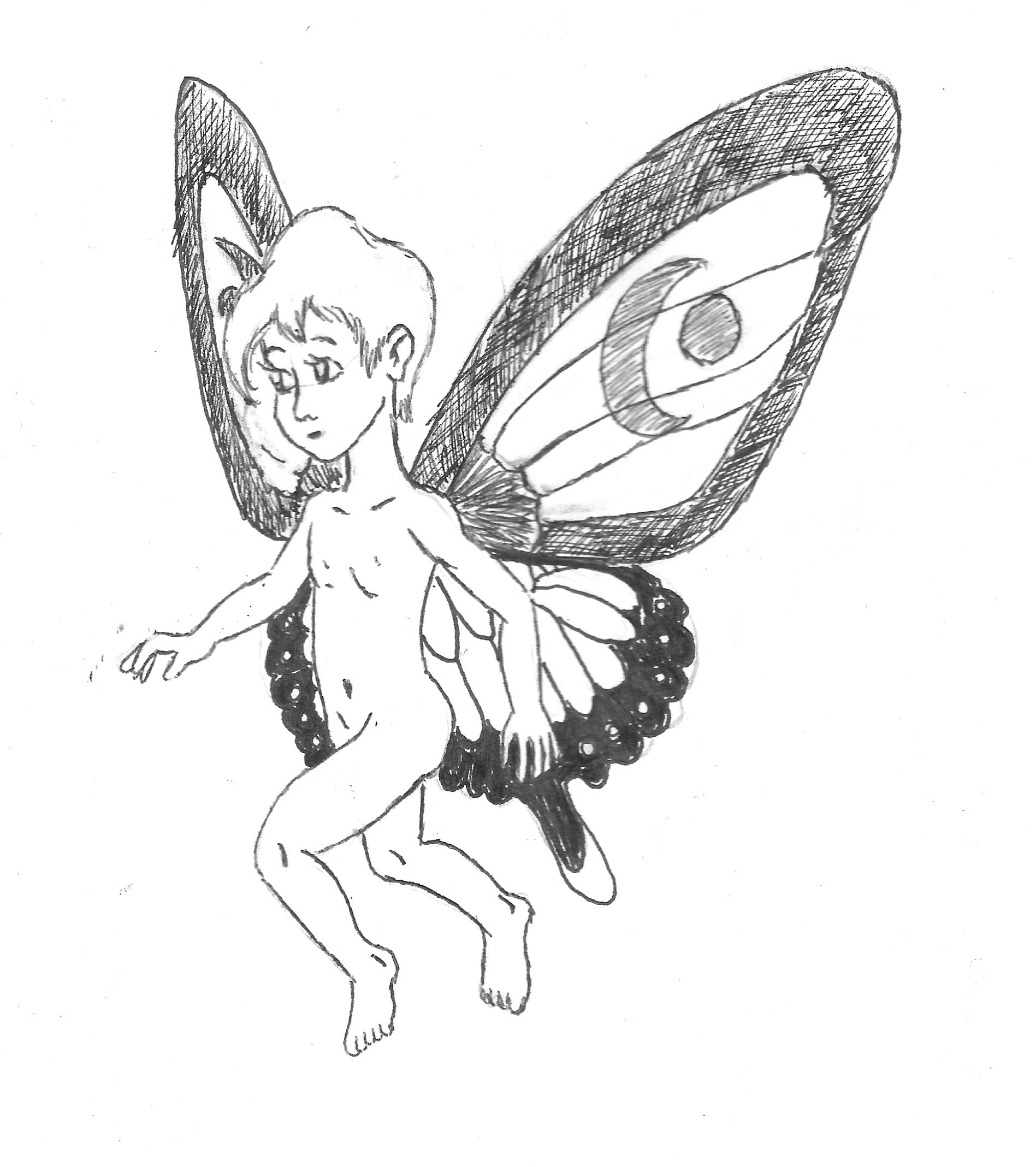
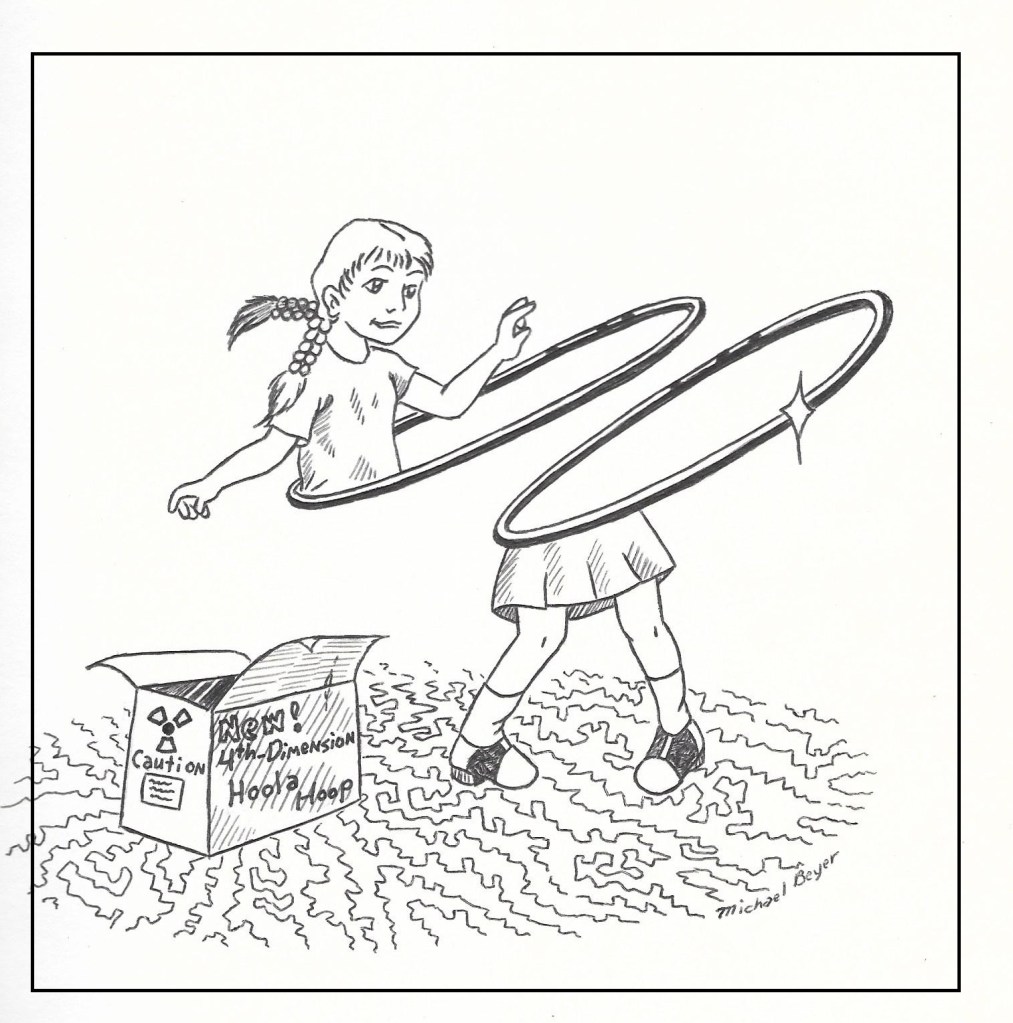
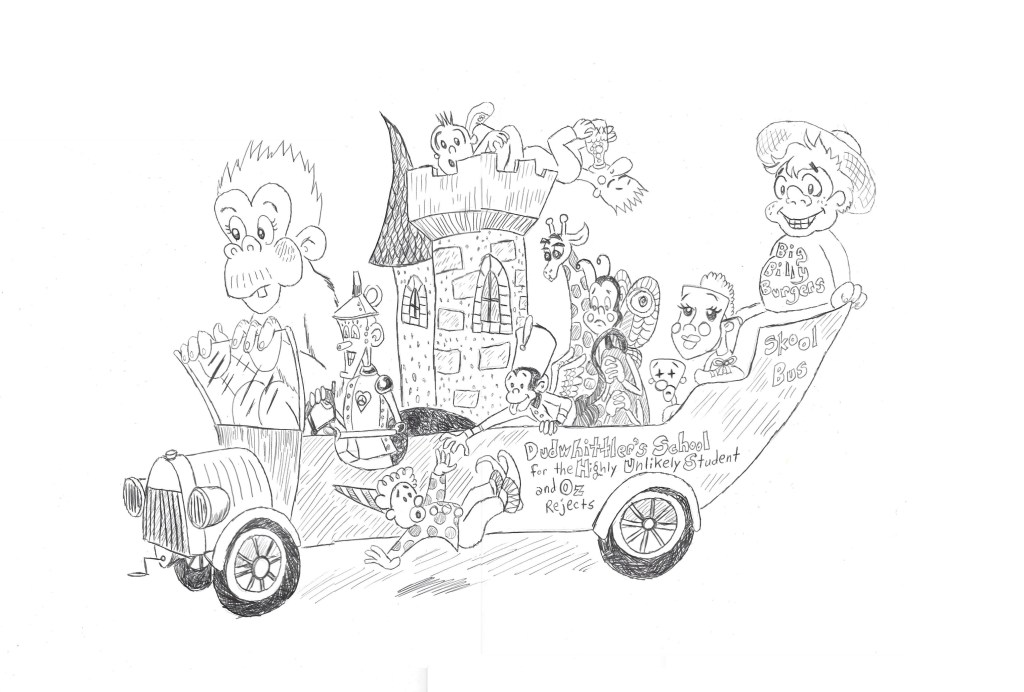
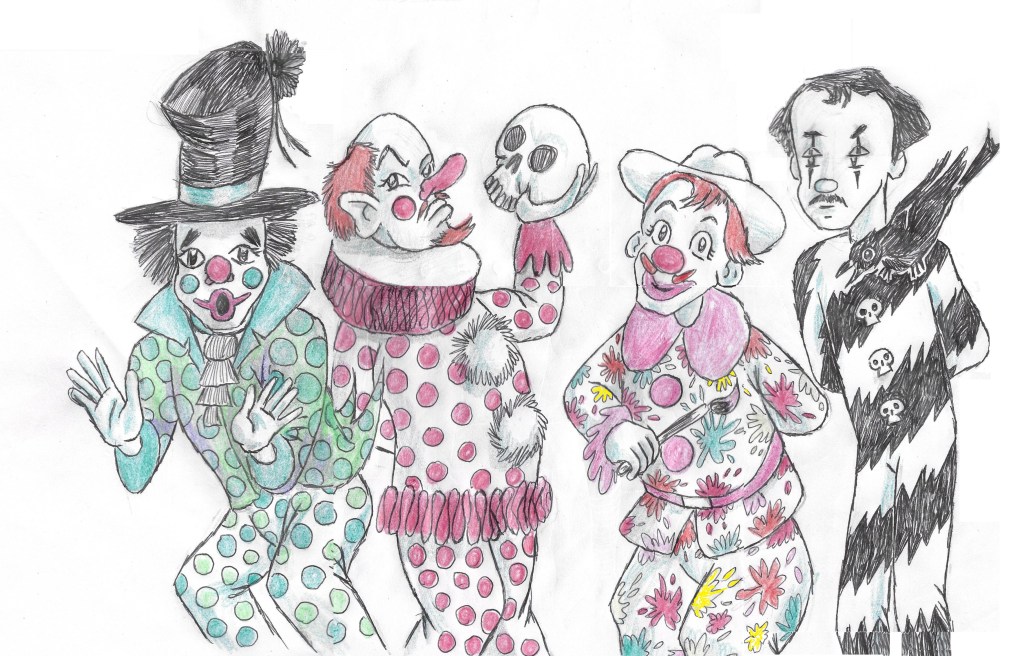
And most of the plots are based around things that happened to me as a child, a youth, or a young teacher. Many of the events in the stories actually happened to me, though the telling and retelling of them are largely twisted around and reshaped. And I am aware of all the fairies, aliens, werewolves, and clowns that inhabit my stories. Though I would argue that they were real too in an imaginative and metaphorical way.
So, here now is a finished post of Mickey staring into the metaphorical mirror and trying in vain to define the real Michael, an impossible, but not unworthy task.











A Night at the Symphony
Last night my wife took us to the Dallas Symphony Orchestra for a performance of Gustav Mahler’s Das Klagende Lied (The Song of Lamentation). So, you can bet we were in for a happy night just based on the title of the piece. As you might’ve detected from the post title’s similarity to the Marx Brother’s movie A Night at the Opera, I took along my wacky mental versions of the Marx Brothers… whom I call the Snarcks Brothers. They are Scarpigo, Cinco, and Zero Snarcks. Think Groucho, Chico, and Harpo, and then my mental fartgas won’t prevent you from understanding quite as easily.
Jaap Van Zweden, conductor of the DSO, and aspiring impersonator of Grumpy from the Seven Dwarfs
Scarpigo, Cinco, and Zero Snarcs… so to speak…
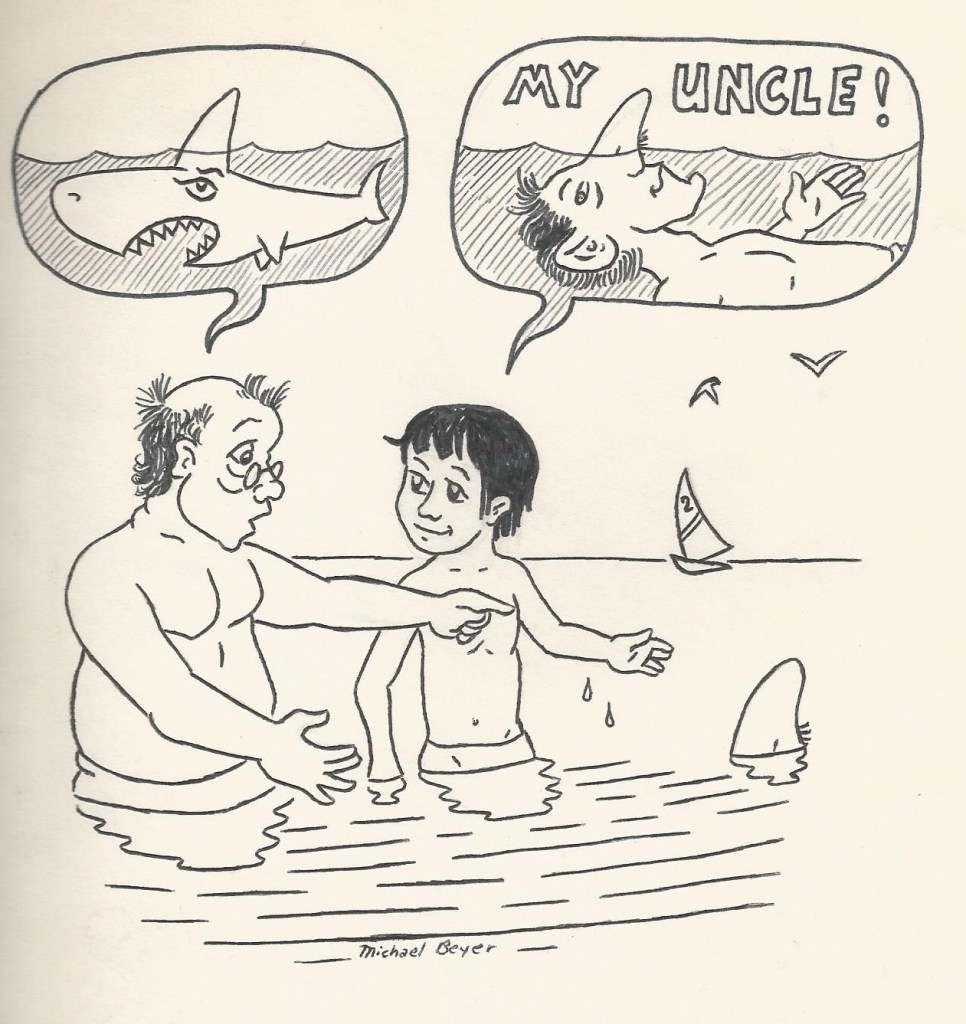
Now, don’t get me wrong, I love classical music and I like Mahler okay. But his music tends to be depressing and sad. I don’t mean merely depressing and sad, but deep down at the bottom of the canyon with hill giants tossing boulders at your head in the midst of a thunderstorm symphonic sort of depressing and sad. It could really bum me out, so I was prepared to have Scarpigo lean over the balcony rail numerous times to shout “Booga-booga!” at the concert goers. And the Blues lost to the Sharks in the Stanley Cup playoffs already this past week.
Fortunately the DSO often adopts the old movie theater tactic of cartoon shorts before the feature film… the same way Pixar does for Disney now. They chose Aaron Copland’s Clarinet Concerto as the cartoon short. Now this is also supposed to be sad music, a single clarinet, a single harp, and a single piano… surrounded by violins, the gushing tears of every symphony orchestra. But it is Copland, my fourth favorite composer of all time, behind only DeBussy, Motzart, and Beethoven. As a synesthete, I can tell you that Copland’s music is always no bluer than silver, and tends to be more vermilion, rosy pink, yellow-orange and carmine red… more happy and passionate than depressing. Then too, Cinco Snarcks whispered in my ear that since I have this Van Zweden/ Grumpy thing going on already in my head, I should look carefully at the clarinet soloist. Yep, bald head, white hair and slight white beard and glasses… Doc! And the pianist, bald head and big ears… Dopey! The night would be Gustav Mahler and the Seven Dwarfs. Zero Snarcks was thinking about squeezing off a toot or three from his little horn and maybe using light cords hanging from the ceiling for an impromptu trapeze act, but he took one look at the elegant, swan-like harpist and fell too much in love to interrupt.
The main show, however, was everything I thought it was going to be, and worse. They had a translator screen hung from the cords Zero wanted to go for a swing on, that took all the incomprehensible choir-crooned lyrics and translated them from German into English. The story of Das Klagende Lied is taken from the Grimm Fairy Tale, The Bone Flute. It tells the tale of two knightly brothers, one good and one evil, who set out to win the hand of a very self-centered but beautiful queen. She can only be won by the finding of a special red flower that grows under a willow tree. The knights agree to split up and search the enchanted forest for the flower. Naturally, the good knight finds it and plucks it, putting it in the band of his hat. And just as naturally, the good knight flops down stupidly under the willow tree to take a nap. The evil brother finds his brother sleeping and sees the flower in his hat. So, like any evil knight would, he kills his brother and takes the flower.
Scarpigo’s comment on this particular story.
The evil brother then rushes off to the queen’s castle. A minstrel wanders past the willow tree, finds a gleaming leg bone, and immediately thinks, “I have to make that into a flute!” And when he does, the only song the flute will play is the lament about how the evil brother made meat pie out of his good brother and stole the flower. Then, naturally enough, the flute forces the minstrel to go play at the wedding.
I’m sure you know how it goes from there. The queen hears the bone flute’s enchanted song and flops down dead, apparently a heart-attack from shock. And if the queen dies, then the castle has to magically fall down on the new king, the minstrel. and all the wedding guests. A gruesome, terrible time is had by all.
So, I had a good time after all. Scarpigo leans over to whisper to me, “That was more fun than a barrel of monkeys smoking crack, wasn’t it?” Yes, purple, blue, blue-violet, and indigo music, and I am left depressed as hell. But when my wife asked how I liked it, I put on a happy face and said, “That’s the silliest thing I ever heard!”
Leave a comment
Filed under commentary, Depression, flowers, foolishness, goofy thoughts, humor, music, review of music
Tagged as Copland, Dallas Symphony Orchestra, goofiness, humor, Mahler, seven dwarfs, synesthesia