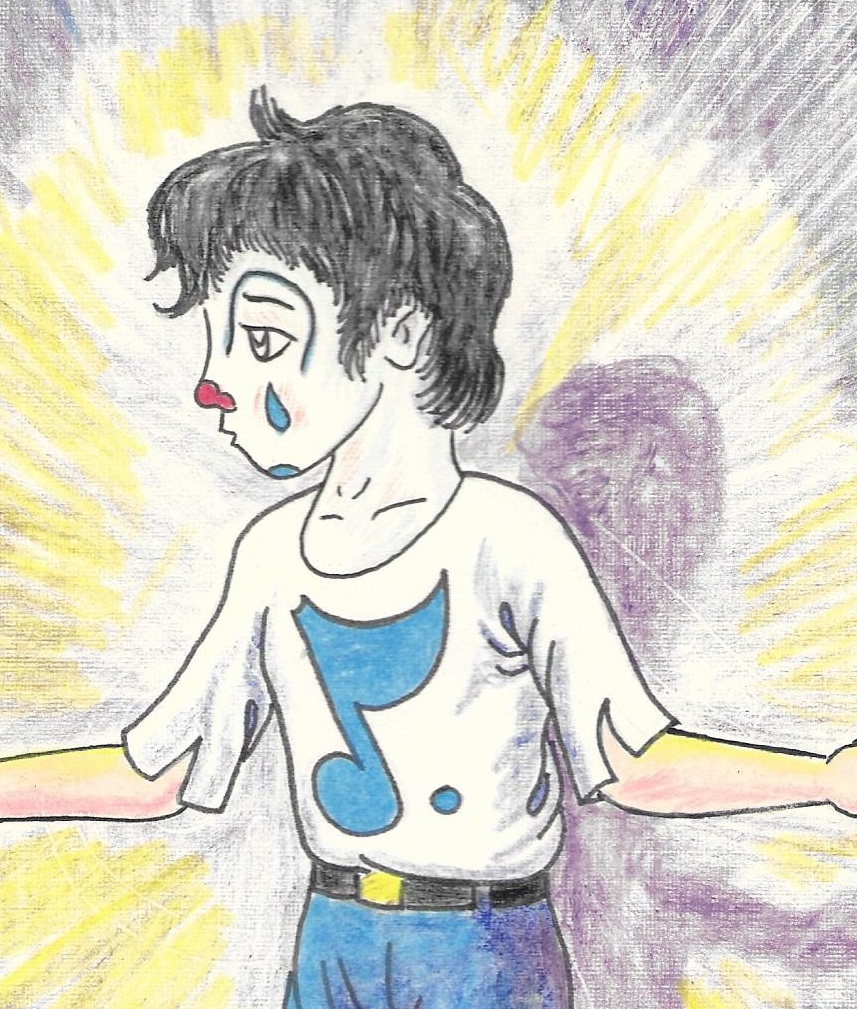
People like me, people who depend so much on a sense of humor and a good laugh on frequent occasions, are usually subject to depression. The bad thing about being up is that eventually, you come down. And the higher up you go, the further down you fall.
I have learned a great deal about surviving a depression in my time on Earth. I have been in the emergency room for a sufferer of depression three times, one of those when a child hurt himself. I have talked people out of a suicidal depression in the middle of the night exactly three times… three very long nights, two of them over the phone, not knowing where the sufferer actually was. I have had three different family members in psychiatric care, hospitalized for a week, five separate times. They don’t tell you these things can happen in teacher’s college. They don’t tell you that sometimes it is part of a teacher’s job to deal with it, both the depression of students in your care and family members subject to the effects of stress in teachers’ lives.
I have lost three former students to suicide. (Typing that line just made me cry again.) One of my high school classmates ended it all with a gun. And, of course, we all lost Robin Williams to the deadly darkness of the mind as well.
And I am depressed right now, a depression brought on by a week’s worth of weather-related arthritis pain. I was also betrayed today by someone whom I thought was a friend. But before you panic for my safety and call a hotline in my name, don’t worry. I know the answer. I fought depression long and hard enough to know where the ladders are in the mythical dark pit of despair.
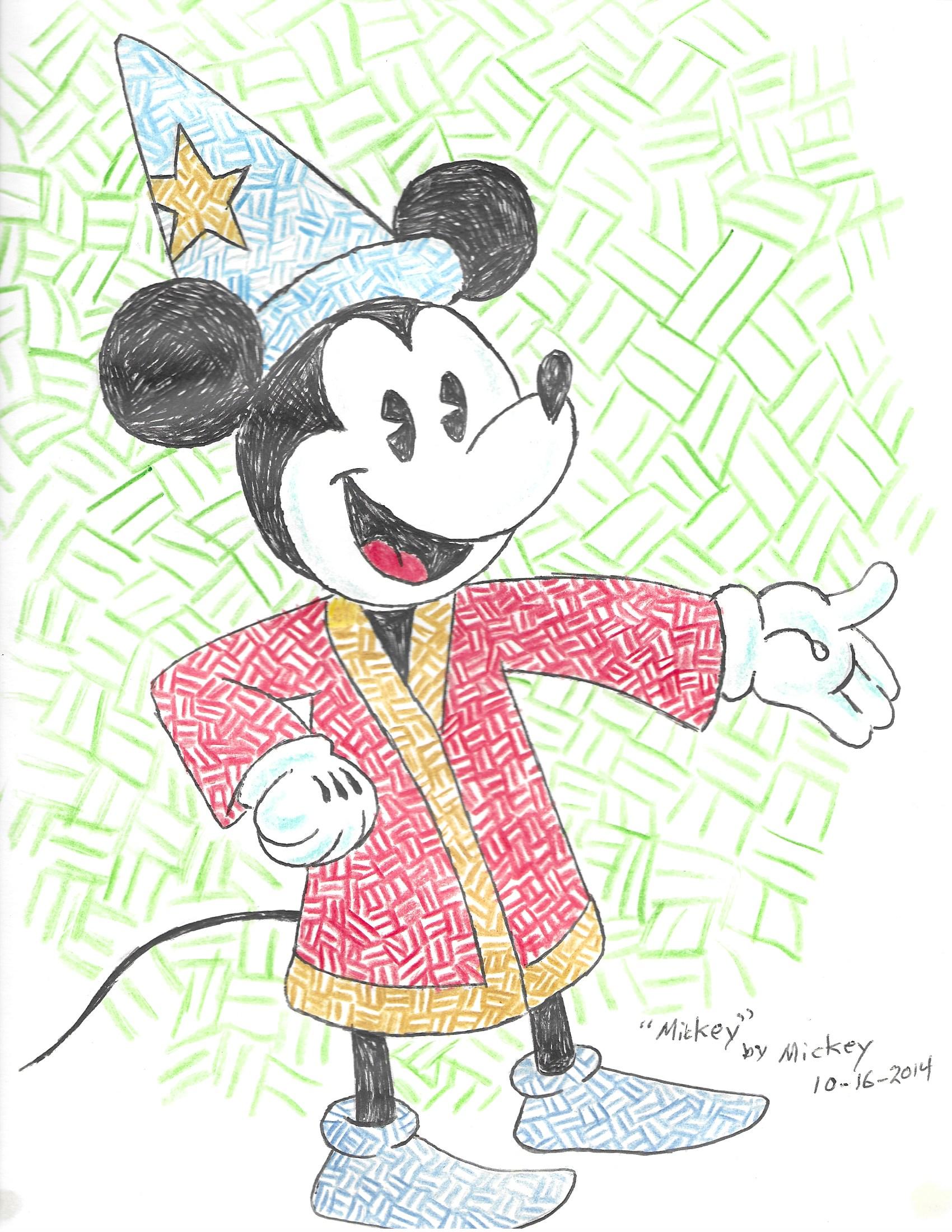
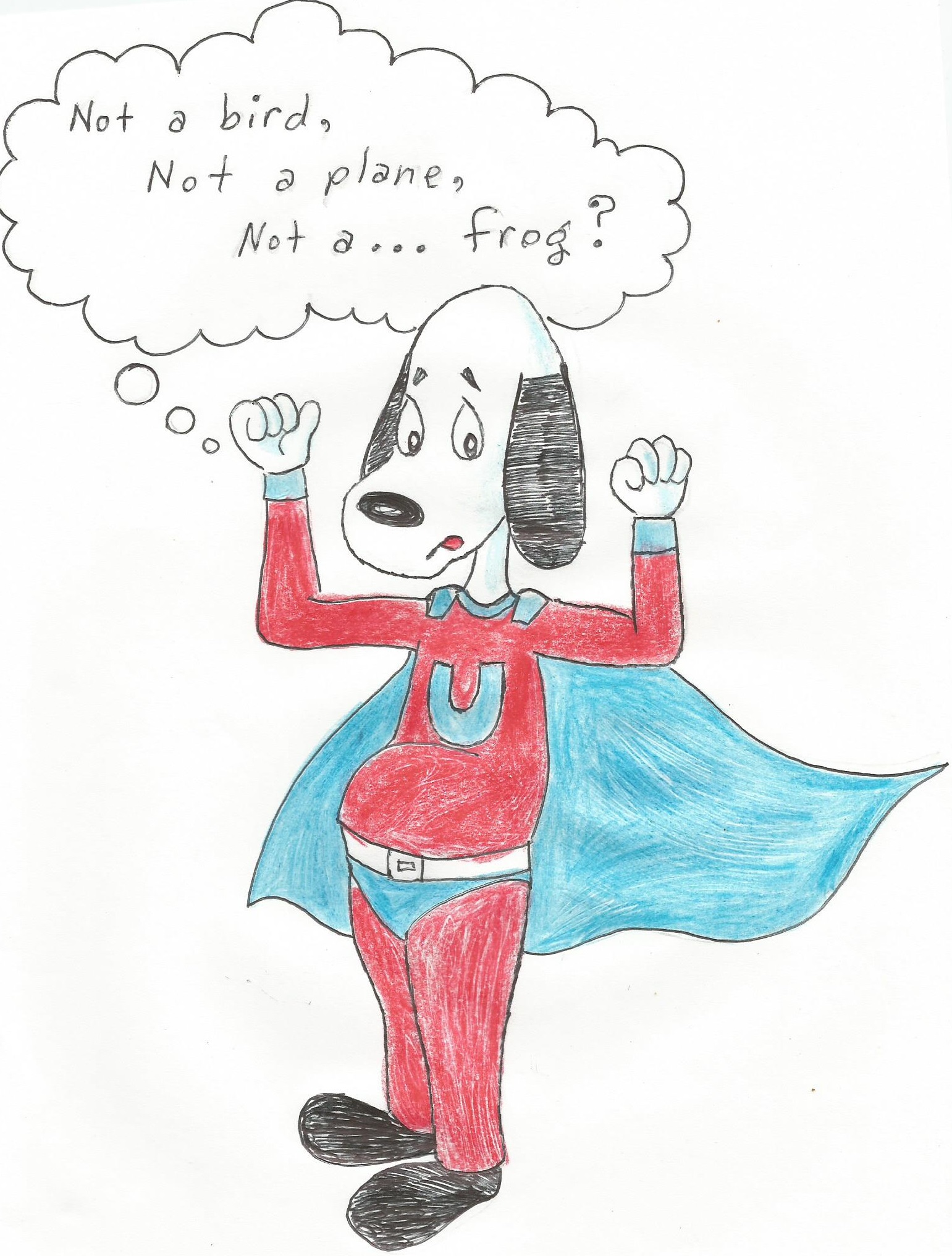
For one thing, you have to make the sufferer remember the good things in life. There are people and places and things to do that everyone can use as that wonderful good that you have to live on for. Listing things you have to stay alive for is a ladder. I have children still in school. I have pictures to draw and stories to write before I am through. There are people I love that I have to live for. I wrote about one of those yesterday, and I have at least two thousand more.
In fact, I met a former student in the Walmart parking lot the other day. She had lost her mother to suicide. She suffered bipolar disorder and depression herself, and in her junior year of high school, we almost lost her. But she had to stop me and make me recognize her to show me that she has made it. She is alive and happy, years after the fact. She is now a rung in my ladder.
When you have to talk to somebody who is dangerously depressed, it is not enough to keep saying that everything is going to be all right. You have to show them the ladders. It helps to know where the suicide hotline telephone number is posted, or have a copy of it in your wallet. It helps to know where to find good professional help. It helps to know that every school has a counselor who will either provide the help or direct that help to you. That is another important ladder.
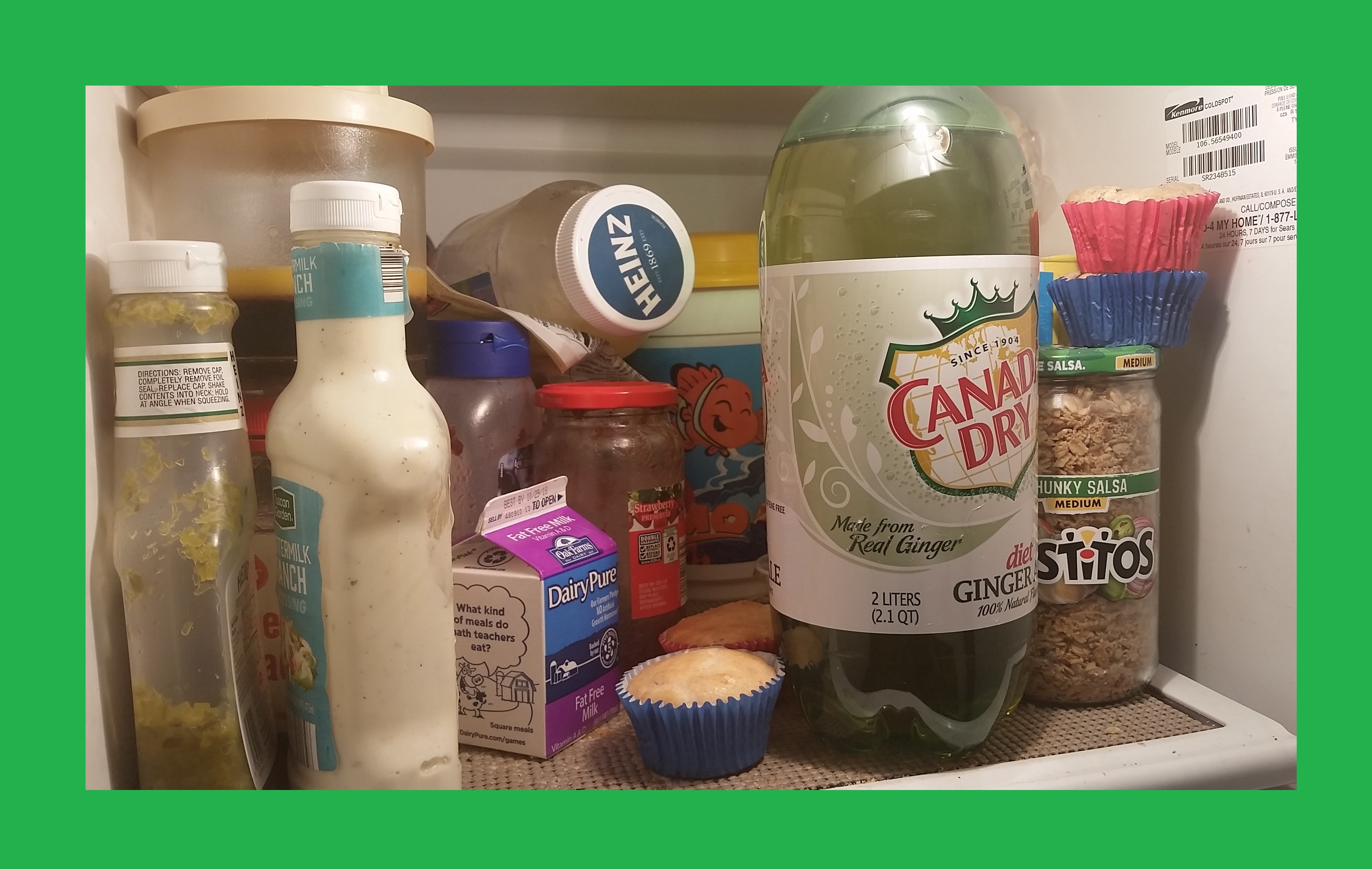
Eating chocolate helps, or fruit. Serotonin levels in the brain are low if you are depressed. My wife left apple turnovers in the refrigerator for me. Of course, non-chocolate candy is a bad thing. A sugar high leads to a sugar crash, and that is worse than where you started.
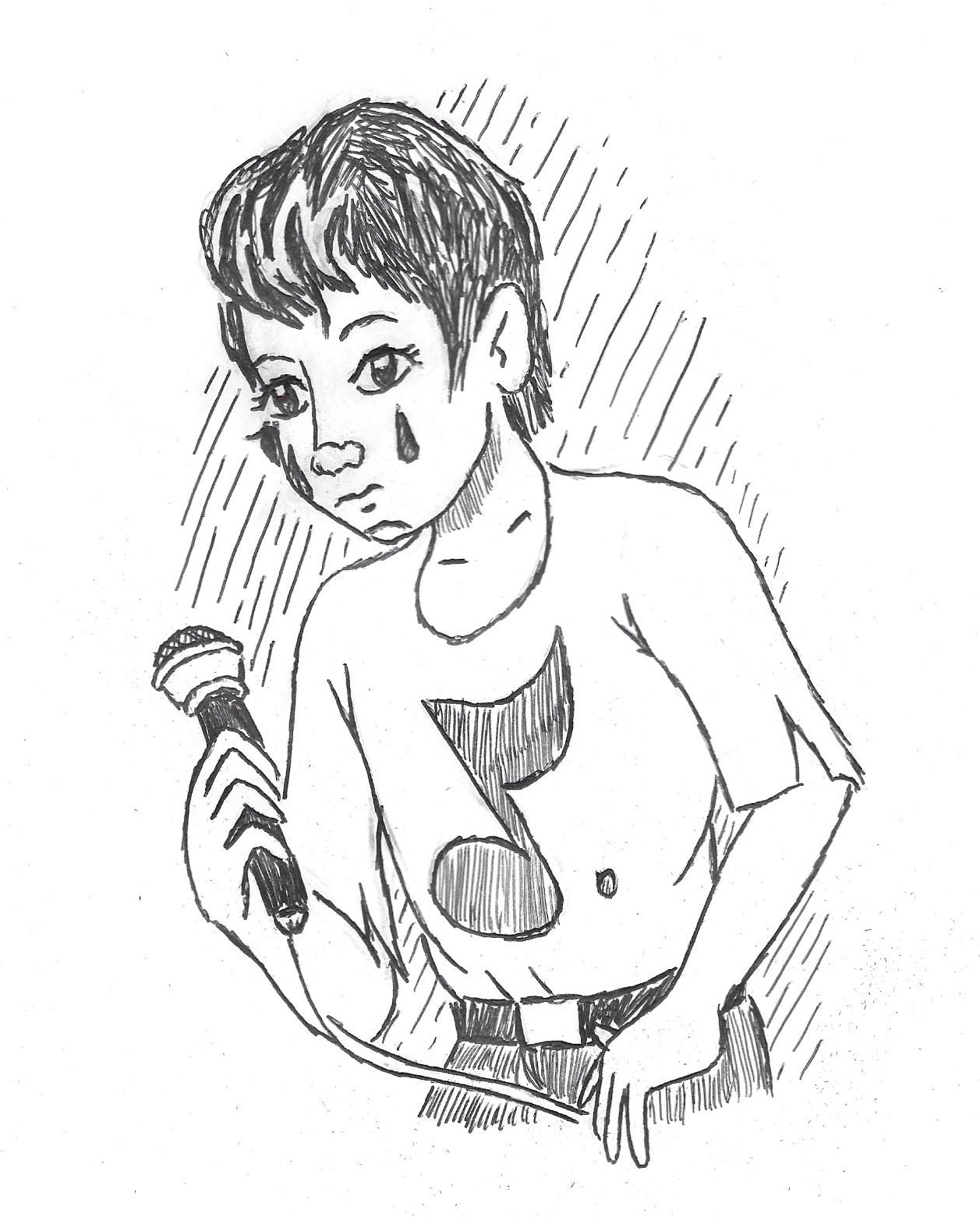
Singing songs also works for me. Hence, the novel I am working on is called Sing Sad Songs. Even singing sad songs increases the oxygen flow to the old brain and helps it think more clearly, sing more melodiously (not odiously), and feel better. Ladders made of candy and ladders made of song… bet you didn’t see that one coming. Telling a joke, even a bad one, can make a ladder too.
Writing this blog can be used as a ladder. As I close in on 700 words, I am feeling better than I did when I started. So, please, don’t be afraid of the darkness, and don’t let it defeat you. You can win. I know it. Because I have walked that path, fallen into that pit, and found the ladder out.











 Catch a Falling Star
Hope Comes From Science
Of late I have been rather obsessed with the coming darkness. Death. Ragnarok. Mass extinction of all life on Earth. My own situation as a pessimist quickly approaching the end of my own personal life has probably colored my obsession to a very large degree. And I should point out, my own prognosis is not going to change for the better. I do not have the financial power to prevent the problems I already have using modern effective healthcare. I am personally doomed. But even though the whole world seems easily as doomed by climate change, that doesn’t mean everyone shares my sad fate. There are potential solutions to the problem that only require the people who do have the financial power to fix it to decide that life on Earth has more value than their personal wealth and privilege. (Uh-oh… there’s a dependence on goodness where it seems like none actually exists.)
I often turn to science and books by very smart people to give me ideas that comfort me and give me hope. I recently did some binging on YouTube’s Answers With Joe. He does an excellent job of providing answers to things that worry me underpinned with scientific facts.
I have been worried about the environment from the times in high school science class when we learned about Paul Ehrlich and his book The Population Bomb.
Then we were learning about how the overpopulation of the Earth and its attendant need to produce food for all those people threatened massive famine, resource scarcity, and eventual extinction for humans. It was pointed out that, at the time in the 1970s, we were using chemical fertilizers and pesticides on the fields in Iowa to increase yields that would not only pollute the water and air in Iowa, but would eventually make its way through the watershed system into the oceans where it would overstimulate the algae and create an ocean environment throughout the world devoid of oxygen, fish, and all other lifeforms. I could see the threat and the validity of the science that Ehrlich had done.
I learned, over time, that population stresses do not necessarily cause extinction events in a matter of decades. The 1980s came and went and we were not extinct, despite eight years of Ronny Ray-gun, the jelly-bean president, and massive success in increasing food production. As Joe does an excellent job of explaining in the video above which you didn’t watch, population problems proved at least partially self-correcting. Families generally slowed their growth rate as health and wealth improved and made them more productive, more intelligent, and better able to support the heavy layer of living people that now covered the Earth.
Recently I became obsessively and pessimistically concerned with the dire predictions of environmental scientist Guy McPherson. I do recognize that his work reflects the extremist point of view among climate scientists, but ;there are a number of facts that he presents that are irrefutable in the same way as the arguments of… Paul Ehrlich.
In the second video above that you also didn’t watch, Joe explains how the problem of greenhouse gasses can be undone by renewable energy, carbon capture and air-scrubbers, and the search for viable products made from CO2, helping to reverse greenhouse gasses. He also explains how chemical cooling of the atmosphere and actual planetary weather control are possible. Technology already exists to solve the climate problem. The only drawback is that somebody has to pay for it. And the people in control of that kind of financial power are all entitled low-down greedy bastards that would rather build massive survival bunkers in the Ozarks than pay for the rest of us to survive. So, there is hope, which comes not with a grain of salt, but with a giant’s saltshaker filled with rock salt. Still, it isn’t time for all of you to give up. Just me. I am the one most completely doomed.
3 Comments
Filed under battling depression, commentary, farming, feeling sorry for myself, humor, insight, Liberal ideas, pessimism, sharing from YouTube, strange and wonderful ideas about life
Tagged as Answers with Joe, climate change, human extinction