And it seems that it goes badly three or maybe four times as often as it goes well.
This has been a bad week for me.
I got a booster shot two days ago to protect against further Covid problems. But I am still ill today just from the injection.
And yet I am still supposed to be funny on Fridays.
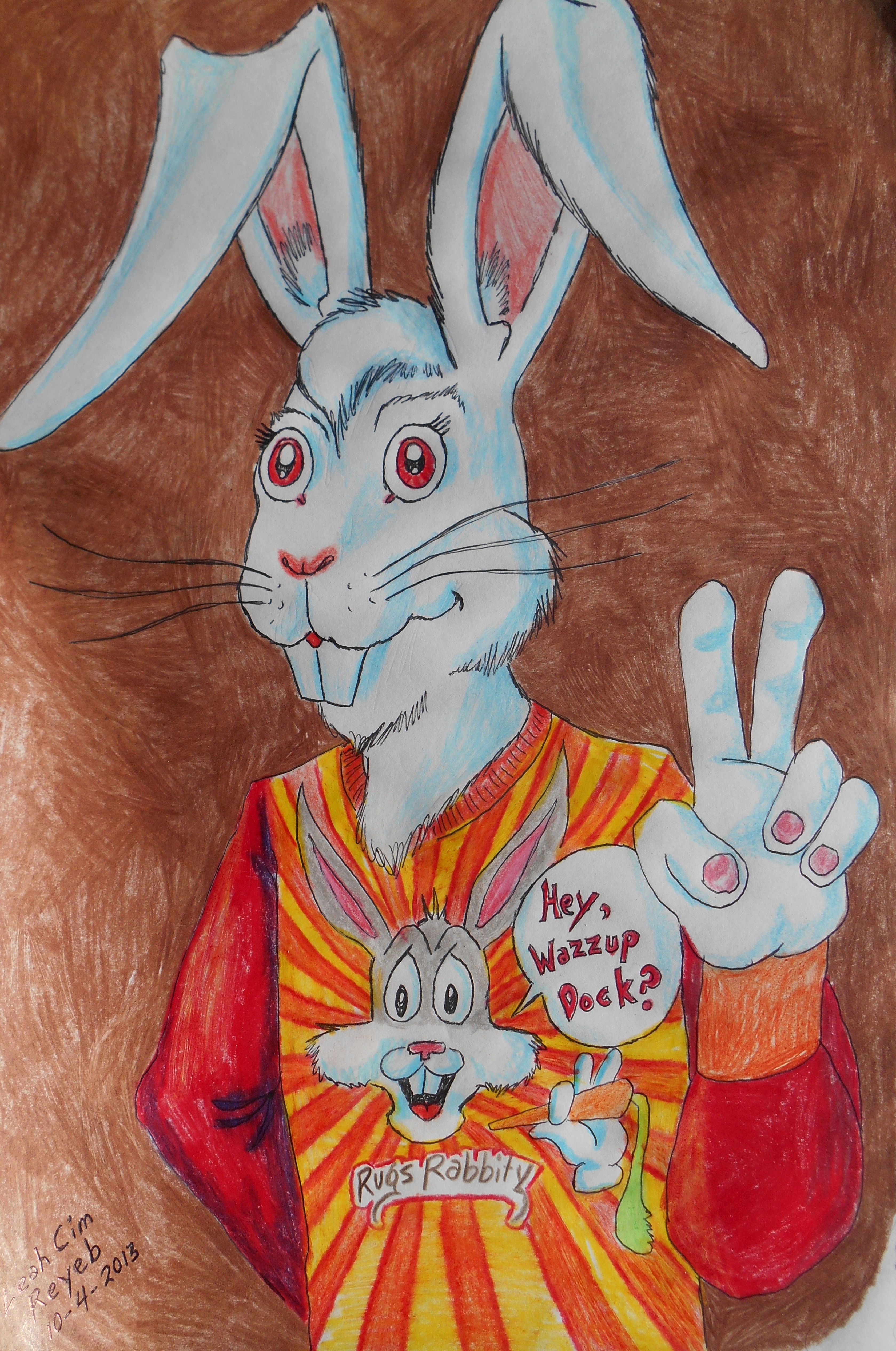
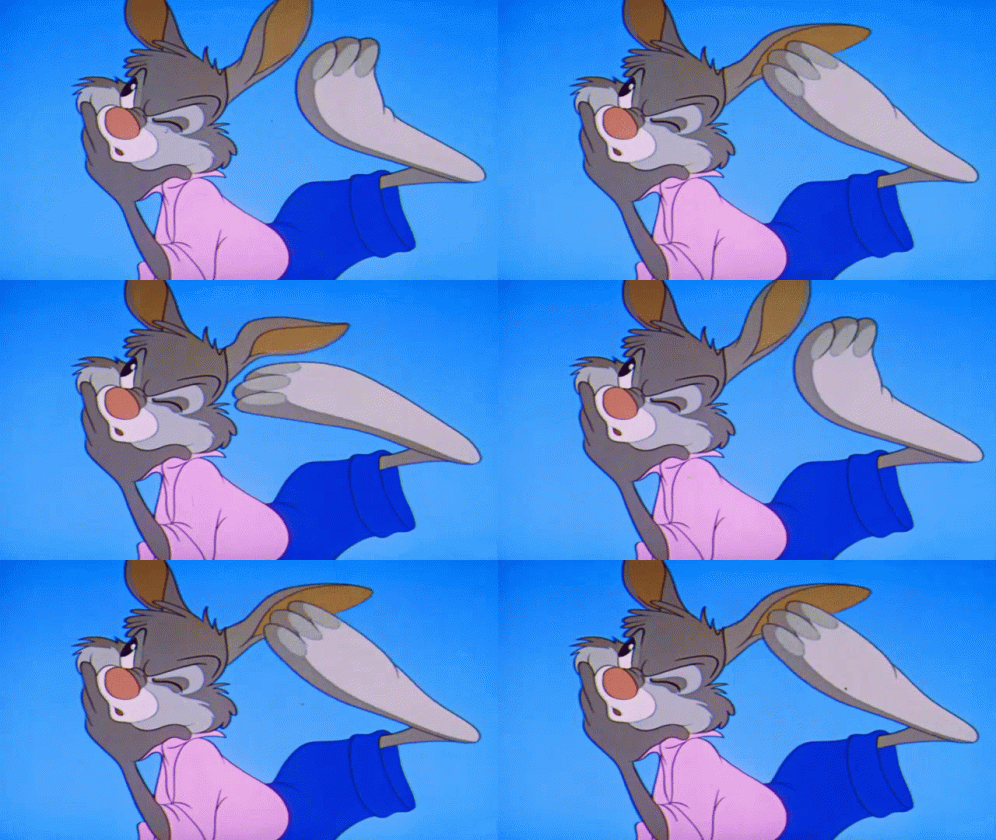
So, today, I am going to explain why rabbits’ feet are not going to help.
They are not lucky for me.
I have been a rabbit for forty years, since I was 25 and starting a career as a teacher.
Rabbits are always alert, always ready to face whatever predators may come our way, foxes, weasels, bears, tigers, bankers, health-insurance salesmen, lawyers, and politicians.
Rabbits have a field of vision that stretches for well more than the human 180 degrees of view.
They have to put together sensory input quickly, thump loudly with a hind leg, and bolt down the rabbit hole.
Critics would say that a rabbit doesn’t act assertively enough, standing up for himself in the face of what is unjust, life-threatening, and wrong. But it is not easy to be a rabbit in a dangerous world where bad luck is more common than good.
And think about it carefully, in a harsh and unjust world-environment. a rabbit’s foot is never lucky to the rabbit it came from.
So, feeling rotten, surrounded by crumbling pipes and leaky plumbing in this old house, and getting nothing but spam calls on the phone from scammers, this fat old rabbit, going blind and laid up with arthritis pain, is still happy to count all four rabbit’s feet still attached.
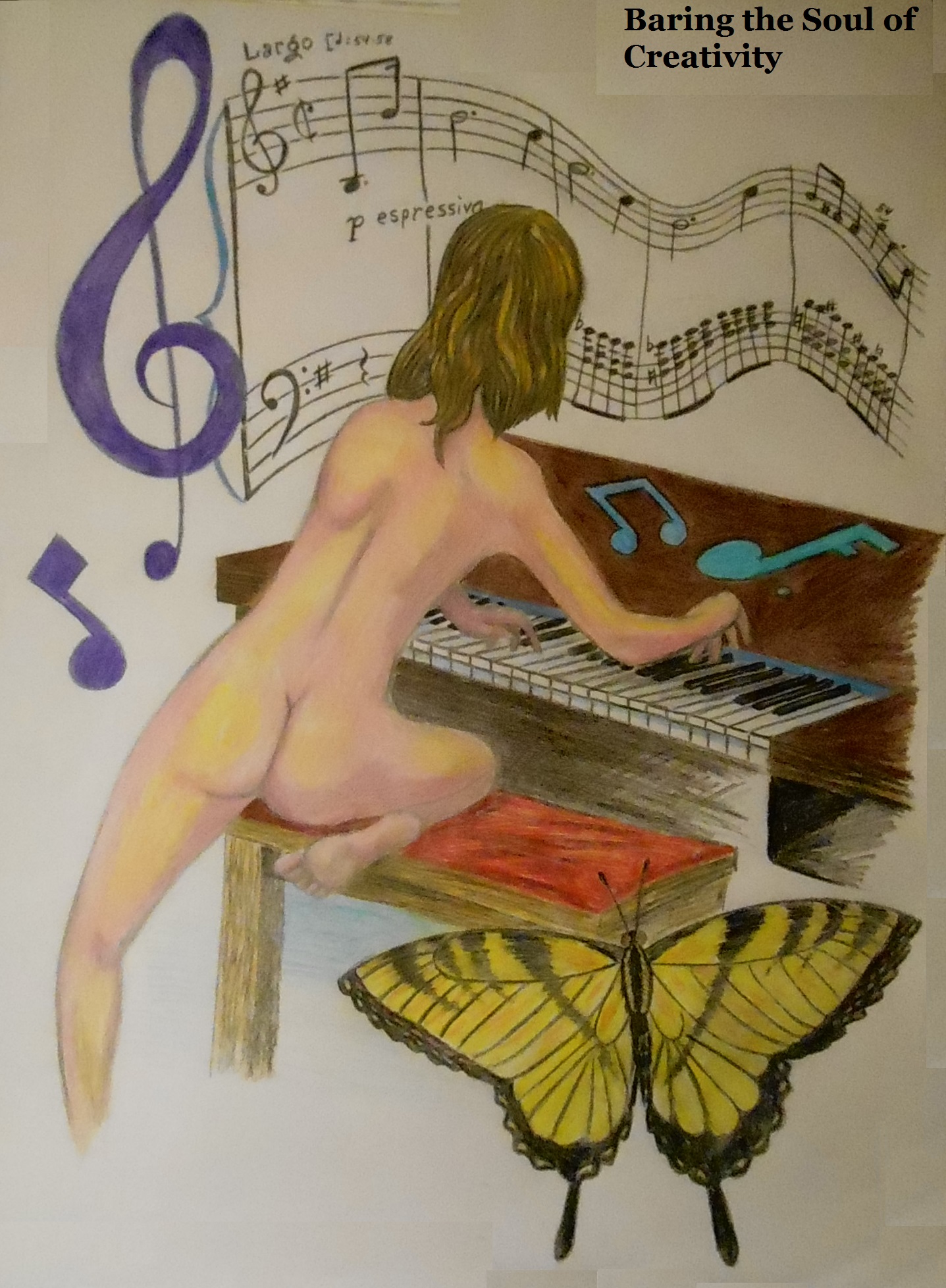
Back in my college days in the late 70’s I came back to the dorm one night late due to research until the library closed. In the entry hall to the dorms there was a piano. I had never seen anybody playing it. But as I got there, there was a student playing it. It was my nerd friend Kip, an engineering major. It was quiet, unassuming Kip. Kip who was so quiet, in fact, that I can’t even remember his last name, or what his voice sounded like. But he was playing the piano in an empty room with nobody listening. He was playing Scott Joplin’s composition “The Entertainer”. He had his back to me, totally lost in the music. He didn’t know I was there. And I… I was transfixed. I realized he was just practicing. But he knew the music right out his head, no sheet music on the piano in front of him. And he played like the ultimate virtuoso. And the music was so good it made my soul tingle.
It occurs to me that that single moment is, for me, a metaphor for my life. It is a concert played for nobody. I am competing only with myself. I am trying to please only myself. And if anybody is listening… I mean really listening… not just looking at the pictures and moving on, I don’t know it. And that is probably how it should be. This poor player is strutting and fretting his hour upon the stage. And when the concert ends… when the concert ends…? Applause is not likely. And applause is not needed. The music exists for its own sake. And the echoes of it are the fuel that powers the universe.
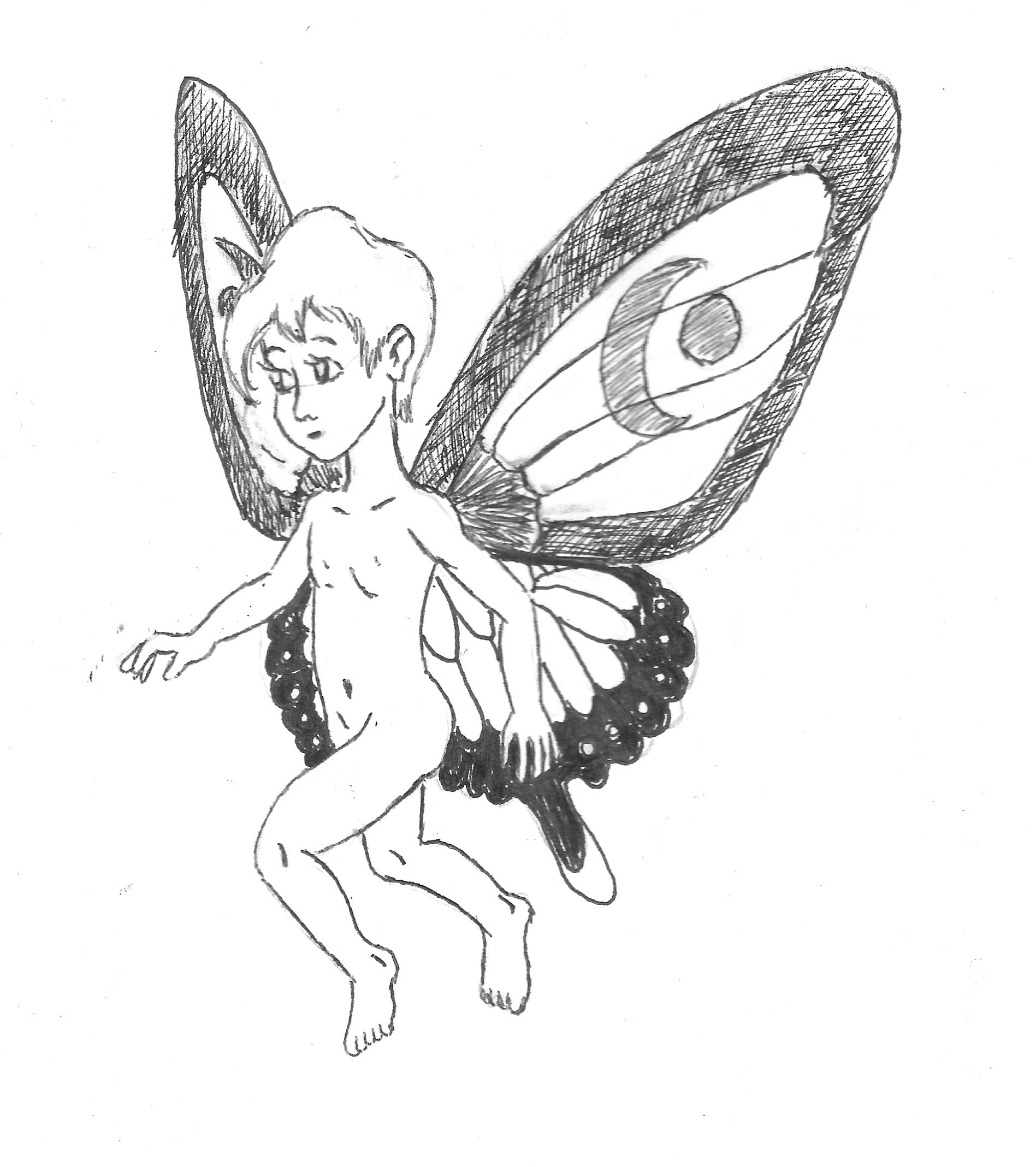
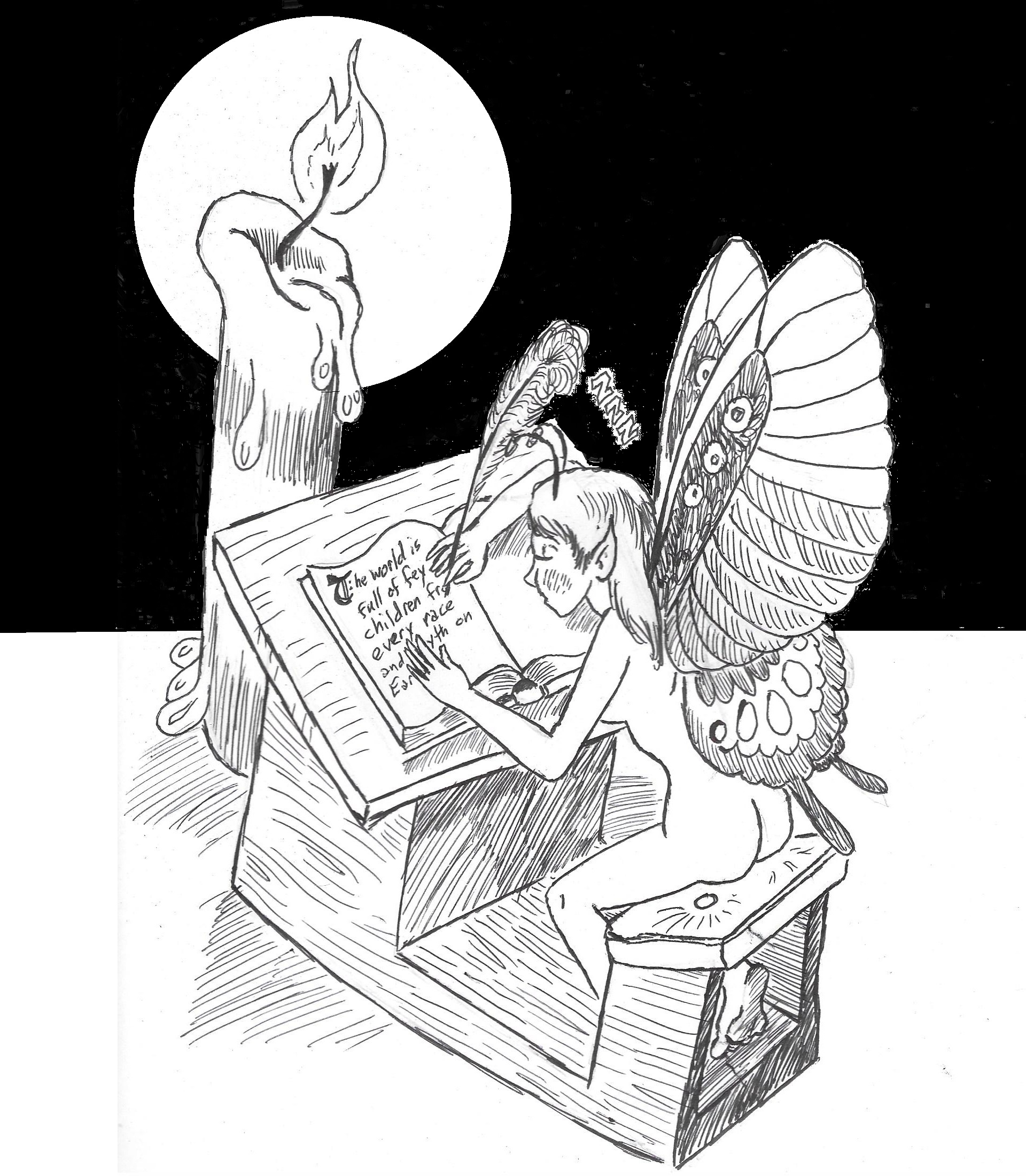
Days like today make me wonder about how long I can keep going. It has been so many years since I last had a day in which I felt no arthritis pain anywhere in my whole body, that I can’t actually remember what that felt like. With my movements and activities curtailed, I spend most of my retired life now sitting on my bed with my laptop, drawing paper, and colored pencils. I have been watching Green Eggs and Ham on Netflix, the Duck Tales reboot on Disney+, and numerous history videos on YouTube. And I have been writing a novel about teen depression and trauma, and, at the same time, a novella about a Fairy named Poppensparkle being taught magic by a master wizard who is a selfish idiot.
My bankruptcy is paid off, and my taxes have been paid for more than a month. I still have to get my second booster shot of Covid vaccine, but there is nothing else on my calendar for this month.
My writing has been increasingly going harder. The Pubby review exchange continues to get worse. The reviewing of others’ works is becoming harder, while the quality of reviews I get in return continues to get worse. Others don’t even read the books, just cobbling together reviews based on the comments in other reviews.
On WordPress I lost my ability to have ads on my site. Too many nude figures. No matter how innocent they might be. That is a loss of only pennies. But I may have gotten labeled an adults-only site even though there is not even remotely a hint of pornography.
And my views have drastically dropped from a year ago when my “Nudist Notions” post blew the number up to the highest I ever got.
Book sales are driven by Pubby reviews, so those have dropped off too.
So, the best thing that I can truly say at this point is that life is good and I enjoy being alive…with the complaints I registered duly noted. And today is about self-reflection, so I followed my overall plan for one day. And I have posted something 424 days in a row.
Don’t get too excited. I searched every box, trunk, bag of tricks, safe, closet, and jelly bean jar that I have in my rusty old memory. I didn’t find much. In fact, the old saying is rather applicable, “The beginning of wisdom is recognizing just how much of a fool you really are.” The little pile of bottle caps and marshmallows that represent the sum total of my wisdom is infinitely tiny compared to the vast universe of things I will never know and never understand. I am a fool. I probably have no more wisdom than you do. But I have a different point of view. It comes from years worth of turning my ideas inside out, of wearing my mental underwear on the outside of my mental pants just to get a laugh, of stringing images and stupid-headed notions together in long pointless strings like this one.
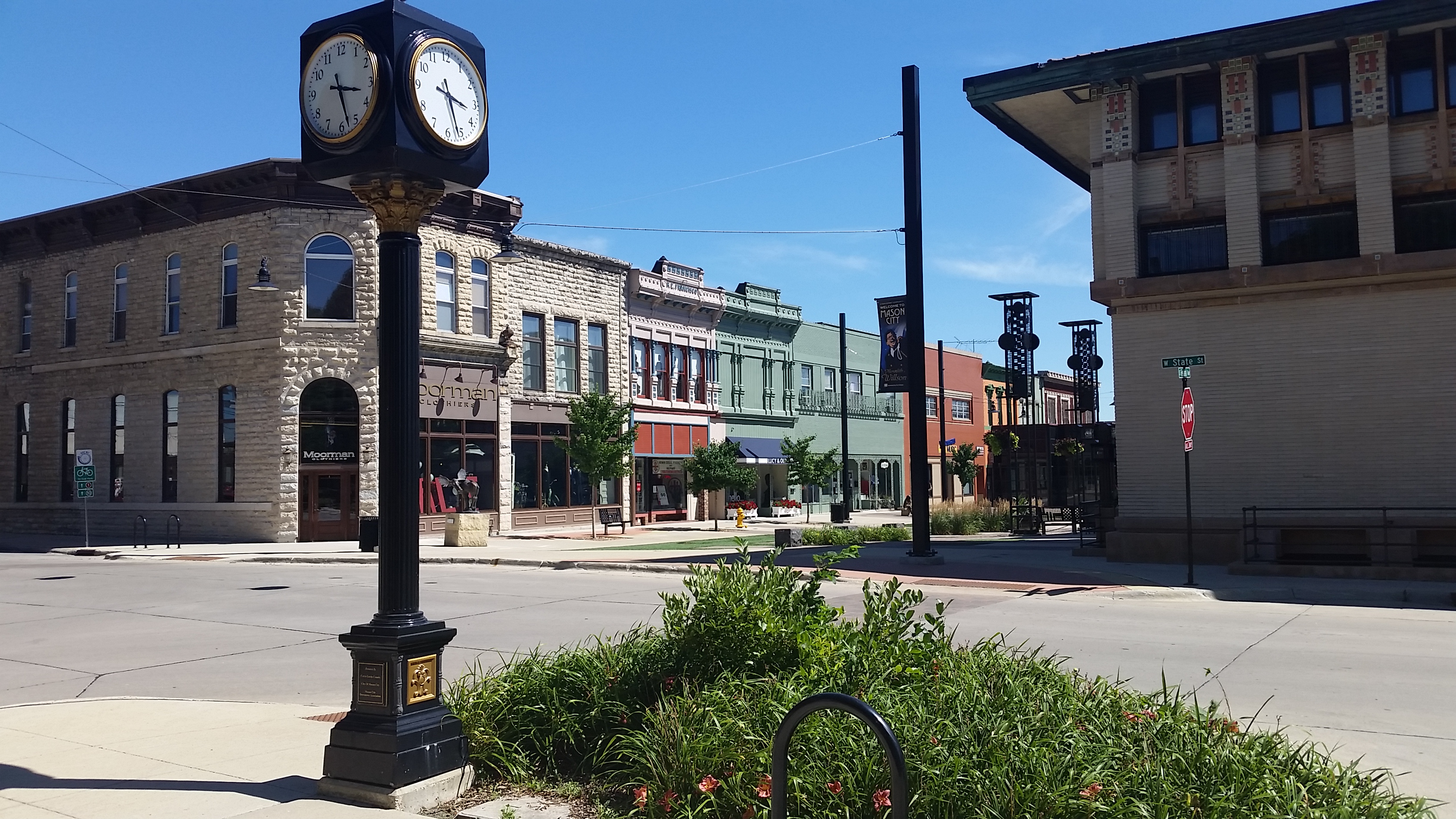
Mason City, Iowa… where I was born. River City in the musical “The Music Man“.
One thing I can say with certainty, nothing makes you understand “home”, the place you grew up in and think of as where you come from, better than leaving it and going somewhere else. Federal Avenue in Mason City looks nothing now like it did when I was a boy in the 1960’s going shopping downtown and spending hours in department stores waiting for the ten minutes at the end in the toy section you were promised for being good. You have to look at the places and people of your youth through the lenses of history and distance and context and knowing now what you didn’t know then.
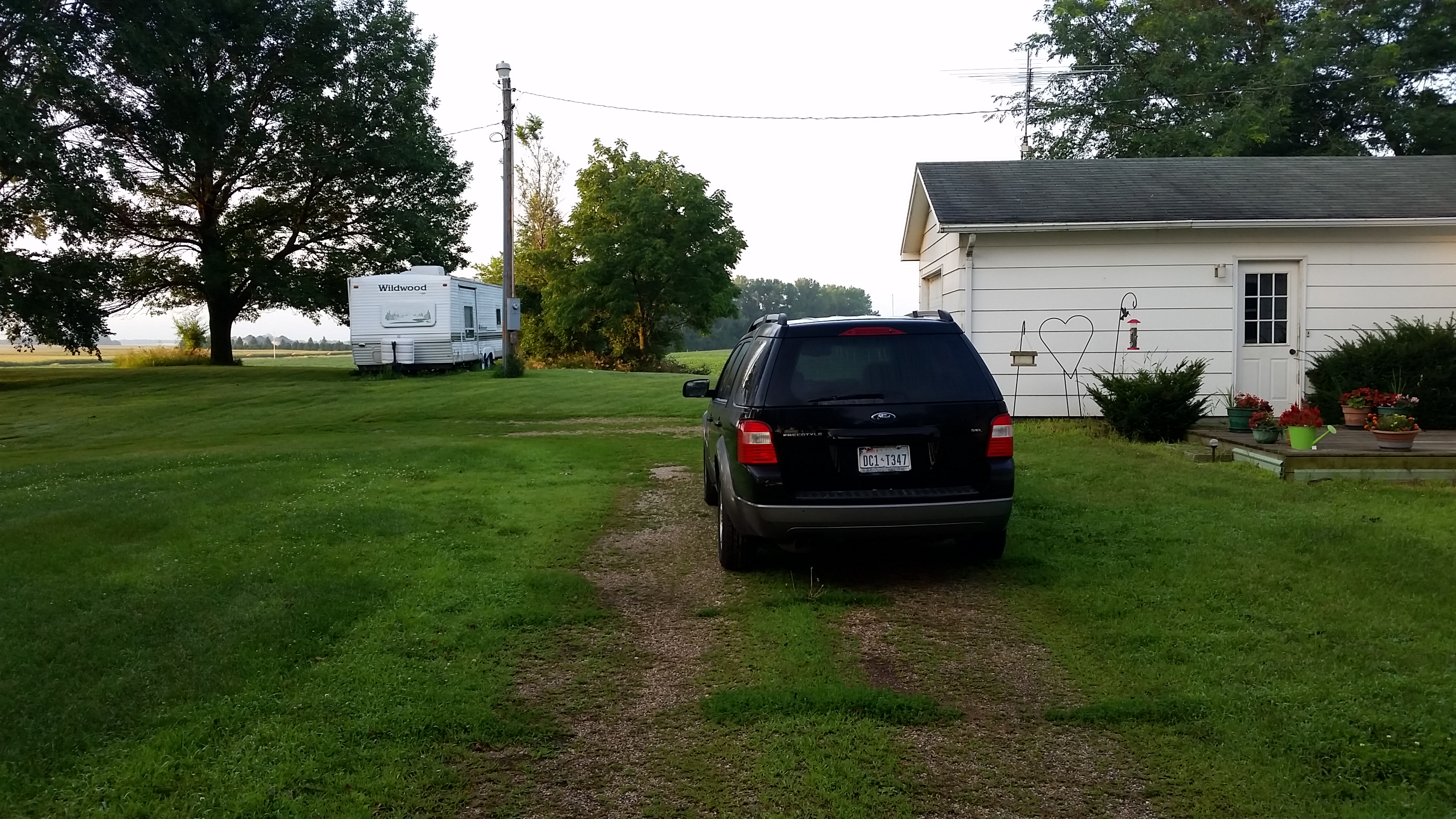
Grandpa Aldrich’s farm in Iowa is now Mom and Dad’s house. It has been in the family for over 100 years, a Century Farm.
The only thing that stays the same is that everything changes. If I look back at the arc of my life, growing up in Iowa with crazy story-telling skills inherited from Grandpa Aldrich, to going to Iowa State “Cow College” and studying English, to going to University of Iowa for a remedial teaching degree because English majors can’t get jobs reading books, to teaching in distant South Texas more than a thousand miles away, to learning all the classroom cuss words in Spanish the hard way, by being called that, to moving to Dallas/Fort Worth to get fired from one teaching job and taking another that involved teaching English to non-English speakers, to retiring and spending time writing foolish reflections like this one because I am old and mostly home-bound with ill health. I have come a long way from childhood to second childhood.
If “what doesn’t kill you makes you stronger” is really true, I should be Superman now. I look like I’ve seen a lot of Kryptonite, don’t I?
Six incurable diseases and being a cancer survivor since 1983 have left their marks upon me. Literally. Little pink bleedy spots all over me are the mark of psoriasis. The fuzzy-bad photo of me spares you some of the gory details. The point is, I guess, that life is both fleeting and fragile. If you never stop and think about what it all means then you are a fool. If you don’t try to understand it in terms of sentences and paragraphs with main ideas, you are an even bigger fool. You must write down the fruit of your examinations and ruminations. But if you reach a point that you are actually satisfied that you know what it all means, that makes you the biggest fool of all.
If I have any wisdom at all to share in this post about wisdom, it can be summed up like this;
Writing helps you with knowing, and knowing leads to wisdom. So take some time to write about what you know.
Writing every day makes you more coherent and easier to understand. Stringing pearls of wisdom into a necklace comes with practice.
Writing is worth doing. Everyone should do it. Even if you don’t think you can do it well.
You should read and understand other people’s wisdom too, as often as possible. You are not the only person in the world who knows stuff. And some of their stuff is better than your stuff.
The stuff you write can outlive you. So make the ghost of you that you leave behind as pretty as you can. Someone may love you for it. And you can never be sure who that someone will be.
So by now you are probably wondering, where is all that wisdom he promised us in the title? Look around carefully in this essay. If you don’t see it there, then you are probably right in thinking, just as I warned you about at the outset, “Gosh darn that Mickey! He is a really big fool.”
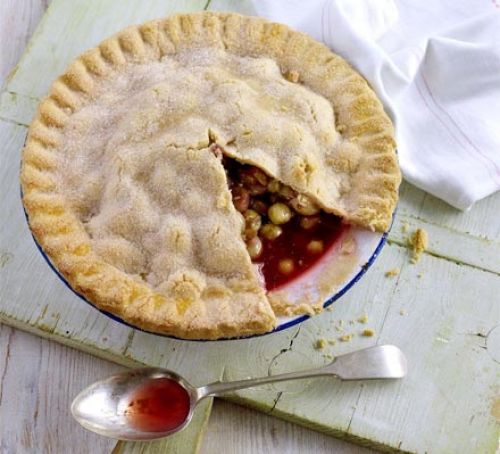
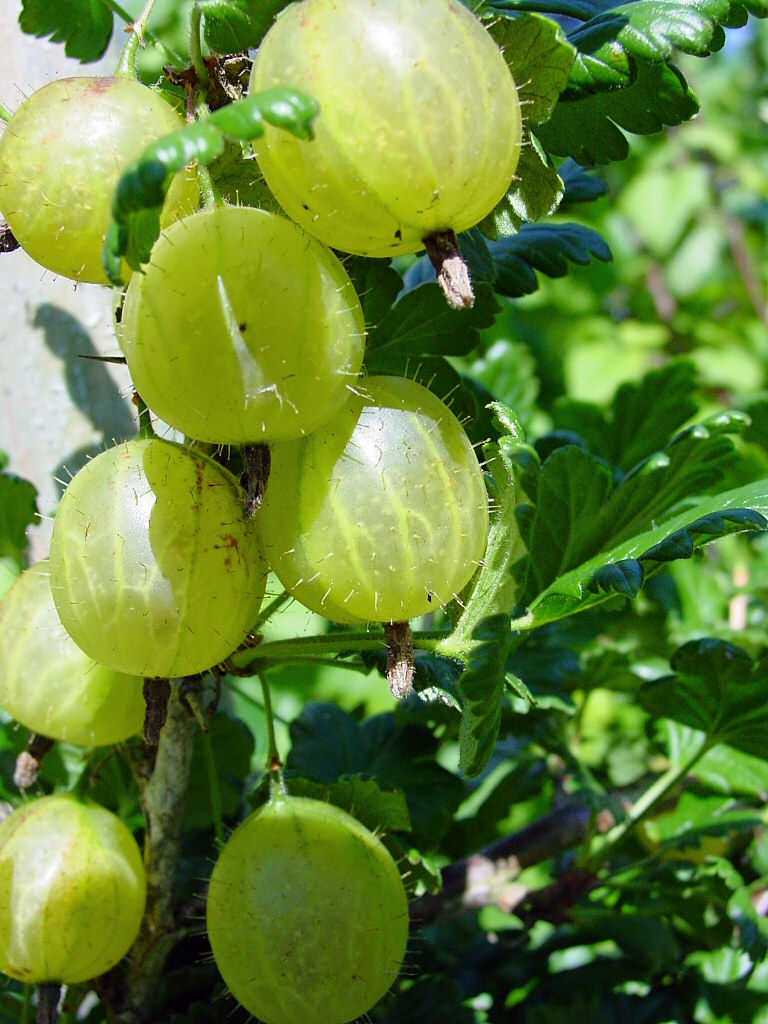
You see, gooseberries aren’t made from geese. They don’t look like gooses… er, goosei… um, geese. They aren’t the favorite food of a goose, unless, maybe… Mother Goose. The name is a corrupted form of the Dutch word kruisbes , or possibly the German Krausbeere. You know, because people who speak English don’t know how to talk right. They don’t have anything to do with geese. In the same way, a person’s name doesn’t really help you understand the person that wears it. You have to dig deeper. Do you know, I have never actually tasted gooseberry pie? I have seen and even picked the gooseberries. They are danged ugly, spikey-furred snot-green berries. I am not tempted in any way to put one in my mouth. And yet, I should not judge gooseberry pie before I taste a piece. I know people who adore gooseberry pie. Maybe you are one of them.
The point is, blogs are exactly the same thing. An artist, a writer, a producer of something, or a day-dreamy noodling goober has put together a blog to display their wares, show off their creations, and share their words and wisdom. You have to look at them, warts and all, and actually take a bite. You have to try them out and test them. Follow them over time. Read, absorb, and appreciate… not merely zoom through and look at the pictures… and maybe click “like” at the bottom of the post.
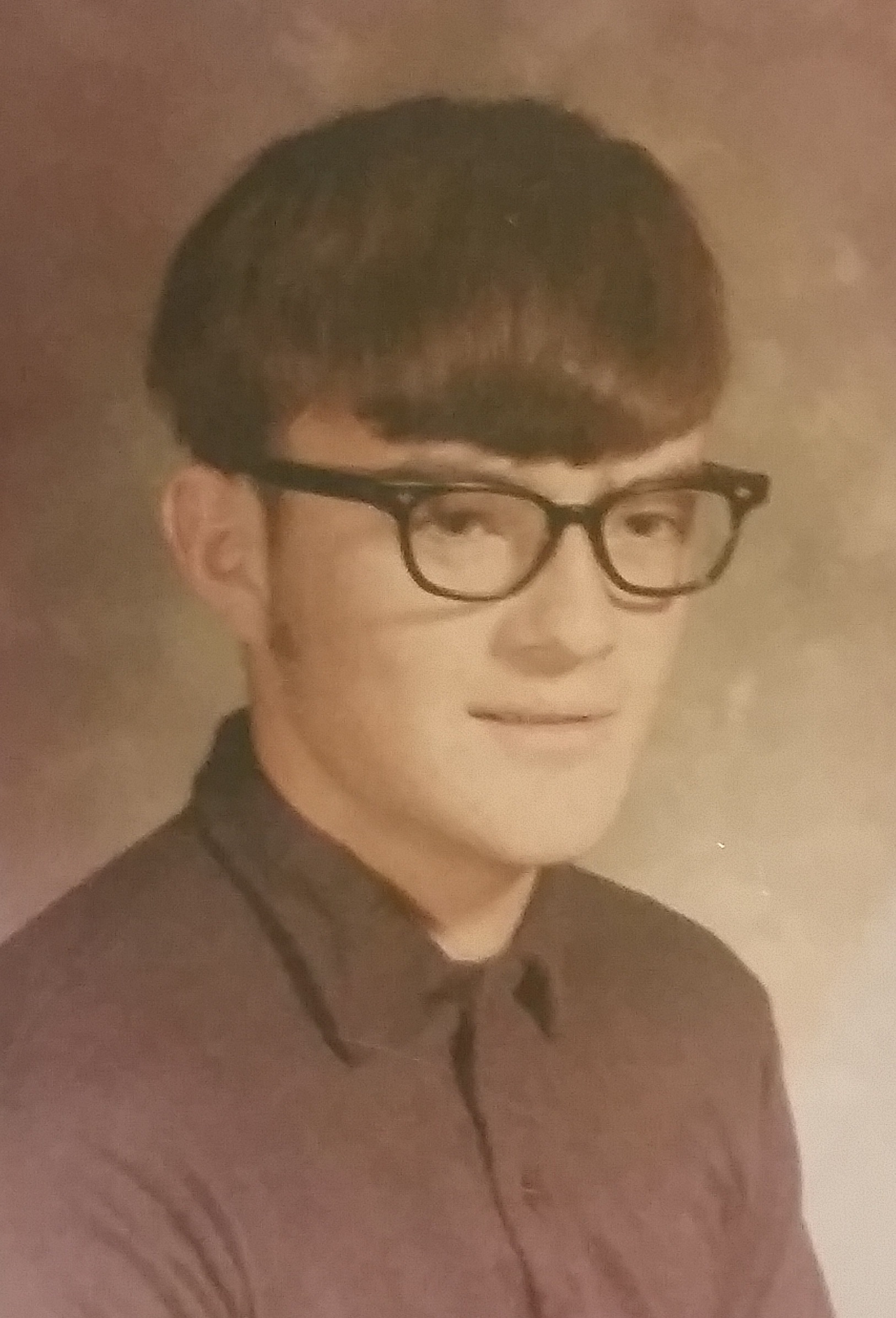
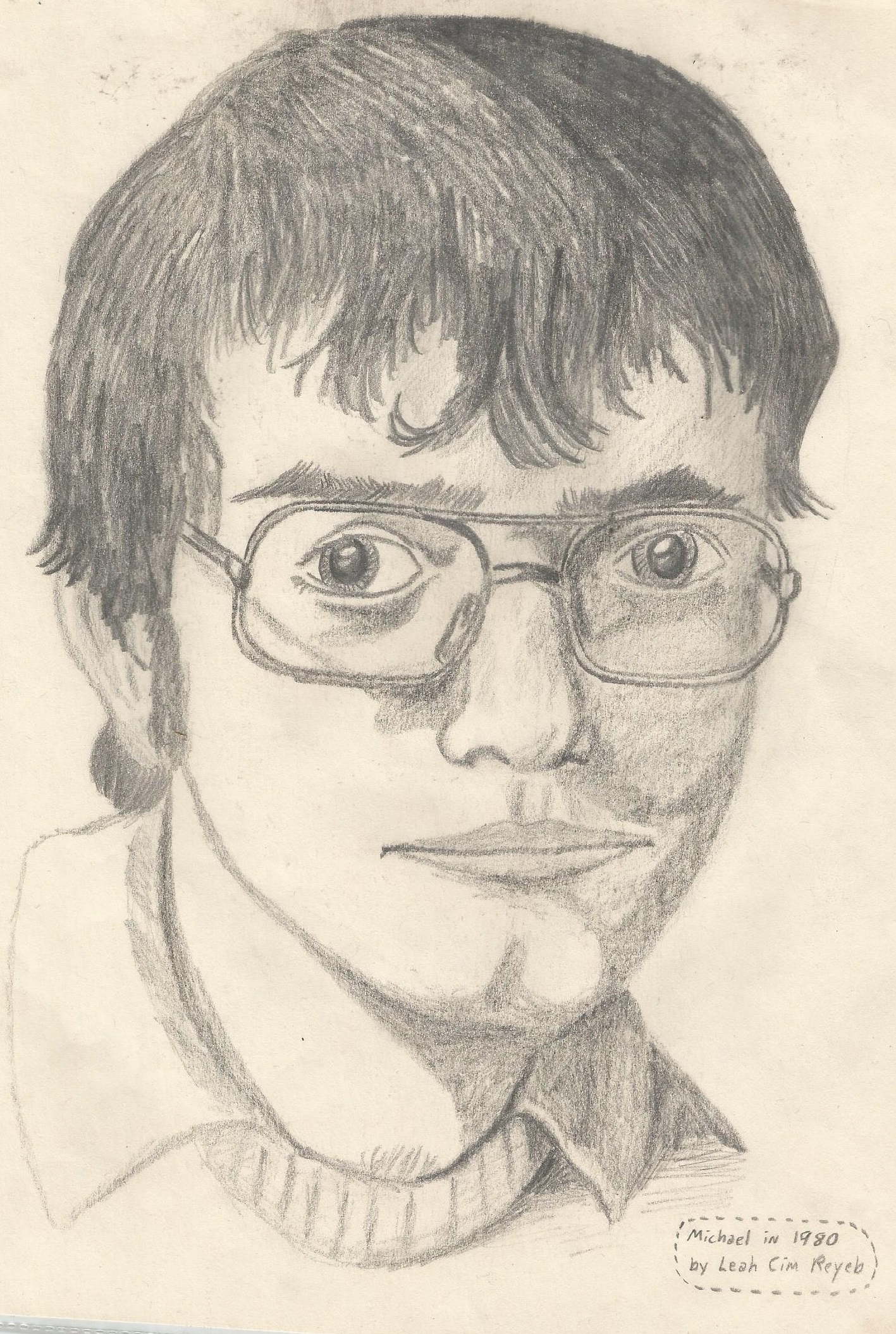
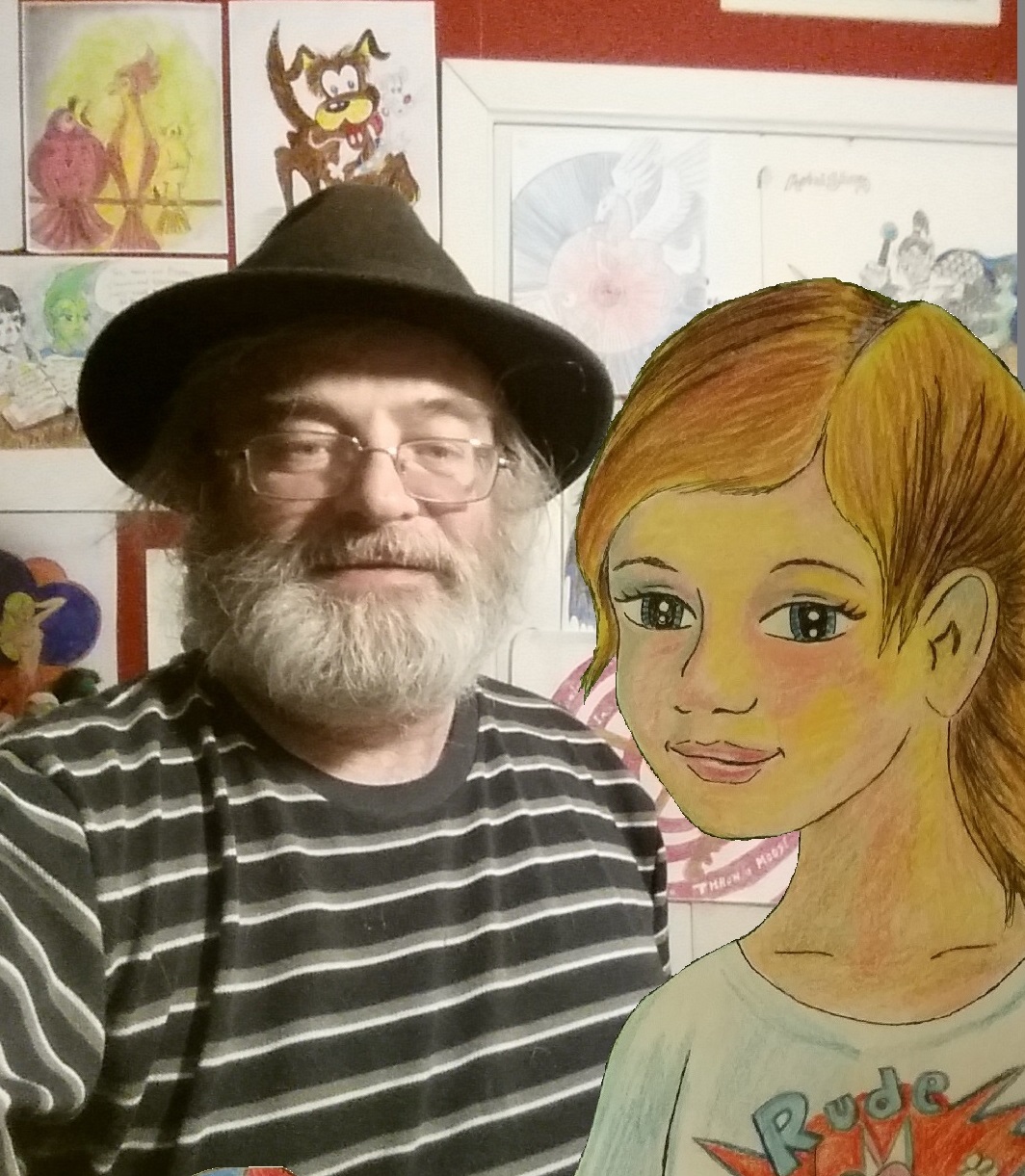
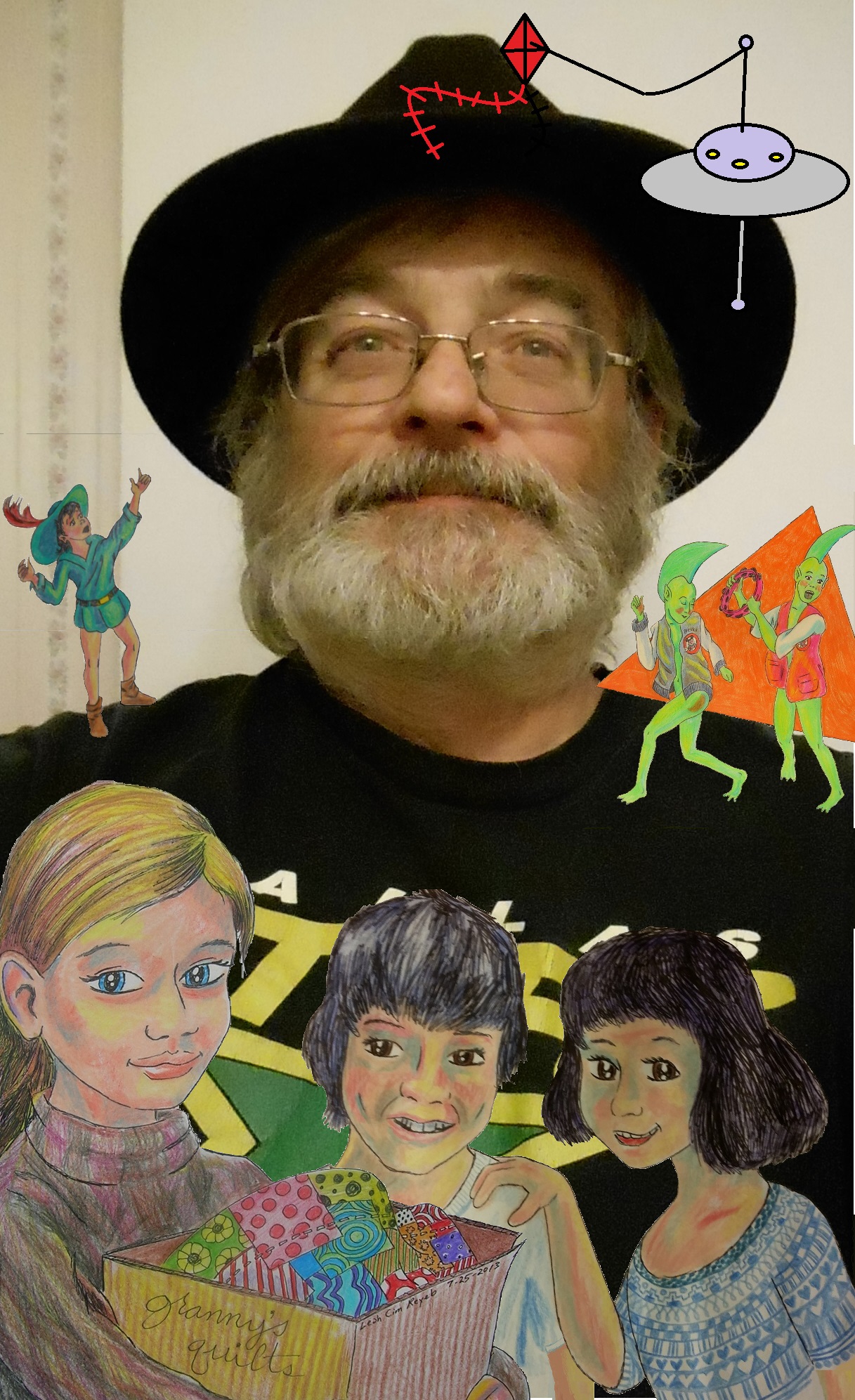
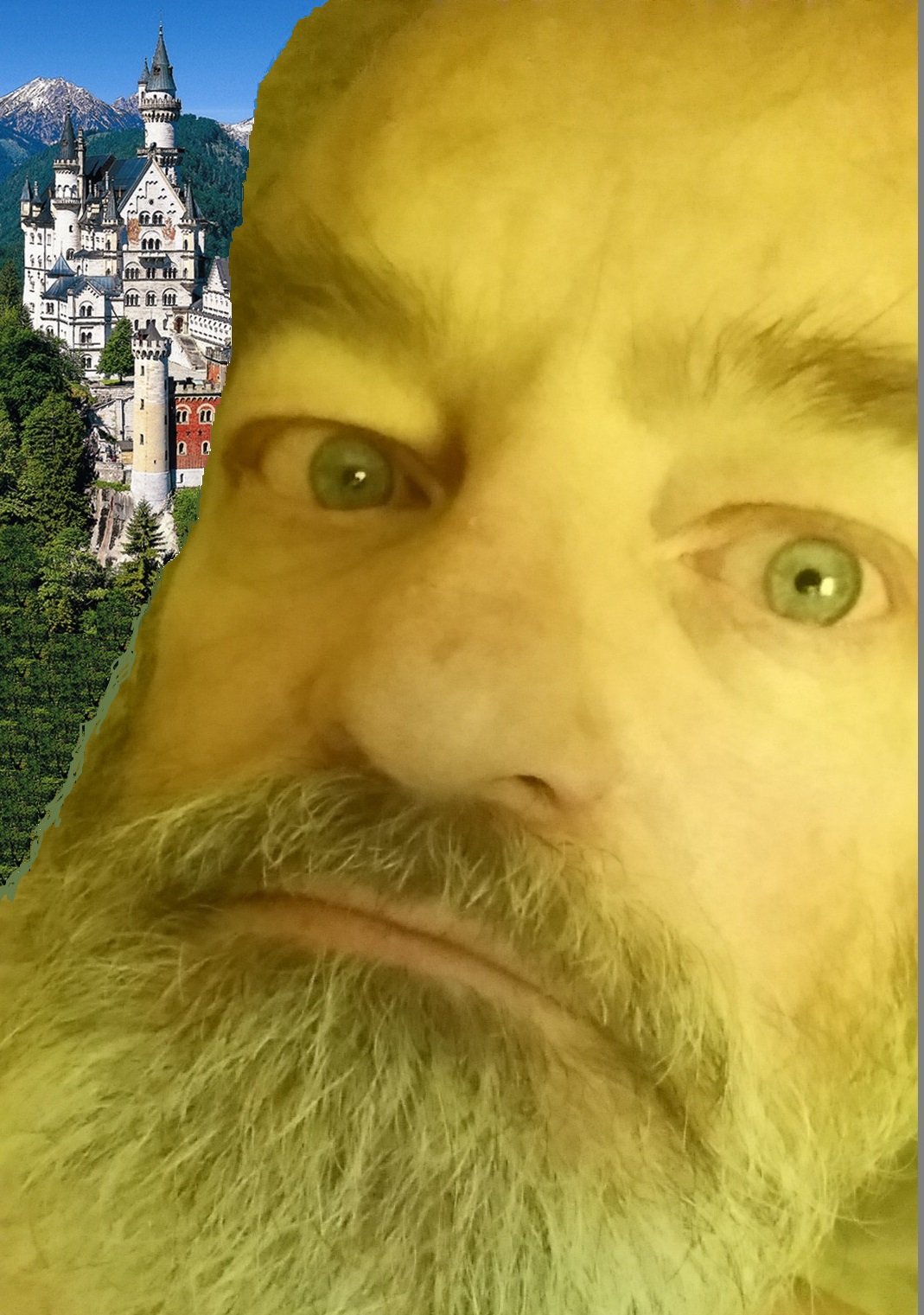
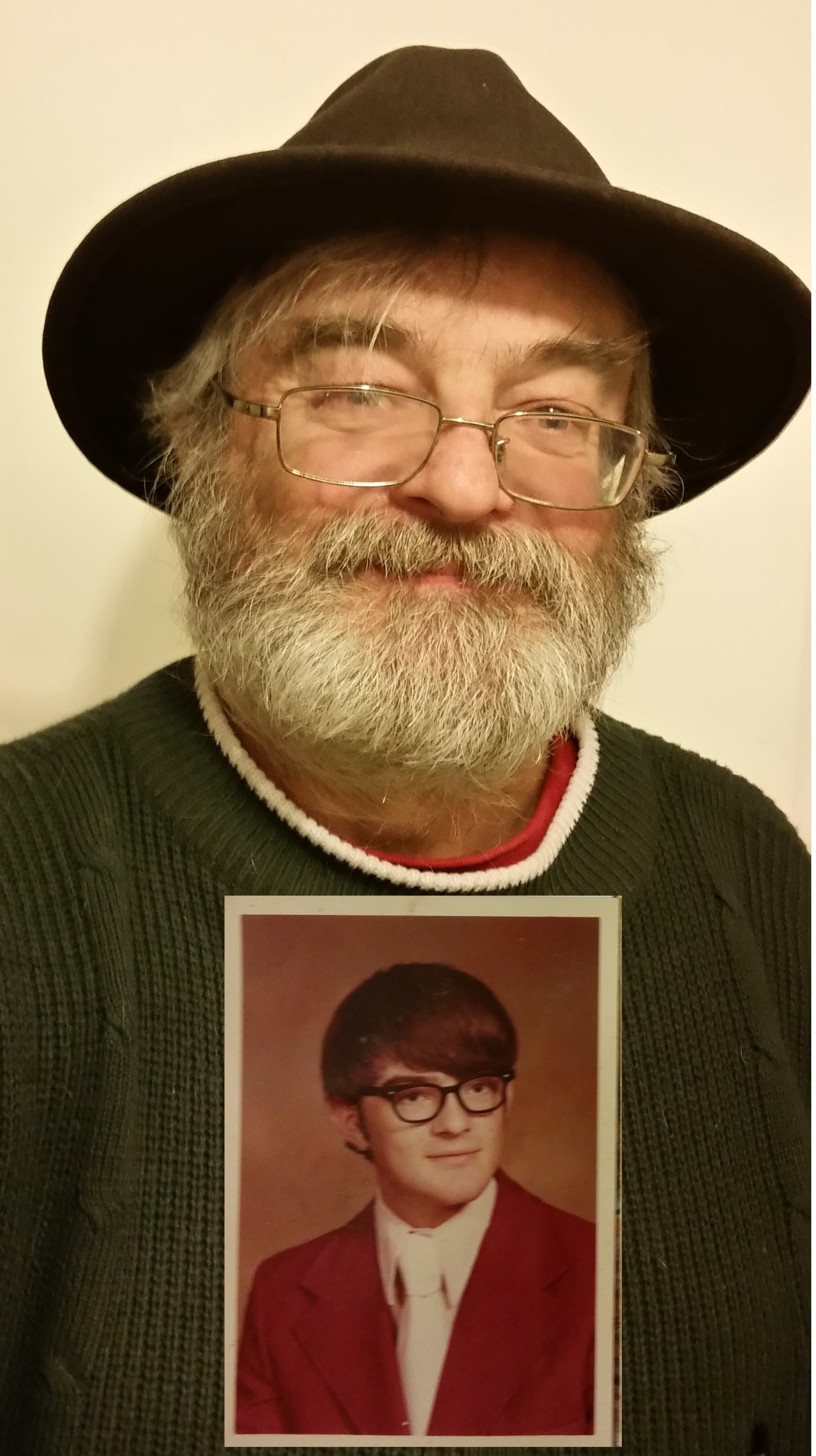
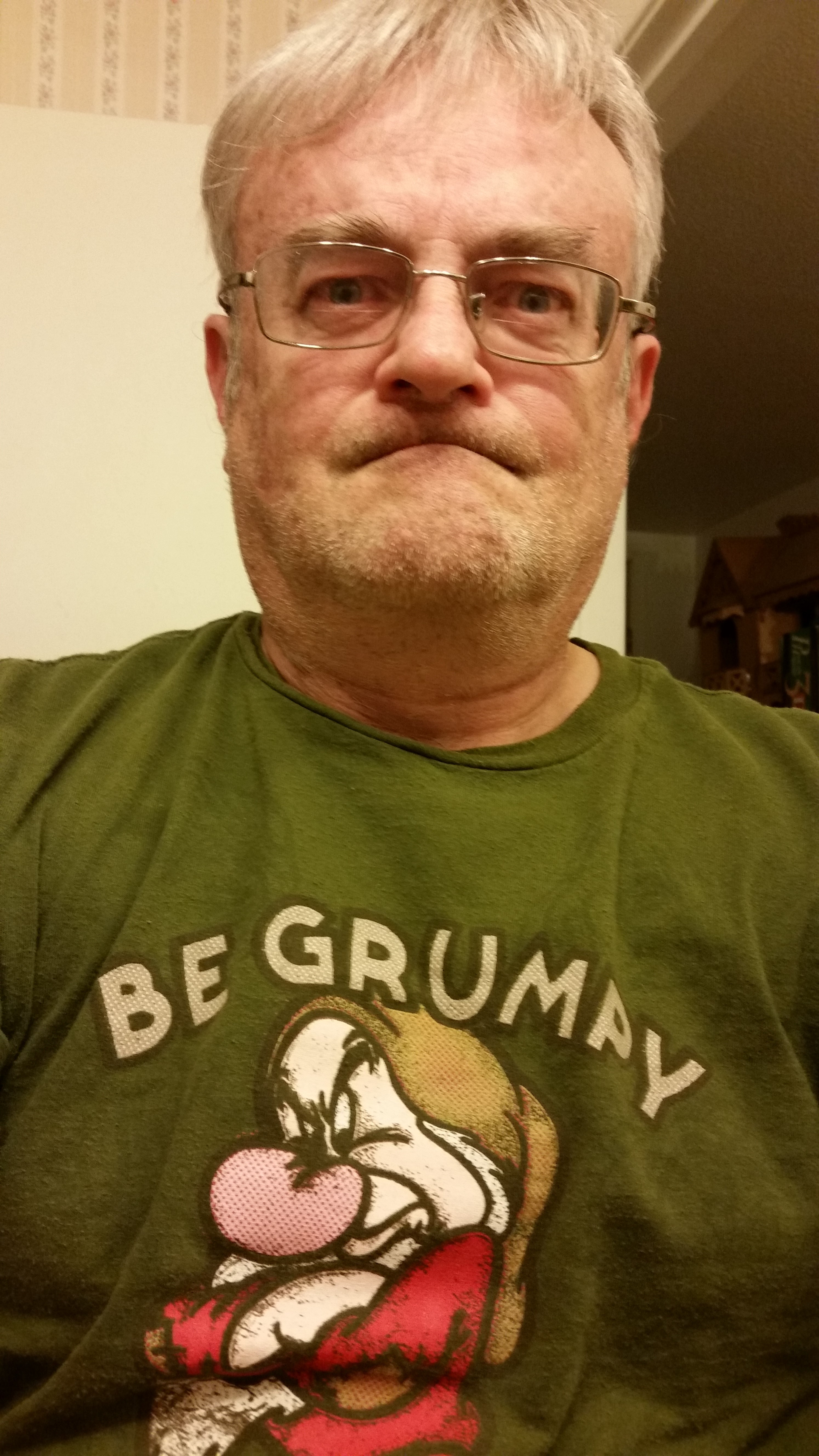
Of course, I admit, I do the very thing I am advising you not to do. The first few times I visit a blog, I scan through and only focus on a few things that catch my falling stars. (oop! Shame on me… I should say “catch my fancy”. Forgive me for lapsing into Mickian brain farts for a moment there). But if I am lured into coming back, I dip deeper and read more… tasting it thoroughly, as it were… And much of what I taste there will end up in my own recipe somewhere down the line. I begin to learn who that blogger is, and their writing style… sometimes even their thinking style (though I don’t read minds… only smell brain farts and odoriferous mental cooking smells) and I picture them as people in my minds eye. Sometimes I wonder if they match in real life the person I am picturing. Of course, the answer is no. People don’t look like what you think they should look like. They don’t even look like what they think they look like either… even in photos. So let me end this goofy pie-based argument about why blogs are self portraits with a few self portraits I have created that aren’t really what I look like , even if it is a photo.
Me in the mirror, 1980
Scary pictures of the artist as a creepy old man…
The novelist me…
A wizard selfie taken at Mad Ludwig’s Castle in Bavaria.
Who I am and who I was…
Seriously grumpy me…
Gag! Enough of the gooseberries already! Or are they gross-berries? I think that I really don’t look anything like me anymore.
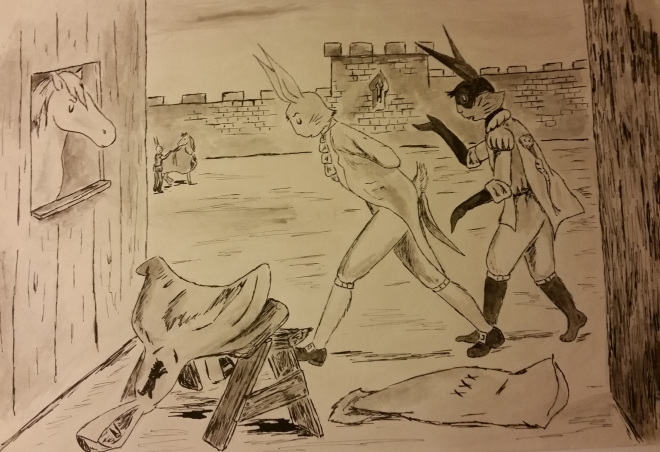
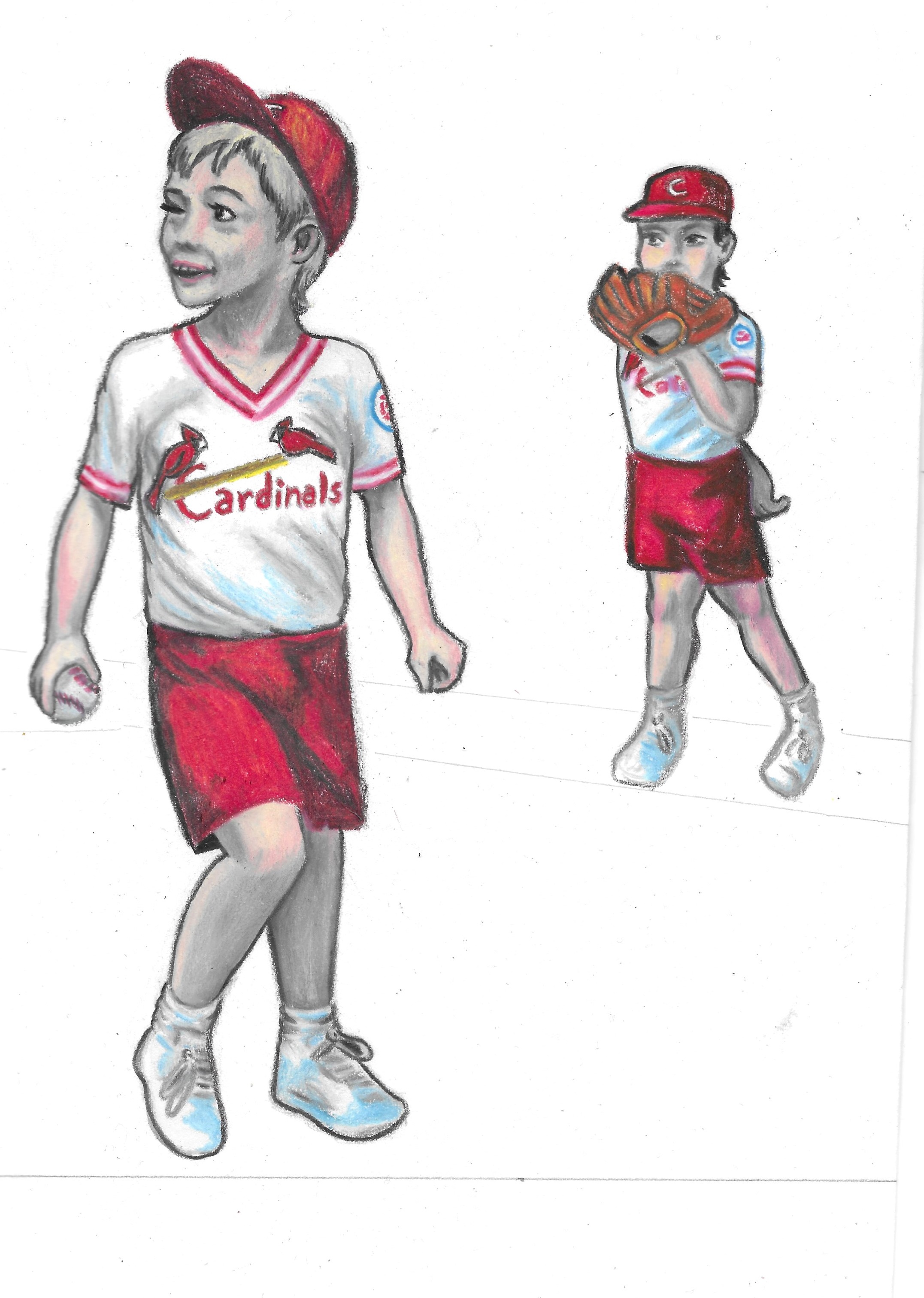
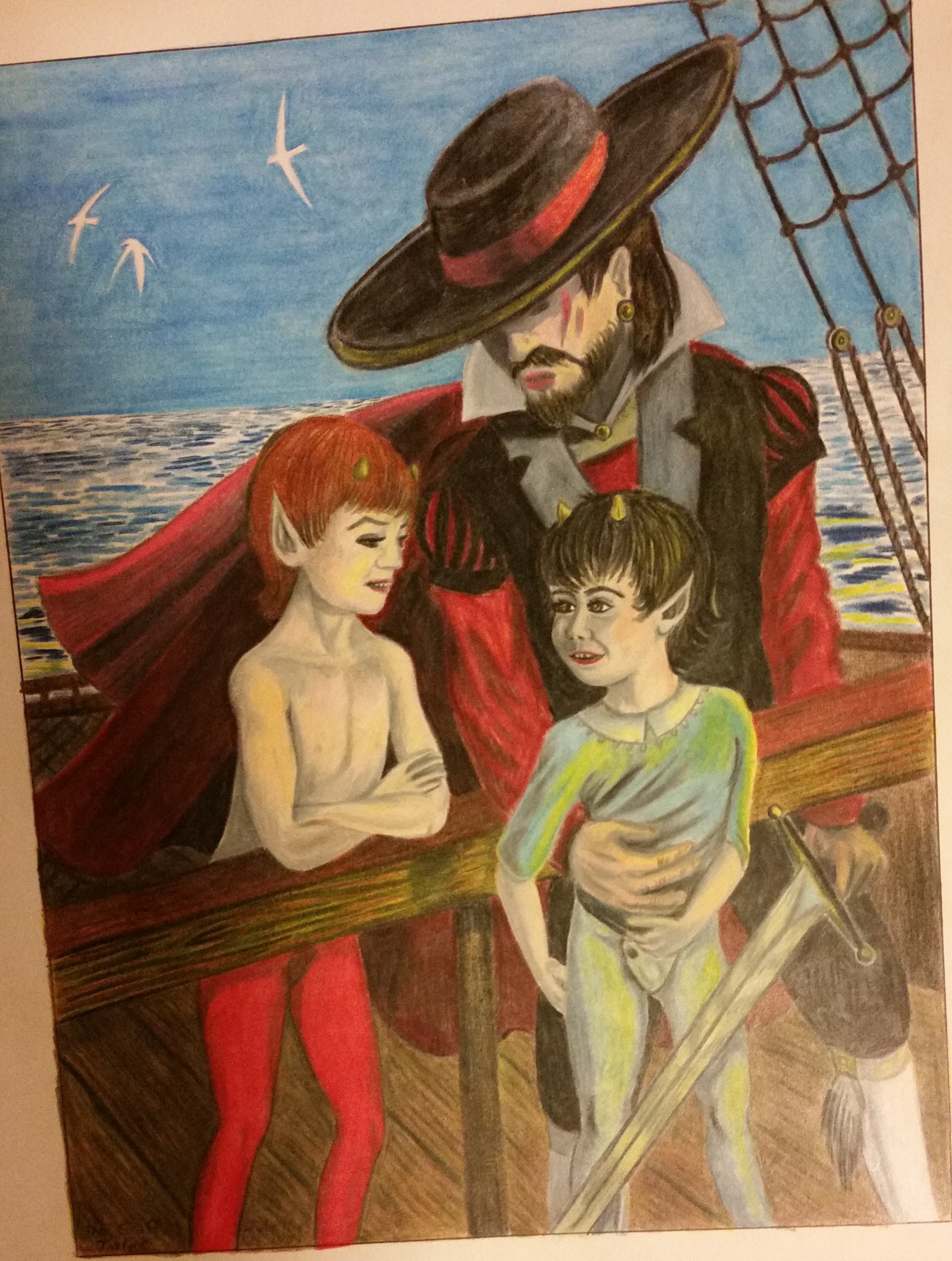
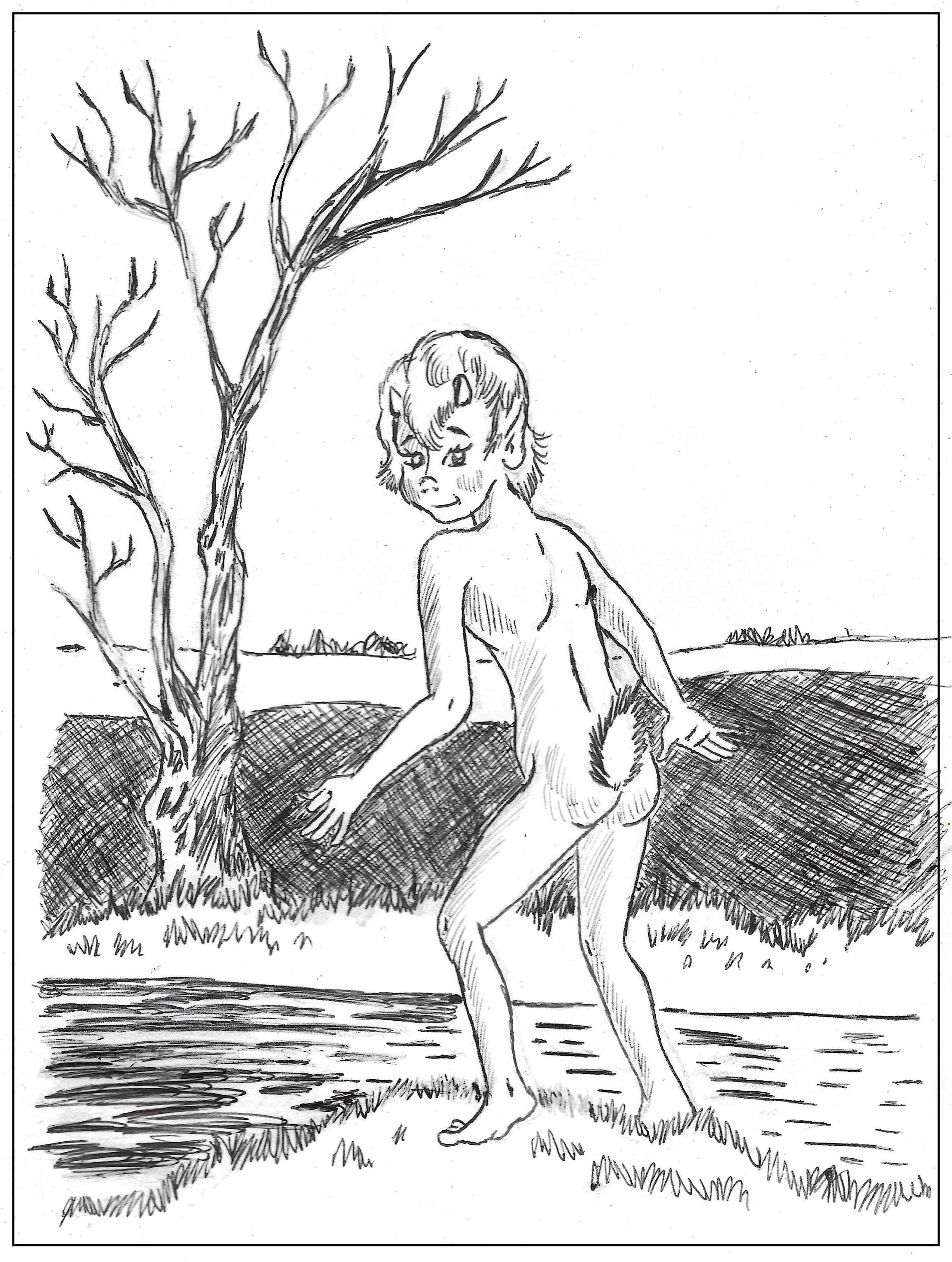
My first novel-length piece of writing was attempted in college. I finished it in four years. It was a pirate tale about a young man, a pirate named Graff the Changeling. You see him in this illustration I created in 1980 with his two young sons, Rene and Emery. Because their mother was a fairy, the boys have pointed ears and horns. It was an attempt at serious fantasy adventure fiction that was so awful, it became a comedy before it was through. I called it The Graff Tales, and I still have it. But I promise you, I will never, ever try to publish the horrible thing. My sisters served as my beta readers for this story. They both liked the oral stories I told, and they eagerly awaited something like they remembered from our shared childhood. They both were a bit disappointed by my first prose attempt. There was a knight called Sir Rosewall in the story. He was a hapless knighted fool who lived in poverty and swore to reclaim his honor with great deeds, but as he goes to sea as a kidnapped sailor, all he manages to do is fall down a lot and bump his large head frequently. In the first scene when he enters the story, long about chapter four, he exits a cottage and has to punt a piglet to get out without falling down. This pig-punting thing was repeated more than once with this character. My sisters joked that the “pig-in-the-doorway” motif would be my lasting contribution to literature. Fortunately for me, it was not. I am probably the only one who even remembers there was such a novel.
But my biggest failing with writing and storytelling was always that I could be too creative. The story featured a flying pirate ship that was raised from the bottom of the ocean by fairy magic. The crew were re-animated skeletons. The gorilla who lived on the island where the ship’s survivors had been marooned would also join the crew. His name was Hairy Arnold. One villain was the pirate captain Horner, a man with a silver nose-piece because he had lost his real nose to a cannon shot. Another was a red-bearded dandy named Captain Dangerous. But the biggest villain of all was the Heretic, who turned out to be a demon in human guise. It was all about escaping from pirates who wanted to kill you and hitting soldiers with fish in the fish market. There were crocodile-headed men and little child-like fairies called Peris that lived in the city where Graff was trapped and transformed into a monster by the Heretic.
My plot was too convoluted and my characters too wildly diverse and unlikely. The result was something far too bizarre to be serious fiction. The only way it could actually be interpreted was as a piece of comedy. There-in lay the solution to my identity problem as a writer. I had to stop trying to be serious. My imagination too often bent the rules of physics and reality. So I had to stop trying for realism and believability.
In the end all the main characters die. All except for young Rene who becomes a pirate hunter. Of course, I follow Graff and Emery through to heaven because, well, it was a first person narrative and the narrator died. So, I vowed to myself that I would never let this horrible piece of nonsense see the light of day. I would never try to publish it, rewrite it, or even tell anyone about it. And so to this very day I… oopsie.
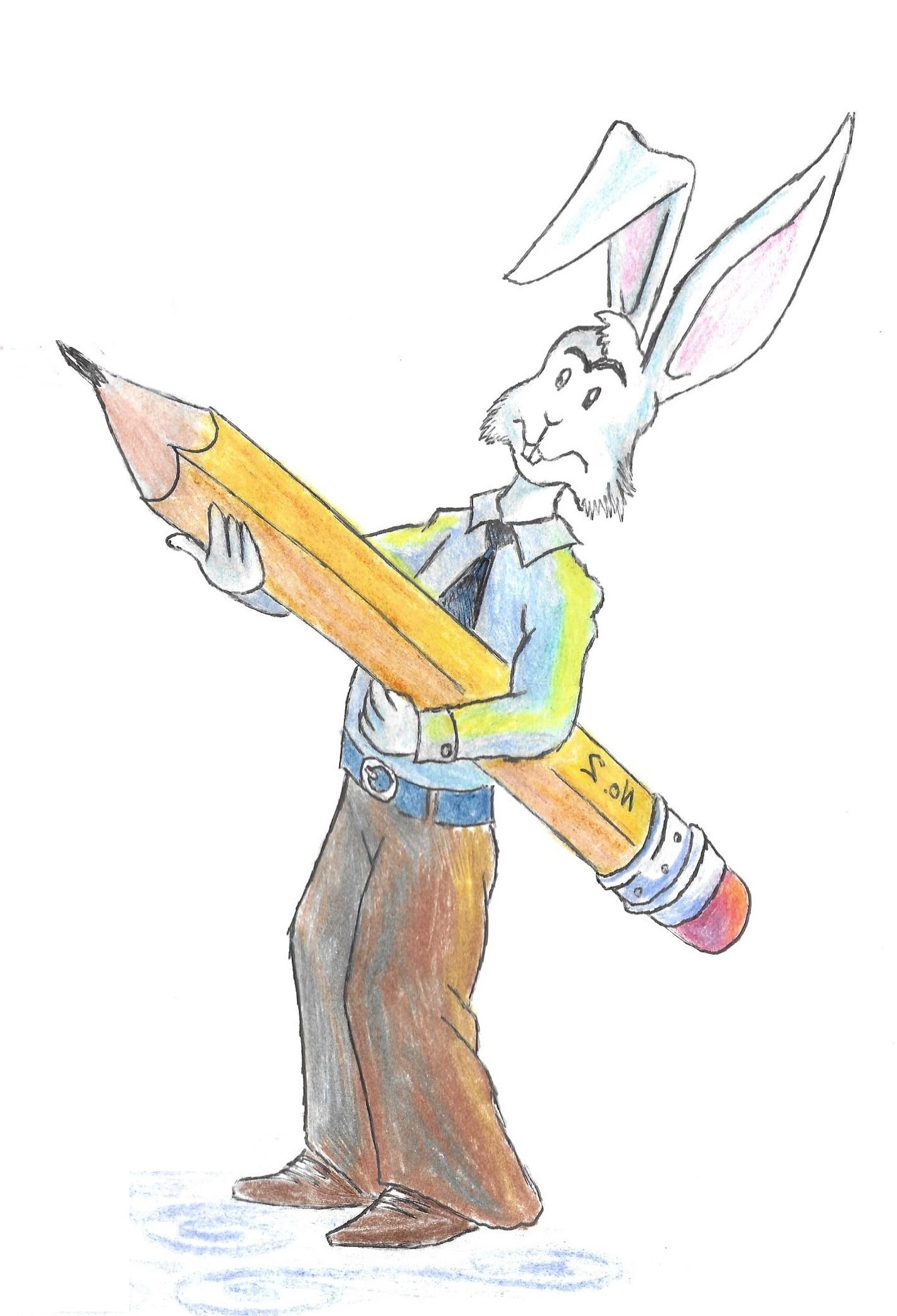
Perhaps you should write it down. I mean, that’s basically why I am writing this today instead of the most wondrously intelligent and well-written post anyone ever wrote anywhere and anytime. I had the idea while I was out walking in the park and didn’t have a pencil. And ten minutes later, the idea was forgotten.
Oh, well. I can still write something. It just won’t be as good.
What I could do is write down some ideas I can write about in the future. You know… so I don’t forget.
I saw some YouTube videos about Stephen King talking about his writing process. In some ways, we are a lot alike. But we also work in very different ways, and we write about very different things. I could compare our varying processes.
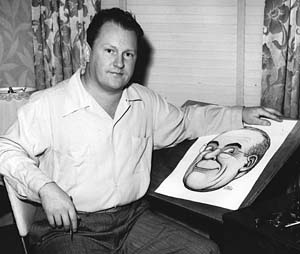
I have a head full of useless knowledge about cartoons and cartoonists. I believe I have written about Fontaine Fox and his Toonerville comics. Also, I posted about George Herriman’s Krazy Kat. Windsor McKay’s Little Nemo. and E. C. Segar’s Popeye have also made one or more appearances in this blog, as have Milt Caniff’s Steve Canyon, and Carl Barks’ Ducks (Donald, Uncles Scrooge, and all the other denizens of Duckburg.) There has to be at least one or two more cartoonists I could talk about?
I am currently writing and illustrating a novel and a novella. That means I can post some of the drawings and illustrations I do for that, talking about how I illustrate, or how the writing is going… or how the writing is blowing up, giving me nightmares, warping the universe around me… you know, the stuff writers go through and then don’t tell you about.
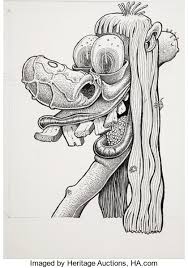
And there’s always the stuff that torments artists of all kinds. The Devil is in the details, as Basil Wolverton could tell you. The attention to detail can make the work of art very beautiful… or very, um… like what Basil saw whenever he drew something.
So, tomorrow, when I also will probably have forgotten about the most wondrous idea I had ever thunk about, I have a list of stuff to look at, and then probably ignore and think up something else.
Yes, Mondays are blue. Specifically French blue. Every day of the week has its own color. Sunday is golden yellow, Tuesday is a yellow-ochre, Wednesday is indigo blue and sometimes changes to blue violet, Thursday is burnt orange, and Friday is solid wood brown, and of course Saturday is rich pure red while Mondays are not just any blue… they are French blue. I learned the names of these colors from being a painter and using oil paints. I experience these colors every week and they help me maintain the calendar in my stupid old head. I began to realize when I first heard about the colors of the wind in the Disney movie Pocahontas that there was something to this everyday thing, something different in the way I see the world. I have in the last few years learned that this condition has a name. It is called synesthesia.
It has been suggested to me by more than a few people that I don’t really perceive the world the same way “normal people do”. When I was growing up, and going to school, I never had trouble remembering to capitalize the first word in a sentence. I did however, have a great deal of difficulty with capital letters on nouns. Looking back on that difficulty now, I can say without a doubt that I was having trouble not because I didn’t know the difference between proper nouns and common nouns. It was because things like the word “dog” or “chair” had to begin with the right color. Dogs are blue when you are talking about the color of the letters in the word. But small “d” is blue-green, not true blue. It doesn’t fit as well as the dark blue capital “D”. And chairs are orange-red when you write them down, while the small “c” appears light green by itself.
Sundays are Sun-days, and that’s why they are golden yellow.
I am told that most synesthetes are taken by surprise when they learn that they are seeing things differently than other people do. I certainly was. I always got funny looks whenever I described Thursdays as orange, or the month of November as sky blue. My classmates in 4th grade thought I was nuts… of course, it wasn’t just for the orange Thursdays thing. I was not a normal kid in any real sense of the word. I always suspected that if I could look at the world through other people’s eyes, I would probably see the color green as what I called red, or that glowing halo that surrounded things when organ music played in the Methodist church would no longer be there. But once I learned how synesthesia works I knew it was true. The visual part of the brain can be scanned to show activity, and lights up on the scanner as if the brain is seeing bright colors when Beethoven’s Ninth Symphony is being played while the subject of the scan is actually blindfolded. I am told that synesthesia is more common in left-handed girls. My daughter, the Princess, tells me that she also sees color on printed numbers and letters. She is left handed and also gifted at drawing. I suspect she inherited the synesthesia from me.
Synesthesia probably explains what this nonsense is all about.
Now, I acknowledge the fact that my synesthesia is self-diagnosed and not proven by any of the methods the articles I have read about the condition talked about. But my personal experiences always seem to fall in line with descriptions of letter/number/color combinations and music/color combinations that I have read about. And if I do have it, it is not the same as any of my six incurable diseases. It is not a bad condition to have. In an artistic sense, it might actually be a good thing. I could use some good for a change. Good doesn’t usually come from weirdness… not my weirdness, anyway. (Oh, and capital “G” is lime green… as is the word Goodness).
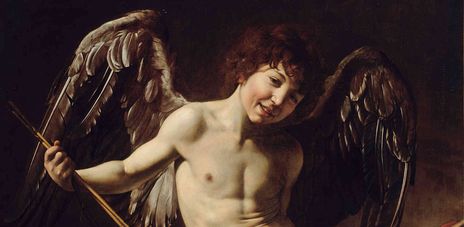
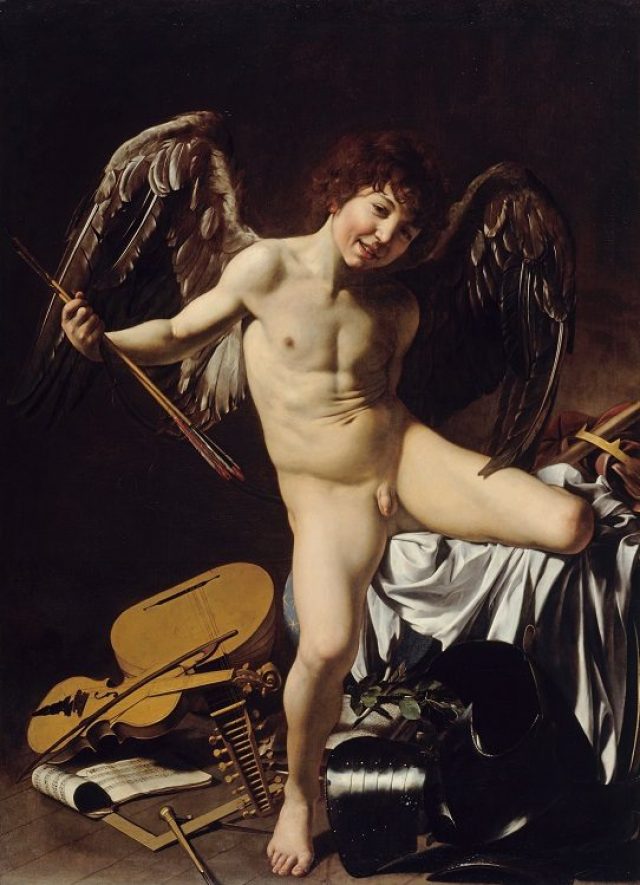
Michelangelo Merisi da Caravaggio [1571 – 1610] Amor Vincit Omnia
I don’t often choose to write about works of art that creep me out in a bad way. Or works of art that I harbor some mild hatred for. But this is one that bothers me, and I feel compelled to explain why.
I first saw this painting in a freshman-level Art History Course taught by a female Art-Nazi. I was repelled by it, completely unable to explain why. Even then, before I psychologically overcame the mental barriers that kept me from allowing myself to remember my own sexual assault when I was ten, I had a fondness for idealized nudes, even nude boys. None of the other paintings disturbed me in the way this one did.
It was explained in the textbook that Caravaggio was famous for his chiaroscuro style using strong light in a dark background to paint figures and faces. His work would inspire later greats like Rembrandt and Peter Paul Rubens. And his work would evolve into the works of the Baroque movement in painting.
So, what could it possibly be that turned me against this artist and this particular painting? It would take me years to figure out.
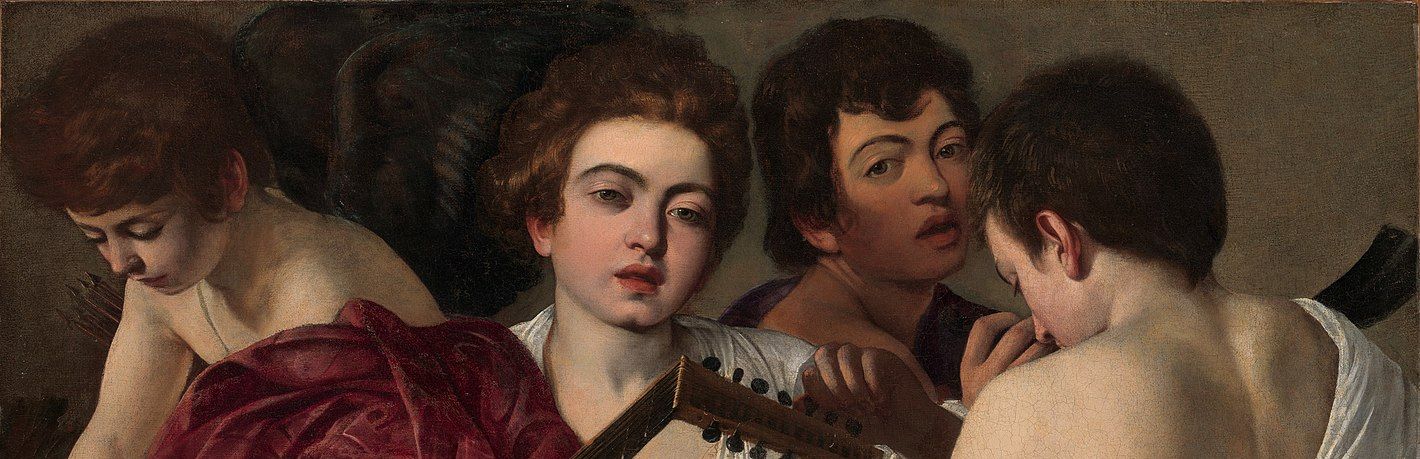
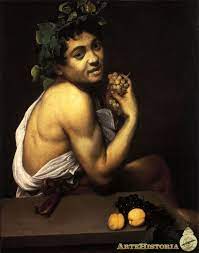
I believe if you look carefully at all of Caravaggio’s faces, you can see why I view them all as self-portraits. Compare the eyes, face-shapes, and brows of these faces with Caravaggio’s own (depicted here by another artist to lend veracity.)
He was, in fact, noted for his brutal realism in his paintings. So, did he use only relatives as models? As near as historians can tell, he did not.
But, the Cupid or Eros in the painting that annoys me is bothersome because I am the one being painted in the middle of the darkness.
Cupid, even a nude Cupid, was a common thing for painters to paint in the late 1500’s. But other painters would paint him as an idealized, beautiful nude boy. Caravaggio’s Cupid may be a beautiful nude boy, but is in no way idealized. His teeth are crooked. His smile is devilishly smirky. Even his body is awkwardly posed and plumpish in places that are not what you would call a perfect “10” model. Yes, this boy is trapped in a pose that reminds me of being pinned down and helpless, told that I shouldn’t scream or things would hurt more.
And Cupid is supposed to be wielding weapons that will make you fall in love. But these wicked bronze arrows will pierce the heart and cause death. The bow looks like a mere stage prop, as do the instruments and armor strewn about as if left by someone fleeing this deadly child. The painting is not about love, but violence in matters of life and death. I hated it because it brought to mind my own personal trauma.
The actual model for this painting was a boy named Cecco (a nickname for Francesco,) and is identified later by historians as a young art student named Cecco del Caravaggio (Caravaggio’s Cecco.) Much of Caravaggio’s life is a mystery. He never wrote an autobiography, and no biography was written about him when the people who knew him were still alive to tell on him. Only police reports and the gossip that surrounded the Greatest Painter in Rome of his time are available to speculate from. But he was definitely a brawler, drunk, and eventually a murderer. He had the bad sense to murder a gangster from a wealthy family which probably caused his own possible poisoning and death in 1610. He was rumored to be a homosexual, and was accused of molesting models, even, likely, Cecco from the painting. It is easy to see why I came to detest this man and his work, simply because I was a victim of sexual assault.
But being a student of art, I never gave up on learning about this painter and his work.
And just as I forgave the man who molested me, I have come to forgive Caravaggio for his brutish ways and painting such a nude picture of me. I may never actually like his work, but I do see his skill and what makes him a celebrated artist.
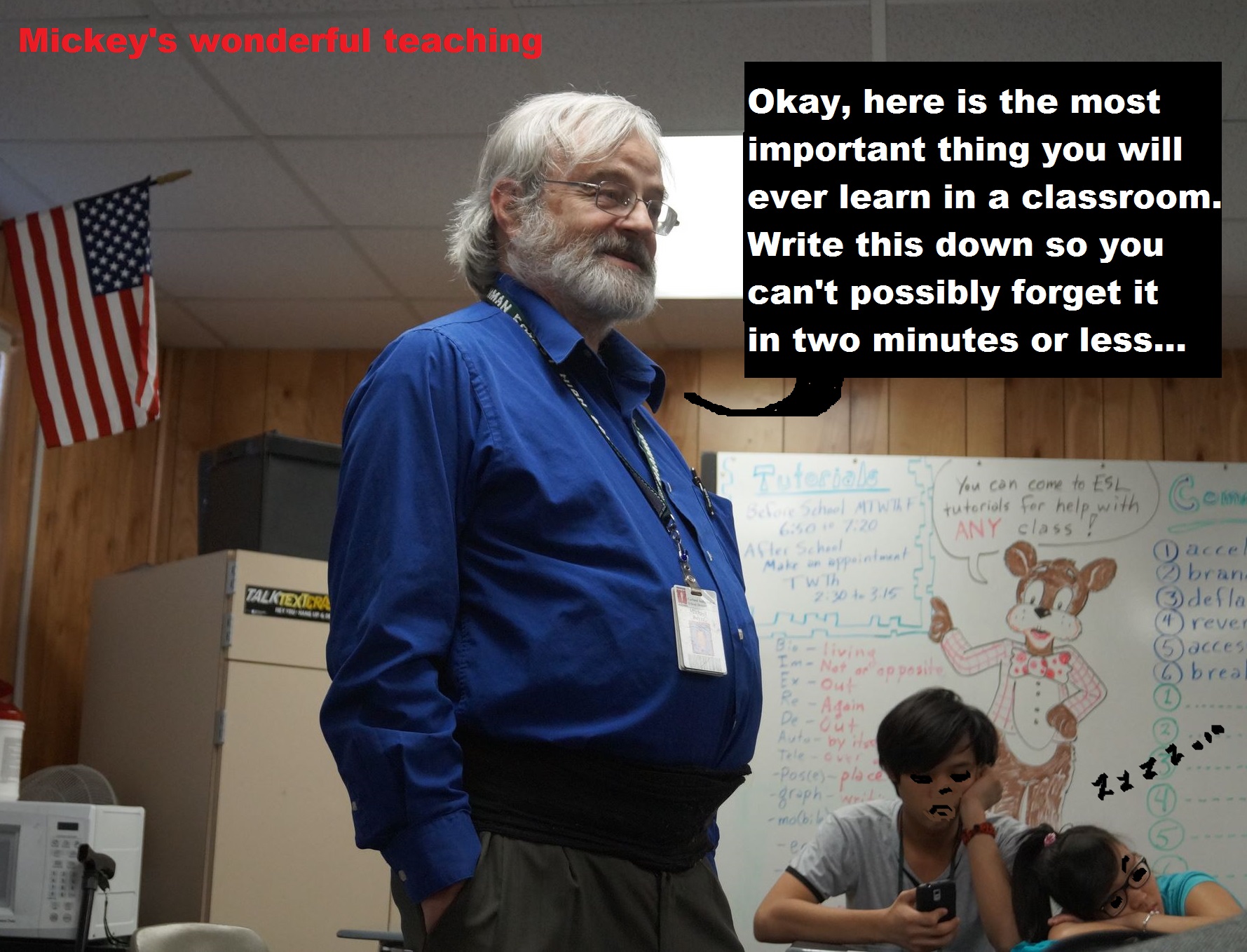
There comes a time in every career when the career is over and it has to end. I spent 310 years teaching in Middle School and High School and loved every minute of it. (Okay, divide the years by ten and subtract about twelve thousand minutes from the love… but I did love it.) And I was good at it. (At least, in my own confused little mind… I have photographic proof that I did help students get some quality sleep time in, but… hey, English is supposed to be boring.)
Eight years ago I was forced to make the decision to leave the job I loved. Failing health and failing finances made it increasingly hard to do the job. I was never a sit-behind-the-desk teacher. I had to do the dance… up this row, down that one… lean over the spit-wad shooter before he could adequately aim and pull the stray cafeteria straw out of his mouth… suggest the verb needs to have an “s” on it if the subject of the sentence the student just wrote for me is singular… stand in front of the boy who can’t listen to my wonderful teaching because the girl across the room is wearing a dress and I have to block his view… and he doesn’t even like that girl, but she’s wearing a dress… you can see her legs… and he’s a teenager… you know, the dance of teaching. When you walk with a cane and have a back brace on every single work day, the dance becomes harder and harder as the year wears on. I got to spend my days with Mark Twain and Kurt Vonnegut and Maya Angelou and Robert Frost… and even more important I got to spend my days with Pablo and Sofie and Ruben and Rita and Keith… I had so many more favorite students than I ever had those black-banes-of-a-teacher’s-existence kids that other teachers were always talking about in the faculty lounge. (I rarely hung out in the faculty lounge because they tended to talk bad about kids I really loved and enjoyed teaching… and besides, I had crap to actually do before the next class came in. Lounging was rarely an option.)
I confess that I have spent a good deal of this school year depressed and feeling sorry for myself. No kids to talk to on a daily basis except my own, and even with them, only after school or work. My wife is still teaching… so I rarely see her. (Am I married? I need to double-check.) I fill the lonely hours with writing and story-telling and recollections of days past… and I am beginning to come to terms with my loss. In retirement I can do more of the things that I always wanted to do… but never had time for. I can draw and paint and write and sing (pray hard I don’t start posting videos of me singing!) and play with my toys… I have even decided to write a novel about people playing with toys. Would I ever teach again if suddenly I was healthy and could do it again…? YOU BETTER BELIEVE I WOULD! In fact, I was able to be a substitute teacher again from the Fall of 2019 to the start of the pandemic in 2020. IF ONLY IT COULD’VE LASTED A LITTLE BIT LONGER!






 Catch a Falling Star
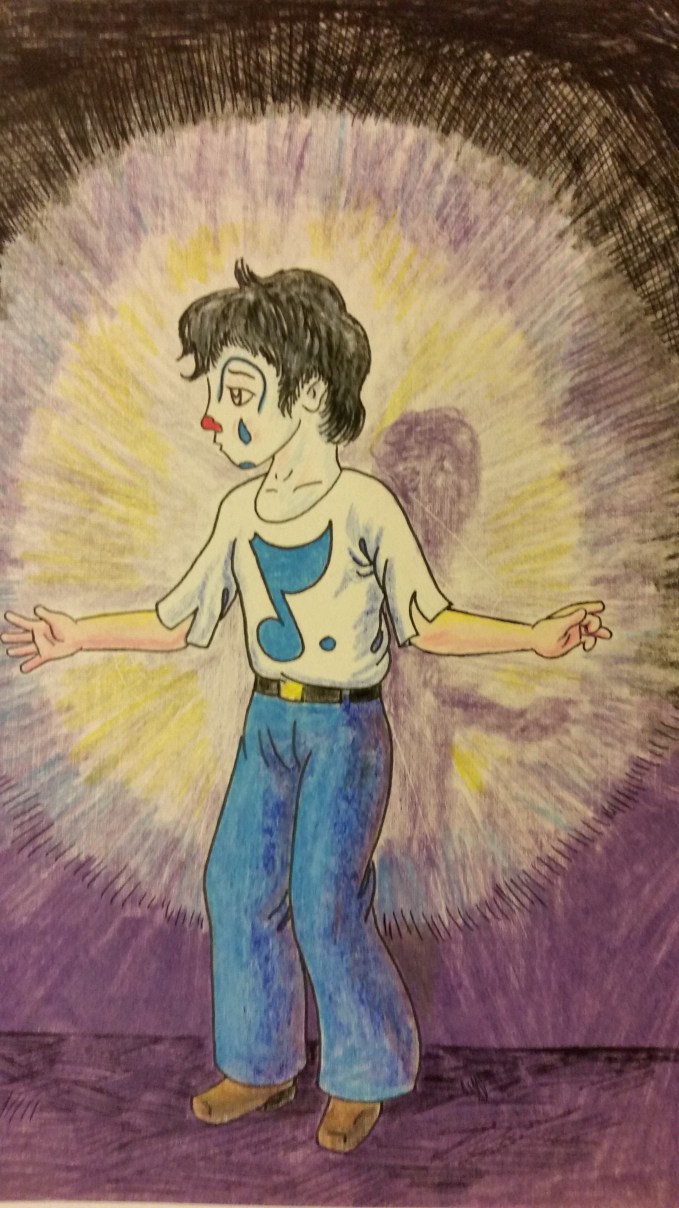
A Concert Performed For Nobody
Back in my college days in the late 70’s I came back to the dorm one night late due to research until the library closed. In the entry hall to the dorms there was a piano. I had never seen anybody playing it. But as I got there, there was a student playing it. It was my nerd friend Kip, an engineering major. It was quiet, unassuming Kip. Kip who was so quiet, in fact, that I can’t even remember his last name, or what his voice sounded like. But he was playing the piano in an empty room with nobody listening. He was playing Scott Joplin’s composition “The Entertainer”. He had his back to me, totally lost in the music. He didn’t know I was there. And I… I was transfixed. I realized he was just practicing. But he knew the music right out his head, no sheet music on the piano in front of him. And he played like the ultimate virtuoso. And the music was so good it made my soul tingle.
It occurs to me that that single moment is, for me, a metaphor for my life. It is a concert played for nobody. I am competing only with myself. I am trying to please only myself. And if anybody is listening… I mean really listening… not just looking at the pictures and moving on, I don’t know it. And that is probably how it should be. This poor player is strutting and fretting his hour upon the stage. And when the concert ends… when the concert ends…? Applause is not likely. And applause is not needed. The music exists for its own sake. And the echoes of it are the fuel that powers the universe.
Leave a comment
Filed under autobiography, commentary, humor, insight, inspiration, metaphor, Paffooney, strange and wonderful ideas about life