
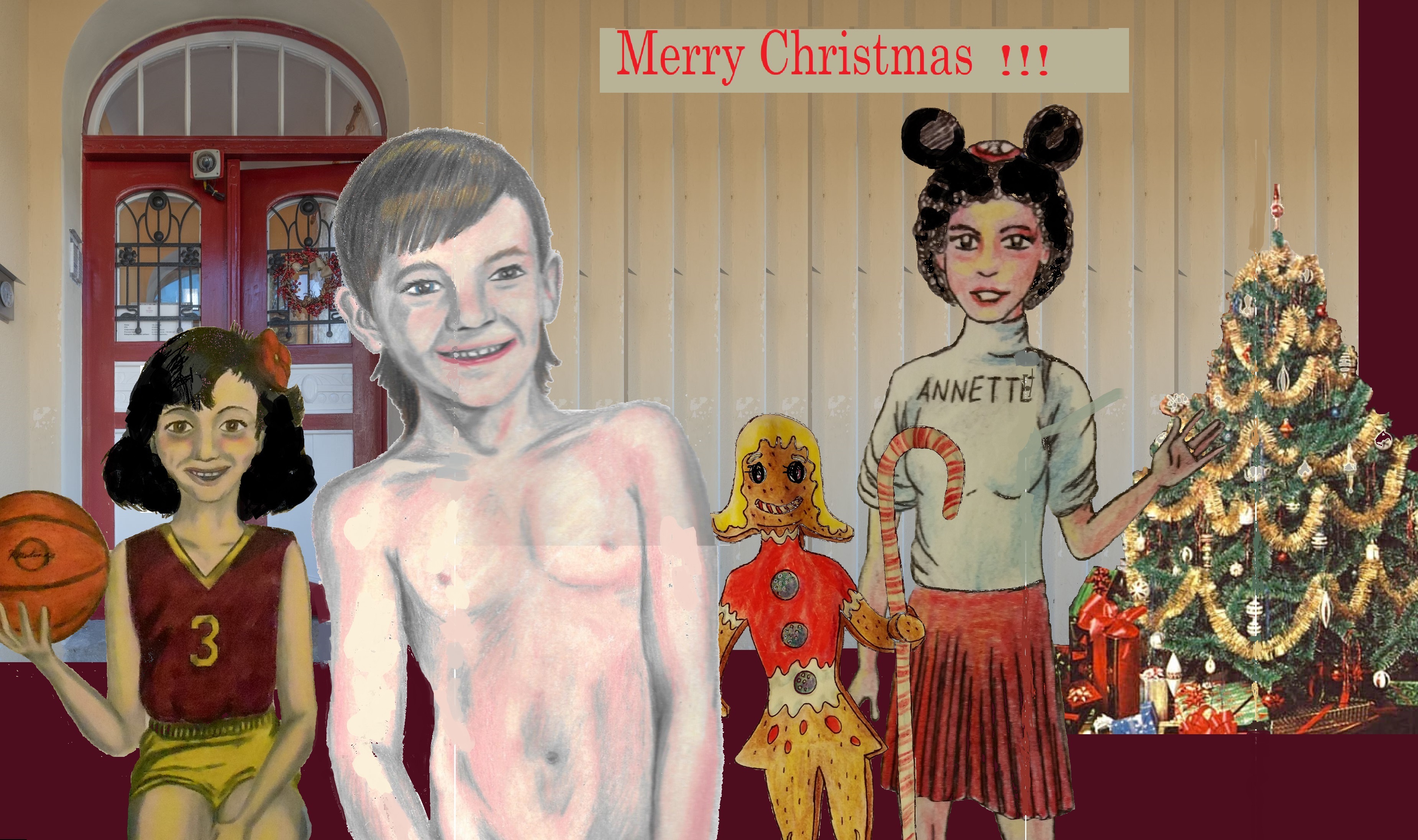
This is artwork from this blog in 2015, a year after I retired from teaching.
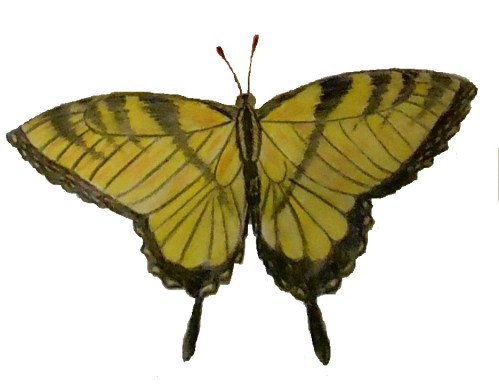
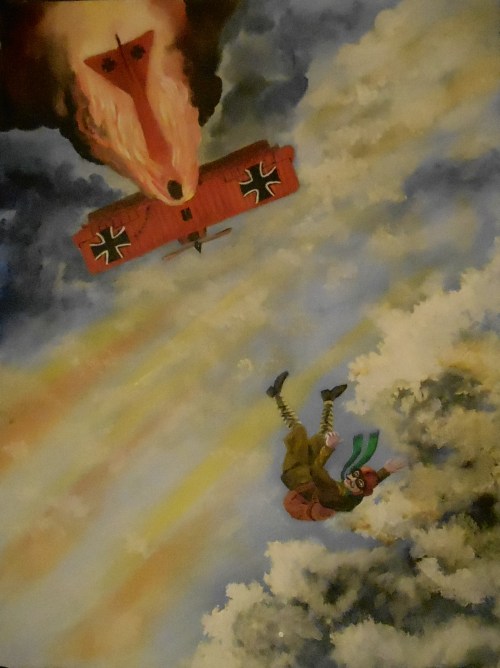
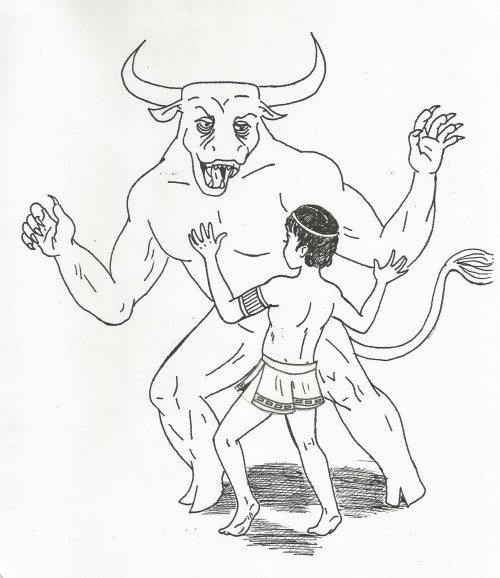
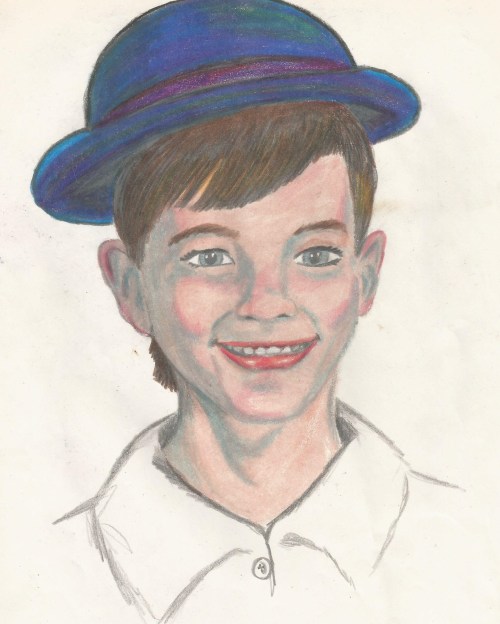
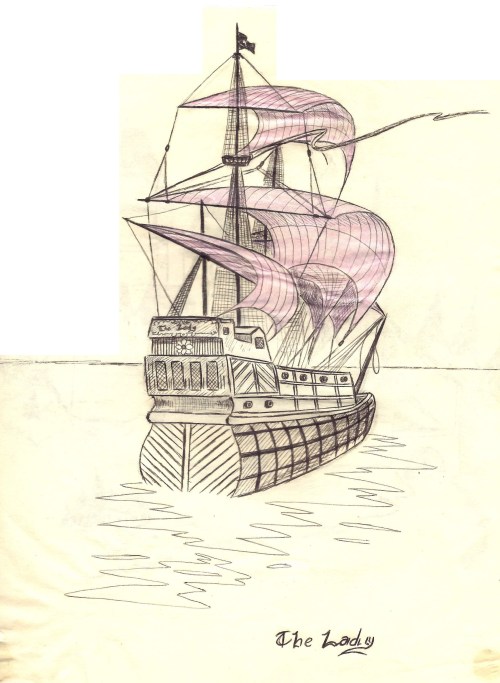
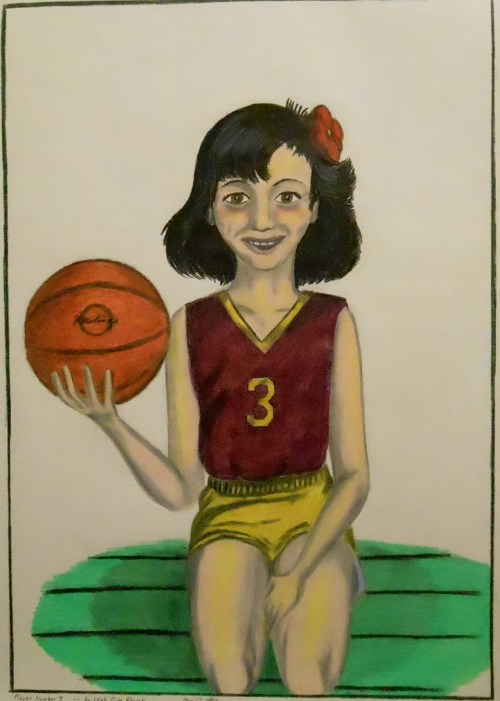
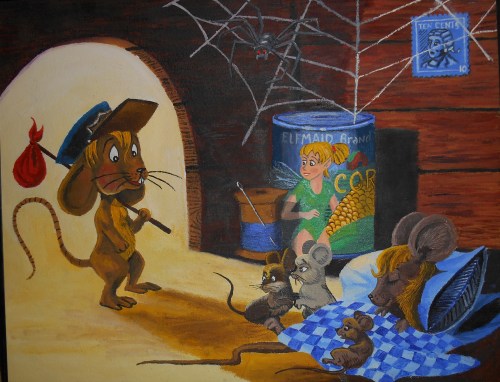
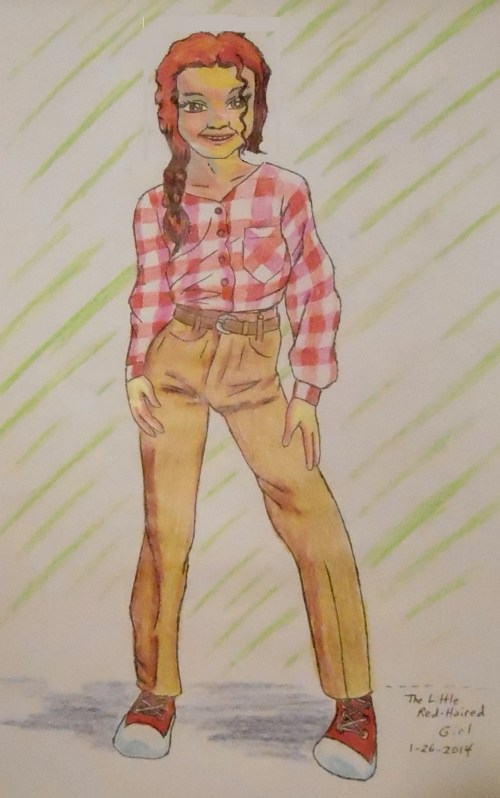
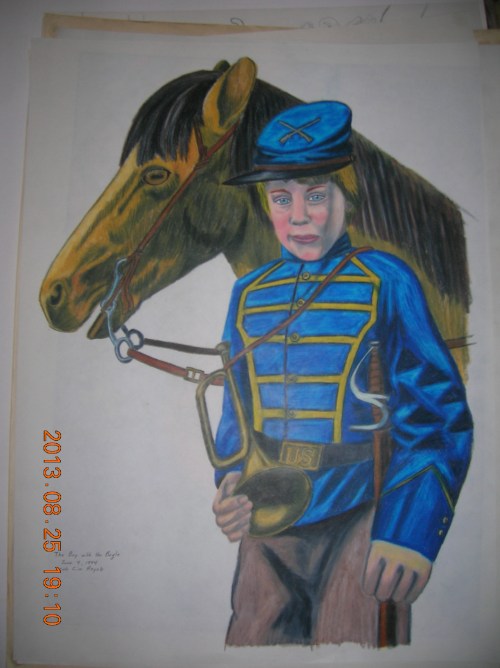
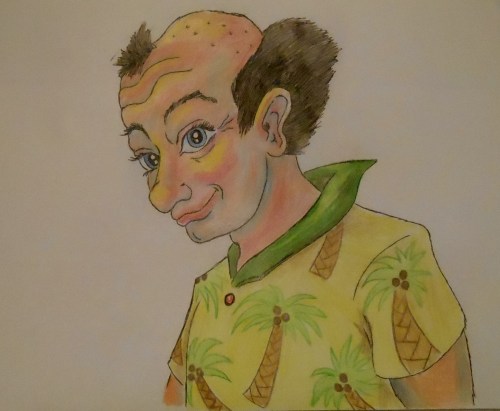
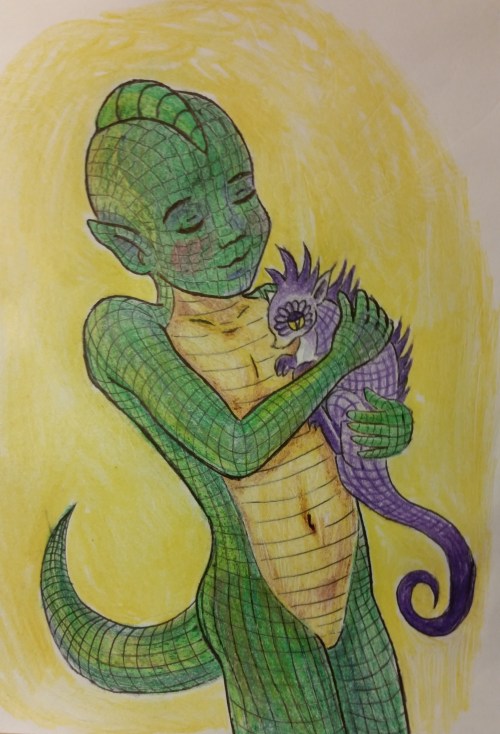
This is artwork from this blog in 2015, a year after I retired from teaching.
Filed under artwork, colored pencil, oil painting, Paffooney, pen and ink
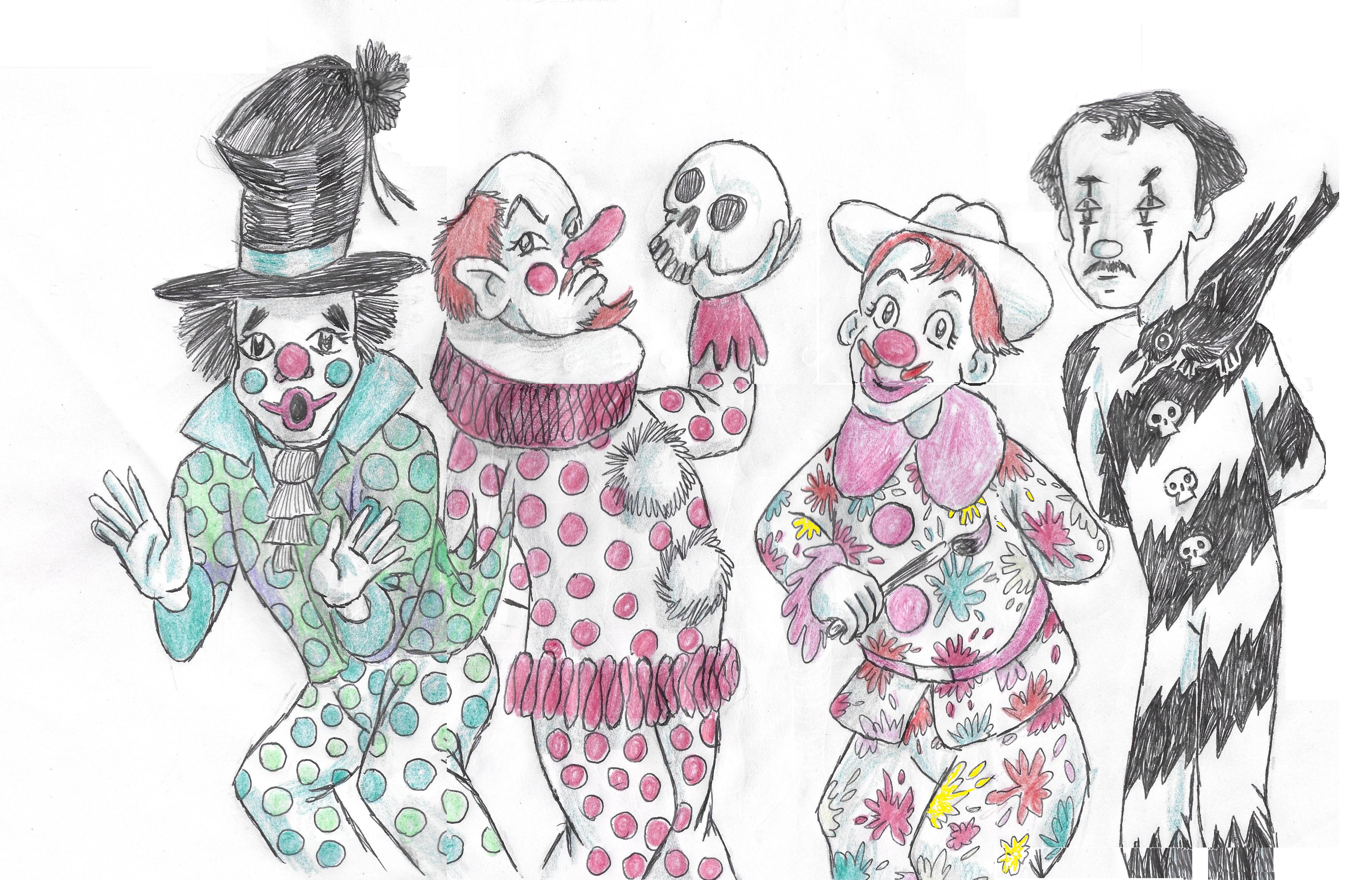
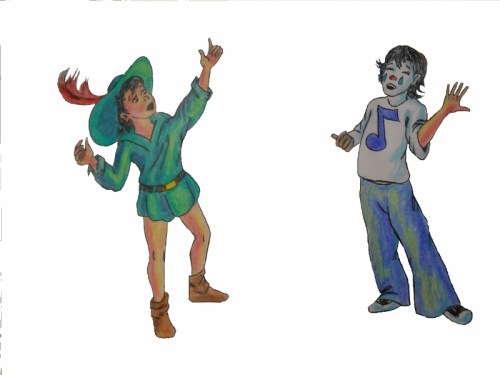
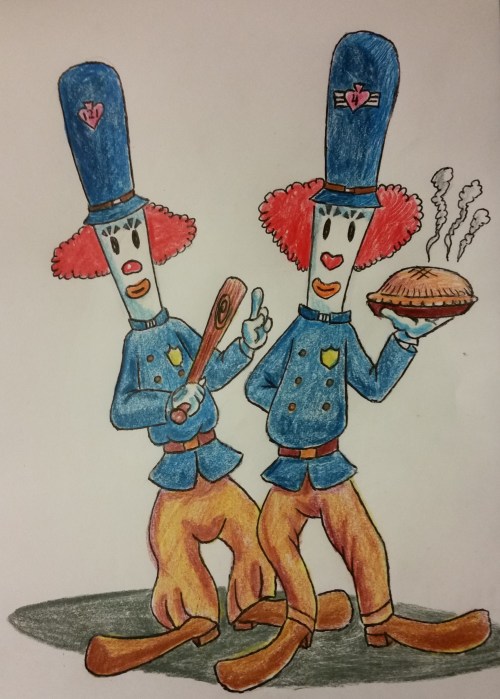
Charles Dickens, William Shakespeare, Walt Disney, and Edgar Allen Poe (the four clowns depicted above) all probably had times in their writing life when they didn’t really have anything to write about. Charles Dickens couldn’t think of anything but his time in the boot-black factory and the misery he felt as a child raised in poverty. So, what did he do? He created Wilkins Micawber as a stand-in for his ne’er-do-well father who always believed, “Something will presently turn up.” And he wrote the semi-autobiographical novel David Copperfield.
William Shakespeare didn’t actually write anything with his grade-school education and limited knowledge of the world. But when the Earl of Oxford who used his name as a nom de plume could think of nothing, he thought of ending it all, and the “To-be-or-not-to-be…” play, Hamlet, poured out of his quill pen onto paper.
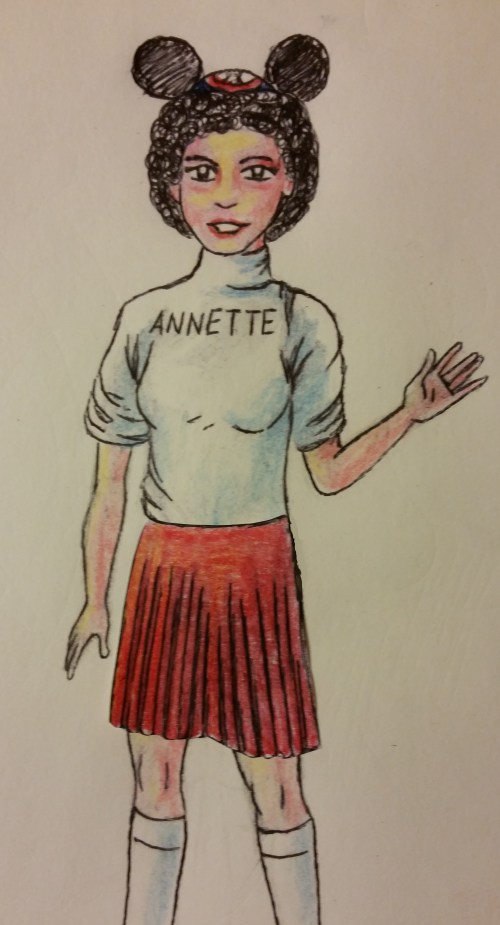
And when Walt Disney rode the train in defeat, having lost his best comic character for cartoons, Oswald the Rabbit, to his old boss, he doodled a mouse and named him Mickey, even providing Mickey’s falsetto voice for decades on the silver screen. Oh, and claiming the rights to any further characters his studios produced… to this day.
Poe looked at the bust over his chamber door… and saw a raven. Instantly, NEVERMORE.
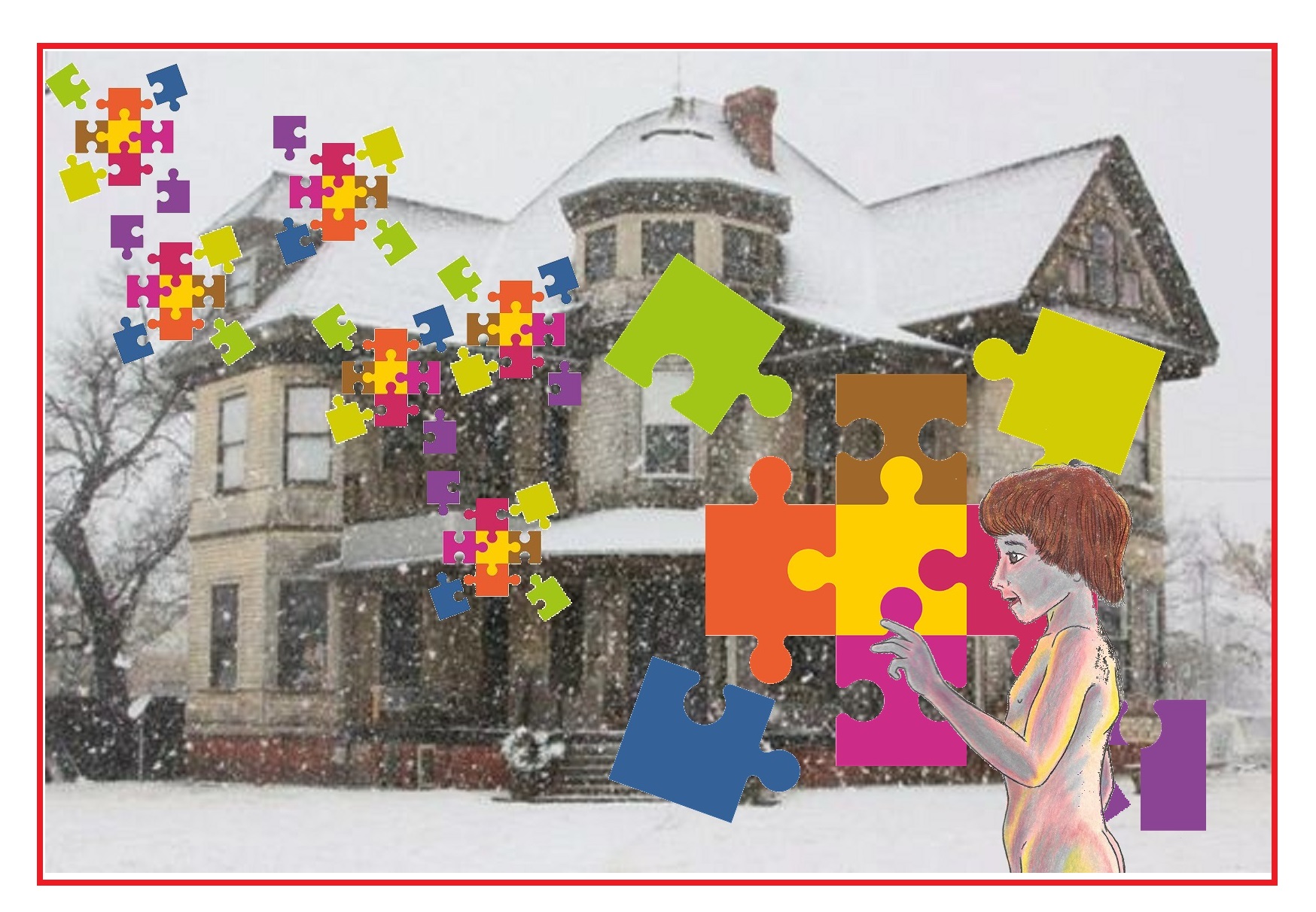
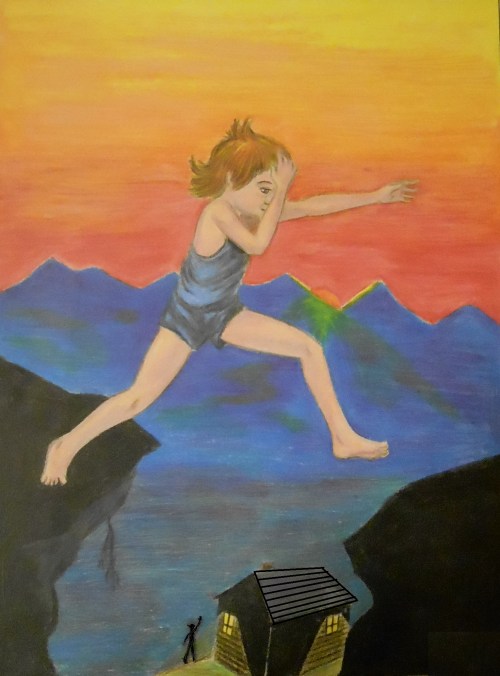
Now it’s Mickey’s turn to write about nothing, and try to live up to the nothing-masters’ artistic masterpieces of yore. For instance, the boy in the picture. I drew him from a nude model in a black-and-white photo. Nobody in class, not even the one who brought the picture, ever told me his name. And the class was forty-four years ago now. So, assuming the picture wasn’t old back then, the boy is now older than fifty-four, and possibly significantly older than that now. So it is a picture of a nude nobody in front of an abandoned house in the snow however-many years ago in a place that is probably nowhere now. And I won’t even mention the imaginary puzzle pieces floating through the air for nobody to put together. What’s that? I just mentioned them? What did I mention? They are really just nothing.
So, there is a time and a place for writing about everything. Even if that everything includes nothing… and that nothing is nowhere… and is about nobody.
One of the side “benefits” of having diabetes is that it often comes with an extra helping of diabetic depression. I had the blues really bad this week. I am not the only member of my family suffering.
So, what do you do about it?
Or, rather, what does a goofy idiot like me do about it?
Especially on a windy day when the air is saturated with pollen and other lovely things that I am absolutely, toxically allergic to?
Well, for one thing, I used the word toxically in this post because it is a funny-sounding adverb that I love to use even though the spell-checker hates it, no matter how I spell or misspell it.
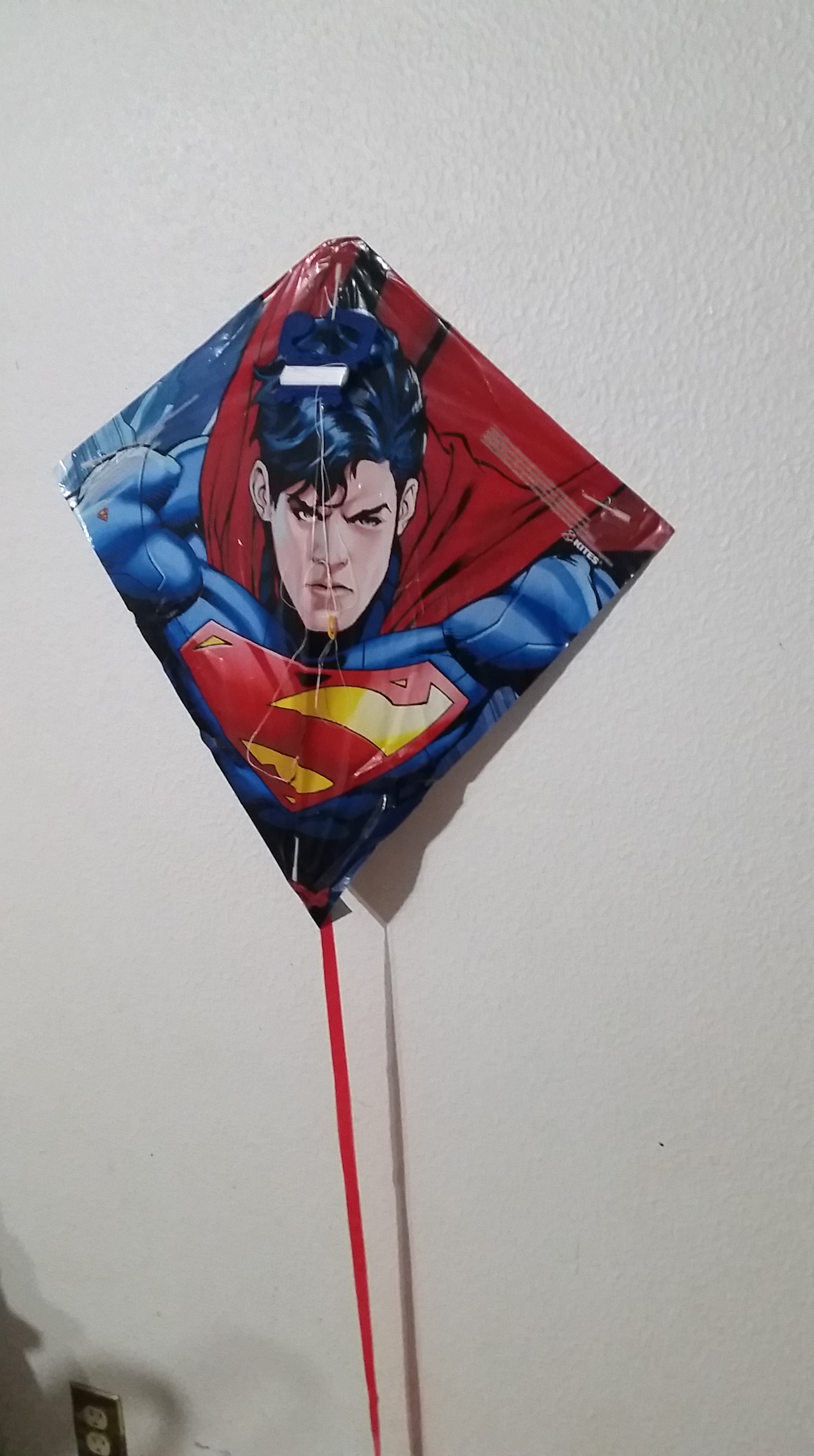
And I bought a kite.
Yes, it is a cheap Walmart kite that has a picture of Superman on it that looks more like Superboy after taking too much kryptonite-based cough syrup for his own super allergies.
But I used to buy or make paper diamond kites just like this one when I was a boy in Iowa to battle the blues in windy spring weather. One time I got one so high in the sky at my uncle’s east pasture that it was nothing more than a speck in the sky using two spools of string and one borrowed ball of yarn from my mother’s knitting basket. It is a way of battling blue meanies.
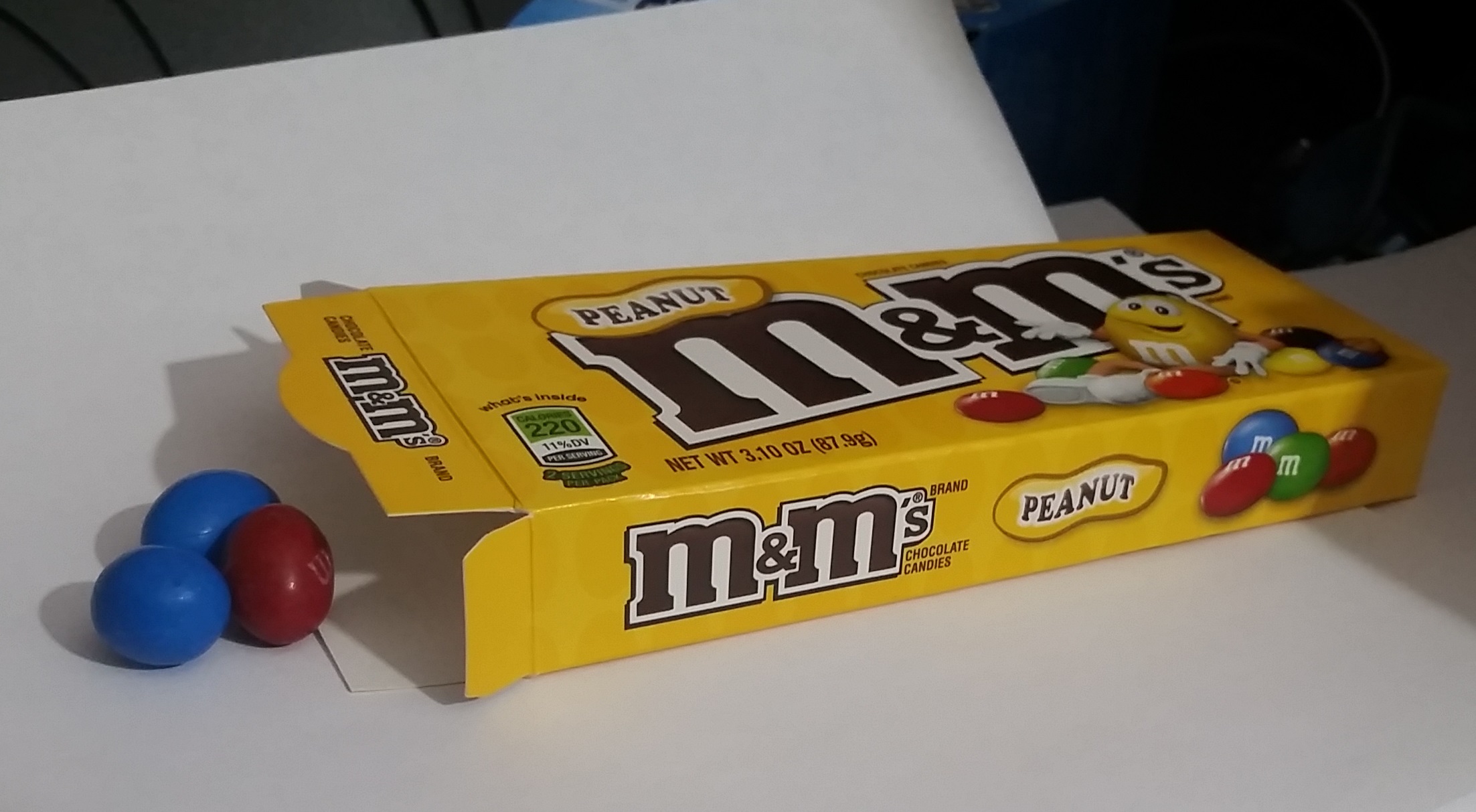
And I bought more chocolate-covered peanuts. The chocolate brings you up, and the peanut protein keeps you from crashing your blood sugar. I have weathered more than one Blue Meanie attack with m&m’s peanuts.


And I used the 1957 Pink and White Mercury of Imagination to bring my novel, The Baby Werewolf, home. I wrote the last chapter Monday night in the grip of dark depression, and writing something, and writing it well, makes me a little bit happier.


And I have collected a lot of naked pictures of nudists off Twitter. Who knew that you could find and communicate with such a large number of naked-in-the-sunshine nuts on social media? It is nice to find other nude-minded naturists in a place that I thought only had naked porn until I started blogging on naturist social media. Being naked in mind and body makes me happier than I ever thought it would.


And besides being bare, I also like butterflies and books and baseball and birds, (the Cardinals have started baseball season remember) and the end of winter. “I just remember of few of my favorite things, and then I don’t feel so bad!” Oh, and I like musical movies like The Sound of Music too.
The monsters of deep, dark depression are being defeated as we speak.
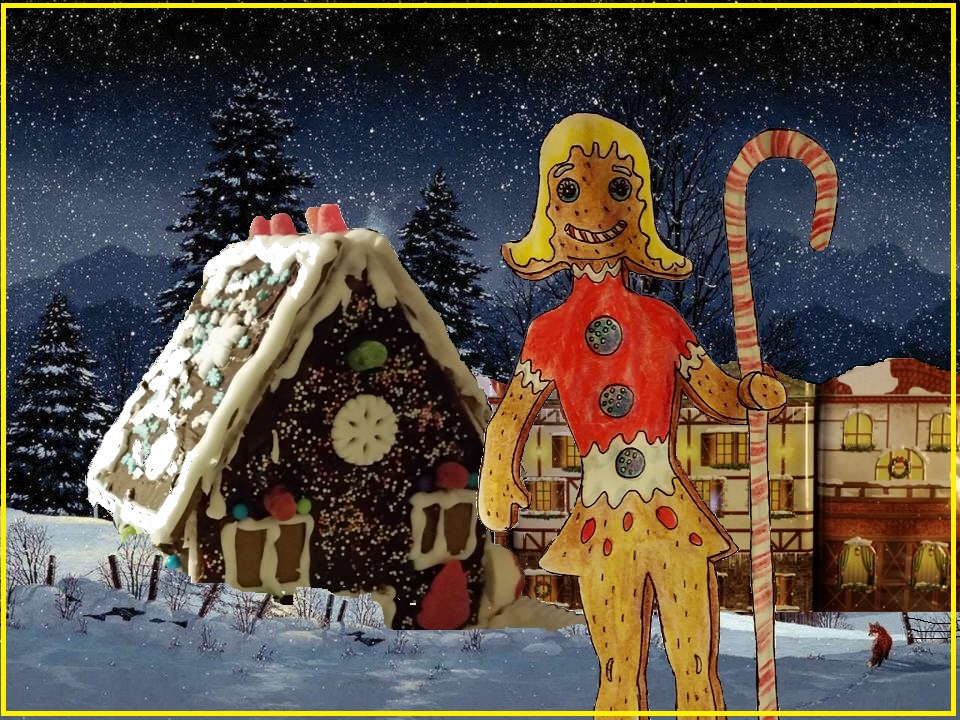
Now Entering Gingerbread Village
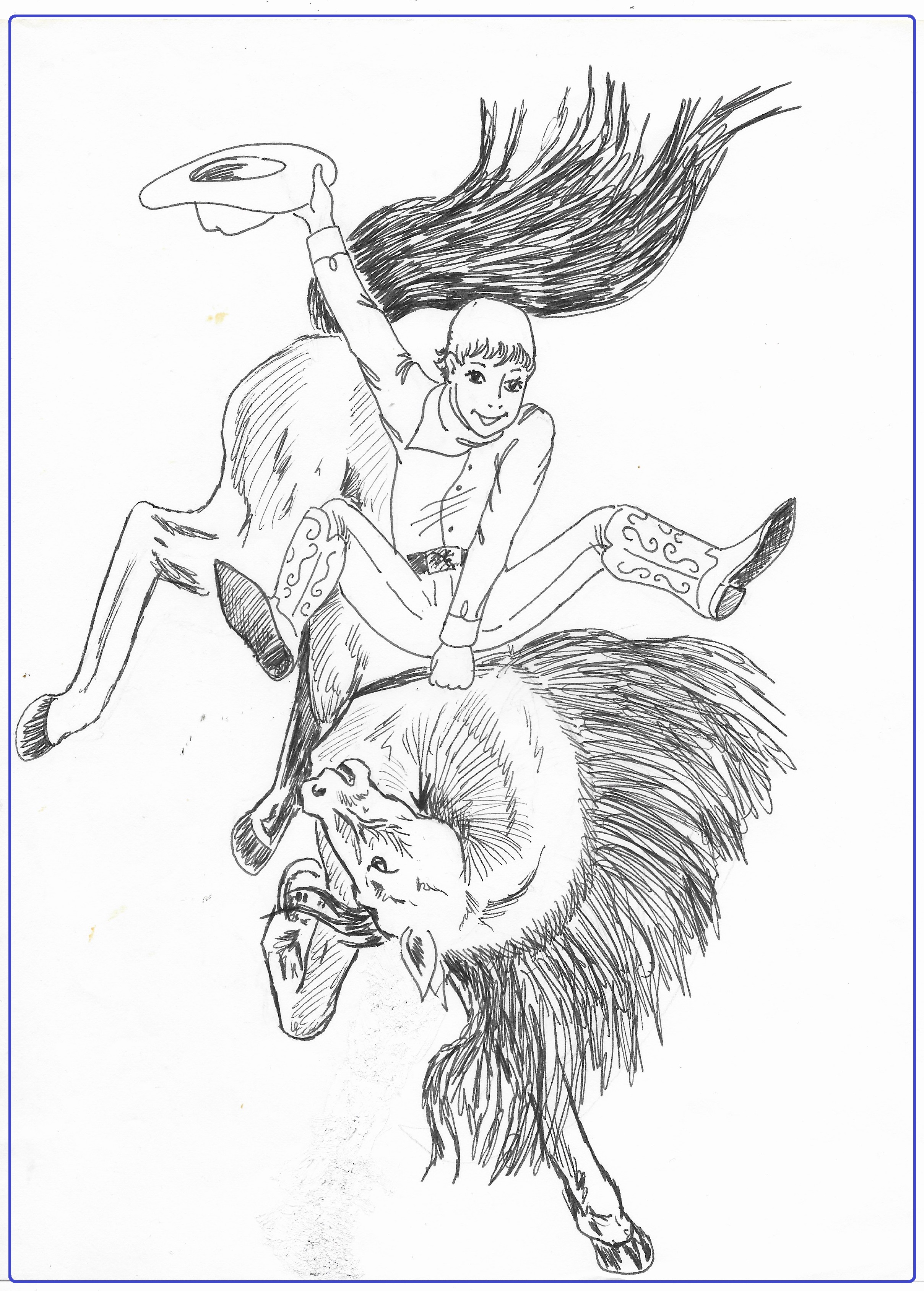
Rodeo Jose

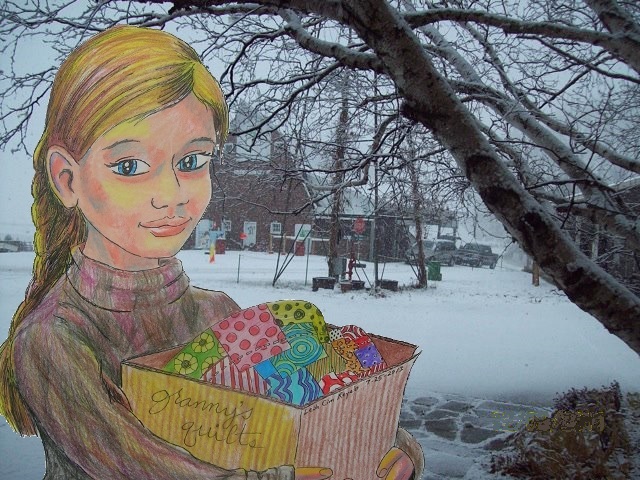
Valerie at the Farm


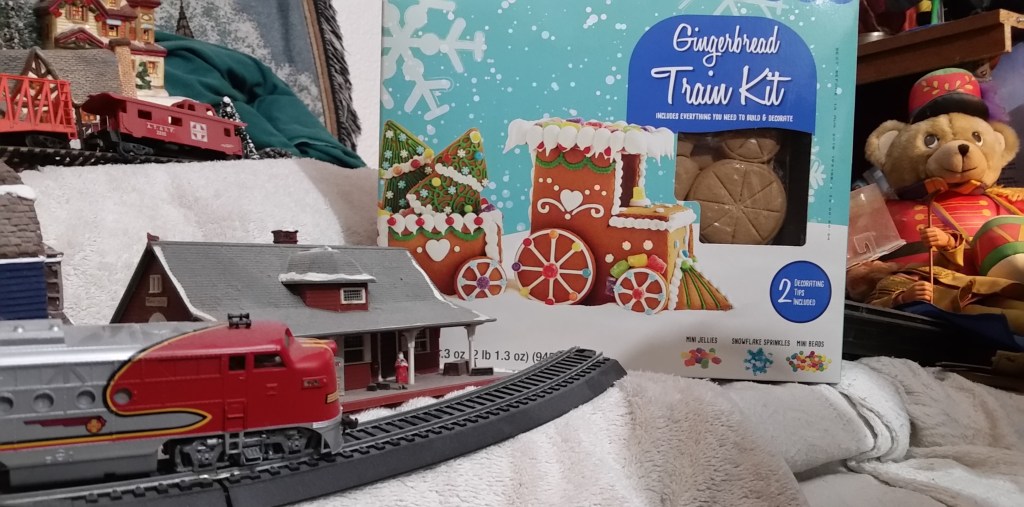
I had been promising my daughter for a while that we would build the gingerbread train. I was looking forward to it as an art project. She was impatient to eat it. So, on December 27th, I was finally feeling well enough to do the deed.
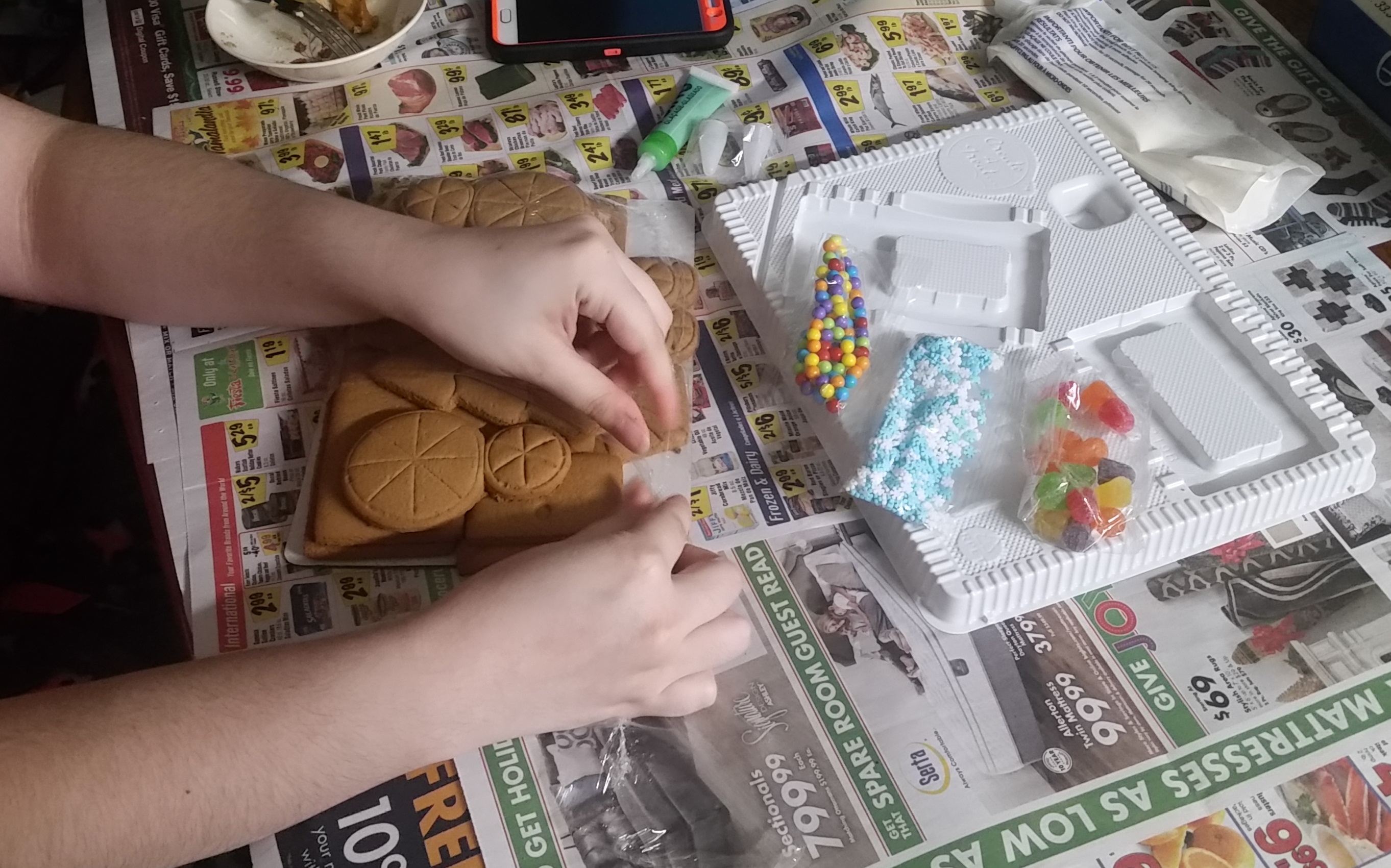
So, we prepared the work space on the kitchen table. We laid out the items that we could use for assembly. I made my daughter promise to stop eating elements of the train before we could actually put it together.
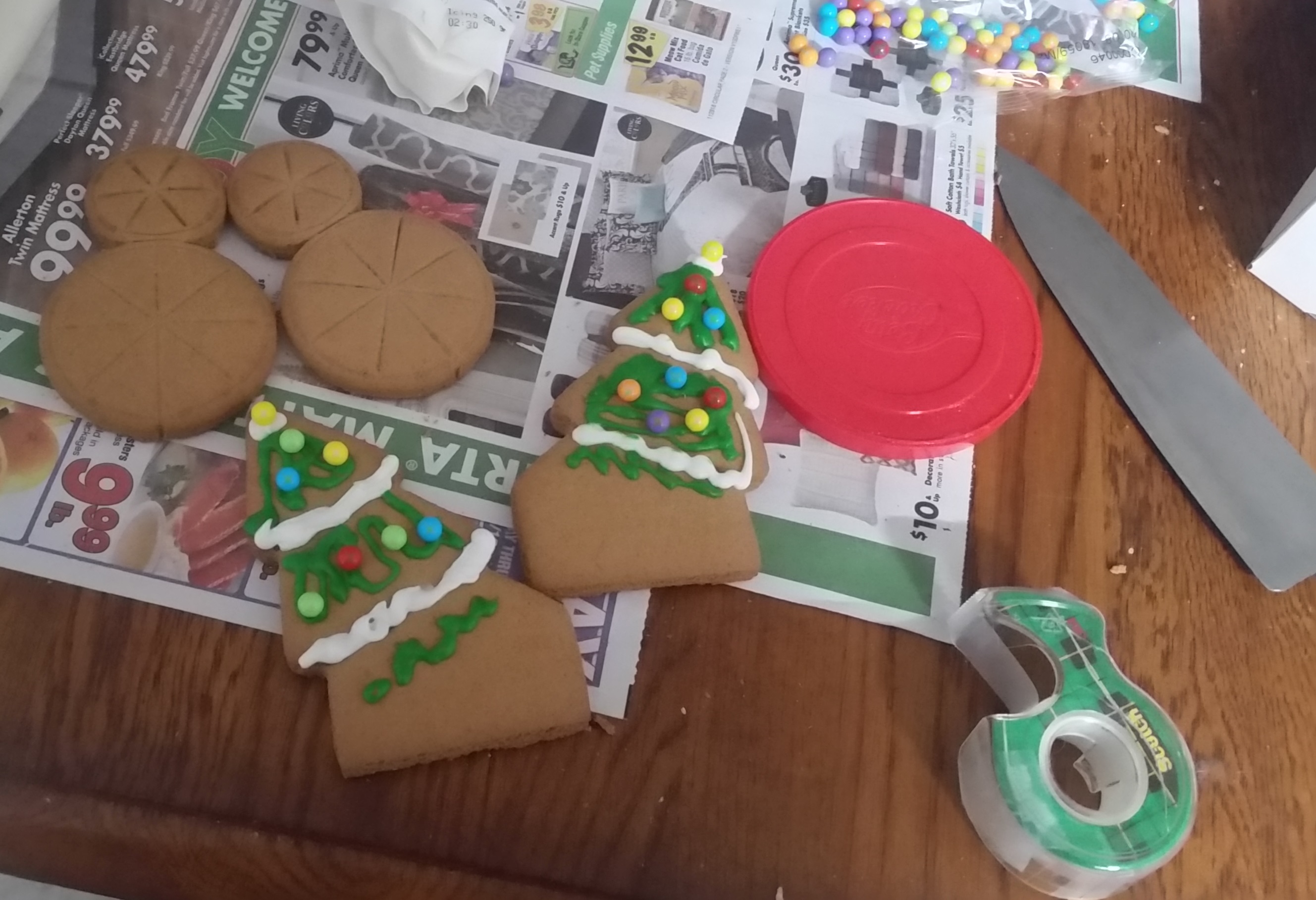
I started decorating the Christmas trees that go into the baggage car. My daughter ate several of the sugar-ball decorations.
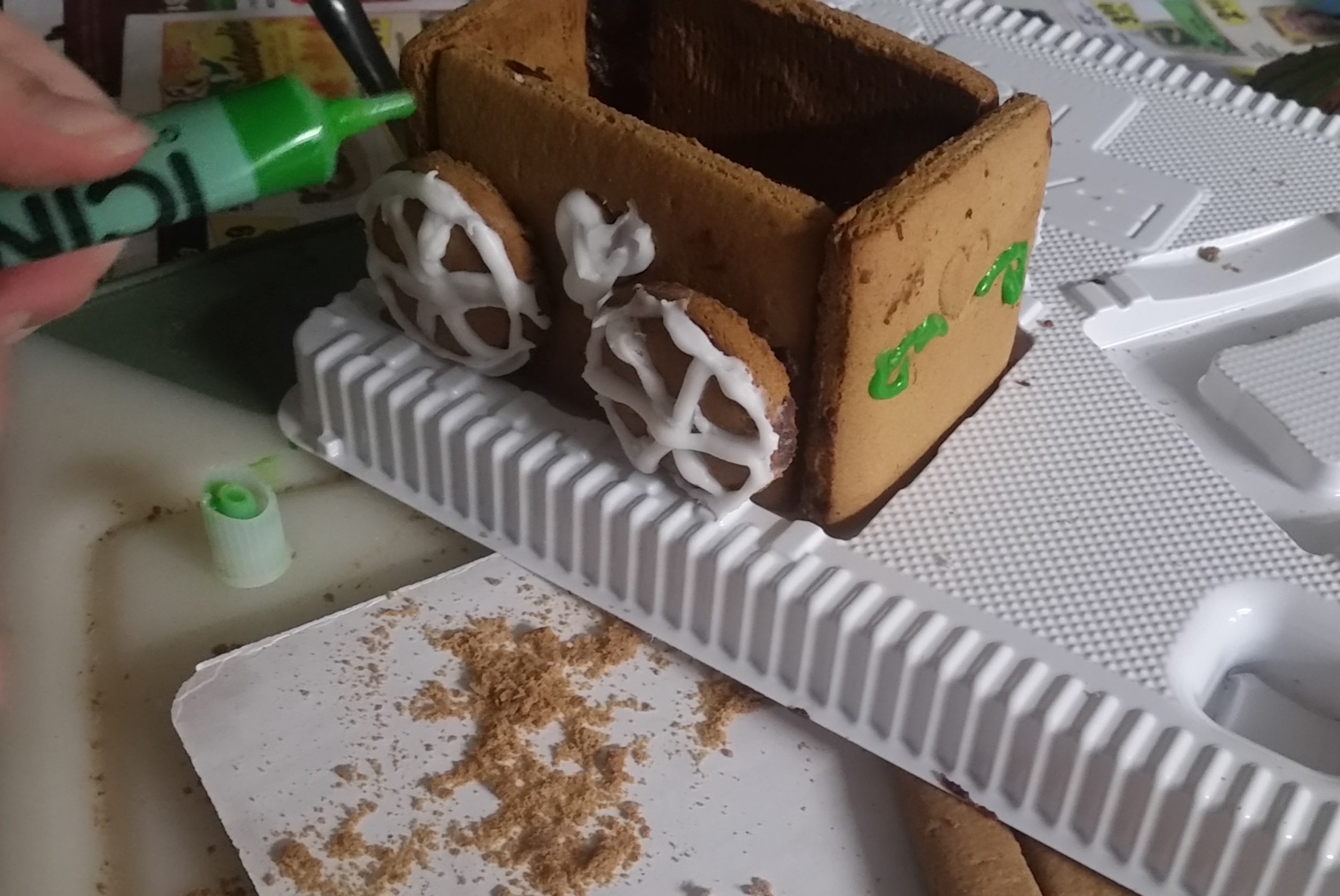
The baggage car was assembled first. I call it the baggage car because even though it is in the tender position for a steam train if we called it that, that would mean that the engine burned Christmas trees instead of coal. My daughter snuck a few more decorations as we argued about that.
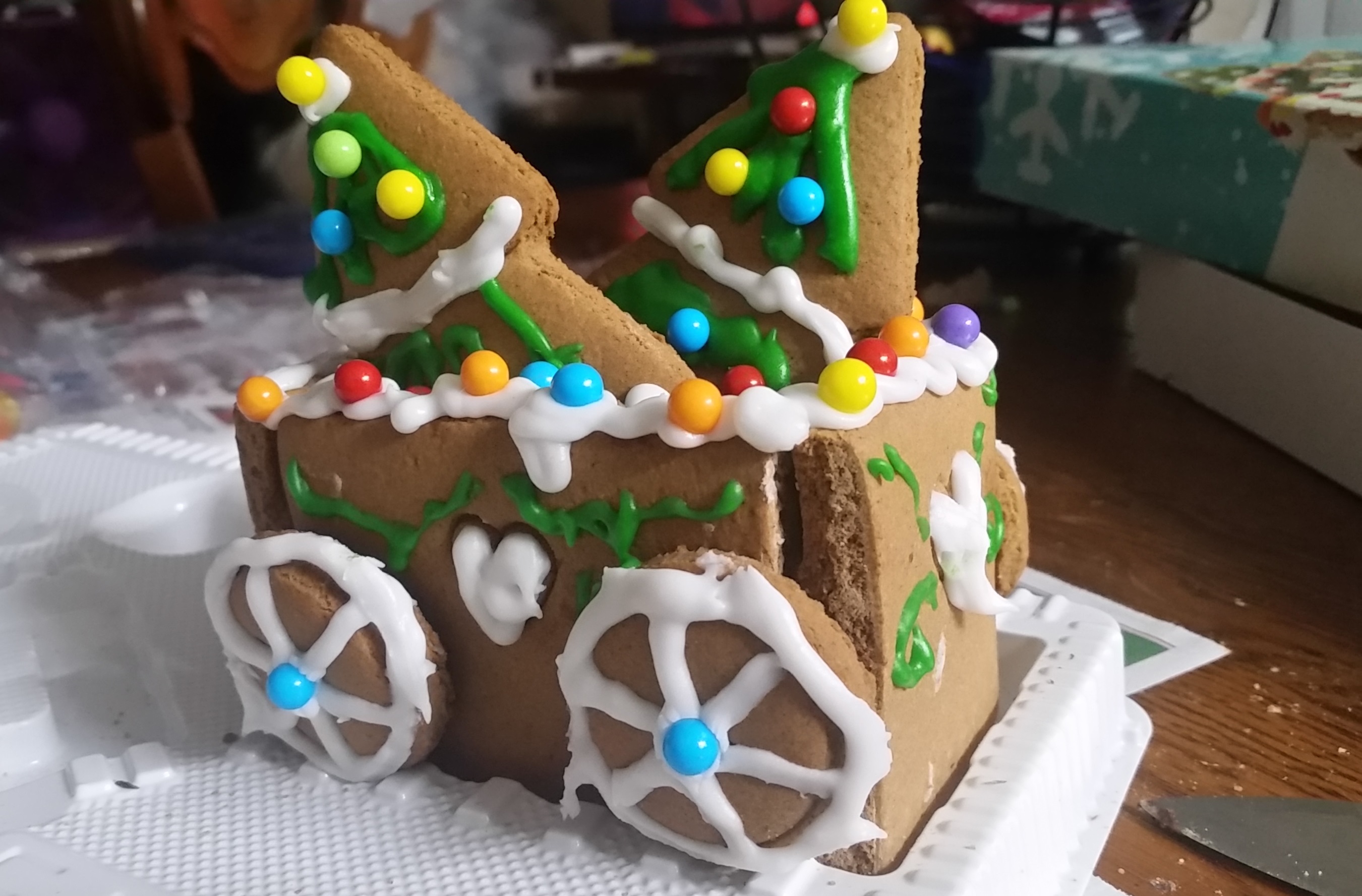
It was encouraging that the first part came together without looking too incredibly terrible.
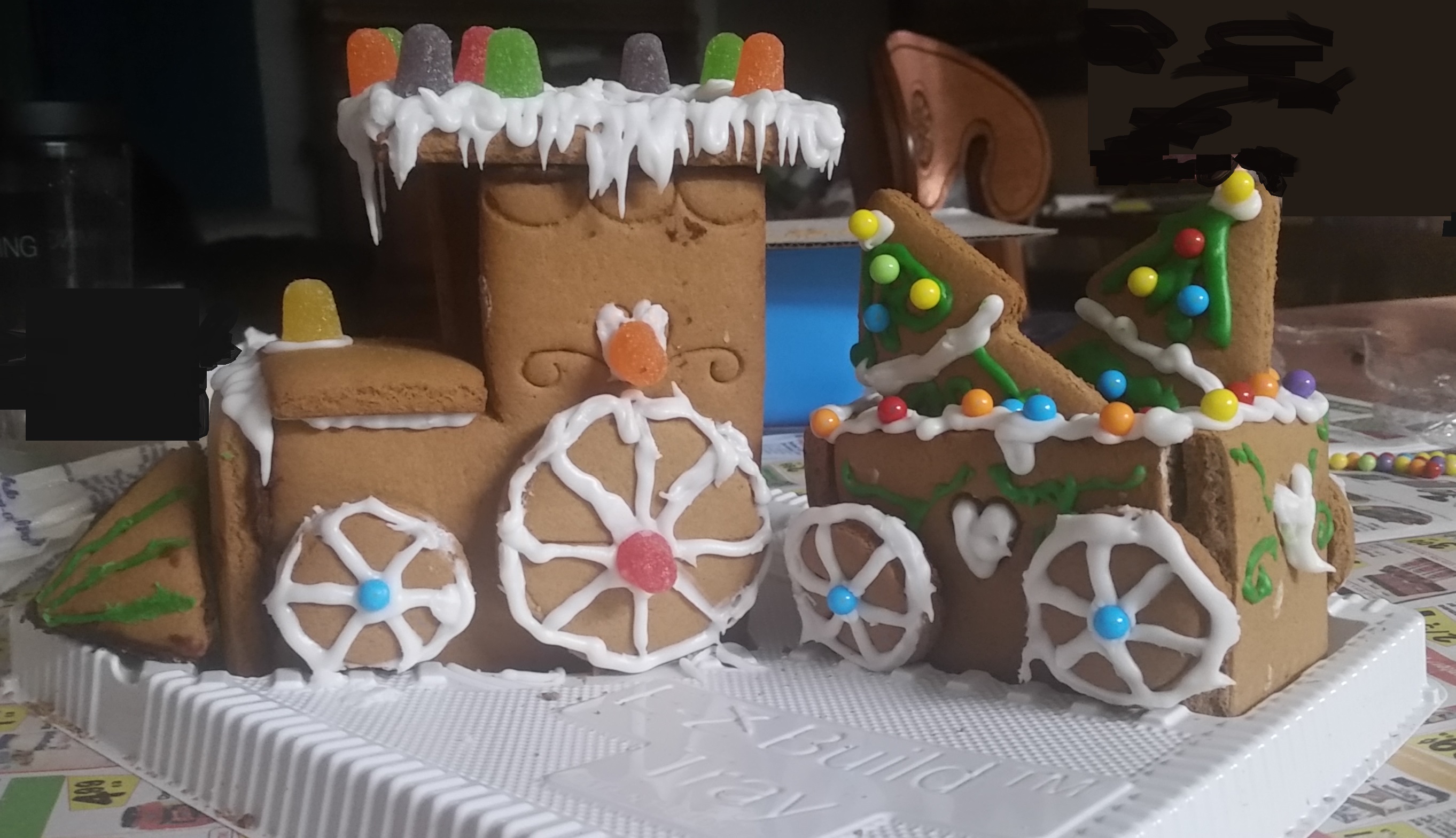
My daughter decorated a majority of the engine and only ate a few more of the decorations while doing it. This was no small thing given how much she loves to eat gumdrops.
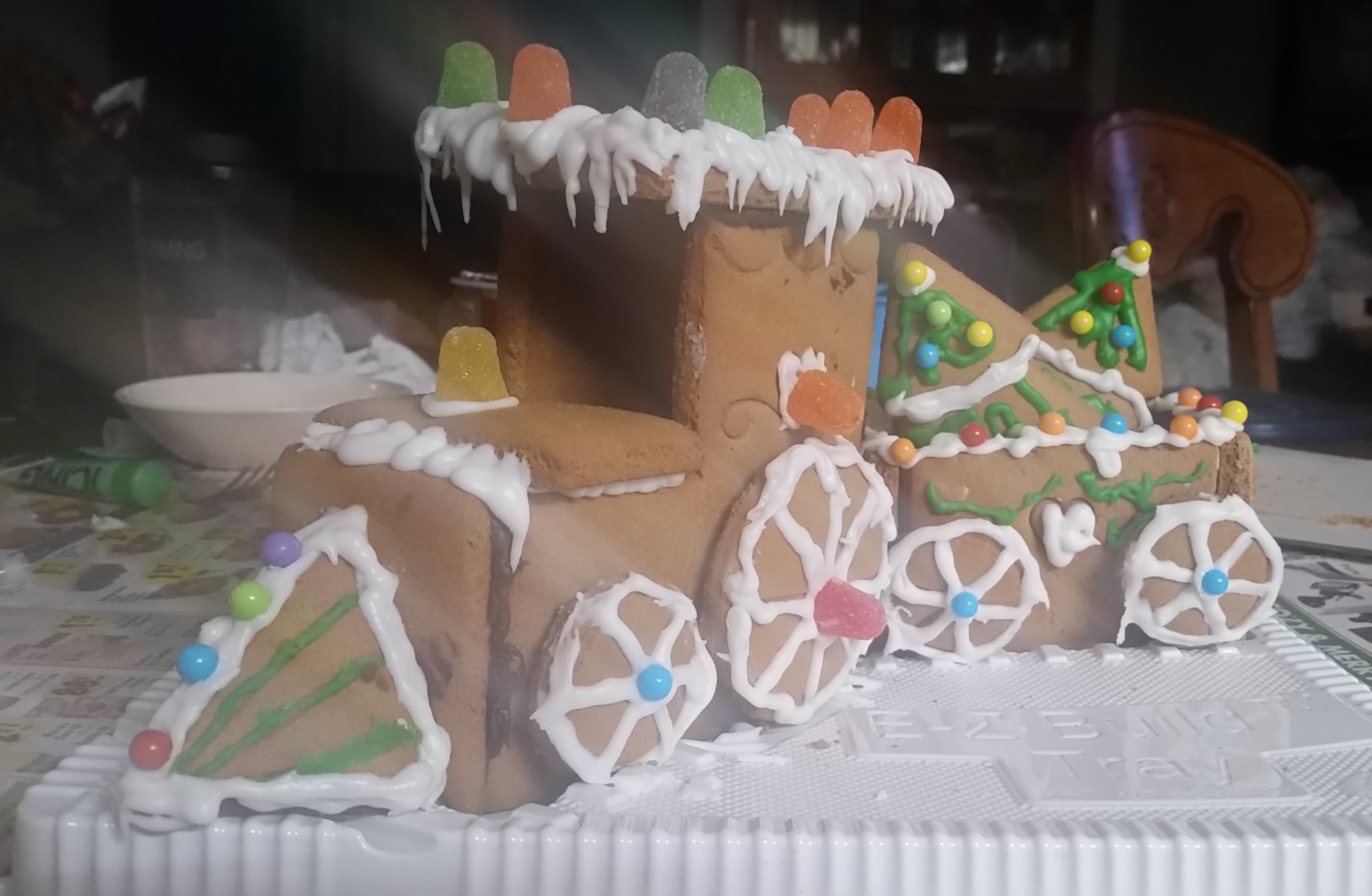
It ended up looking vaguely like the picture on the box. We had a great deal of fun making it. And the last time I checked, portions of it still were uneaten… something I am confident won’t be the case for much longer.
Filed under artwork, family, homely art, Paffooney, photo paffoonies
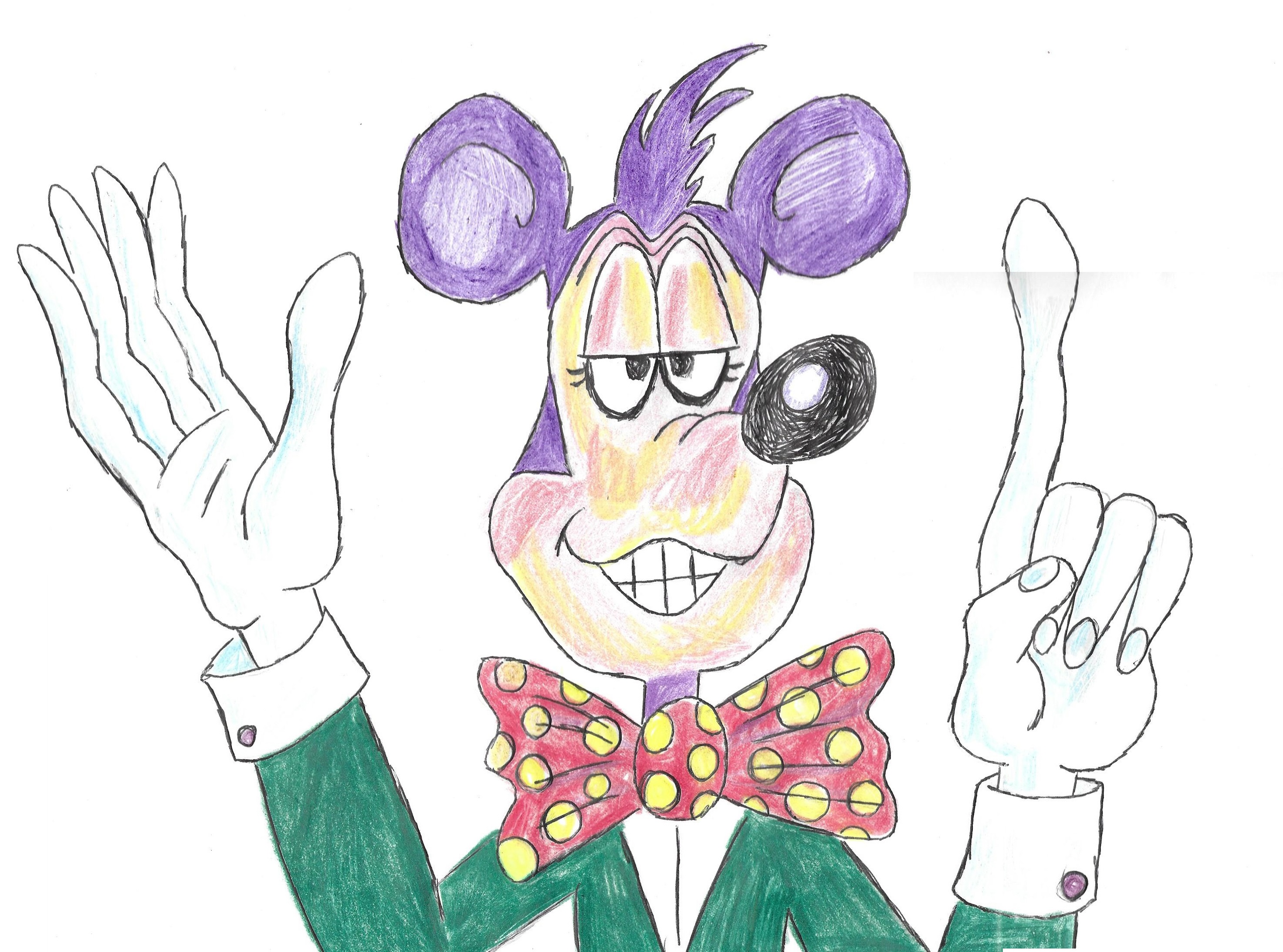
“Why are you asking, Mickey? You are only talking to yourself, you know.”
“It’s important to make it clear. Some people think you are a pervert, a creep, or possibly a pornographer because you draw naked people so often and feature nudity at some point in almost every story you tell.”
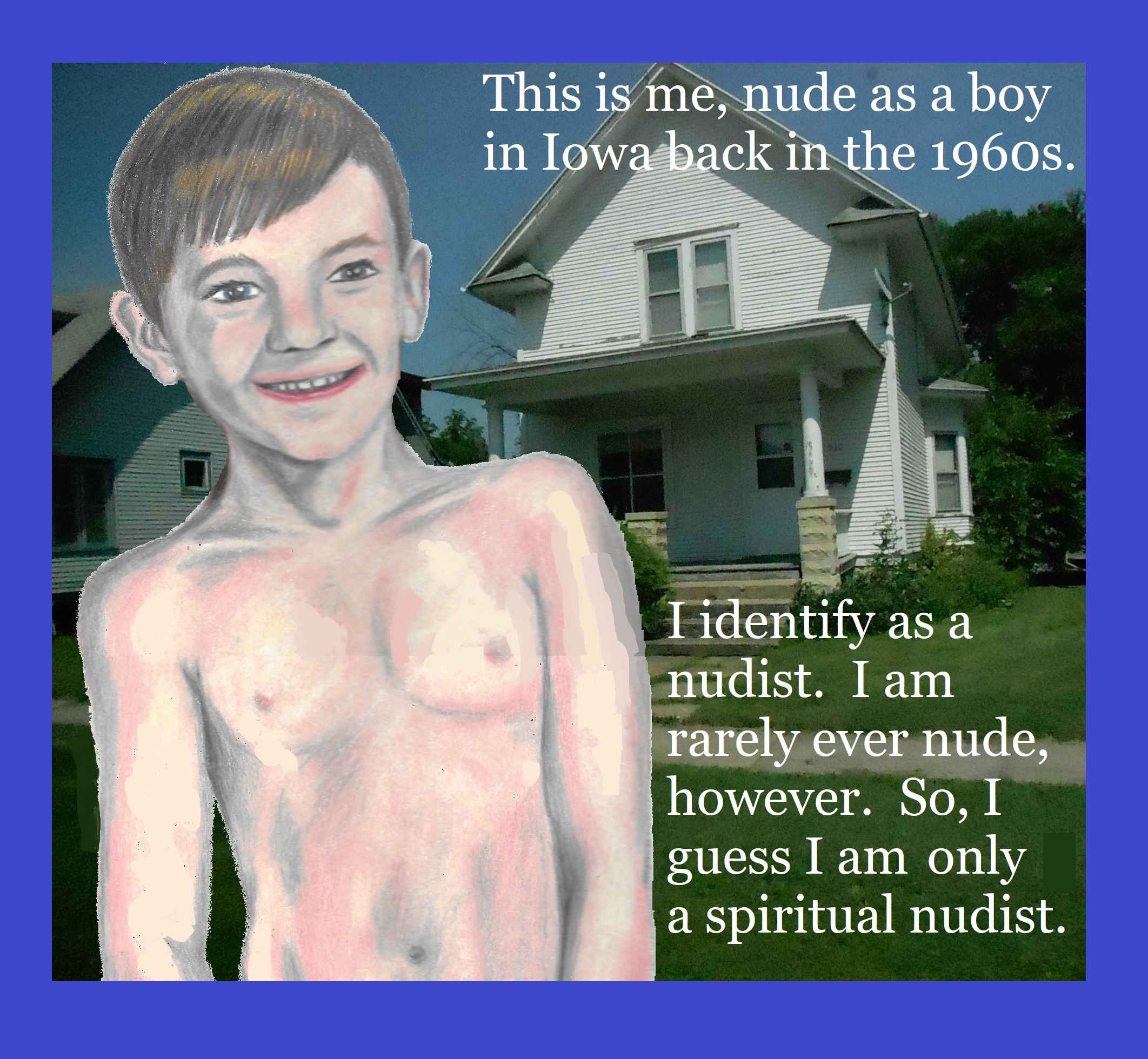
“Like most people who think of themselves as nudists, I really liked being naked as a child. But that is not socially acceptable in Iowa in the 60’s. Prudish notions chastise you for being naked where anyone can see. You get shamed to the point that you see your own naked self as something detestable and bad.”
“But that kind of social rule is a good thing. It keeps you from having to see naked and nude ugly people or wrinkled old people naked in places like the grocery store or public school buildings.”
“But wouldn’t it be better if we lived in a more open and honest sort of society where even ugly people being naked is acceptable so that no one has to be ashamed of having a human body?”
“Of course not. You wouldn’t want to offend everyone by walking around naked everywhere you go.”
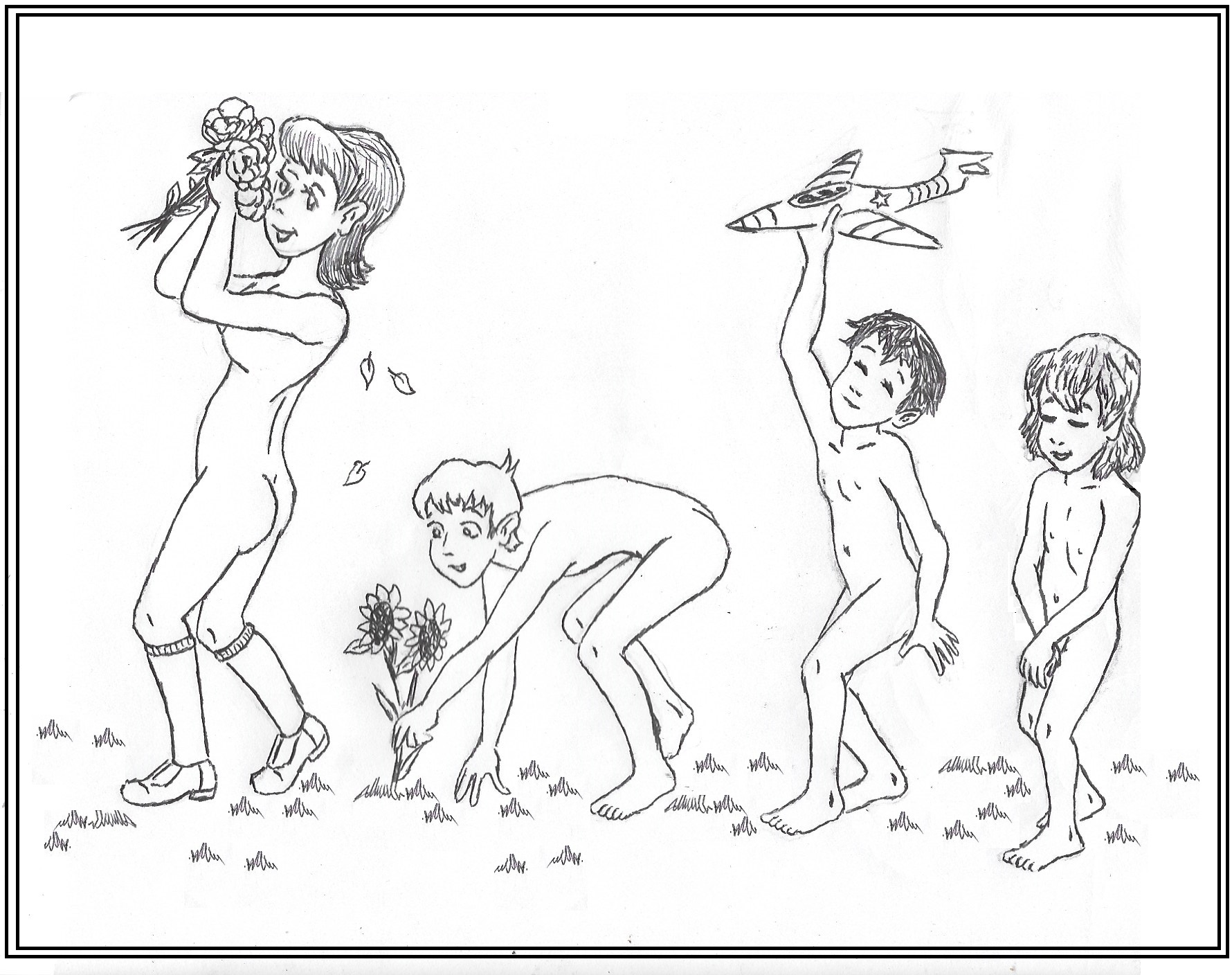
“I honestly think that if it were allowed to occur more often it would become something acceptable as natural and normal. And you know that I have an extra reason to think it would be good if children did not have to believe that being nude is somehow sinful, bad, and shameful. I was sexually assaulted when I was ten. It not only made me fearful of ever being naked, it nearly caused me to take my own life when I was seventeen. I went through a decade-worth of self-loathing and disgust with my own body that made showering after P.E. class a nightmare, romantic feelings towards girls something I felt the need to hurt myself for having, and a general belief that I was secretly a monster.”
“Wow! Your obsessions run deep.”
“And emotional scars become far more visible than the ones hidden under your clothing.”
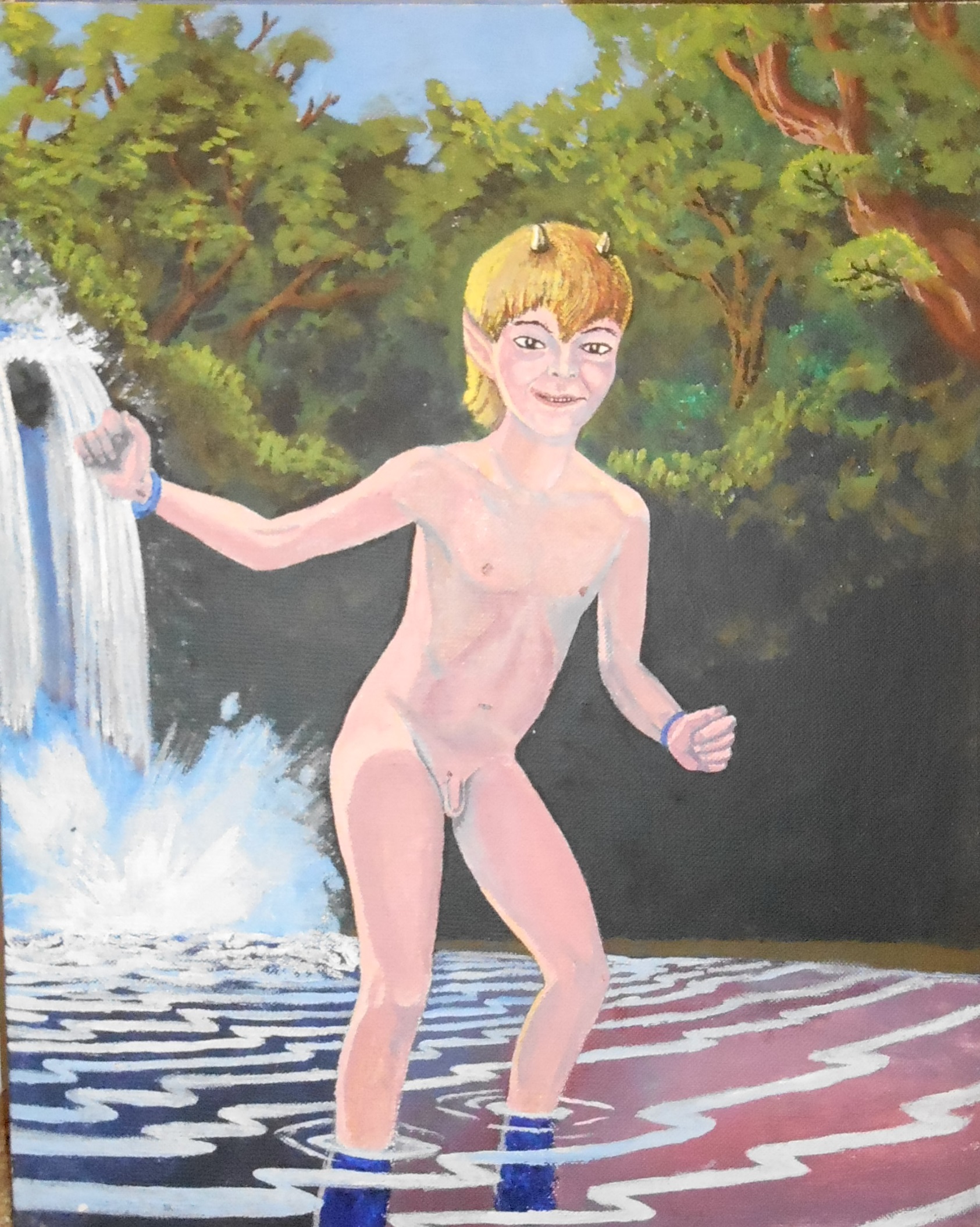
“Is this next one a picture of you? It doesn’t look like you.”
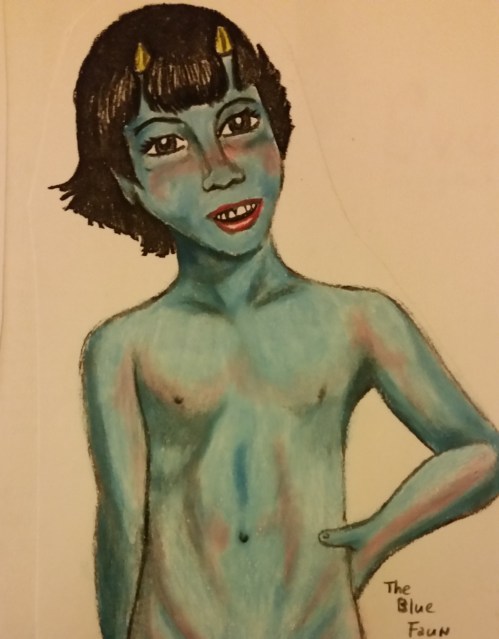
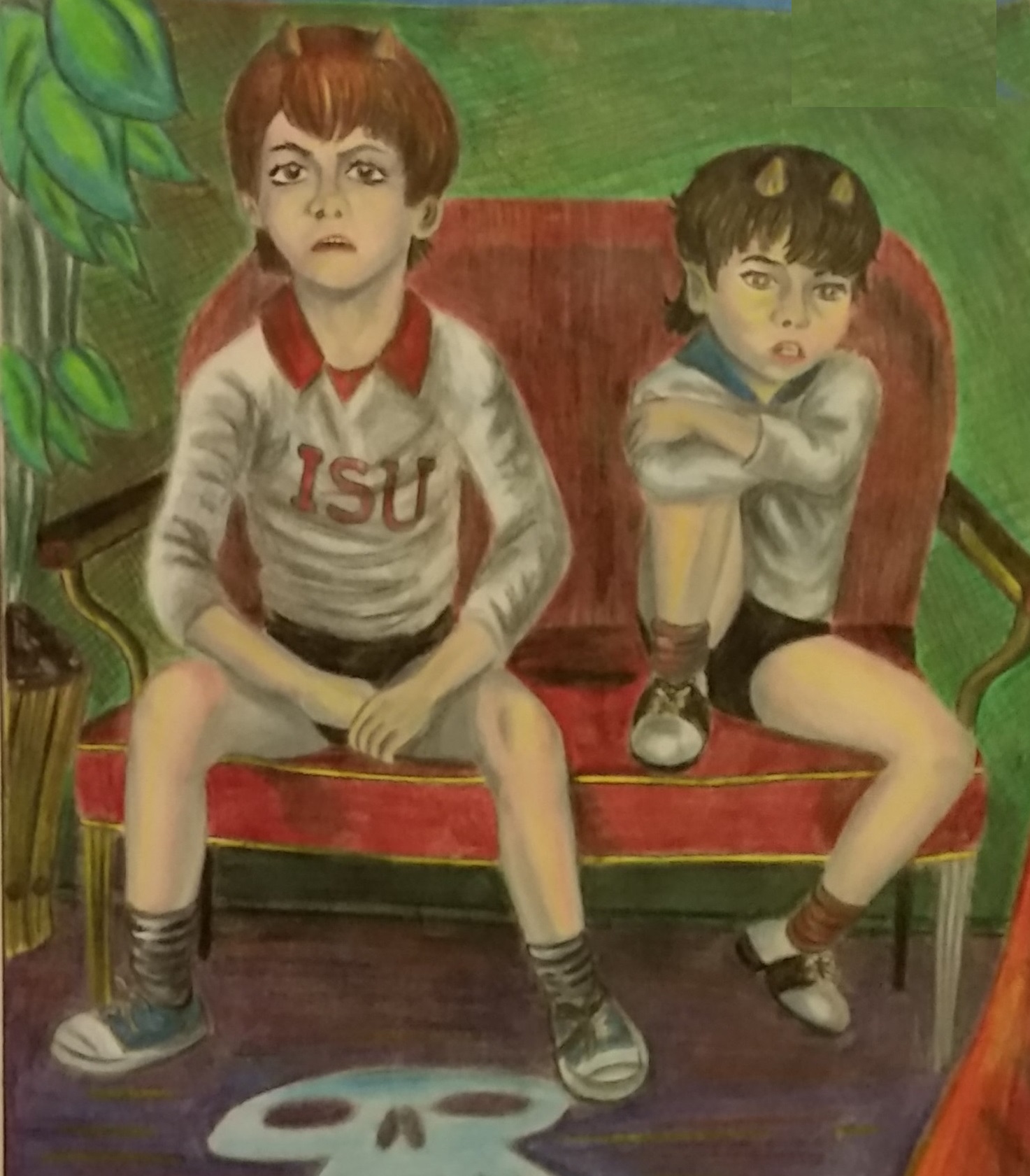
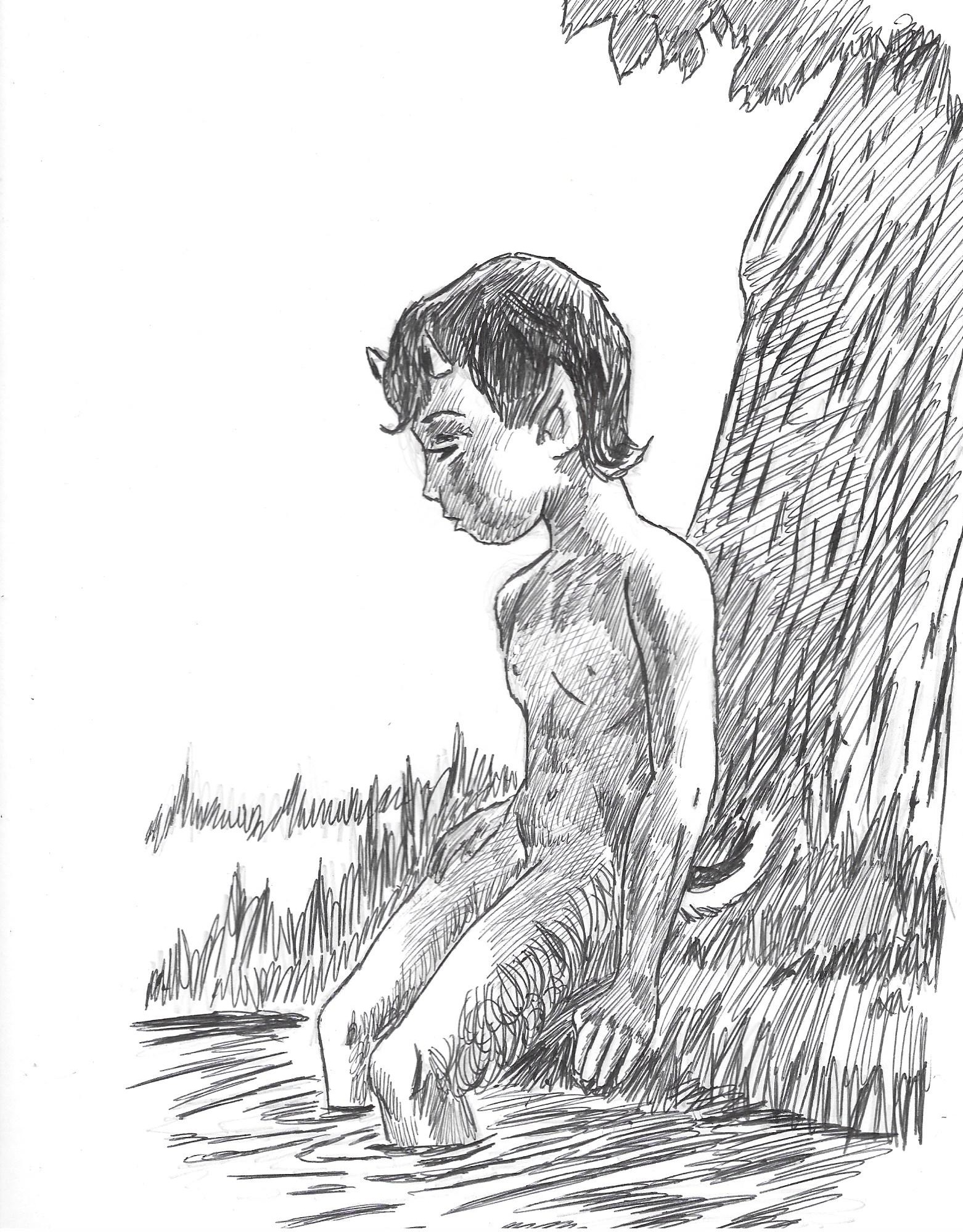
“The model for this wasn’t me. And he was wearing a wet swimsuit. It only became about me when I added the faun’s horns and made him naked. It was painted after I was exposed to naturists at the clothing-optional apartment building in Austin, Texas by my then-girlfriend and her sister who lived there with her husband and baby. It was a painting that expressed the joy I saw in people who were unafraid to be naked in the presence of others.”
“How long did he have to stand there like that while you painted it?”
“He didn’t. I painted it from the photo I took. Although, not only was he not naked, but he was Hispanic with black hair and a much browner complexion.”
“Did you tell anybody about the assault thing before you painted it?”
“I told my then-girlfriend. She sympathized somewhat. But she was already convinced that being naked was good for you, and so she didn’t fully accept my reluctance to be nude with the others.”

“I overcame feelings of self-loathing and fear of sexual feelings through, first, sex-education classes from the Methodist Minister when I was thirteen. Secondly, through discussions with my then-girlfriend and the nudist friends I made by visiting that naturist apartment building. And thirdly through the patience and love of my wife.”
“So, why are you still obsessed with it now, especially in your artwork?”
“Now I no longer have to worry about losing my teaching job because I am openly associated with naturists. And my sex-life is pretty much at an end for health reasons. So, it becomes a matter of expressing my memories and interior conflicts as they apply to nudity, sexuality, honesty, openness, and innocence. I can actually be a nudist now if I want to be.”
Filed under artwork, autobiography, health, nudes, Paffooney
Since the holiday tradition of the Beyer family gingerbread house got derailed by the pandemic last year, this year we did two. Team 1 led by my future daughter-in-law took on the gingerbread castle. Team 2, the pre-built gingerbread house was led by my daughter the Princess (and she did all the work.)
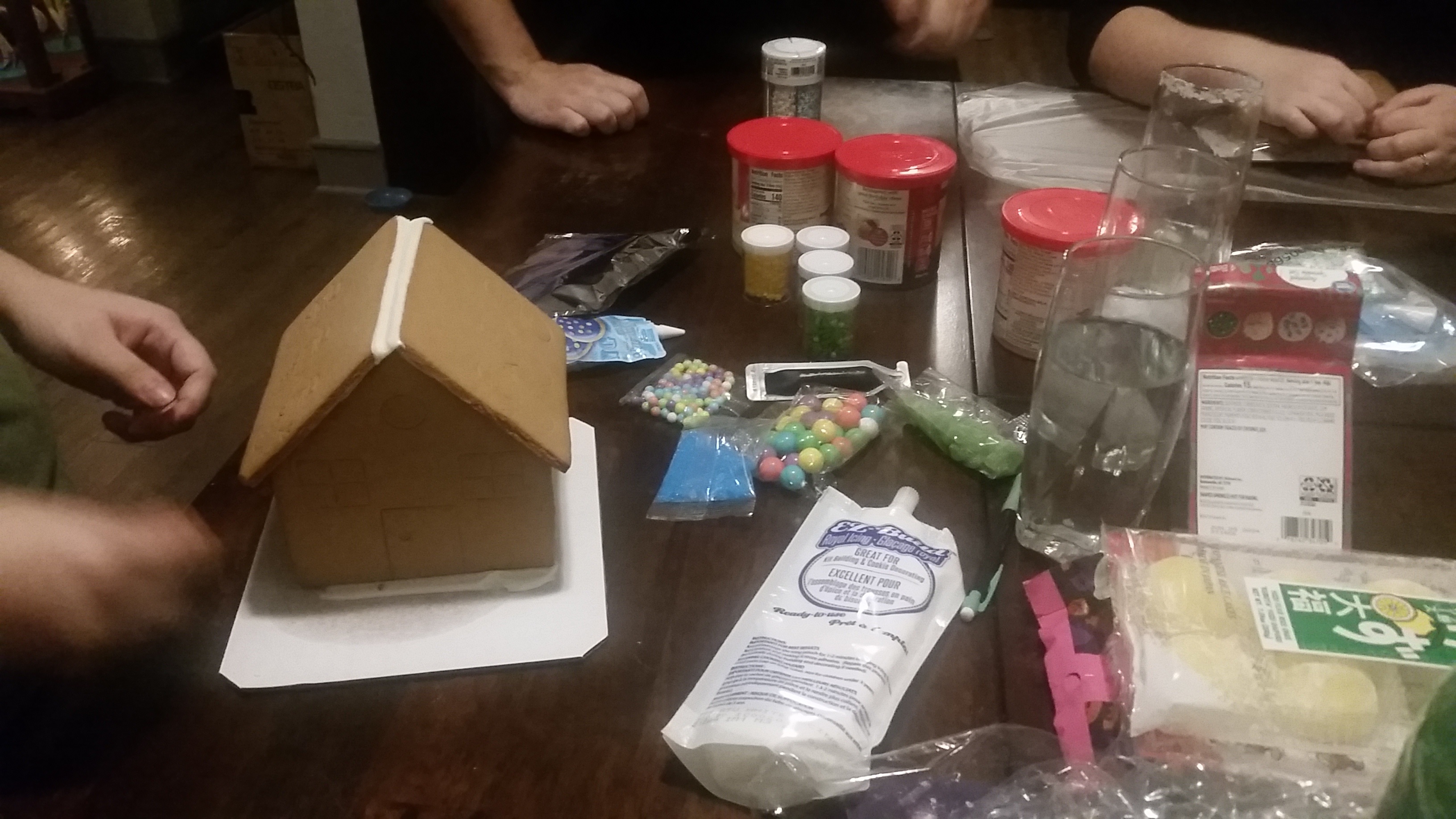
Materials were laid out. Decoration bottles and construction frosting was opened. Squeeze bags that had to be filled were filled and the nozzles were opened.
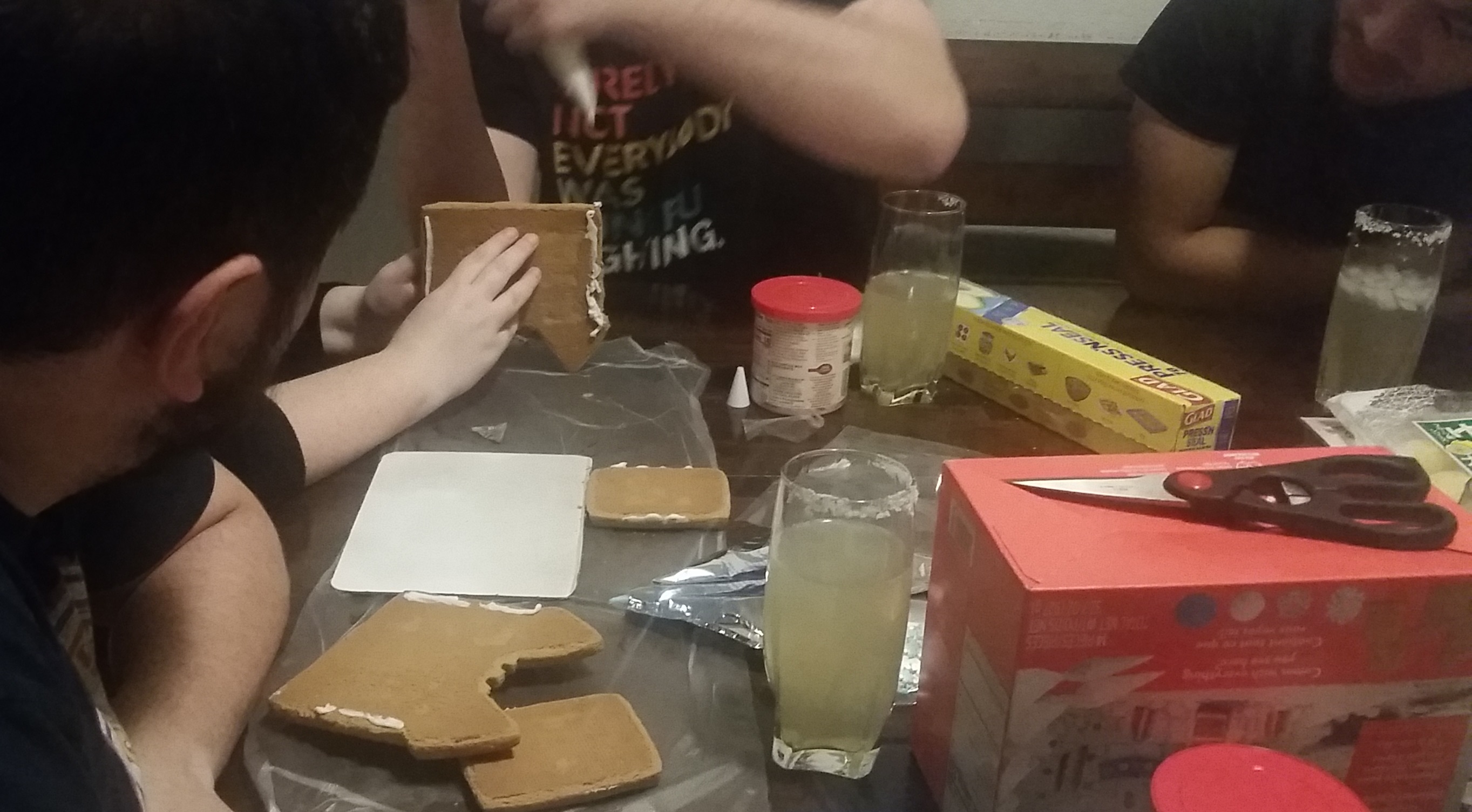
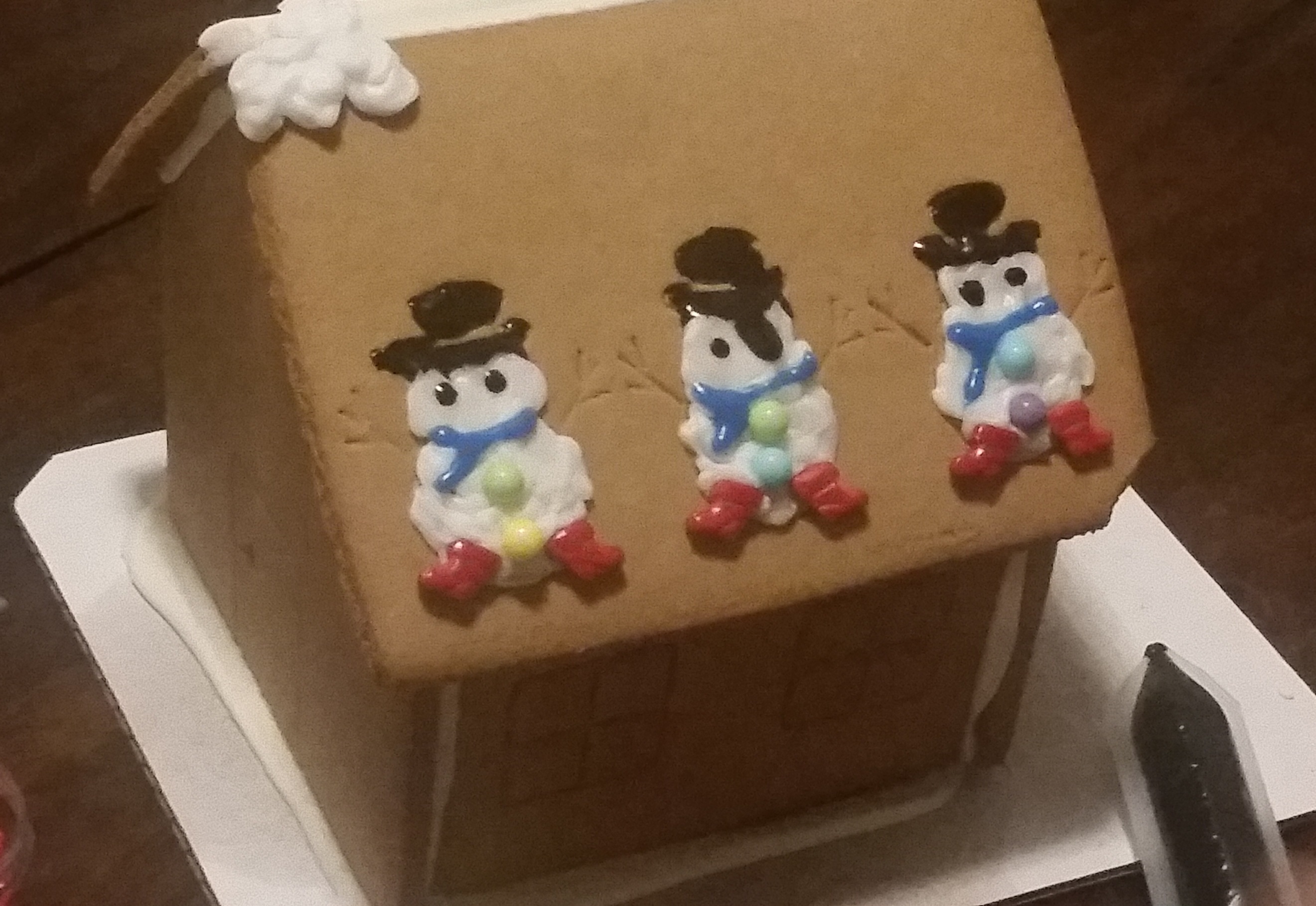
My daughter used her art talent on the house to turn it into the snowman’s house. One snowman accidentally became a pirate.
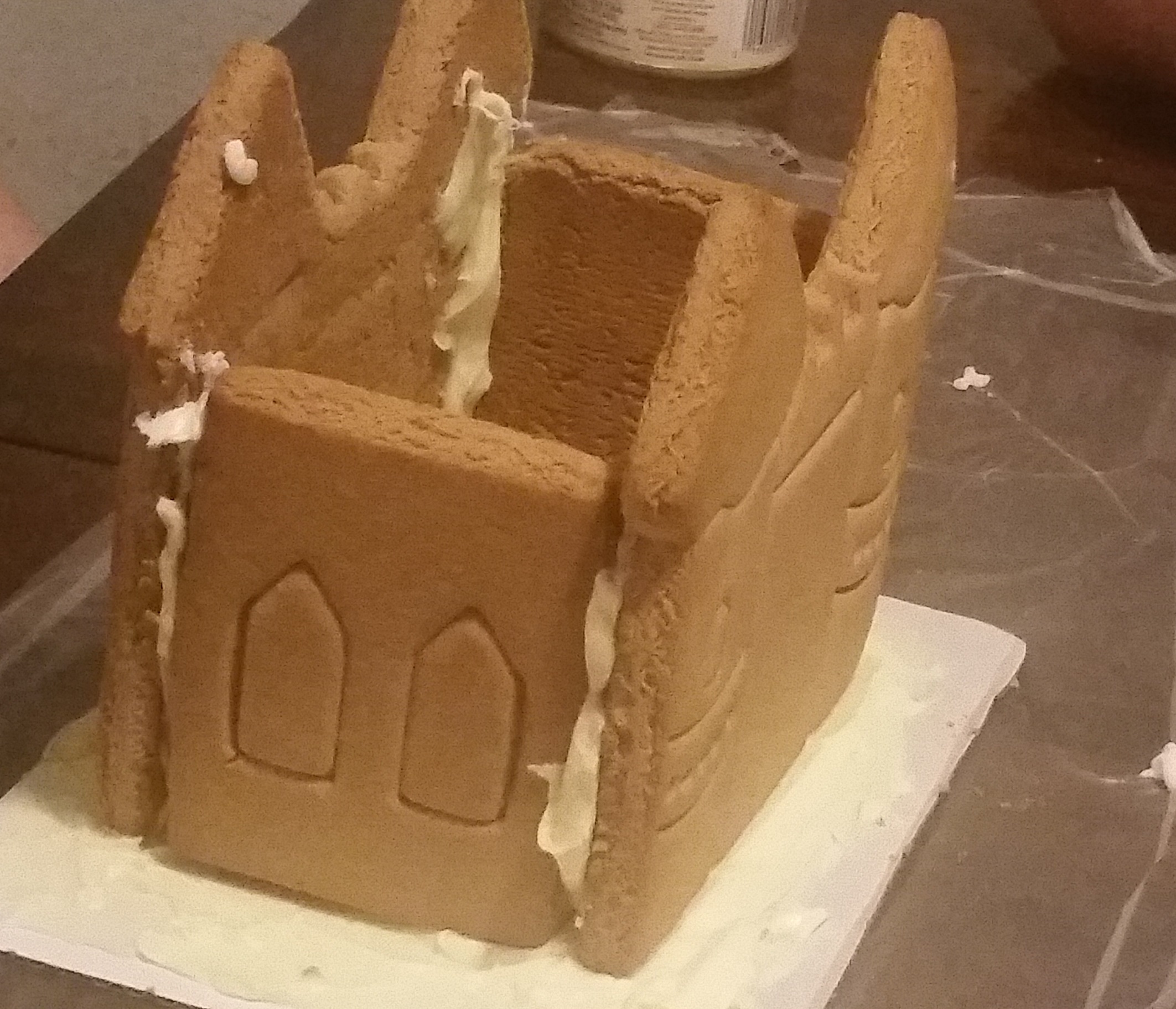
The castle was built and ready to start decorating like heck to catch up.
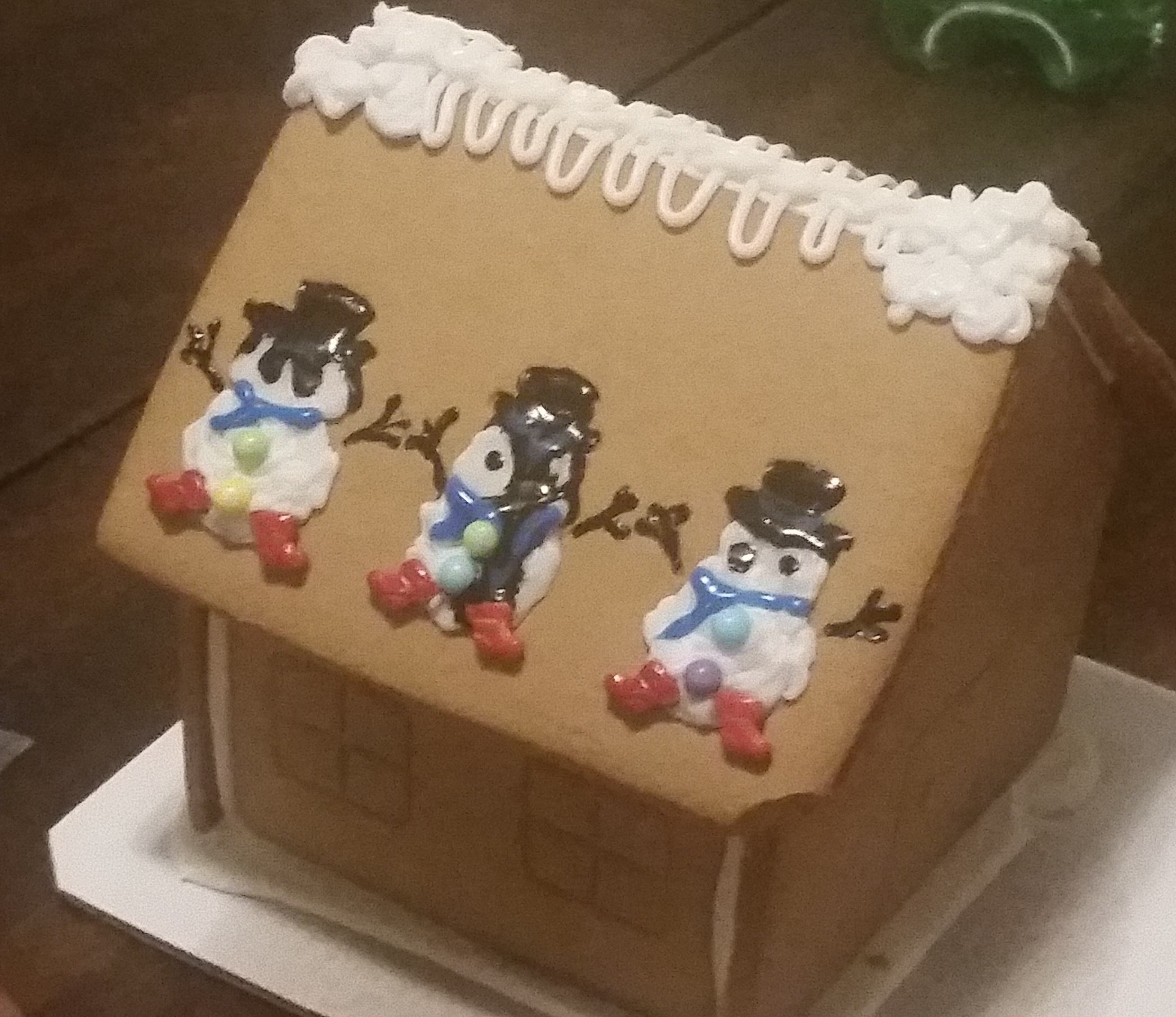
The pirate eye patch turned out to be the Venom symbiote.
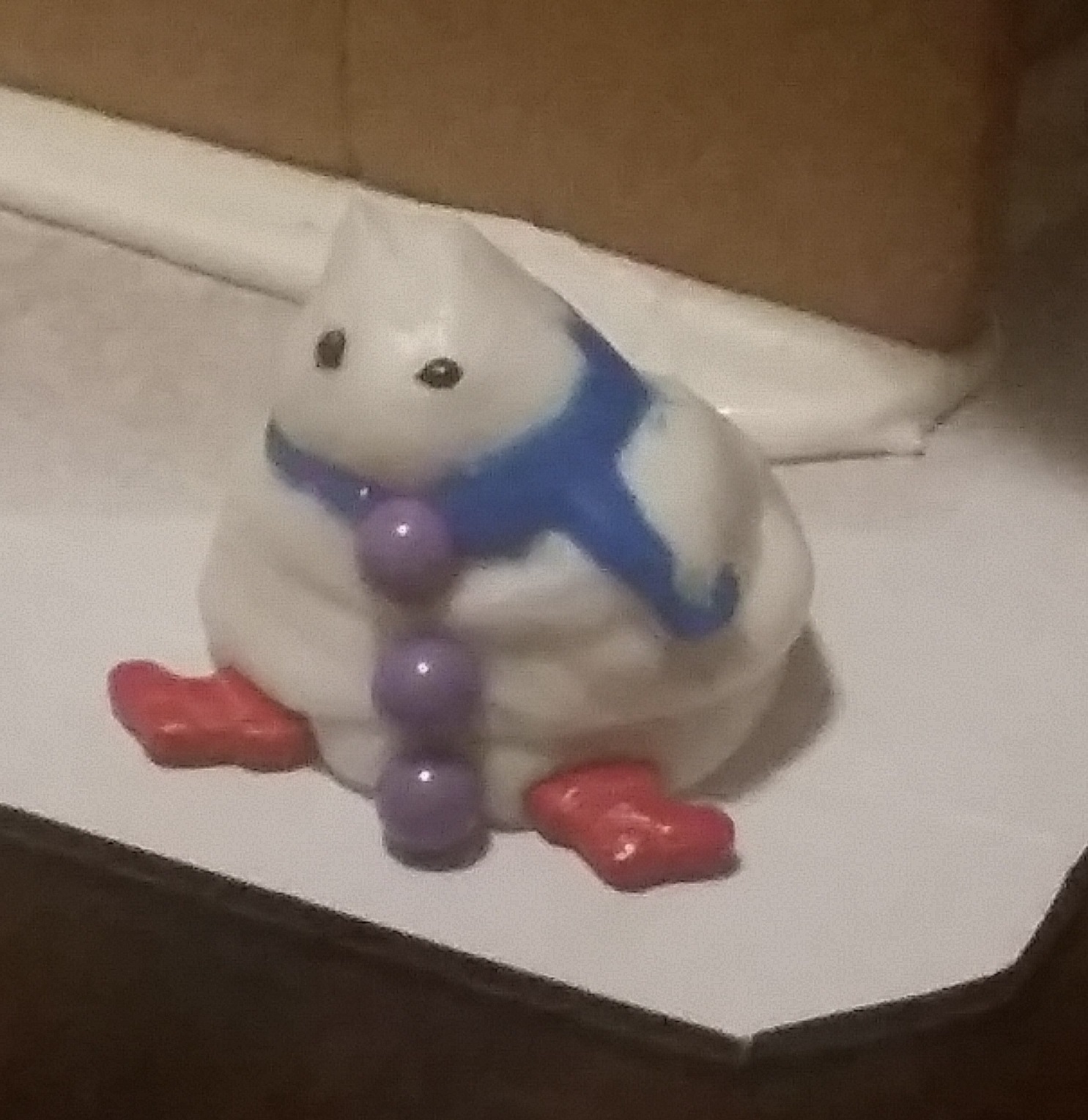
The snowman named Ron, the home-owner made of icing, was all melty with sadness over the Venom on the roof.
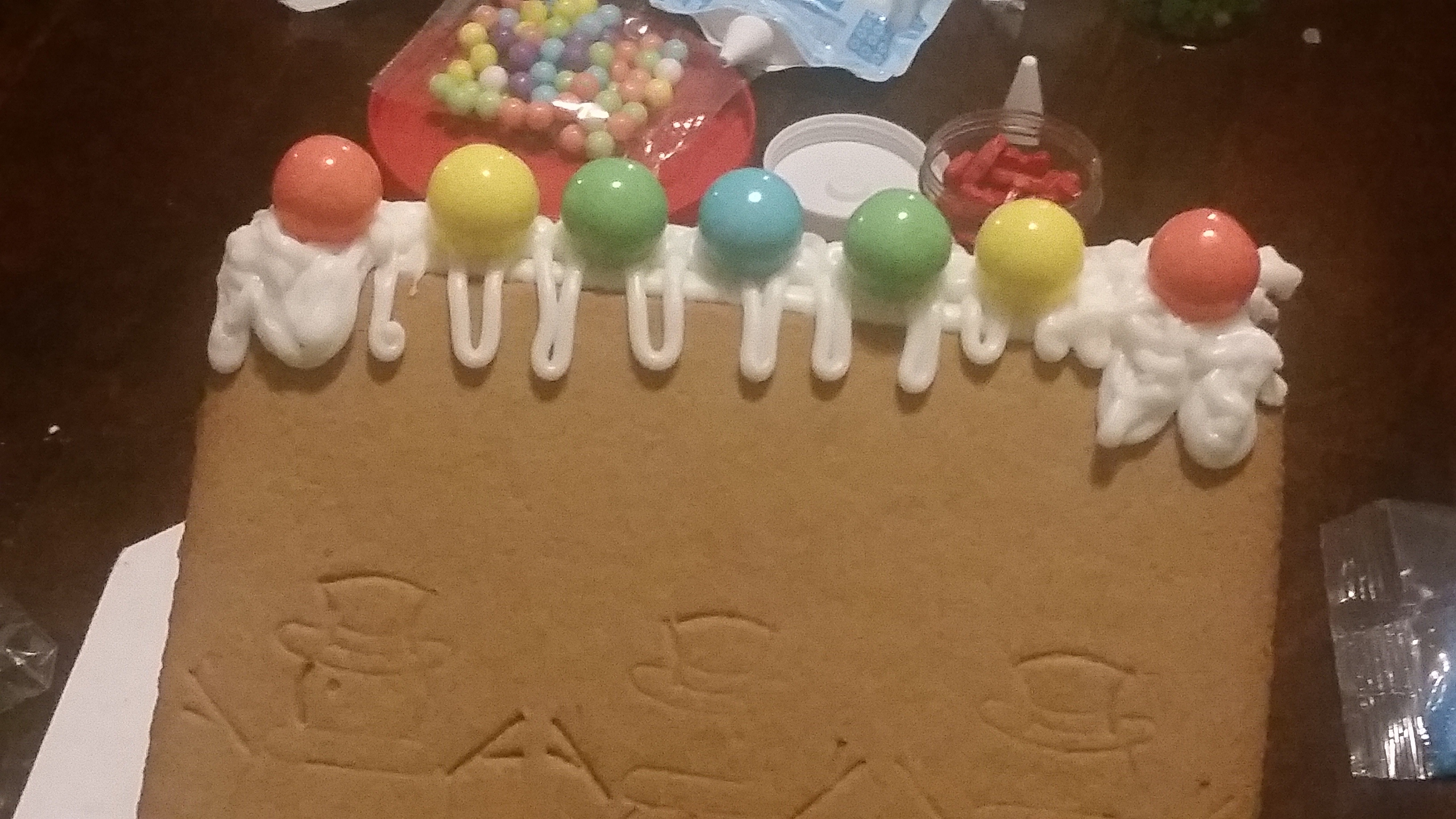
But the Princess focussed on other details, vowing to fix things later.
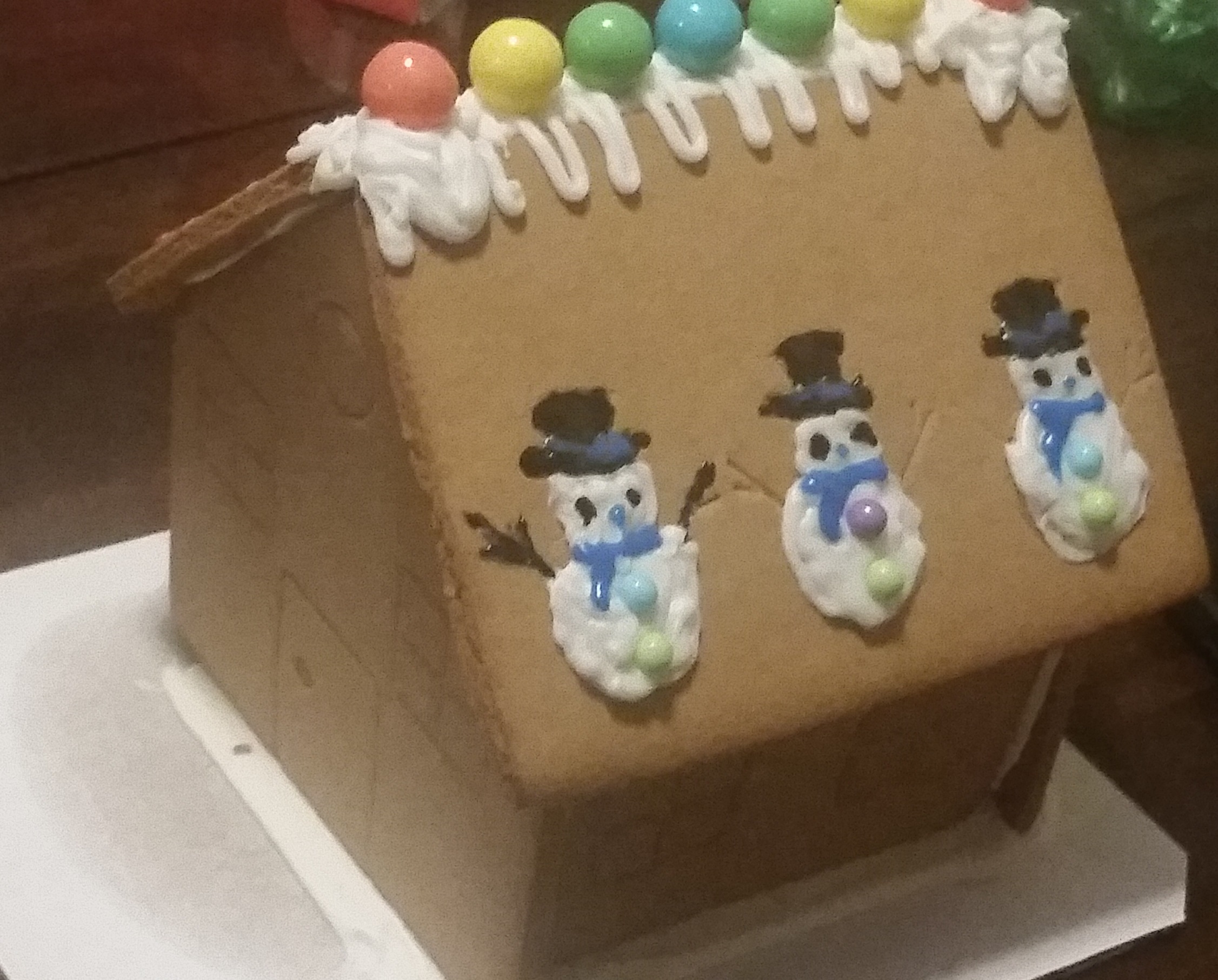
The other side started to look better.
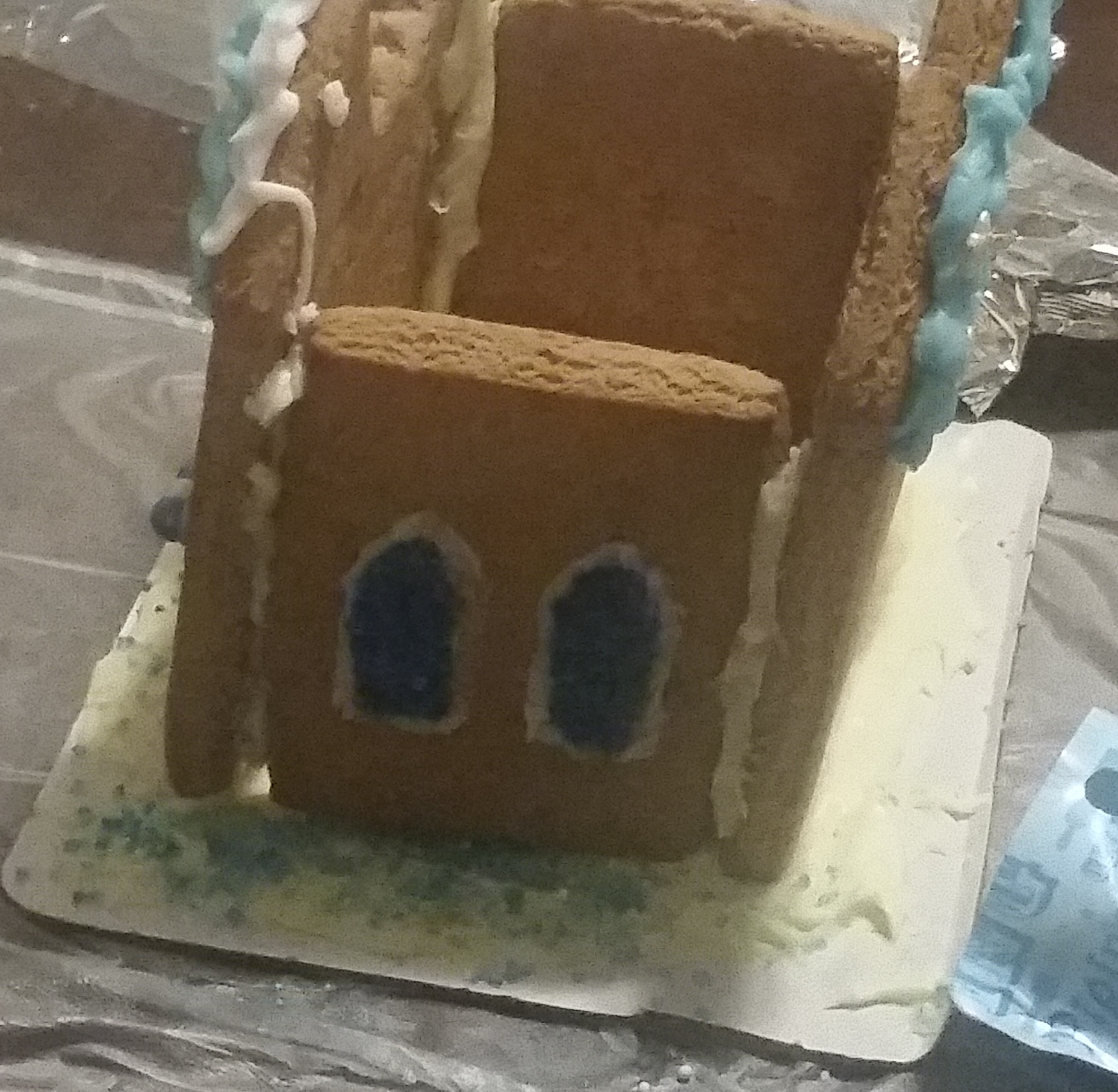
The castle was trying to catch up. My son’s art skills helped a bit.
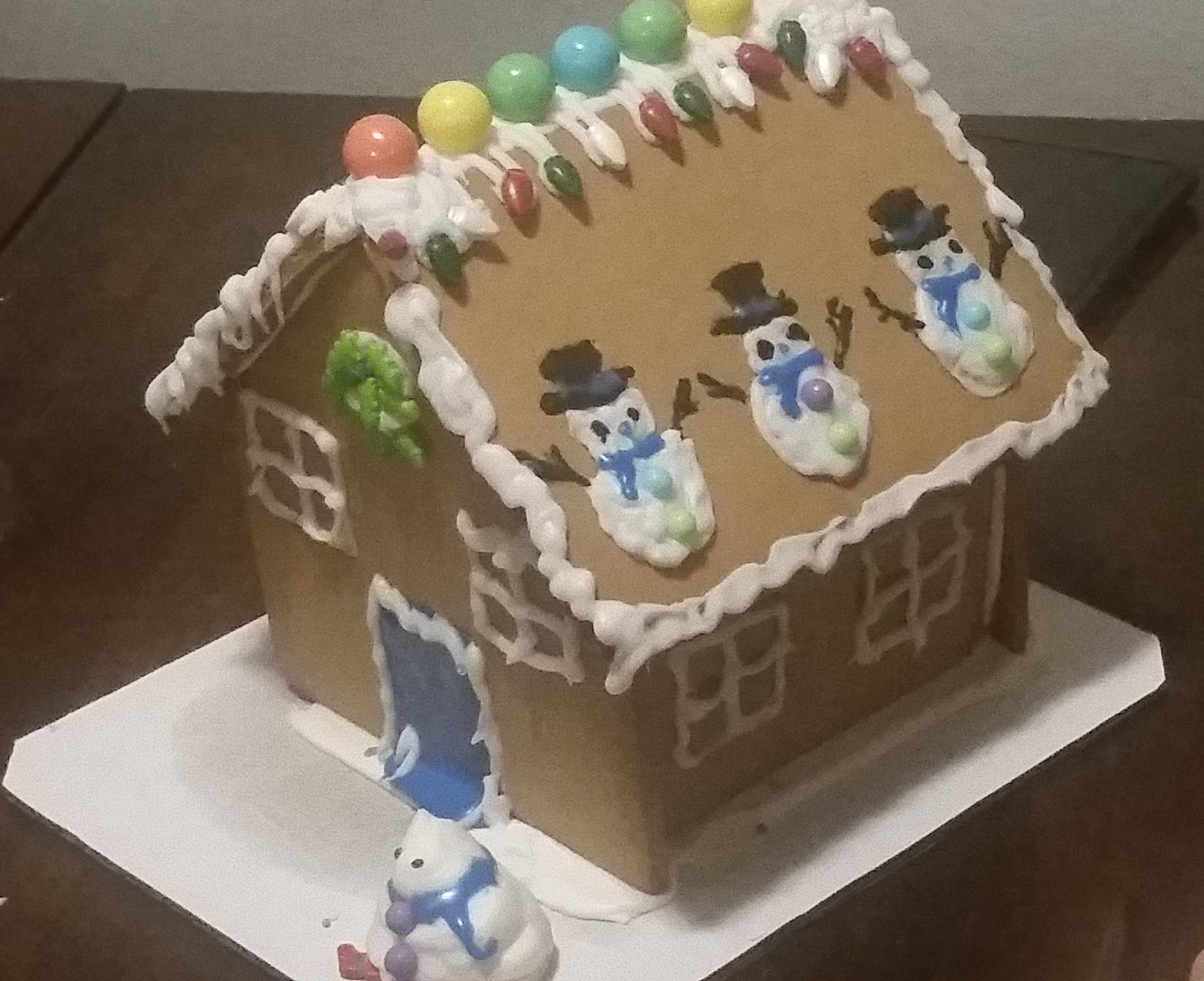
Ron was definitely happier about his house. See him smiling? No? Neither do I, actually. But the Princess declared him elated.
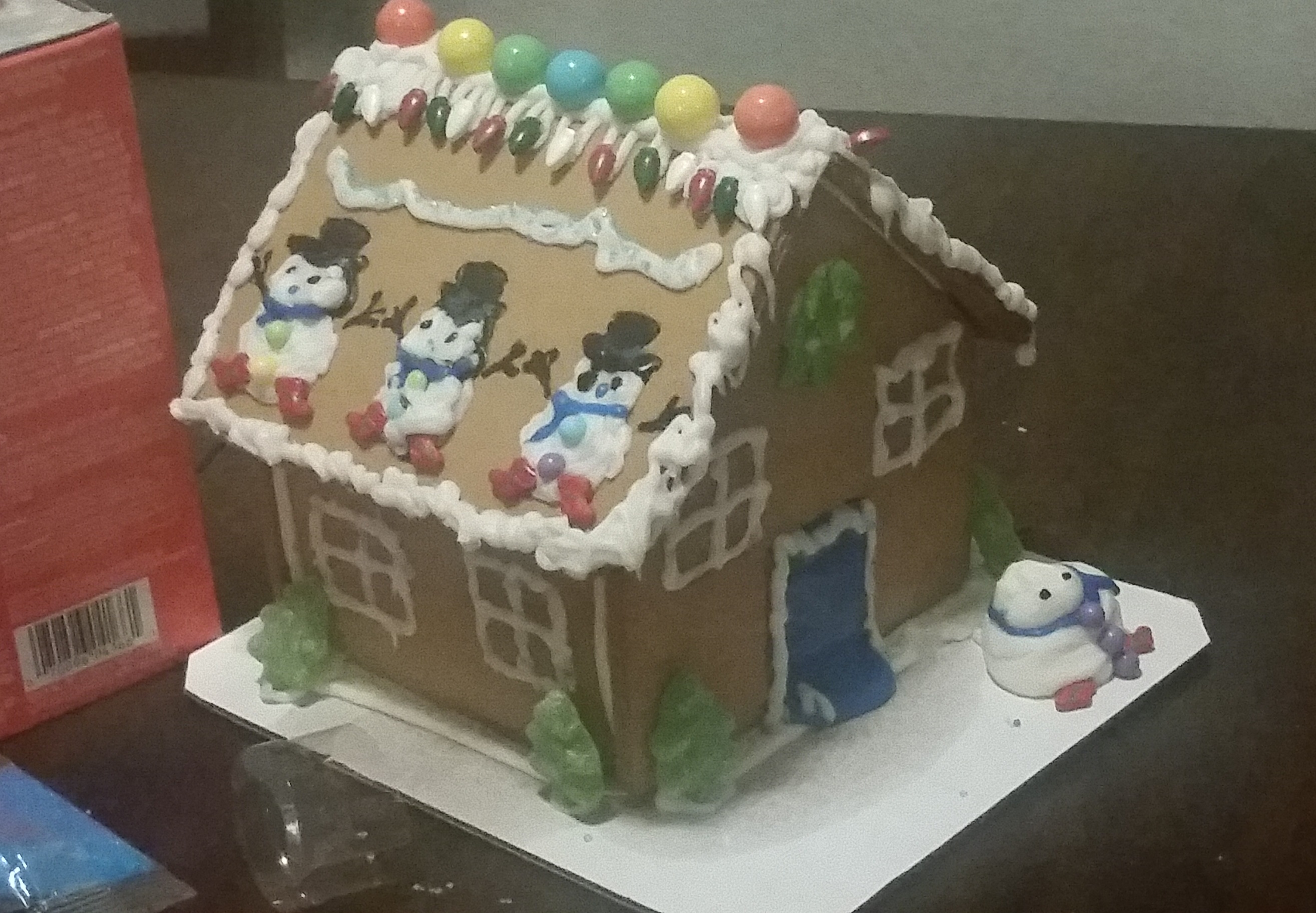
Voila! The finished and fixed snowman house. Ron s sitting there happily in his socks and funky tie.
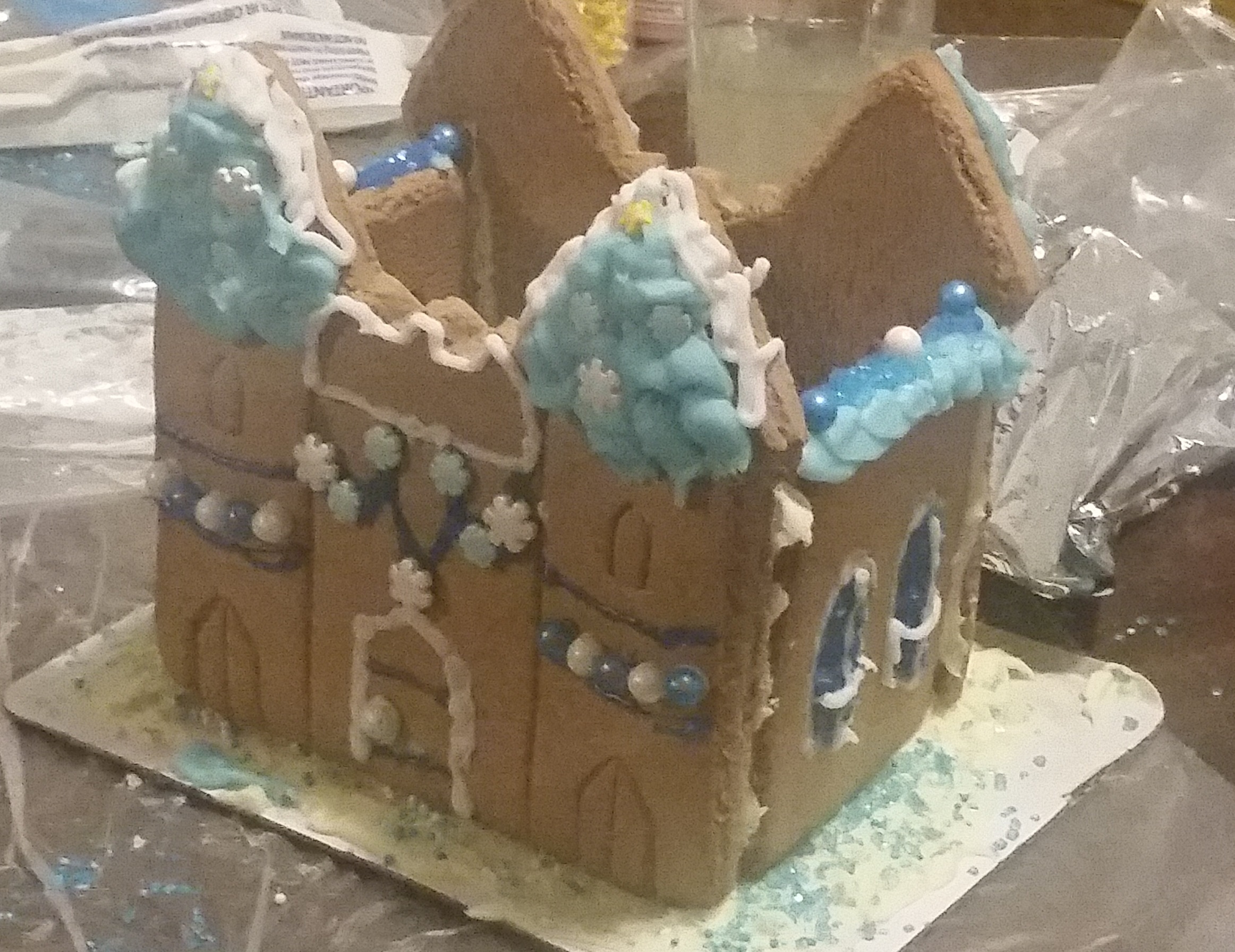
The castle is gloriously done also. That only left demolition and as much gingerbread-eating as we could manage. To be fair, we had two gingerbread domiciles to consume, and only six of us to do the eating, with at least four of us on diets that don’t allow that much sugar all at once.
Filed under artwork, gingerbread, humor, photo paffoonies
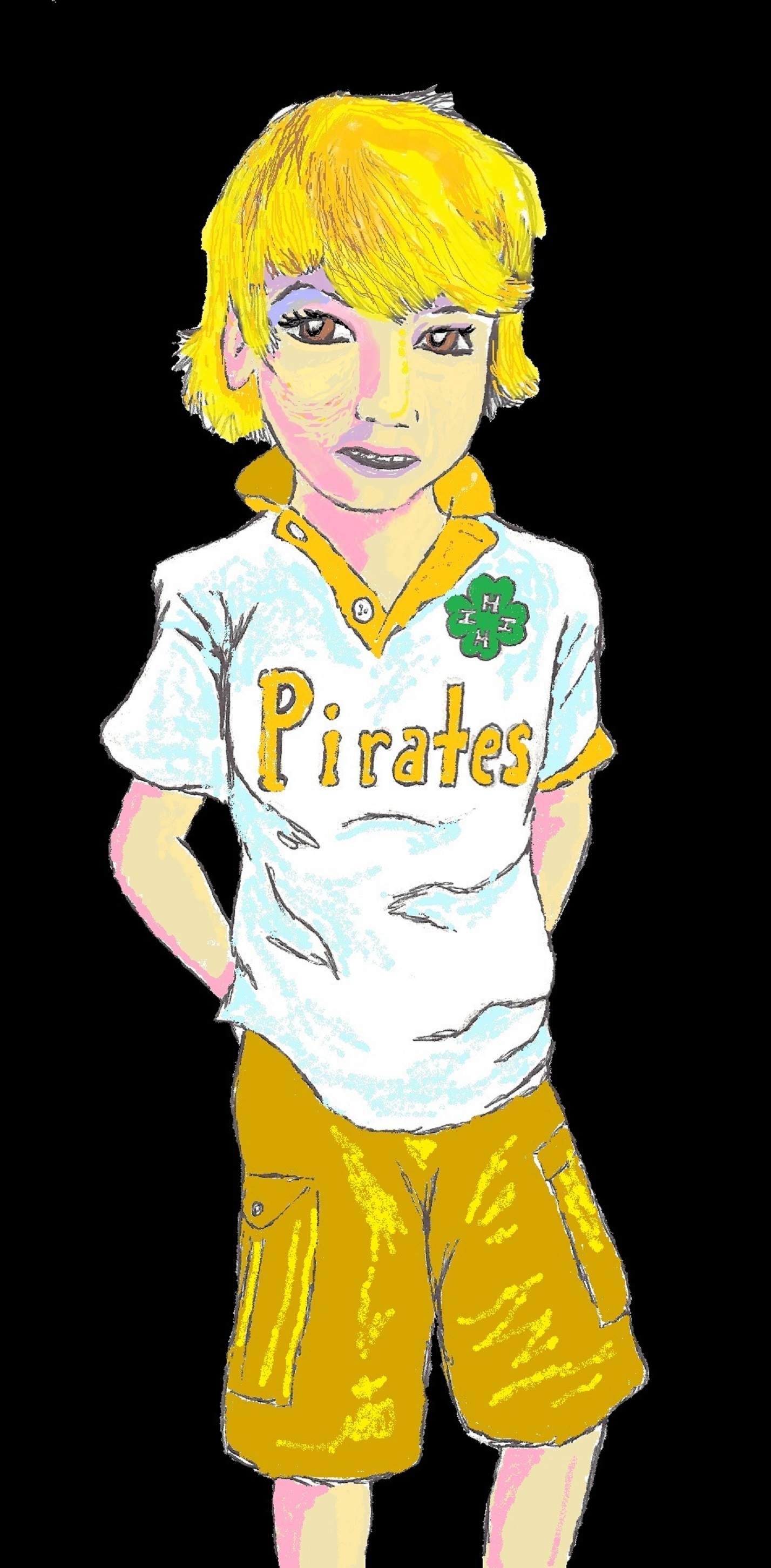
Yes, I was an English teacher. So, I was charged with teaching children, both exceedingly clever and oppressively stupid, including every child in between the extremes. how to read and to write in English. Words are my profession. Words are, in fact, my world.
I’m sure you realize that the title is a metaphor, and in no way literal. But now, as a retired senior on Medicare, my parents are both gone, I lost two cousins to Covid this last week, both of whom refused to be vaccinated because they were Republican FOX News watchers in ultra-conservative Iowa; I have six incurable diseases or conditions that I will have until I die. My zombie-skin is all peeling off. My prostate has gone from softball-sized to giant grapefruit. And eating is a diabetic nightmare now. My favorite foods will all kill me with knives of brain pain.
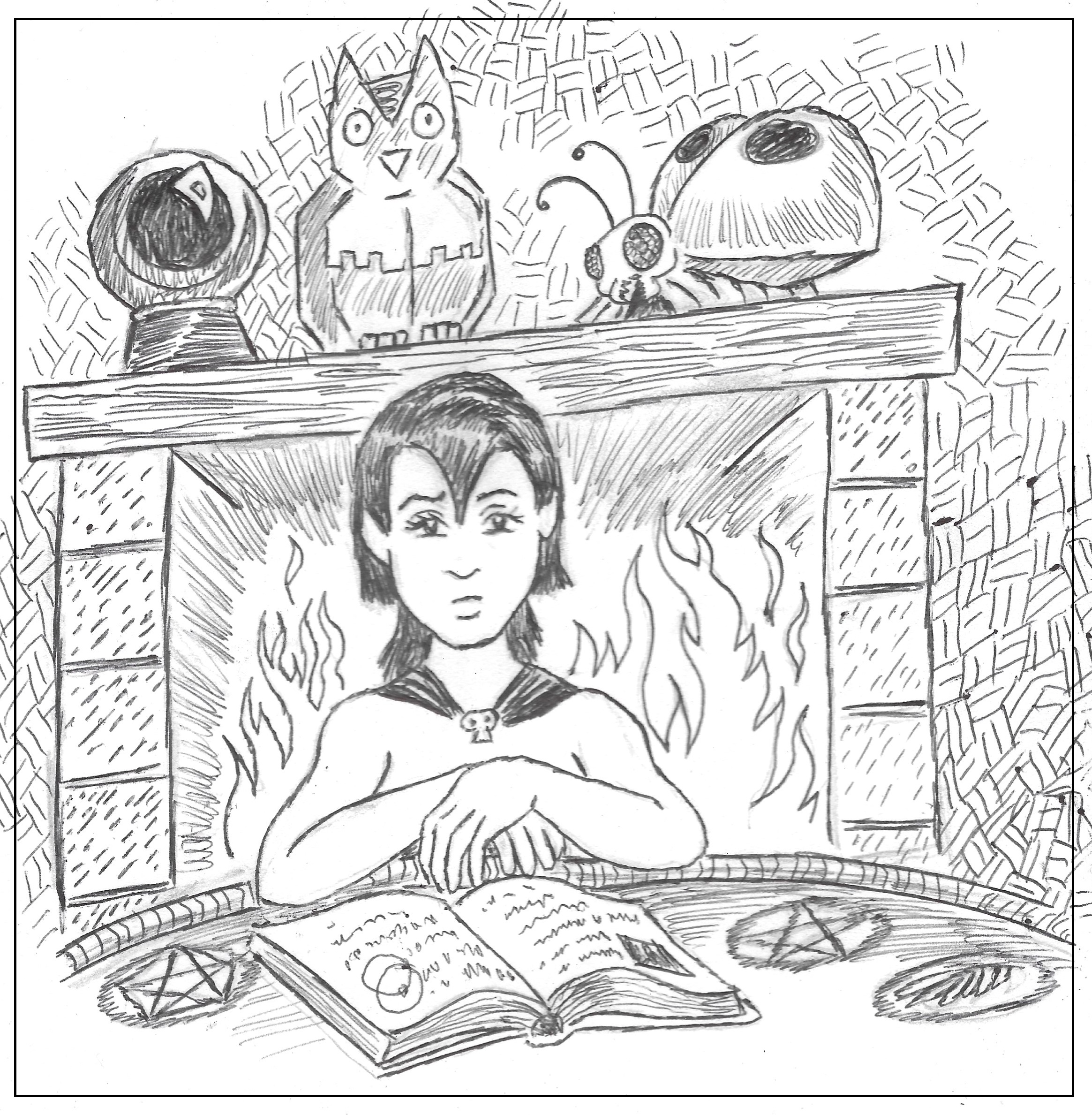
So, my physical life is all about deterioration and decay now. I have no happy days if you have to gauge happiness by lack of pain and surpluses of ease and things to be grateful for.
No, my world now is mostly interior in nature. Memories of the cherished past. Imaginary worlds I have built up all in my head over time. And re-imagining of the events of my past to make them more palatable and less filled with regret.
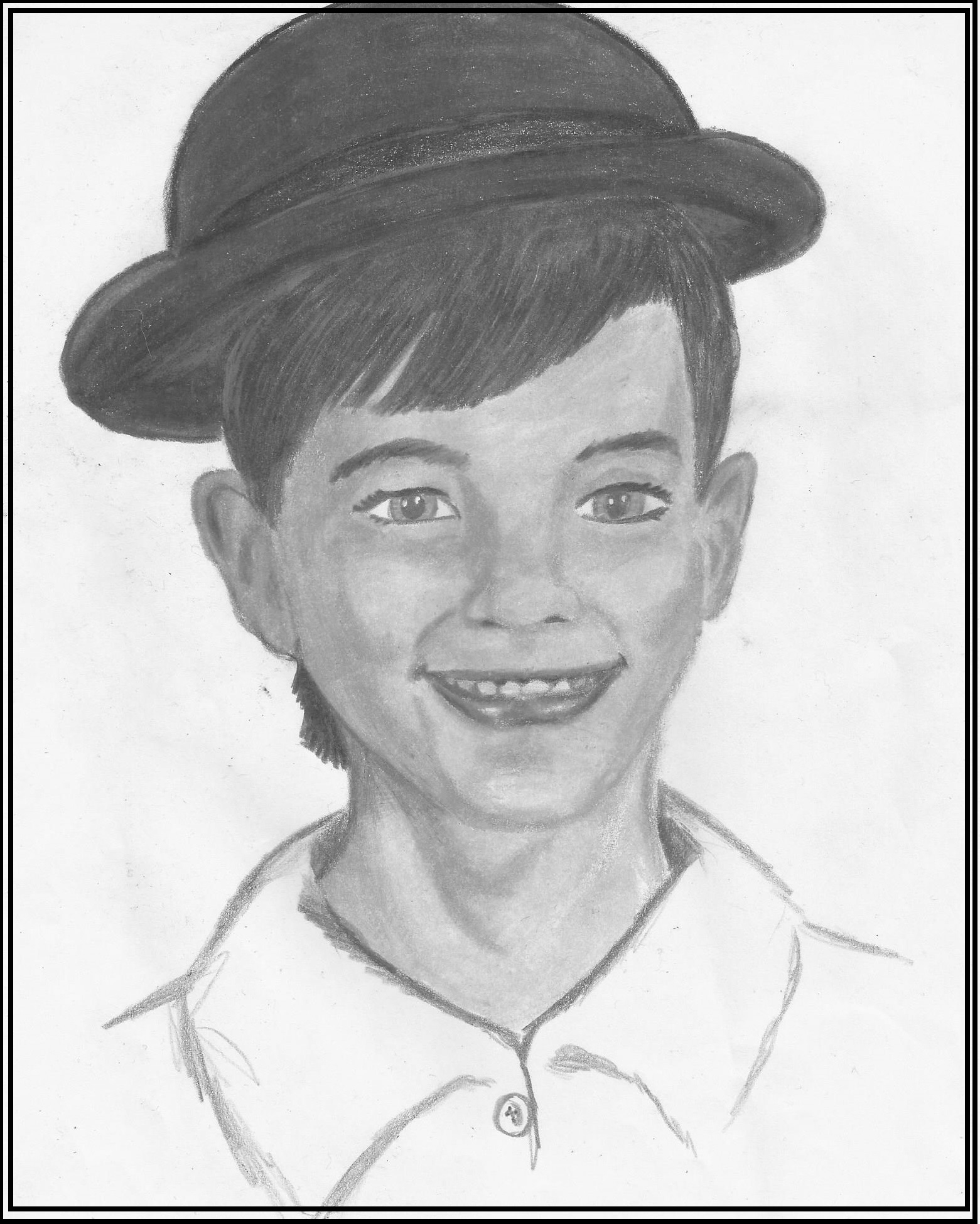
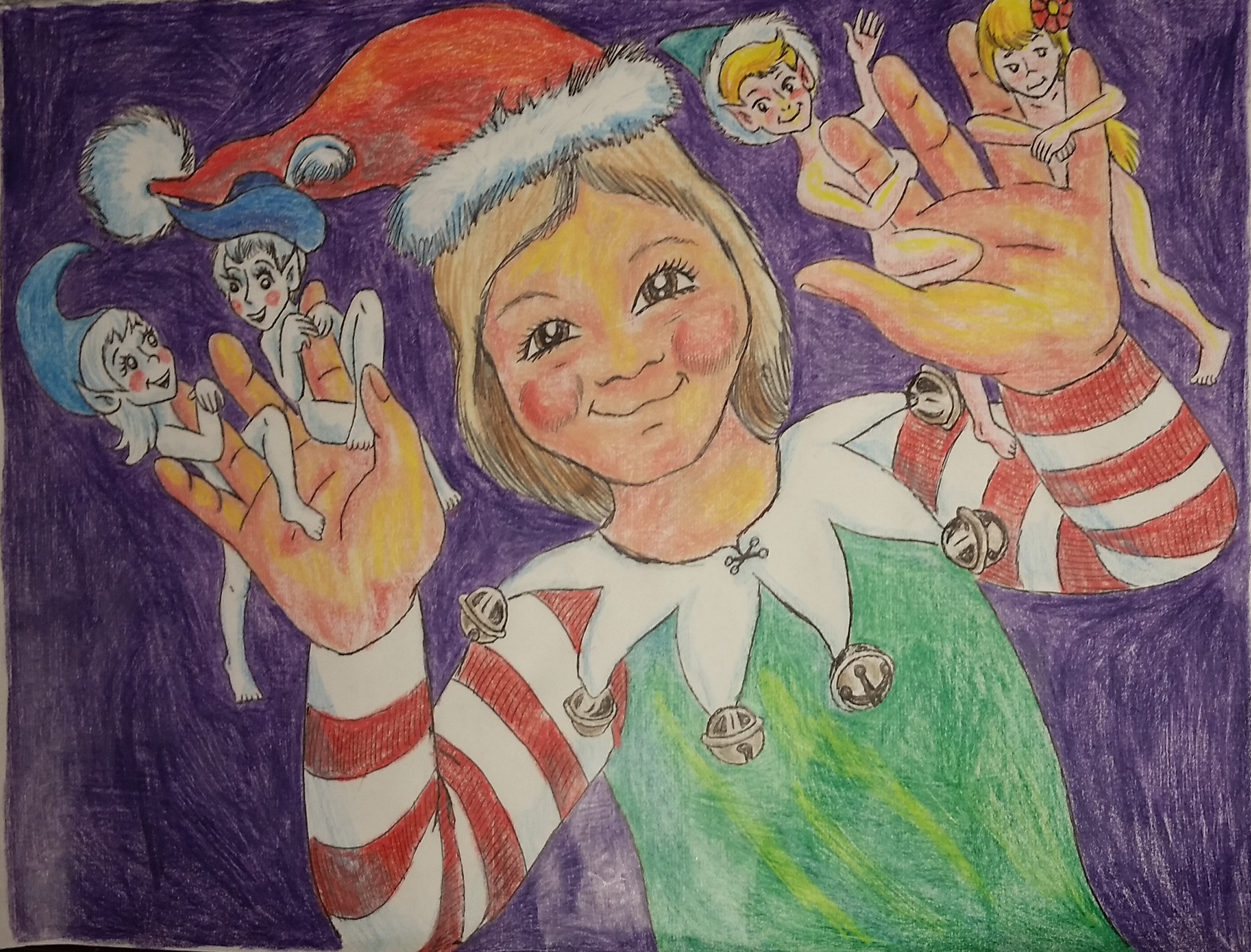
And so, I am made of words. I live in the stories I write, whether it is a story about my cousin’s recent passing on here, or a story about three-inch-tall fairies who’ve built a castle out of a willow tree with magic in my novel-in-progress.
I define myself and my life with words. And I am fortunate enough to be able to do it with some skill, learned over the decades of telling stories to kids in an English classroom.
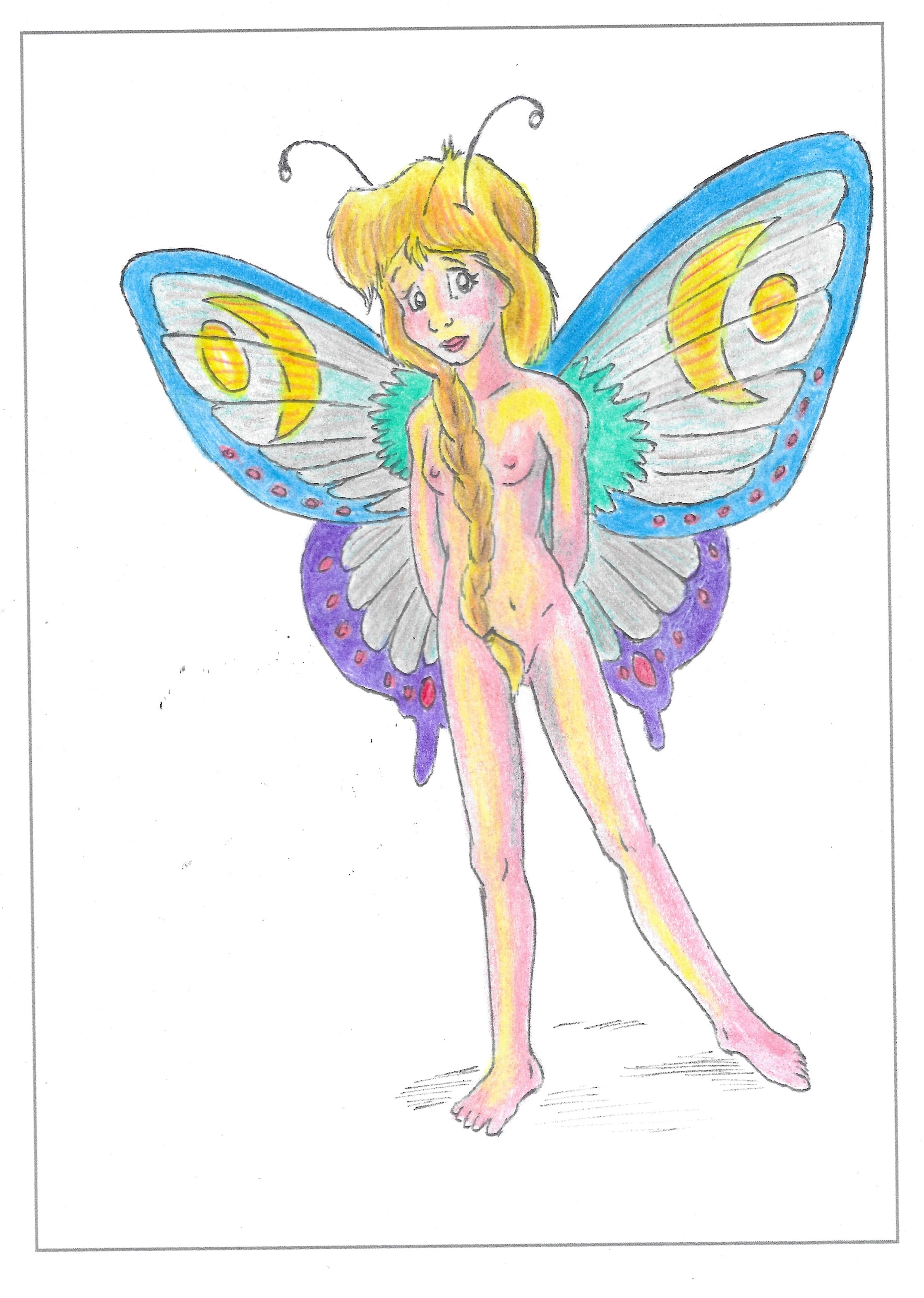
Filed under artwork, autobiography, humor, metaphor, Paffooney
One of the things I am increasingly doing is illustrating my novels and essays in the pages of books published on Amazon.
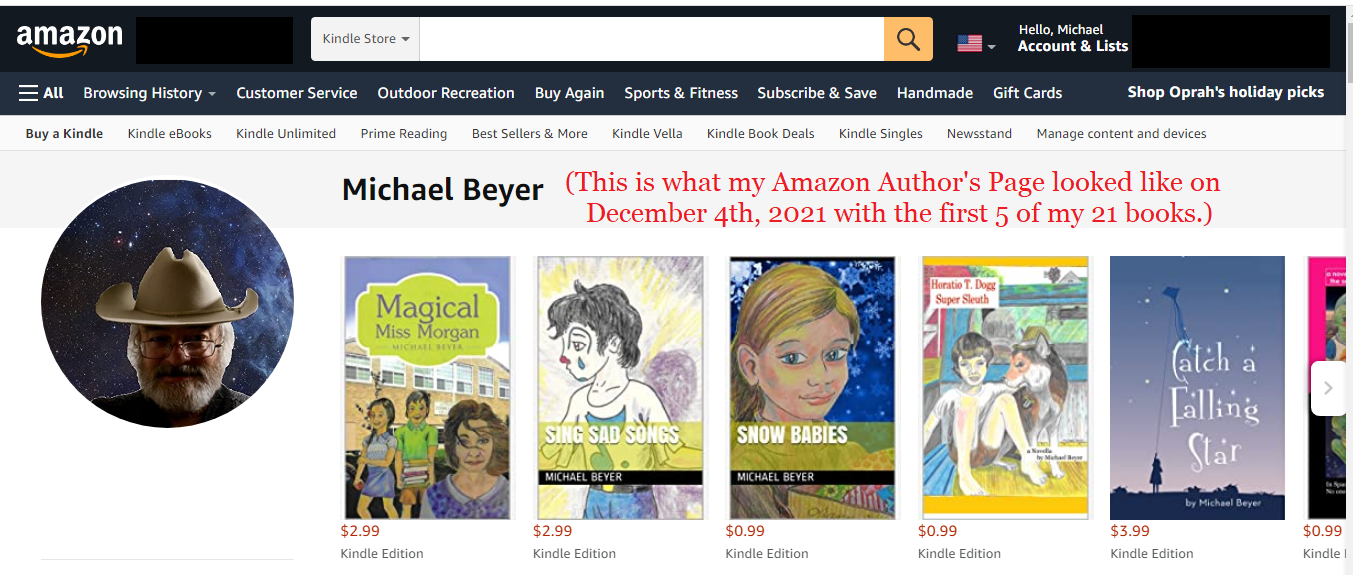
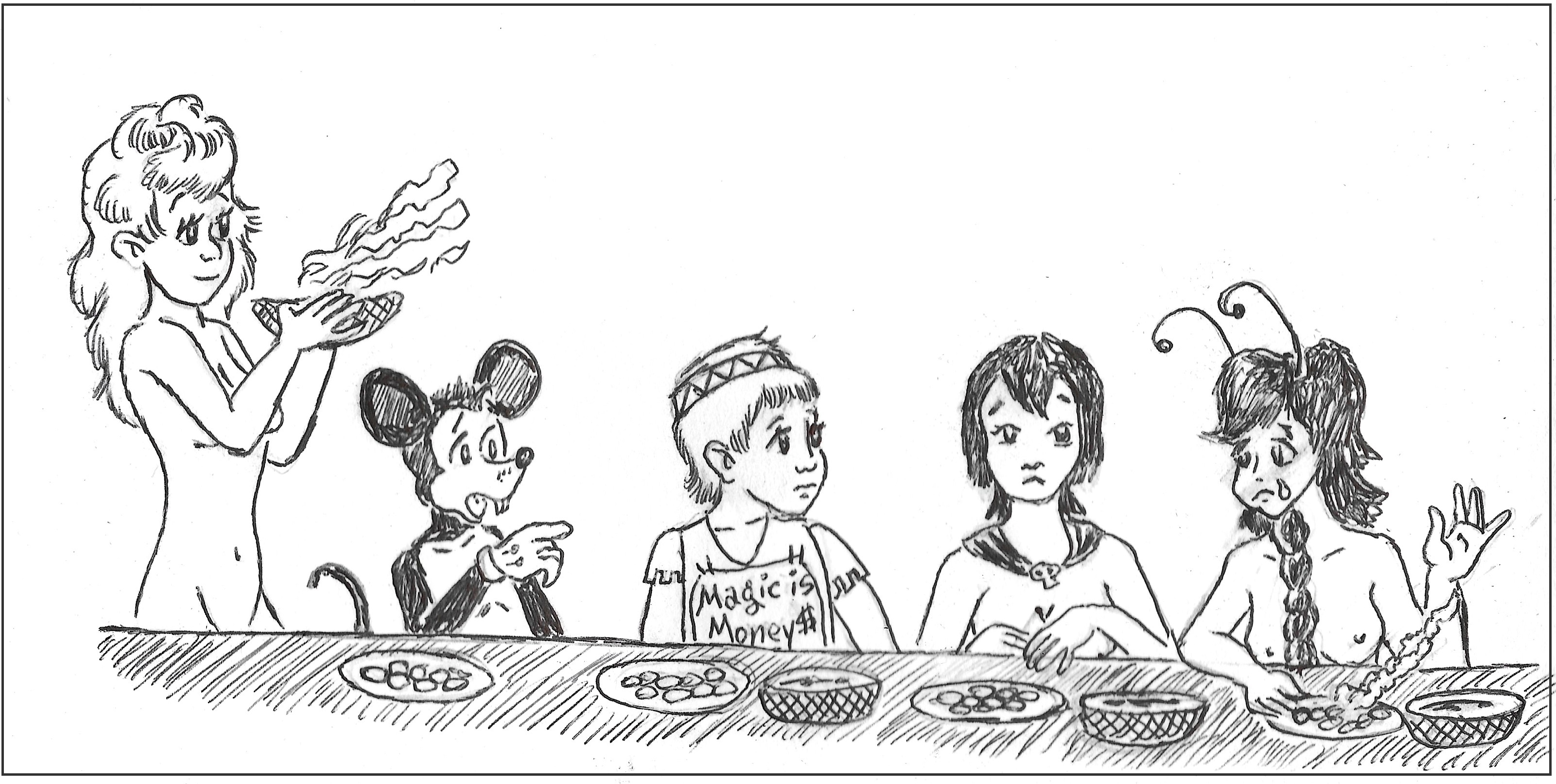
More from the work-in-progress, The Necromancer‘s Apprentice;
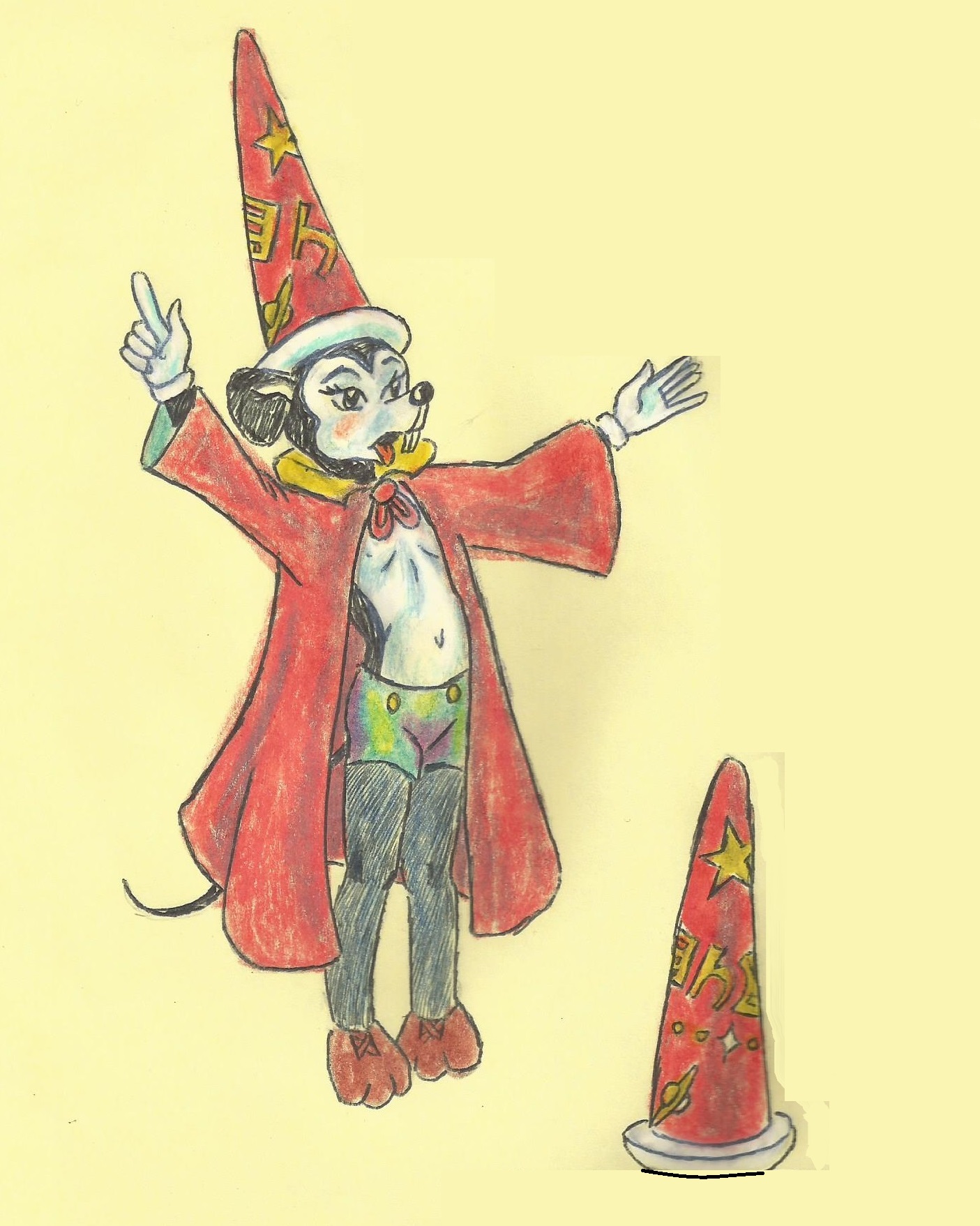
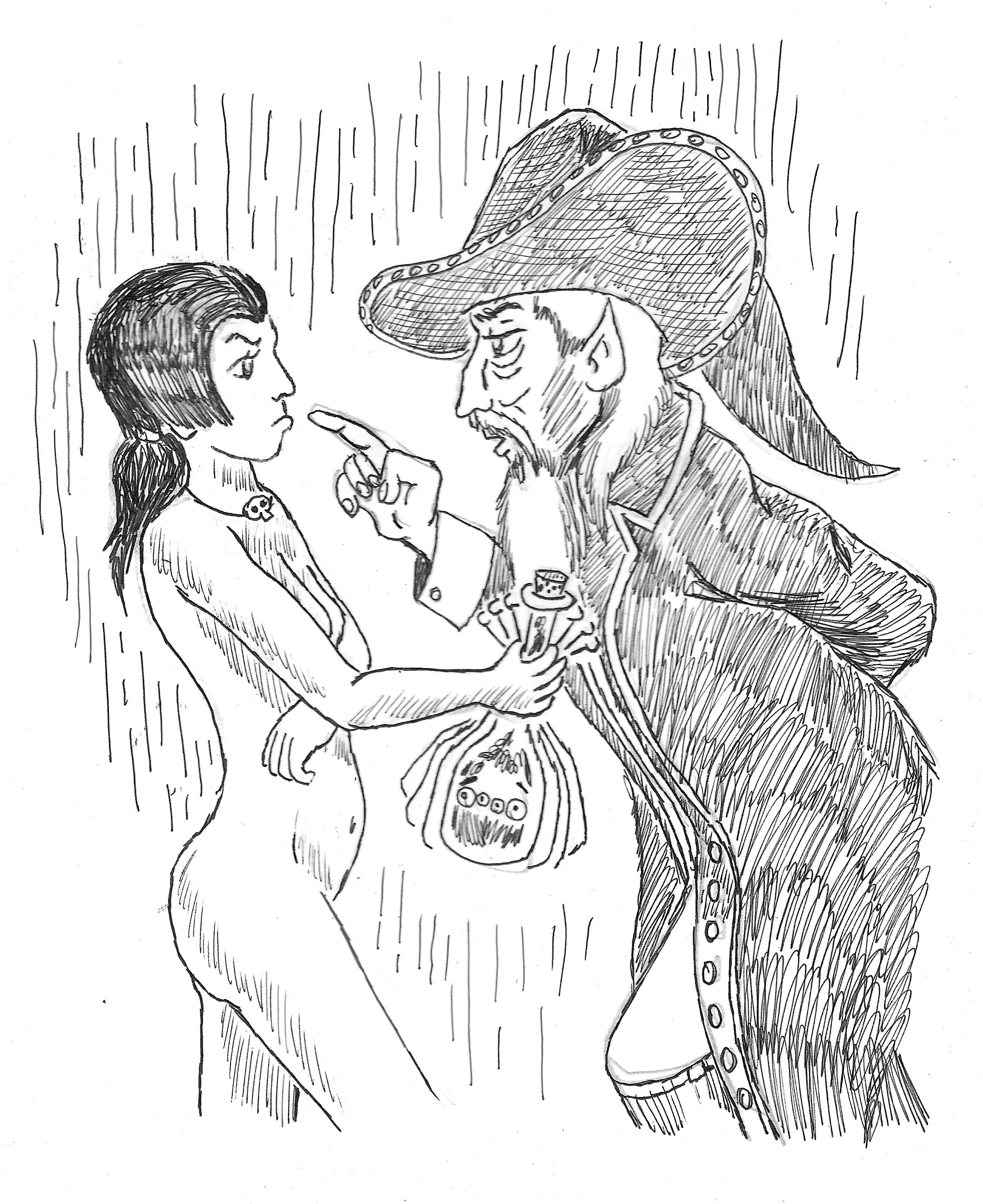
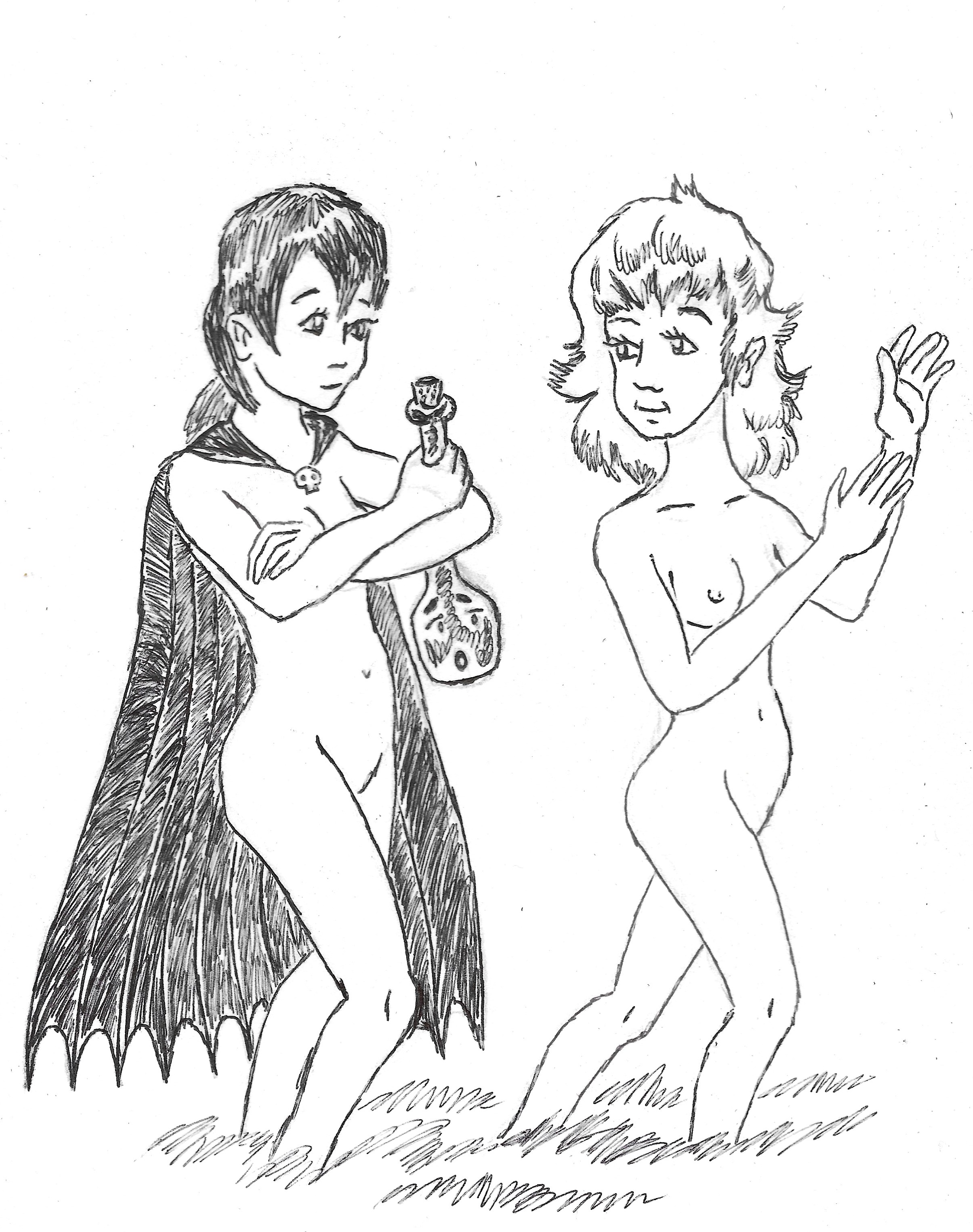
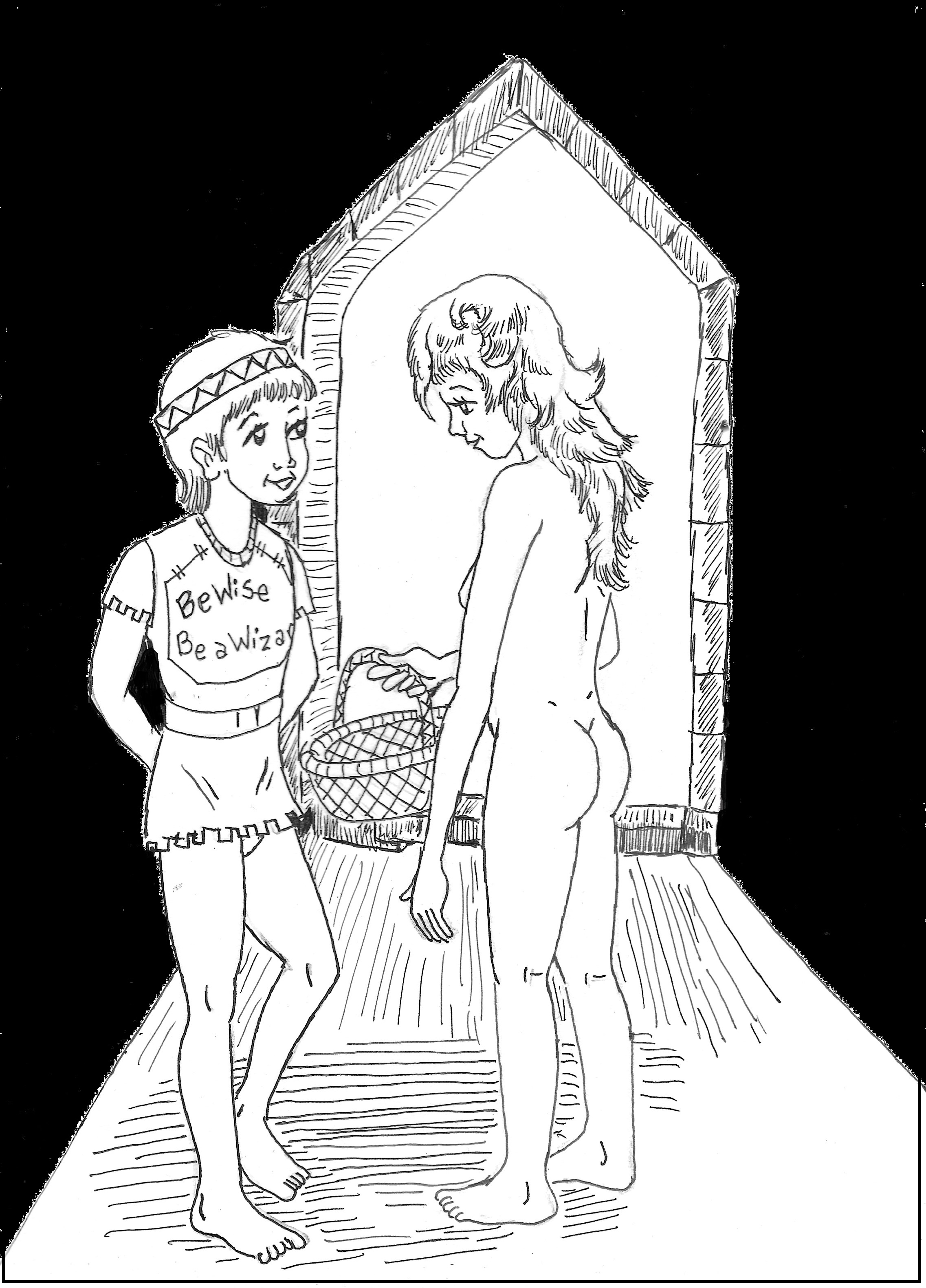
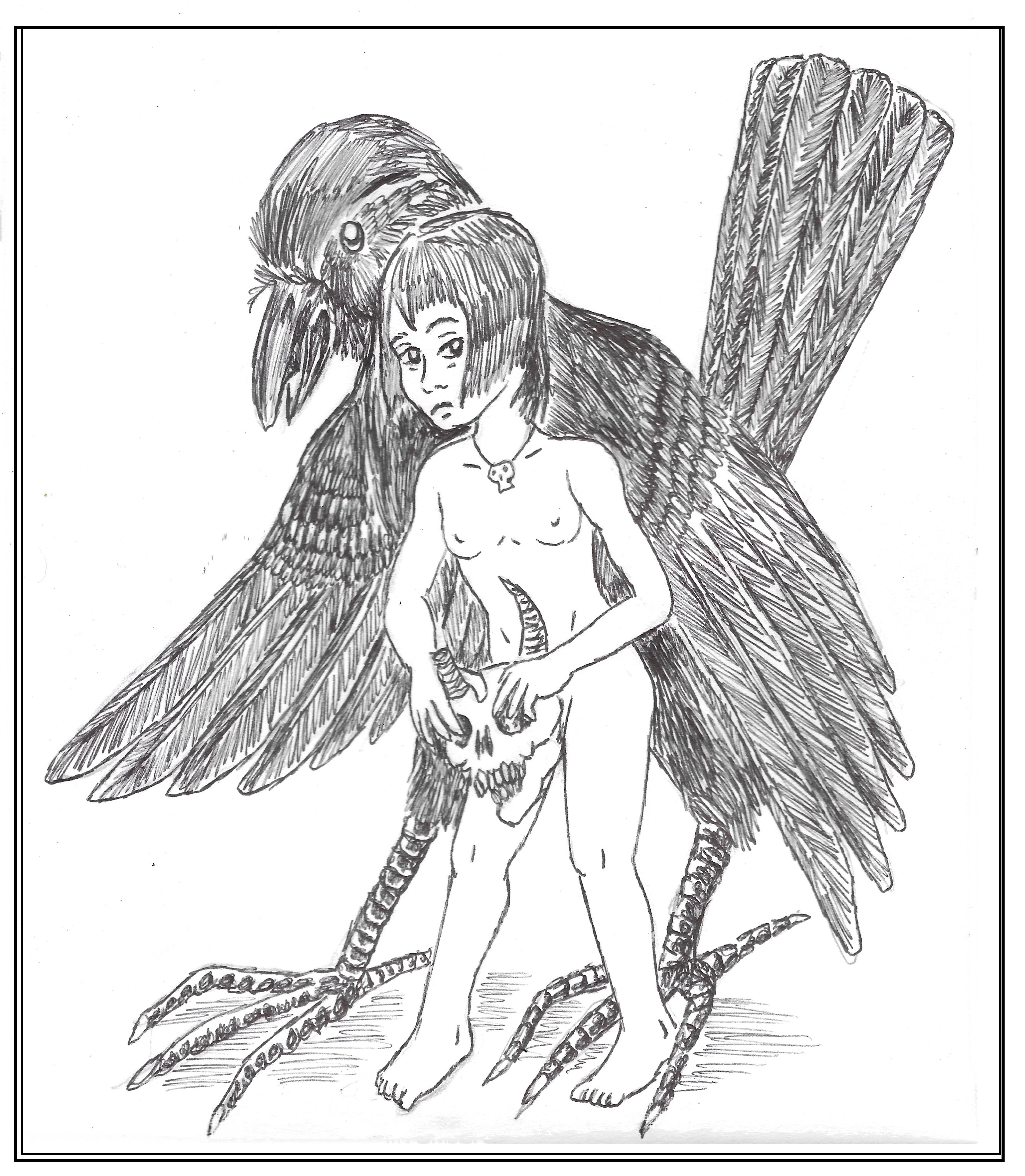
What follows are published illustrations;
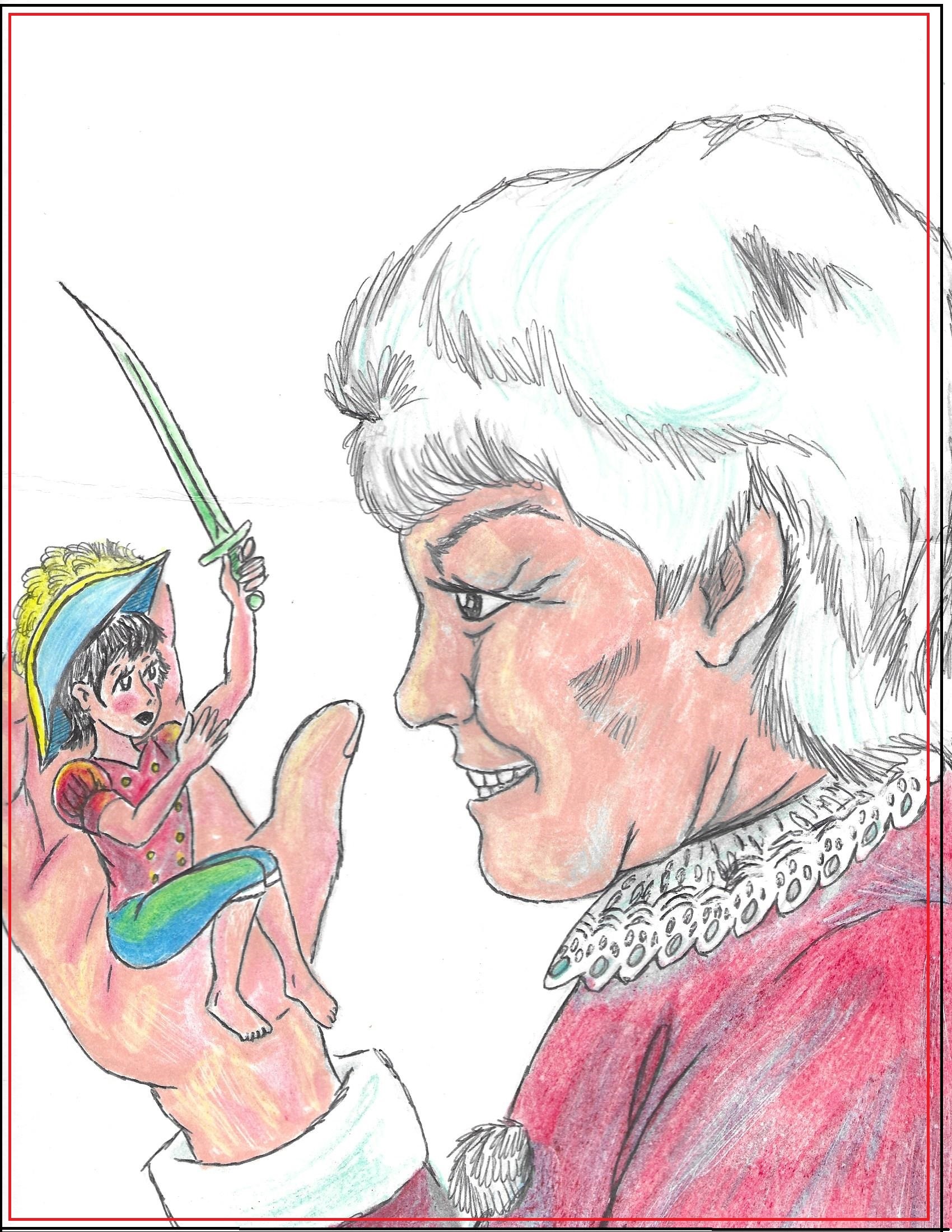
Recipes for Gingerbread Children
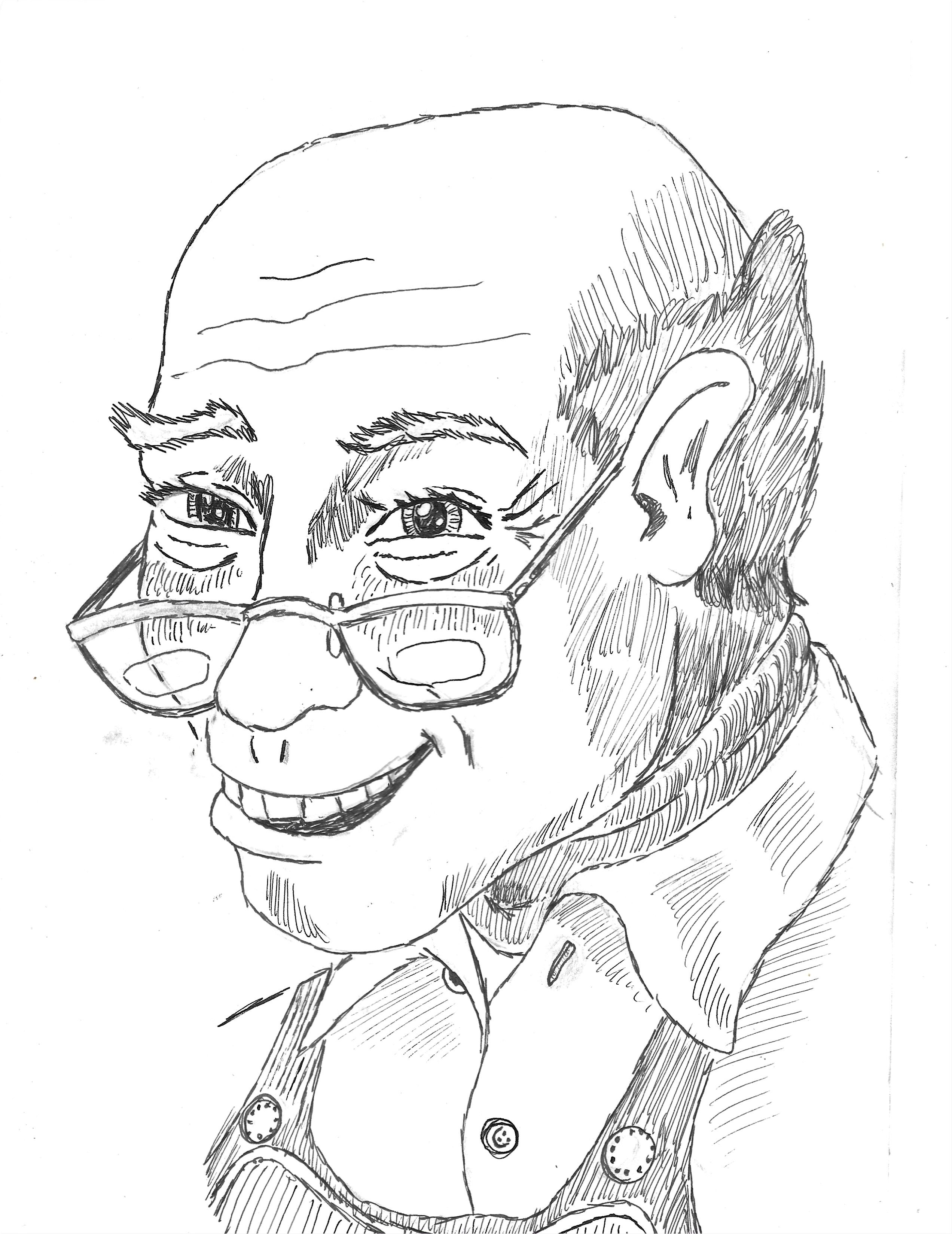
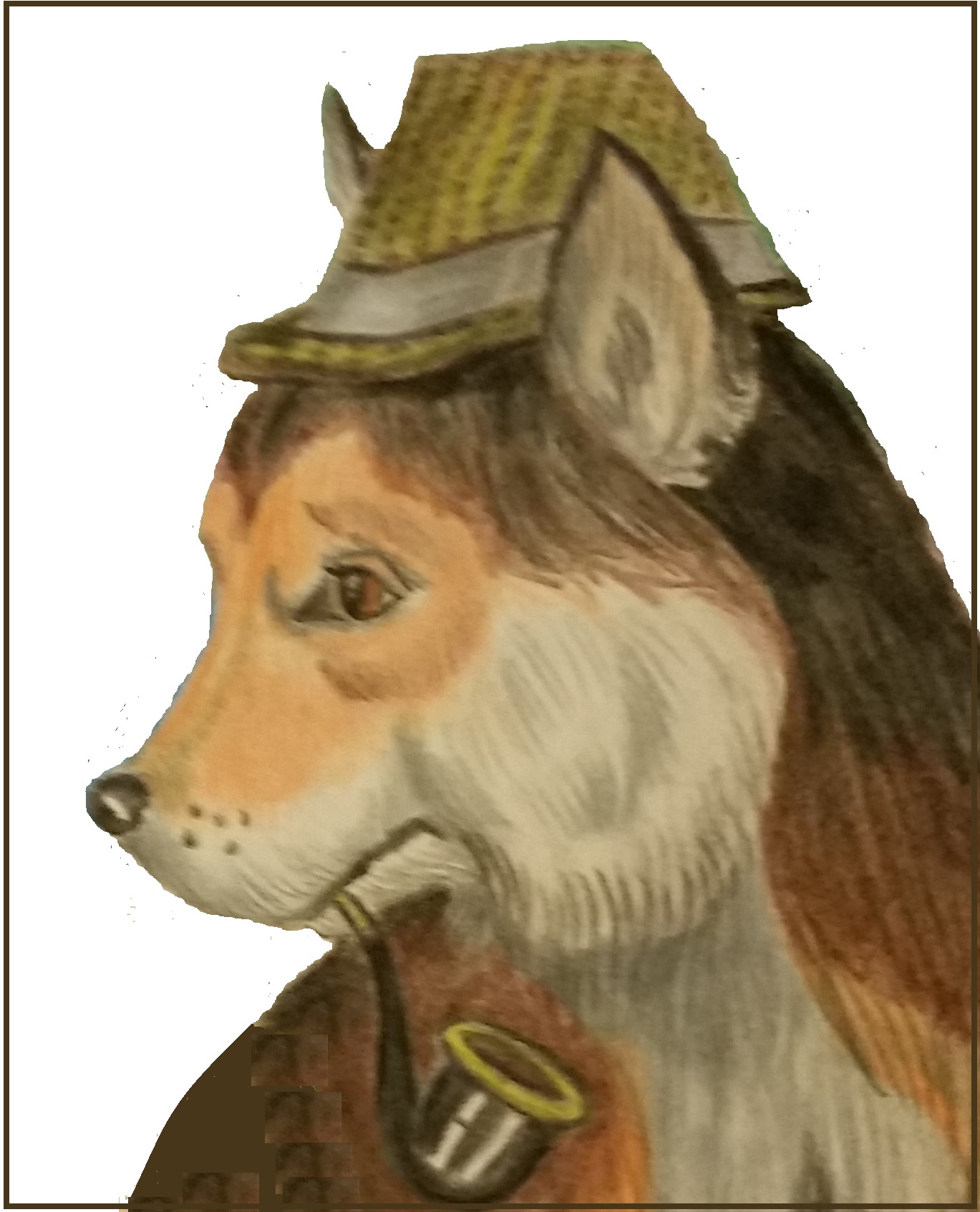
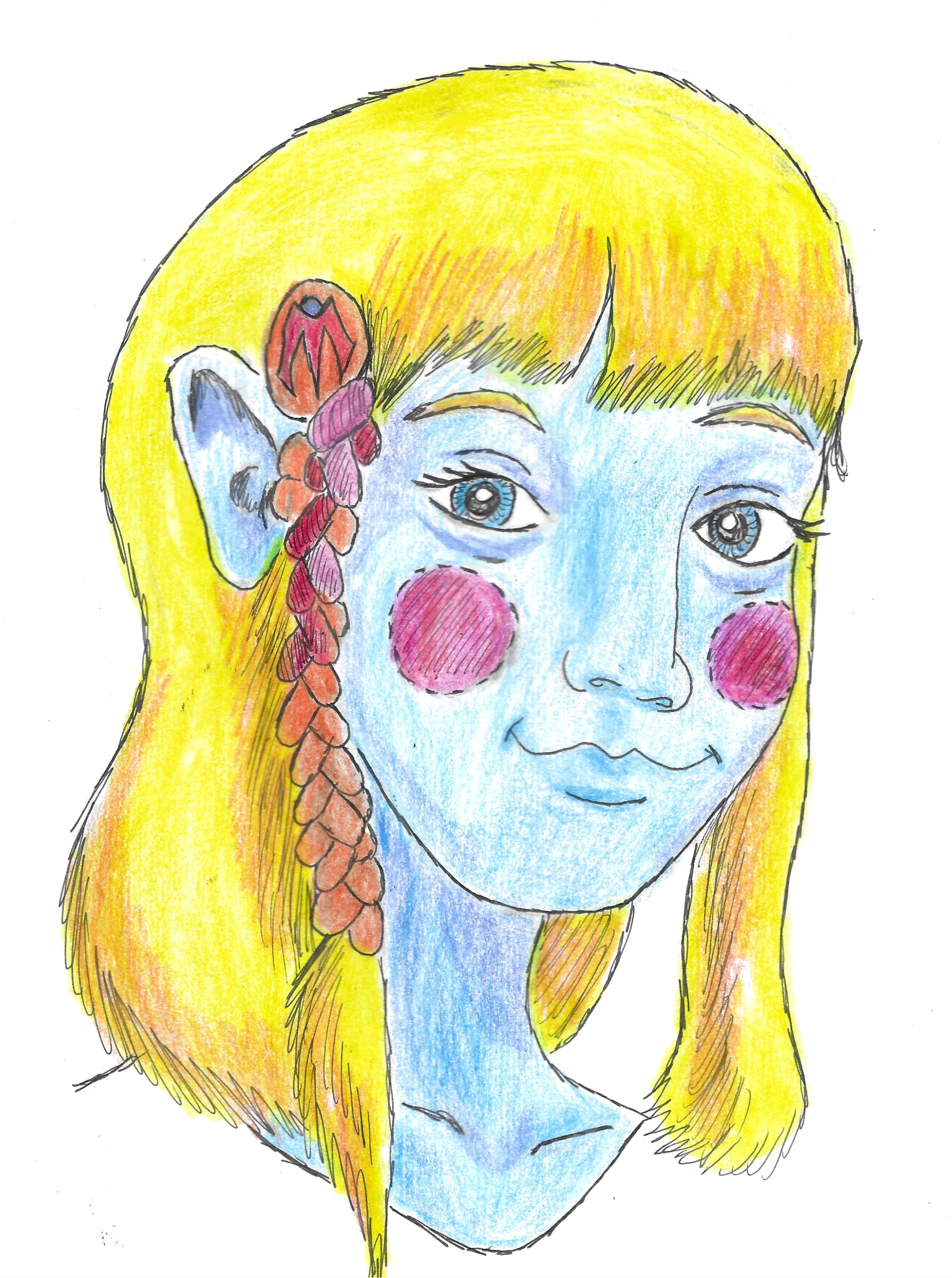
One of the glorious things about ebooks is the fact that they allow colored illustrations which will print as black and white in the paperback version.
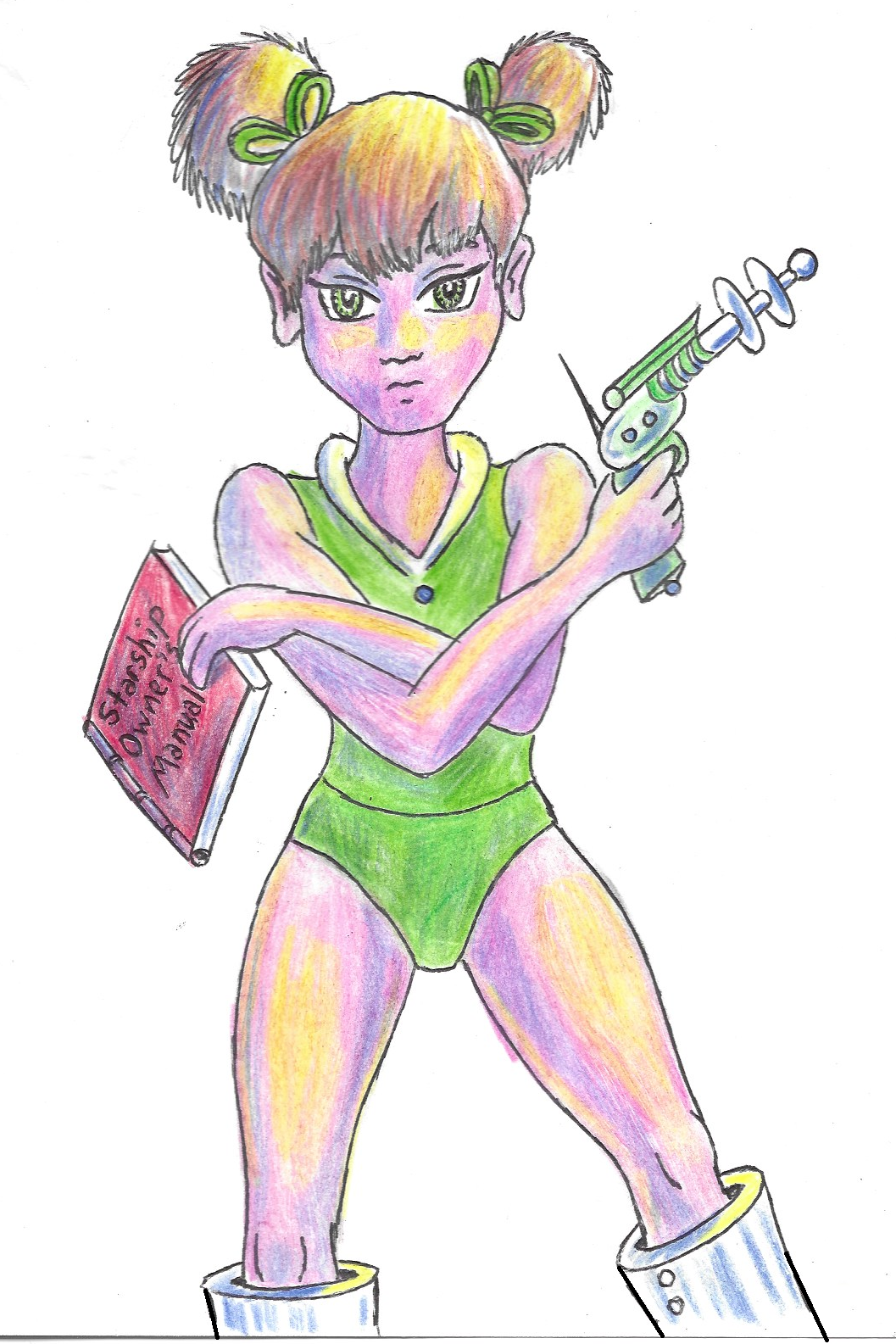

These, of course, are only a small sampling of the many illustrations in my books, especially the more recent books.
Filed under artwork, humor, illustrations, Paffooney


A Mr. Holland Moment
Life is making music. We hum, we sing to ourselves, movie music plays in our head as the soundtrack to our daily life. At least, it does if we stop for a moment and dare to listen. We make music in many different ways. Some play guitar. Some are piano players. And some of us are only player pianos. Some of us make music by writing a themed paragraph like this one. Others make an engine sing in the automotive shop. Still others plant gardens and make flowers or tomatoes grow. I chose teaching kids to read and write. The music still swells in my ears four years after retiring.
The 1995 movie, Mr. Holland’s Opus, is about a musician who thinks he is going to write a magnificent classical orchestra opus while teaching music at a public high school to bring in money and allow him time to compose and be with his young wife as they start a new family.
But teaching is not, of course, what he thought it was. He has to learn the hard way that it is not an easy thing to open up the closed little clam shells that are the minds of students and put music in. You have to learn who they are as people first. You have to learn to care about what goes on in their lives, and how the world around them makes them feel… and react to what you have to teach. Mr. Holland has to learn to pull them into music appreciation using rock and roll and music they like to listen to, teaching them to understand the sparkles and beats and elements that make it up and can be found in all music throughout their lives. They can even begin to find those things in classical music, and appreciate why it has taken hold of our attention for centuries.
And teaching is not easy. You have to make sacrifices. Big dreams, such as a magnum opus called “An American Symphony”, have to be put on the shelf until later. You have children, and you find that parenting isn’t easy either. Mr. Holland’s son is deaf and can never actually hear the music that his father writes from the center of his soul. And the issue of the importance of what you have to teach becomes something you have to fight for. Budget cuts and lack of funding cripples teachers in every field, especially if you teach the arts. Principals don’t often appreciate the value of the life lessons you have to give. Being in high school band doesn’t get you a high paying job later.
But in the end, at the climax of the movie, the students all come back to honor Mr. Holland. They provide a public performance of his magnum opus, his life’s work. And the movie ends with a feeling that it was all worth it, because what he built was eternal, and will be there long after the last note of his music is completely forgotten. It is in the lives and loves and memories of his students, and they will pass it on.
But this post isn’t a movie review. This post is about my movie, my music. I was a teacher in the same way Mr. Holland was. I learned the same lessons about being a teacher as he did. I had the same struggles to learn to reach kids. And my Mr. Holland moment wasn’t anywhere near as big and as loud as Mr. Holland’s. His was performed on a stage in front of the whole school and alumni. His won Richard Dreyfus an Academy Award for Best Actor. But his was only fictional.
Mine was real. It happened in a portable building on the Naaman Forest High School campus. The students and the teacher in the classroom next door threw a surprise party for me. They made a lot of food to share, almost all of which I couldn’t eat because of diabetes. And they told me how much they would miss me, and that they would never forget me. And I had promised myself I would never cry about having to retire. But I broke my promise. In fact, I am crying now four years later. But they are not tears of sadness. My masterwork has now reached its last, bitter-sweet notes. The crescendos have all faded. But the music of our lives will still keep playing. And not even death can silence it completely.
2 Comments
Filed under artwork, autobiography, commentary, happiness, insight, kids, movie review, teaching