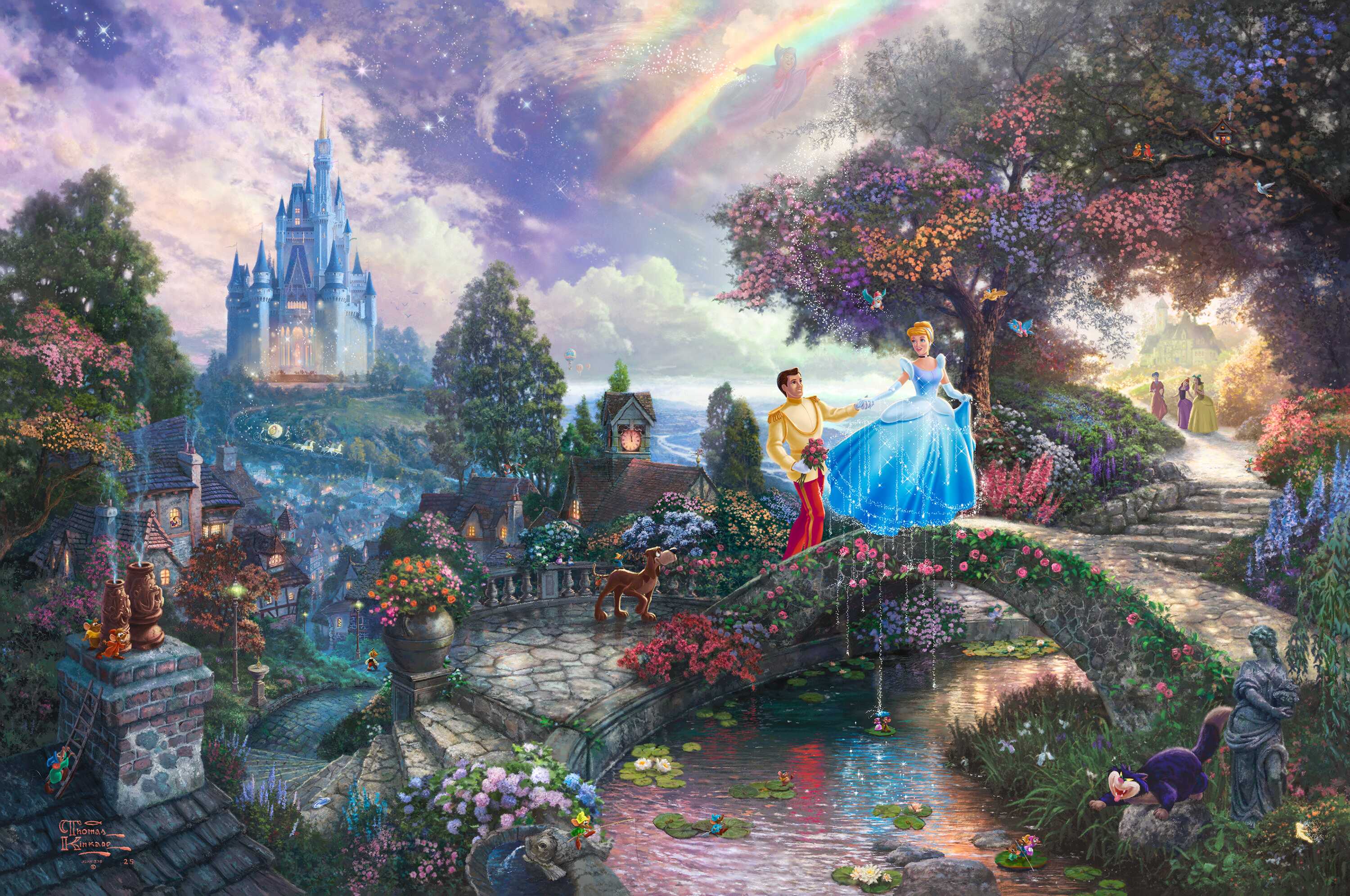
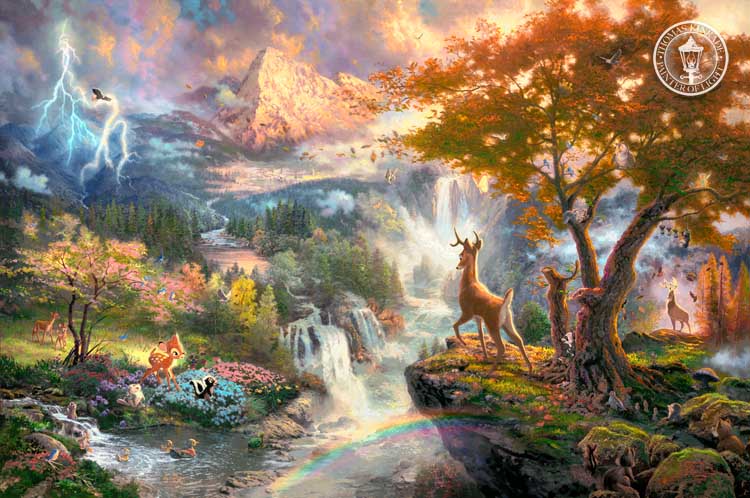
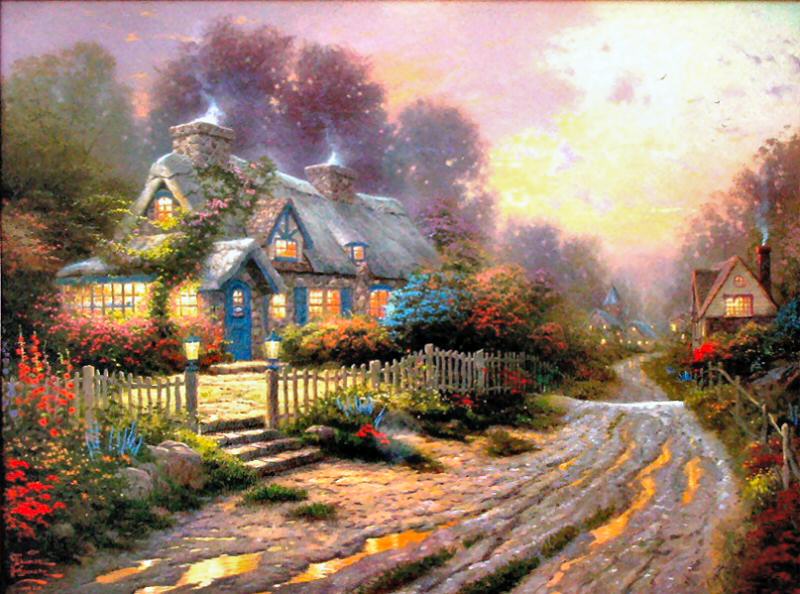
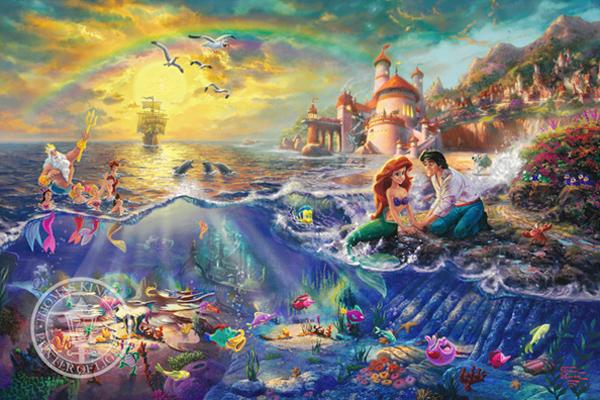
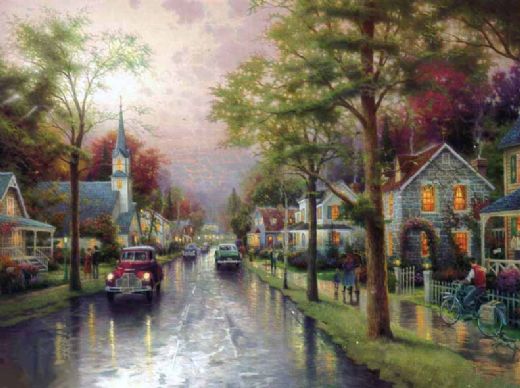
I honestly have a thing for artists that critics hate and common folk like my parents and grandparents loved. Norman Rockwell is a bit like that. He enjoyed commercial success as a magazine illustrator. That is about as far from avant garde art as you can get. But what can I say? I don’t call myself an artist. I am a cartoonist and all around goofball. I don’t do serious art. So the questions surrounding Thomas Kinkade bounce off my tough old non-critical hide like bullets off the orphan of Krypton. I love his pictures for their gaudy splashes of color, his way with depicting puddles and water of all sorts (splashes of splashes), and his rustic homes and landscapes of another era. This is a man who does lovely calendar art and jigsaw puzzle art. He is roundly criticized for factory production of “original” oil paintings which are actually a base he created and made a print of painted over by an “assistant” artist or apprentice. But I don’t care . I like it. And you used to be able to see his originals without going to museums, in art stores at the shopping mall. He is unfortunately dead now. For most great artists, that makes their work more valuable and more precious. Kinkade’s art hangs in so many homes around the country already that his fame has probably already reached its peak. Look at these works that he did for Hallmark and Disney and various other mass-market retail outlets. I dare you not to like it.
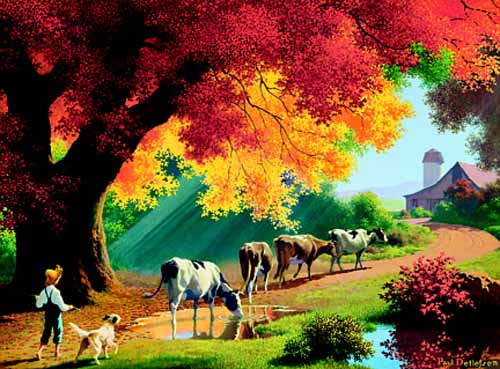
Back in about 1968 my Grandma Beyer was seriously scandalized by an artist named Paul Detlefsen. Detlefsen did a lot of covers for the “Ideals Magazine” that Grandma always had on her coffee tables. He scandalized her by putting a painting on the cover that showed a young boy taking his pants off, the rear view only, so he could go skinny dipping with a group of naked boys. Truthfully the picture shown above is by Detelfsen, but it is not the one that offended her. I have discovered that this painter of old-timey things like blacksmith shops and one-room school houses has painted at least four different versions of “the Old Swimmin’ Hole”. And Grandma was easily scandalized when we were kids. She was a very conservative woman who loved Ronald Reagan and his politics most severely and thought that Richard Nixon was a leftist radical. She didn’t like for people to be naked, except for bath time, and maybe not even then. She is one of the main reasons, along with this painter whom she adored, that I came to learn later in life that “naked is funny”.http://www.freeplaypost.com/PaulDetlefsen_VintageArtPrint_A.htm
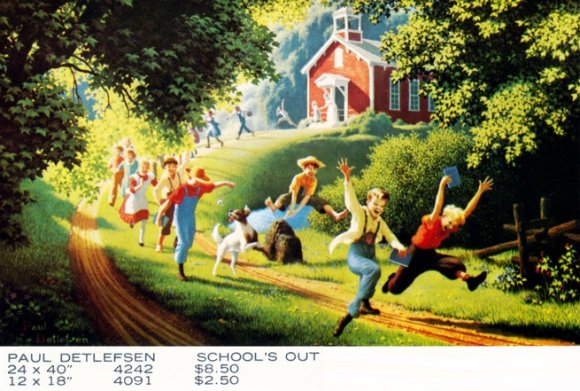
Grandma Beyer also seriously loved puzzles, and besides “Ideals” covers, Paul Detlefsen did a beaucoup of jigsaw puzzles. (Beaucoup means a lot in Texican, I tend to think in Iowegian and talk in Texican and completely forget about the need to translate for those people who don’t know those two foreign tongues) One of the puzzles we spent hours working on was “Horse and Buggy Days” that I pictured here. They were the kind of puzzle paintings where every boy was Tom Sawyer and every girl was Becky Thatcher. And there were a lot of them. Here is another;
Grandma had this in puzzle form also. We put the puzzle together, glued it to tag board, and framed it. It has hung on the wall in a Grandparent’s house, first Grandma Beyer’s and then Grandma Aldrich’s, since the early 1970’s. My own parents now live in Grandma Aldrich’s house, and that puzzle-painting may be hanging in an upstairs bedroom to this very day. Detlefsen is not known as a great artist. He was a humble painter who painted backdrops for films for over 20 years. In the 1950’s he switched gears and started doing lithographs that were turned into calendars, jigsaw puzzles, laminated table mats, playing cards, and reproductions you could buy in the Ben Franklin Dime Store in Belmond, Iowa and hang on your back porch at home. I believe I saw his paintings in all these forms in one place or another. According to Wikipedia (I know, research, right?) “In 1969, UPI estimated that his artwork had been seen by 80 per cent of all Americans.” That is pretty dang good for a humble painter, better numbers than Pablo Picasso ever saw. Let me share a few more of his works, and see if you recognize any of these;
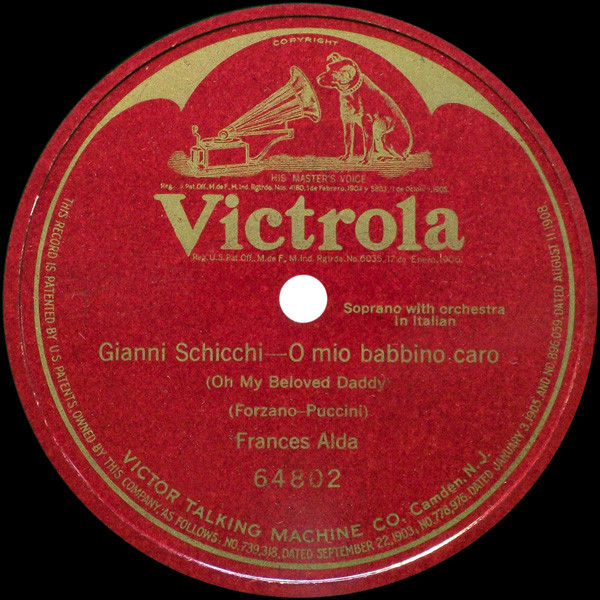
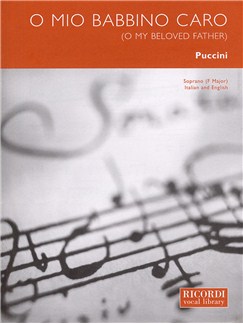
This beautiful song, an operatic aria by Puccini, is from the comic opera Gianni Schicchi. But, more important than that is what the song actually means in context.
In the opera, Gianni Schicchi is a con man intent on swindling a family out of their inheritance and knowing all along that he will be destined to go to hell when he dies. The family is gathered for the reading of the rich man’s will, which is, because this is a comic opera, lost for the time being. Their main concern is for the money, which rumor has it has all been willed to the church. But one among them is actually worthy of inheriting the money, Rinuccio the son of the rich man’s cousin. And, as luck would have it, as it always does in comedies, Rinuccio is the one who, during the manic and desperate search for the will, actually finds it. And assuming he comes out well in the will, he secures a promise from his mother that if he inherits money, he can marry Schicchi’s beautiful daughter Laurretta whom he truly loves.
But when he reads the will, he is devastated. The money all goes to a monastery. He begs Schicchi to help him convince the family that he should marry Laurretta anyway. This Gianni Schicchi tries and finds it harder than turning water into wine. So Schicchi is about to give up when Lauretta finally speaks up for herself through the song,
O Mio Babbino Caro (My Beloved Father)
At this point Schicchi is moved by the beautiful song and even more beautiful love his daughter has surprised him with. He not only agrees to help, but executes a bizarre plan, hiding the rich man’s body and pretending to be him come back to life to rewrite the will. Now the will favors Rinuccio, and over the protests of the family, he inherits the money and marries his true love, Schicchi’s daughter. The opera ends with Schicchi singing his case to the audience, telling them in song that going to hell is worth it to aid true love.
And this, then, is the truth of O Mio Babbino Caro.
Love, expressed through the surprise of hidden talent suddenly revealed, is the most persuasive argument there is.
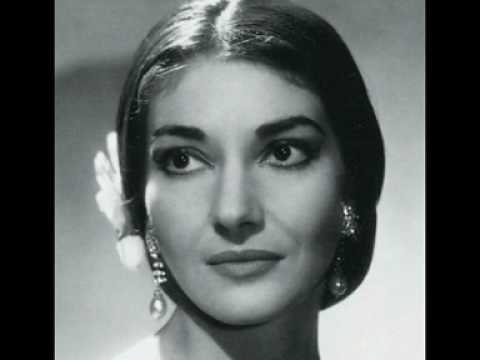
Whether it is the love in the music suddenly discovered in the overwhelming voice of a little girl like Jackie Evancho or Amira Willighagen, or the late great Maria Callas who also sang the role, or even the singer of Puccini’s greatest work who is yet to perform it and make silly old men like me weep for beauty’s sake, the song is the most persuasive argument there is in favor of true love.
That is a thing I desperately want to capture in the novel I am writing now, Sing Sad Songs. Love expressed in music. Love that reverses loss. Love that heals all things. And Love that moves all people. The love that is masterfully sung in O Mio Babbino Caro.
That book is now published and available on Amazon.
Yes, I am saying the world I live in is a low-budget commercial movie made without literary or artistic pretensions. You know, the kind where movie makers learn their craft, taking big risks with smaller consequences, and making the world of their picture reflect their heart rather than the producer’s lust for money.
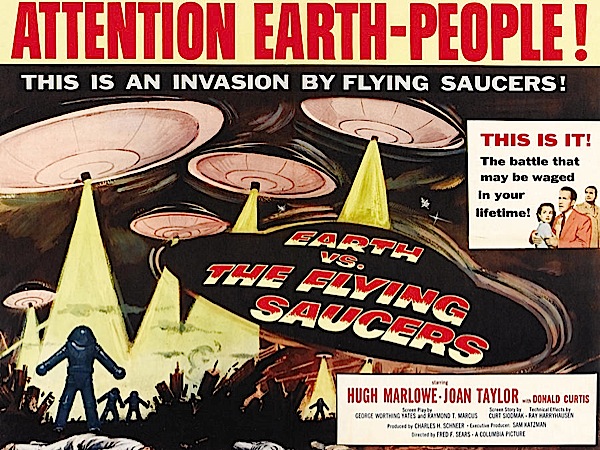
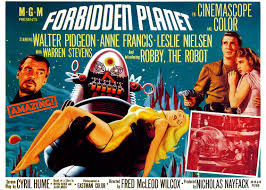
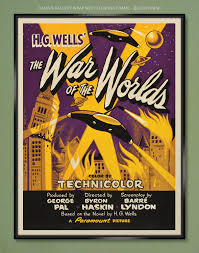
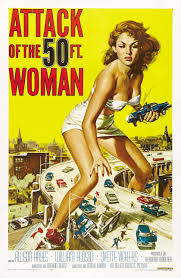
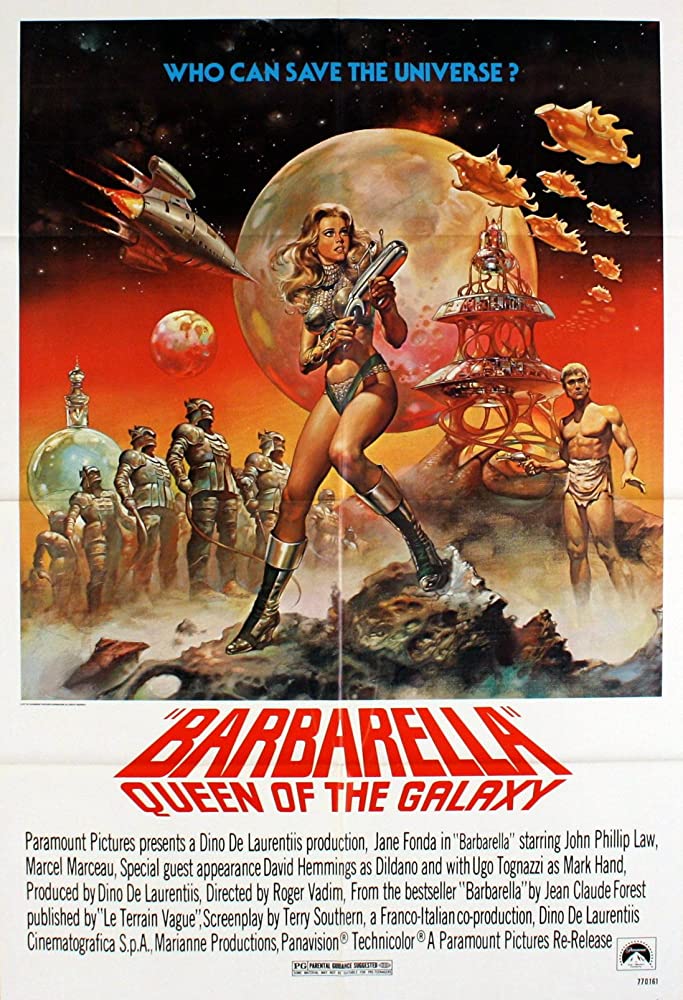
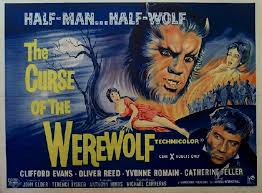
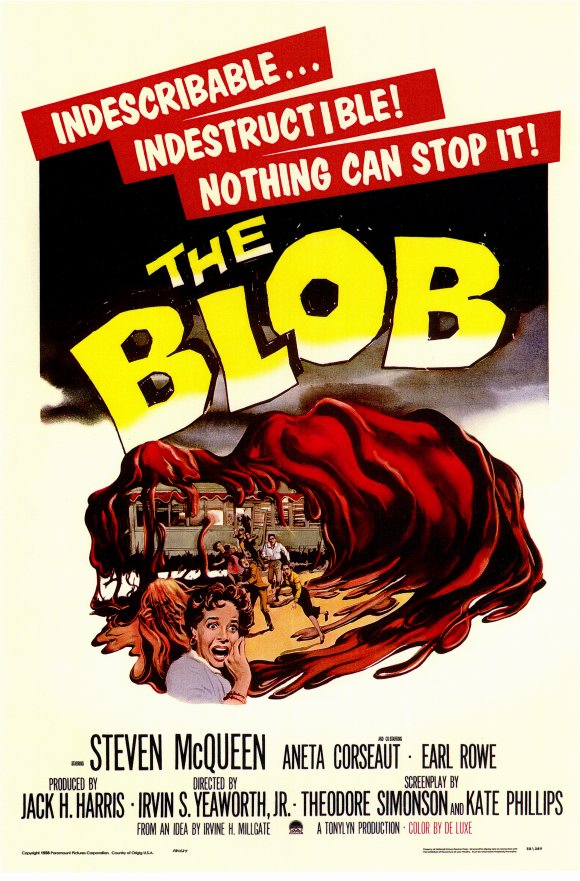
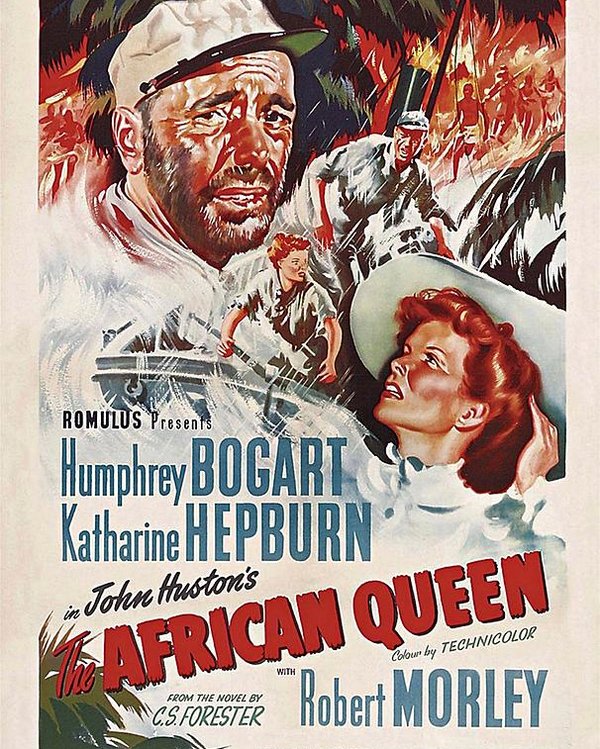
Mostly what I am talking about are the movies I remember from late-night Saturday TV in black and white (regardless of whether or not the movie was made in Technicolor) and the less-risky as well as more-likely-good Saturday matinees on Channel 3. Movies made in the 1950s, 1960s, and early 1970s. They were perfect, of course, for the forbidden Midnight Movie on the show called Gravesend Manor. I had to sneak downstairs to watch it on Saturday nights with the volume turned way down low. (Not that Mom and Dad didn’t know. Well, maybe they didn’t know how many of those I watched completely naked… maybe.)
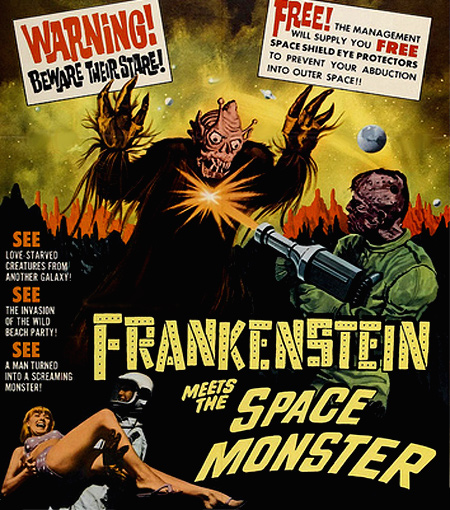
I watched this one when I was twelve, late night on an October Saturday. I had a bed-sheet with me to pull over my head at the scariest parts. Frankenstein was a crashed astronaut brought back to life by the magic of space radiation. He was uglier than sin, but still the hero of the movie, saving the Earth from invading guys in gorilla suits and scary masks (none of which looked like the movie poster.)
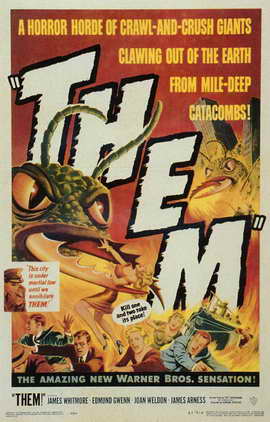
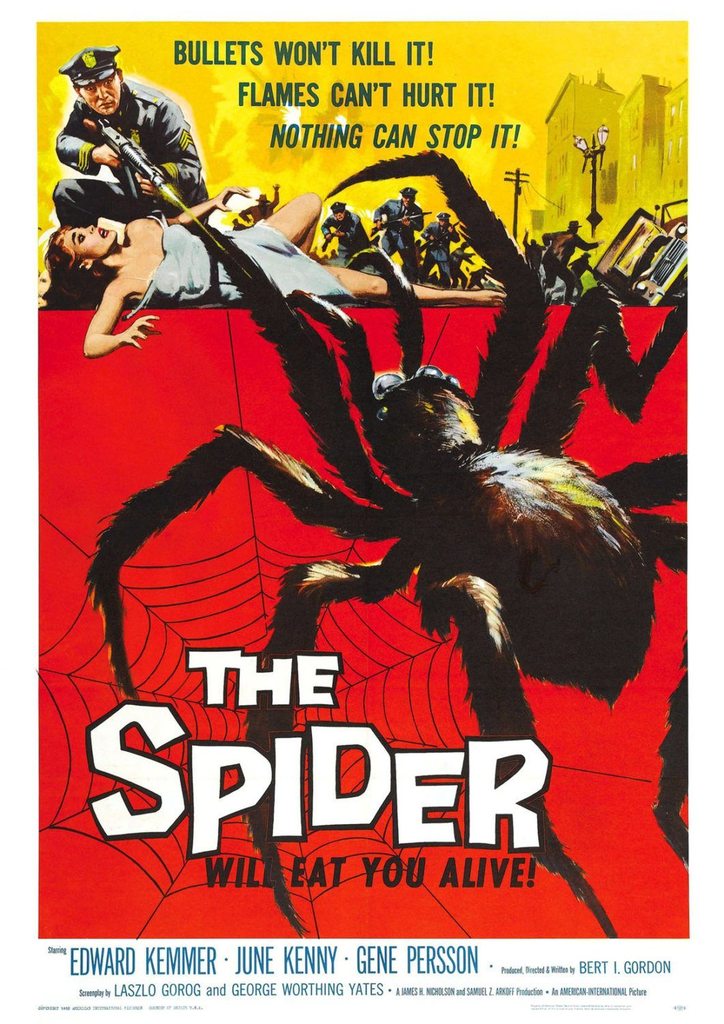
This one, starring James Whitmore, a really good B-Movie actor, was about giant ants coming up from the sewers and the underground to eat the city.
I would end up watching it again twenty years later when I was wearing clothes and not alone in the dark house lit only by a black-and-white TV screen.
I realized on the second viewing that it was actually a pretty good movie in spite of cheesy special effects. And I realized too that I had learned from James Whitmore’s hero character that, in times of crisis, you have to run towards the trouble rather than away from it, a thing that I used several times in my teaching career with fights and tornadoes and even rattlesnakes visiting the school campus looking to eat a seventh-grader or something (though it was a bad idea for the snake even if it had been successful.)
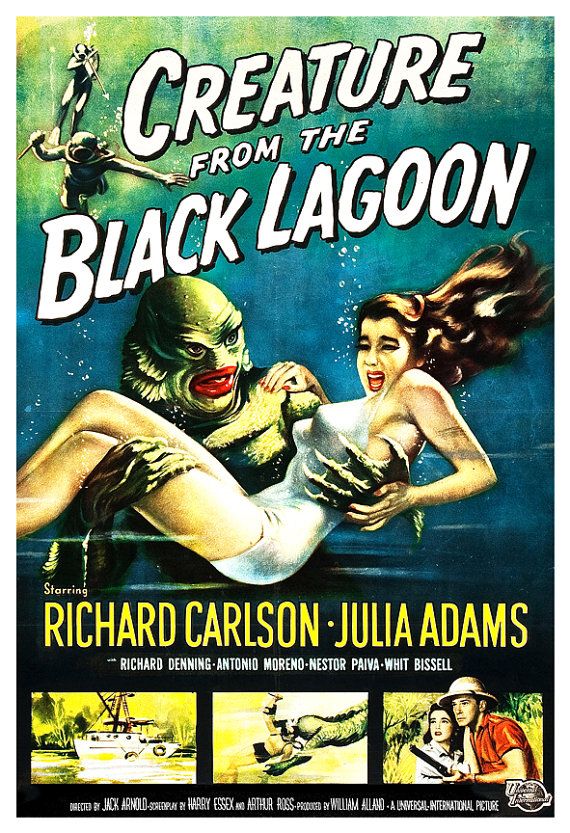
This one, of course, taught me that monsters liked to carry off pretty girls in bikinis. And not just on the poster, either. But it was the hero that got the girl, not the monster. This movie taught me that it sucks to be the monster. Though it also taught me that it was a good movie to take your pajamas off for and watch naked when you are thirteen.
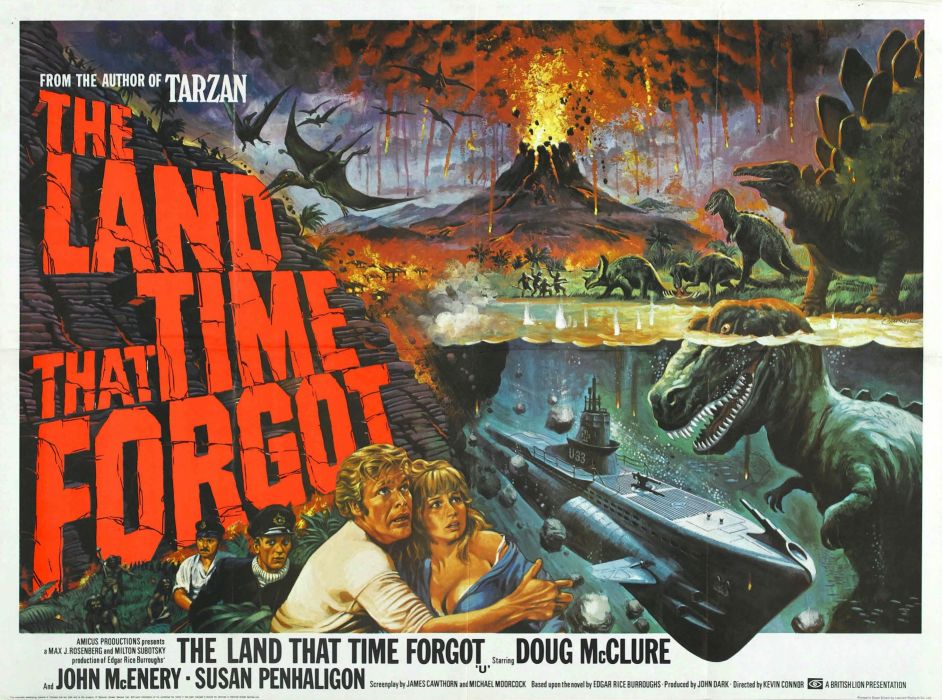
But not all B-movies had to be watched late night on Saturdays. This movie was one of the first ones that I got to go to the movie theater to see by myself. (My sisters and little brother were still too young and got nightmares too easily to see such a movie.) It came out when I was in my teens and Mom and Dad began thinking of me as an adult once… or even possibly twice in a month.
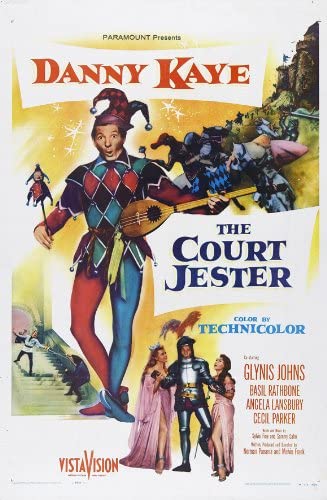
And not all B-movies were monster movies, gangster movies, and westerns. Some, like a lot of Danny Kaye’s movies, were movies my Dad and my grandparents were more than happy to watch with me. I saw this one in both black-and-white and color. And I learned from this that it was okay to take advantage of happy accidents, like a case of mistaken identity, and using your wits, your creative singing ability, and your inexplicable good luck to win the day for everybody but the bad guys armed only with your good sense of humor.
And some of the best movies I have ever seen, judging by what I learned about movies as literature from Professor Loring Silet in his Modern Film Class at Iowa State University, are by their nature B-movies.
I am using movie posters in this blog post only from movies I have personally seen. (And I admit that not all of them are strictly “good” movies according to Professor Silet, but I like them all.)
Feel free to tell me in the comments if you have seen any of these movies yourself. I am open to all opinions, comments, and confessions.
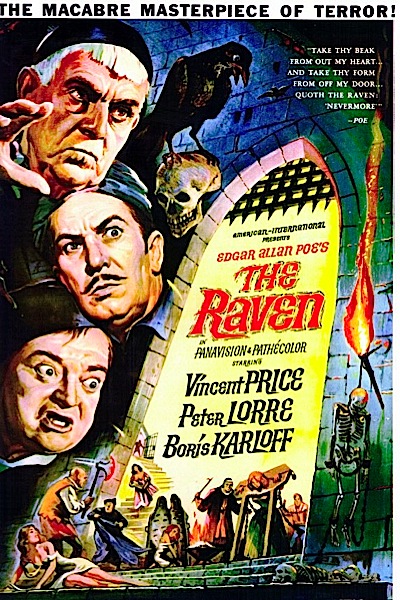
This one is based on Shakespeare’s The Tempest.
I saw this one in college. You had to be 18 at the time to even buy a ticket.
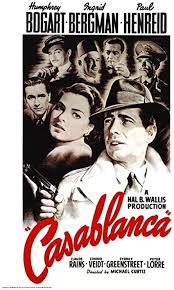
I actually think that this is one of the best movies ever made. It will always make my own personal top-ten list.
I live in a B-movie world. The production values around me are not the top-dollar ones. But the stories are entertaining. The real-life heroes still run towards the problem. And it still sucks to be the monster. But it has always been worth the price of the ticket. And during my time on Earth here, even in 2020, I plan on staying till the end of the picture. I go nowhere until I see the Best Boy’s name in the end credits. And maybe not even then.
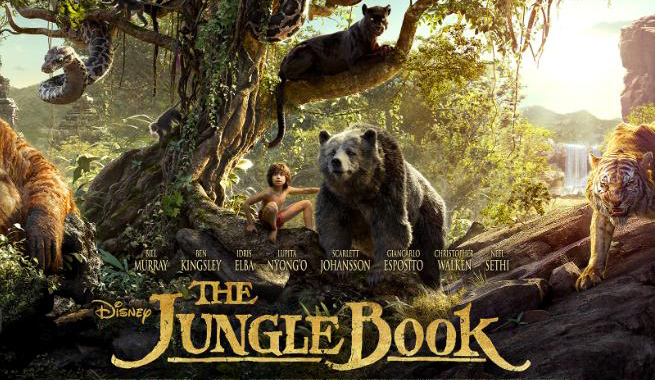
This is a re-post of my review of the Disney movie Jungle Book directed by John Favreau. It was the movie version I have been waiting for all my life.
The amazing thing about this movie is the way it took the book and layered its themes and central idea on top of the classic 60’s Disney cartoon. The music is still there and intact, though mostly moved to the end credits. The kid is still cute and mostly vulnerable, at least until the conclusion. And they have still given the Disneyesque comedic touch to the character of Baloo the bear, voiced by comedian Bill Murray in the this incarnation. But this is a live action movie and the kid-friendly Bowdlerization of the original story is a thing no longer.
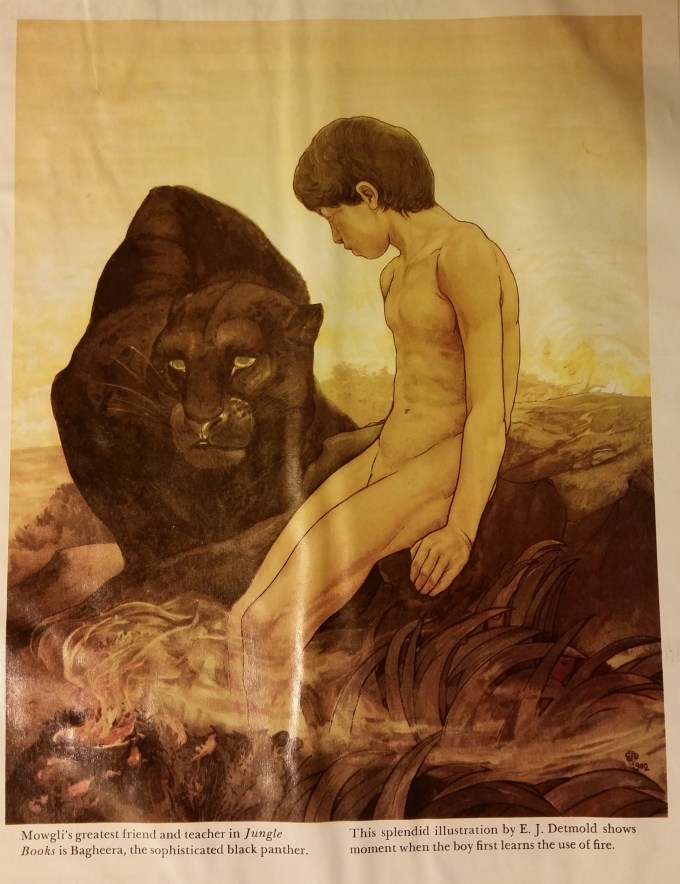
A classic book illustration by E.J. Detmold
Fortunately for the young actor, Neel Sethi, they don’t require him to play the entire movie naked as would be required by a strictly by-the-book approach. They allow him the Disney-dignity of the cartoon red loin cover. But the sense of a human child facing the violence of the jungle naked, armed only with his creature-appropriate natural defenses, has been put back into the story. This version literally has teeth and claws. We see the boy’s body wounded and scarred during the course of his life in the jungle. And at a time of crucial confrontation, Mowgli takes the defense stolen from man village, a torch of the feared red flower, and throws it away into the water, facing the terrible tiger with only his wits and the abilities of his fangless, clawless human body. Thus, an essential theme I loved about the book when I was twelve is restored. Man has a place in the natural world even without the protections of civilization.
The story-telling is rich and nuanced, with multiple minor characters added. Gray Brother has been restored to Mowgli’s family. The fierce power of Mowgli’s wolf mother has been written back into the screenplay. And the character of Akela is given far more importance in the story than the cartoon could even contemplate. Although his role in aiding Mowgli to kill the tiger Shere Khan has been taken away from him, Akels’s death becomes the central motivation bringing Mowgli and Shere Khan together for the final inevitable confrontation. And this movie does not shy away from the reality of death as the cartoon did, resurrecting Baloo at the end, and Kaa’s attempts to eat Mowgli being turned into a joke (though I would like to note if you have never read the book, Kaa is not supposed to be a villain. He was Mowgli’s wise and powerful friend in the book). Even the tiger survives in the cartoon version. This is no longer a cute cartoon story with a Disney sugared-up ending.
I will always treasure the 1960’s cartoon version. I saw it at the Cecil Theater in Mason City, Iowa when I was ten. I saw it with my mother and father and sisters and little brother. It was my favorite Disney movie of all time at that point in my life. I read and loved the book two years after that, a paperback copy that I bought with my own money from Scholastic book club back in 1968, in Mrs. Reitz’s sixth grade classroom. That copy is dog-eared, but still in my library. But this movie is the best thing that could possibly happen to bring all of that love of the story together and package it in a stunning visual experience.
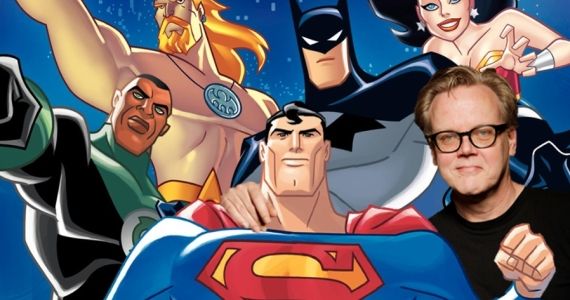
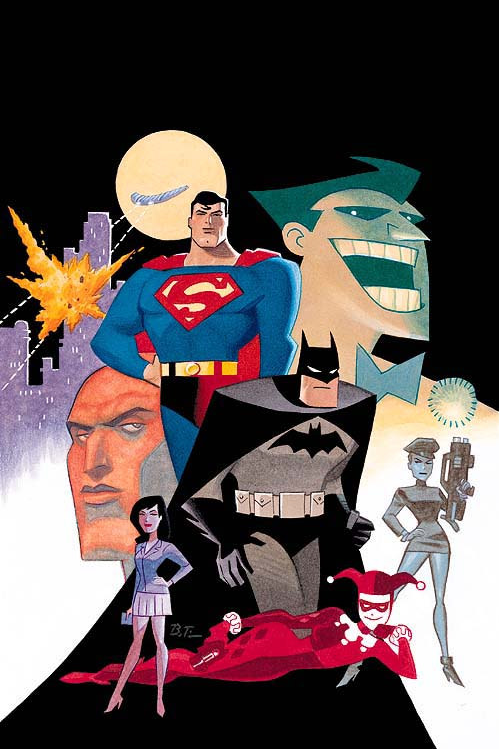
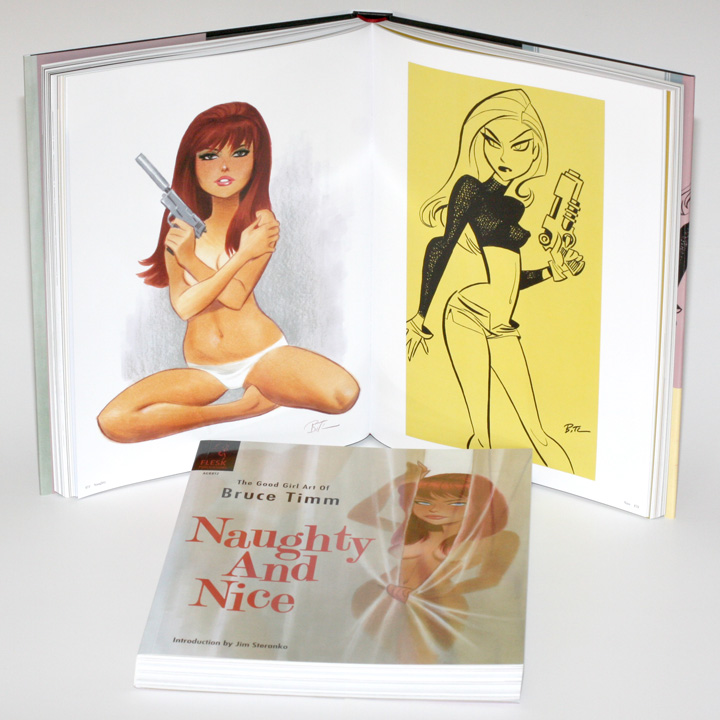
“Today I thought I would tell you about Bruce Timm.”
“Bruce Timm? Who the heck is he?”
“You know. That artist with that style… you know, the Batman guy.”
“You mean he played Batman?”
“No. He designed Batman; The Animated Series.”
“Oh, that guy… the guy who draws girls really good.”
“Yes, that’s the one.”
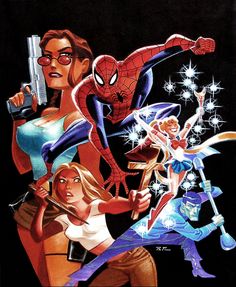
“He gave all the DC heroes their modern, animated look… their style and flair. He made them angular, immediately identifiable, and powerful.”
“Yeah, I think he not only did the Batman cartoon, all film noir and retro-cool, but the Superman series that followed it, the Justice League, and all the cartoon series and movies that went along with those.”
“But that’s not all he did, either, is it?”
“No, there’s more. He wanted to be a comic book artist, but before he got into animation, Marvel and DC turned him down.”
“I heard he worked at Filmation for a while.”
“Yes, he got a chance to draw and design characters for Blackstar, Flash Gordon, He-Man and the Masters of the Universe, She-Ra; Princess of Power, and the Lone Ranger.”
“Dang! He was busy. But only superhero stuff?”
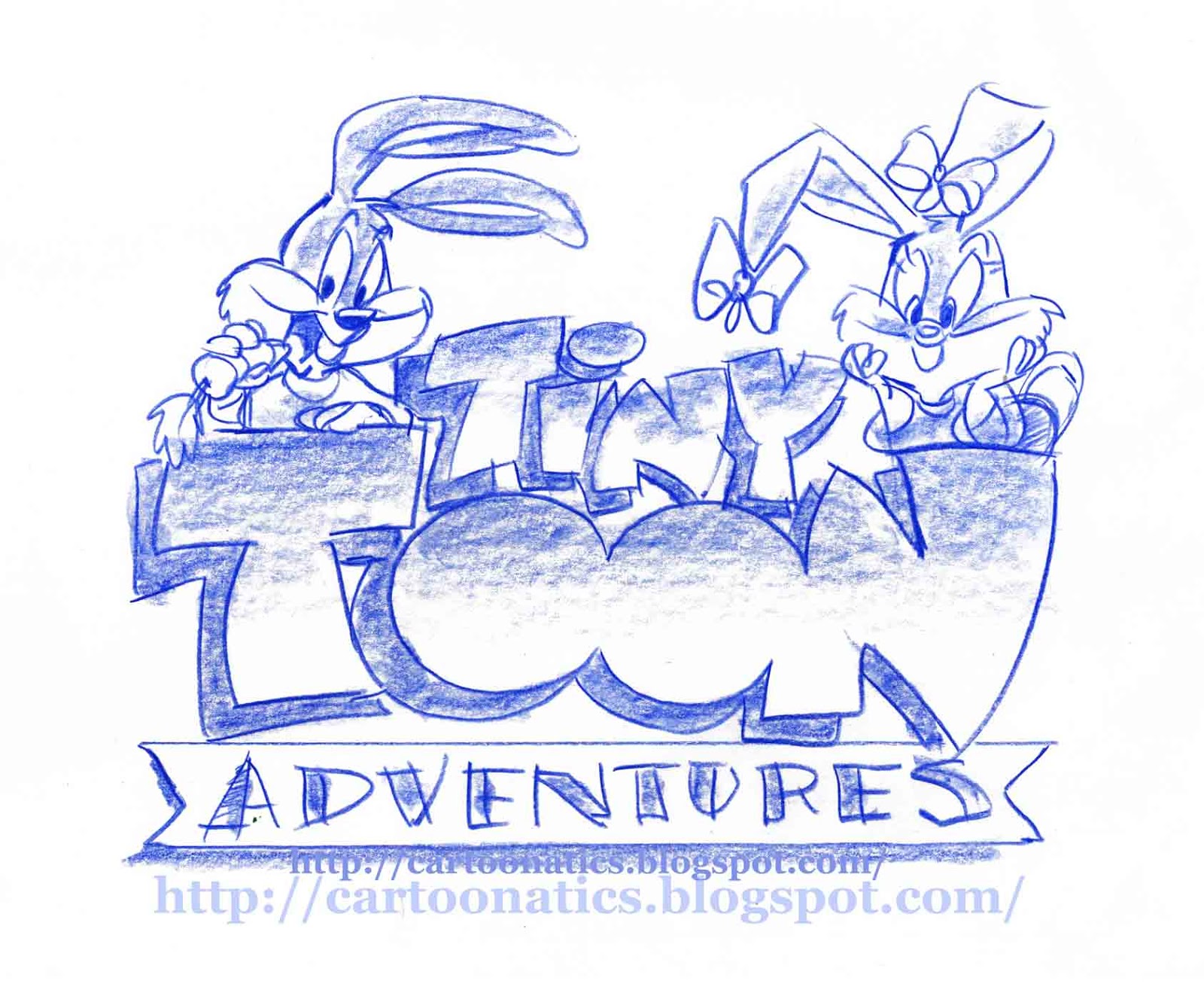
“In 1989 he went to work for Warner Brothers. He worked on Tiny Toon Adventures.”
“That Spielberg/Bugs Bunny thing? The one with Buster and Babs Bunny?”
“Yeah, that one, believe it or not.”
“Tell me more about the girls. I want to hear about him drawing girls. Wonder Woman in Justice League was hot.”
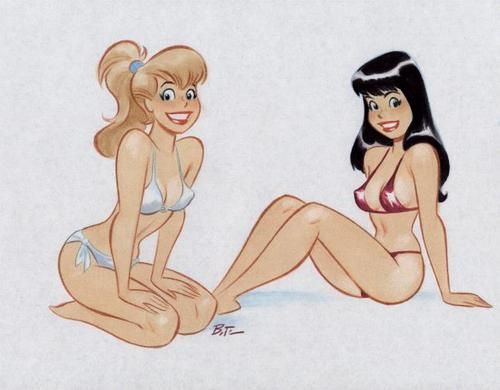
“Showing you is probably better than telling you. Be prepared to cover your eyes, though. He liked to draw the female figure nude and semi-naked.”
Betty and Veronica from the Archie comics.
“I like how he draws pretty girls.”
“You would.”
“He’s the artist you wish you could be, isn’t he?”
“Pretty much. He’s about four years younger than me. If I had gone the comic-book artist route instead of becoming a public school teacher, our careers might’ve been parallel.”
I want to talk about a living artist for a change. I know that the artists I have talked about on this goofy blog-that-doesn’t-seem-to-know-what-it-is-really-for, Norman Rockwell, William Bouguereau, Paul Detlafsen, Thomas Kinkade, Fontaine Fox, and Maxfield Parrish, are all quite dead. But conversely that is a good thing because it means their art has stood the test of time. But today I want to plug a working artist I find absolutely fascinating. This is the first artist I ever seized upon as an example of a true master whose chosen medium is primarily digital art.
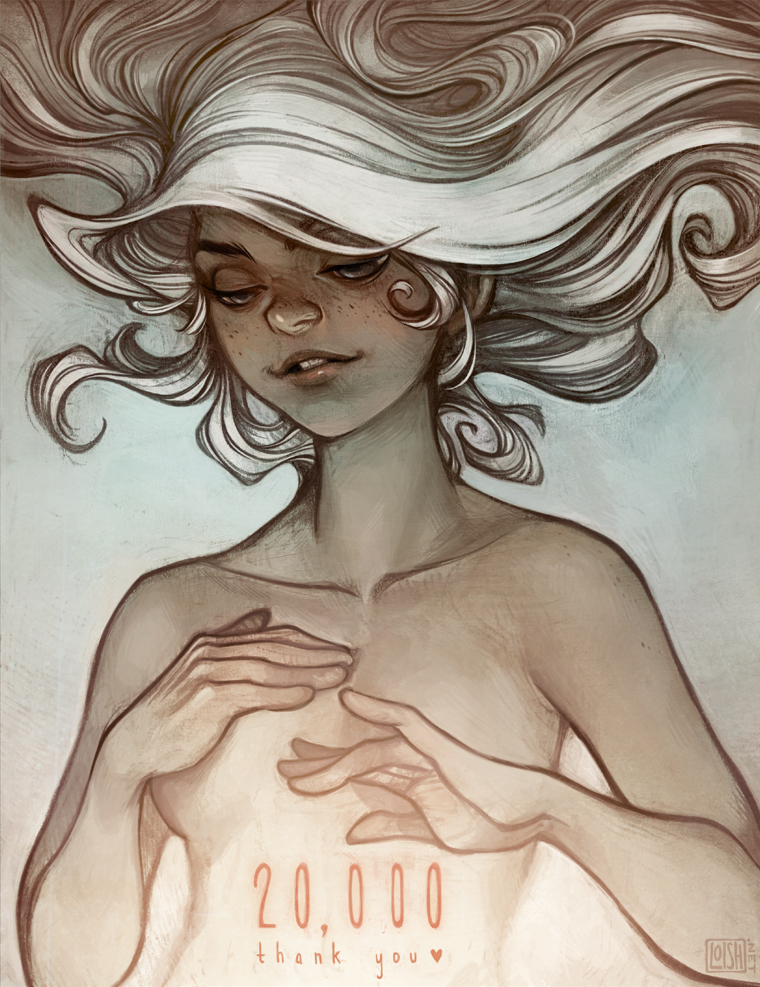
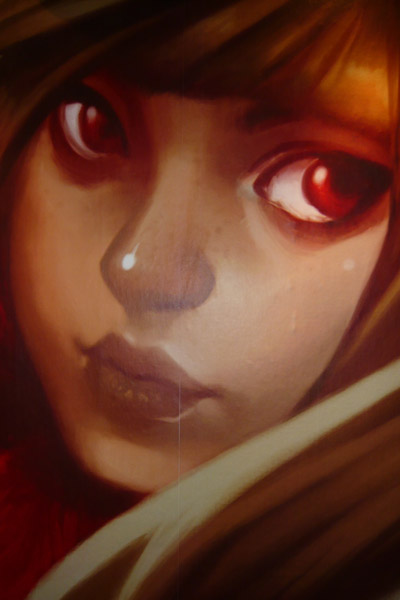
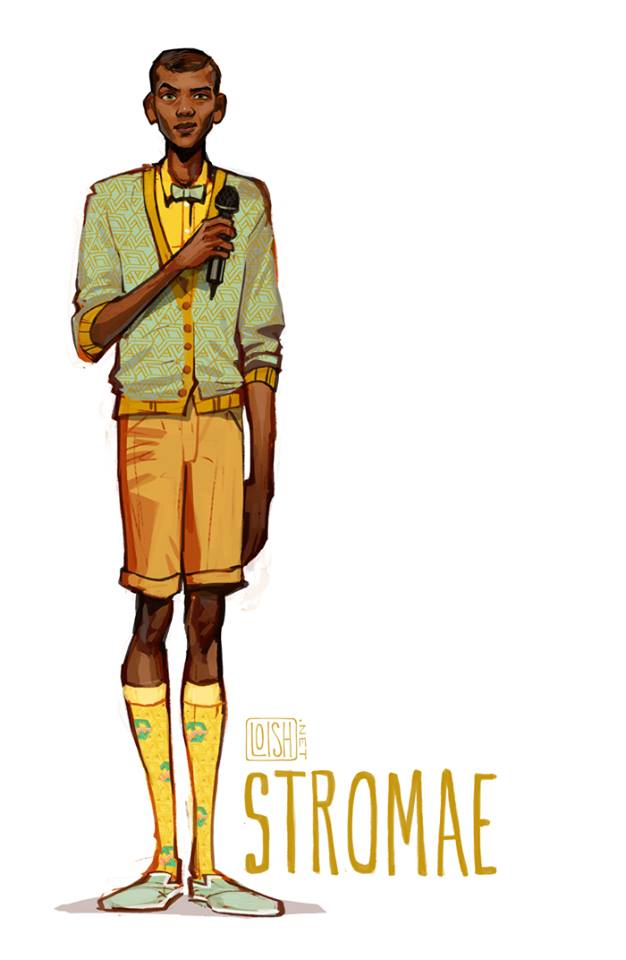
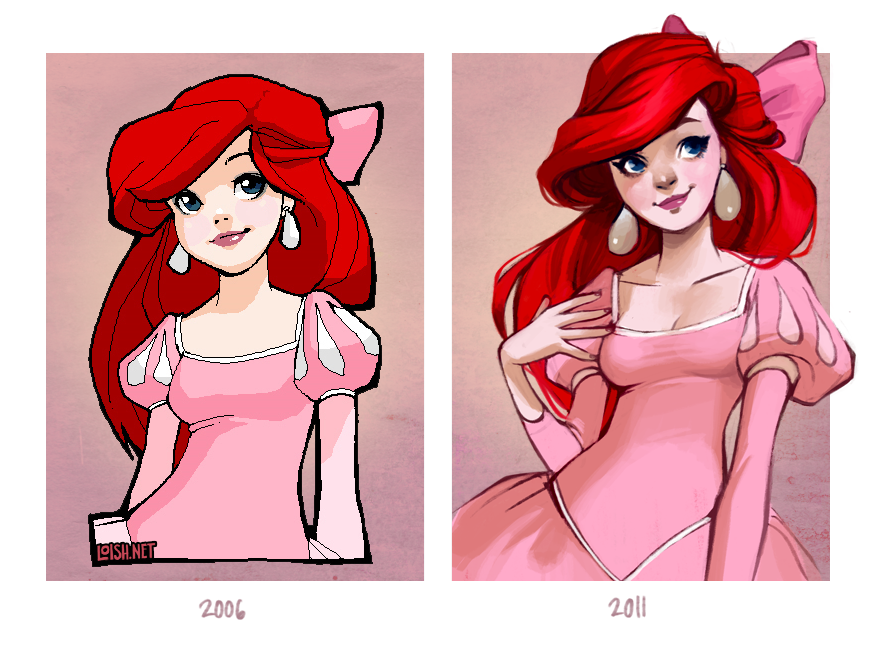
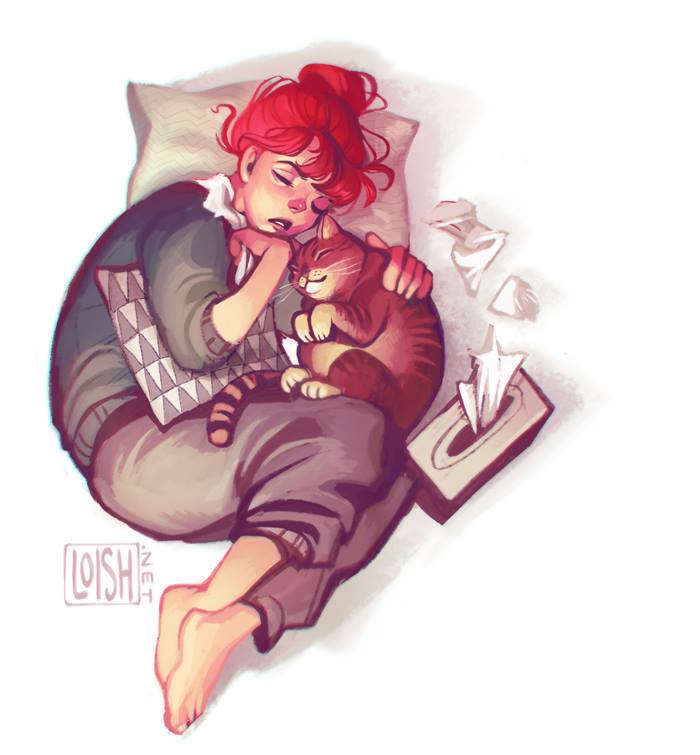
This is Loish. You can find her at http://loish.net/ or http://http://loish.deviantart.com/. Her name is Lois Van Baarle and she is a Dutch citizen by birth. She has worked as both an animator and a commercial artist/illustrator. She has lived all over the world in countries like France, Belgium, Germany, and the United States, but currently resides back in her home country, the Netherlands. What I find so absolutely engaging about her work is the way she can portray ordinary folk, particularly young people and female people, in luminous digital colors (almost as if she is painting with light… and in fact that is actually what she IS doing), and in such a big-eyed, cartooney way (the way you would expect someone who does animation to do it.) Take a look at all these wondrous creations that I have borrowed from her websites or her Facebook page.
Isn’t that some of the loveliest artwork you’ve ever seen? I know some may not like it, preferring what is more realistic, gritty, hard-edged, or more cutting edge… but I love foofy art of all sorts… goofy foofy girly art… and this is among the best I have ever seen.
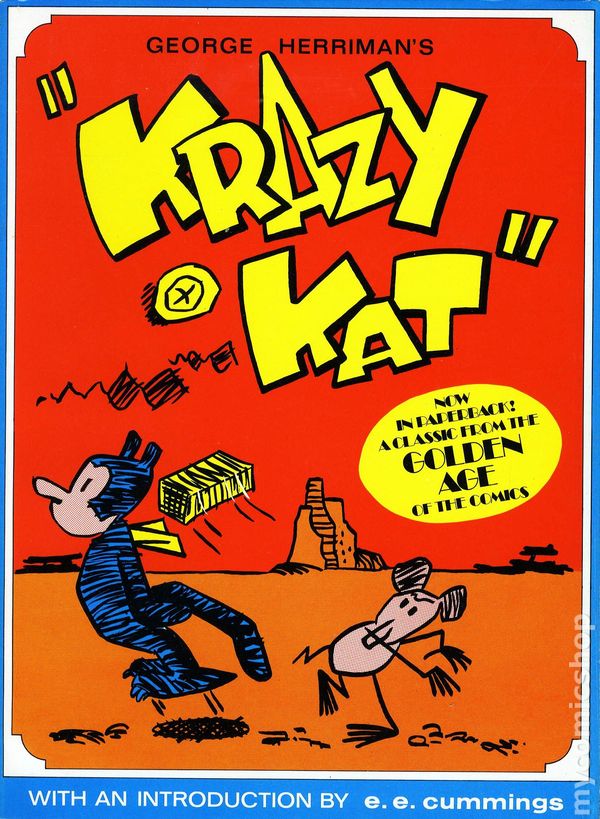
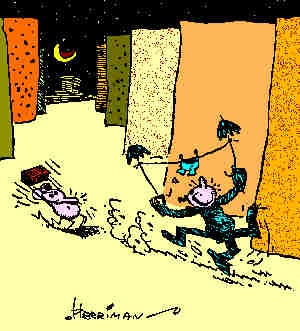
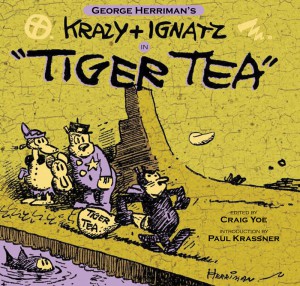
I told you before about a cartoonist from ancient ‘Toon Times” named Fontaine Fox. He was a master, and I acknowledge him as one of my greatest inspirations. But he was not the original master mentor for my teenage ‘Toon Training”. That honor goes to the inestimable George Herriman. He was the Krazy Kartoonist who died more than a decade before I was born, yet, through his Kreation, Krazy Kat, did more to warp my artistic bent into Krazy Kartooniana Mania than anybody else. I discovered him first. I found him through Komic books and the Kard Katalog at the local library. I own a copy of the book I pictured first in this post. It is the first Kartoon book I ever bought. I couldn’t post a picture of my actual book here because I have read it so often in the past forty years that the Kover has Kome off. It is now more of folder of loose pages than a book.
Krazy Kat is a newspaper Komic strip that ran all around the world from 1913 to 1944. Comics Journal would rate Krazy Kat as the greatest work of Komic art of the 20th Century. Art critics hailed it as serious art, and it fits snugly into the surrealist movement of Salvador Dali and others. It has been cited as a major influence on the work of other artists such as Will Eisner, Charles M. Schulz, Robert Crumb, Art Spiegelman, Bill Watterson, and Chris Ware.
The centerpiece of the strip is a love triangle. Krazy Kat the Kharacter is a feline who may be female or may be male but is definitely deeply in love with Ignatz Mouse. The Krazed rodent hopped up on seriously stinky fromage (cheese to us non-French speakers), is Konstantly throwing bricks at Krazy’s head… obviously out of serious disdain, however, Krazy sees it as a confession of love. Offisa Pup, the police watchdog, wants to jail the malevolent mouse for battery and protect the precious Kat, whom he obviously loves with an unrequited love. Explanations are superfluous in the weird world of Krazy Kat. How can I explain the charm, the humor, the good-natured violence of a strip such as this? There are echoes of it in Tom and Jerry animated cartoons, but nothing like it really exists anywhere else. Krazy has her own unique language, a language that you naturally learn to interpret as you read the strip. Ignatz exhibits psychotic frustrations that he takes out on the world around him in our name, that we might experience hubris at his expense. And what’s with that mysterious sack of “Tiger Tea” that Krazy carries about and keeps a Klosely guarded “sekrit”?
I honestly hope you will give Krazy Kat a thorough “look-see”. Because if you like Kartoons at all… and it doesn’t have to be the Krazy Kooky love of a seriously overdosed addict like me… you will fall desperately in love with this one. It is a world of its own, a superbly superfluous abstract anachronism. It is a surrealist’s dream of fun with puns and tons of buns… or something like that. Simply put… read it and don’t like it… I dare you!
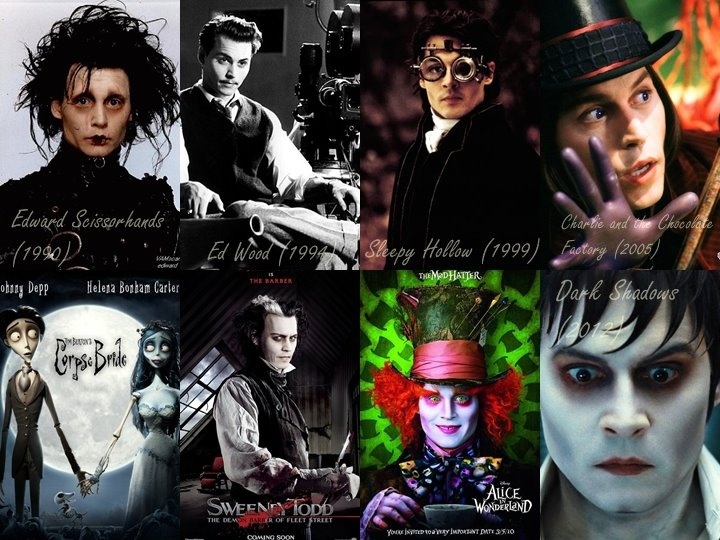
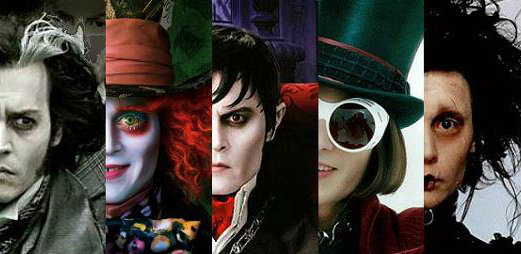
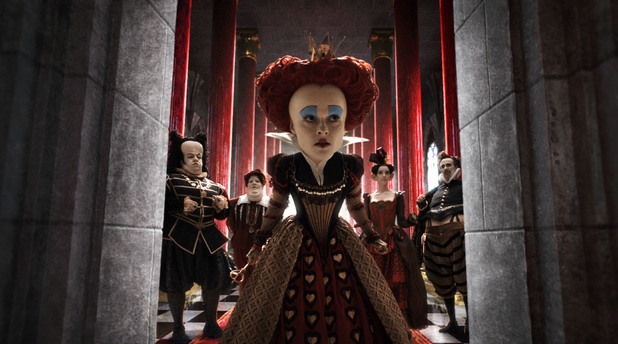
Last night the Princess and I went to see Alice, Through the Looking Glass, the latest Tim Burton movie. Of course we loved it. Burton is one of the most interesting story-tellers of our time. Did you know he is two years younger than me? And also, like me, he began as a cartoonist and is totally dedicated to the idea that every artist is a surrealist and must exaggerate, elucidate, equivocate, and numerous other things that start with the letter “e” and end with the suffix “ate” simply because that’s how surrealism starts. You notice a little bit of weirdness in real life and blow it all out of proportion with lies and coloring of meaning and relentless “what-iffing?” If you don’t see surrealism in those last two sentences of purple paisley prose… then maybe you can see it visually in Burton’s many masterpieces.
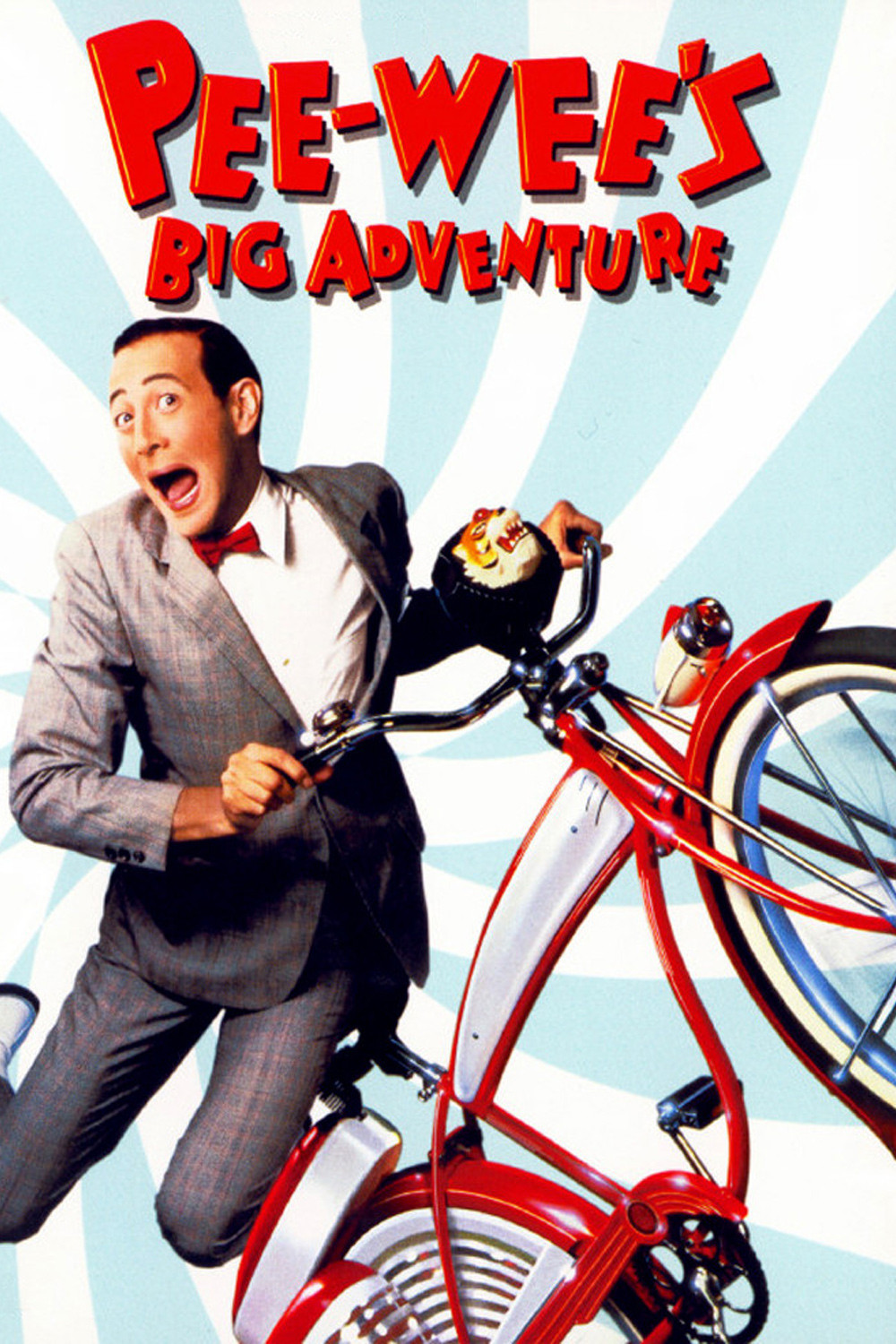
Tim Burton began his legacy as an apprentice Disney animator specializing in stop-motion animation. But he was just another creative nobody like me until the launch of his small-budget monster hit, Pee-Wee’s Big Adventure.
Of course, any time you can pull in huge profits for little investments, you will have Hollywood executives ramming the heads of their unpaid interns like battering rams against your door so they can get in and throw money at you.
Hence, Batman.
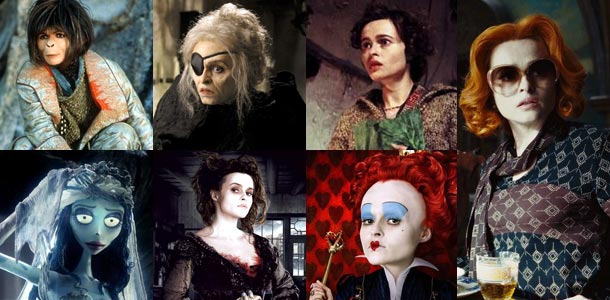
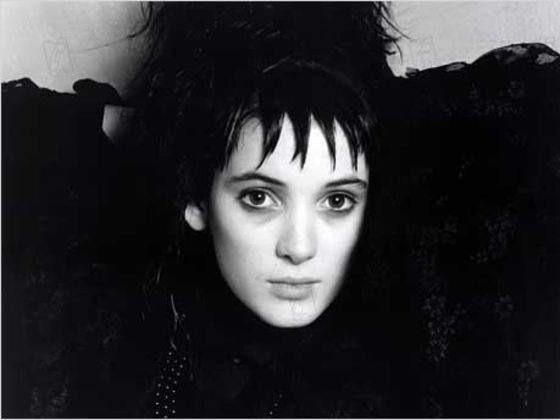
Batman was the first time I actually took notice of Tim. And not just as a director of a film… eventually two films. He was gifted at assembling a cast. And this would work to his advantage as several singular talents attached themselves to him and worked in his movie projects repeatedly.
And his repeated collaboration with Danny Elfman and his music was easily as great a master-stroke of genius as John Williams with Spielberg and Lucas.
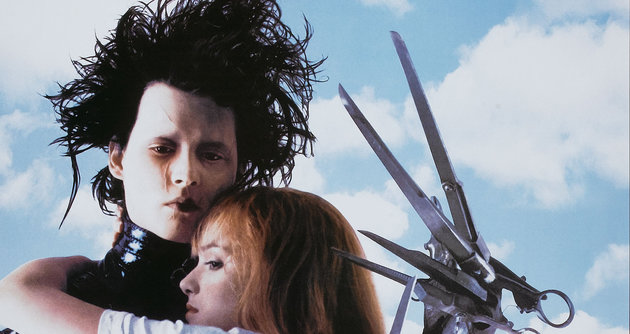
He has repeatedly used his movies to describe and rewrite his own life story as a misunderstood genius flubbing horribly in the quest to fit in with a world full of “regular people”.
Poster for the film ‘Edward Scissorhands’ (directed by Tim Burton), 1990. (Photo by Buyenlarge/Getty Images)
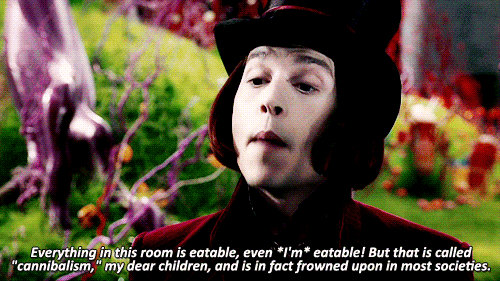
His sense of humor, of course, is distinctly and colorfully bizarre.
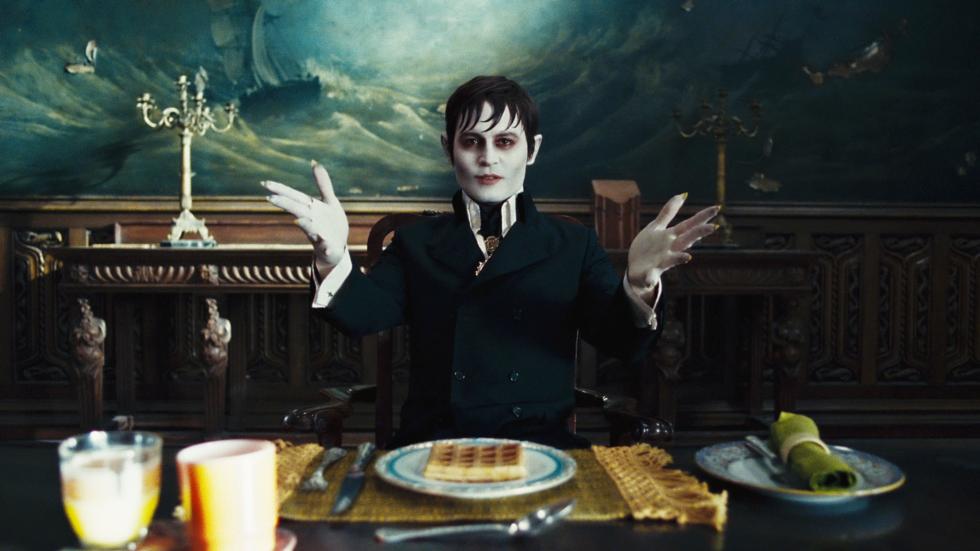
DSTF-0046r JOHNNY DEPP as Barnabas Collins in Warner Bros. Pictures and Village Roadshow Pictures DARK SHADOWS, a Warner Bros. Pictures release.
Burton is, just like me, a child of the 70’s. He references things like the old gothic soap opera, Dark Shadows, that were a part of his impressionable youth just as they were mine. He picks stories about things he truly cares about, and that is also just like me.
So, in a rather bizarre coincidence that is entirely appropriate to surrealists, I love any Tim Burton movie simply because it is a Tim Burton movie. He is probably me in an alternate dimension. And as such, I already know I will love his next movie, whatever the heck it is.
We have across the street from our house an extensive green-belt park. It meanders through the city along a controlled and, often, brick-walled creek. It is really a portion of the city’s drainage system that prevents more of the horrible flooding that occurred in Texas cities in the 1980’s and 1990’s, As you can see, if you need to exercise for your heart-and-joint health, it is a perfect spot for a nice, long walk and think. So, today I am thinking about what I walked and thought about.
Mini-Wizards
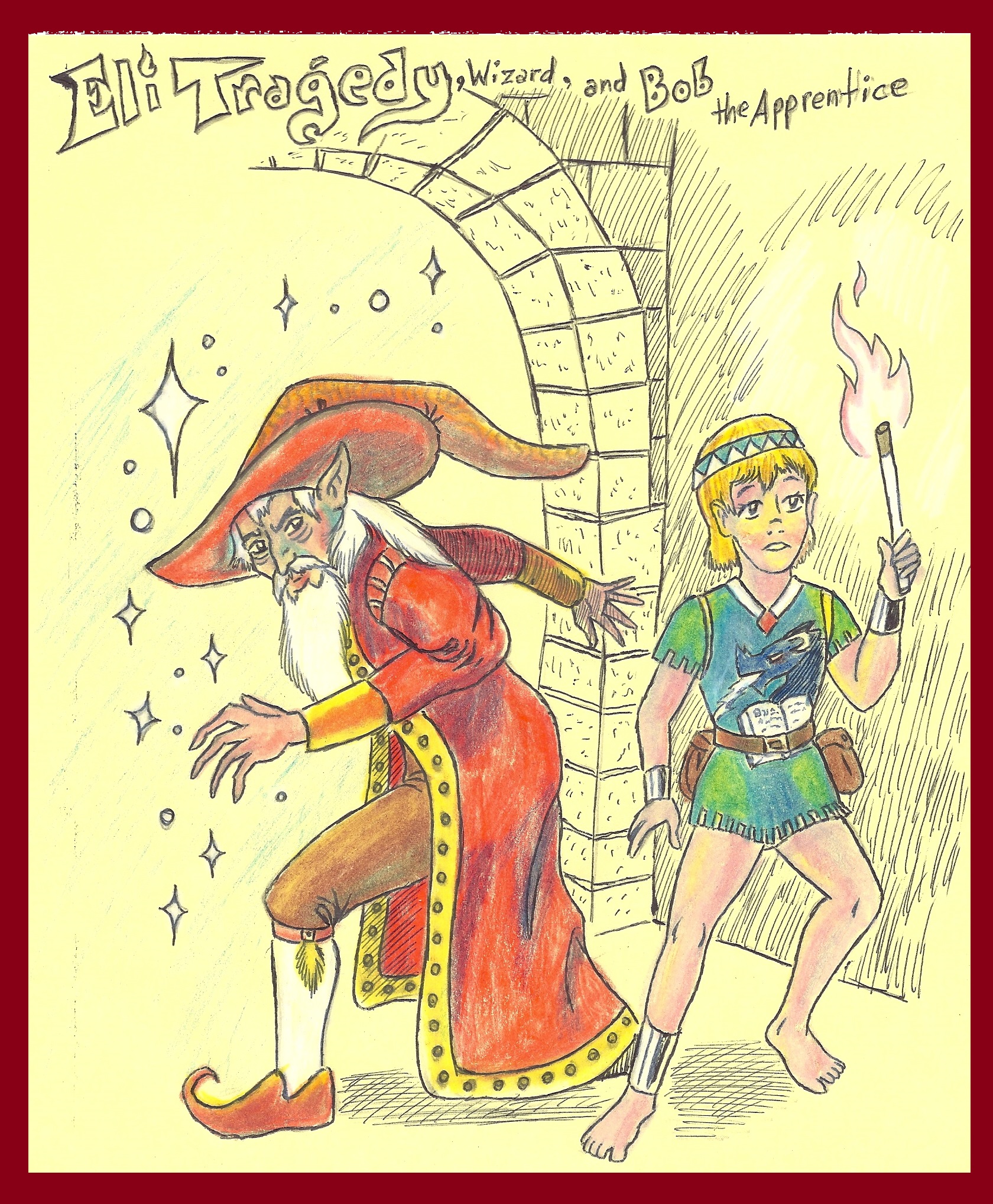
I started my walk thinking about my current work in progress. It is called The Necromancer’s Apprentice. And it is a story about a fairy society filled with tiny, three-inch-tall magical people. They live in a castle-city made from a living, hollow willow tree. The city is under attack by an evil Necromancer (a death-wizard) who wants something unknown from the wizards in the city. Eli Tragedy is a sorcerer representing the good guys. He has two apprentices already, quiet Bob and chaotic Mickey the were-rat. And he captures the necromancer’s apprentice, and instead of killing her like his superiors want, he makes her into his own third apprentice. He’s a good wizard because he helps students learn and values them as people. The bad guy is the opposite. He is evil because he’s focussed on his own power and wealth, and he’s wasteful of the lives and suffering of others. So, in many ways, he is like a Republican politician in the real world.
The Great Books You Have Read Make You Who You Are
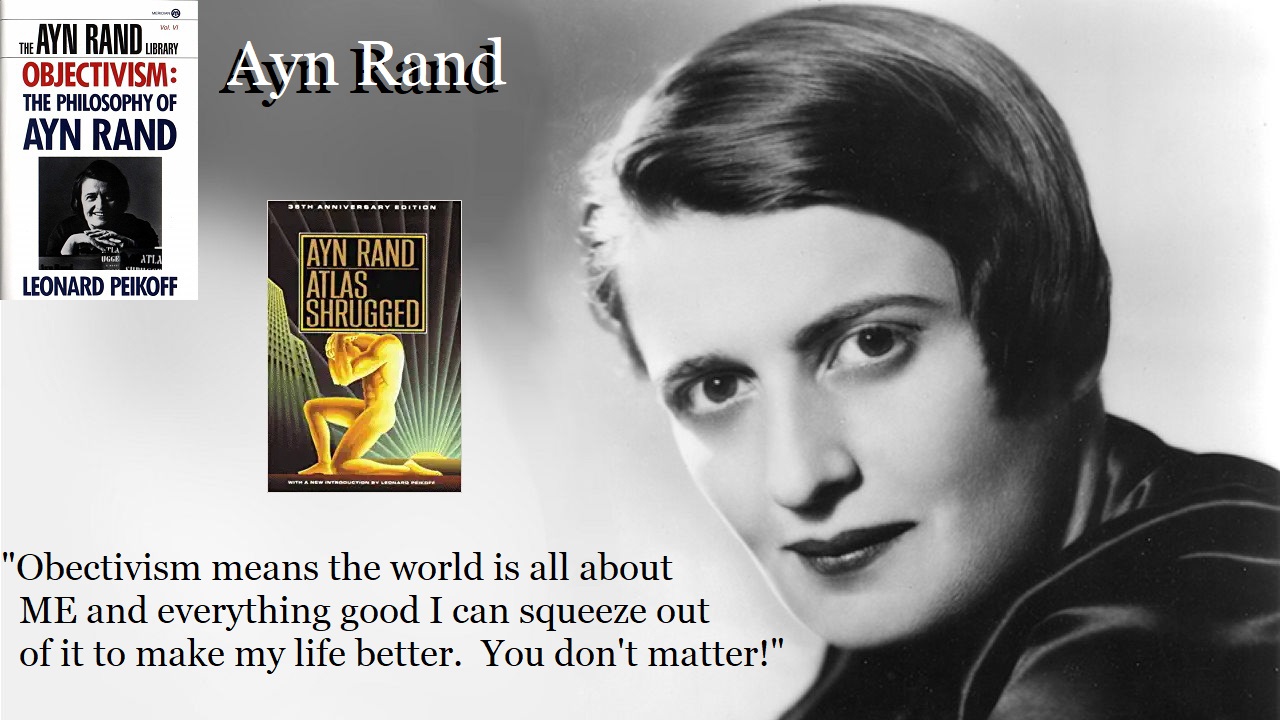
So, I began thinking about what the necromancer’s favorite great work of literature is. Obviously, it would be former Speaker of the House Paul Ryan’s favorite book, Atlas Shrugged. In that book, the hero John Galt asserts the notion that only certain people, creative types like himself and Ayn Rand and, presumably, Paul Ryan have the right to design the proper life for everybody. And they are capable of doing anything and getting away with it for the reason that it is in the best interests of everybody, even if it kills the poor and other lesser people.
This recognized classic book of fiction supporting a selfish philosophy is the reason why we have things like Reaganomics, Trump tax cuts, and border walls. The perfect explanation to certain readers of, “All the reasons why I should turn to evil.” It obviously is a book read and loved by not only Paul Ryan, but other important weasels in charge of everything like Senator Ted “Cancun” Cruz, Senator Mitch “Turtle Man” McConnell, and former Presidential Advisor Steve “The Human Sweat-stain” Bannon.
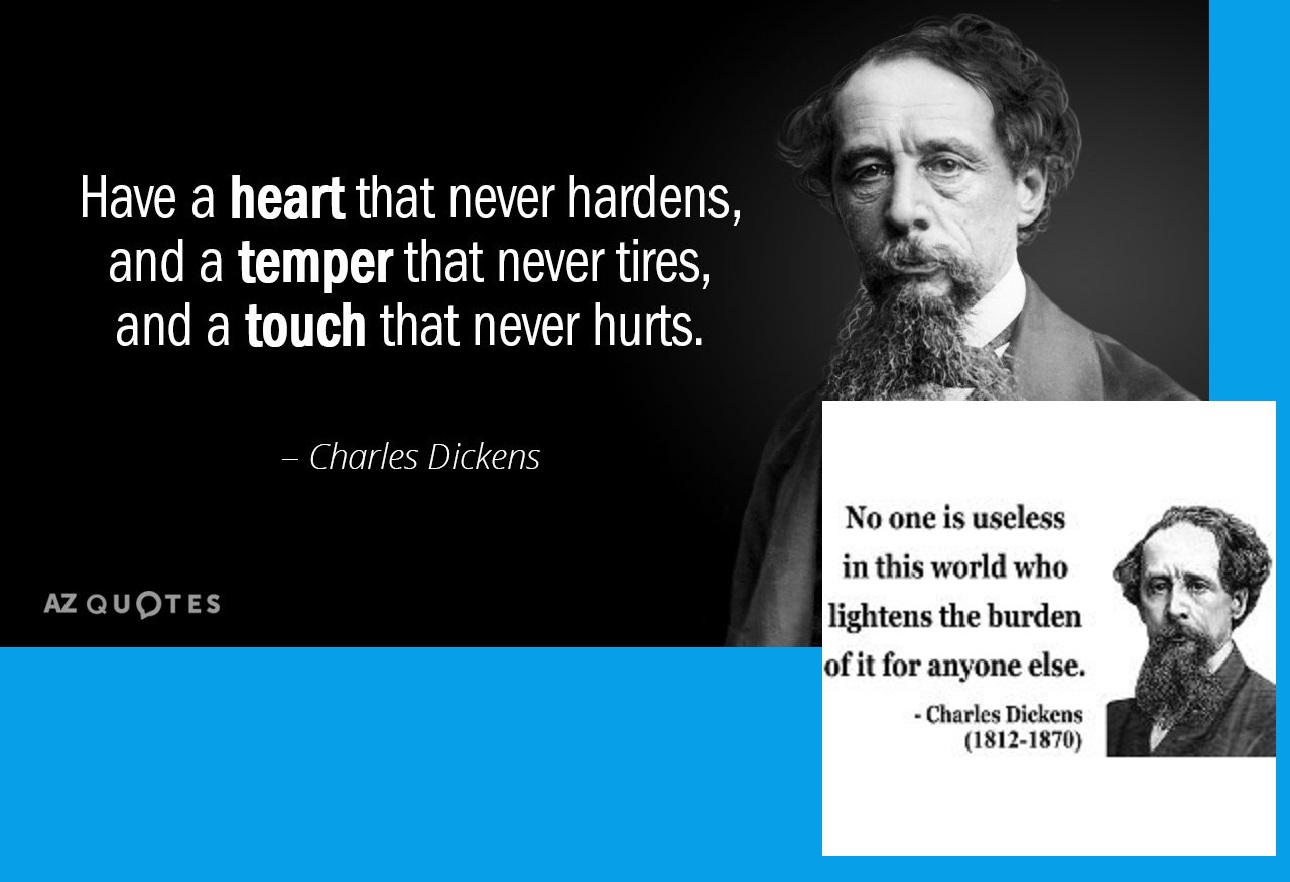
A good wizard (or Sorcerer) would have read and been influenced more probably by some of the great books of Uncle Boz, um, I mean, Charles Dickens. His is a much gentler and more generous philosophy which finds value in forlorn and mislaid individuals like Sydney Carton, Oliver Twist, Nicholas Nickleby, or Tiny Tim. I know these books of magic are the ones I choose to battle evil wizards in my own life.
So, if great books made me, perhaps I can write my great book with heroes influenced by Dickens and villains influenced by Ayn Rand.
The Final Turn of the Park’s Sidewalk
As I head homeward from my walk in the park, I have two things gained from the exercise. My legs and back are very tired. And my head is boiling over with things I need to write.down.

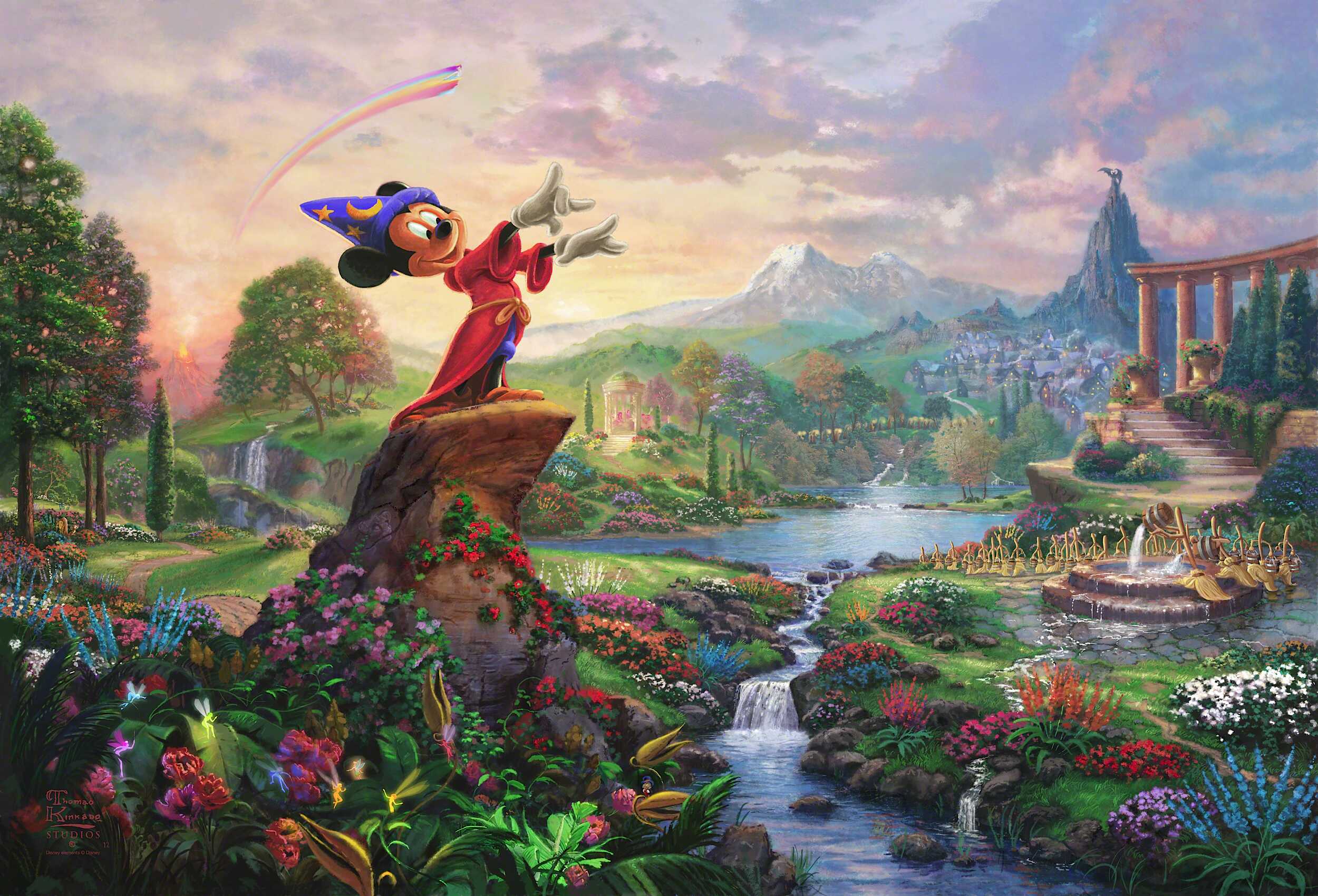 These images can be found at http://thomaskinkade.com/