Tag Archives: parenting

A $3.00 Treasure Trove

C360_2016-12-21-17-27-40-934.jpg

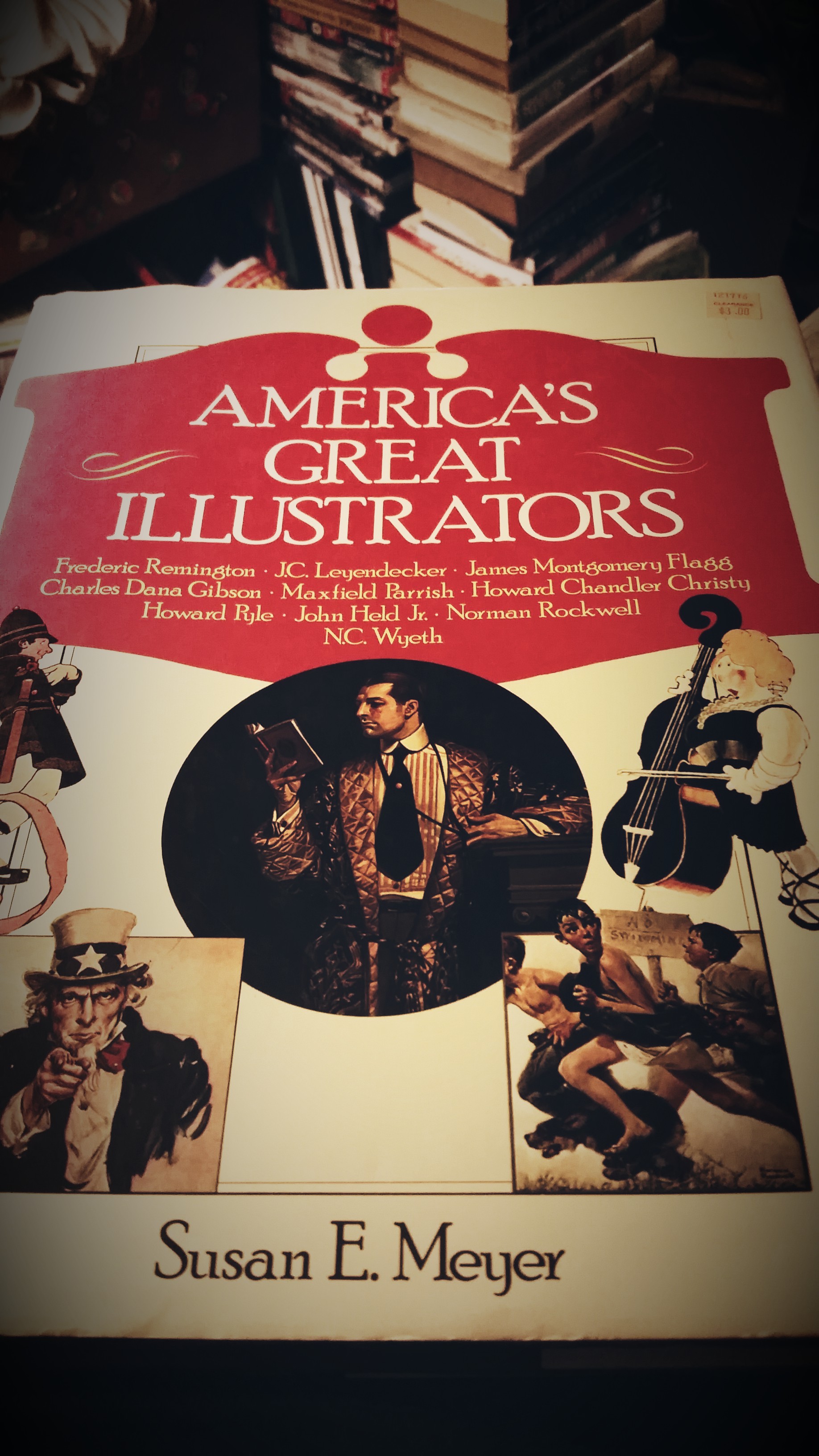
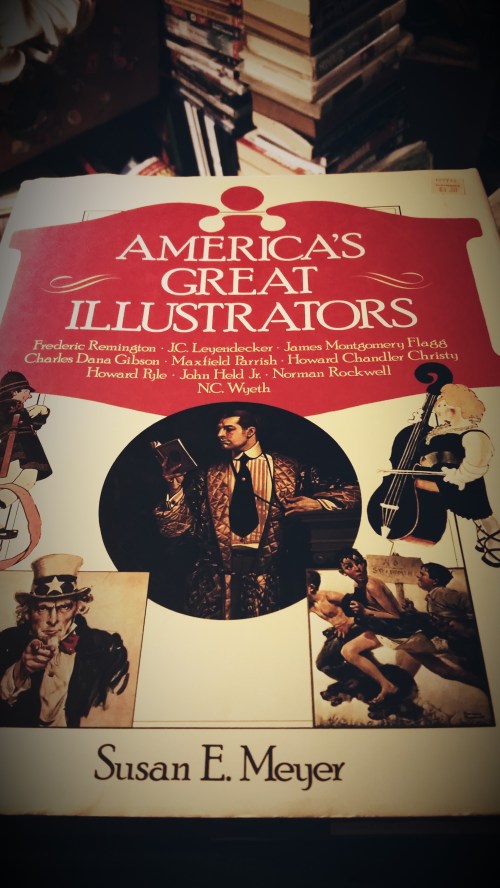
If you cruise the bargain sections in an old used book store like Half-Price Books, eventually you are going to find something priceless.  This book I am showing you is that very thing for me.

It was copyrighted in 1978.  The inscription inside the front cover says this was a Father’s Day gift on June 19th, 1988.  Someone named Gary gifted it to someone named Claude in Burleson, Texas.  It was probably a cherished book until someone passed away and the book changed hands in an estate sale.
c360_2016-12-21-17-26-52-638

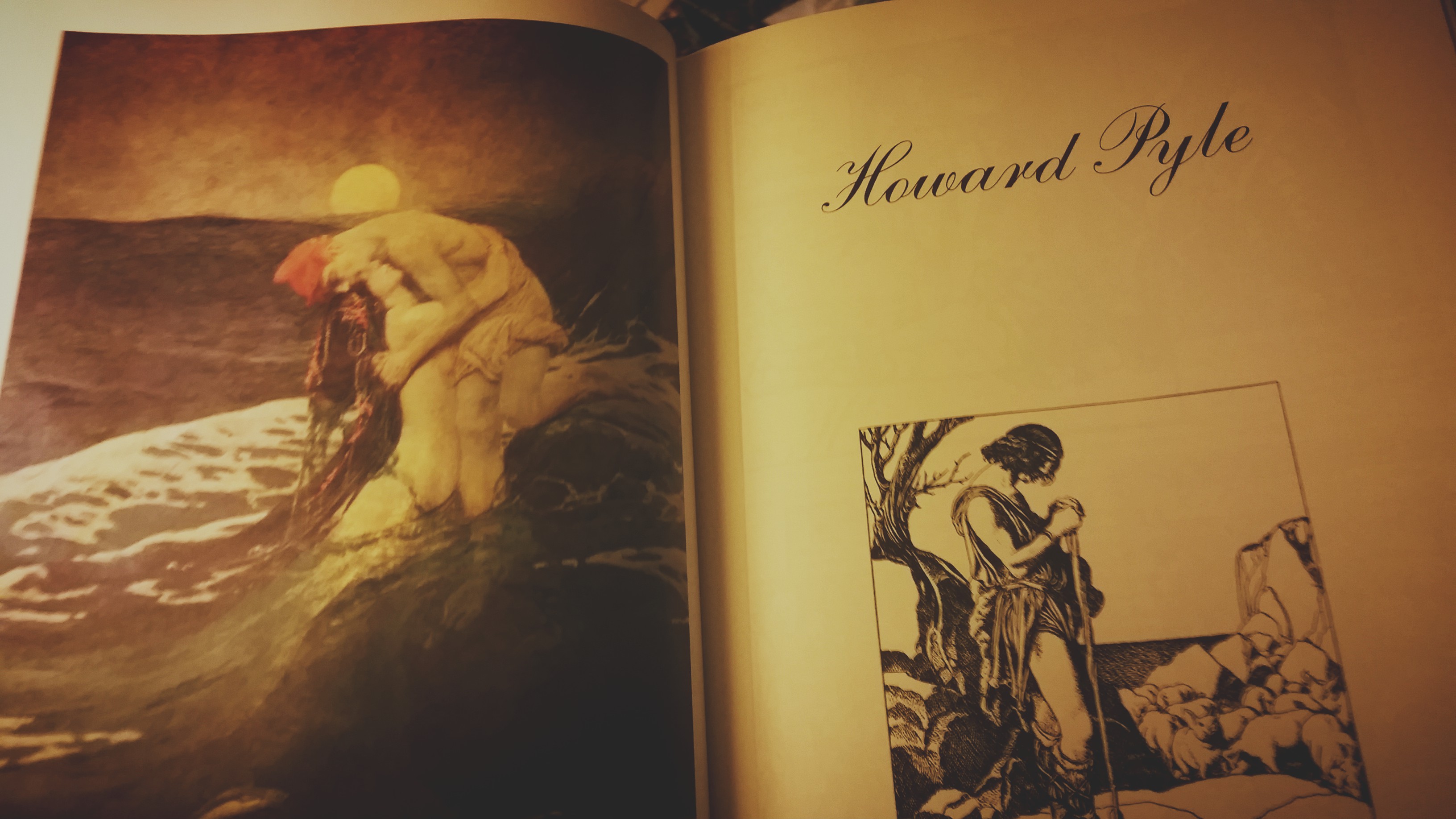
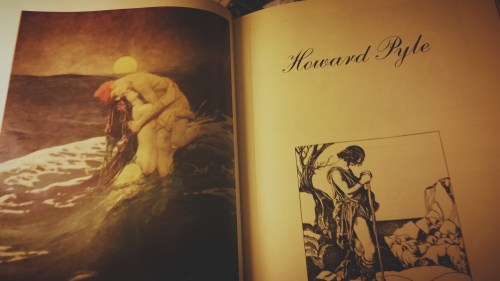
Howard Pyle

The book chronicles the height of the publishing era when being able to print books and reproduce artworks began entertaining the masses.  Always before painters and great artists worked for a patron for the purpose of decorating their home in a way that displayed their great wealth.  But from the 1880’s to the rise of cinema, magazines and books kept the masses entertained, helped more people to become literate than ever before, and created the stories that made our shared culture and life experiences grow stronger and ever more inventive.  The book focuses on the best of the best among a new breed of artist… the illustrators.

These are the ones the book details;

Howard Pyle, N.C. Wyeth, Frederick Remington, Maxfield Parrish, J.C. Leyendecker, Norman Rockwell, Charles Dana Gibson, Howard Chandler Christy, James Montgomery Flagg, and John Held Jr.
c360_2016-12-21-17-26-08-244

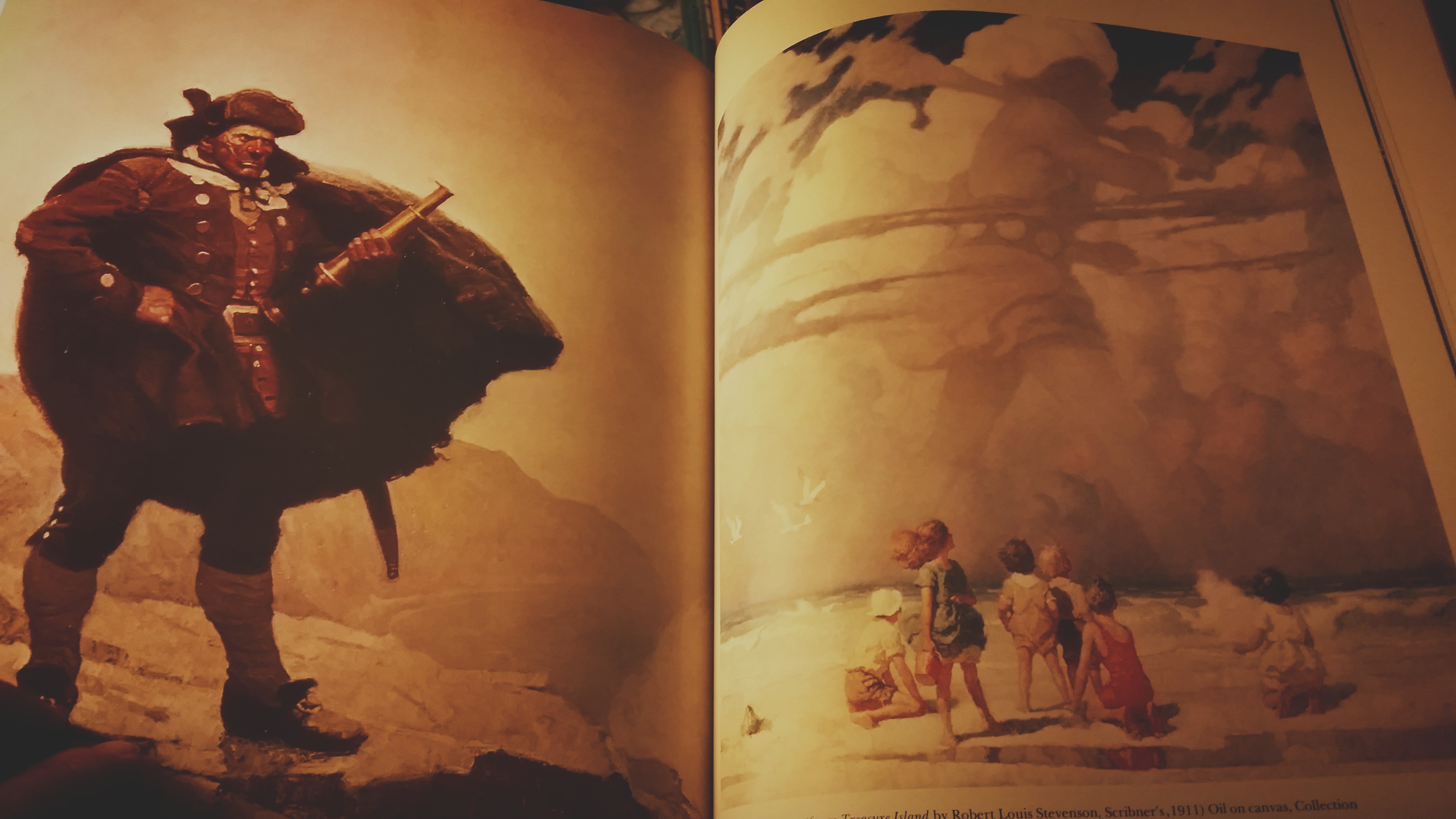
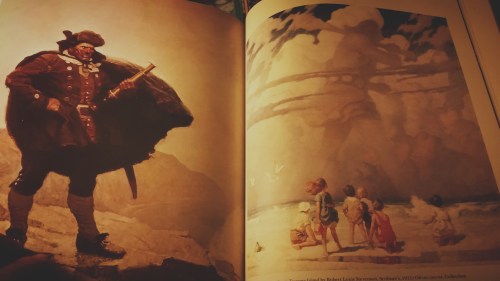
N.C. Wyeth

Wyeth was most famous as a book illustrator for Treasure Island, Kidnapped, other books by Robert Louis Stevenson, Mark Twain,  and a famous volume of tales about Robin Hood.
c360_2016-12-21-17-25-30-575

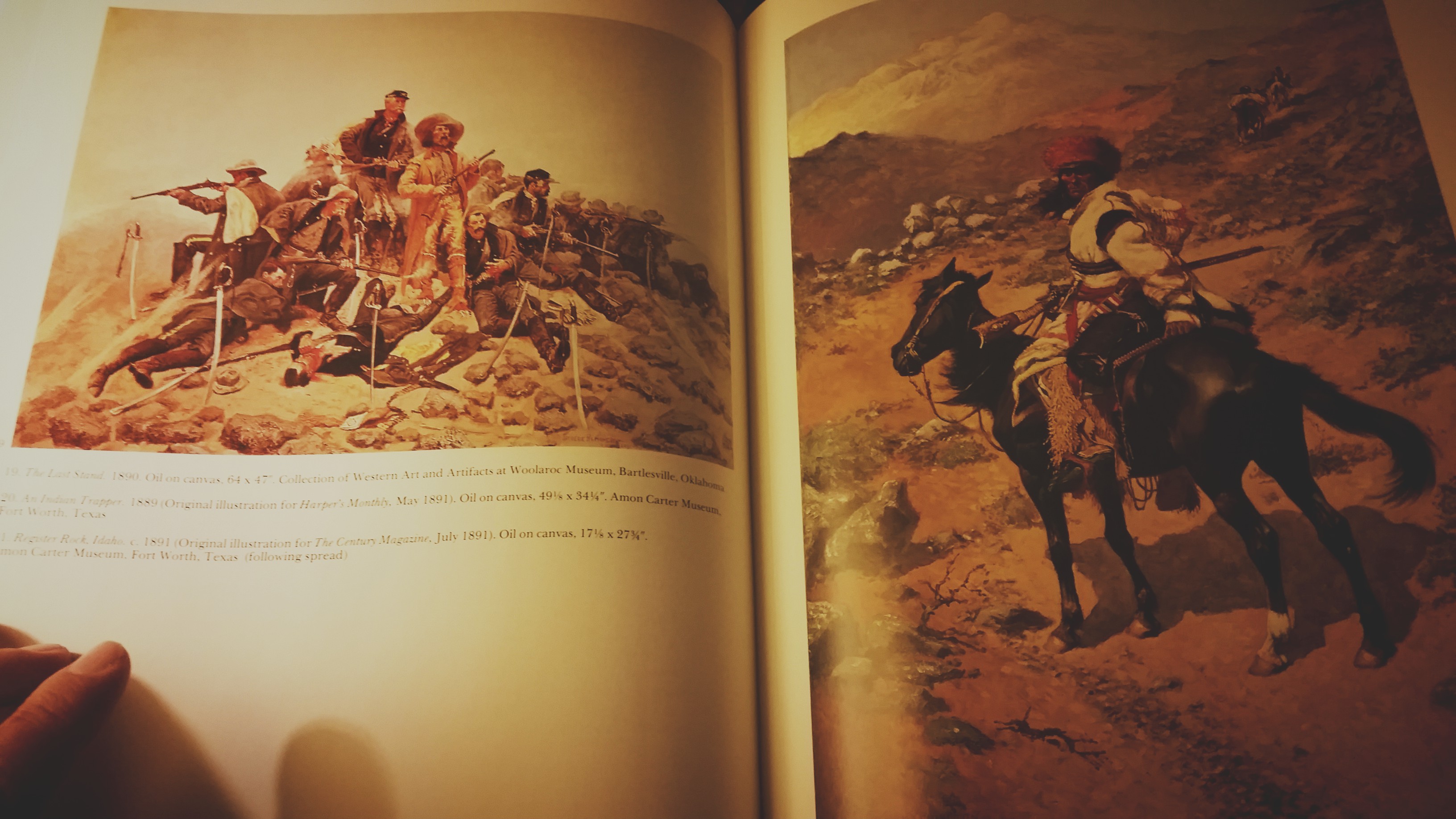
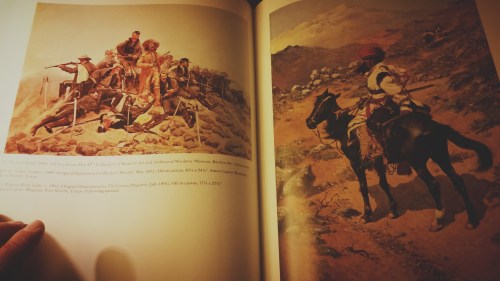
Frederick Remington

Remington is a name you probably know as a maker of Western art.  He was a famous painter of cowboys and Indians and the American frontier.
c360_2016-12-21-17-25-11-104

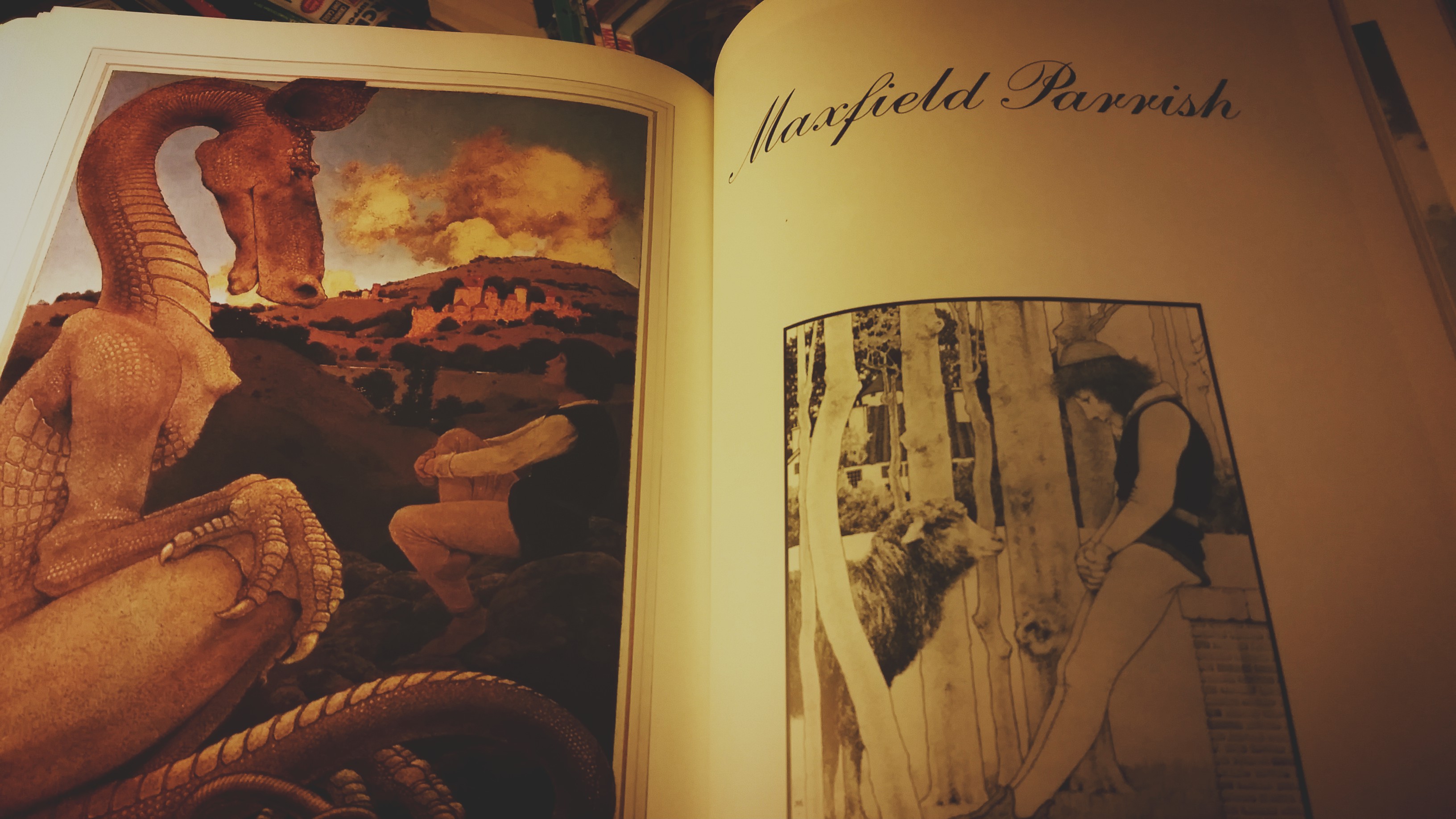
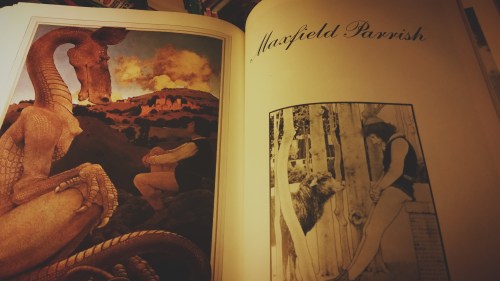
Maxfield Parrish

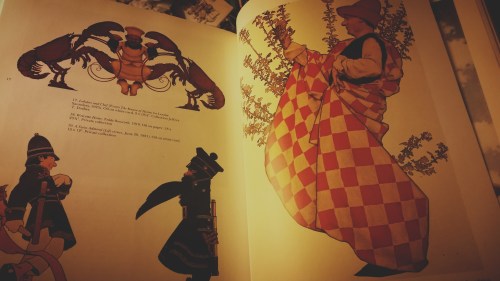
Maxfield Parrish is my all-time favorite painter.  His work is something I gushed about in previous posts because I own other books about his fanciful works painted in Maxfield Parrish blue.
c360_2016-12-21-17-24-36-579

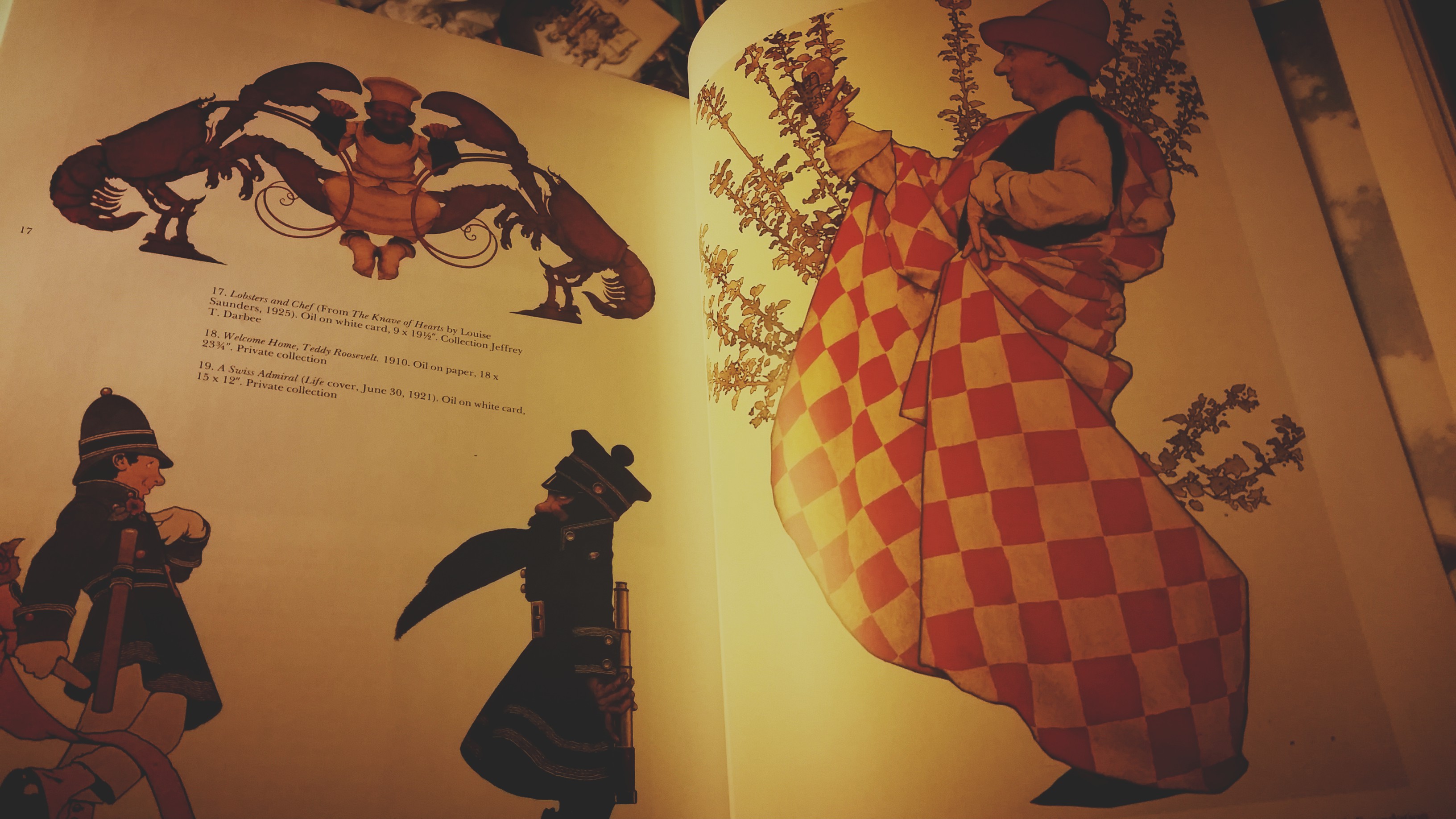
Also Maxfield Parrish


c360_2016-12-21-17-24-09-869

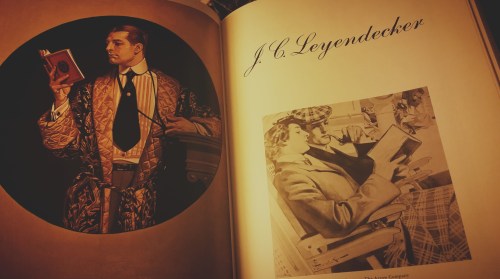
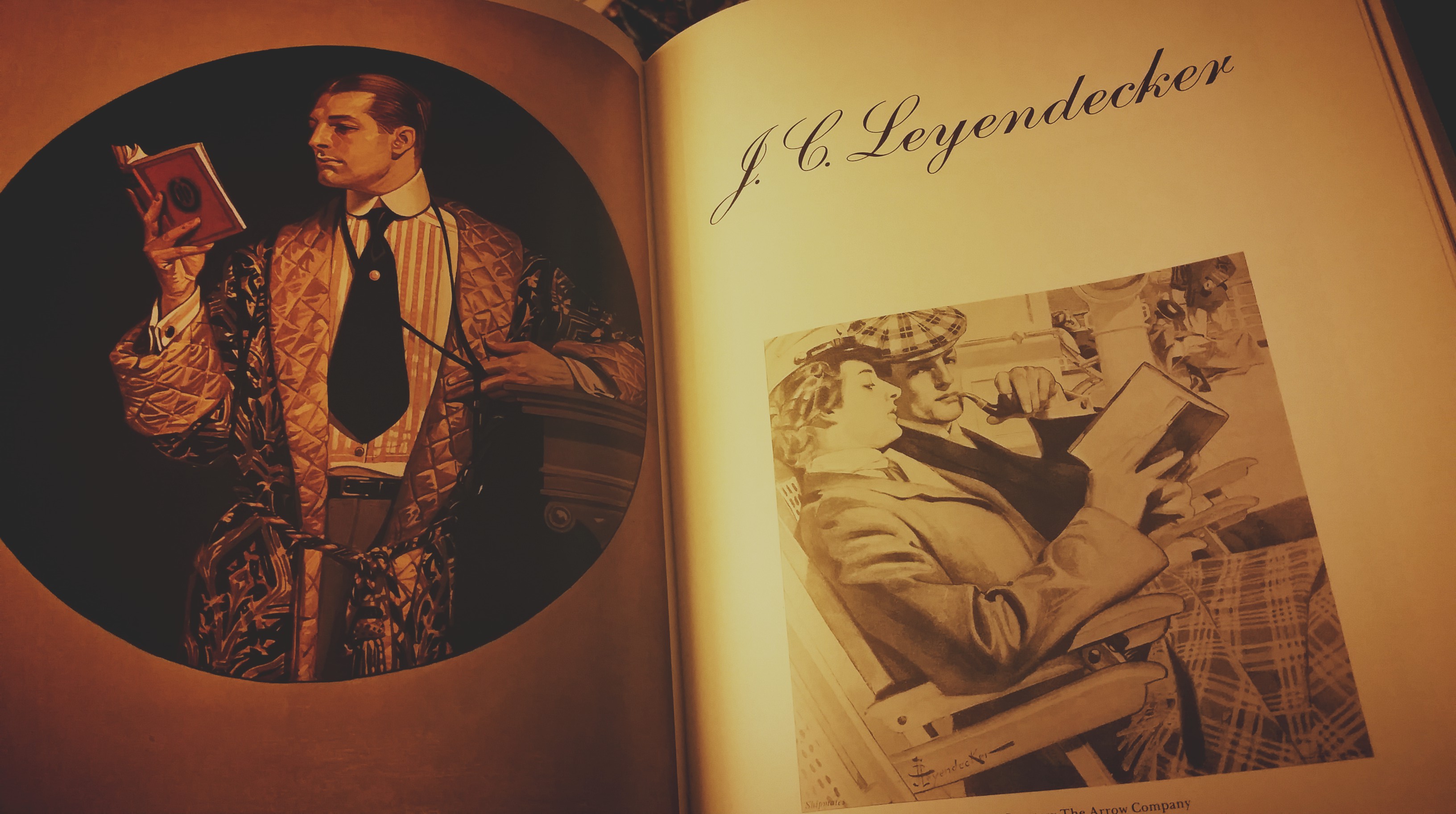
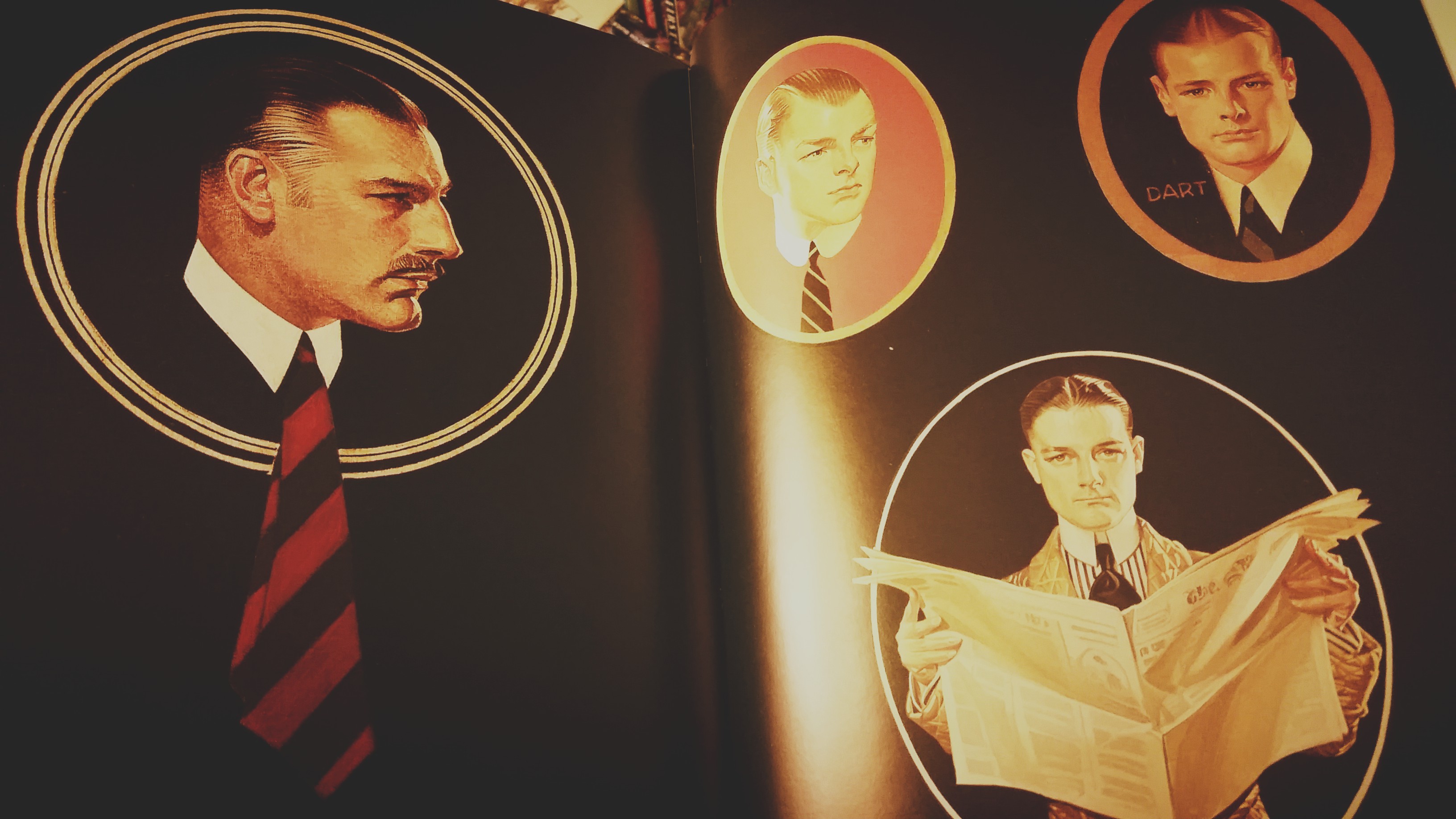
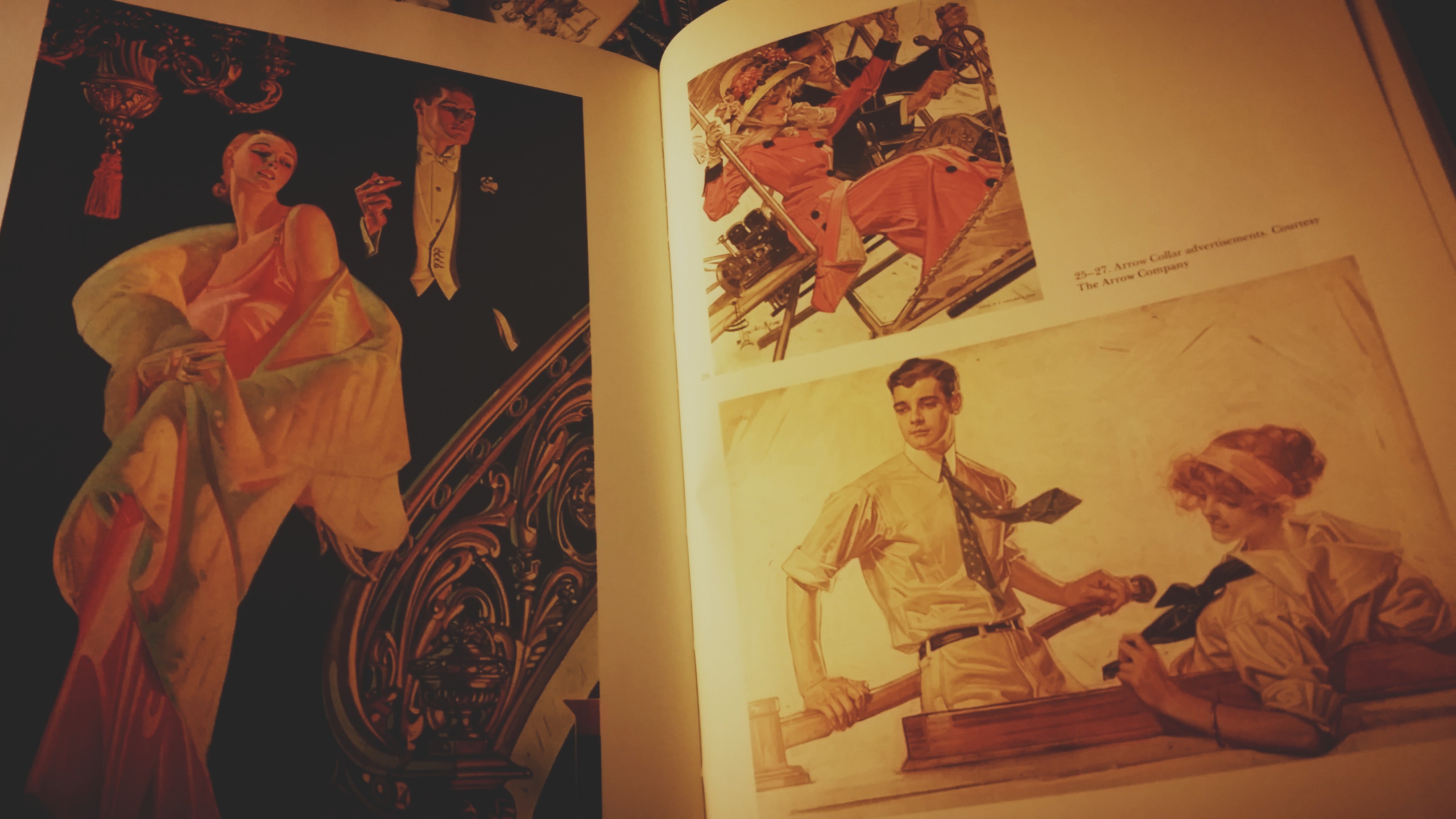
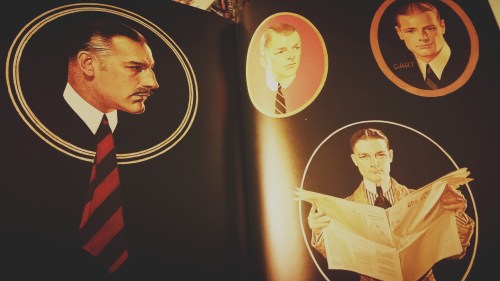
J.C. Leyendecker

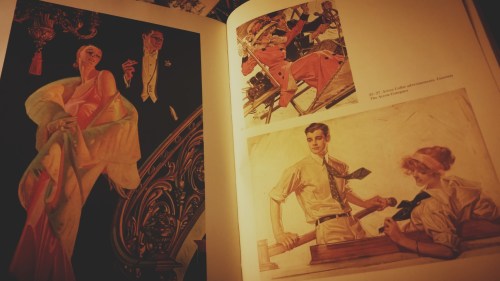
You will probably recognize Leyendecker’s work in magazine and advertising illustration as the standard of the Roaring 20’s.  His paintings set a style that swept American culture for more than a decade, and still affects how we dress to this very day.
 

c360_2016-12-21-17-23-44-163

More Leyendecker


c360_2016-12-21-17-23-26-011

Even more from Leyendecker


c360_2016-12-21-17-22-58-983

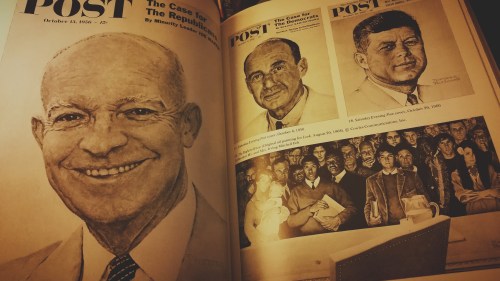
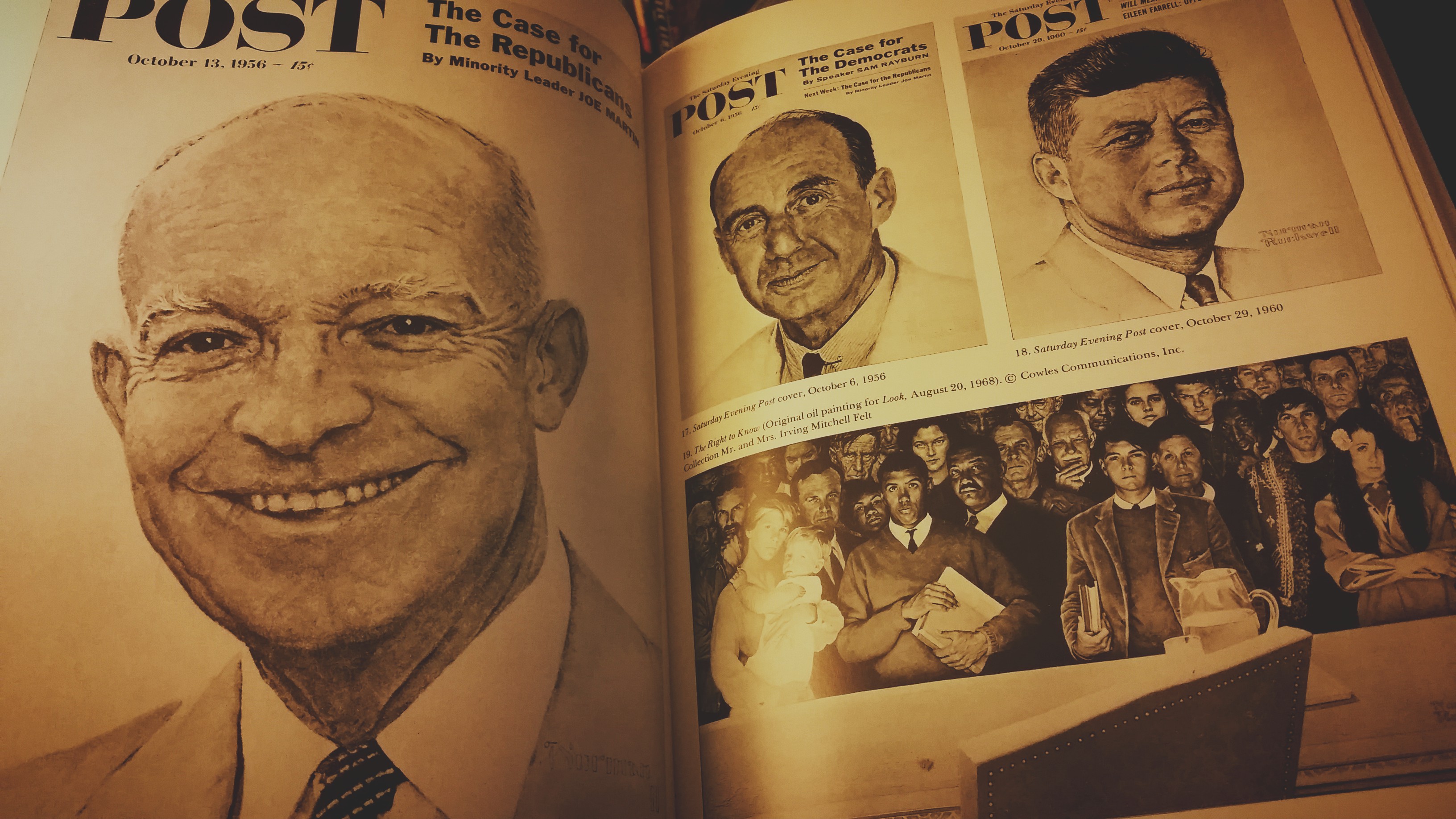
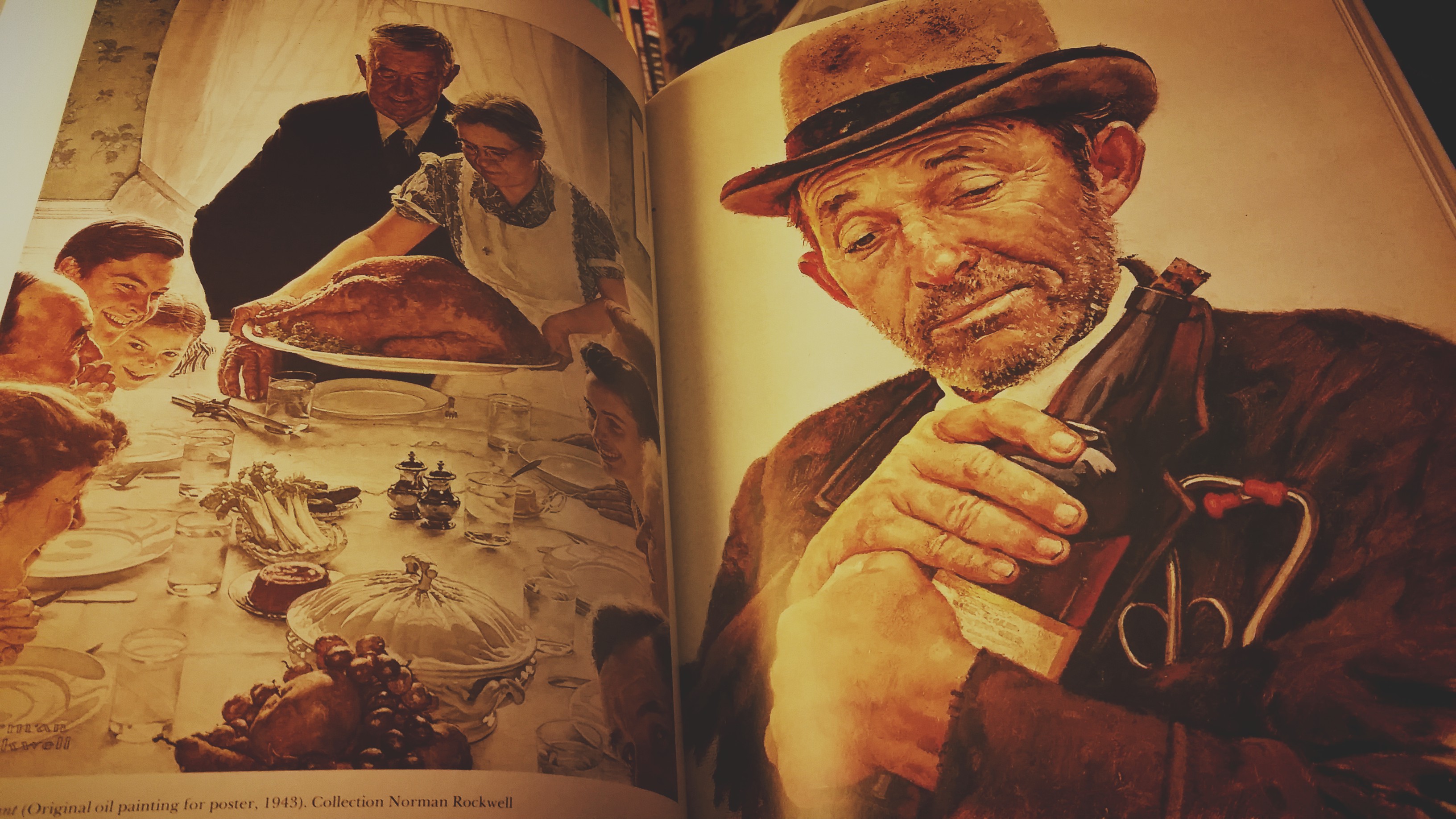
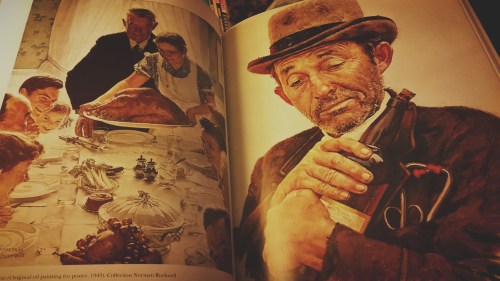
Norman Rockwell

Norman Rockwell and his work for The Saturday Evening Post is still familiar to practically everyone who reads and looks at the illustrations.  As you can see he was a master of folksy realism and could do a portrait better than practically anyone.
 

c360_2016-12-21-17-22-02-082

Also Rockwell

I have also written about Norman Rockwell before too.  I have half a dozen books that include his works.  My wife is from the Philippines and she knew about him before I ever said a word to her about him.
c360_2016-12-21-17-21-38-237

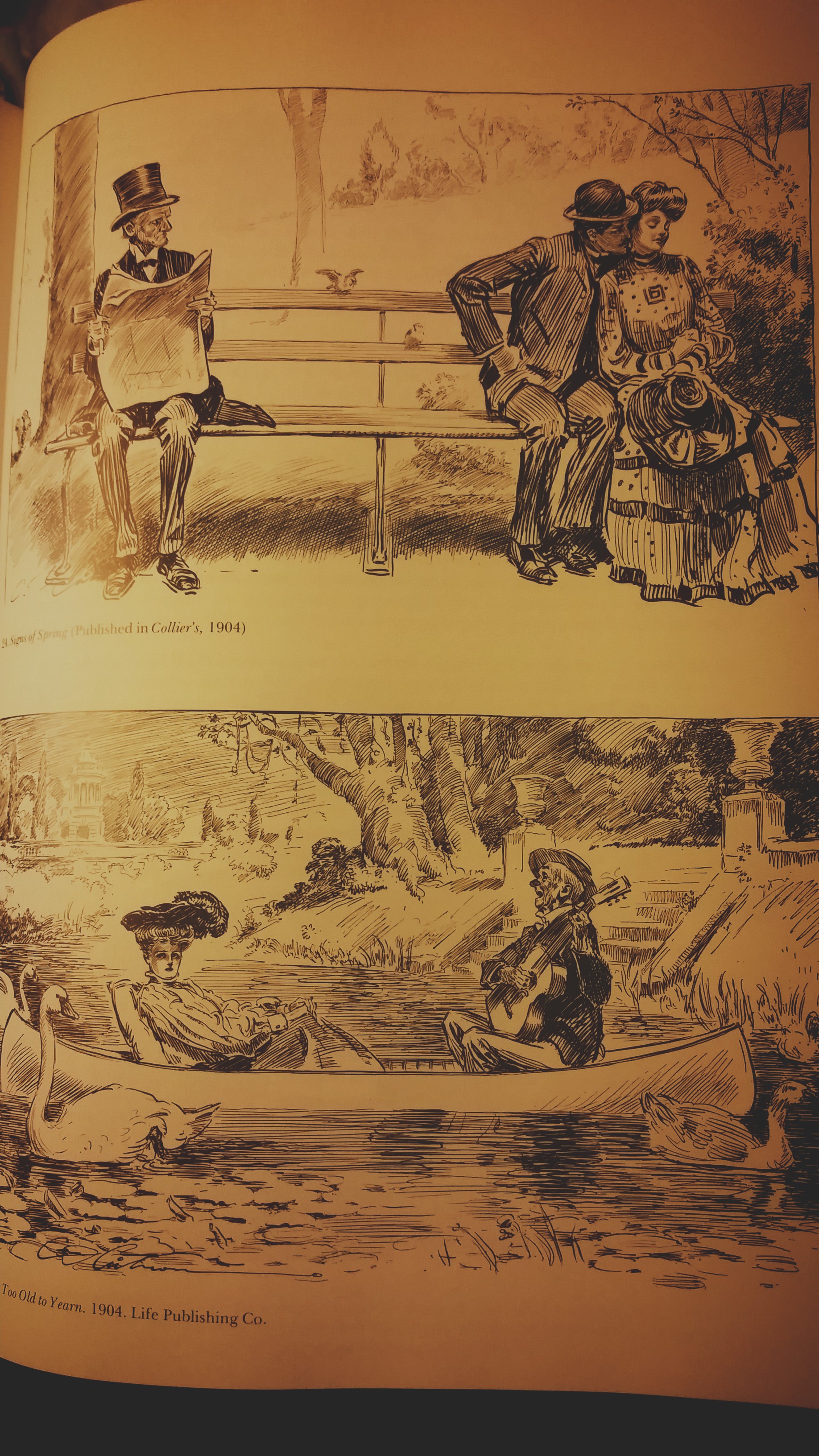
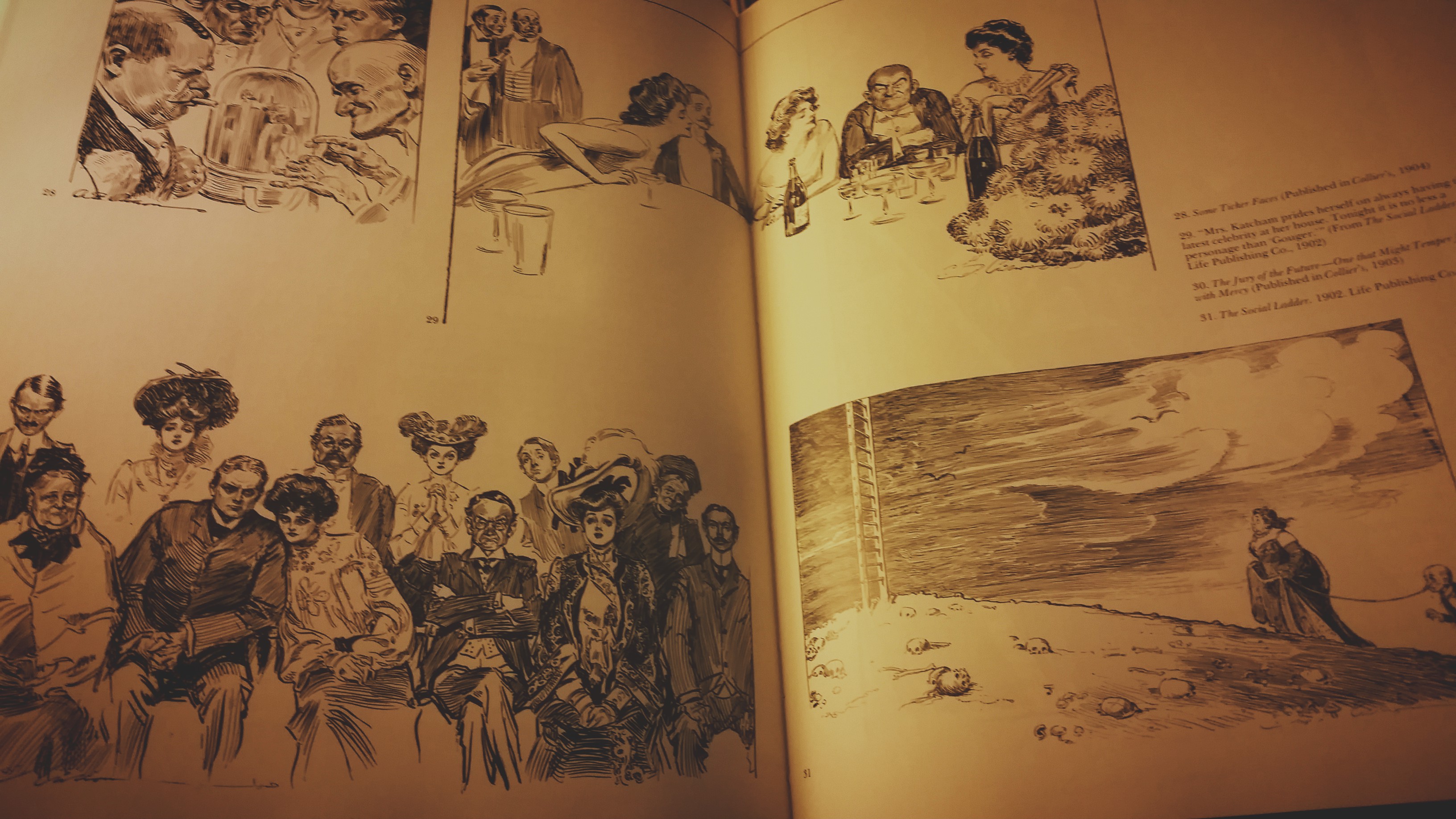
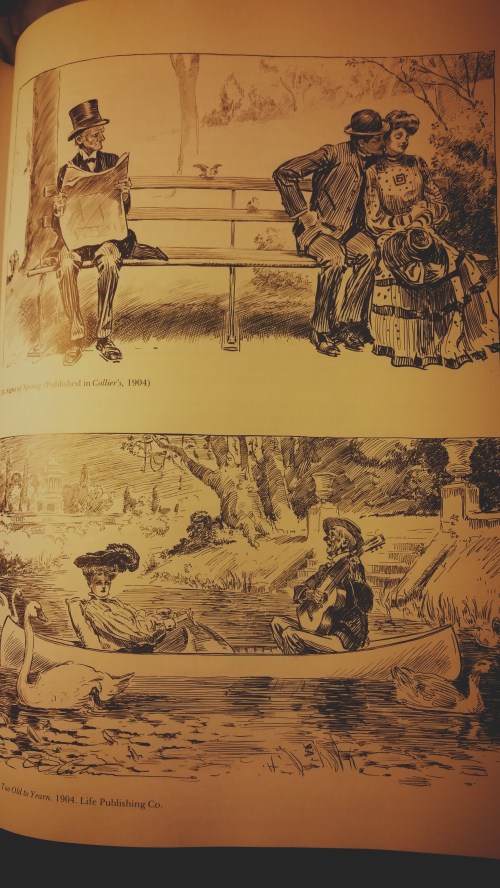
Charles Dana Gibson

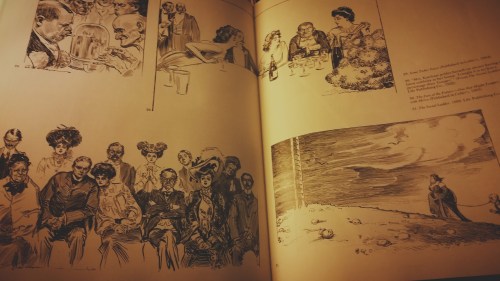
As you can plainly see, Gibson was a master of pen and ink.  His work for Collier’s and other magazines thrills in simple black and white.  More cartoonists than just little ol’ me obsess about how he did what he did.
c360_2016-12-21-17-21-14-634

Also Gibson


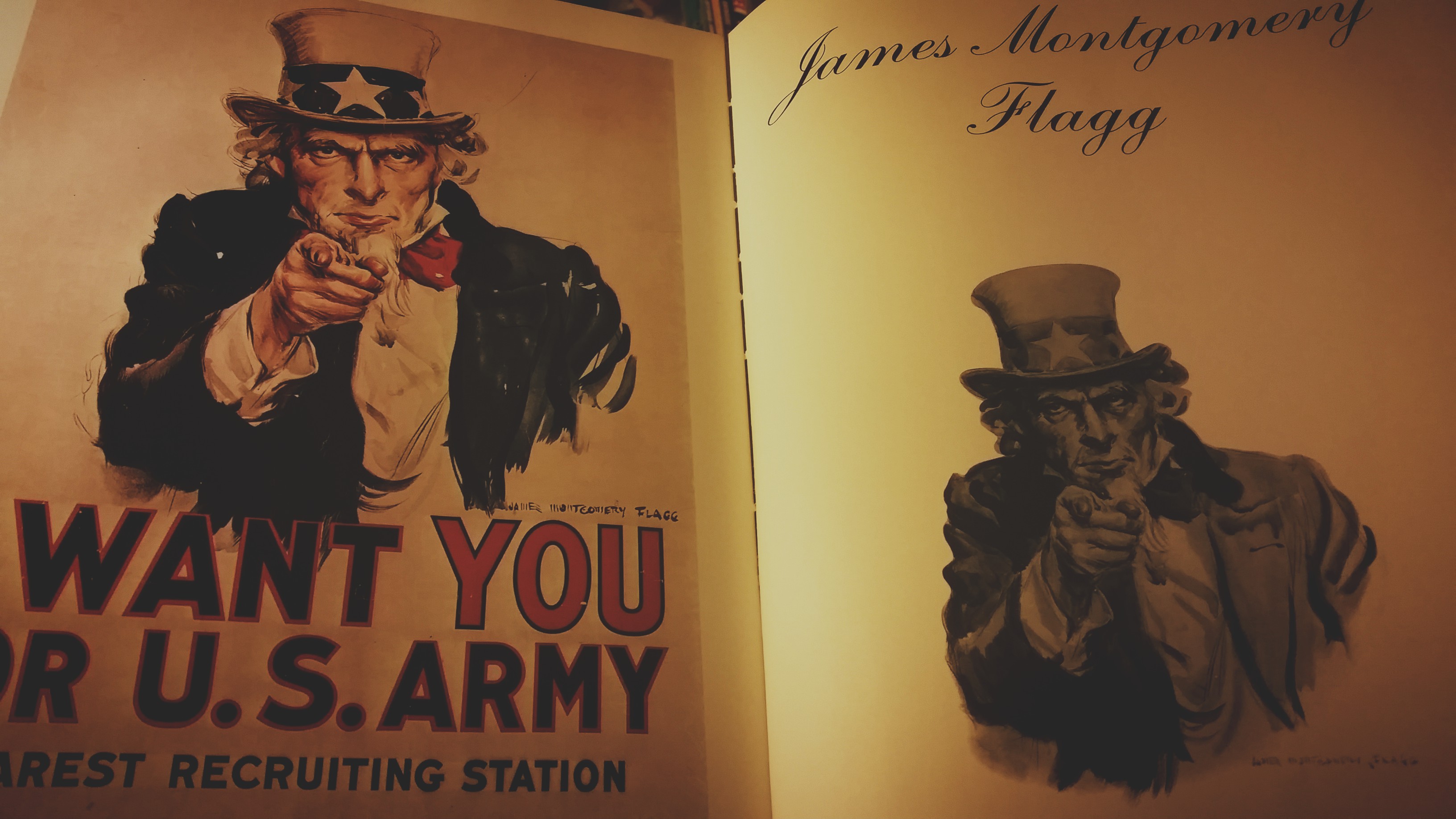
c360_2016-12-21-17-20-49-992

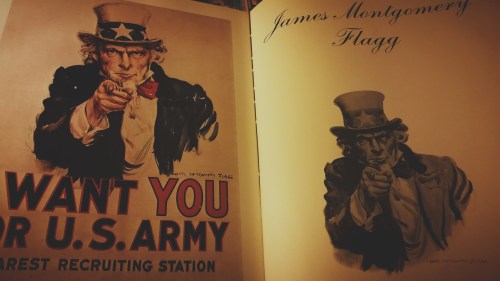
James Montgomery Flagg… with a name like that, who else could it be?
 

c360_2016-12-21-17-20-06-847

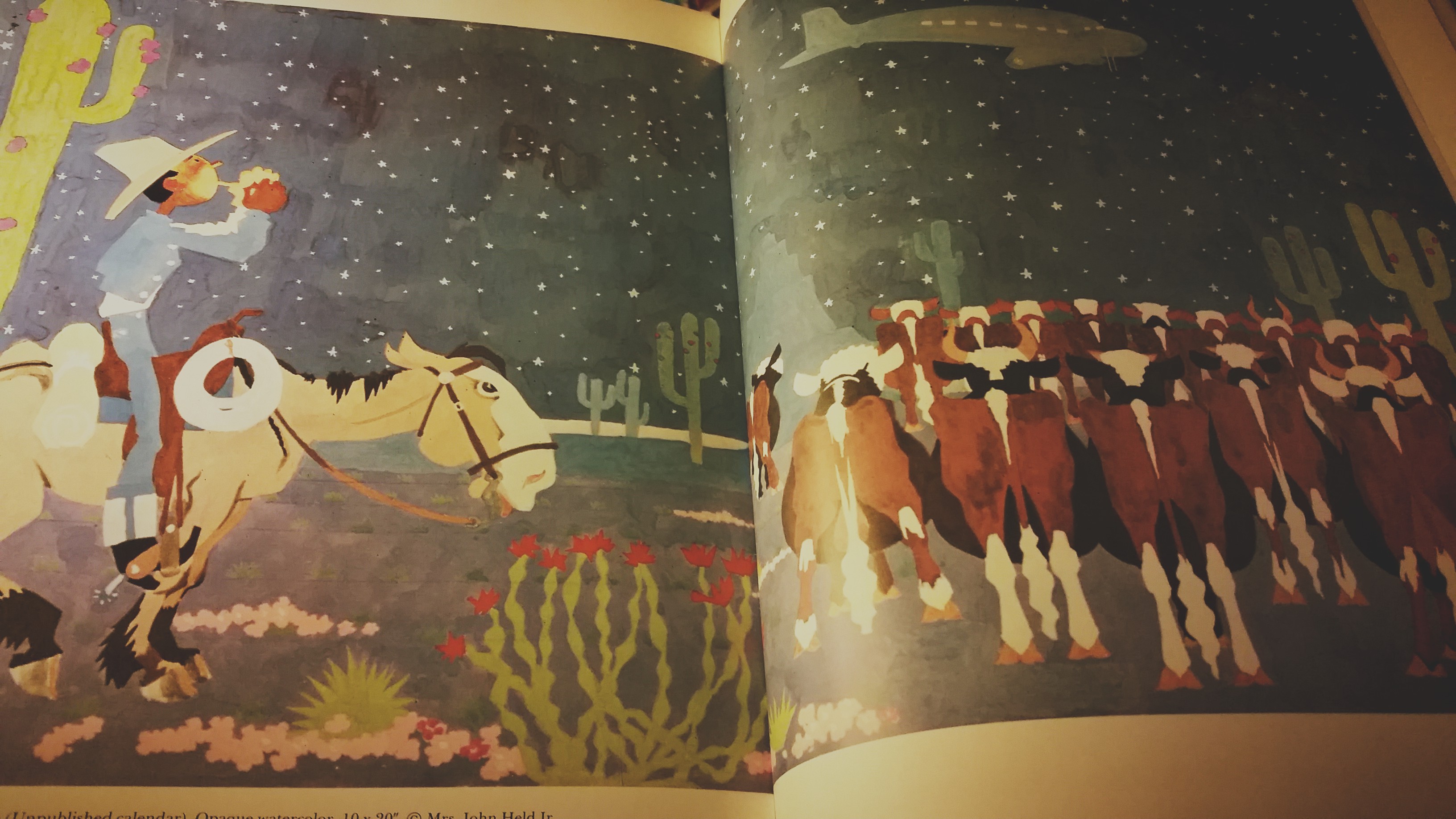
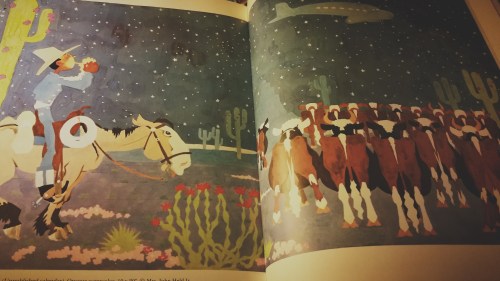
John Held Jr.

The work of Held is stylistically different than all the rest in easily noticeable ways.  He’s the guy that made all the big-headed Pinocchio-looking people in the 1920’s.  You may have seen his work before, though you probably never knew his name.

This bit of someone else’s treasure hoard will now become a part of my own dragon’s treasure, staying by my bedside for quite a while, while I continue to suck the marrow from each of its bones.  I love this book.  It is mine, and you can’t have it… unless you find your own copy in a used bookstore somewhere.
Leave a comment

Filed under art criticism, art my Grandpa loved, book reports, book review, humor, illustrations, imagination, oil painting, old art, old books, pen and ink, Uncategorized

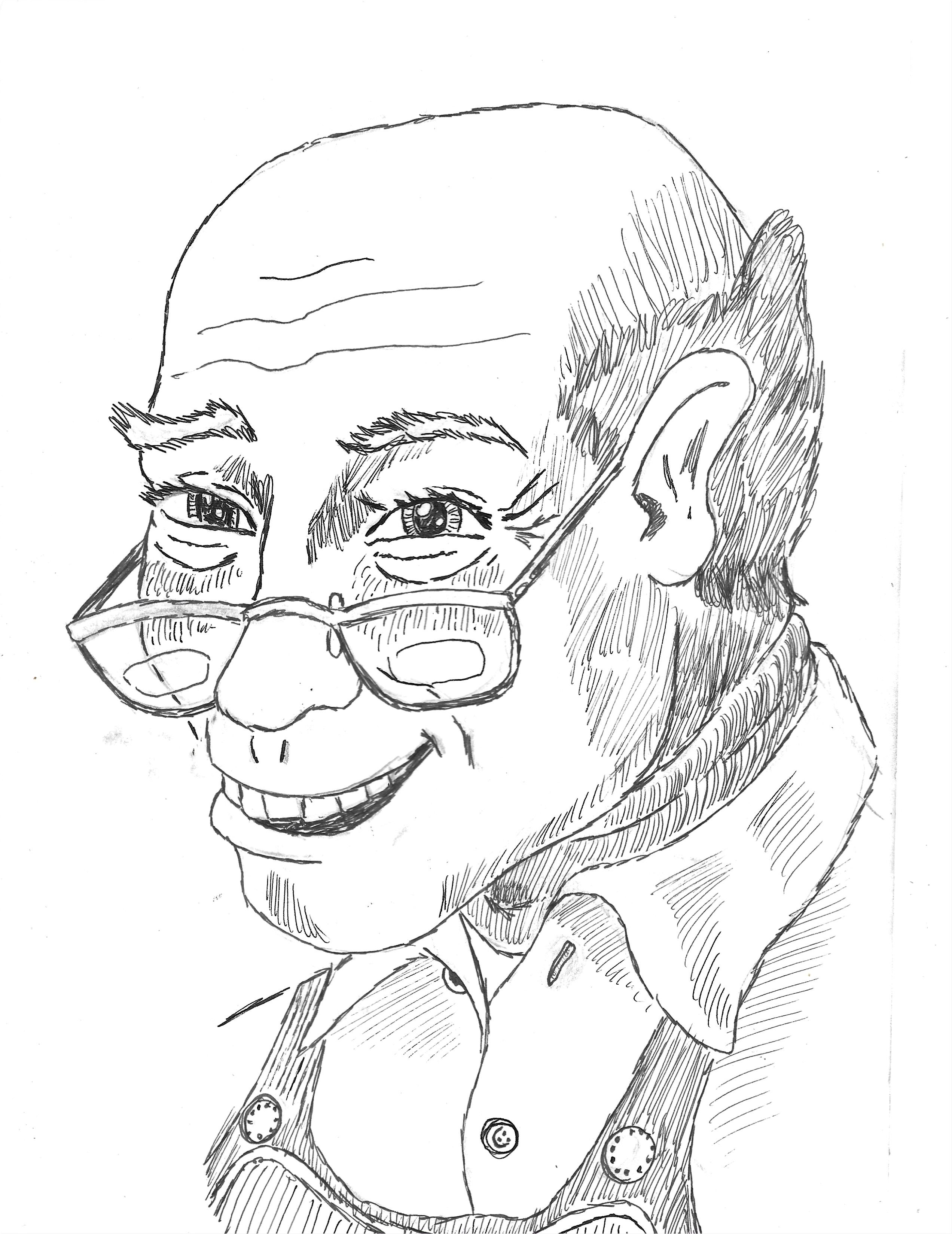
Mr. Happy

I know that I am probably the last person you would think of to ask for advice on how to be happy. I am a crotchety old coot, a former middle-school English teacher, a grumpy old-enough-to-be-a-grandpa non-grandpa, an atheist, a nudist, and a conspiracy theorist. You would expect someone like me to be out in his yard in his underwear yelling at pigeons for pooping on his car more than they do his wife’s car. Be that as it may, I am also basically happy.

You know what happy looks like, surely. After Christmas day is over you see two kinds of kids. One kind is miserable and grumbling in his or her room about their Christmas gift that they didn’t get, in spite of the five expensive toys they did get. Yeah, that one’s never going to be happy. Then there’s the other kind, the one happily breaking or playing with the few cheap toys their parents could afford, using more of their own imagination than the imagination the toy companies pay someone to put into their TV or YouTube toy commercials. That one is going to be somebody you can rely on for years to come. That’s the kind of kid I like to think I was. Of course, I’m probably wrong about that too. Being a middle-school teacher gives you plenty of opportunity to learn the lesson that you are actually wrong about everything in life, and like Socrates, you know absolutely nothing for sure about anything.

Years upon years of being a public school teacher, the butt of comedians’ best school-memory jokes, the target of Republican spending cuts for saving enough money to give massive tax cuts to billionaires, and having to be every kind of professional for every kind of kid, no matter how ugly and unlovable they are, teaches you where true happiness comes from.

A. You have to learn to love the job you are trying to do. And…

B. You need to do the job you love with every resource you can squeeze out of your poor, battery-powered soul.

I did that. I did the job all the way from deluded and idealistic days of youth to cynical and caustic old age hanging onto your job by the fingernails until you have to choose between dying in front of the whole classroom of horrified kiddos you have learned to love, or going kicking and screaming into retirement to maybe live a bit longer than you would have if you had stayed at your work station in the idiot-to-income-earner factory for young minds.

Being satisfied with the career you chose and the success or failure you made of it is not the only factor in being happy. Teachers don’t earn much compared to corporate informational presenters who do the same job for a lot more money in front of a lot less hostile audiences far fewer times a day. So, it helps if you can manage to need less stuff in life. After all, stuff costs lots of money. Especially stuff you don’t really need.

That is why being a nudist and not having to worry about how much you spend on clothes helps a lot with your basic level of happiness and peace of mind. Also, lots of vitamin D soaked up through your nude all-togetherness produces happy-hormones in the brain.

Being an avowed pessimist is good for being happier in life as well. After all, the pessimist is always prepared for the worst to happen. And since the worst rarely is what actually happens, the pessimist is never shocked and dismayed and is frequently pleasantly surprised.

And so, here is Mr. Happy’s secret to a long and happy life;

  1. Tell yourself that the job you have to do is the job you love to do often enough that you actually begin to believe it.
  2. Do that job you love as hard and as well as it is possible for you to do.
  3. Love the people you work for and the people you work with, even if you have to pretend really hard until it becomes real to you too.
  4. Be satisfied with the stuff you need, and try to need as little as possible. The man whose paycheck is bigger than his bills is happier than the man whose paycheck only pays for a portion of the interest on his wife’s credit cards.
  5. Wear fewer clothes. You don’t need them in a quickly warming world. And you should love the skin you’re in.
  6. Expect the worst possible outcome from everything in life, and then there is nowhere to go but upwards.

2 Comments

Filed under artwork, autobiography, happiness, humor, insight, inspiration, Paffooney, philosophy

A $3.00 Treasure Trove

C360_2016-12-21-17-27-40-934.jpg

If you cruise the bargain sections in an old used book store like Half-Price Books, eventually you are going to find something priceless.  This book I am showing you is that very thing for me.

It was copyrighted in 1978.  The inscription inside the front cover says this was a Father’s Day gift on June 19th, 1988.  Someone named Gary gifted it to someone named Claude in Burleson, Texas.  It was probably a cherished book until someone passed away and the book changed hands in an estate sale.

c360_2016-12-21-17-26-52-638

Howard Pyle

The book chronicles the height of the publishing era when being able to print books and reproduce artworks began entertaining the masses.  Always before painters and great artists worked for a patron for the purpose of decorating their home in a way that displayed their great wealth.  But from the 1880’s to the rise of cinema, magazines and books kept the masses entertained, helped more people to become literate than ever before, and created the stories that made our shared culture and life experiences grow stronger and ever more inventive.  The book focuses on the best of the best among a new breed of artist… the illustrators.

These are the ones the book details;

Howard Pyle, N.C. Wyeth, Frederick Remington, Maxfield Parrish, J.C. Leyendecker, Norman Rockwell, Charles Dana Gibson, Howard Chandler Christy, James Montgomery Flagg, and John Held Jr.

c360_2016-12-21-17-26-08-244

N.C. Wyeth

Wyeth was most famous as a book illustrator for Treasure Island, Kidnapped, other books by Robert Louis Stevenson, Mark Twain,  and a famous volume of tales about Robin Hood.

c360_2016-12-21-17-25-30-575

Frederick Remington

Remington is a name you probably know as a maker of Western art.  He was a famous painter of cowboys and Indians and the American frontier.

c360_2016-12-21-17-25-11-104

Maxfield Parrish

Maxfield Parrish is my all-time favorite painter.  His work is something I gushed about in previous posts because I own other books about his fanciful works painted in Maxfield Parrish blue.

c360_2016-12-21-17-24-36-579

Also Maxfield Parrish


c360_2016-12-21-17-24-09-869

J.C. Leyendecker

You will probably recognize Leyendecker’s work in magazine and advertising illustration as the standard of the Roaring 20’s.  His paintings set a style that swept American culture for more than a decade, and still affects how we dress to this very day.


c360_2016-12-21-17-23-44-163

More Leyendecker


c360_2016-12-21-17-23-26-011

Even more from Leyendecker


c360_2016-12-21-17-22-58-983

Norman Rockwell

Norman Rockwell and his work for The Saturday Evening Post is still familiar to practically everyone who reads and looks at the illustrations.  As you can see he was a master of folksy realism and could do a portrait better than practically anyone.


c360_2016-12-21-17-22-02-082

Also Rockwell

I have also written about Norman Rockwell before too.  I have half a dozen books that include his works.  My wife is from the Philippines and she knew about him before I ever said a word to her about him.

c360_2016-12-21-17-21-38-237

Charles Dana Gibson

As you can plainly see, Gibson was a master of pen and ink.  His work for Collier’s and other magazines thrills in simple black and white.  More cartoonists than just little ol’ me obsess about how he did what he did.

c360_2016-12-21-17-21-14-634

Also Gibson


c360_2016-12-21-17-20-49-992

James Montgomery Flagg… with a name like that, who else could it be?


c360_2016-12-21-17-20-06-847

John Held Jr.

The work of Held is stylistically different than all the rest in easily noticeable ways.  He’s the guy that made all the big-headed Pinocchio-looking people in the 1920’s.  You may have seen his work before, though you probably never knew his name.

This bit of someone else’s treasure hoard will now become a part of my own dragon’s treasure, staying by my bedside for quite a while, while I continue to suck the marrow from each of its bones.  I love this book.  It is mine, and you can’t have it… unless you find your own copy in a used bookstore somewhere.
Leave a comment

Filed under art criticism, art my Grandpa loved, book reports, book review, humor, illustrations, imagination, oil painting, old art, old books, pen and ink, Uncategorized