
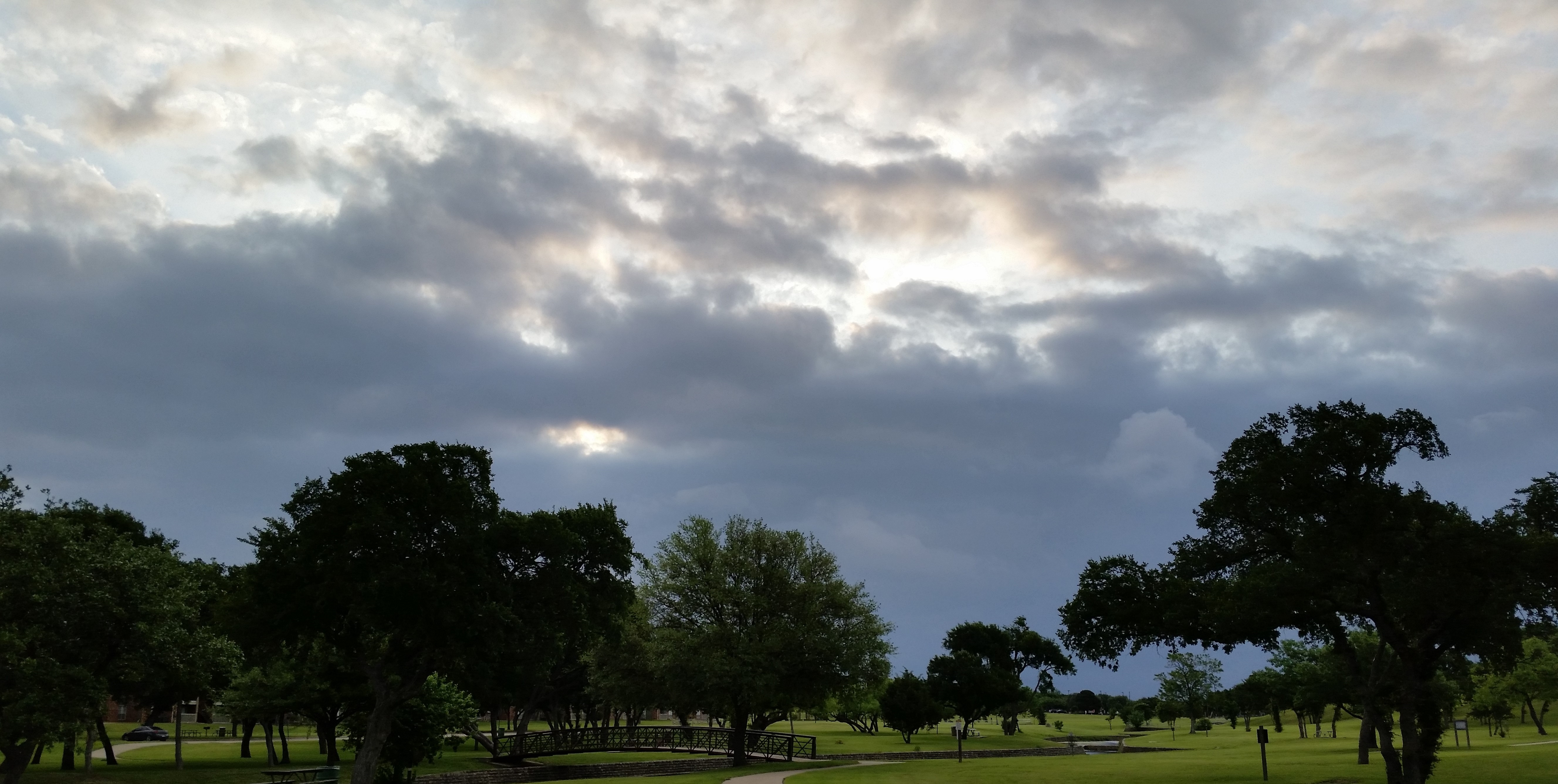
Once upon a time, the English poet and, I would argue, cartoonist, William Blake once said, “You look at the sky and see clouds, while I see the assembled heavenly host!” This is why my literature class in college about the Romantic Poets of his day made him out to be a certifiable nutcase who probably belonged in in a mental institution. (And back then, in the 1800’s, the sanitarium was a place where inconveniently crazy people went to die.)
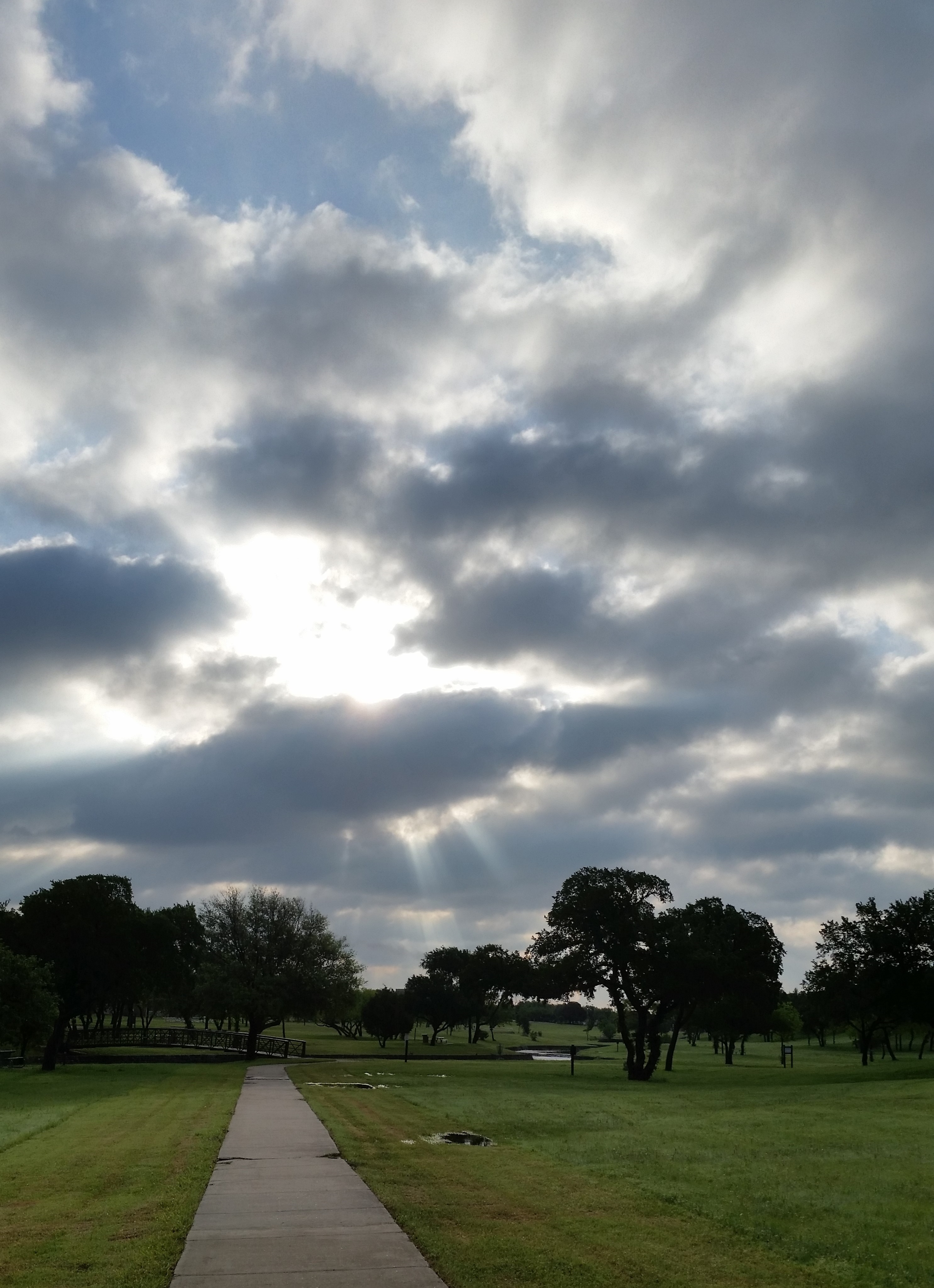
Look at a couple of my cloudscapes. Do you see angels?
Cloudscapes (a poem)
Blue and white and filled with light…
The cloudscape burns with angels…
And wholly bought with grace unsought…
I long to fly with angels…
Are they really there in the cloud-filled air?
I see them there, they’re angels!
So, there you have it. I’m a loon. I don’t even have the excuse of being a Romantic Poet and well-known for my poetry as a defense against the loony bin. But as the matter stands, I am fully willing to accept the consequences. Creativity has its price. And, while you may not agree that I am somewhat creative, I am swimming in a vast ocean of perceived revelations that enriches me and fulfills me at the very same moment that it drains all the energy from my soul. If that is not what it means to see angels… then I do not know anything of use to anyone but me.
The word “angel” (according to Wikipedia, the source of all true knowledge) comes to English via Late Latin and the word “angelus” which the Romans stole from the Greek ἄγγελος ángelos, The ángelos is the default Septuagint’s translation of the Biblical Hebrew term mal’ākh denoting simply “messenger” without specifying its nature. (Notice, I am giving full credit to Wikipedia because it is far more all-knowing than I.)
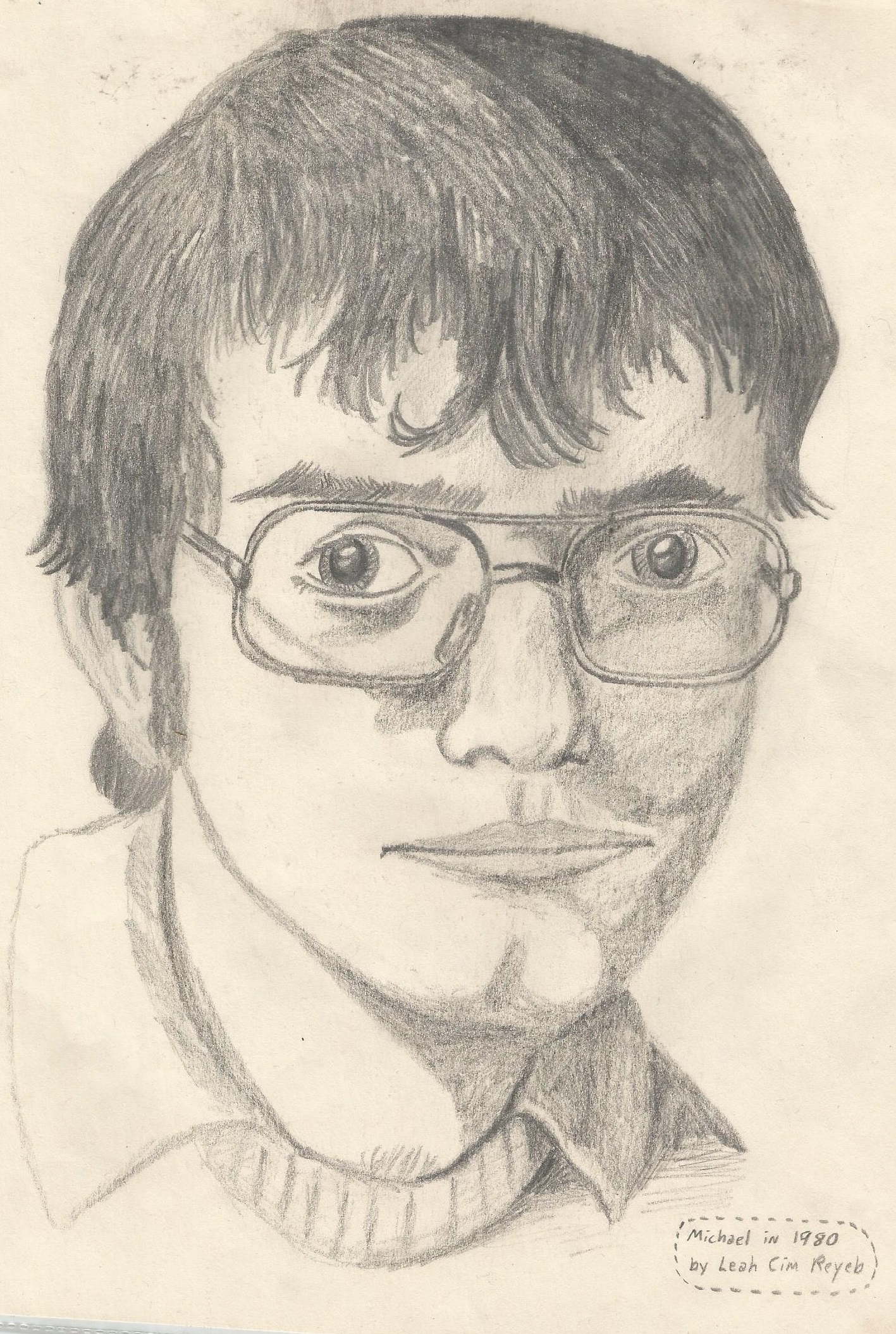
I have many atheistic and agnostic notions in my ultimate belief systems, but still, I claim to be a Christian and believe in God Jehovah… within limits. I still communicate with God on a daily basis, and while I don’t publicly pray anymore (a notion promoted by the Biblical Jesus) I find answers to my questions and solutions to my problems from the observable universe around me.. the messengers of God. So, now that I have fully rationalized being crazy as a loon, I am going to tell you where that craziness is taking me. I started a new Paffooney for one of the books I am working on. Here is the pencil sketch;
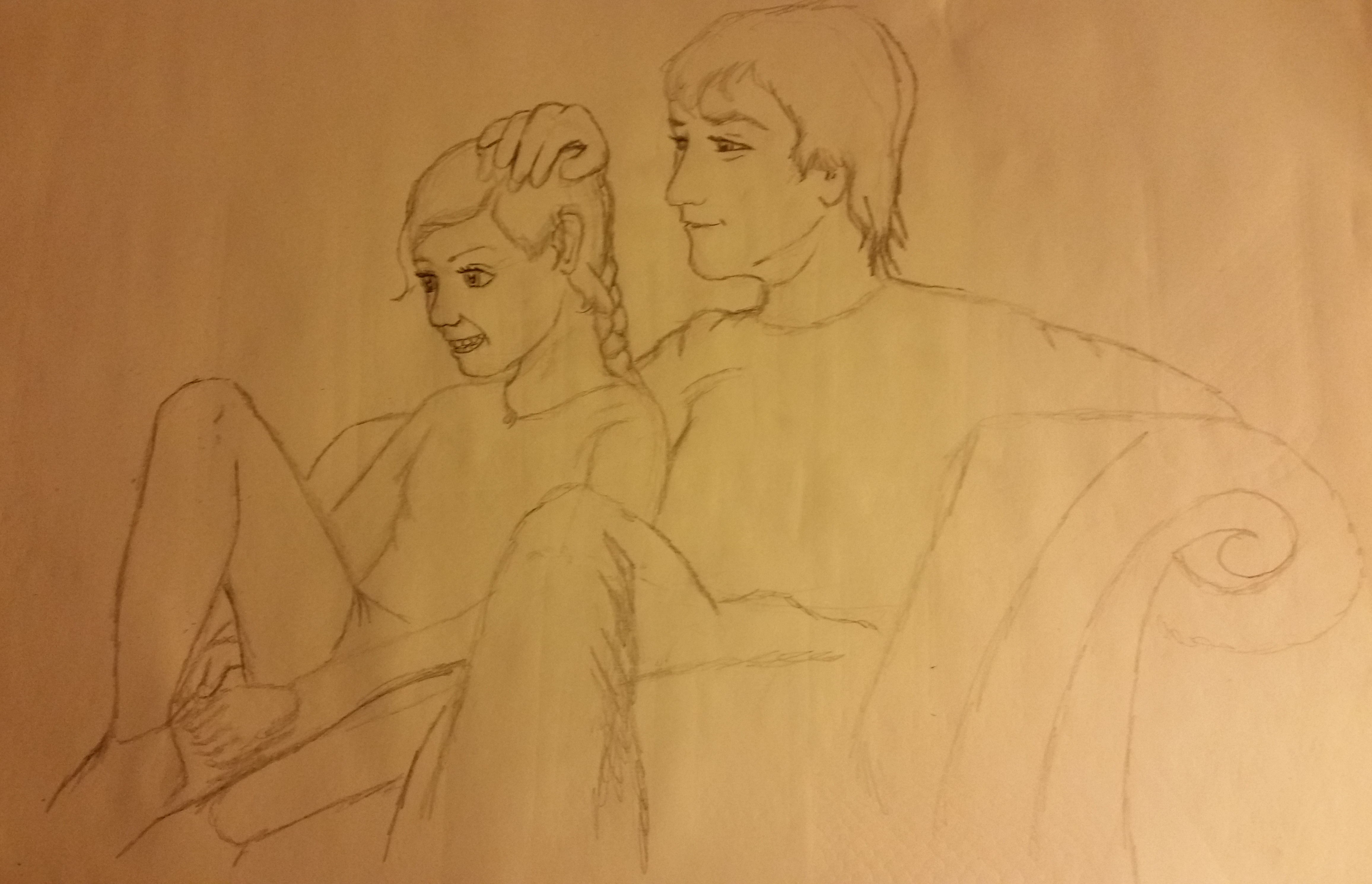
This will be a picture of Valerie Clarke and her Daddy, the farmer Kyle Clarke. In my fiction, Kyle loses his farm to the bank (in the Family Farm Crisis of the 1980’s) and believing himself incapable of any longer supporting his family, kills himself. But the thing is, the love of his daughter transcends death for Kyle. She is able to reconnect with him time and again because the angels work for her as well as for Kyle. I may be loony and ill in real life, facing the Angel of Death myself, but I am not done doing God’s work… not yet… not for a long time to come.

The finished picture.



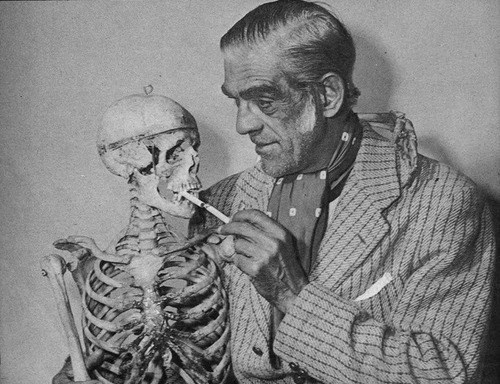
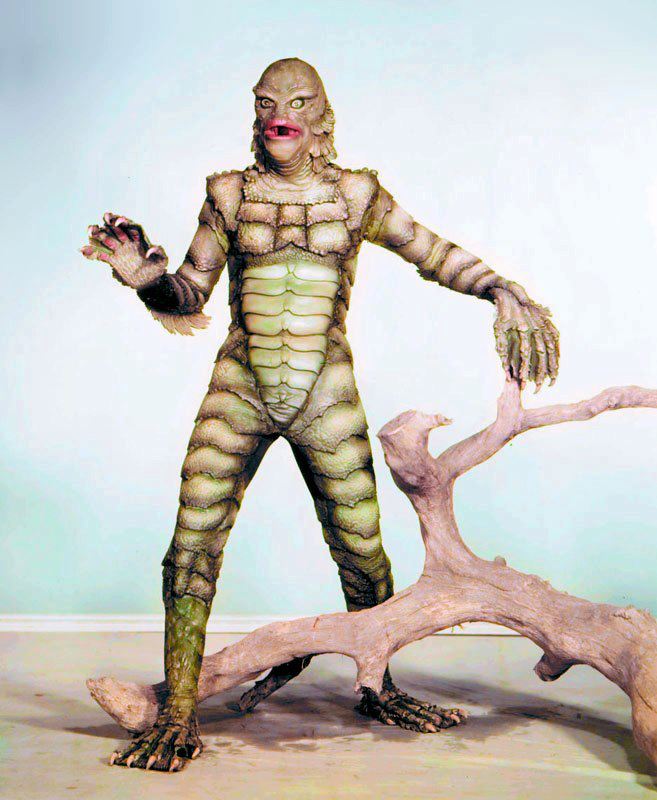
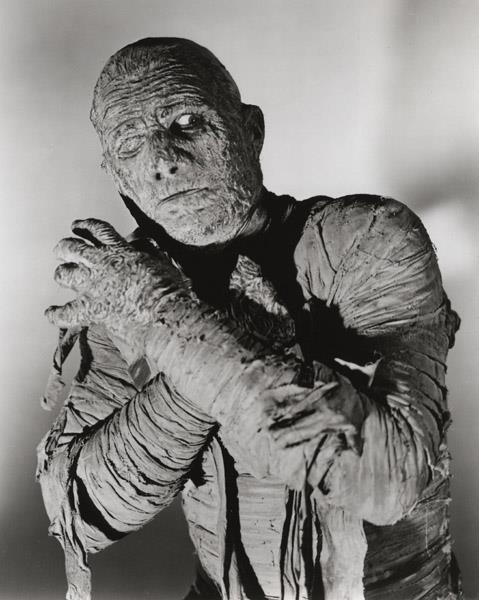
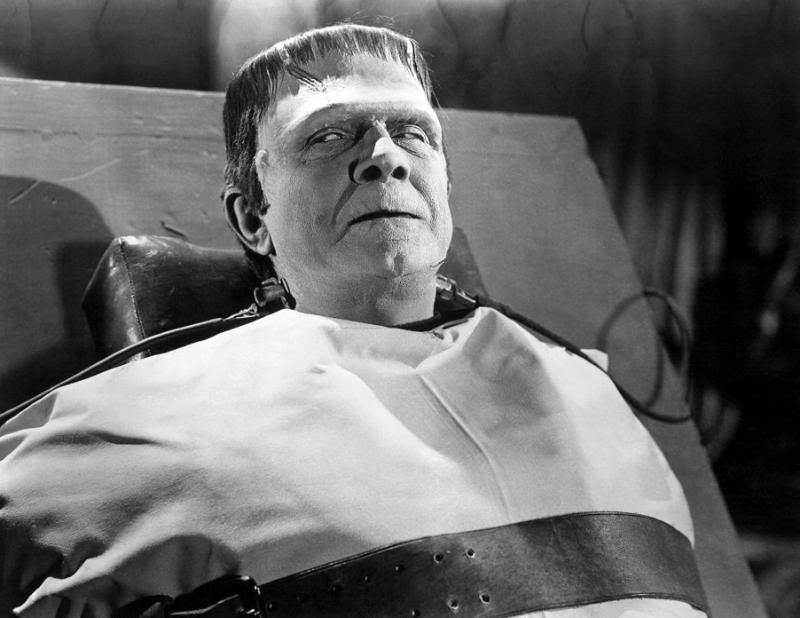 But the thing about monster movies… at least the good ones, is that you can watch it to the end and see the monster defeated. We realize in the end that the monster never really wins. He can defeat the monstrous qualities within himself and stop himself. Or the antidote to what ails him is discovered (as Luke did with Darth Vader). Or we can see him put to his justifiable end and remember that if we should see those qualities within ourselves, we should do something about it so that we do not suffer the same fate. Or, better yet, we can learn to laugh at the monstrosity that is every-day life. Humor is a panacea for most of life’s ills.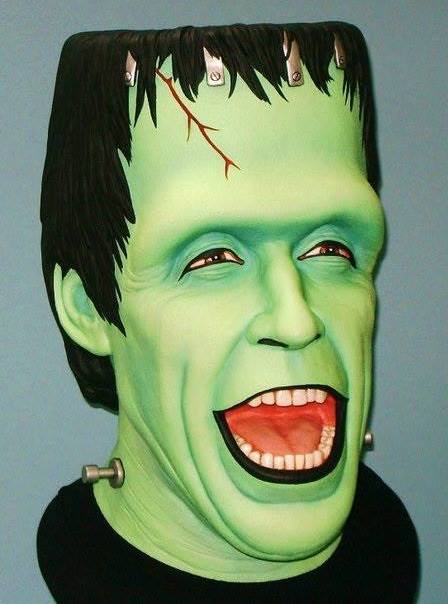


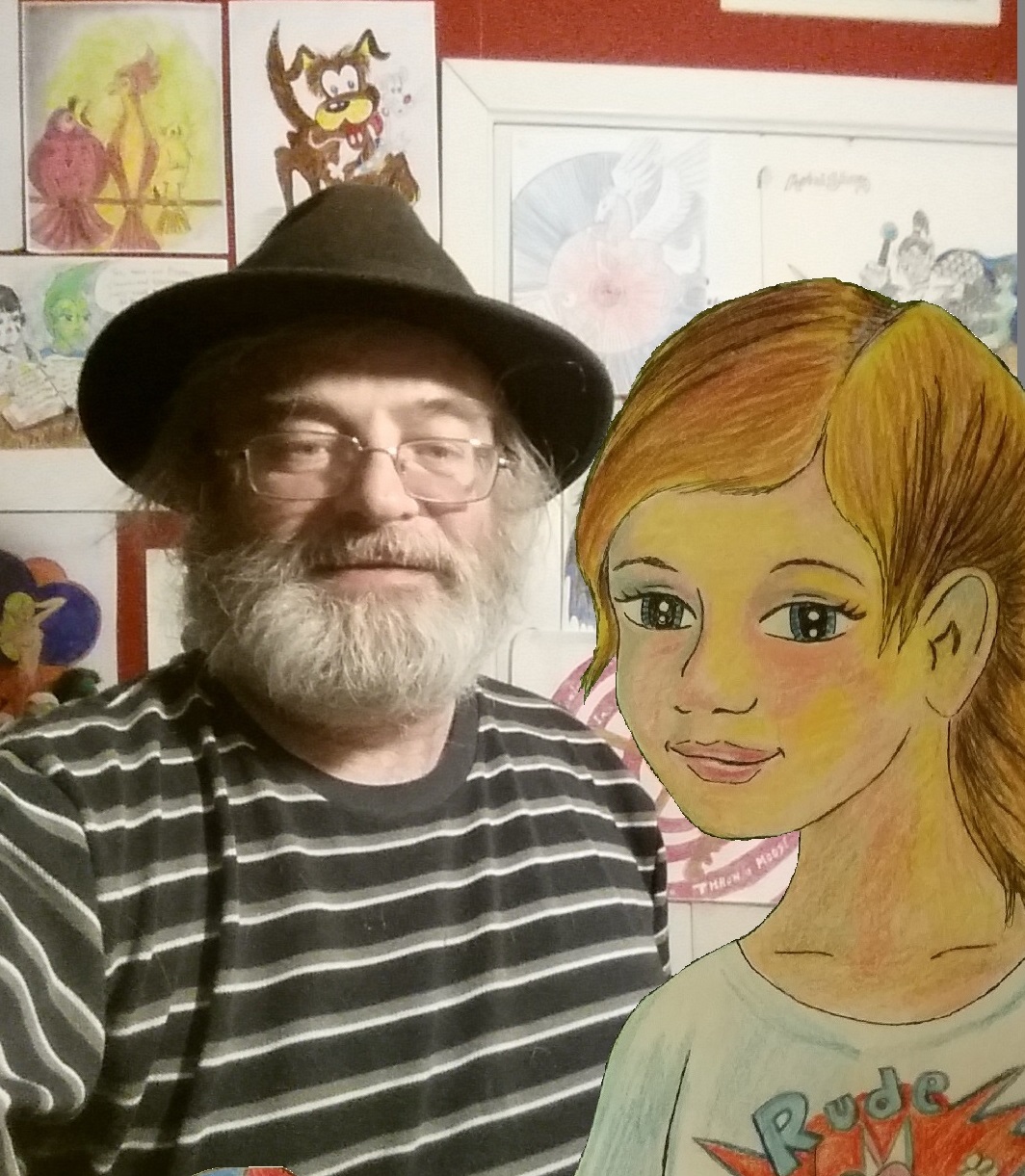
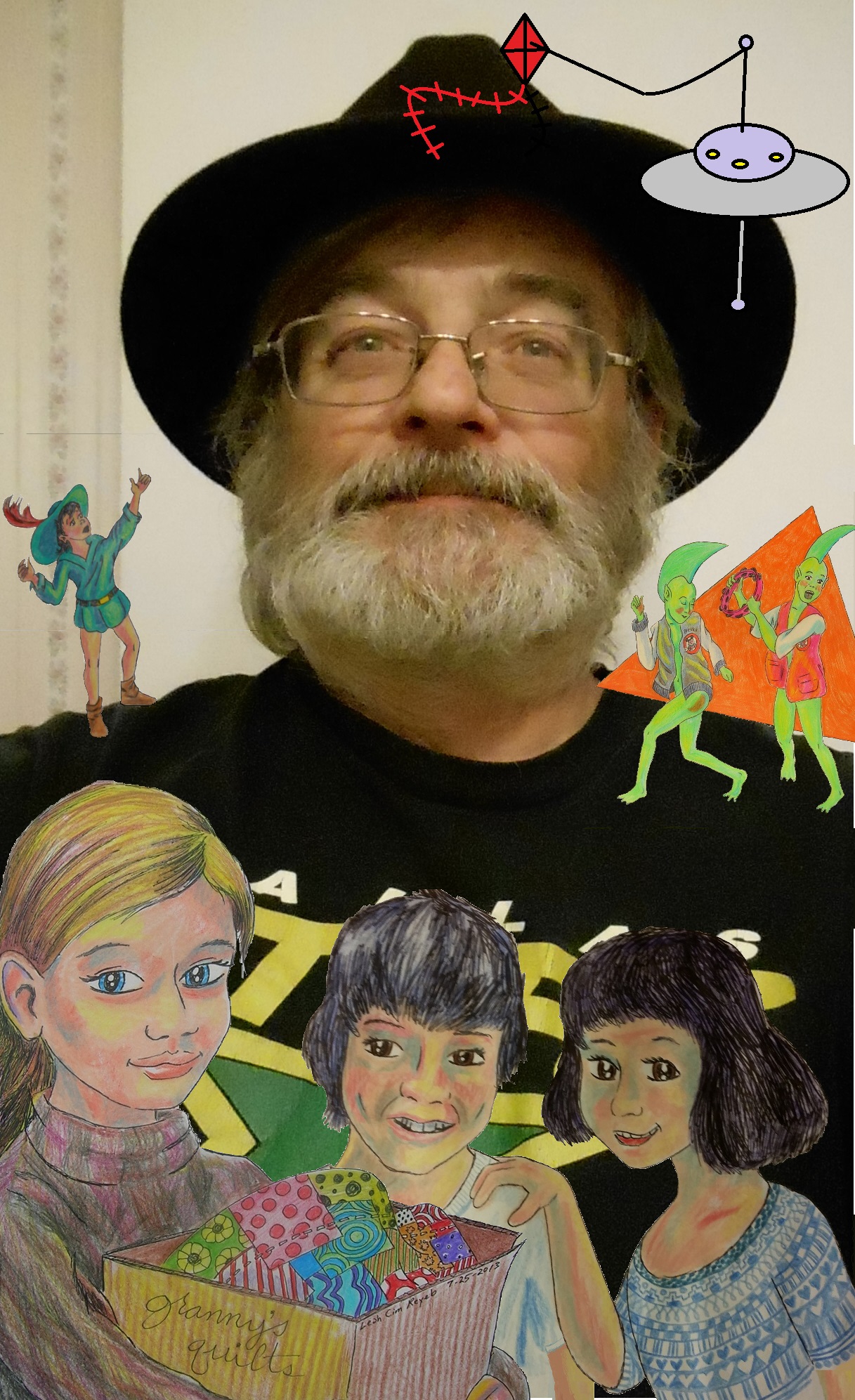
 Catch a Falling Star
Skyscapes of the Cloudy Mind
I admit it. Even though I collect pictures of sunrises to glory in the fact that I still have another day of life in this world, I rarely snap a picture of the cloudless sunrise. It is very possible that this has something to do with what ultimately gives life value and makes it worthwhile to live one more day.
If there is no pattern, no color-changes, no contrast, no variation… then why bother? And this doesn’t only apply to living your life. It applies to taking pictures of the sky too. Solid blue or solid yellow are about as interesting as a minimalist painting. (Have you ever seen the big beige squares and red squares that fill entire walls of the Dallas Art Museum? Like a picture of a polar bear in a fierce blizzard or an extreme close-up of the side of a tomato.)
Yes, sunshine and happiness are all well and good… but you don’t get a satisfactory skyscape without some clouds in it. In fact, rain clouds provide the most fascinating patterns and colors. What would the picture be without a little drama splashed here and there to make a center of interest or a counterpoint to the happy ending? They say that variety is the spice of life. And when they say that they probably mean cayenne pepper rather parsley or oregano. If that’s not what they mean, then why the hell did we bring food into the discussion?
So, I am thinking, there have to be clouds. (Notice, I said “clouds”, not “clowns”, because… according to the song, there “ought to be clowns”, not “have to be clowns”.)
It is true that clouds can mean sadness… that the rain is coming, that your vision is obscured, that something has come between you and God’s eye. But without clouds, the sky would be plain and boring. Better to burn bright and explode in a short amount of time than to linger over a plain pale blue.
Leave a comment
Filed under clowns, commentary, foolishness, humor, photo paffoonies
Tagged as clouds, humor, metaphor, sunrises