
Rowan Atkinson is a genius comedian, and the character of Mr. Bean is the greatest work he has done, the best proof of his genius. As someone who works at humor and tries to get it right, I have to analyze and carefully study the work of the master. How does he do it? What does it all mean? And what can I learn from it?
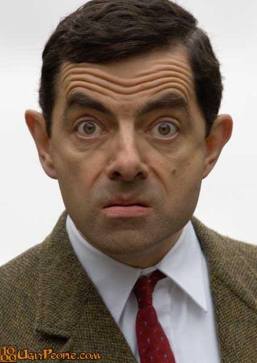
Atkinson not only created the character, he co-wrote the entire television series and controls every aspect of the performance as the central character. Mr. Bean is the bumbling every-man, going through horrific troubles because of the cascade effect of simple little errors. We laugh at him because we have all been there. Tasting the hot sauce leads to a meltdown that causes chaos and disaster for the entire store. Overcoming fear of heights makes him the center of attention for the entire pool-house when can’t overcome the urge to use the diving board, and yet, can’t make himself jump off. We have all lived the nightmare of being trapped naked in the hotel hallway, locked out of our room, just when the hallway becomes crowded.
There is a certain charm to Mr. Bean. He is a childlike character, blissfully unaware of how much he doesn’t know about the complex society around him. He has a teddy bear that sleeps with him and comforts him. He lays out his supplies for the big exam, and he’s thought of practically everything he will possibly need, but basic physics fails him and makes the pencils keep rolling out of place.
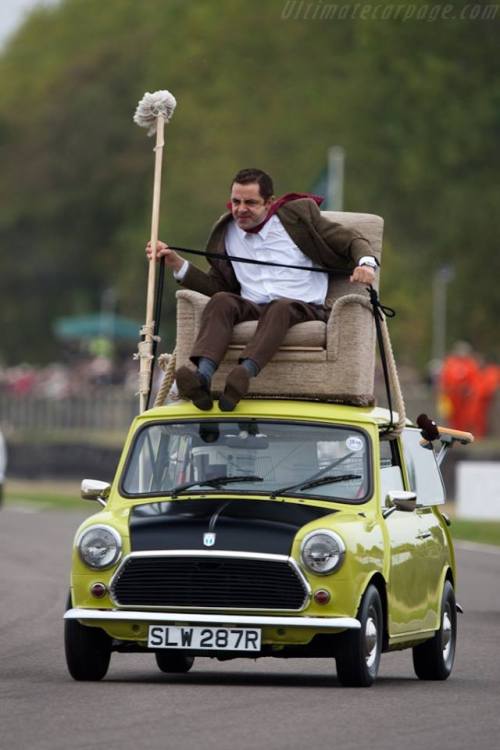
Rowan Atkinson is a master of the art form because he has such tremendous control of his rubberized goofy face and manic body. He can drive his goofy little yellow car from a sofa mounted on top. He can change clothes while driving. Just watching him shave with an electric razor is a total hoot.




It is mostly physical comedy, almost slapstick, and yet it is not the broad unfeeling poke-in-the-eye you get with the Three Stooges. Most of the real damage is done to himself, though pompous and deserving people are often near enough to get a helping of it smack in the face. A lot of it is practically pantomime, with hardly any real dialogue. Much of it, like the sword fight with the bumblebee using a butter knife, is simply silly.
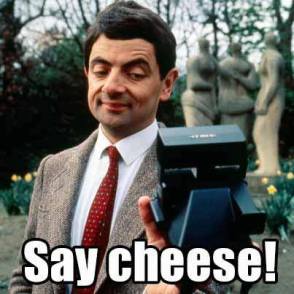
The movie, Mr. Bean’s Holiday, extends the character by making him actually interact with other characters, though in his own inimitable Mr. Bean way. The limited dialogue thing is amplified by the fact that he is traveling in France and does not speak French. Still, he interacts with the boy he accidentally kidnaps, the girl who wants to be a movie star whom he helps in her quest by an accident at the Cannes Film Festival, and the movie director whom he almost kills but ends up saving his career with a hit home movie.
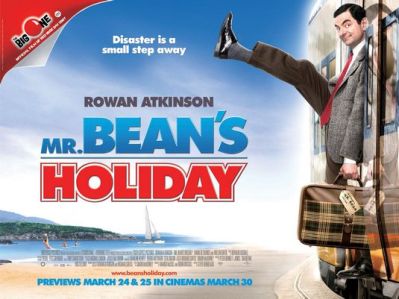
By Source, Fair use, https://en.wikipedia.org/w/index.php?curid=24105997
Mr. Bean makes the ridiculous an art form by helping us to laugh at ourselves as we are beset by all the little troubles of life that Bean magically floats through.
So, now I have told you why I love Rowan Atkinson as a comedian. He is a comedic genius. Of course, you knew that already, right?











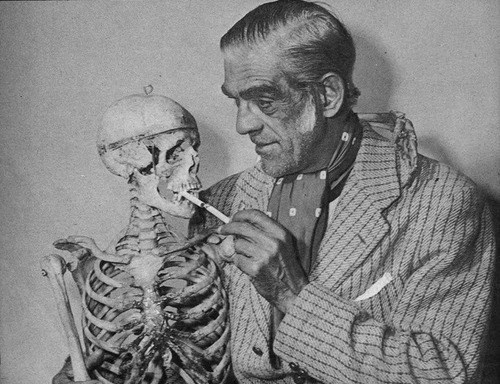
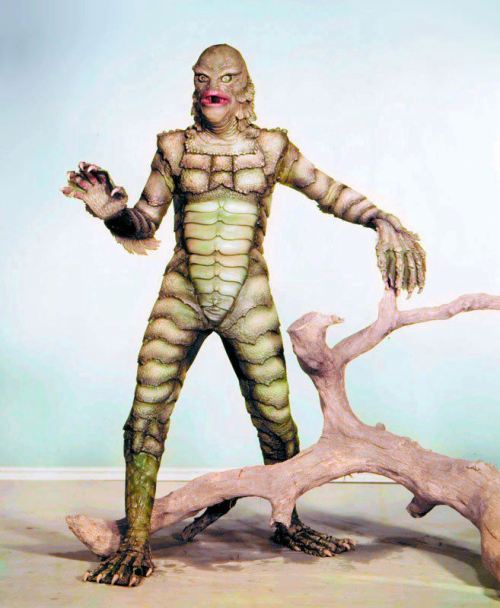
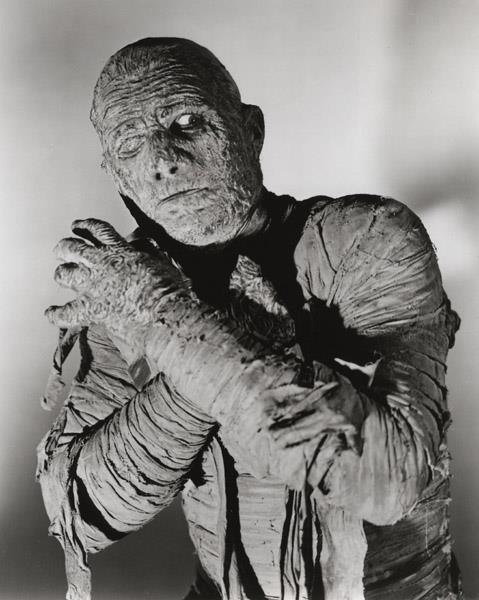
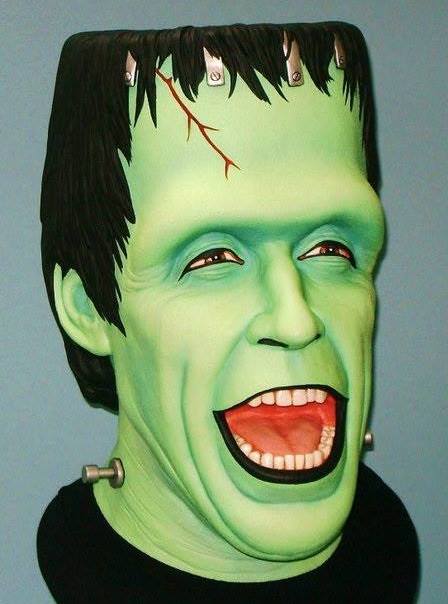
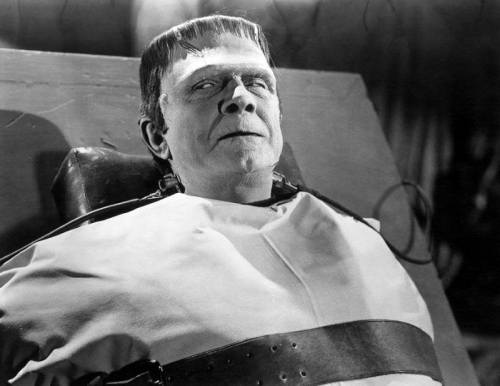 But the thing about monster movies… at least the good ones, is that you can watch it to the end and see the monster defeated. We realize in the end that the monster never really wins. He can defeat the monstrous qualities within himself and stop himself. Or the antidote to what ails him is discovered (as Luke did with Darth Vader). Or we can see him put to his justifiable end and remember that if we should see those qualities within ourselves, we should do something about it so that we do not suffer the same fate. Or, better yet, we can learn to laugh at the monstrosity that is every-day life. Humor is a panacea for most of life’s ills.


The Cowboy Code
When I was a boy playing cowboys and Indians with cap pistols and rubber tomahawks, we all knew that cowboys had a code. The guy in the white hat always shoots straight. He knows right from wrong. He only shoots the bad guy. He even shoots the gun out of the bad guy’s hand if he can. Westerns are about right and wrong, good and bad, and the unyieldingly good knights of plains.
And boys believe what they see on TV and in the movie theaters. People who make television shows never lie, do they? In fact, Wyatt Earp was based on a real guy who really lived and really shot the bad guys at the gosh-darn real OK Corral.
Daniel Boone was a real guy too. He faced the opening up of new lands full of deadly dangers. And when Fess Parker played him in 1964, wearing Davy Crockett’s coonskin hat, he walked the earth like a guardian angel, making everyone safe by the end of the episode. He even knew which Indians were good and which were bad. Mingo was always on Daniel’s side. And when they spoke to each other about the dangers they faced, it was never about killing the people they feared. It was about doing what is was right, about helping the community at Boonesboro to survive. Being encouraging… looking forward to a more settled future created by following the cowboy frontier code.
So, I am left wondering what ever happened to the cowboy code? I listen to Republican presidential candidates talking about dipping bullets in pig’s blood to kill Muslims, and building walls against Mexican immigrants, and why our right to carry assault rifles is sacred, and I wonder what happened. Didn’t they experience the same education from the television versions of the Great American Mythology? Didn’t they learn the code too?
I am old enough now to know that cap guns are not real guns and you cannot solve problems by shooting somebody. But that was never the point of the cowboy code. We need straight-shooters again in our lives, not to shoot people, but to tell the unvarnished truth. We need wise people who can tell who are the good Indians and who are the bad We need them to shoot the weapons out of the bad guys’ hands. And I know that’s asking for leaders to be larger than life and be more perfect than a man can actually be. But Daniel Boone was a real man. Myths and legends start with a fundamental truth.
Leave a comment
Filed under autobiography, commentary, cowboys, humor, insight, philosophy, politics, Uncategorized
Tagged as autobiography, childhood beliefs, cowboy code, Daniel Boone, humor, politics, Red Ryder, Roy Rogers, Wyatt Earp