
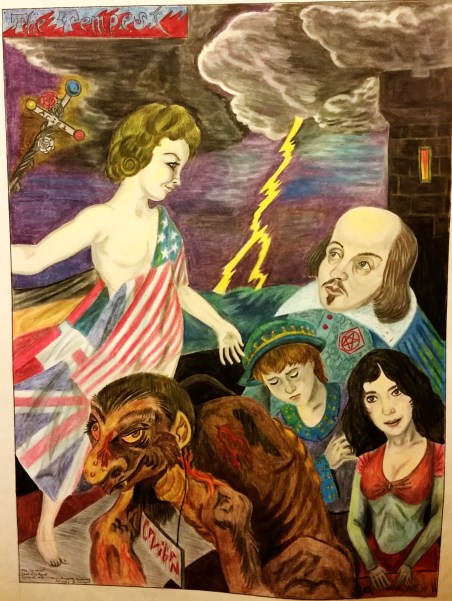
I am, unfortunately, a dedicated conspiracy theorist. No, not the braying, unintelligent kind like Alex Jones who has an unhinged and hidden agenda. More the Indiana Jones kind, seeking the truth no matter where it leads, but always relying on research, science, and creative methods of re-framing the facts in order to reveal truths that other people don’t see even when the answers are right in front of them.
An example of this is my firm belief that everything we think we know about the man known as William Shakespeare is based on an ages-old deception and is basically an unrevealed lie.
Of course, I am not the only literature-obsessed kook who has ever taken up this notion of someone else having written the great works of Shakespeare. I share the opinion with Ralph Waldo Emerson, Nathaniel Hawthorn, Walt Whitman, Prime Minister Benjamin Disraeli, Charles Dickens, Actor Derek Jacobi, and the great Mark Twain (also not the writer’s real name) .
It is very possible the standard details of the life of William Shakespeare have been fudged just a bit… or maybe quite a lot.
The biggest question that I can see when looking at the man we pretend is the actual author of the plays, is why doesn’t this man look like an author? As brought out in the video, the only example we have of the author’s own handwriting are six signatures from legal documents, three of which come from his last will and testament. And if the name is really William Shakespeare, then the Stratford man misspelled his own name. He wrote it as Shakspere or Shaksper. And the handwriting is atrocious, nothing like the carefully practice signature I sometimes put on my own handwritten work. How does that happen? I have seen signatures by many other authors, both famous and obscure, and nowhere do I see such careless script as what is allegedly the signature of the greatest and most acclaimed writer who ever lived.
The accepted life story of Shaksper doesn’t bear up under scrutiny either. In spite of being a wealthy businessman and mayor, his father can be seen to be provably illiterate, relying on associates and underlings to write the paperwork involved in his business and mayoral rule. There is no proof in the form of enrollment lists or written record of Shaksper having ever enrolled at or attended the school that supposedly taught Stratfordian youths to read and write. His wife and children and grandchildren were also provably illiterate. What other writer has such a lack of effect on his own family?
And Shaksper’s will details everything he owned and left to others at his death. Nowhere is there a mention of plays, manuscripts, poetry, or even books. The greatest author who ever lived owned no books at all? He was provably wealthy enough to buy books, and public libraries did not exist back then. How then did he demonstrate such knowledge of Ovid’s Metamorphosis, as well as the functioning of royal courts both in England and abroad? How did he get so many details right about places in Italy and Europe which he had never visited or seen with his own eyes? Something is definitely missing.
It is true that everything mentioned is merely circumstantial evidence. And yet, if all circumstantial evidence leans in only one direction, then isn’t the conclusion probably sound?
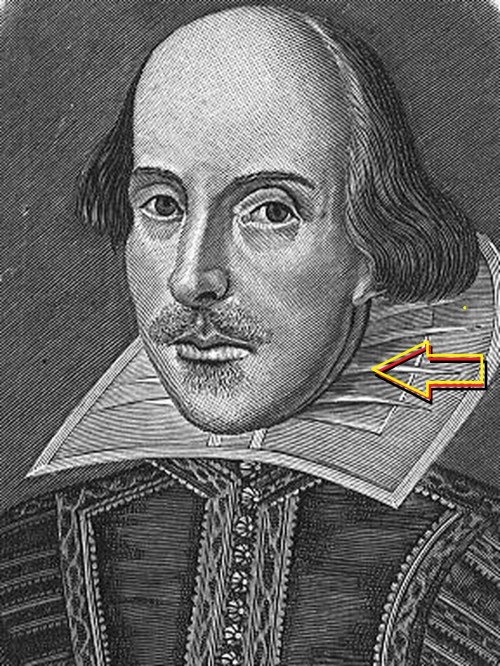
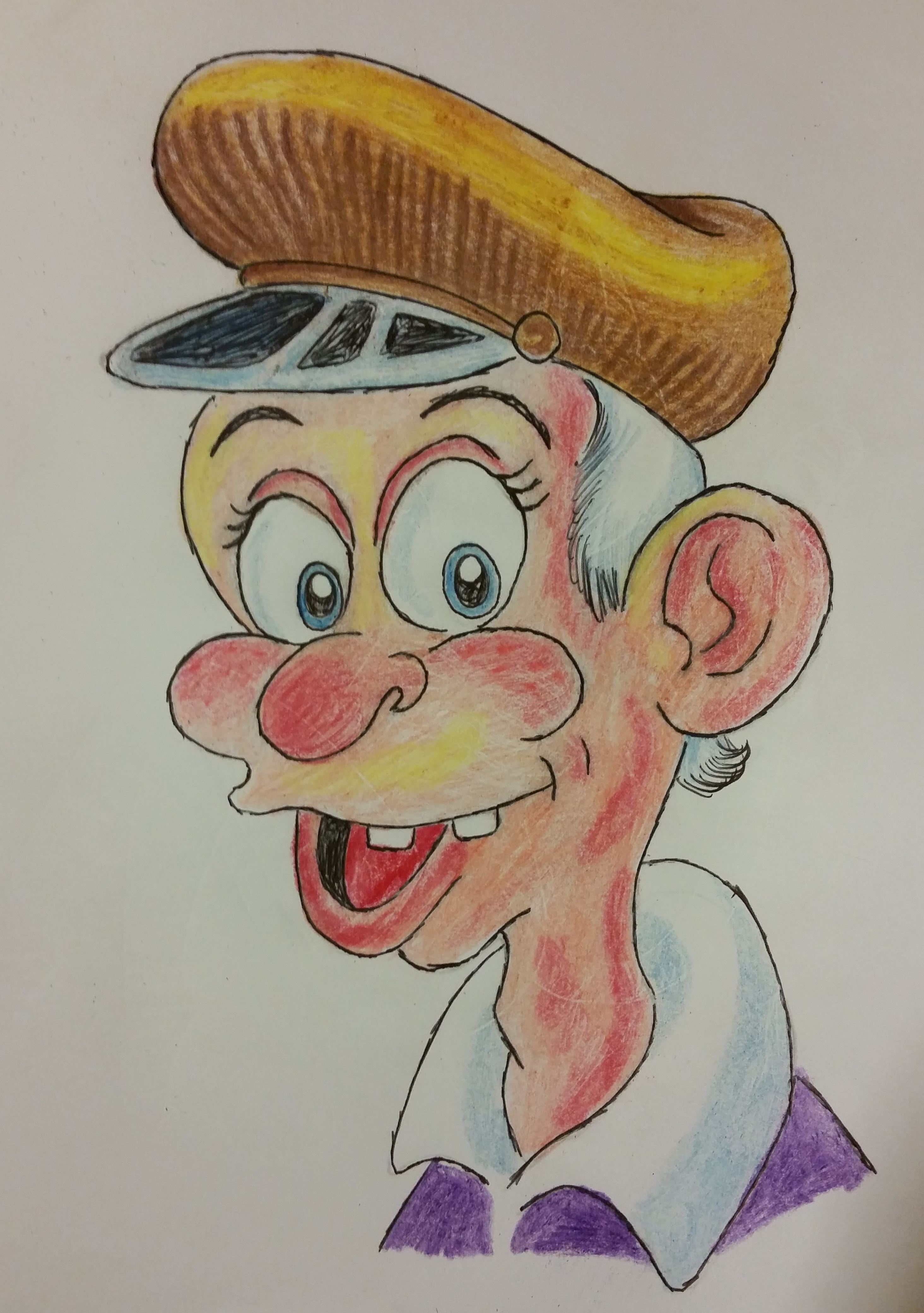
Do you not see the lines of the mask in this portrait?
But if Shaksper, the Stratford man, did not write the masterful literary works he has been given credit for, then who did? And why did he let the credit go to someone else?
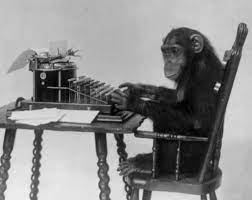
Ah, I am betting you are beginning to smell a multi-part essay brewing. I mean to tell you who I think is under the mask, who it was I believe actually wrote under the pen name of William Shakespeare.















The Cowboy Code
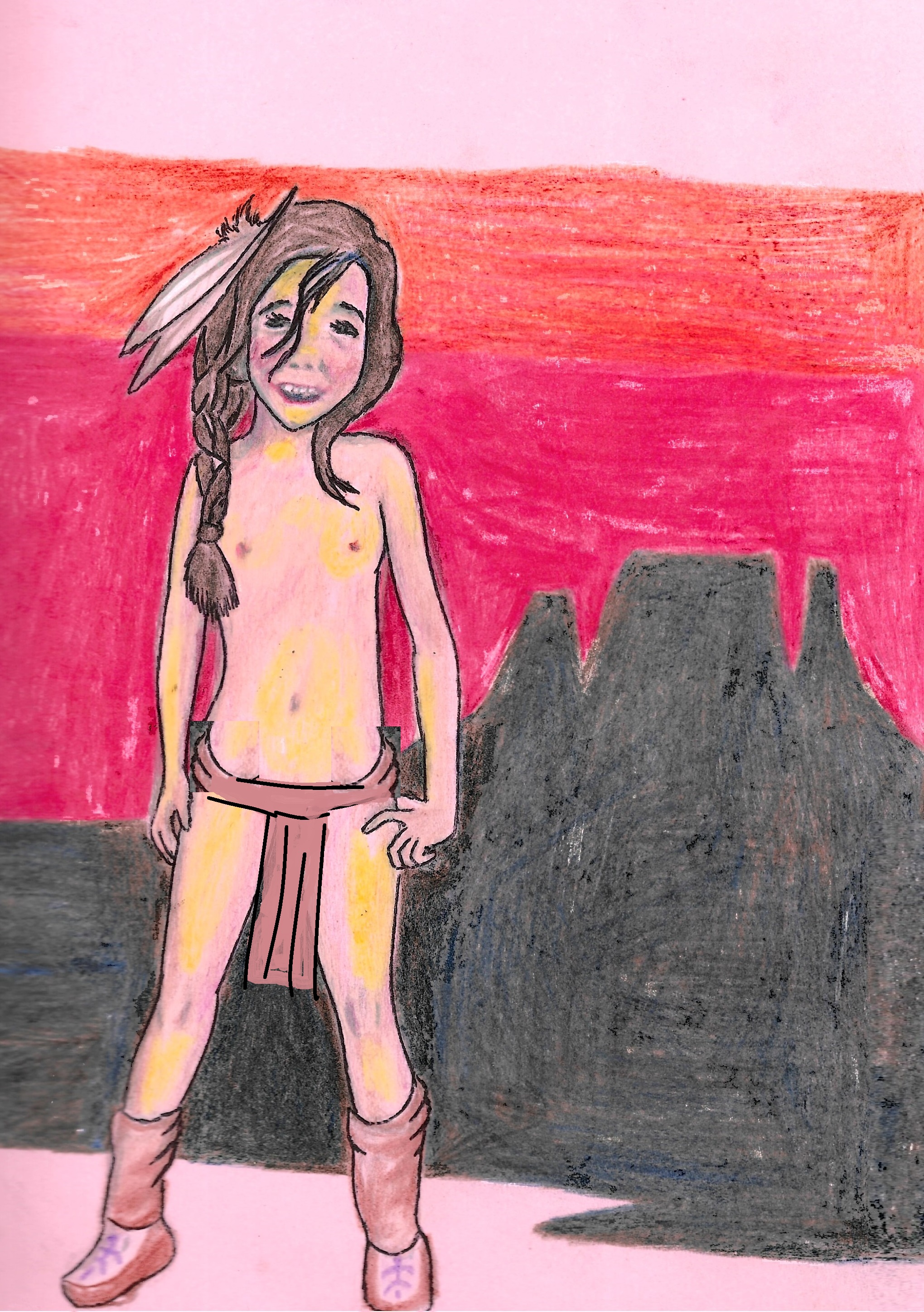
When I was a boy playing cowboys and Indians with cap pistols and rubber tomahawks, we all knew that cowboys had a code. The guy in the white hat always shoots straight. He knows right from wrong. He only shoots the bad guy. He even shoots the gun out of the bad guy’s hand if he can. Westerns are about right and wrong, good and bad, and the unyieldingly good knights of the plains.
And boys believe what they see on TV and in the movie theaters. People who make television shows never lie, do they? In fact, Wyatt Earp was based on a real guy who really lived and really shot the bad guys at the gosh-darn real OK Corral.
Daniel Boone was a real guy too. He faced the opening up of new lands full of deadly dangers. And when Fess Parker played him in 1964, wearing Davy Crockett’s coonskin hat, he walked the earth like a guardian angel, making everyone safe by the end of the episode. He even knew which Indians were good and which were bad. Mingo was always on Daniel’s side. And when they spoke to each other about the dangers they faced, it was never about killing the people they feared. It was about doing what is was right, about helping the community at Boonesboro to survive. Being encouraging… looking forward to a more settled future created by following the cowboy frontier code.
So, I am left wondering what ever happened to the cowboy code? I listen to Republican presidential candidates talking about dipping bullets in pig’s blood to kill Muslims, and building walls against Mexican immigrants, and why our right to carry assault rifles is sacred, and I wonder what happened. Didn’t they experience the same education from the television versions of the Great American Mythology? Didn’t they learn the code too?
I am old enough now to know that cap guns are not real guns and you cannot solve problems by shooting somebody. But that was never the point of the cowboy code. We need straight-shooters again in our lives, not to shoot people, but to tell the unvarnished truth. We need wise people who can tell who are the good Indians and who are the bad We need them to shoot the weapons out of the bad guys’ hands. And I know that’s asking for leaders to be larger than life and be more perfect than a man can actually be. But Daniel Boone was a real man. Myths and legends start with a fundamental truth.
4 Comments
Filed under autobiography, commentary, cowboys, humor, insight, philosophy, politics, Uncategorized
Tagged as autobiography, childhood beliefs, cowboy code, Daniel Boone, humor, politics, Red Ryder, Roy Rogers, Wyatt Earp