The Fairies : Butterfly Children
In the background of several of my novels, there lurk little people with magic powers. In this modern age of science they still exist, but are reduced in size to about three inches tall for the adults. As I am now working on a book set in their world, I am therefore using today’s post to elucidate what they are and categorize them a bit.
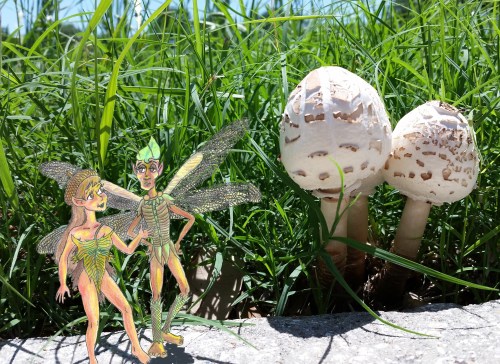
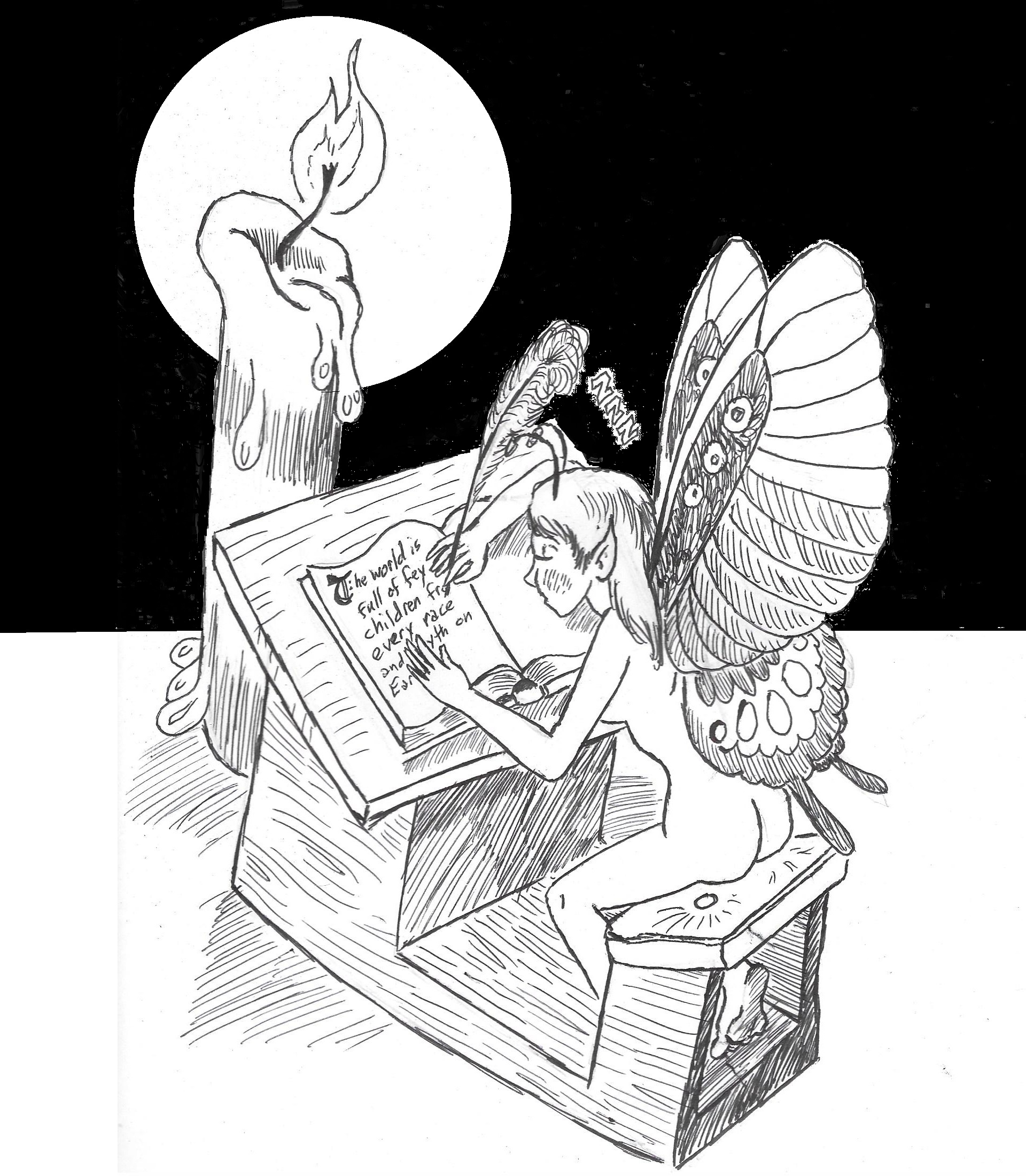
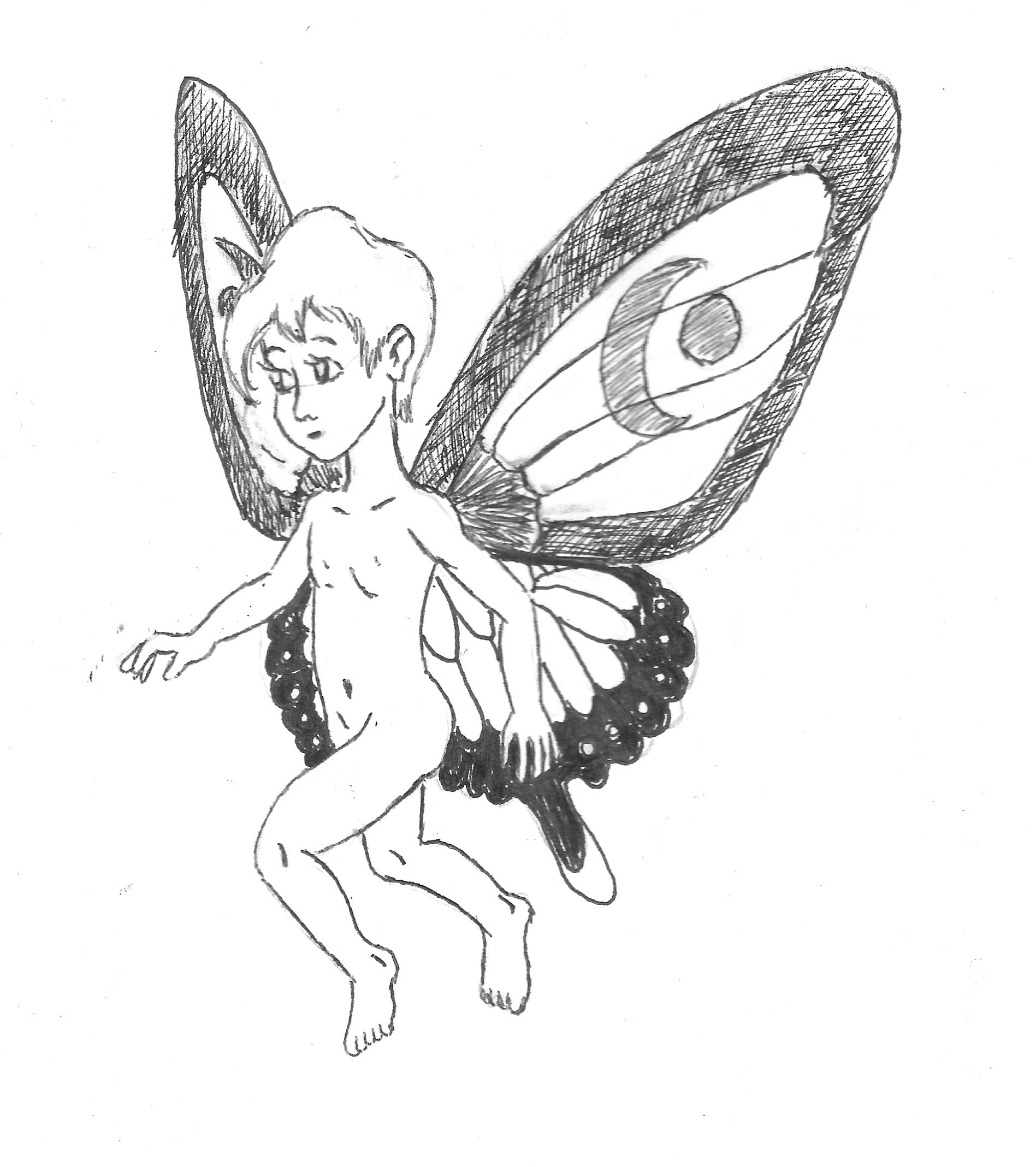
Butterfly Children is a nickname for the winged fairies. And most fairies not only have wings, but don’t wear clothing because, not only do shirts, jackets, jerkins, and such interfere with wings, but they, like me, prefer to be nude if possible.
The Butterfly Children are not really made of flesh and blood, but rather coherent magical energy. That is the reason they rarely become spellcasters themselves, but can lend their energies to the spell-casting Sylphs; witches, wizards, sorcerers, warlocks, liches, and some Storybooks.
They refer to us as “the Slow Ones” because we are easily fooled into not seeing them for what they are. They use concealing glammers to convince us that we are seeing a bug or a bird or a glare of sunlight instead of what they actually are. They also have the ability to allow slow ones to see them if they choose to voice the necessary spells. Some rare slow ones are able to see through their glammers and view them in spite of their wishes.
Sylphs and Elves : The Man-shaped Fey
Once, long ago, the Fey Children who looked human could pass themselves off as slow ones. The Elves, of course, had pointed ears to hide. But they looked like what we would call “regular people” because they were our size. But human science developed things that stop magical energies like brass or drain magical energies like iron and copper. The Fey became smaller and smaller. Things like discarded nails and lost pennies decreased the places where they could live and build homes.
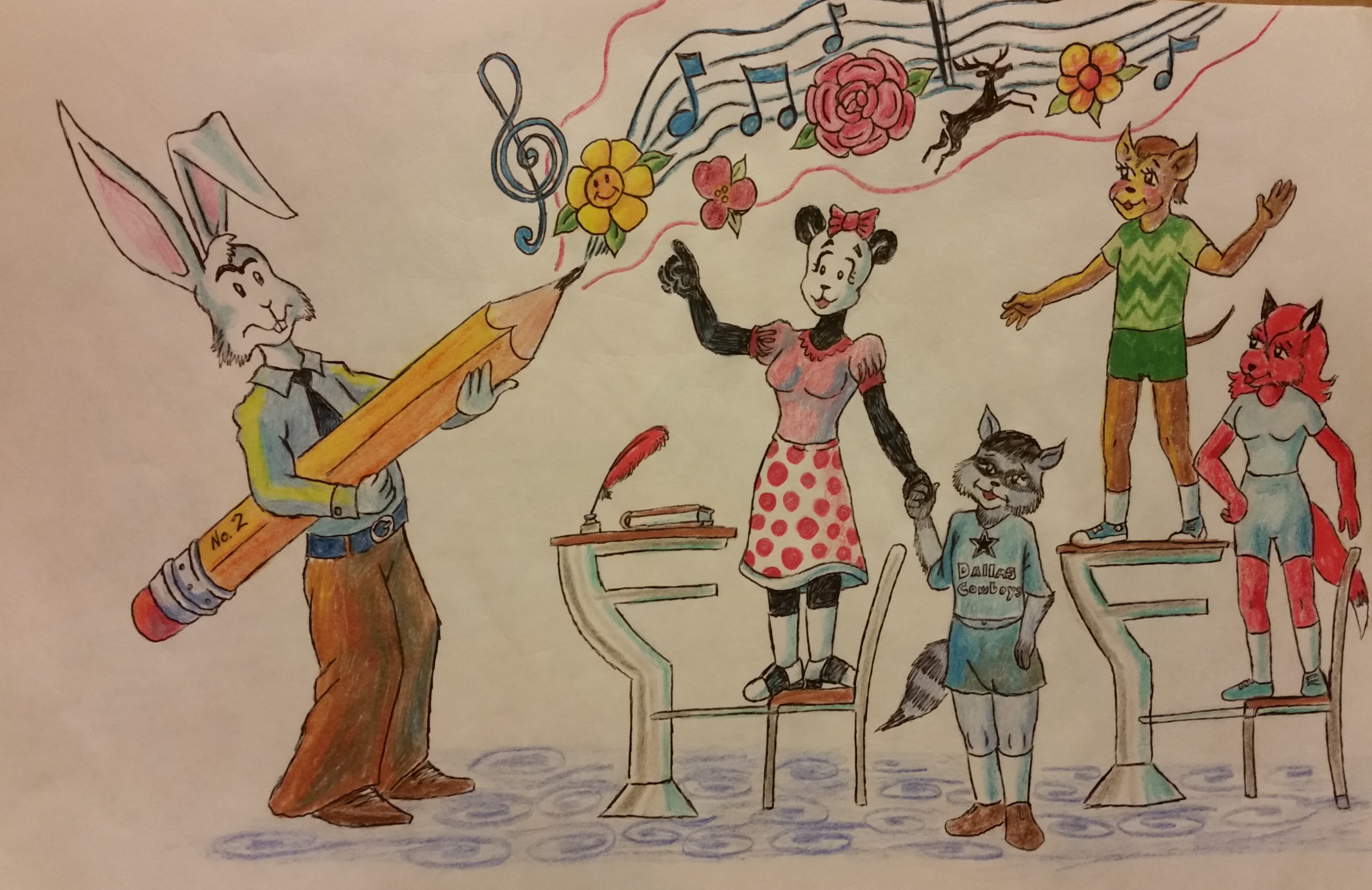
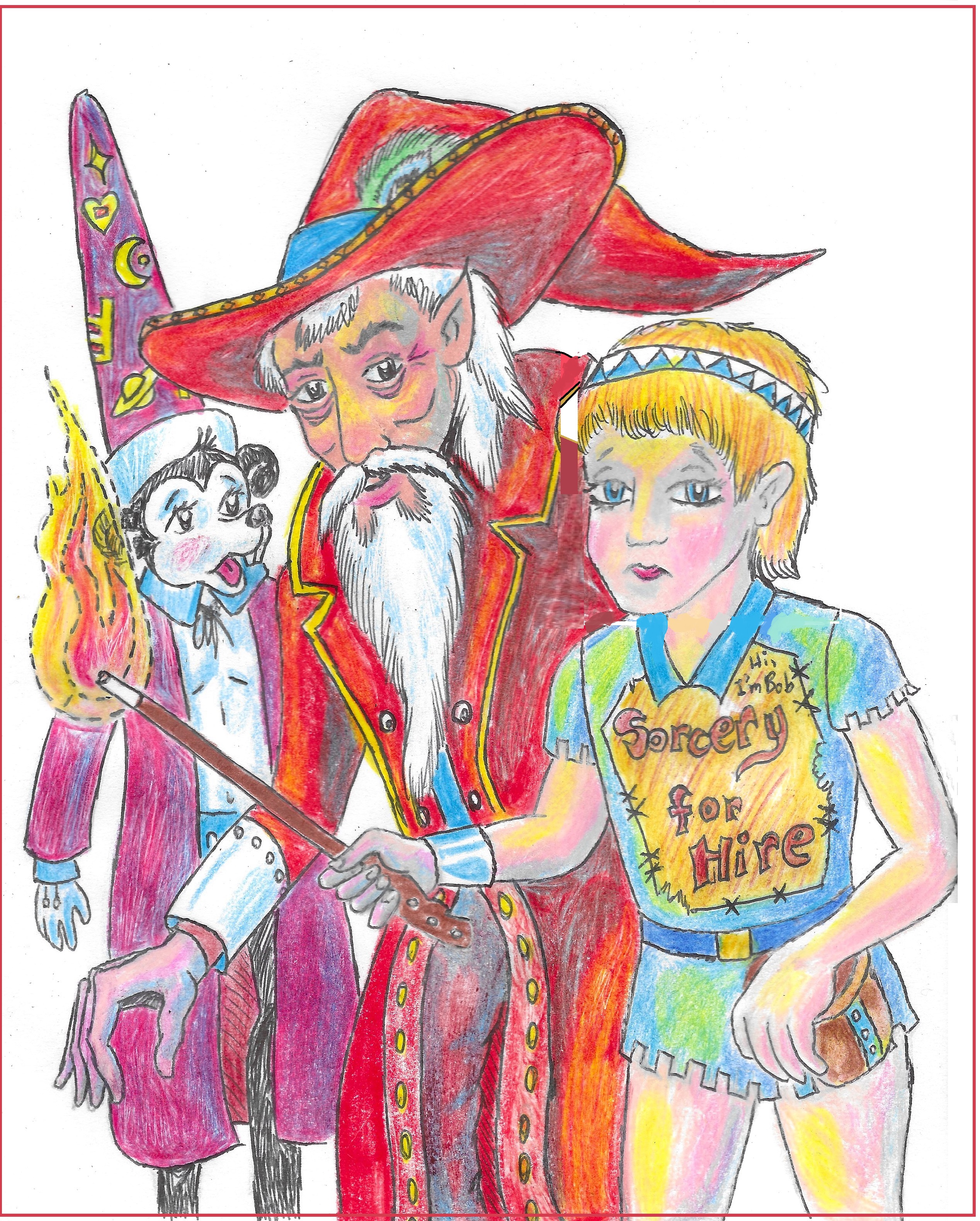
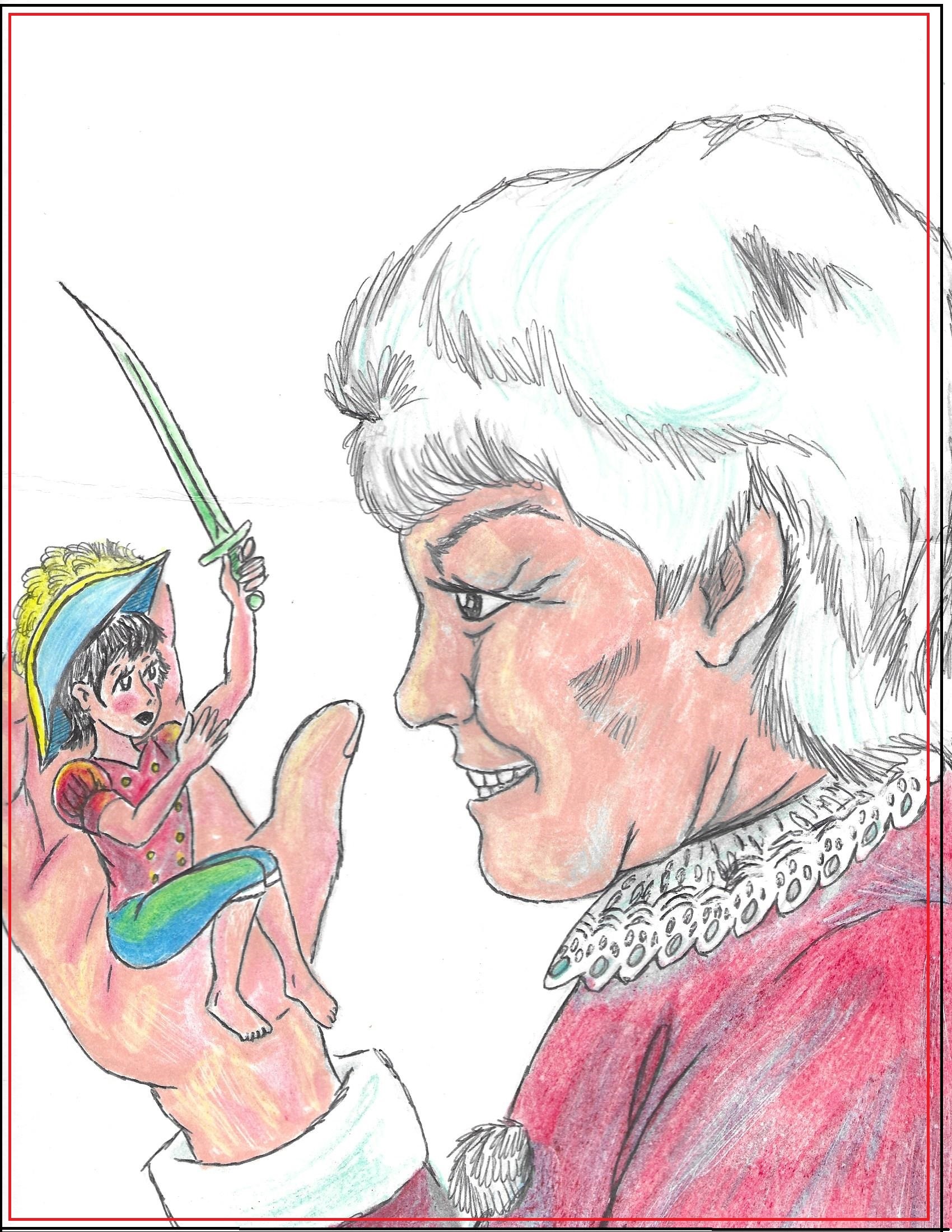
Eli Tragedy (in the middle above) is an example of both an Elf (with pointed ears) and a magic-using Sorcerer. His apprentices, Bob and Mickey, are both Sylphs. Like Butterfly Children, many Sylphs would rather not wear clothes. Magic-using Sylphs and Elves learn to wear clothes because garments can be invested with protective spells.
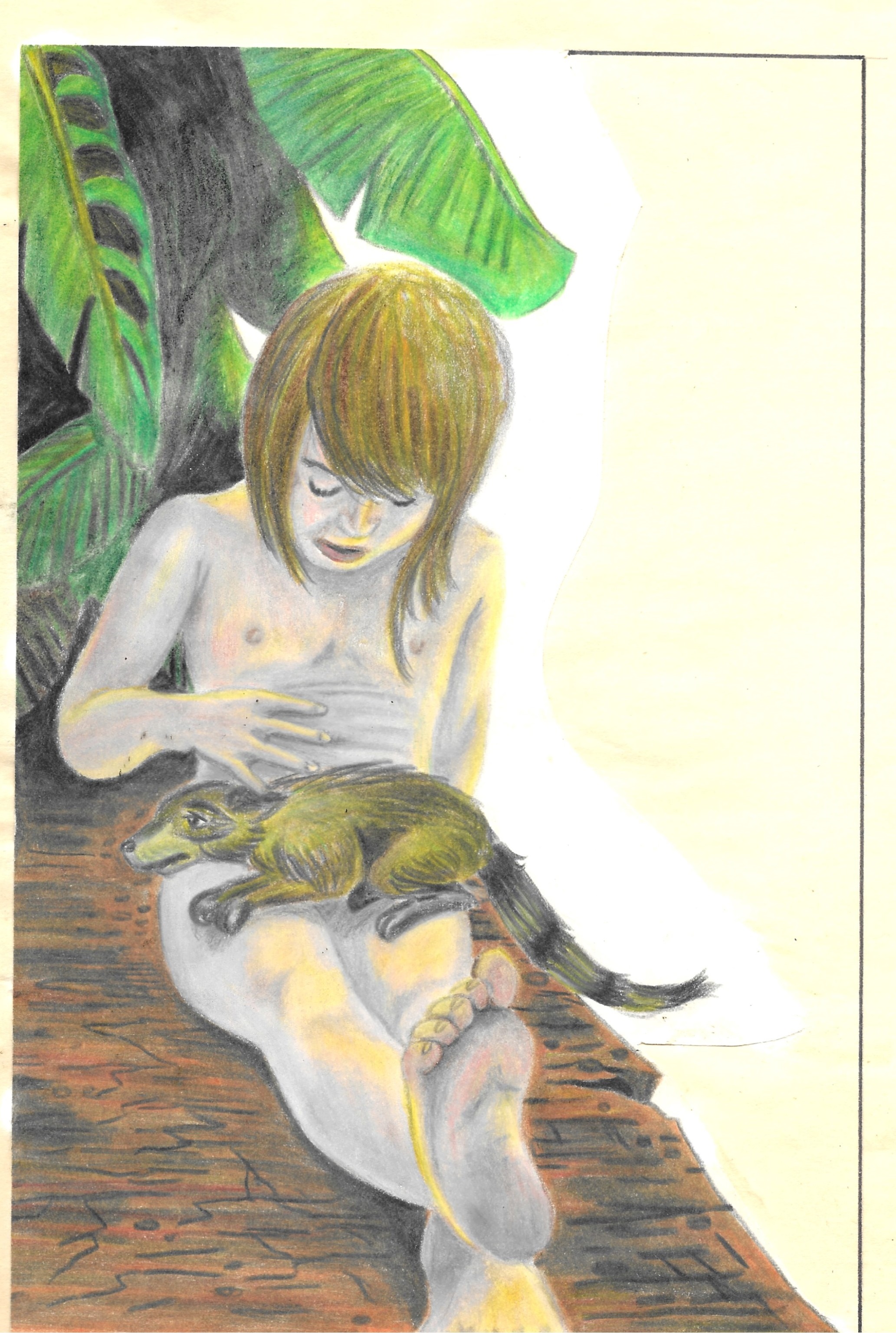
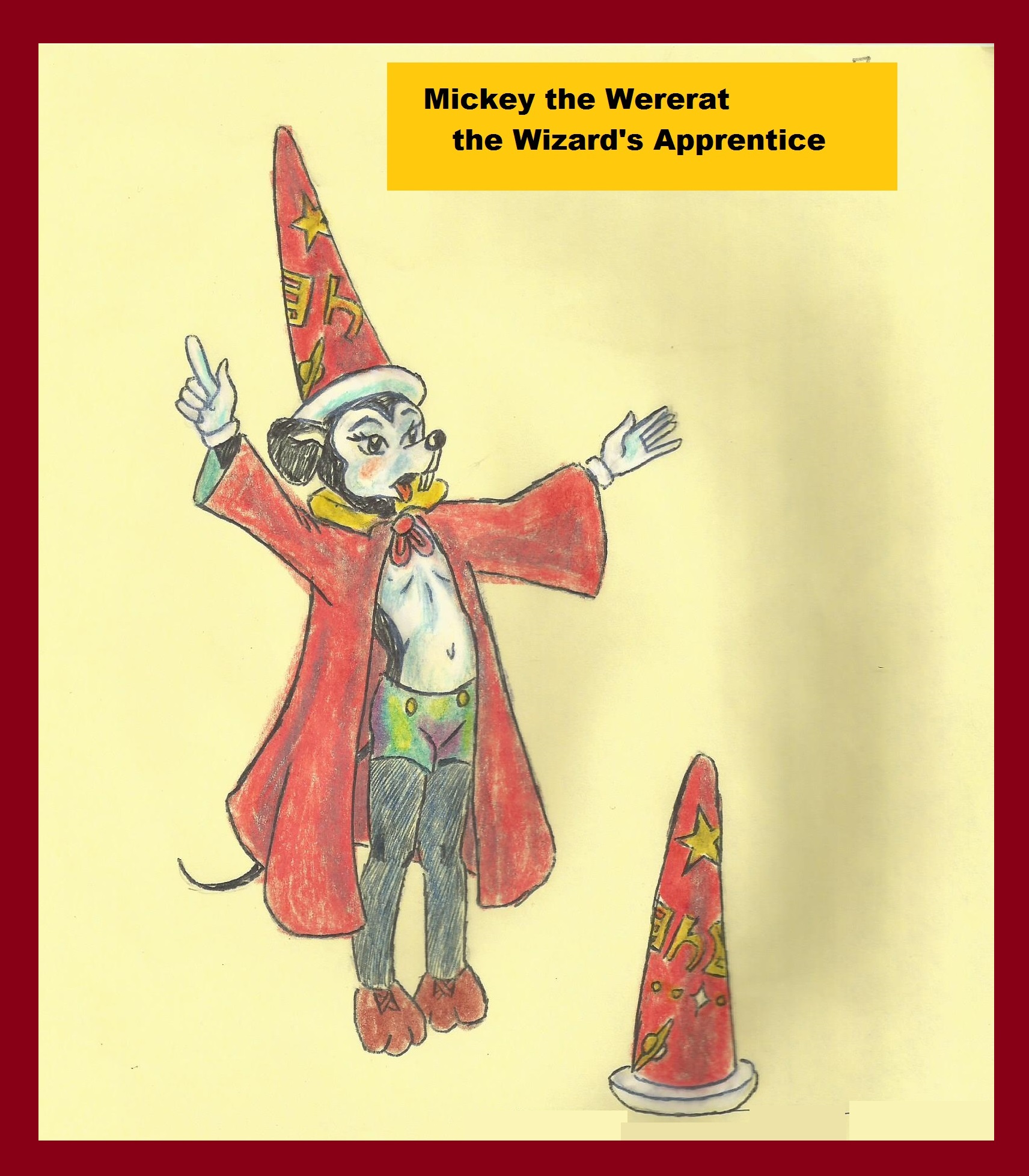
Mickey is different than other Sylphs in that he has been bitten by a wererat and has been infected by lycanthropy. Since he is now an uncontrolled wererat, he constantly looks like a boy with a mouse head and tail, a fur-covered boy’s body, and paws instead of feet.
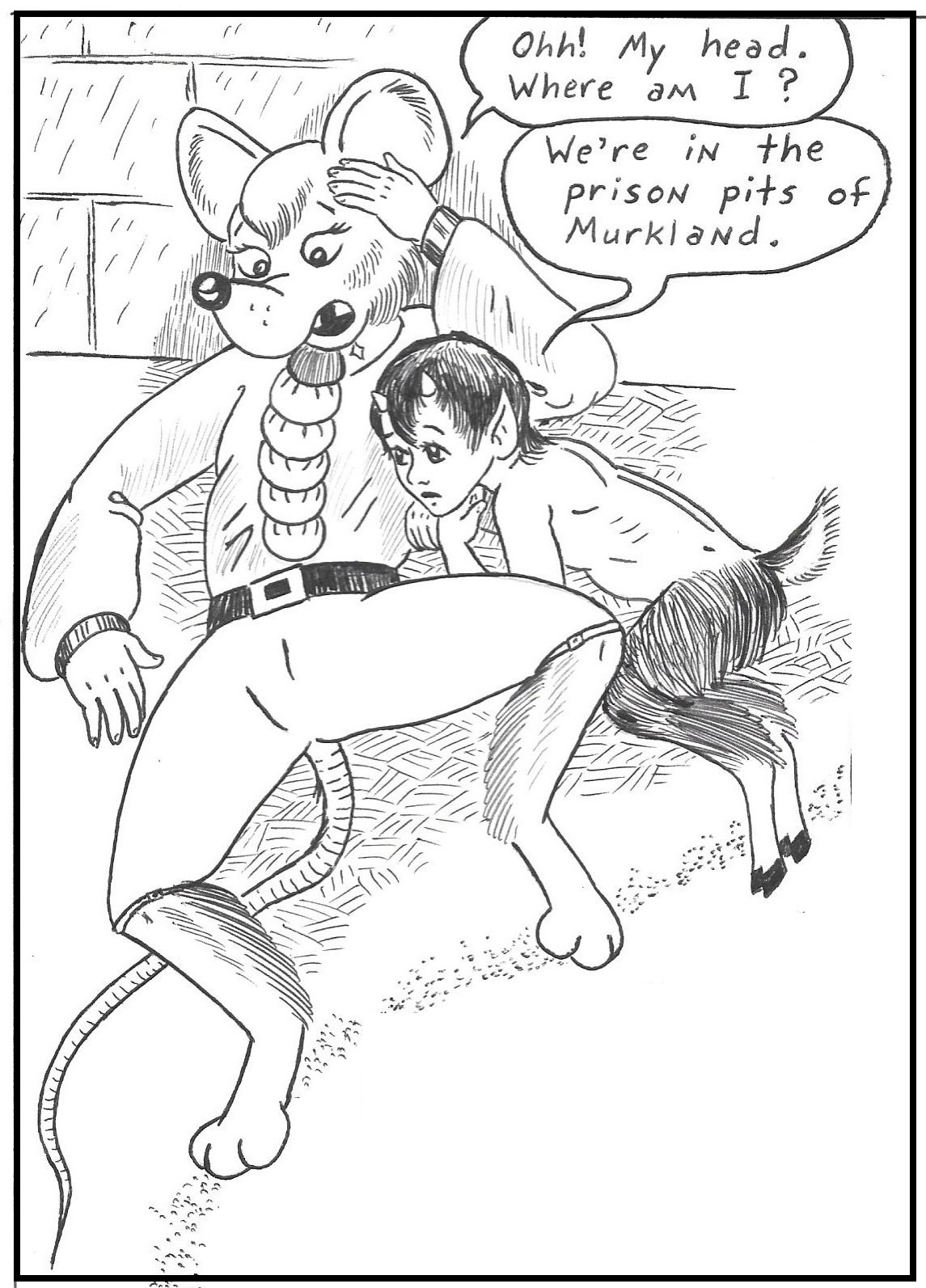
Sylphs can occur in many different non-manlike forms. The Mouse from Cornucopia is a Sylph in the form of an anthropomorphic mouse. Radasha, also seen to the left, is a Faun. Pixies, Nixies, Boggarts, Gremlins, Centaurs, Minotaurs, and other magical creatures have gotten far smaller since ancient times when human beings added greatly to the magical energy loose in the world through their imaginations, faiths, fears, nightmares, and dreams.
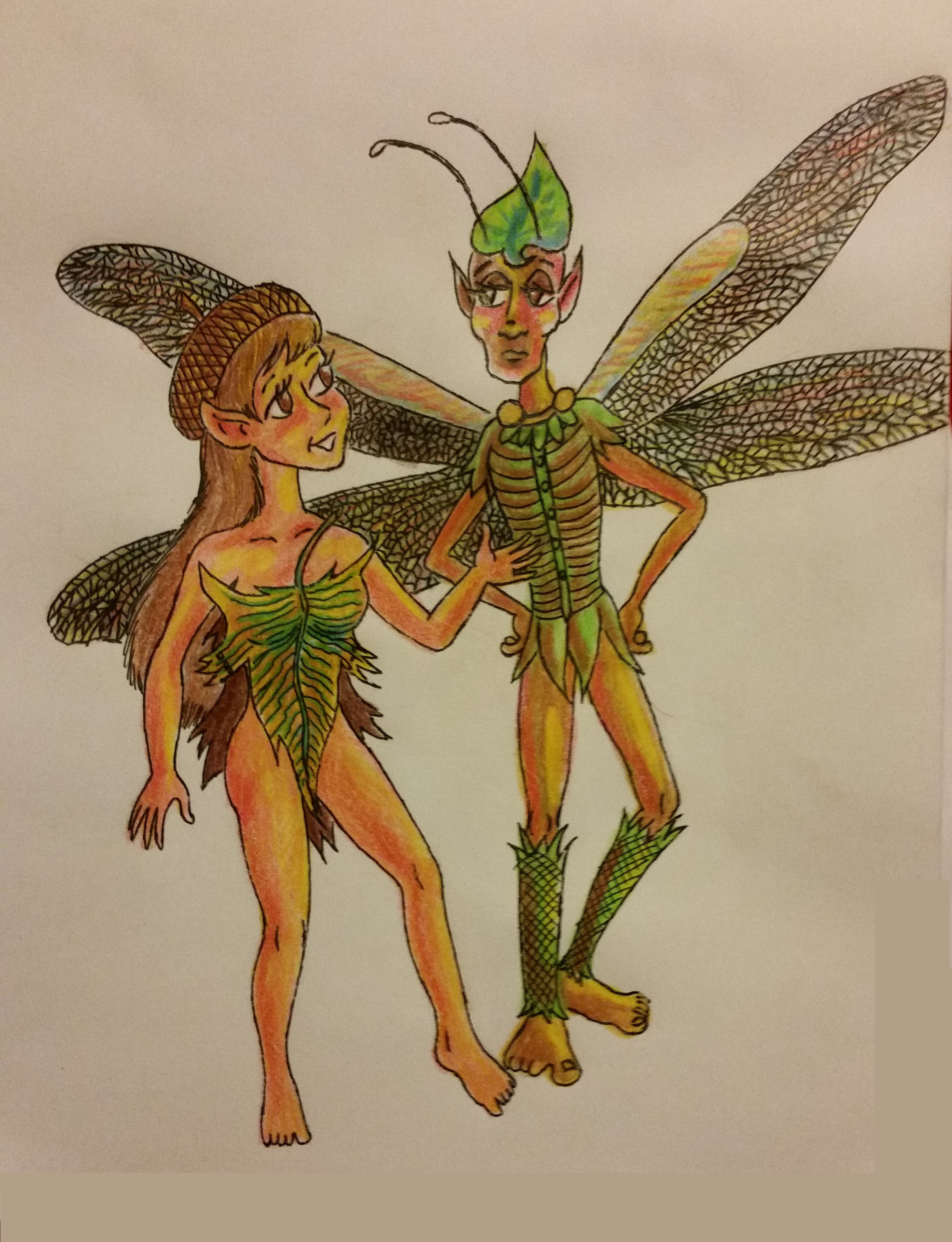
All of those magical creatures have odd and sometimes horrific shapes. You can see that in the insect-like Pixie to the right.
Storybooks : Immortals Amongst the Fey
The other Fey Children that need a special mention are the Storybooks like Silkie pictured in the acorn beret and leaf dress to the right. These lucky Sylphs, Elves, or other Fey Children who’ve been singled out by slow ones in their slow-ones’ books and literature are made magically immortal by the power of stories told by humans, especially those preserved by print. They no longer die. They can no longer be killed or grievously wounded.
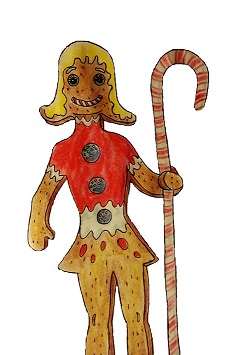
General Tuffaney Swift is another good example of a Storybook. He exists as an immortal because some of his early adventures, were overheard and written down in stories about Tom Thumb. He was instrumental in bringing Grandma Gretel and her daughter, Anneliese, into the Fey World. She is responsible through her magical baking skills for the entire races of Gingerbread Children and Cookie Monsters.
So, there’s a brief overview of the Kingdom of Tellosia and the World of the Fey Children.






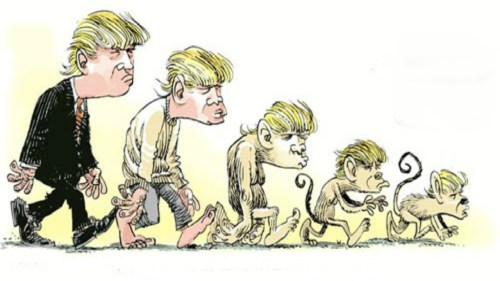
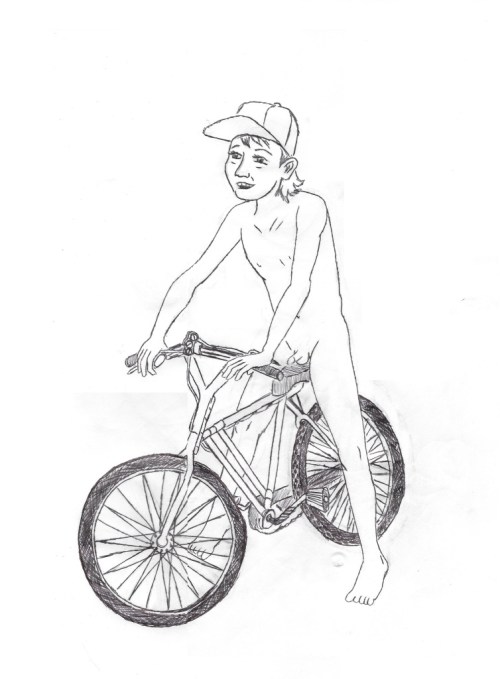
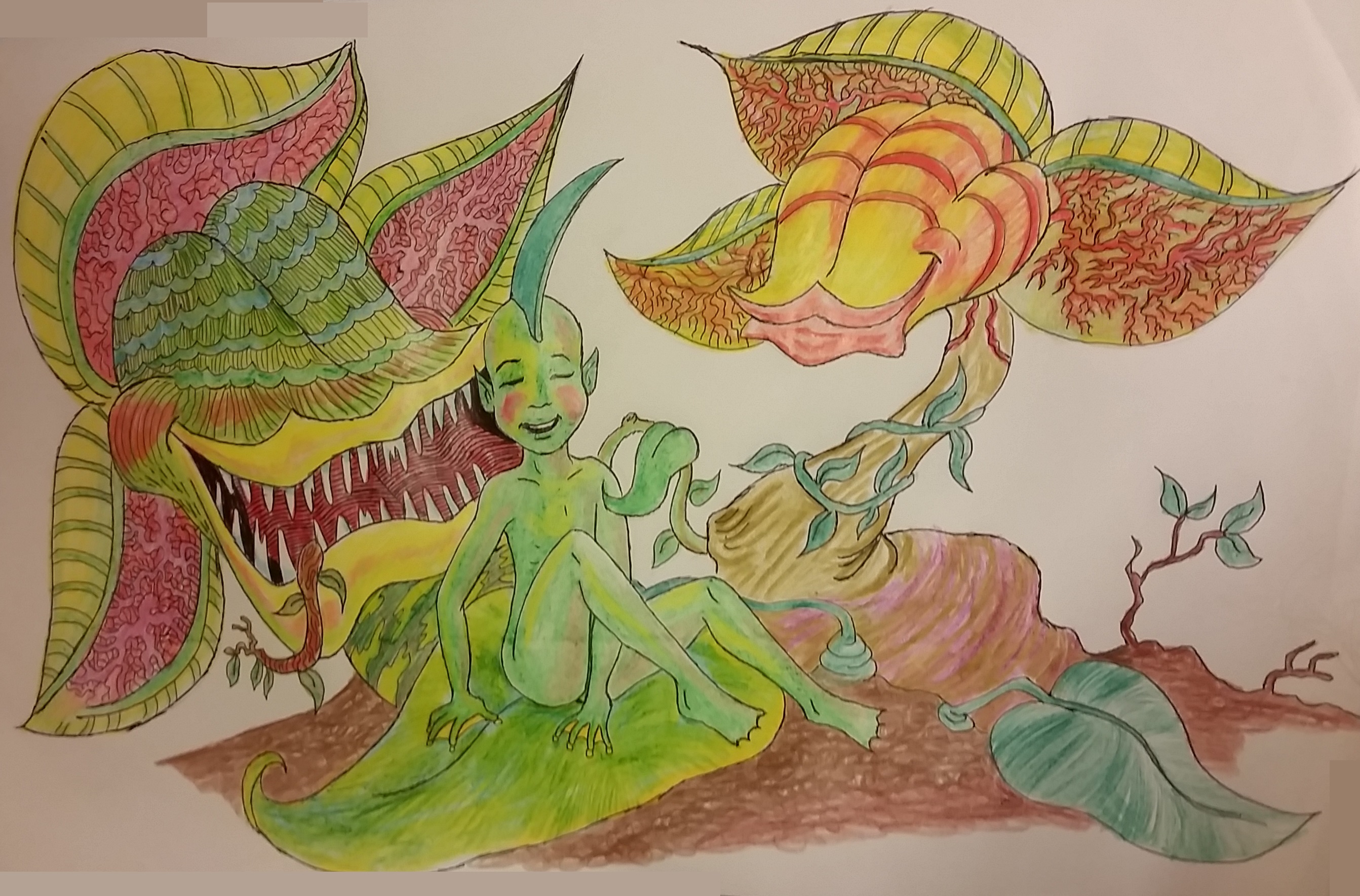
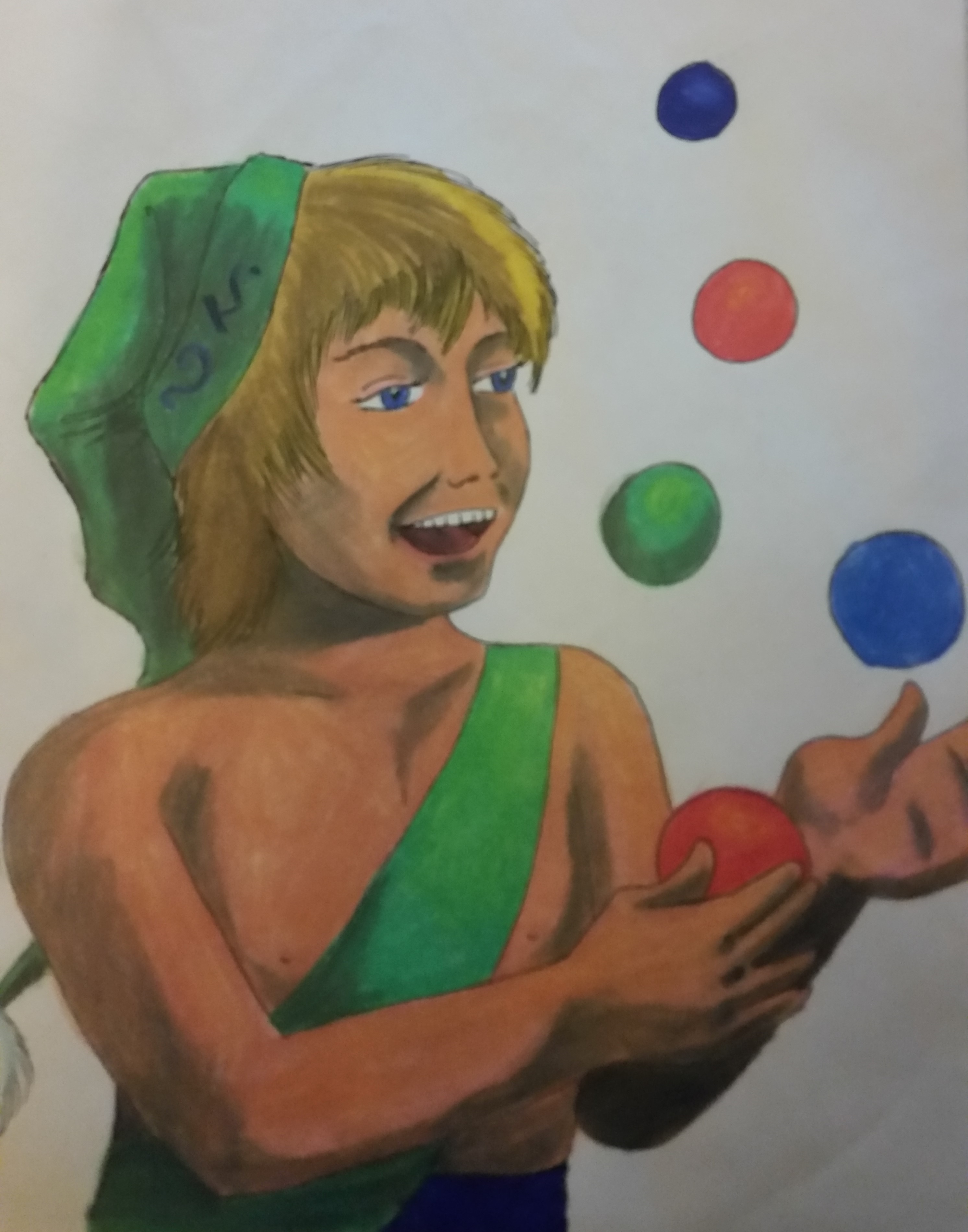

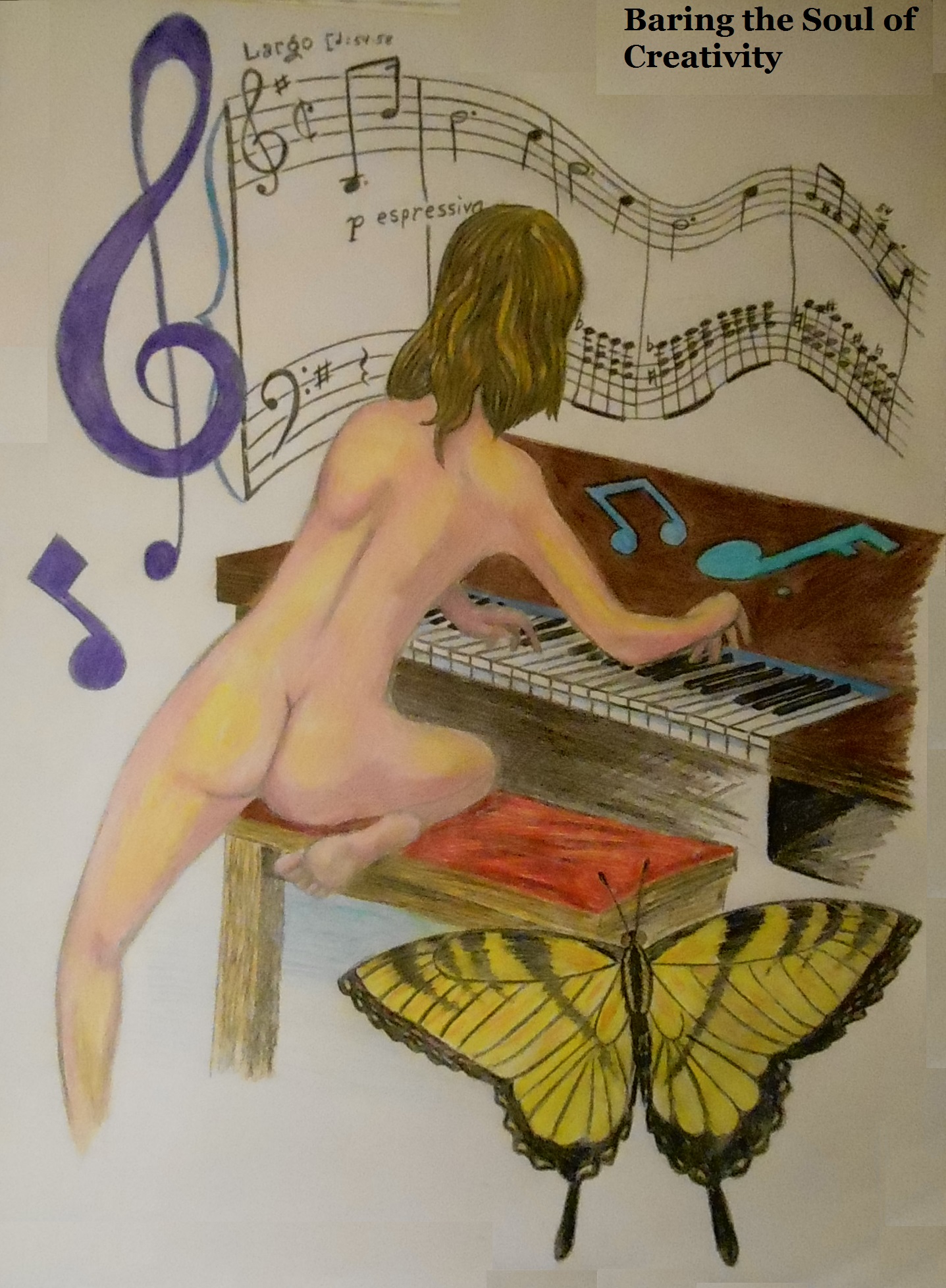
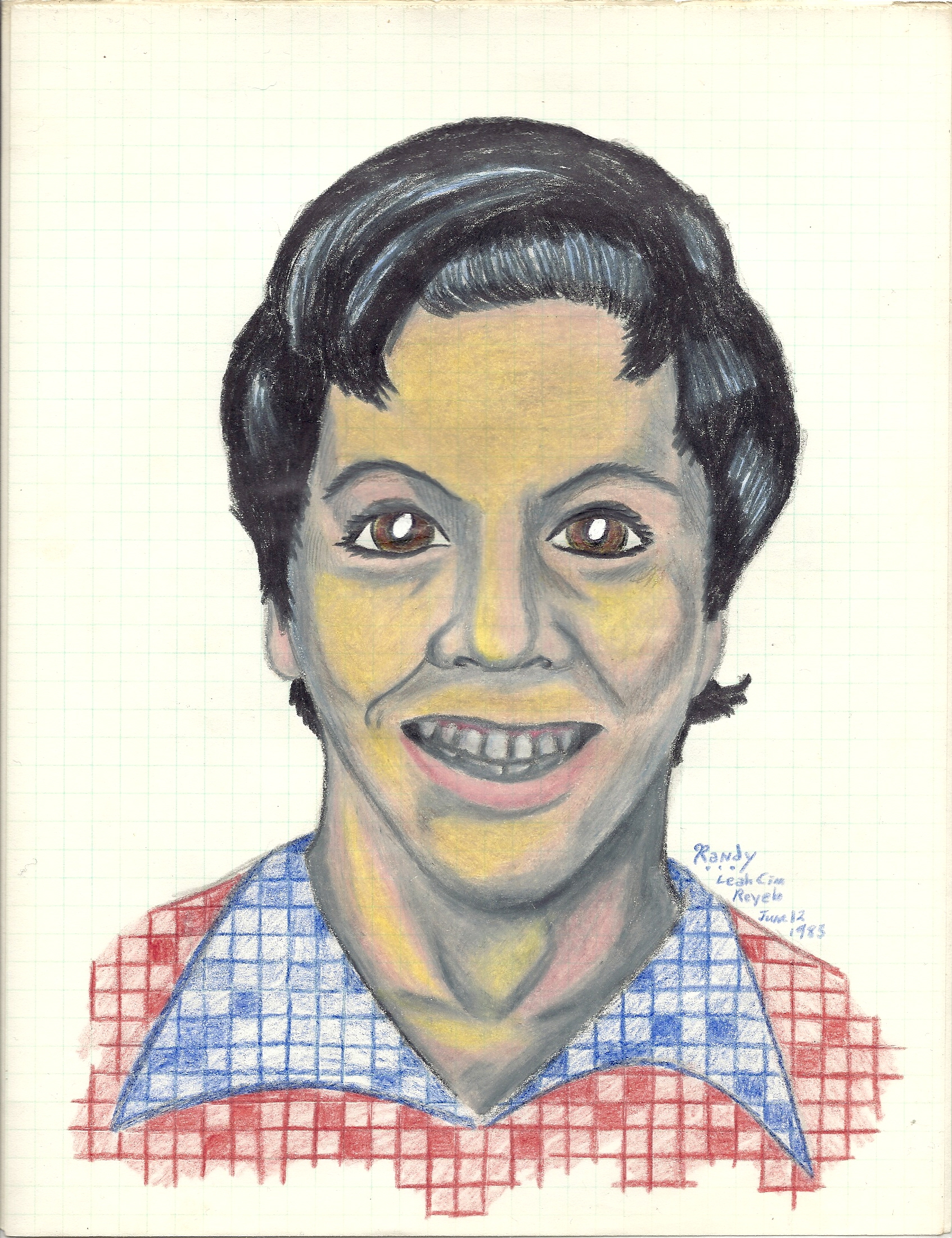

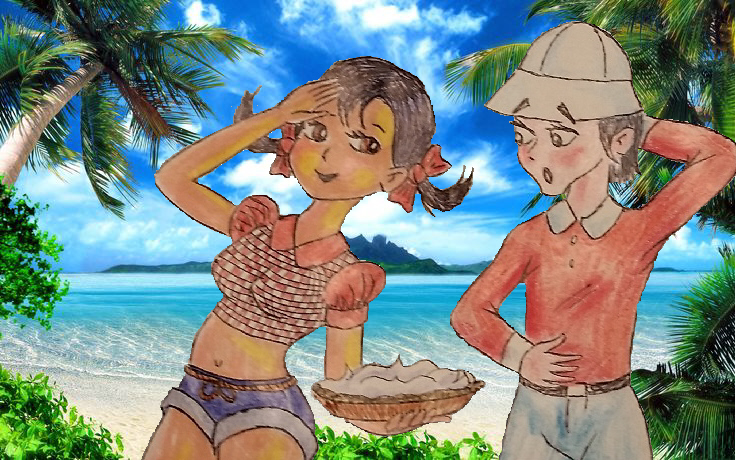




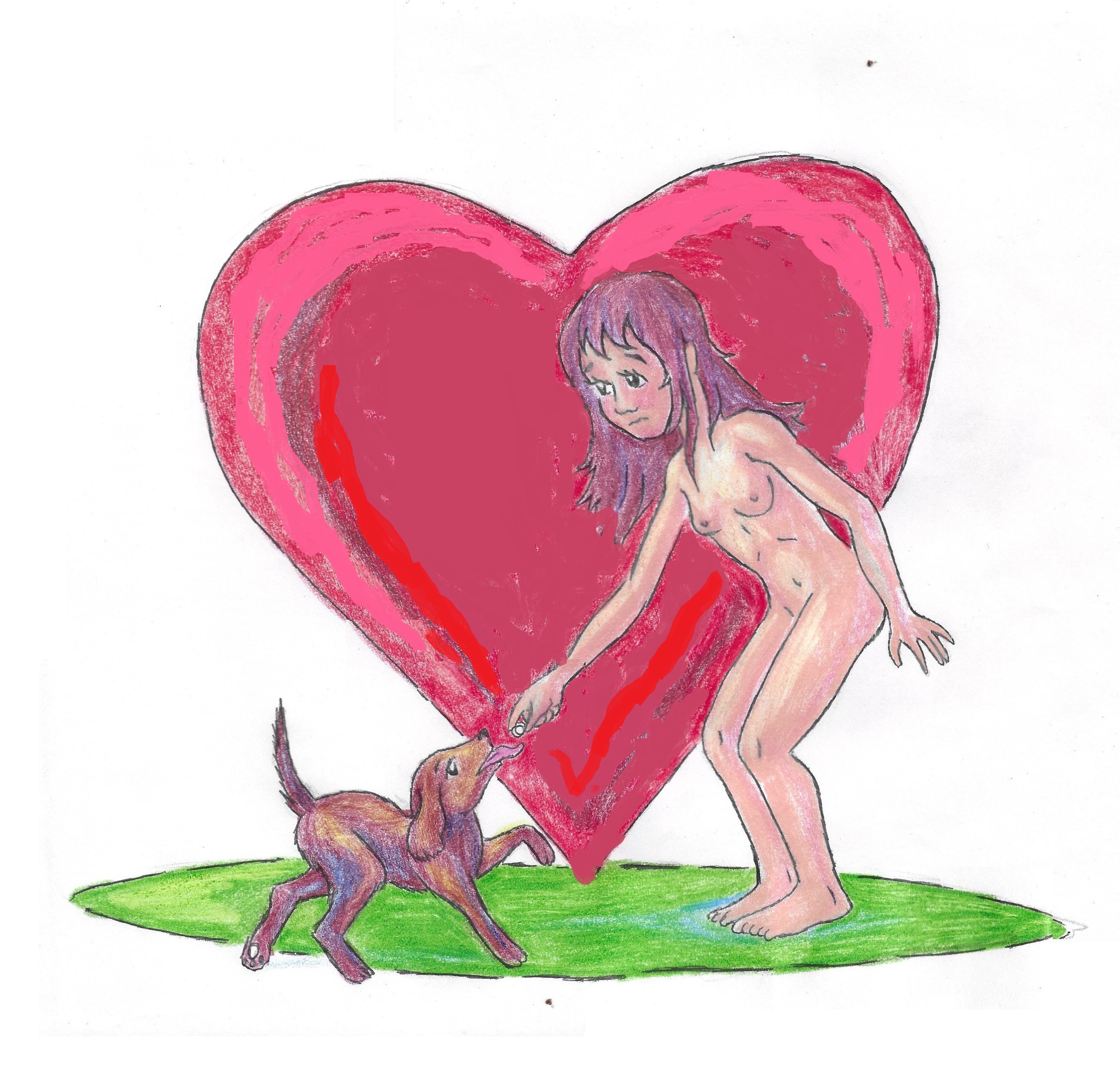
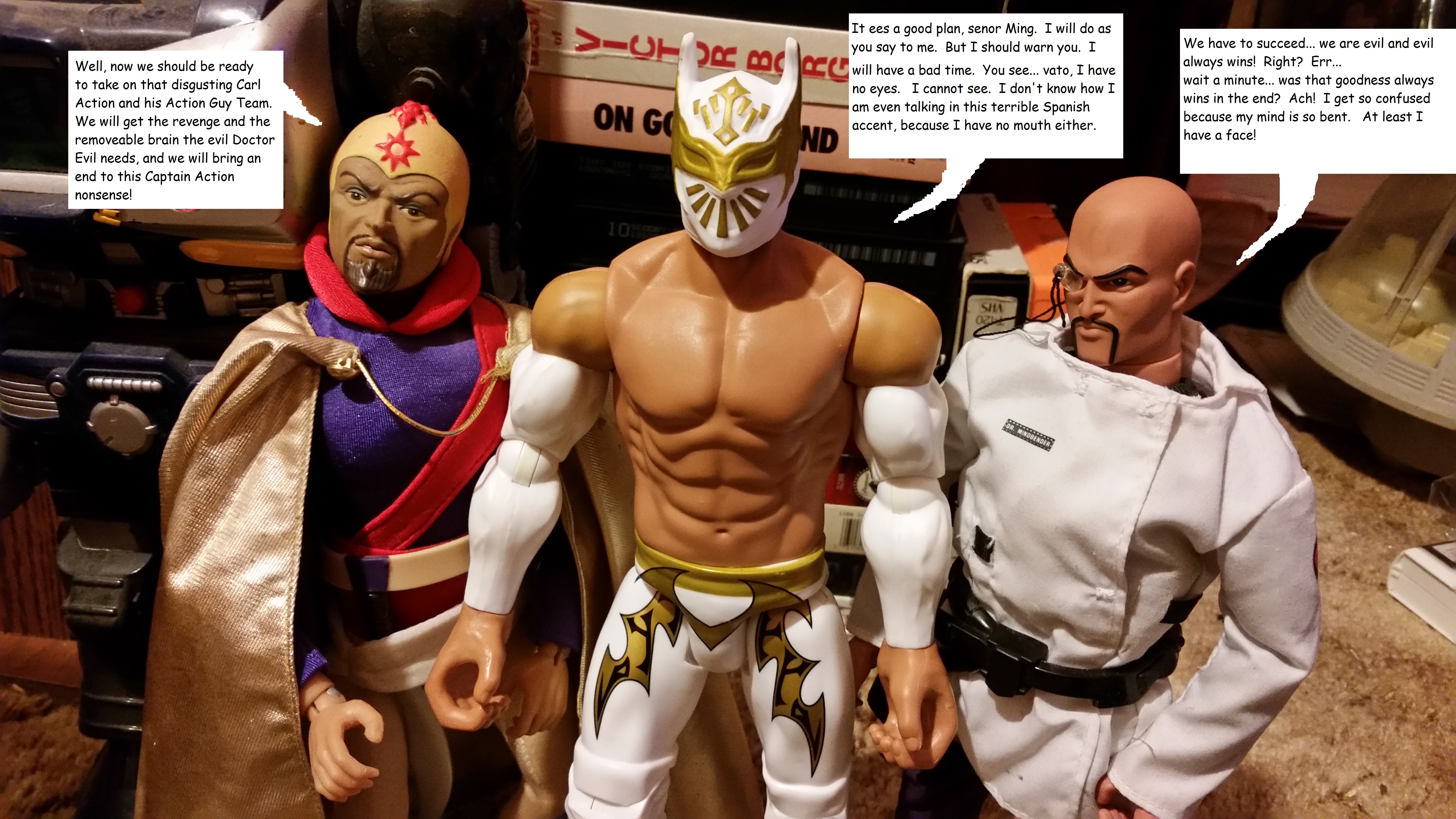
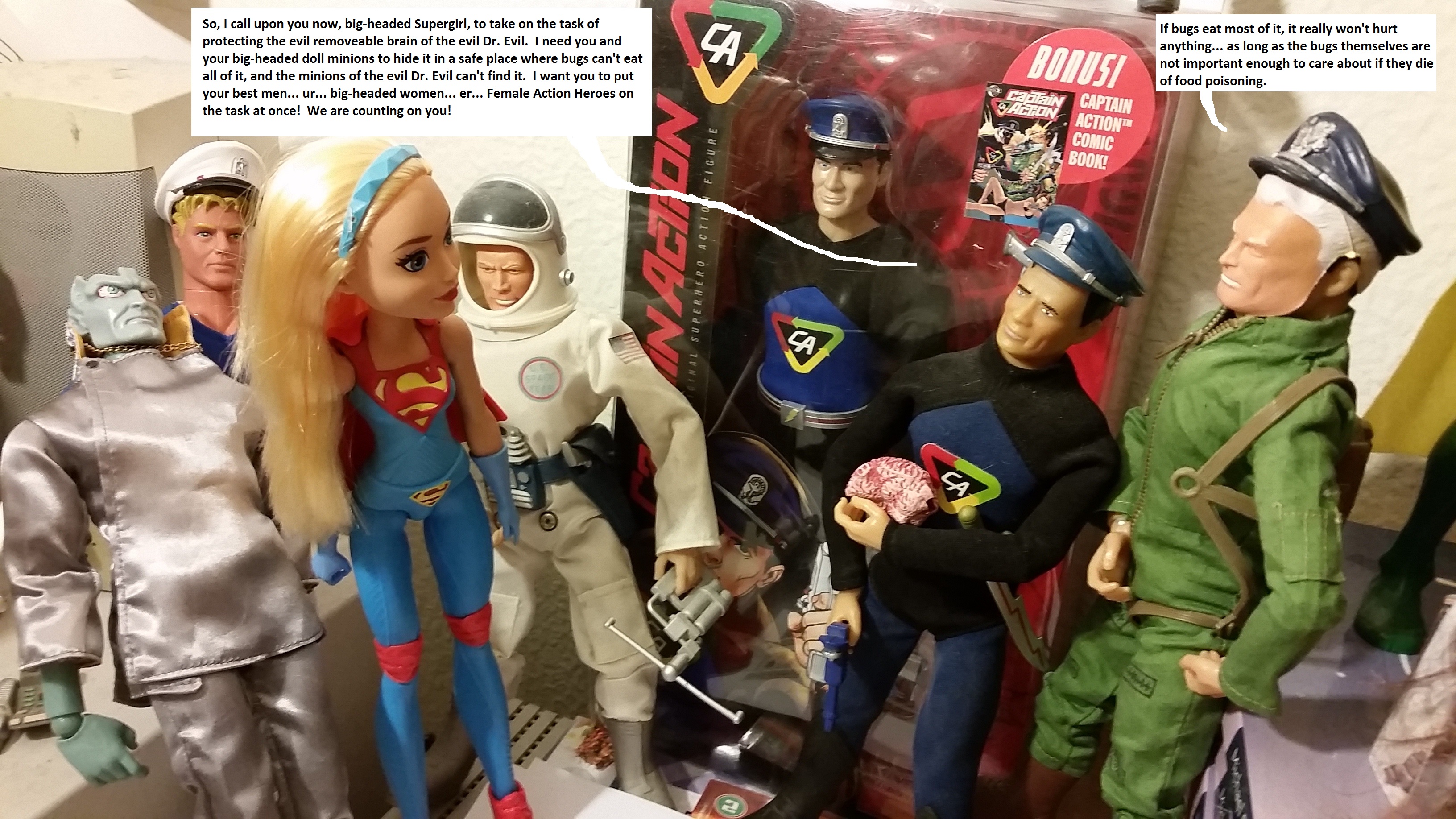
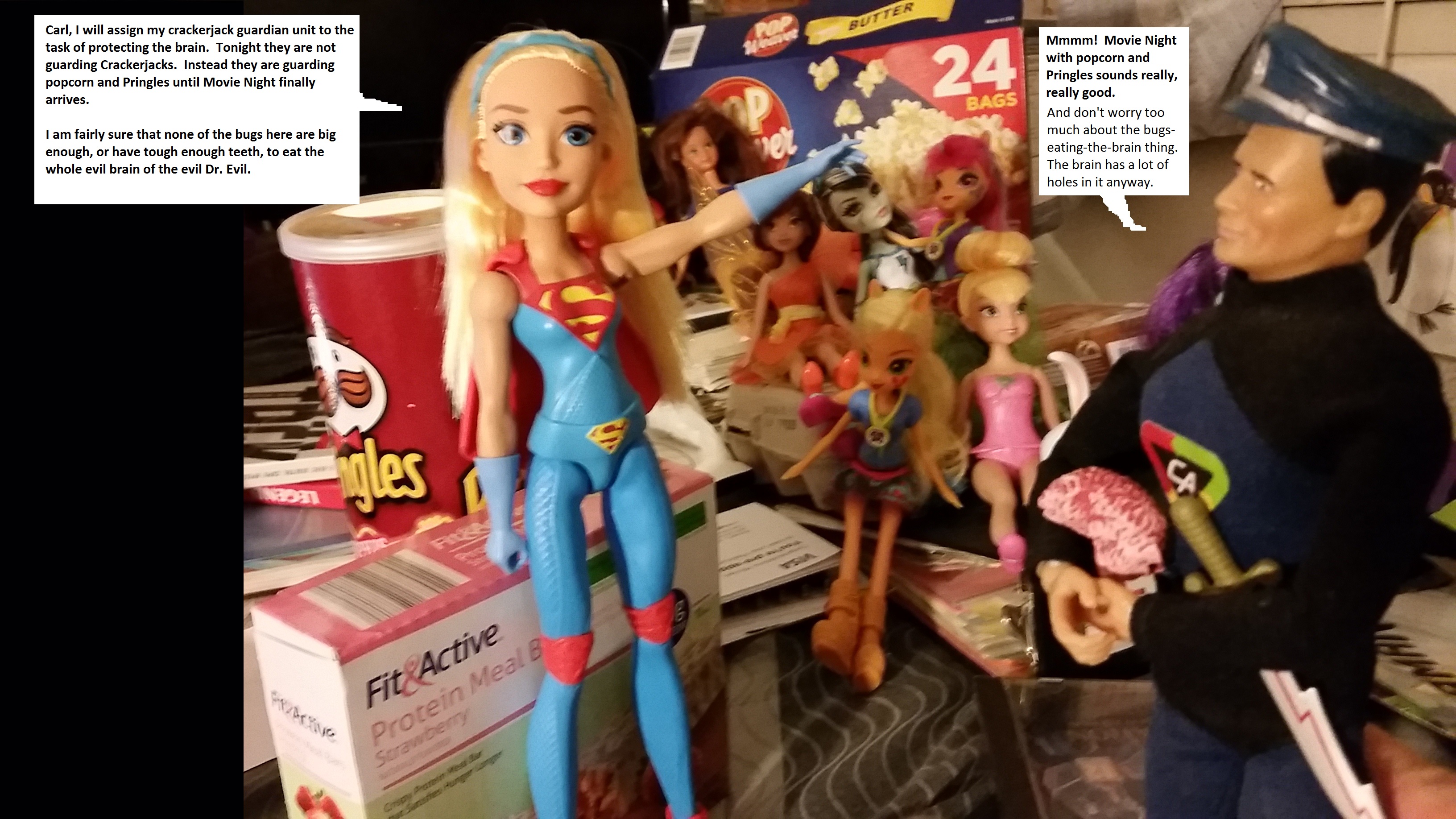
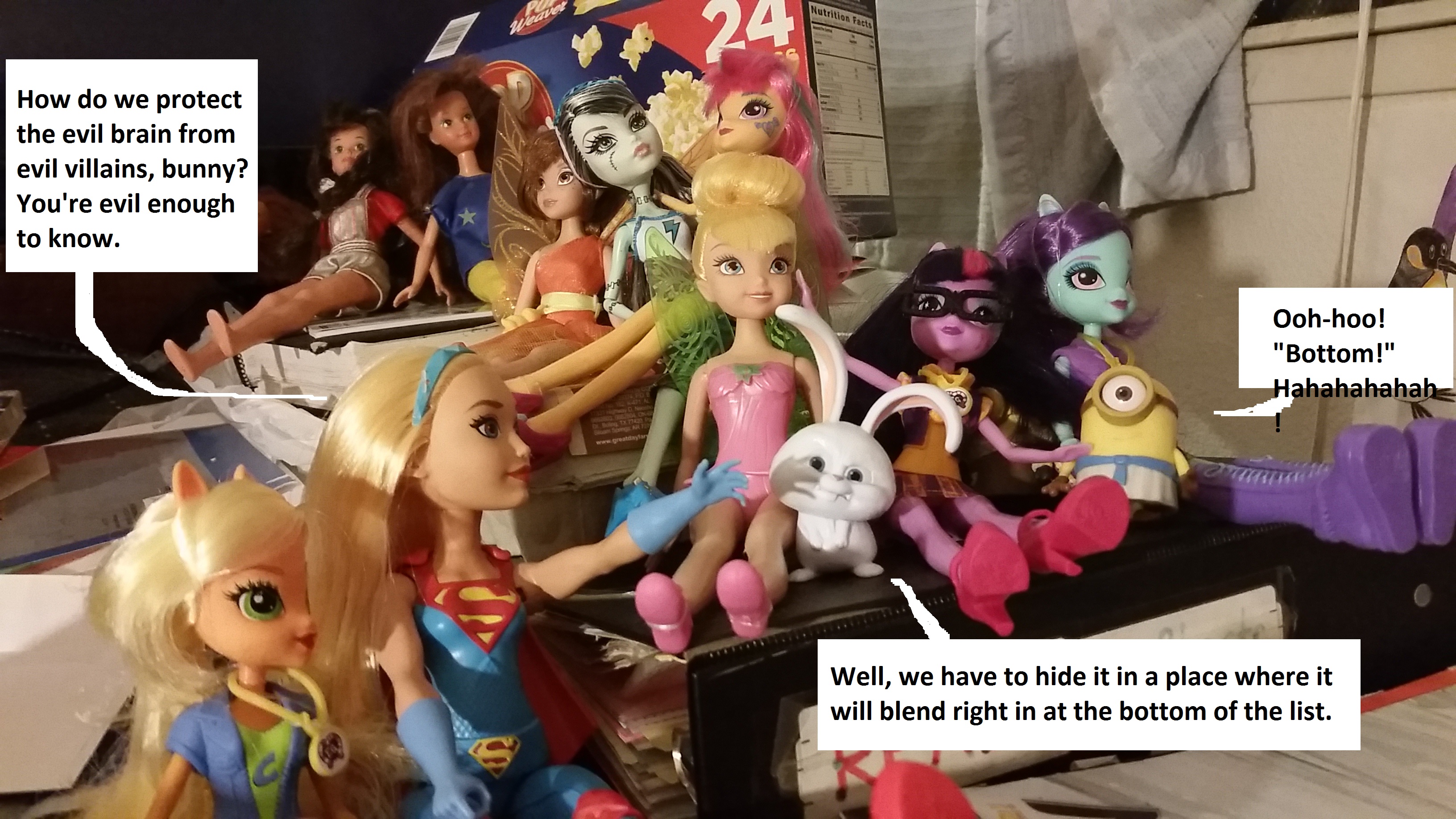
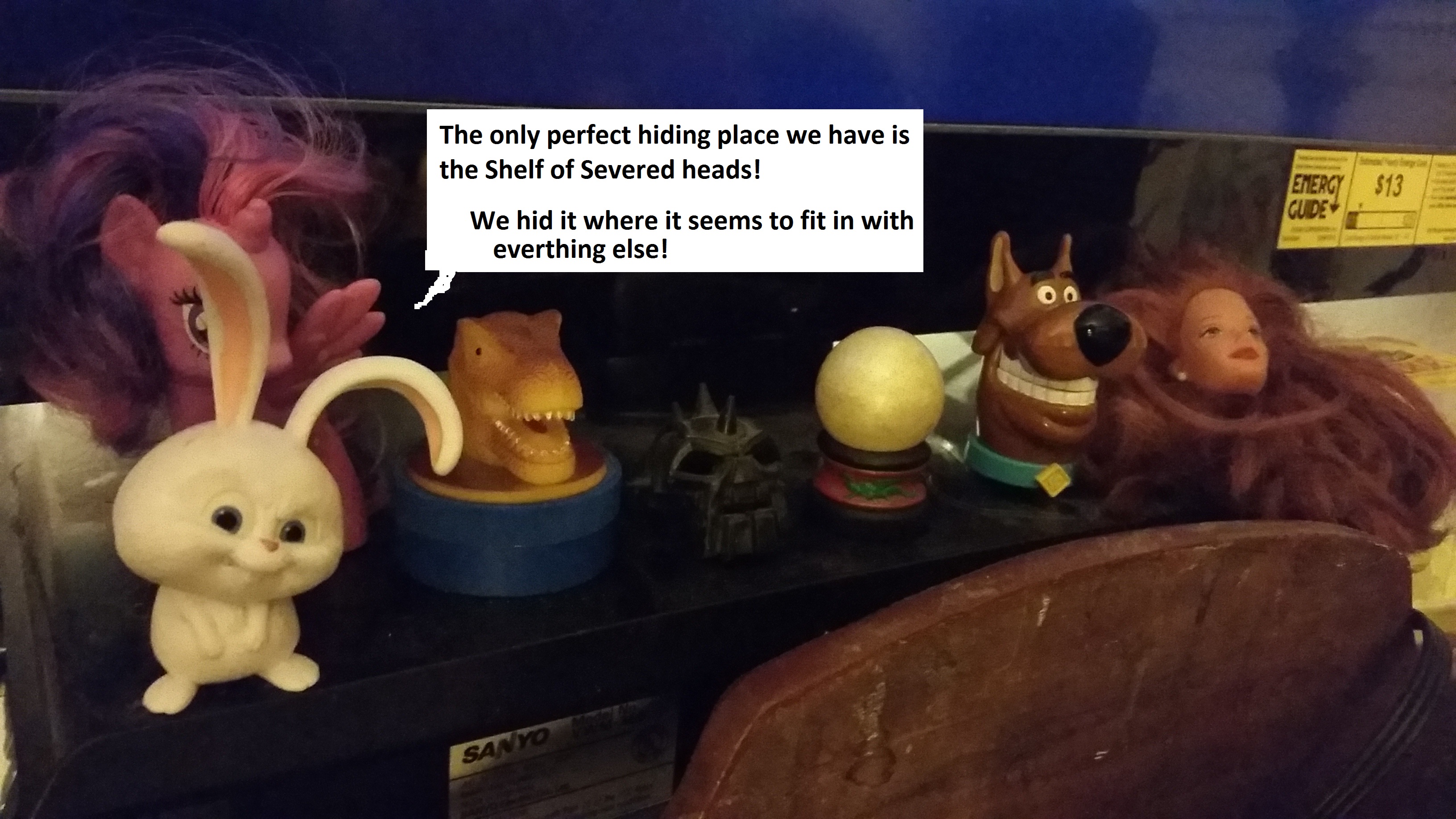
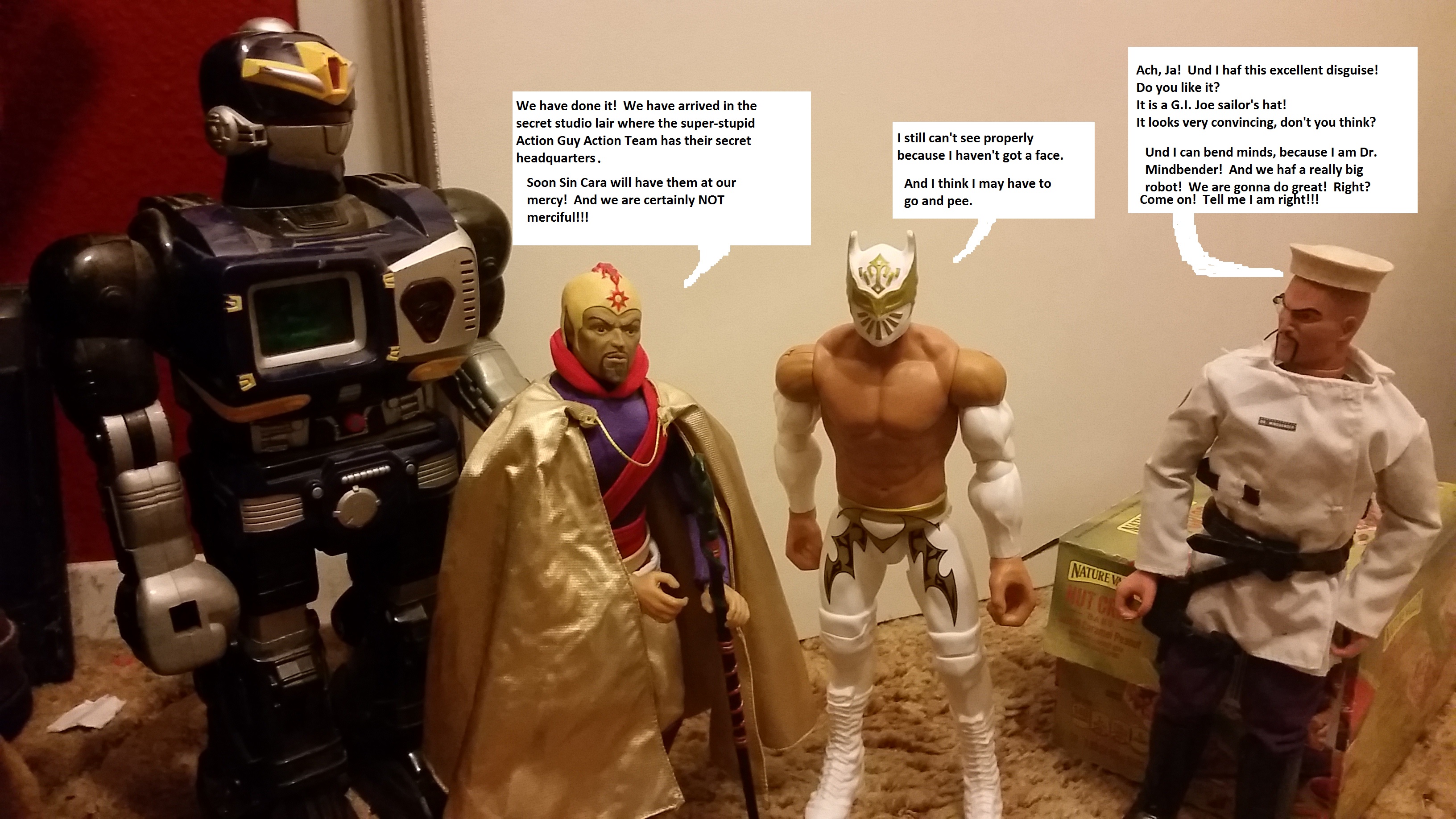
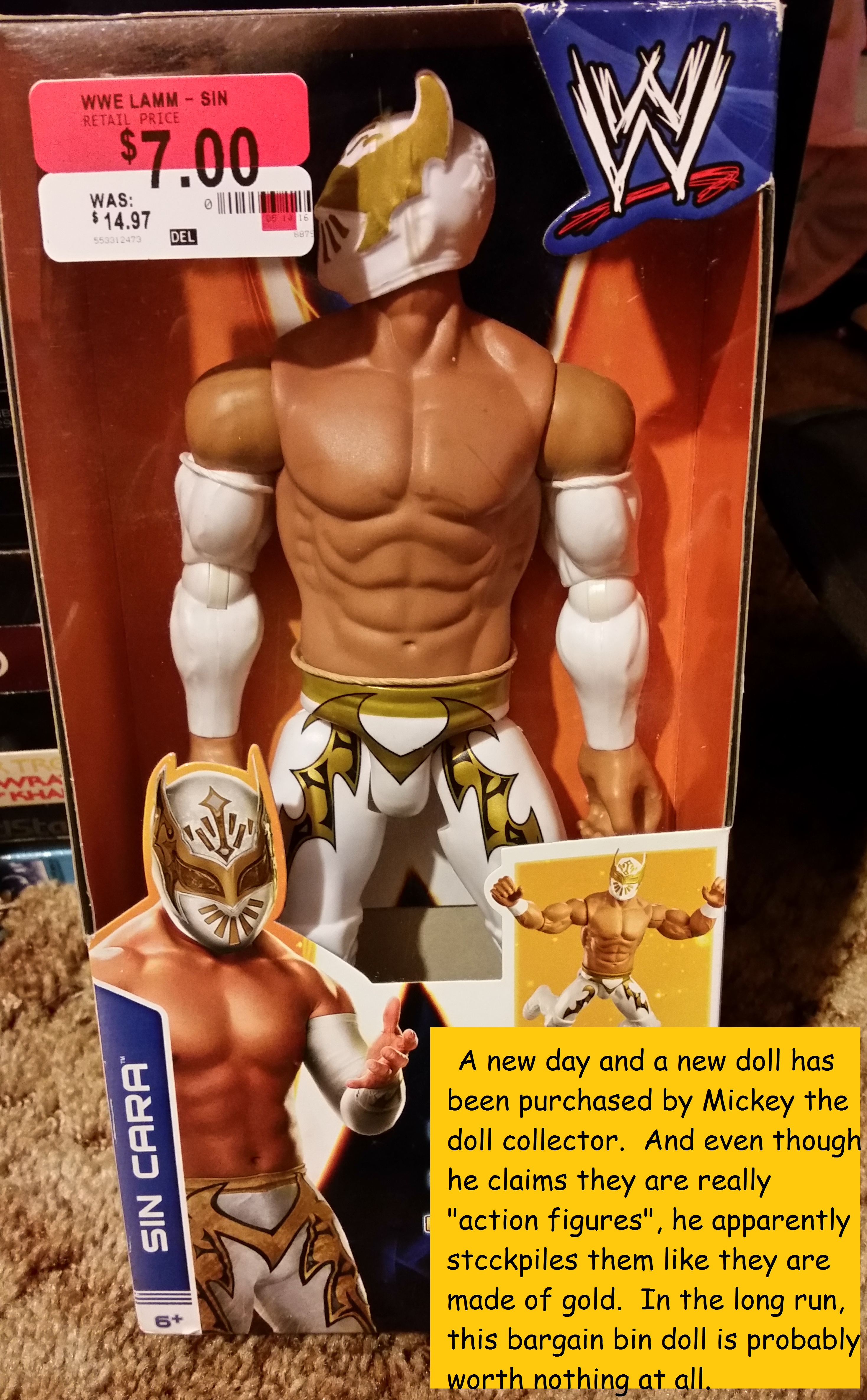

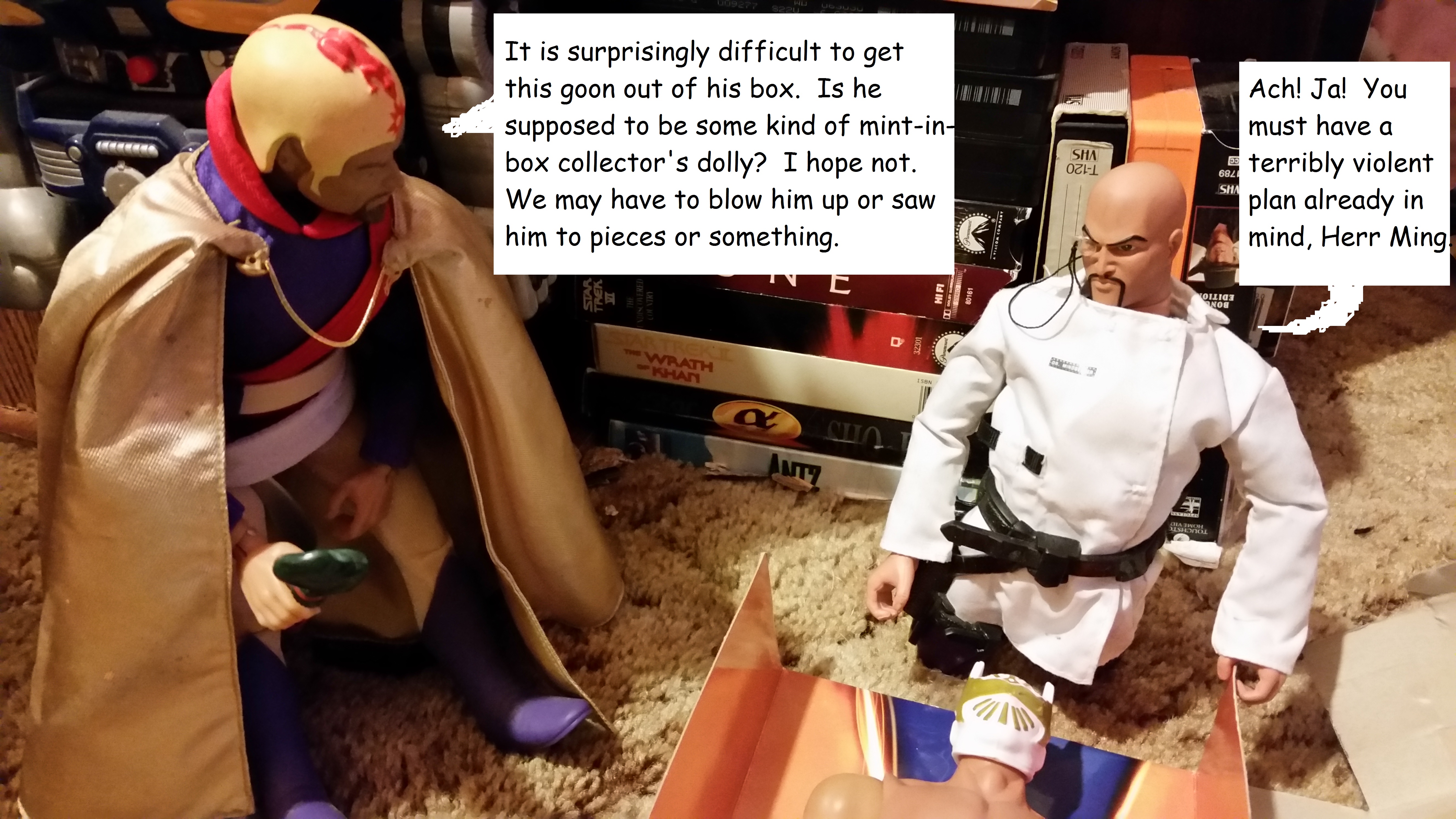
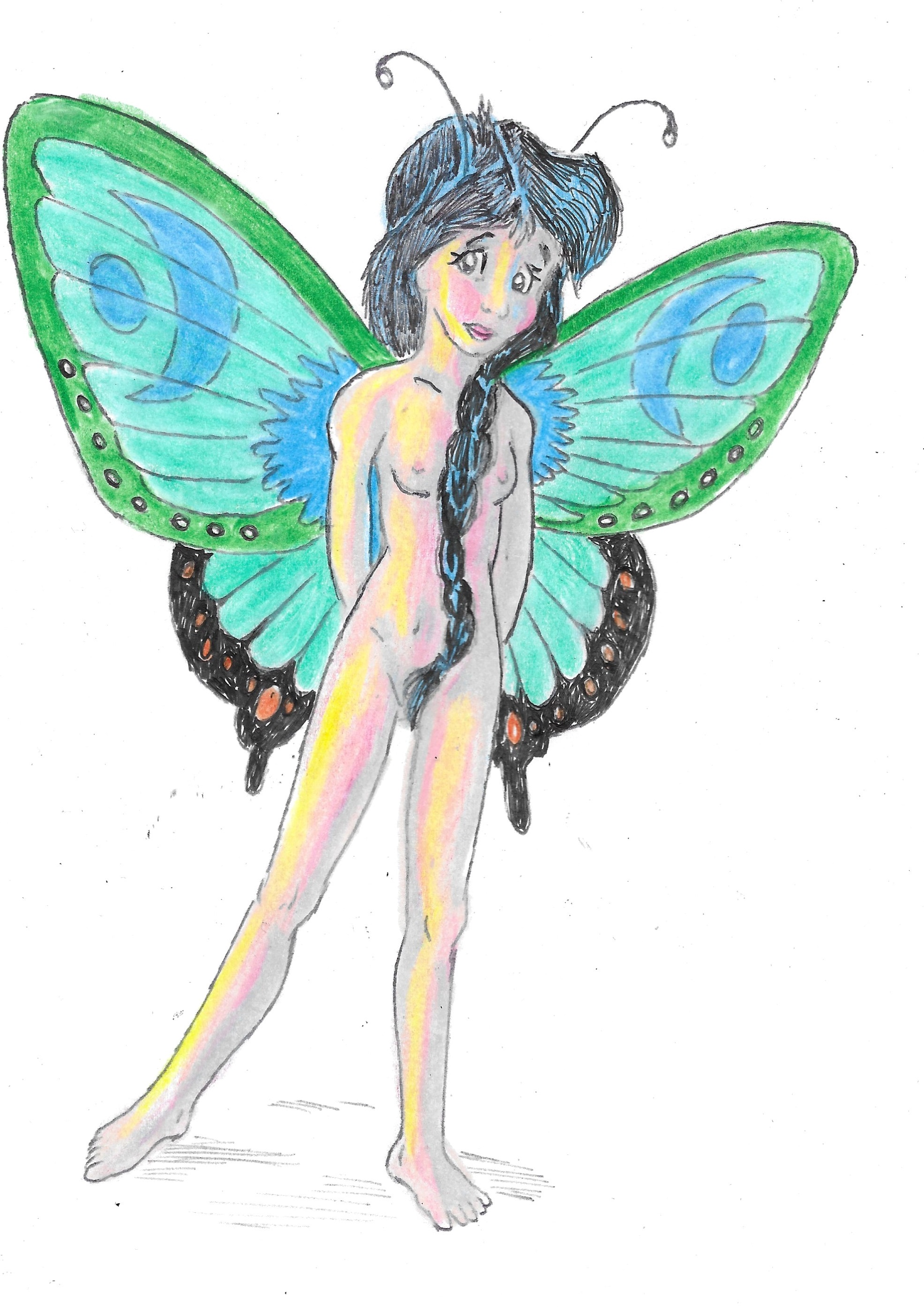
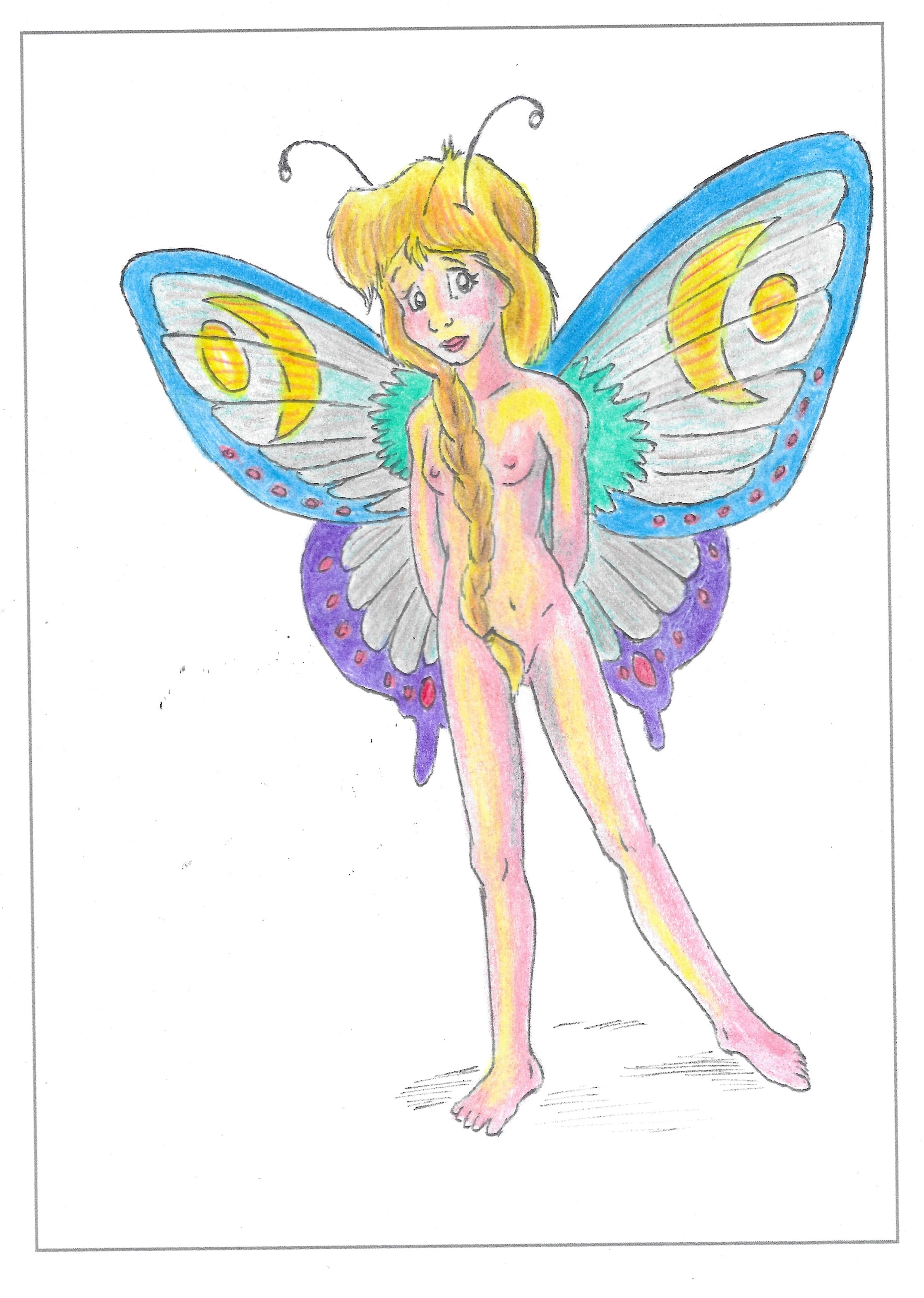

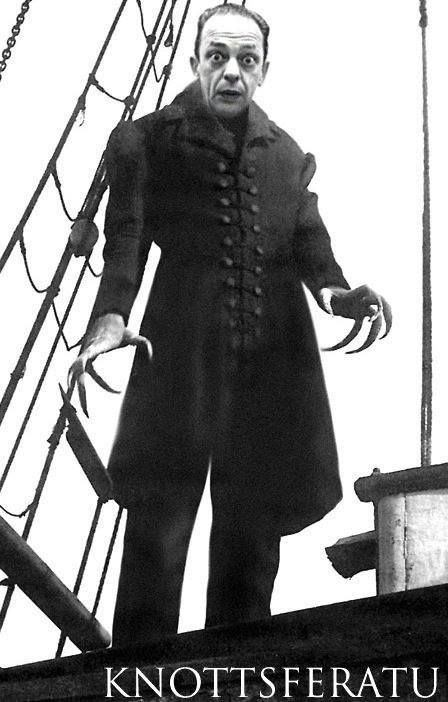






 My wife constantly tells me I am wrong… about everything. And I probably am. So that is not right. And if you think that’s my wife in the picture, you would be wrong. She’s much larger than that in real life.

 Catch a Falling Star
Contradictions
You know what a contradiction is, don’t you? It is whatever comes out of your wife’s mouth whenever you make a statement asserting that whatever you said is factually true. She will promptly and always explain to you how wrong you are… loudly… and in great detail. No matter if you happen to be provably right or not.
What’s that, you say? I’m wrong about that too? Of course, I am, dear. I only deserve the catfood cookies.
The fact is, if you raise your hand and give the teacher the correct answer often enough, you get a certain reputation amongst your classmates. Instead of continuing to call you, “dumbhead,” or “stupidhead,” or the simplified form of “caca-poo-poo-head” like they endearingly call everybody else, they begin calling you pejoratives like “Einstein,” or “Brainiac,” or “Supernerd, taah tah taaah!” And they begin pointing out in detail everything that is wrong about you. How you dress… how you talk… especially how you laugh. You have become the enemy. You must be contradicted.
“You are wrong, Mickey!”
“So, I get to be Dumbhead again?”
“No. you are still “Supernerd, taah tah taaah!” But you are wrong. We all think so, so that must be right.”
The truth is, Life itself is a contradiction. Considering the violence and hostility of the physical universe towards life, it is a miracle that anything at all is alive in the universe. The chaos of everything guarantees that if you are born into the miracle of life, then at some point, caused by a nearly infinite variety of possible aids to chaos, you will die. Order is whittled away into chaos. Civilizations fall eventually. Things die all the time.
But if all order must, by physical laws of the universe, be broken down into chaos, then, how is it that we have any order at all in the first place? Where does order come from? I’d give you a possible answer. But I would just be contradicted by the majority
Except for fundamentalist Christians who would say, “Let me think for a moment about why you are still wrong… and then I’ll tell you what I think the Bible says about why you are actually still wrong.”
One thing about being “only book-smart, but without common sense” that makes being contradicted all the time worth it, is that the more challenged the answers you come up with are, the more deeply you dig into them, and the more of a real-world understanding of why I am wrong about everything begins to make a bit more sense. Or not. Because I’m probably wrong in your estimation anyway.
2 Comments
Filed under commentary, humor, inspiration, Paffooney, philosophy