
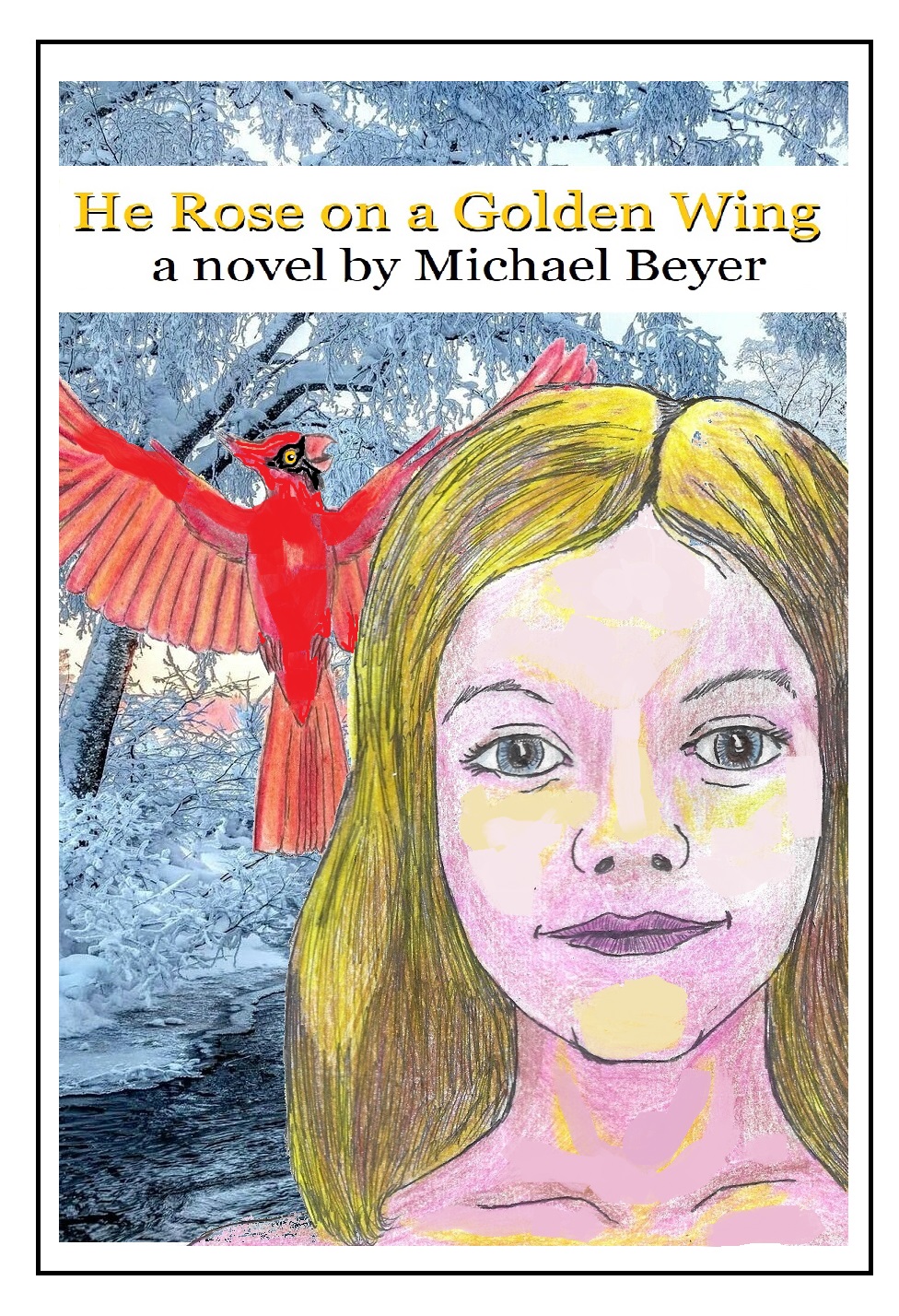
As a senior in high school, there were a few things that Valerie had to endure that were not such a terrible thing for the other girls. You see, the Belle City School District PTA put on a father/daughter dinner for all the senior girls every year, a tradition that went back eleven years. In it, the girls and their fathers would be given the royal treatment in the school cafeteria with a full meal courtesy of the PTA who did the majority of the cooking, aided by the senior mothers who did the serving and the every-thing-elsing. There would be some boring and semi-torturous entertainment from the music department, and then the dinner would culminate with the father/daughter dance.
But Valerie had no father.
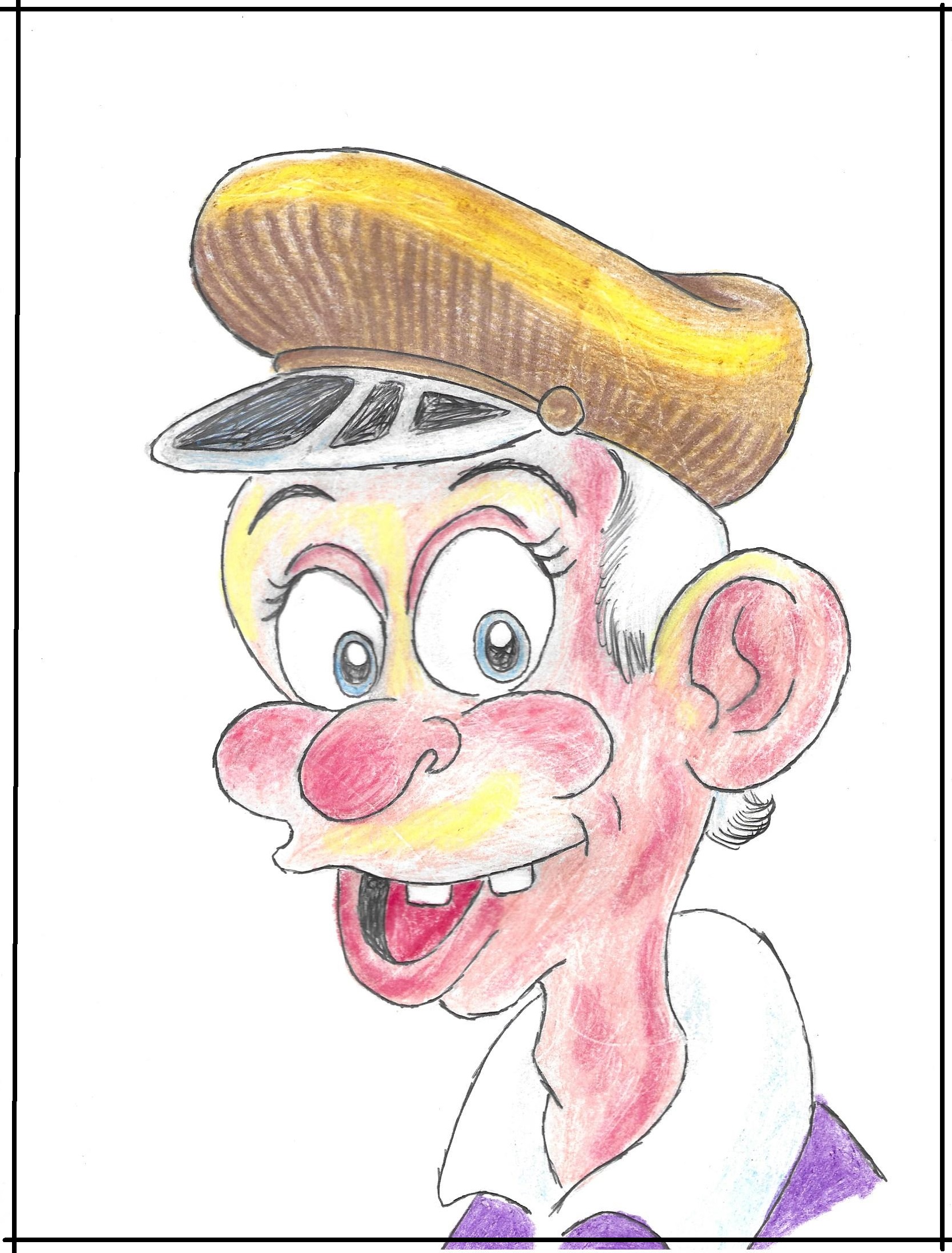
Instead, she was stuck with Uncle Dash. Yes, the eldest of Grandpa Larry’s three kids, with Aunt Jen the middle child, and Daddy Kyle the youngest. That Uncle Dash. The farmer in the dell. Father to Brent and Stacy Clarke. But he had missed Stacy’s father/daughter dinner, and Stacy had ended up running away from home, possibly away from the whole State of Iowa. So, who would Mom ask to fill in for Daddy Kyle? Was there ever any doubt? The same monster who drove beloved cousin Stacy away forever because he couldn’t stand the Toad.
So, there she sat in the school cafeteria wearing the baby-blue evening dress that Mom and Aunt Jen had crafted for her with their semi-legendary sewing skills. Uncle Dash, dressed in his best Sunday suit and tie sat next to her.
“Val, can you pass me that pepper shaker?” Uncle Dash asked, pointing at the pepper beside Charlotte Robbins’s plate. It was ironically appropriate that the PTA wanted her to sit next to her worst enemy and the little fat man who was Charlotte’s father.
“Char? Can I have the pepper please?”
“Oh, Val, surely you know that, on a night like tonight, everything belongs to you.”
Charlotte plunked the shaker down in front of Valerie so hard that a cloud of pepper poofed up almost in Valerie’s face. If this were a cartoon show, Val would then be seized by a sneezing fit as the villainess laughed eerily. But this wasn’t a cartoon show, and thankfully Val was apparently immune to cartoonish sneezing fits brought on by malevolent clouds of pepper.
“Here you go, Uncle Dash,” Val said, gingerly sitting the pepper down in front of her uncle.
“Thank you, sweetheart. Did I tell you how beautiful you look tonight?”
“Only once at our house, three times in the pickup, and seven times since we’ve been here… not counting this one.”
“Oh, well… you know… you are beautiful. Kyle would be proud.”
She briefly turned her glare on him. But the tears in his eyes stifled that instantly. After all, Uncle Dash had loved his little brother in that stand-offish way Iowa farmers have of doing things and feeling things that farmers are not allowed to feel and do for some stupid reason.
And she knew that Uncle Dash blamed himself for Daddy when he… Damn! She didn’t want Charlotte Robbins seeing any tears. Especially not Valerie’s own tears. Then the little witch would pity her, and the last thing she wanted from old Baldy Greenskin was actual pity. Not from the enemy!
“Uncle Dash, I’m not feeling so well. I have a headache.”
“Oh, honey, the dance is about to start. I promised your mother and your Aunt Betty that I would dance at least one dance with you. Can’t you hang on just a little longer?”
She glanced at Charlotte who was making sheep’s eyes at David McLaughin who was sitting across the table from her with his older sister Carolyn, since his father was that workaholic that owned half of McLaughin Brothers Chevrolet.
“I can try. But it’s only going to get worse.”
He looked at her anxiously. It obviously meant more to him than it did to her that he had that one dance. He could probably never understand what it meant to her to be there without…
She tried to concentrate on the meal. She nibbled a little bit more of the chicken breast in yellow gravy. But food tasted no better than she felt on the inside. She ended up asking Alice Pedersen’s mom to take her plate away with most of the food still on it.
And then the dance music began. The first one… the one she had promised to Uncle Dash… was Bryan Adams’ song “All I Want is You.” Oh, gawd. Why did the DJ have to pick that one? It wasn’t a dance tune that Uncle Dash could really dance to. And the words cut into her like a knife. After all… who was the only one she wanted on this particular night?
She dutifully let Uncle Dash drag her out onto the dance floor, the clear rectangle of space left in the middle of all the rectangular tables in the school cafeteria. He immediately tried to get her to dance a wooden-legged waltz, the only dance he knew. She let herself be pulled around in a slow circle. It was like dancing with Pinocchio… if the puppet’s joints had an excessive amount of Elmer’s Glue jamming them up.
Charlotte, that witch, stood there on the dance floor staring and laughing. At least, she did until her own manic-midget father began doing a cross between the Chicken Dance and something the Monkees probably did on stage back in the 60’s.
“Uncle Dash! I have to go home. My head hurts.”
“Darling, we have almost finished the song. And I gave my word…”
“You don’t understand. I can’t do this anymore!”
“But Princess…”
That was it. The name her father had always called her when he was still…
Valerie fell to her knees in the middle of the dance floor.
She began to shout just as the song was ending so that everyone’s attention would be riveted on what Val was saying.
“You are not my father! My Daddy’s dead. I can’t take it anymore! Take me home now!”
“Please, Valerie… don’t… not here.”
“Home, now!”
Everyone was dead silent and staring. Even smug Charlotte now looked stunned and horrified.
“I know you blame me for not being there when… but I…” Uncle Dash was more distressed than he had even been that night when…
“No! I don’t blame you! I blame me! I didn’t see it coming! I didn’t do anything to stop him! And when I found him, the gun was laying right there next to his hand. It’s my fault.”
She raised her face to the ceiling.
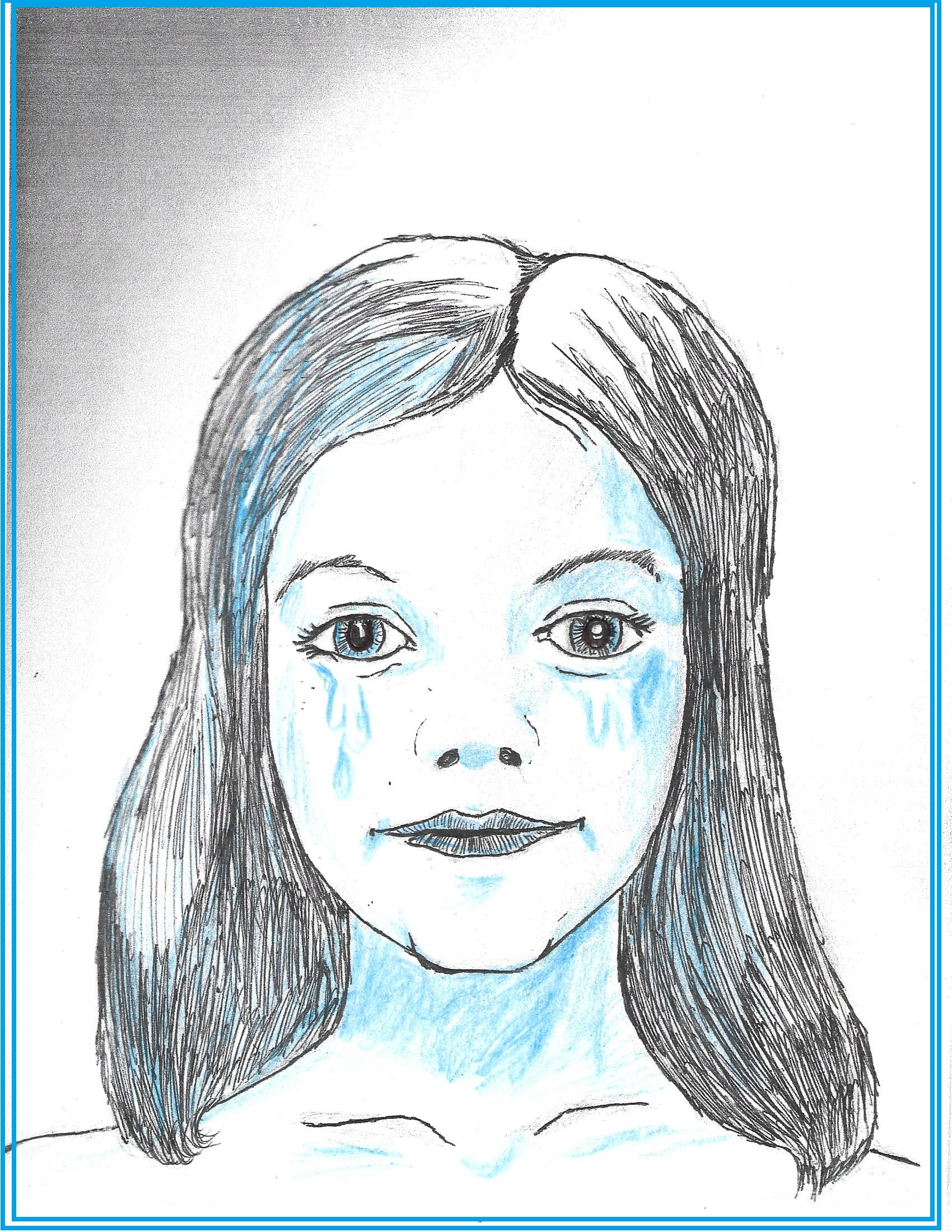
Tears fell everywhere. They were all silent, watching.
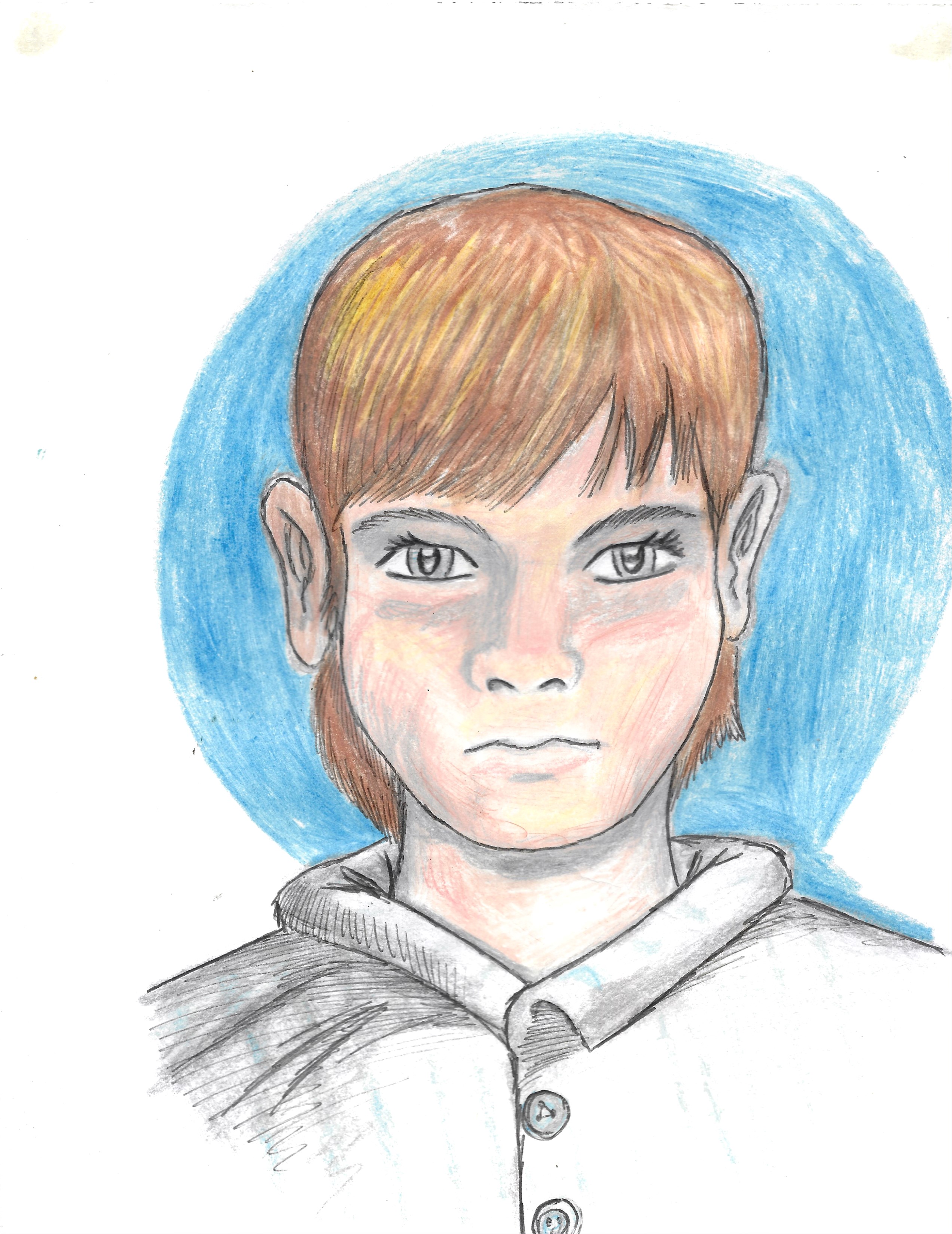
Her face was the moon.
And it was a blue moon.
But hopefully there would never be another blue moon.






 Catch a Falling Star